After a series of 3 flights, we landed in Budapest in the morning and started out seeing sights. We got tickets to the local hop on hop off bus for an easy way to get around to the tourist spots. We had plans to use it to get to an area of now permanent food trucks, but ended up side tracked by Gellert Hill.
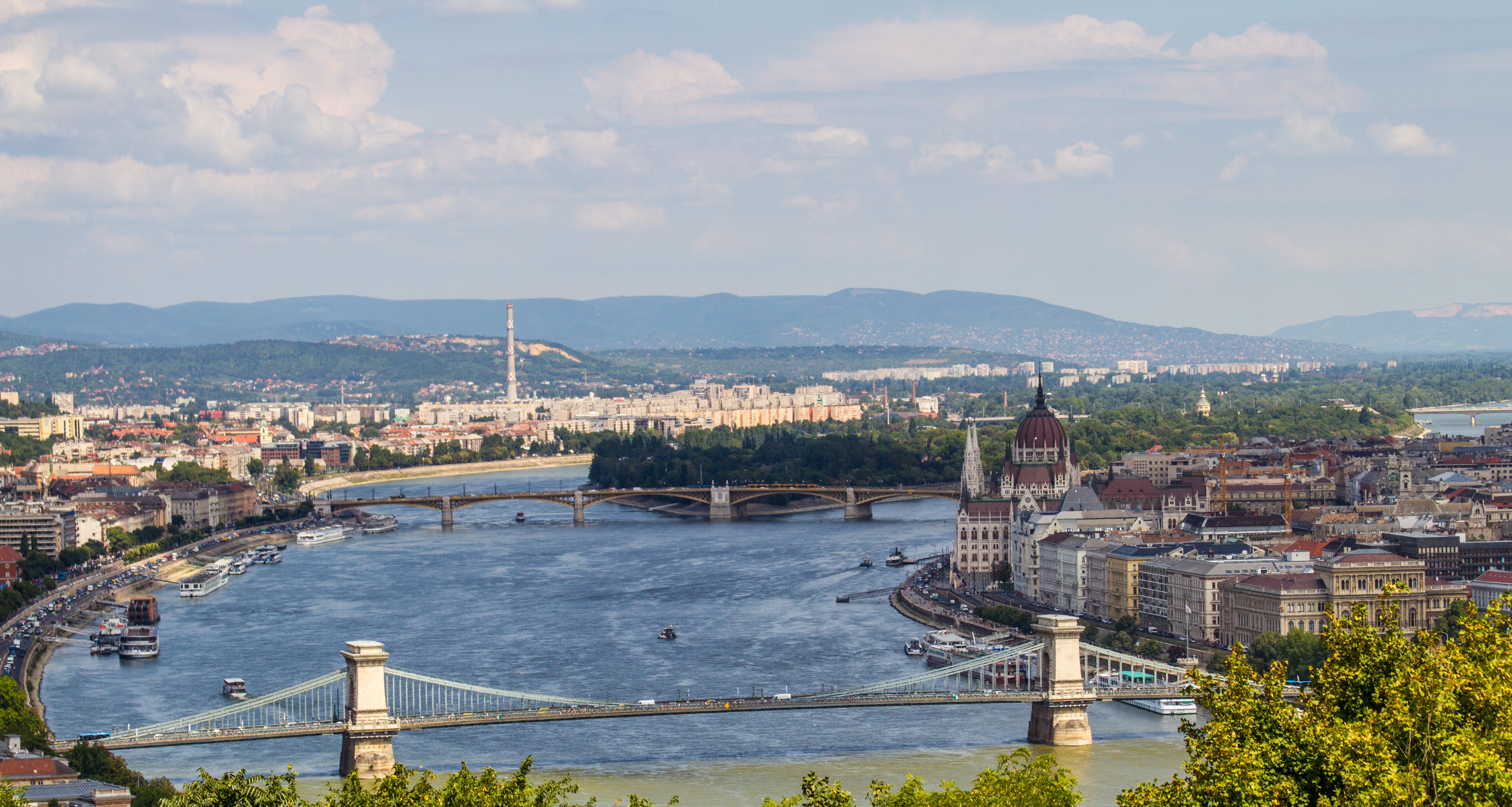
View of Budapest from Gellert Hill
Gellert Hill is named after St Gerard (Gerard = Gellert in Hungarian). St Gerard was a bishop killed in a pagan rebellion in 1046. He was reportedly put into either a cart or a barrel by the pagans and pushed off the cliffs into the Danube where he, obviously, died of his injuries. He was later canonized for his martyrdom and the hill was named after him. At the top of the hill is a fortification known as the Citadella. It was built in 1851 as an Austrian military fortress. Hungarians demanded it be destroyed after the establishment of the dual monarchy of Austria-Hungary in 1867, but the walls were not destroyed until 1900. The Nazis used it as an anti-aircraft position and as a bunker during WWII. During the Hungarian Revolution against the Soviets in 1957, Soviet troops used the Citadella to fire down on the city. The Communists also built a monument and statue on the site to commemorate the fact that they had “freed” the Hungarians from the Nazis. The statue was known as the liberation statue. After Communism fell in 1989 the Hungarians renamed it the Liberty Statue or the Freedom Statue. They also changed the inscription on the monument, removing the self-serving Soviet inscription and replacing it with: “To the memory of those all who sacrificed their lives for the independence, freedom, and prosperity of Hungary”
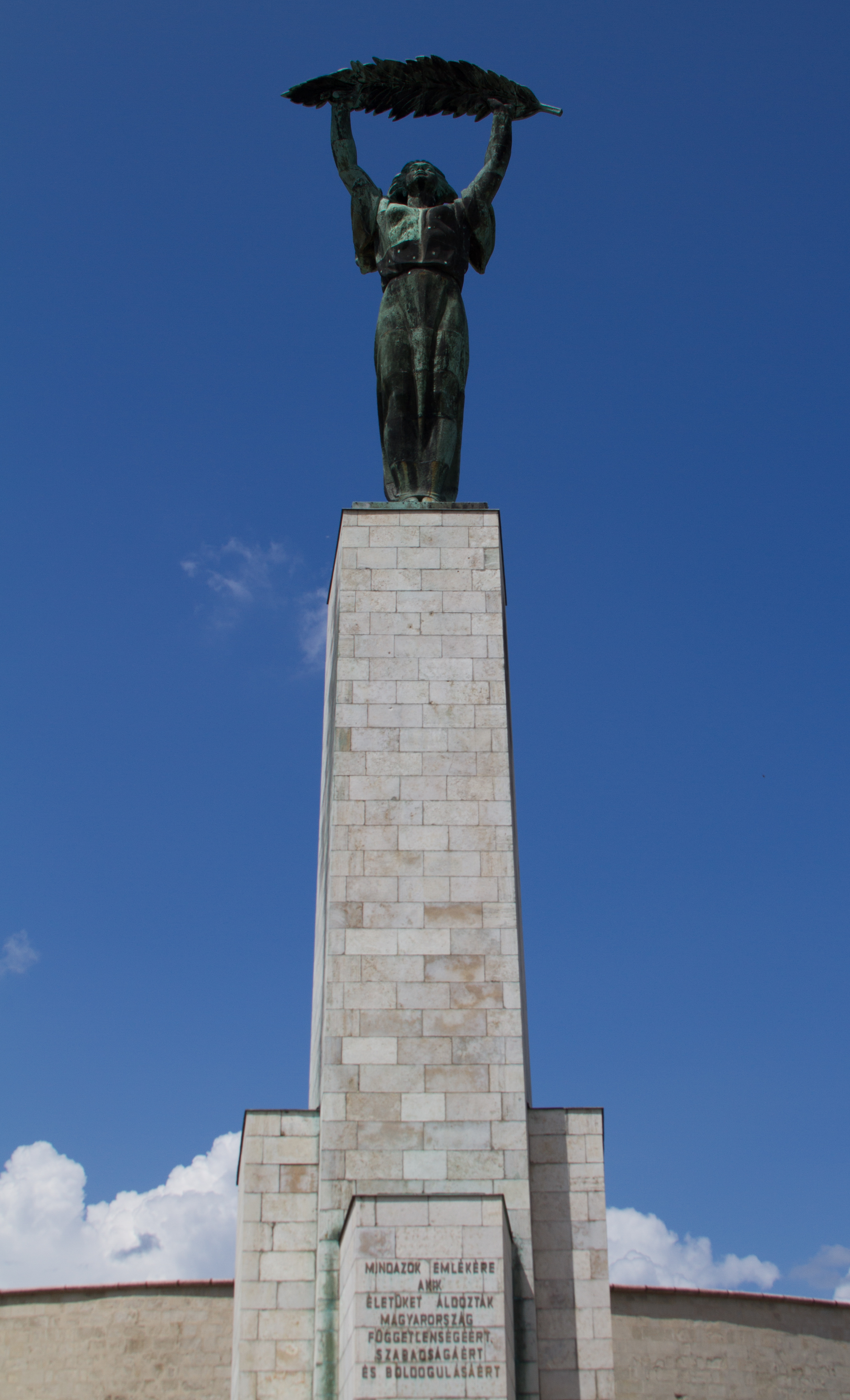
Liberty Statue
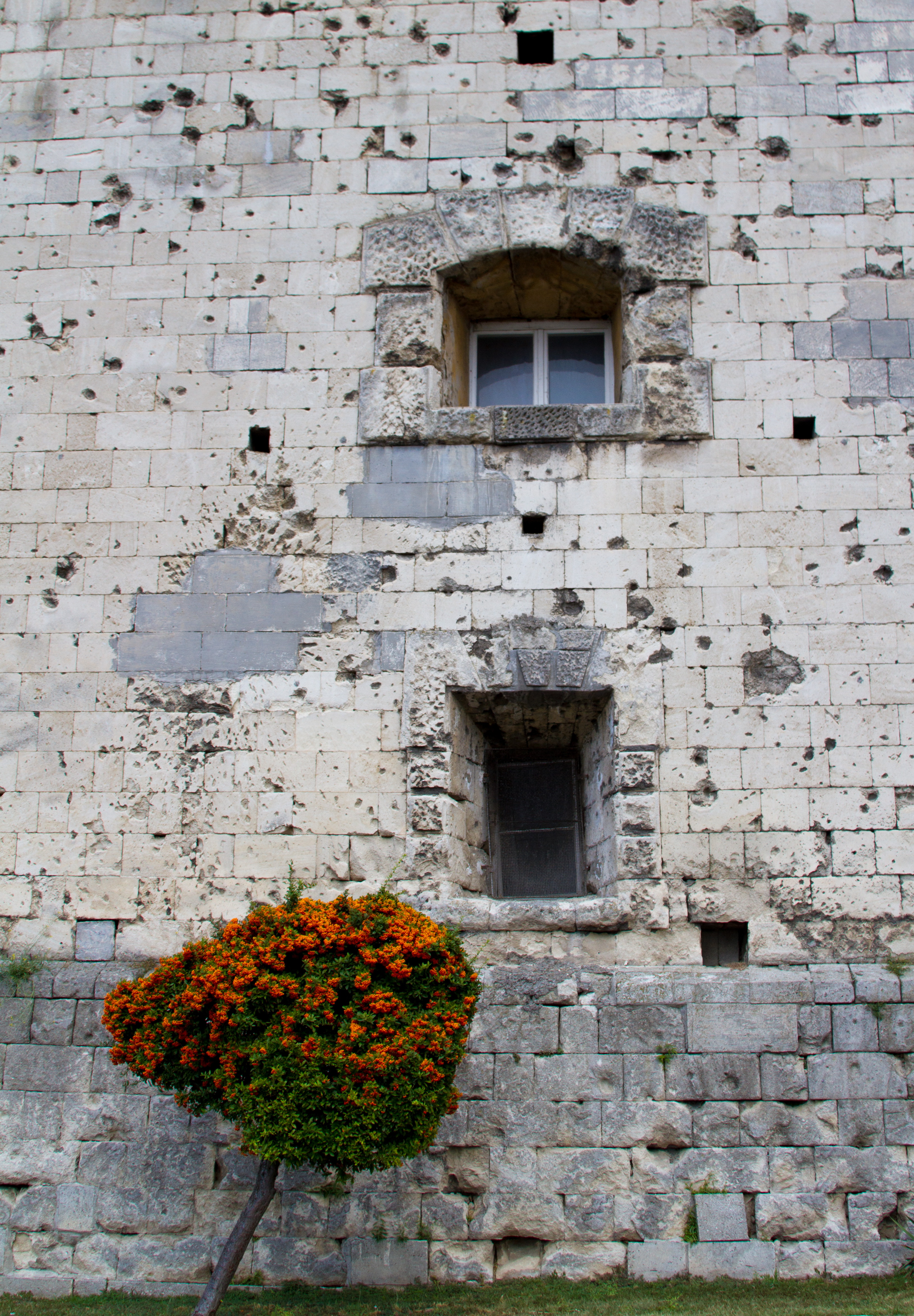
Shot up wall of the Citadella
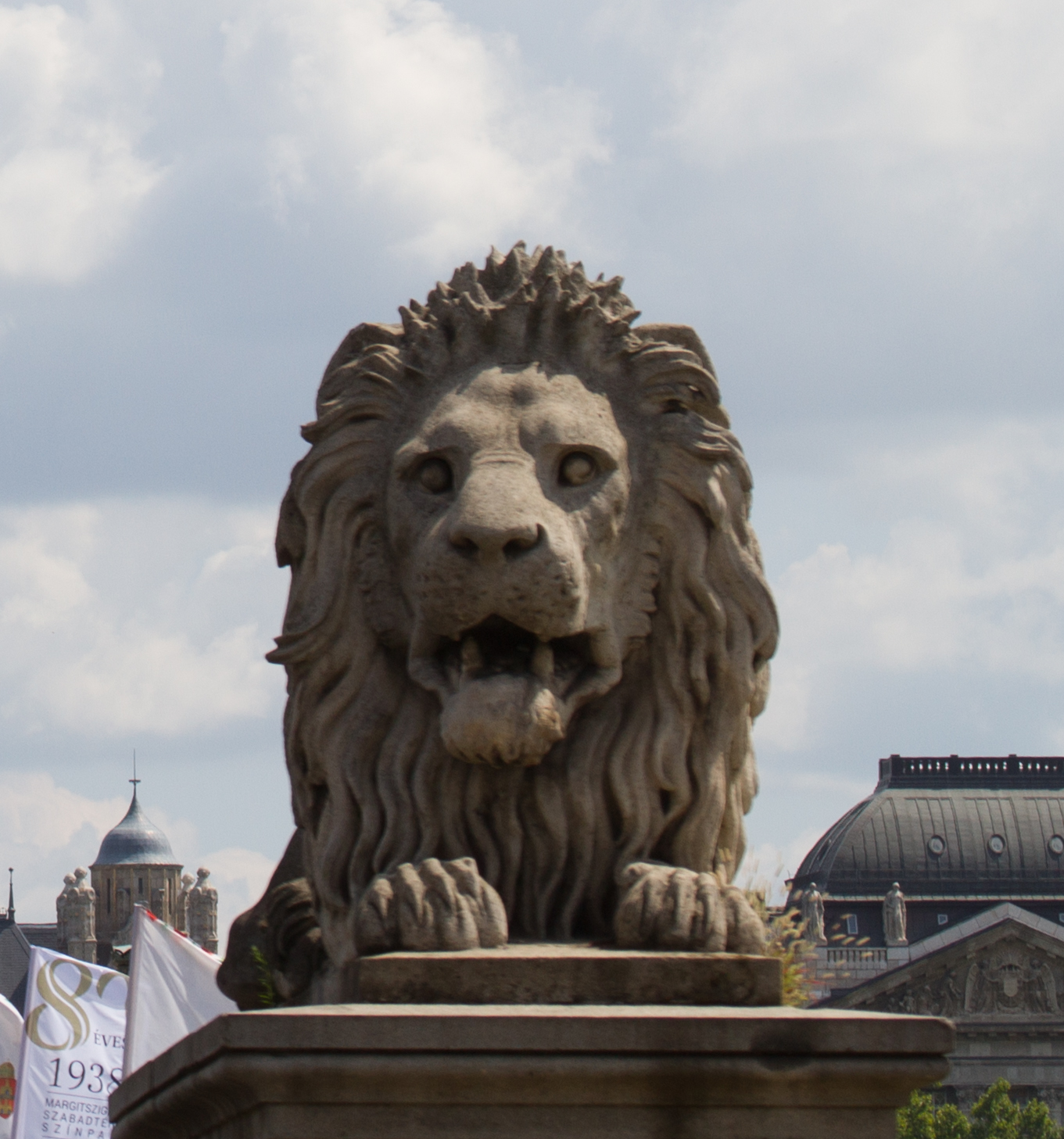
Lion at the end of the Chain Bridge at the base of Gellert Hill
For the record, Gellert Hill has some of the best views of Budapest.
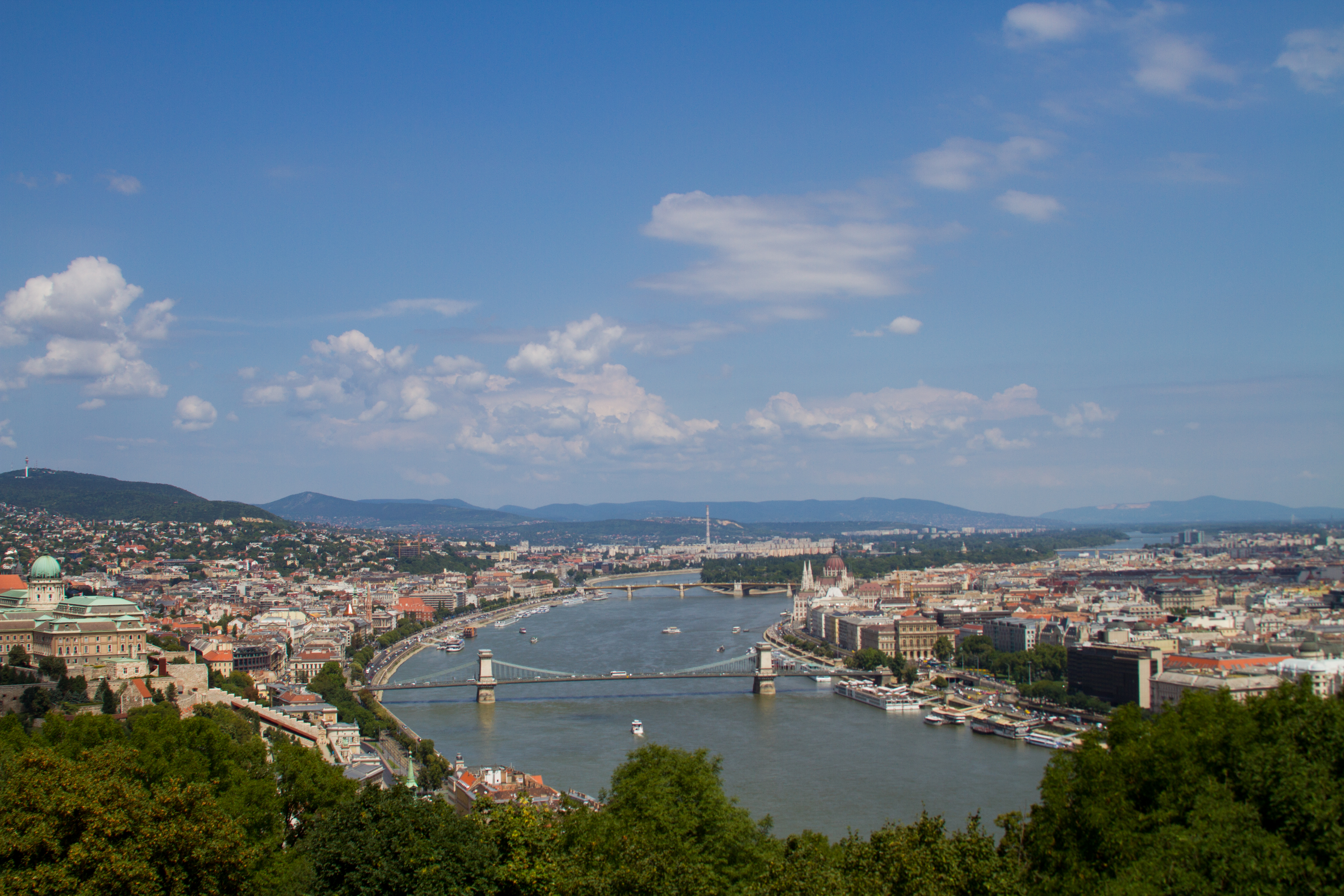
Another view of Budapest from Gellert Hill
After taking in the wonderful views, we got back on a bus and made it to our original destination: Karavan. This is a collection of now permanent food trucks/kiosks located in the Jewish Quarter. I had read about it online (as it has quite a following) and it has a reputation as the best street food in Budapest. I even found it on some of the “best restaurant” lists for Budapest. It was a fun excursion that had some typical food truck type fare mixed in with local foods. I had langos, which is a fry bread topped with sour cream and cheese. It was fun and worth a little walk.
From there we went to the Dohany Street Synagogue. This is reportedly the second largest synagogue in the world. They have a wonderful museum of Jewish artifacts, unfortunately, many of them family items of people who died in the Jewish Ghetto during WWII. The Synagogue was built between 1854-1859. During WWII, the Synagogue was part of the Jewish Quarter that made up the Jewish ghetto. This area was surrounded by fences and a stone wall. It was in operation during Nazi occupation of Budapest from November 1944 until the Soviets removed the Nazis January 17, 1945. During that time no food was allowed into the Jewish Quarter and nobody went in or out. Thousands died. During the entire time of the Nazi occupation of Budapest, the Jewish population went from 200k to 70k in the the ghetto with another approximately 20k given diplomatic immunity. More than half of those lost were sent to concentration camps, mostly along the Austrian border. The last remaining section fo the ghetto wall was demolished in 2006, although there are apparently tiny portions remaining in some parts of the Jewish quarter.
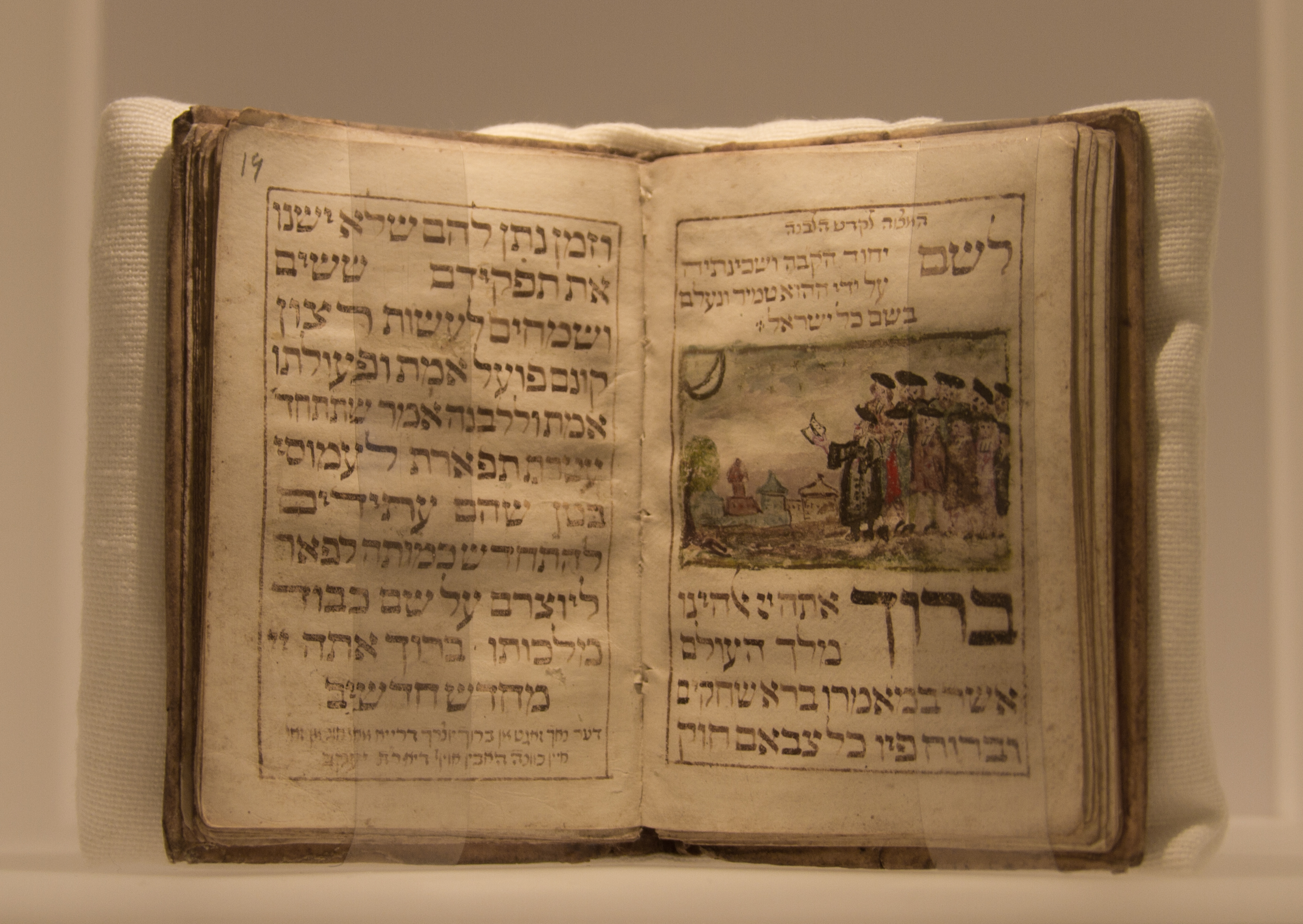
Jewish prayer book from 1739
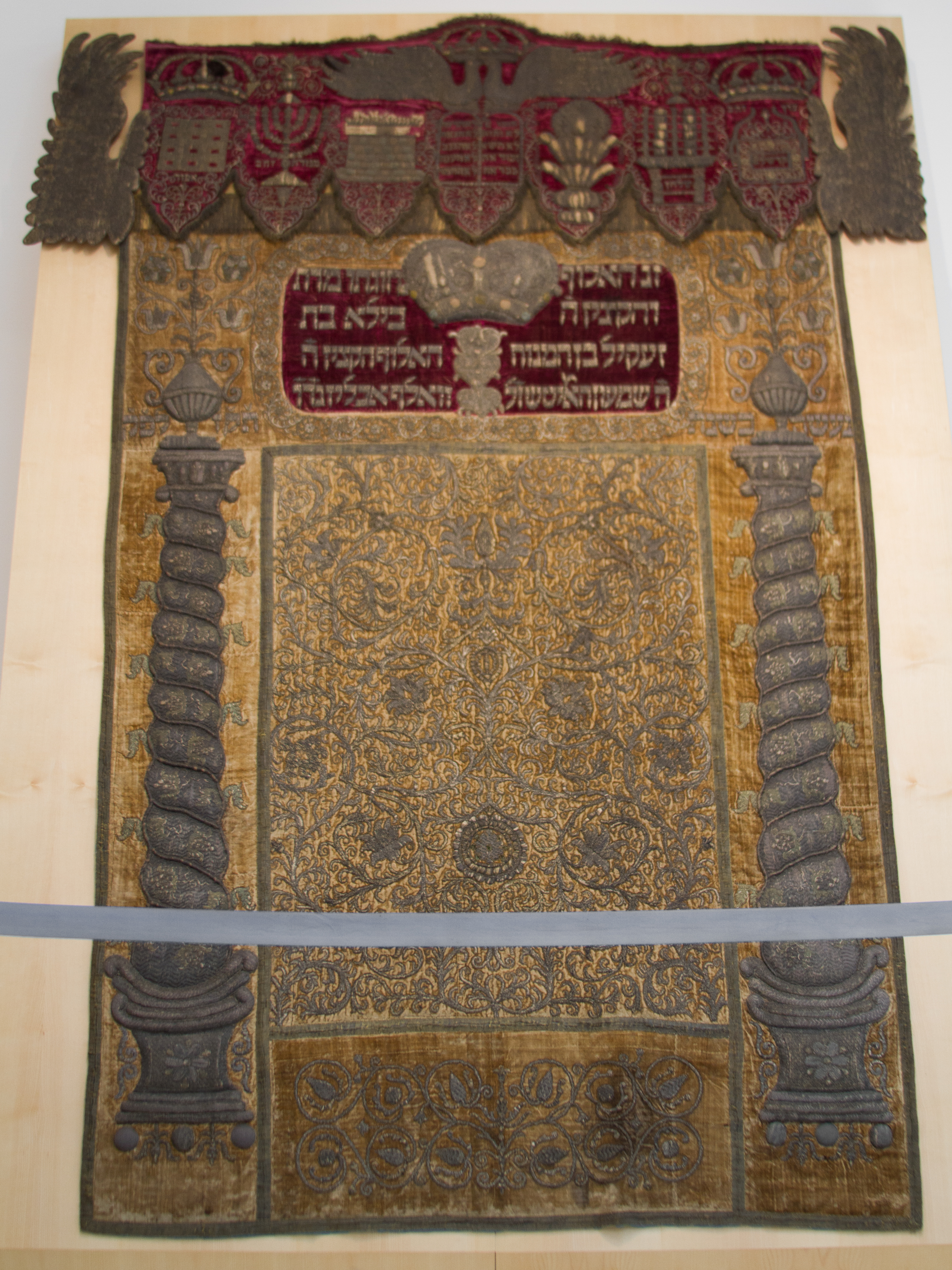
Torah Ark Curtain 1742: separated the ark from the main part of the synagogue
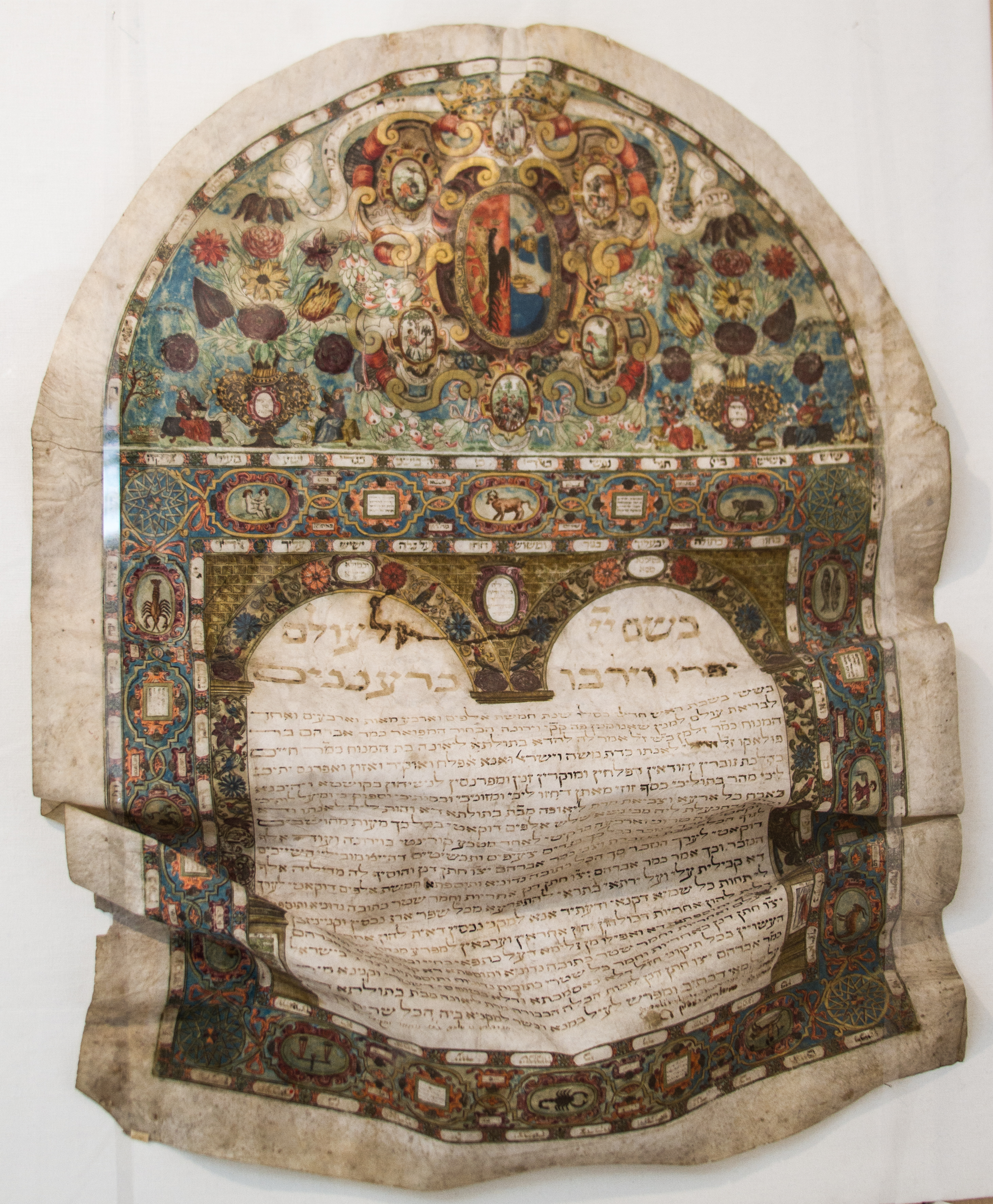
Ornate marriage license from 1681
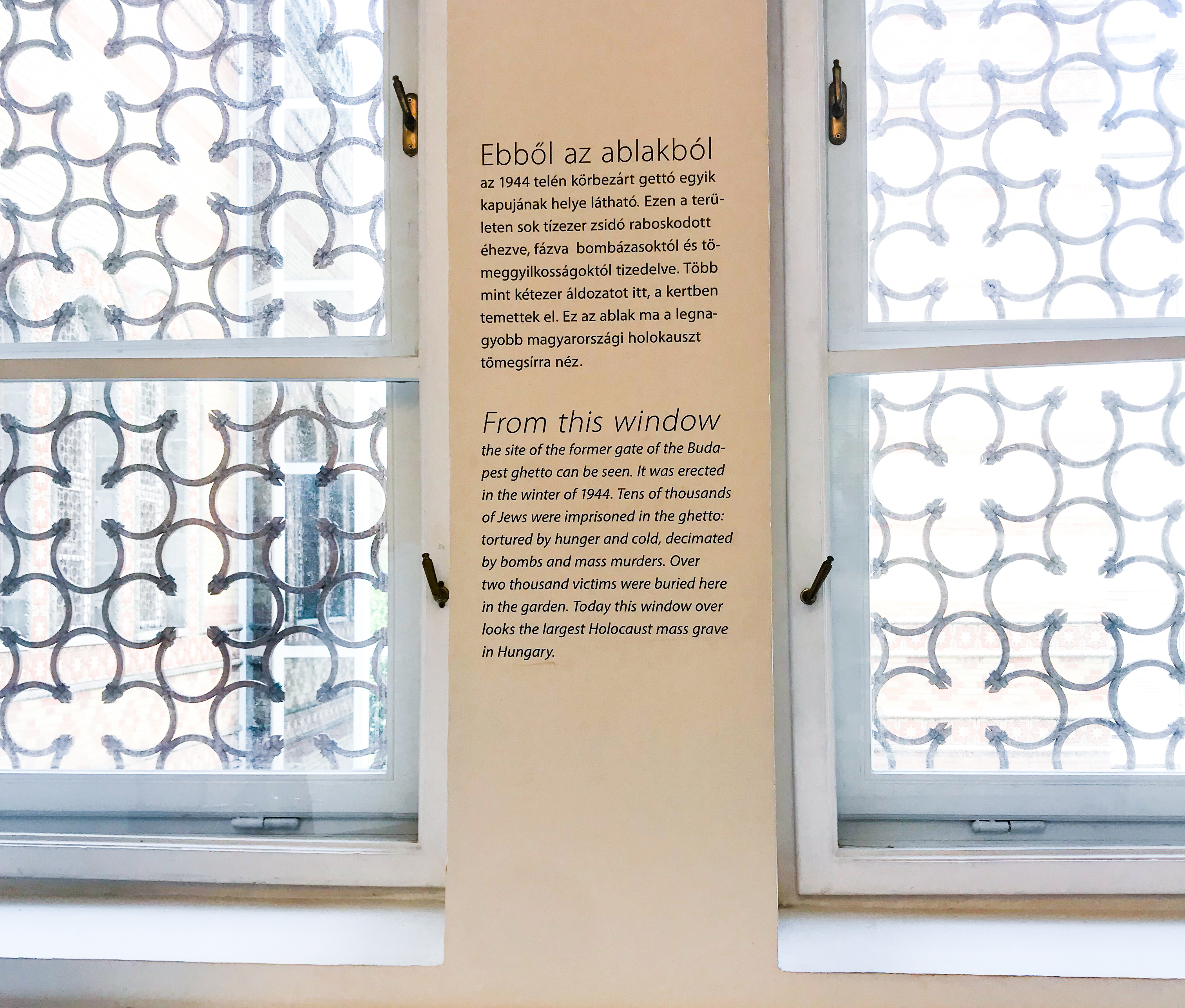
window
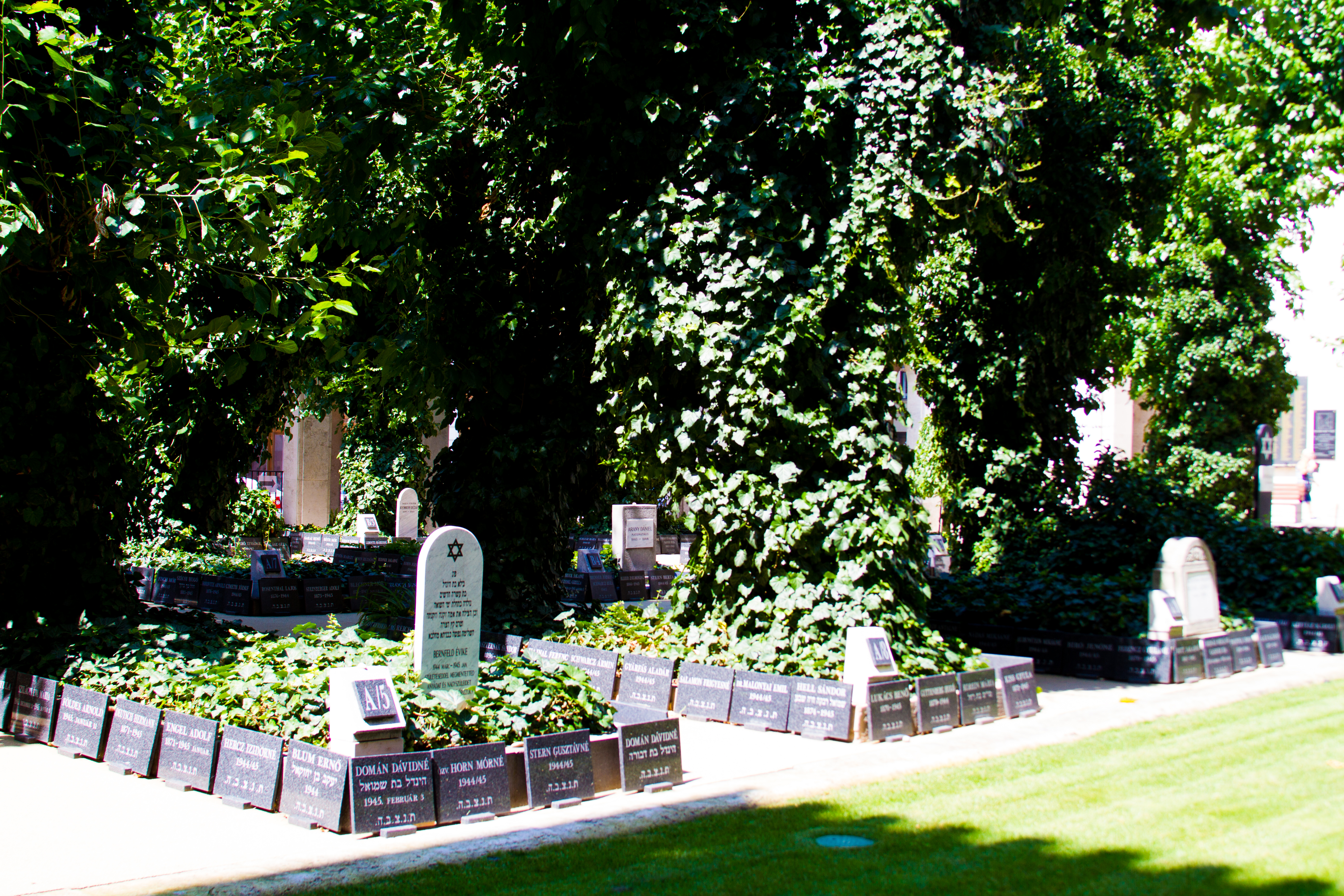
the garden where thousands are buried
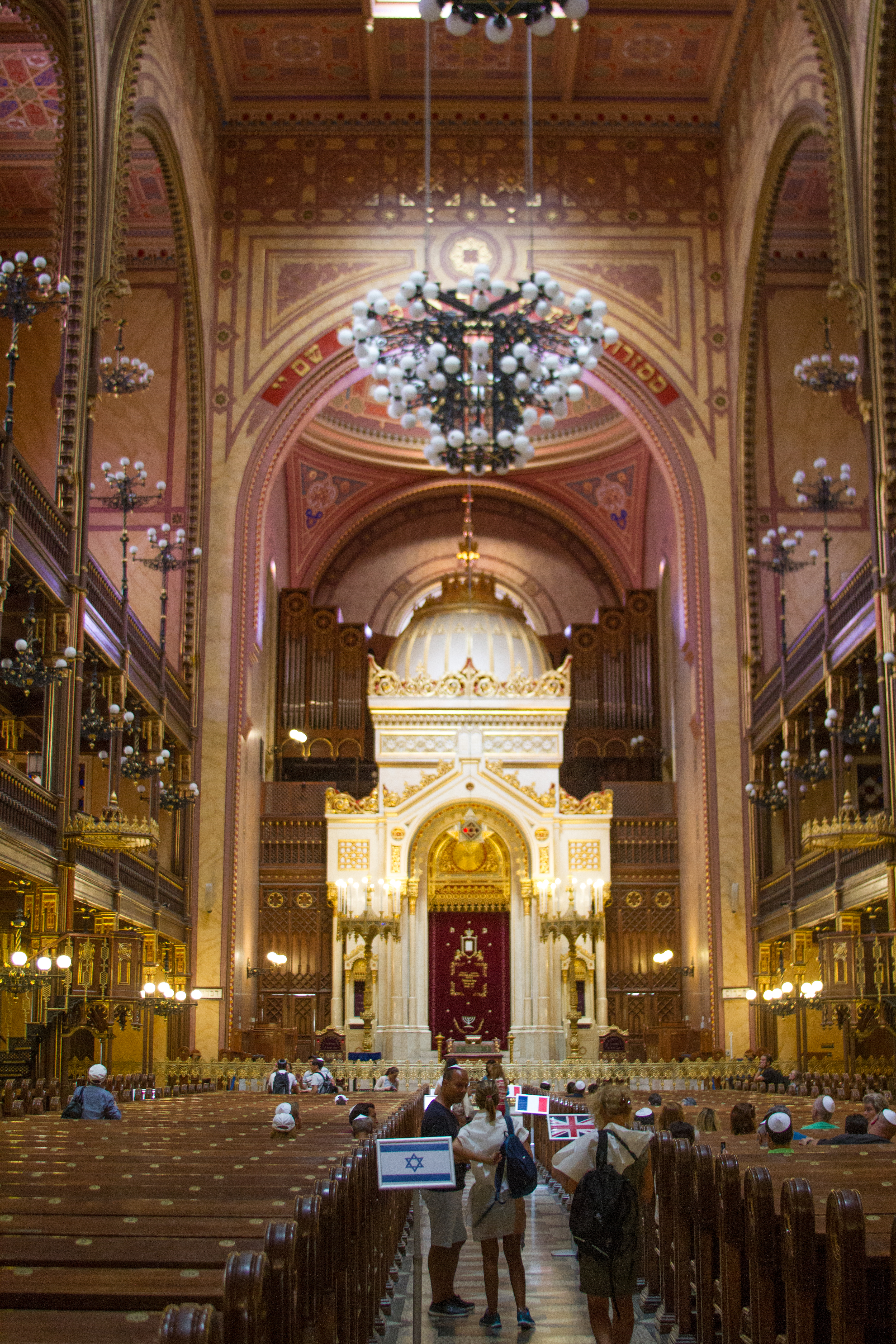
inside the synagogue
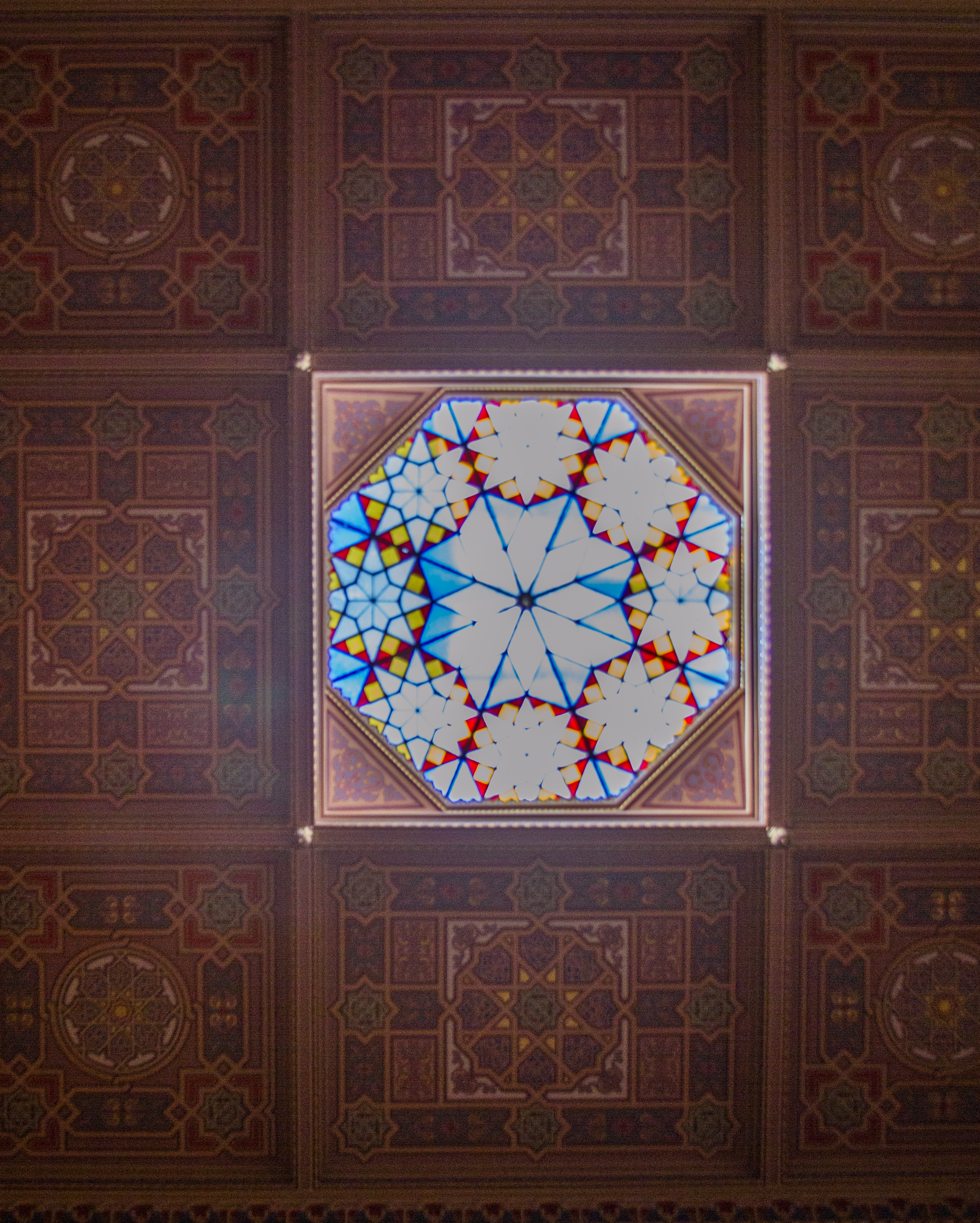
part of the celing
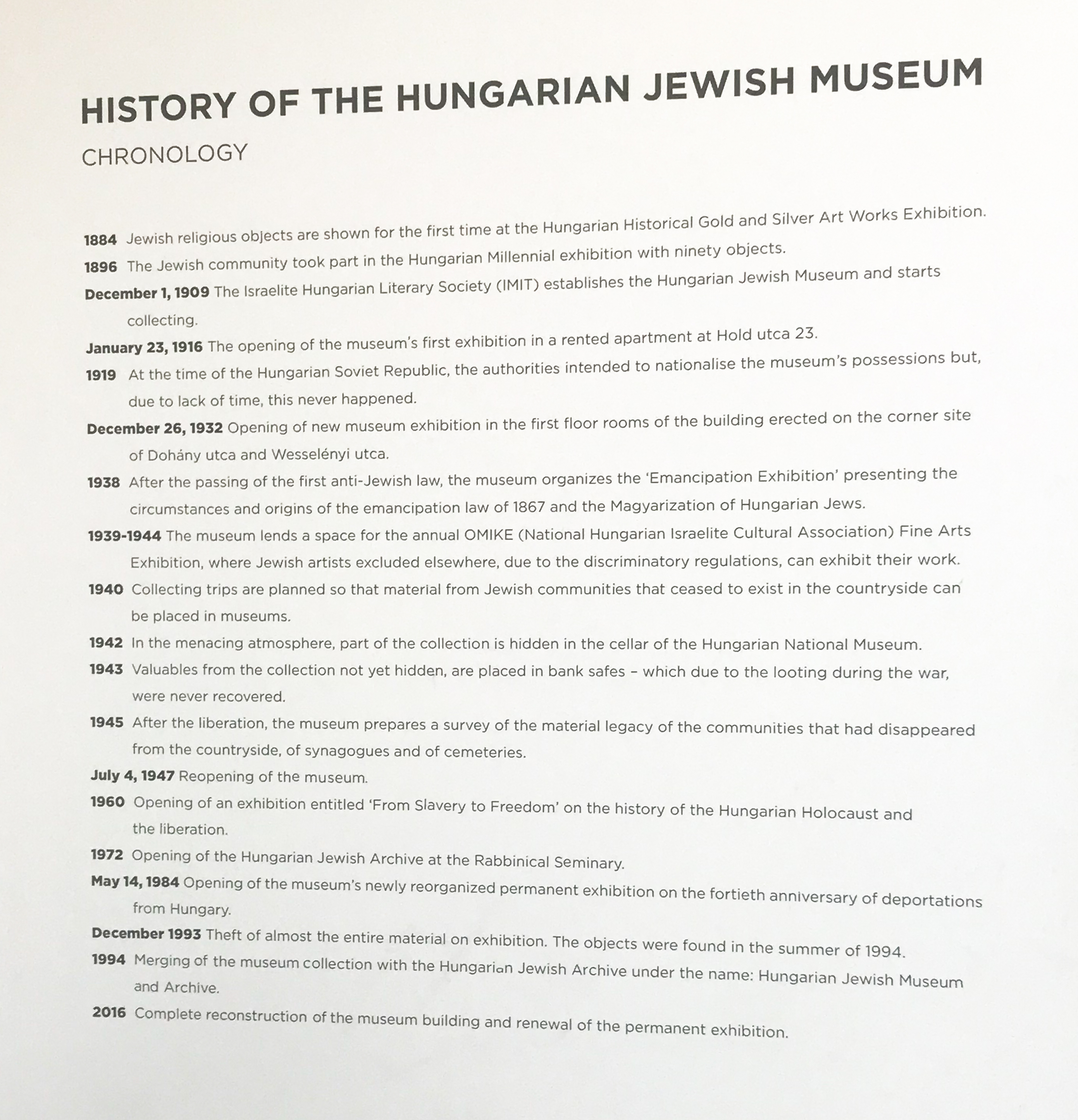
History of the museum: worth a read
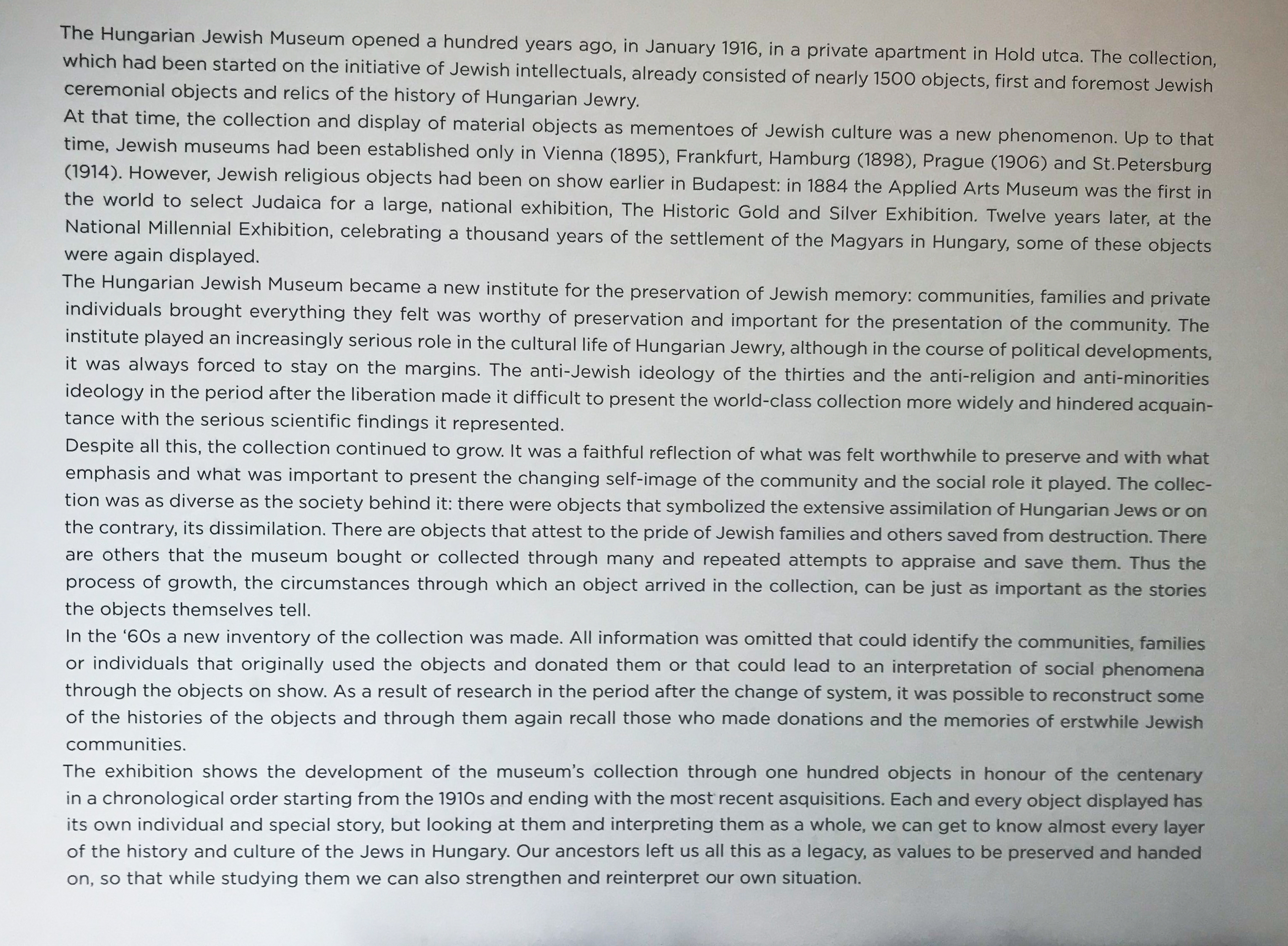
more history of the museum
After that it was finally time for a nap. There’s only so long we can carry on. We did ride the hop on hop off bus around some more to get in some more sights, but we didn’t stop anywhere else today.
We had dinner in a square not too far from our hotel. I had goulash, which is nothing like what we call goulash at home. This is much better. It is also different from the Czech goulash, which I will try again in about a week. We had the Hungarian version of chimney cake, locally called kurtoskalacs. We love the trdelníks in Prague…cooked over coals or wood. We couldn’t find any baked like that tonight and the ones we found we baked sometime earlier and placed in plastic bags, so overall we were disappointed. We are looking forward to rest and another full day in Budapest tomorrow.
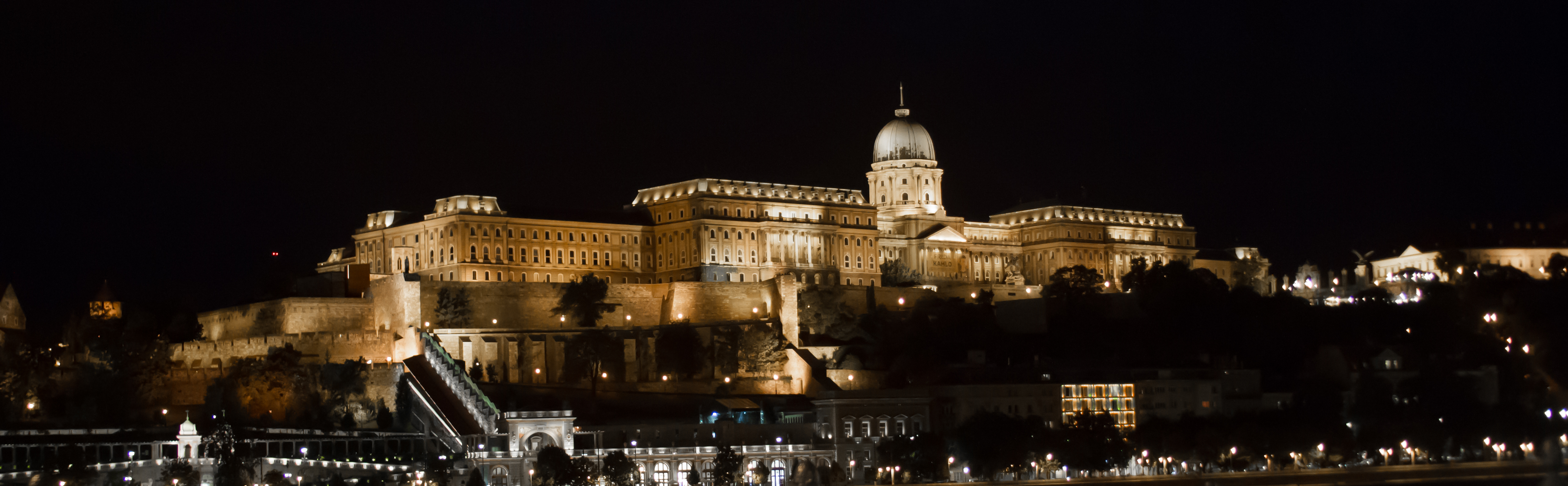
Night view of the palace
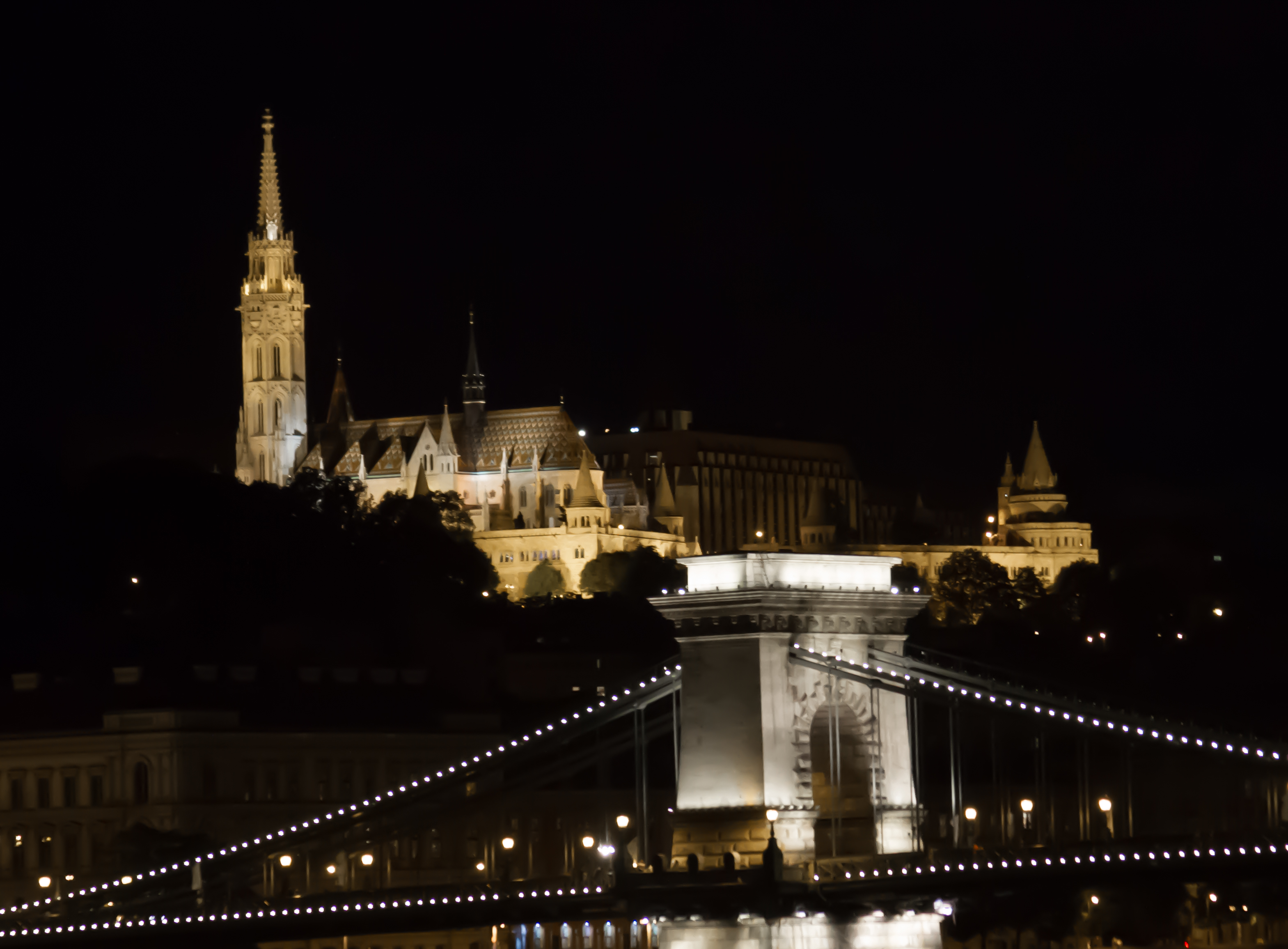
Night view of Fisherman’s Bastion/St Matthias Church
 Will Suture for Travel
Leave a comment