We spent today exploring Bucharest’s old town. We spent our time walking around, the morning on a guided tour and the afternoon on our own. Our guide for the morning was a teenager during the revolution against the communist government in 1989 and her perspective was interesting as we were a similar age hearing about all of this in the US. She told us about living under the communist government and doing homework in the dark because they would “run out of electricity” at a certain time of the day each day. She said that Romania was the last of the Eastern Block to fall. She said that Nicolae Ceaușescu, the communist leader of Romania, and his wife fled the capitol in a helicopter in December and a few days later they were captured, tried, and quickly executed by firing squad. She said their war against communism was bloody and about 1600 died. Our hotel was near Revolution Square, where it all started. There is a monument there with the names of all who died for the country’s freedom. There is another monument at an intersection in the city. Our guide explained that the country is still trying to rebuild from communism. She said that the country was left with many unfinished and abandoned buildings. That is definitely apparent. They are definitely working on this, but there are clearly many abandoned and unfinished buildings all over downtown. There also are many stereotypical Soviet era buildings.
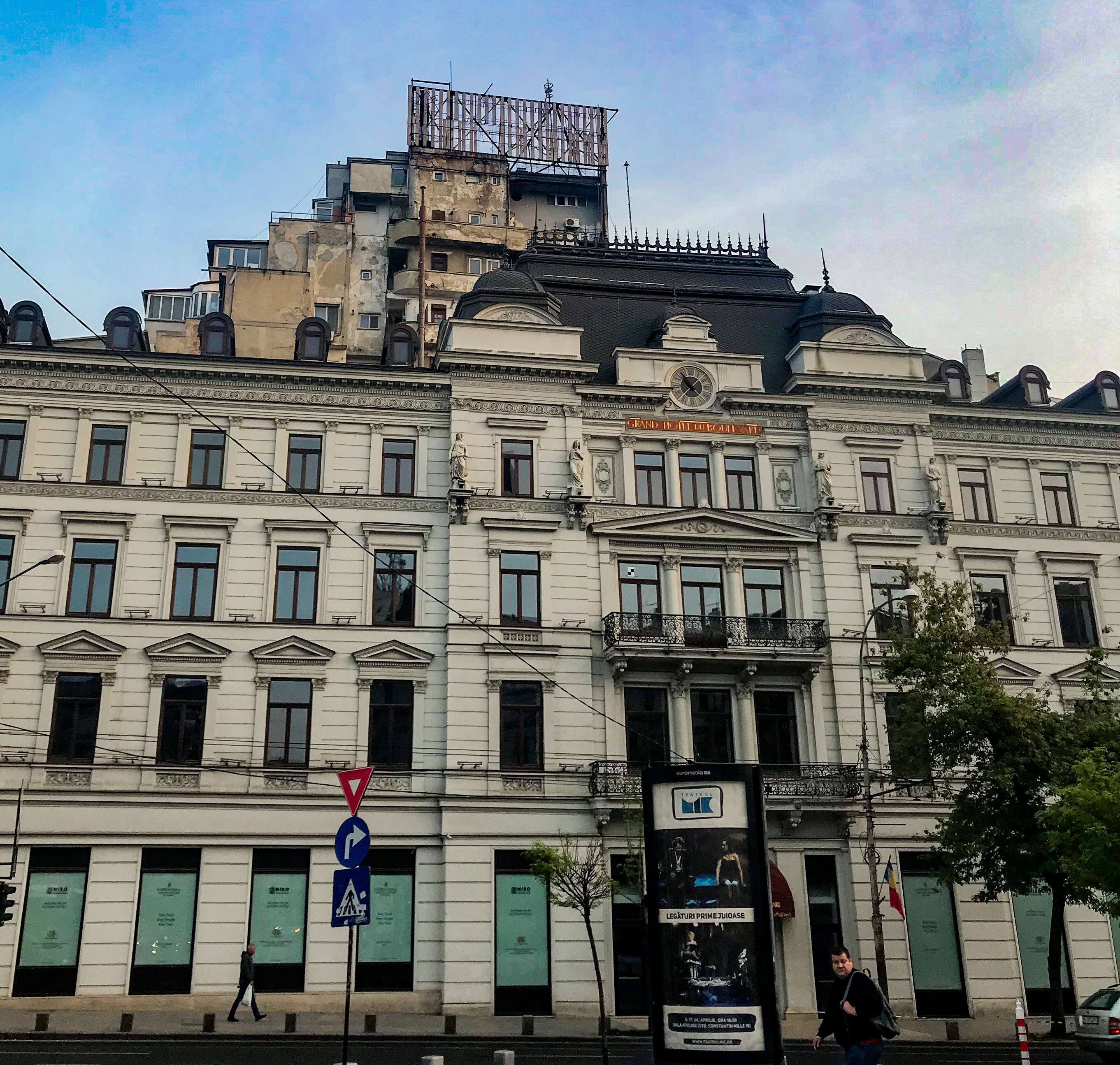
Renovated building with dilapidated building above it.
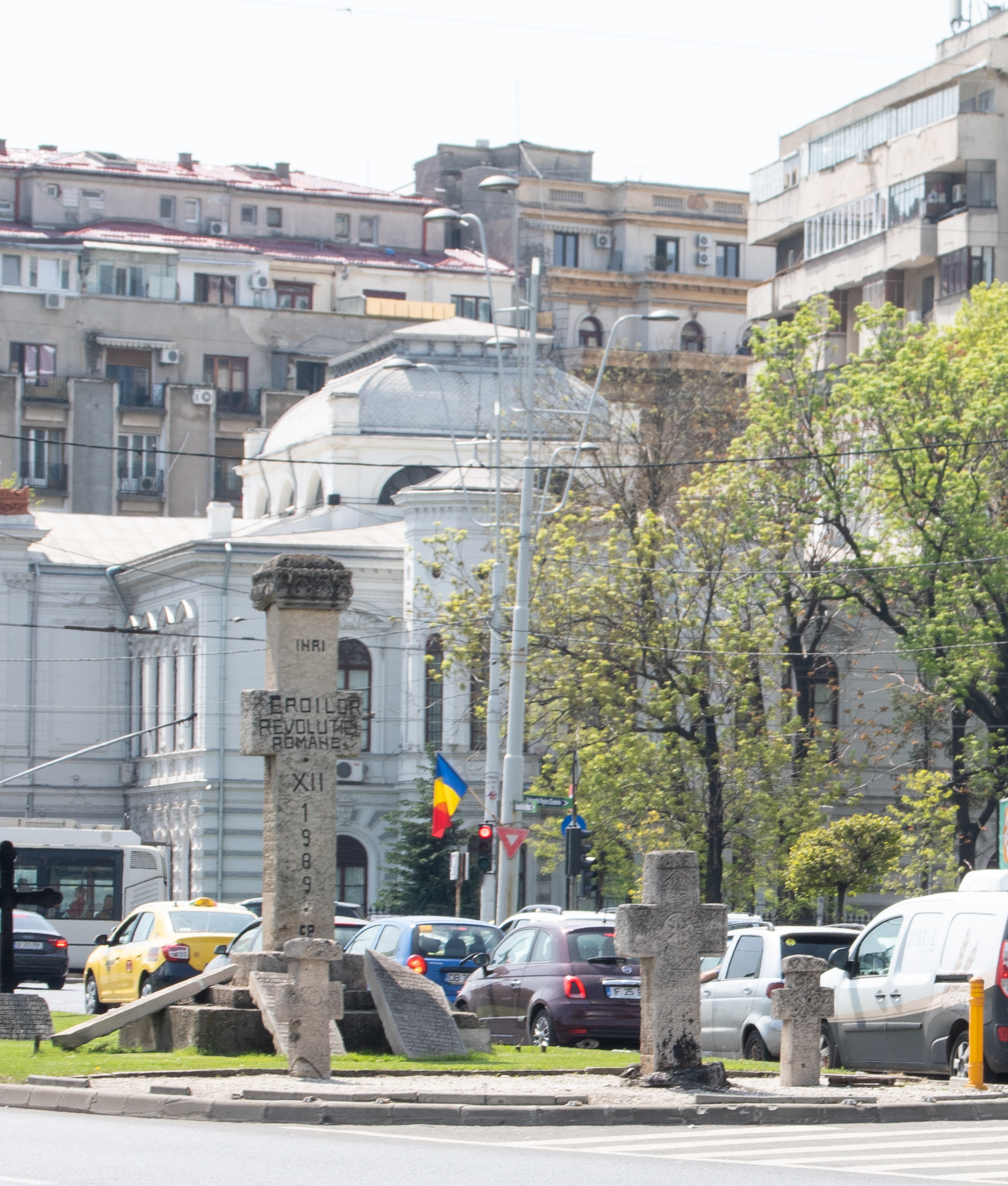
Monument to those who died in the revolution
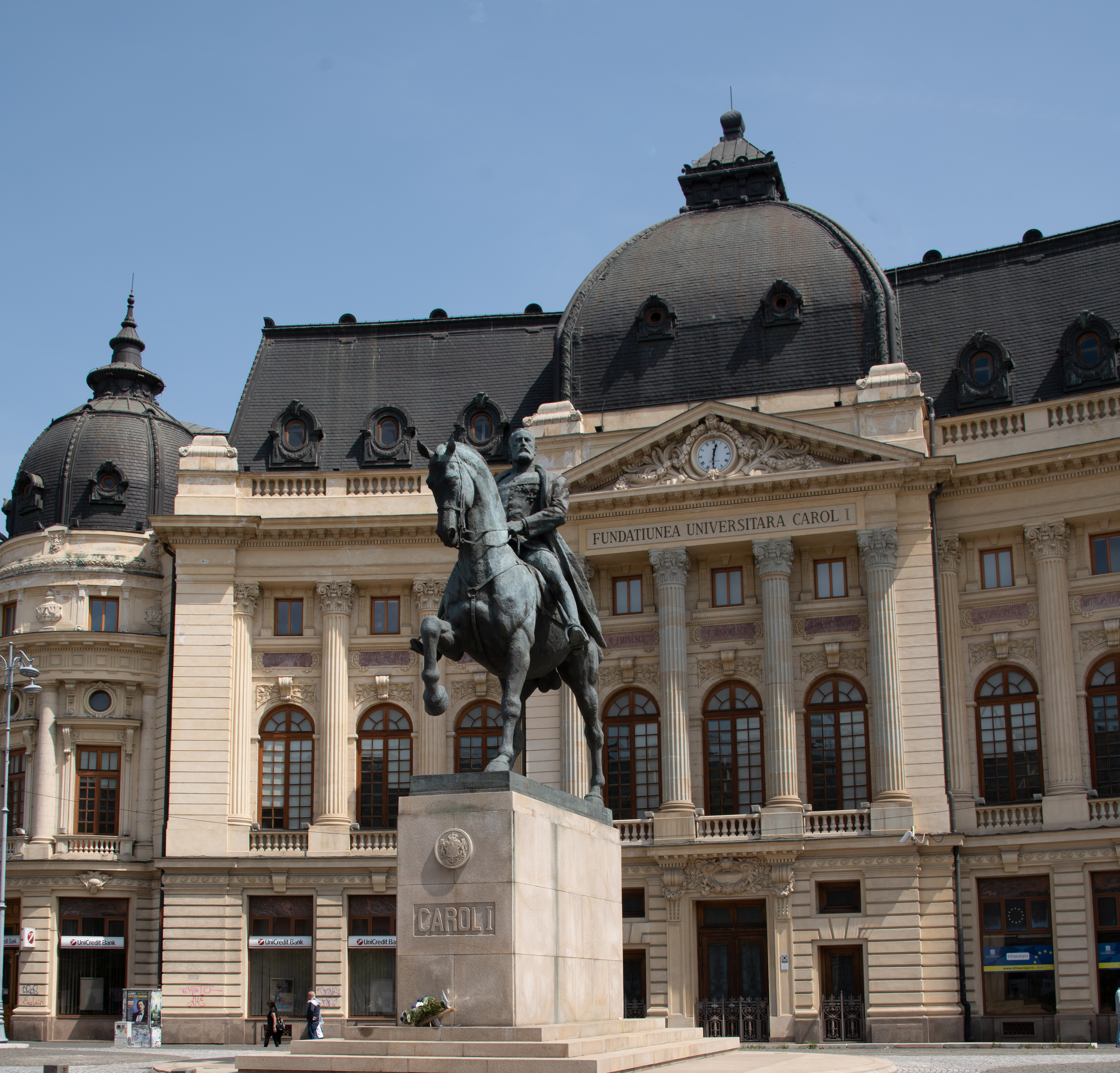
Statue of one of the kings
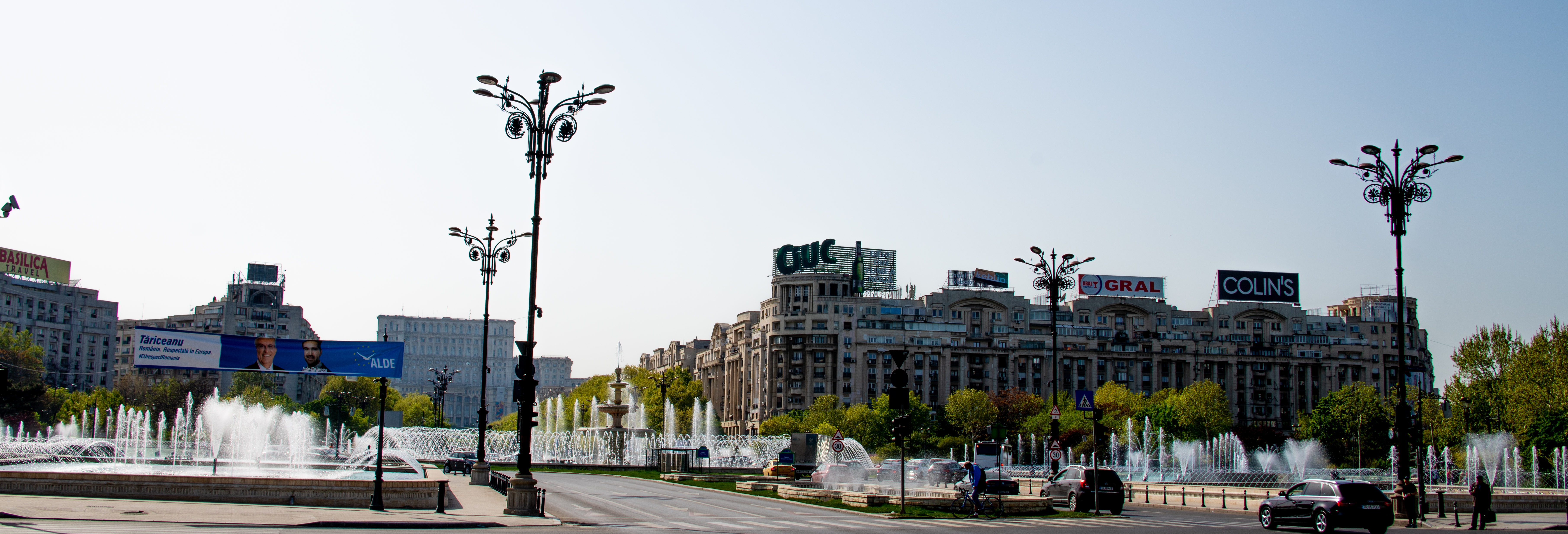
City fountains
We drove by the Palace of the Parliament. This was built by Nicolae Ceaușescu starting in 1984. It was started as a palace for himself. It is the 2nd largest building in the world, behind the Pentagon. According to Wikipedia: The Palace has a height of 84 metres (276 ft), a floor area of 365,000 square metres (3,930,000 sq ft) and a volume of 2,550,000 cubic metres (90,000,000 cu ft). The Palace of the Parliament is the heaviest building in the world, weighing about 4,098,500,000 kilograms (9.0356×10⁹ lb). It currently houses the Romanian Parliament and 70% of the colossal building is unused. This thing is impressive!
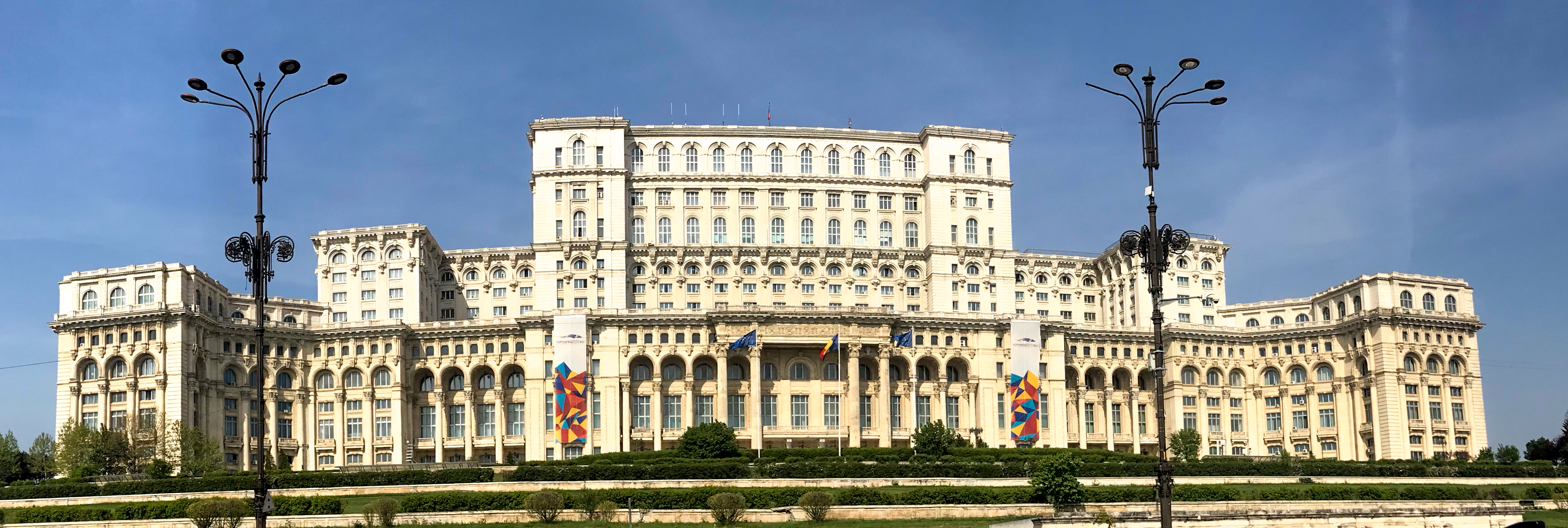
Palace of the Parliament
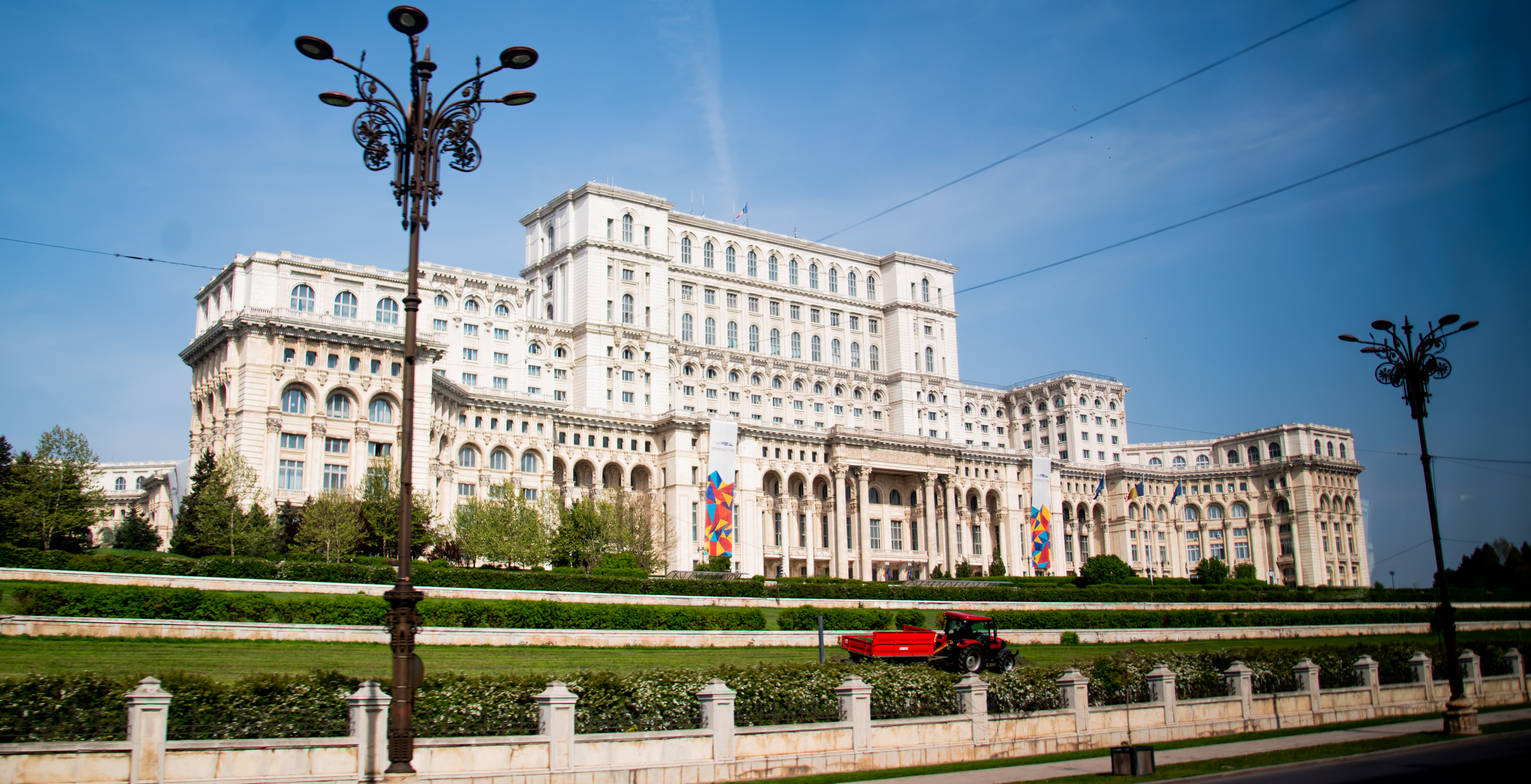
Palace of the Parliament
Our guide said that Nicolae Ceaușescu ordered that everything used in the construction the palace be from Romania so that they could say it was 100% Romanian. Next to the Parliament they are currently building a similarly large orthodox church.
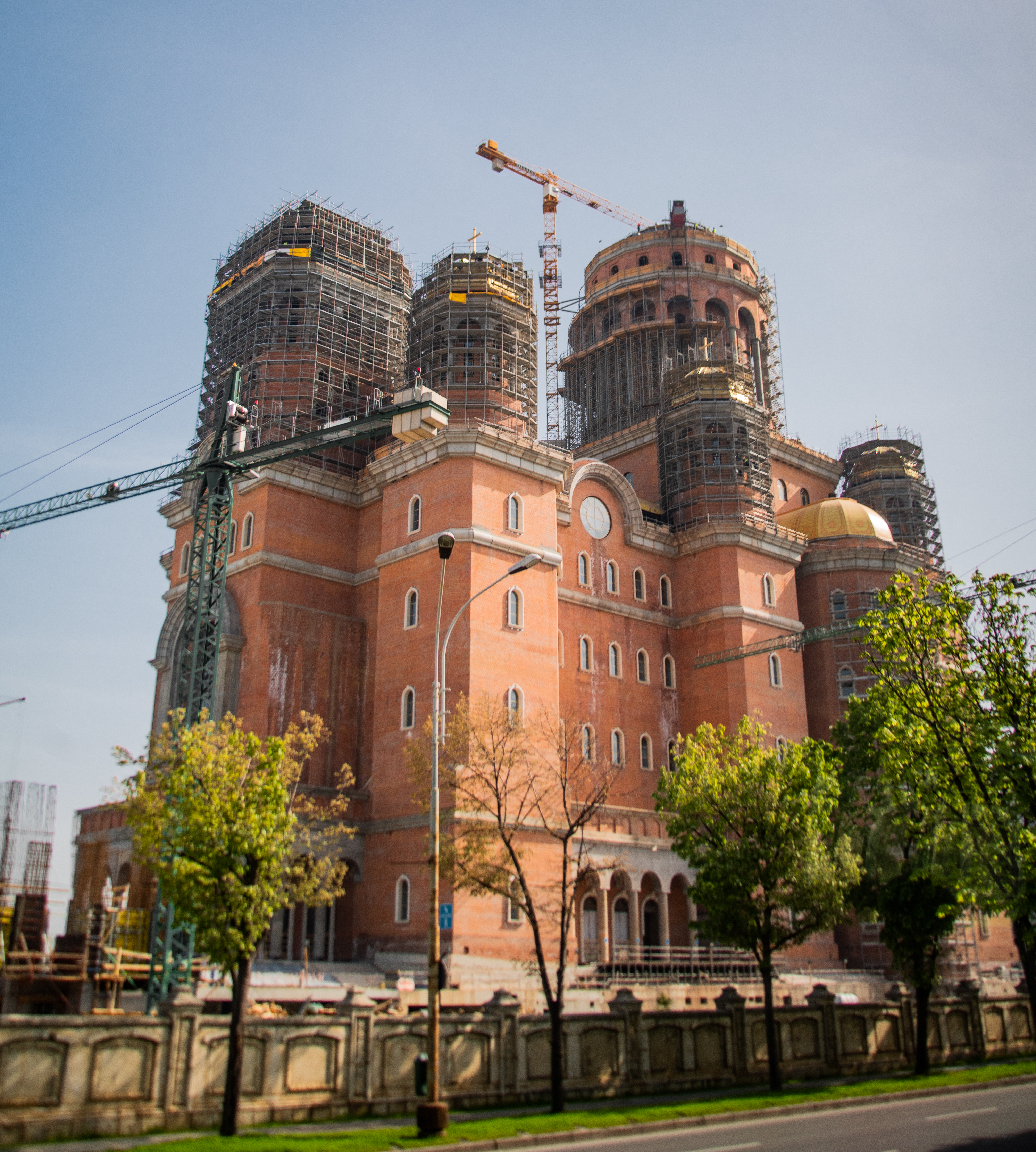
New Orthodox Church
Some other background information about where we are…
Bucharest is the capitol of Romania. It has a population of about 2 million and is the largest city in Romania. Bucharest was first mentioned in documents in 1459. It became the capital of Romania in 1862. The city was modeled after Paris because one of the Romanian kings was enamored with the city and wanted to recreate it in Bucharest.
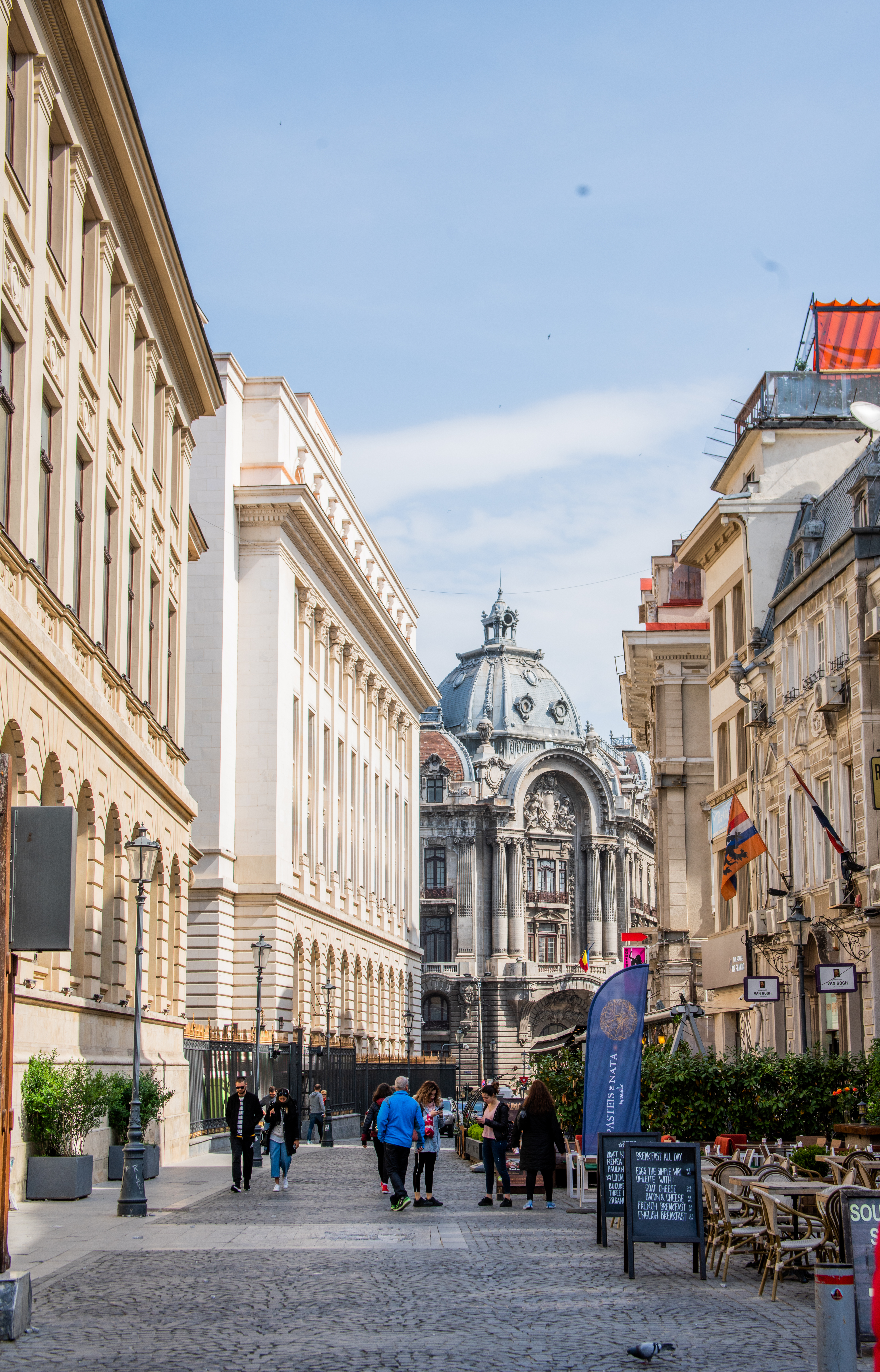
Old Town
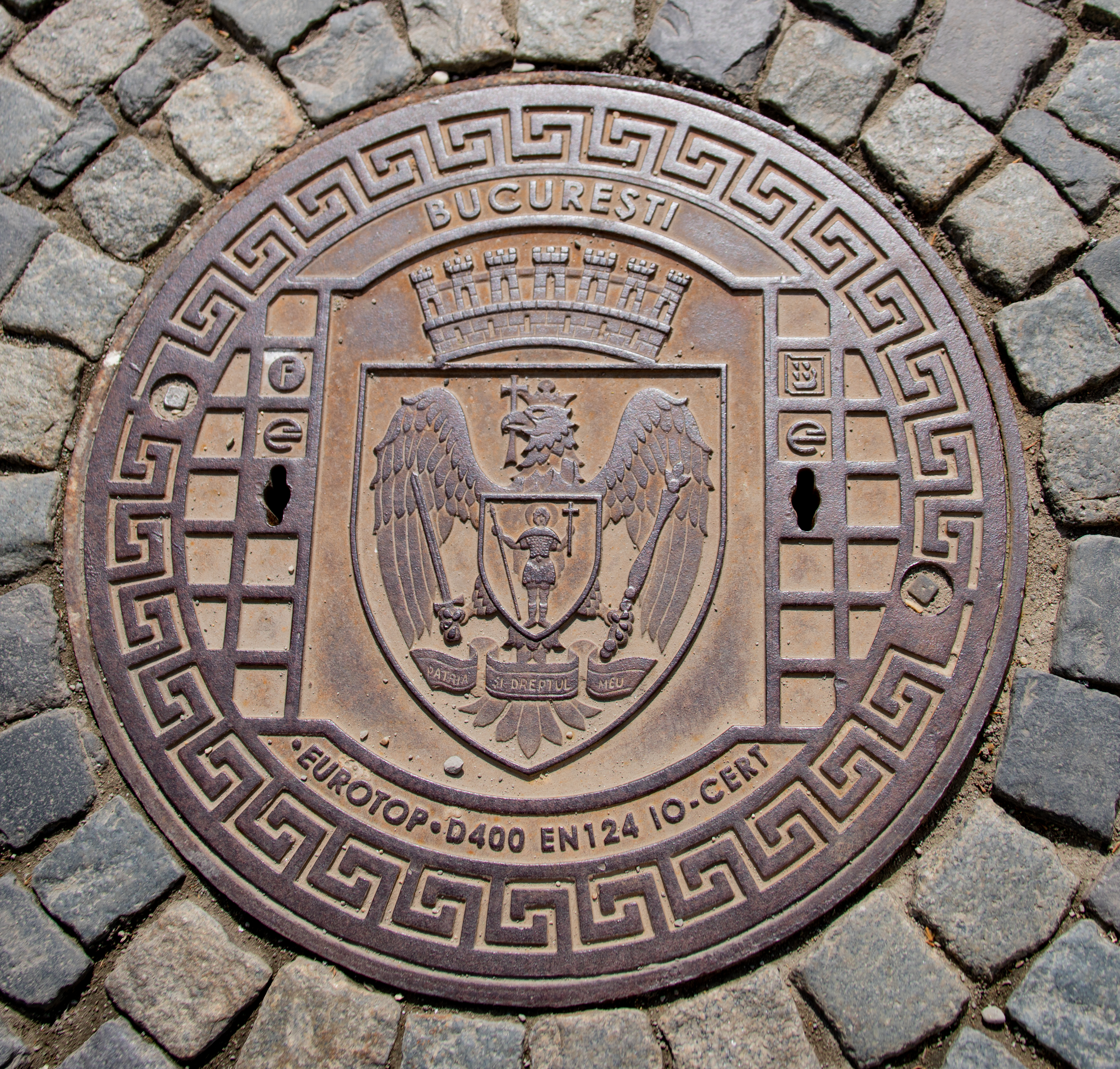
Manhole Cover in Old Town
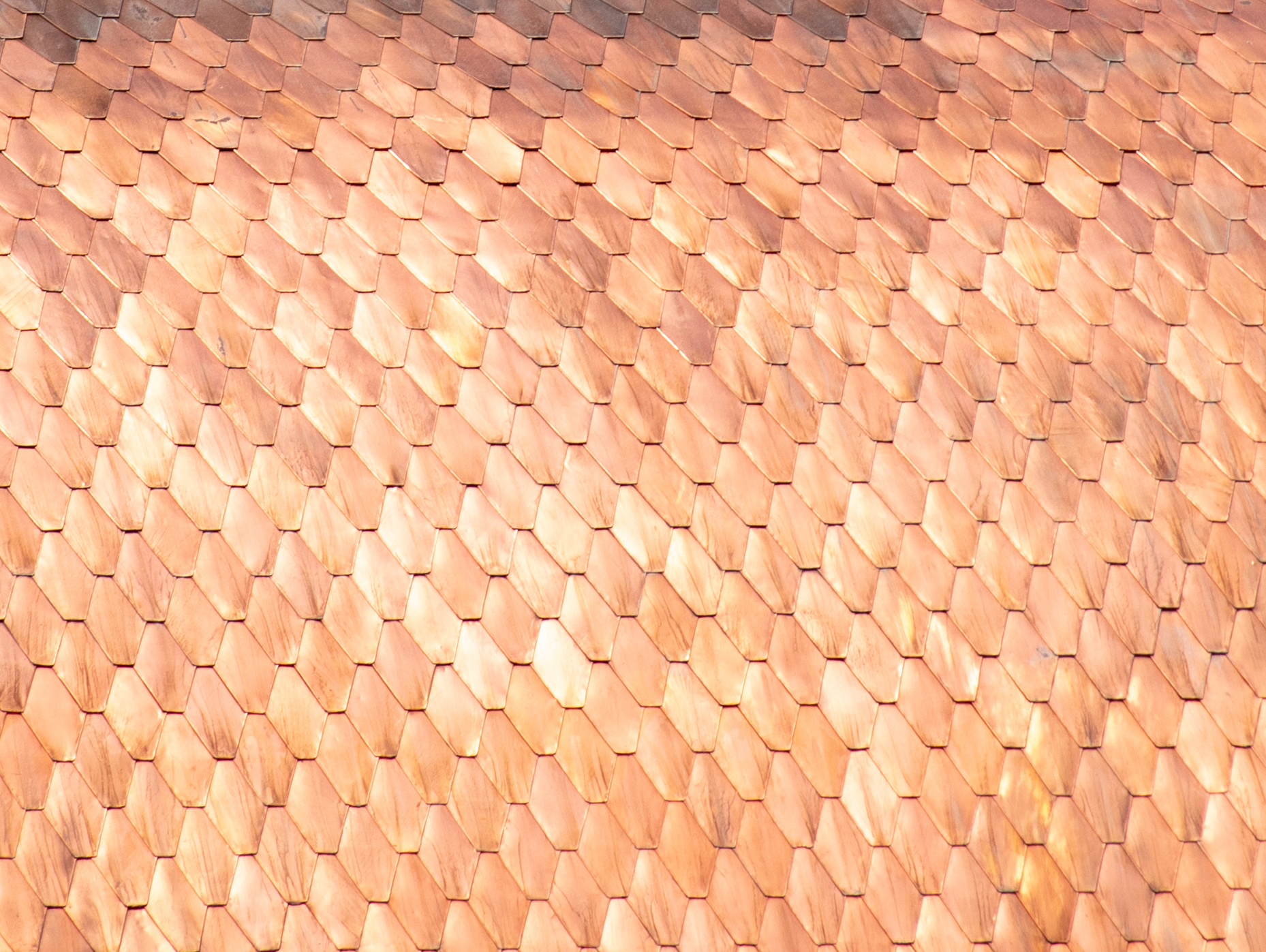
Copper roof in Old Town
This week is the Eastern Orthodox Holy Week, which means that this Sunday is Easter here. Many of the churches we went into were very small Eastern Orthodox churches.
St Anthony’s Church: this is the oldest church in Bucharest. It was built in the 1550s on the foundation of an older church. For 200 years it was the coronation site of the rulers of Wallachia (one of the precursor nations of Romania). This is actually believed to be the oldest building in Bucharest.
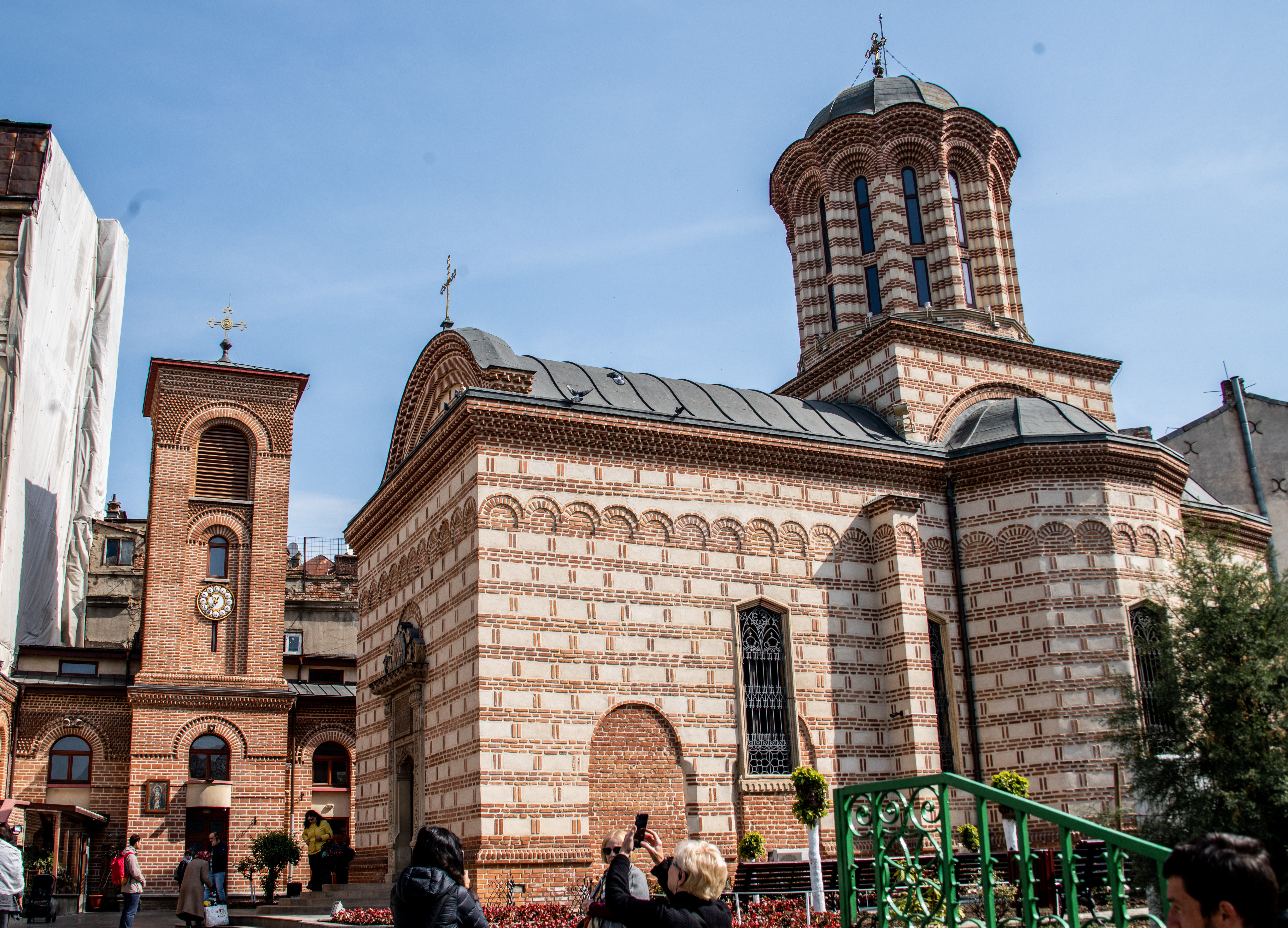
St Anthony’s Church
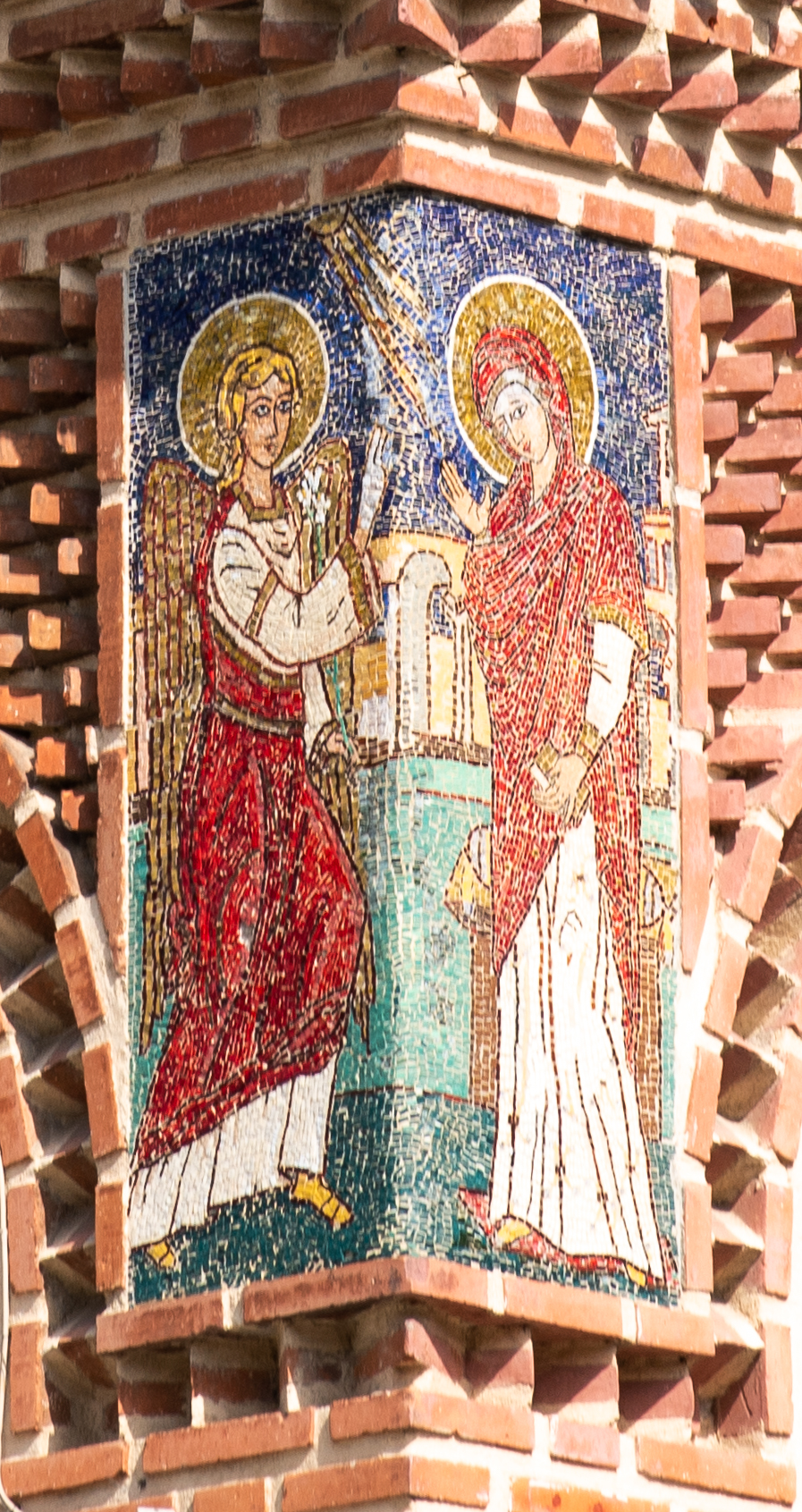
Mosaics near St Anthony’s Church
Stavropoleos Church: this is an Eastern Orthodox church that was built in 1724. It had a monastery and inn that were demolished in the 1800s and later rebuilt. The dome of the church was damaged in an earthquakes and restored in the early 1900s. The inside of the church is covered in paintings.
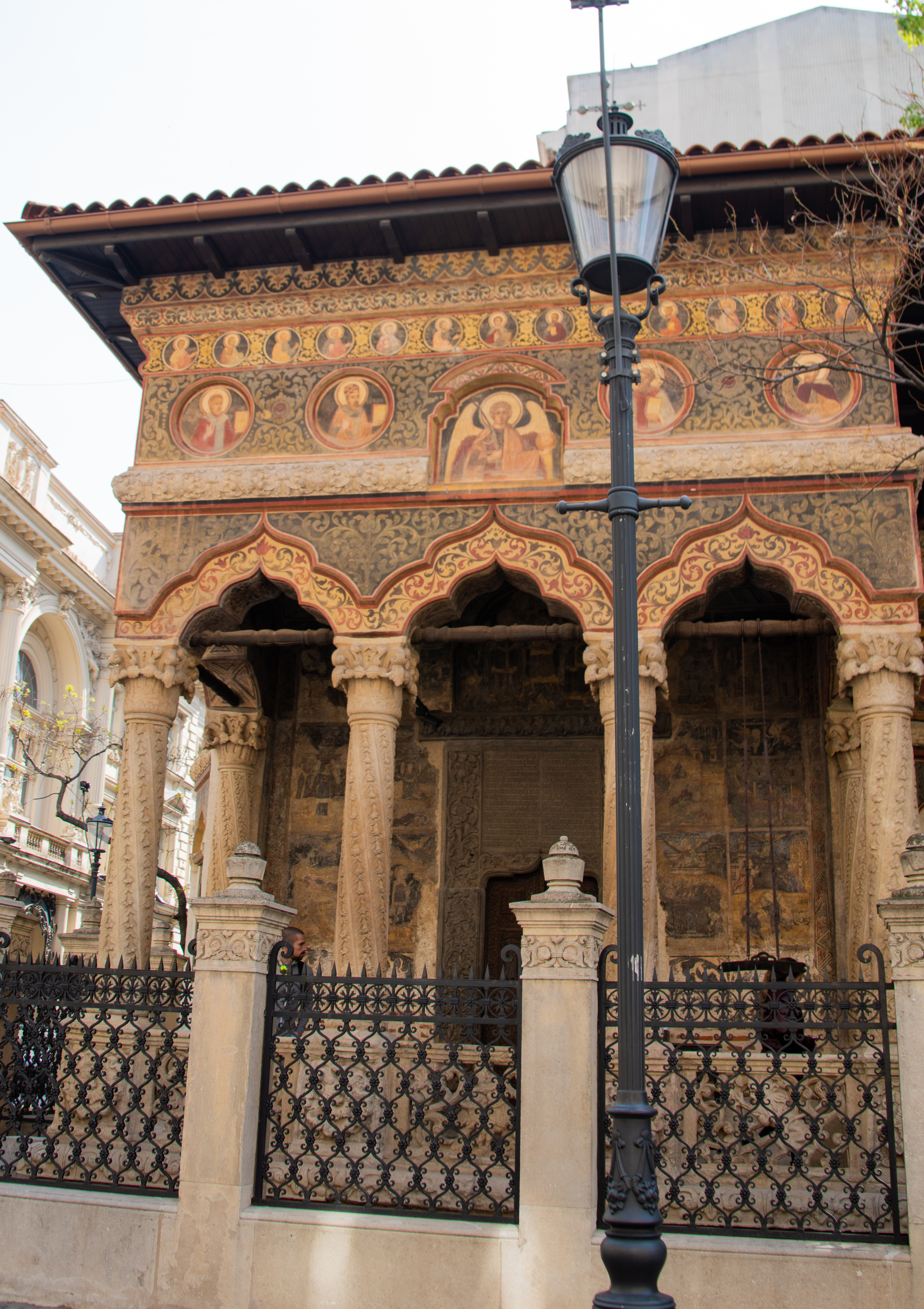
Stavropoleos Church
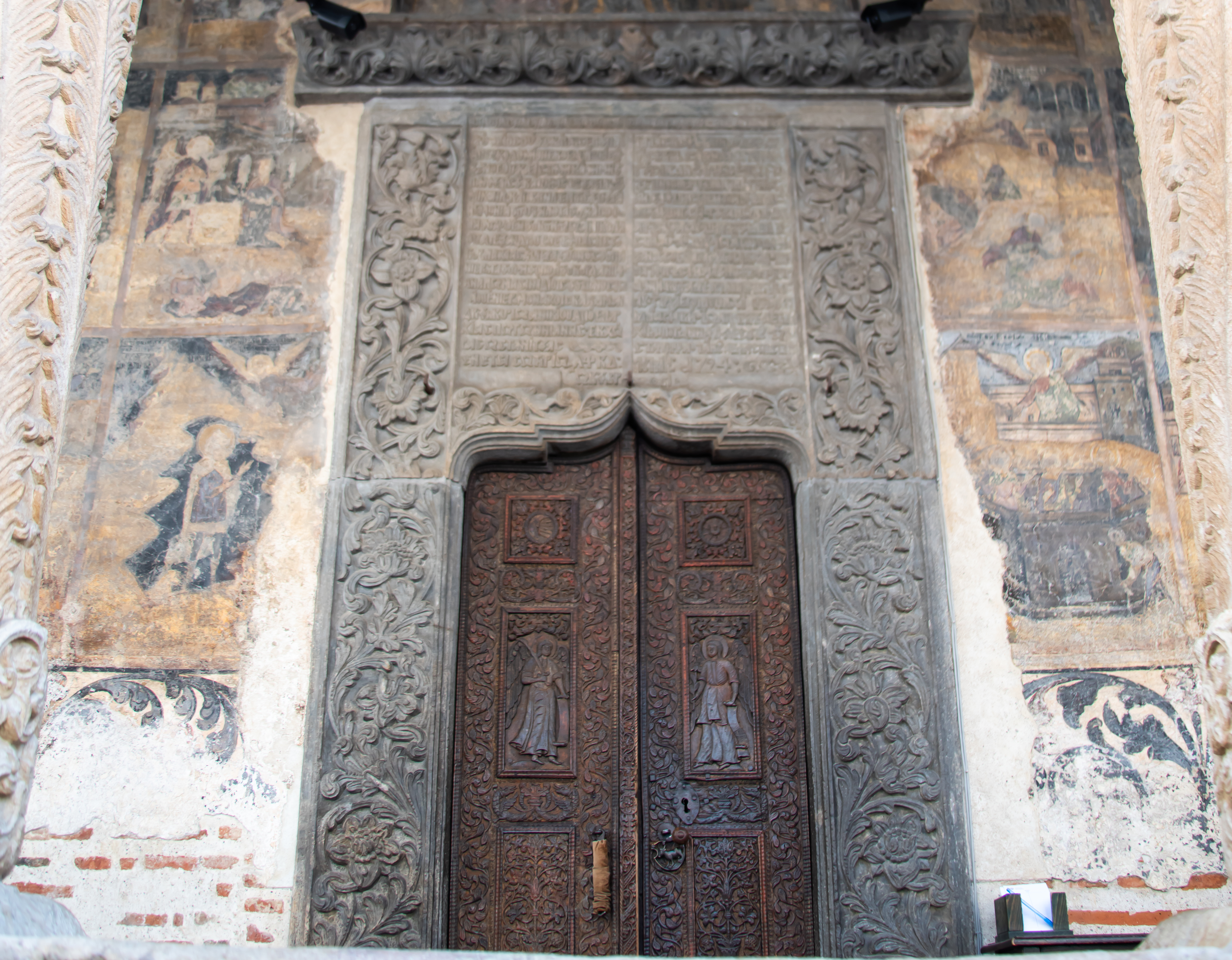
Stavropoleos Church Door
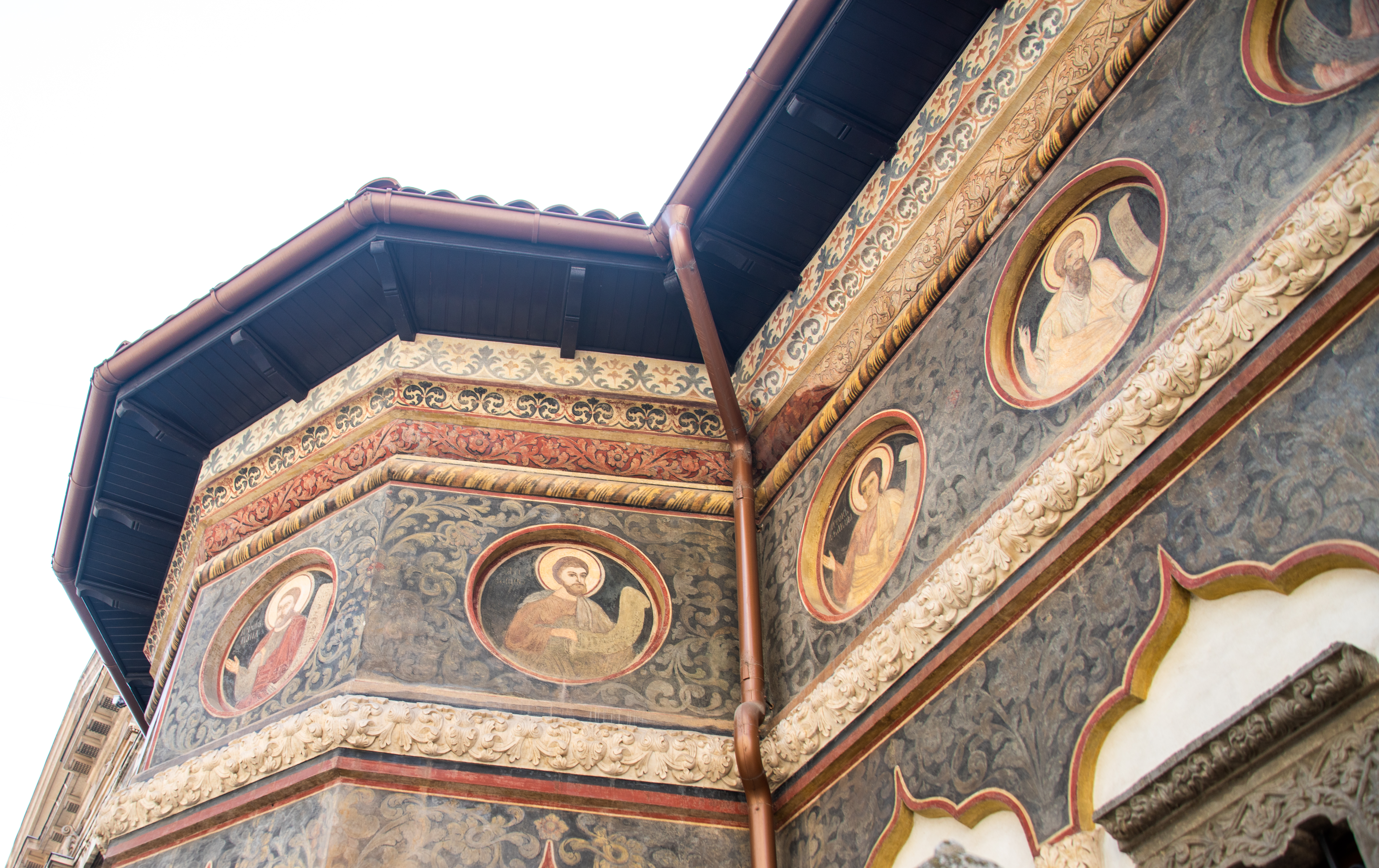
Stavropoleos Church Fascade
Kretzulescu Church: this is an Eastern Orthodox church that was built in the 1720s. It has original frescoes on the porch, with ones on the interior dating from about 1860. This little church looked quaint on the outside and was amazing on the porch and on the inside!
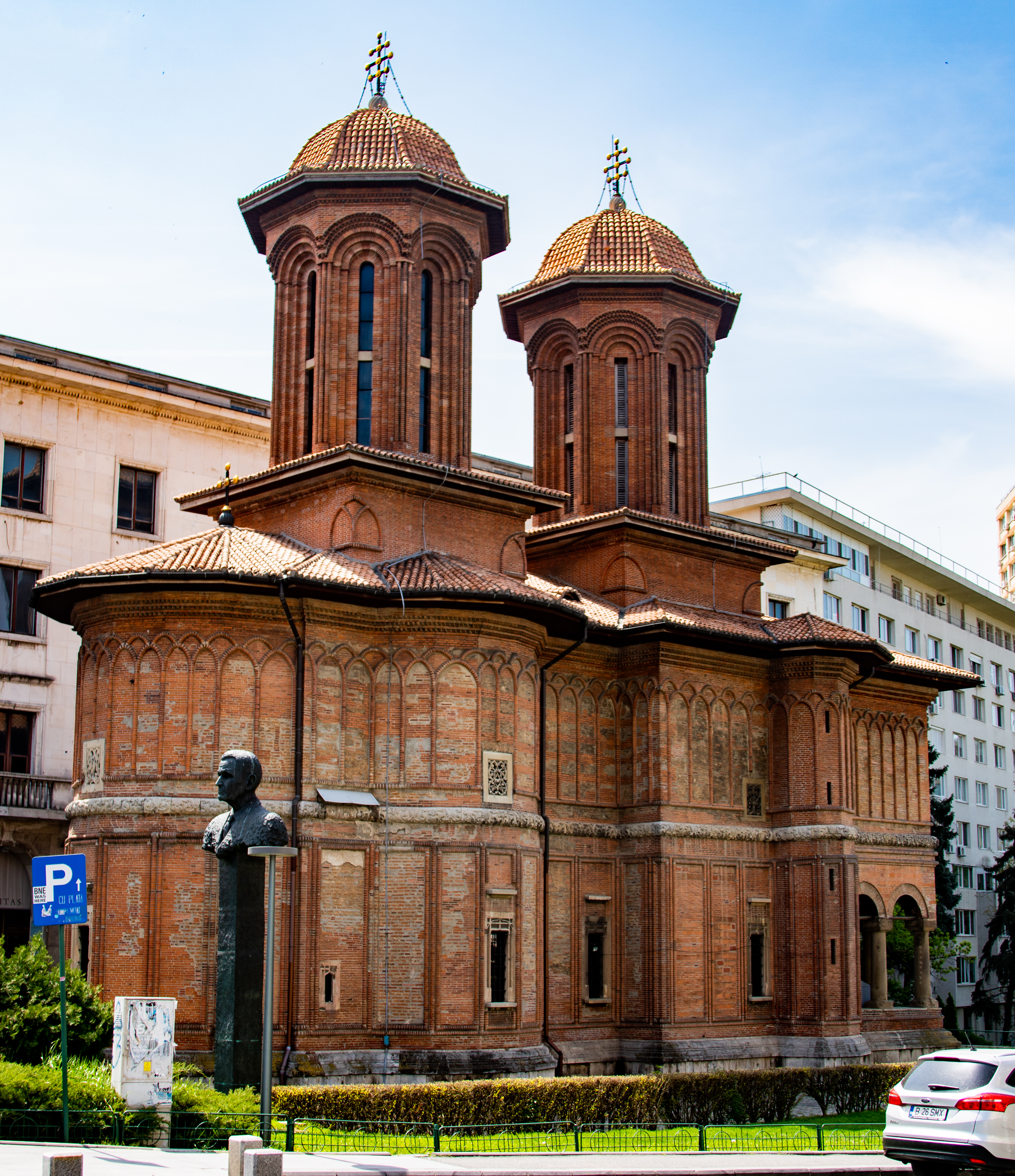
Kretzulescu Church
Porch frescoes
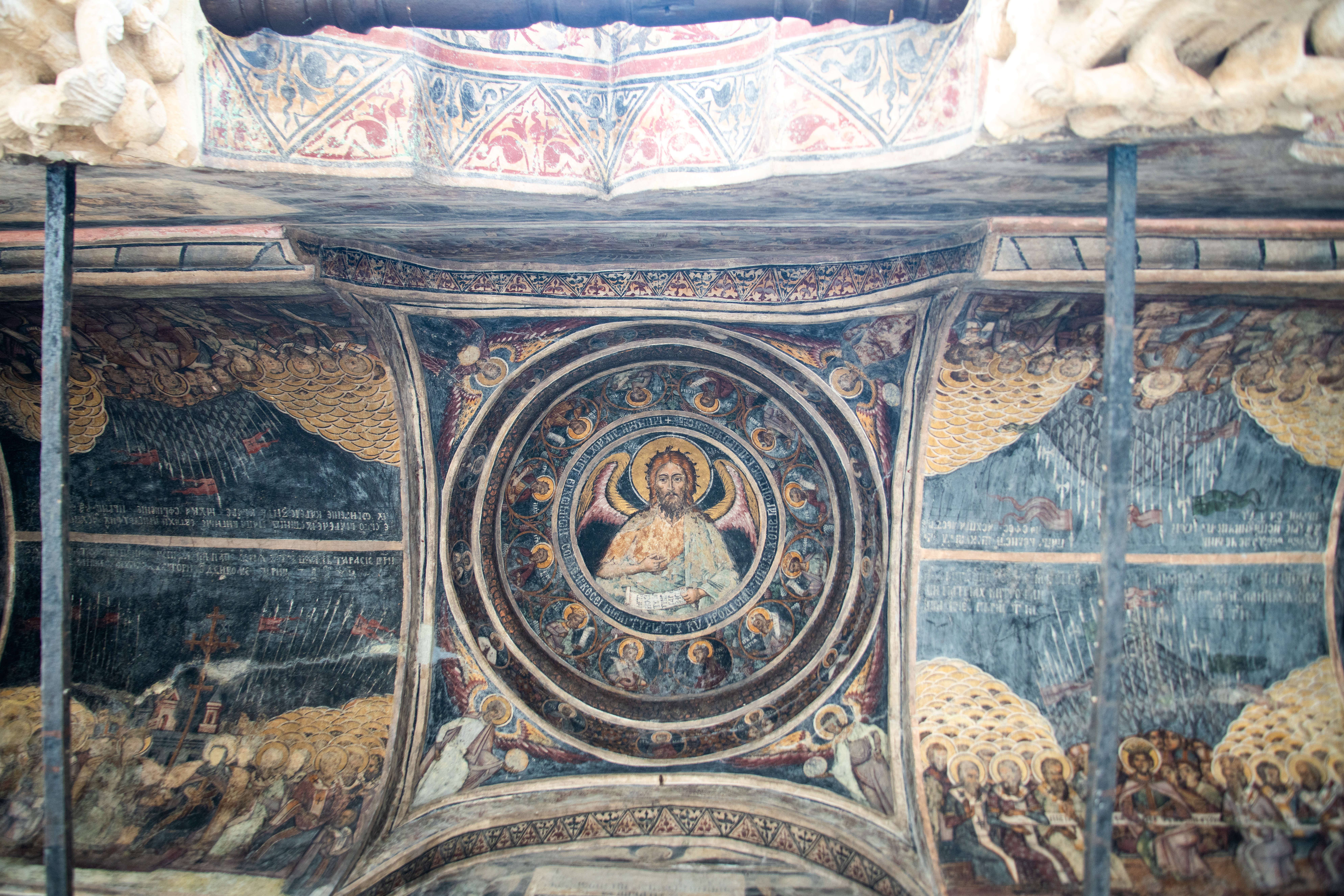
Porch frescoes
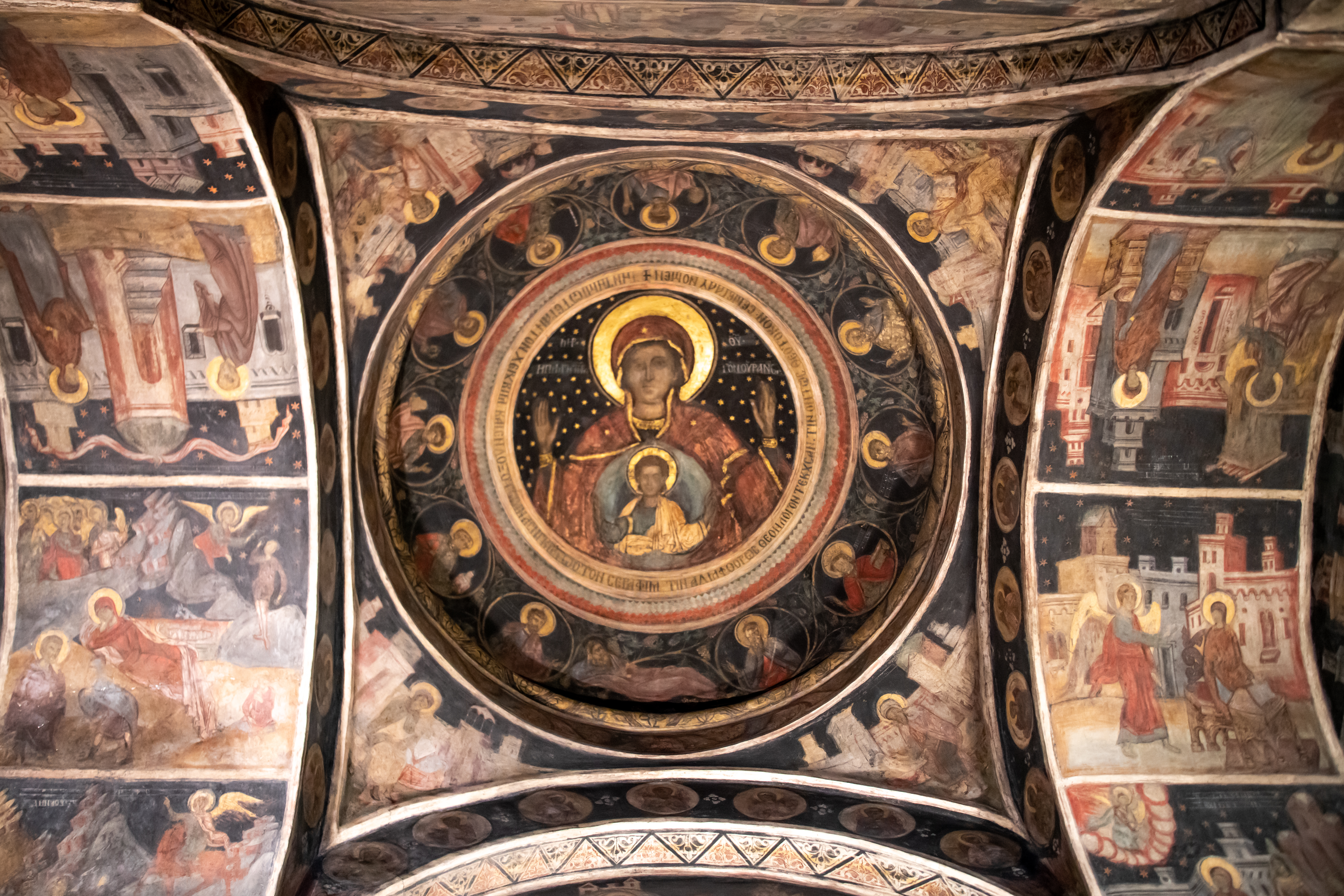
Interior frescoes
Interior frescoes
Interior
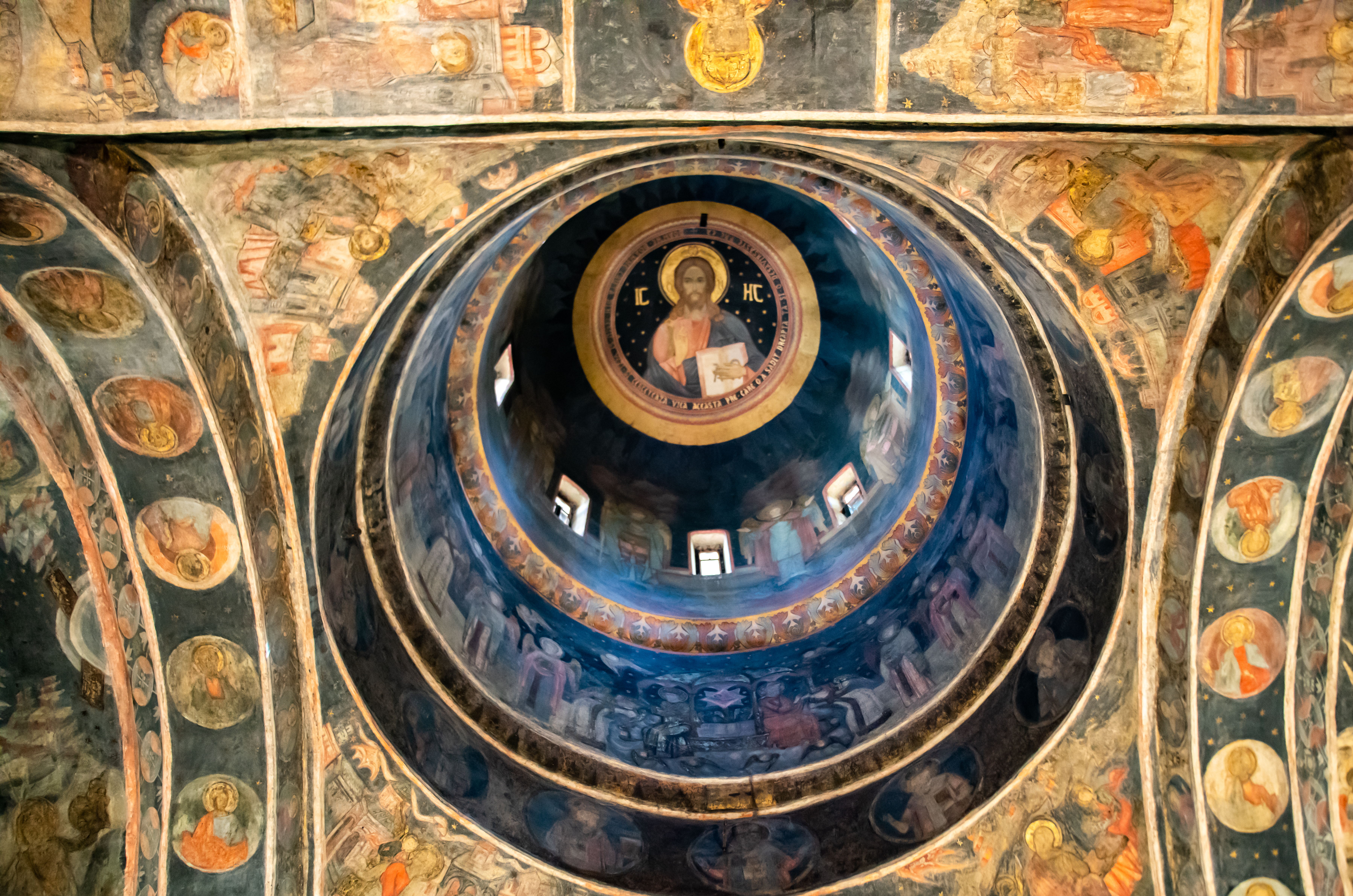
Interior of the dome
Russian Church of St Nicholas: this was originally a Russian Orthodox church that is mostly attended by students (according to our morning guide) as it is near the university. It was constructed in 1905 and has 7 traditional Russian onion domes. During WWI, the valuables in the church were removed and sent to St Petersburg where the disappeared. The domes had originally been covered in gold. For a time, the church was under the authority of the Romanian government, but it is currently under the the Romanian Orthodox Church. It is locally referred to as Biserica Studentilor (“the students’ church”)
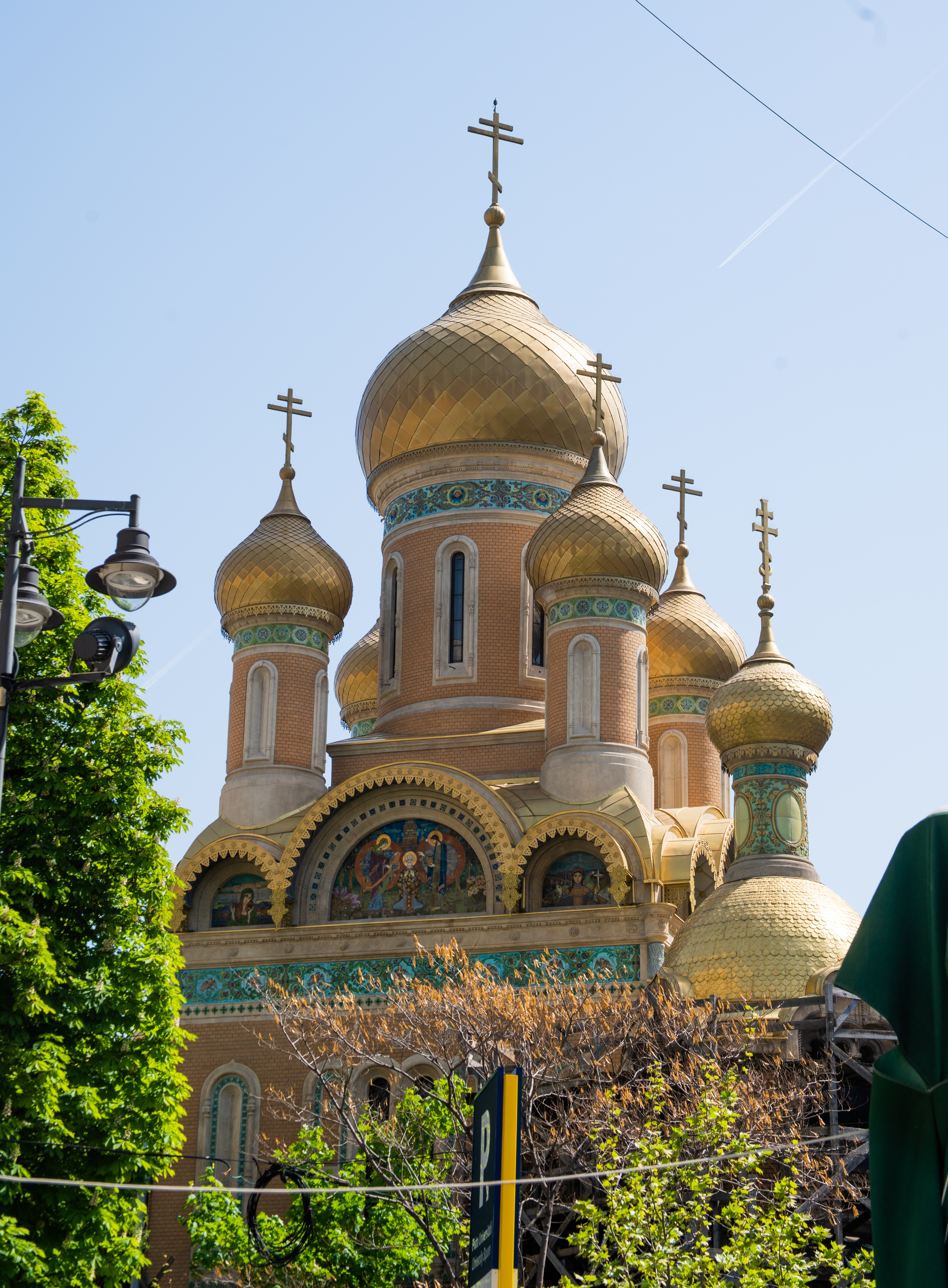
St Nicholas
St Nicholas
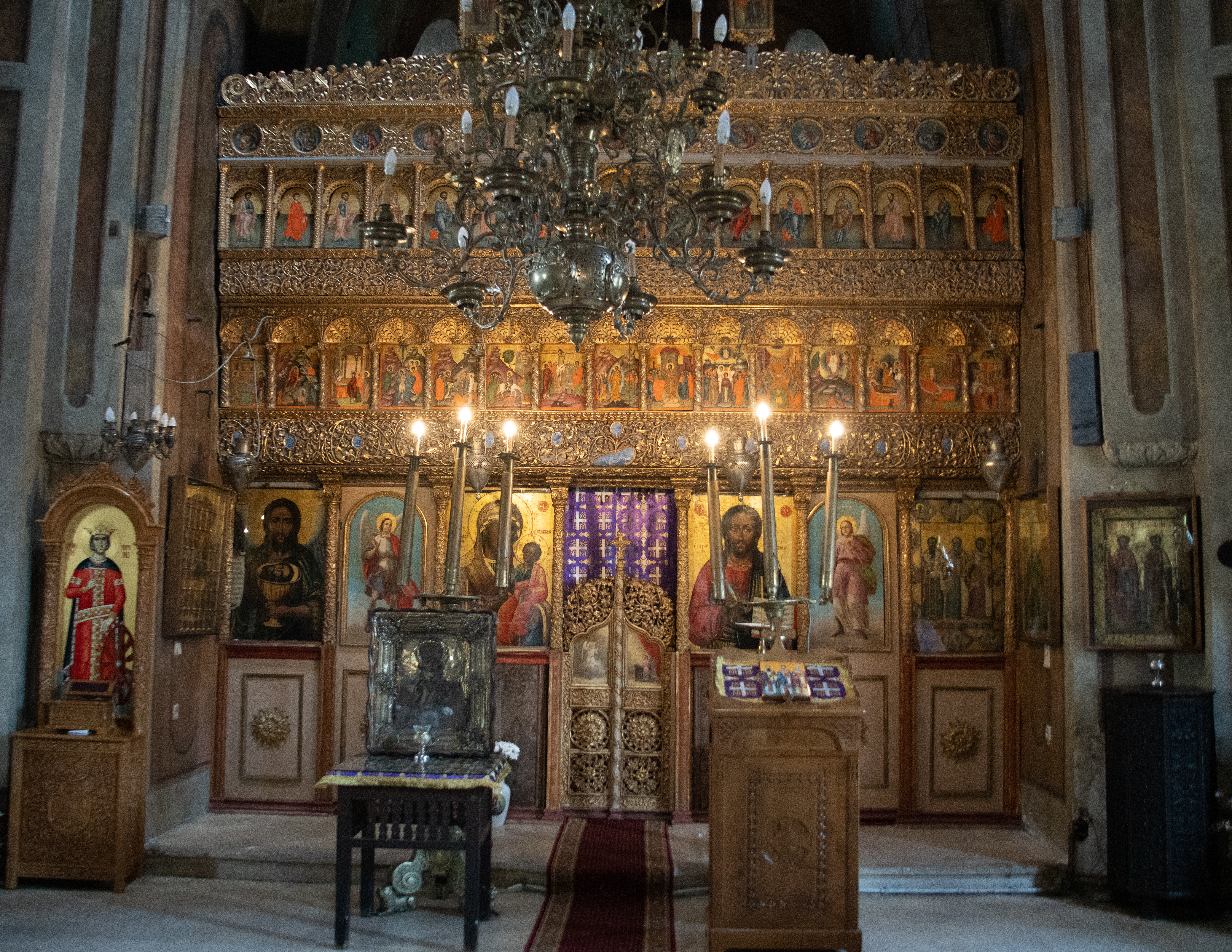
St Nicholas
Coltea Church: this was originally built between 1698-1702, although the current structure dates fro 1888 due to damage from an earthquake. It required restoration after damage from WWII. Frescoes inside are from the Romanian painter Tattarescu.
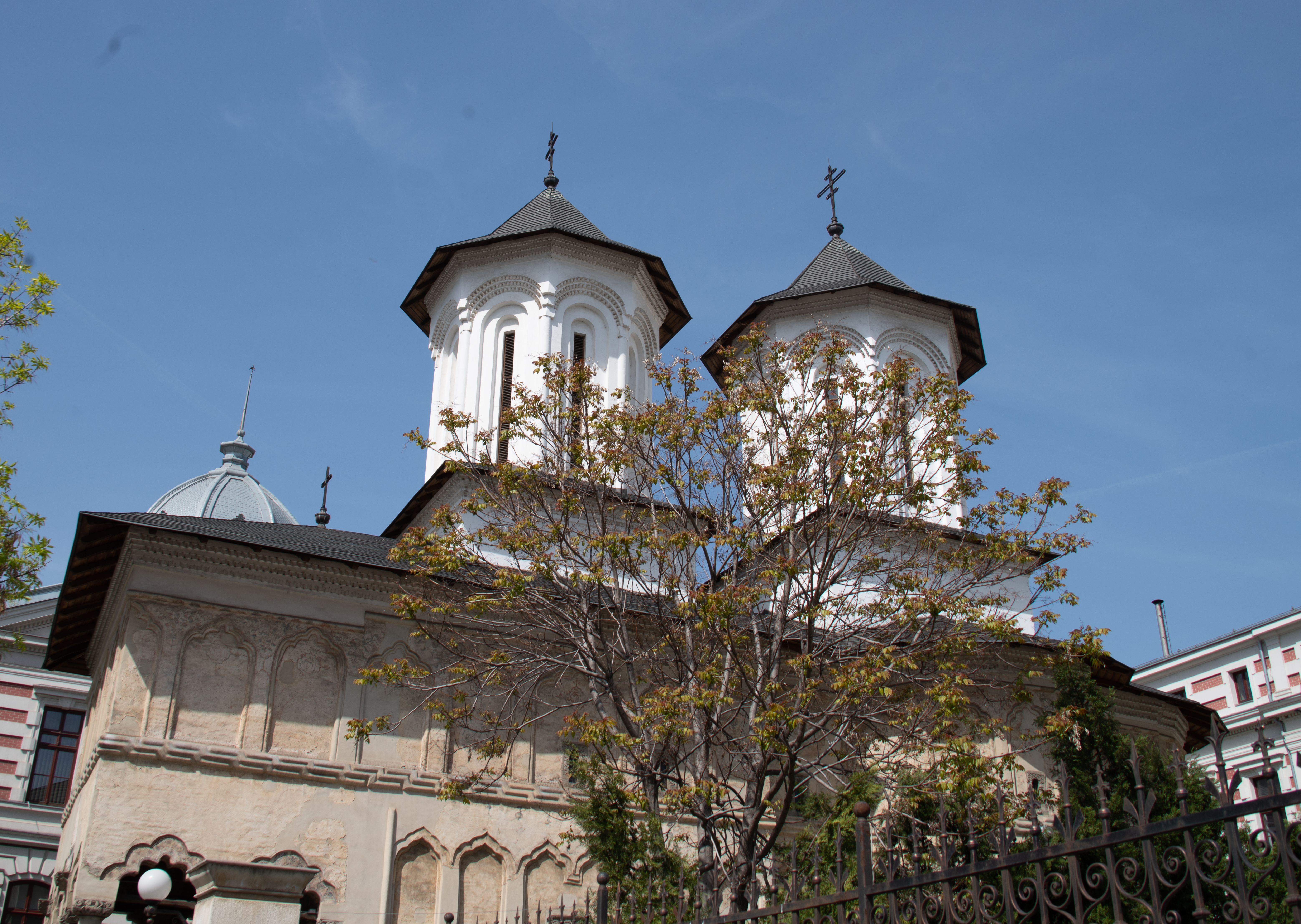
Coltea Church
New St George Church: This was built in 1705 on the site of a 15th century church. It has some dramatic paintings.
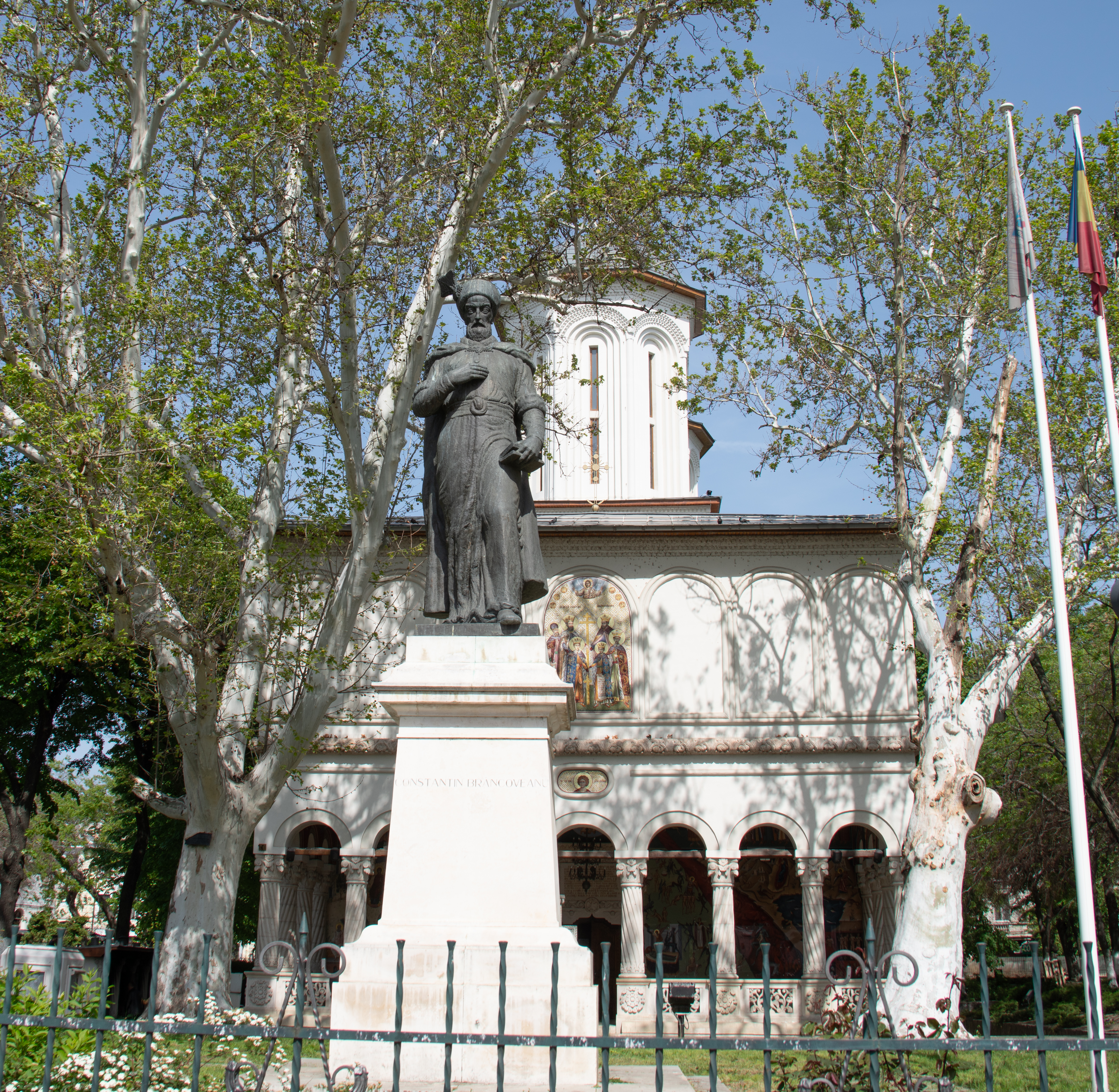
New St George Church
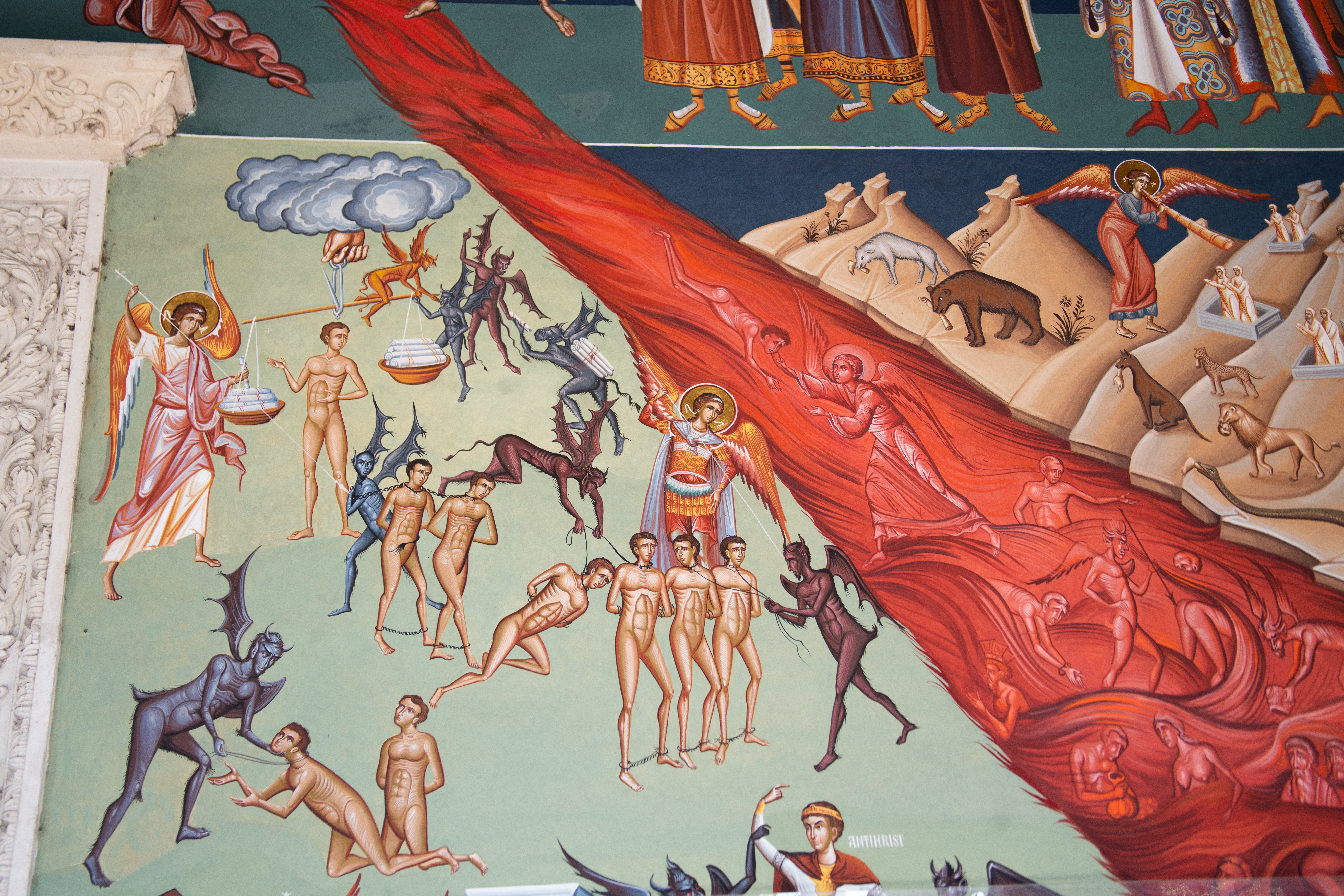
Outside paintings
Inside
Dome
New St John Church: built in 1756 and rebuilt in 1818, later restored after a fire in 1847. The paintings inside are from 1878.
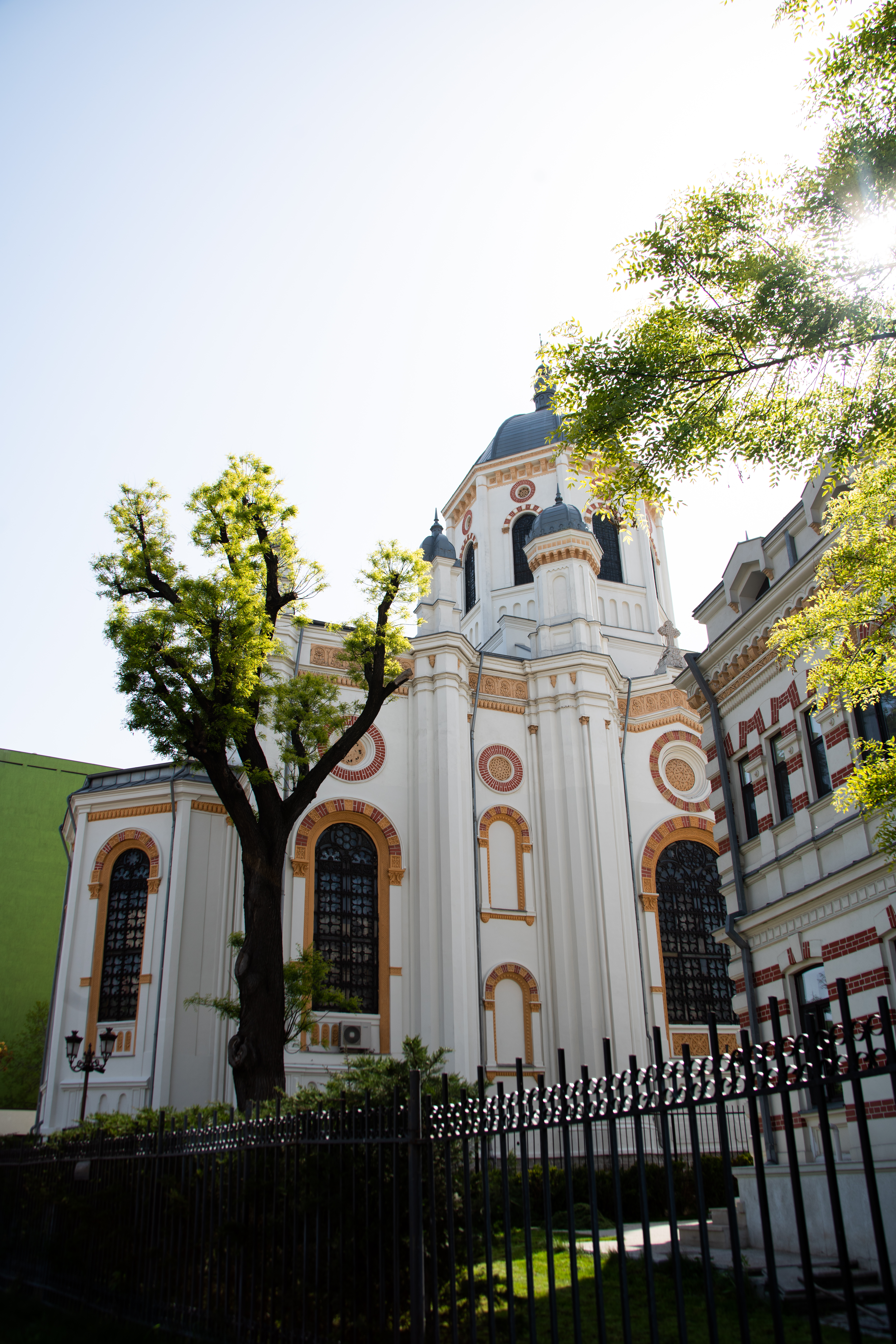
New St John Church
Inside
After a day of walking (over 8 miles) we had dinner in the Old Town and crashed.
 Will Suture for Travel
Leave a comment