Today we went to Sighișoara. Our guide said it is the oldest medieval town in Europe that is still inhabited. It actually goes back to Roman times when it was a fort known as Sandava. It was during the 12th century that it became the town that is still well preserved today. It still has 9 towers and some of the city walls. Each of the towers was built by a guild, so they are still named based by those guilds. There also is a clock tower that was built in the late 1300s and later expanded. In the late 1600s a clock with moving figurines was added and this is still working today. The figurines change each day of the week. We are here on Saturday when the figurine is supposed to be a representation of the God Saturn.
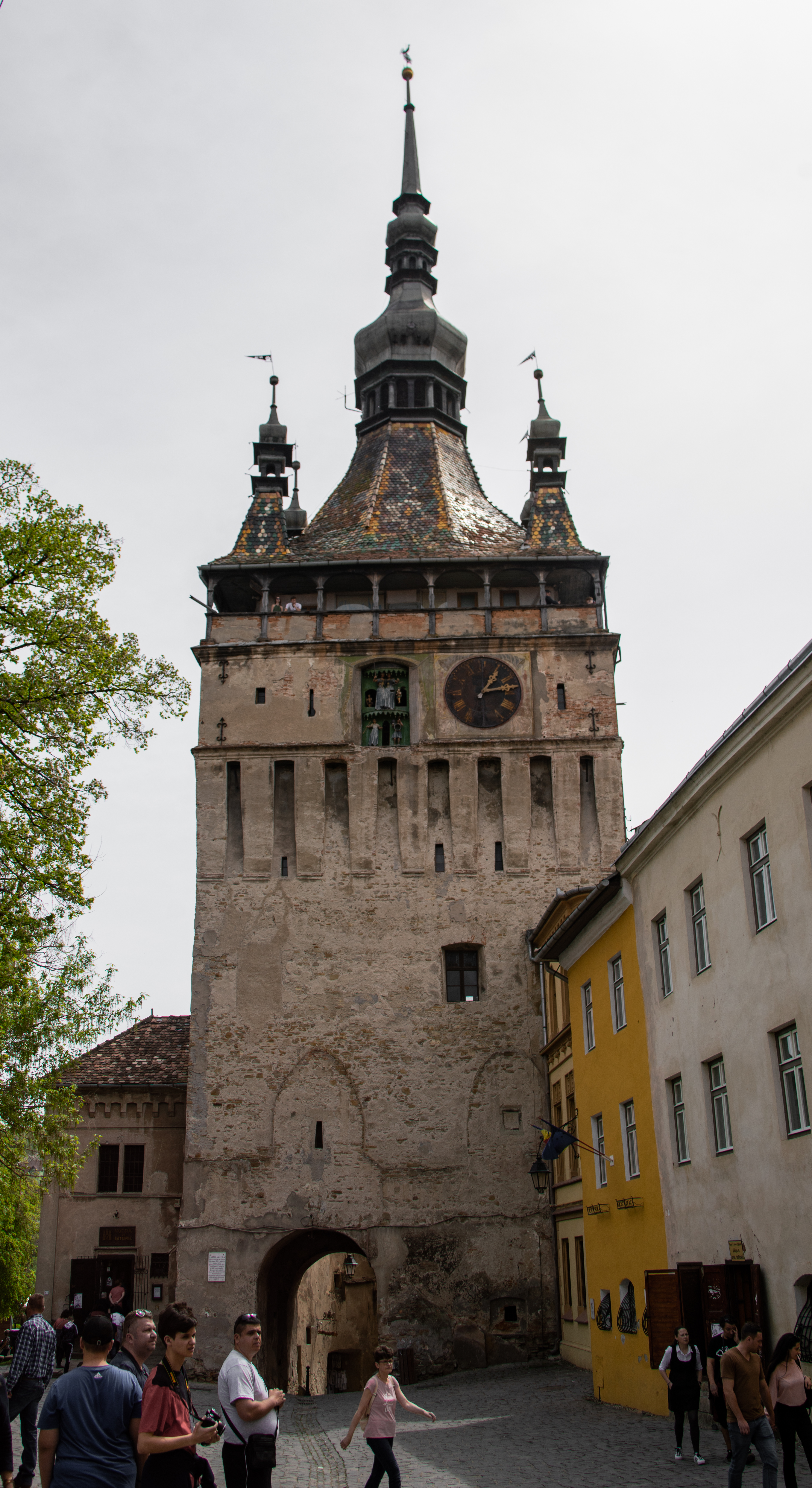
Clock tower
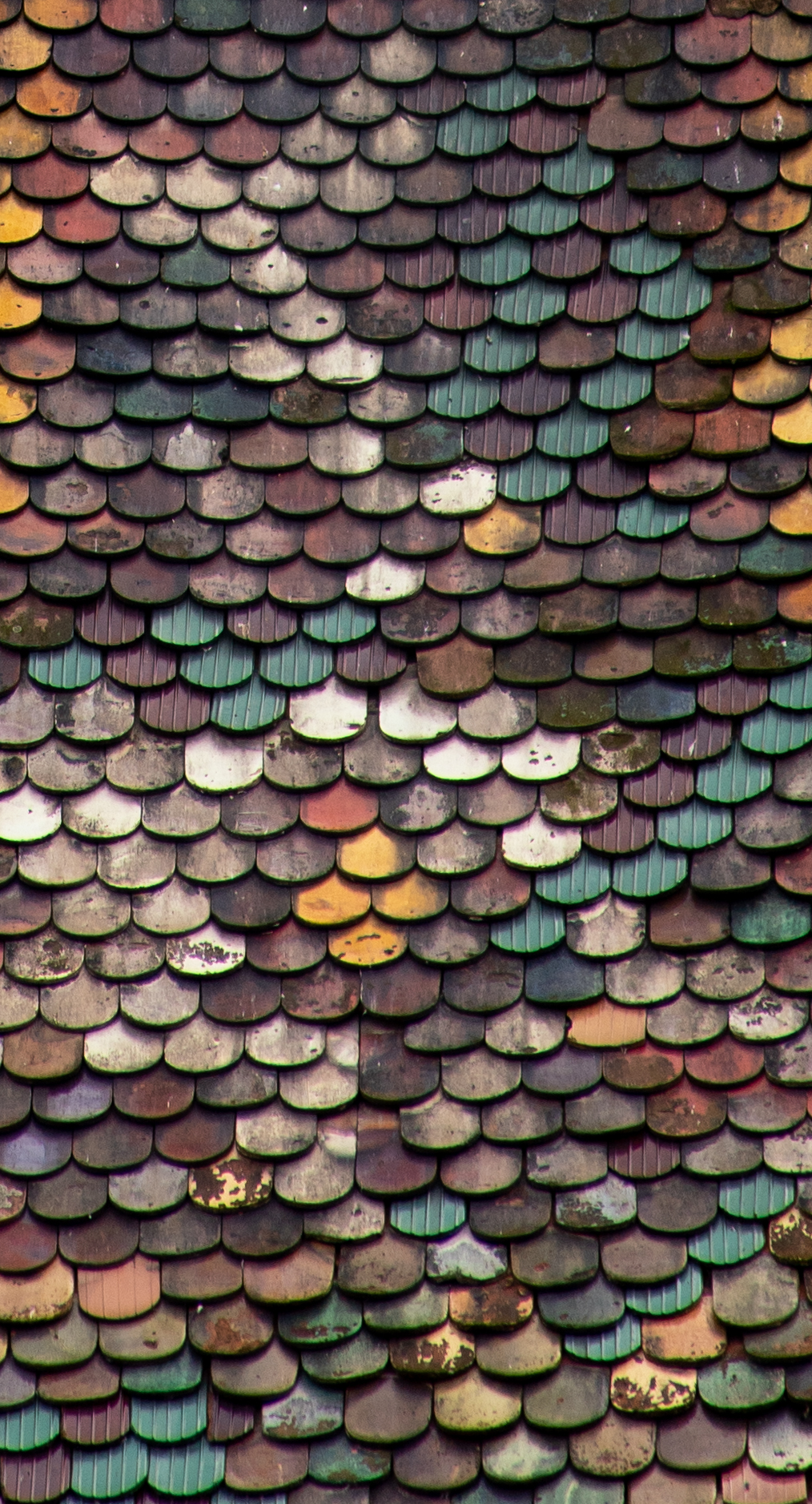
Roof tiles on the clock tower
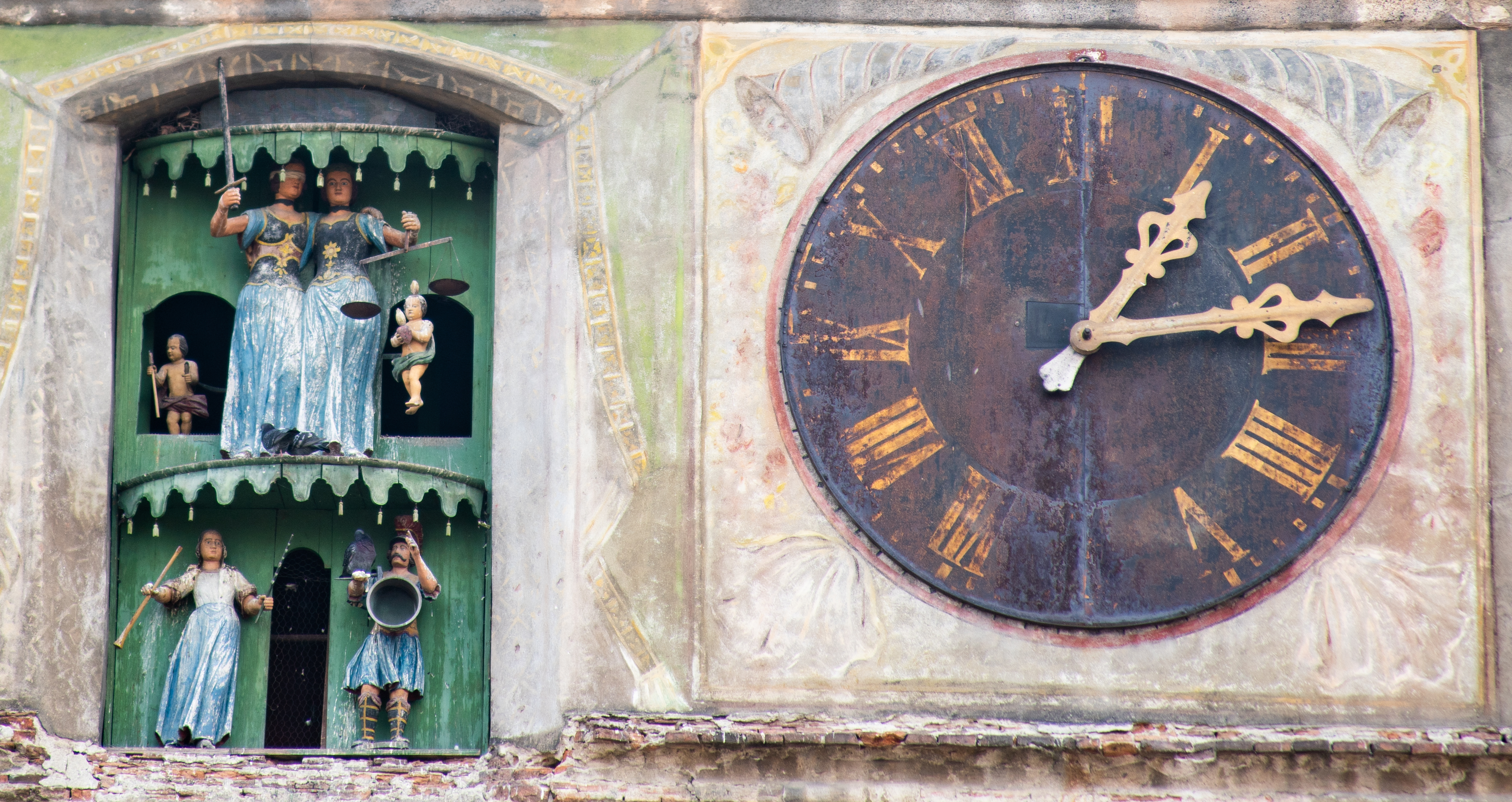
Clock and wooden figurines
Here’s a list of the tower’s from Wikipedia:
Sighișoara Clock Tower (Turnul cu Ceas) – the landmark of the city is a 64 m-high tower built in the 13th century Today it is a museum of history.
The Tinsmiths’ Tower (Turnul Cositorarilor)
The Butchers’ Tower (Turnul Măcelarilor)
The Bootmakers’ Tower
The Tailors’ Tower (Turnul Croitorilor)
The Furriers’ Tower (Turnul Cojocarilor)
The Ironsmiths’ Tower (Turnul Fierarilor)
The Ropemakers’ Tower (Turnul Frânghierilor)
The Tanners’ Tower (Turnul Tăbăcarilor)
The Face Tower – tower on the route to Târgu Mureș (another town), out of the citadel.
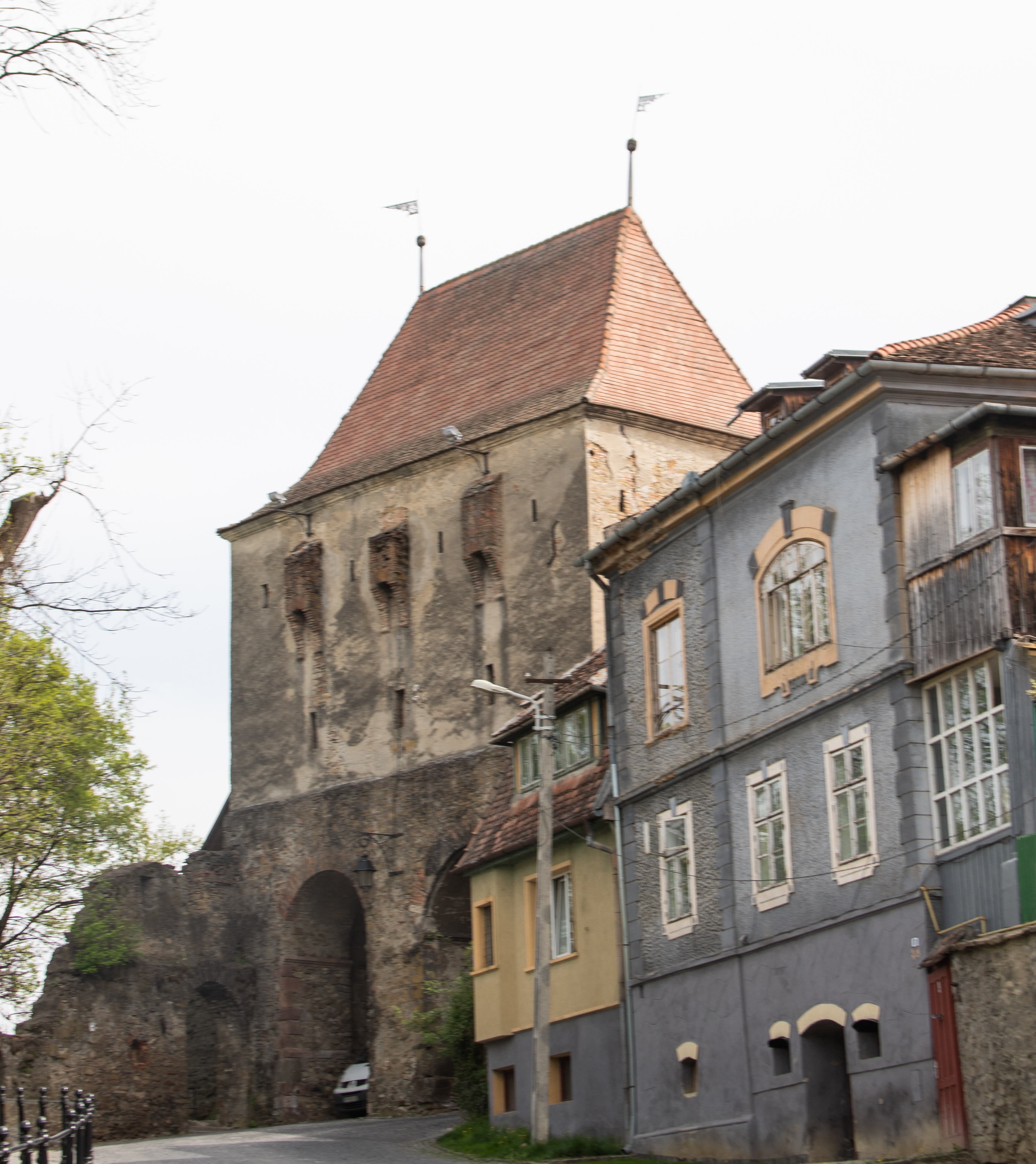
Tailor’s Tower
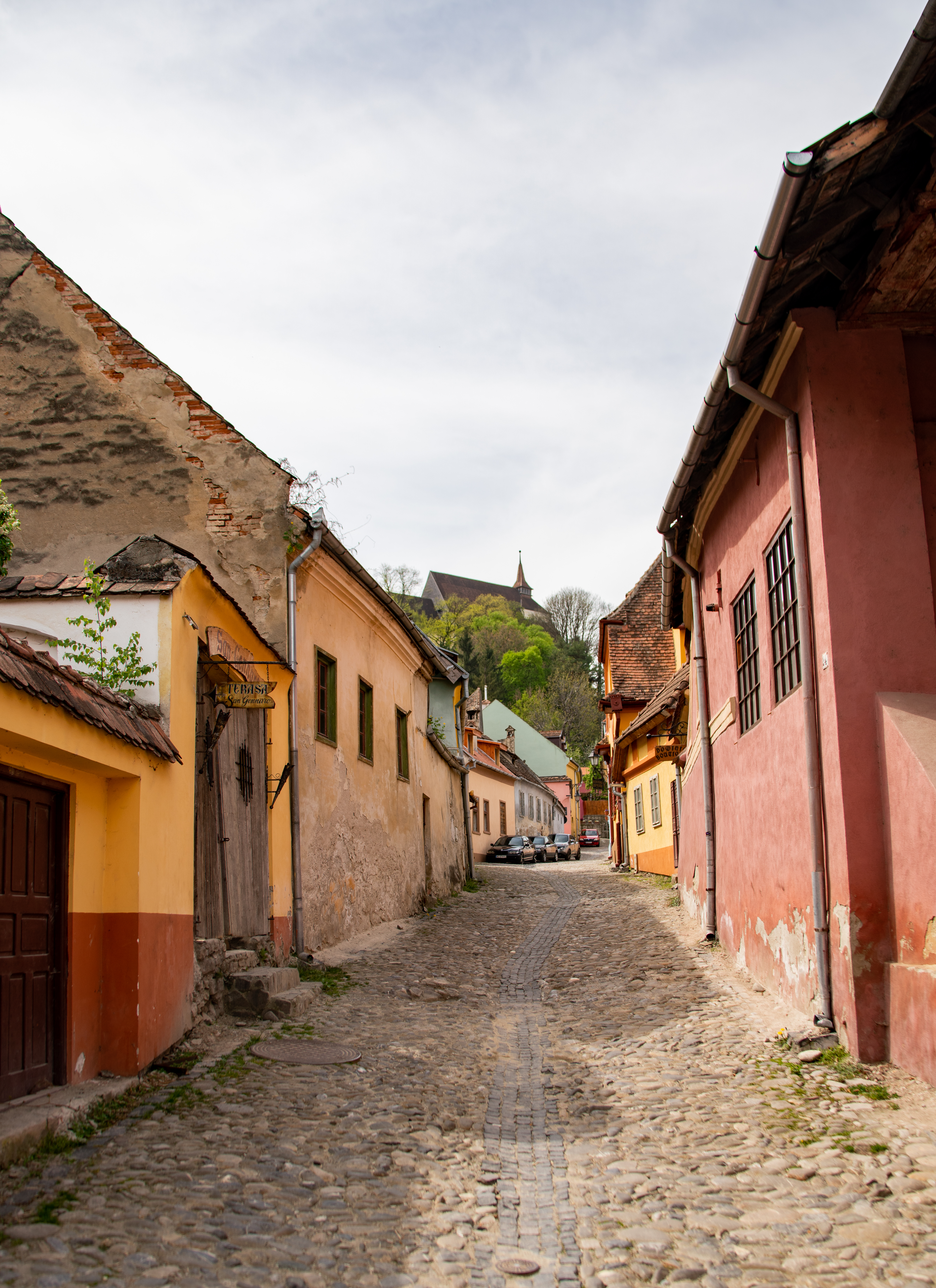
Sighișoara
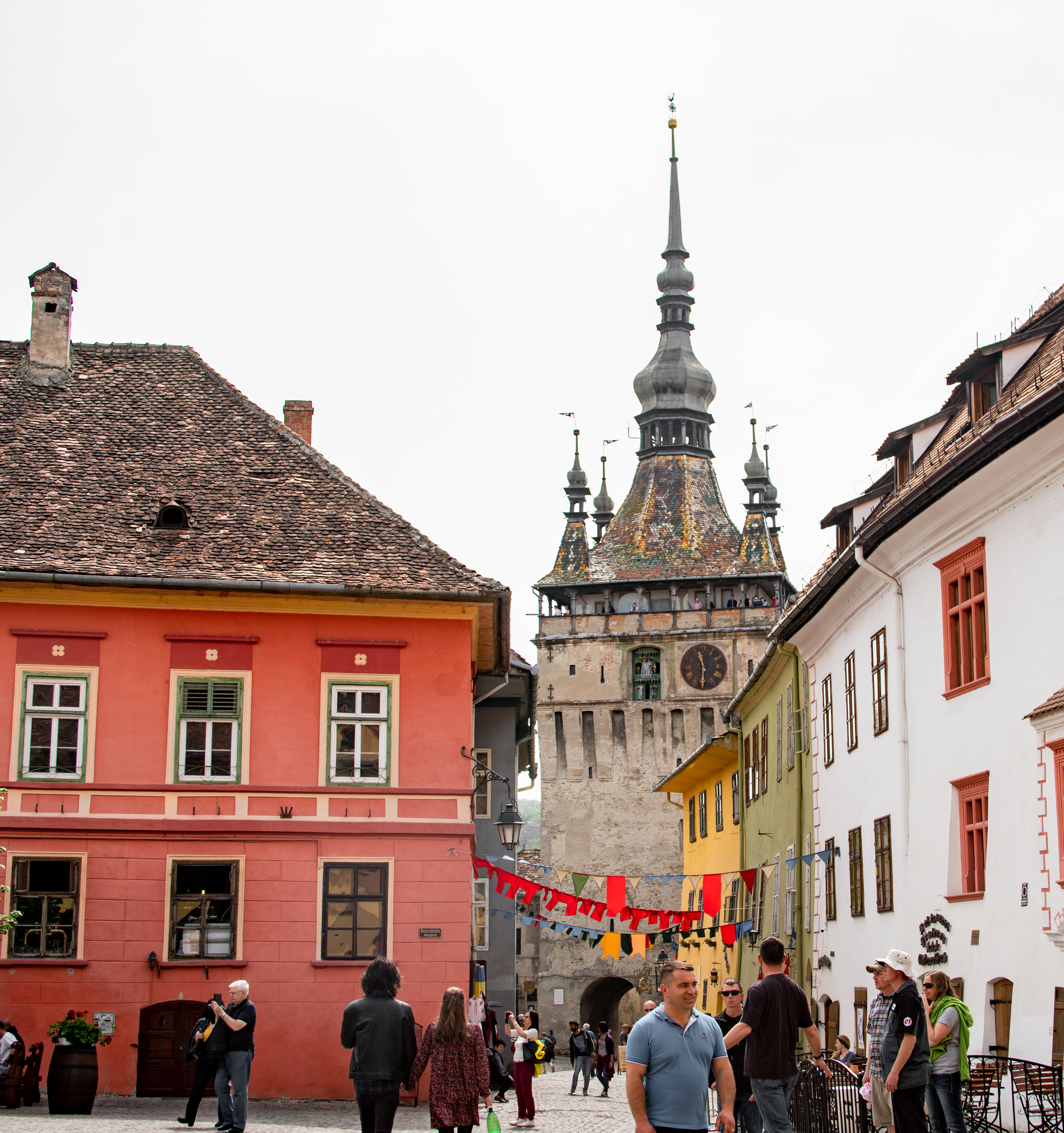
Town square
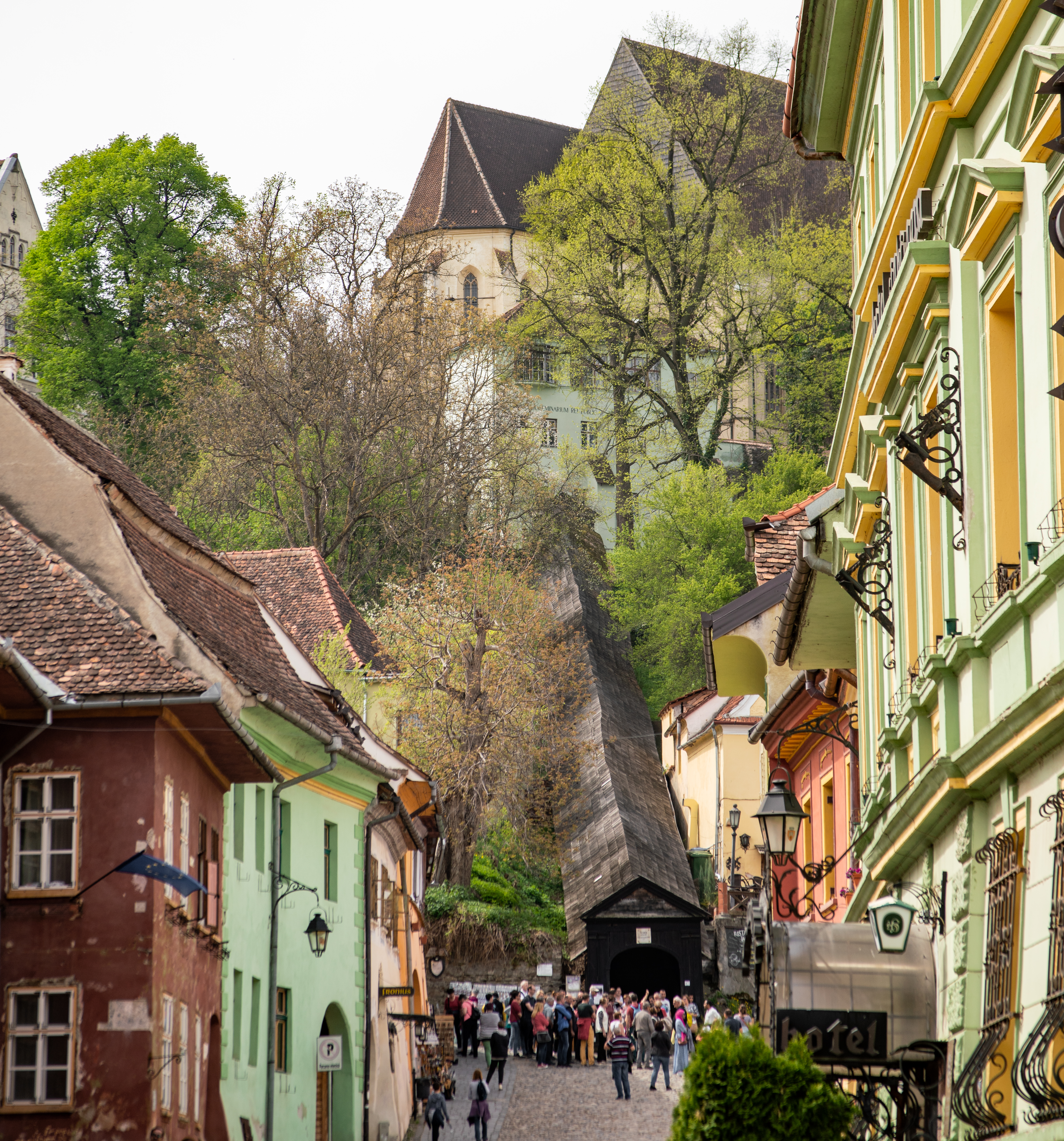
Encased staircase
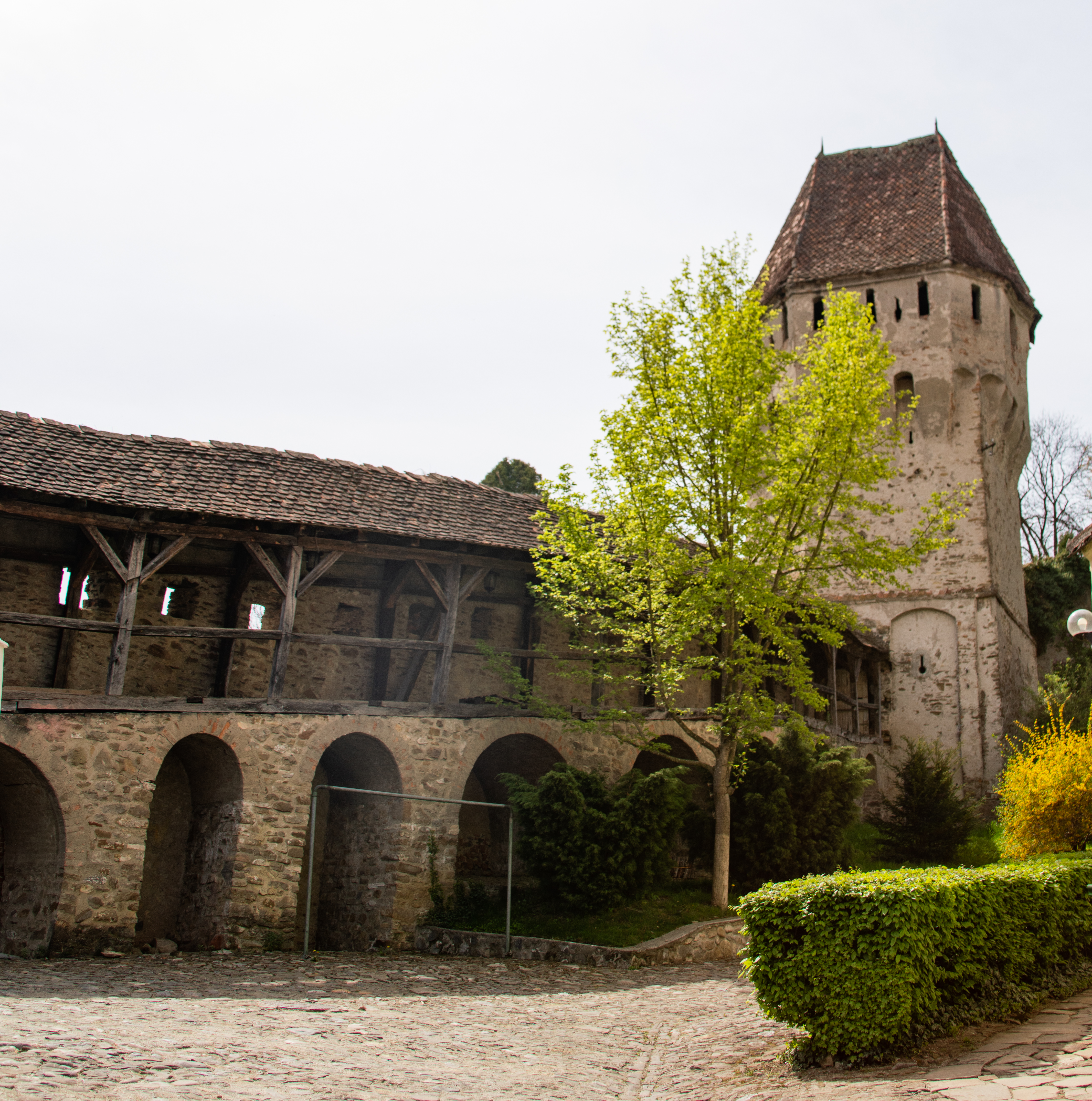
Another tower
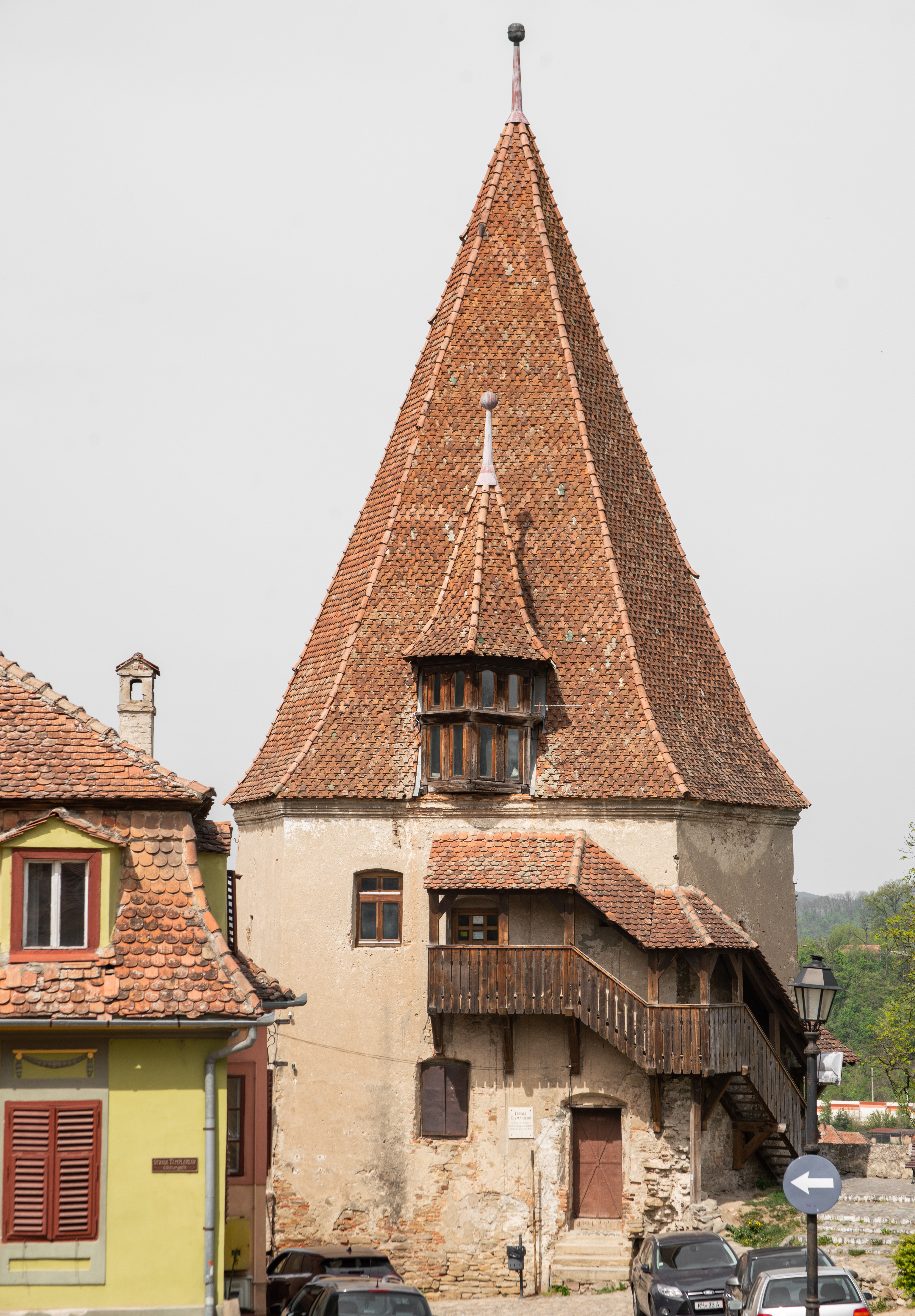
And another tower
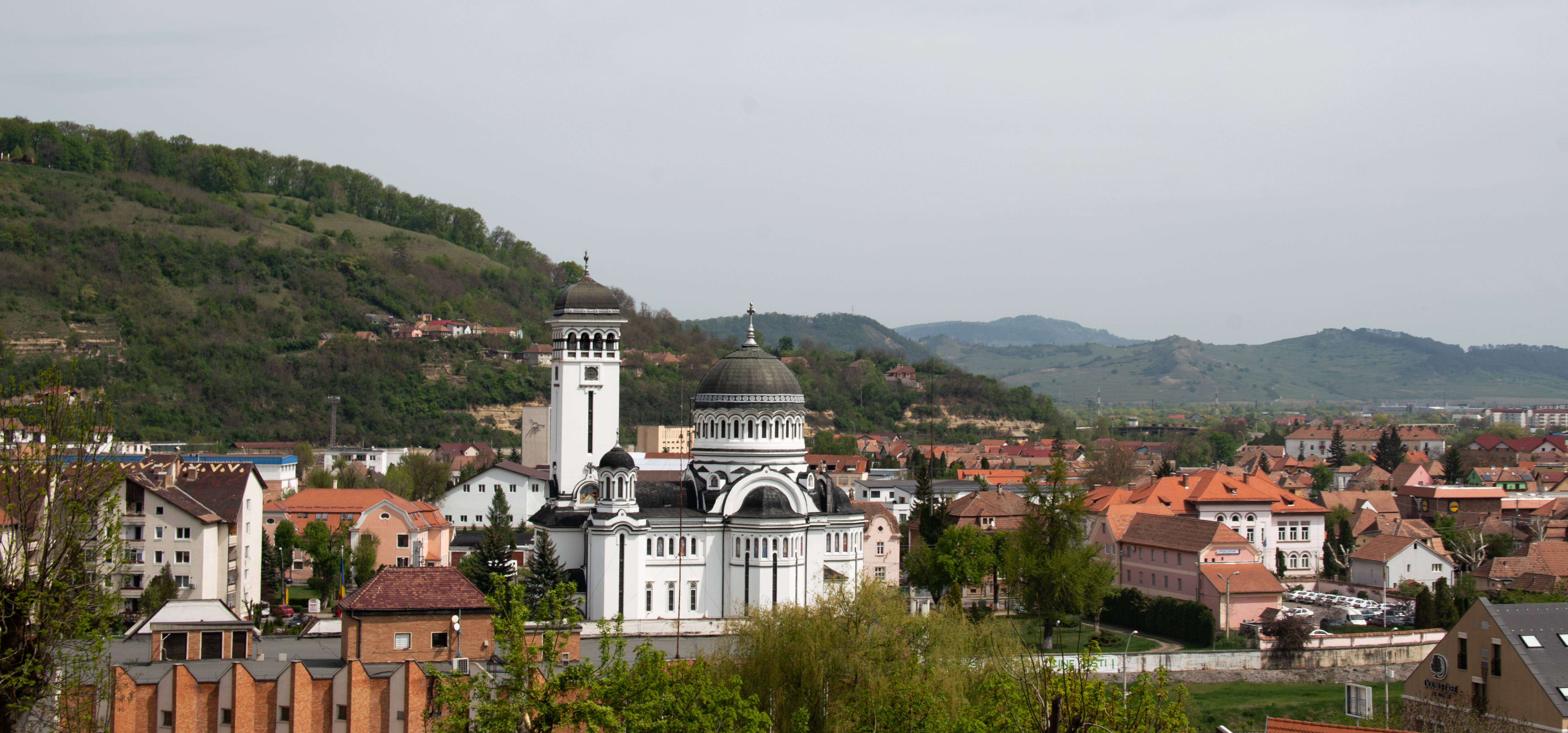
View of the modern city from the old city
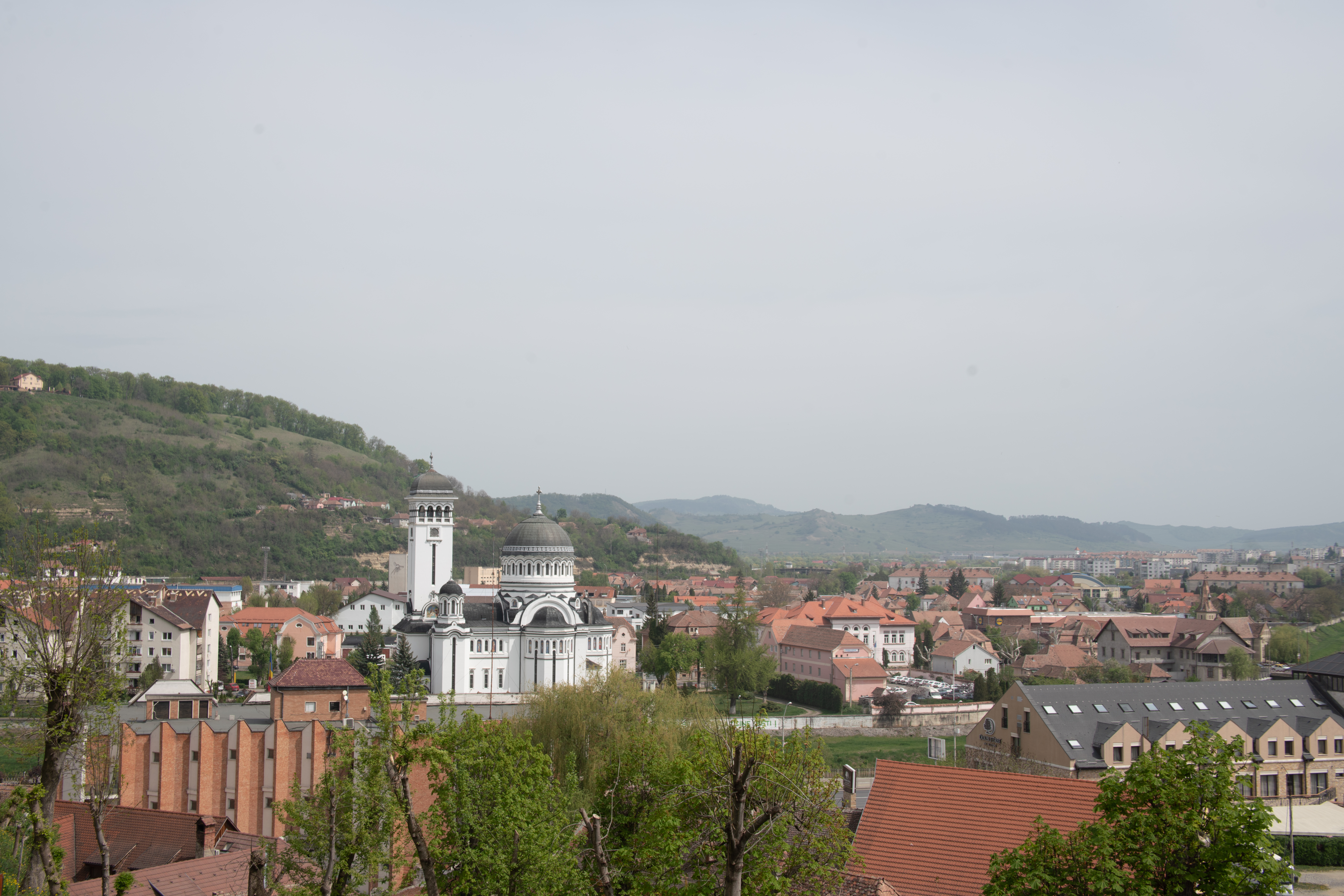
View of the modern city from the old city
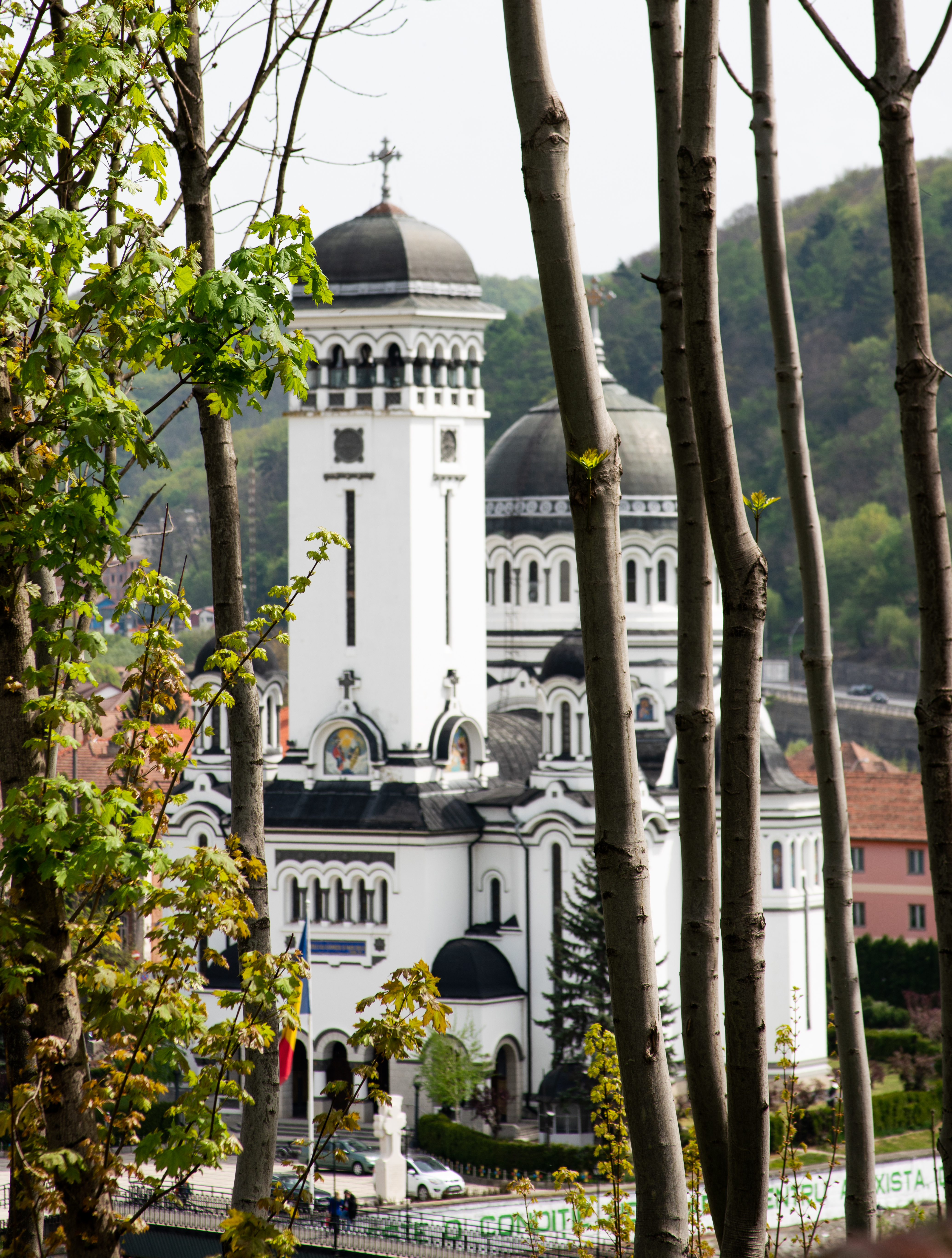
Church in the modern city
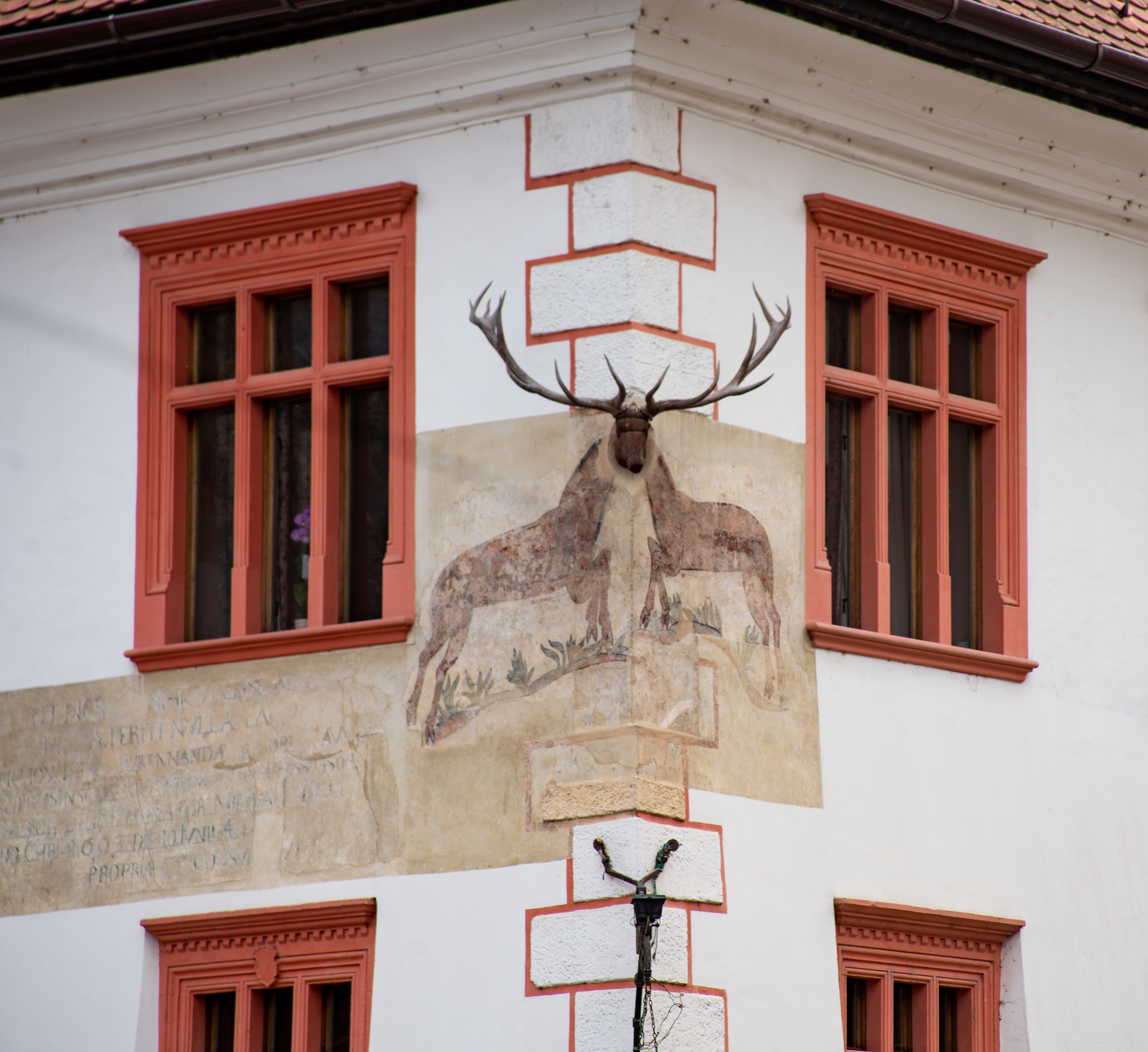
Building in the town square
The old city is up on a hill and surrounded by a fortified wall and the towers I already mentioned. It was an important strategic and commercial center for centuries. The first mention of the Romanian name is from 1435. The old town continues to be inhabited today, with the modern city below it.
Sighișoara is also known as Vlad Tepes’, also known as Vlad the Impaler, birthplace. His house still stands, but it is now a restaurant. His father, Vlad Drakul, the ruler of Wallachia, and mother were hosted here by the king of Sighișoara between 1431 and 1435, during the Turkish invasion of Valakia. Vlad Tepes was born in 1431. He was the 2nd legitimate son of Vlad Drakul, Vlad the Dragon, and Vlad Tepes took the name Vlad Drakula, son of the dragon, which is where we get the name Dracula. Long story short, there were lots of battles, Vald ands brother were held captive by enemies for a while, his dad and another brother were killed by enemies, Vlad eventually recaptured his homeland by force, and he impaled his enemies as punishment. Hence he gained the moniker in history Vlad the Impaler. Or at least that’s the Cliff’s Notes version.
Back to Sighișoara. The town is very quaint. It reminded me a bit of Talinn or Riquewihr, but not quite as fixed up. One thing of note is that it has some brutal stone streets. Harder than most cobblestones to walk on.
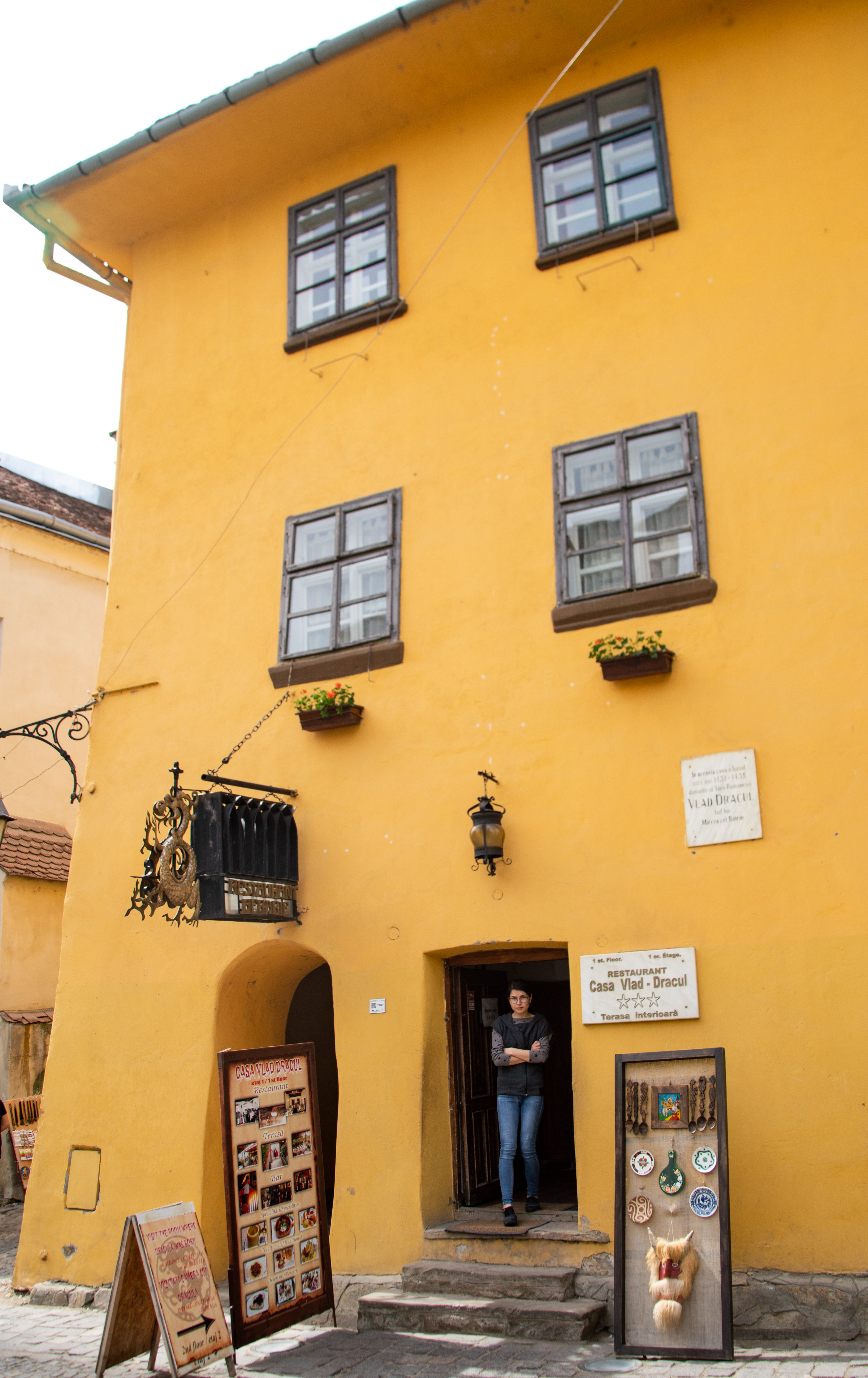
Vlad the Impaler’s birthplace
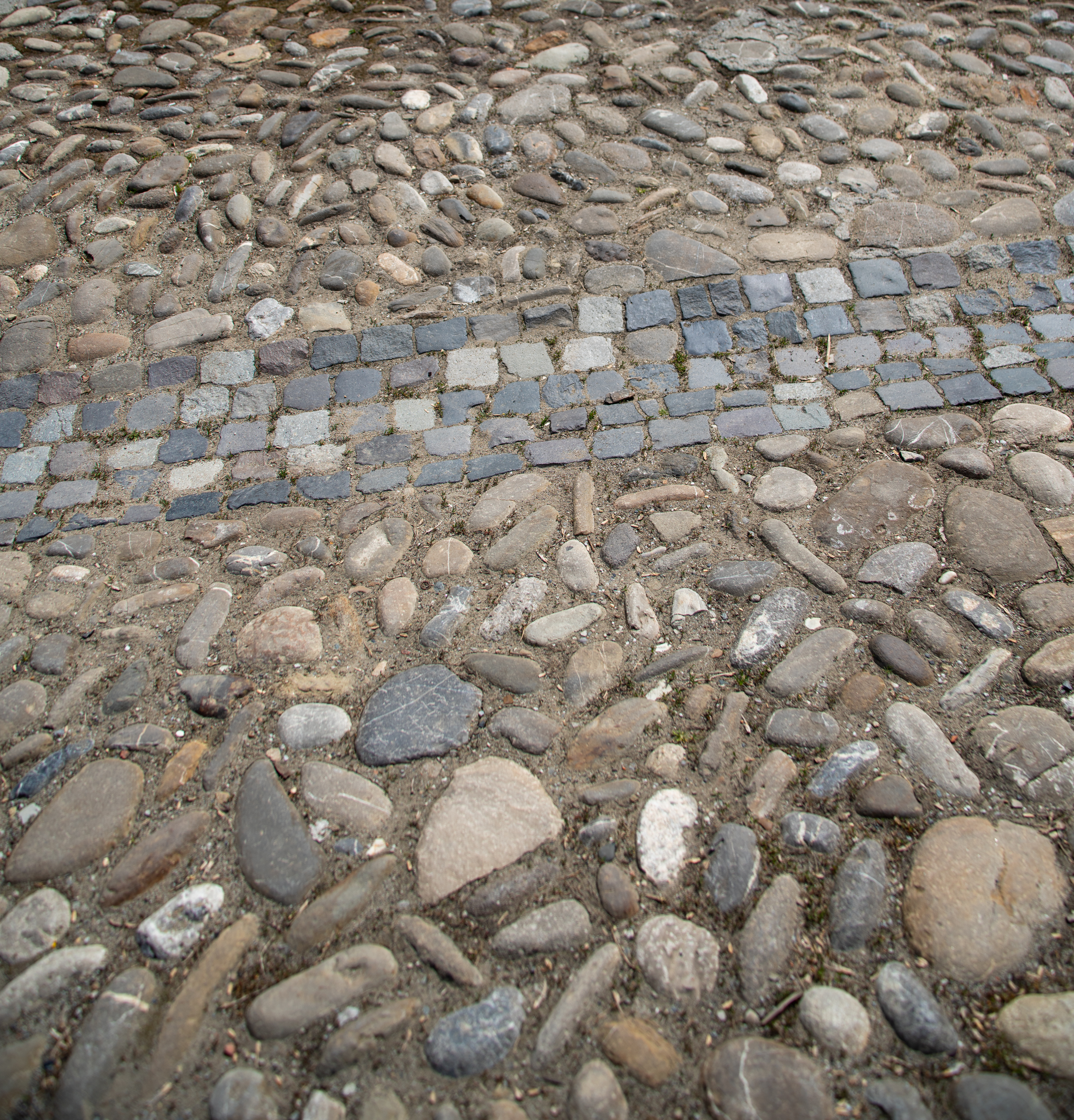
Deadly cobblestones
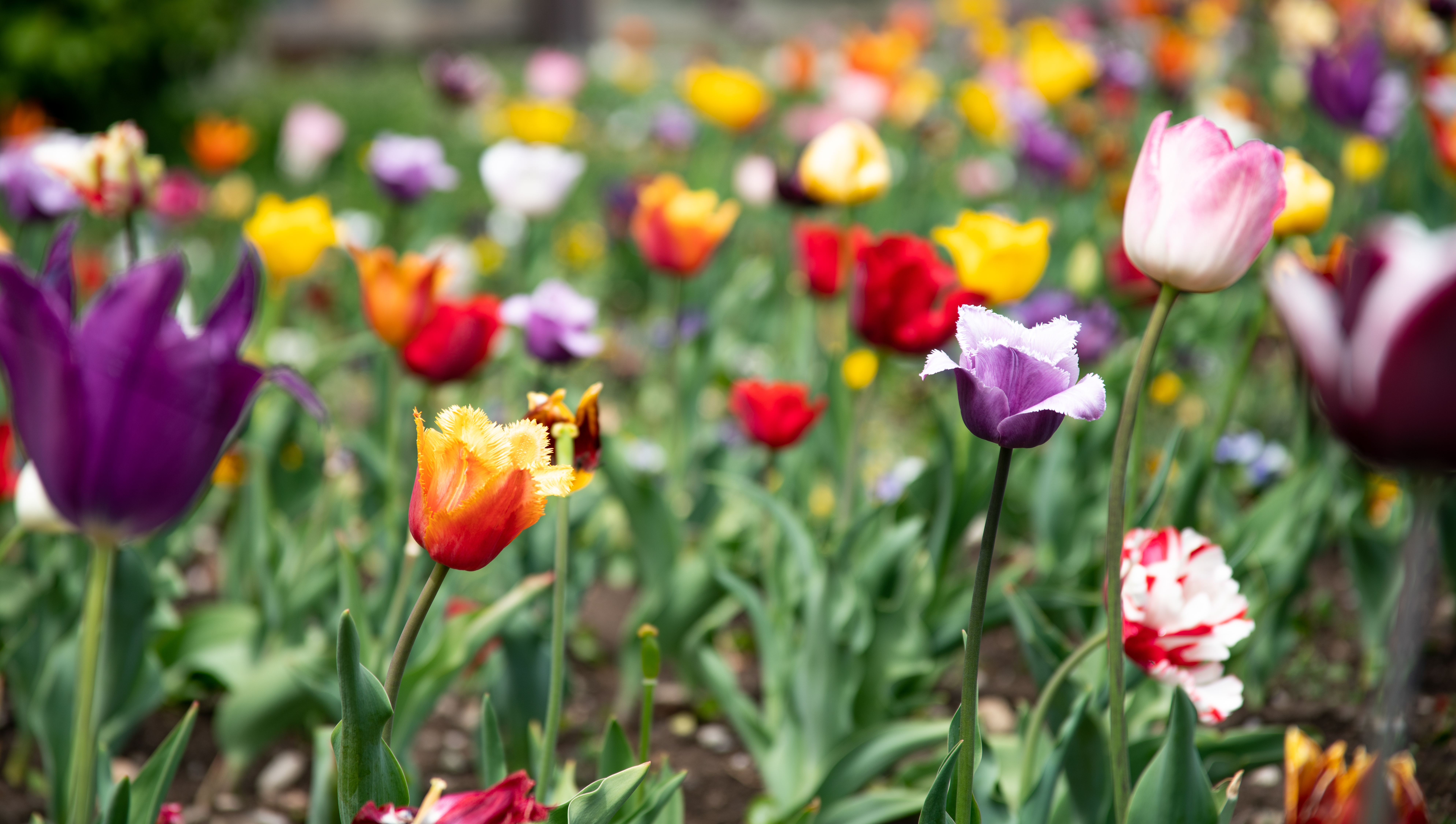
Tulips
The drive to and from Sighișoara and Brasov was 2 hours each way so there were lots of villages and countryside along the way. I was able to identify one of the things we passed by: Rupea Citadel. This is apparently one of the oldest archaeological sites in Romania. dating back to Paleolithic times. The fort dates back to at least1324 when it is documented that Saxons revolting against King Charles I of Hungary took refuge there. The current fort was built on the ruins of a fort that had been conquered by the Romans. The upper citadel dates from the 10th-13th centuries. It spirals down with the lowest portions dating to the 18th century. Legend has it that Decebalus, a Romanian hero and the last king Dacia in 106 AD, killed himself here rather than be taken captive by Trajan. We will run across Decebalus again in a few days.
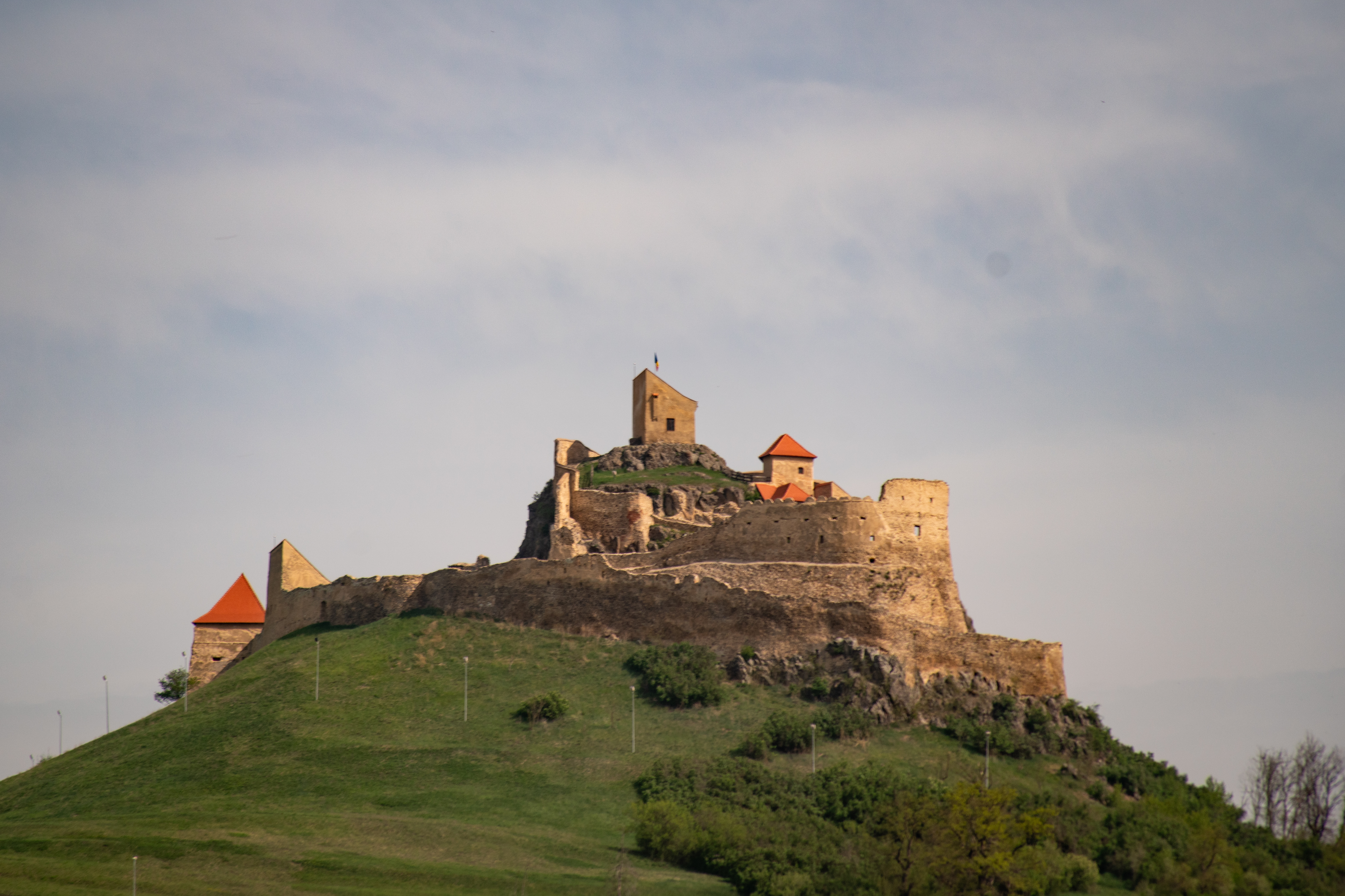
Rupea Citadel
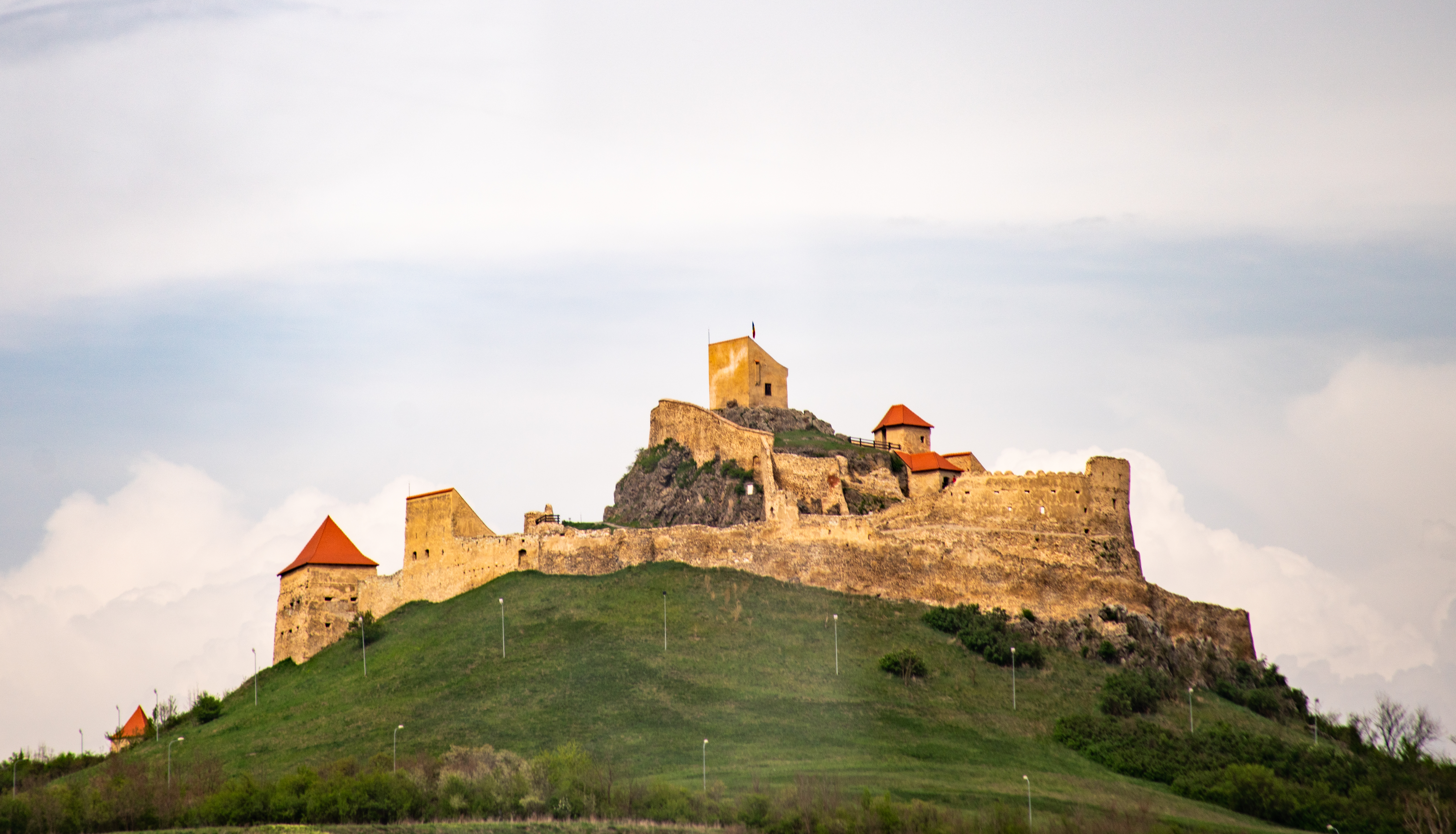
Rupea Citadel
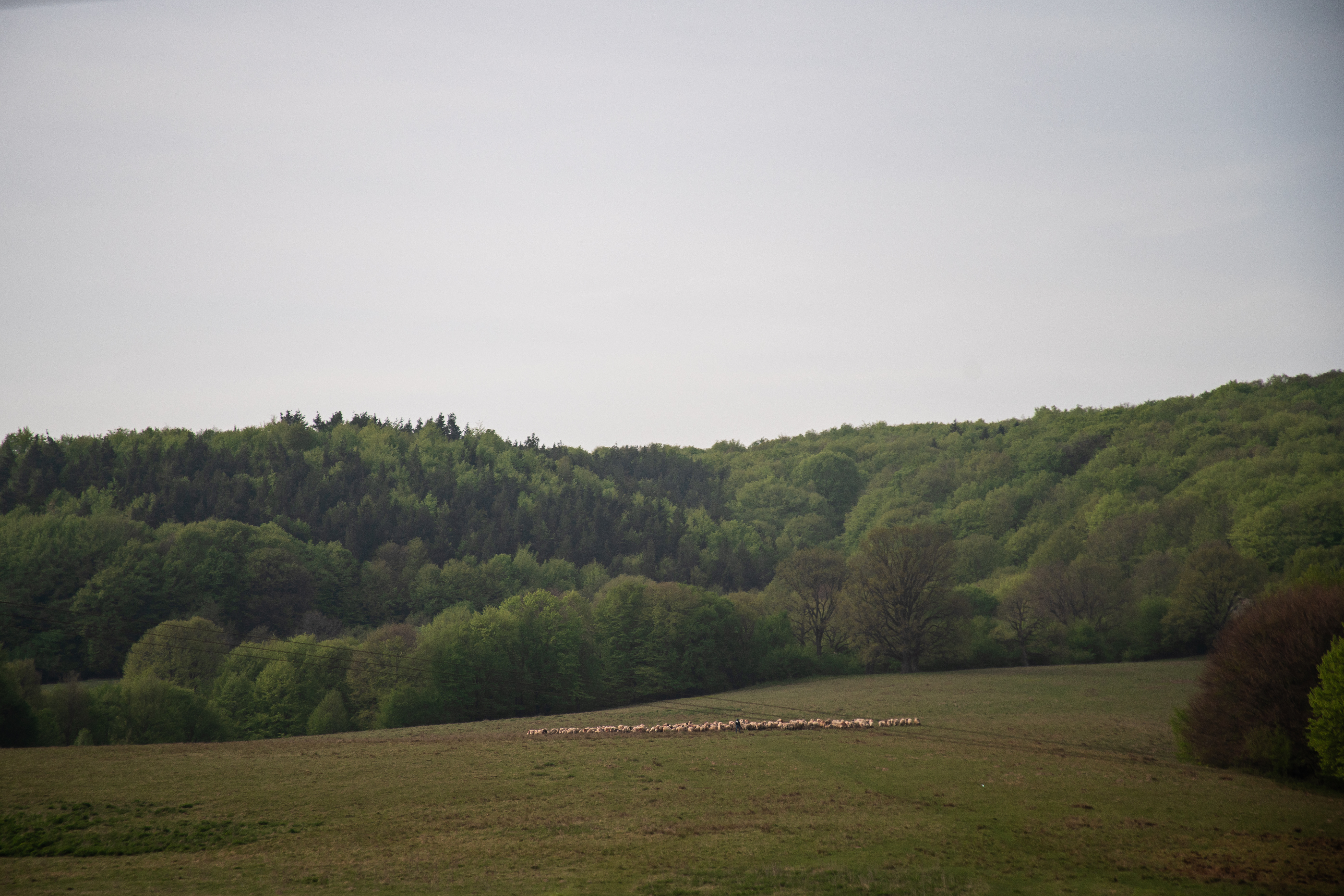
Countryside with sheep
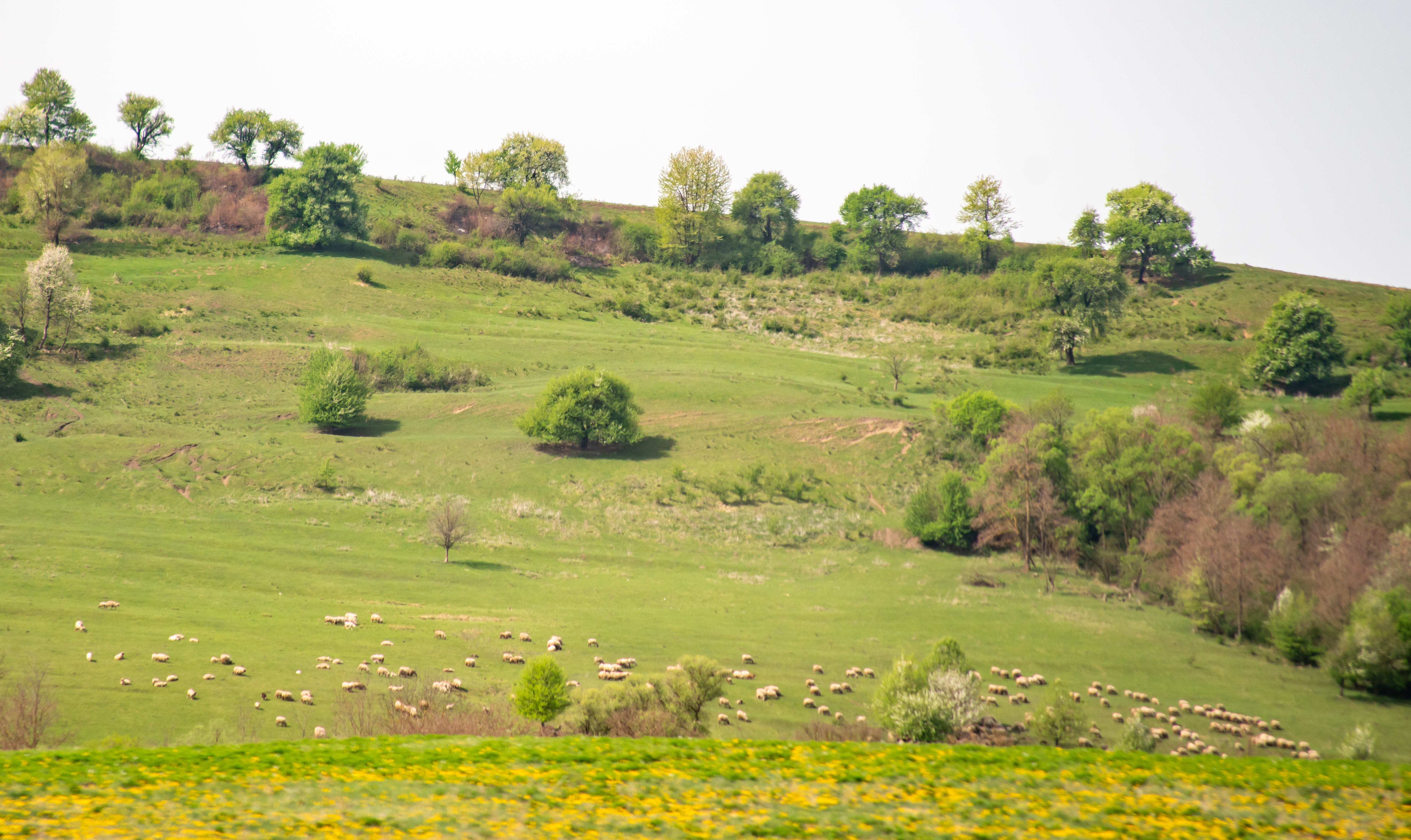
Countryside with more sheep
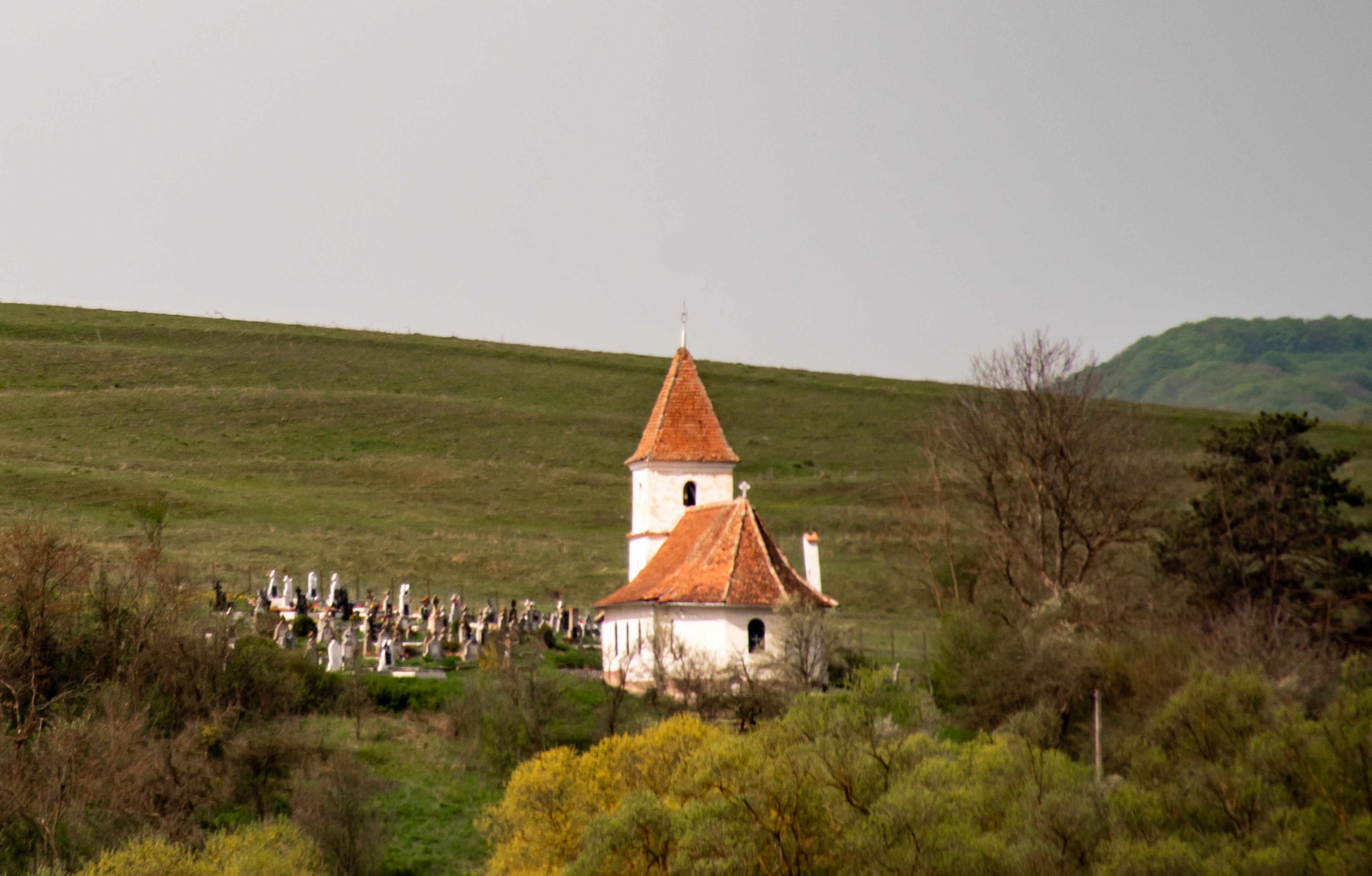
Country church
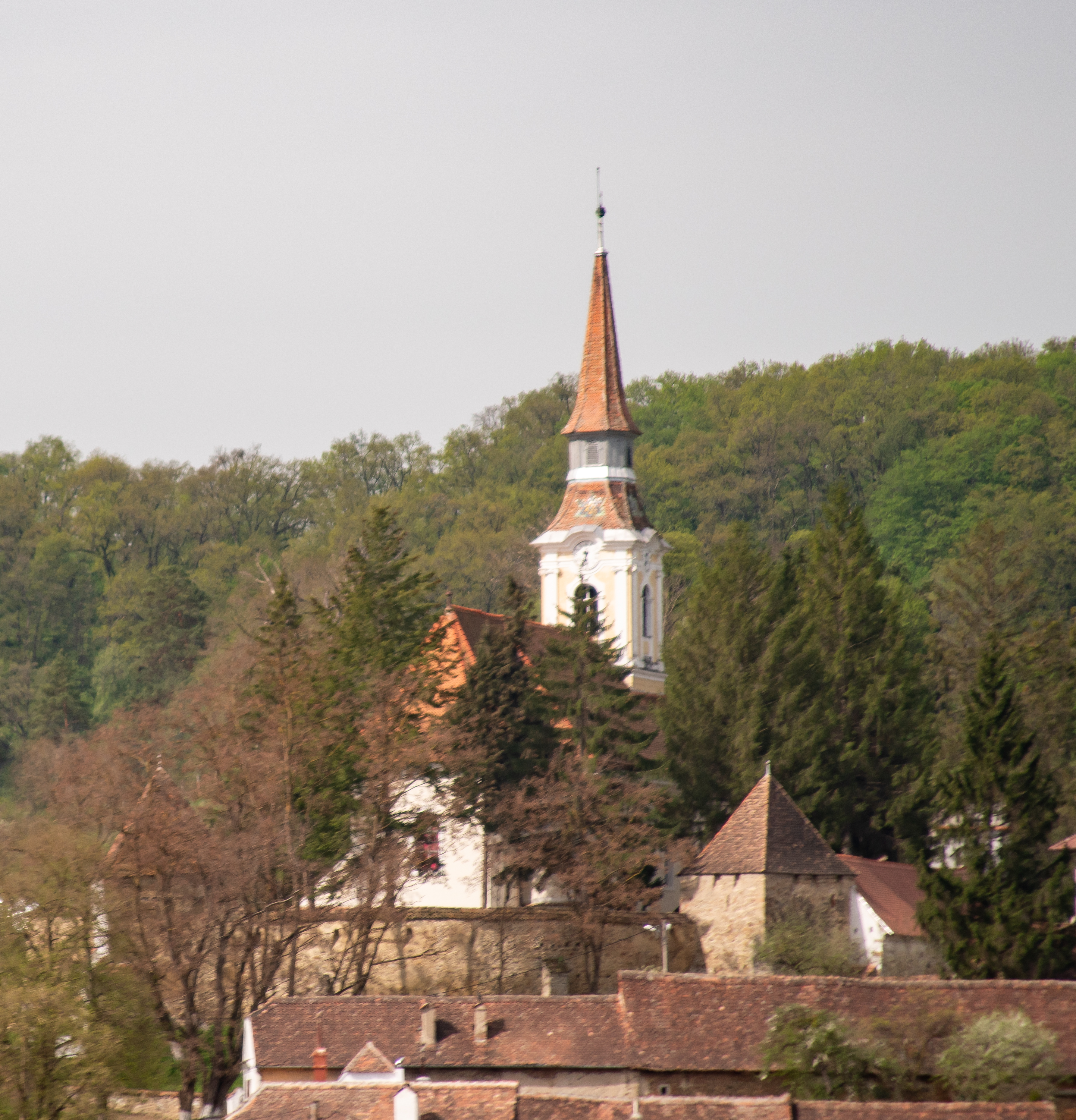
Fortified village church
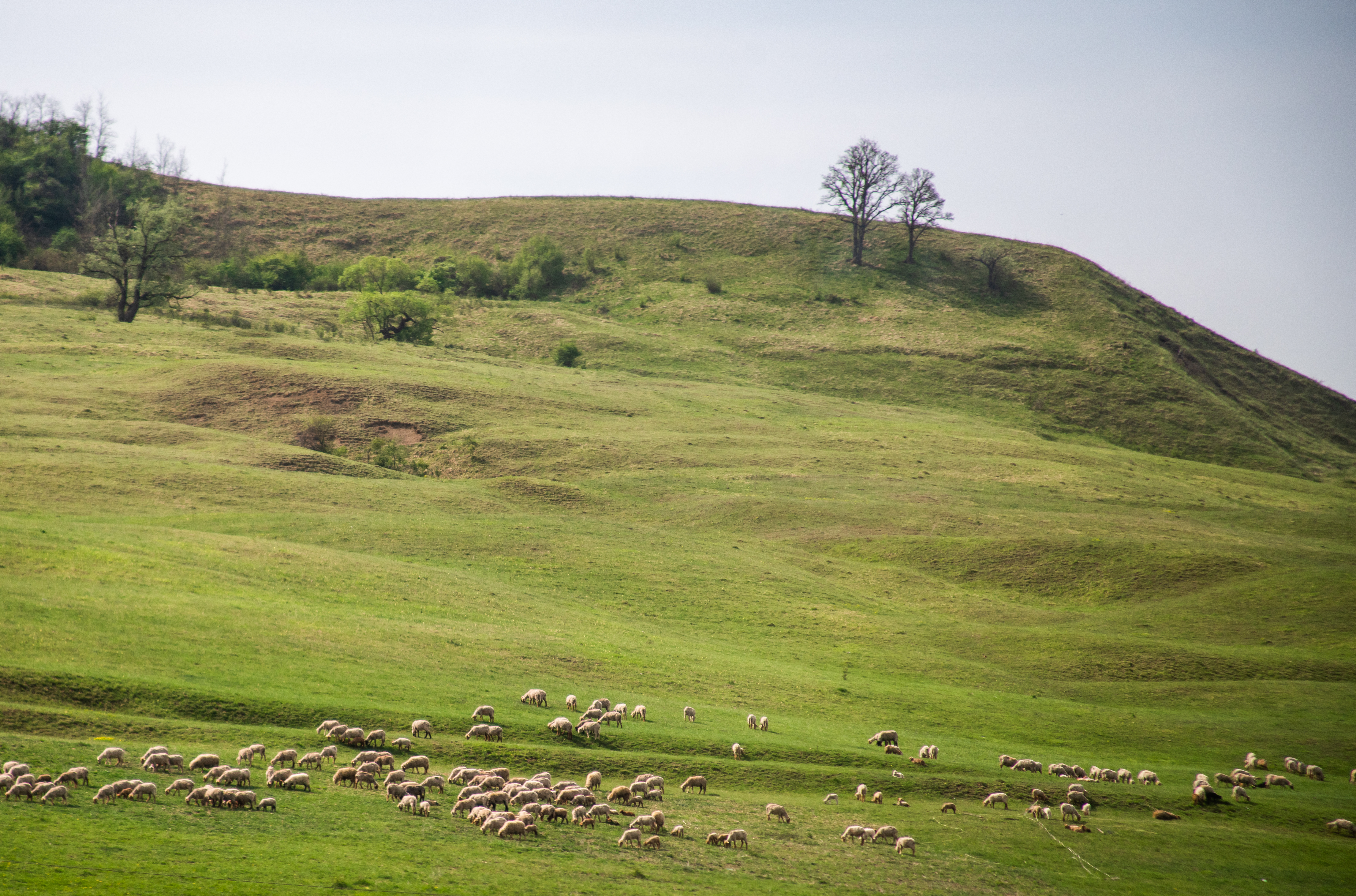
More countryside with sheep
In the evening we went back to old town Brasov for dinner and to walk around the fortifications a little more. We got a great view of the old town from the Black Tower! We also made it to Rope Street, Strada Sforii, which is one of the narrowest streets in Europe. Its width varies between 44 and 53 in, and it is 260 ft long. Somewhat of a silly novelty, but fun.
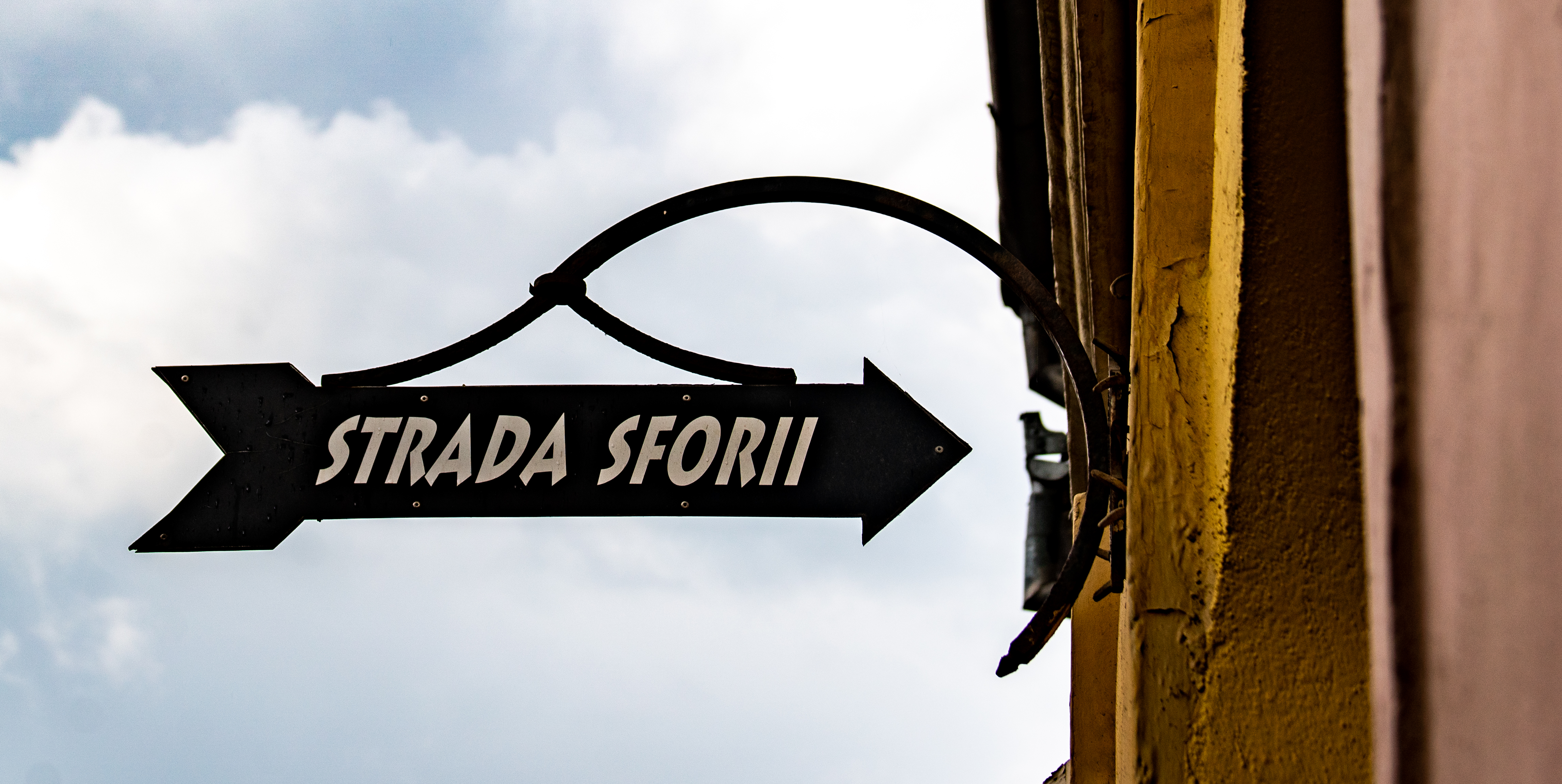
Rope Street
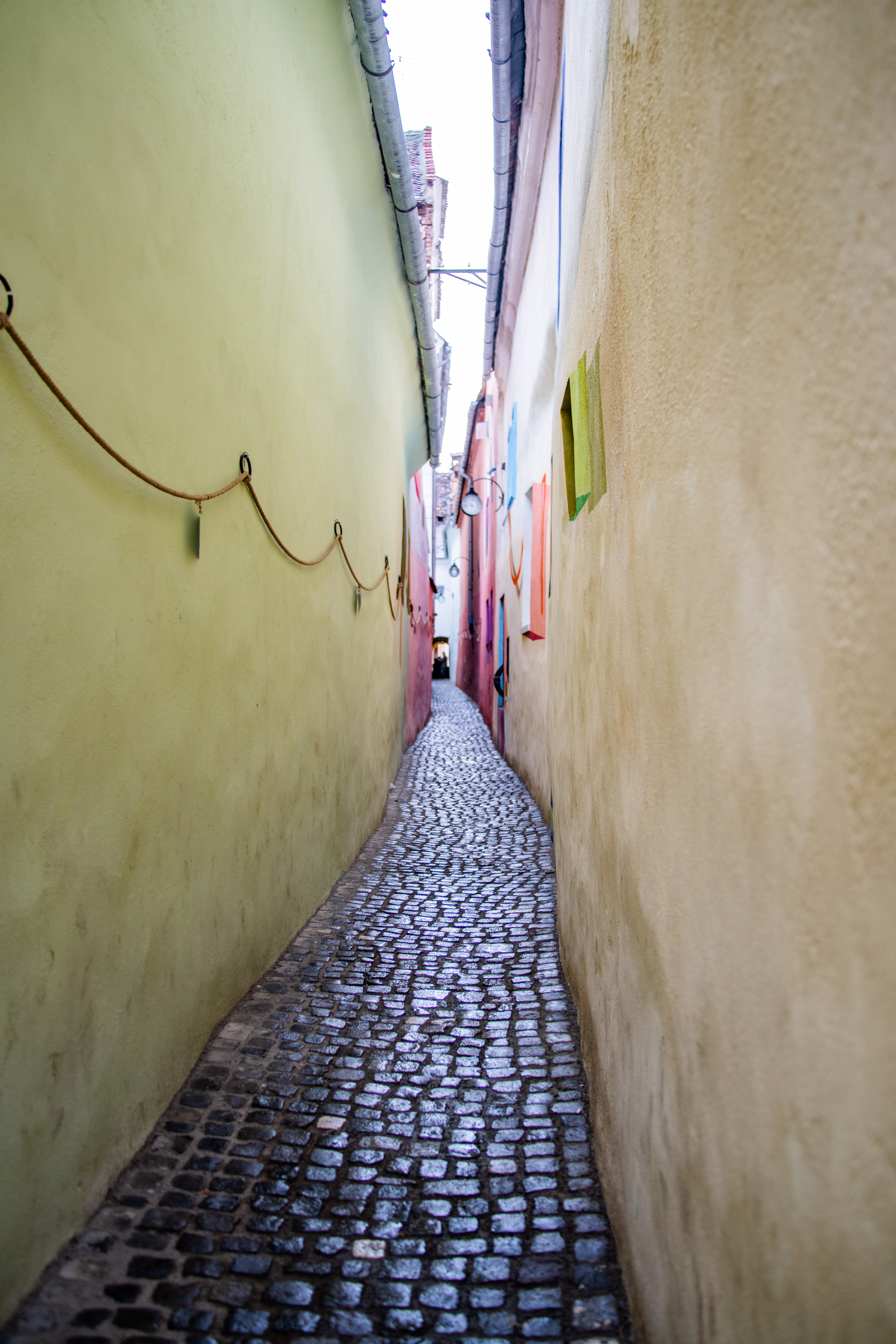
Rope Street

Rope Street
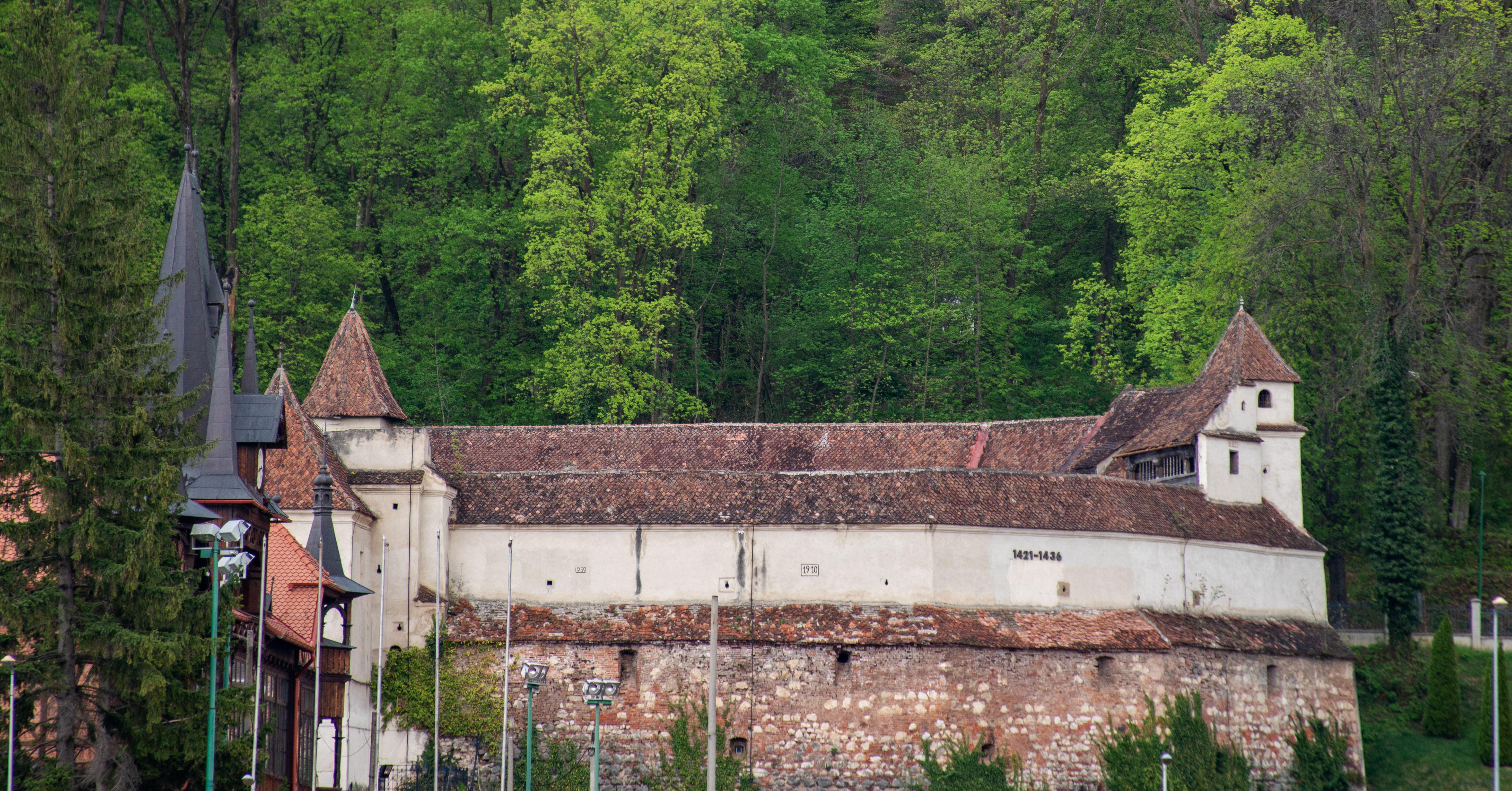
Brasov city fortifications
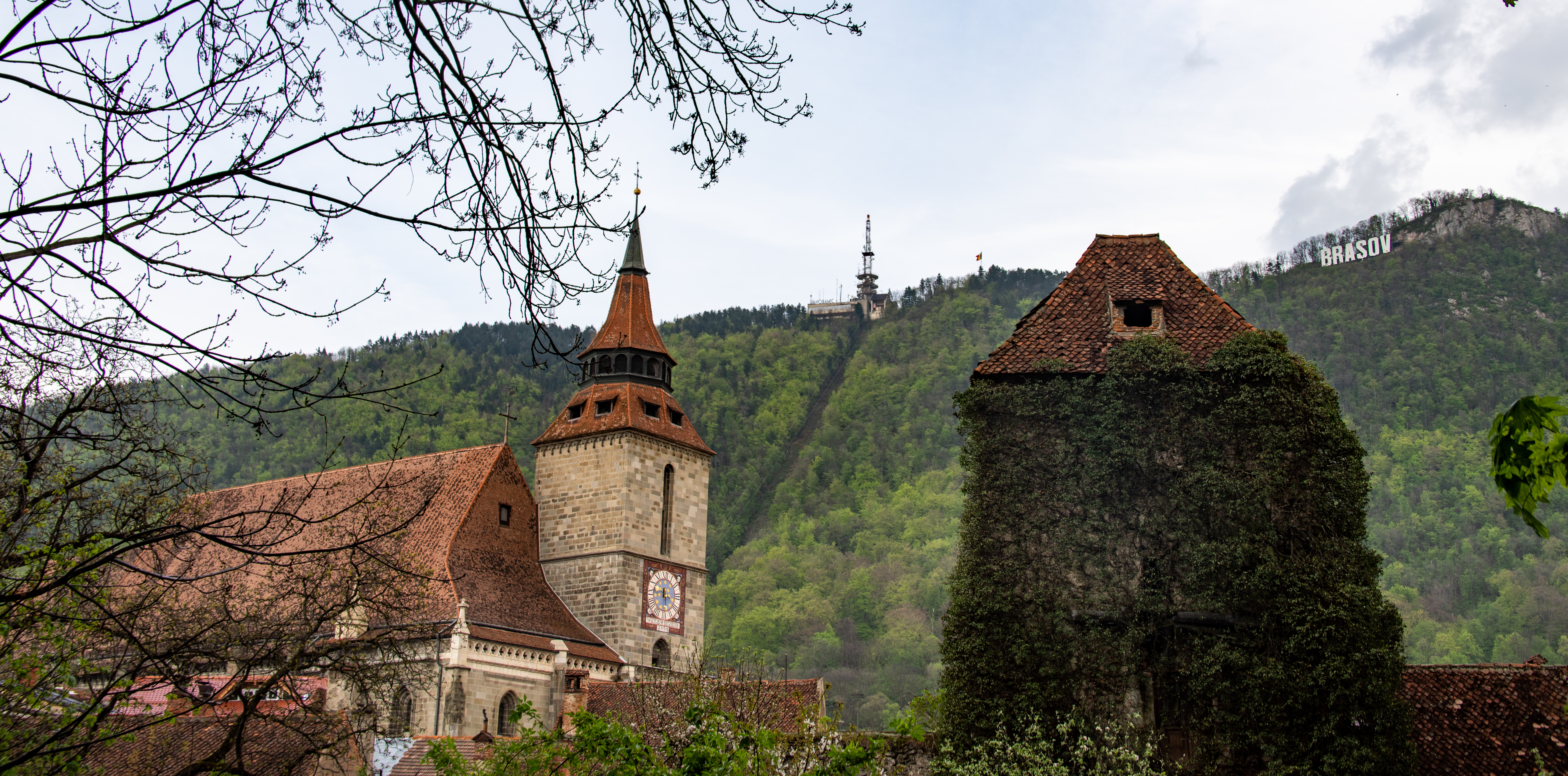
Climbing up to the Black Tower
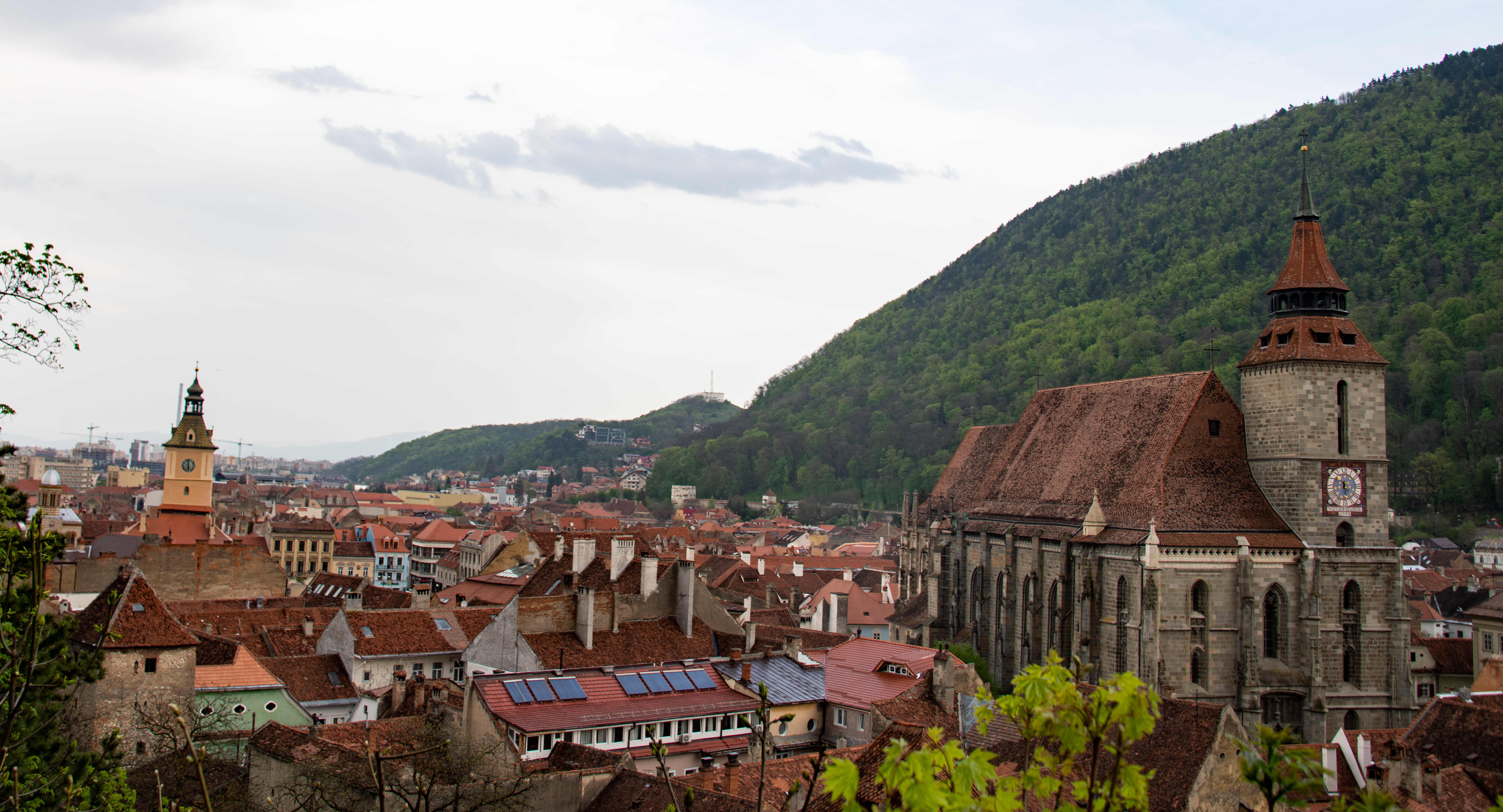
View from the Black Tower
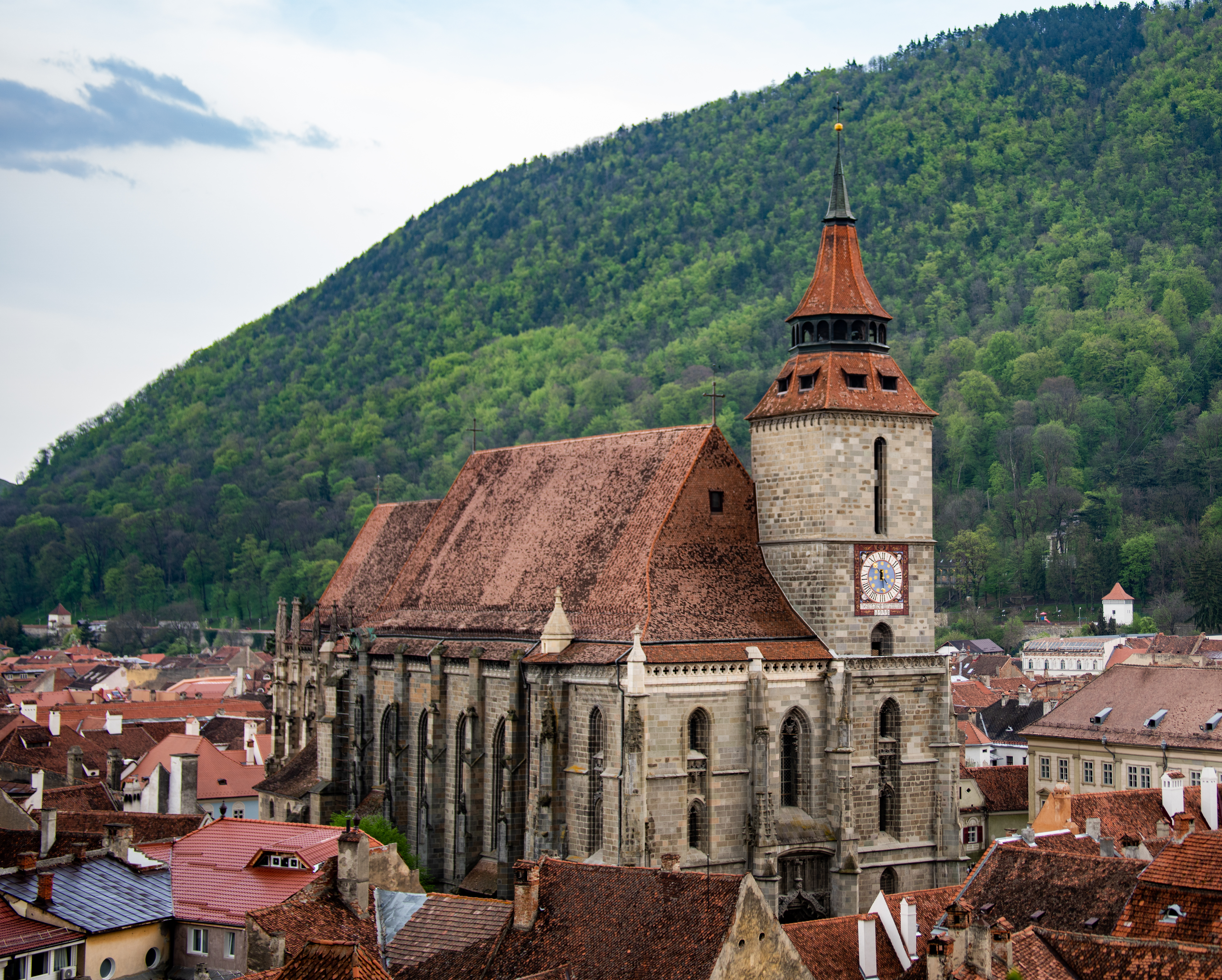
View of the Black Cathedral from the Black Tower
Graft Bastion
 Will Suture for Travel
Leave a comment