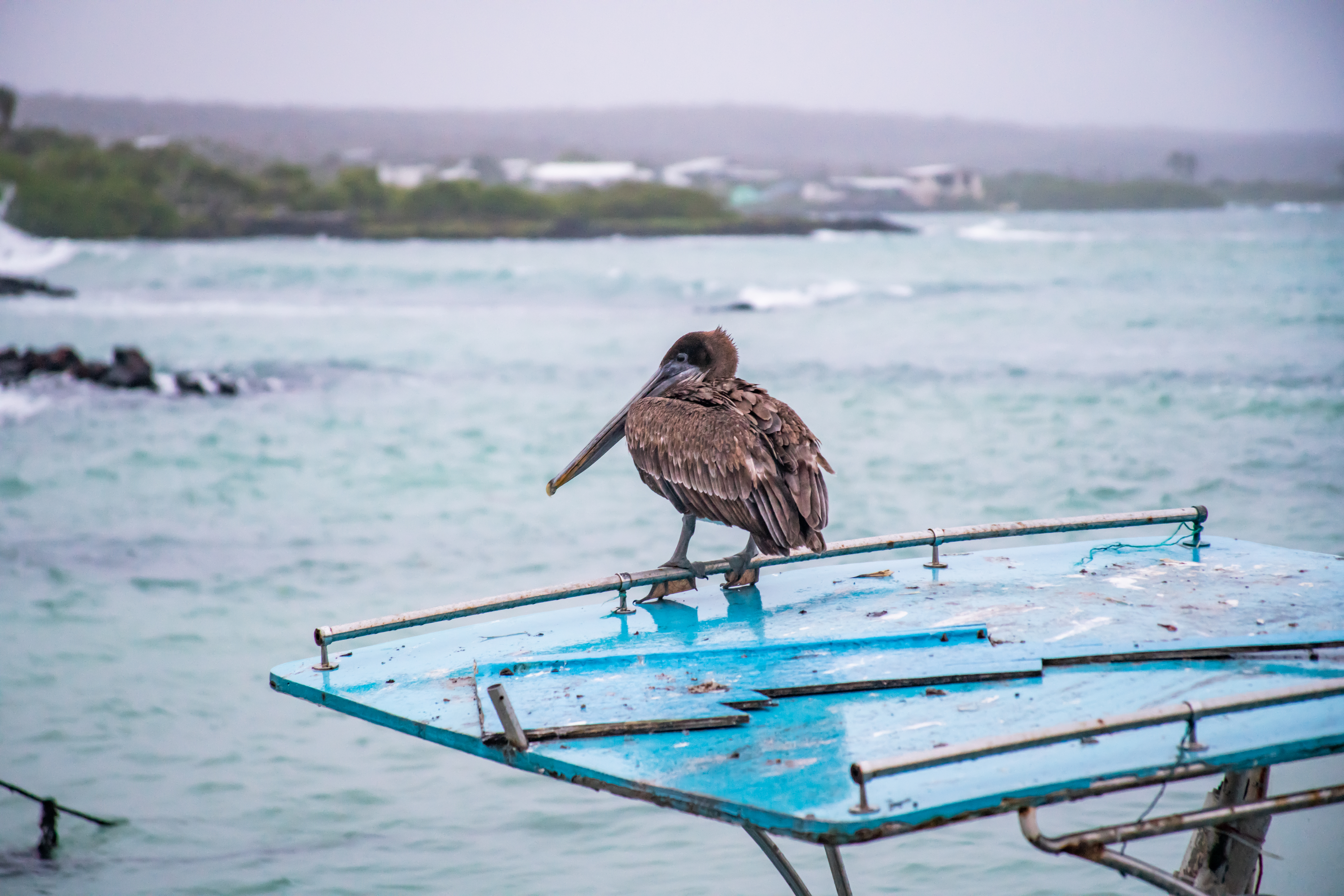
Today we took a tour to Isabela Island. We started out early in the morning. Many of these islands are a good hour boat ride apart. This was a particularly rough ride both ways, but well worth it. We had to take a ferry to the island to catch our tour and then the ferry back to Santa Cruz in the afternoon.
Isabela Island is considered one of the youngest of the Galapagos Islands. It is on the western edges of the islands and was formed by the merging of 6 volcanoes about a million years ago. (That should make you feel quite young in island years!) Five of these volcanoes are still active. Isabella has more tortoises than any of the other islands and is also known for its goats. It has a population of Galapagos Penguins, American Flamingoes, and Blue Footed Boobies, along with the usual land and sea iguanas, finches, crabs, and many other common animals. You can probably see why we wanted to come here.
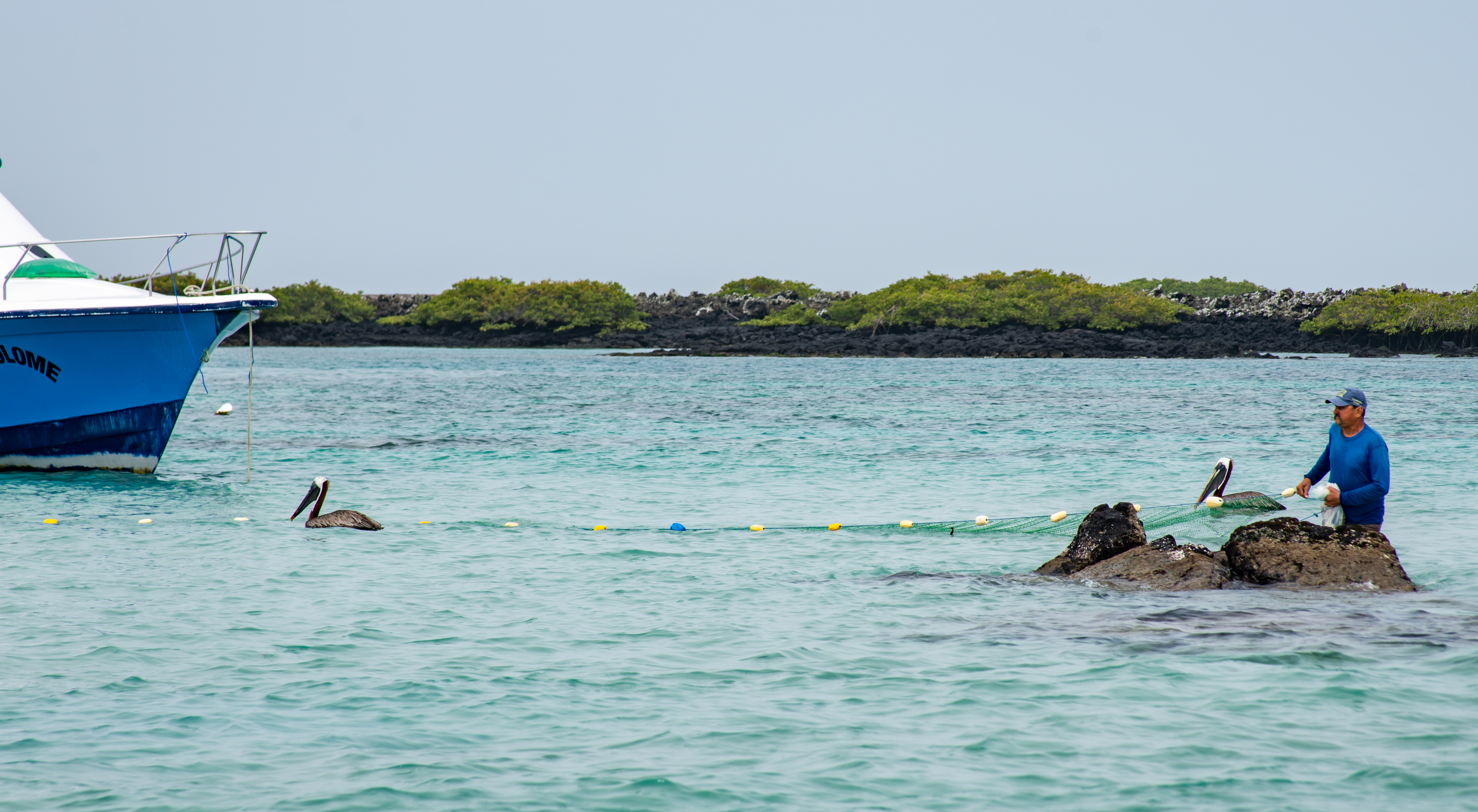
Pelicans “helping” the fishermen
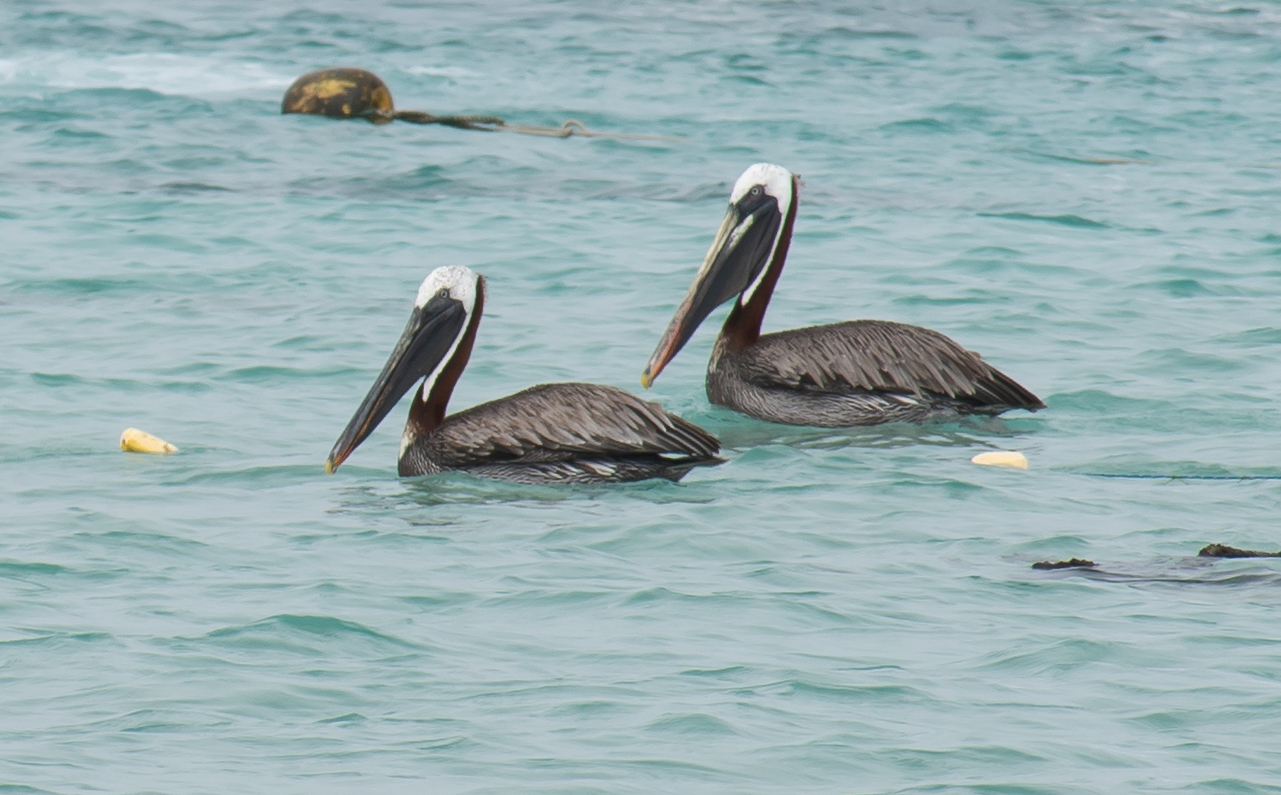
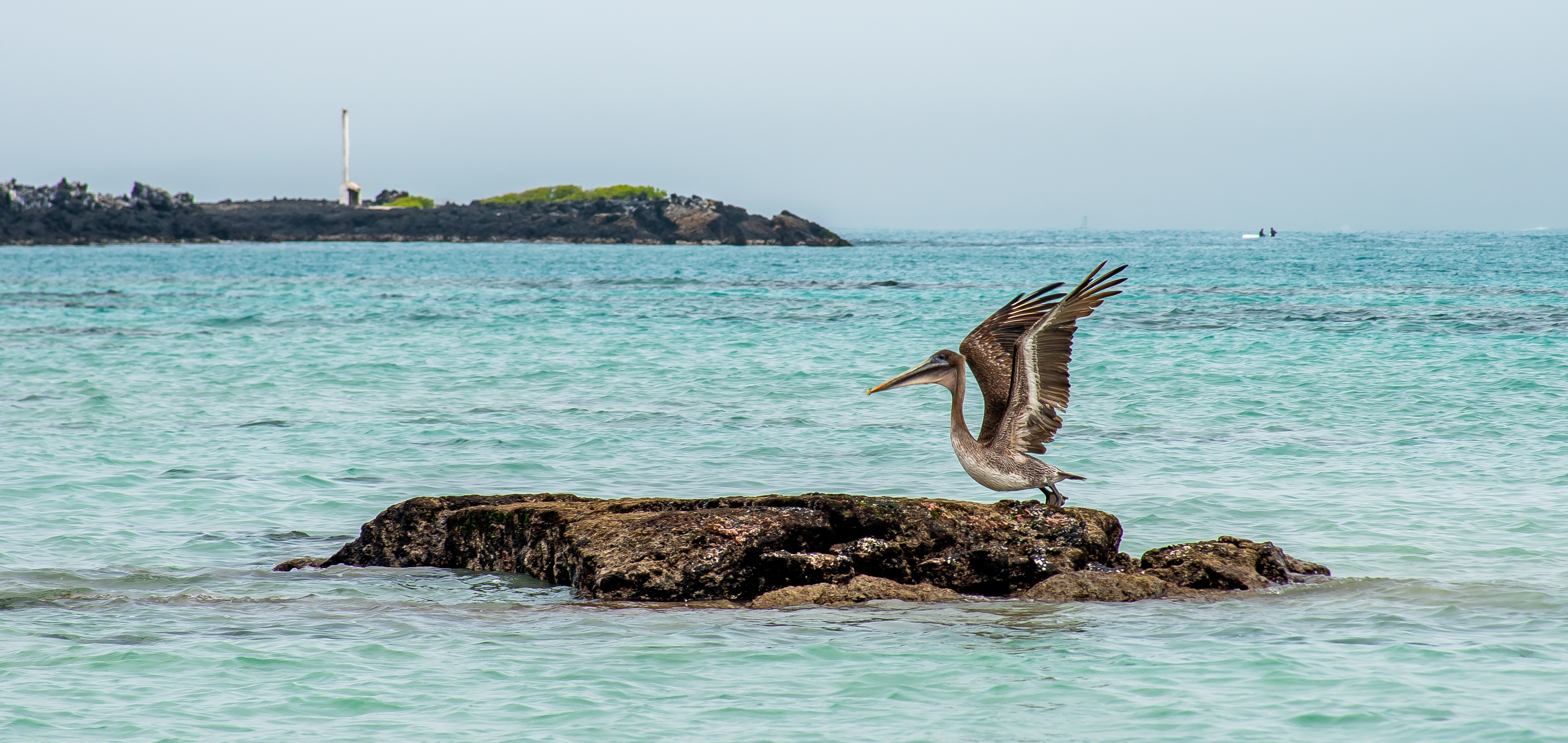
Brown Pelicans: These guys are all over and they’re huge…apparently up to a 90 inch wing span. Amazingly, their hollow bird bones allow them to sit up in high tree branches with ease!
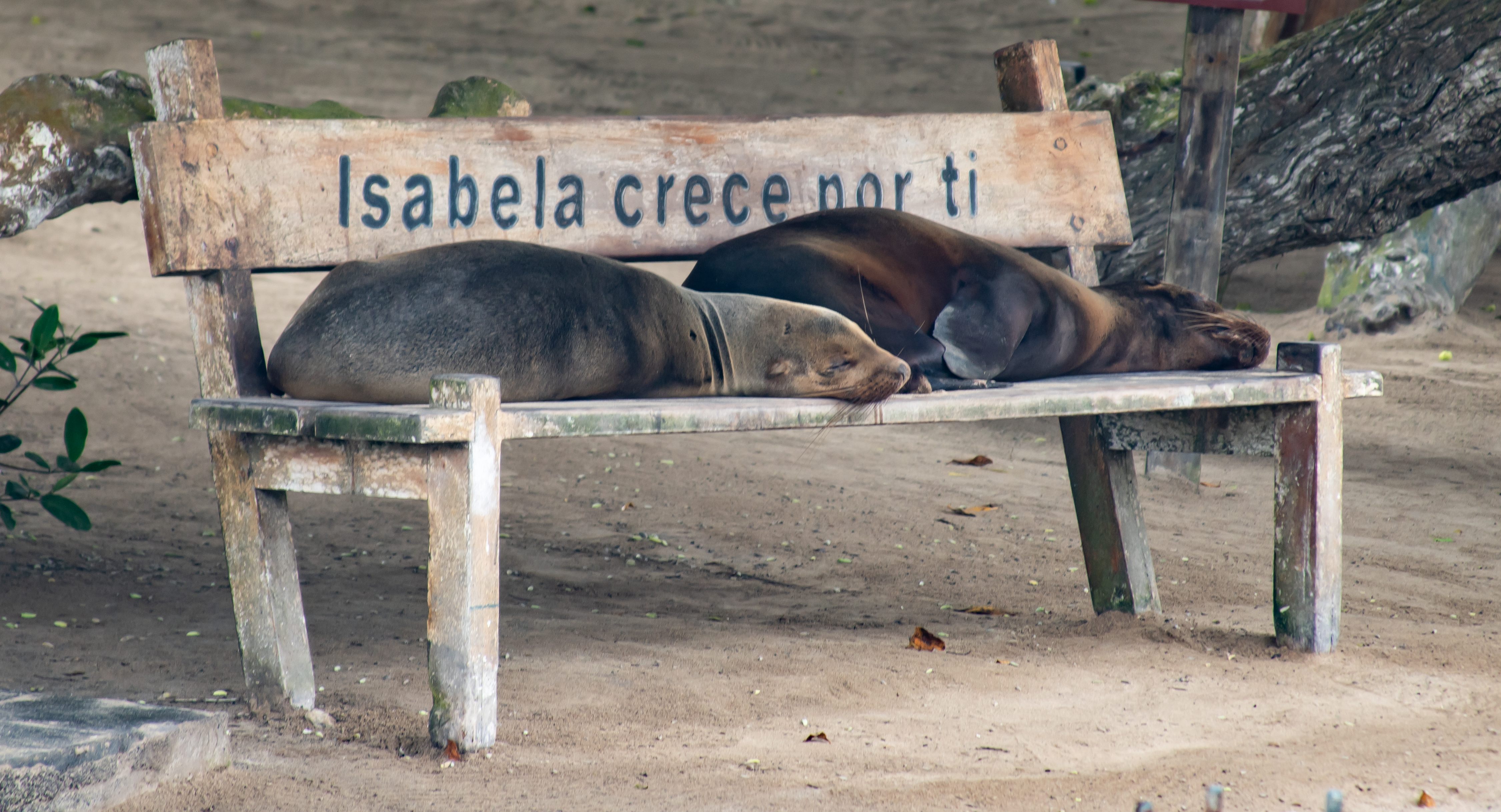
Sea lions are everywhere!
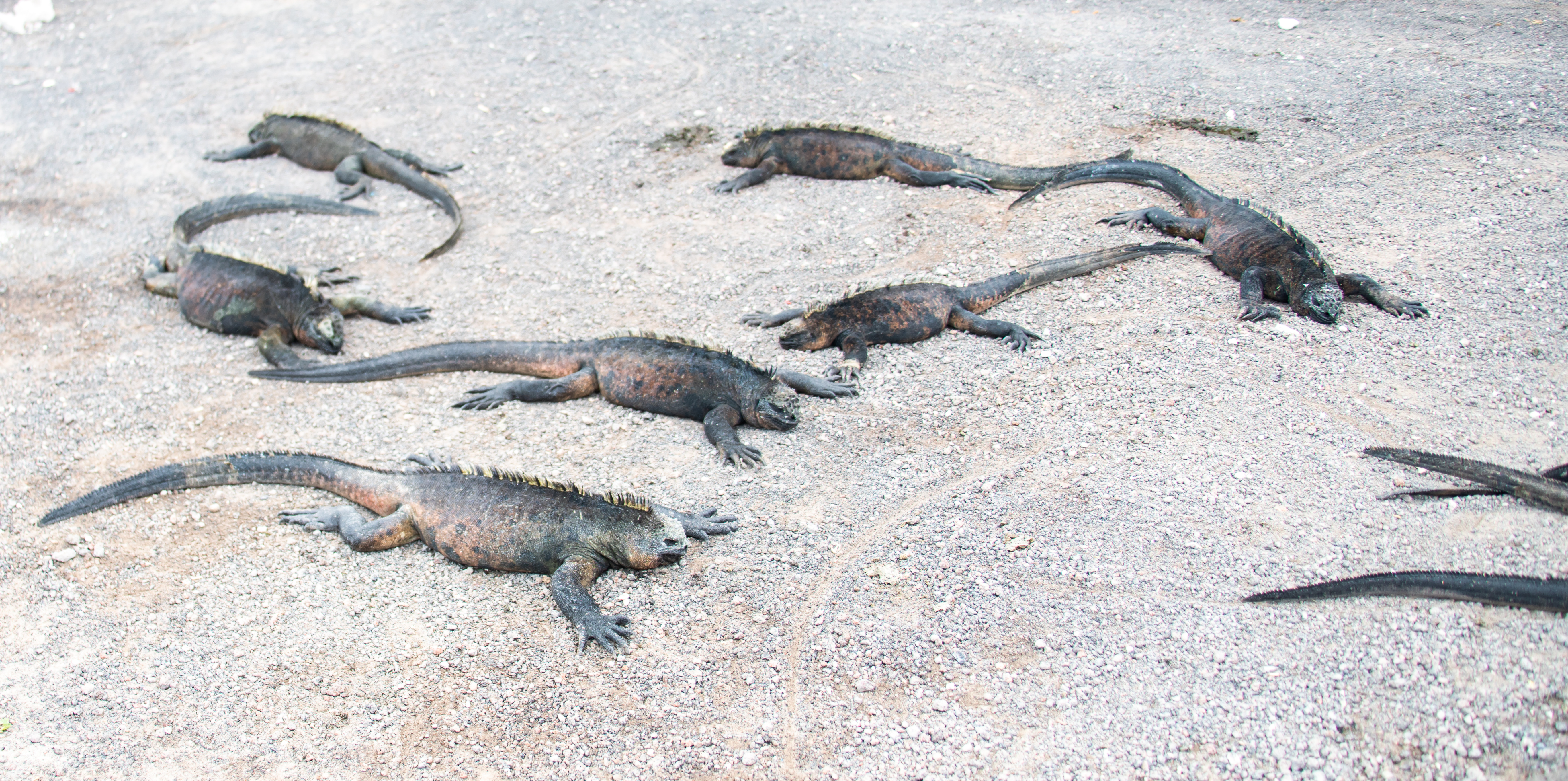
Marine Iguanas of Isabella Island. Notice the slightly different coloring and face shape compared to the ones from yesterday.
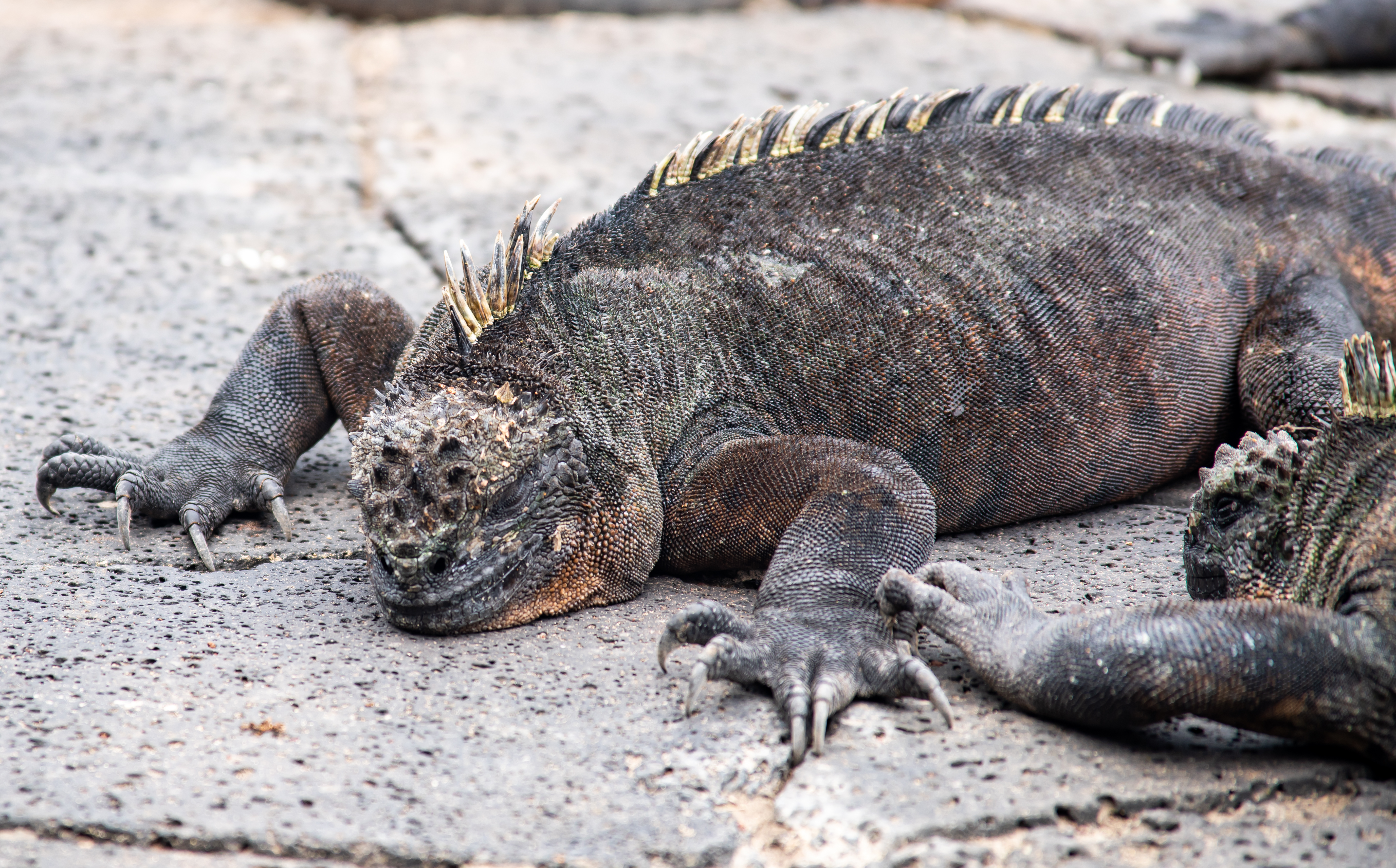
Up close, serious claws!
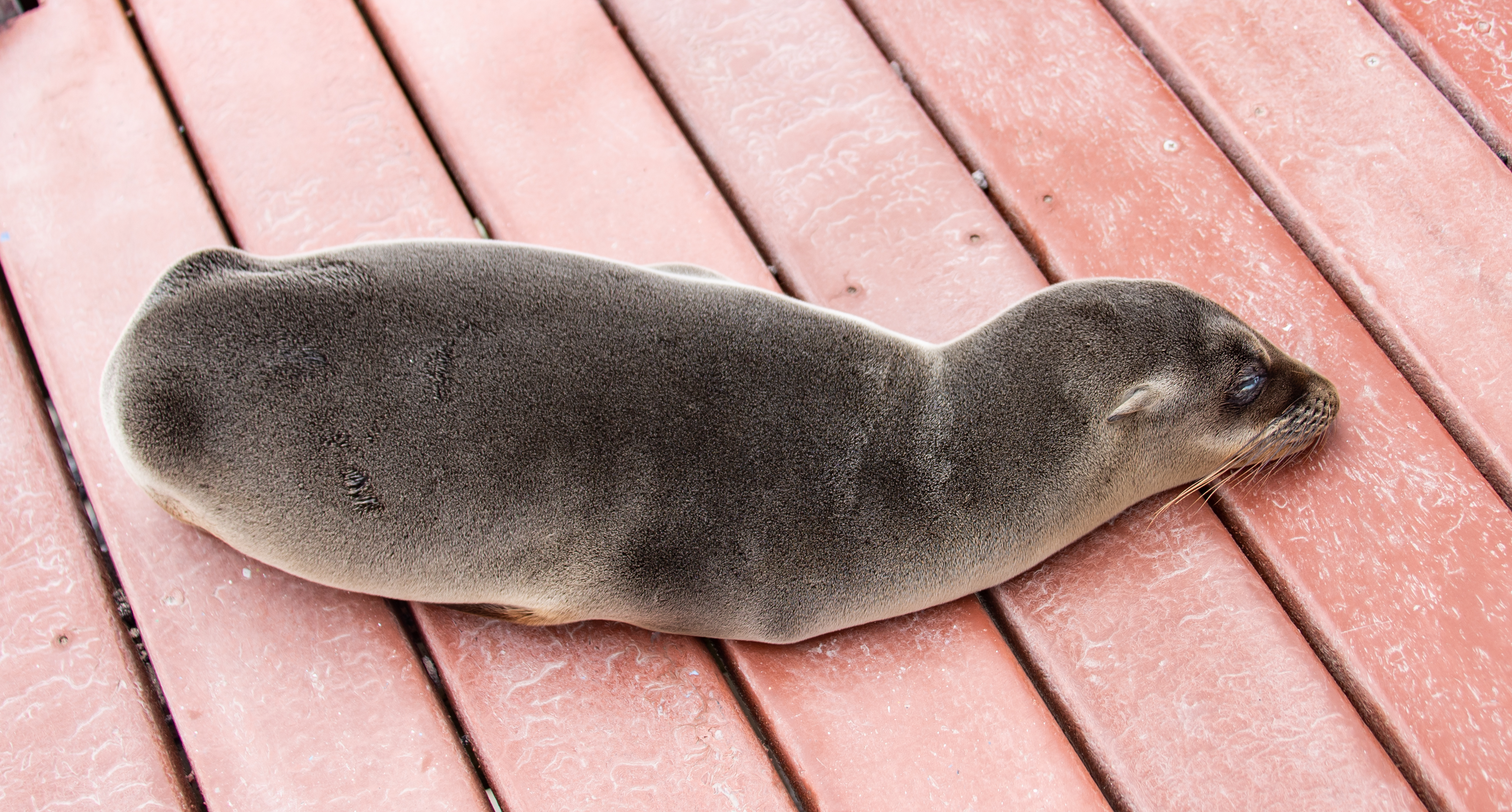
Little baby sea lion. We were walking out to our boat and couldn’t follow the 6 foot rule!
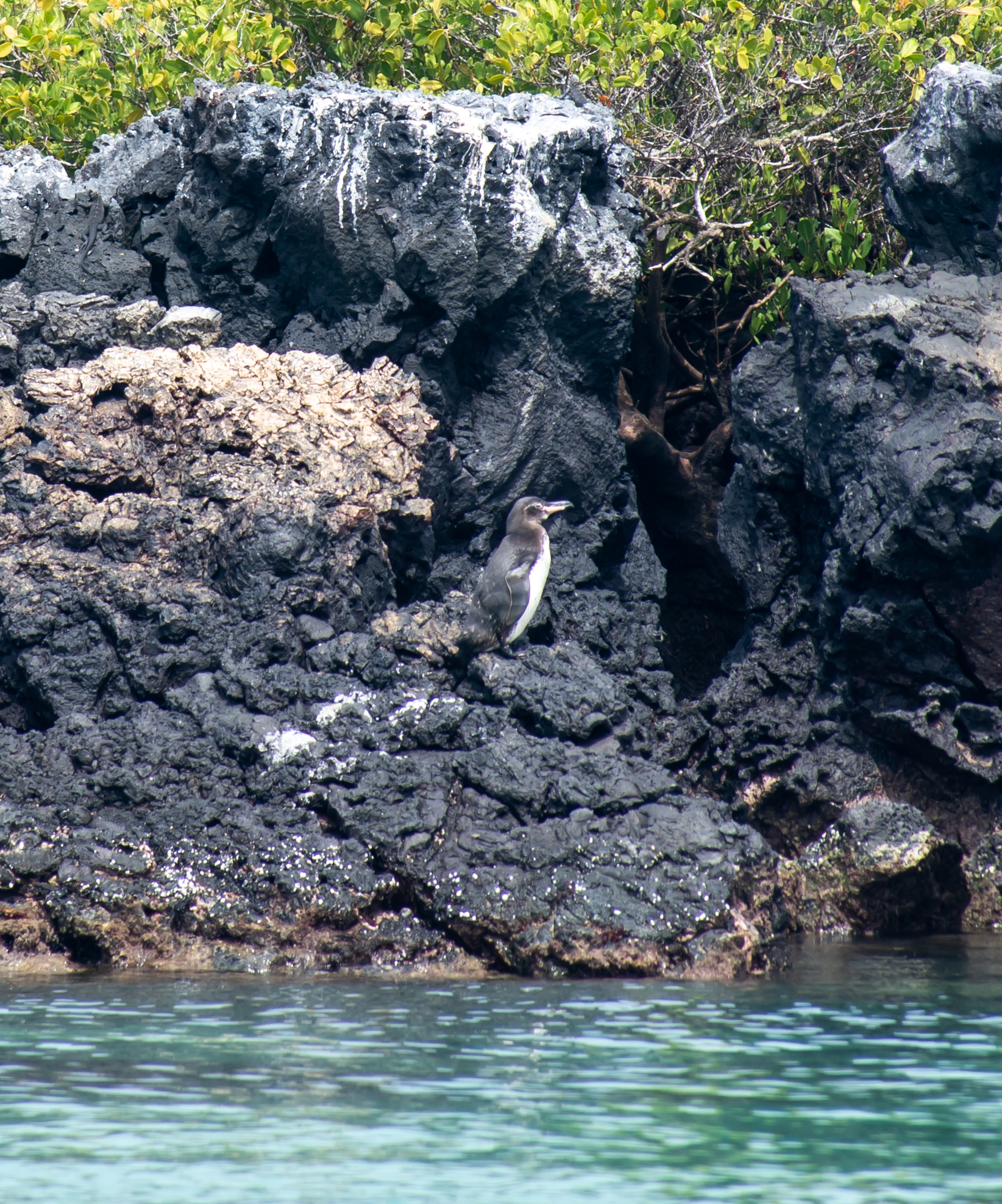
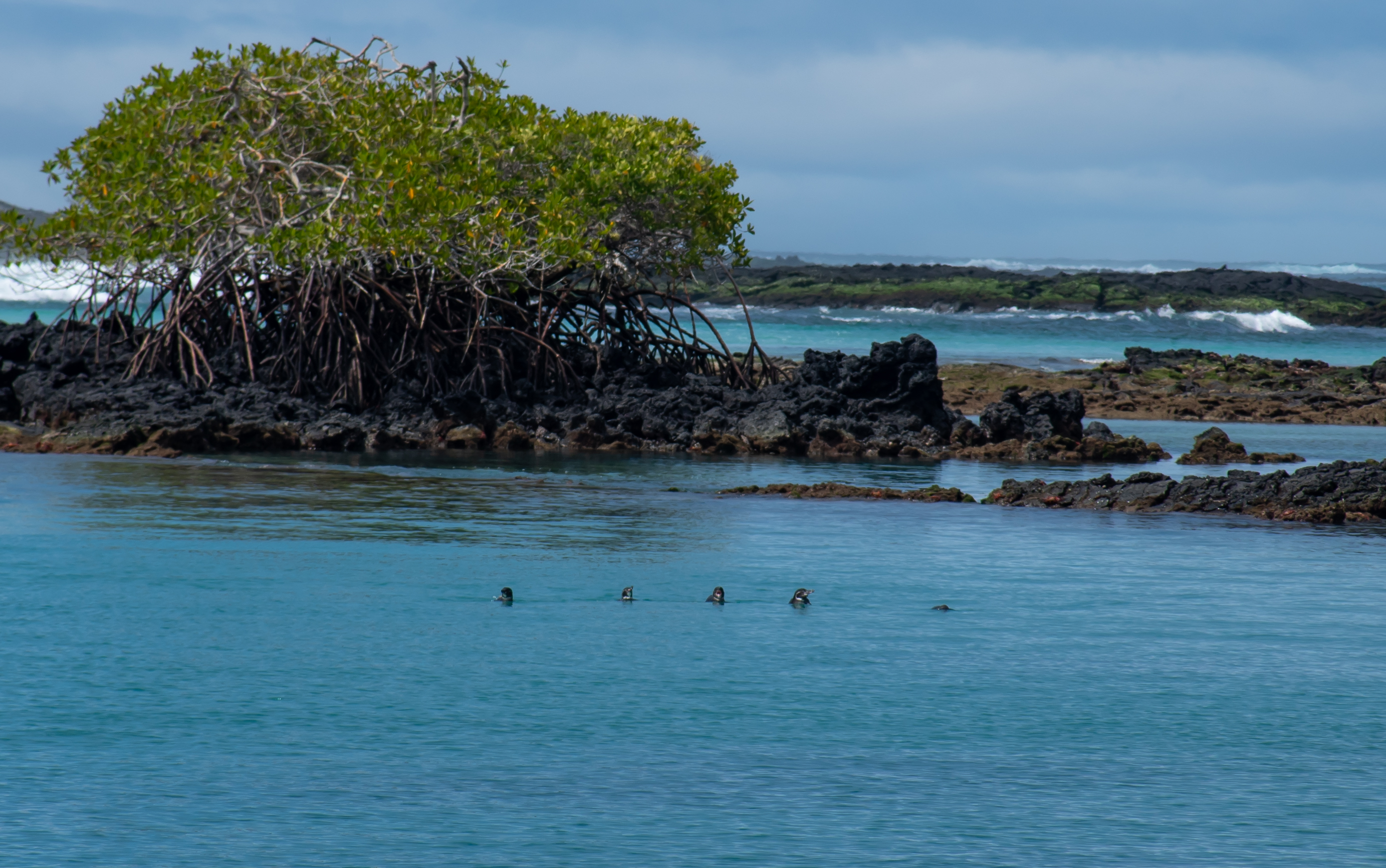
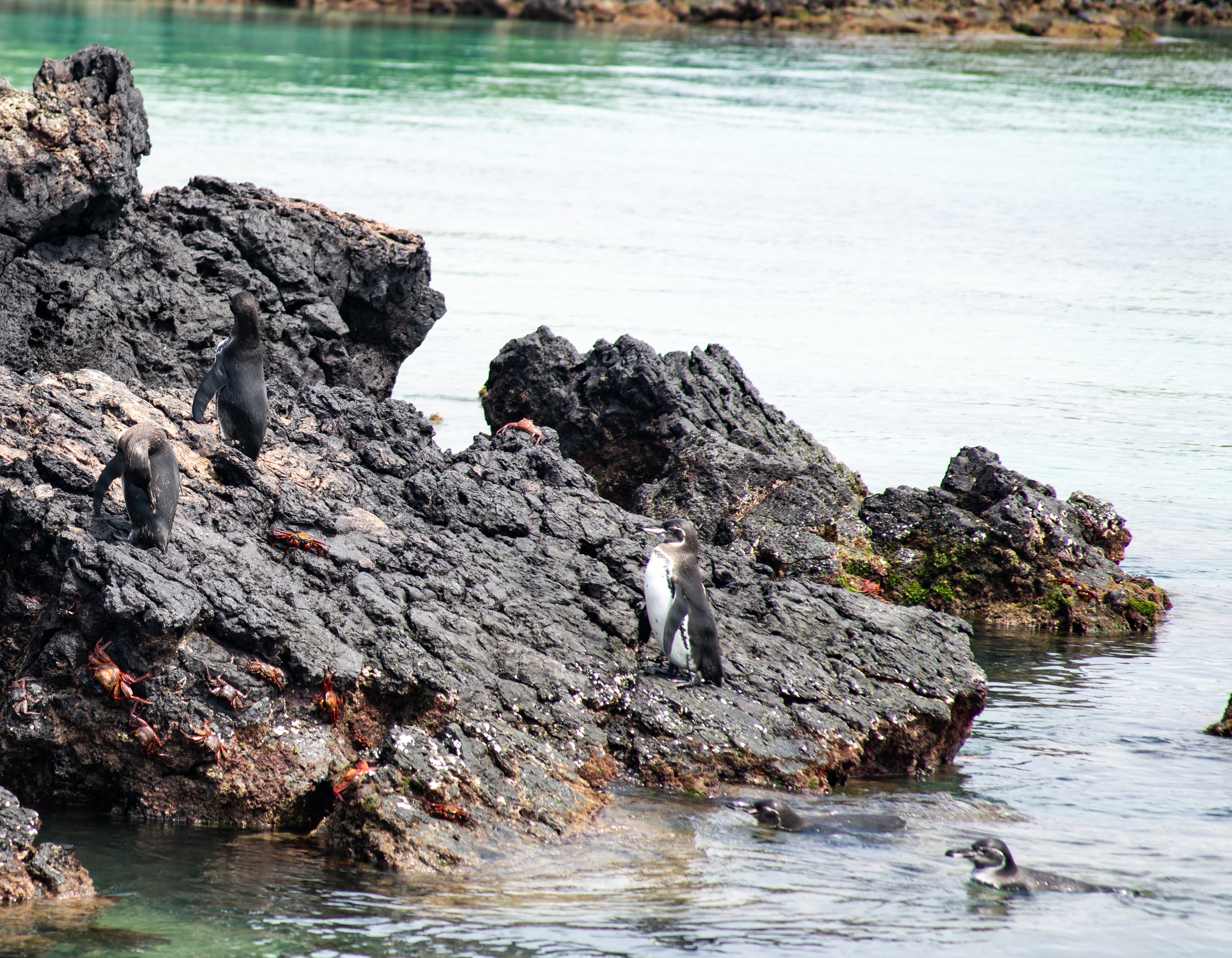
Galapagos penguin
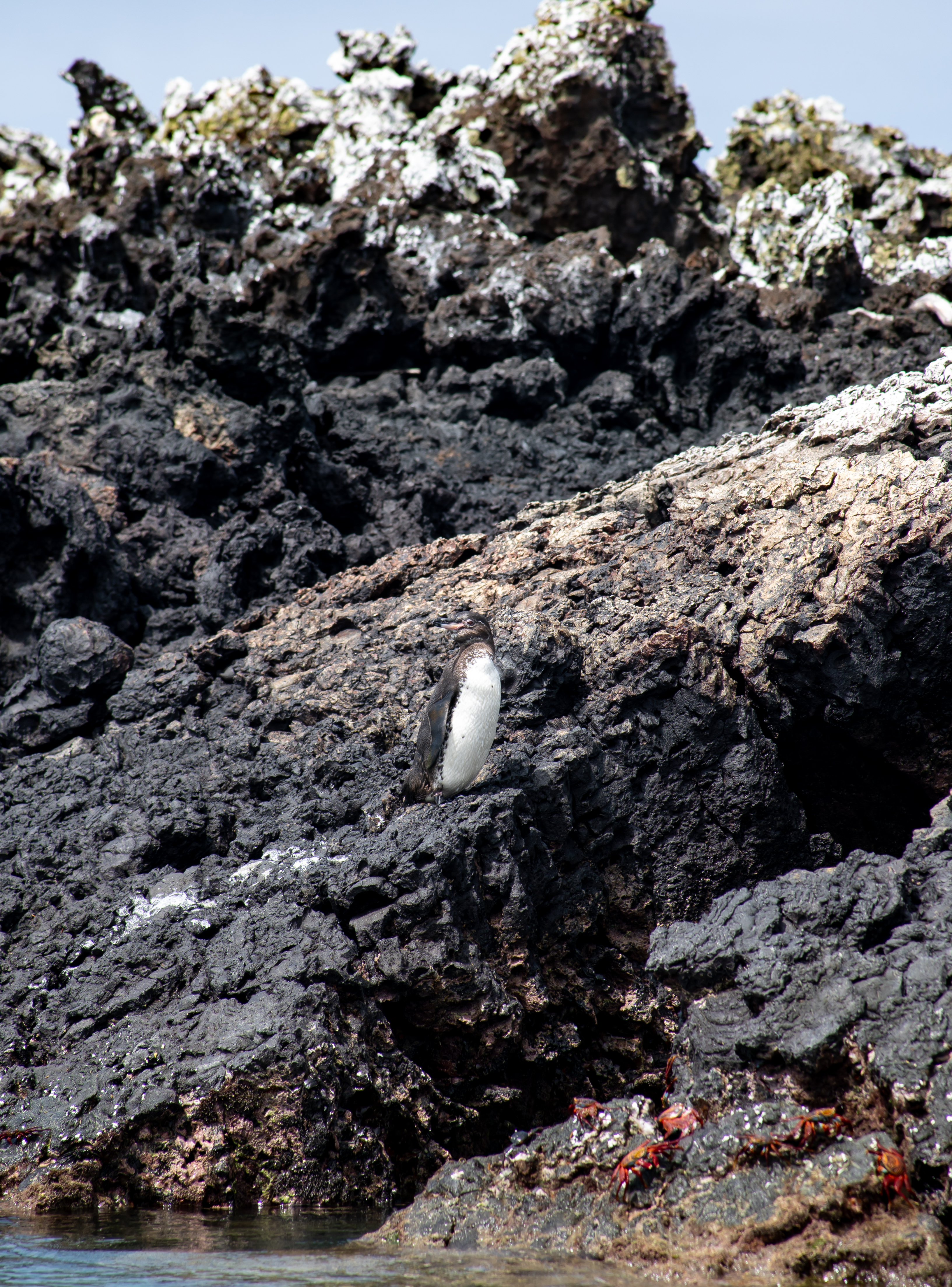
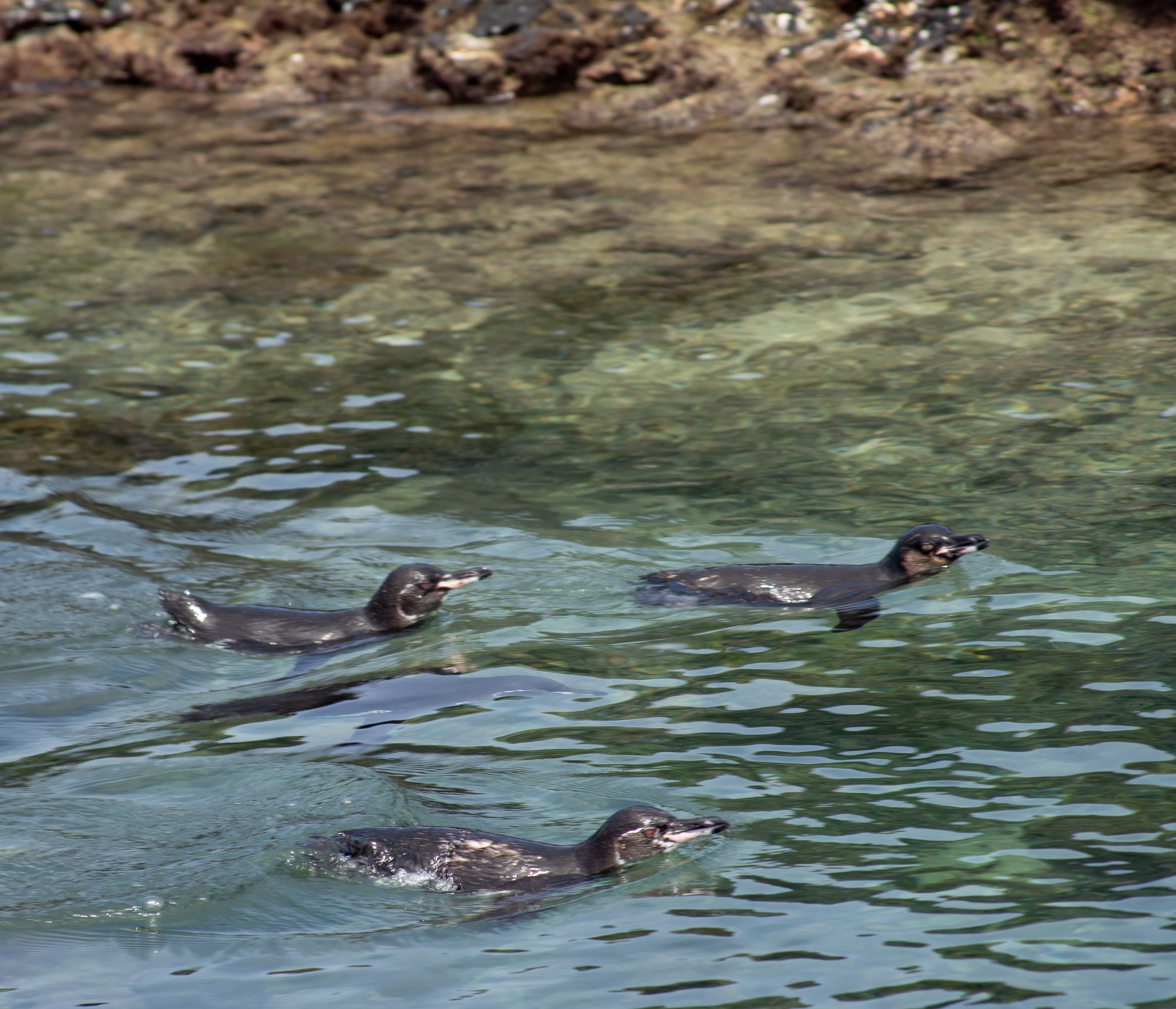
penguin
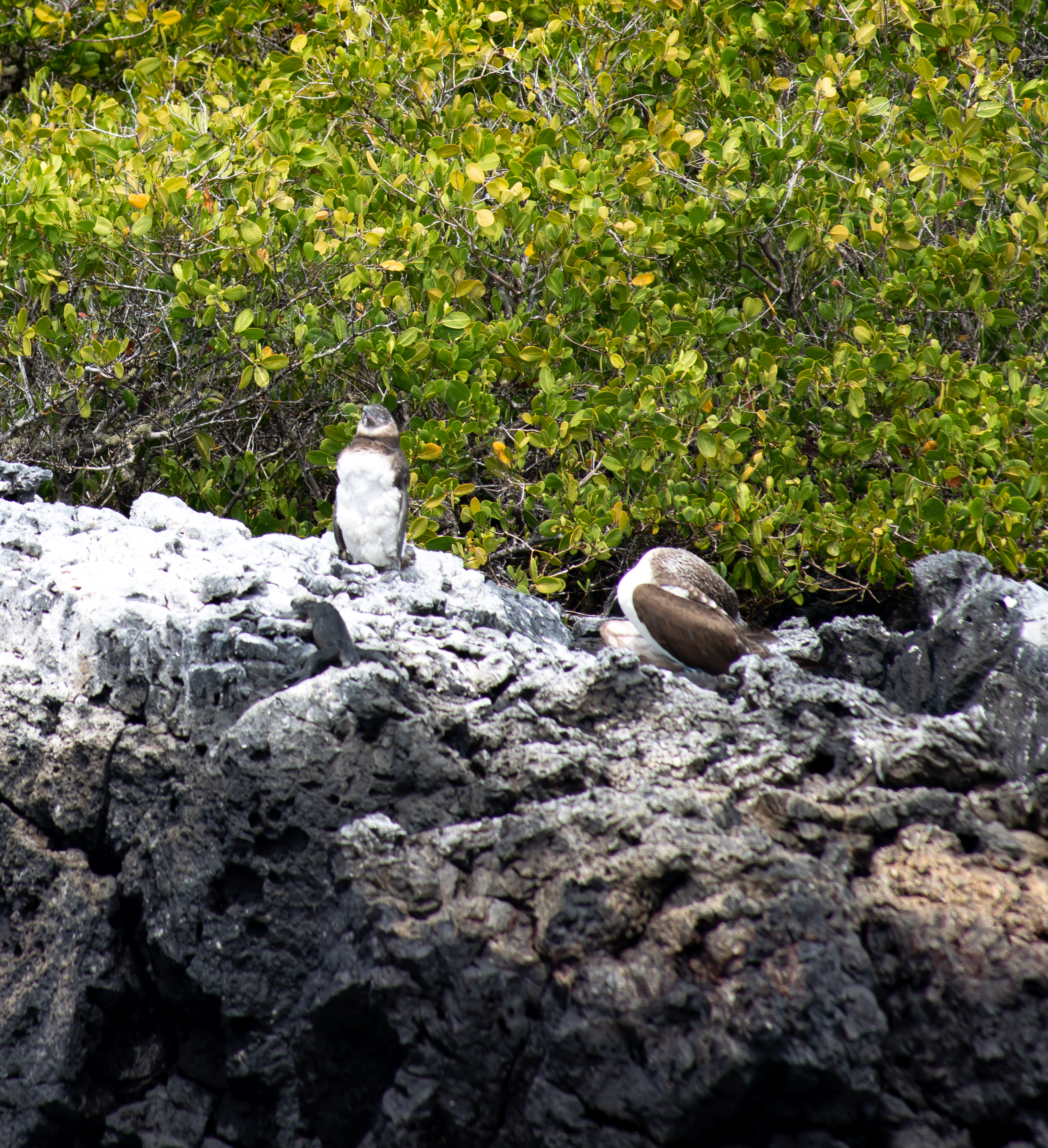
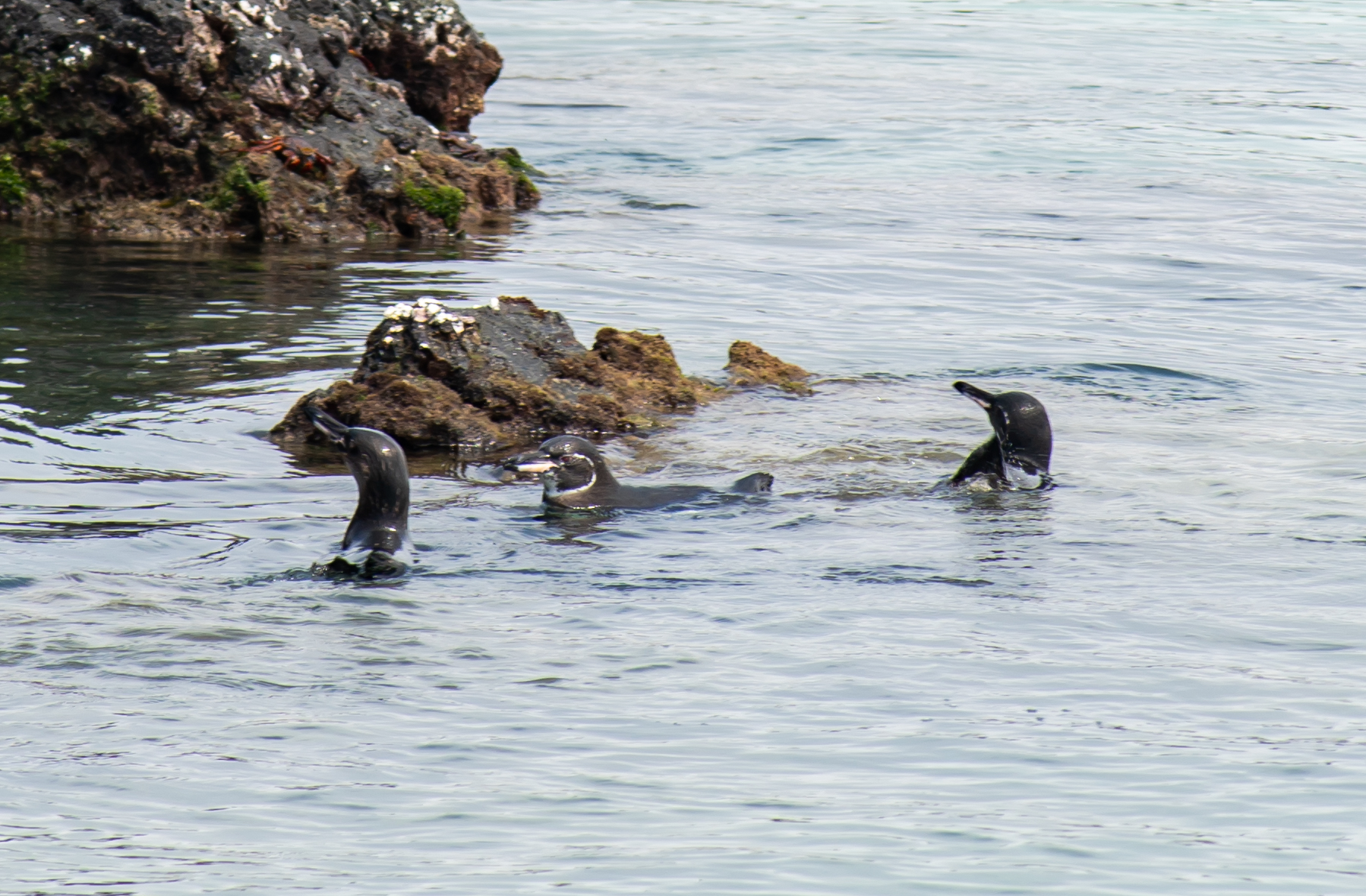
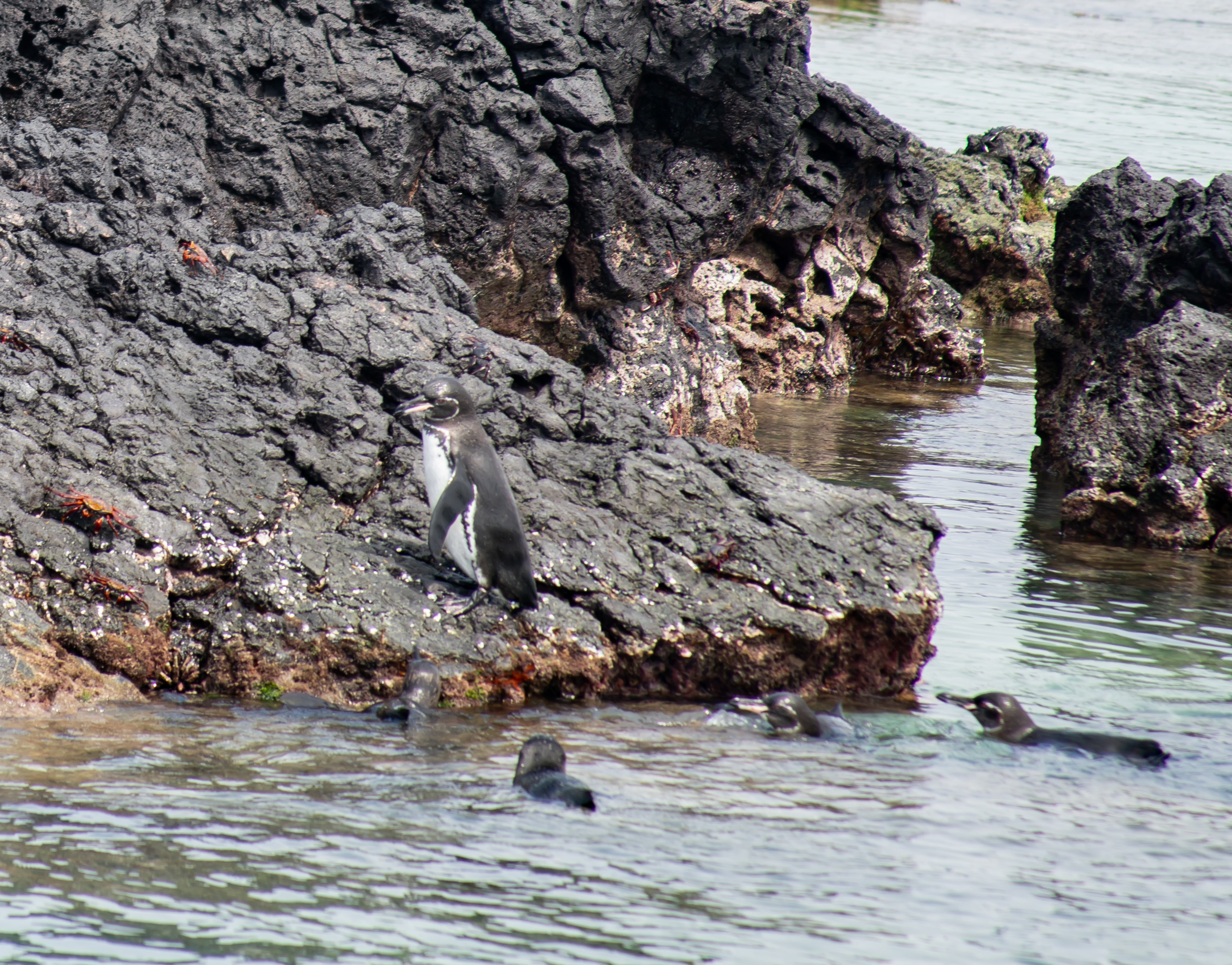
more penguins
Galapagos penguins are the only type of penguins found north of the equator. They aren’t very tall, about 19 inches. Apparently that makes them the 2nd smallest penguin species. They eat small fish and some crustaceans. There are an estimated 800-1000 breeding pairs (they breed for life) and they are an endangered species.
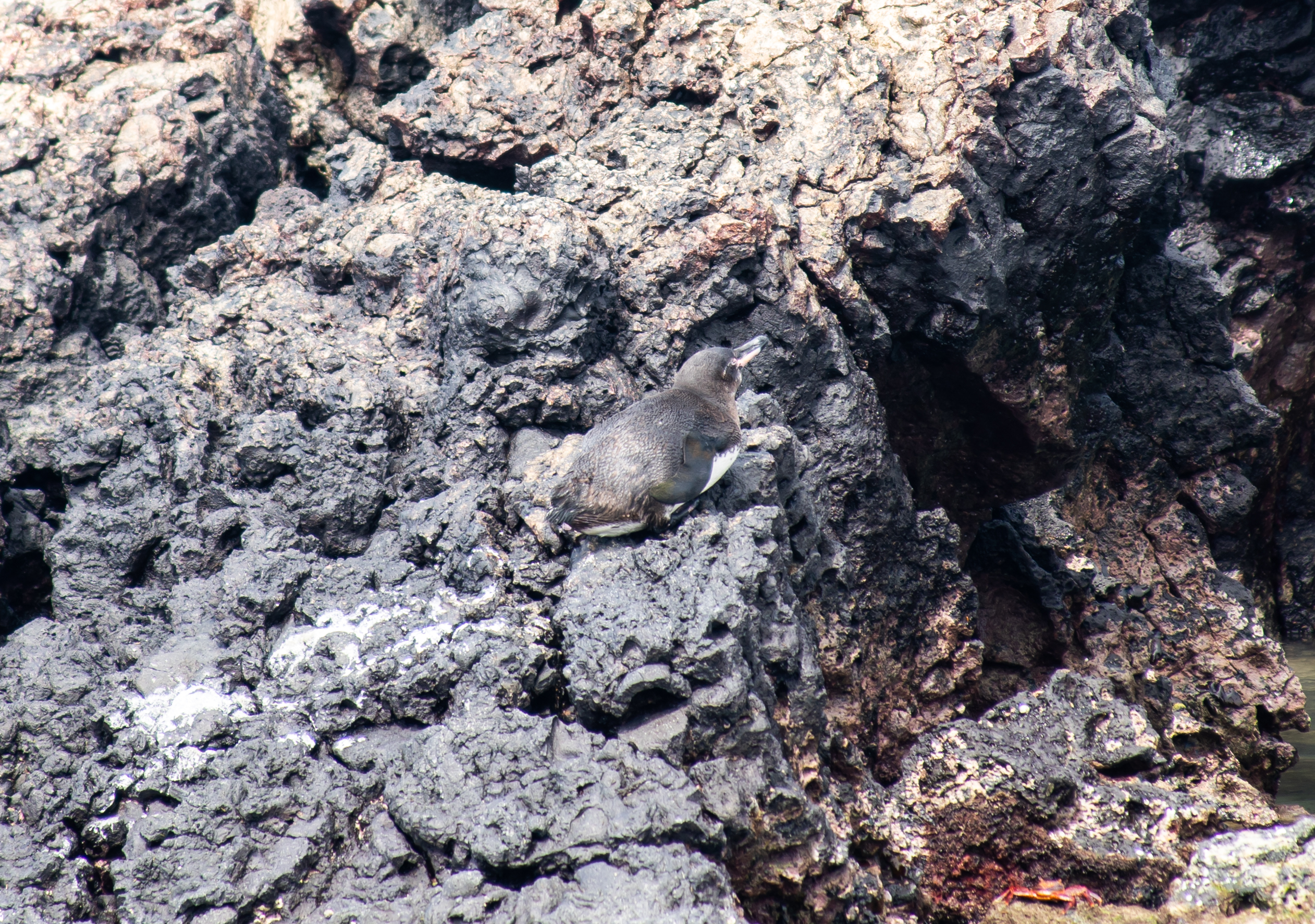
hanging out
coming back from a fishing trip
swimming
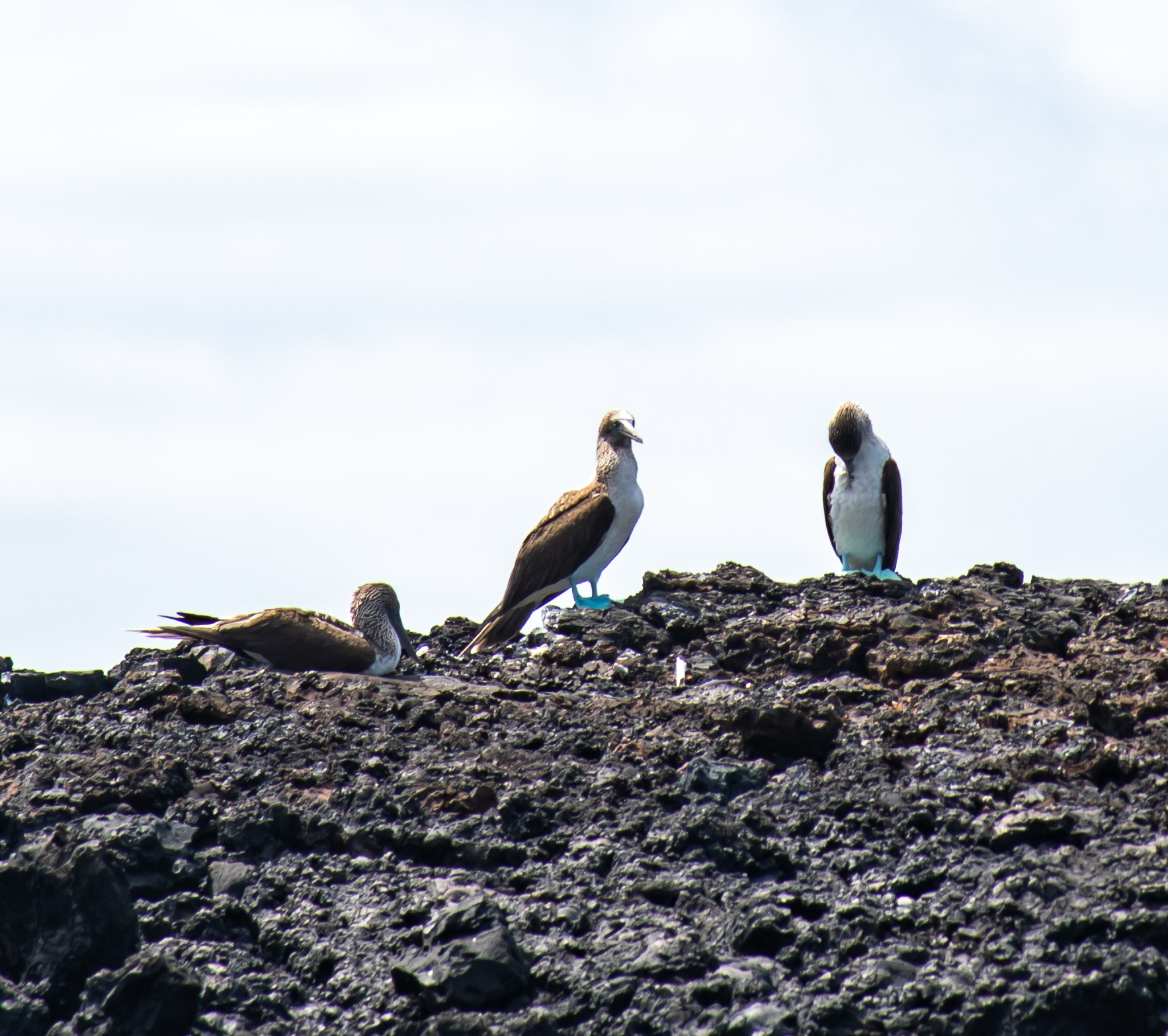
Blue footed boobies
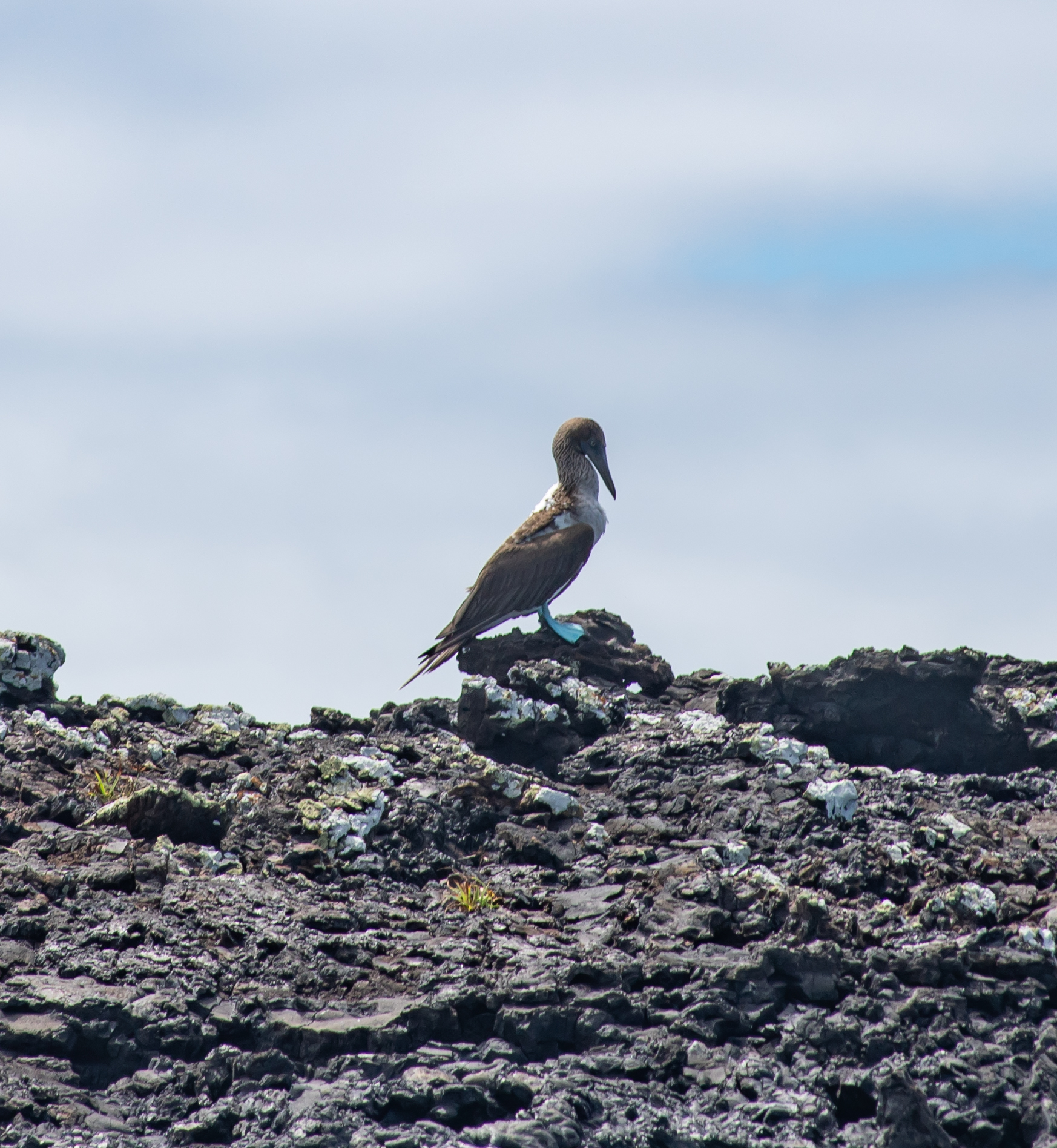
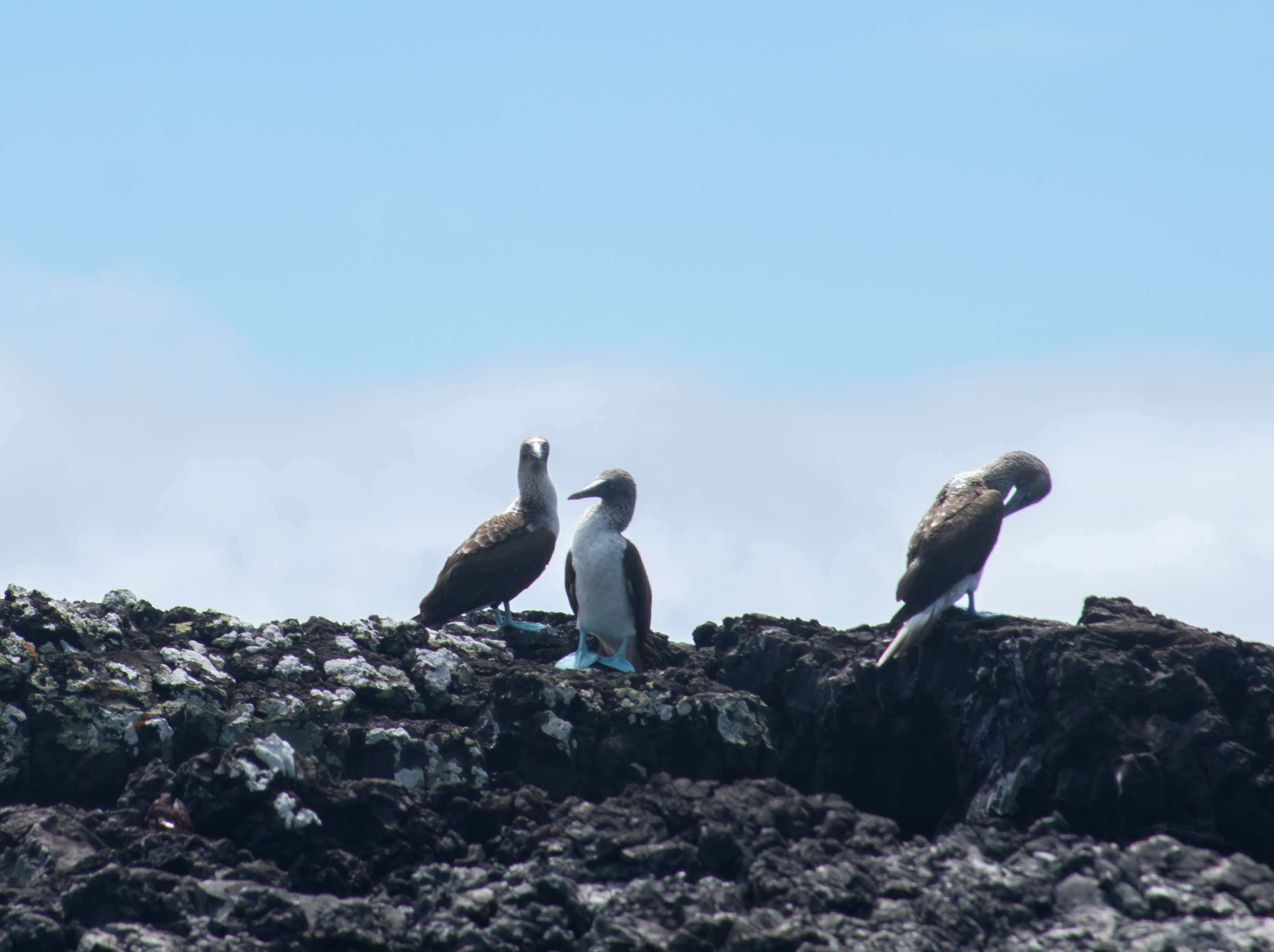
More specific boobie info tomorrow.
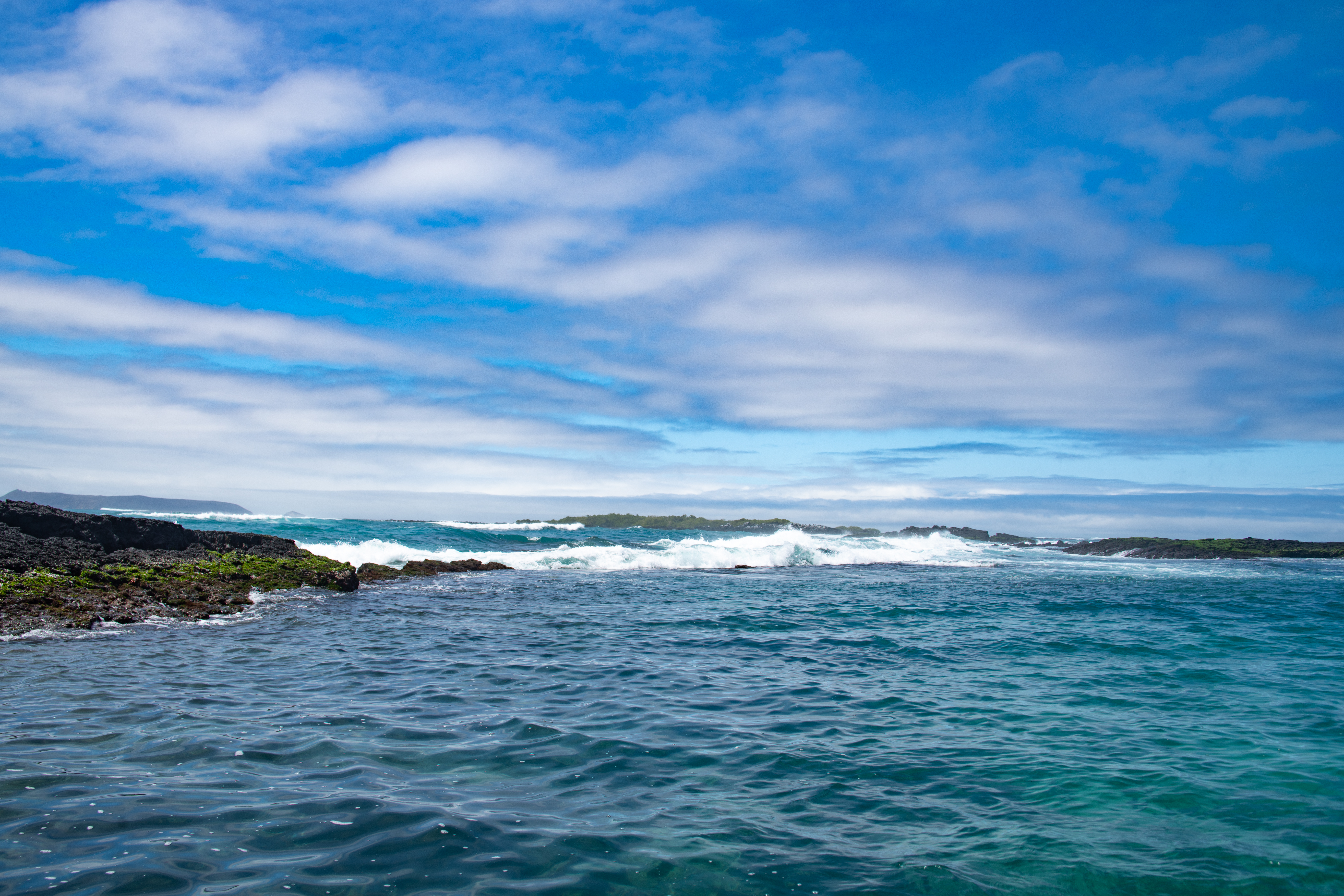
pretty view
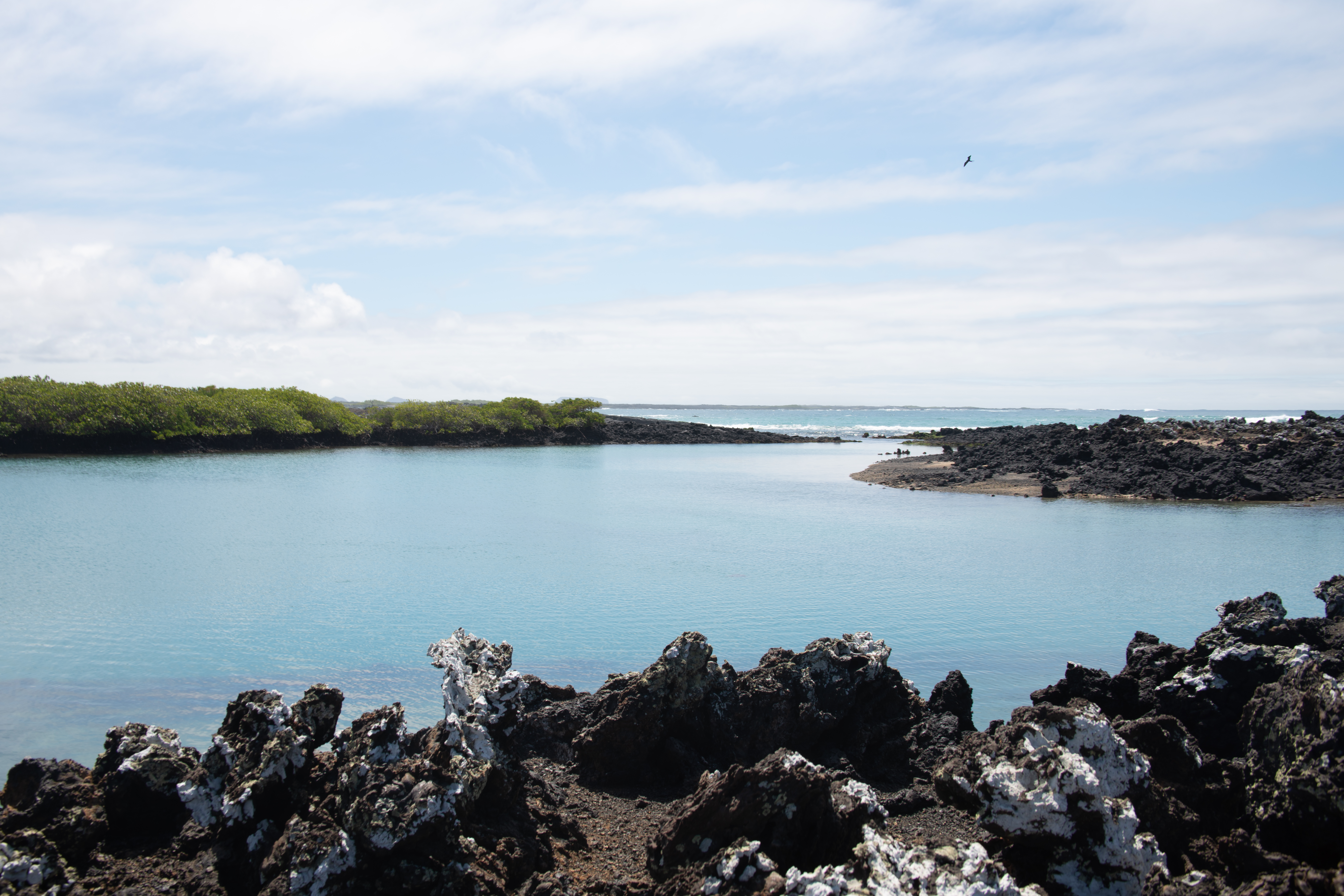
walking tour of the island
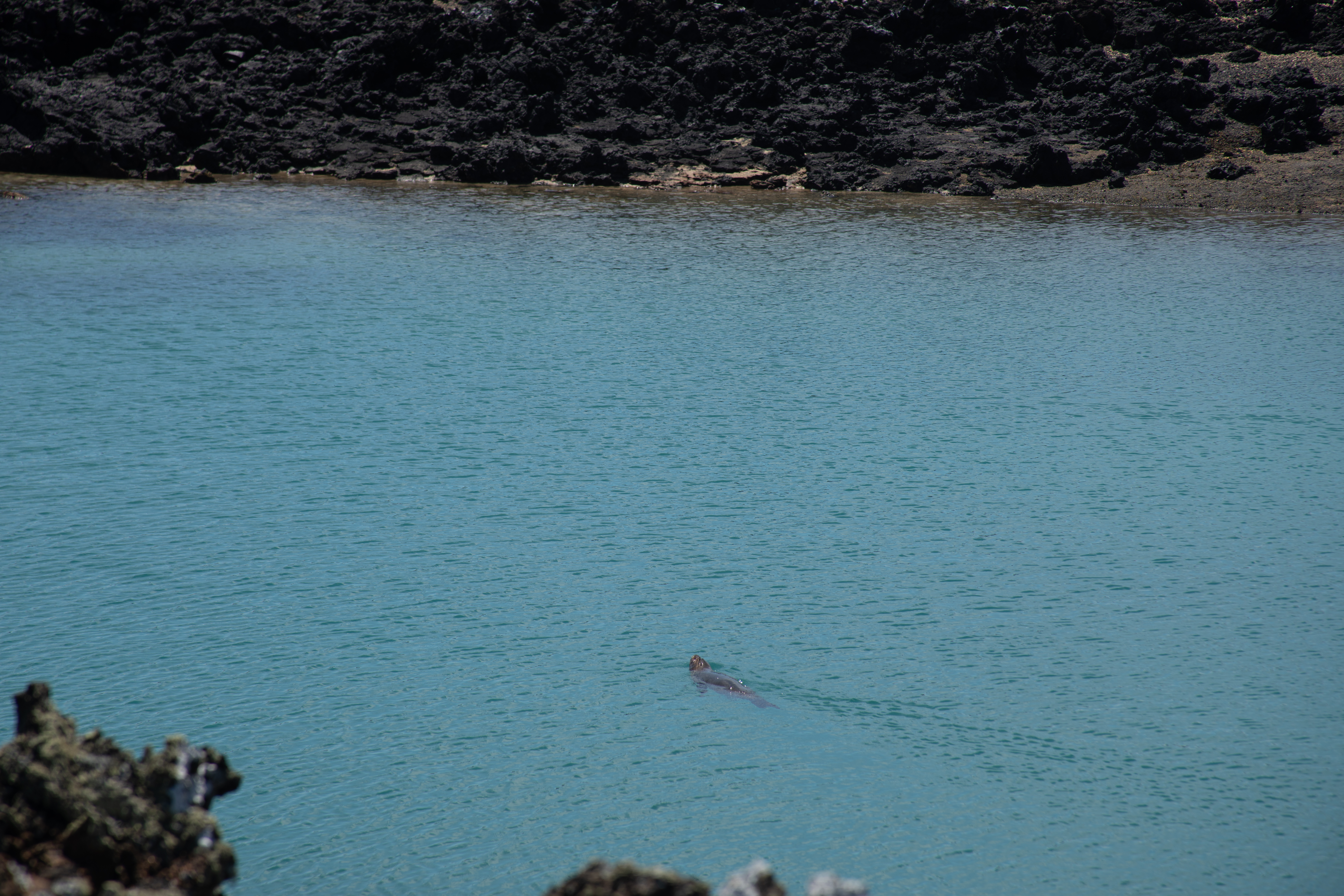
Marine iguana swimming by
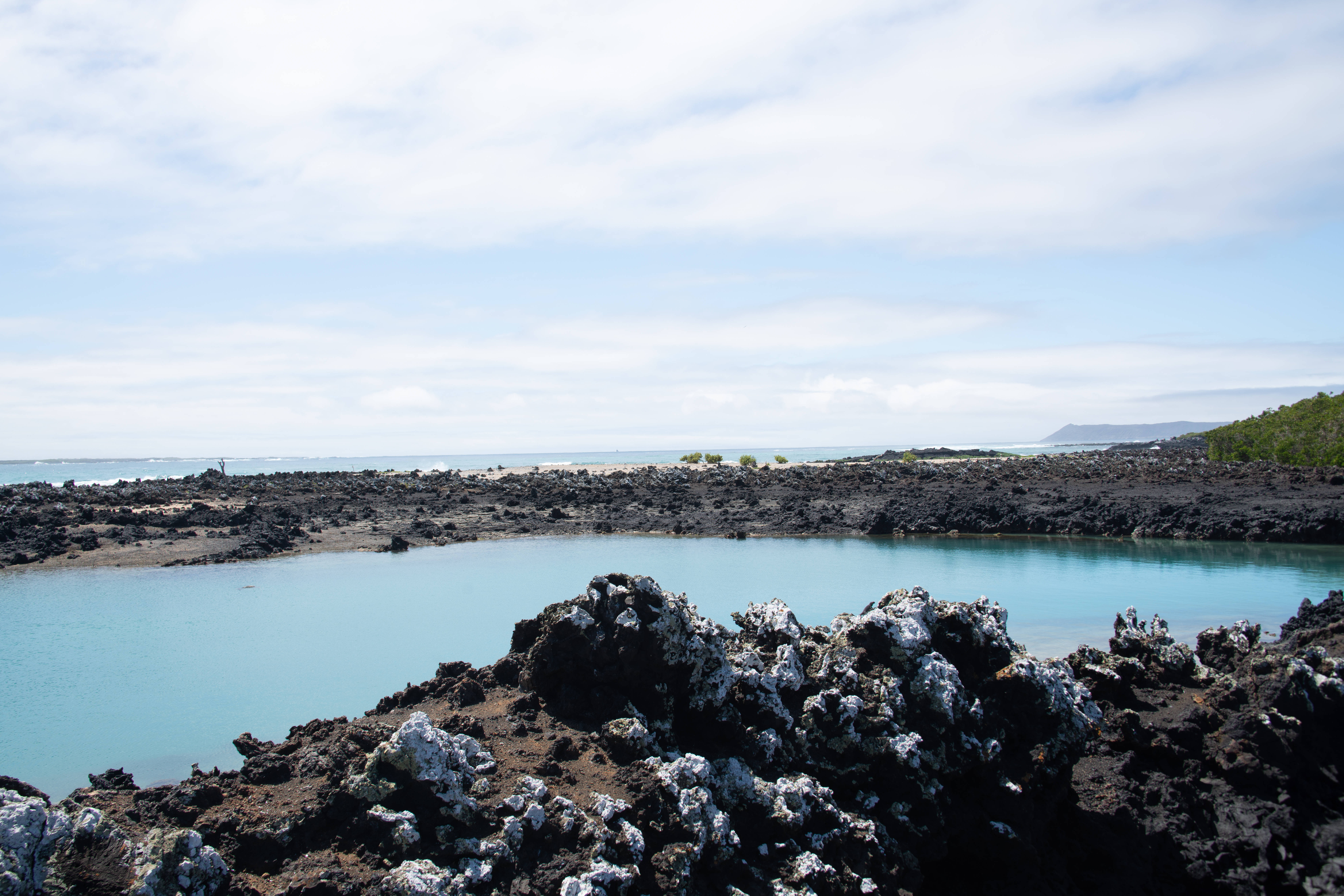
small bay
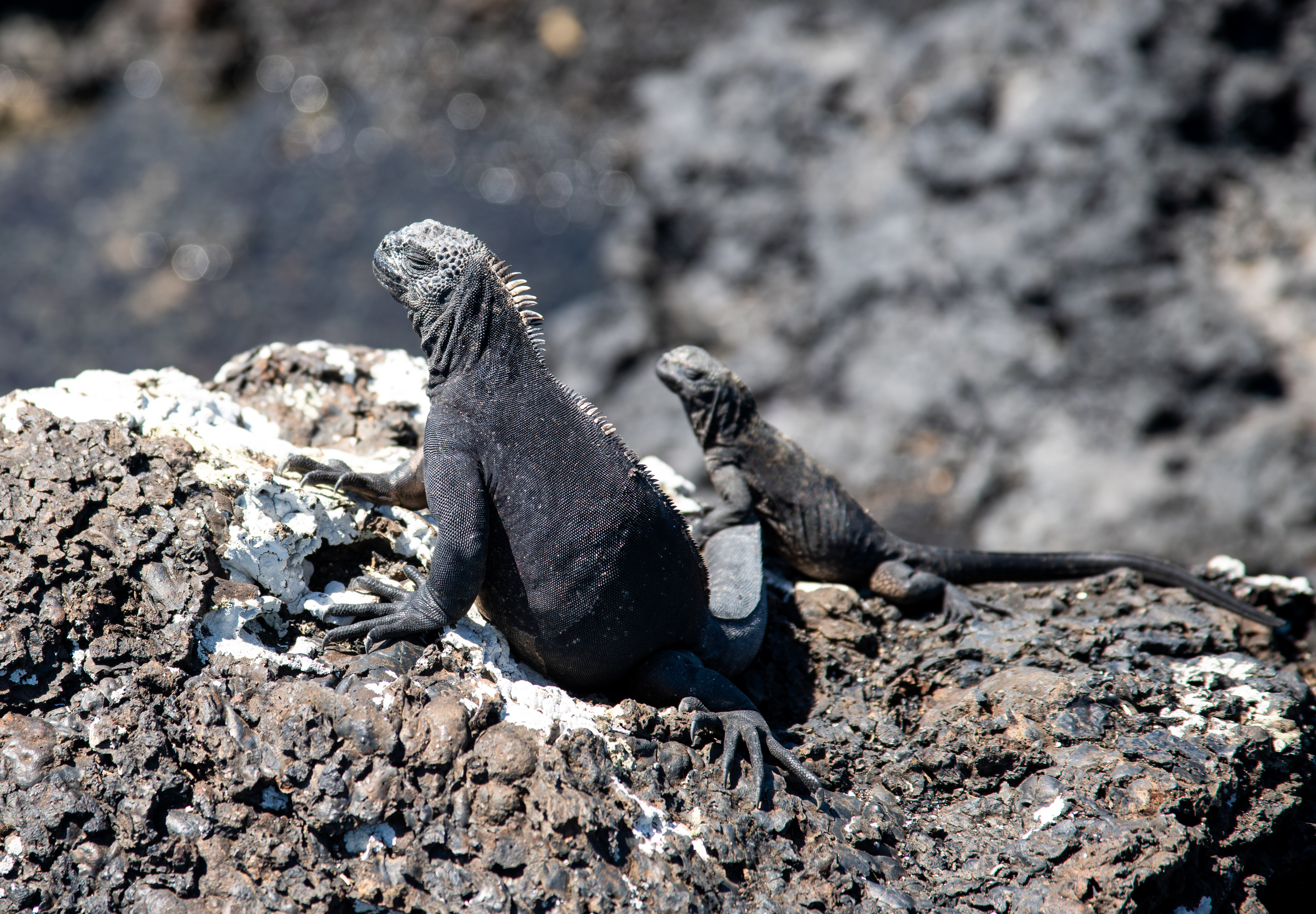
Marine iguanas sunning themselves
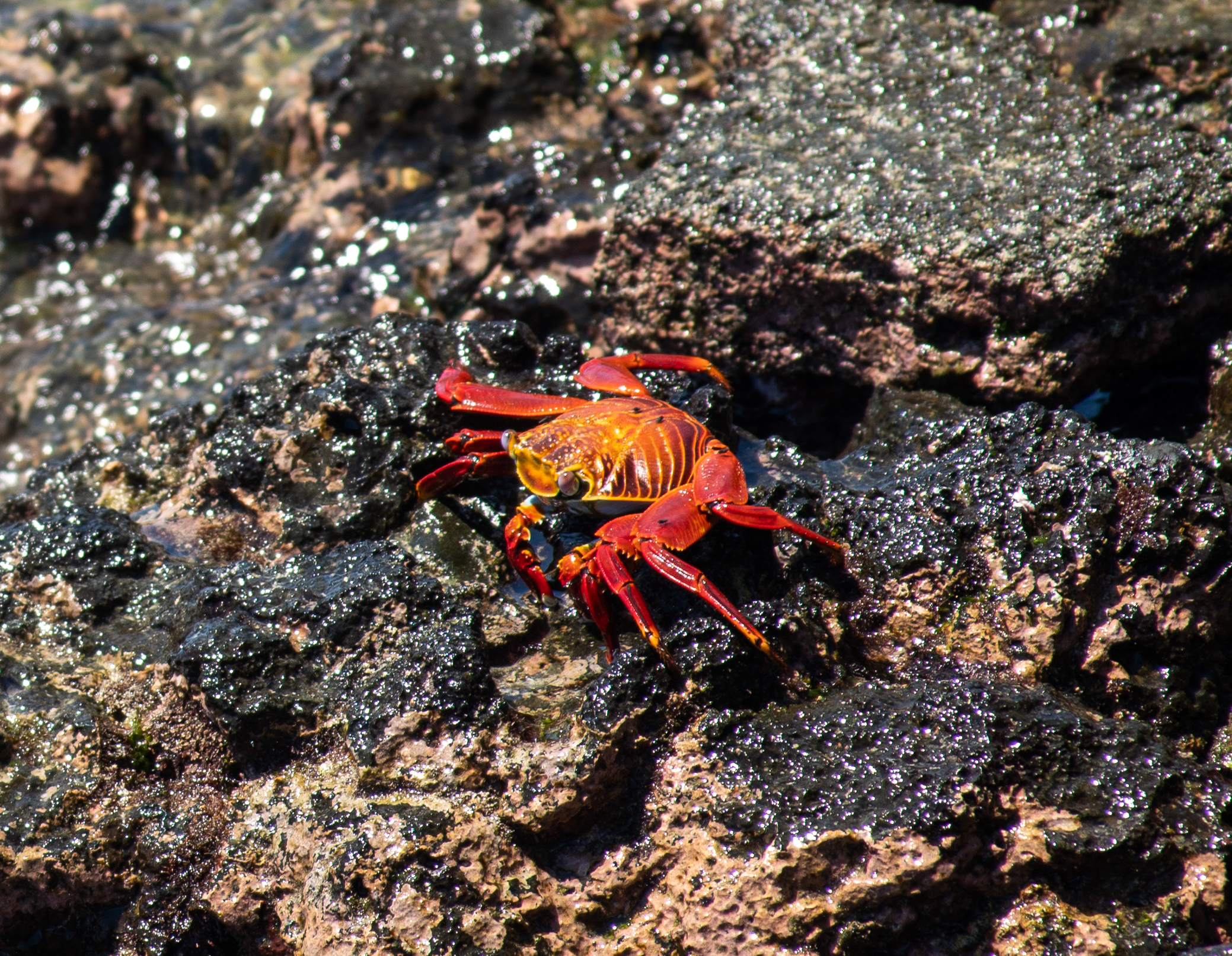
Sally Lightfoot Crab
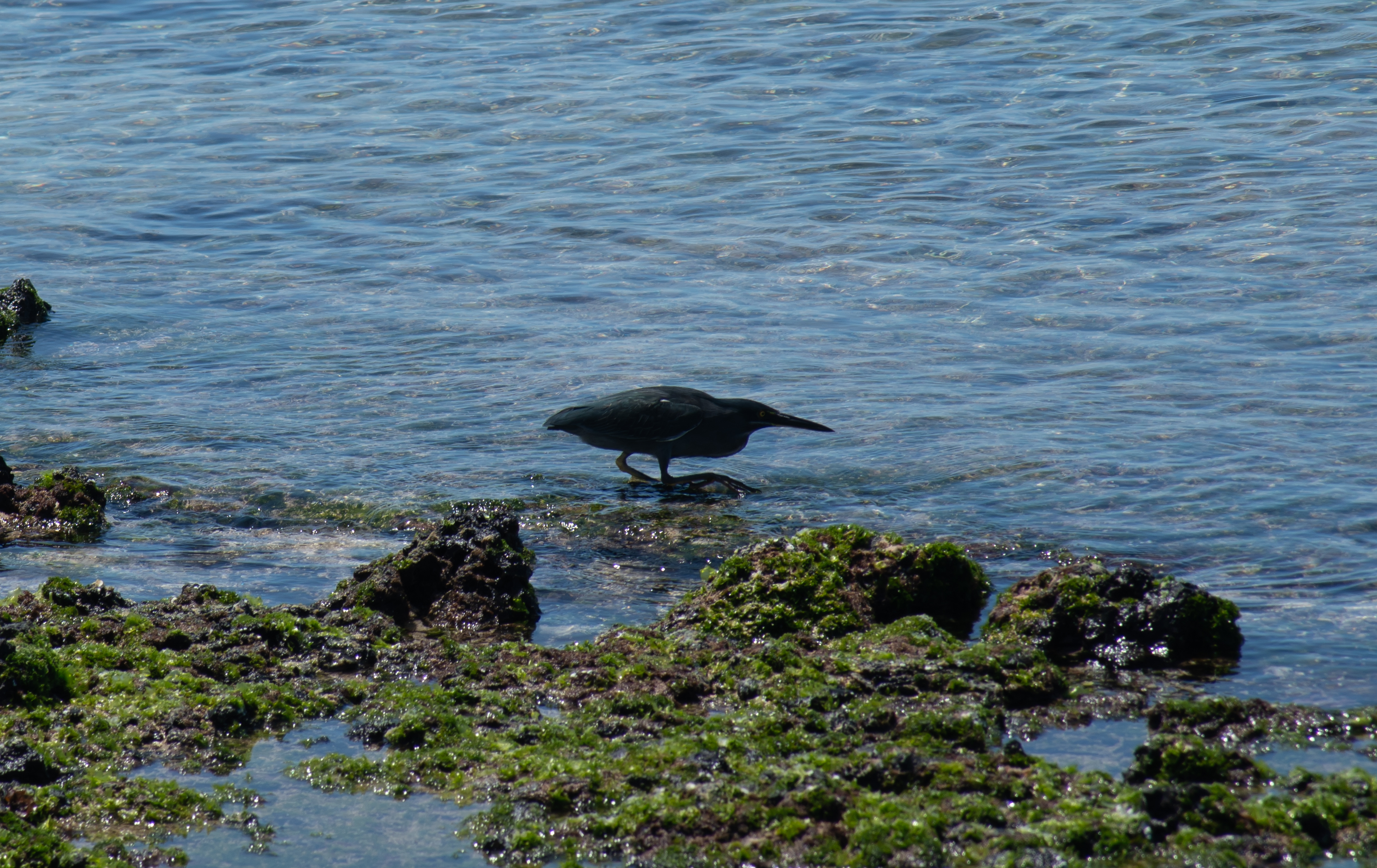
Bird fishing
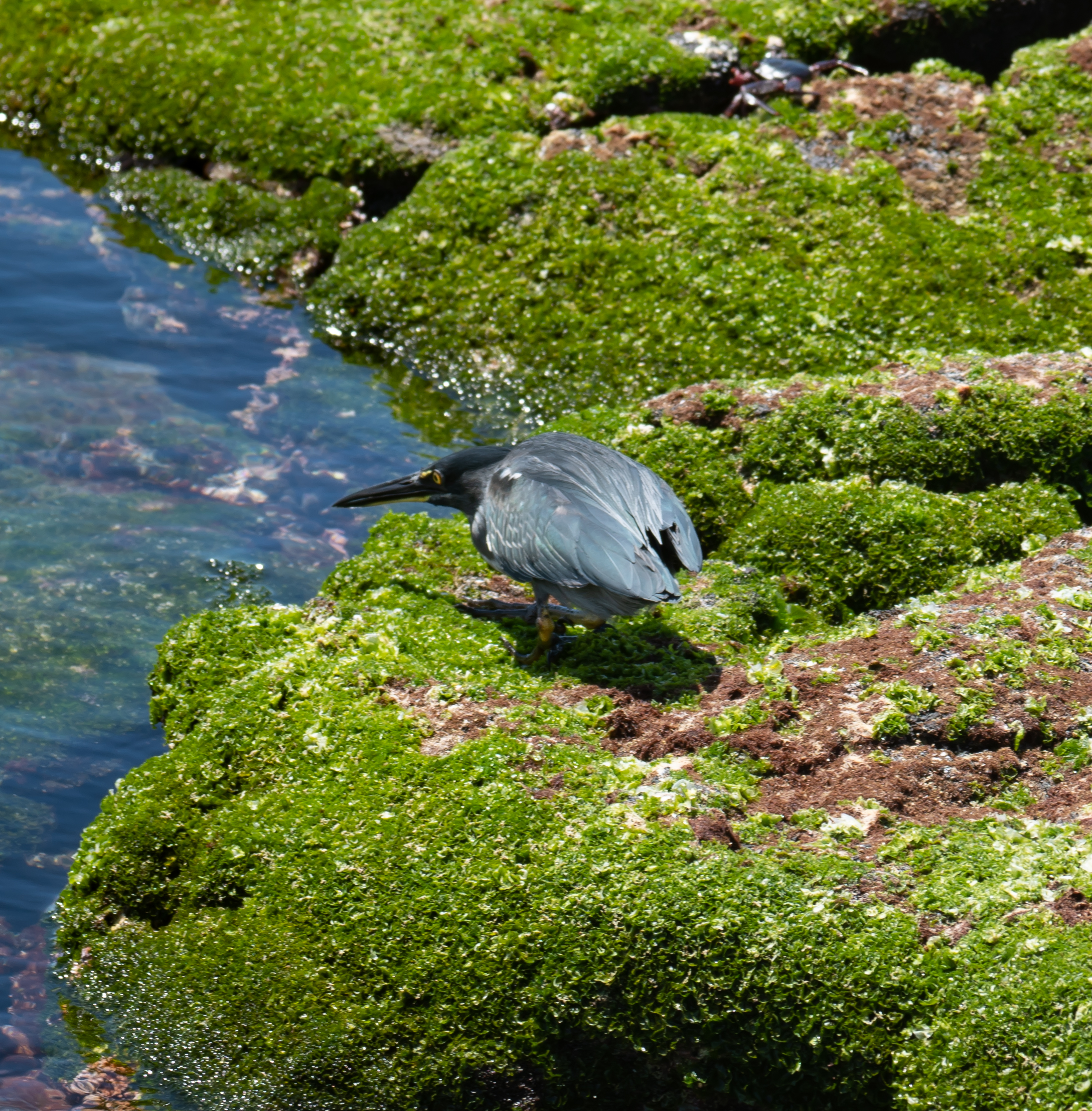
better view
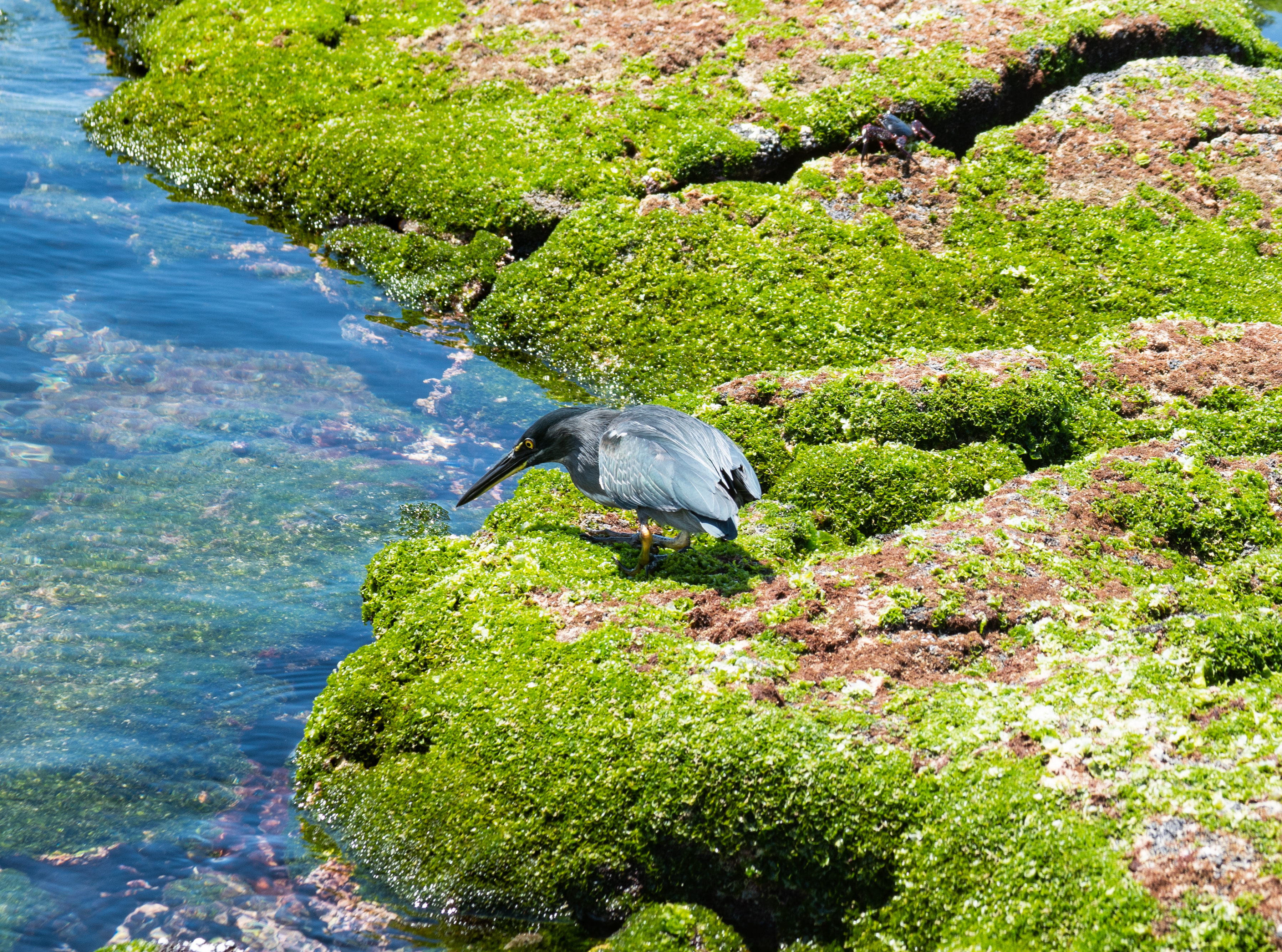
Looks like a small heron, maybe a Striated Heron
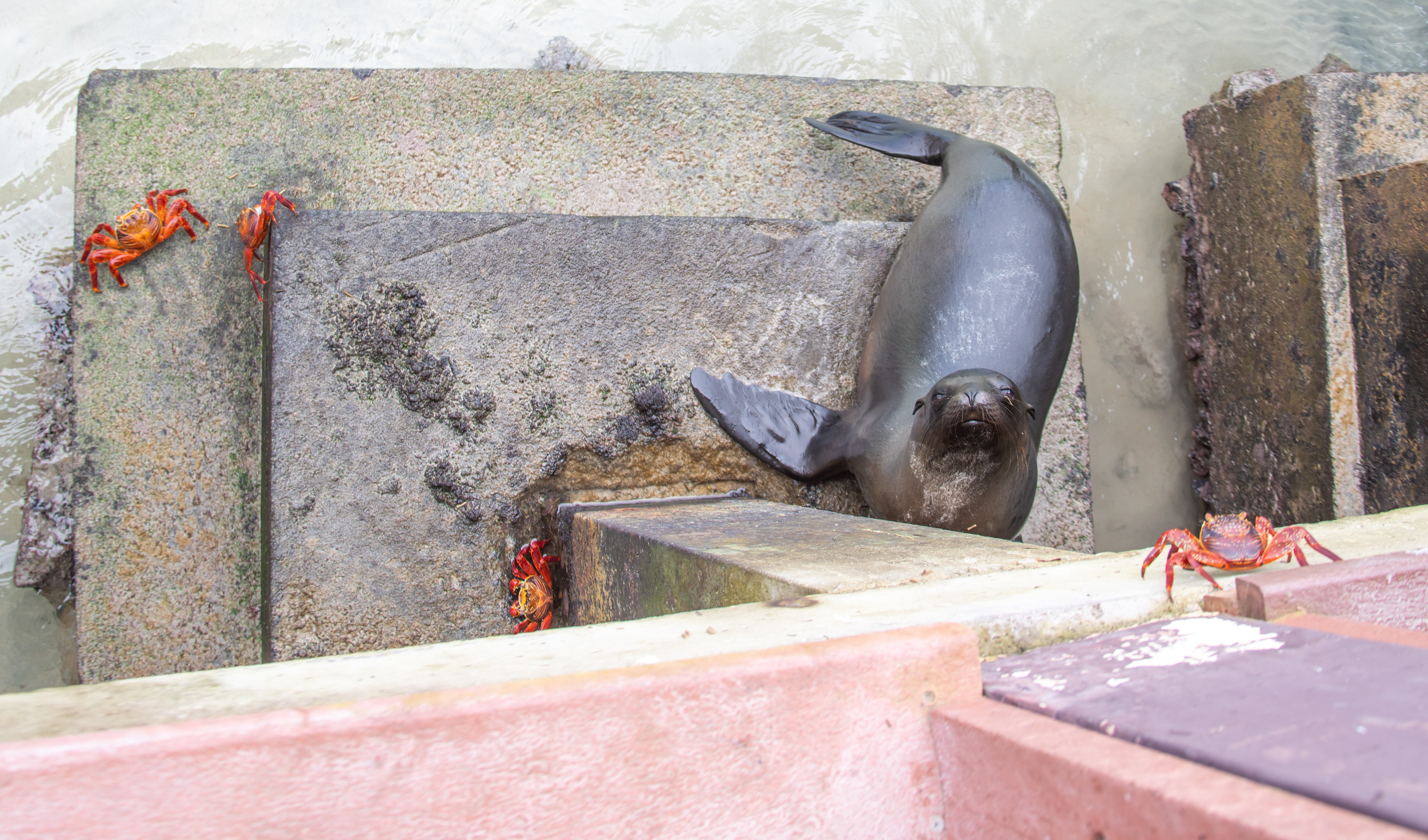
Hi, there!
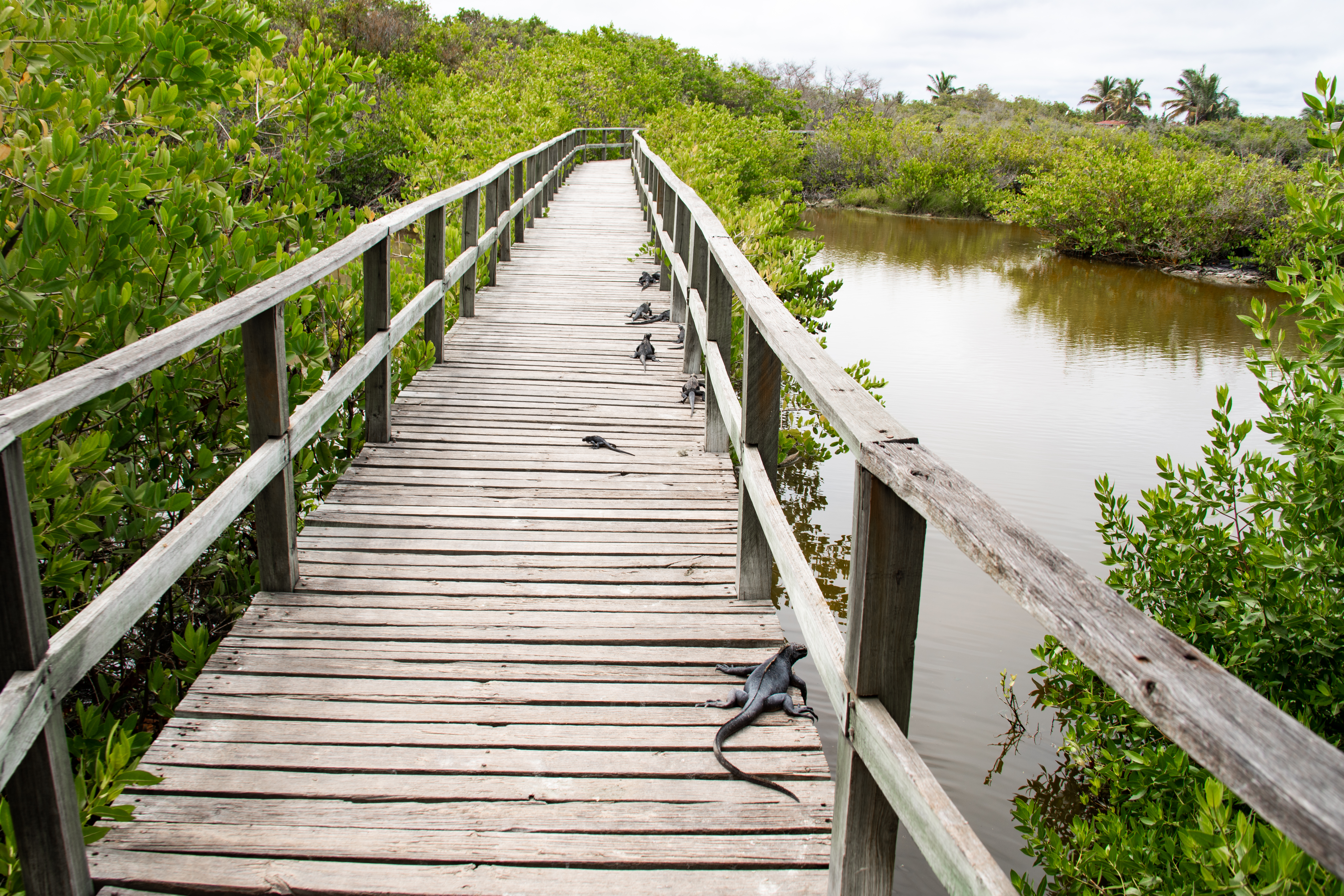
Right before we walked on the boardwalk through the mangrove…
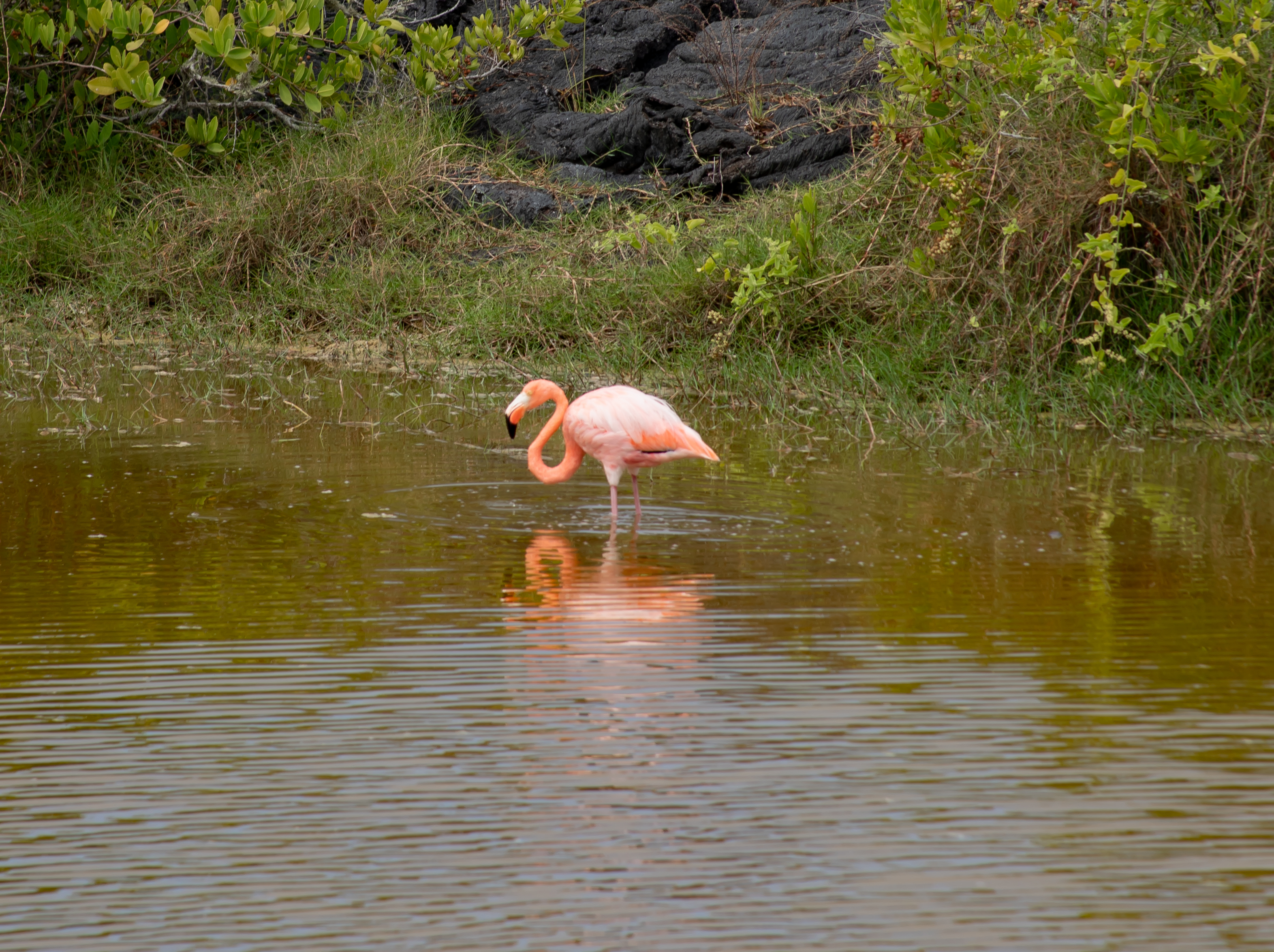
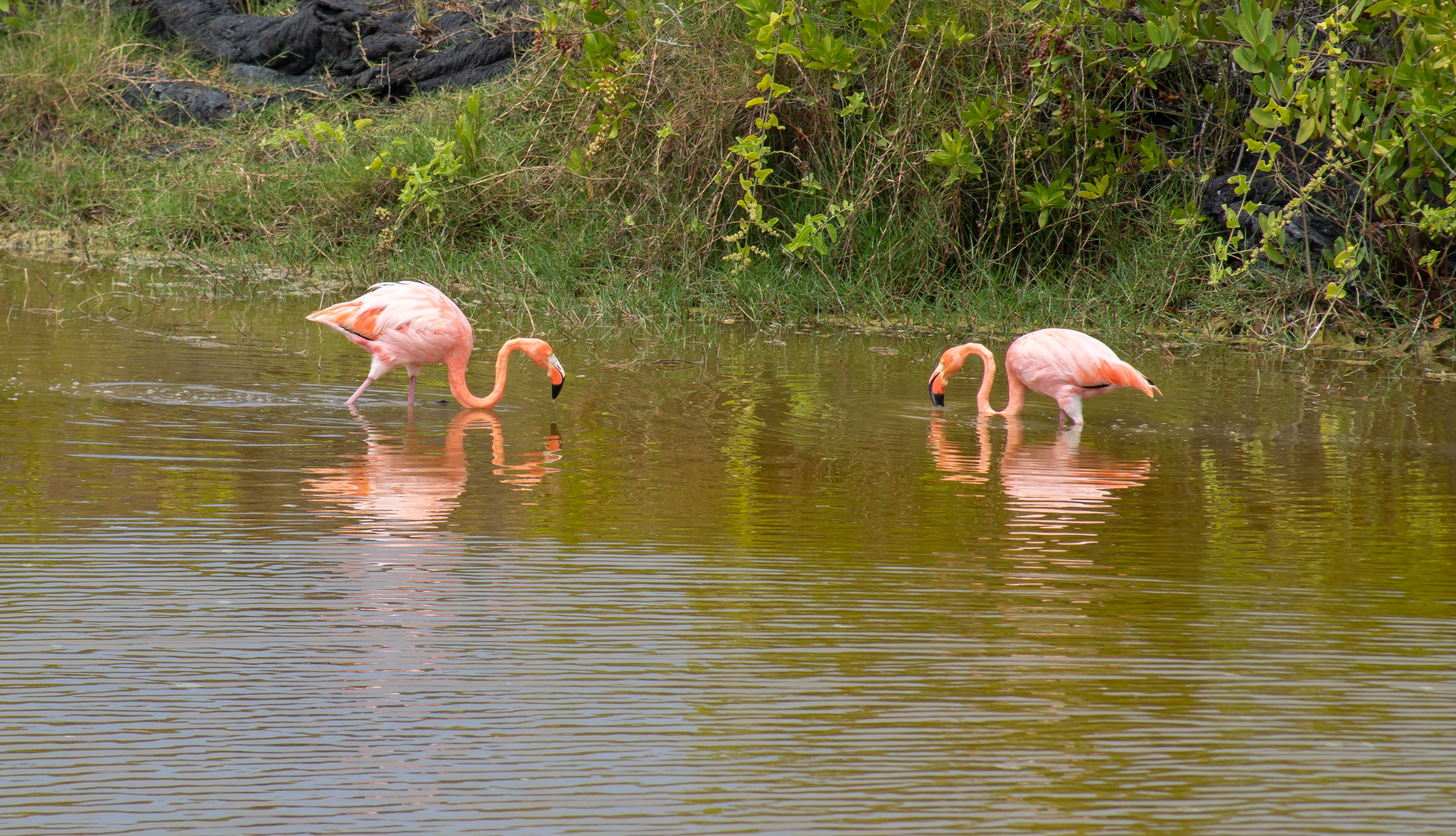
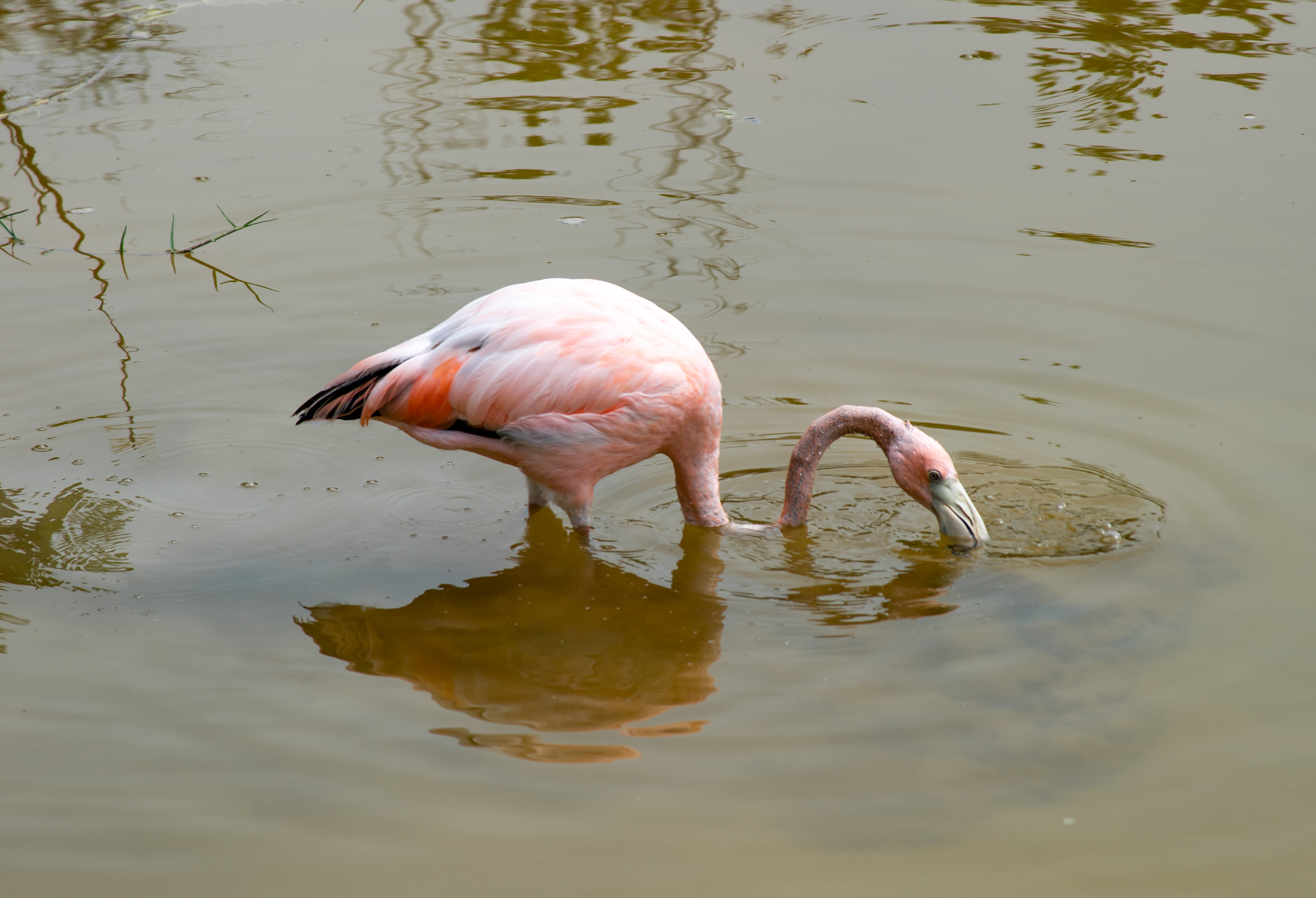
American Flamingo. The population in the Galapagos is isolated from the rest of the population which is in the Caribbean and northern South America.
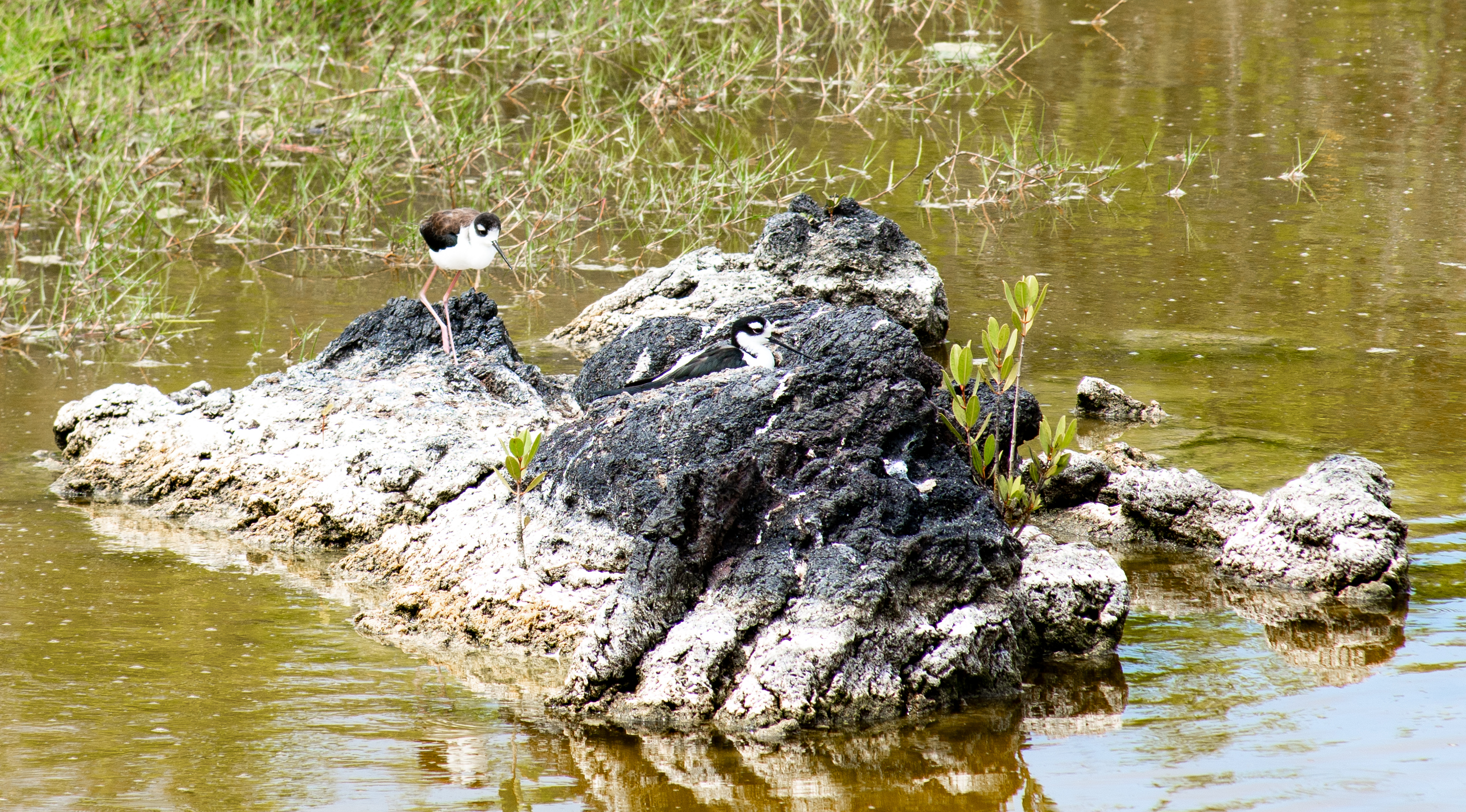
black necked stilt: we have these in the US, too
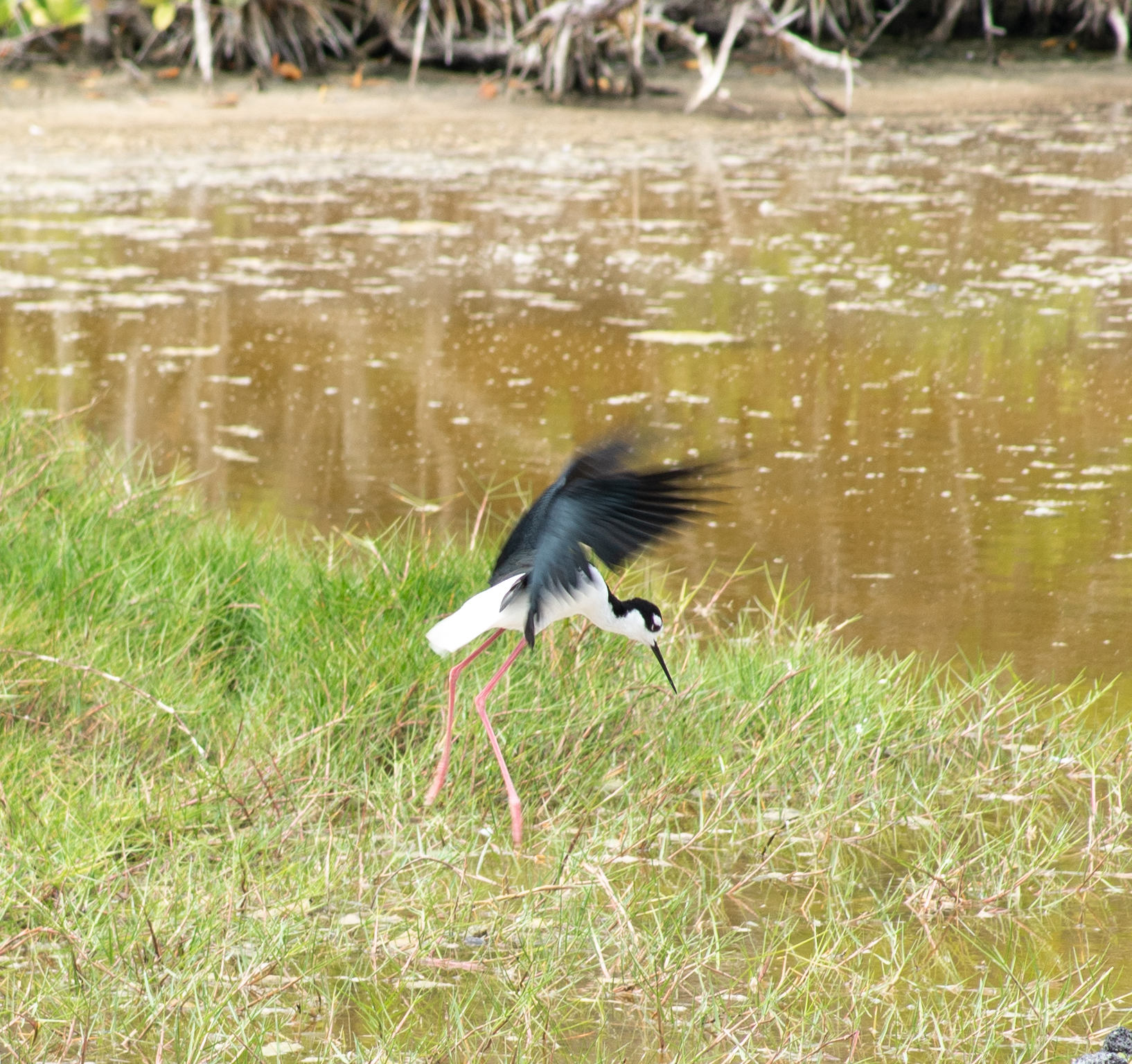
stilt
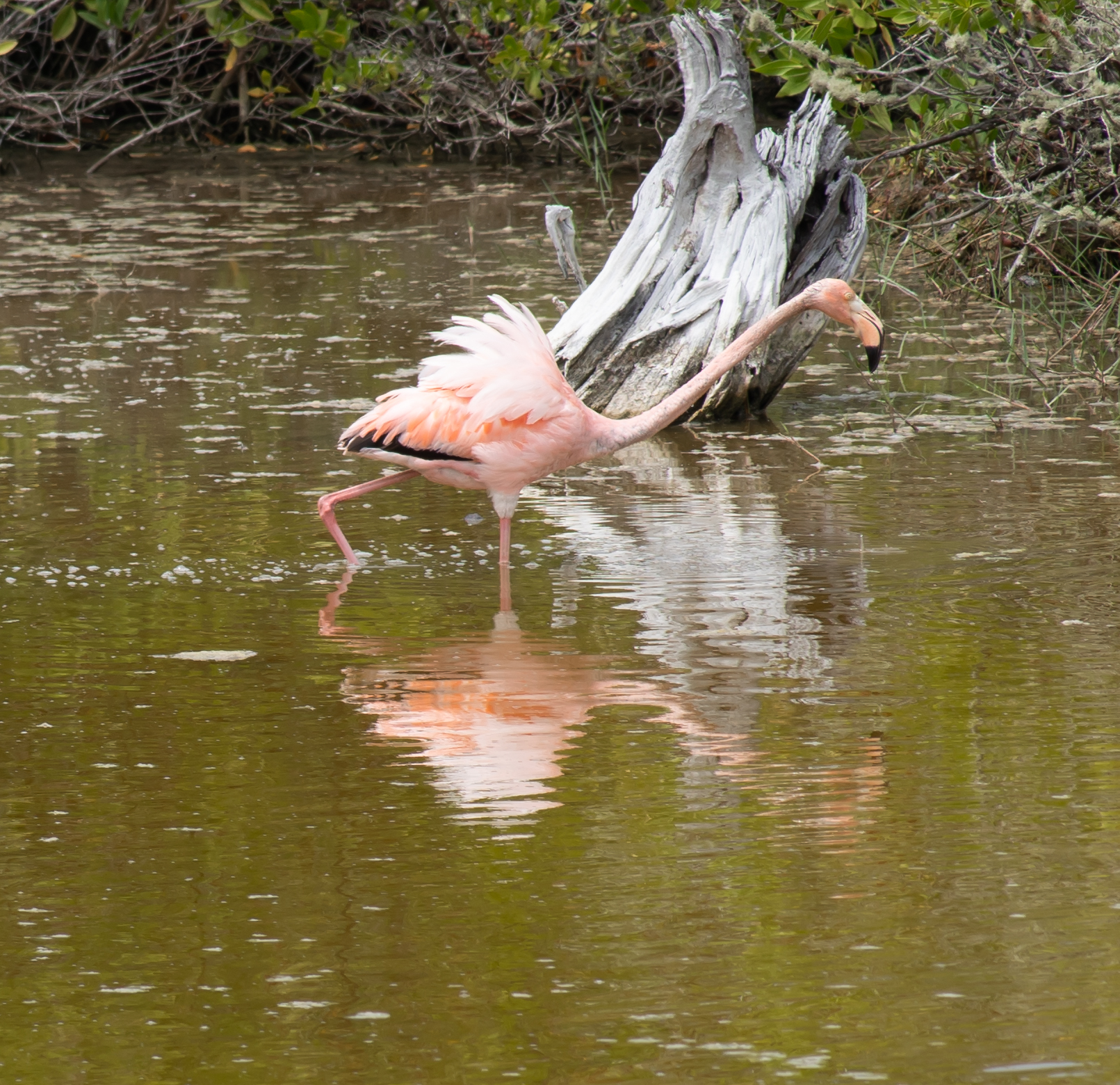
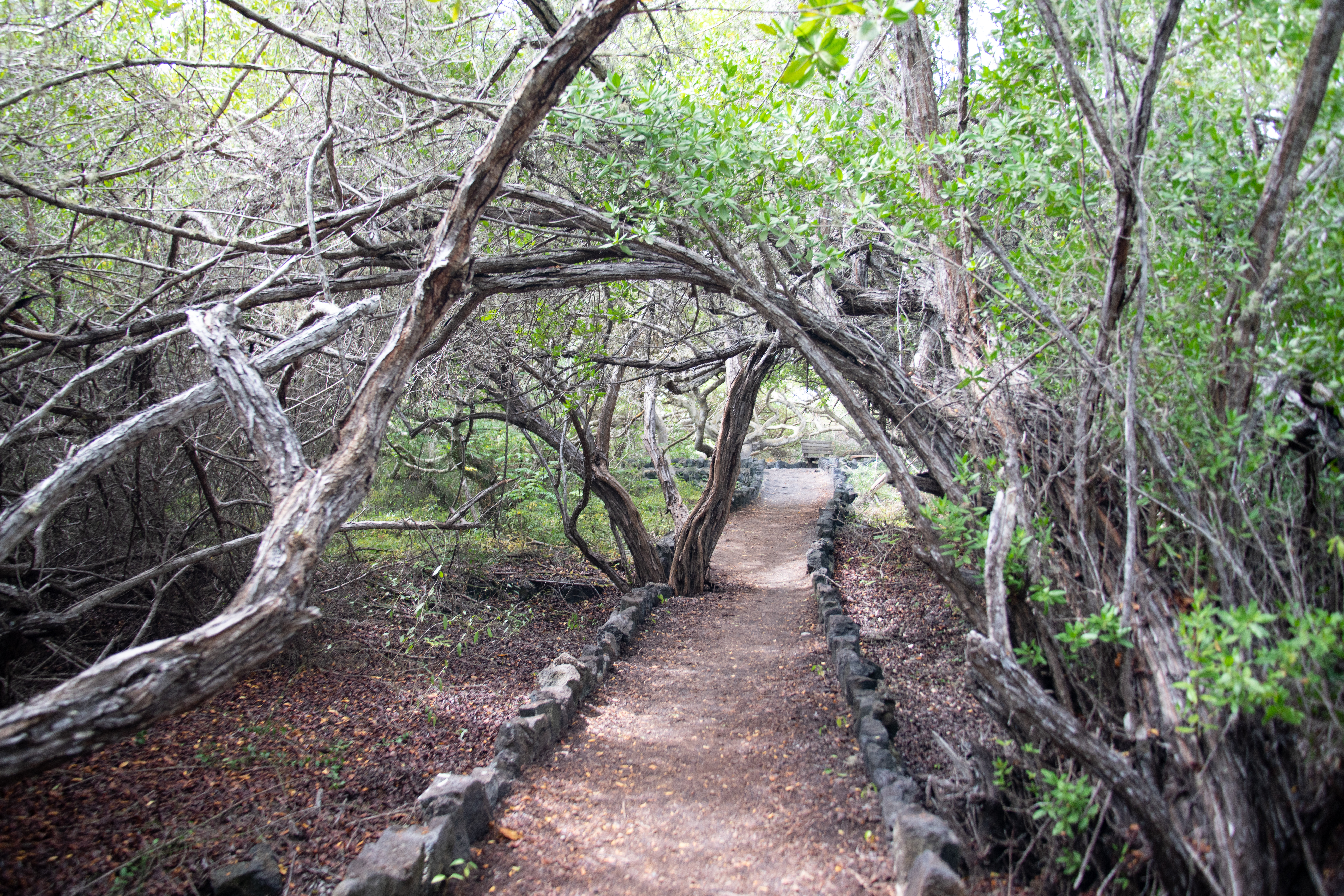
walking trail
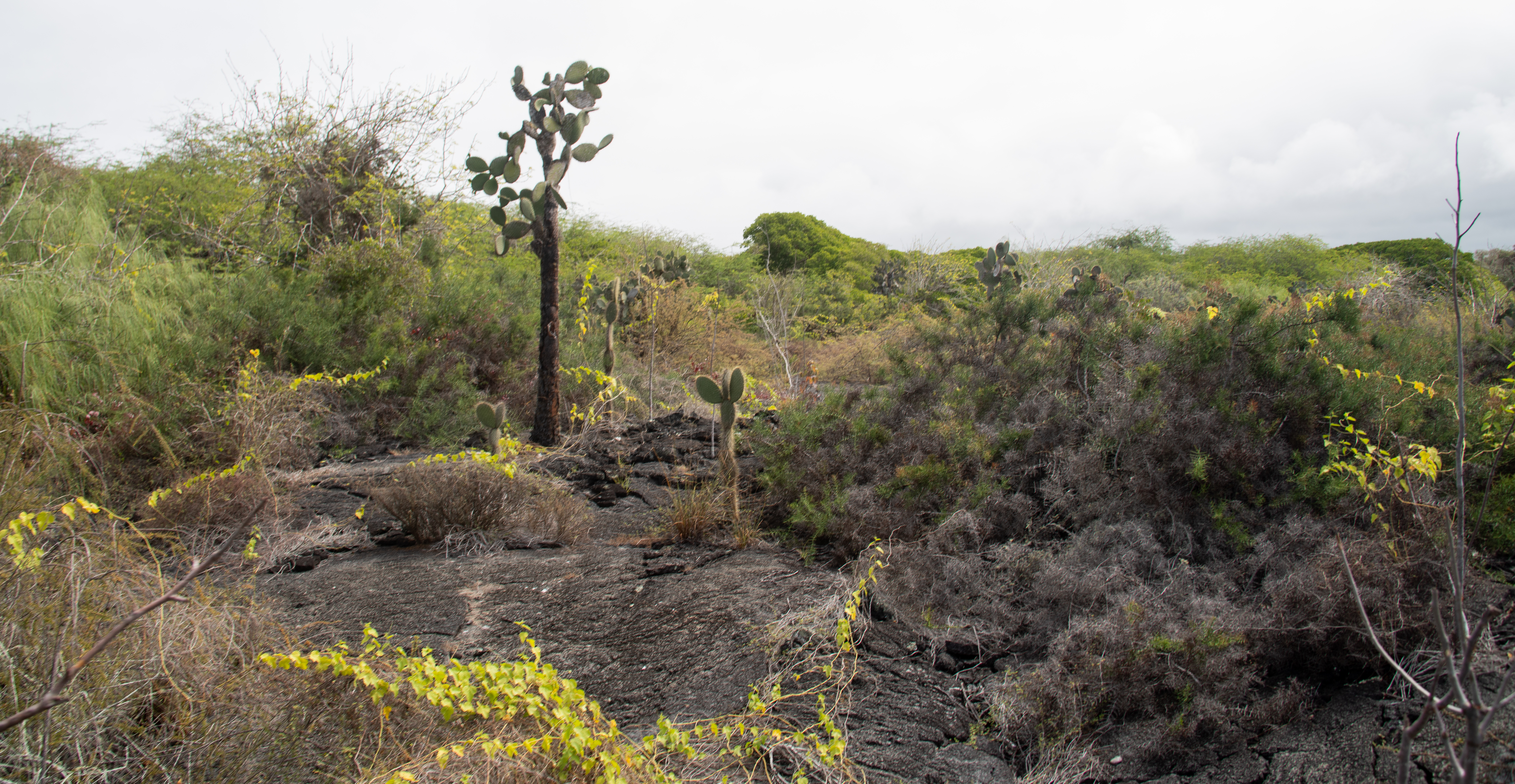
A little farther along the same walking trail. It’s amazing how quickly the ecosystem can change on some of these islands!
We ended the day at Isabela’s Tortoise Breeding Center. They have some sub-species of tortoises that are specific to different volcanoes on the island. They are trying to preserve them, along with the major species.
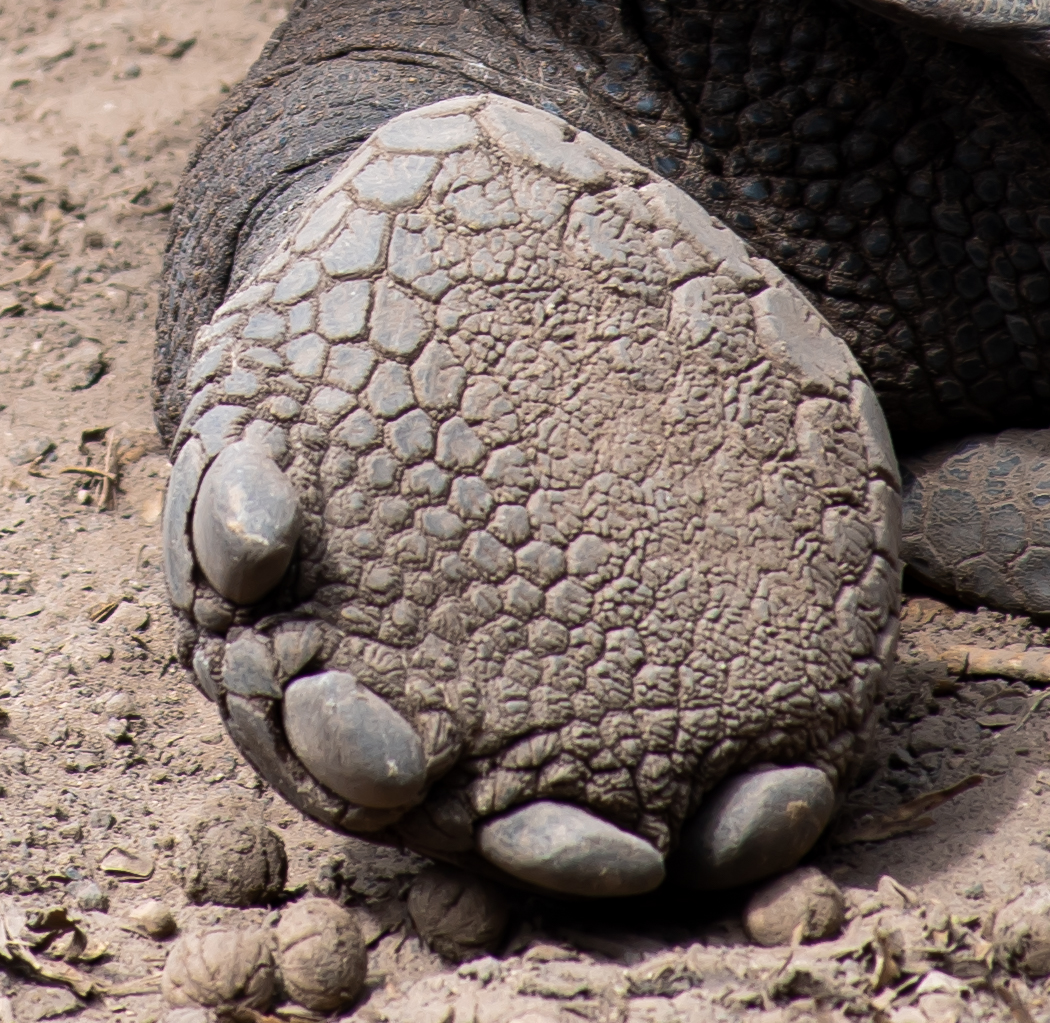
Huge tortoise foot
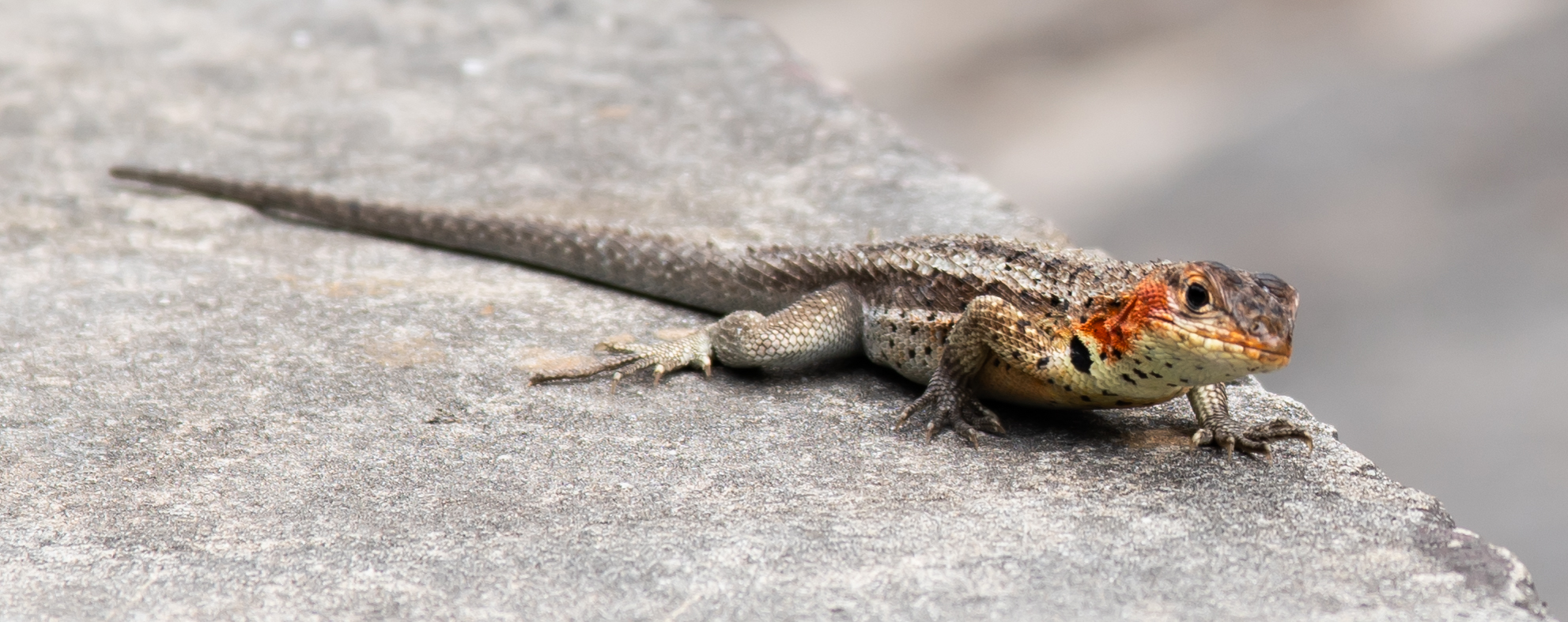
Female lava lizard. She was maybe 4 inches long.
This was an amazing day!
 Will Suture for Travel
Leave a comment