Today we went were in Sicily. We spent most of the day in Taormina, which is on the east side of the island. It was an ancient Greek city and is known for it’s nearly intact Greek theater, which was later modified by the Romans, and is often referred to as a Greek-Roman theater. This area was already inhabited when the Greek arrived in 734 BC and it was considered a thriving Greek town by mid 300s BC. The Romans took over the area by treaty in 263 BC. The town was under Muslim rule from 962-1078 and then came under Norman rule followed by German rule, then French. Let’s just say that Sicily saw lots of war and turnover and I’m glossing over lots of history. Bottom line is that Taormina survived this reasonably well.
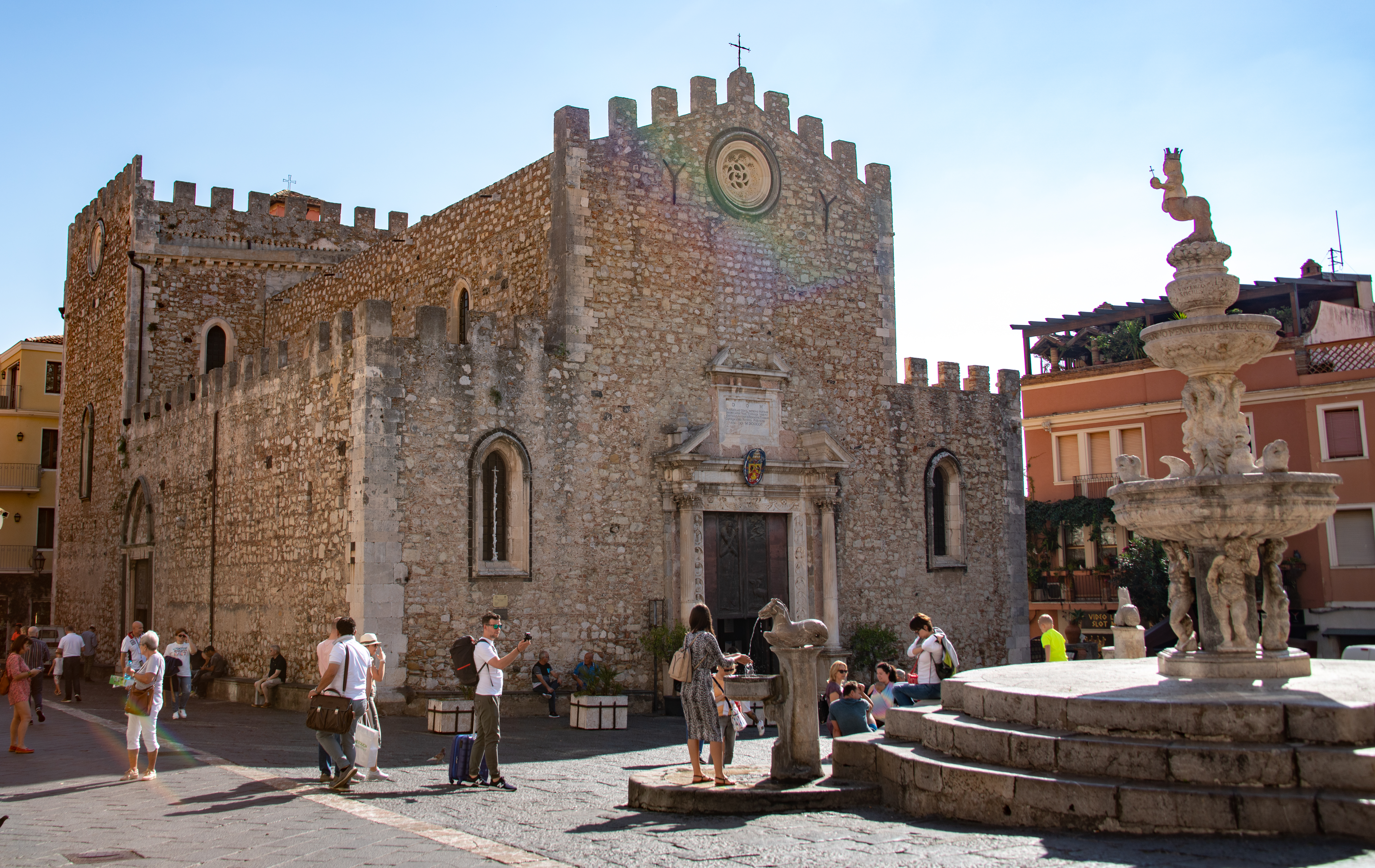
Town square
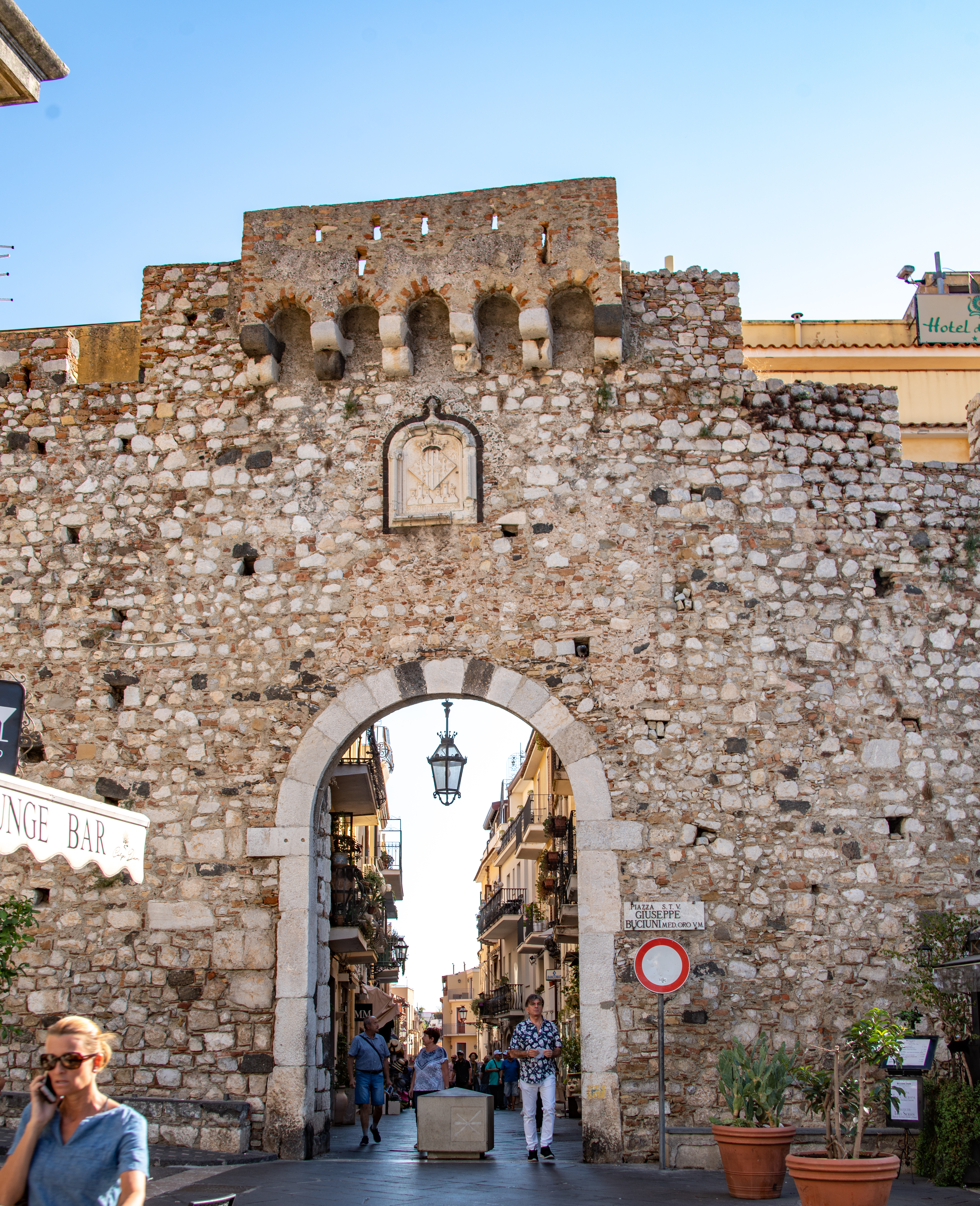
Town gate
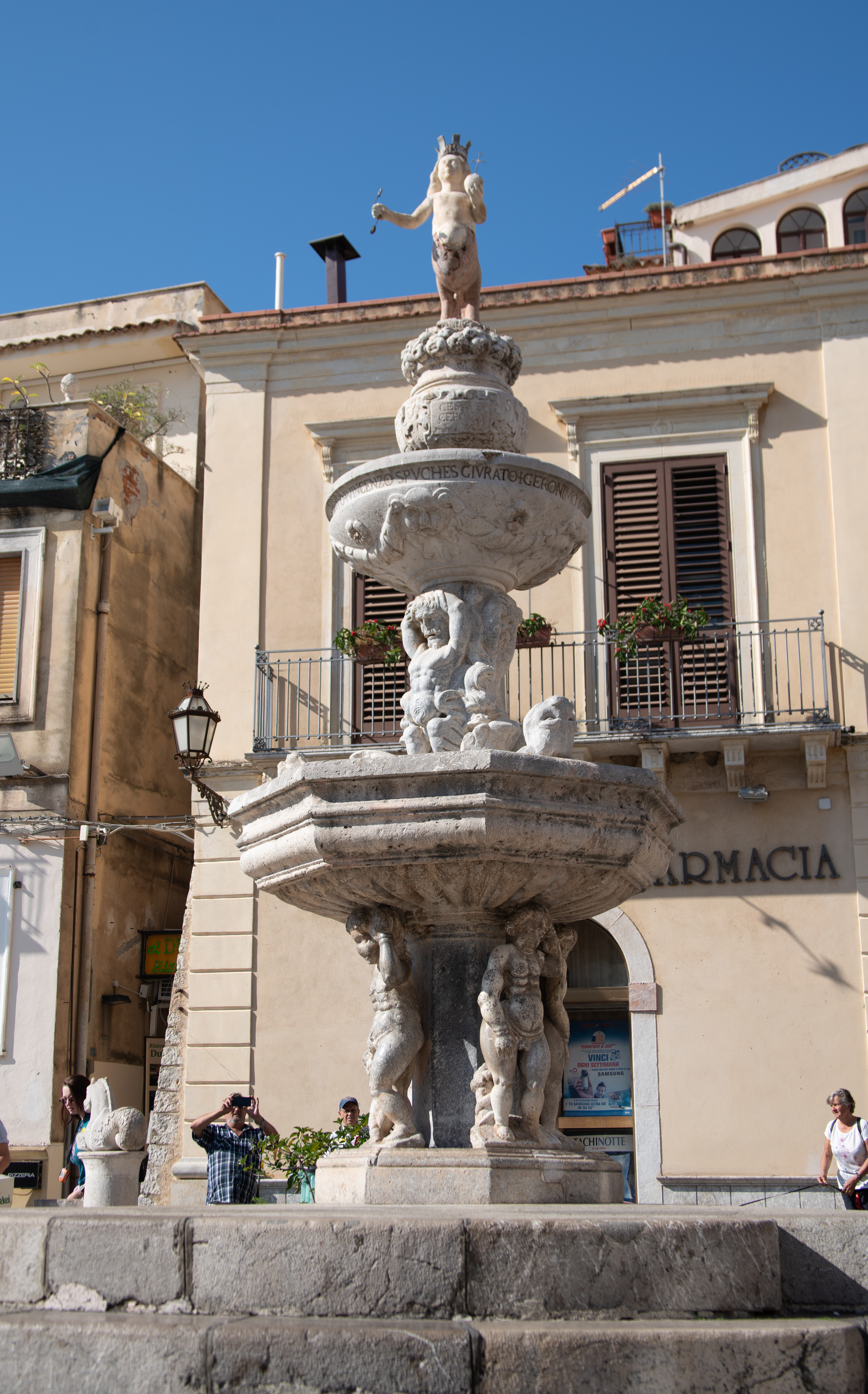
fountain
The present town occupies the ancient town site which is up on a steep hillside. There are bits of the ancient walls here and there. The main ancient structure is the Greek-Roman theater. The oldest parts of the theater are thought to go back to the 3rd century BC. Some of the original structure was removed or damaged when it was enlarged by the Romans in the 2nd century AD. Between the 2nd and 3rd centuries AD the theater was transformed into an arena. The theater is still used today for performances. It really is impressive. The seats of the theater look out to the ocean and a facing hillside and out in the distance is Mount Etna, which is currently erupting. Quite breathtaking. Of course, this location was no mistake.
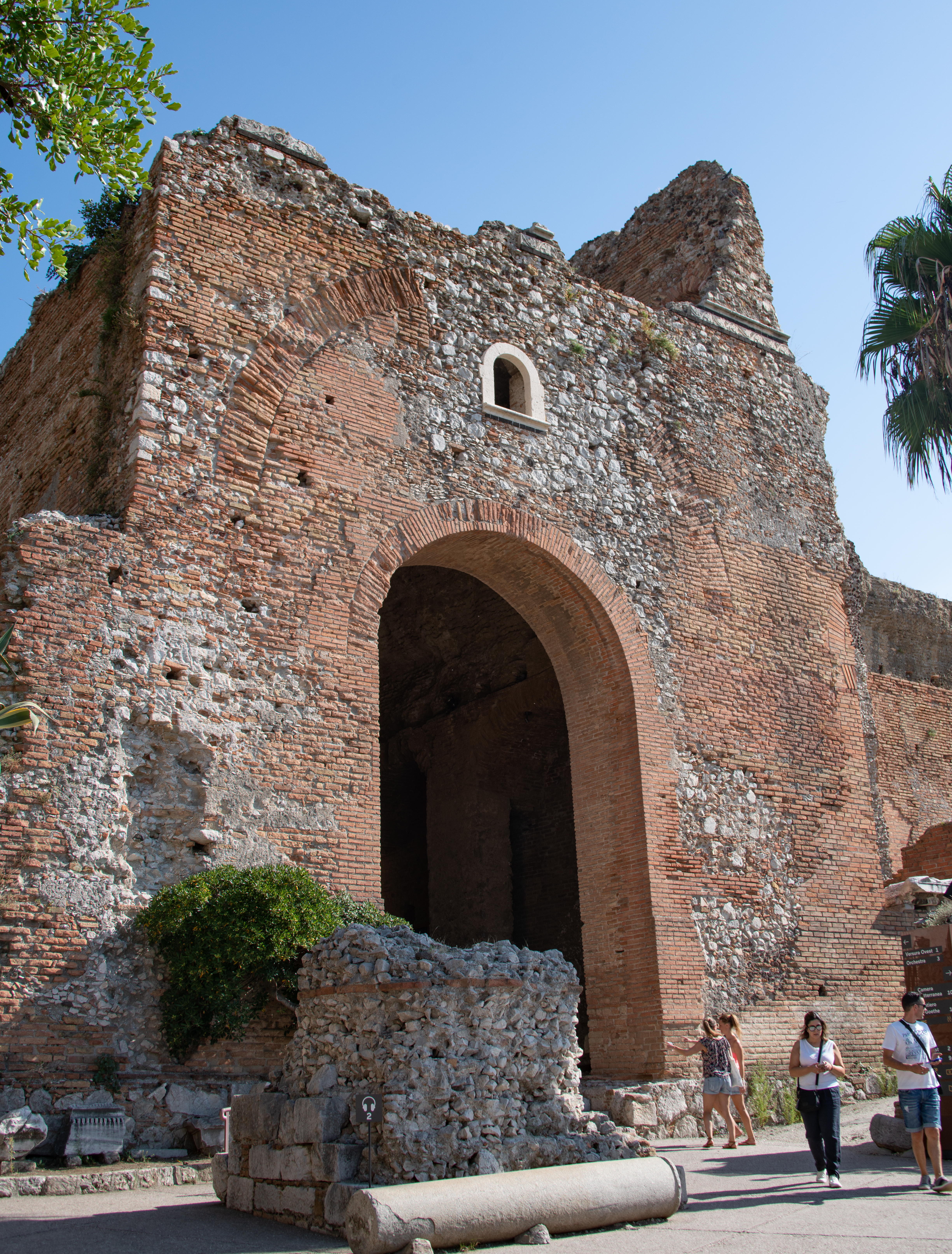
entrance to the theater
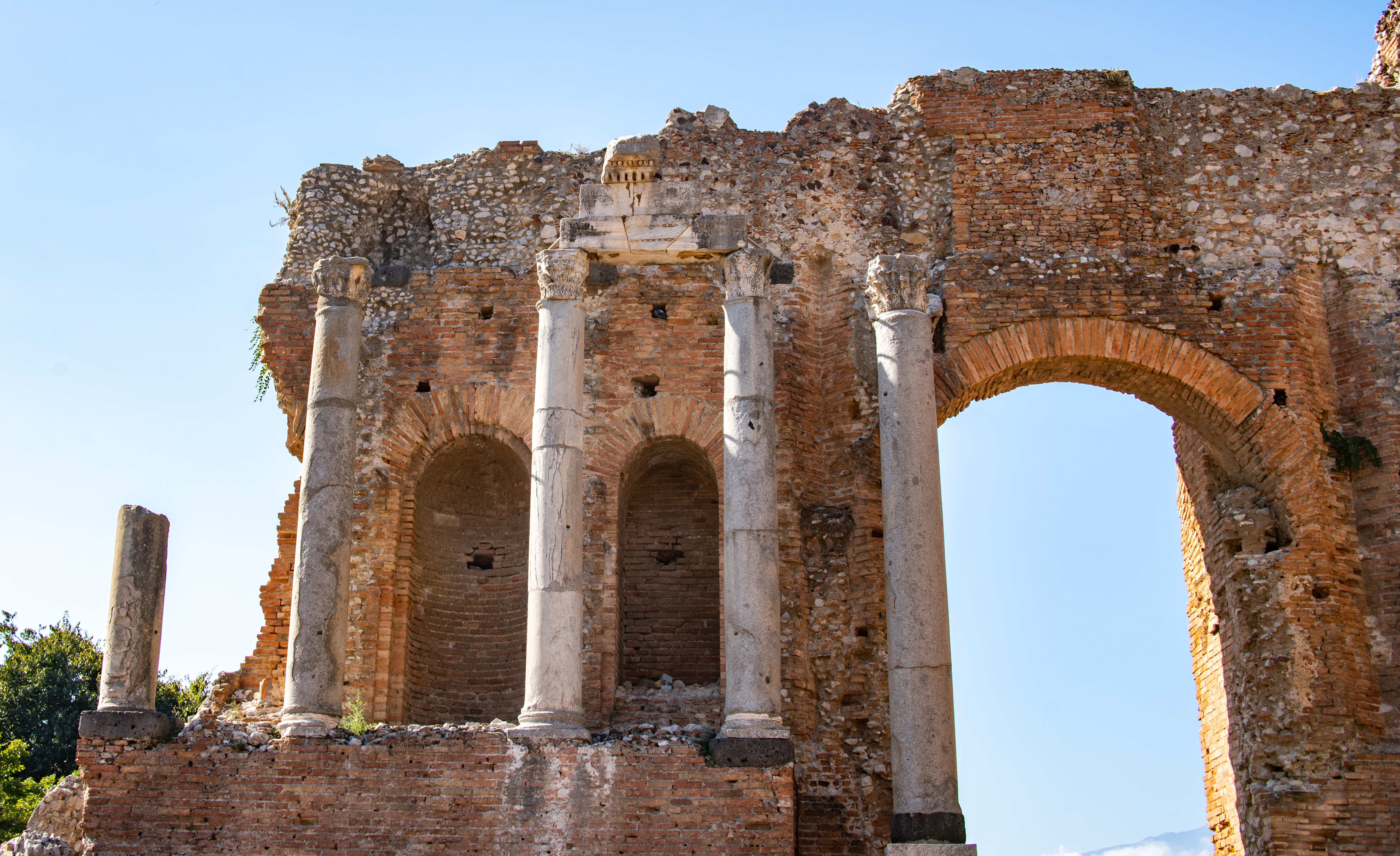
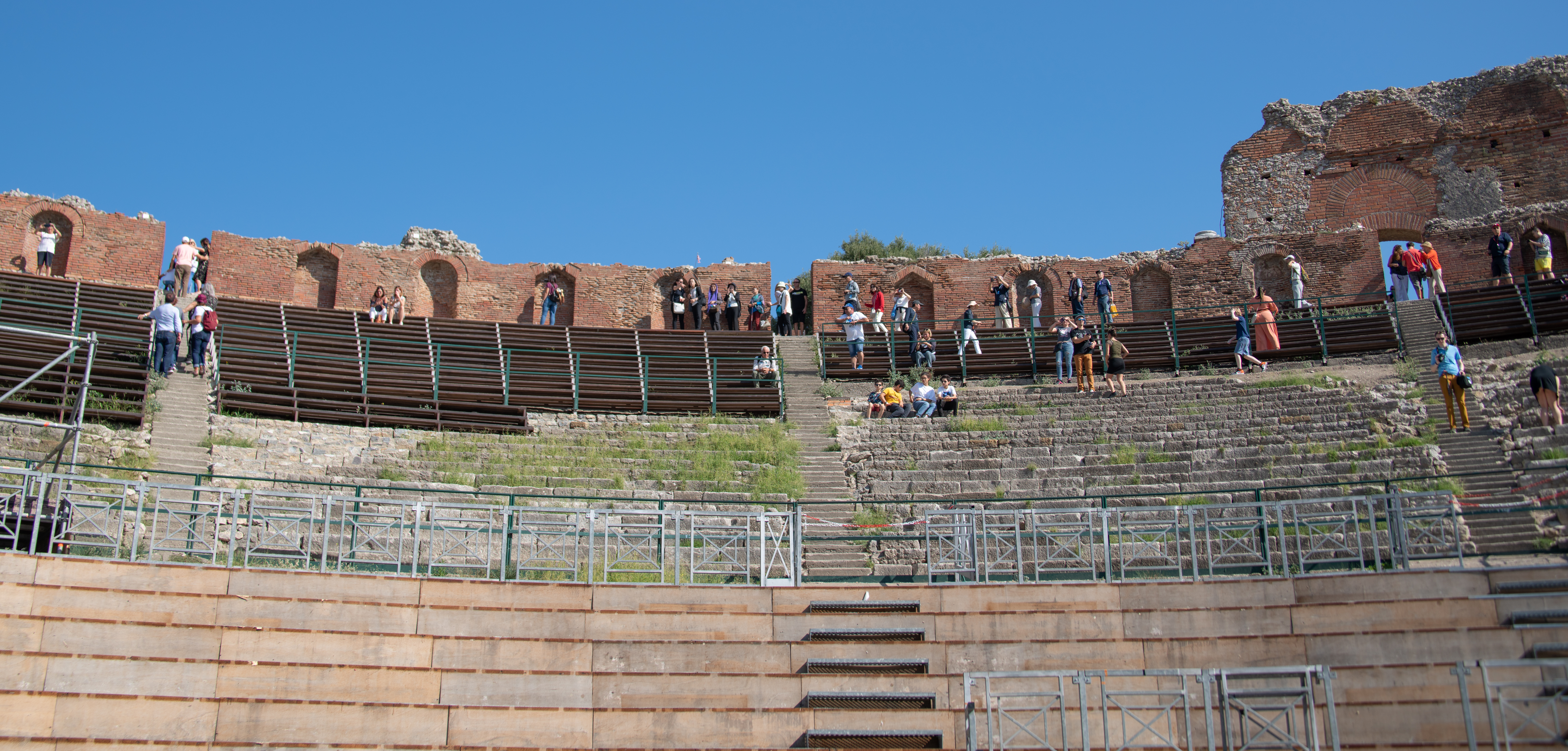
looking up from the stage
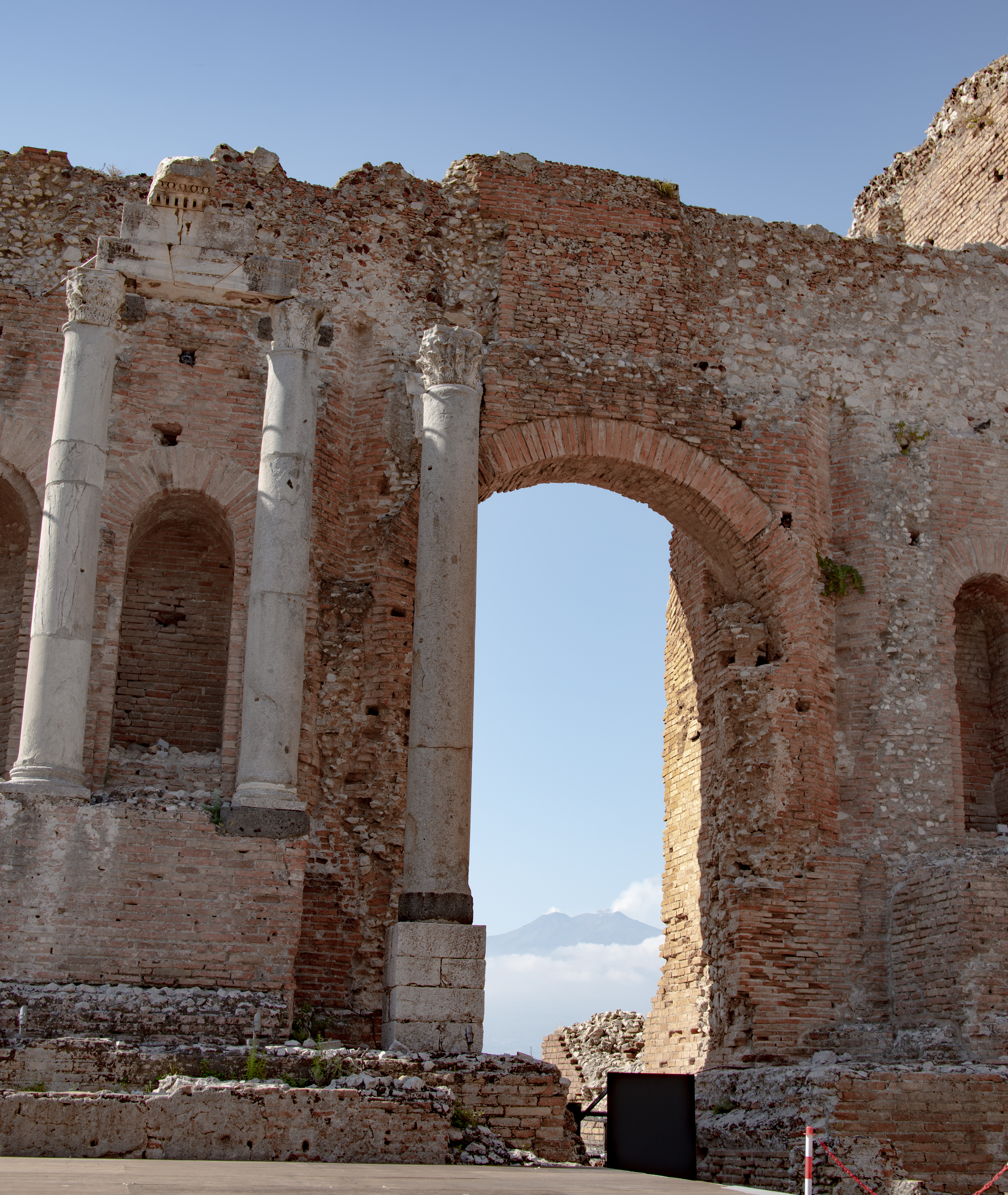
Mt Etna
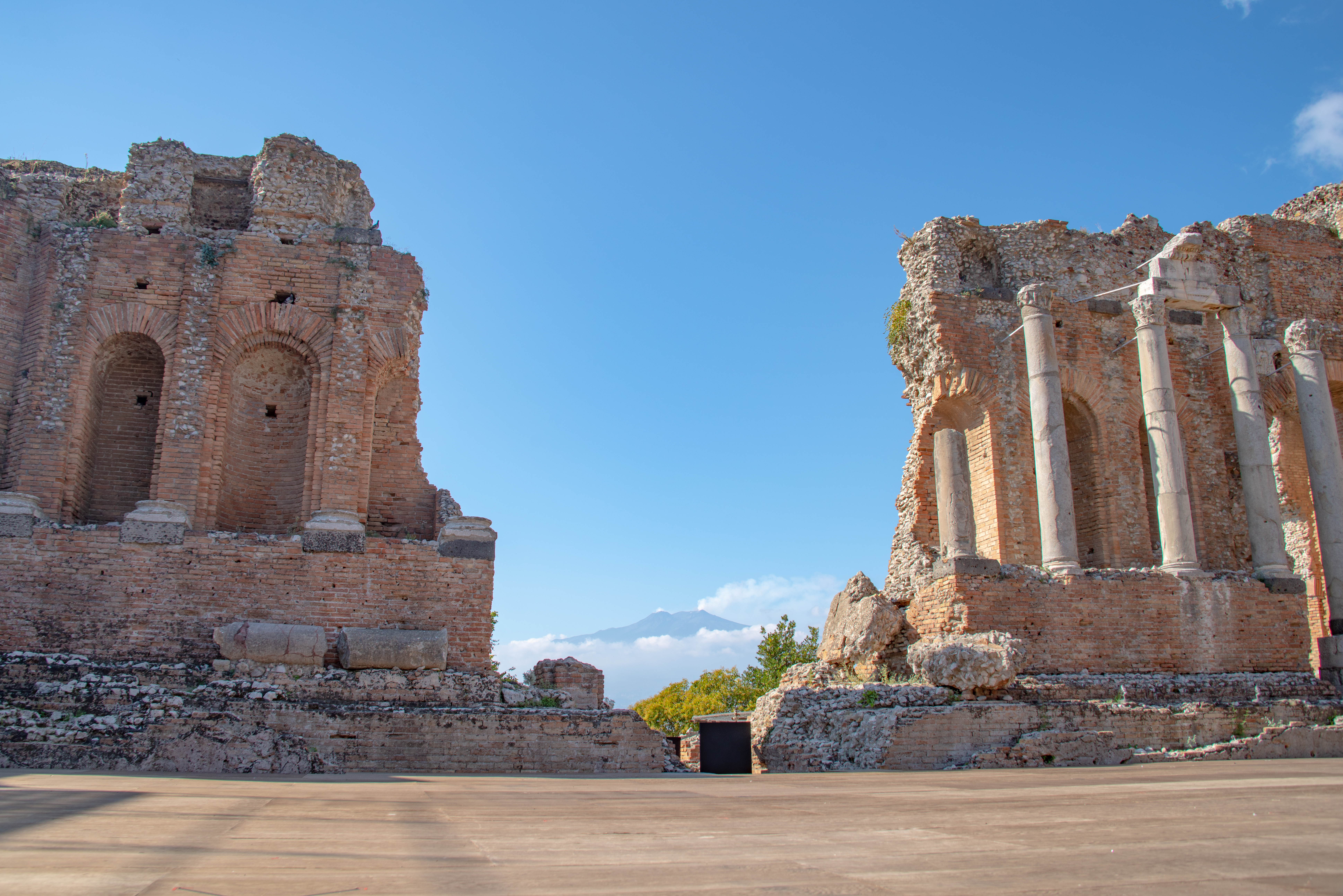
Looking at the stage with Mt Etna in the background
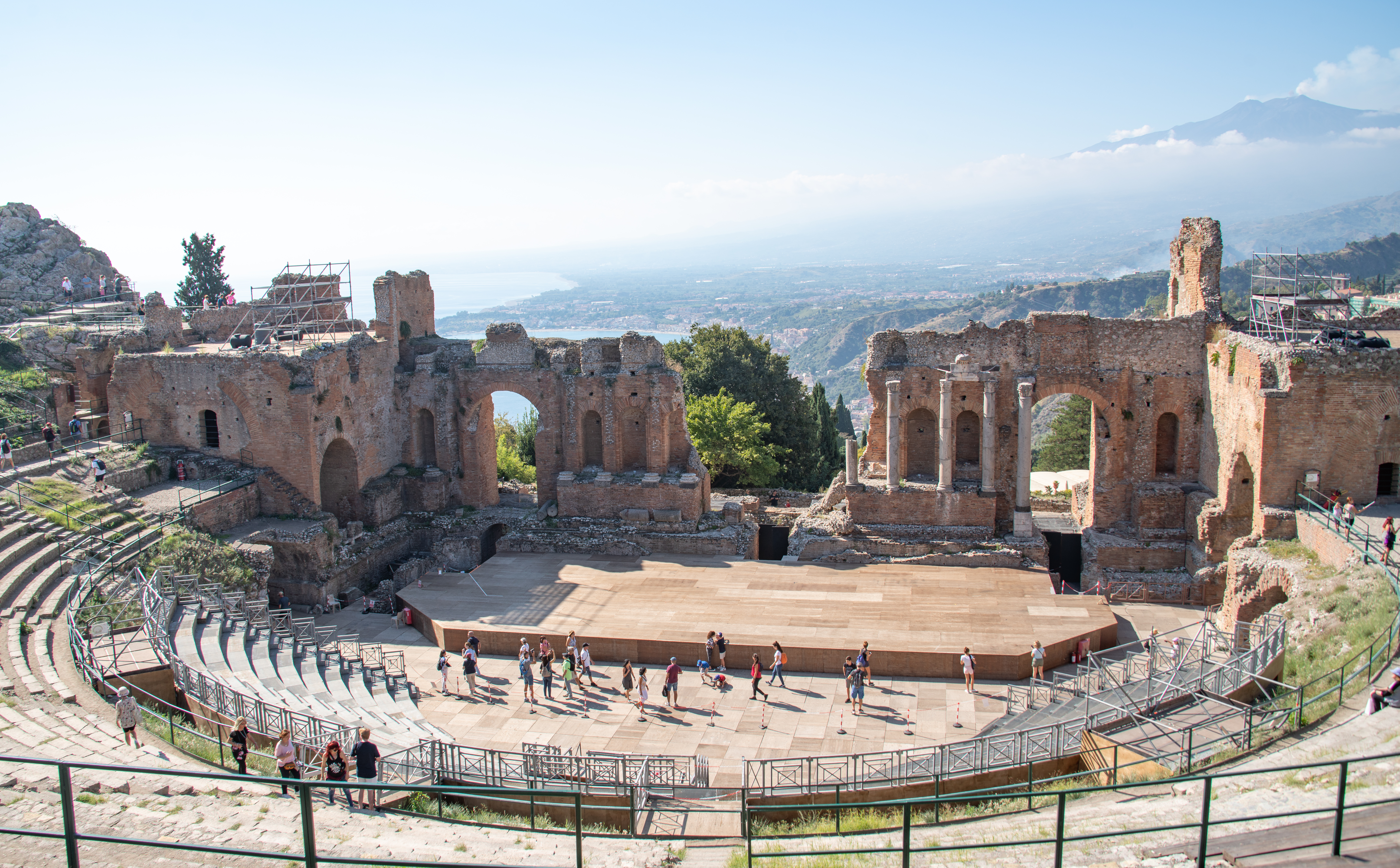
Looking down from the top
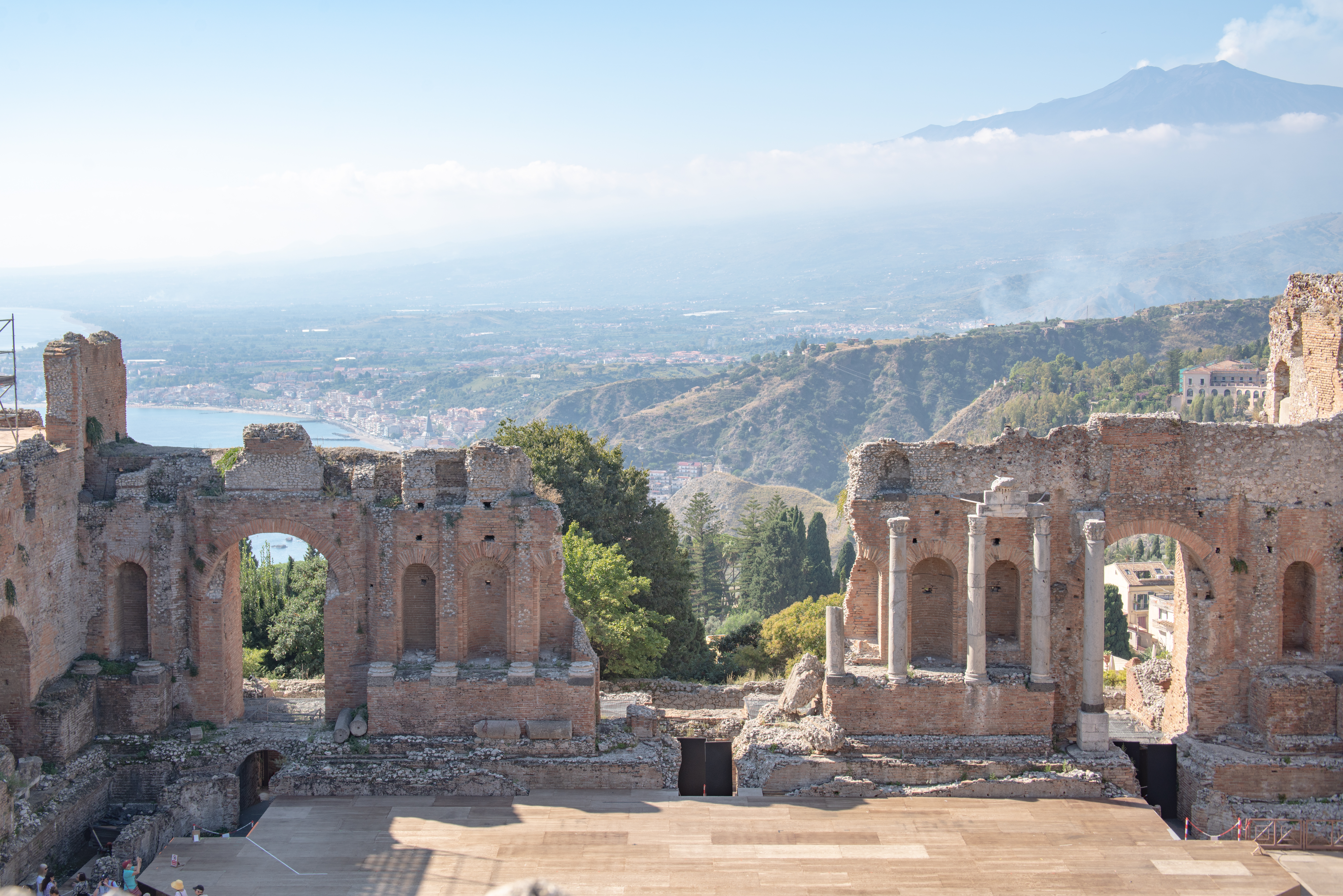
another view from the top
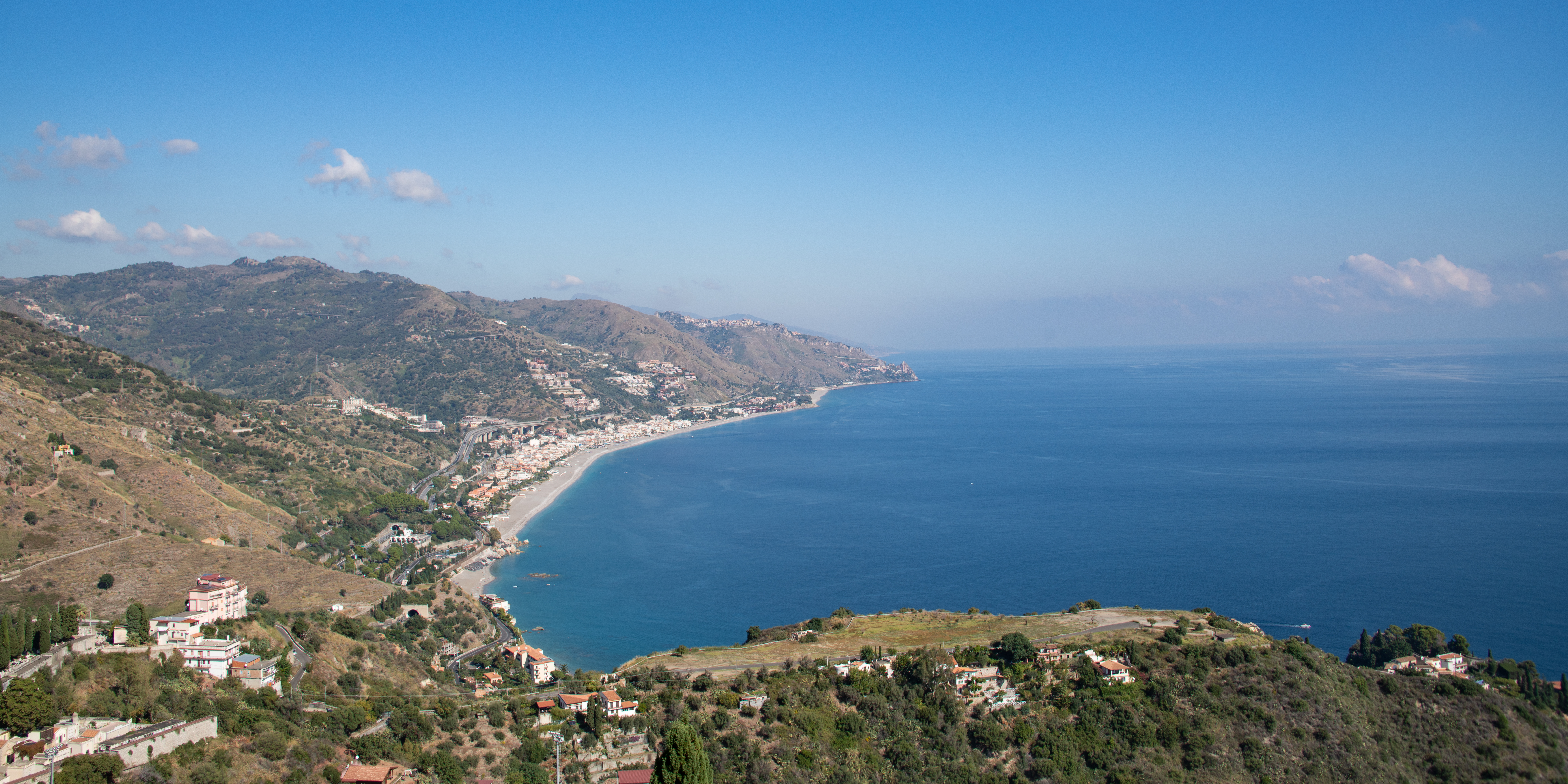
Looking behind the theater
The town itself is quaint and, apparently, a ritzy tourist attraction with expensive shops.
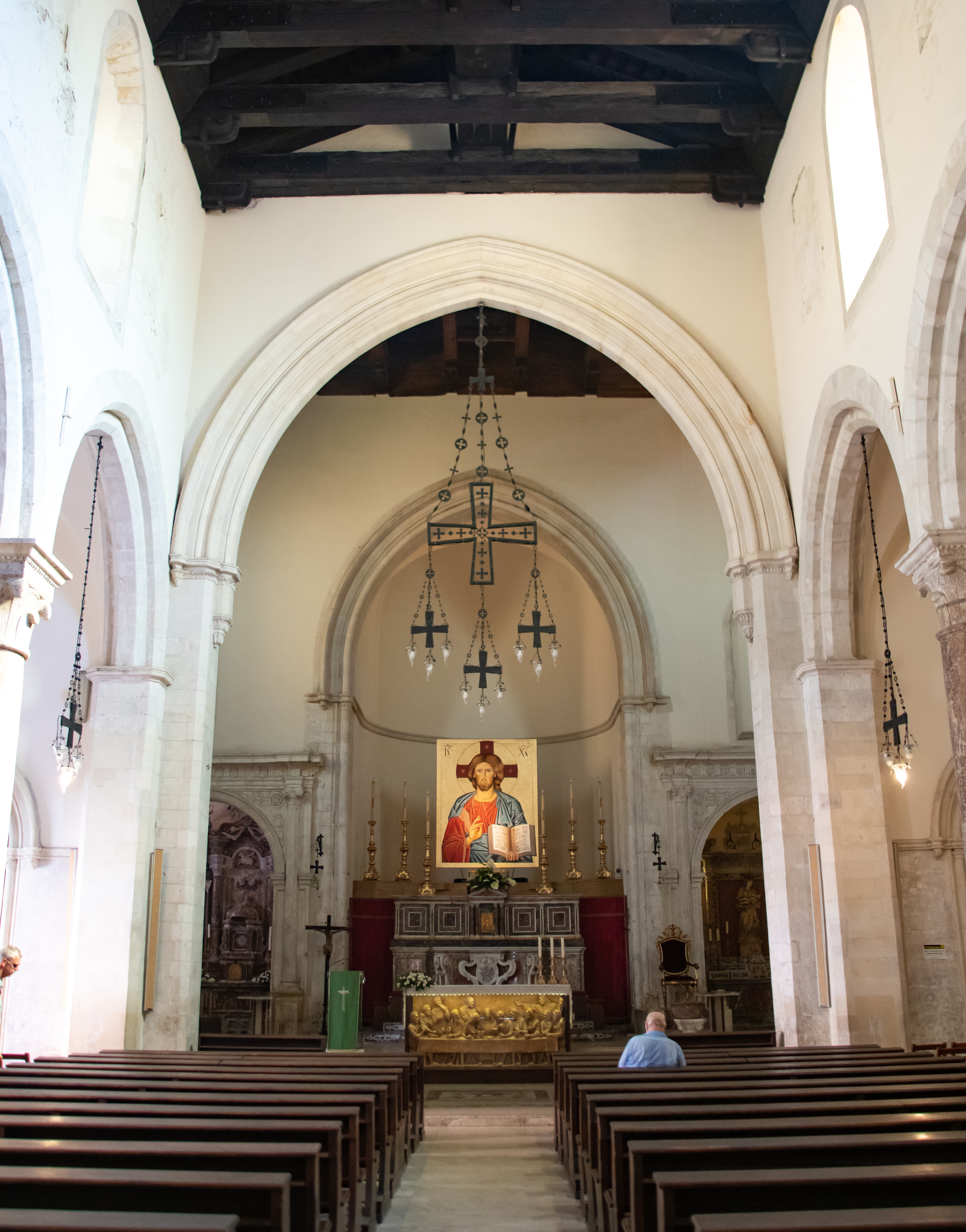
church
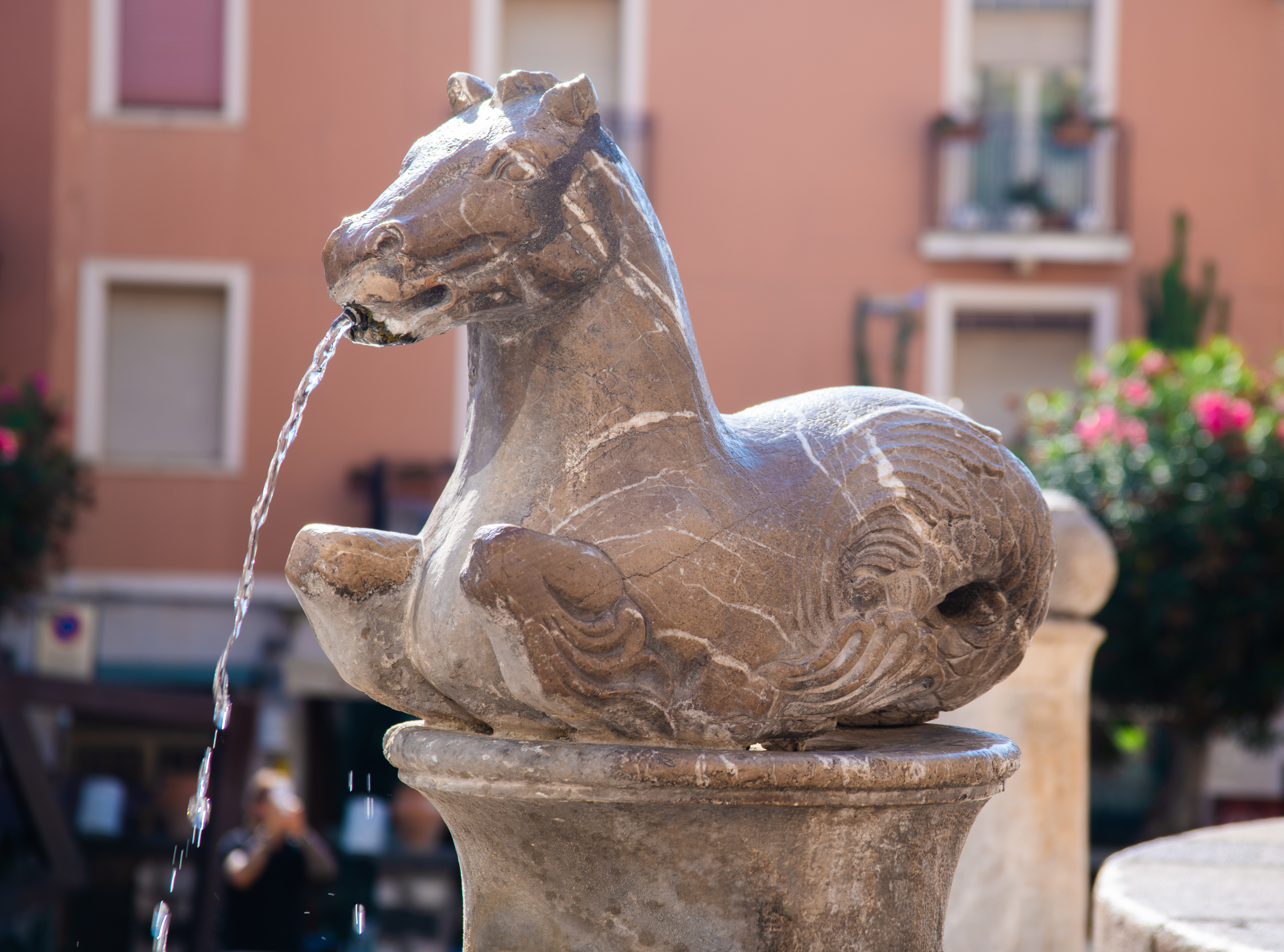
horse fountain
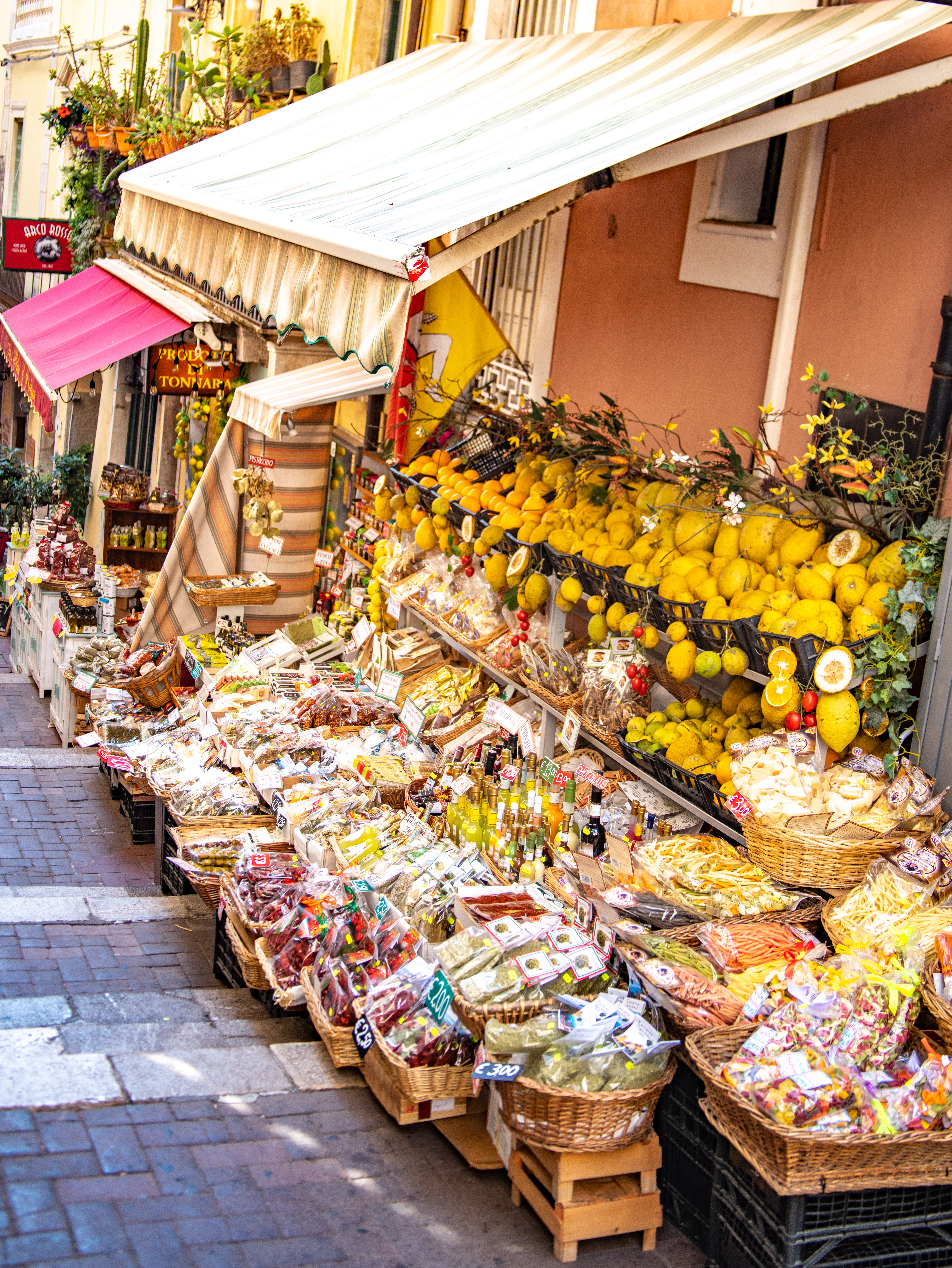
street shop
We headed back to where we were ported, Messina, and walked around town a bit. Messina is the 3rd largest city on Sicily. It was colonized by the Greeks in the 8th century BC. It, also, has changed hands many times over history. It might have been the port where the plague entered Europe from Genoese ships coming from Crimea.
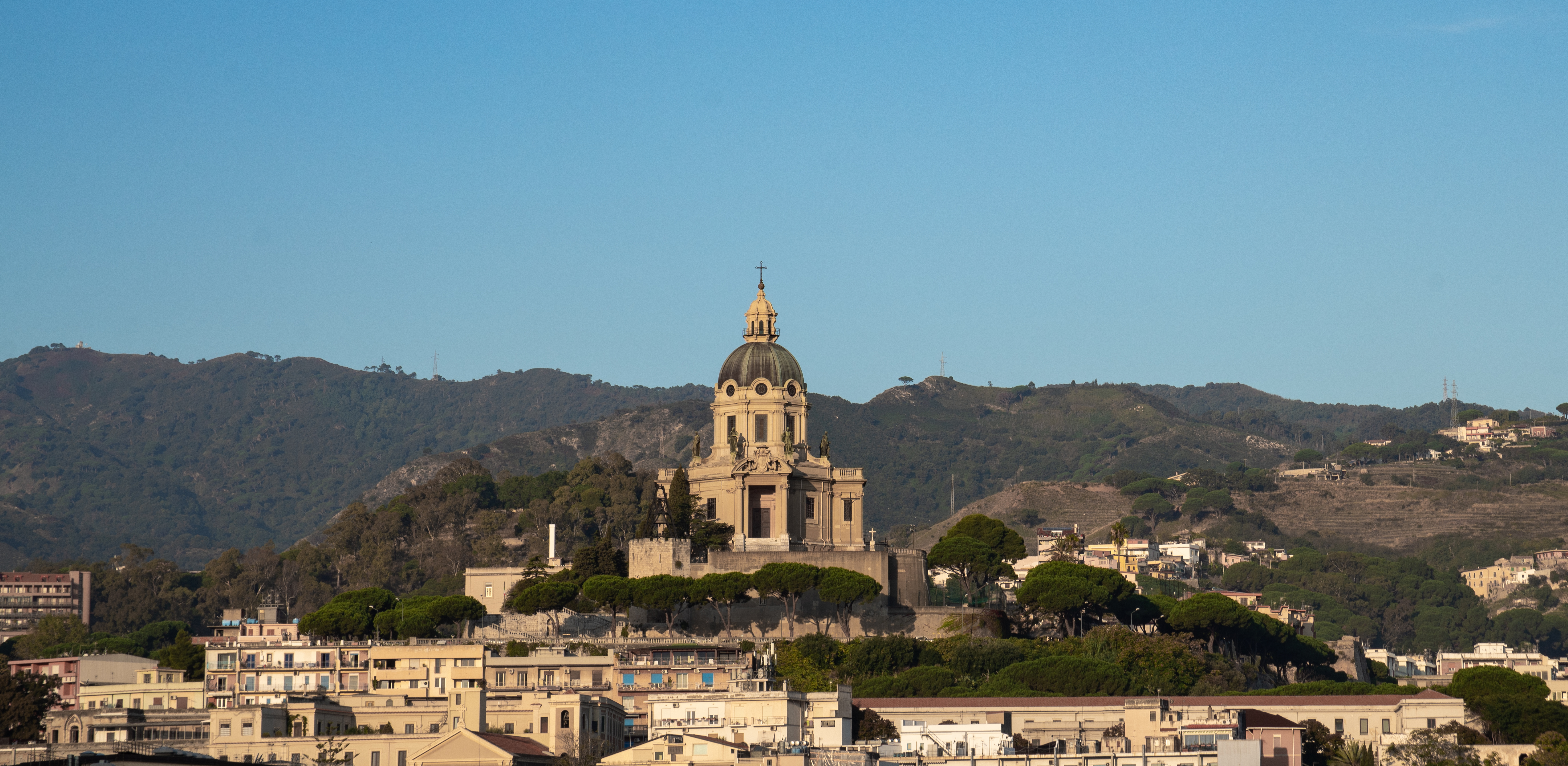
Messina
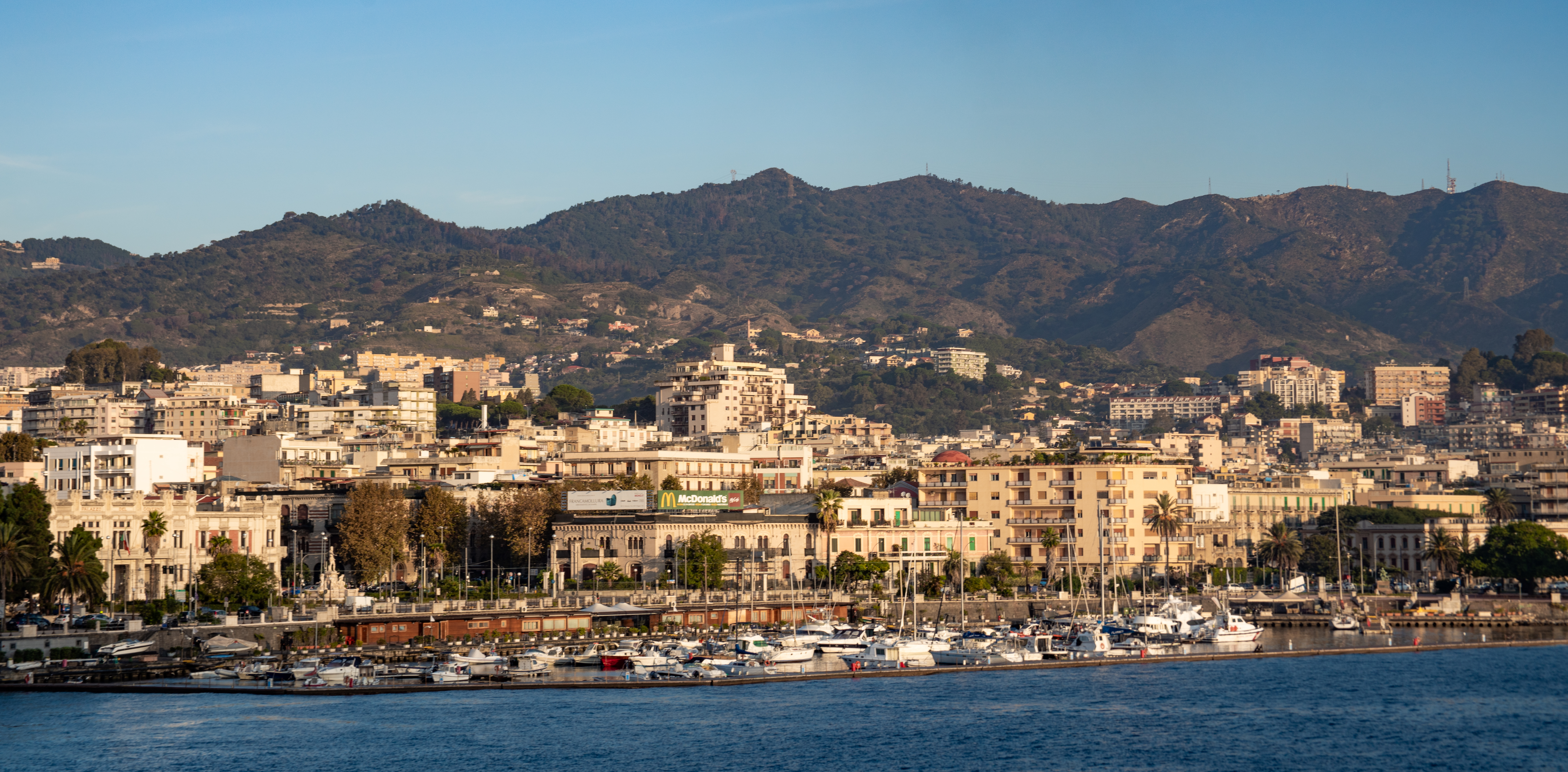
Messina
Messina has been destroyed by earthquakes multiple times, most recently in 1908. That was a 7.1 quake that killed a huge portion of the population. Some structures were able to be rebuilt from the rubble, but others are completely new buildings. So, basically, there are very few buildings in Messina that predate 1908.
We went to the Messina Cathedral, which is probably best known for having the largest astronomical clock in the world. We missed the big show at noon, but did see it go off at the quarter hour twice. It just does small movements of the bronze statues then. The original cathedral was commissioned by the Normans and modified over the years until it was destroyed by the 1908 earthquake. The 1909 reconstruction is a combination of a Norman model with decorations that are Renaissance and Baroque. They built this cathedral to try to withstand earthquakes, so its columns are cement.
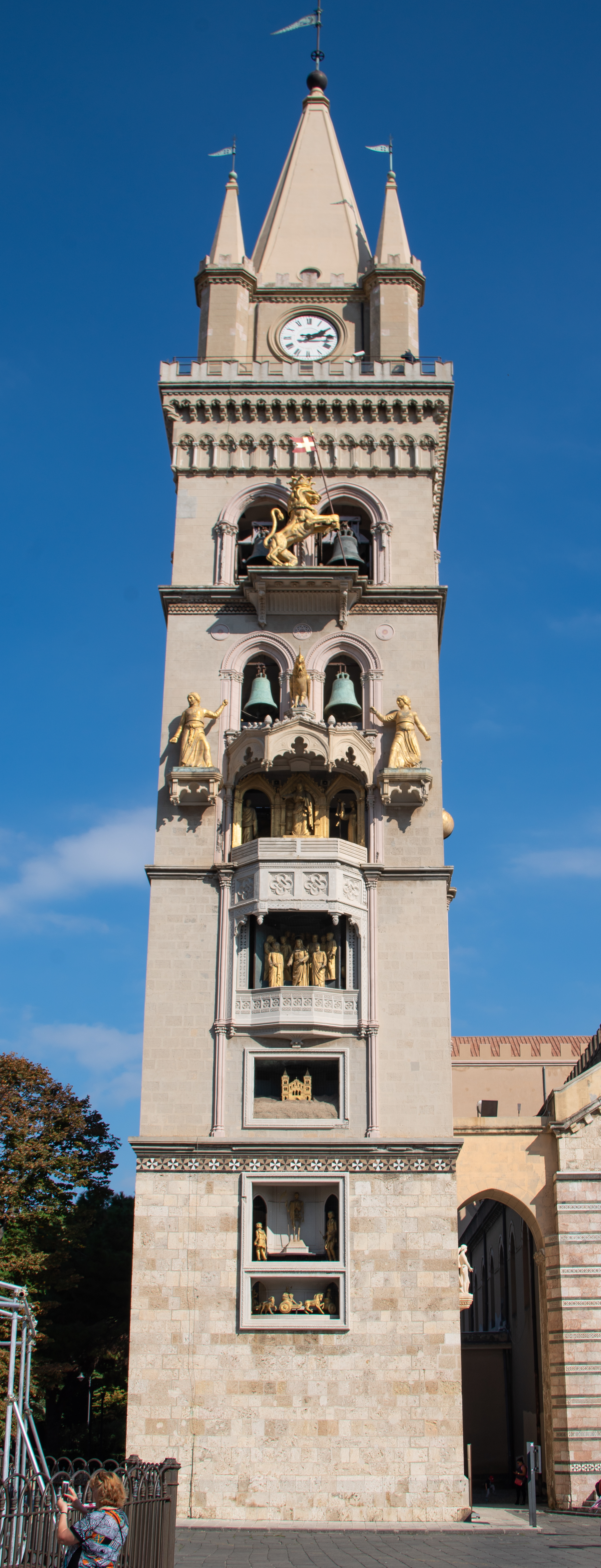
Messina Cathedral astronomical clock
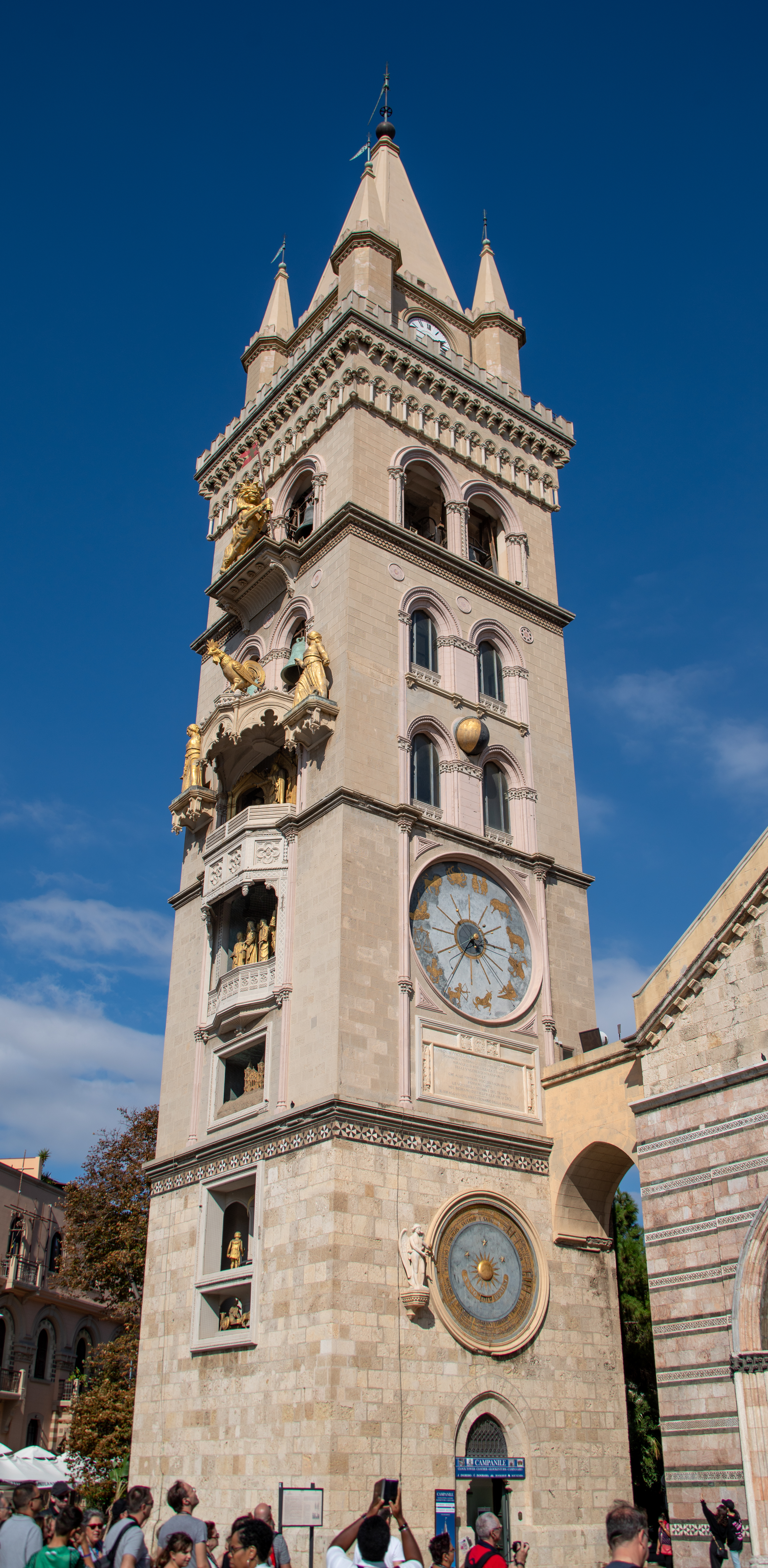
Clock
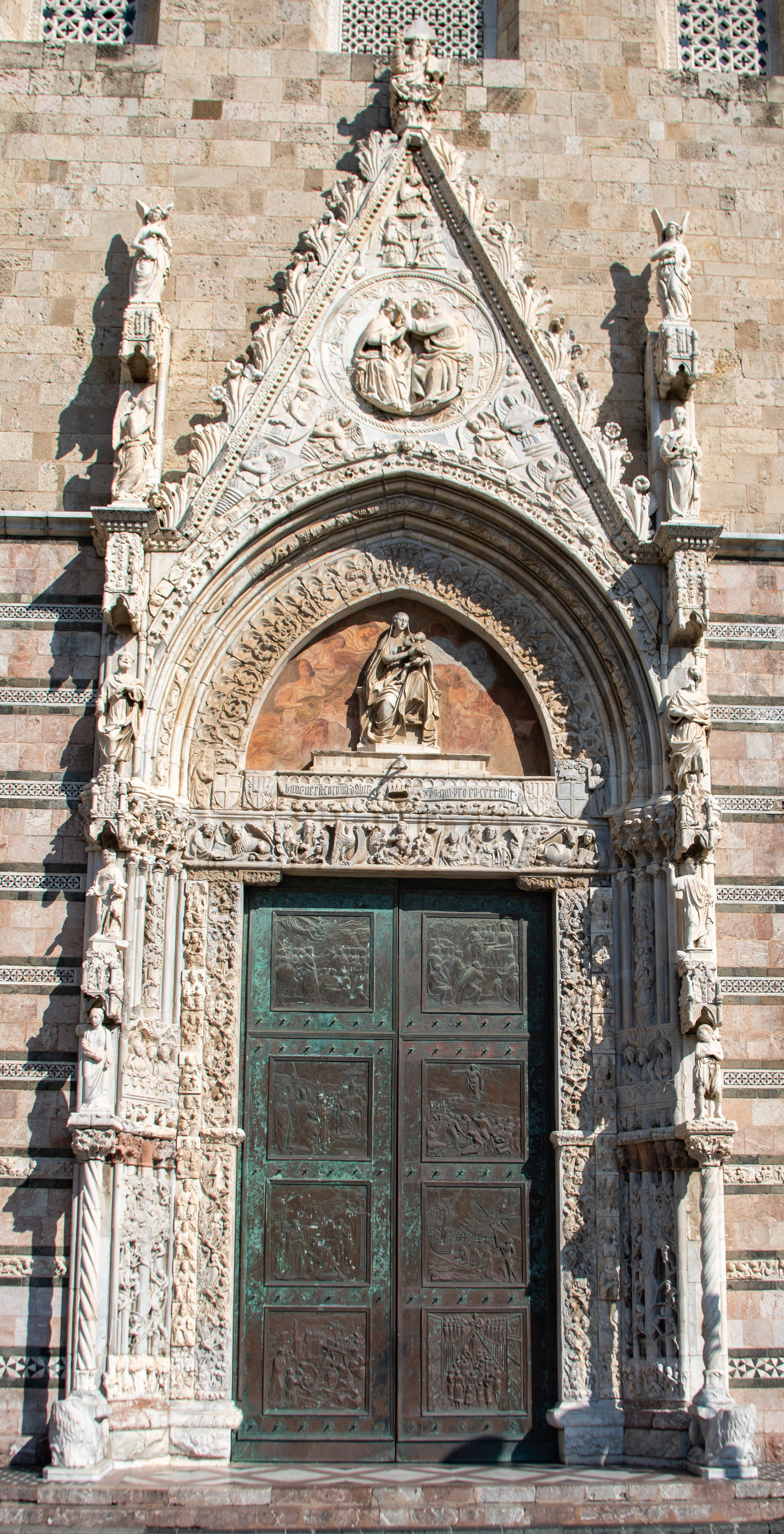
Cathedral doors
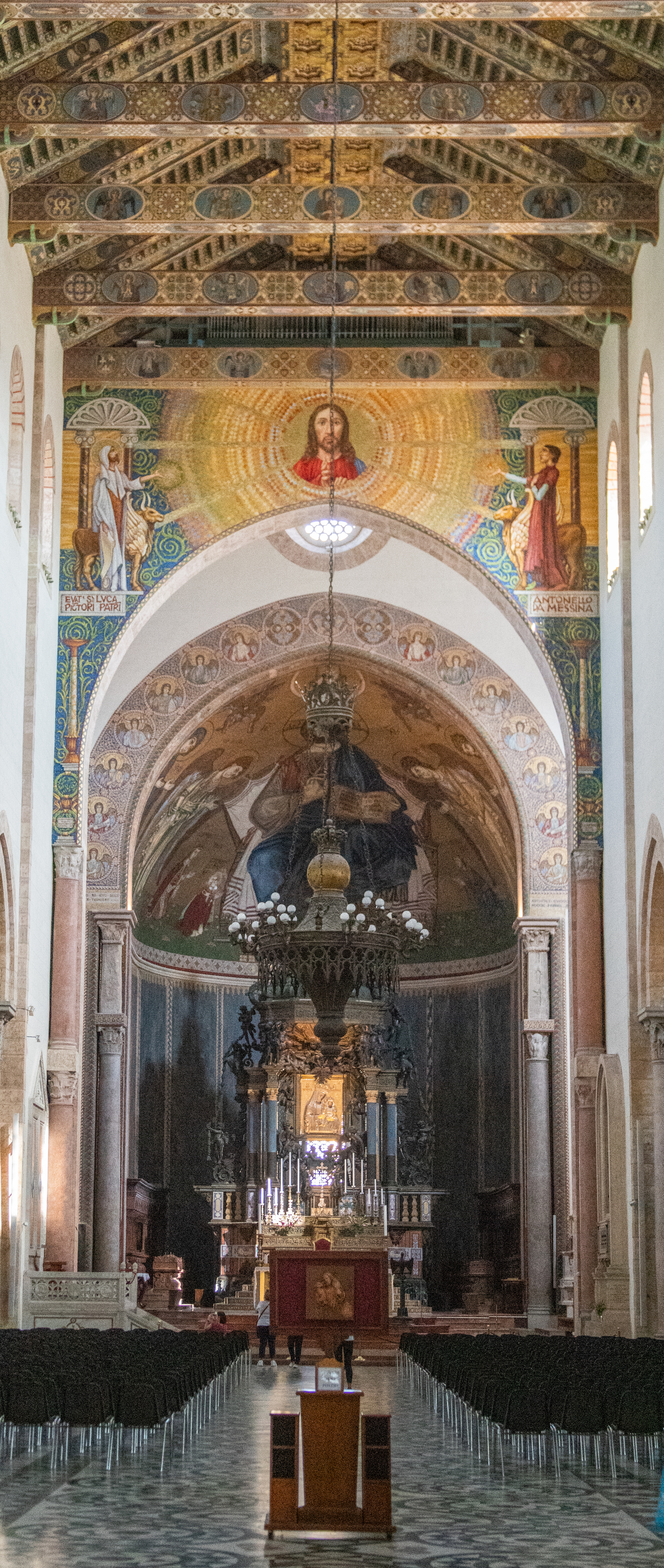
Messina Cathedral
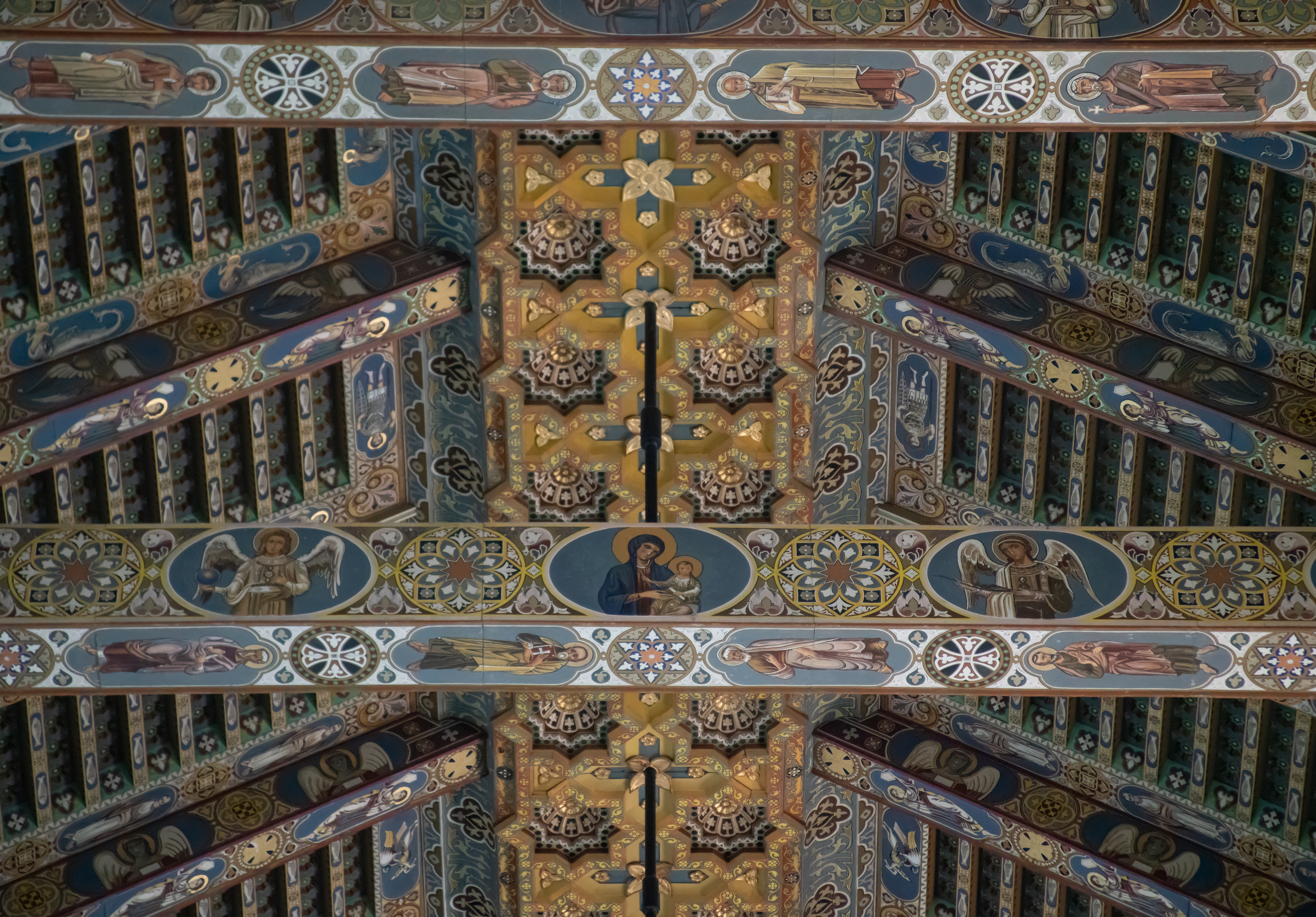
Ceiling
We walked around town a bit more and had a bit to eat. We had hit the time of day when shops and churches were closing, so there was not much else for us to go see.
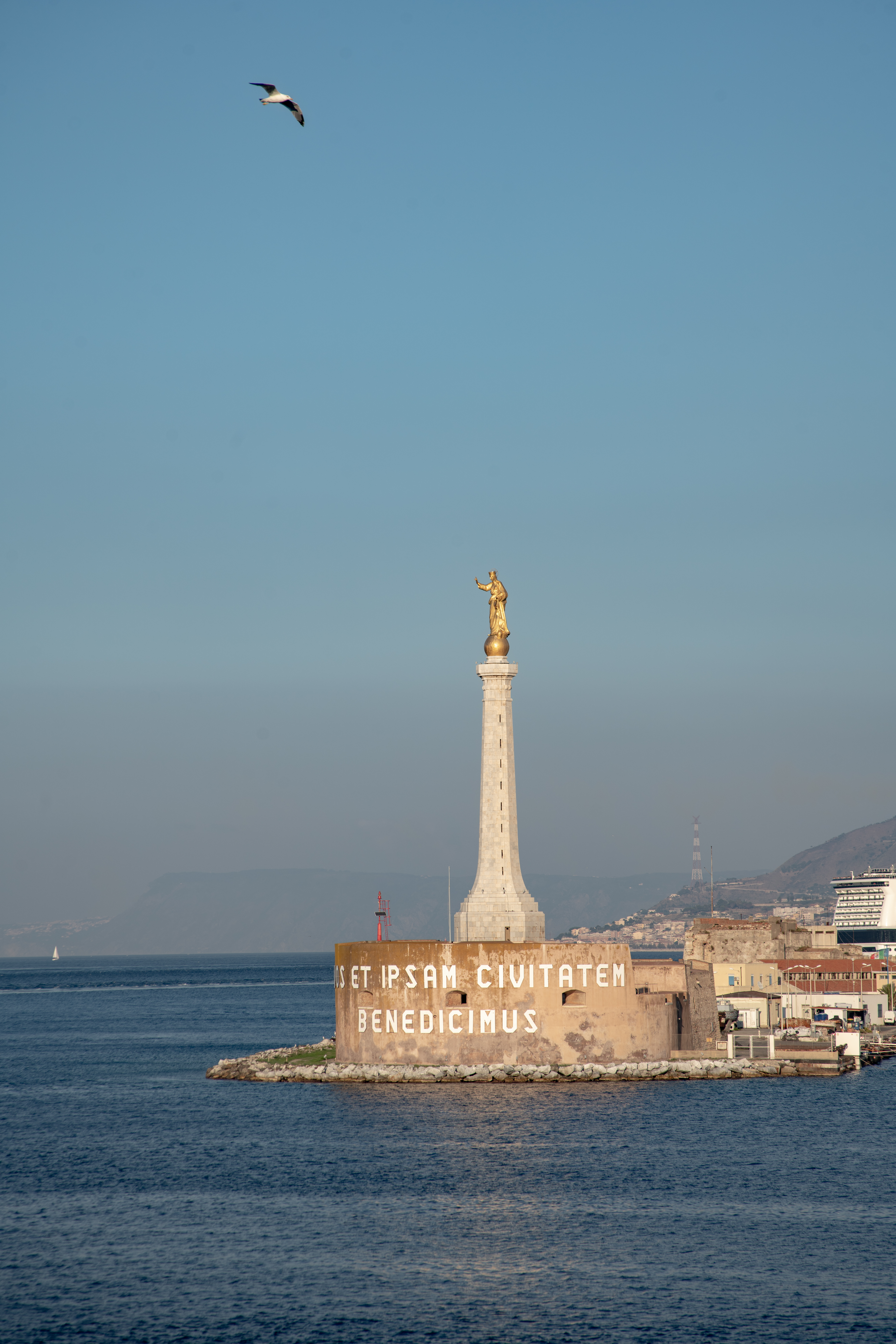
Statue of the Virgin Mary
 Will Suture for Travel
Leave a comment