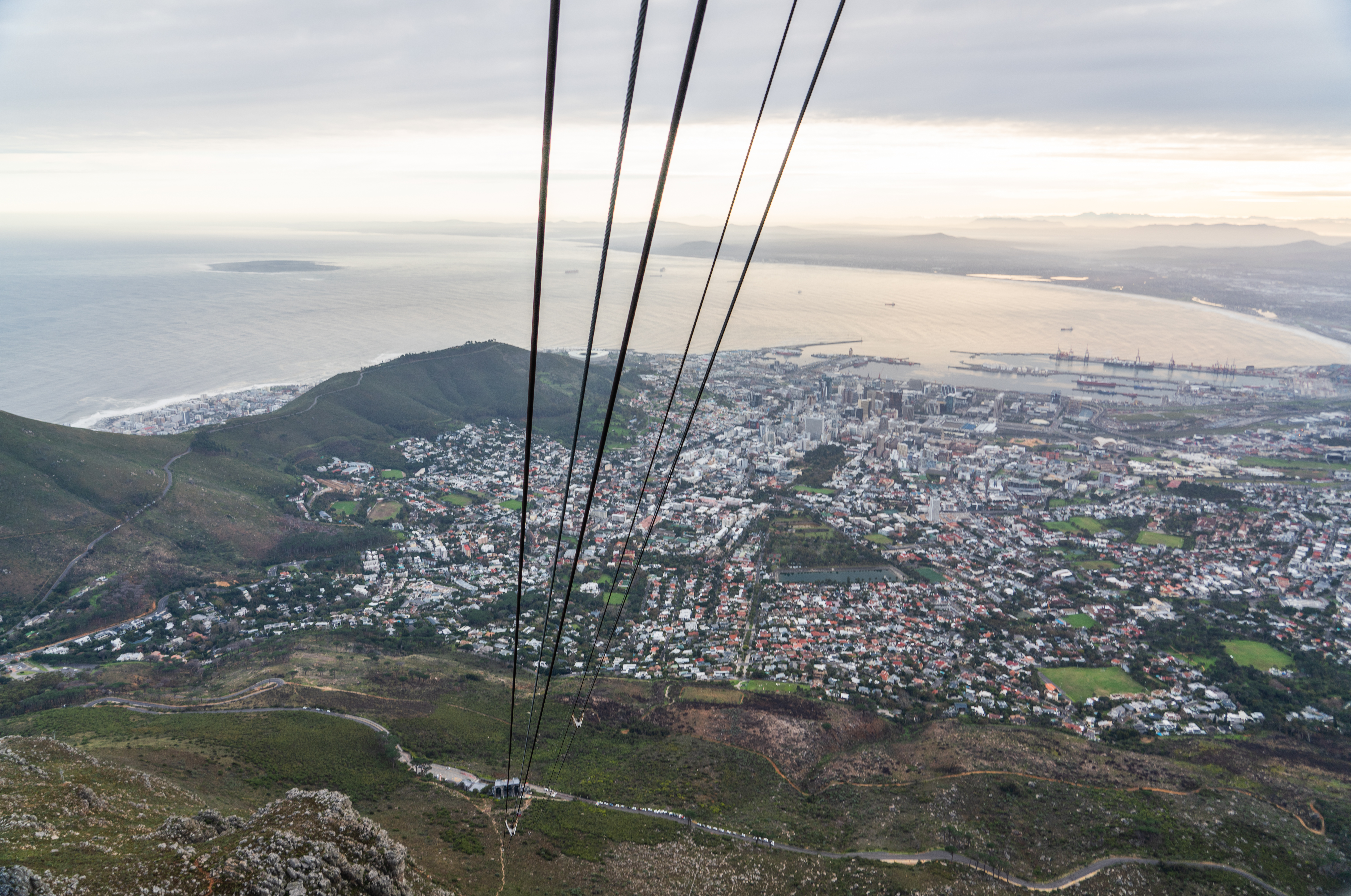
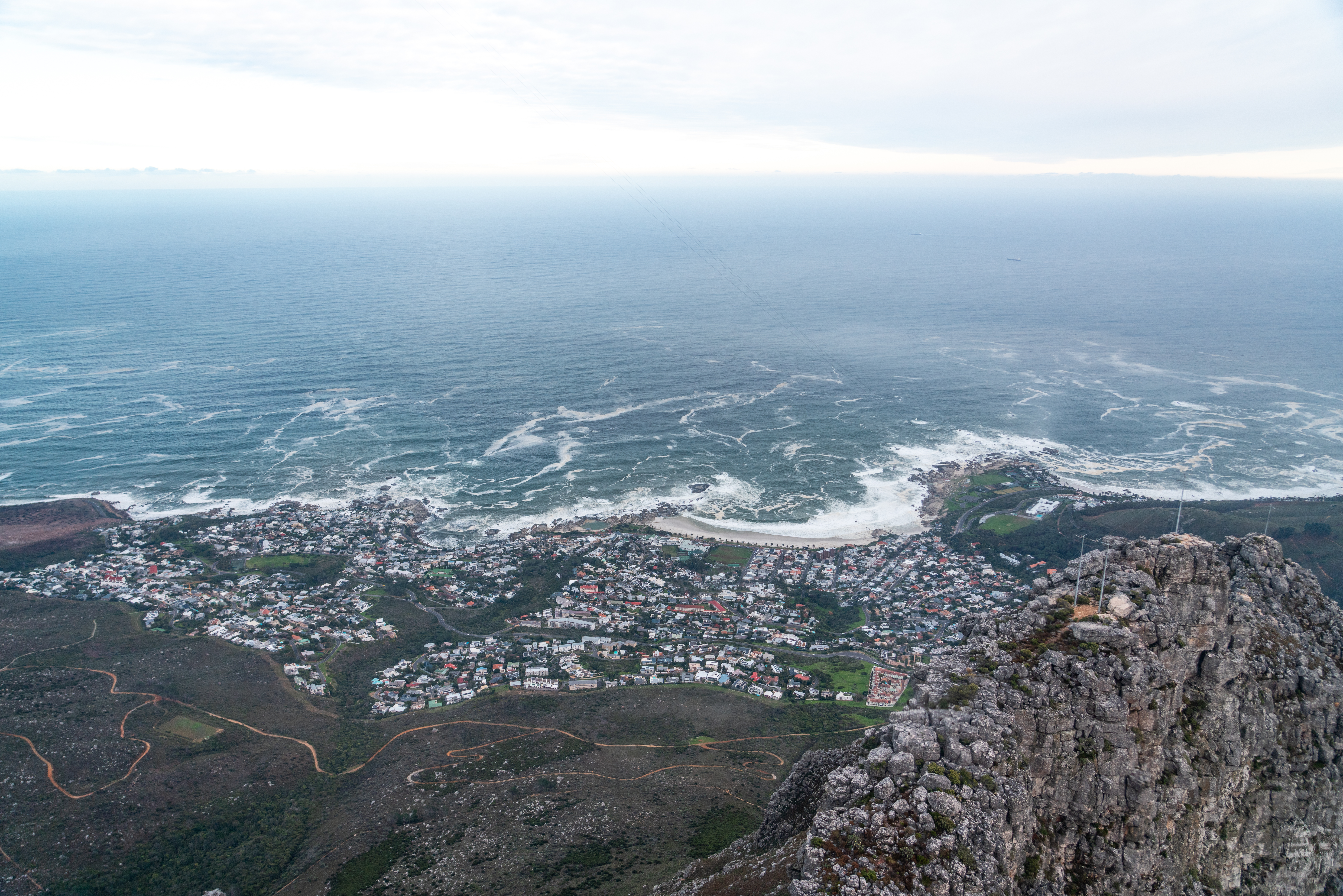
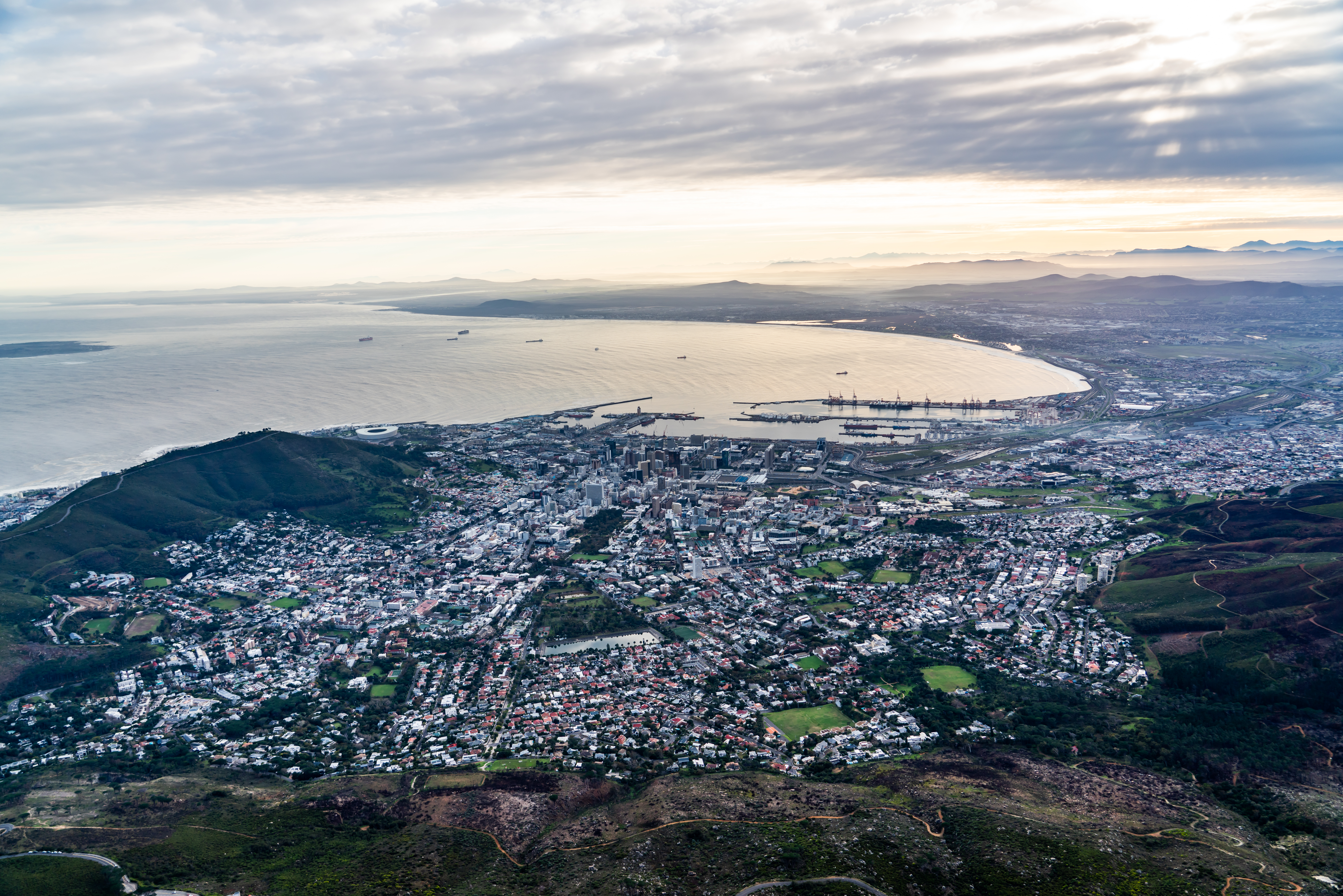
We started today by taking the cable car (not my favorite activity) to the top of Table Mountain, which is a flat-topped mountain in Cape Town. It is 1 km high, 3 km wide (sorry, they use the metric system here and I don’t feel like converting…pretend you’re in a race) and is part of a mountain system that ends in the Cape of Good Hope and Cape Point. At Cape Town there are features named Lion’s Head and Devil’s Peak that, with Table Mountain, help make up the rim of the bowl that most of Cape Town sits in. It was cloudy and cold, but the views were amazing!
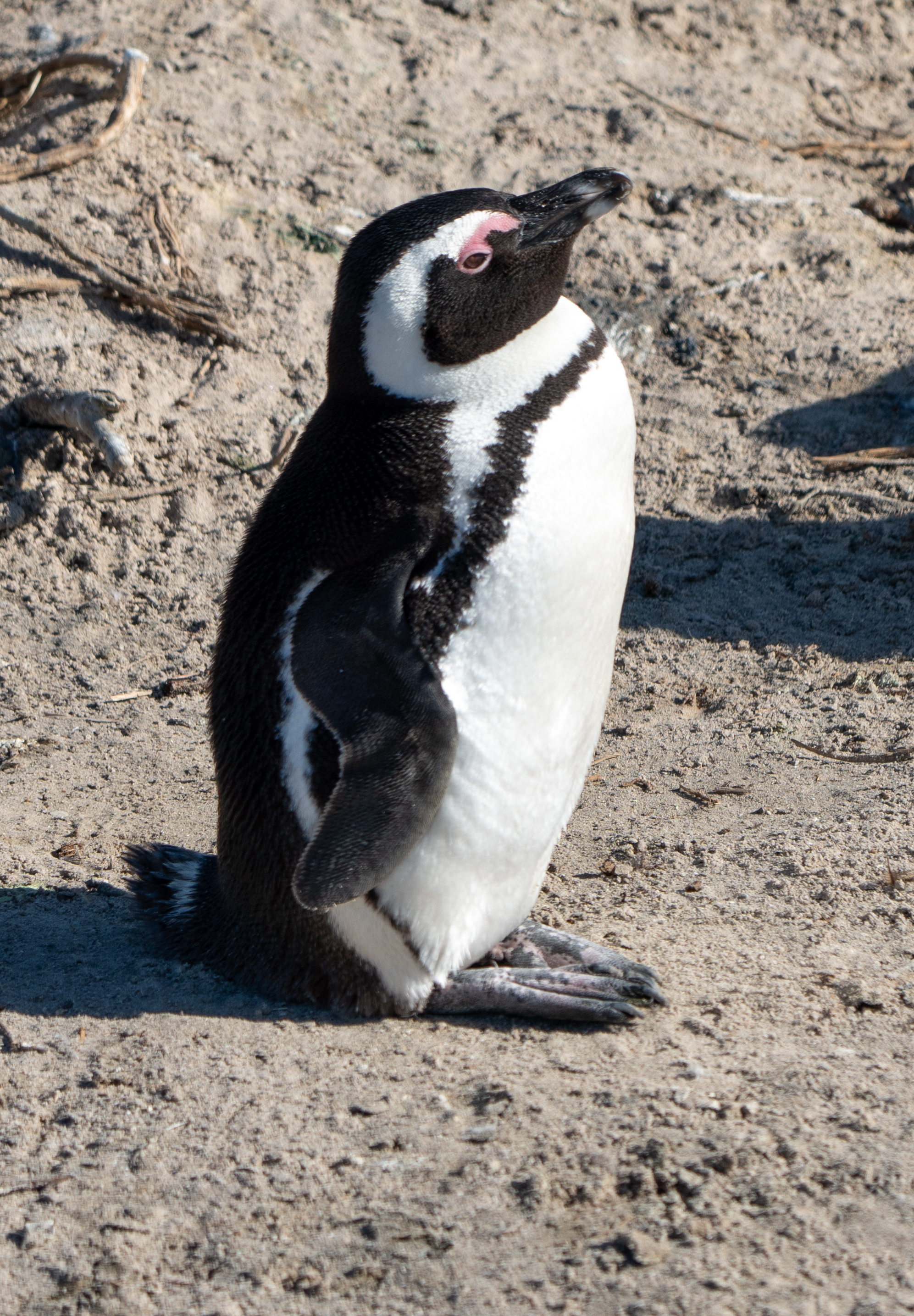
We next headed south to Boulders Beach, which is known for its African Penguin colony. Now this colony is relatively new, as it has been here since 1982, when one or two breeding pairs settled here. It is unusual because penguin colonies are usually on islands and this one is on the mainland. No only that, it is near human habitation, with them sometimes nesting in or near people’s yards. That said, the vast majority of the colony is on this one beach, which is protected.
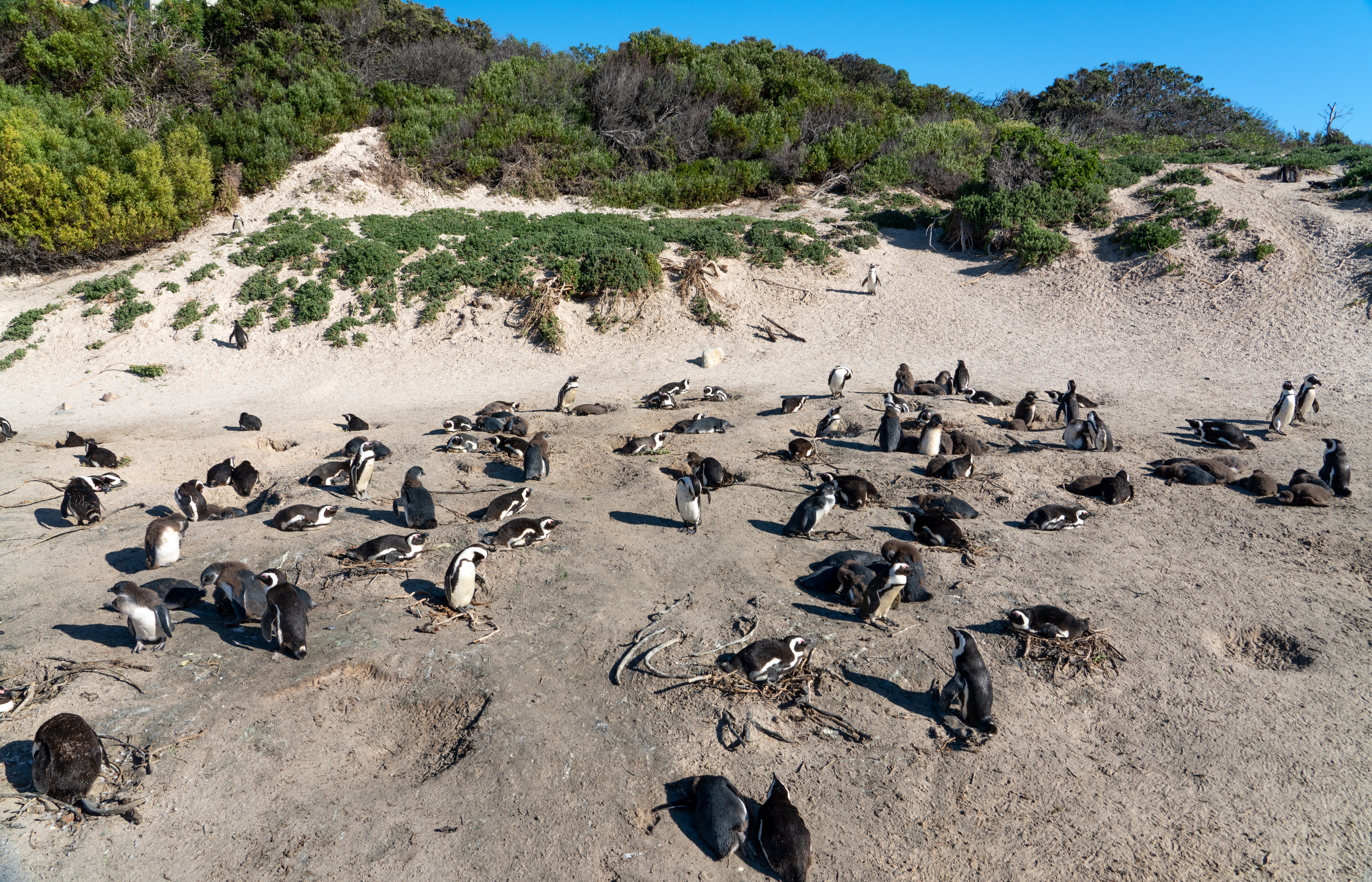
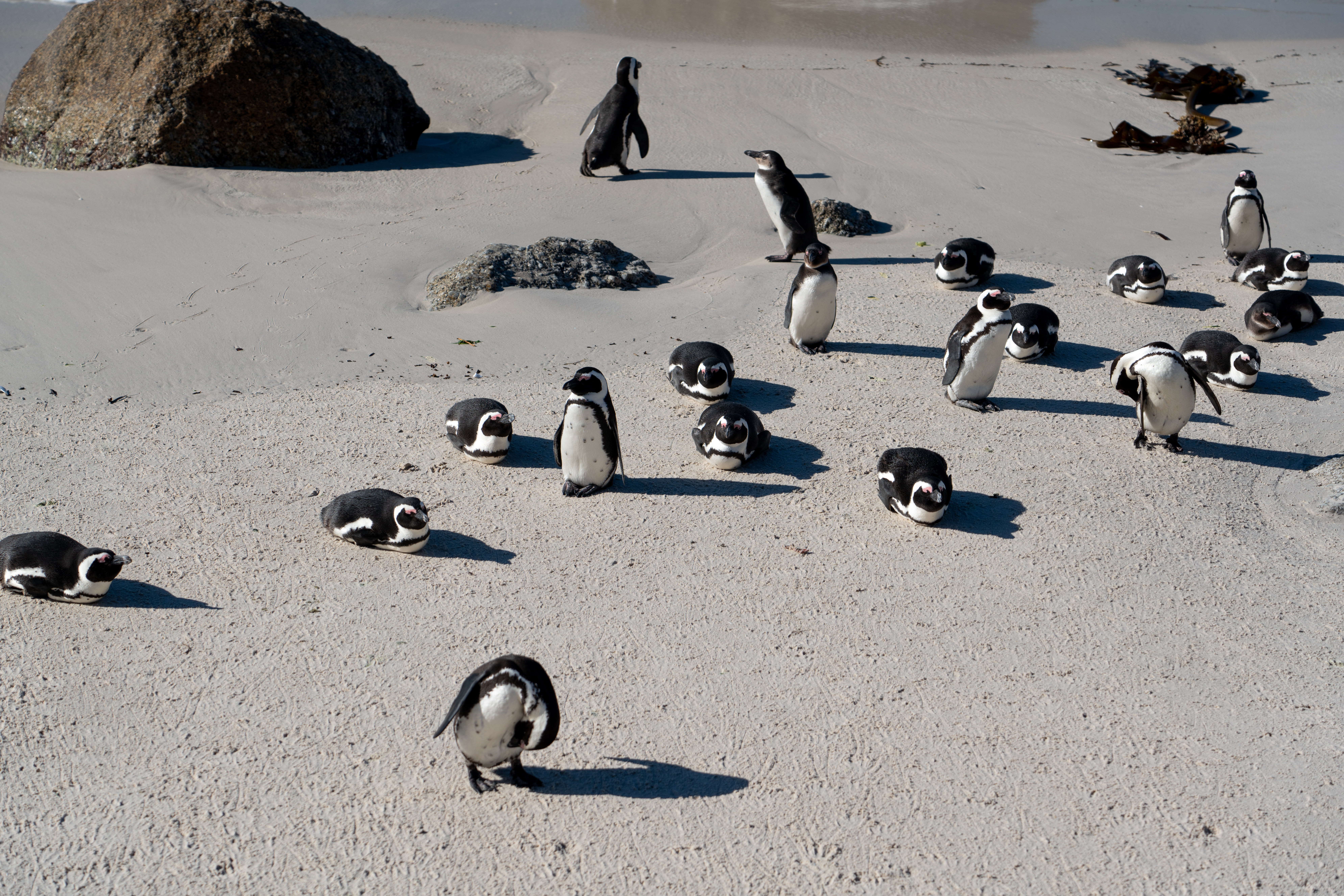
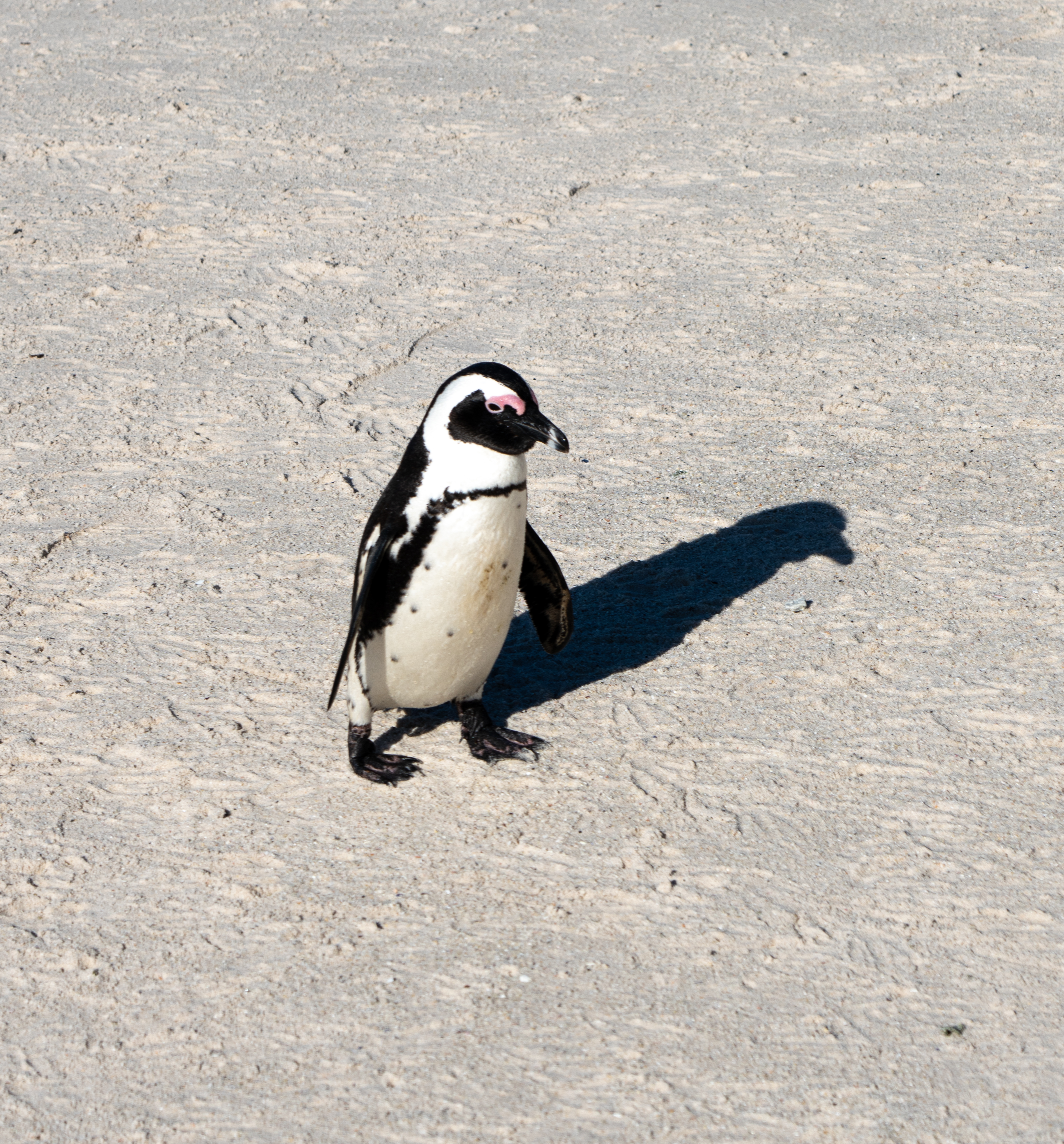
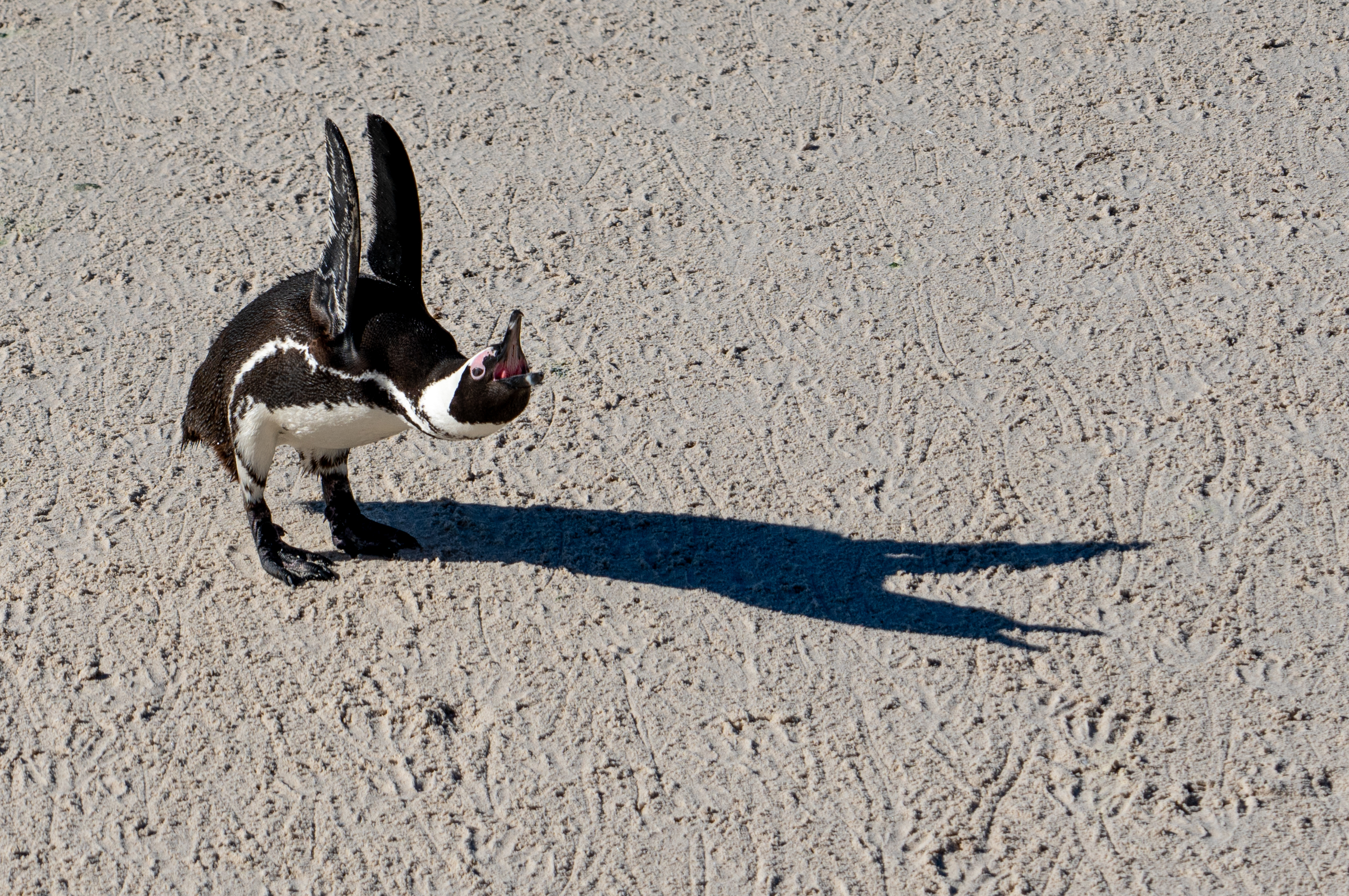
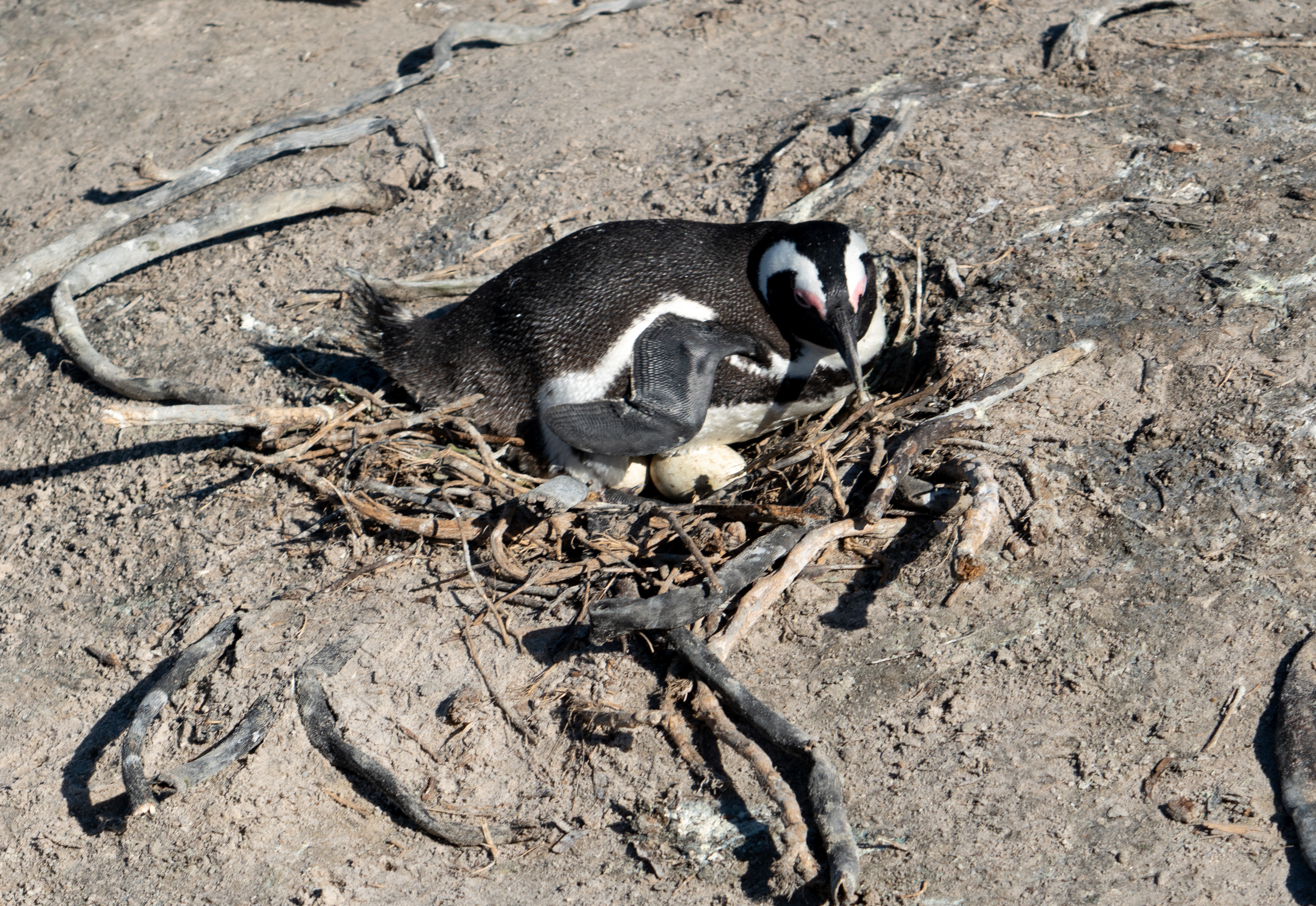
African Penguins are endangered with a total estimated population of 2,000-3,000. They are small, weighing 5-7.5 lbs and are 24-28 inches tall. They are only found on the southwestern coast of Africa. They eat sardines, anchovies, squid, and small crustaceans. They breed in the winter (which is why we saw chicks today). Their average lifespan in 10-27 years in the wild, up to 30 in captivity. The Tulsa Zoo is one of the zoos that is breeding African Penguins in an effort to have a backup captive population should the wild population get too low.
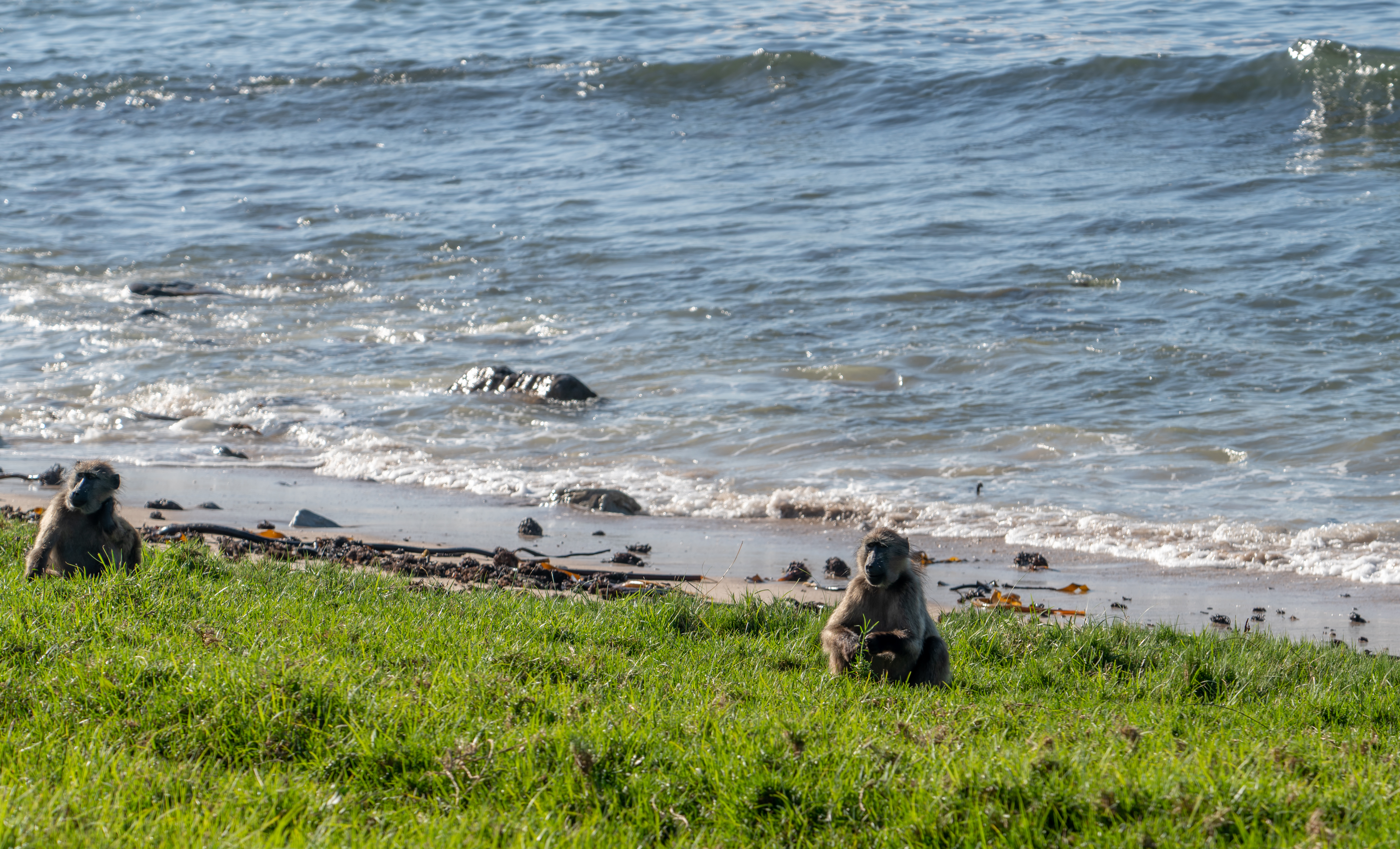
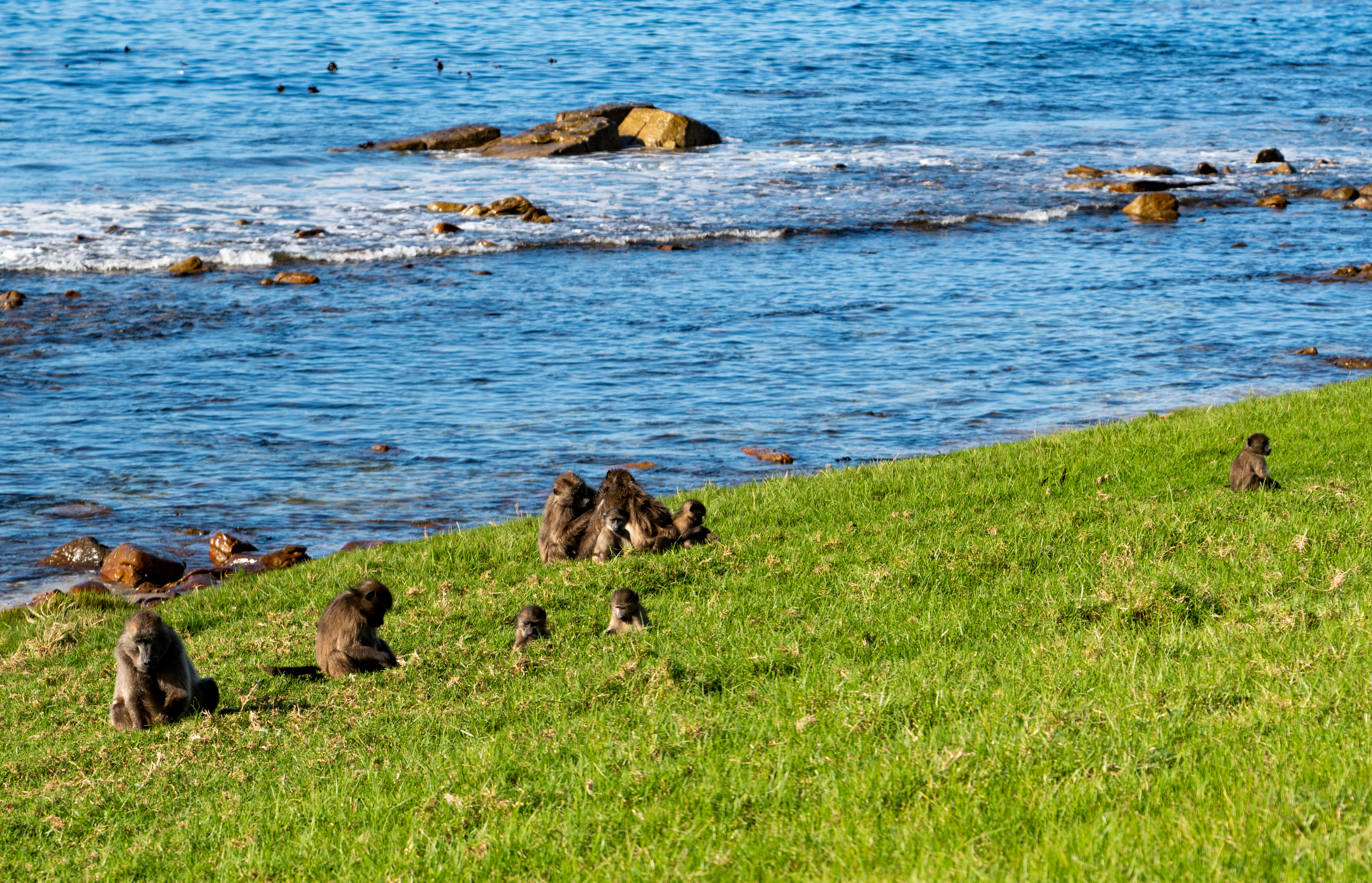
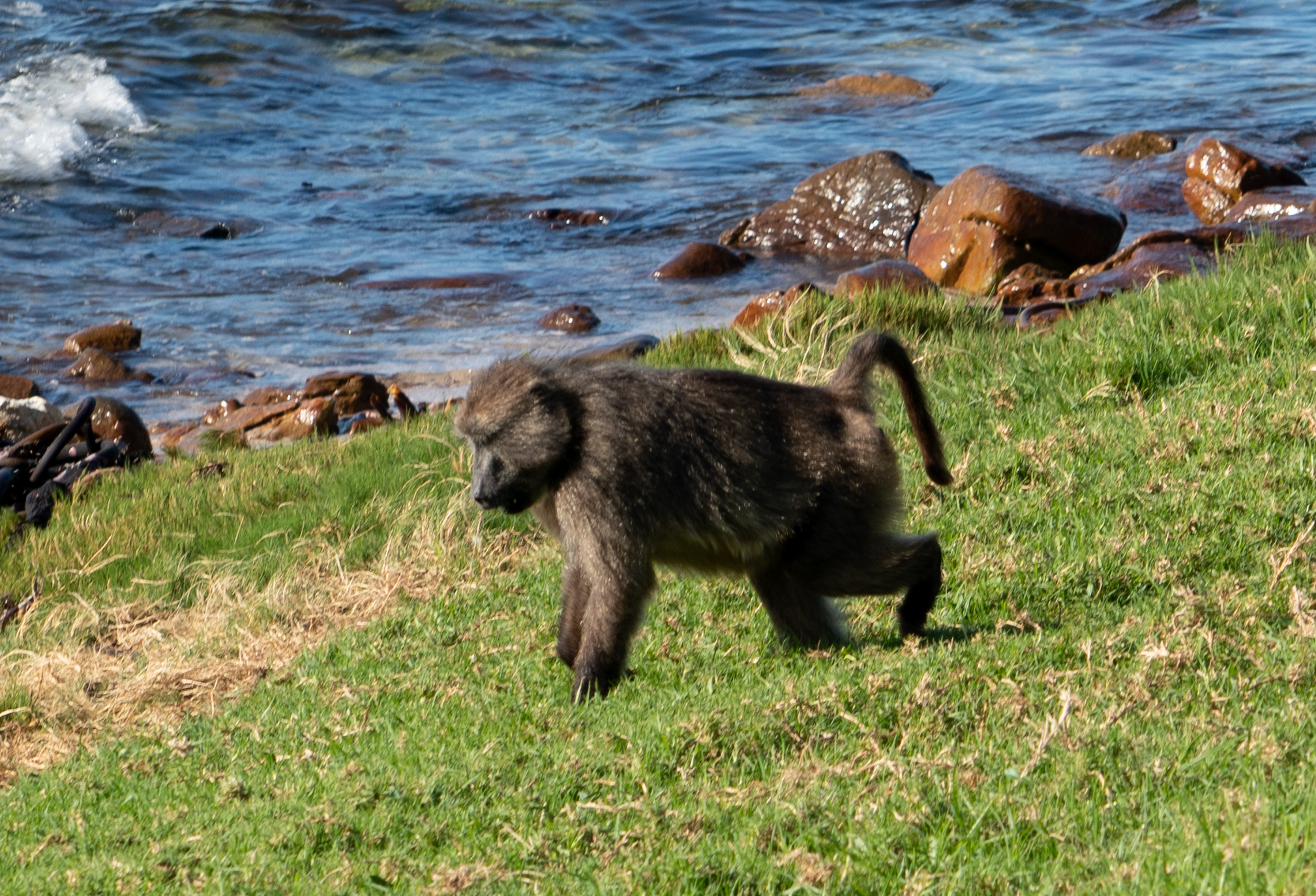
We made a quick stop by Buffels Bay Beach to visit some babboons.
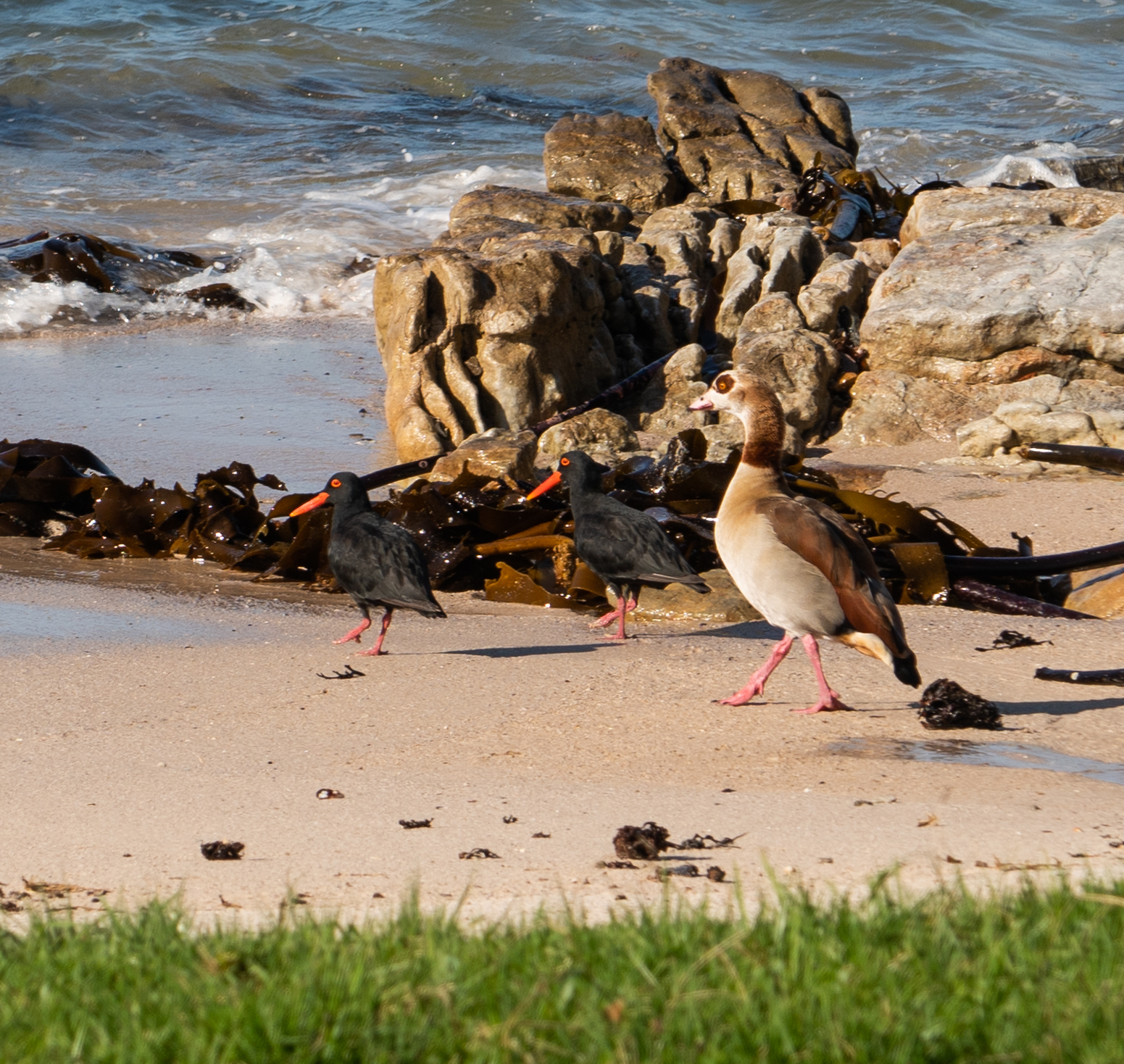
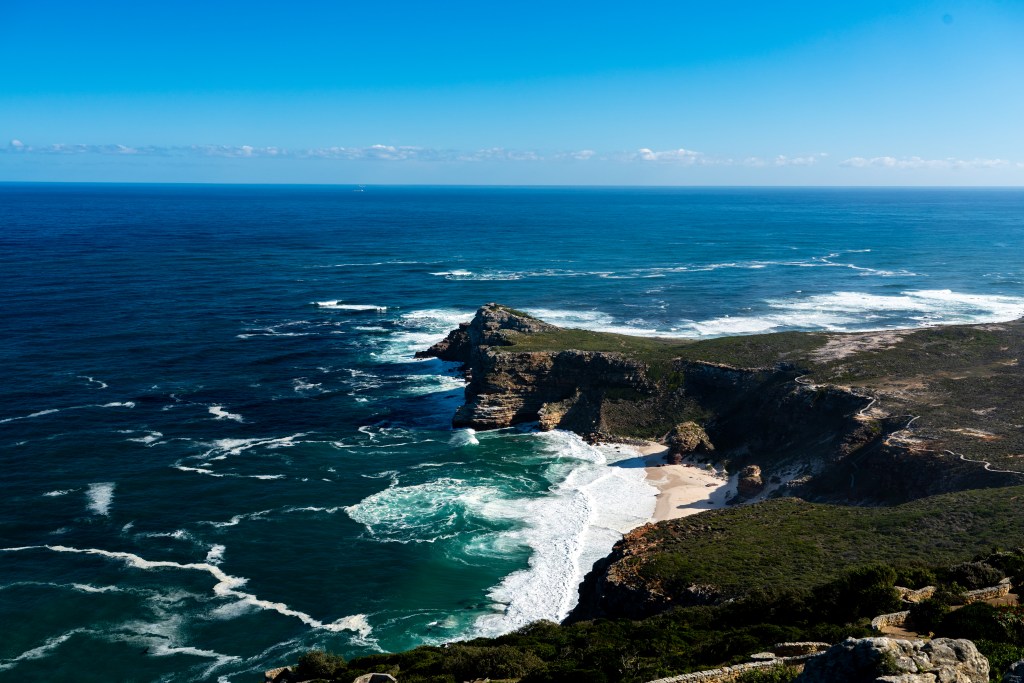
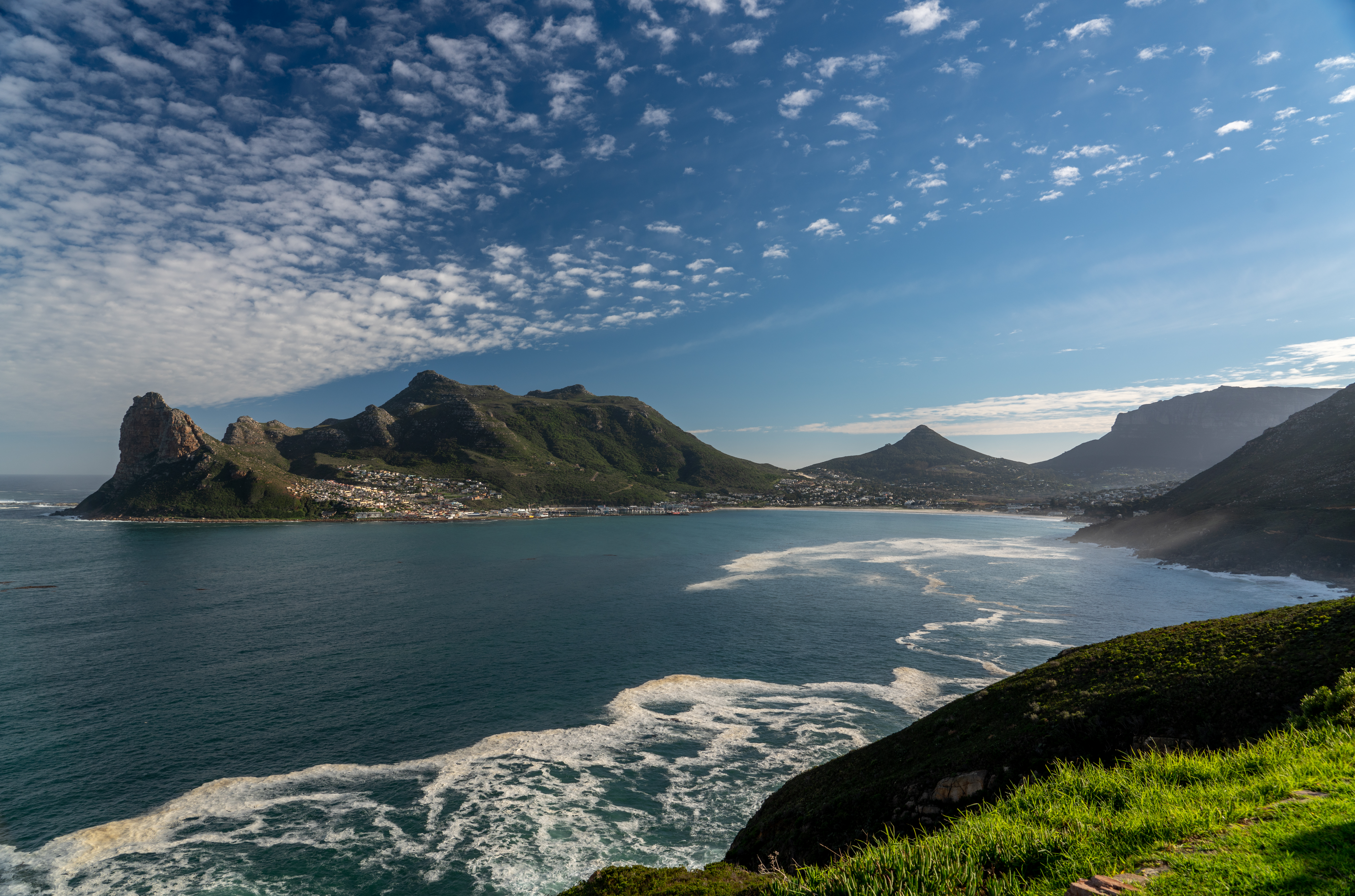
From there we headed out towards the Cape of Good Hope. The Cape of Good Hope is not the southernmost tip of Africa, that is a bit east and south of here, nor is it the division between the Atlantic and Indian Oceans. It is the point at which sailors coming south along the western coast of Africa could turn more eastward than southward.

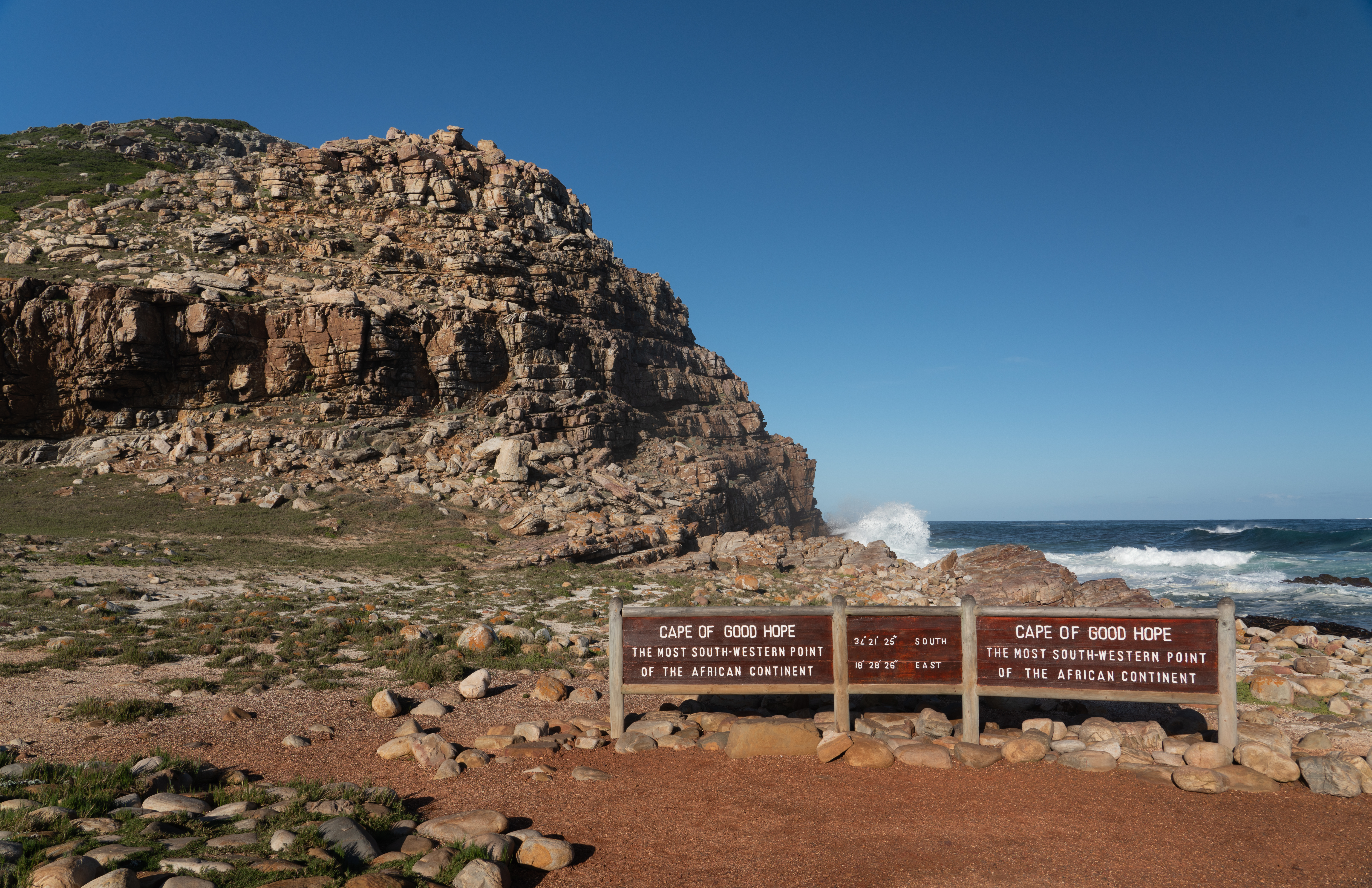
Historically, the Cape of Good Hope is very important. Finding this opened up a sea route to trade with the East. This led to the development of western settlement of southern Africa and the community of Cape Town in particular. It also greatly influenced European history. The later opening of the Suez Canal led to the downturn of Cape Town, as it was a much more practical and safe alternative to sailing around Africa. The Cape was used to protect South Africa during WWII, after having been used similarly by the British in multiple conflicts.
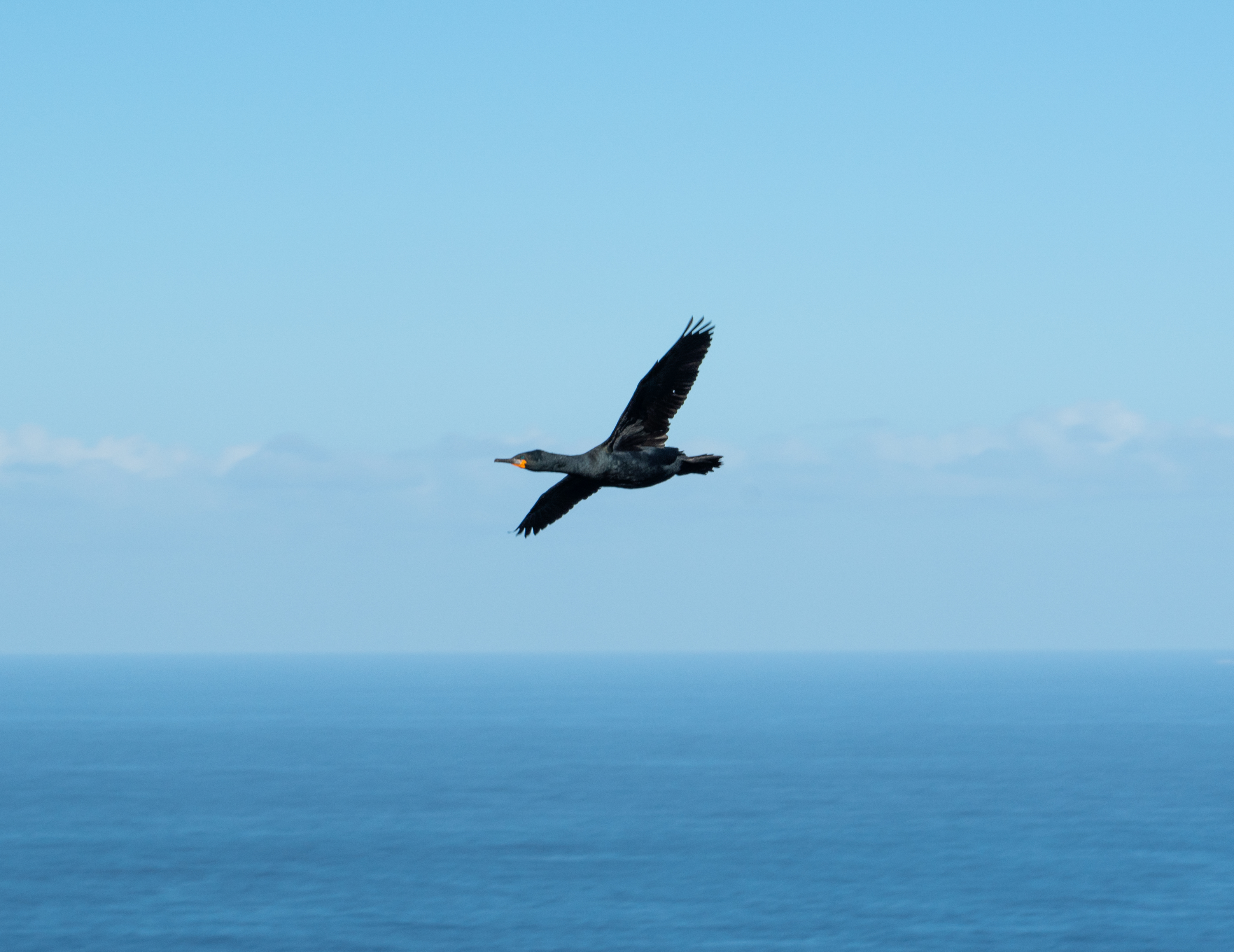
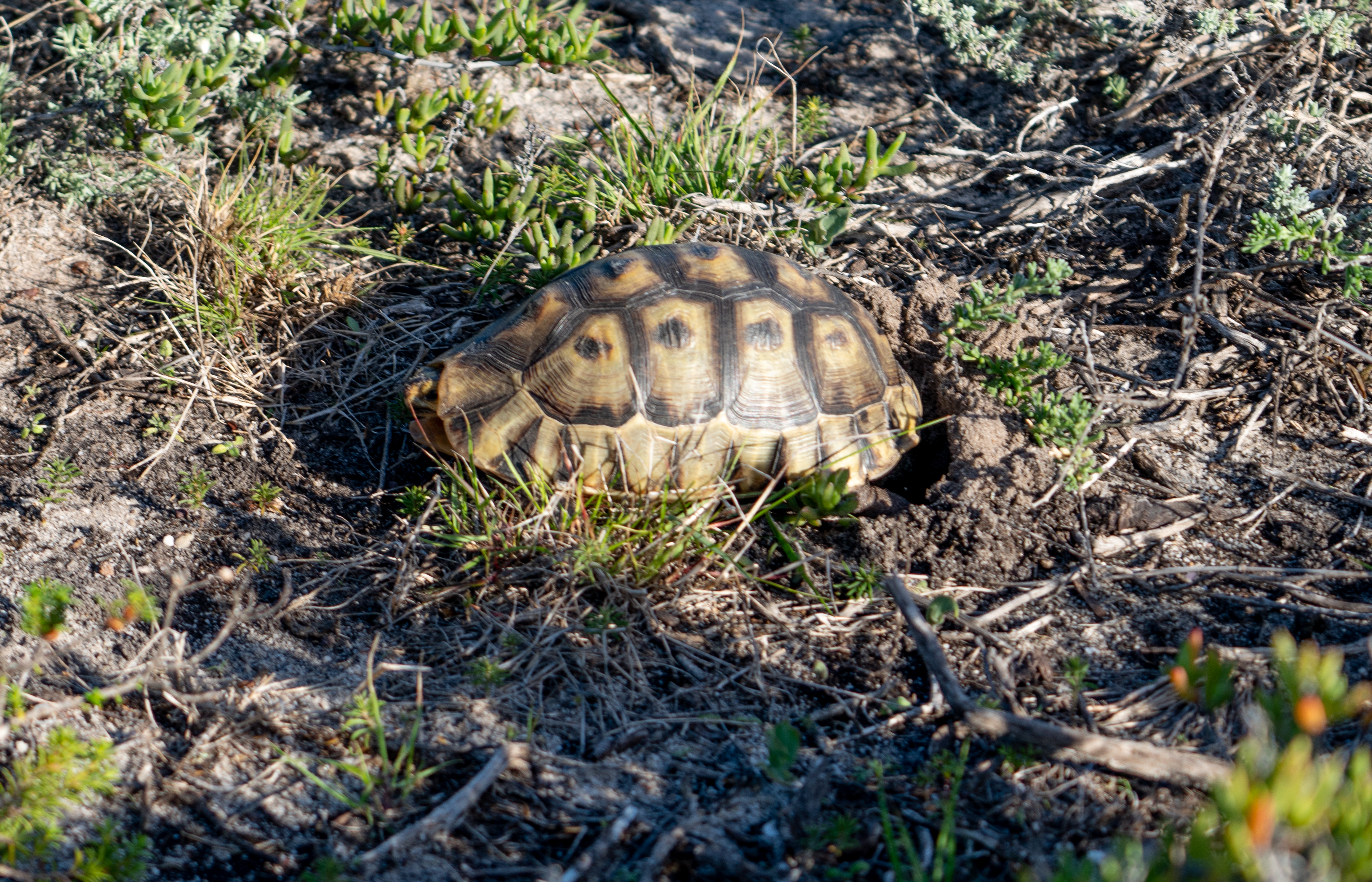
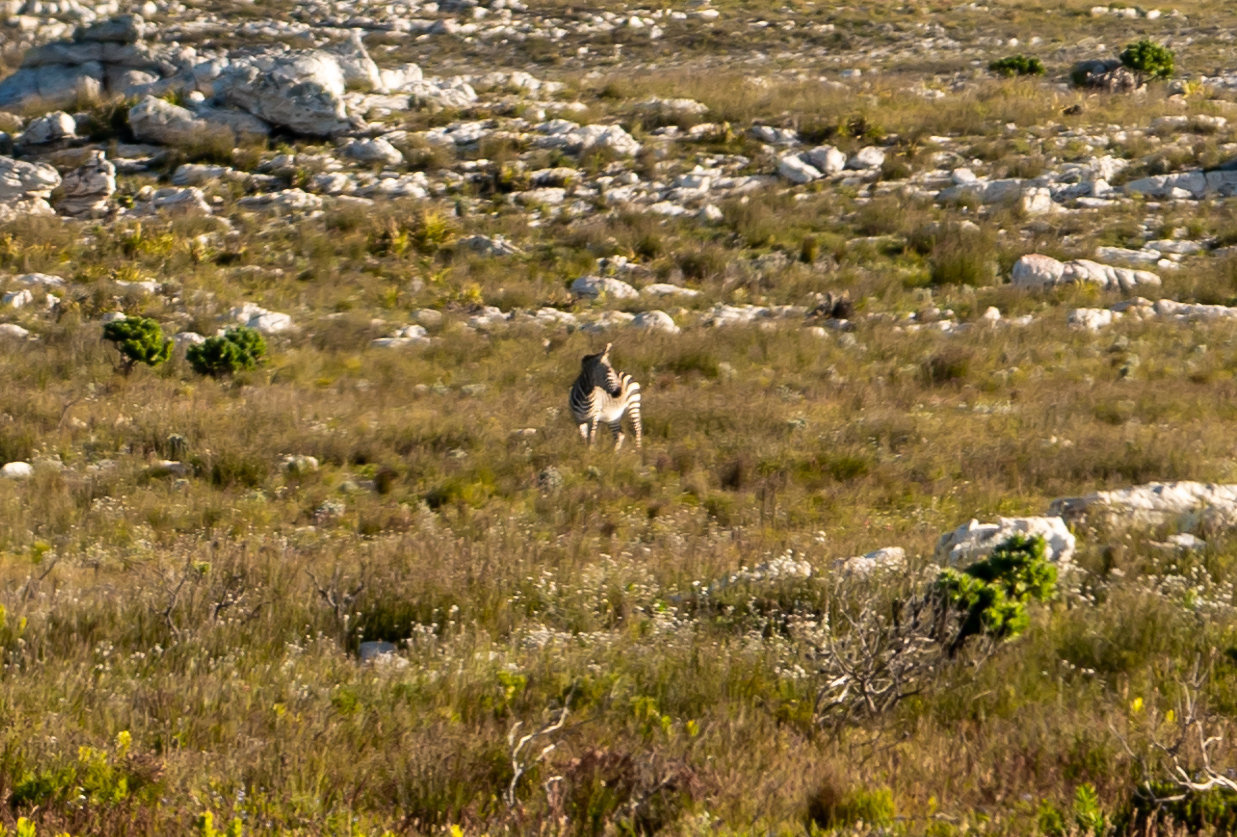
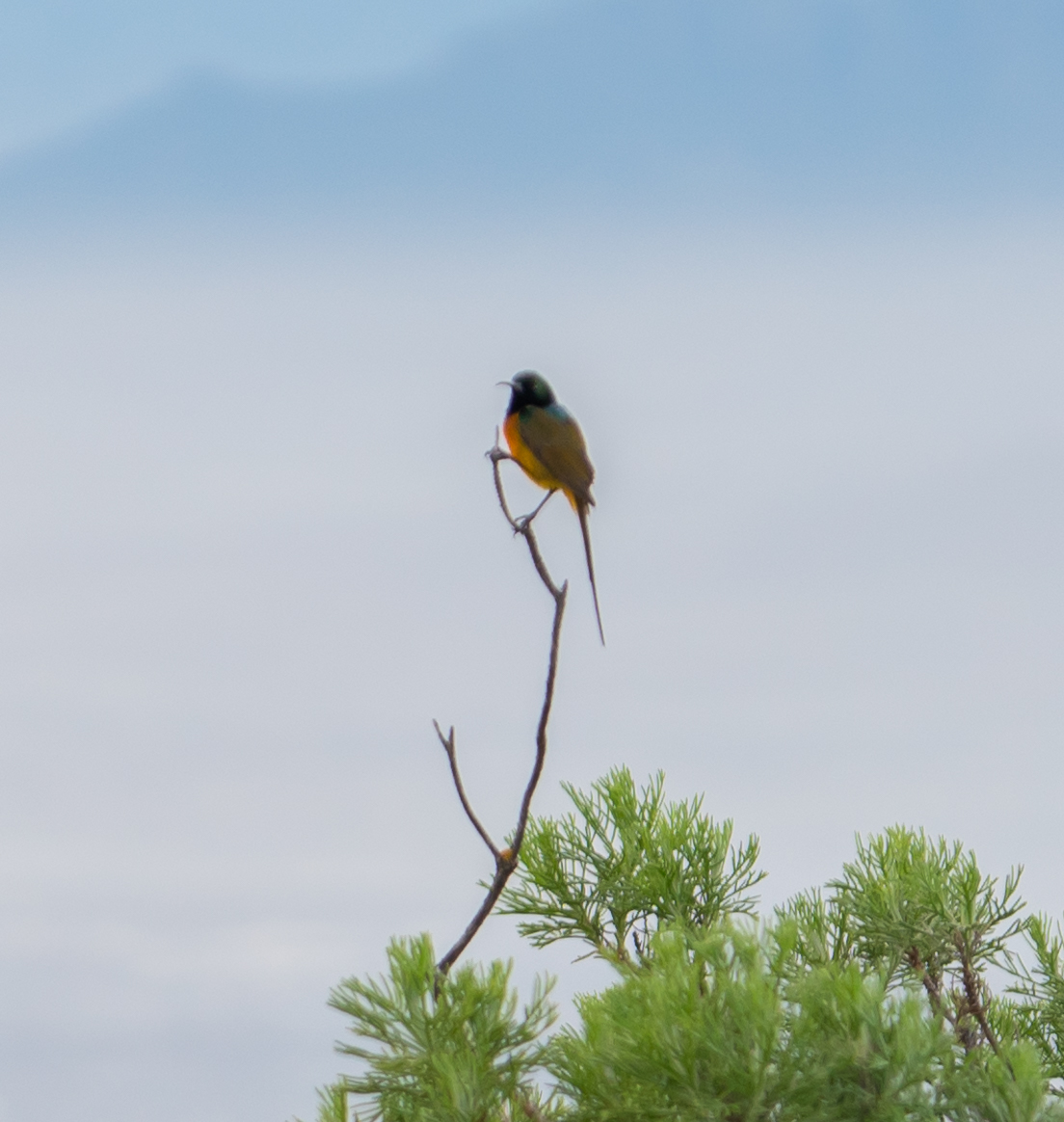
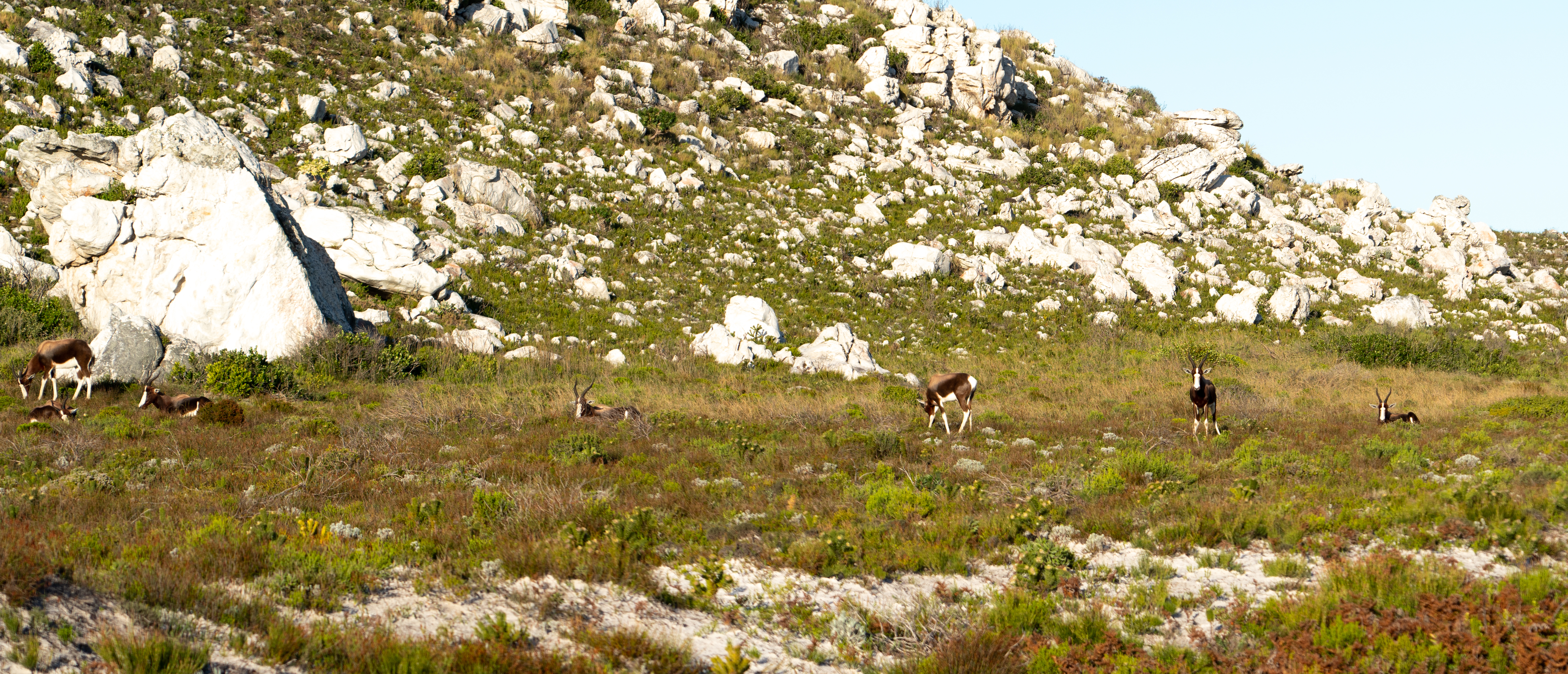
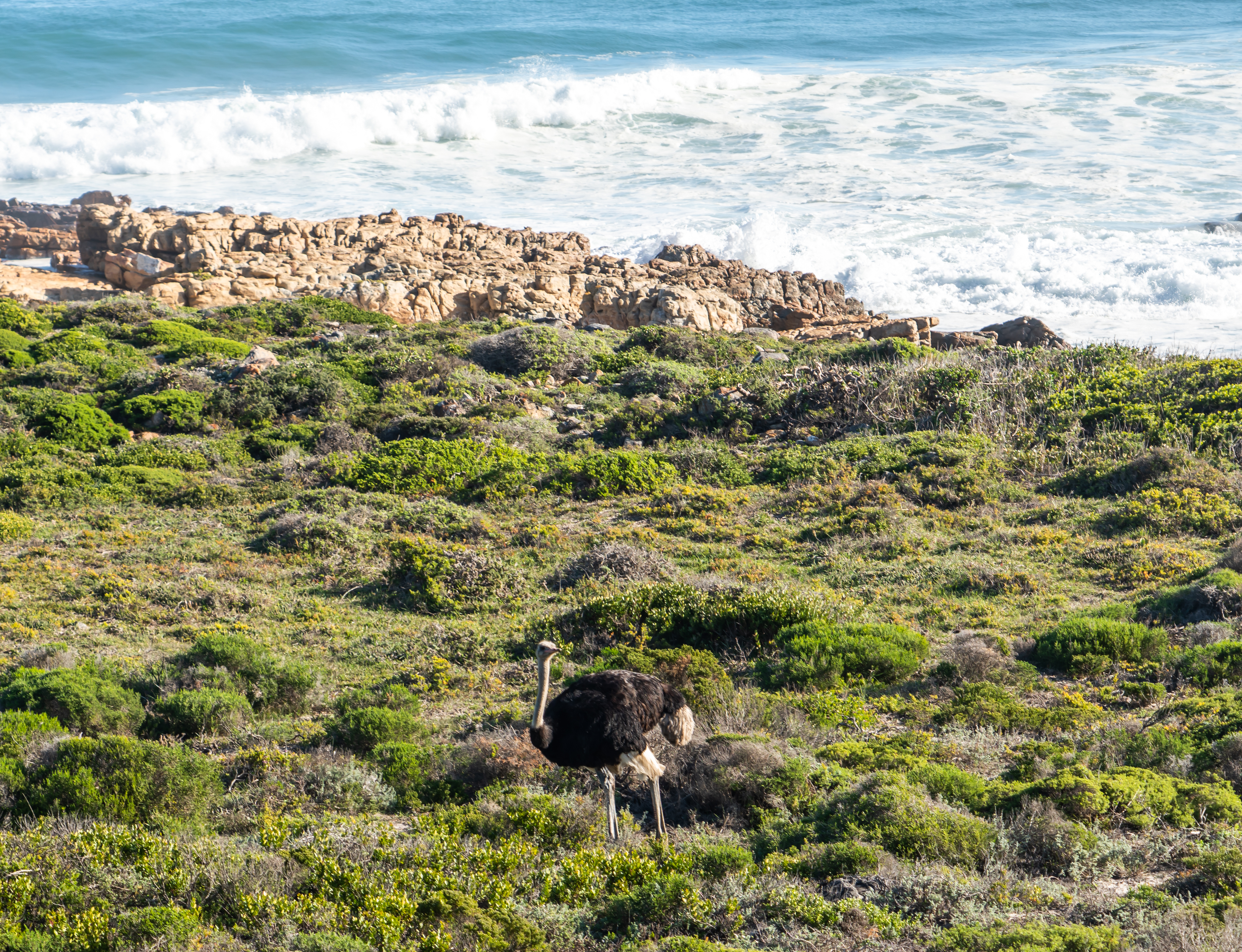
Today, the Cape of Good Hope and the area surrounding it is protected land as a national park. As such, it can’t be developed. The landscape is mostly what you would think of a scrub brush, but it flowers a various times of the year. There are a variety of animals, but not many large predators. Nothing like where we will be later, but we got a good variety of critters today. Nothing quite like seeing ostrich and baboons by the ocean!

 Will Suture for Travel
Leave a comment