This morning’s we had a normal driving safari.
Sue, our guide, was telling us that the Okavango Delta used to be populated and farmed, but this significantly damaged the wetlands. The government of Botswana paid people to move out of the delta and made it protected land. He said that the wetland recovered over a few years. He said there were other benefits of doing this. The people previously living in the delta had little access to education and healthcare because they were scattered in very small communities, but Sue said that this is all much improved now that they are in larger communities with better resources.
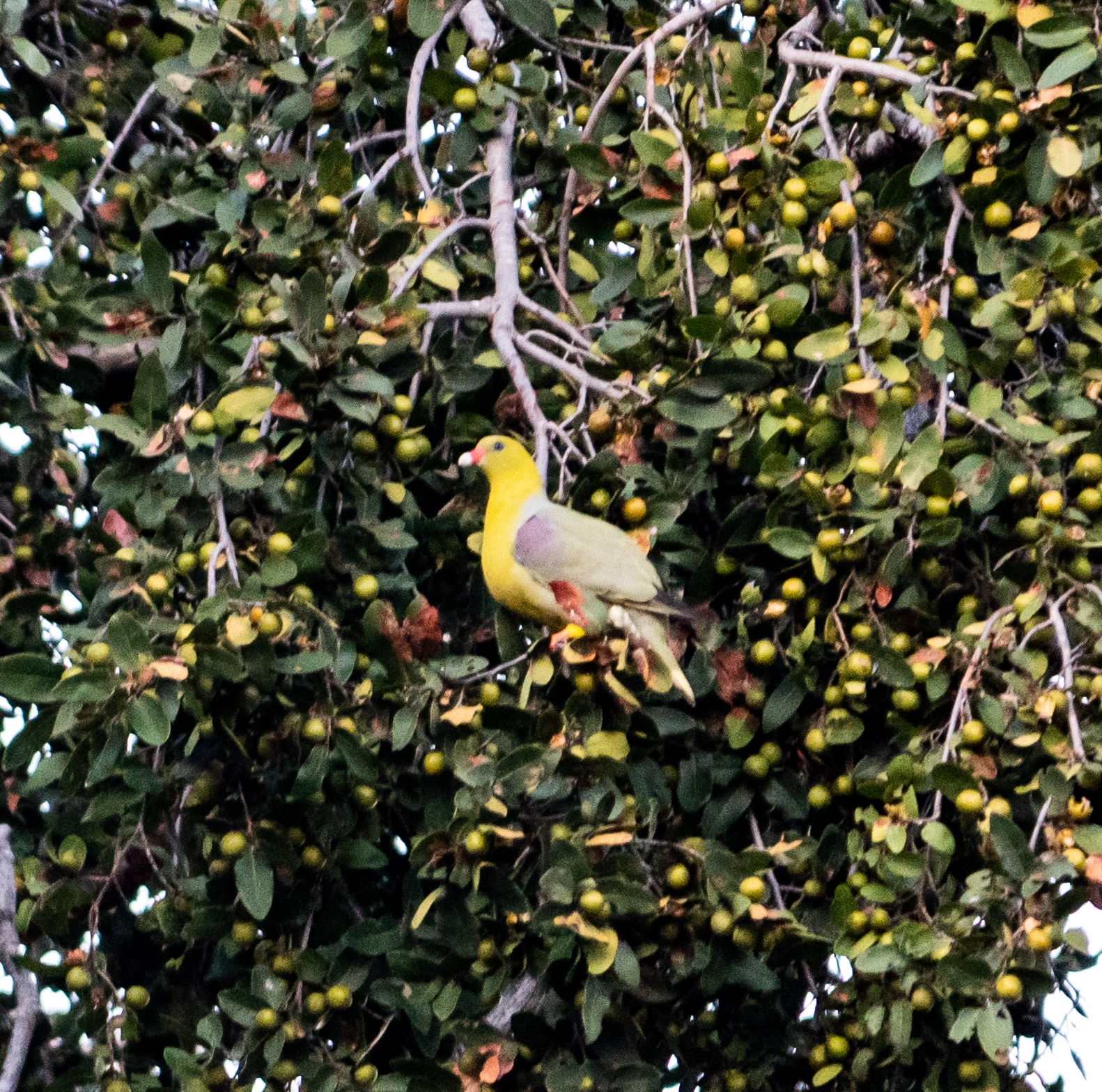
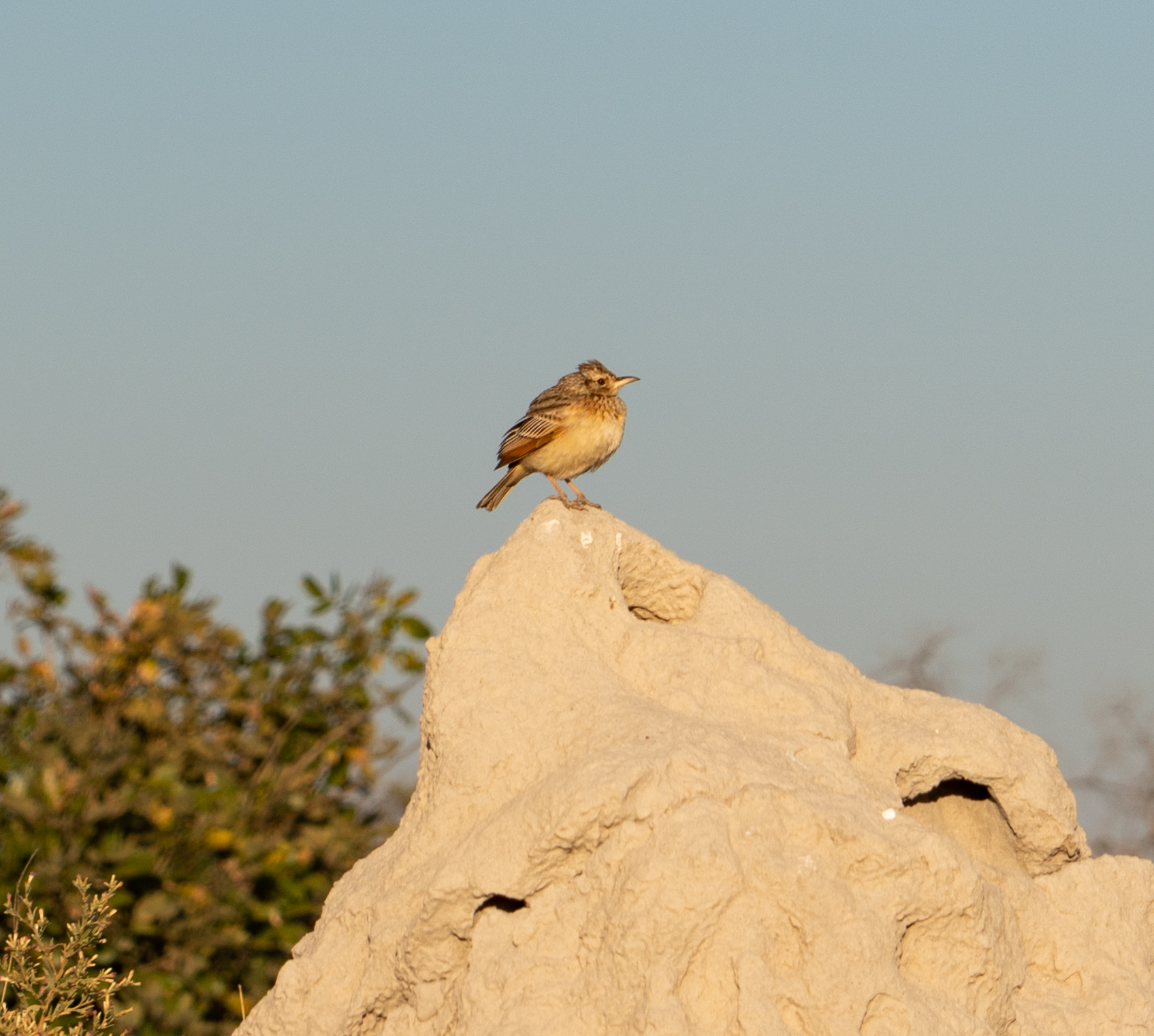
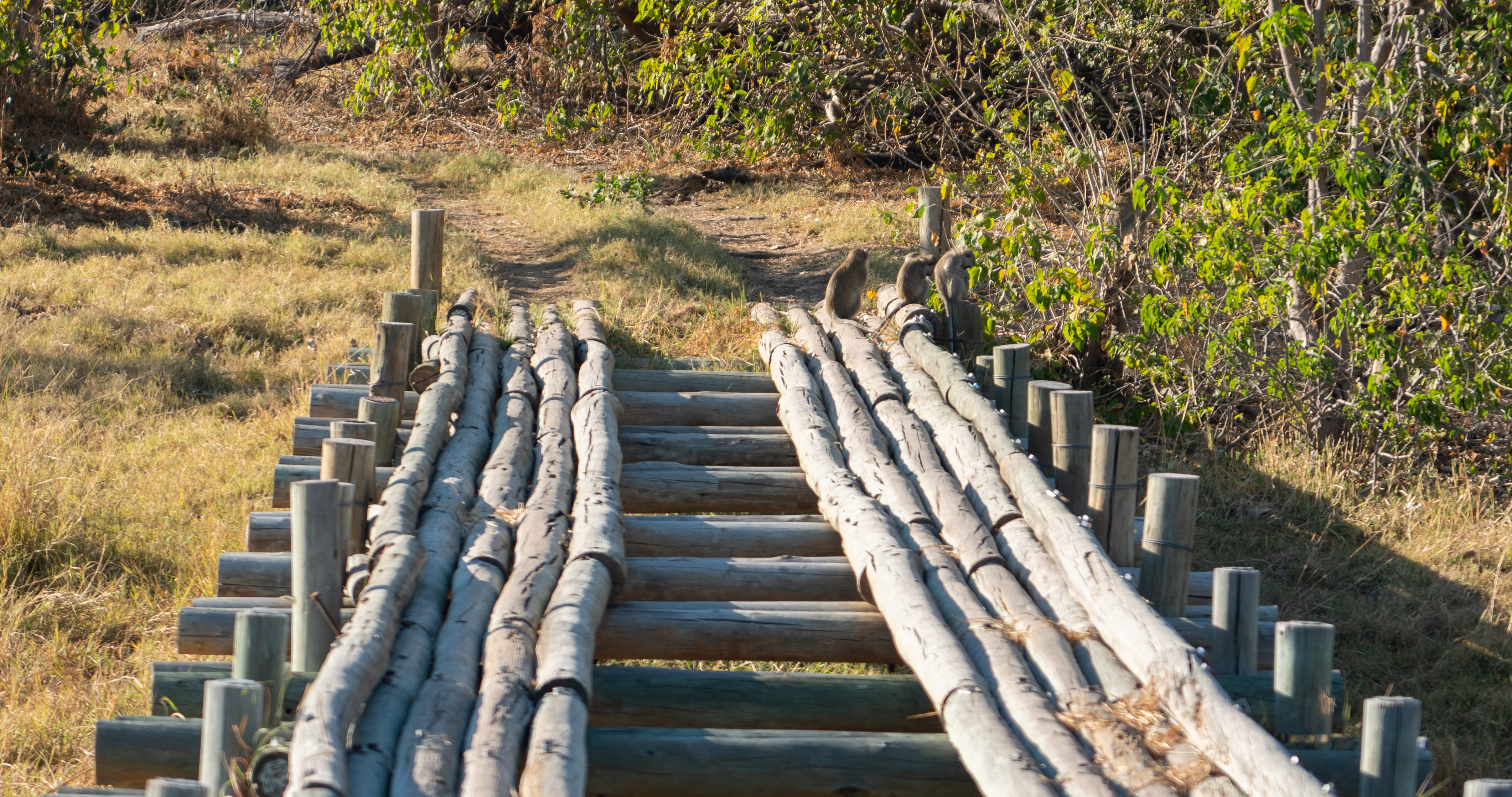
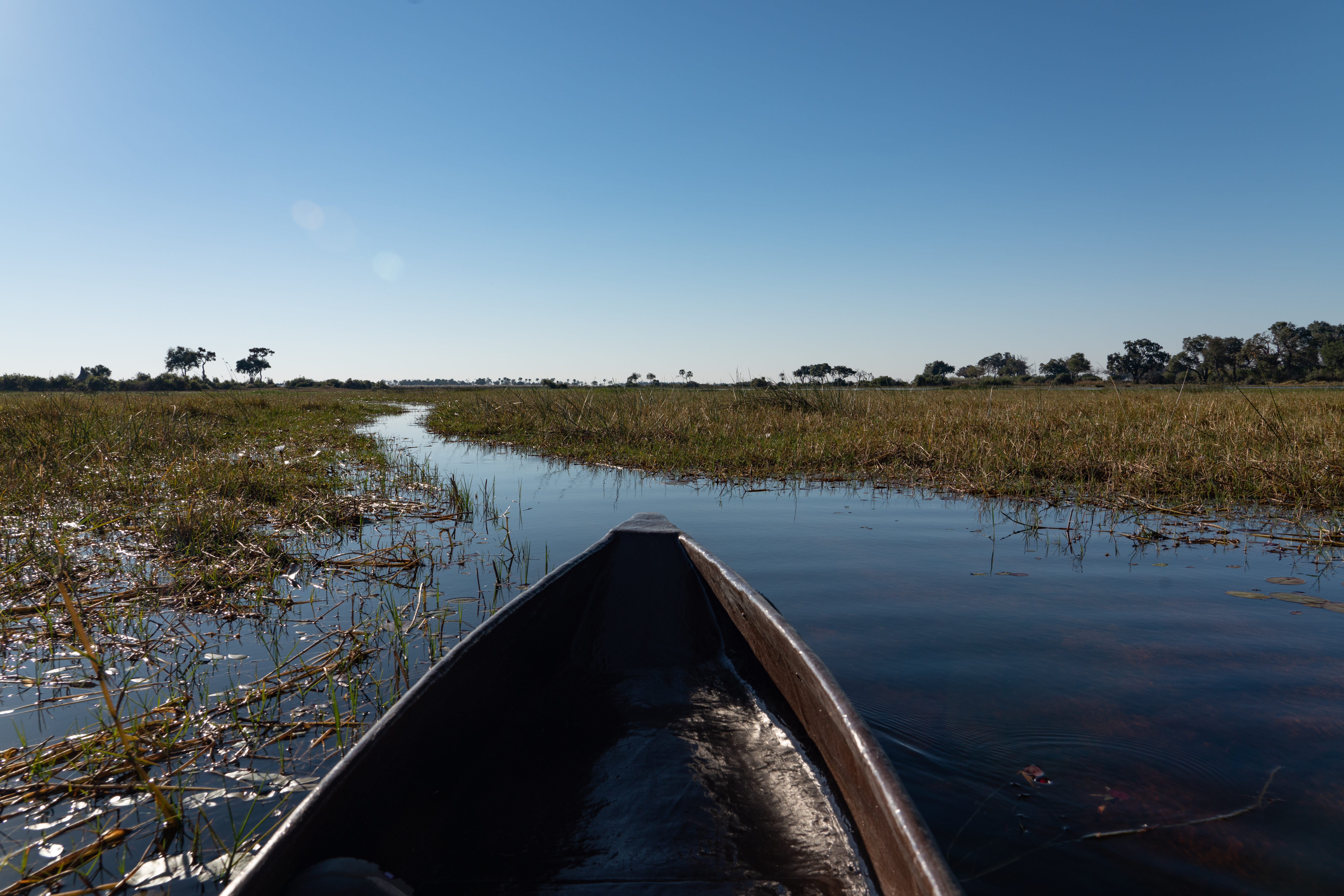
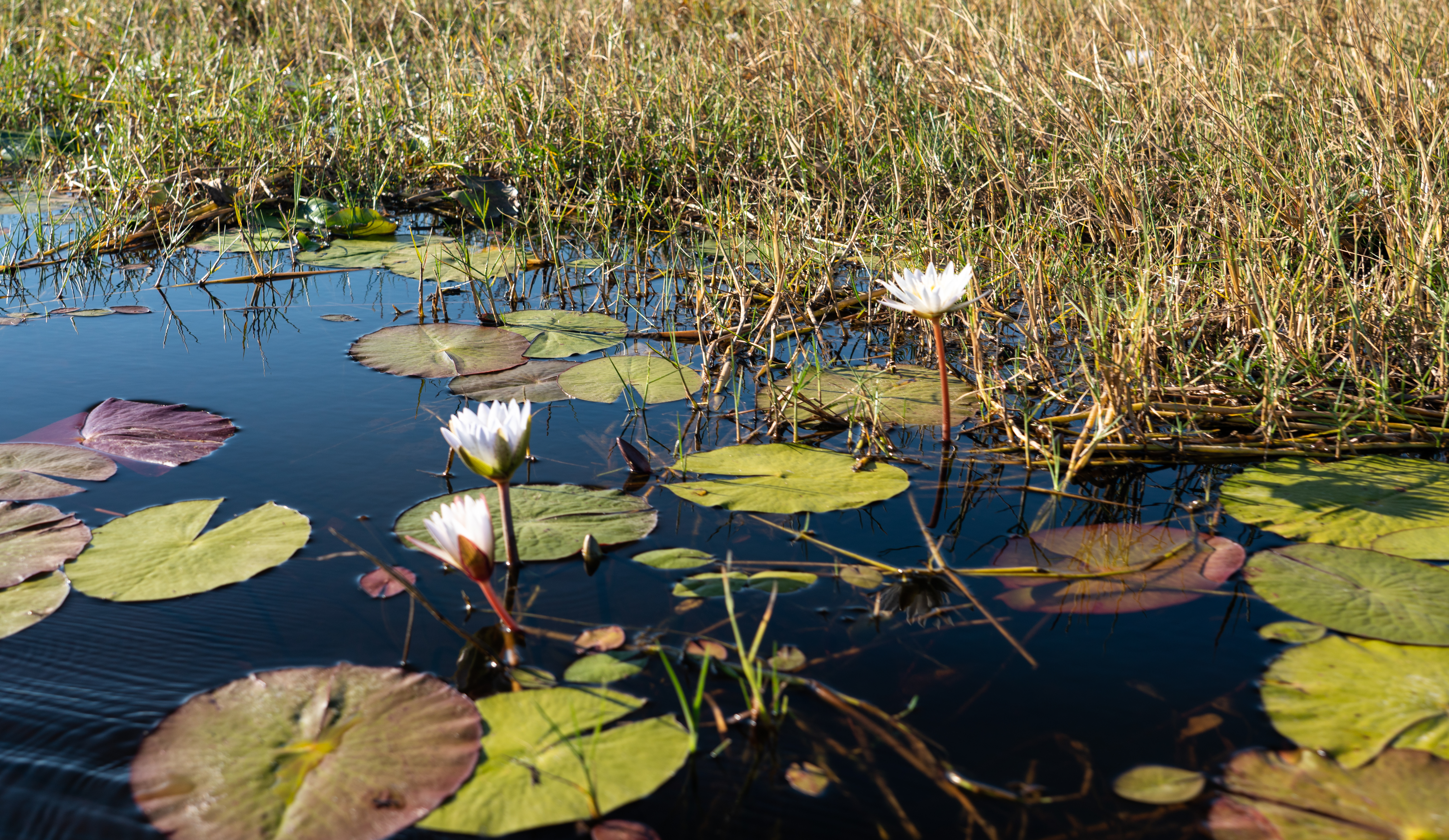
In the afternoon our safari was in a traditional dugout canoe called a mokoro. They are commonly used in the delta and are traditionally carved out of a single tree. It is propelled by a single pole. Ours was fiberglass and had 2 areas of a “glass” bottom so we could see the water below us. We had a great time and this was a really different safari experience.
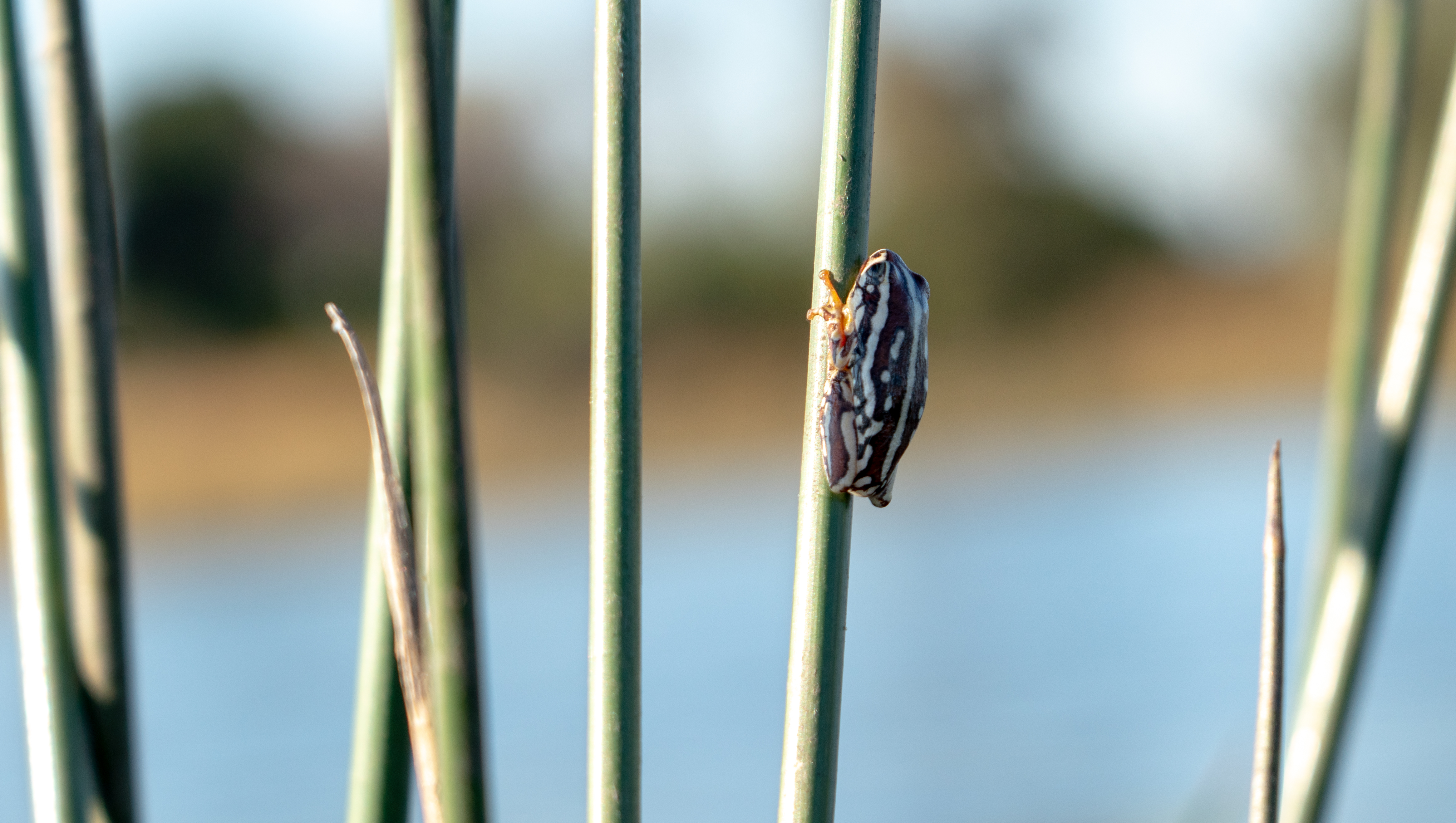
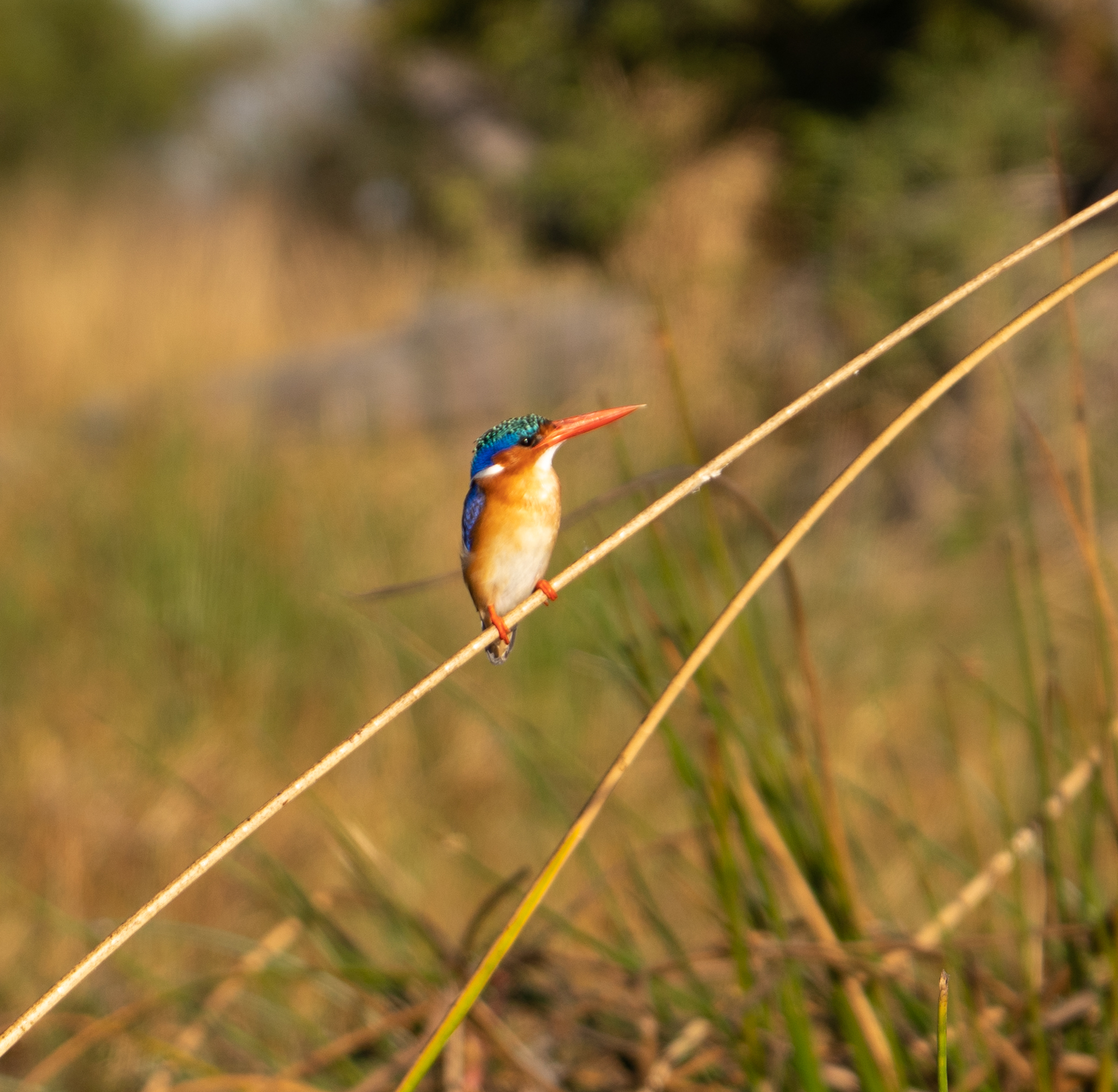
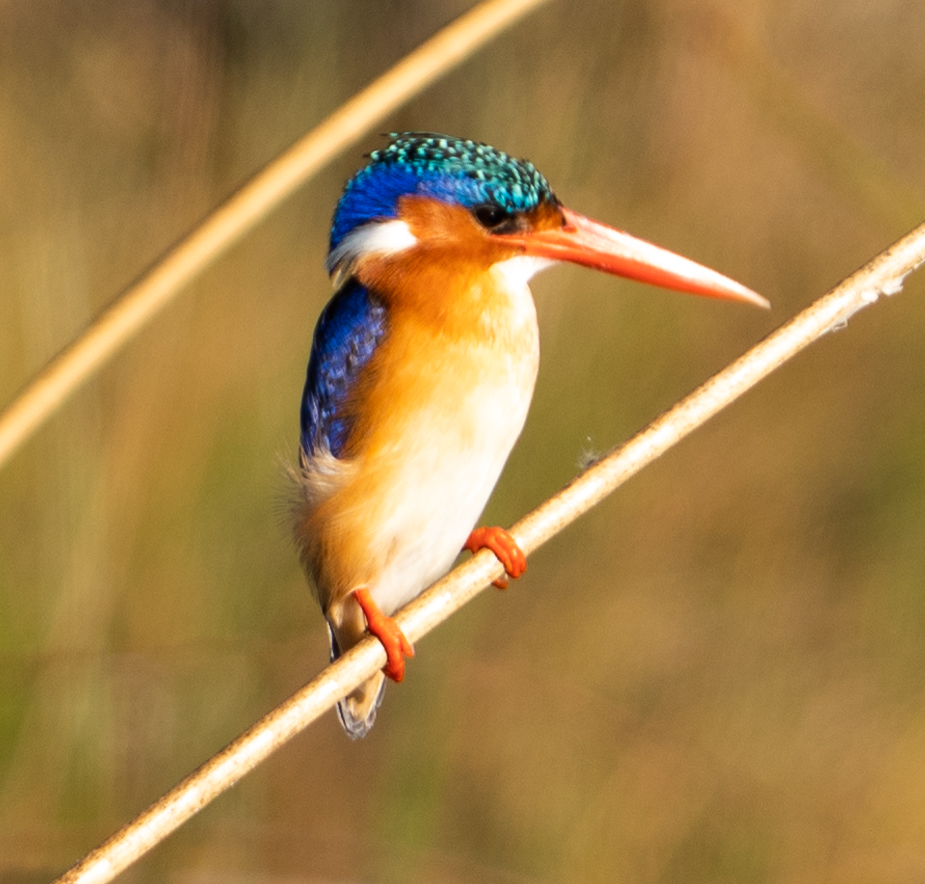
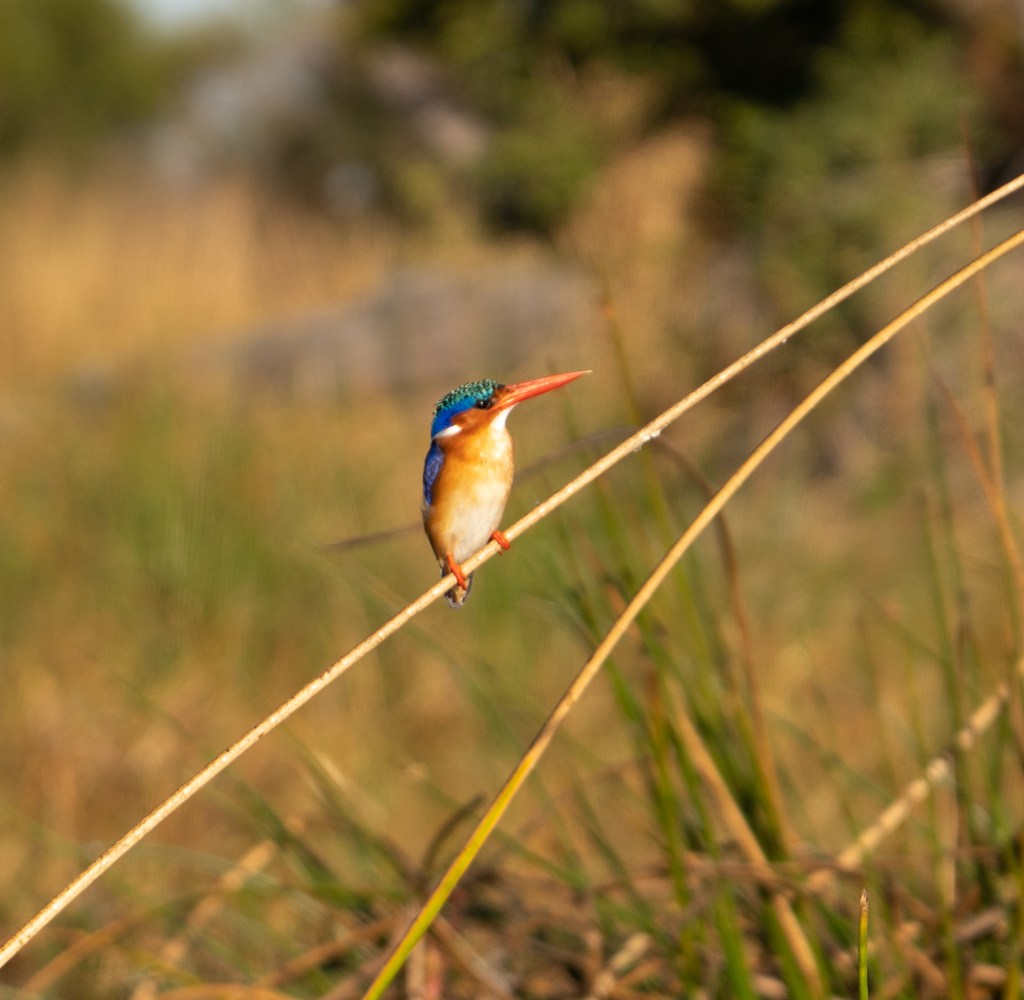
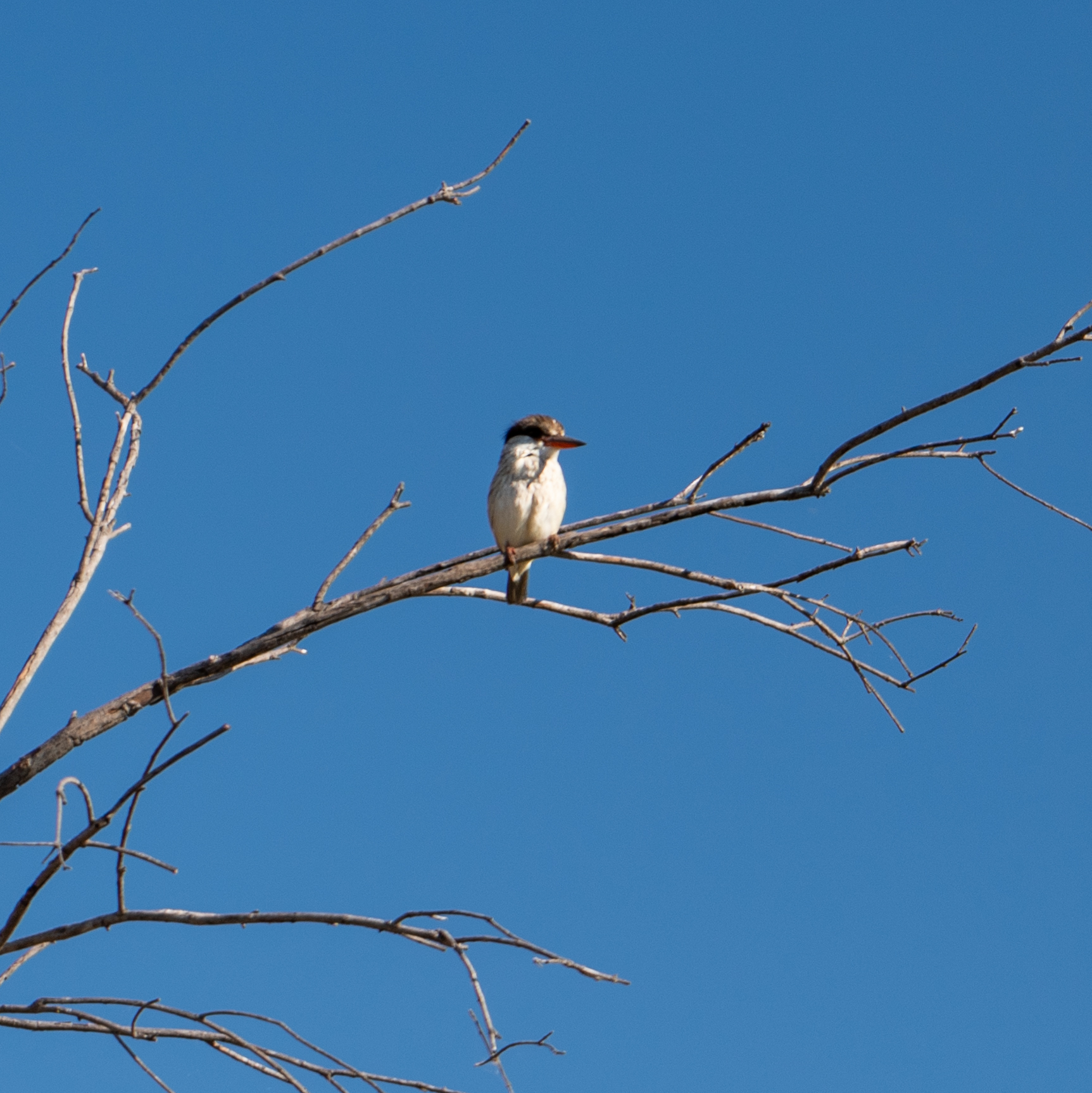
I was very excited to not only see a malachite kingfisher, but also get good pictures of one. They are very bright and colorful! We saw a couple more while we were out, but this one was nice and posed for us for a few minutes.
 Will Suture for Travel
Leave a comment