
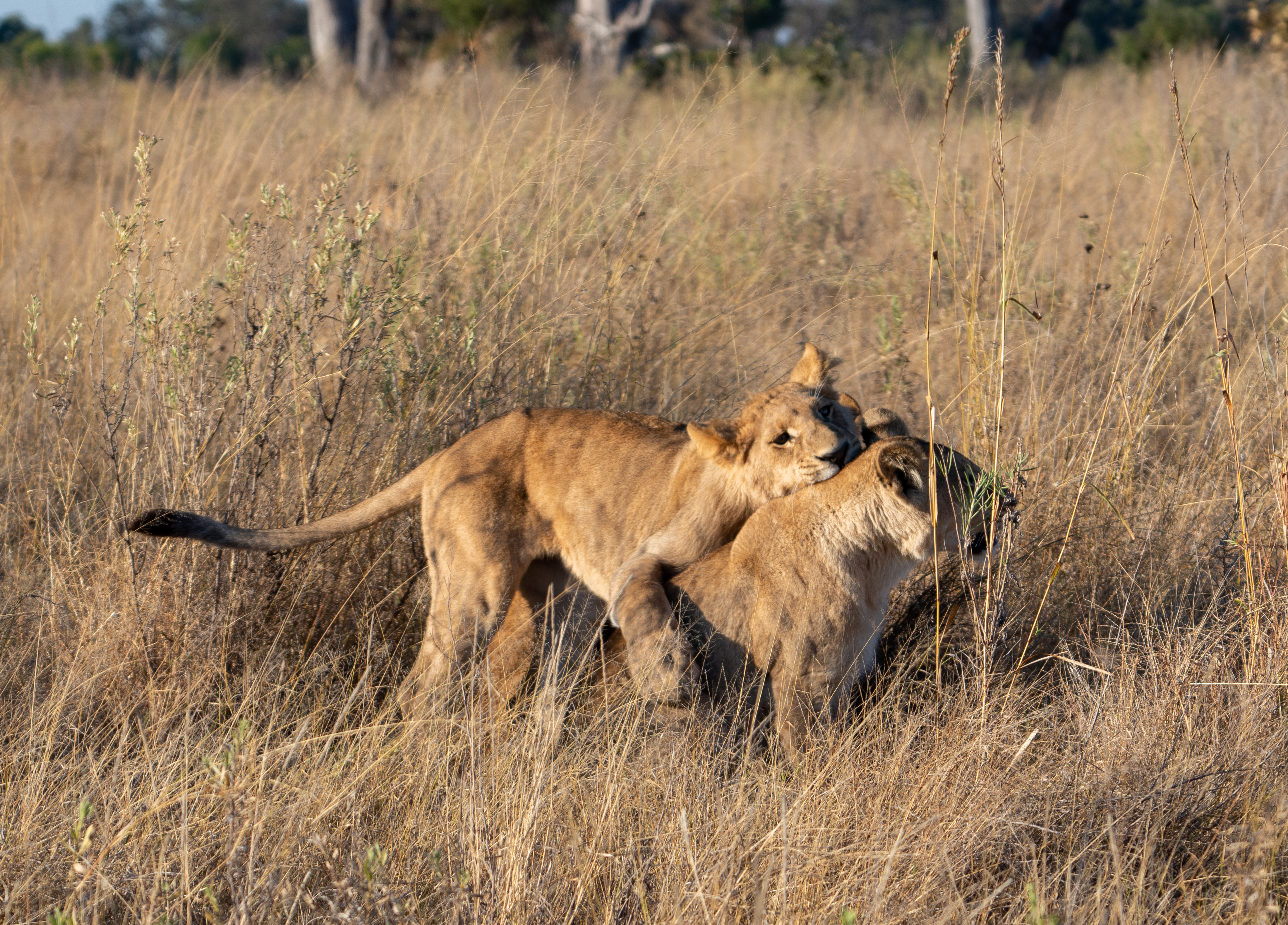
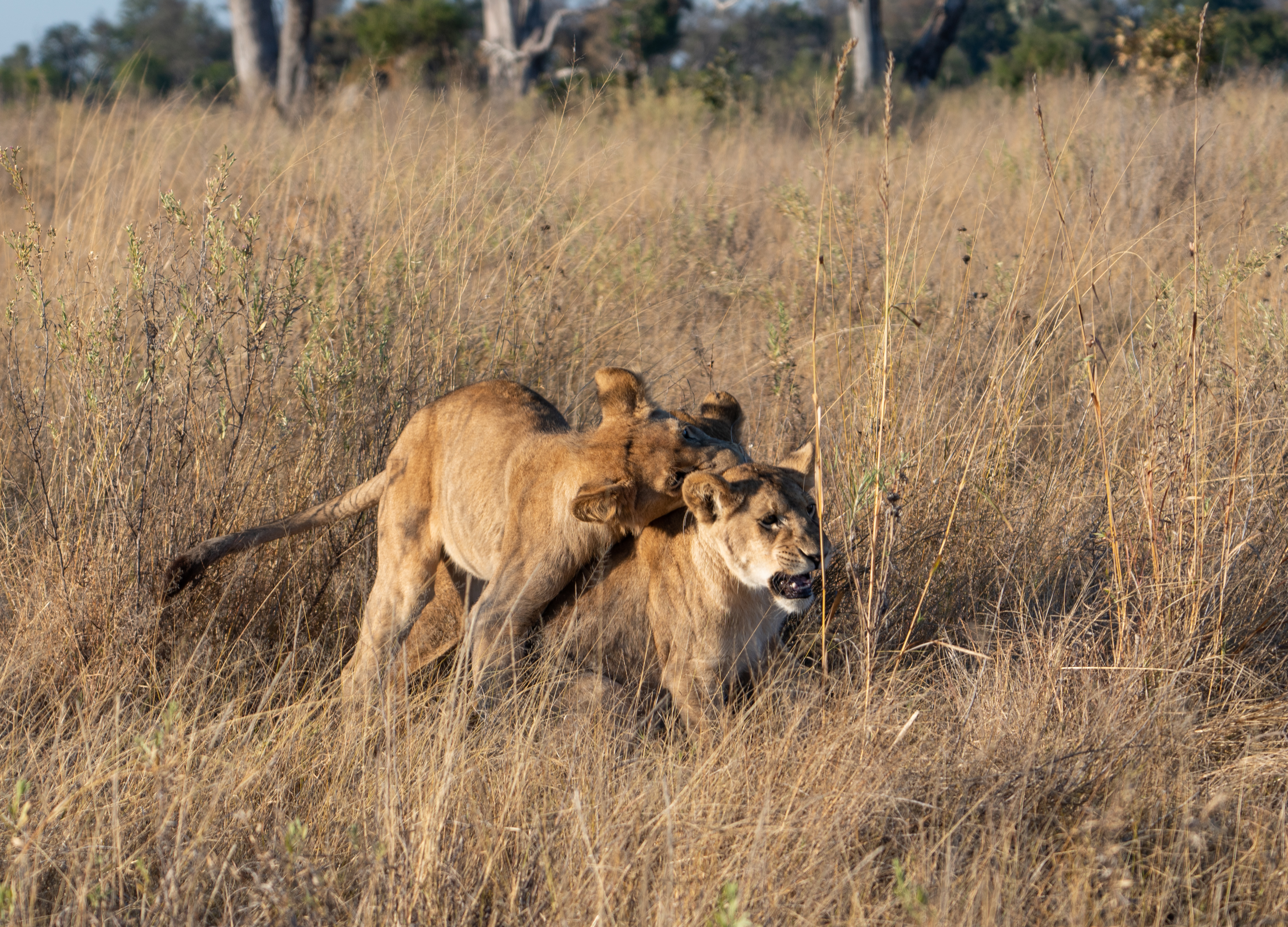
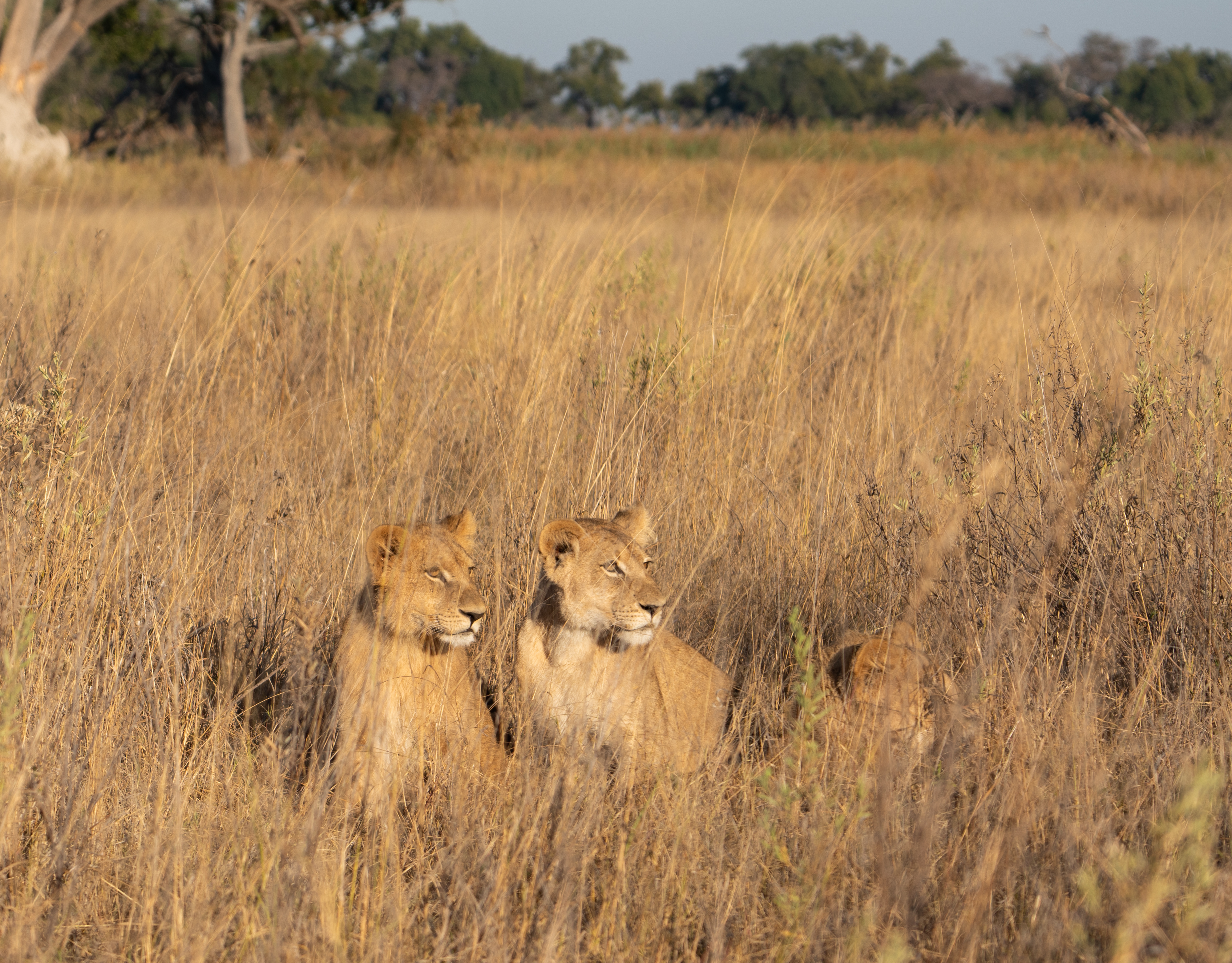
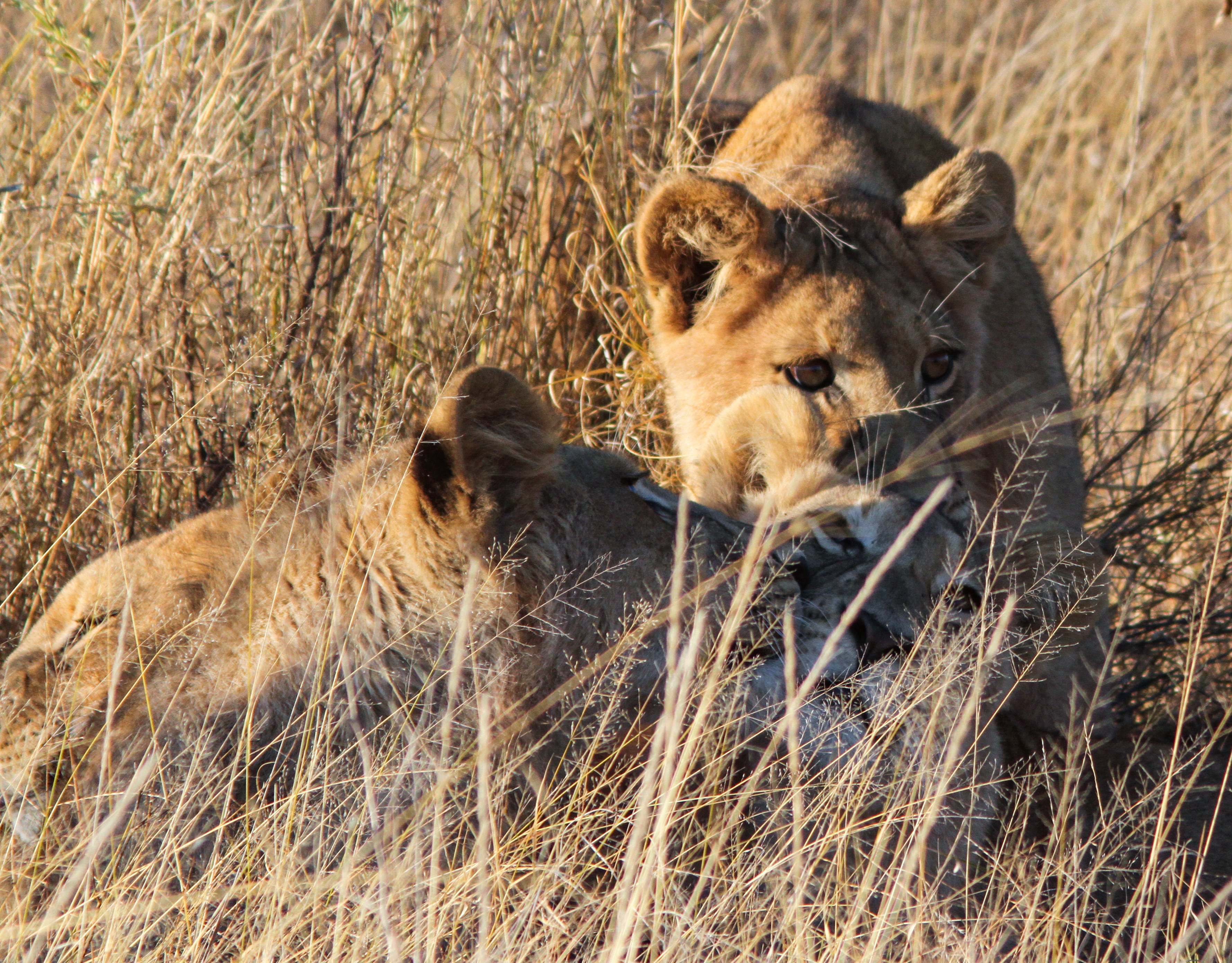
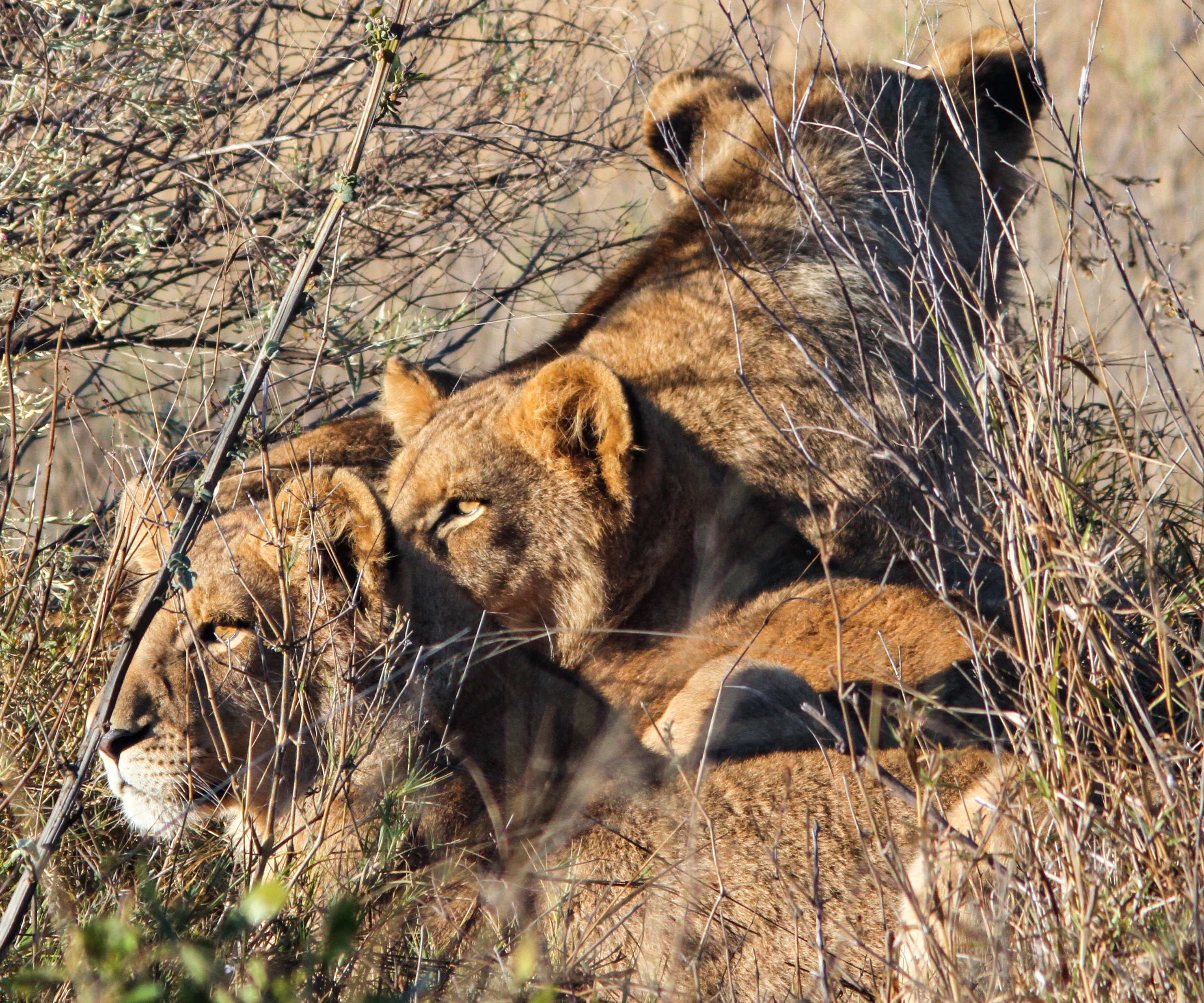
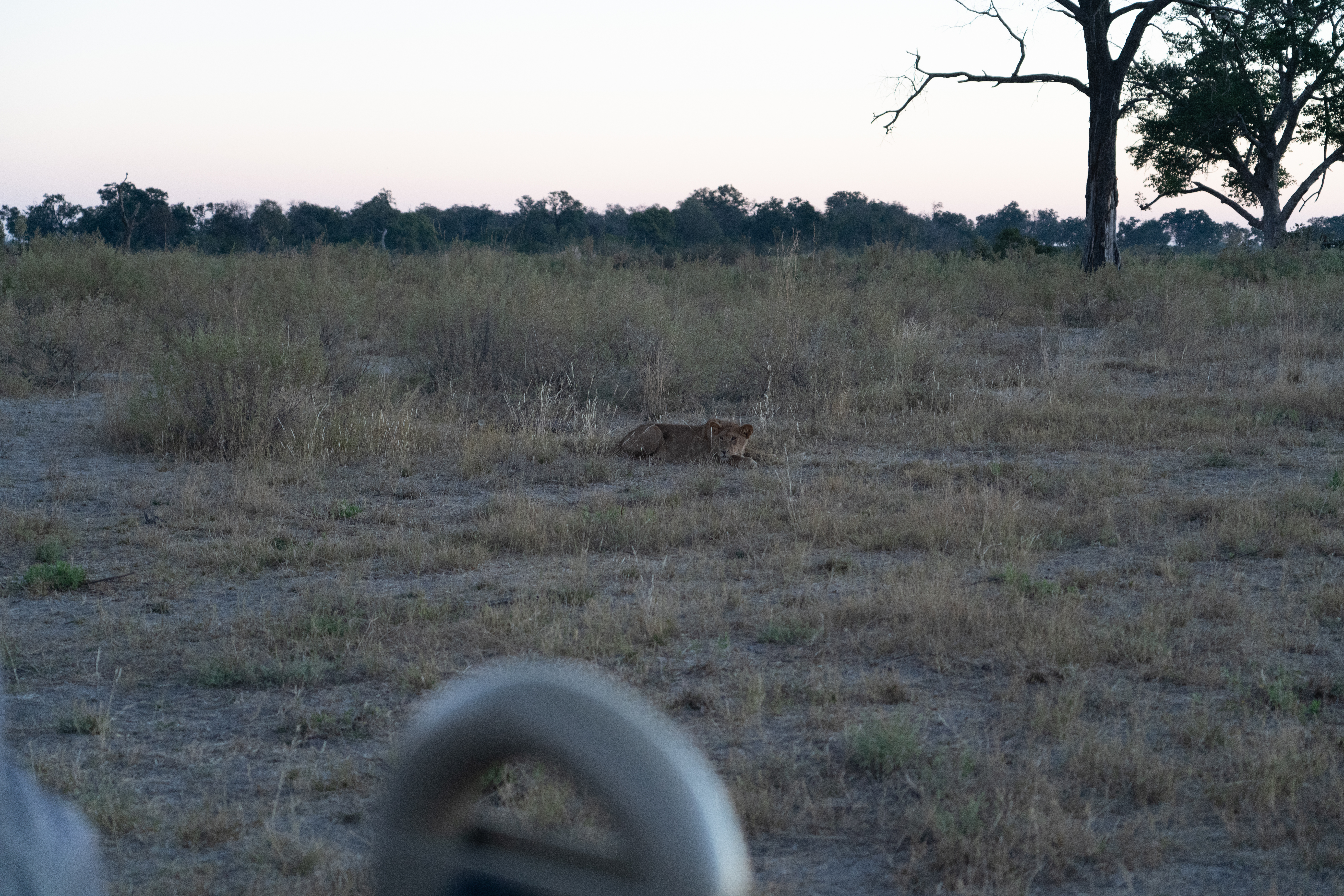
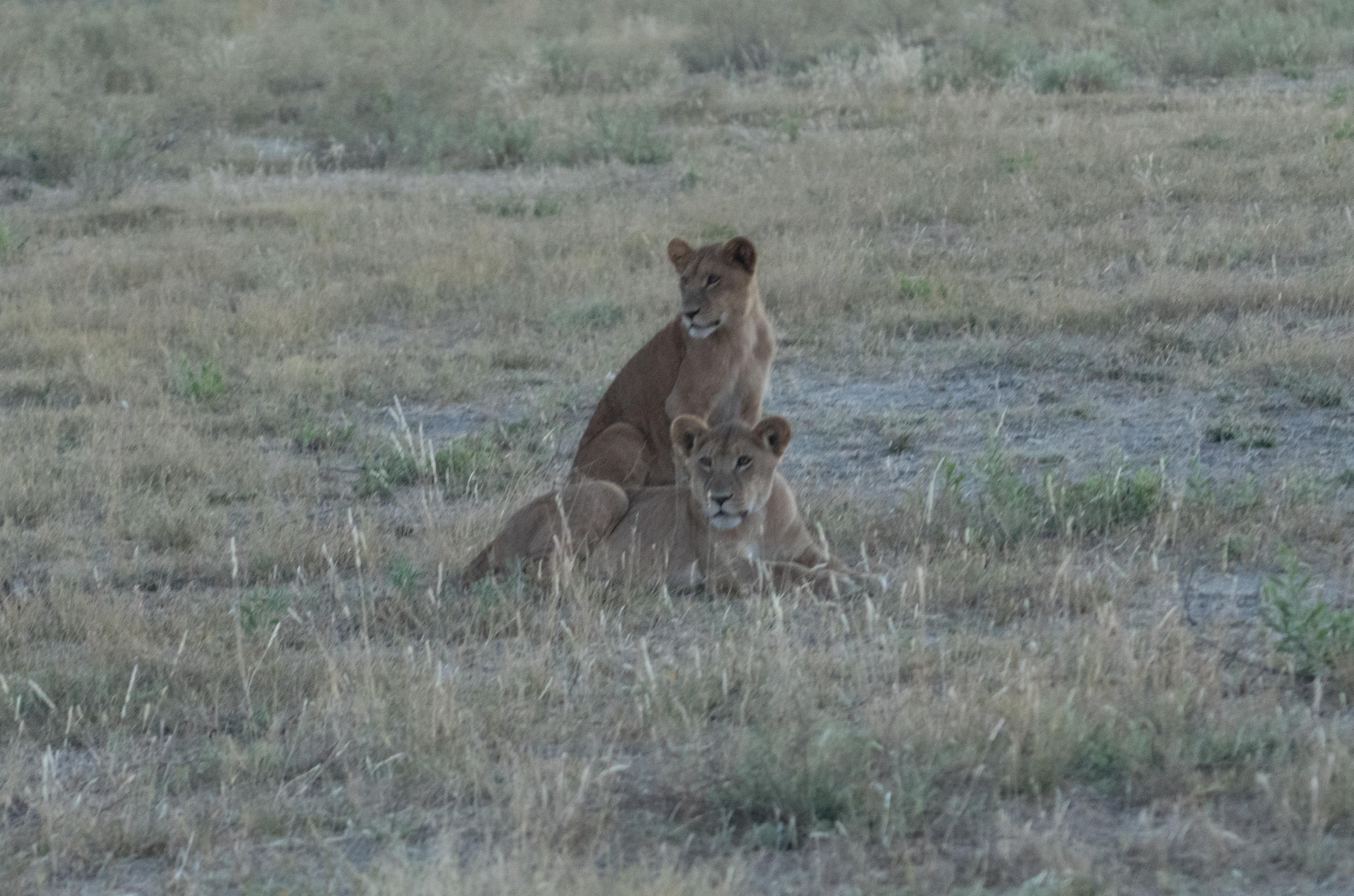
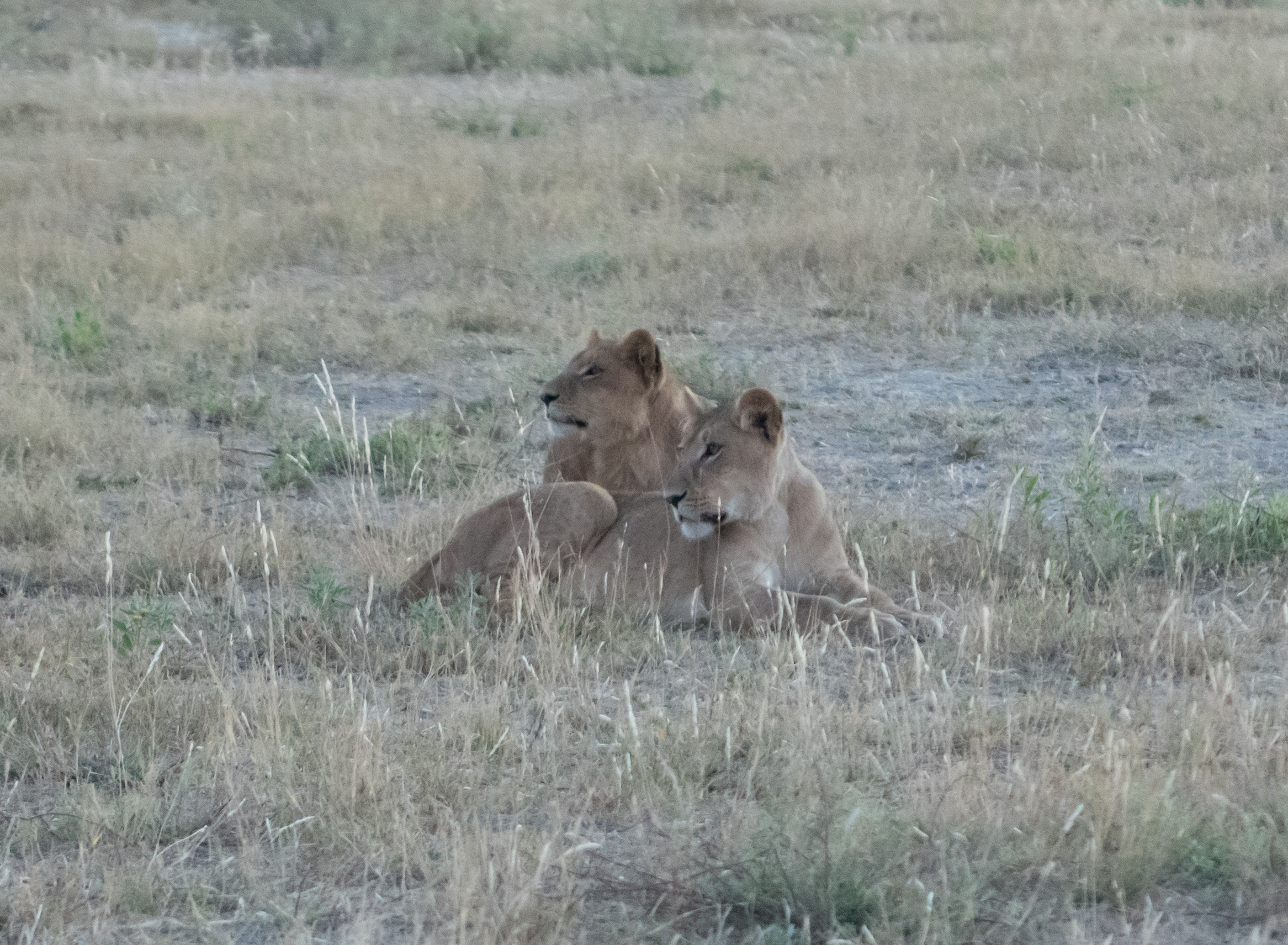
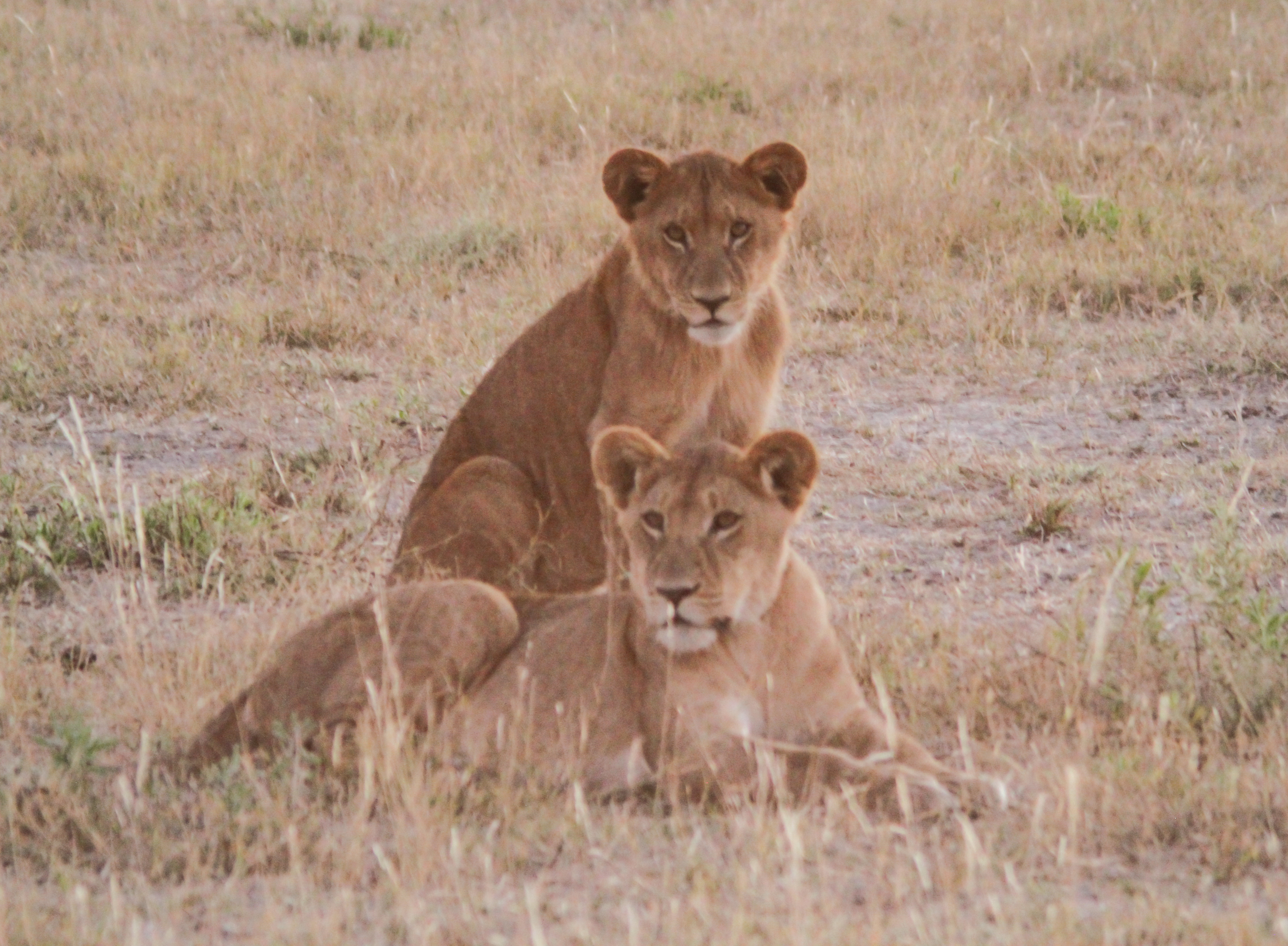
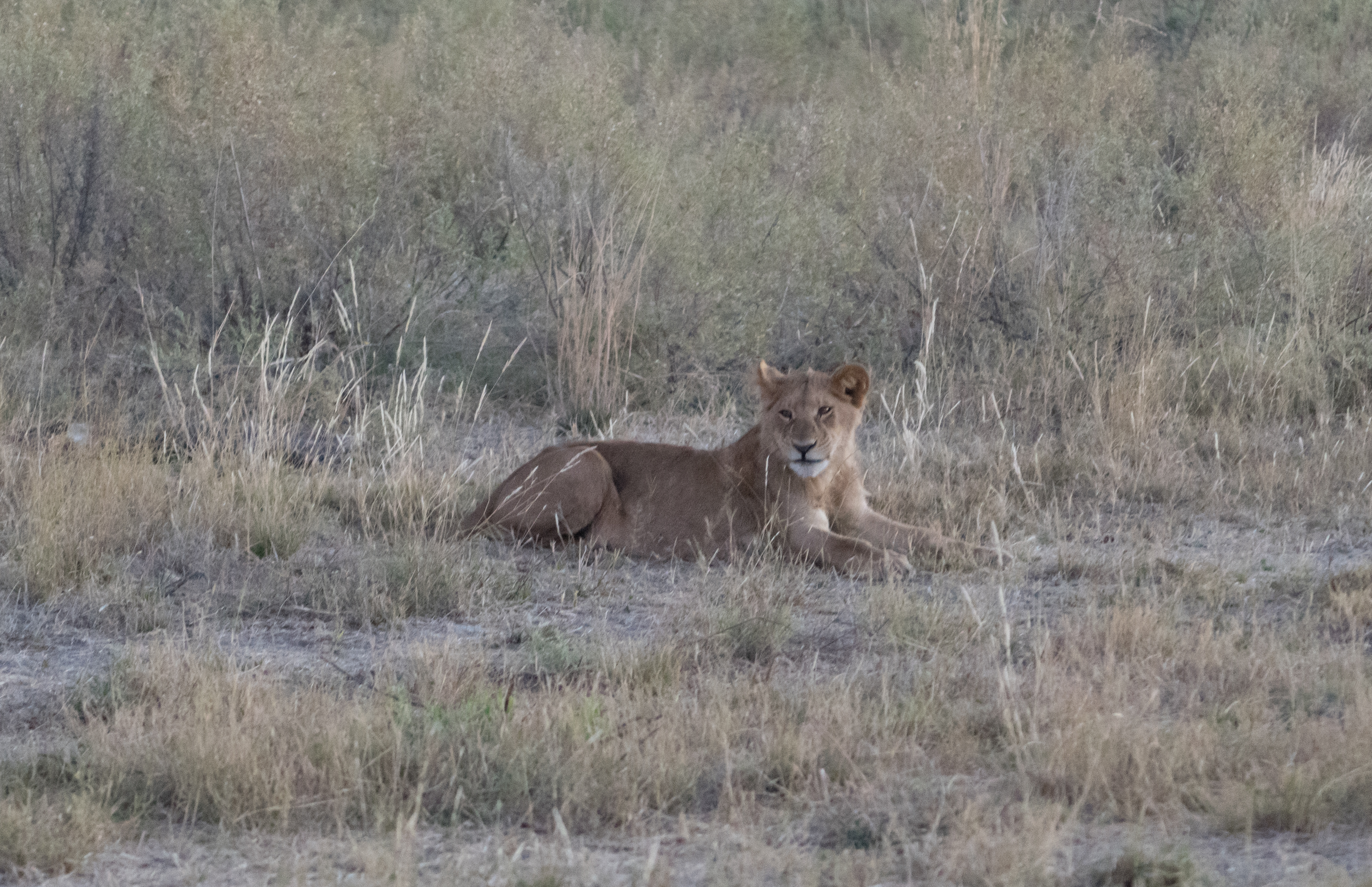
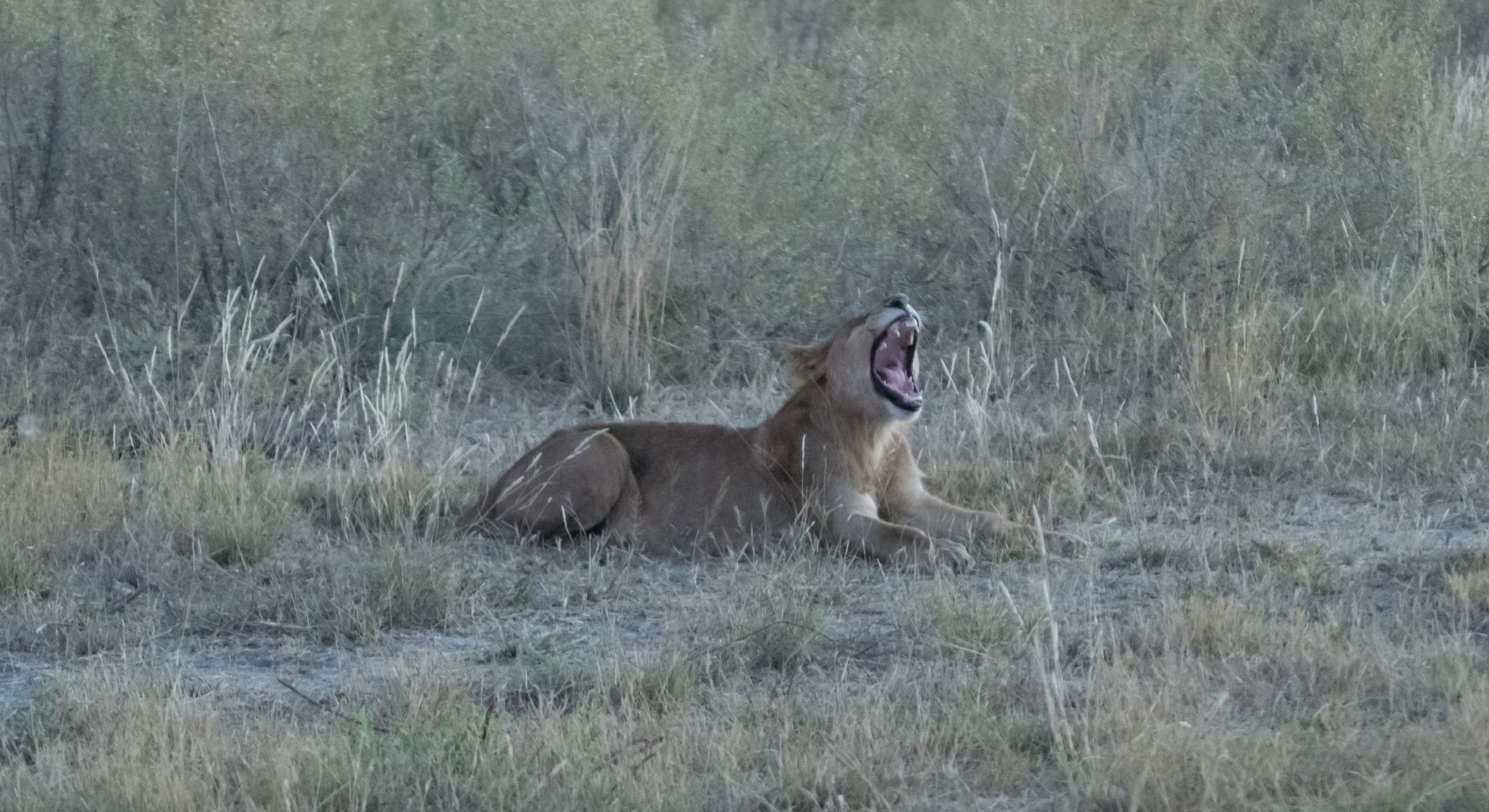
Today, we headed out in search of big cats. We didn’t see any yesterday, but we had spent half the day on the water. We had seen the local pride’s adults the day before, but today we found the local pride’s 4 cubs. They are about 8 months old, 2 males, 2 females. Three are from one mother and the fourth is from the other female of the pride. She had another cub that did not survive. These 4 were left on their own this morning while their mothers were off hunting. Our guide said that once the hunt is successful, the mothers return and call to the cubs. The cubs stay in the same basic area until then so that they are safe from predators. The guides from our camp found the cubs by tracking the lionesses prints, but the cubs were actually well-hidden. We watched them for quite a while as they wandered in the area and played.
We did move on and see other things.
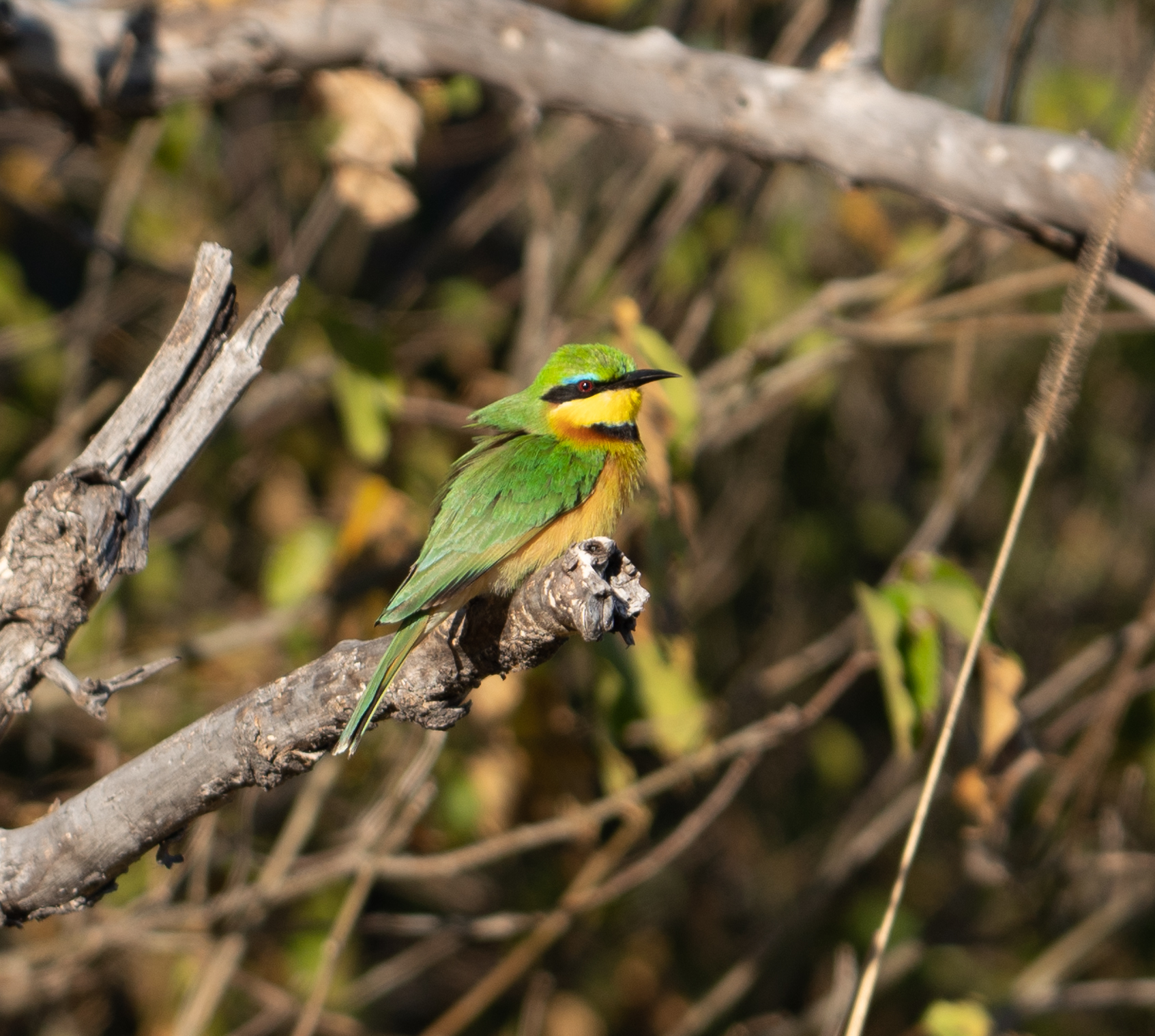
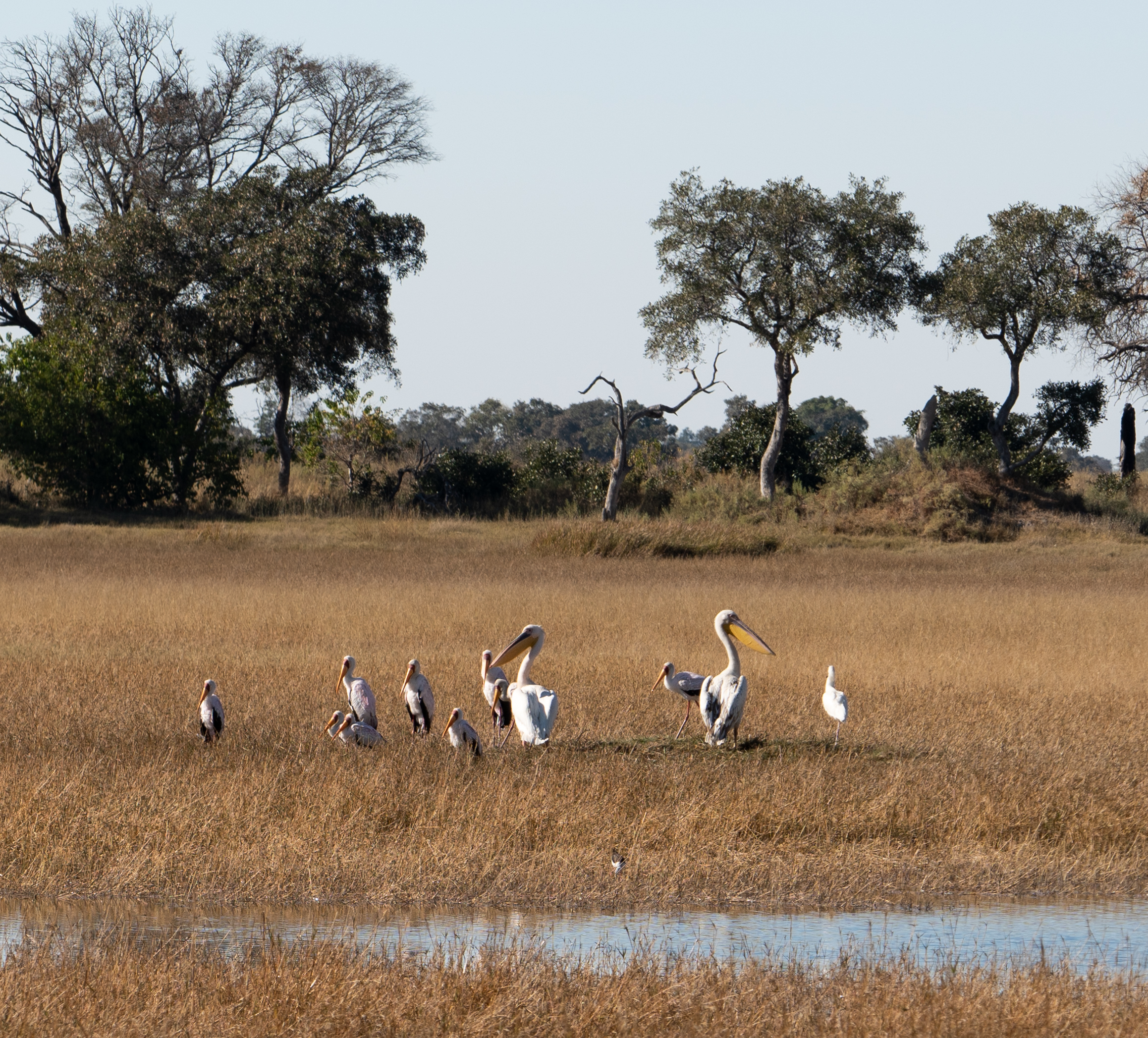
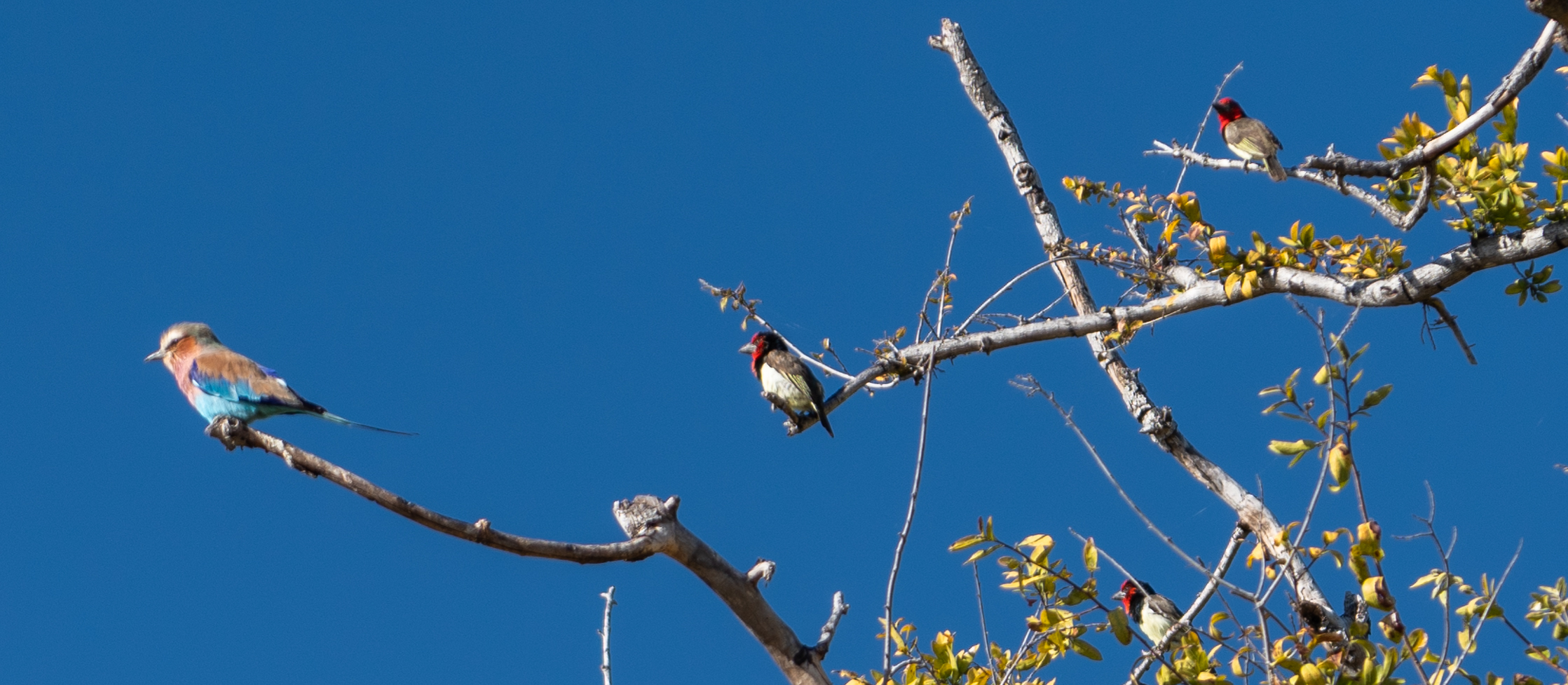
pied kingfisher
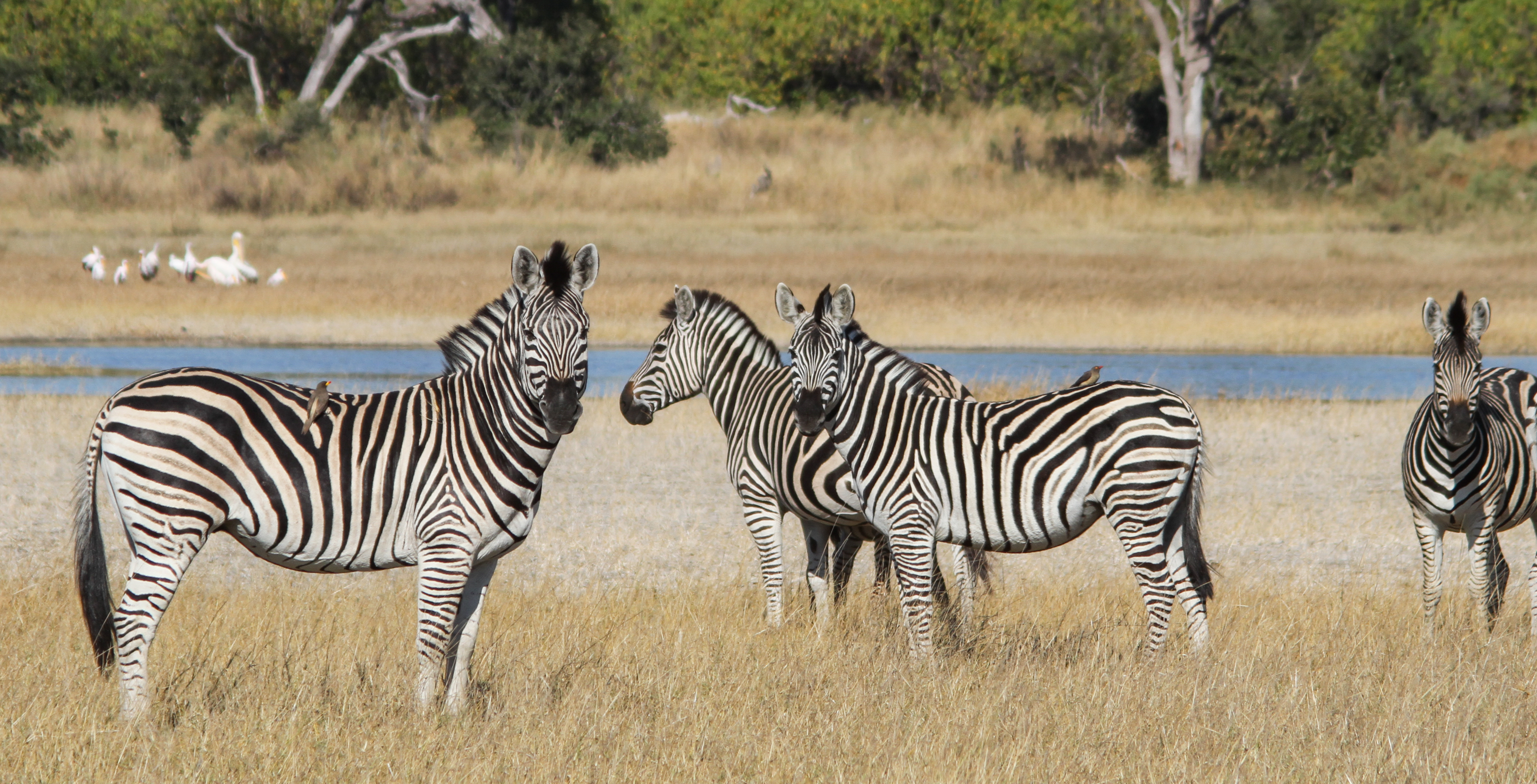
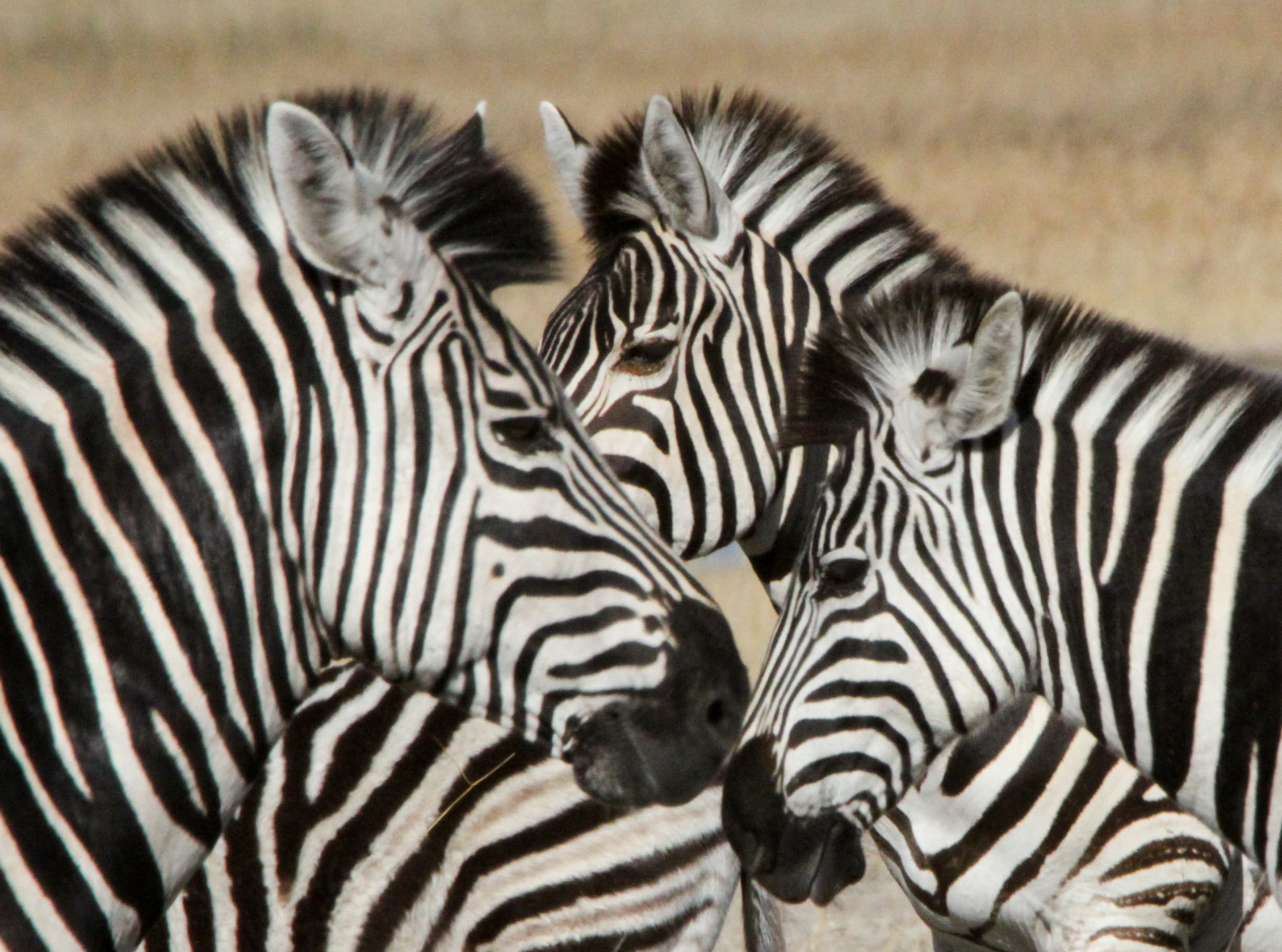
There was a large group of zebra
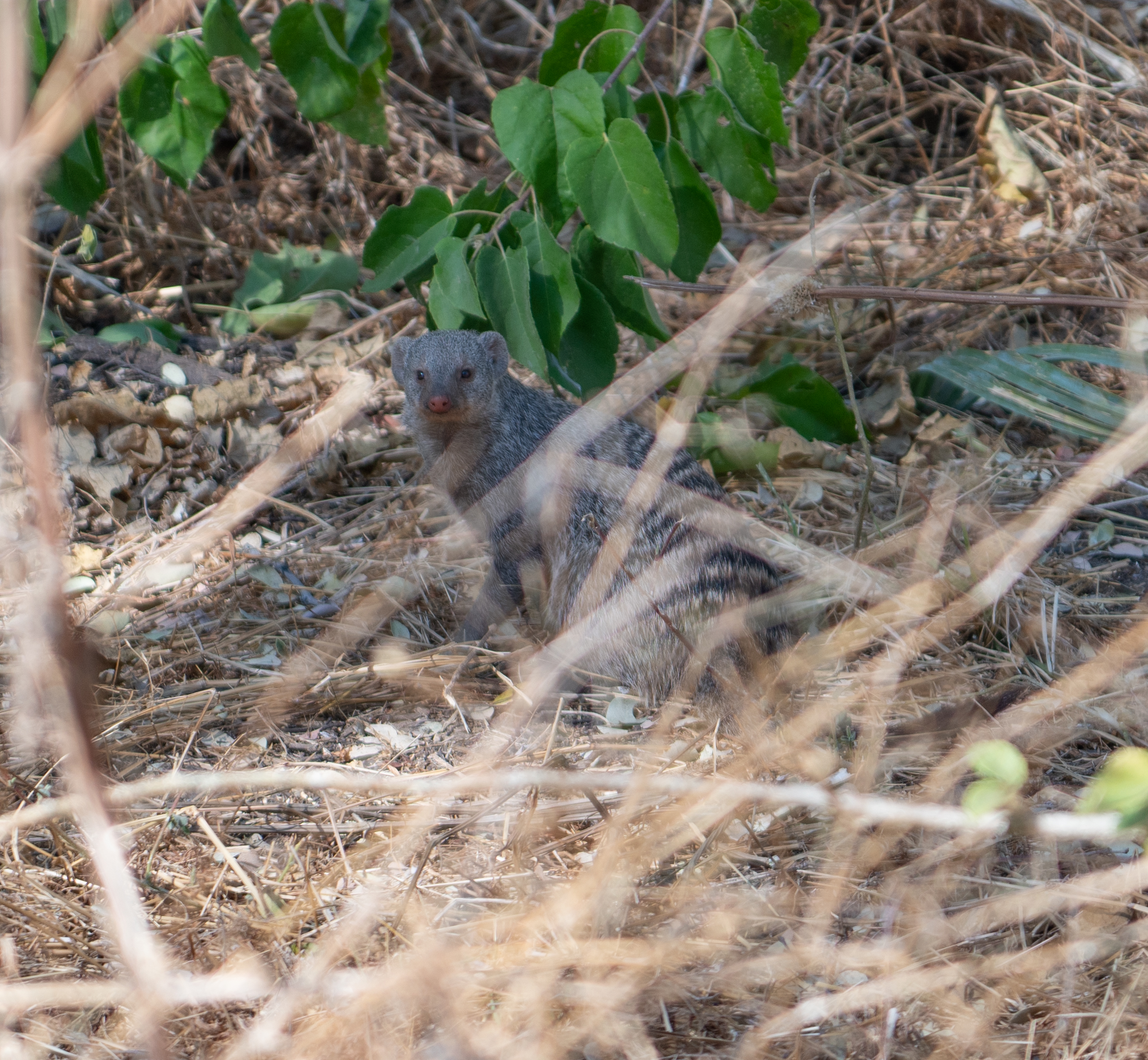
Banded mongoose. These live in rather large groups. They eat mostly insects and fruit.
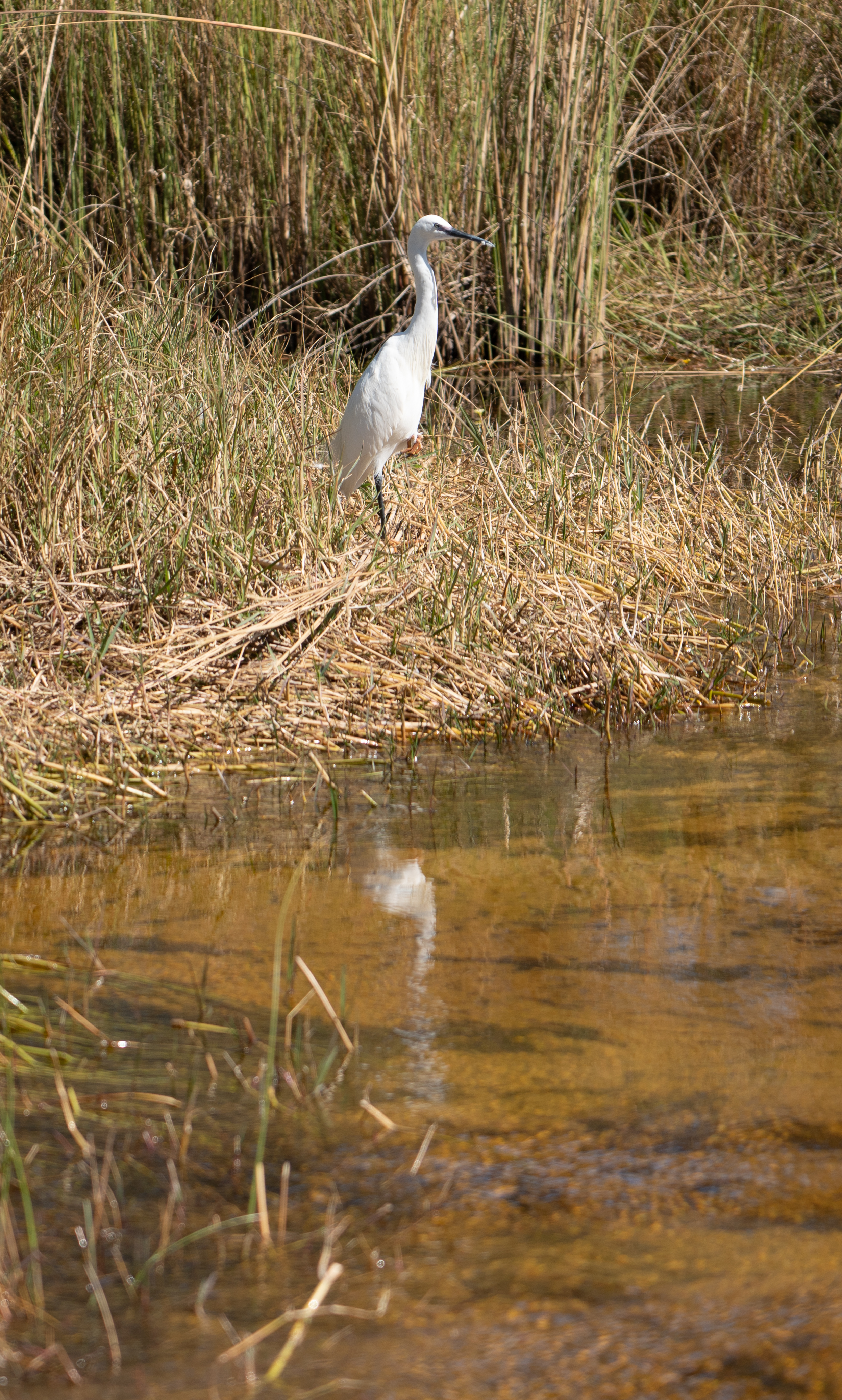
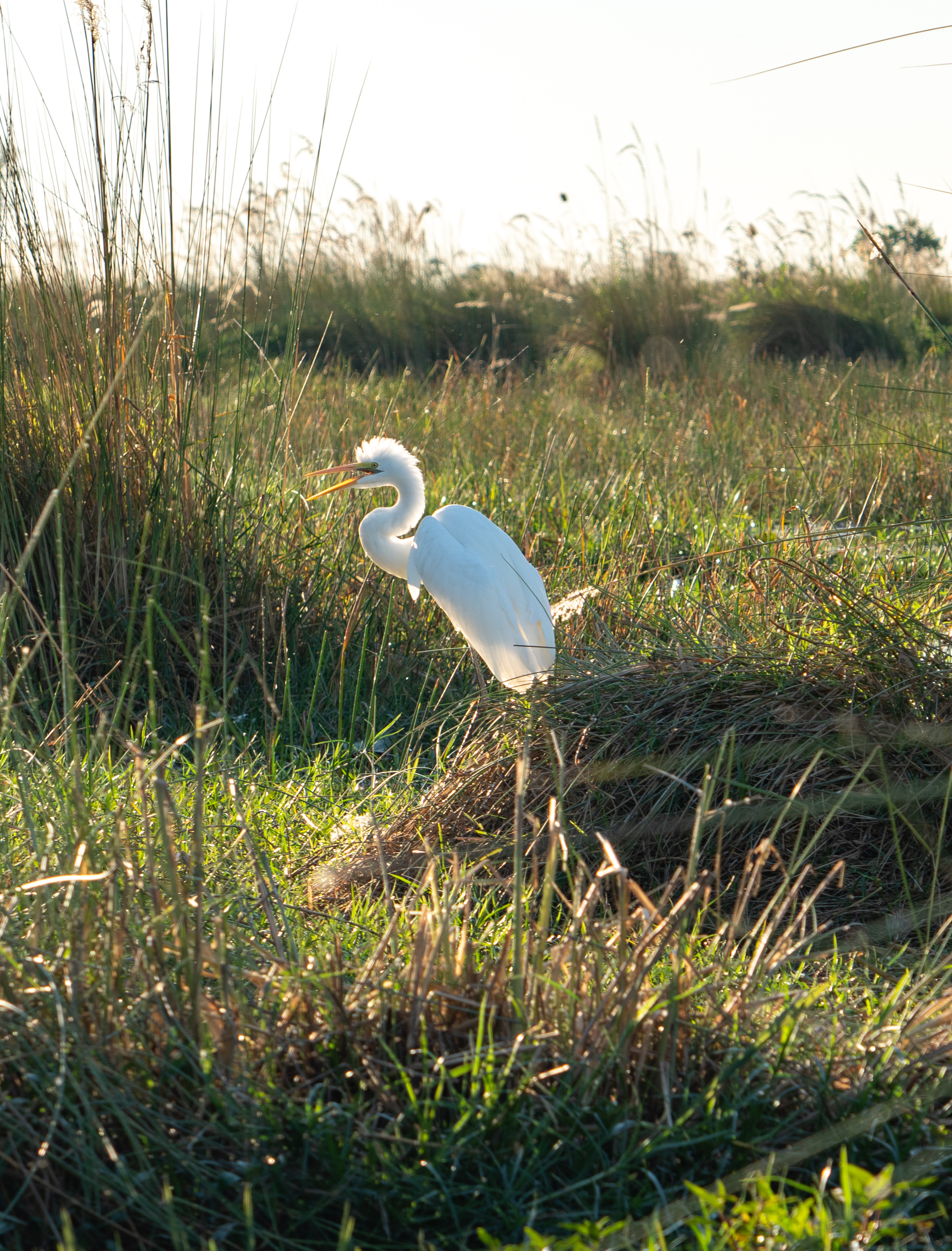
Little egret
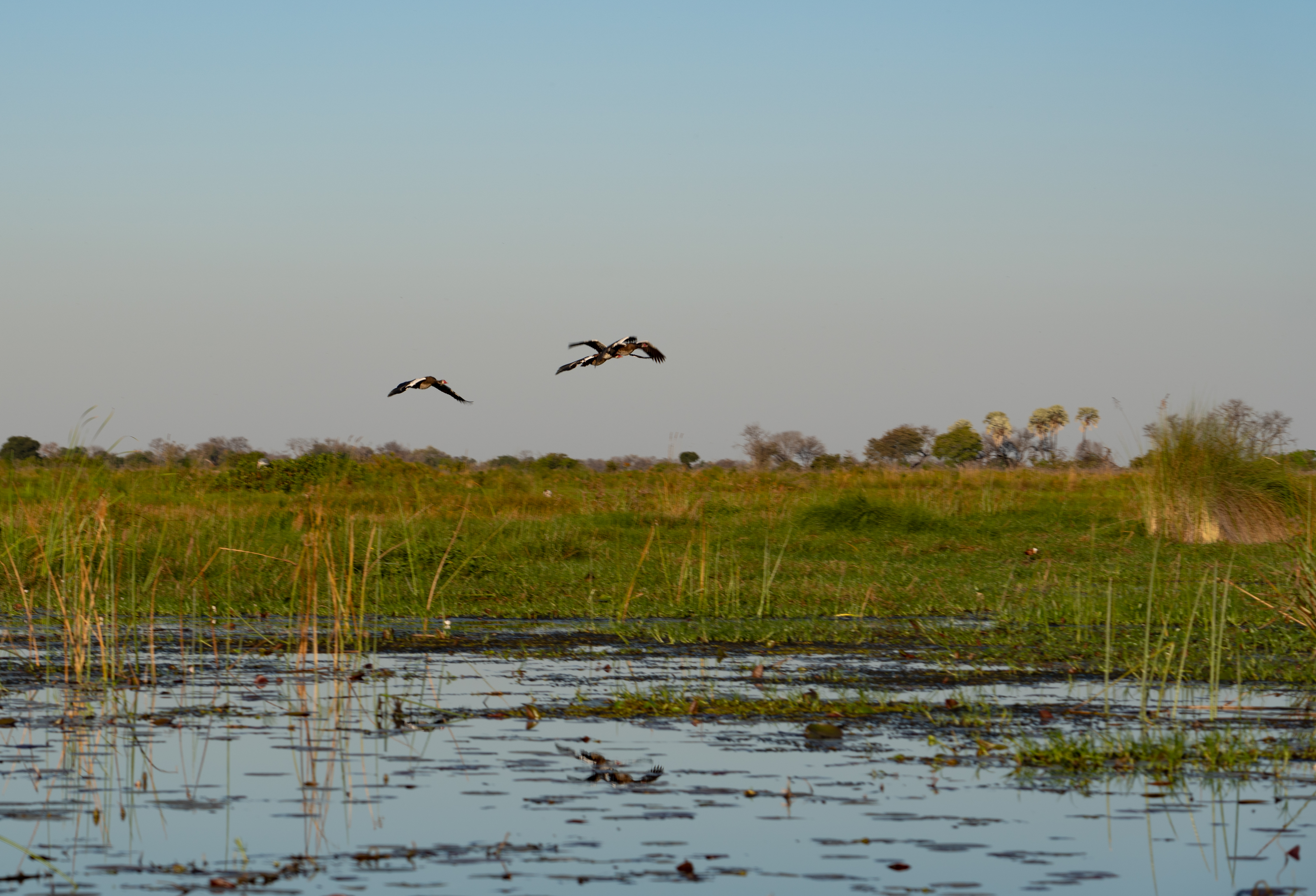
In the afternoon we took a boat safari. These are great for seeing birds.
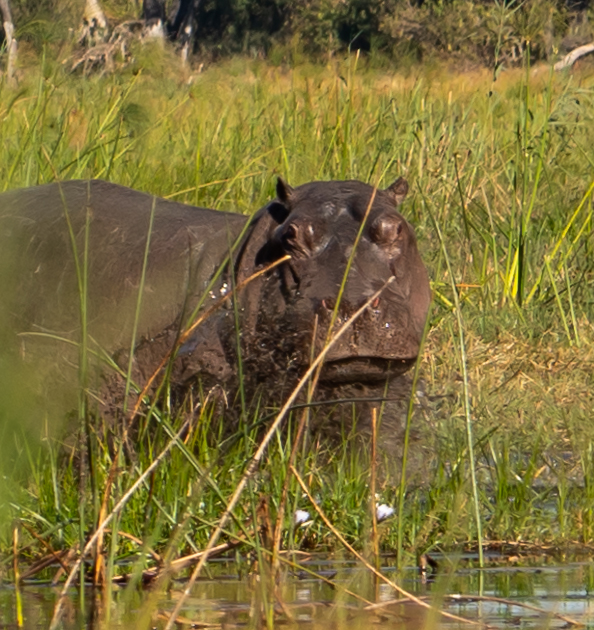
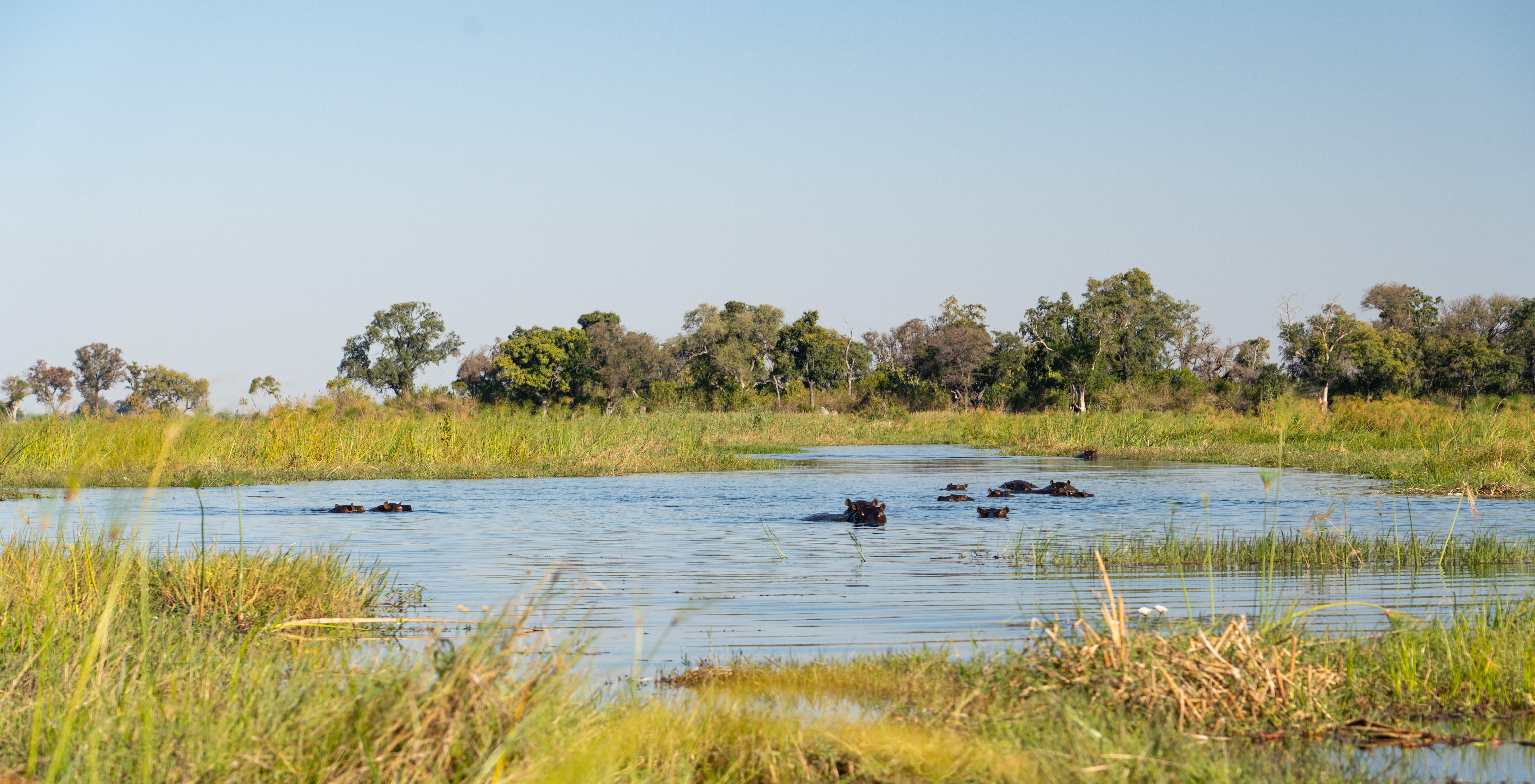
Our guide had plans for where he was going to take us, but a group of hippos had other ideas.
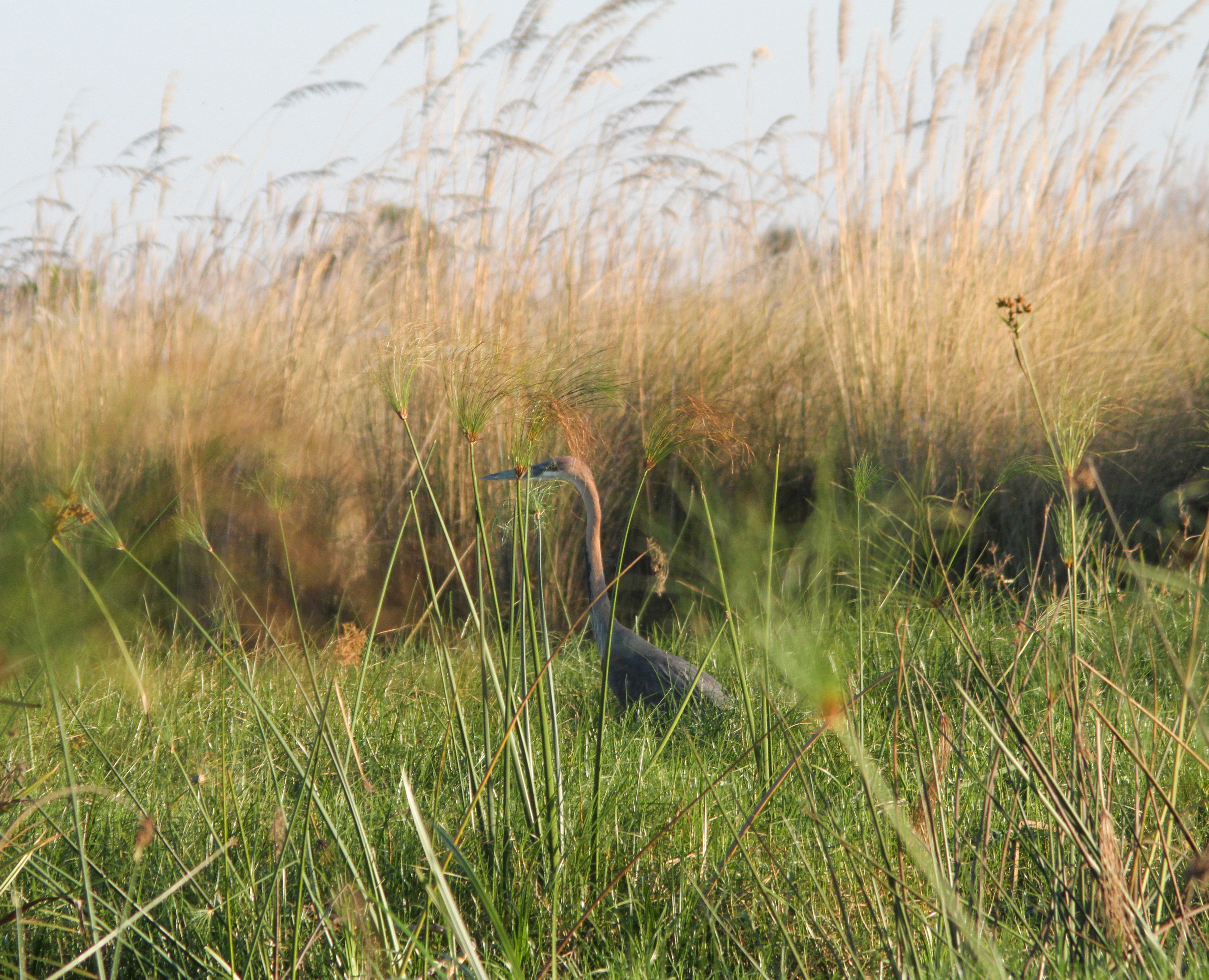
Slaty egret
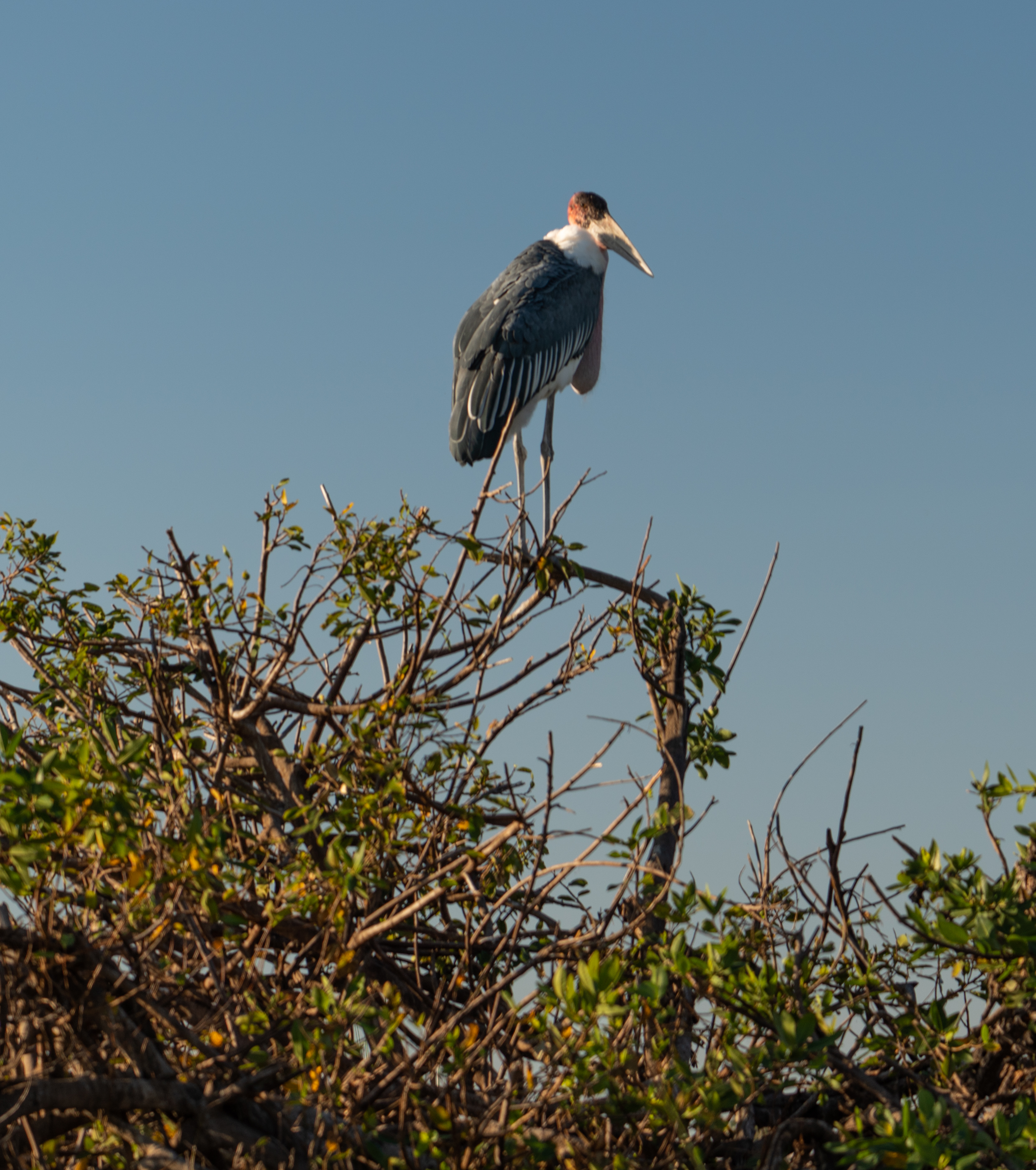
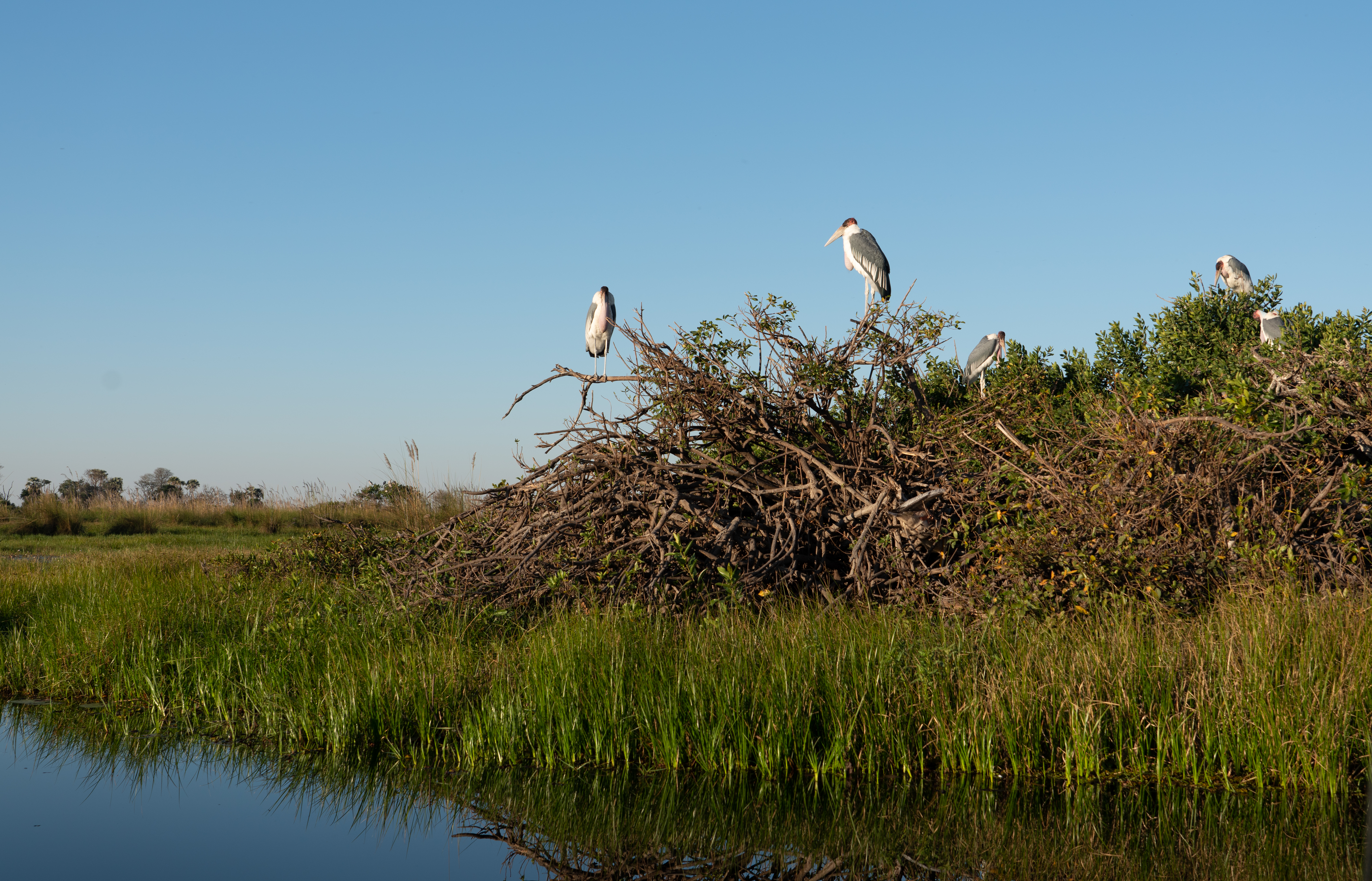
Marabou stork: these are huge birds…5 feet tall and 20 lbs with a wingspan of over 10.5 feet! They have a large gular sac (throat sac) that hangs down in front of them. They may not be pretty, but they are impressive.
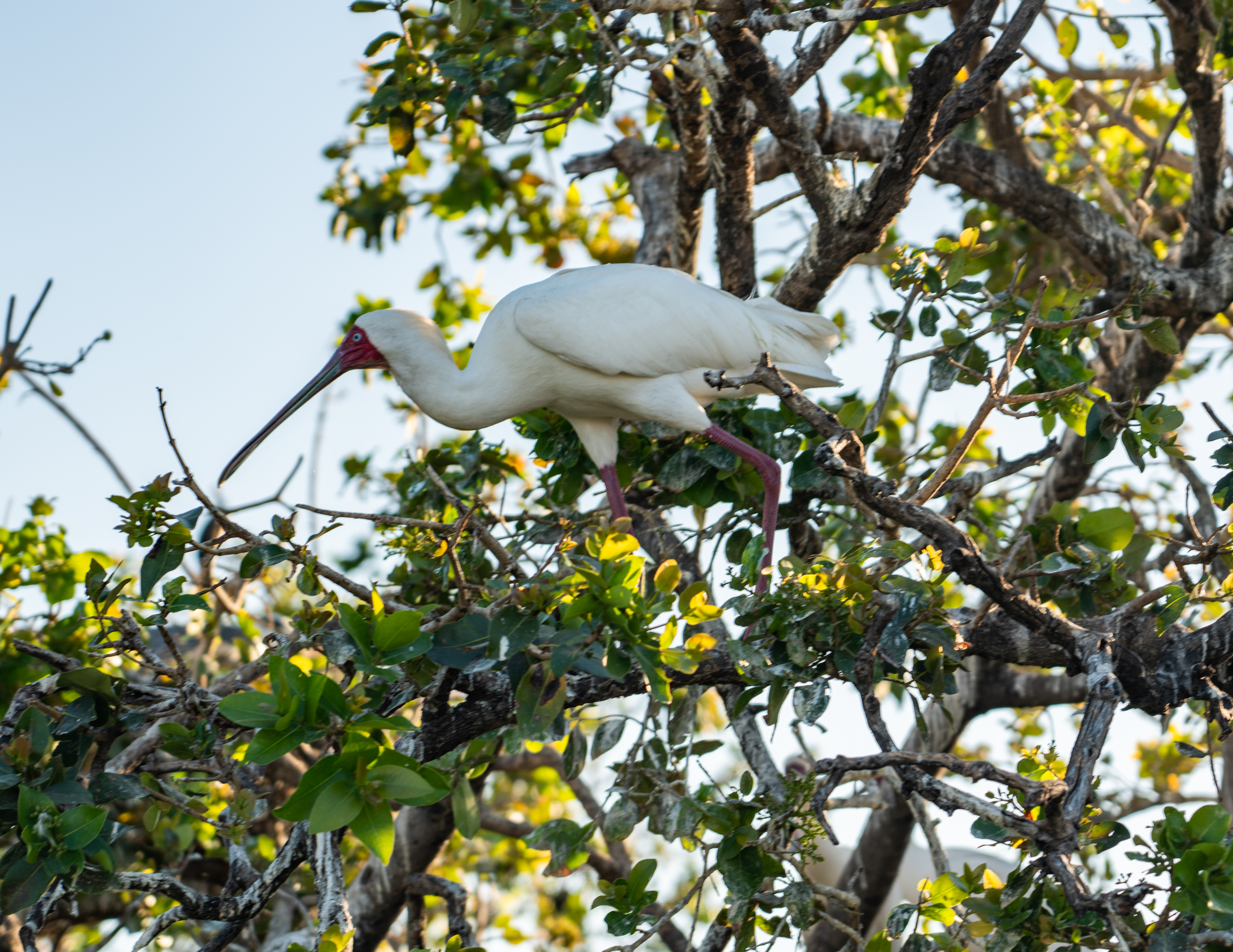
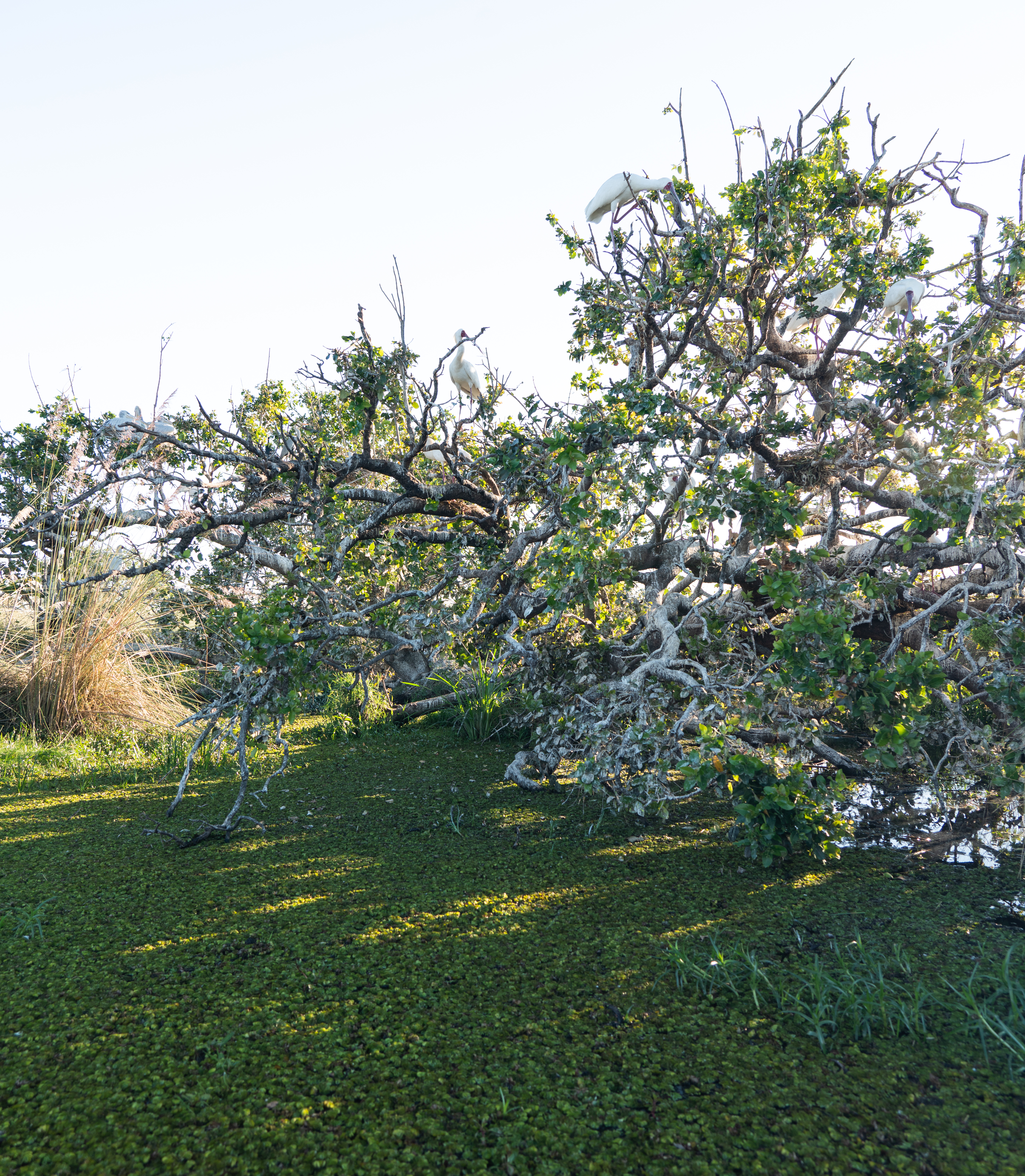
African spoonbill
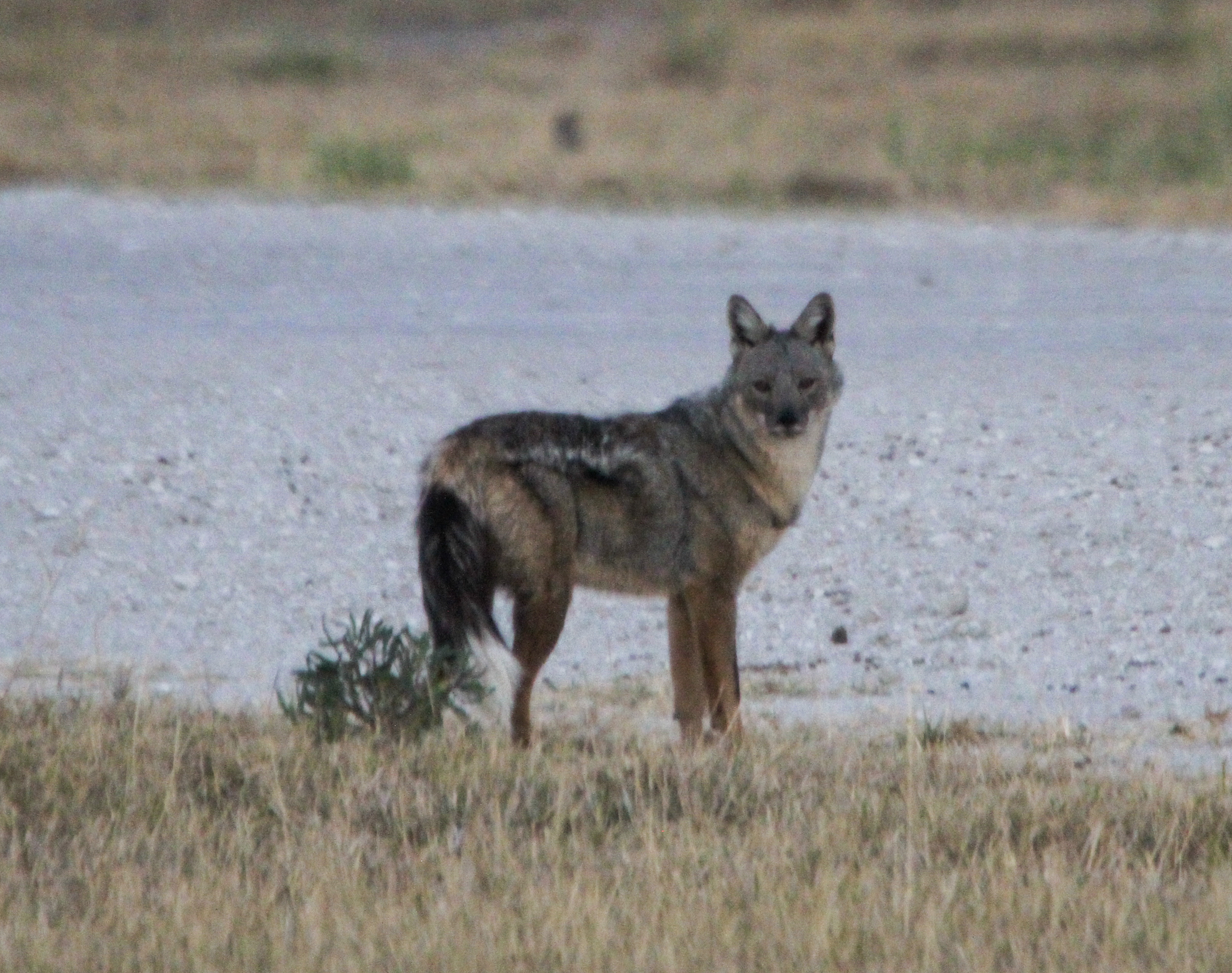
side striped jackal
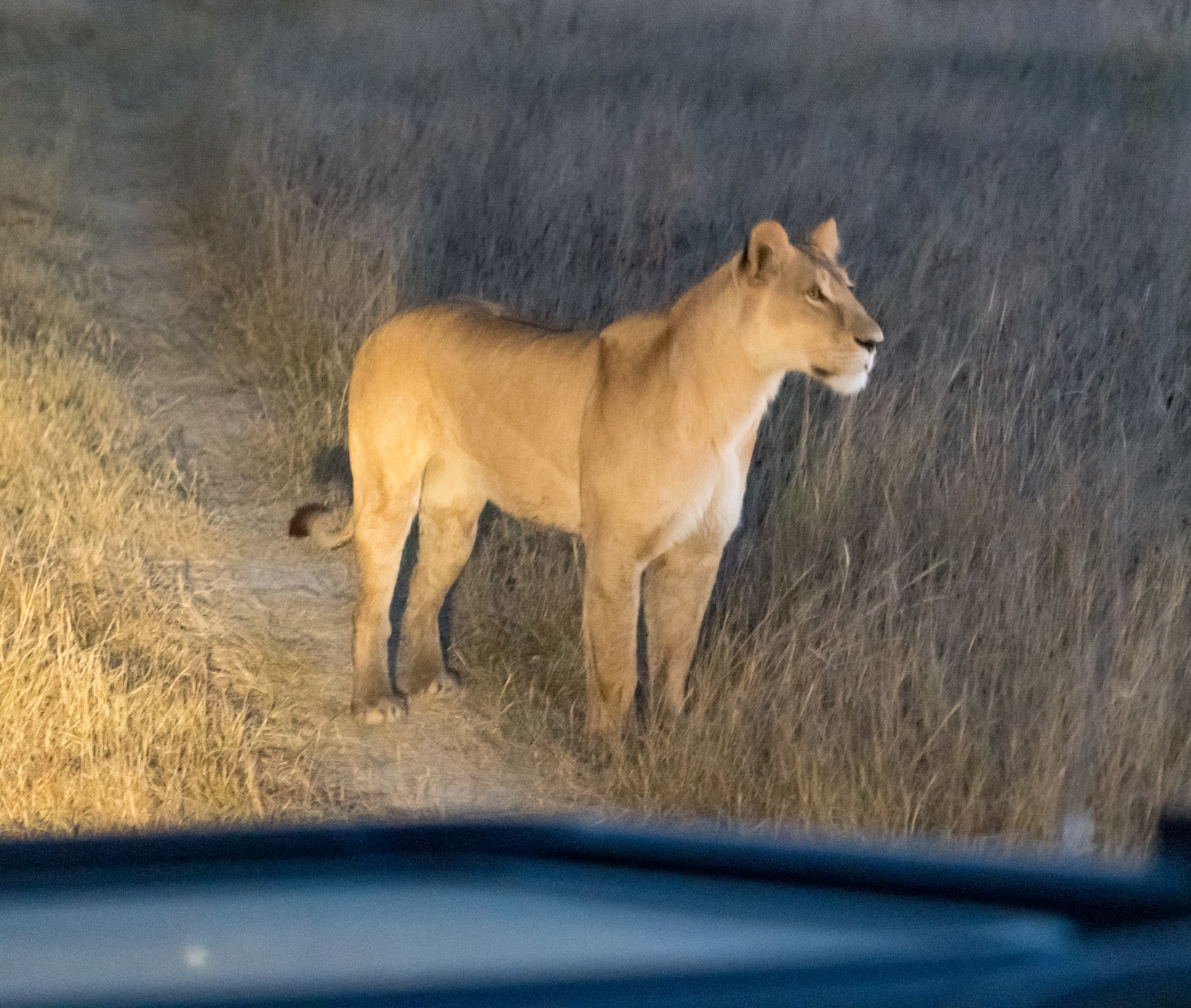
We managed to find the lion cubs again after our boat safari so we spent some time watching them. After we left them we came across the mommas again, as well. We watched them out hunting, but no success while we were with them.
 Will Suture for Travel
Leave a comment