
Off to the museums today!
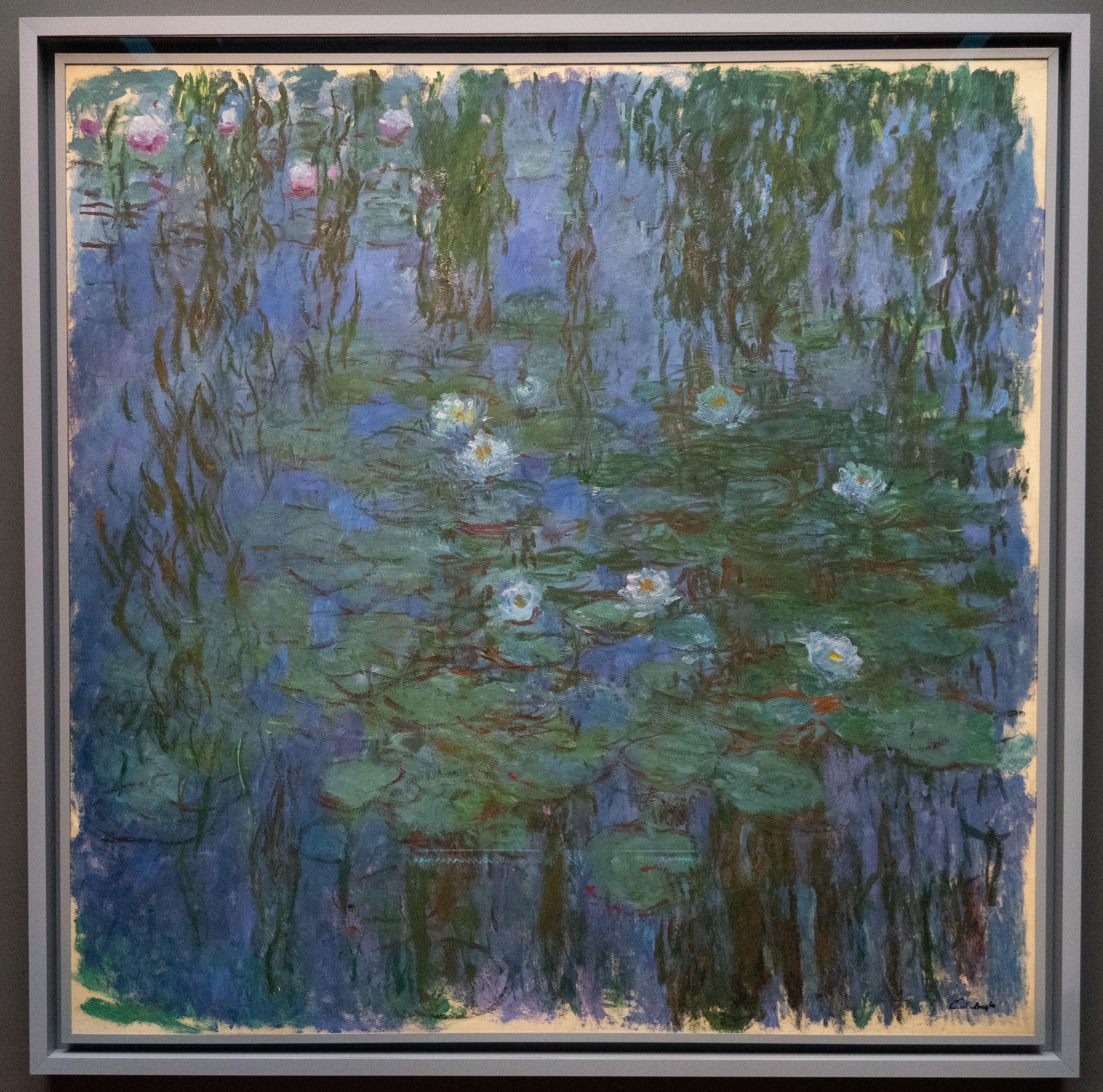
We started with the Musée de l’Orangerie. This museum houses impressionist and post-impressionist art, most importantly, 8 of the large Monet Water Lillies paintings. Monet painted approximately 250 water lily paintings.
The l’Orangerie was built by Napoleon III to store citrus trees from the Tuileries gardens during the winter. During WWI the building was converted to an art museum and Monet actually helped with the design of the conversion of the building. His 8 large paintings that are displayed there are in 2 oval rooms. These 2 rooms form the infinity symbol.
These paintings are impressive. They are all 2 meters high (1 m = 3.28 feet) but are of varying lengths up to 17 m. Obviously, the size and the fact that they are on curved walls makes photography challenging. I did my best with some and have some close ups. I highly recommend seeing them in person as it is really hard to convey what they are like here.
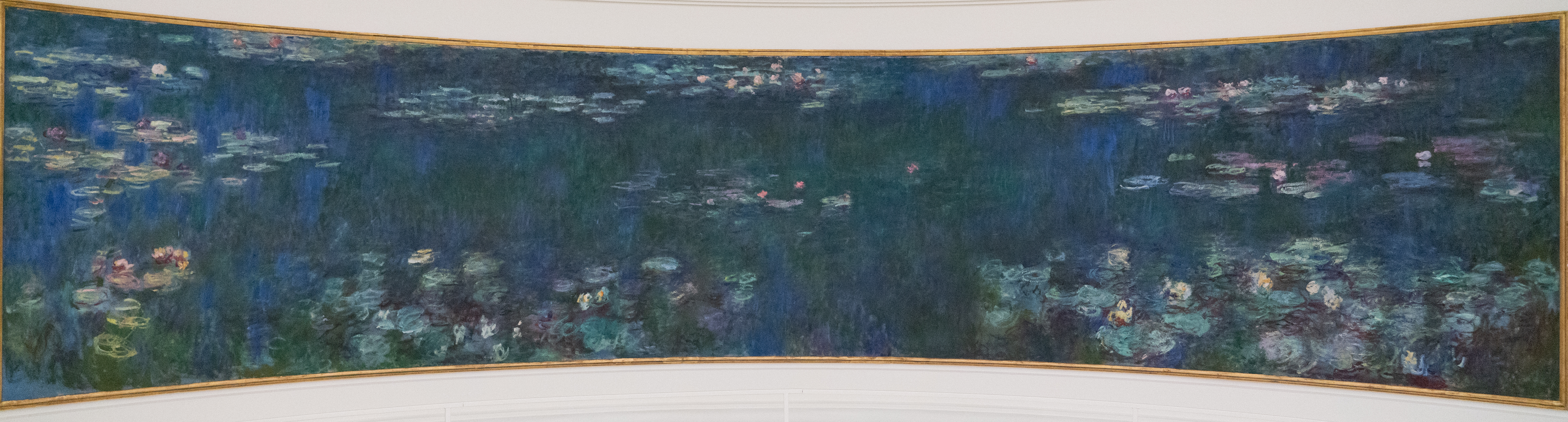
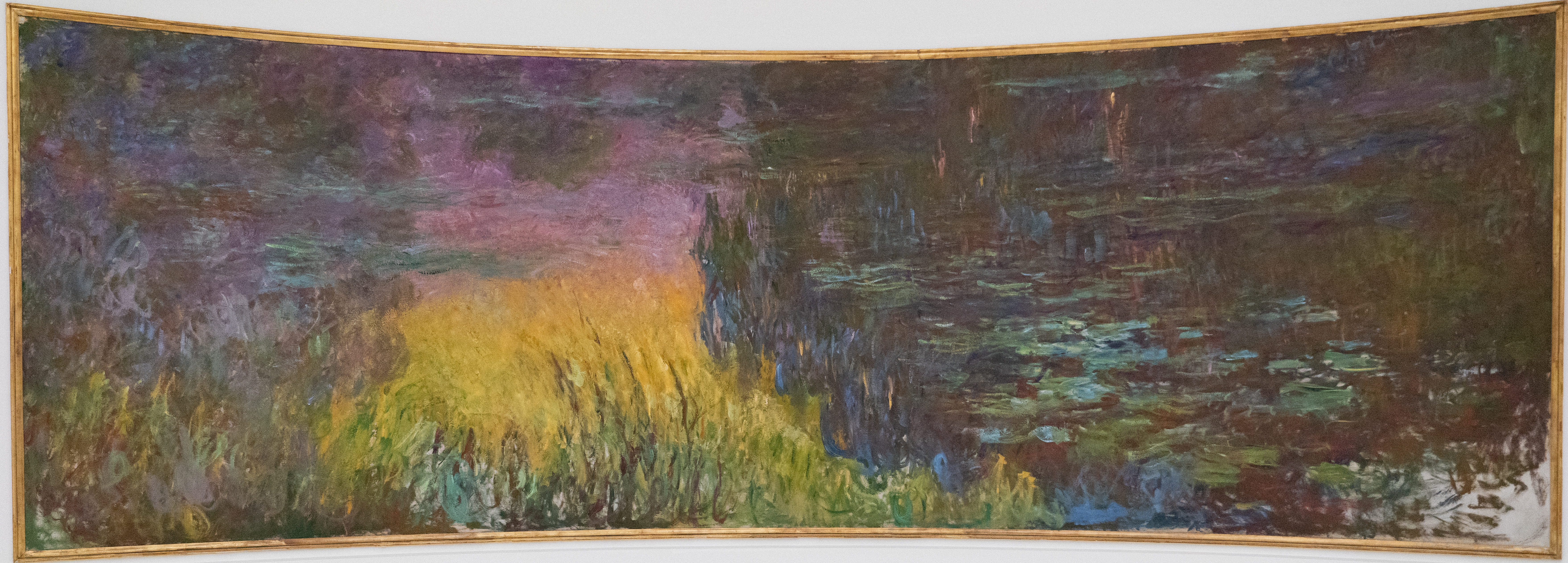

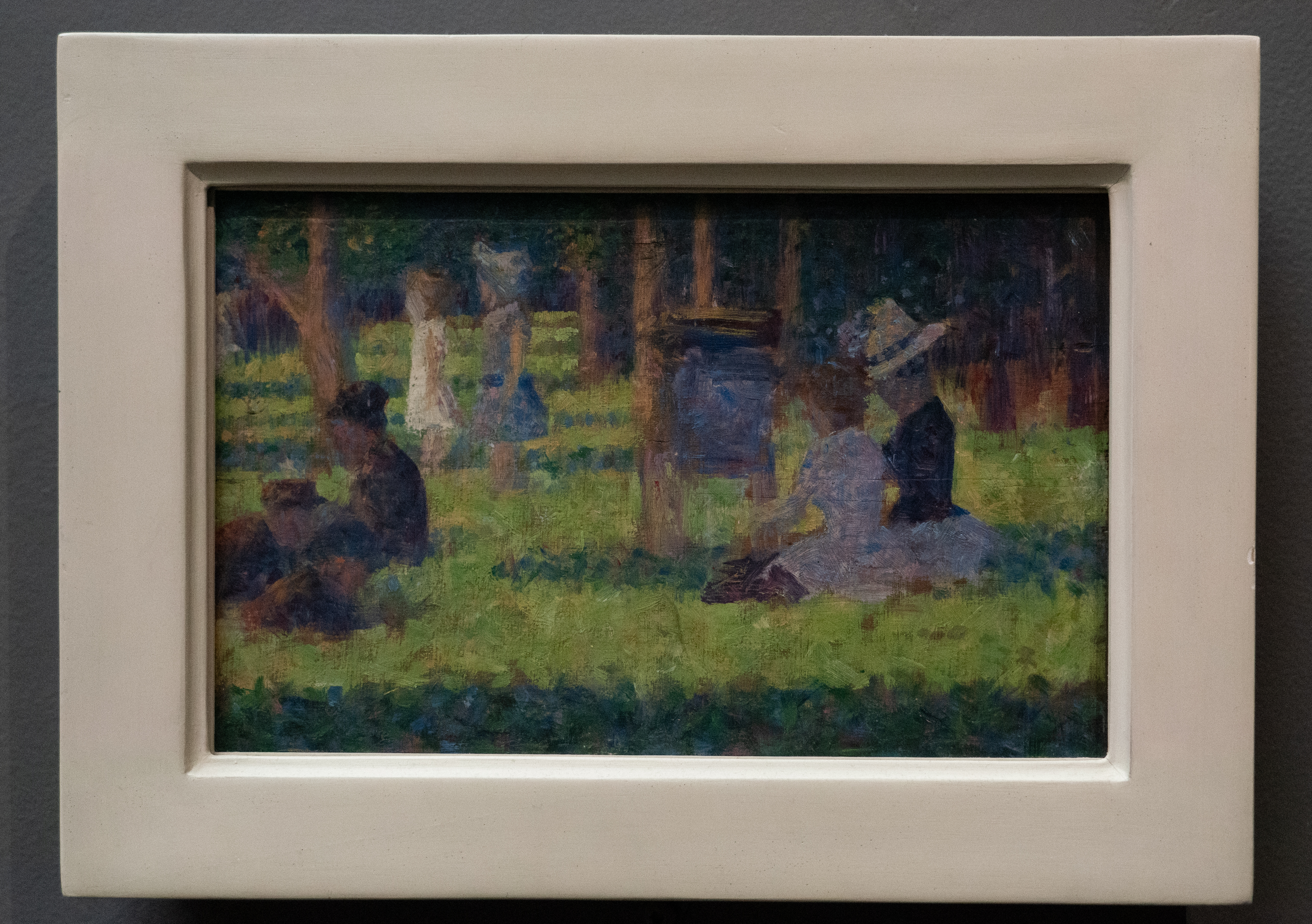
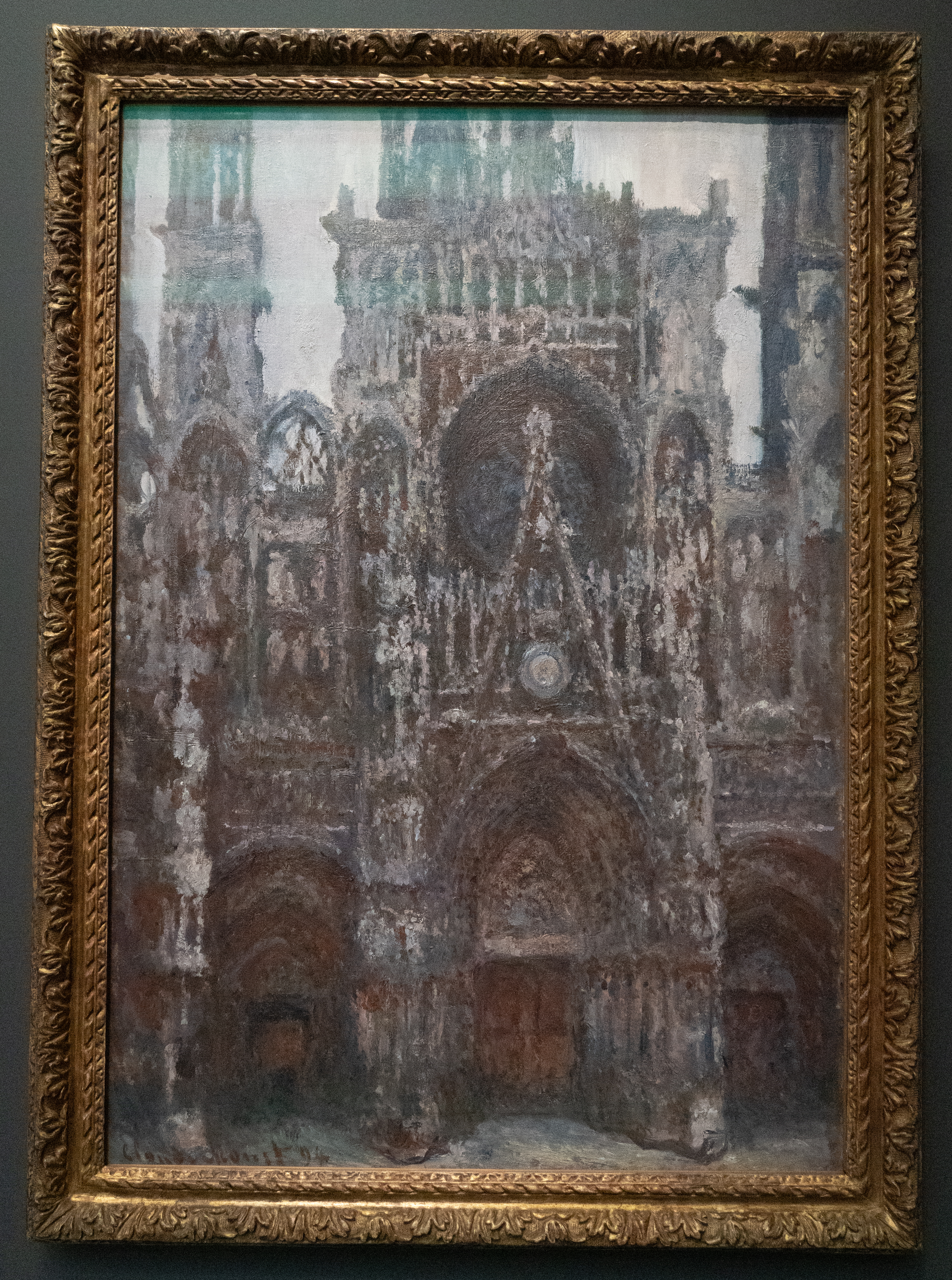
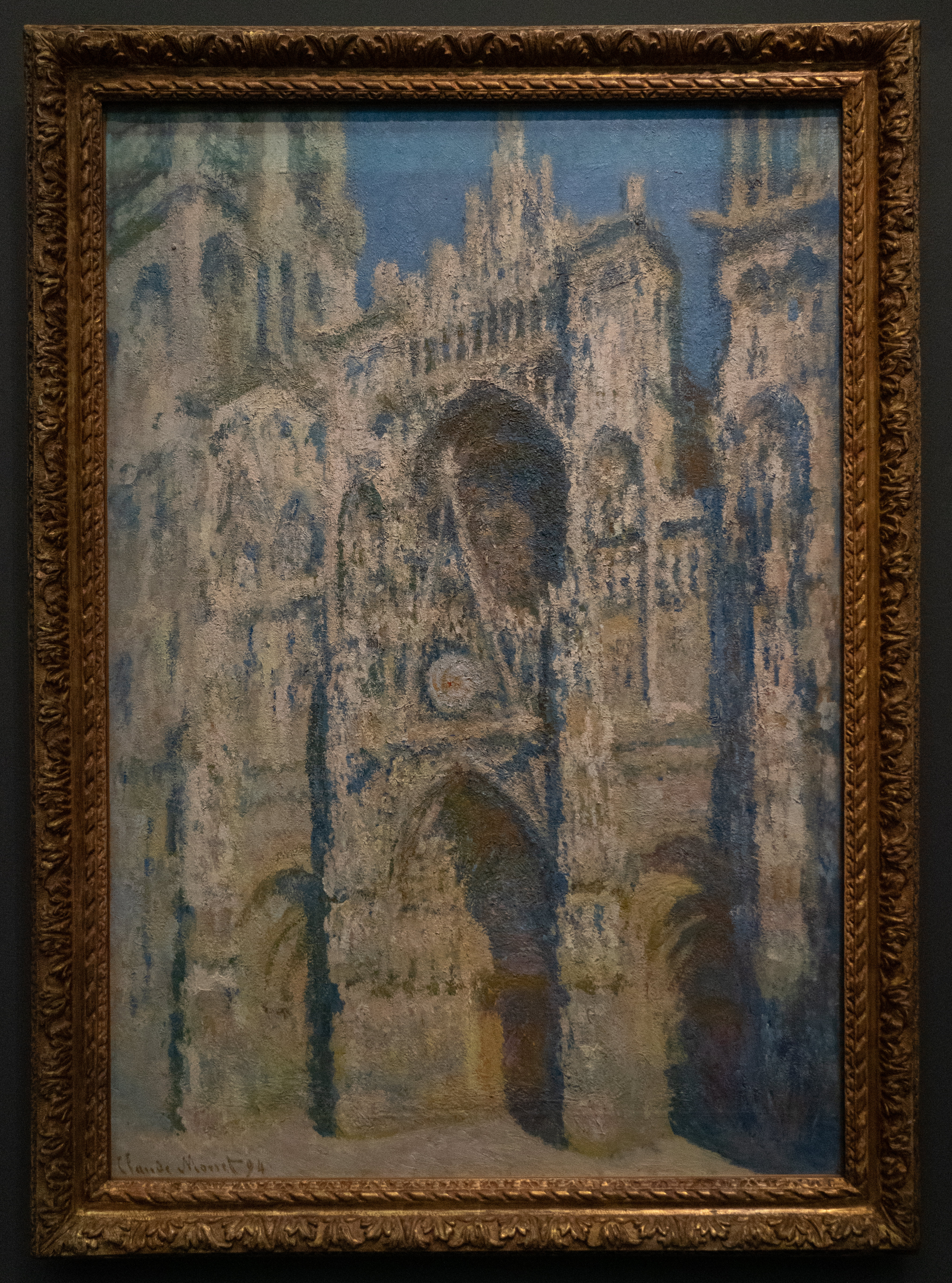
There was other good artwork there, I’m just leaving my pictures at Monet.
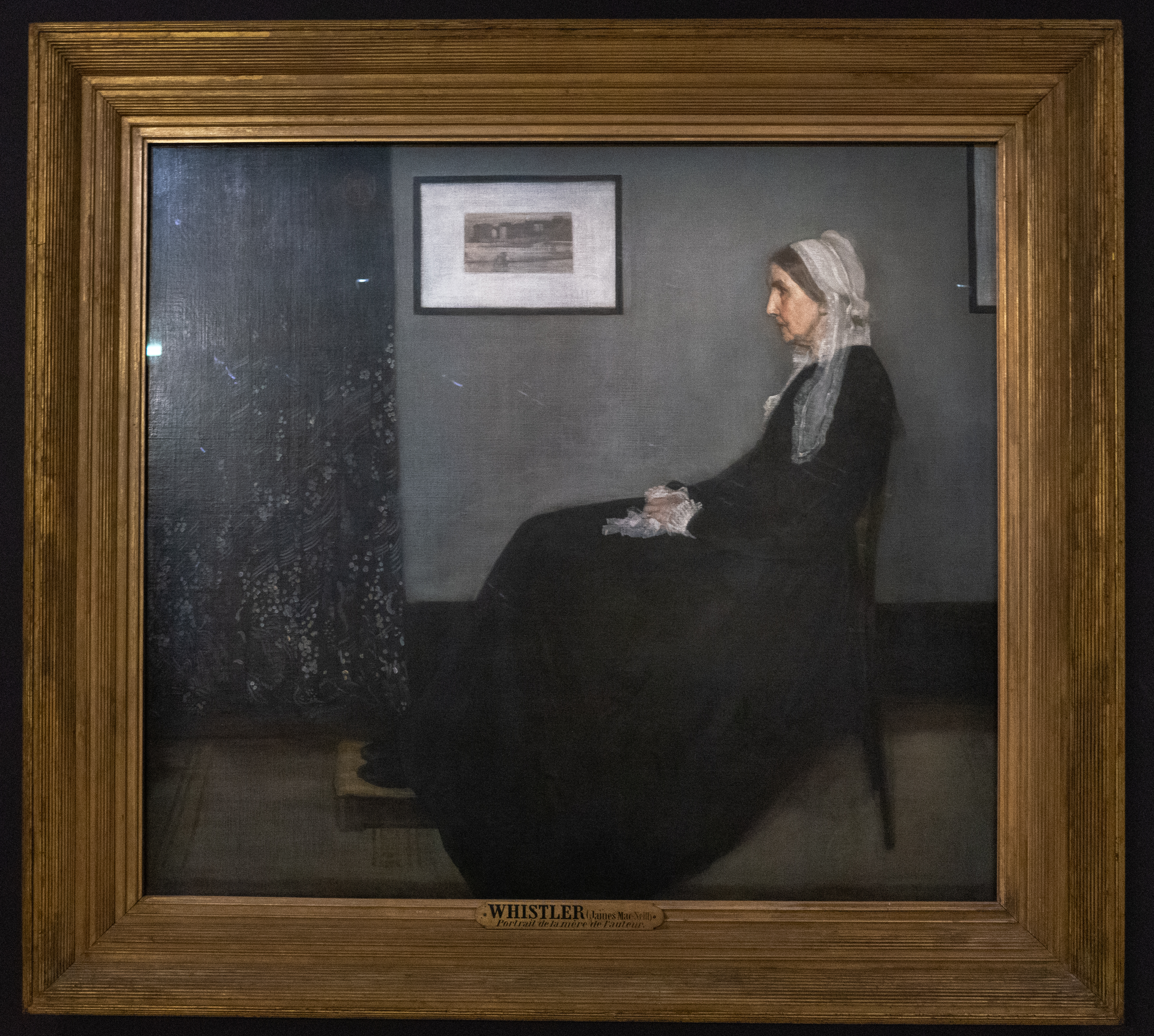
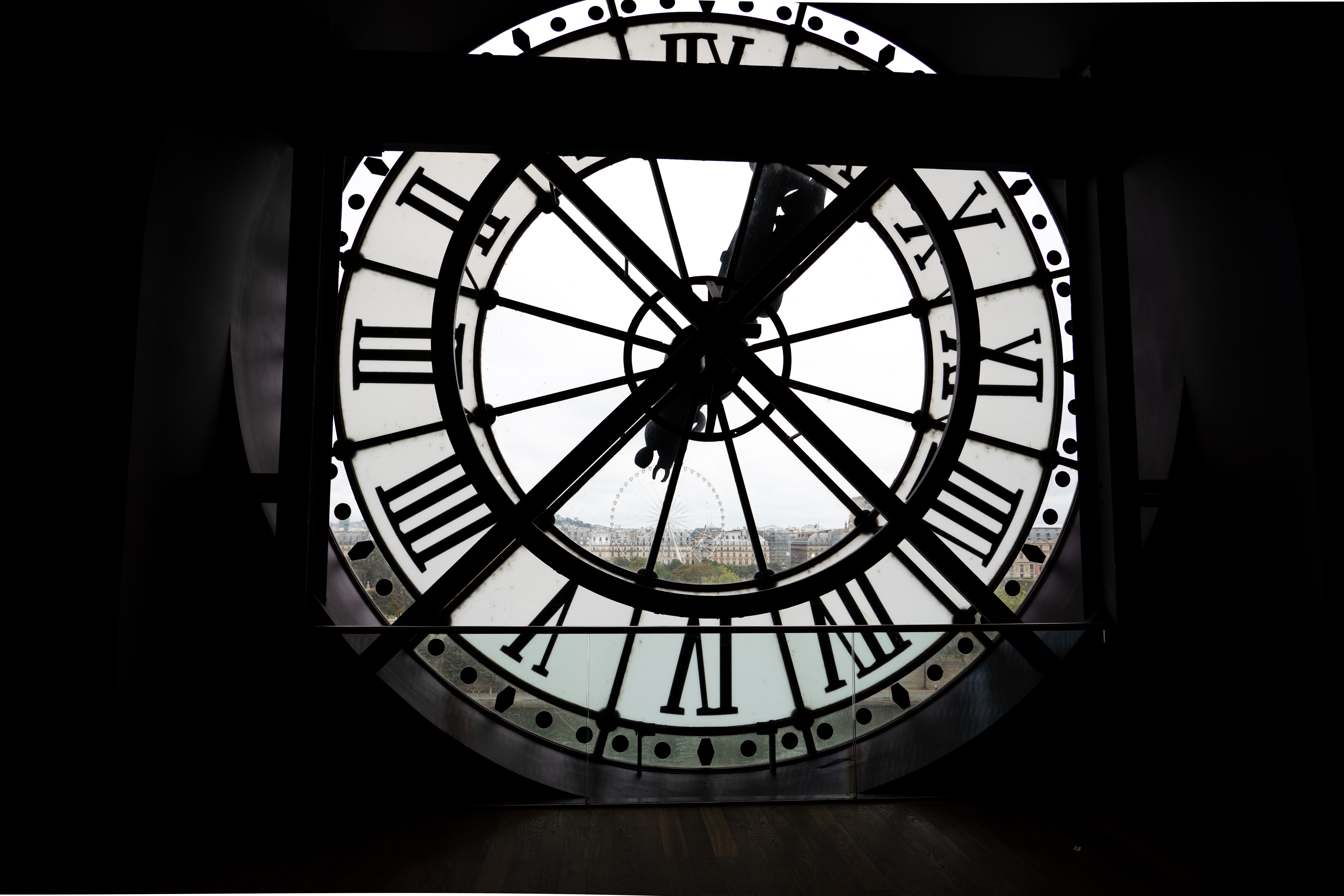
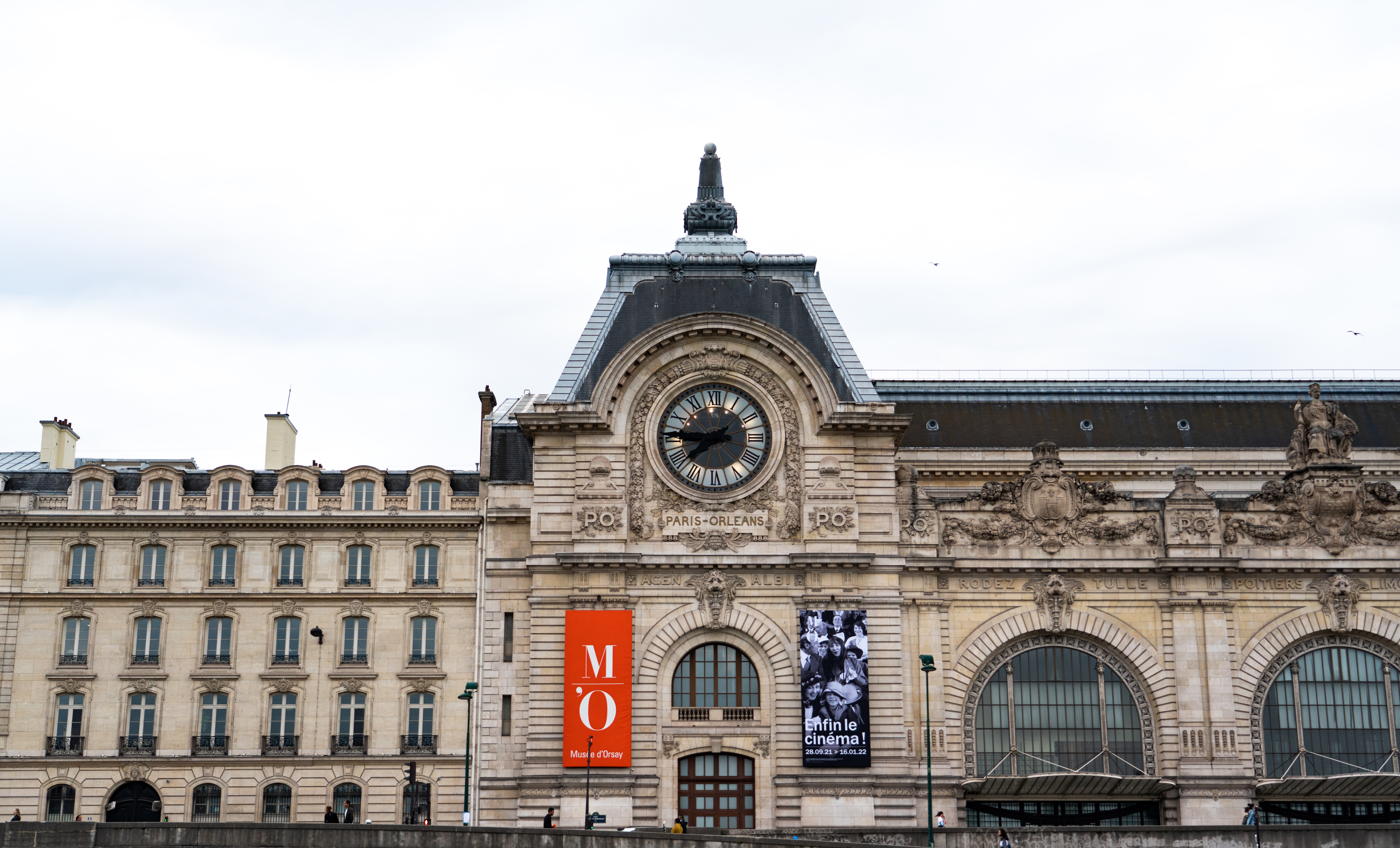
From there we went to the Musée d’Orsay. This is another impressionist and post-impressionist art museum. This was originally a rail station, so it has 3 huge clocks in the walls of the building. It was converted into a museum in 1986. We saw a variety of paintings and sculptures there, although I really focus on paintings in this era, myself.
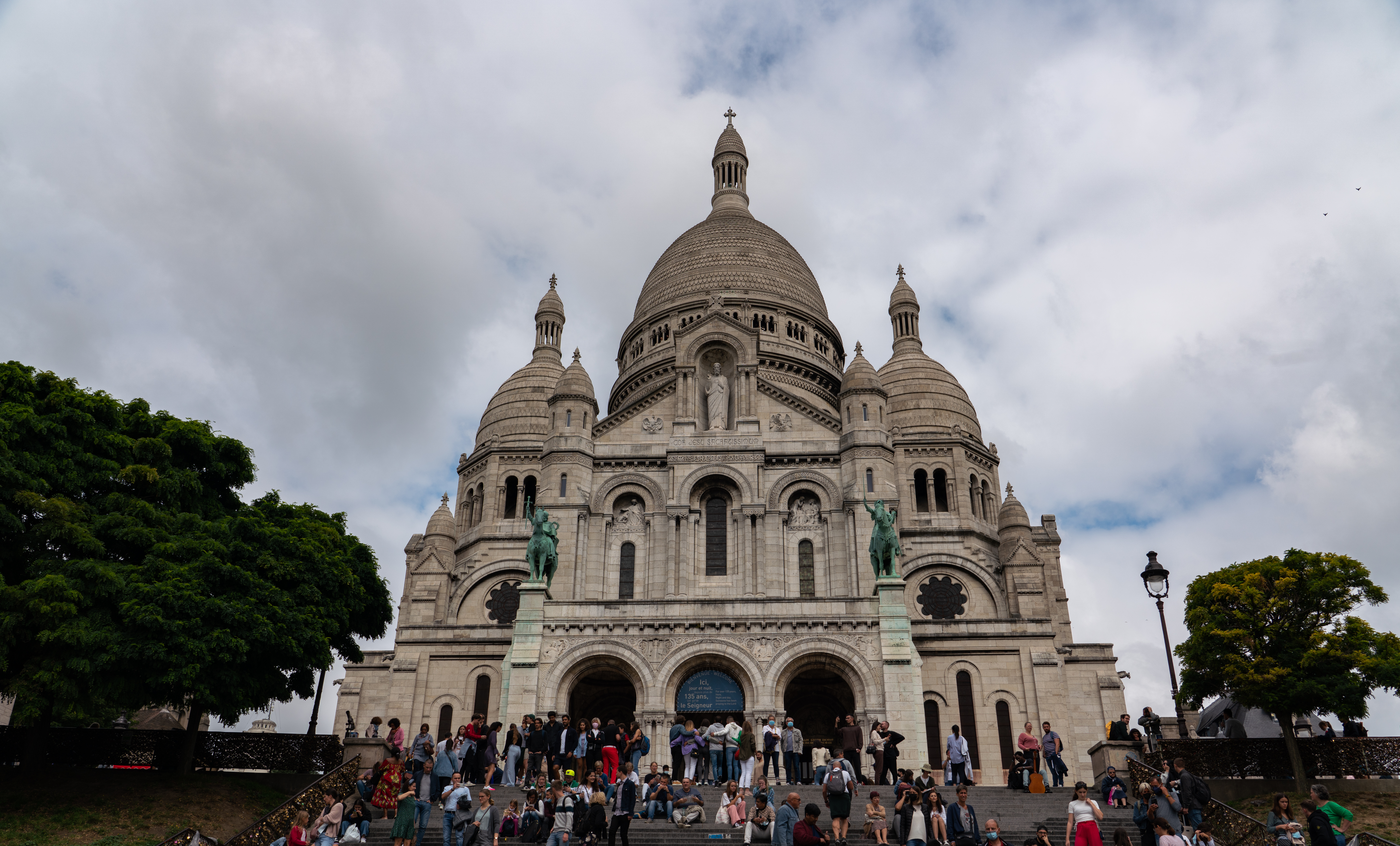
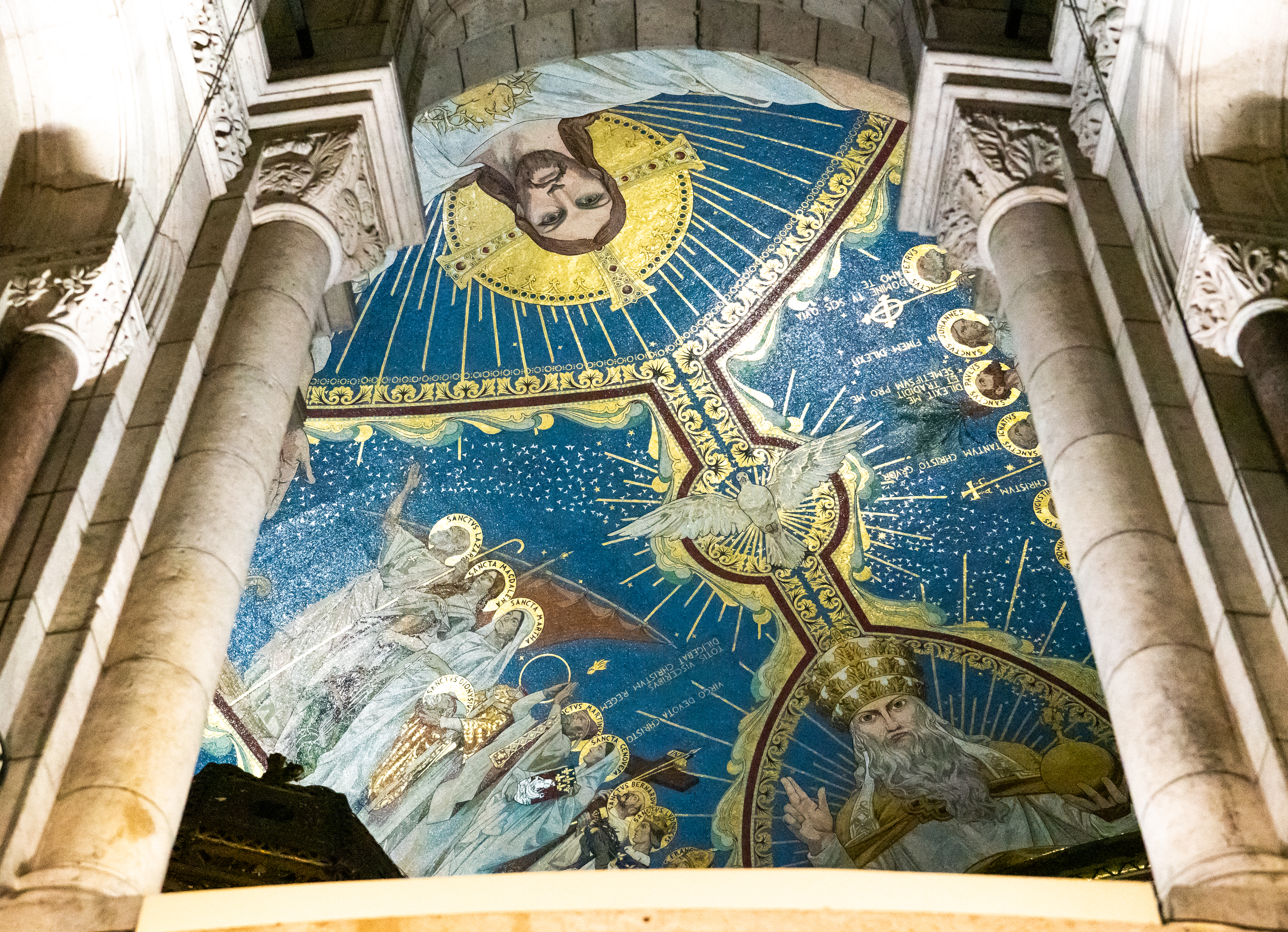
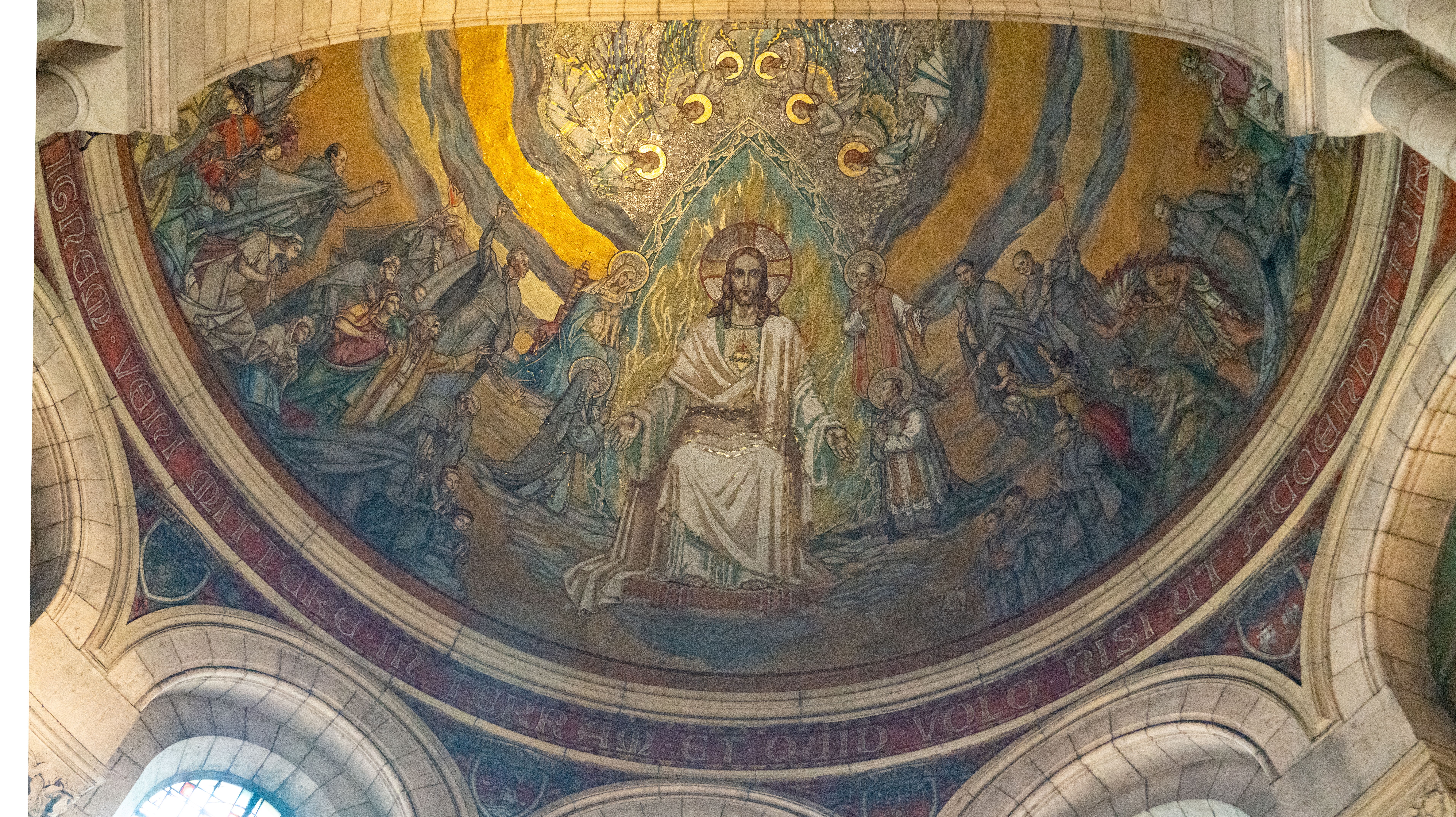
We went up to Montmartre and saw Sacre Coeur. This basilica was built from 1875-1914. It is dedicated to those who died in the Franco-Prussian War and as penance because those who initiated the basilica believed that the losses of France were due to spiritual causes. Montmartre is a large hill and you get a great view of Paris from there. It is also an artists’ district. We walked around some and had a nice lunch.
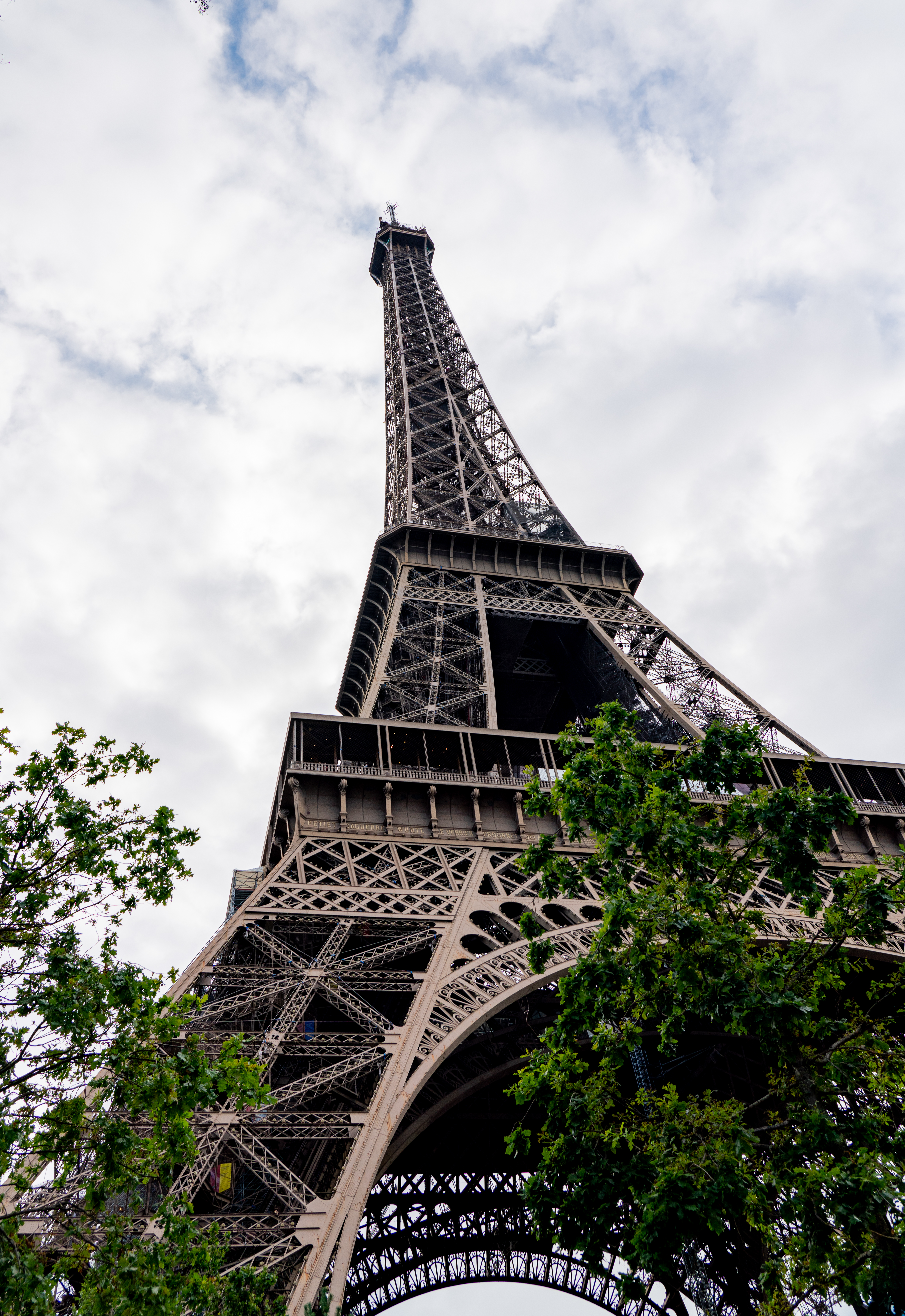
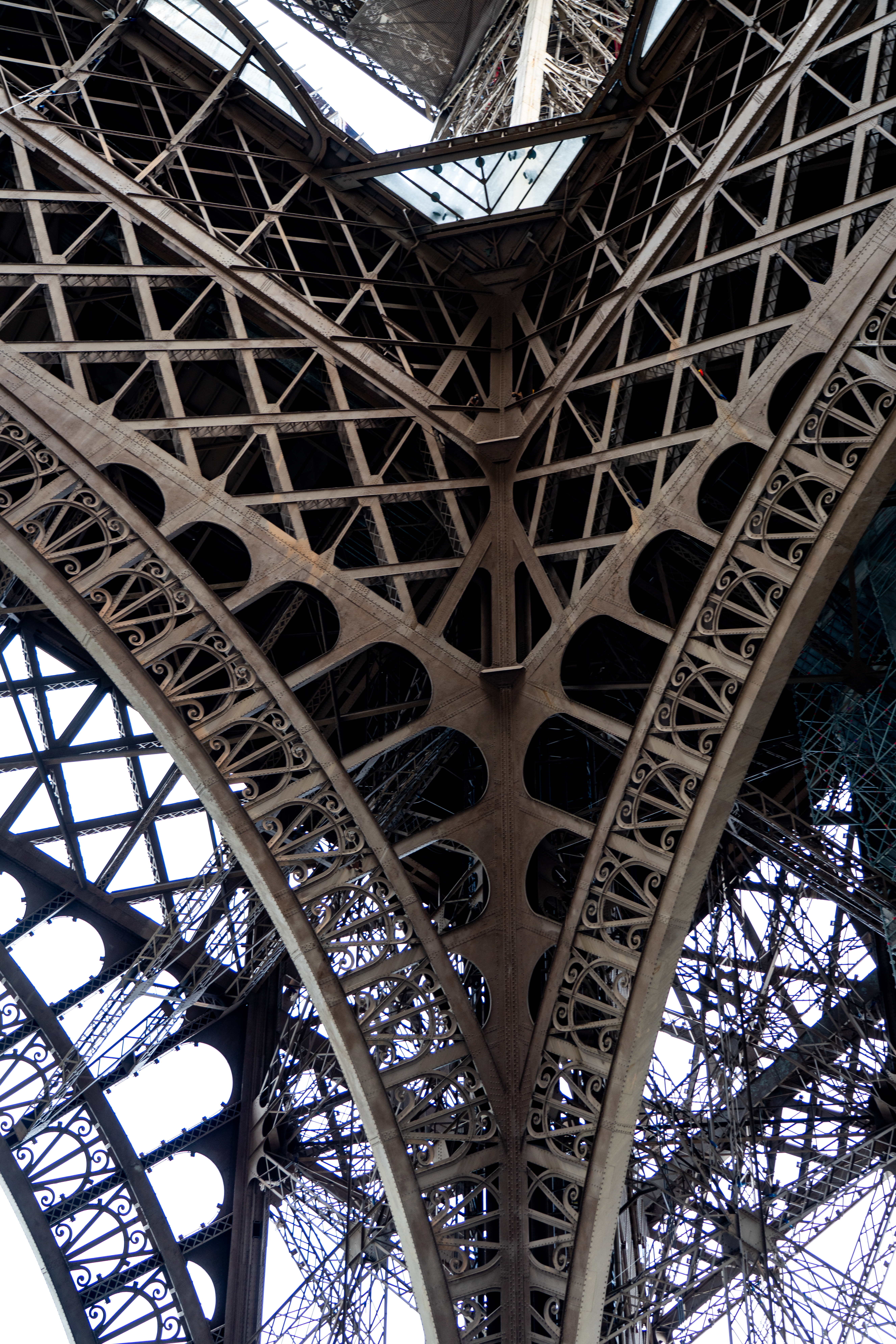
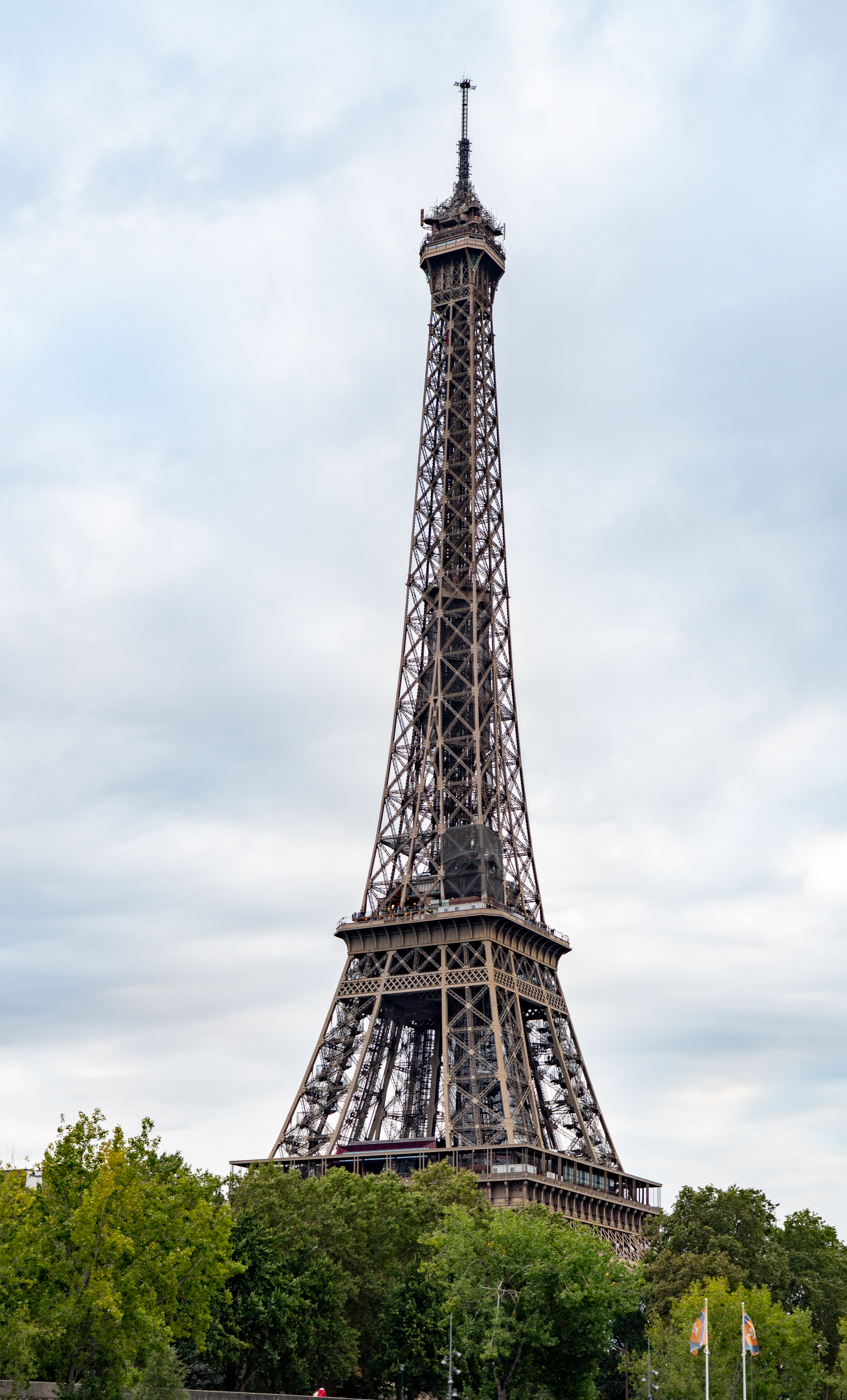
In the afternoon we went to the Eiffel Tower. The Eiffel Tower was built from 1887-1889 for the 1889 World’s Fair. At the time, it was the world’s tallest man-made structure at 1063 ft, a record it held for 41 years. The tower was originally painted red and has been a few other colors. It is currently being repainted for the 20th time. The name of the current color going on is Eiffel brown, as it is apparently the preferred color of Gustave Eiffel. The tower is not a single shade, but is darkest at the base and lightest at the top, with a middle shade in between. Apparently this helps the aesthetics.
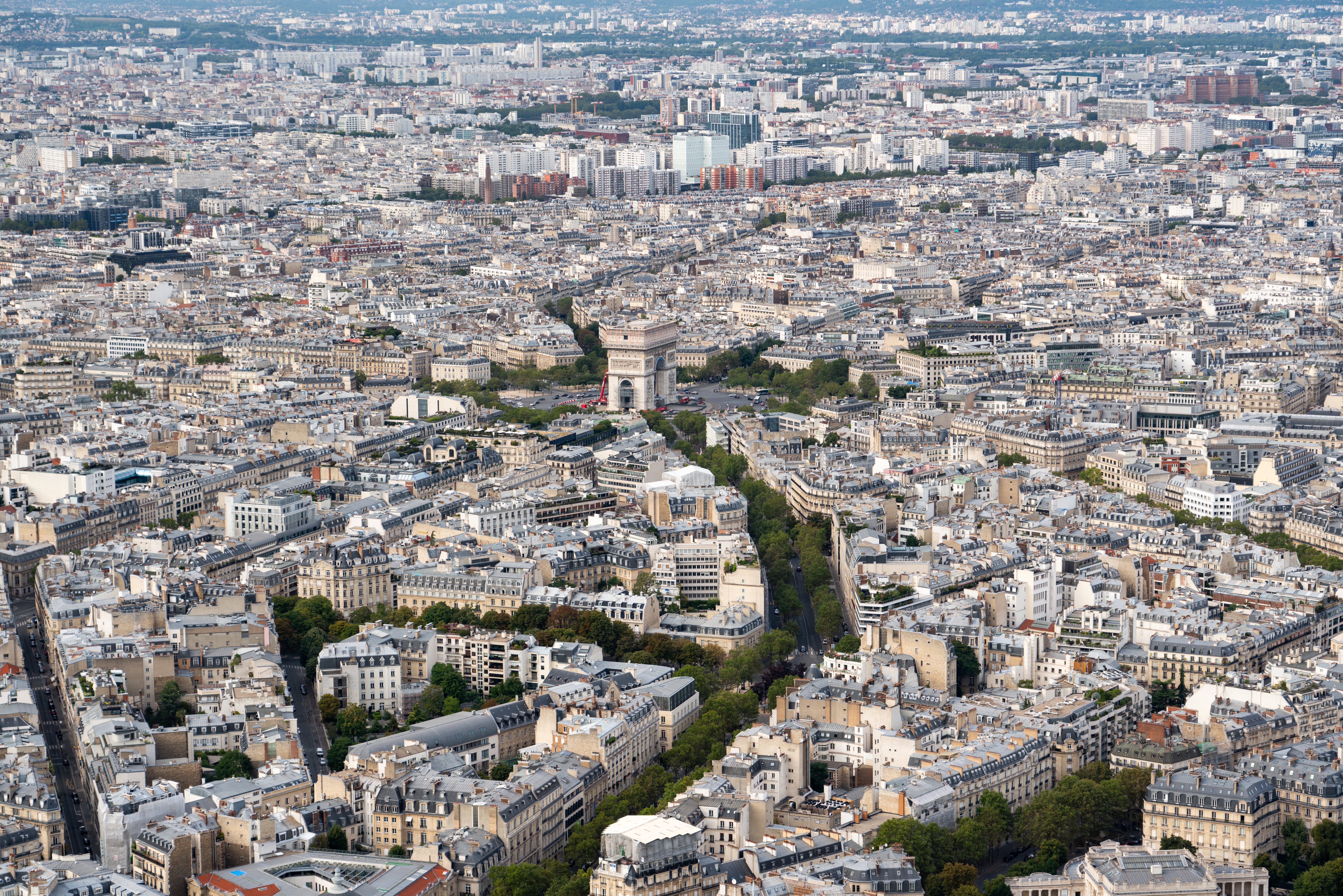
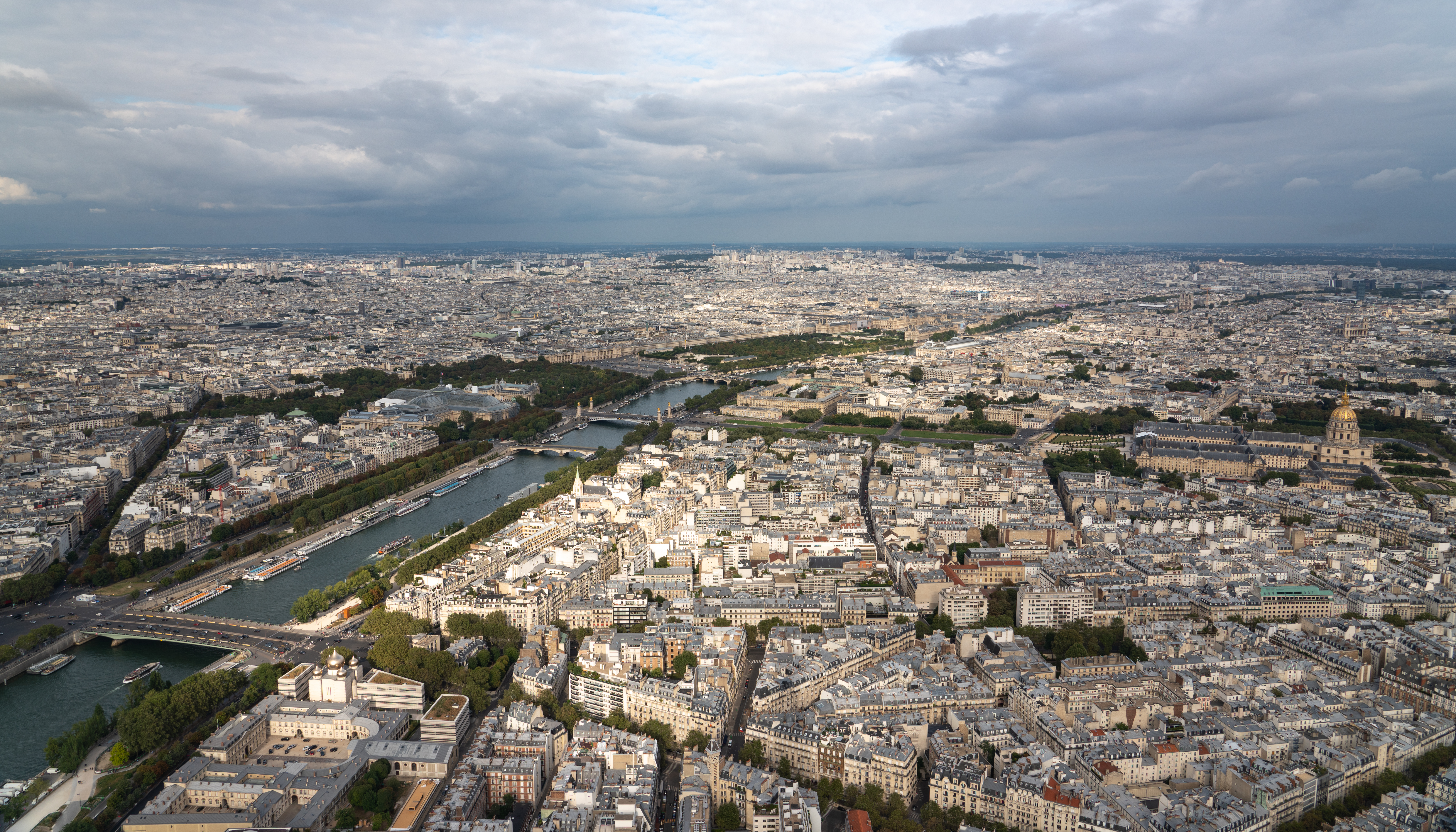
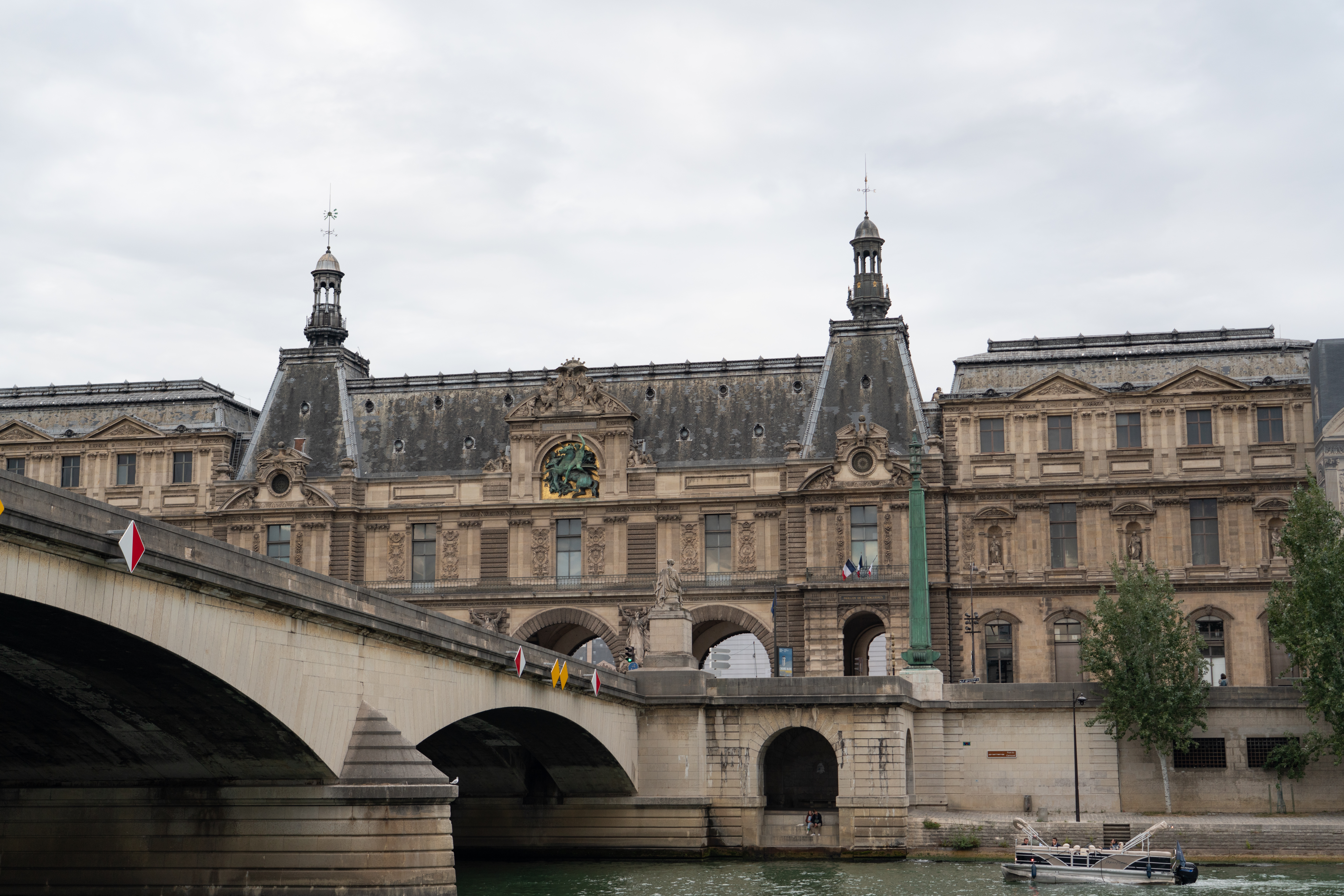
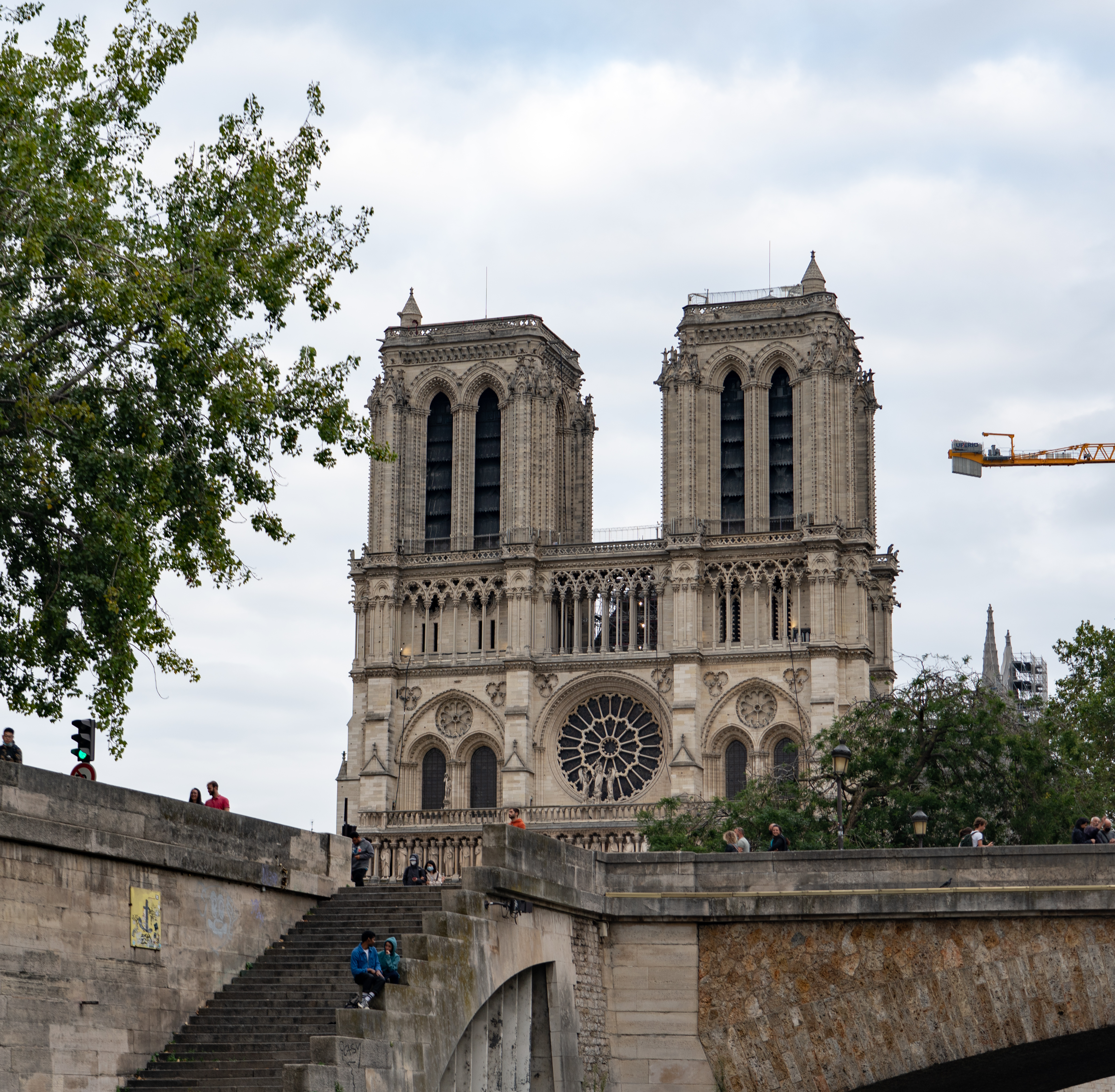
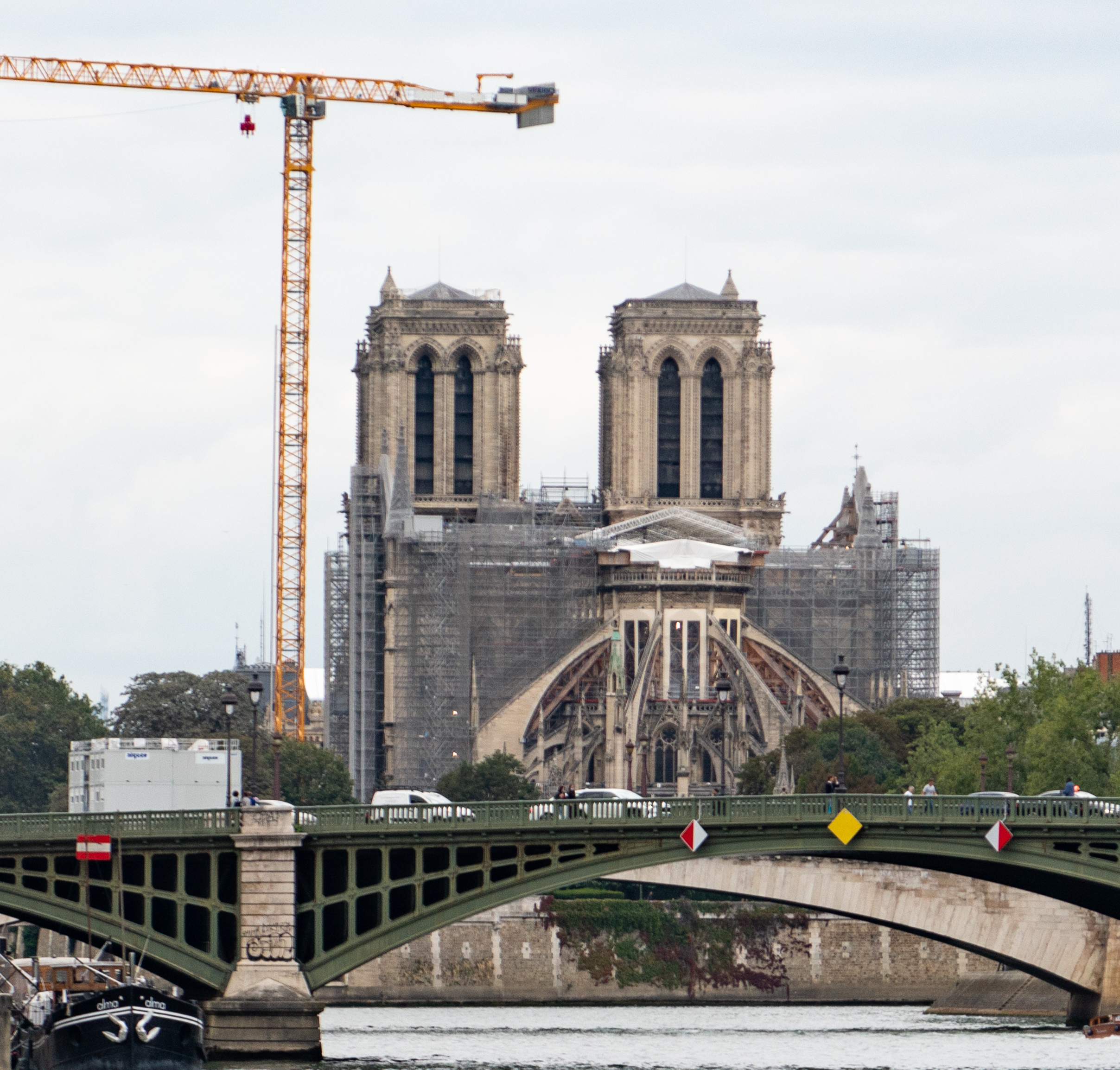
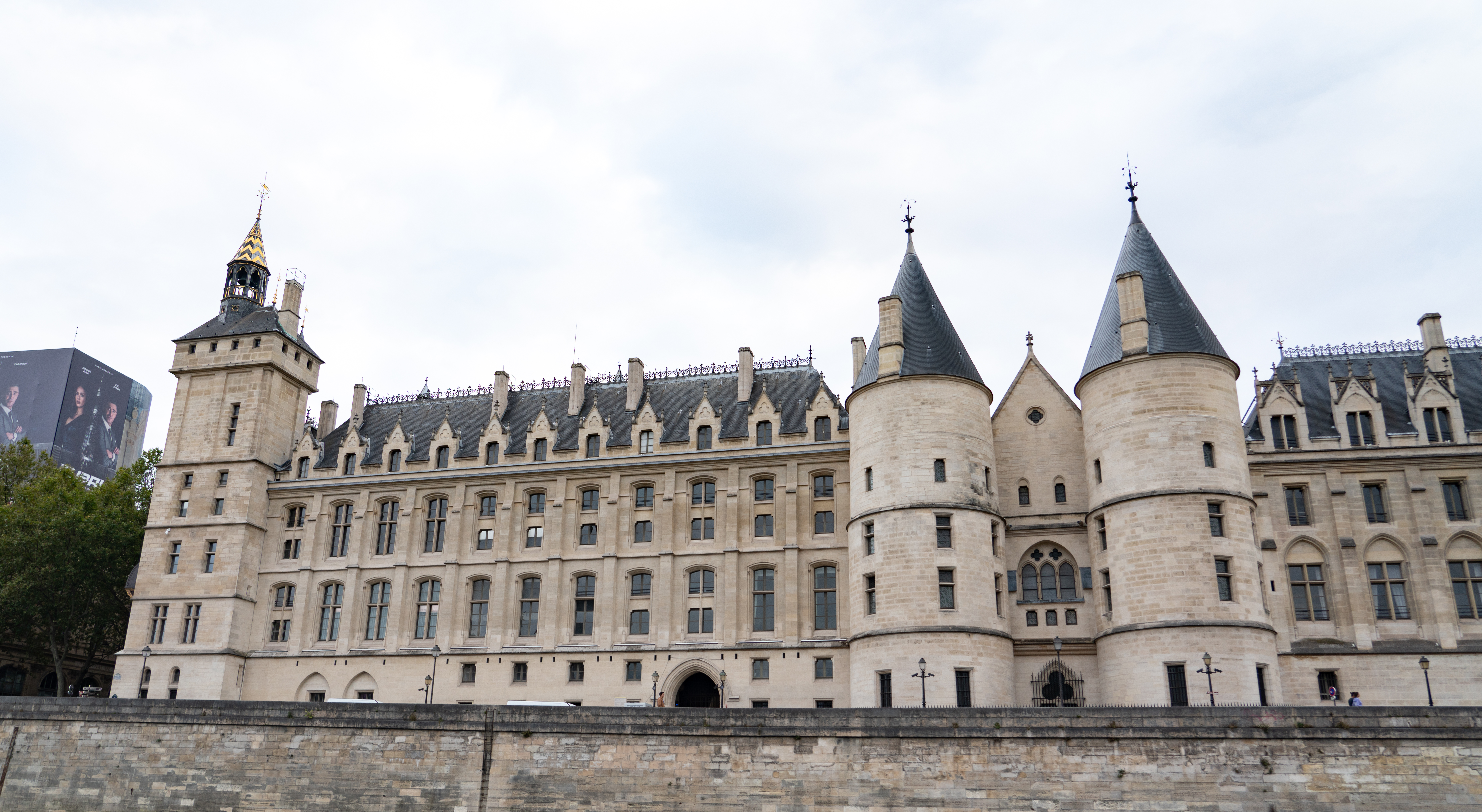
We ended the day with a Seine River cruise. This was a relaxing way to get a view of many sights along the river and was a nice way to end the day.
 Will Suture for Travel
Leave a comment