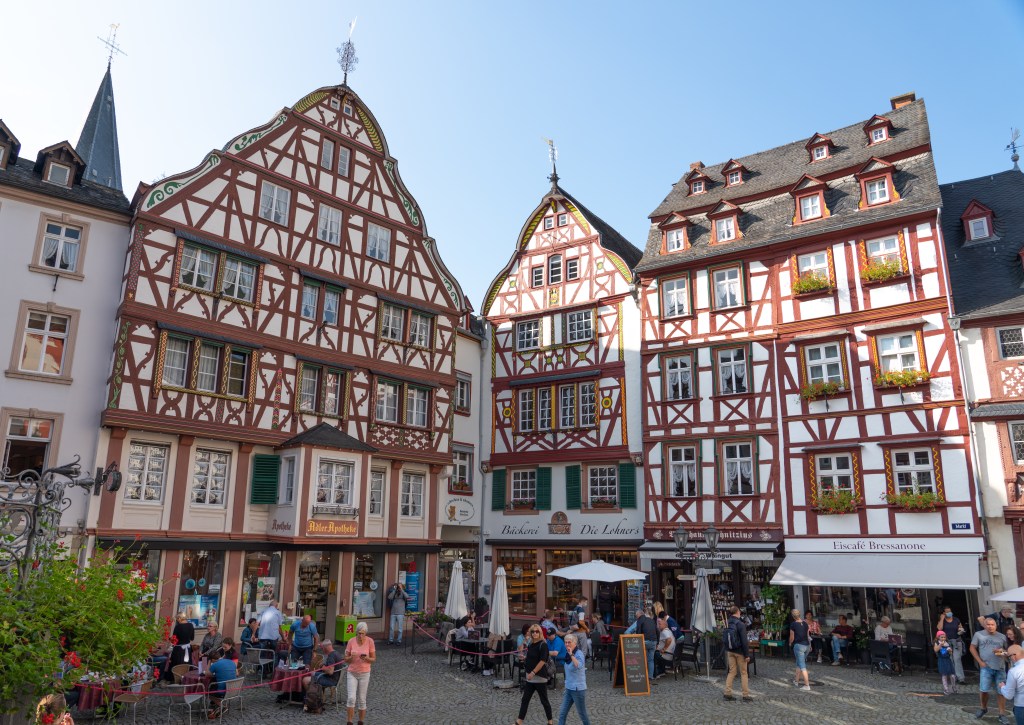
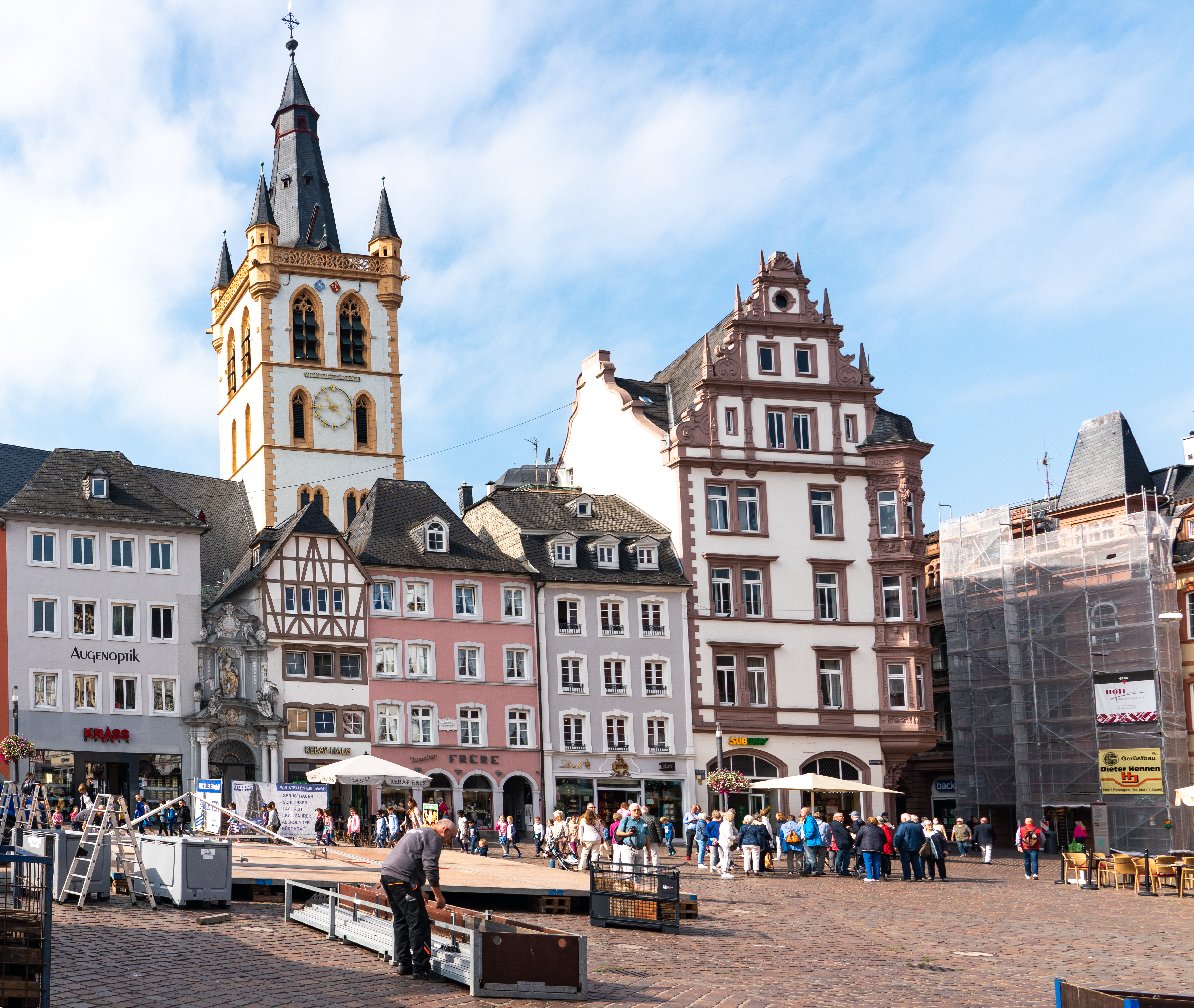
This morning we started out in Trier, Germany. This city is known as the Rome of the North because it was a key city of Rome’s northern territories. It has many Roman ruins including one remaining city gate known as Porta Nigra (black gate). There is a still-existent 2nd century Roman bridge that is the oldest bridge still crossed by traffic north of the Alps.
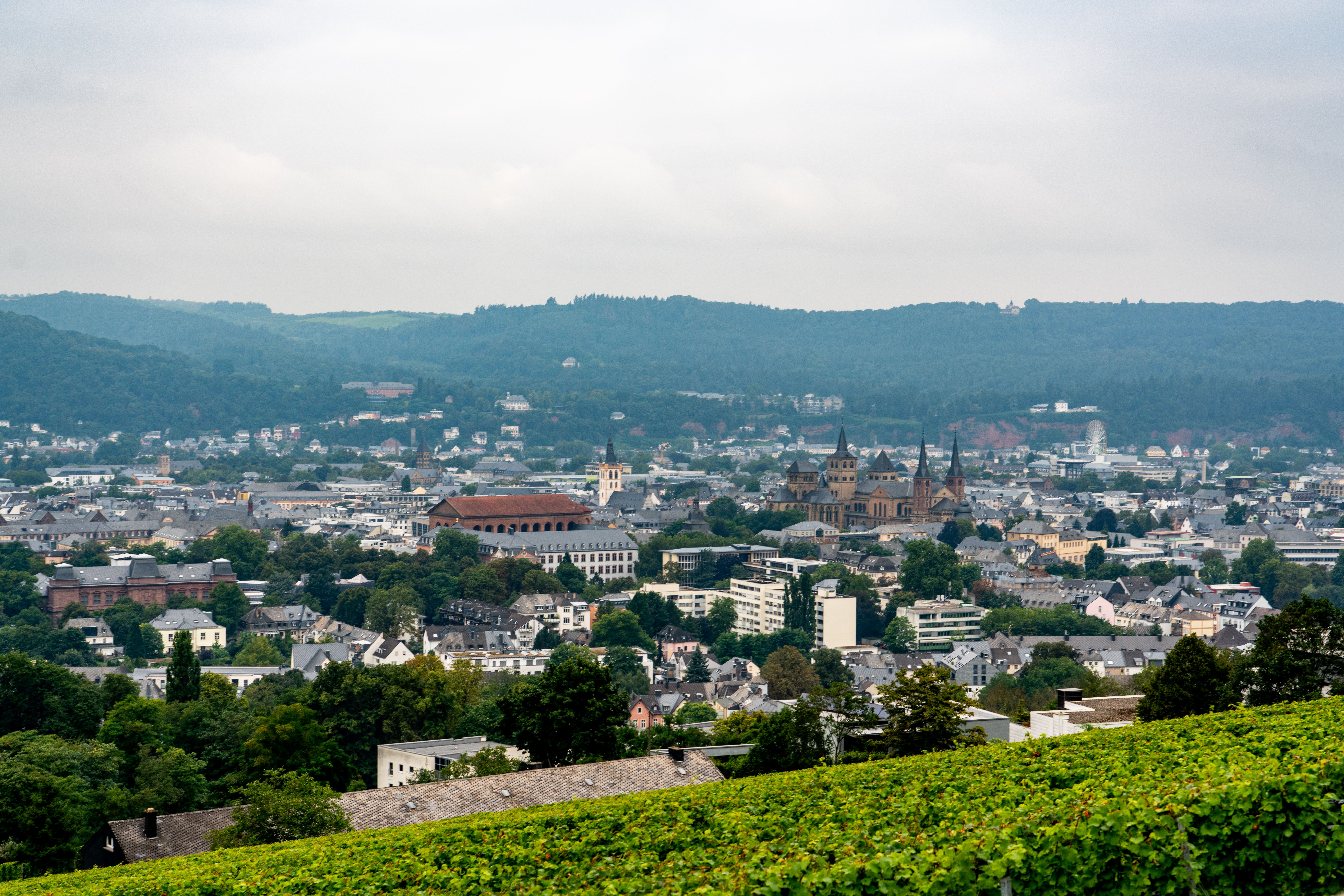
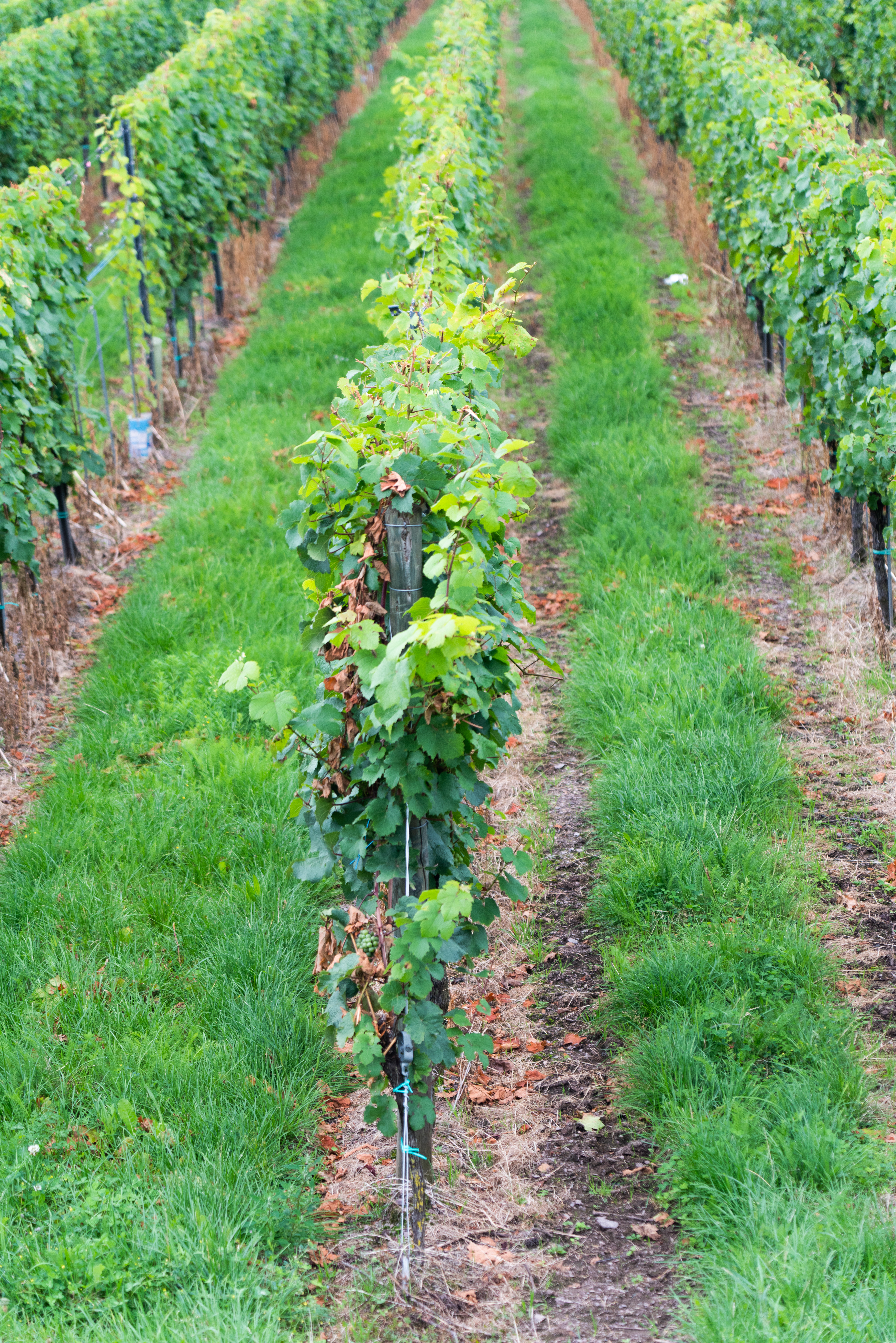
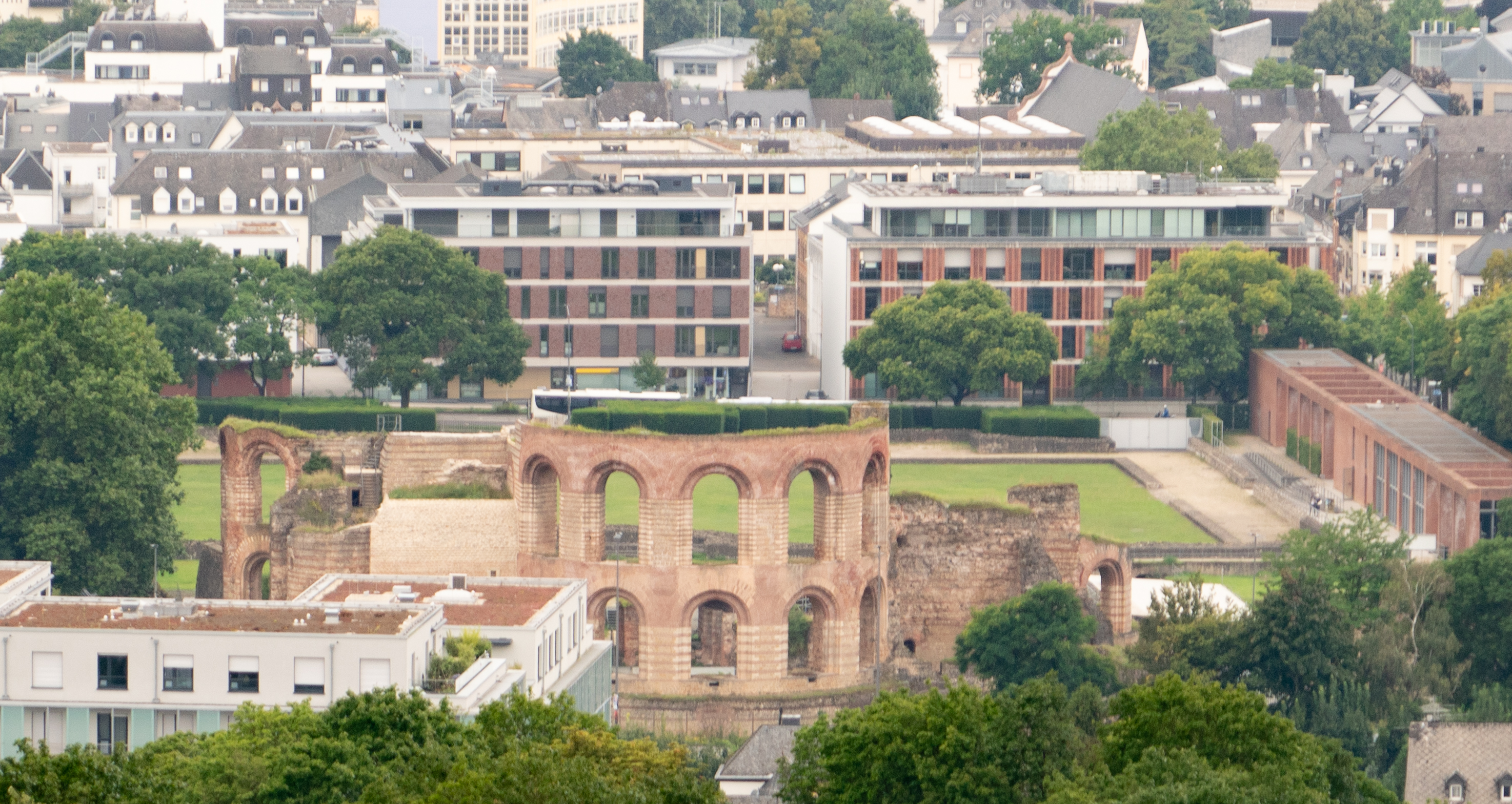
We went to the Basilica of Constantine, which was built around 310 AD. It is the largest existing ancient hall and, while it is called a basilica, it is currently an evangelical church. It was originally part of a palace complex. Over the centuries it has been a bishop’s residence, an archbishop’s palace, a Protestant church, and military barracks. It was burned during an air raid in WWII and when it was reconstructed the inner decorations were not included, so the inner walls are bare.
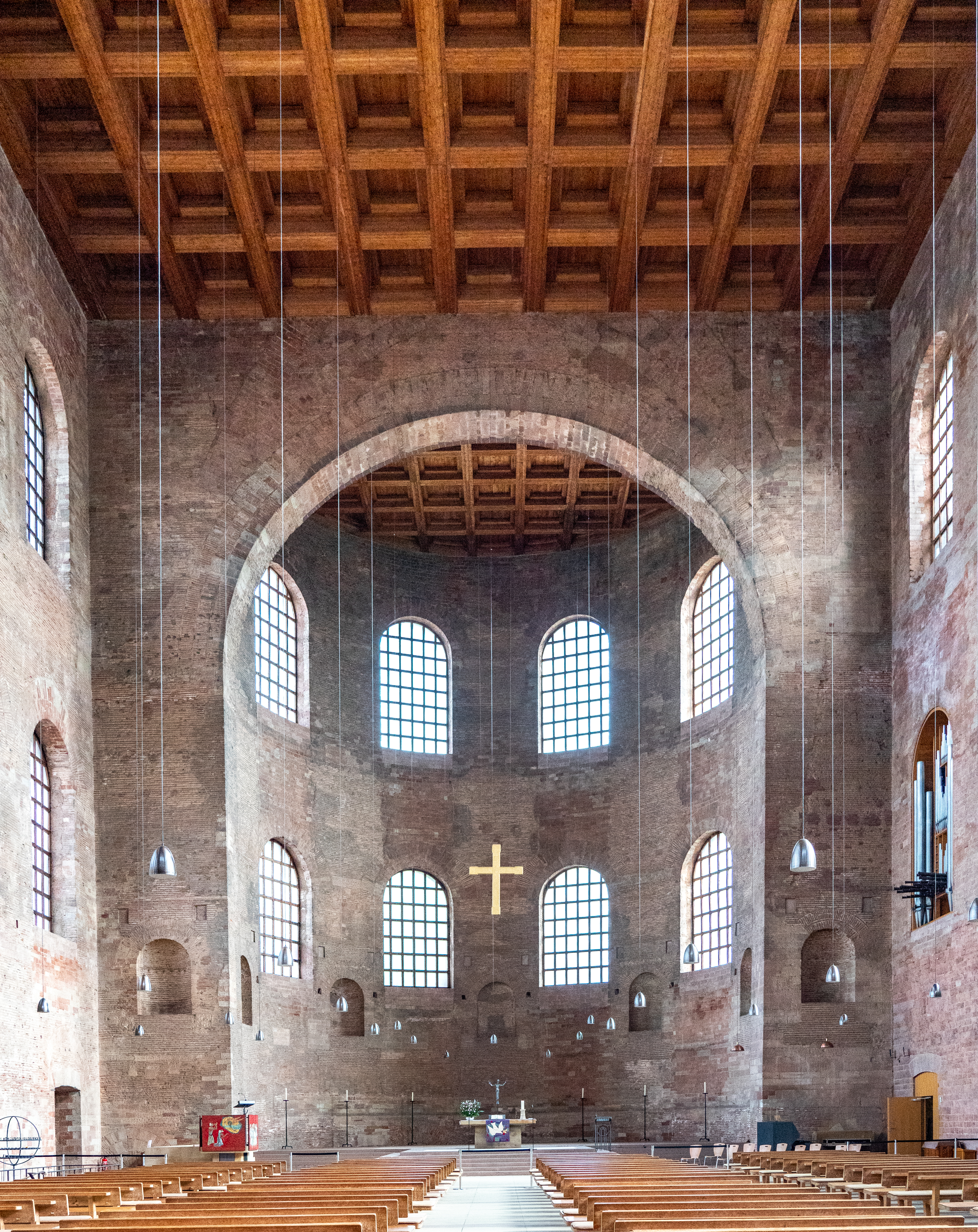
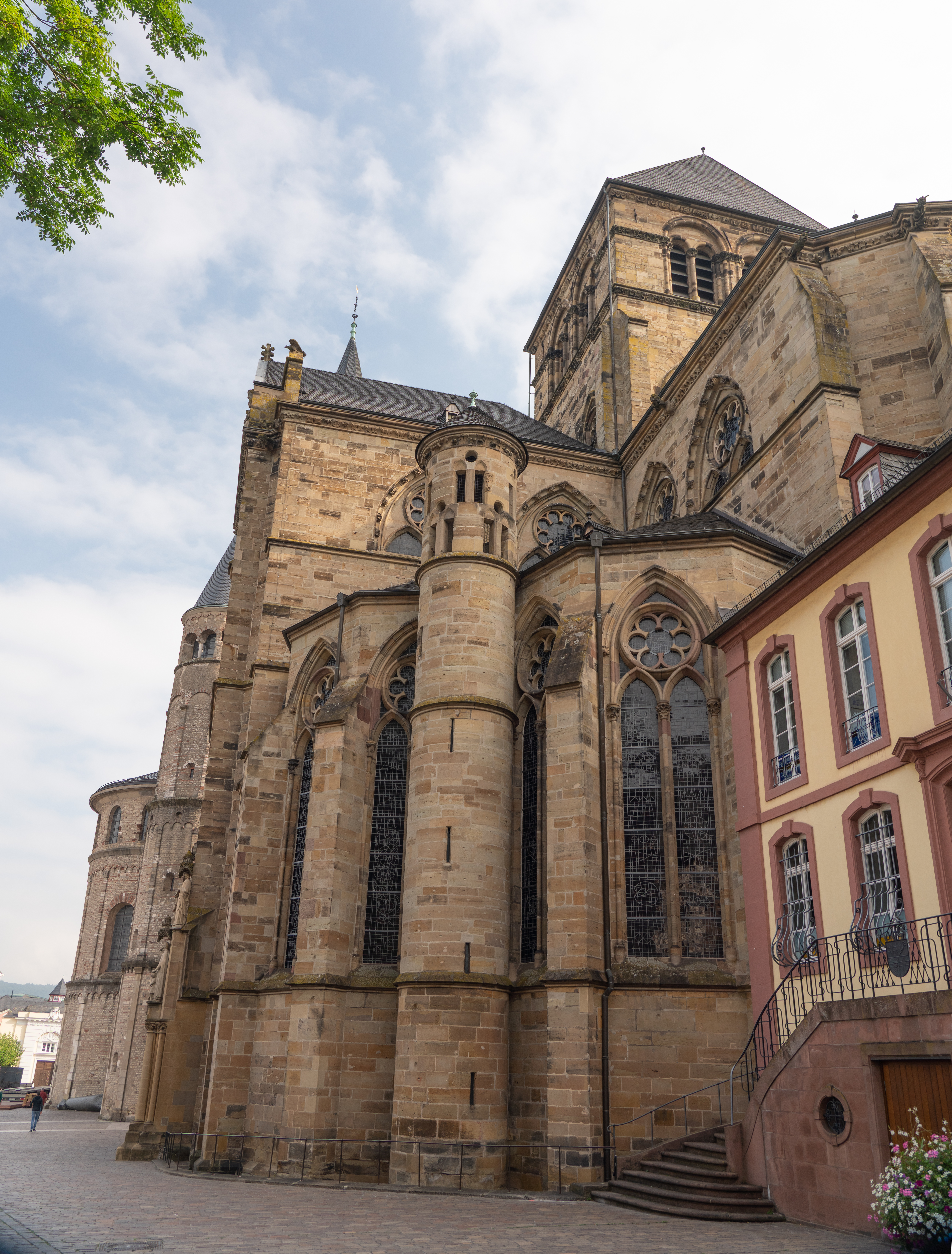
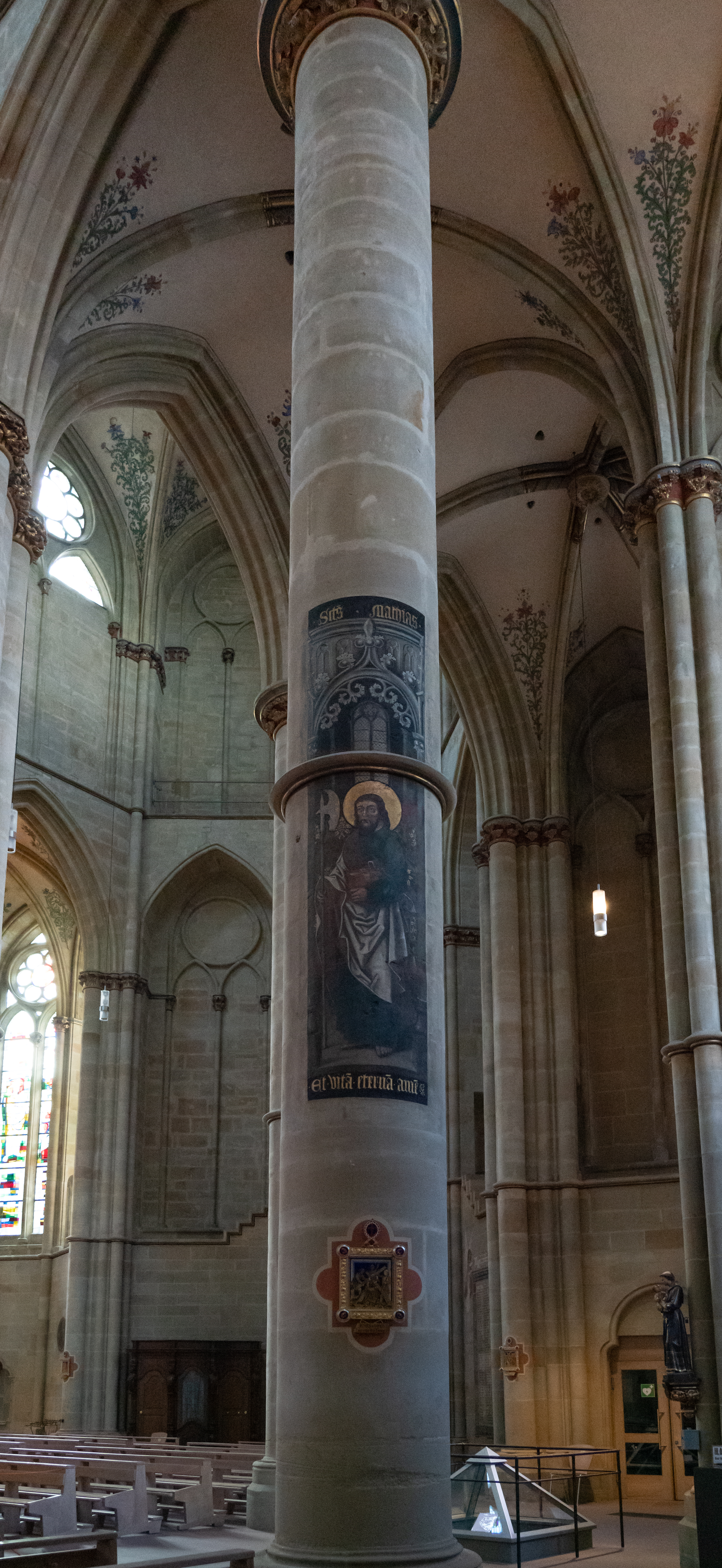
The Trier Cathedral was heavily damaged by bombing in WWII. It was reconstructed to it’s previous state. It is the oldest church in Germany. It was commissioned by Emperor Constantine the Great in the 4th century. The original structure has been rebuilt, with parts of the current facade dating back to 1016-1041, but there is still some Roman brickwork in the current facade, as well.
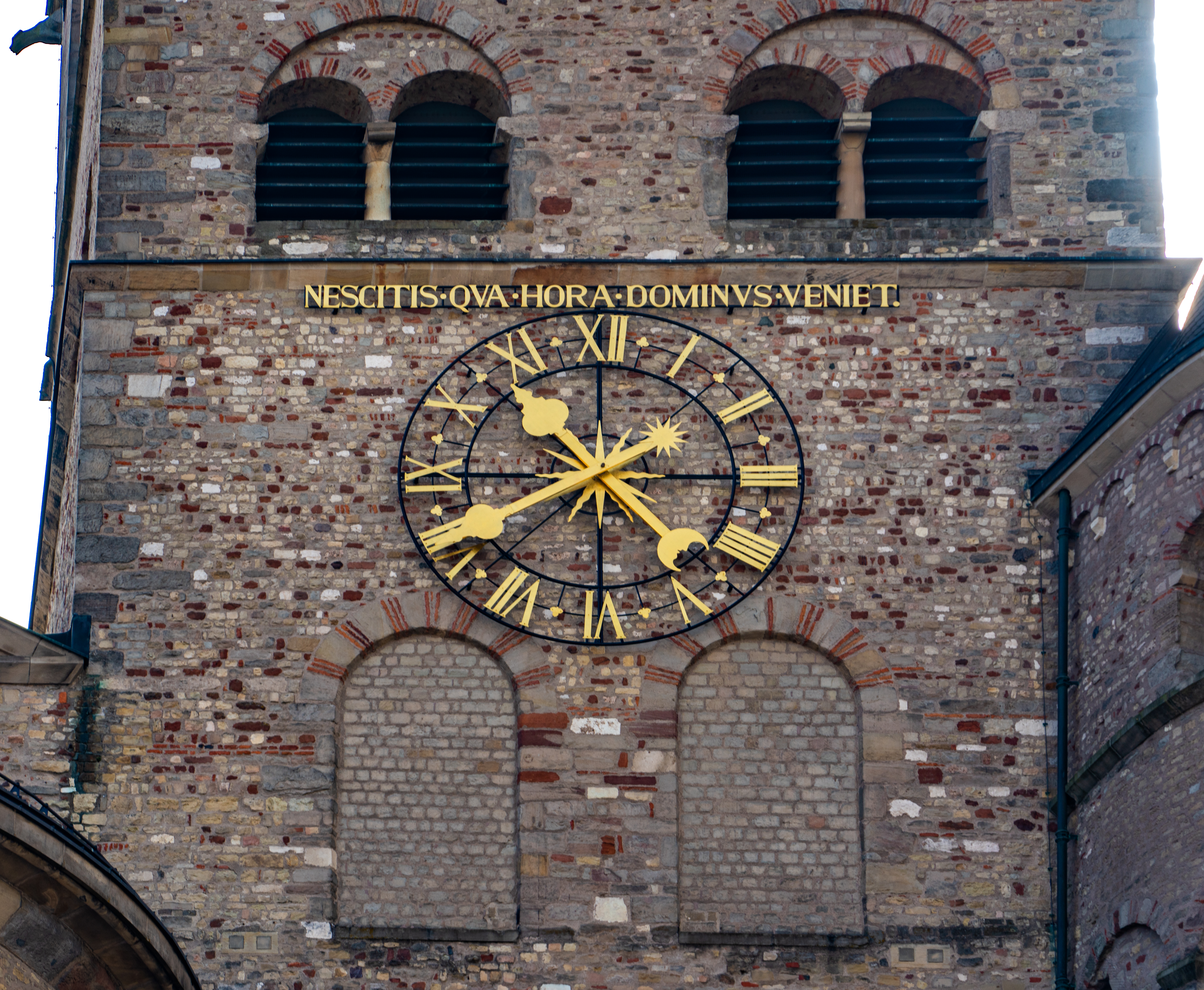
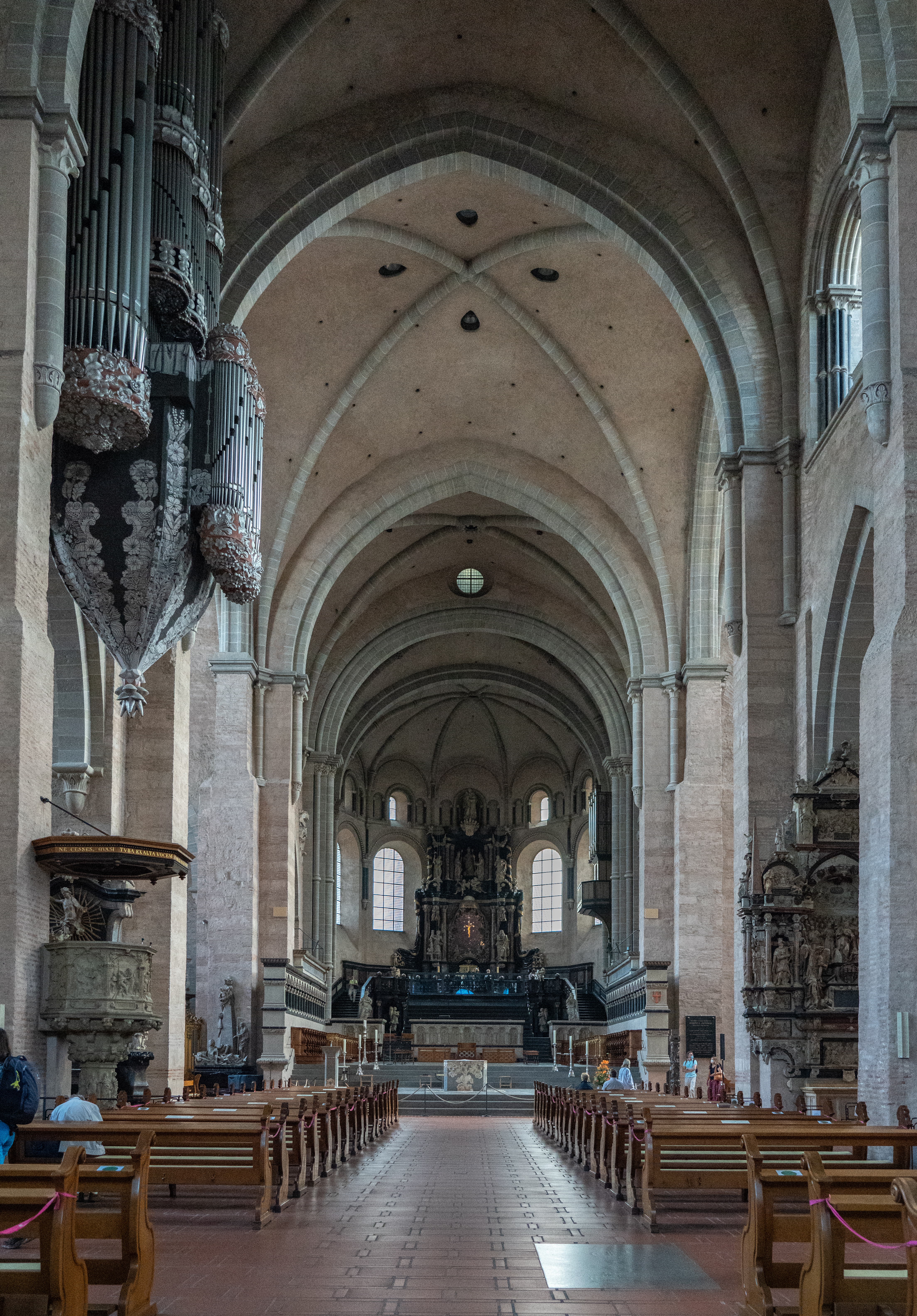
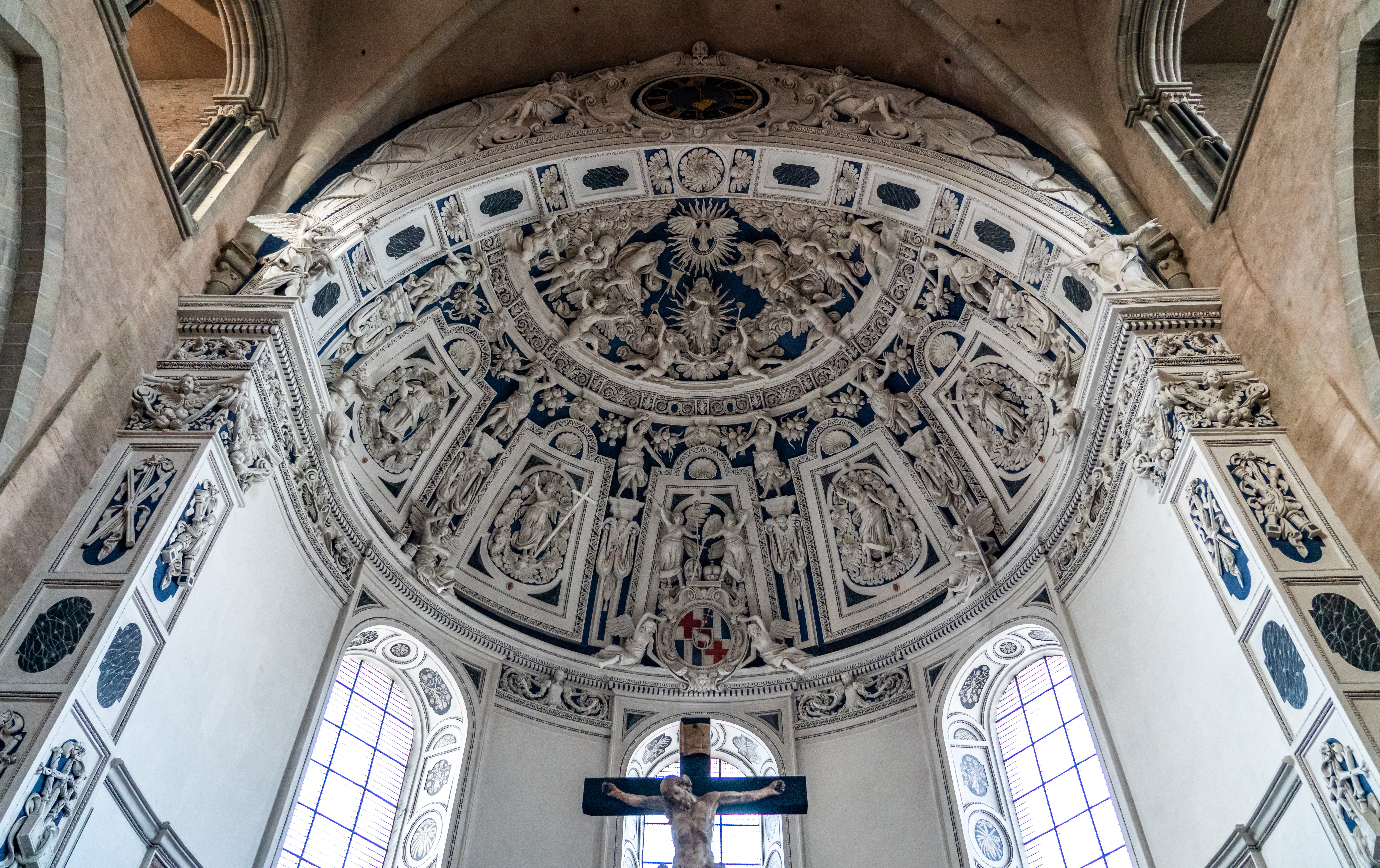
Next door to Trier Cathedral is Liebfrauenkirche, or Church of our Lady. This is the earliest Gothic church is Germany, built in the early 13th century. It has a cross shaped design with four hearts coming out of the main part of the cross, which end up making it a round church. It, too, was heavily damaged in WWII bombing and reconstructed to its original form.

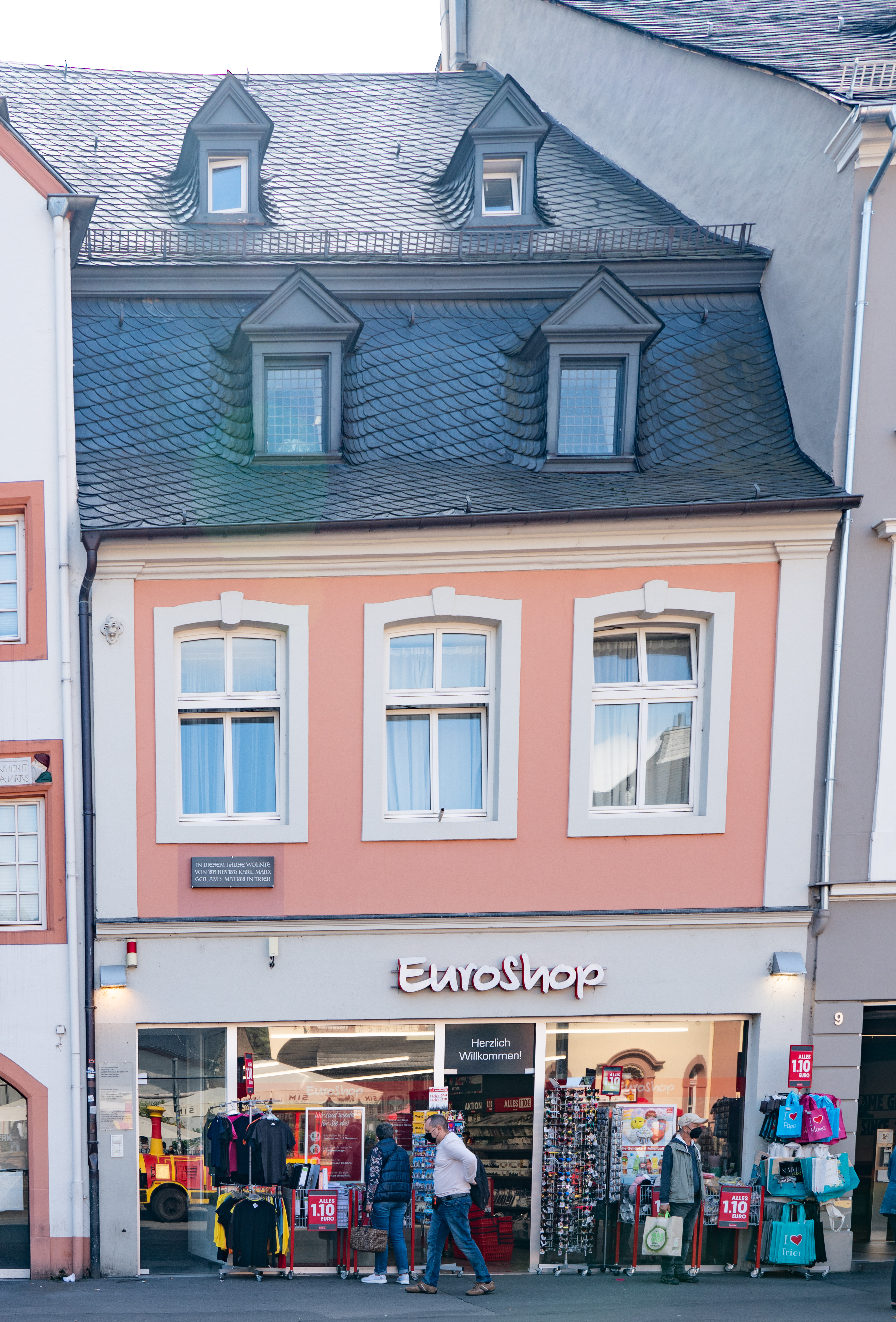
Karl Marx was born in Trier. We got to see the house where he grew up, ironically it is the equivalent of a dollar store. The house where he was born was purchased by the Social Democratic Party of Germany and is currently a museum in honor of him.
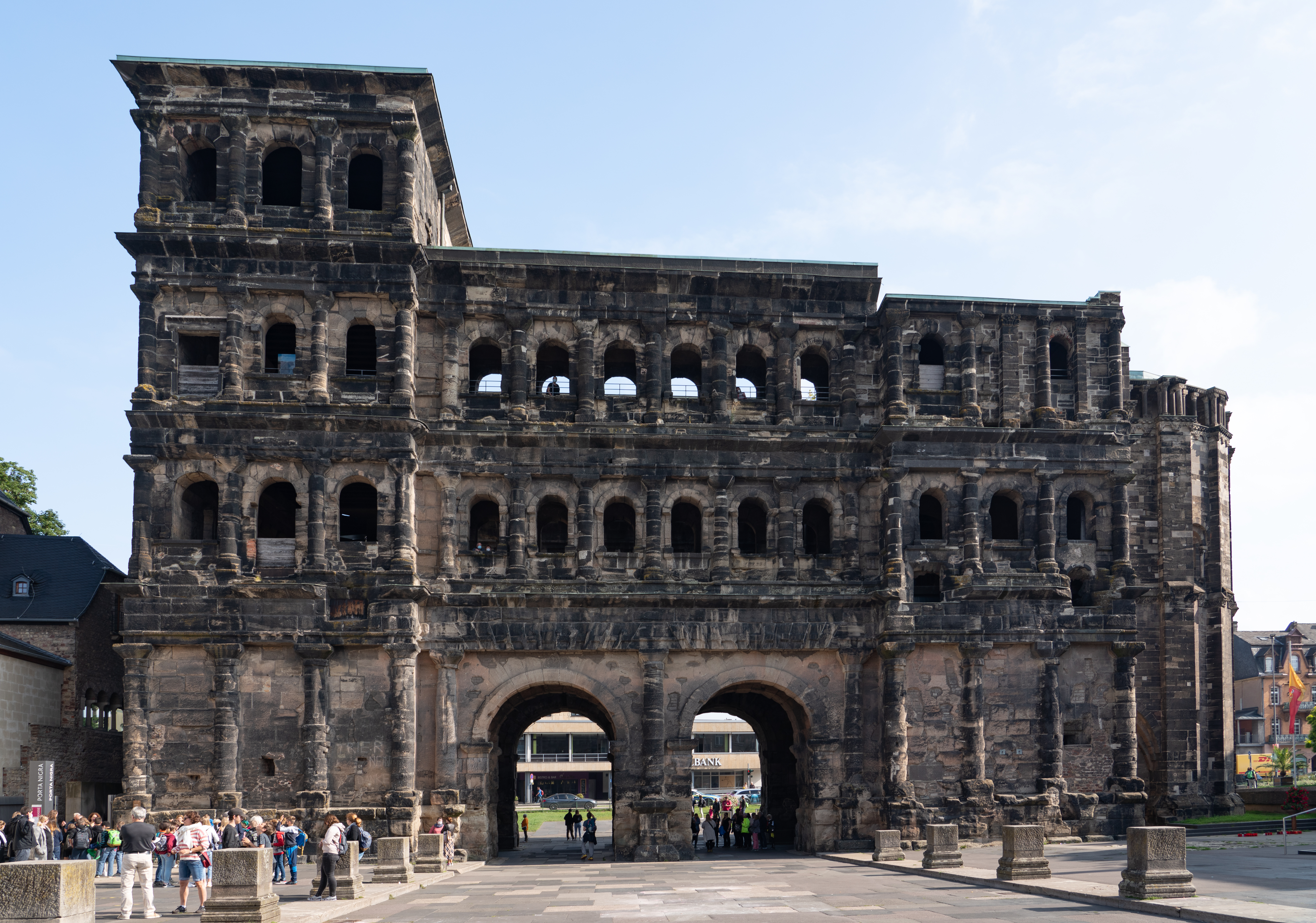
The Porta Nigra is the largest Roman gate north of the Alps. It was built sometime after 170 AD and originally had two 4 story towers, but only one survives today. There were originally 4 of these gates around Trier. At one point, the gate was converted into a two-story church, complete with an organ.

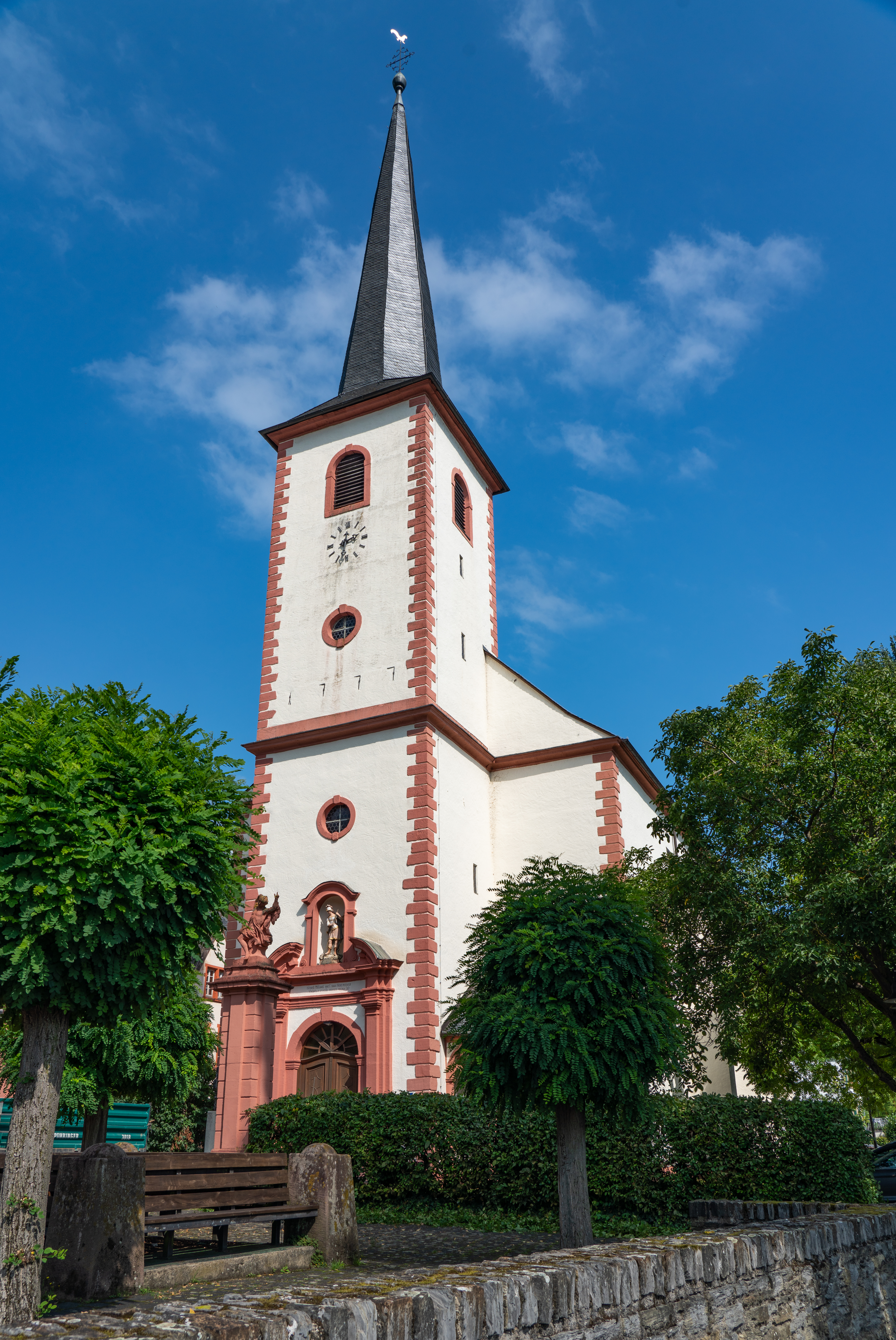
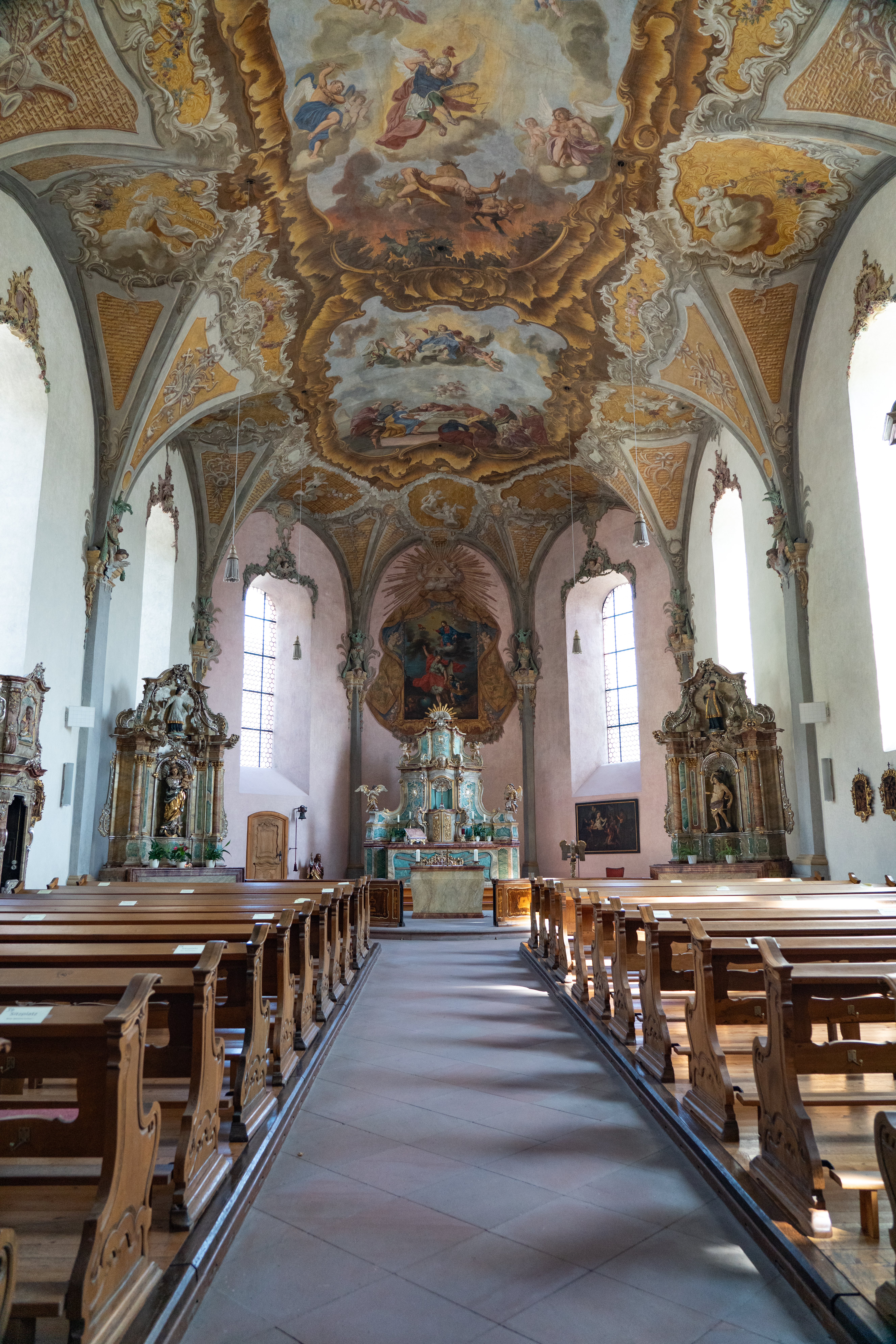
St Michael’s Church in Piesport. We had to wait a while for our tour bus, so I went in this church. It was built in 1776-1777. Rococo style with frescoes by a painter from Trier.
In the afternoon, we went to Bernkastel-Kues (technically, we just went to Bernkastel). This town has been in existence since the 11th century, although there is evidence of inhabitance in the area as far back as 3000 BC. The first bridge was built between Bernkastel and Kues in 1872-1874 and the two were merged in 1905.

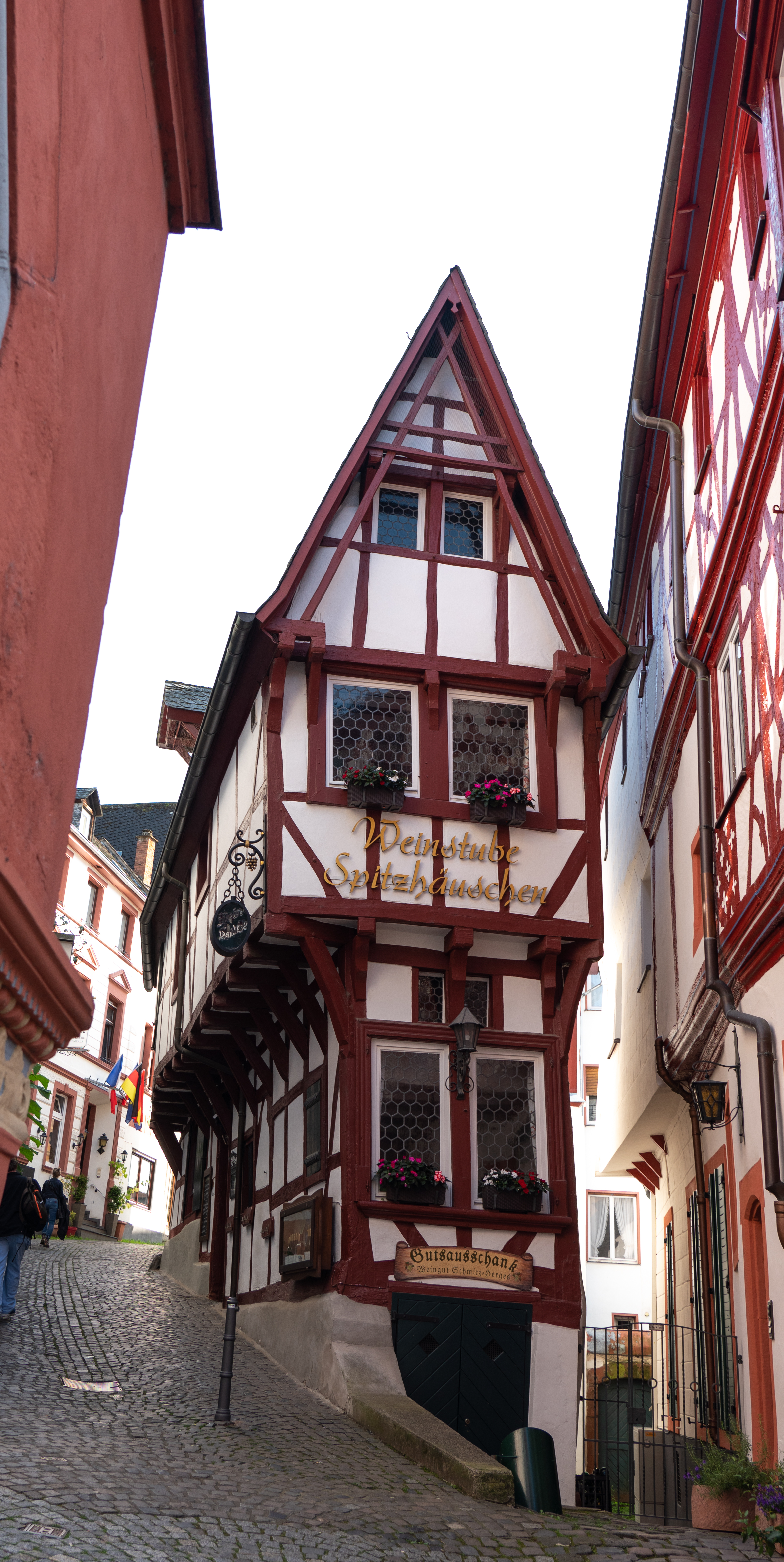
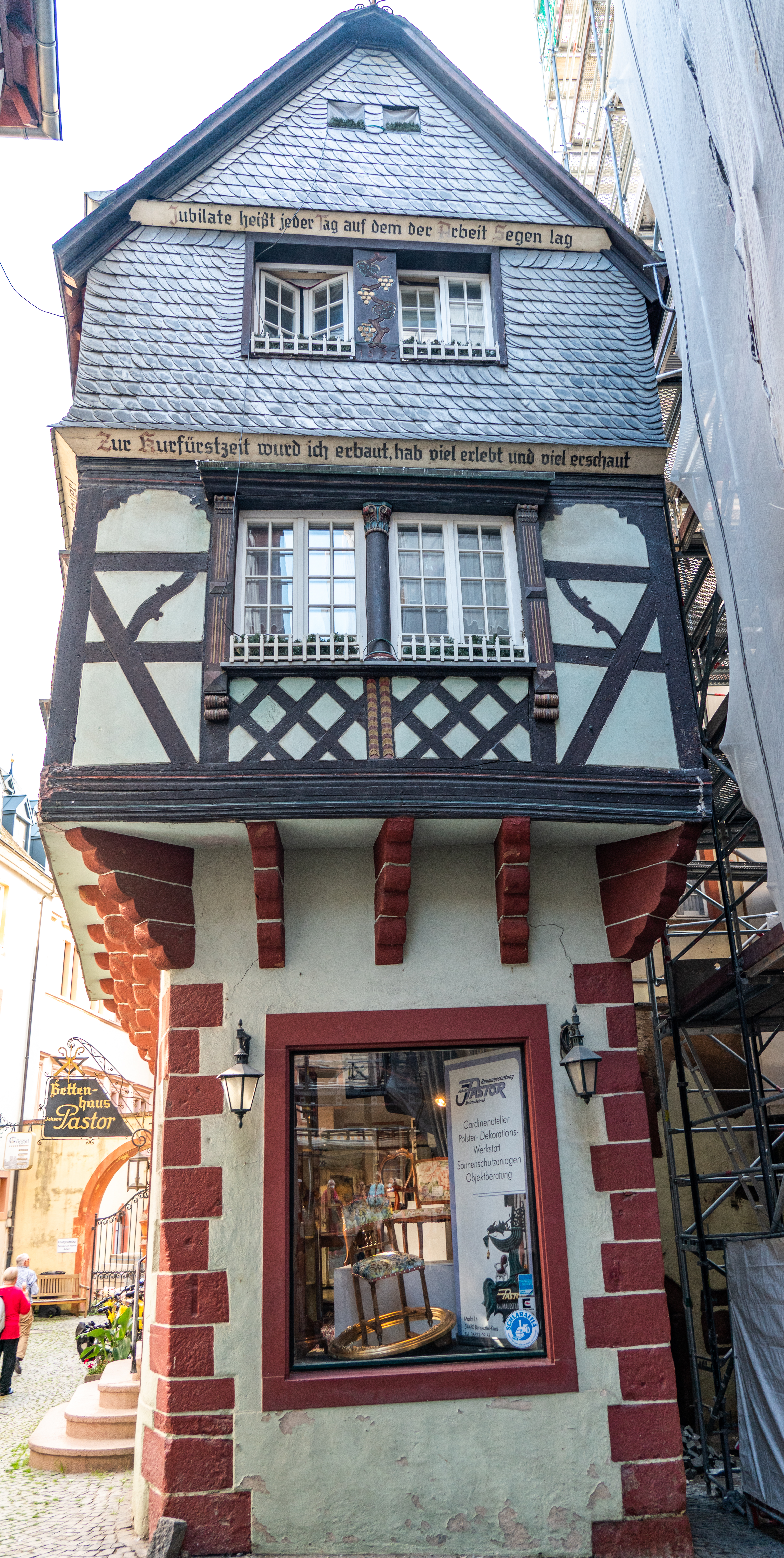
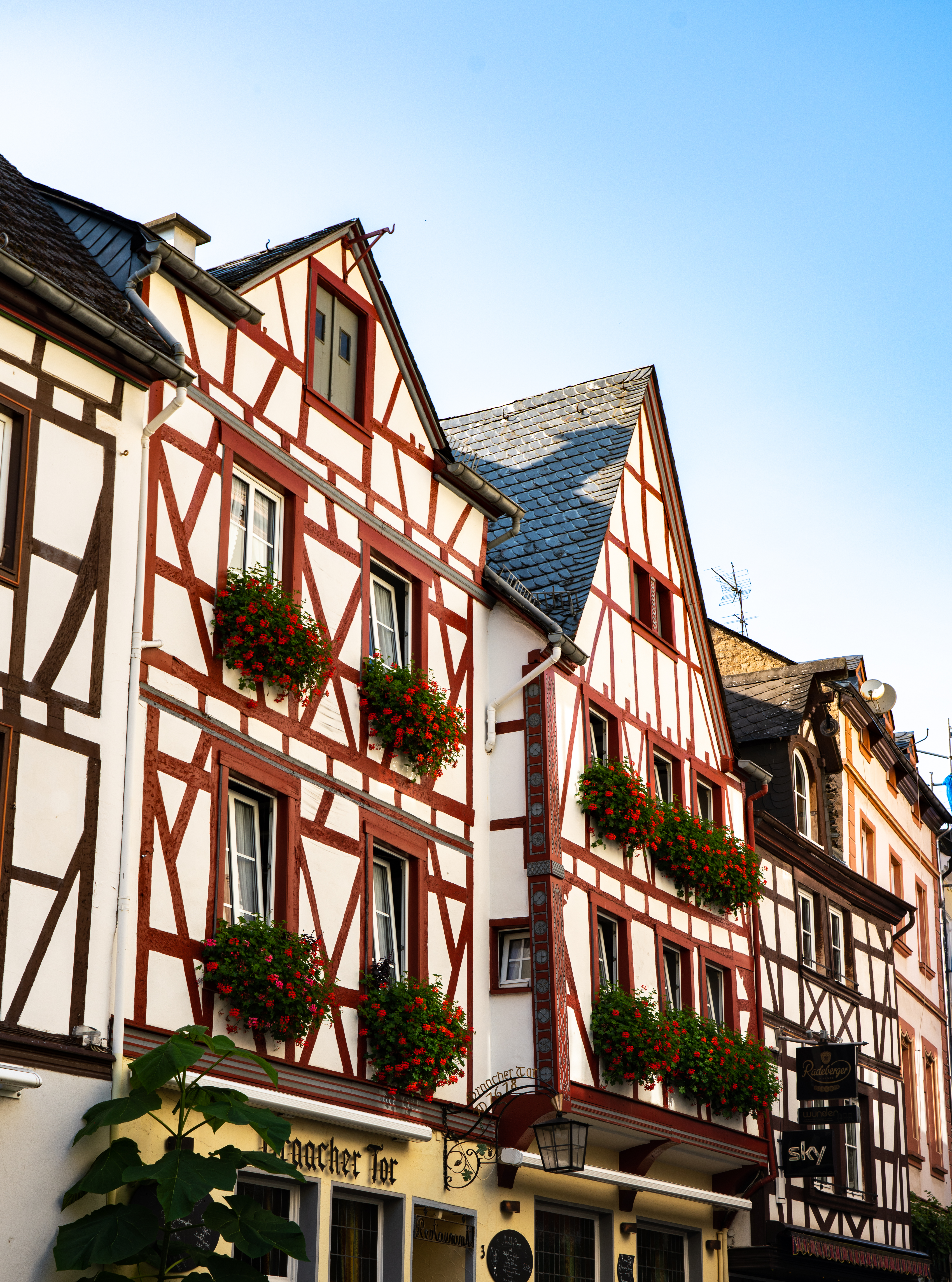
Bernkastel is known for its half-timber houses from the 17th century. The most famous is the the narrow Spitzhäuschen (“Pointed House”) from 1416.
 Will Suture for Travel
Leave a comment