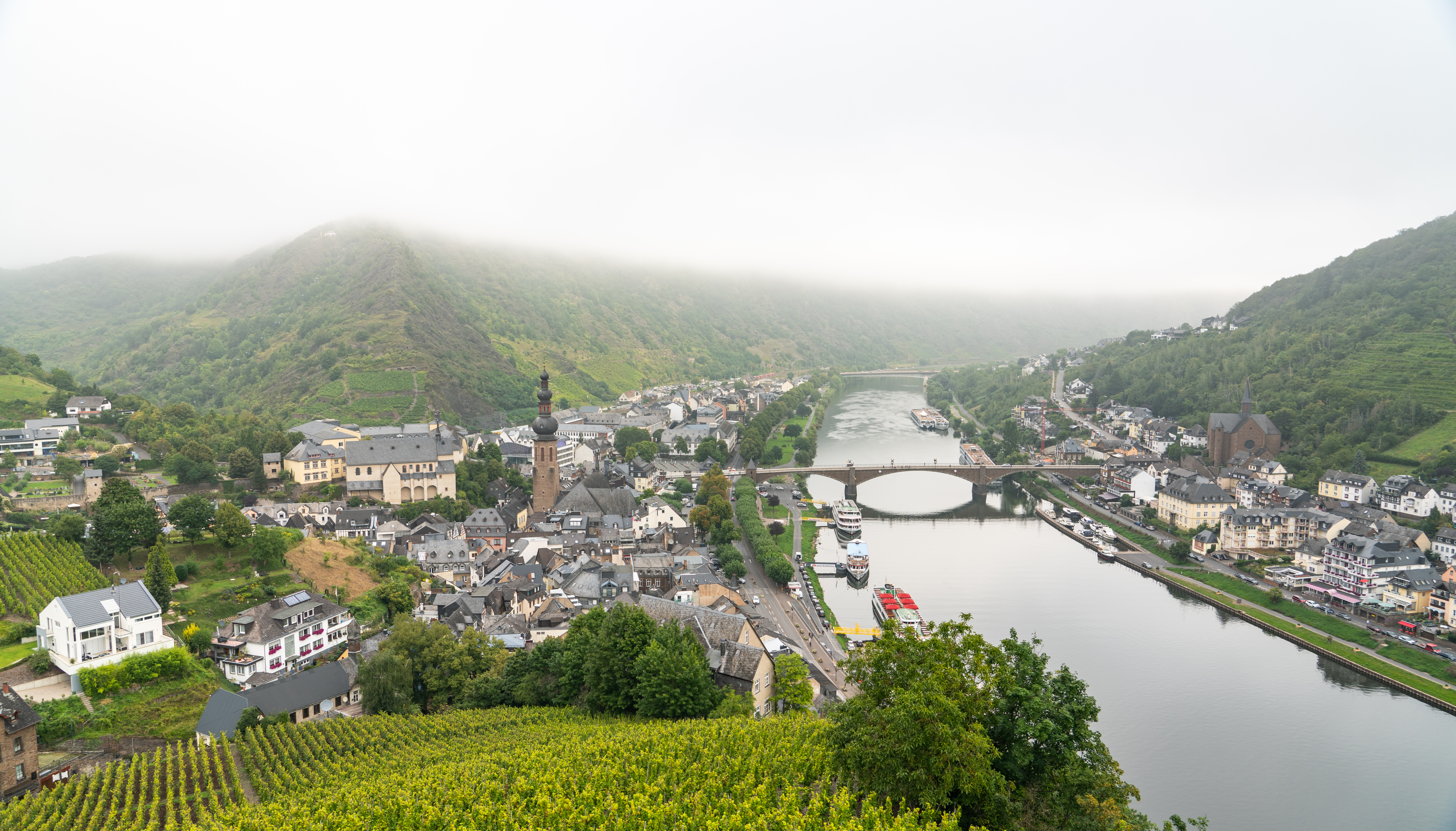
This morning we went to Reichsburg Castle. This castle was built around 1100 in the town of Cochem on the Moselle River. It became an imperial castle in 1151. Like many castles, it has been damaged and rebuilt over the centuries. The current building is primarily from the late 19th century, although some of the original medieval structure does remain.
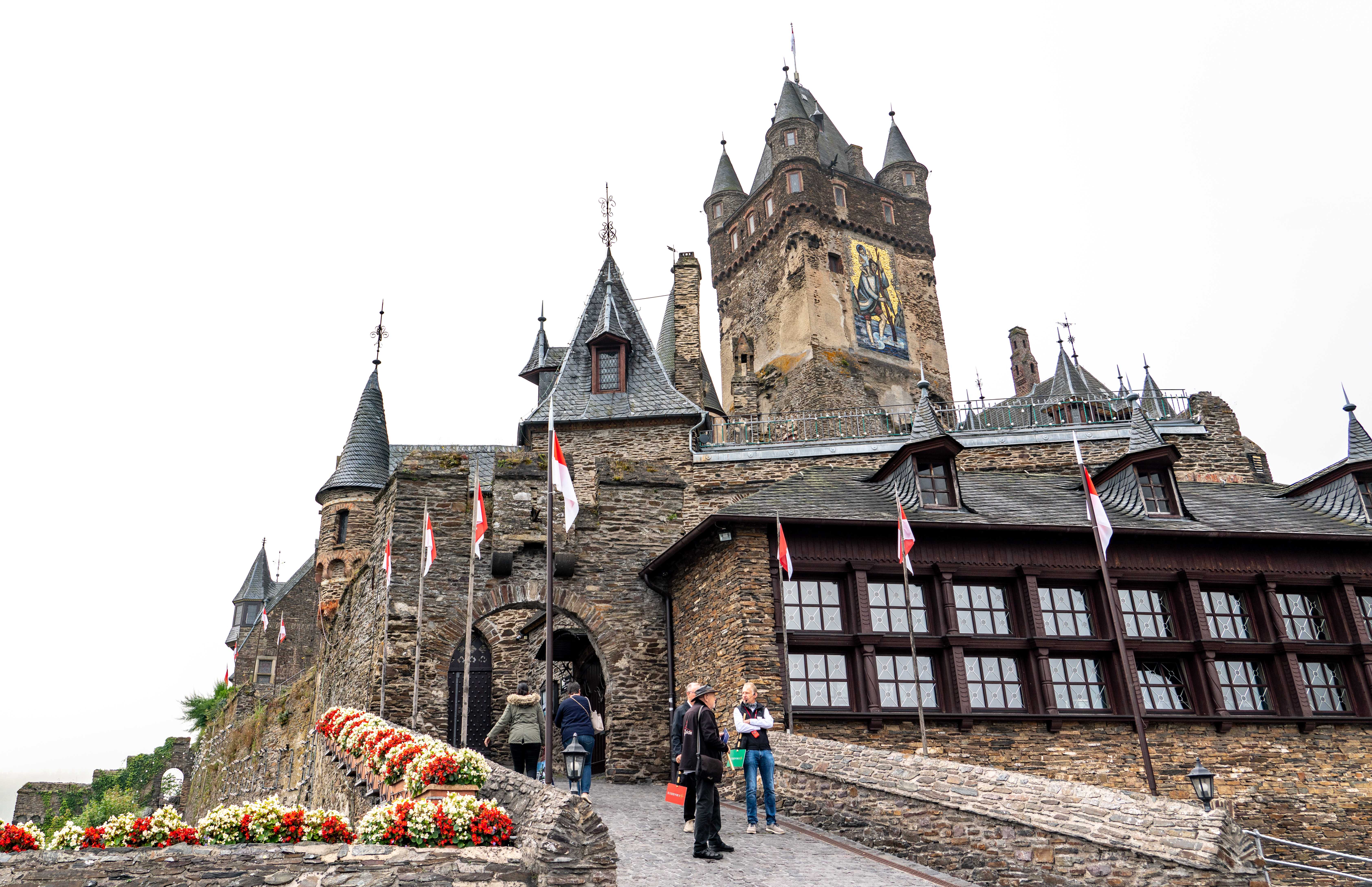
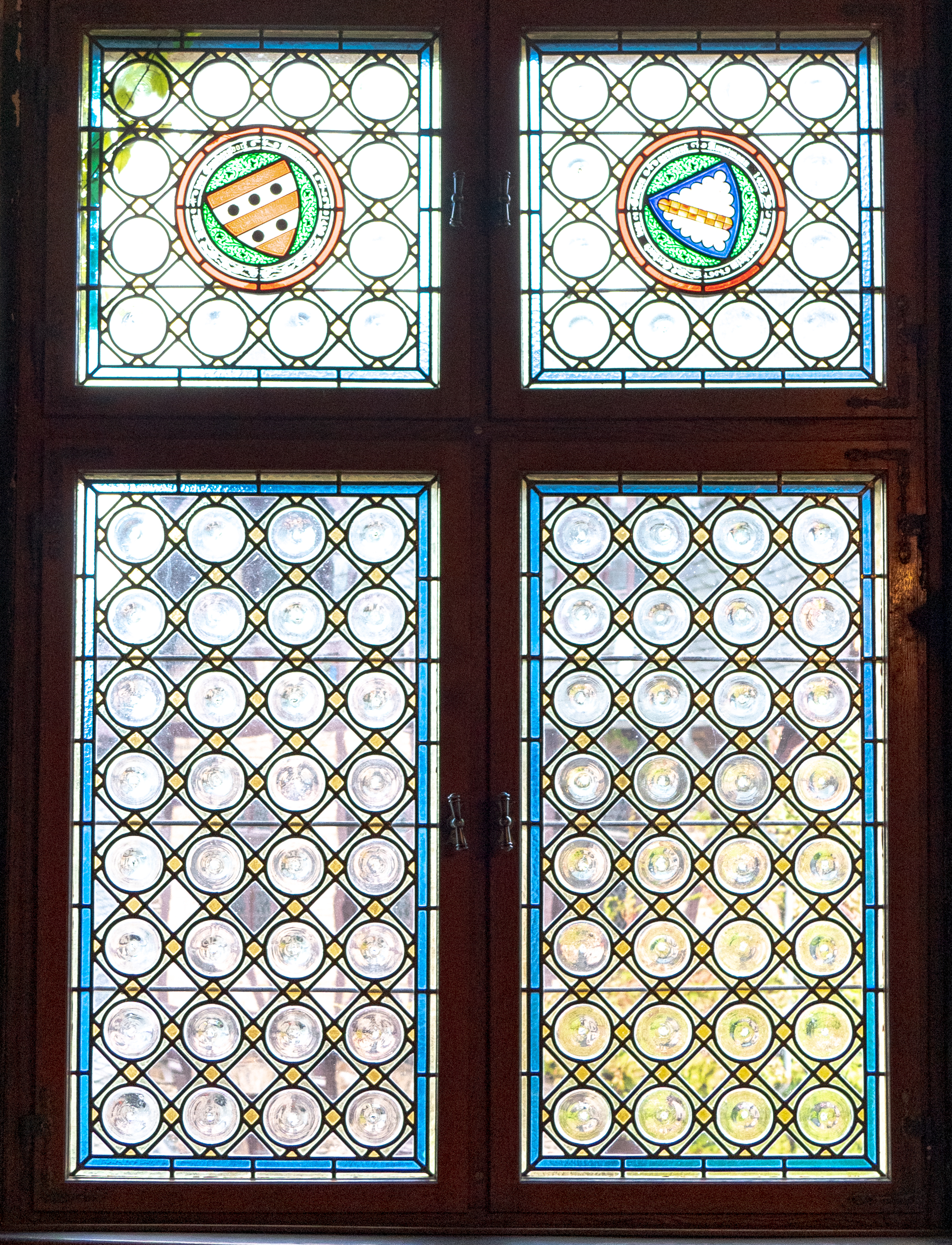
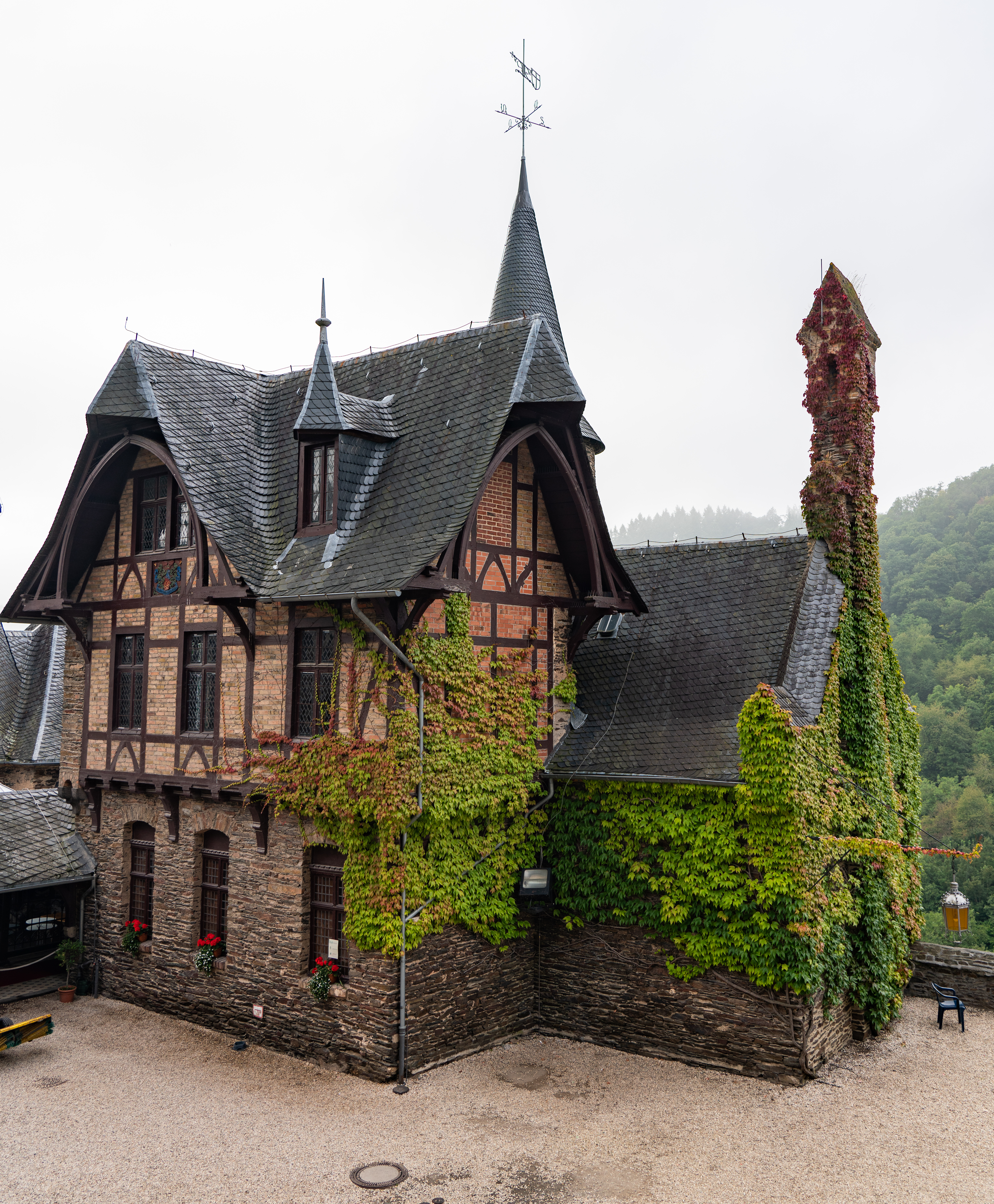
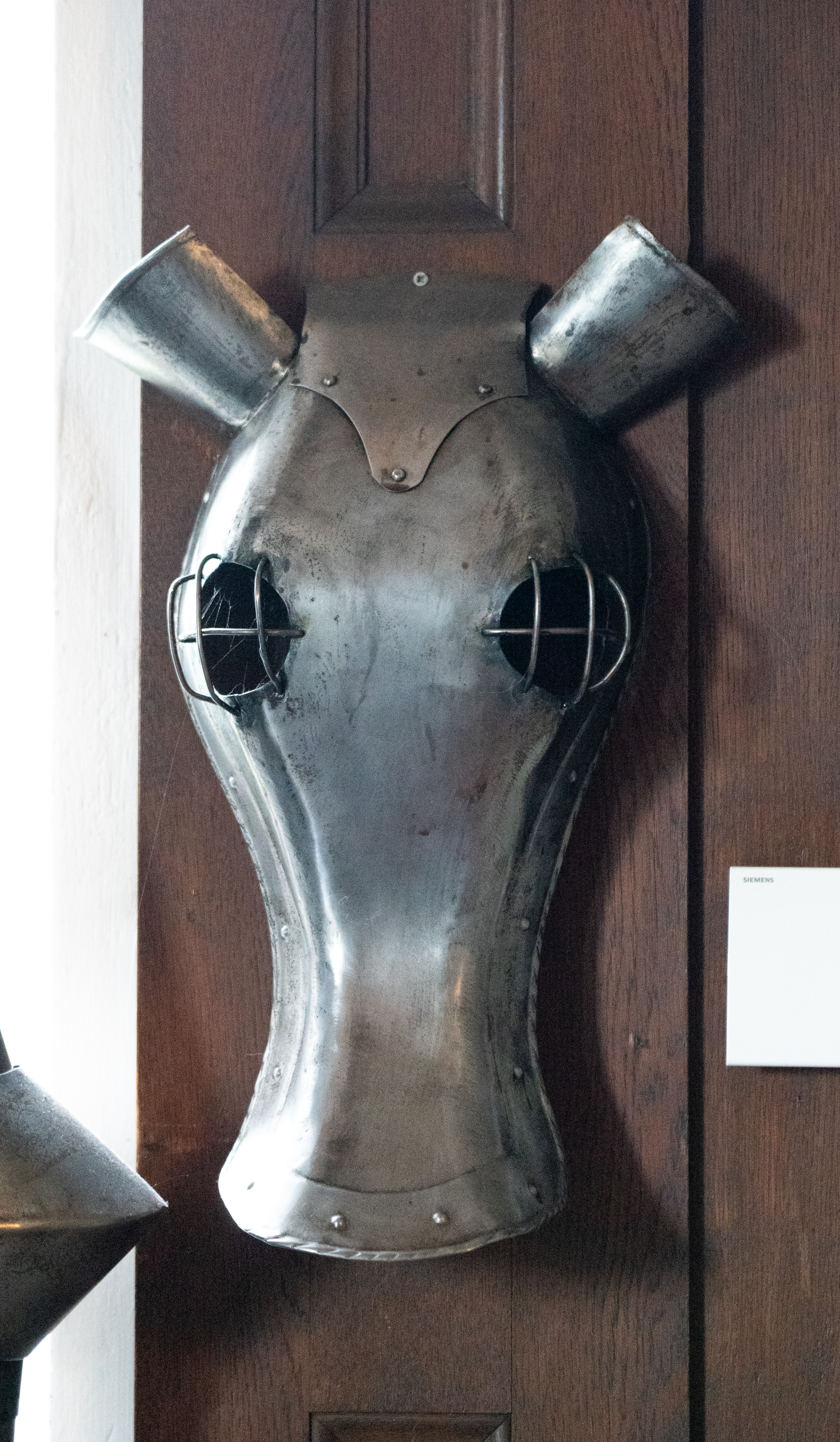
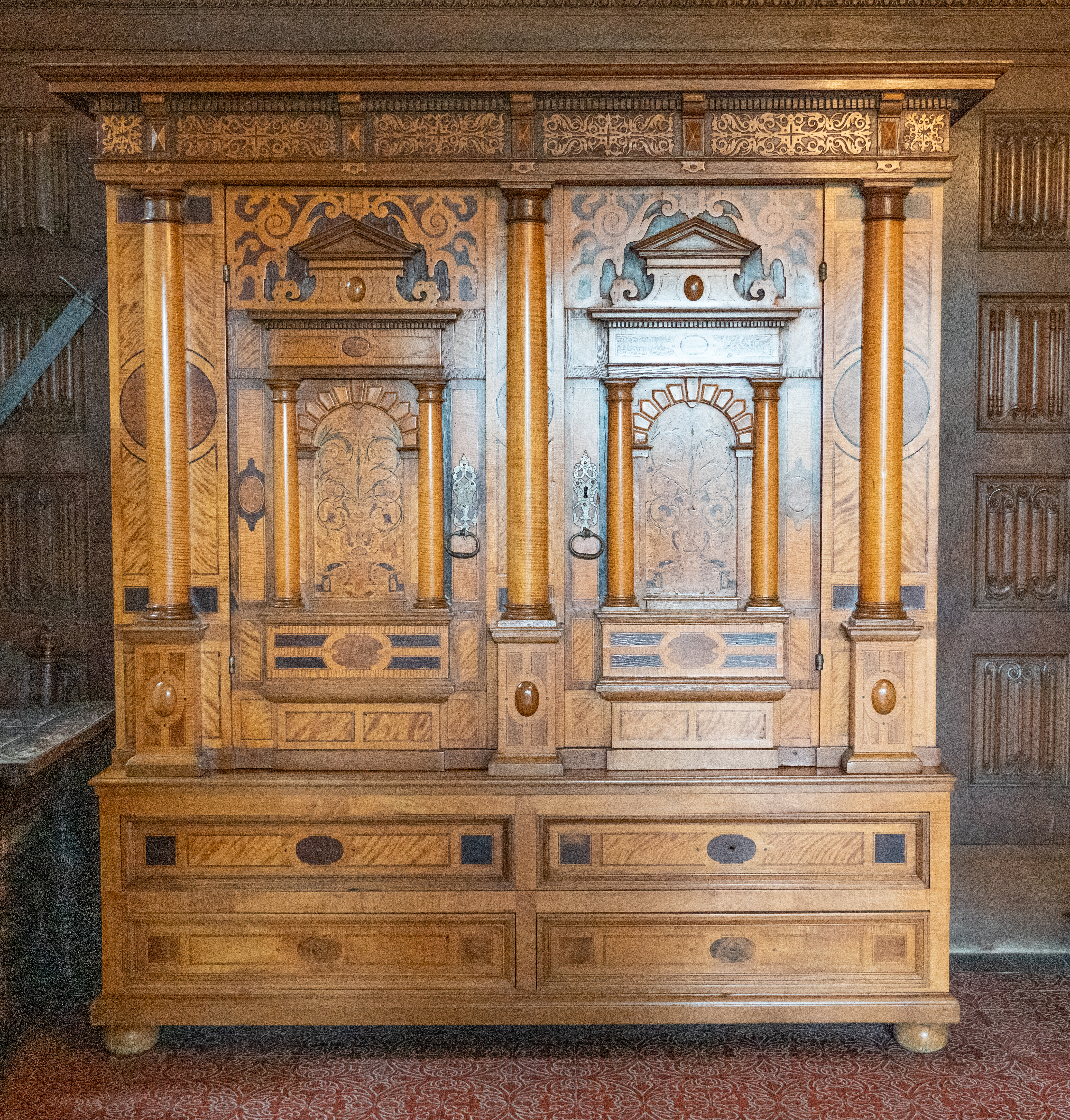
The castle is now a museum that is owned by the town of Cochem.
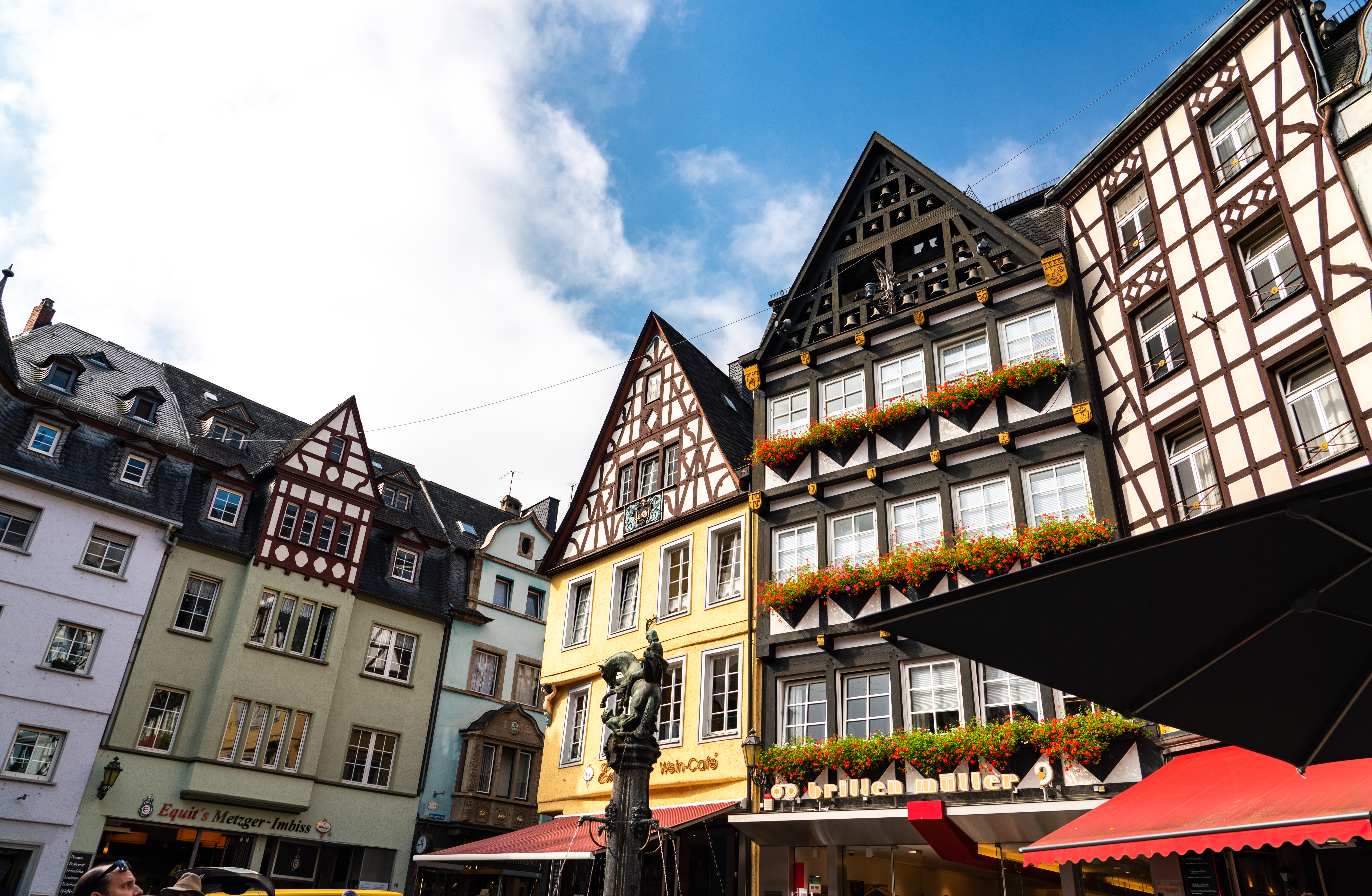
We toured Cochem. The area has been settled since at least the times of the Celts, but the town has been documented since at least 886. The current population is about 5,000.
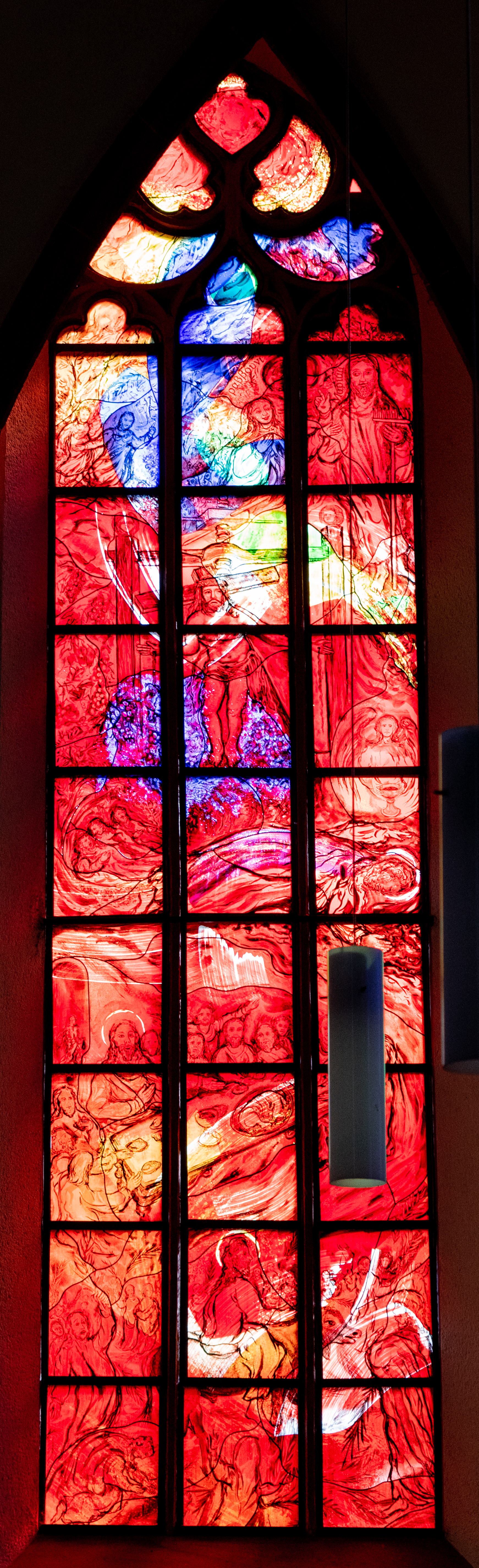
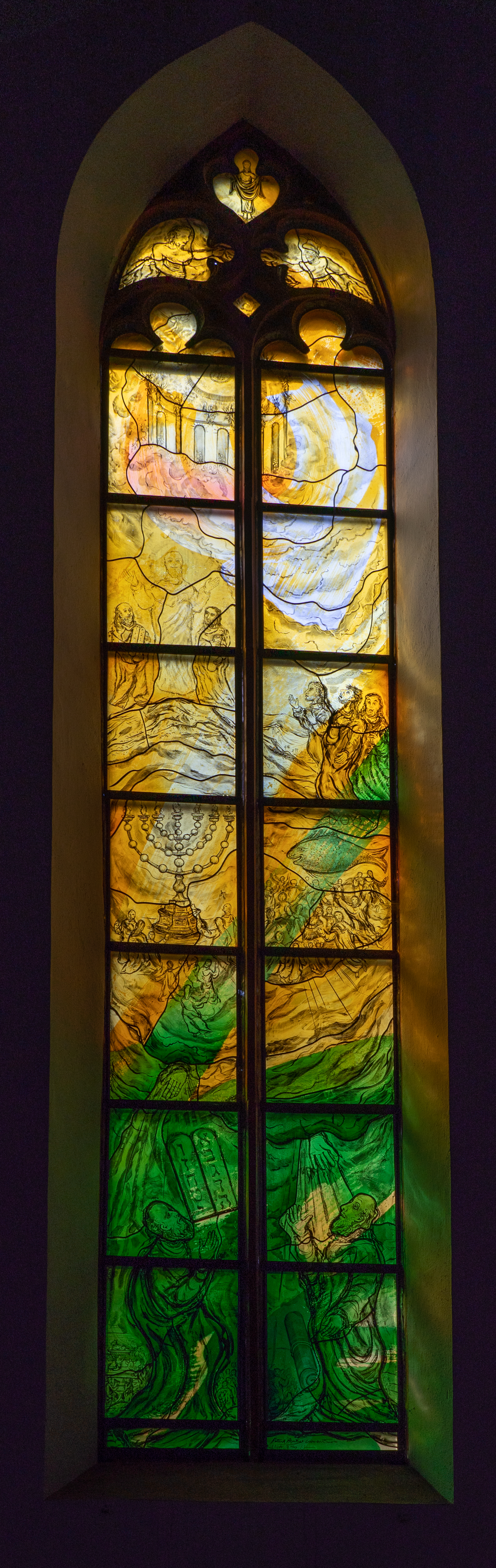
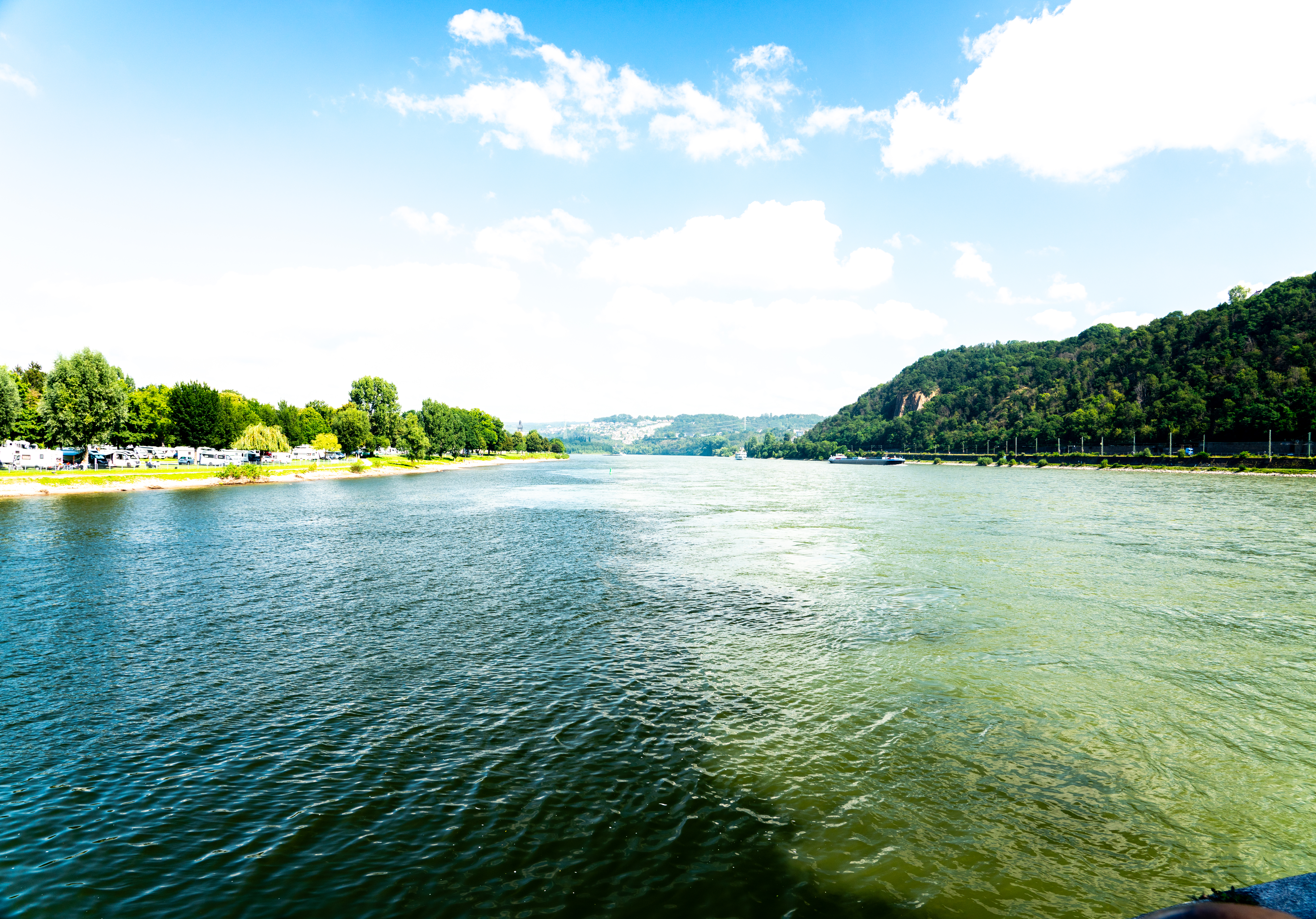
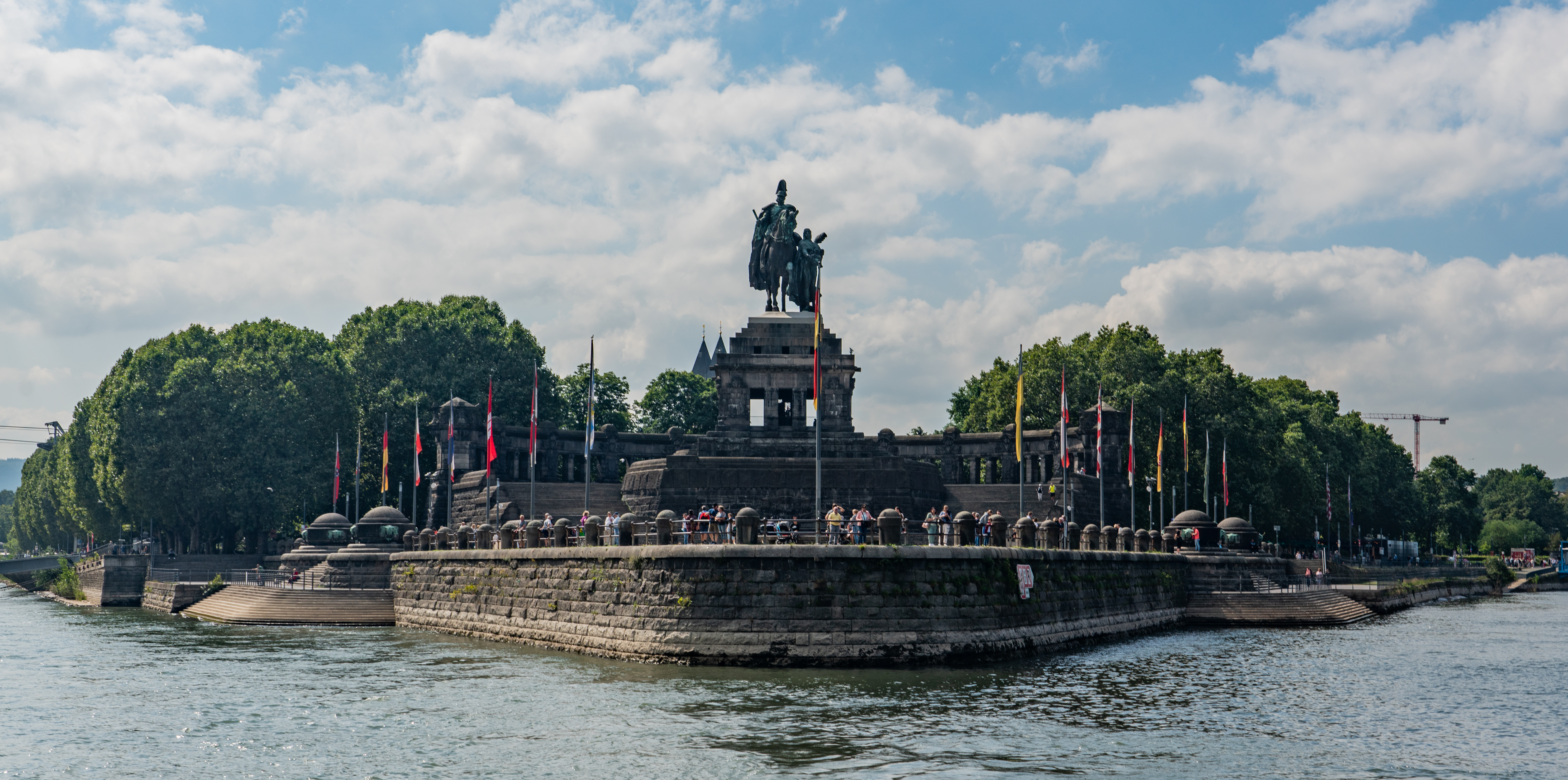
We had a little bit of time in Koblenz. We walked to the point where the Moselle River and Rhine River meet. Koblenz actually means confluence for the fact that these rivers meet here. The actual confluence point is called German Corner.
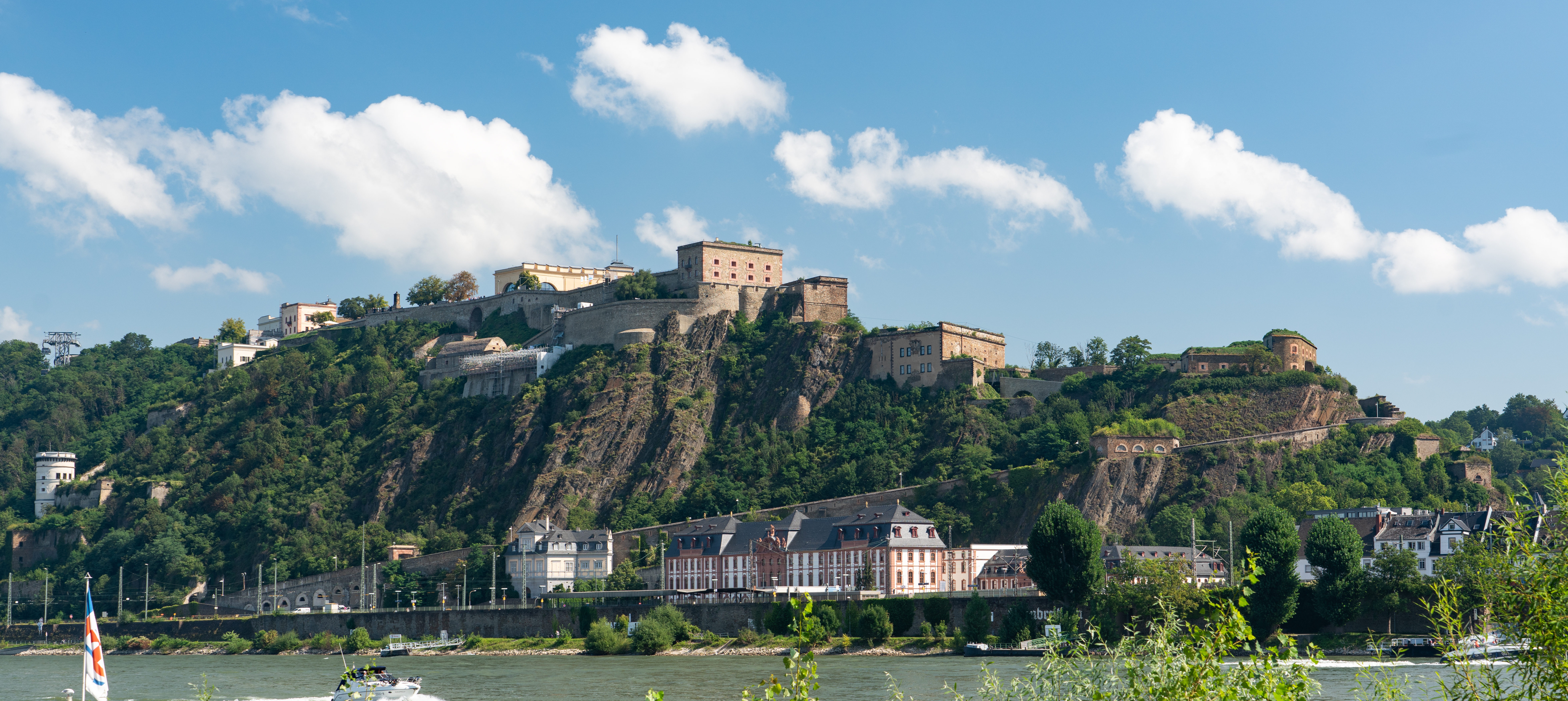
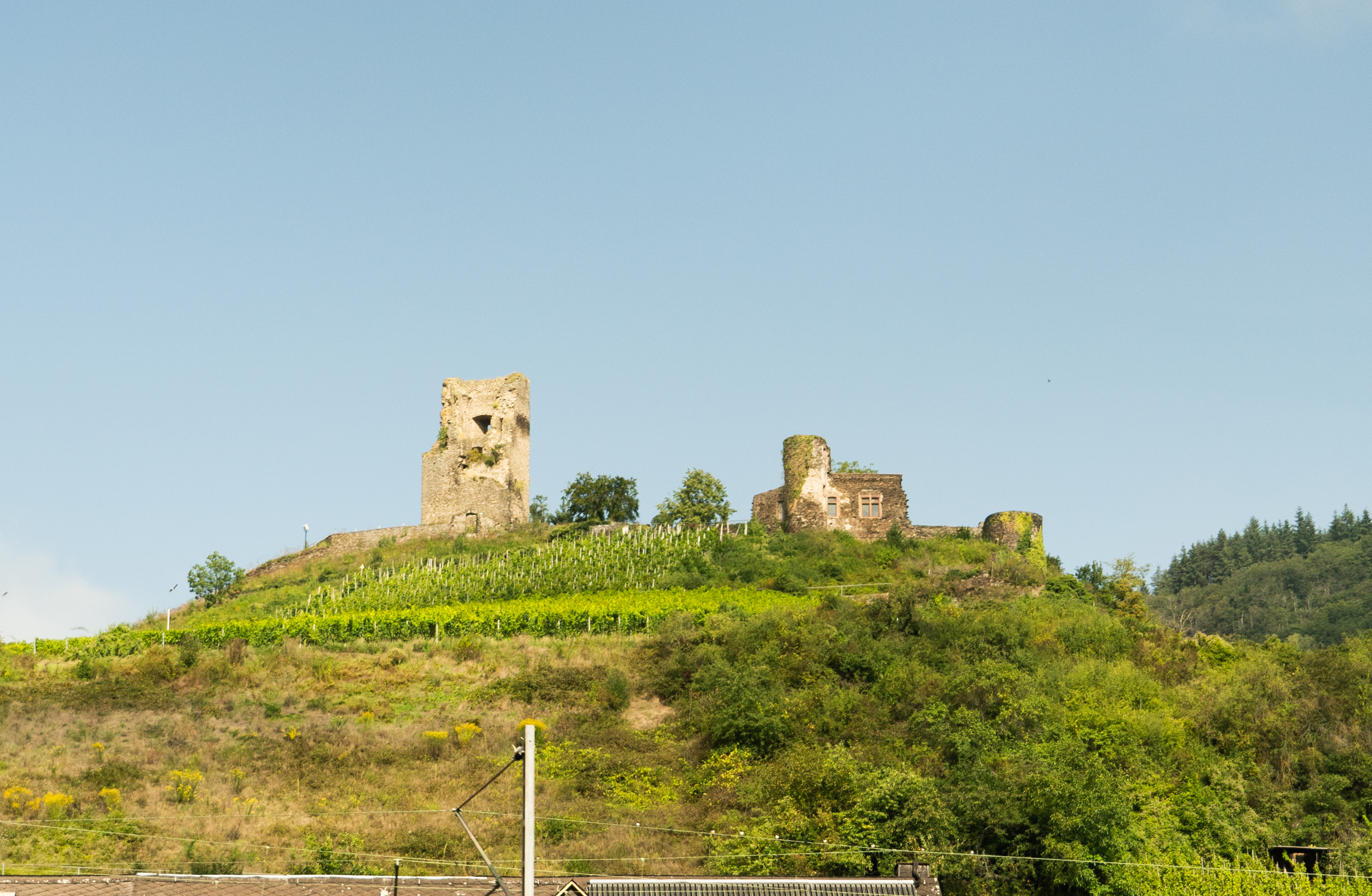
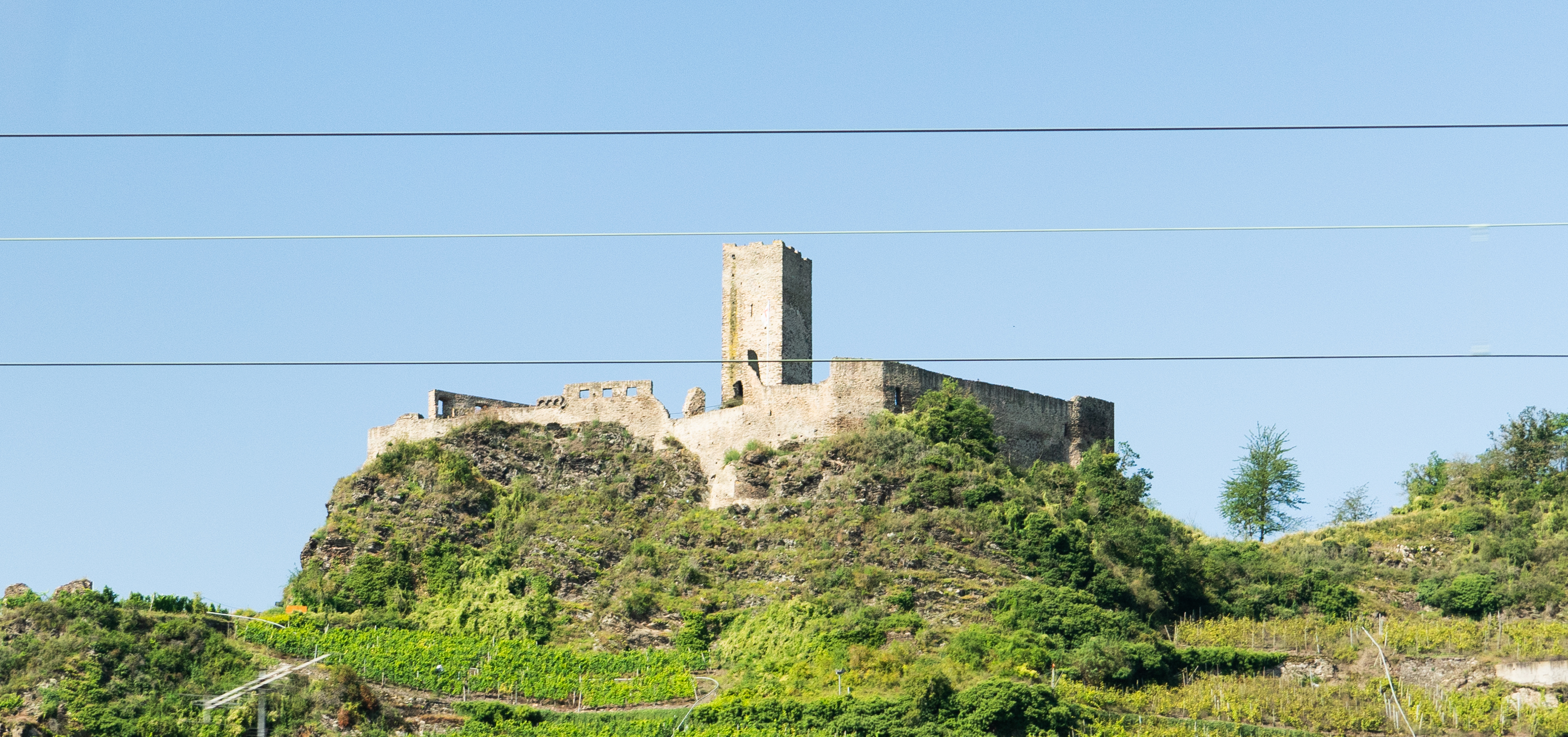
In the afternoon we cruised the Upper Middle Rhine Valley. This area is a UNESCO World Heritage Site because of the landscape and so many historical sites, including approximately 40 hilltop castles. We did not cruise the entire length today and I tried to catch as many as I could (not all are right along the river). We did cruise this same area in 2017, but I forgot my good camera on that trip. I got much better pictures this time. (castle picture is above the description)
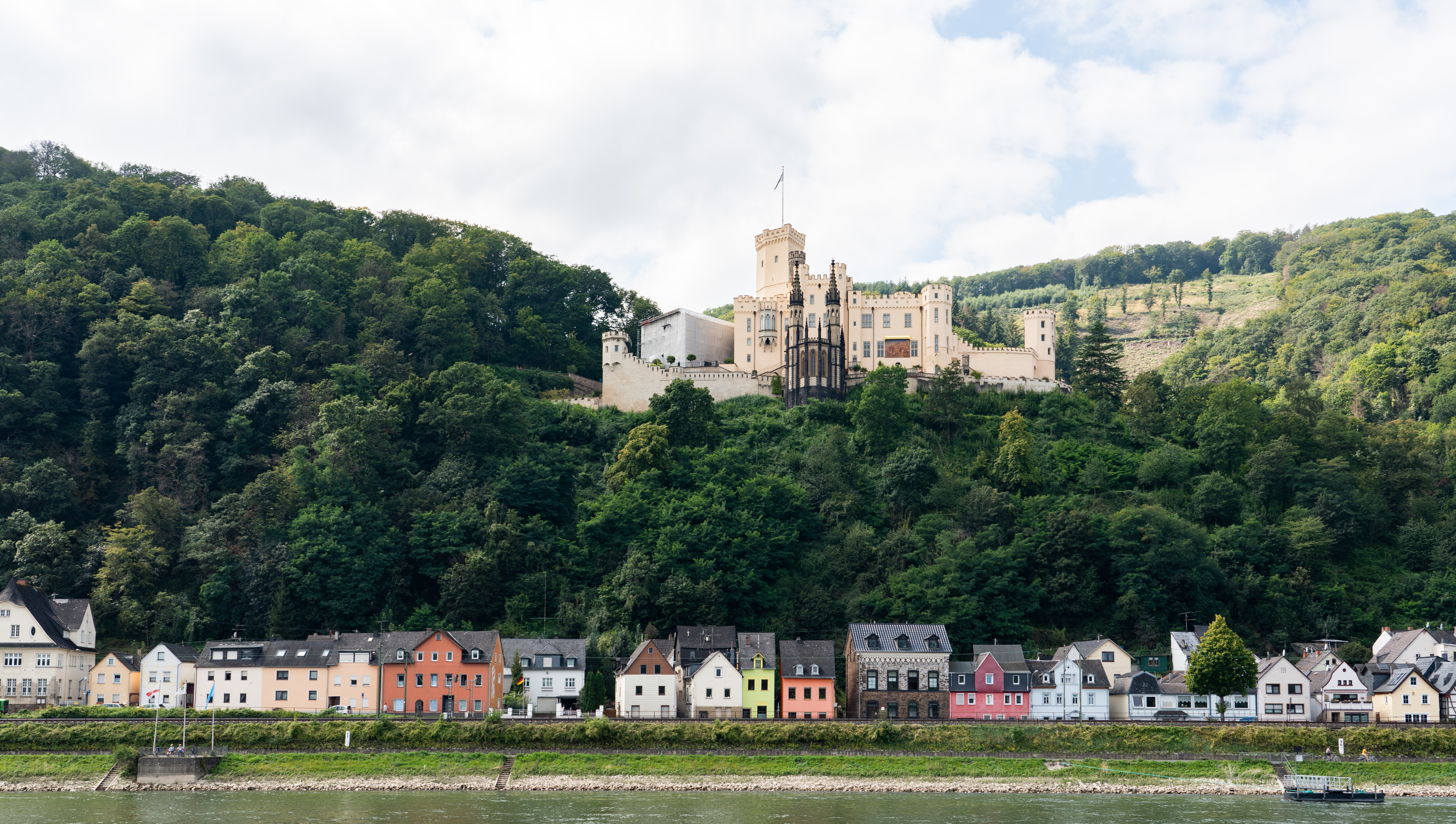
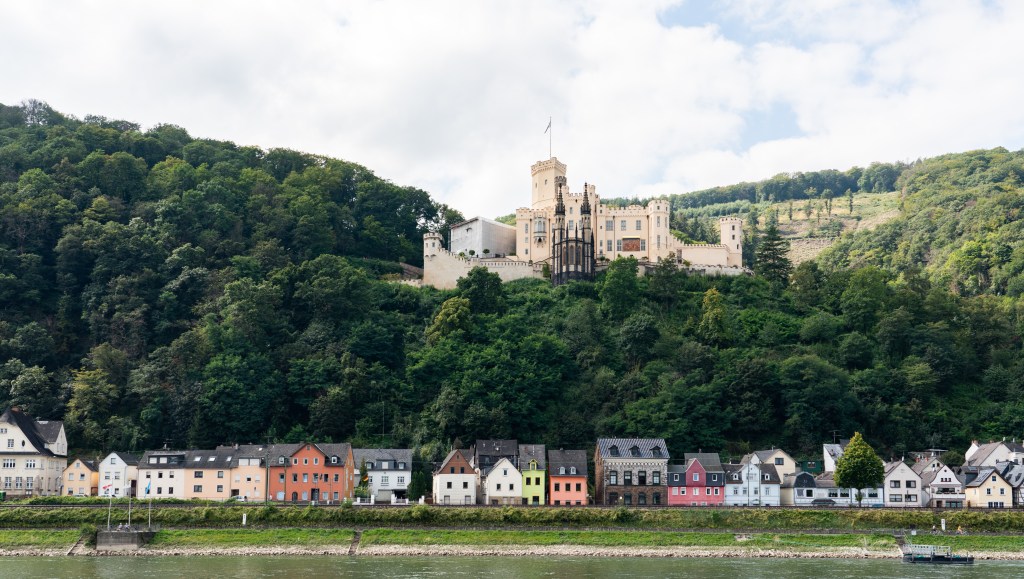
Stolzenfels Palace was originally a castle fortress that was turned into a palace. The original 13th century castle was ruined and the current palace is a 19th century gothic palace. This is located near Koblenz.
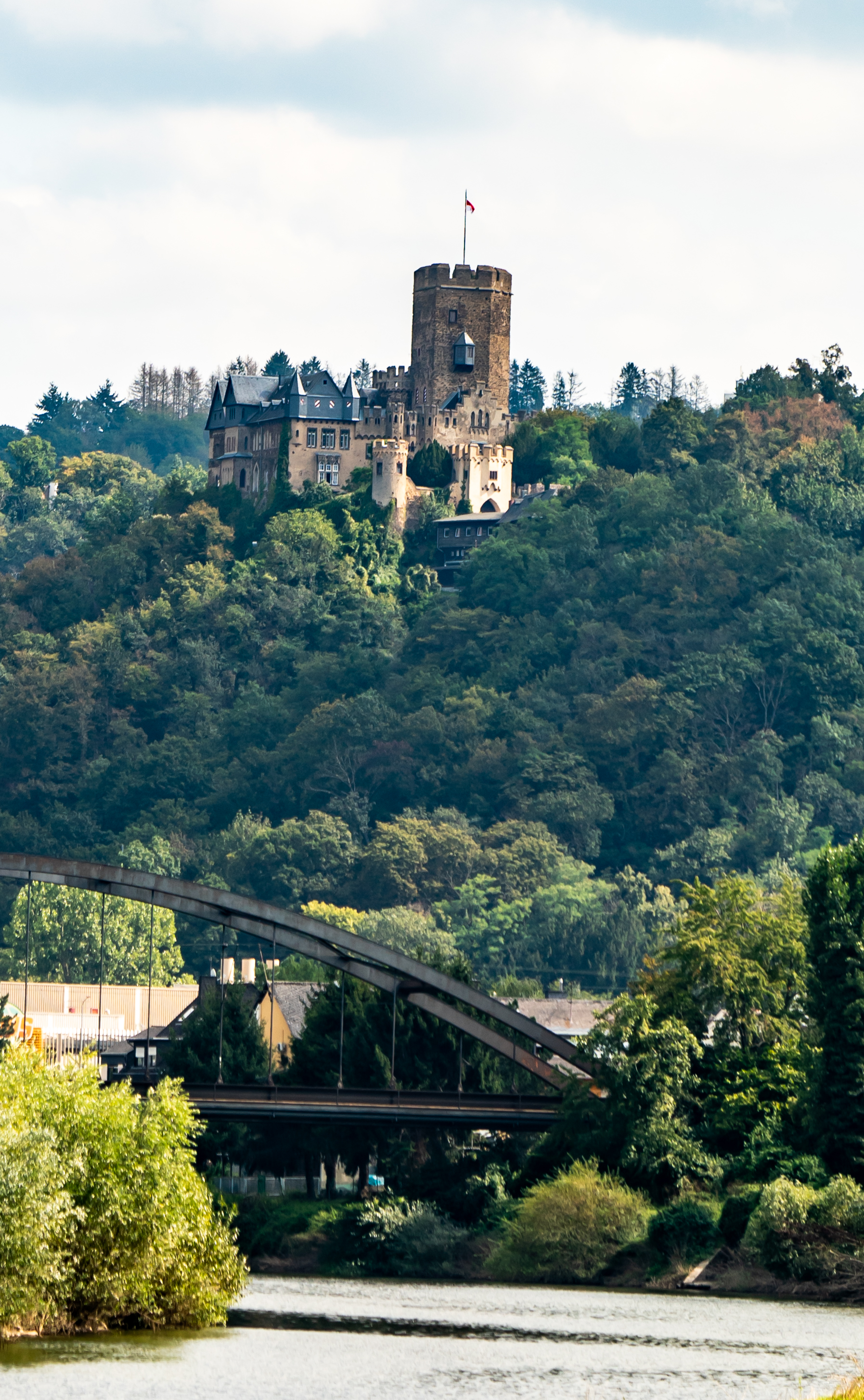
Lahneck Castle is a 13th century castle across from Stolzenfels Palace in Lahnstein. It became well-known in Britain in the 19th century when a 17 year old girl disappeared there while on vacation with her family when a staircase collapsed. Apparently nobody could hear her behind the castle’s thick walls and assumed that she had died. Her body was found 9 years later next to a diary entry written 3 weeks after her accident.
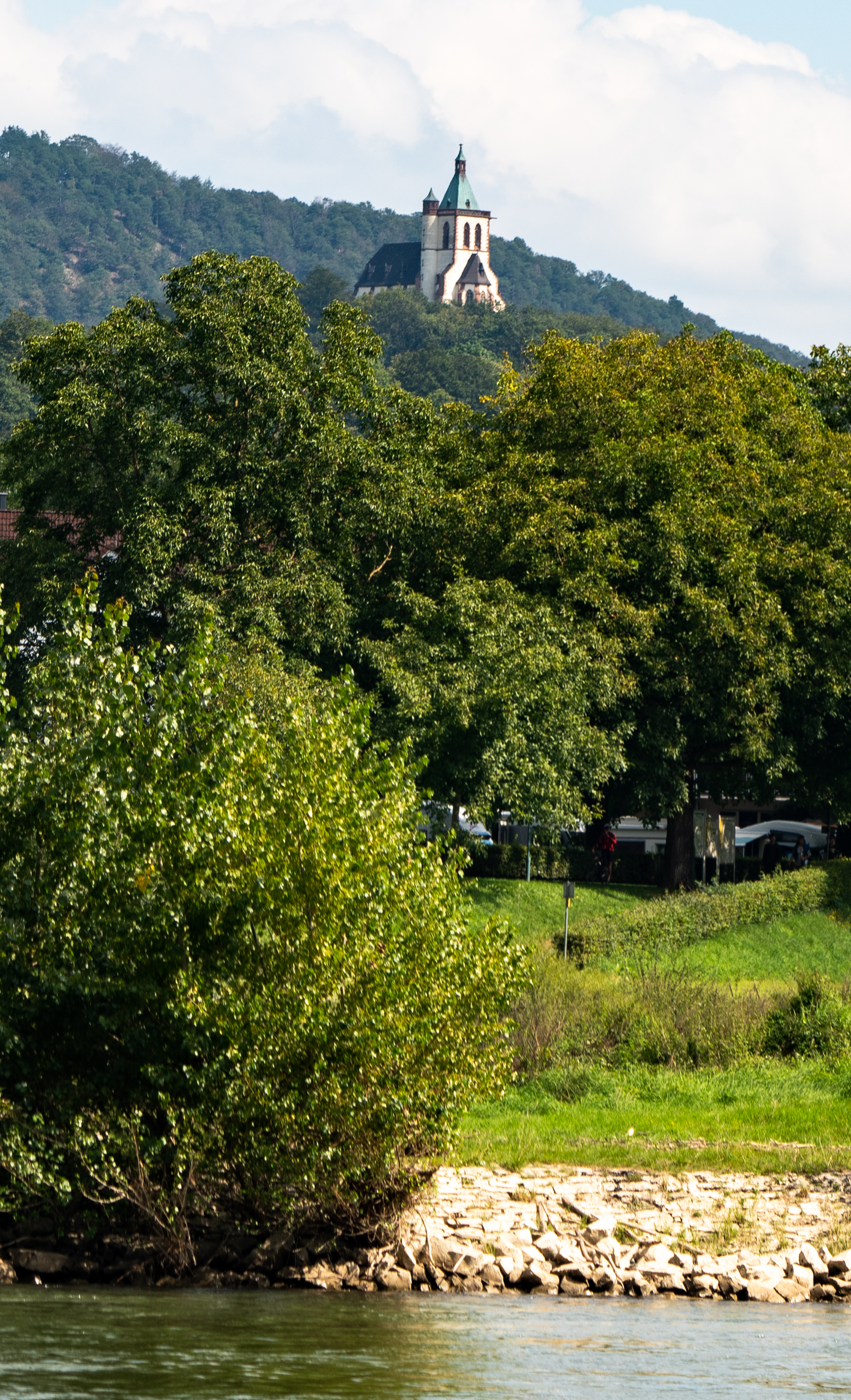
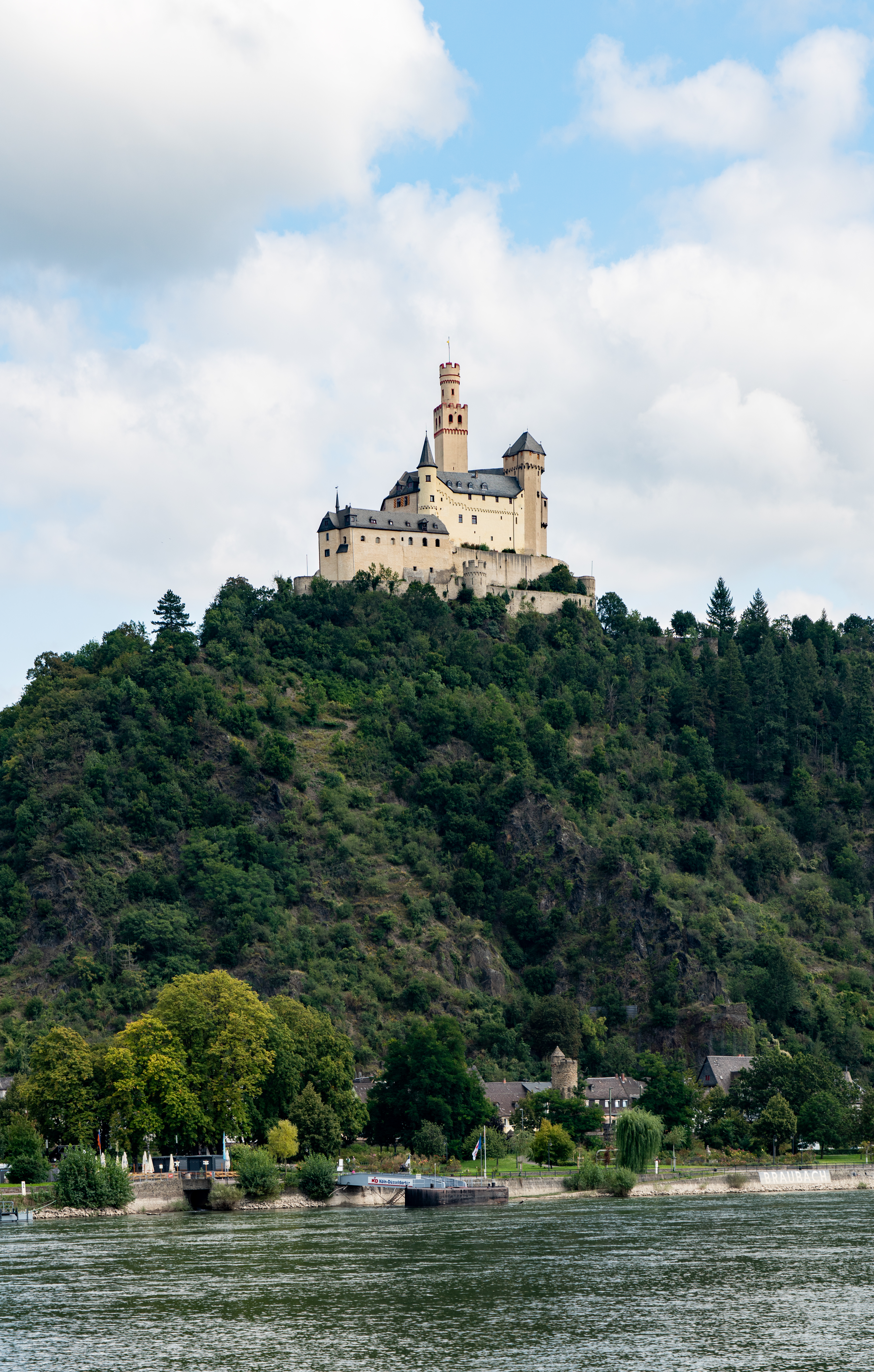
Marksburg Castle has a stone keep that dates back to 1100. This castle is one of only 2 hill castles in this valley that was never destroyed. Napoleon used this castle as a prison and as a home for disabled soldiers.
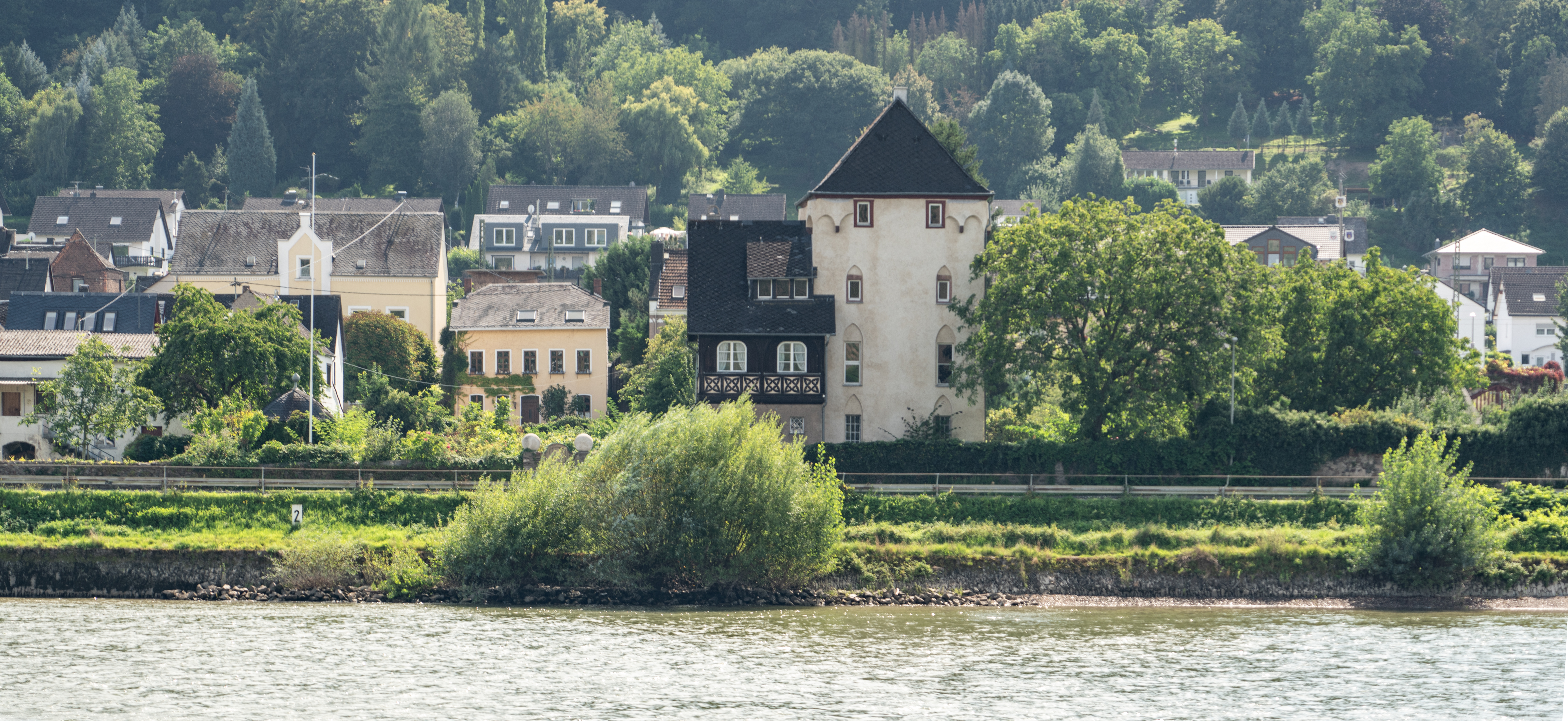
Osterspai Castle (dark and light brown building in the center) was built in 1302. It is directly on the banks of the Rhine in the town of Osterspai. You can still see remnants of the corner towers that were built in the 14th century. All that remains of the more modern portion is a residential half-timber building that was added about 1900.
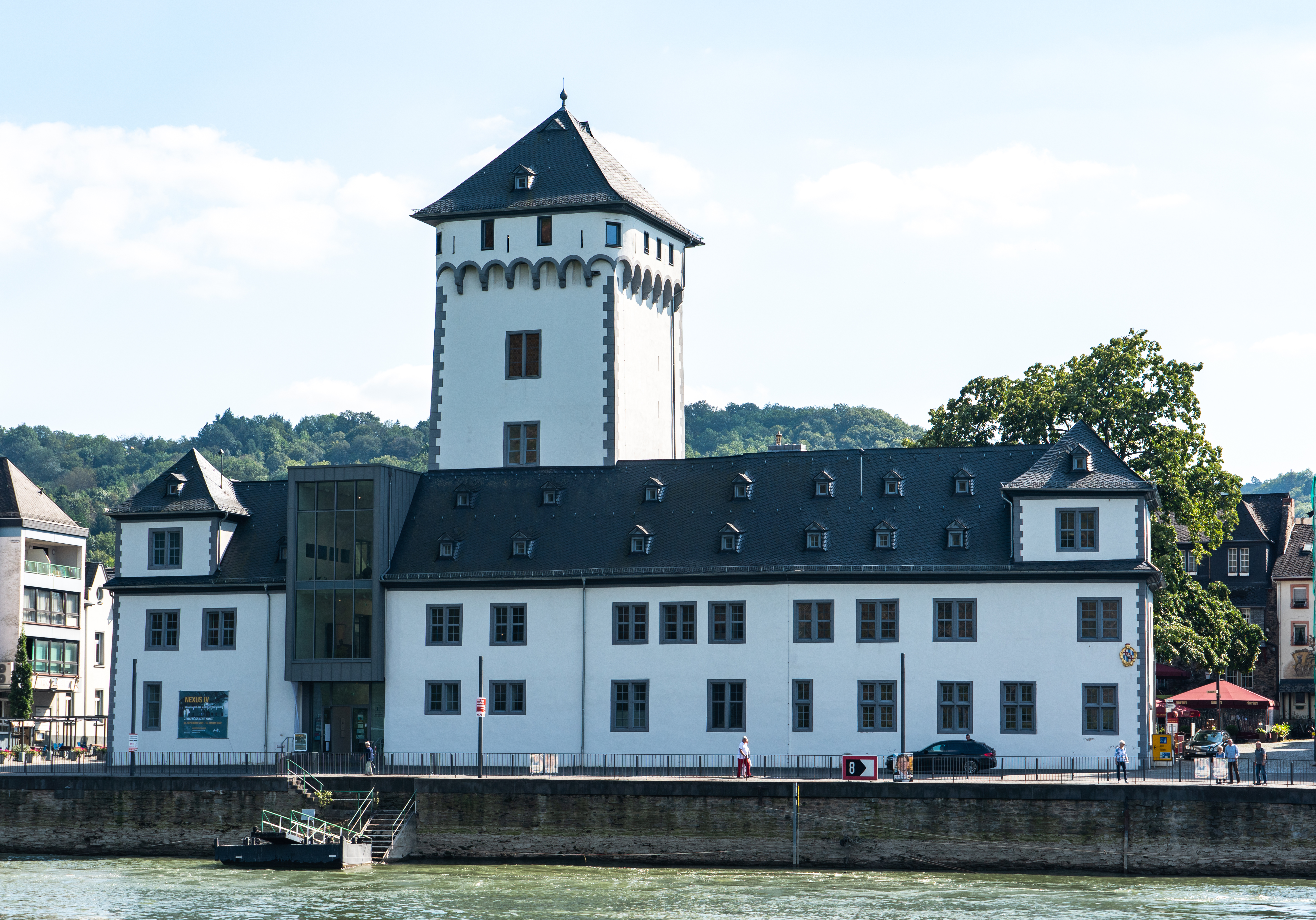
The Electoral Castle in Boppard is one of the lower castles and was established to collect tolls along the river. It was originally built in 1256.
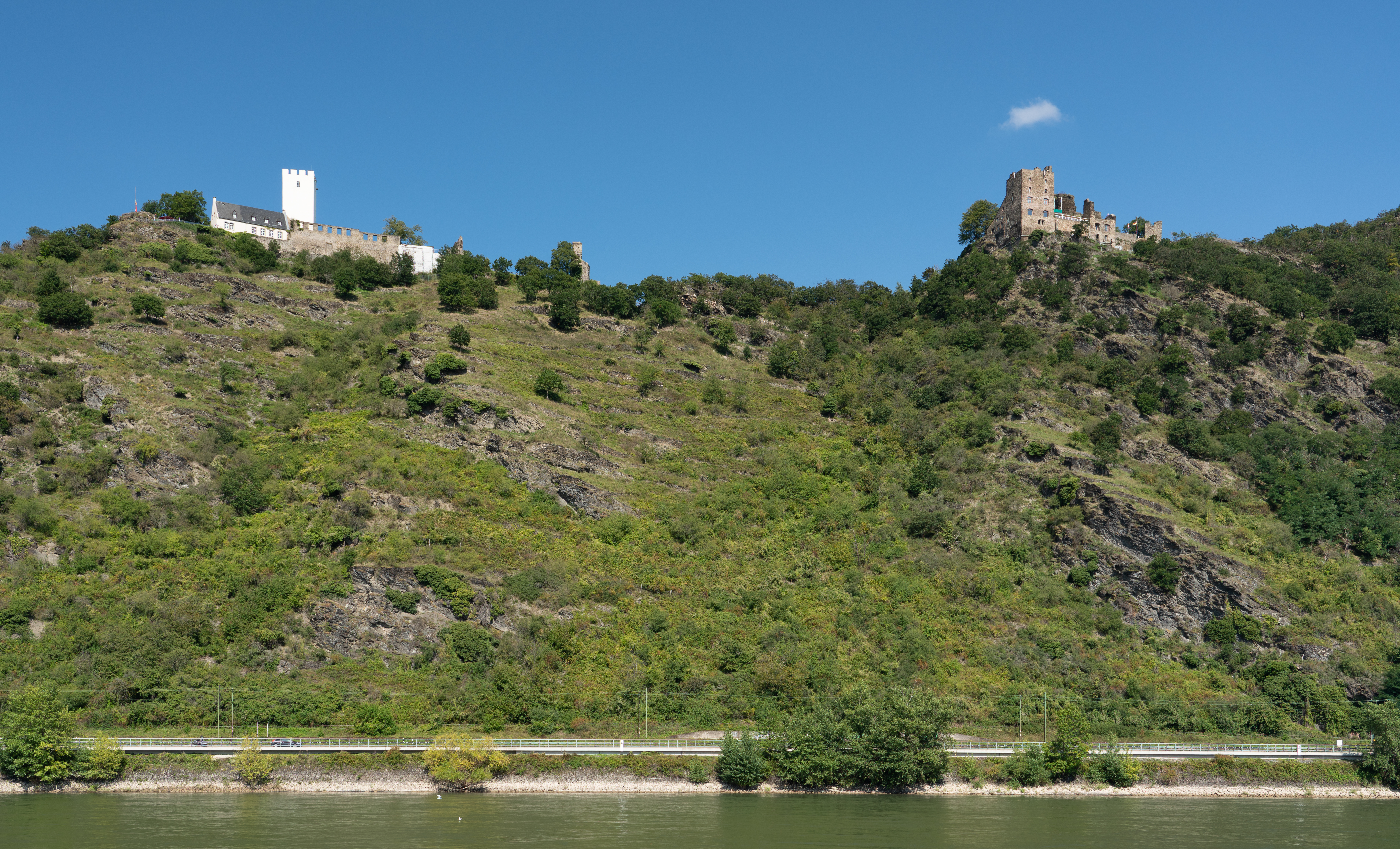
Sterrenberg Castle is mentioned as far back as 1034 as an imperial castle. It is historically connected to Liebenstein Castle. The two are known as the Hostile Brothers. There are various stories behind this: two brothers who loved the same woman and then couldn’t get along or brothers who were feuding over their inheritance. Either way, there is a wall built between these two closely-built castles.
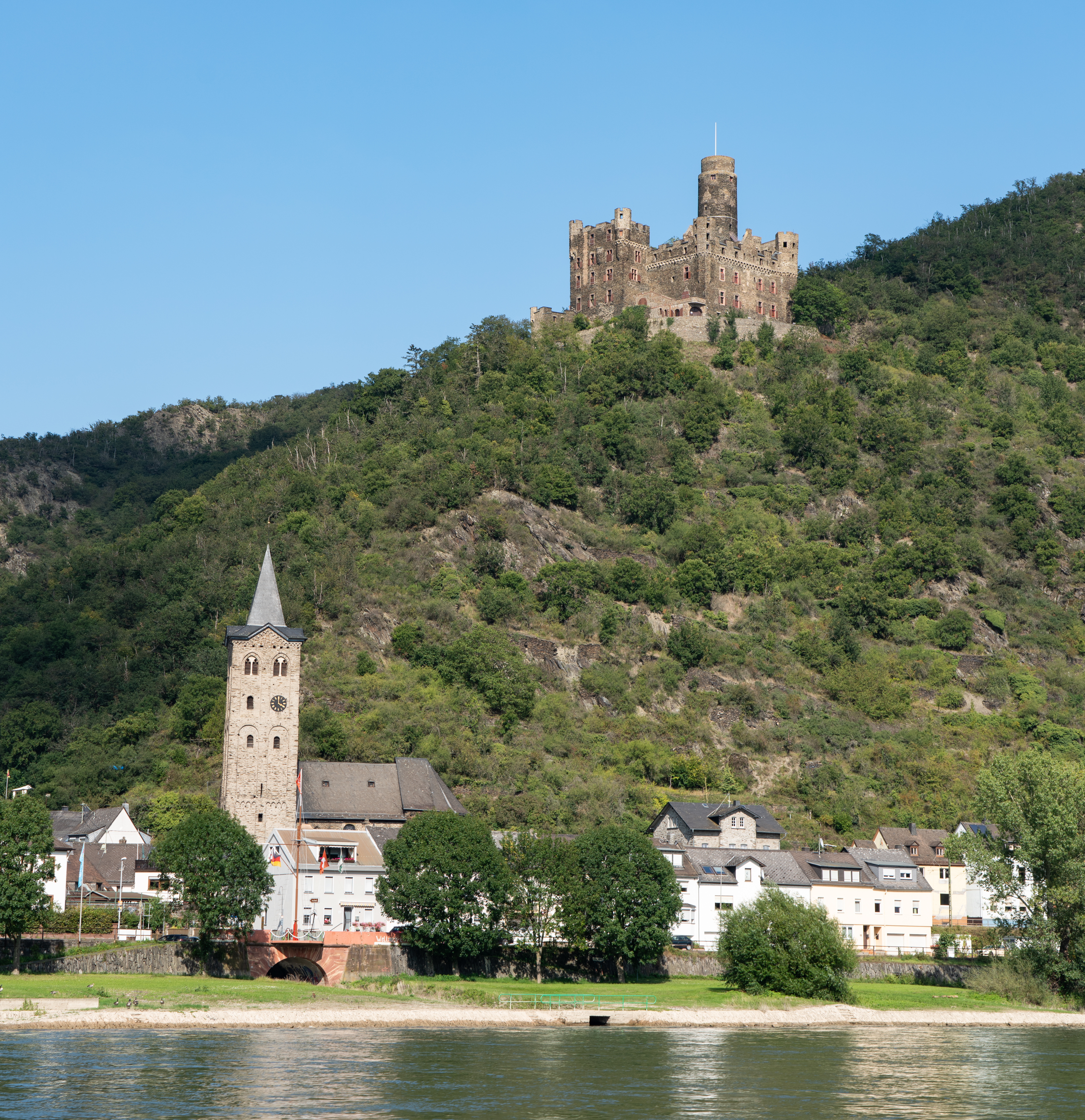
Maus Castle (mouse castle) was constructed in the 14th century. It belonged to the archbishops of Trier. This castle was never destroyed, but did fall into disrepair in the 16th and 17th centuries. There was an effort at historically-accurate restoration in the early 1900s. It was damaged in WWII, but that was subsequently repaired.
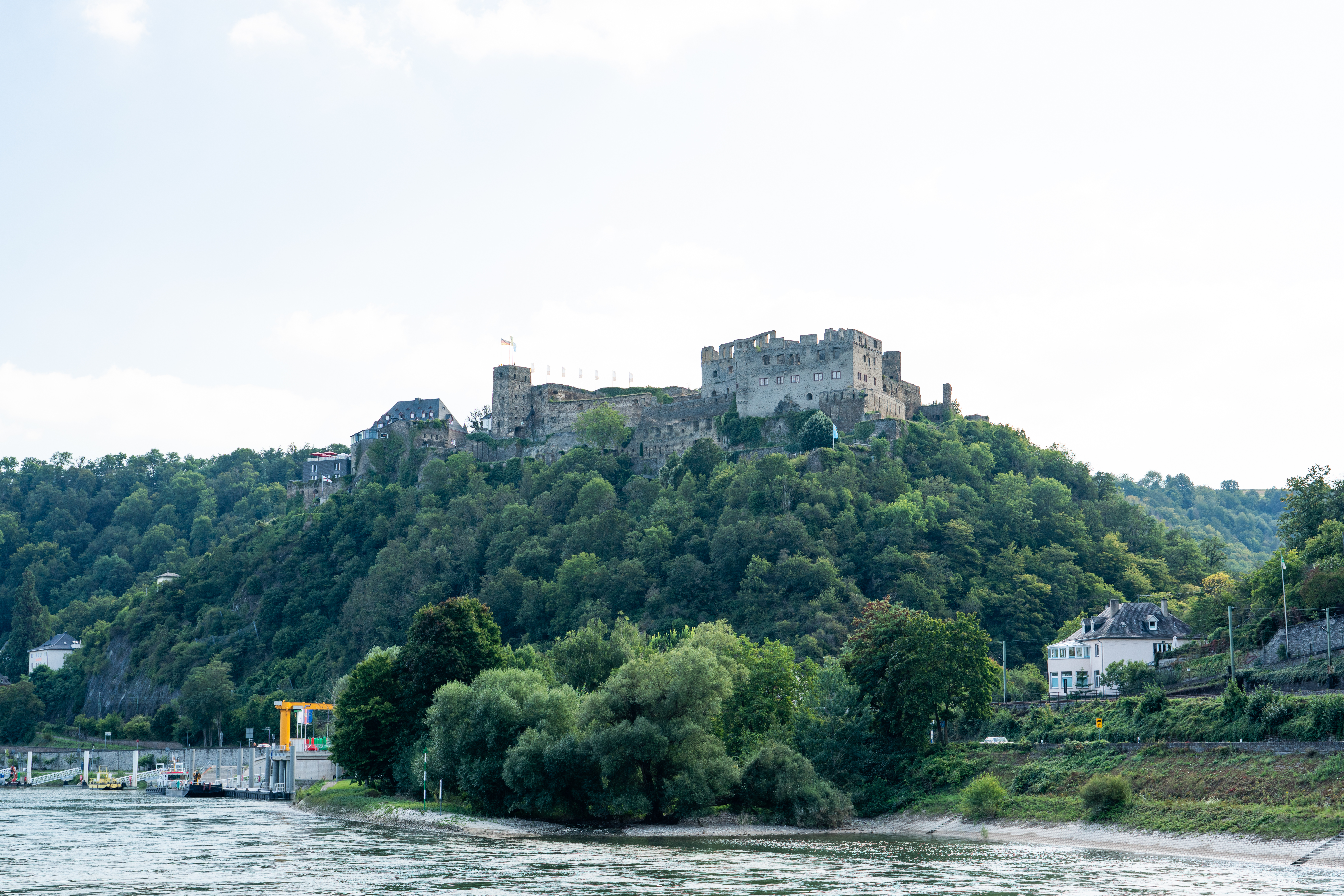
Rheinfels Castle was originally built in 1245 as residence of the counts of Katzenelnbogen and later was expanded to become the largest fortress in the middle Rhine valley. It was damaged by the French army in the 18th century and is mostly in ruins today,
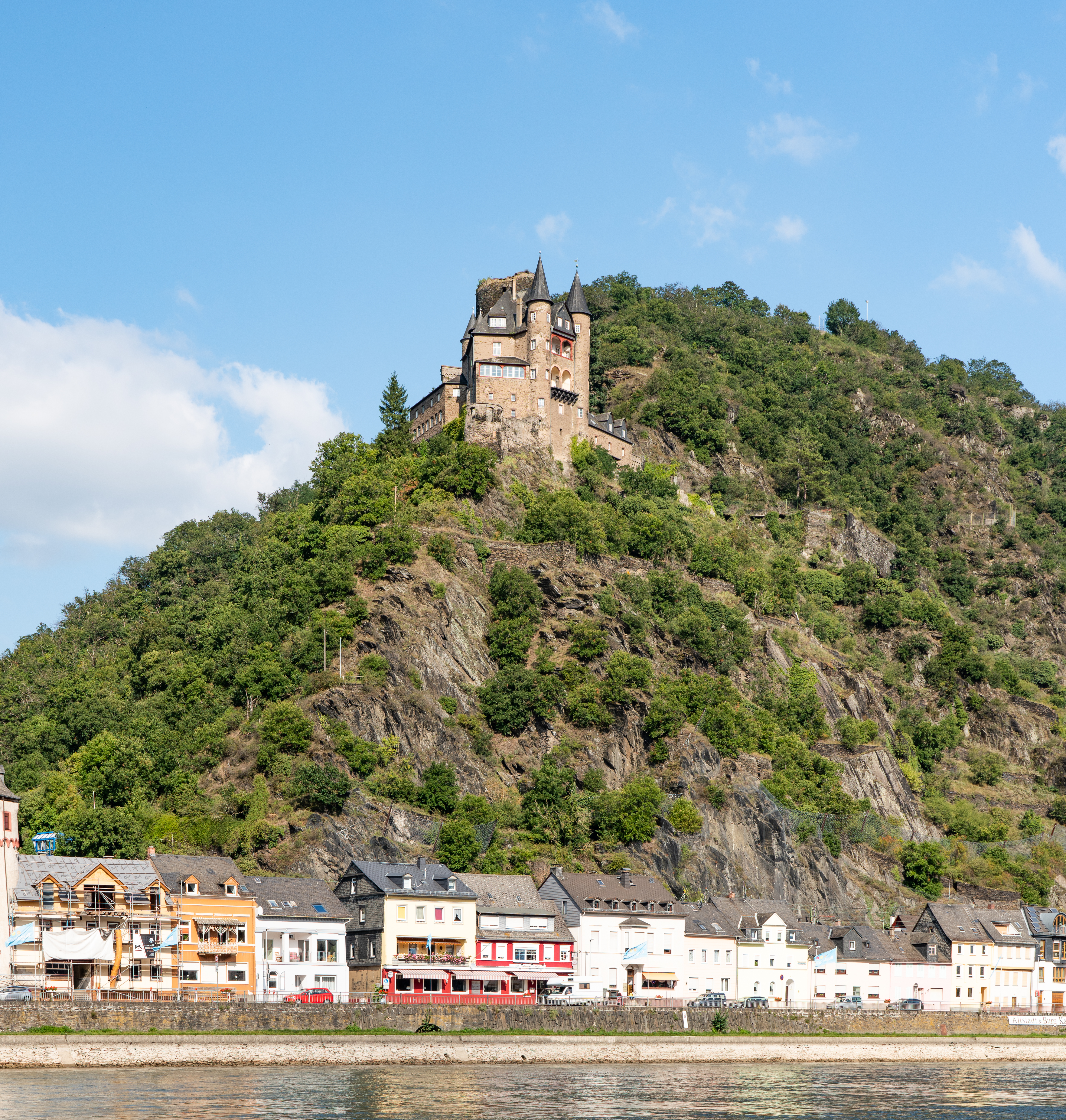
Katz Castle (cat castle) is above the town of St Goarshausen and it was first built around 1371. It was damaged by Napoleon and rebuilt in the late 19th century. It is privately owned. The Counts of Katzenelnbogen, who first built this castle, were reportedly the first to plant Riesling grapes.
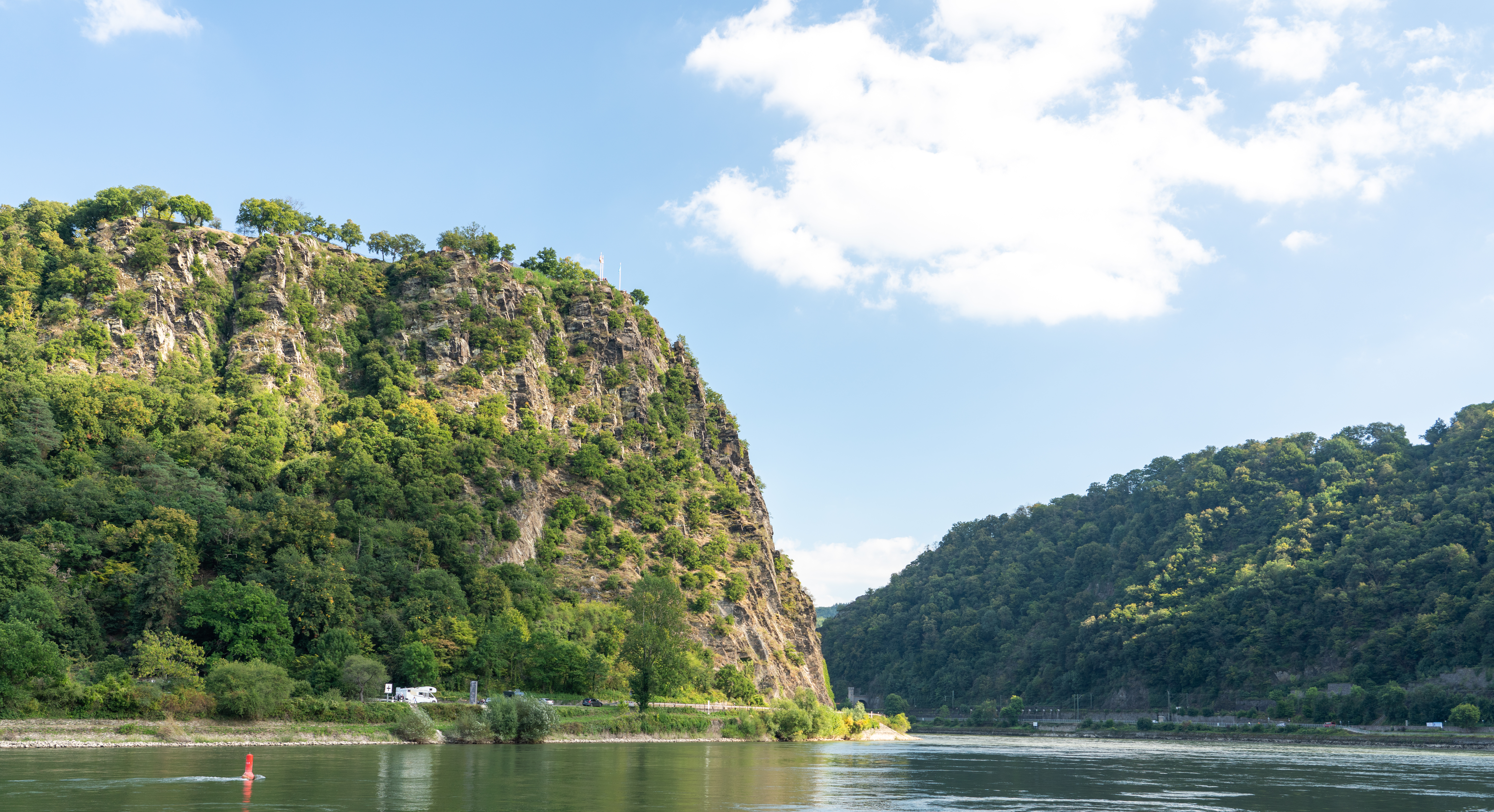
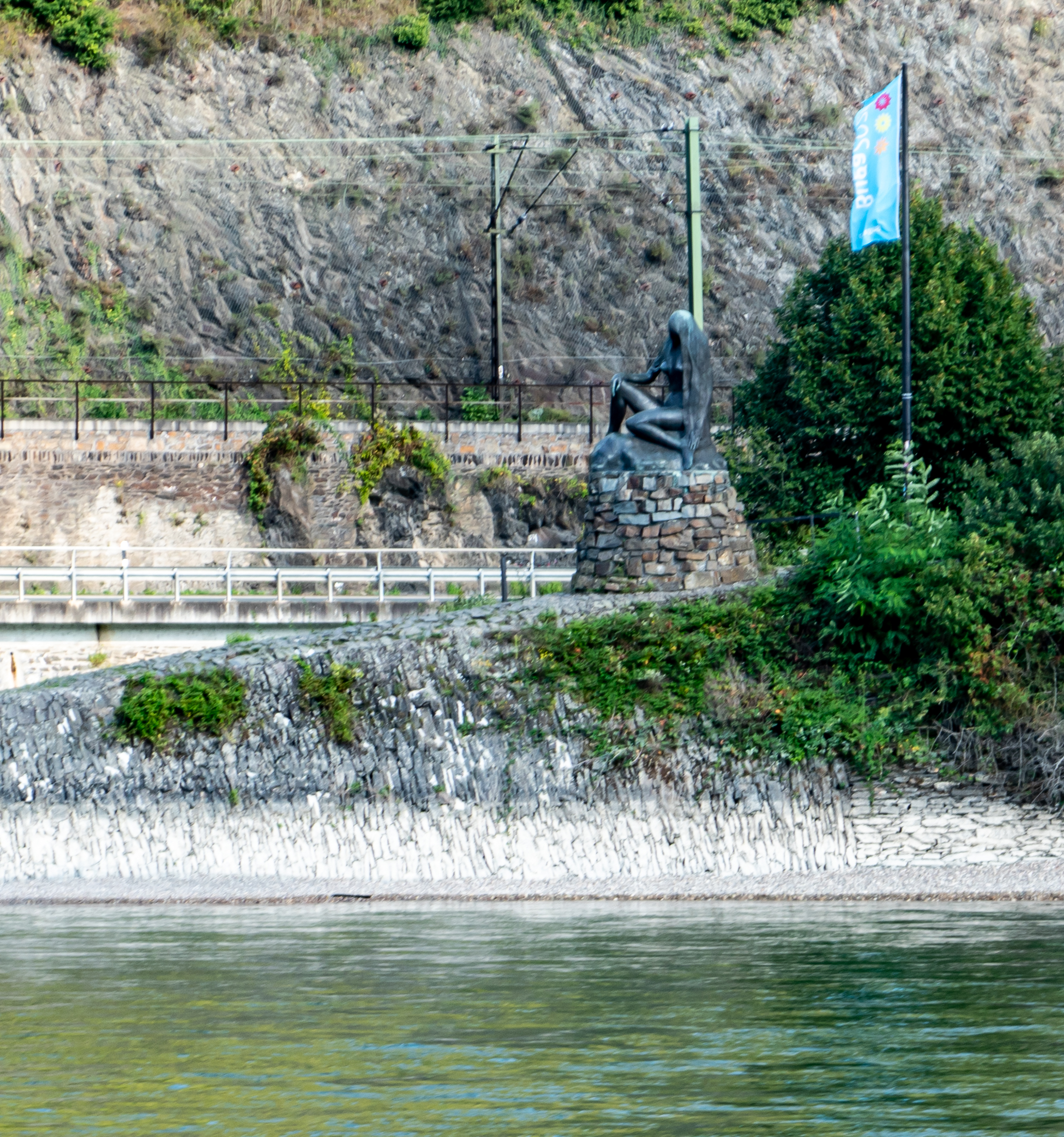
Historically there were a lot of boating accidents in this area of the Rhine. Lore is that fishermen passing below this rock formation (Loreley Rock) would be so fascinated by the lovely maiden, Loreley, combing her hair on the cliff top, that they would neglect to watch out for the treacherous rocks and strong rapids and drown. A statue was made to represent Loreley in 1983 and is near this site.
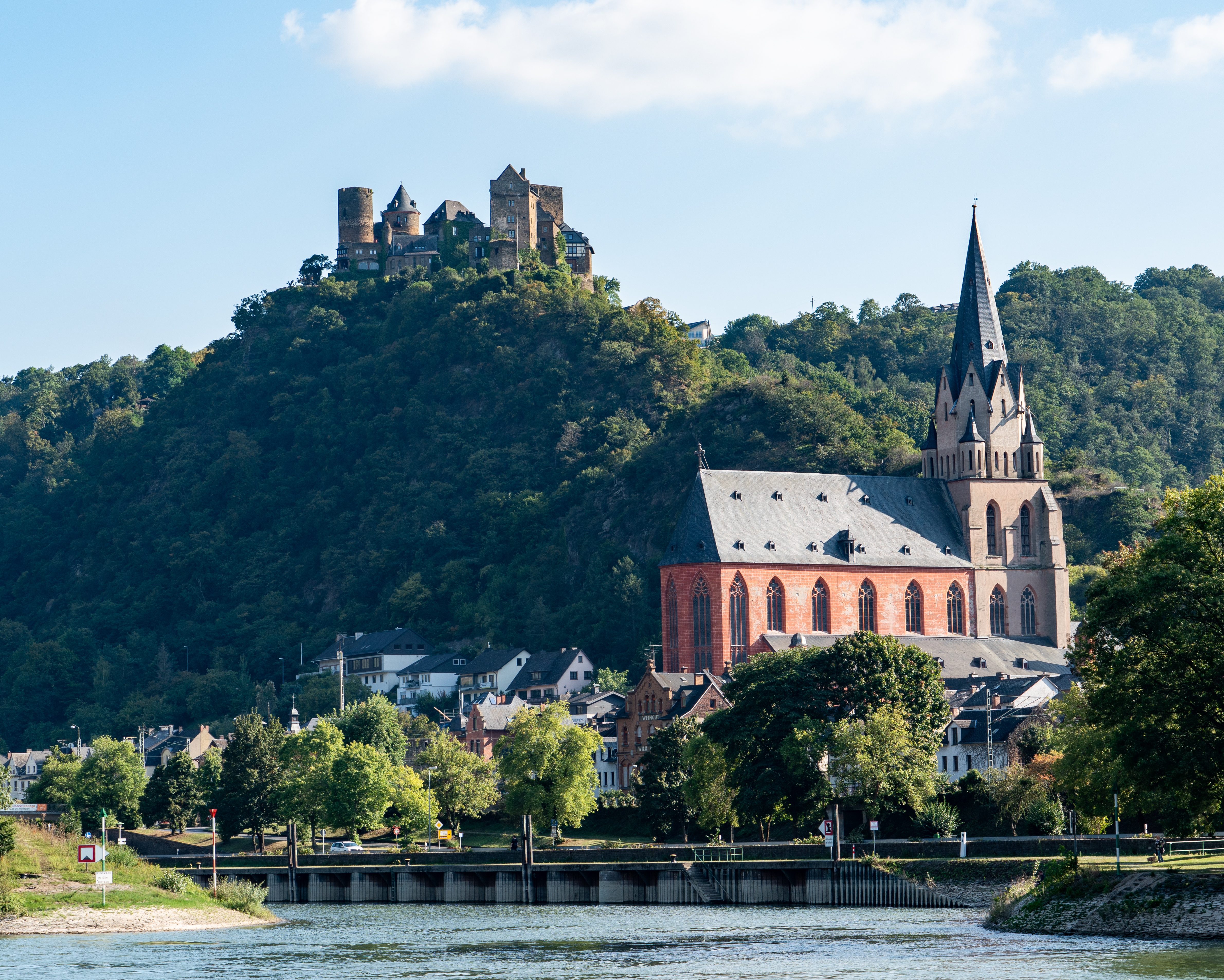
Schönburg Castle is situated above the town of Oberwesel. The castle dates back to at least the 10th century and it belonged to the lords of Schönburg. Like many other castles in this area, it was damaged by the French in the 18th century and was later restored. It is now owned by a family and is a hotel.
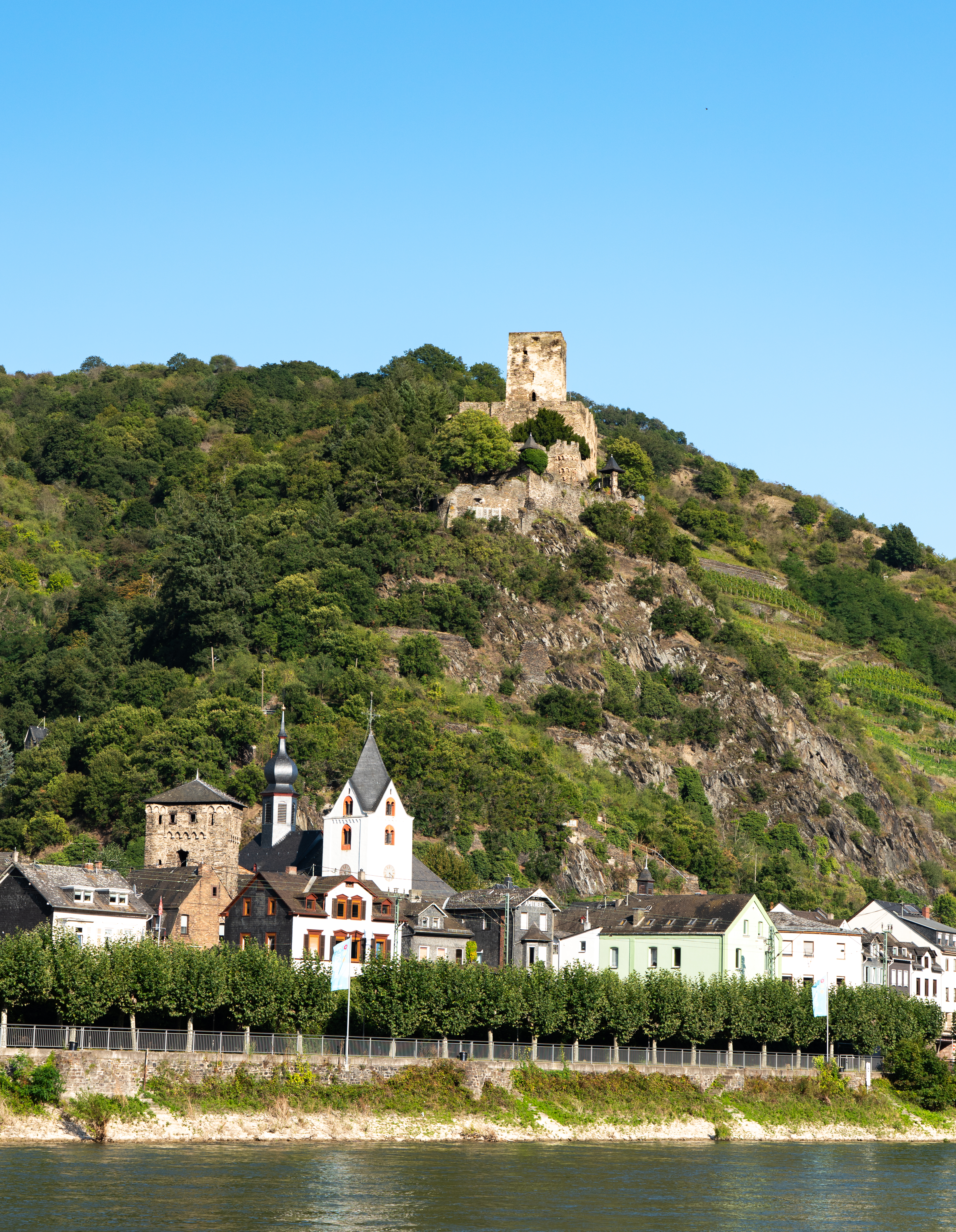
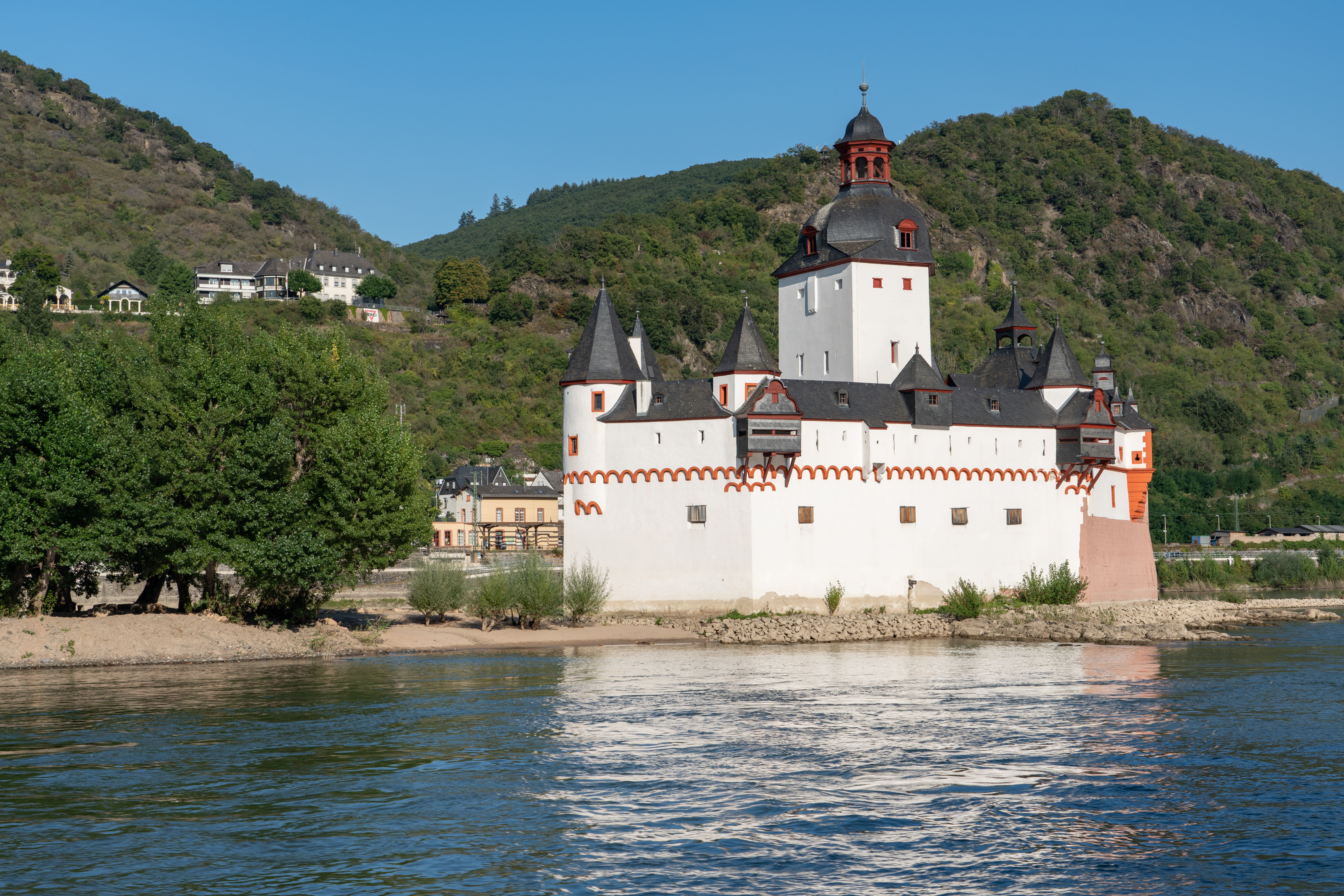
Gutenfels Castle was built in 1220 and was used in conjunction with the toll castle, Pfalzgrafenstein Castle, to provide revenue for the Holy Roman Emperor until 1867. Gutenfels Castle is now privately owned. Pfalzgrafenstein Castle was built around 1326. Due to natural conditions on the river, every vessel would have to use the waterway towards the right bank. A chain would be stretched between the two castles, forcing any ship to stop and pay a toll before moving on. Anyone who did not pay a toll would be placed in the dungeon until a ransom was delivered.
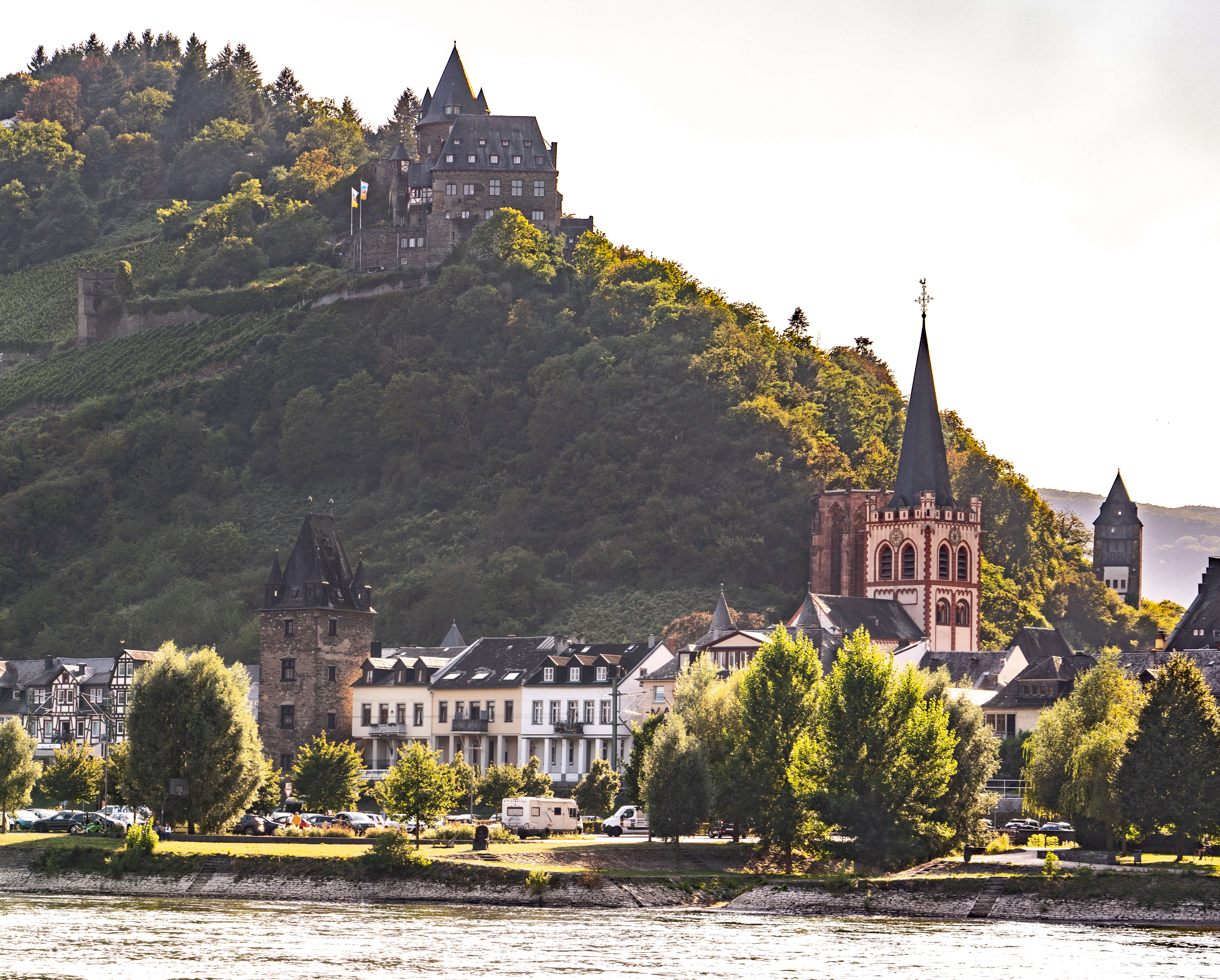
Stahleck Castle dates back to the 12th century, but like most of these other castles, was destroyed and rebuilt. It is currently used as a youth hostel.
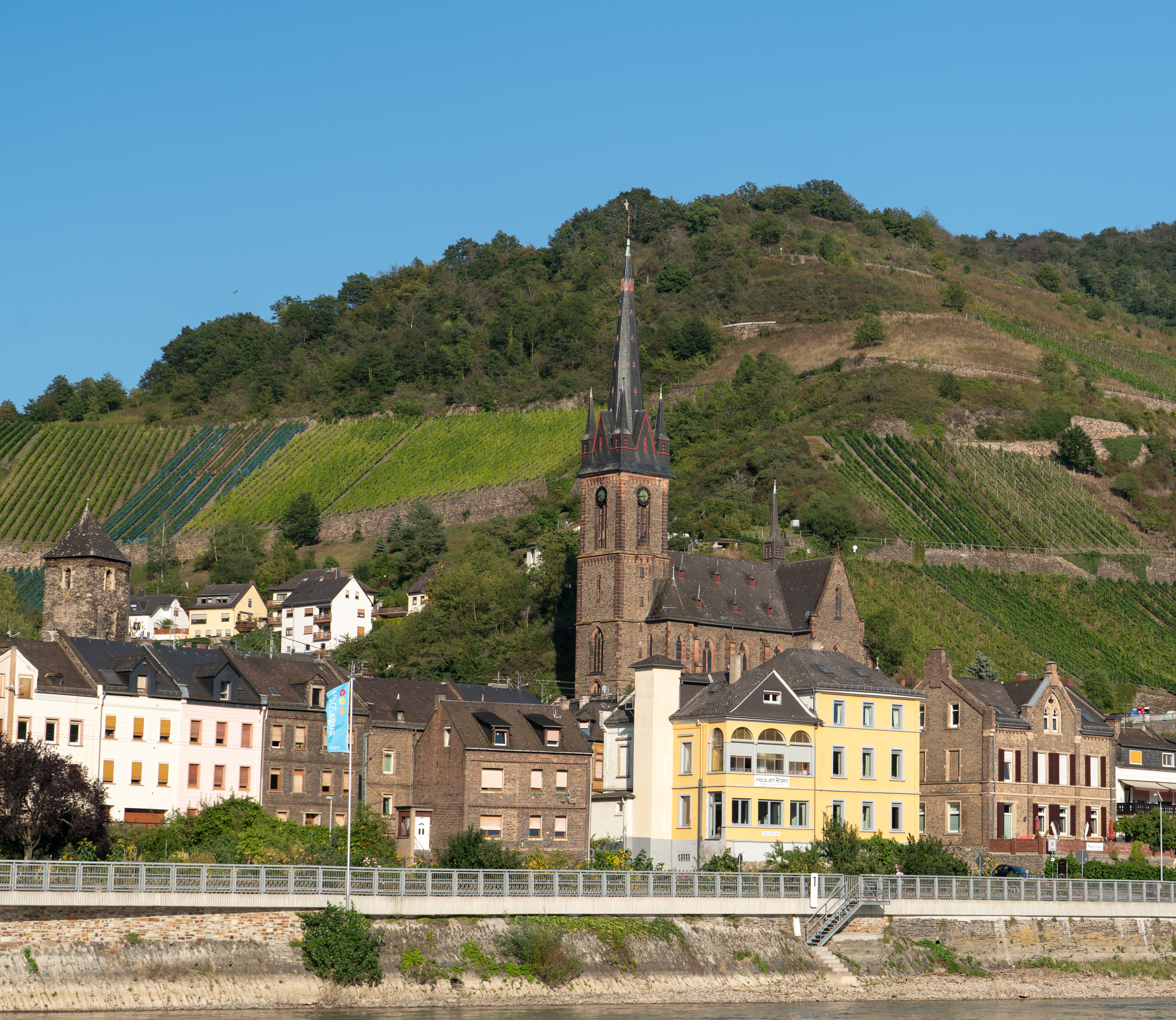
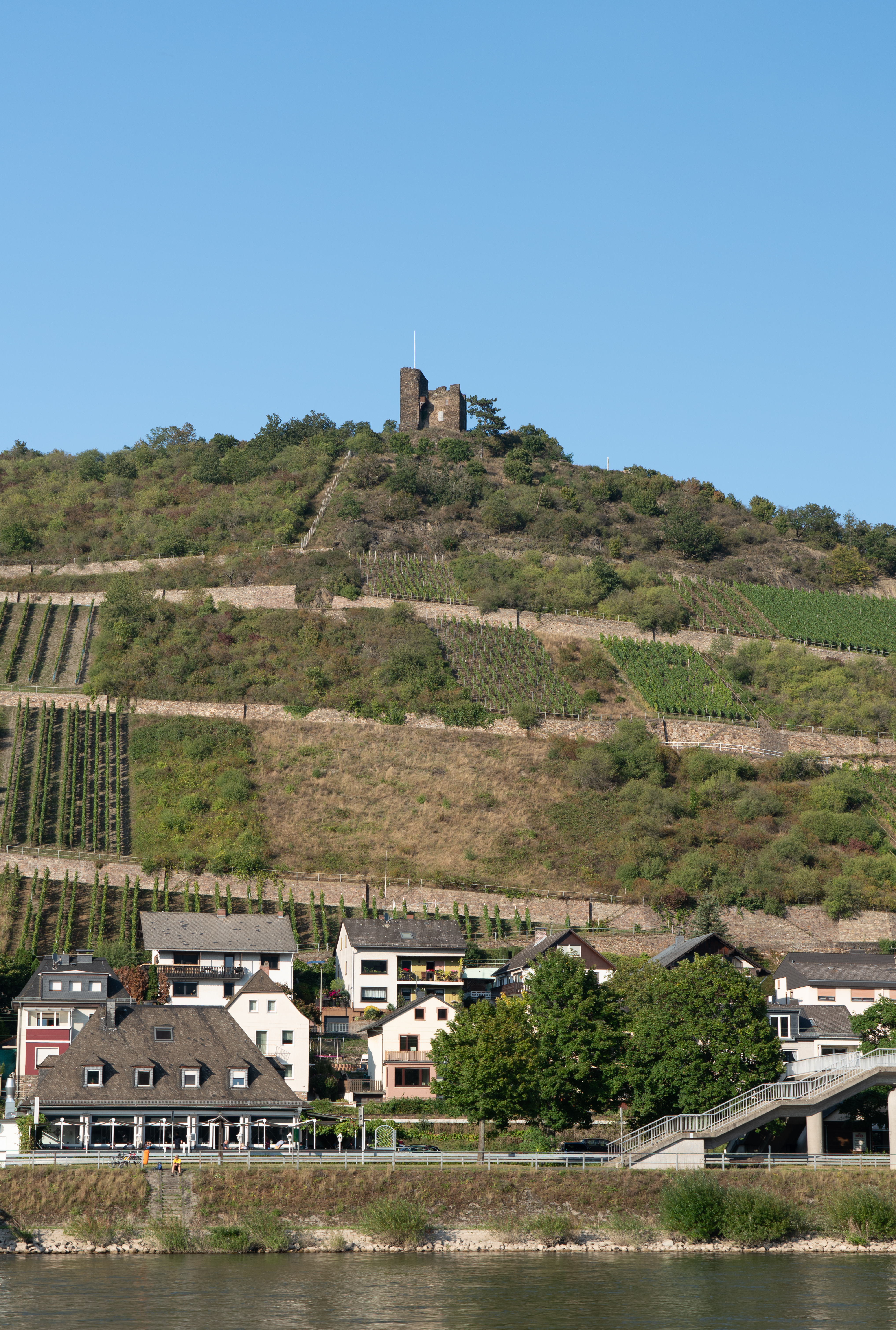
Nollig Castle was built around 1300 as part of city fortifications. The castle is privately owned.
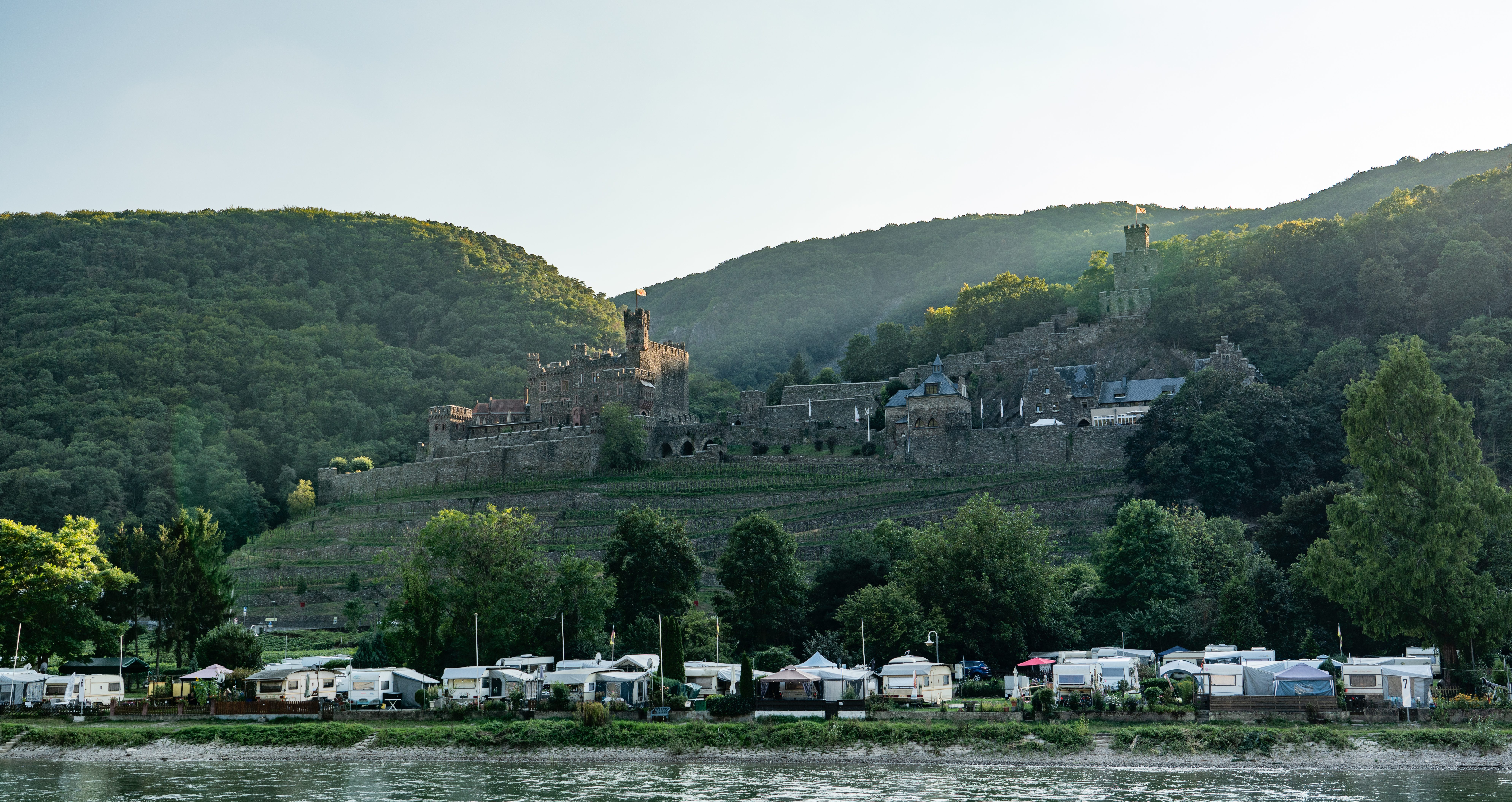
Sooneck Castle was in the historical records in the 13th century, but it is unclear when it was built. It was first destroyed in 1282 by German King Rudolf I, but then rebuilt and given to a family who were supporters of the Habsburgs. Like other castles here, it was destroyed again by the French in the 17th century and rebuilt again. It is currently owned by Germany.
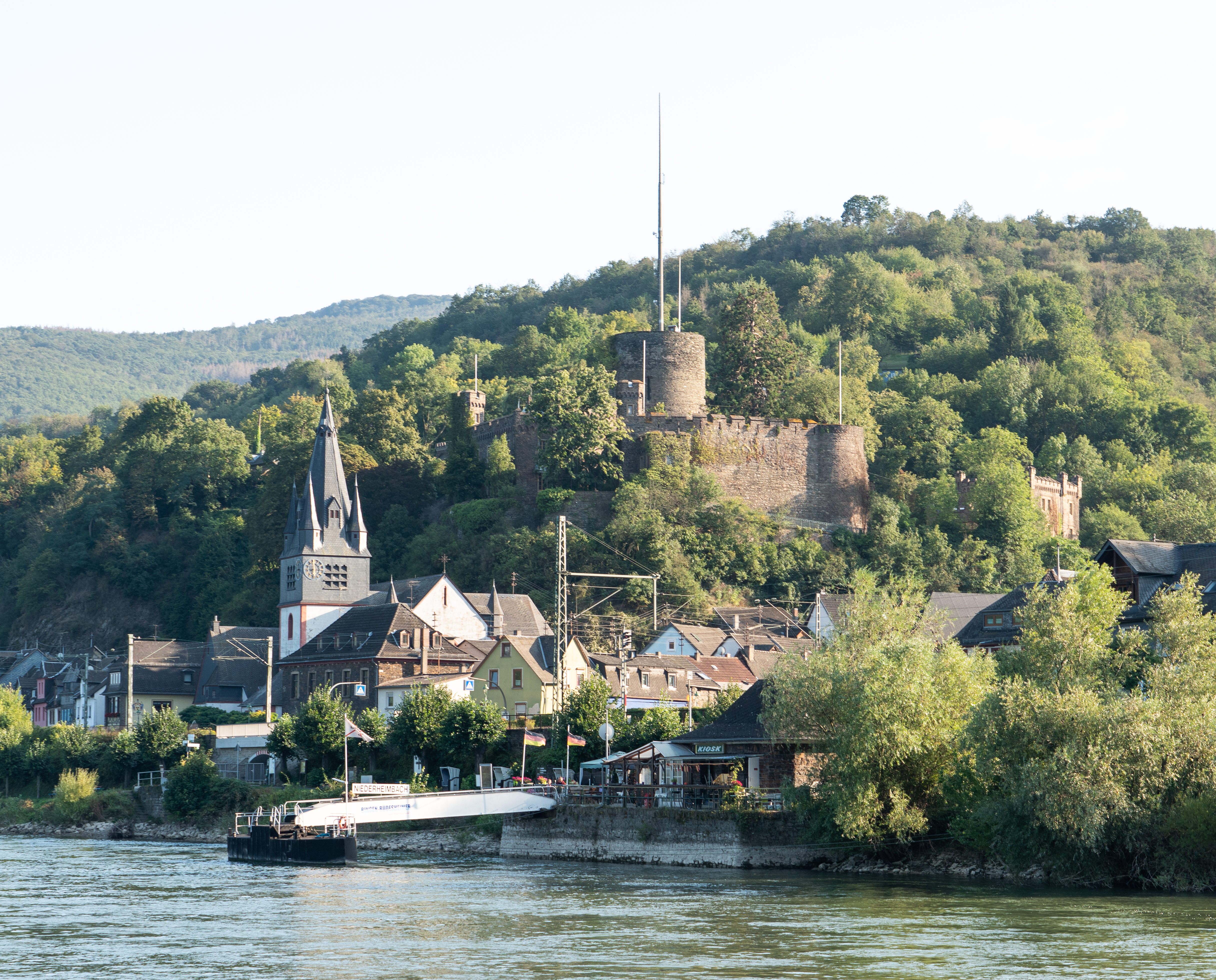
Heimburg Castle in Niederheimbach. I could not find any details about this one.
Reichenstein Castle dates back to the 12th century. It has a similar history of multiple destructions and rebuilds like other castles around the area, but apparently fell into disrepair until the late 19th century. It was then reconstructed as a neo-gothic castle and is now a hotel and museum.
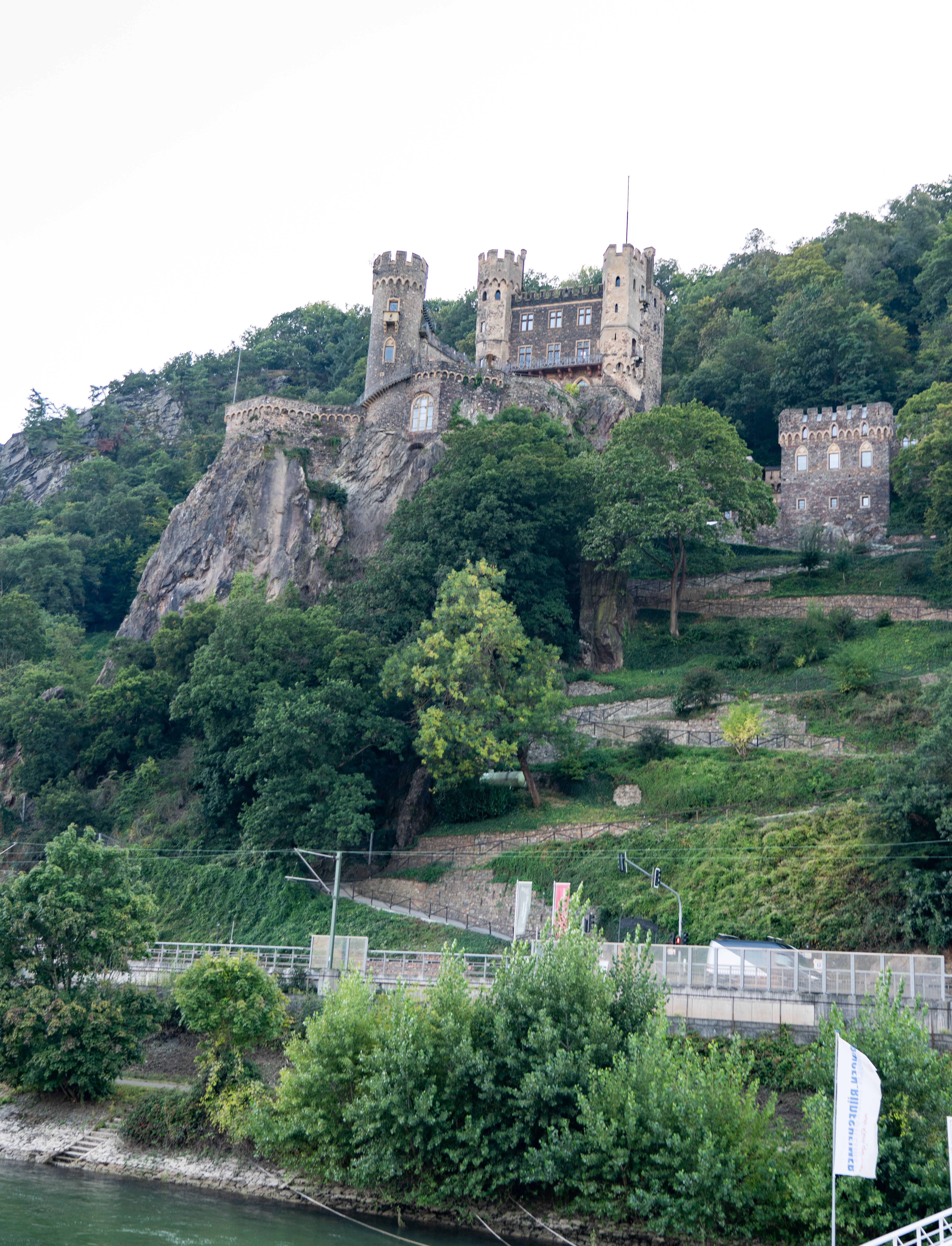
Rheinstein Castle was built in the 14th century but quickly fell into decline. It was rebuilt in the 19th century and many heads of state, including Queen Victoria, stayed there. It stayed in royal ownership until the 1950s, but then changed to private ownership. It has since been donated to the German government for use as a museum.
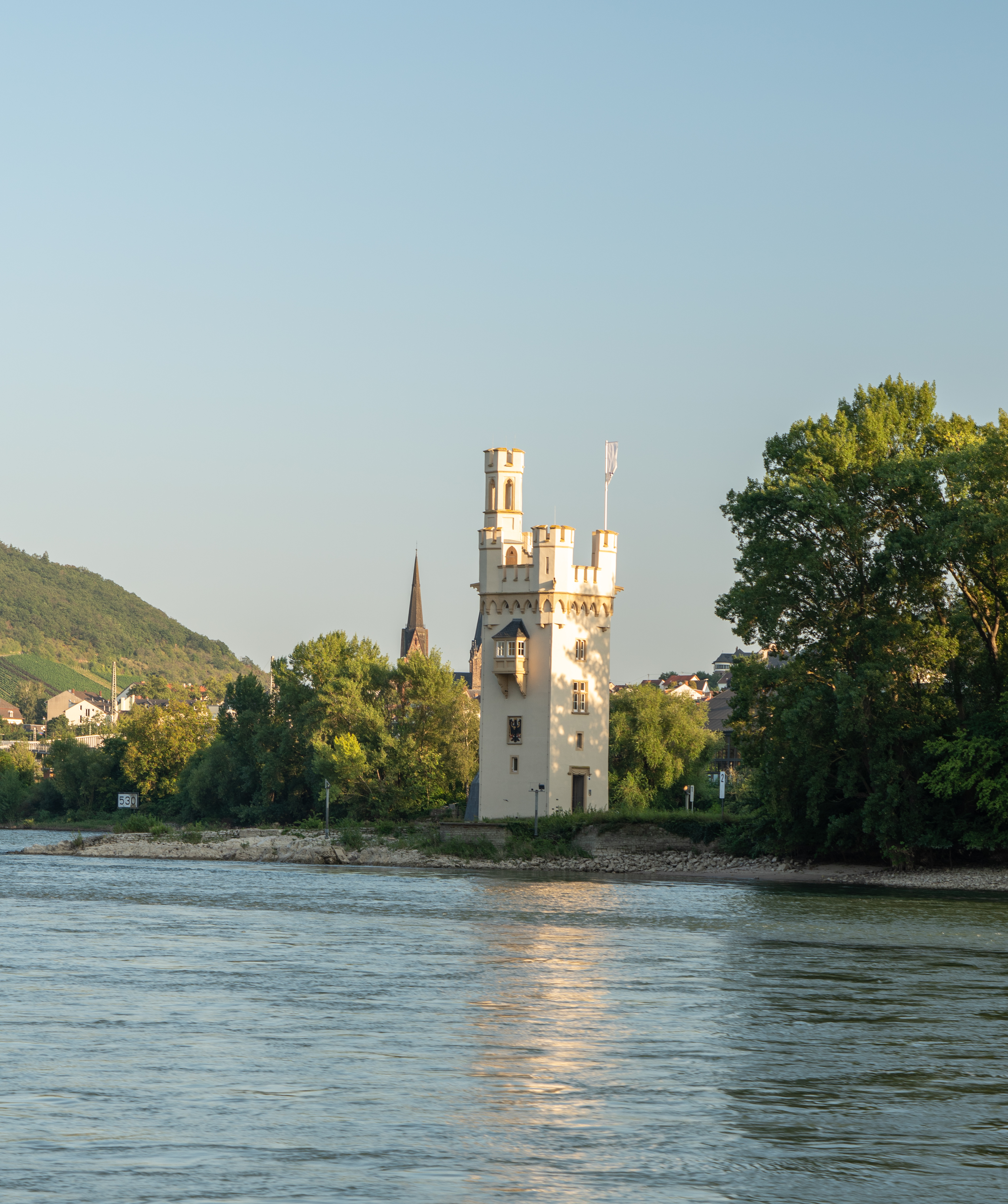
Mouse Tower dates back to at least 1516, although it is likely that the Romans had a fort here, too. There also was a known pre-existing tower in 968. This was a toll-tower and guard tower.
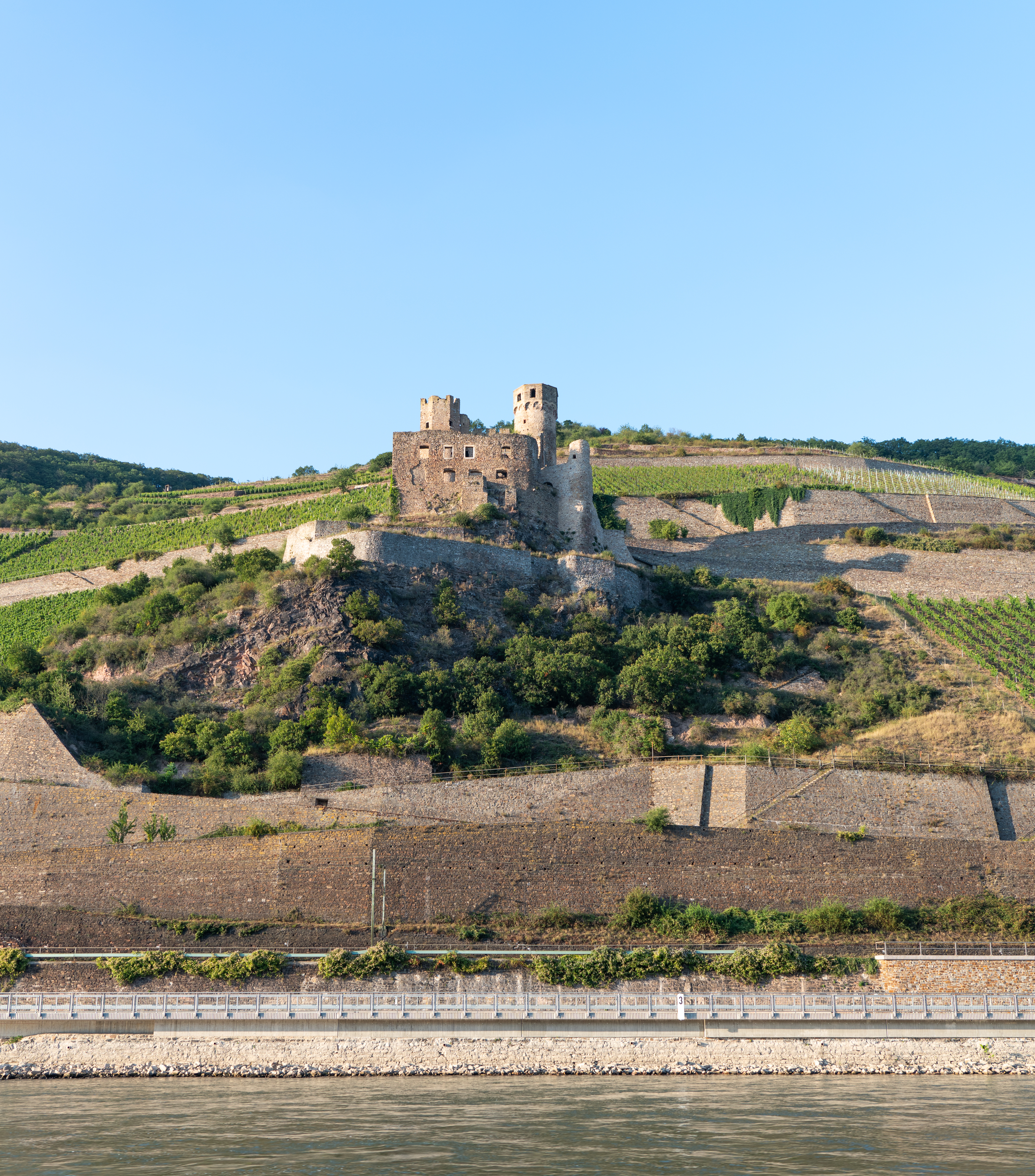
Ehrenfels Castle is near Rüdesheim am Rhein. It was built (or likely re-built) around 1212 and was demolished in 1689. It was used to collect tolls in conduction with the Mouse Tower, which is below it.
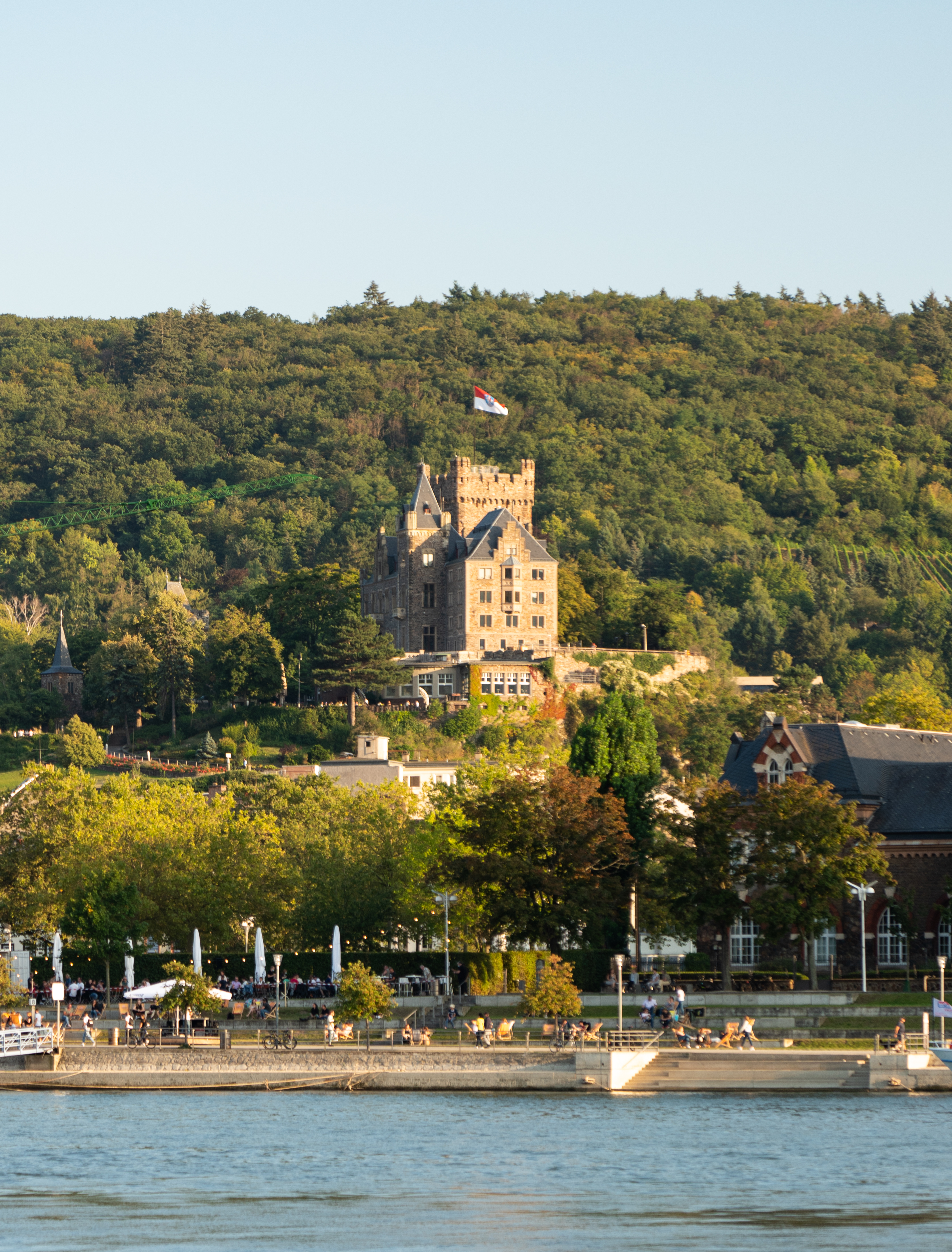
Klopp Castle dates back to the 13th century, but was built on the site of previous castles. This castle also was part of the toll network with Mouse Tower and Ehrenfels Castle. The current building is from a rebuild in the 19th century, but there are remnants of the medieval castle in the moat, southern wall, and part of a pathway.
 Will Suture for Travel
Leave a comment