
We drove from New Hampshire to Boston today.
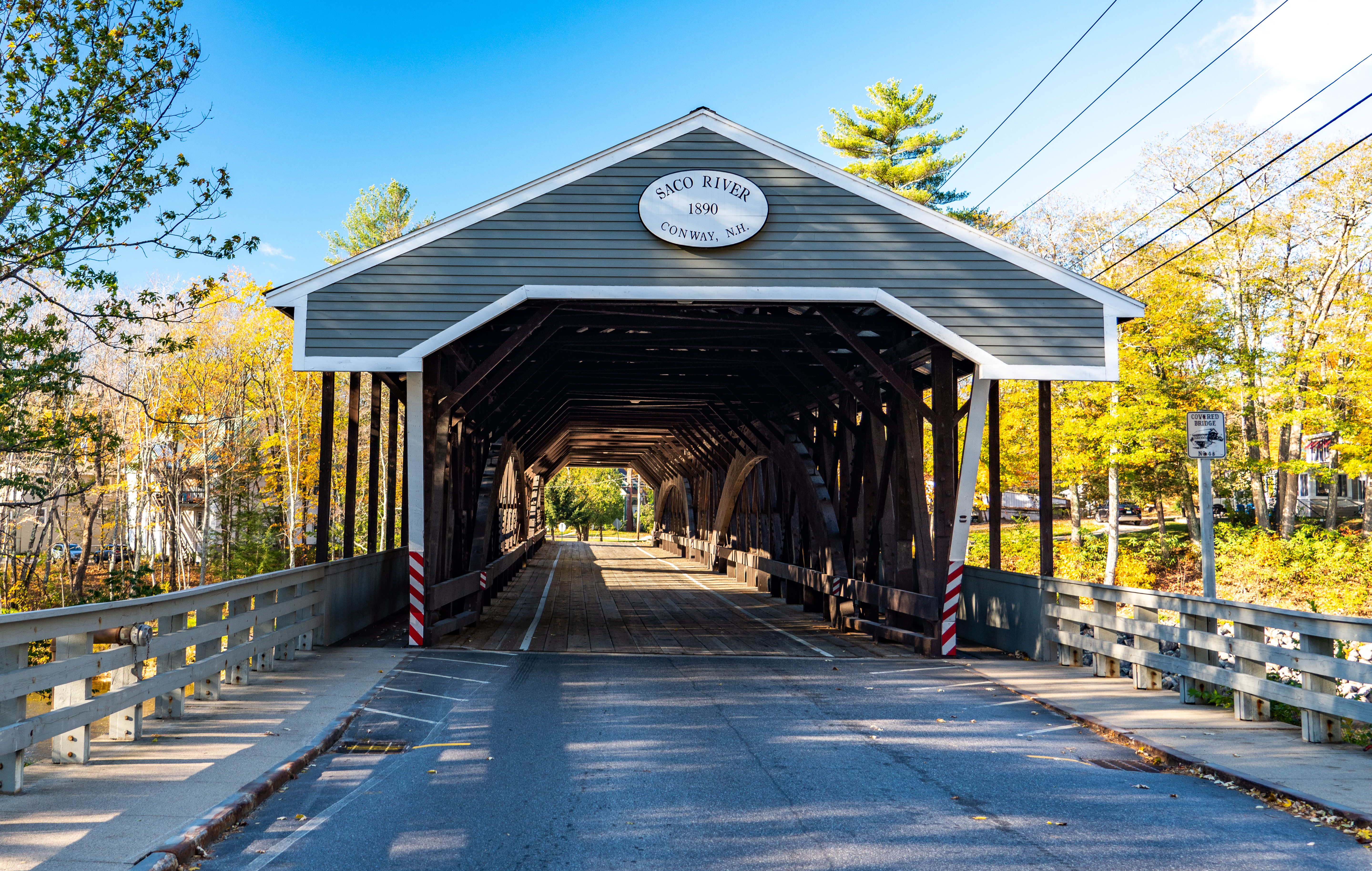
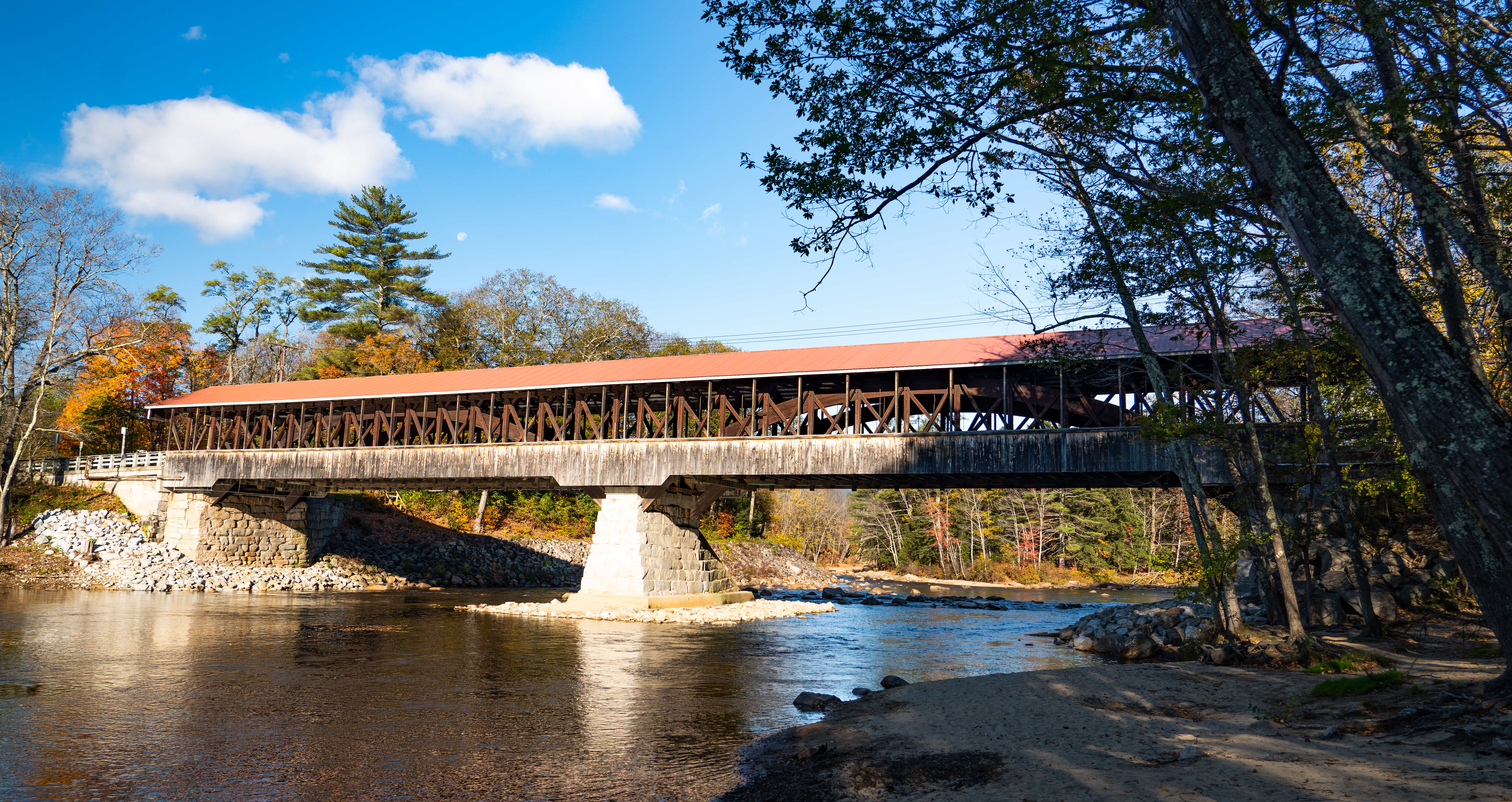
Made it to 2 more covered bridges before we left. Both are in Conway, NH.
The Saco River Covered Bridge was built in 1890 to replace an 1850 log bridge that collapsed in 1869 in a flood. This was replaced and that bridge was subsequently destroyed in a fire. It, appropriately, spans the Saco River.
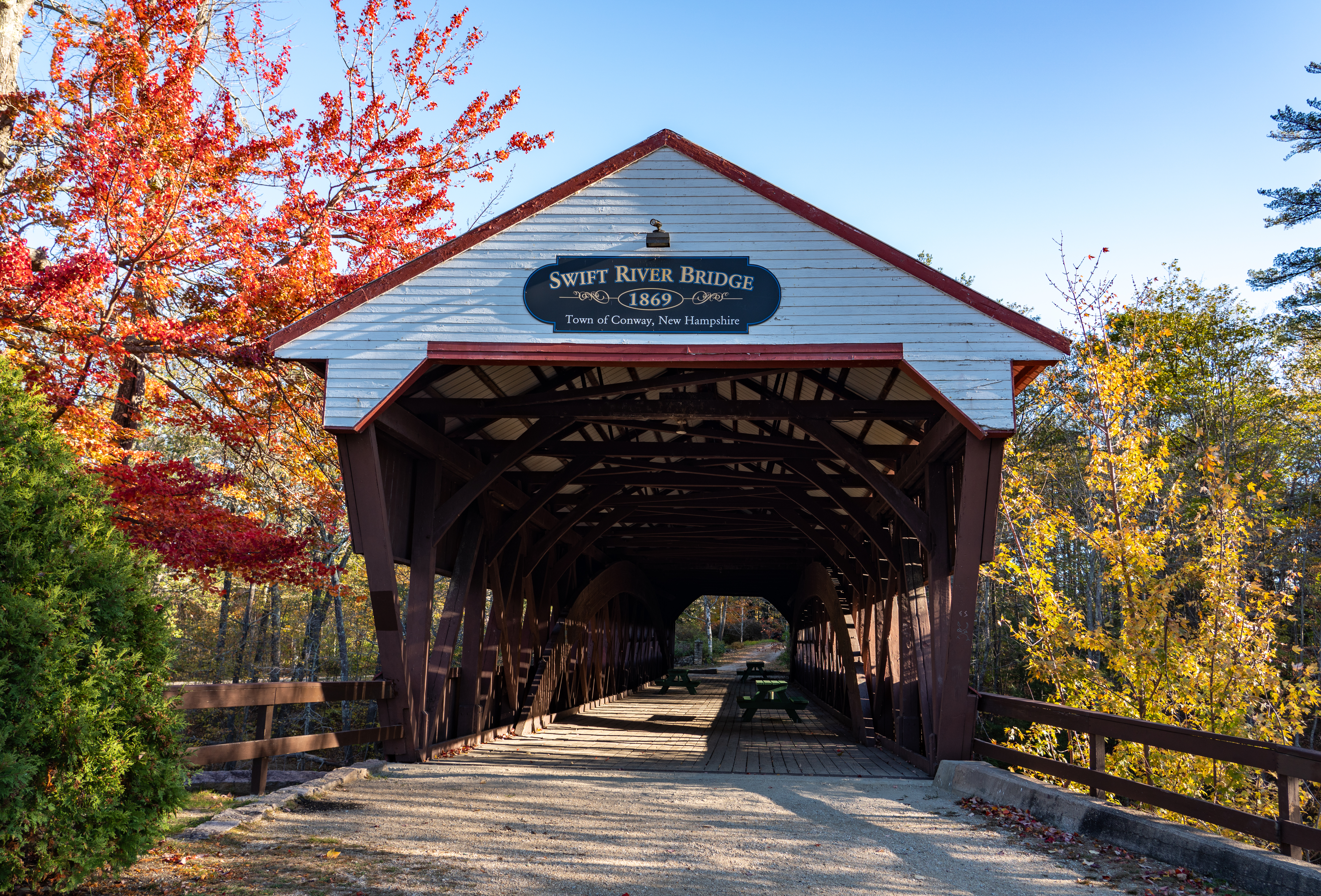
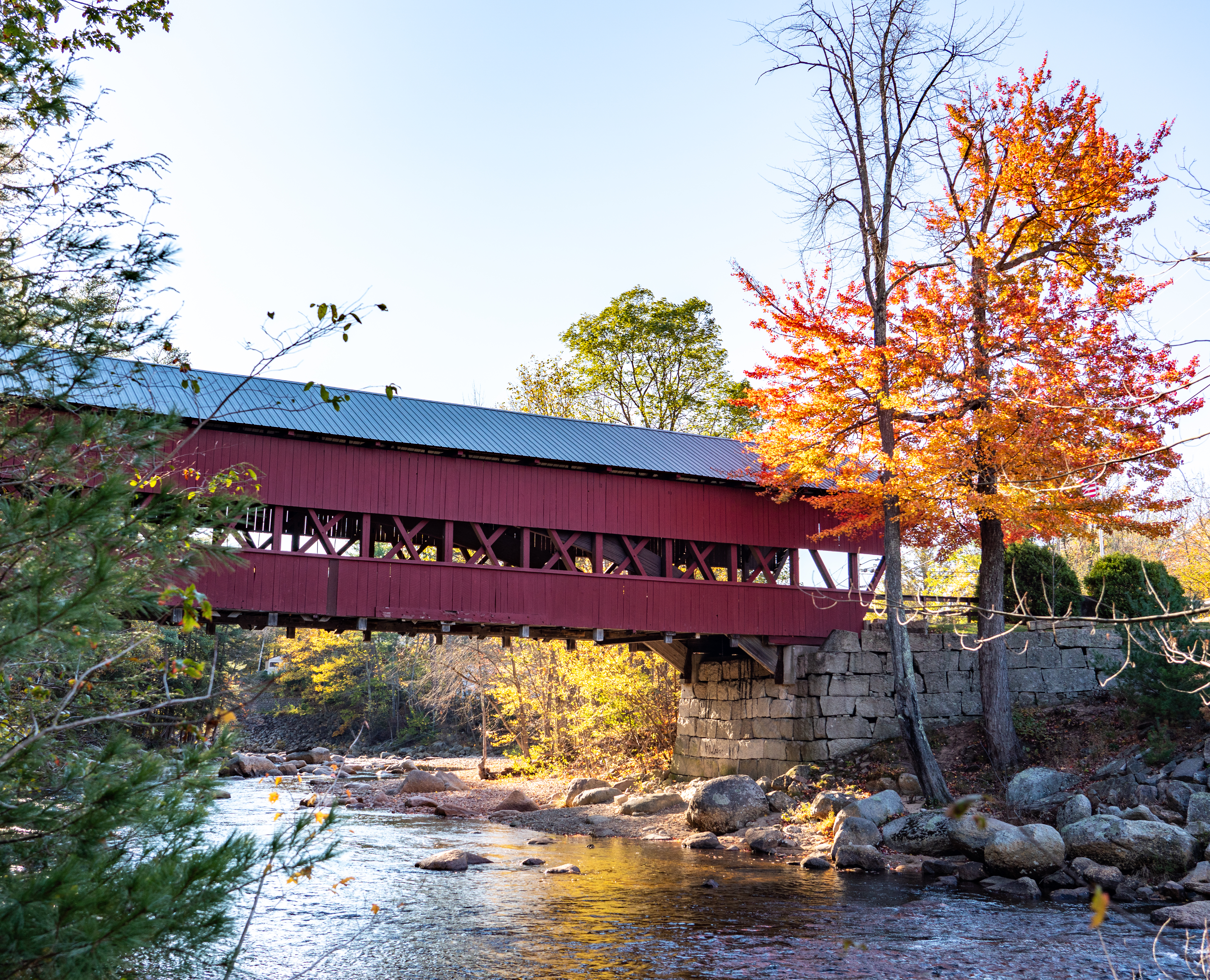
The Swift River Covered Bridge was built in 1869 and spans the Swift River. There was a previous bridge on this site that was built in 1850, but it was washed away in the flooding of 1869. Some of the this bridge floated downstream into the Saco River Bridge, damaging it. Much of the lumber from these 2 damaged bridges was salvaged and used to rebuild the new Swift River Covered Bridge. A modern bridge was built to bypass this in 1974, so this one is no longer used for traffic.
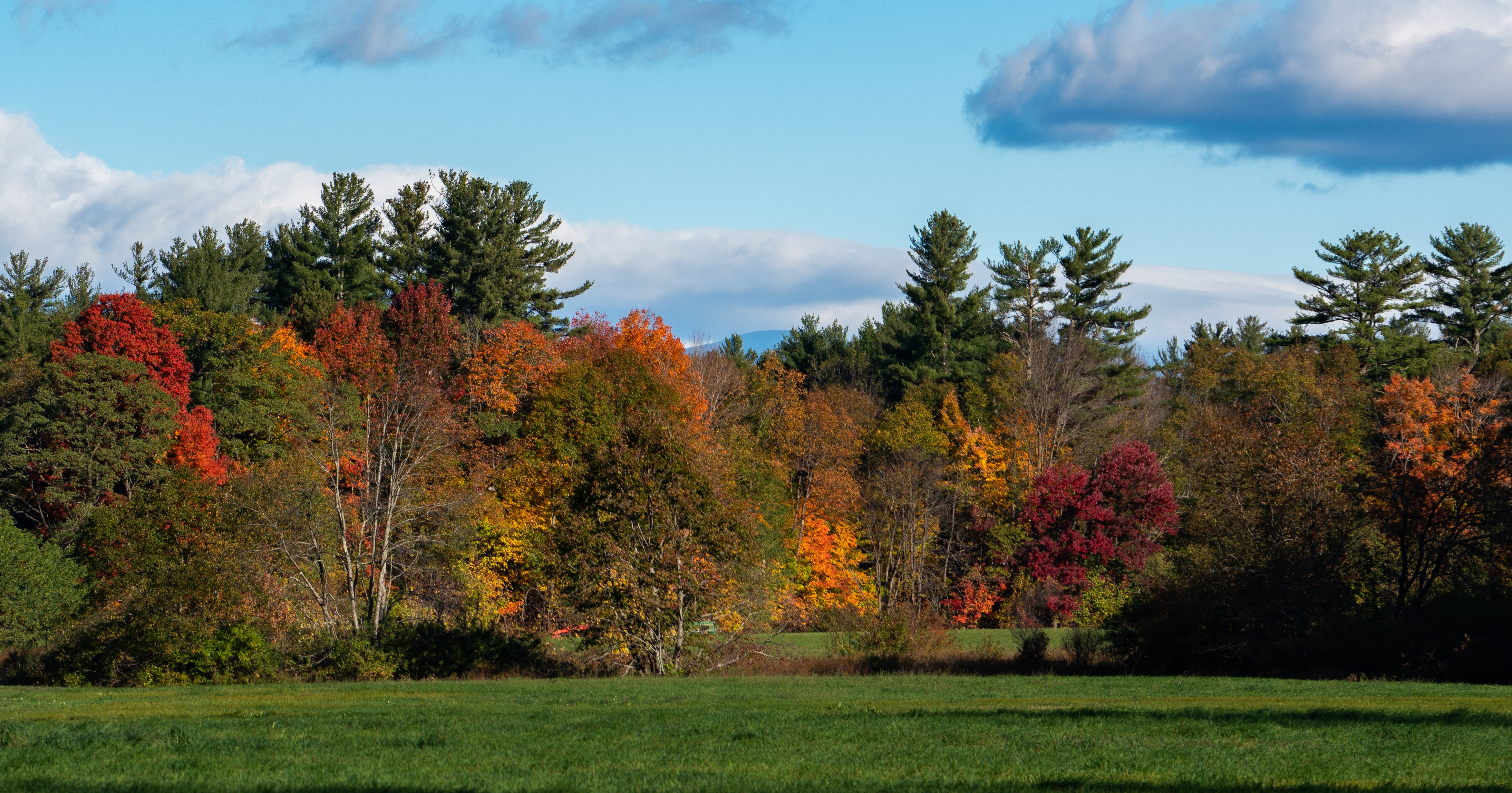
Now on to Boston. We are spending time in Boston because I have a conference here. Unfortunately, the weather forecast for our time here after today is all rain…plus I will be spending a lot of time at the conference. Because of this, we decided to do the Freedom Trail today.
The Freedom Trail is a nearly 4 mile walk through Boston which takes you through important historical sites in the city. It is marked with a brick “trail” (think yellow-brick road) that you follow from site to site. There are historical explanations at many of the sites, or you can use and phone app or take a guided tour to get better historical explanations as you go along.
You start out in the Boston Common, the US’s oldest public park, where Puritans set up common land. This space has been used for many purposes over time, but has always been a public use space.
Next is the Massachusetts State House, which was built in 1798. Its dome is gilded in 23k gold. Seriously.
The next site is the Park Street Church. This church is known for its involvement in the abolition movement. It is also where the song “America” (“My Country Tis of Thee”) was performed for the first time.
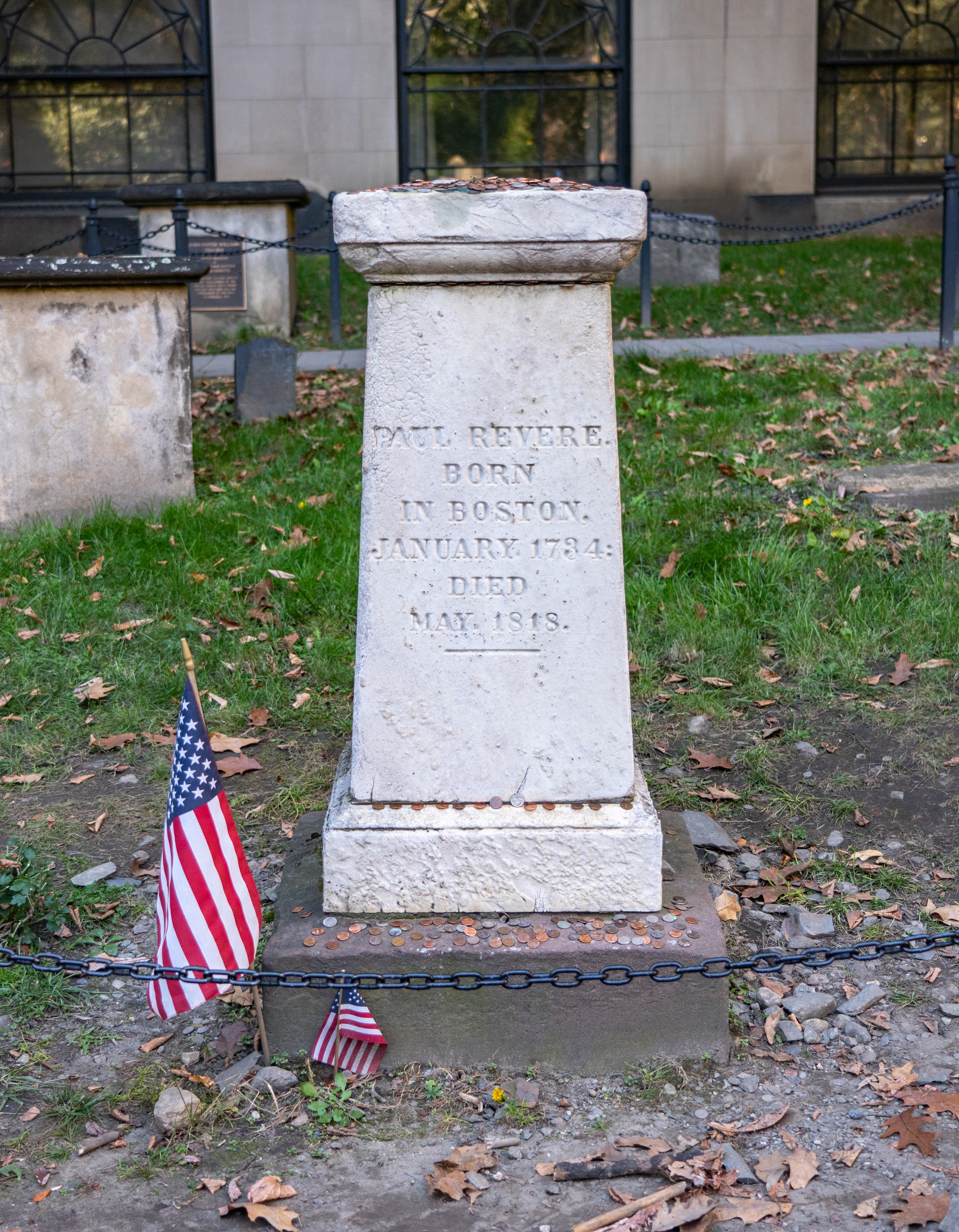
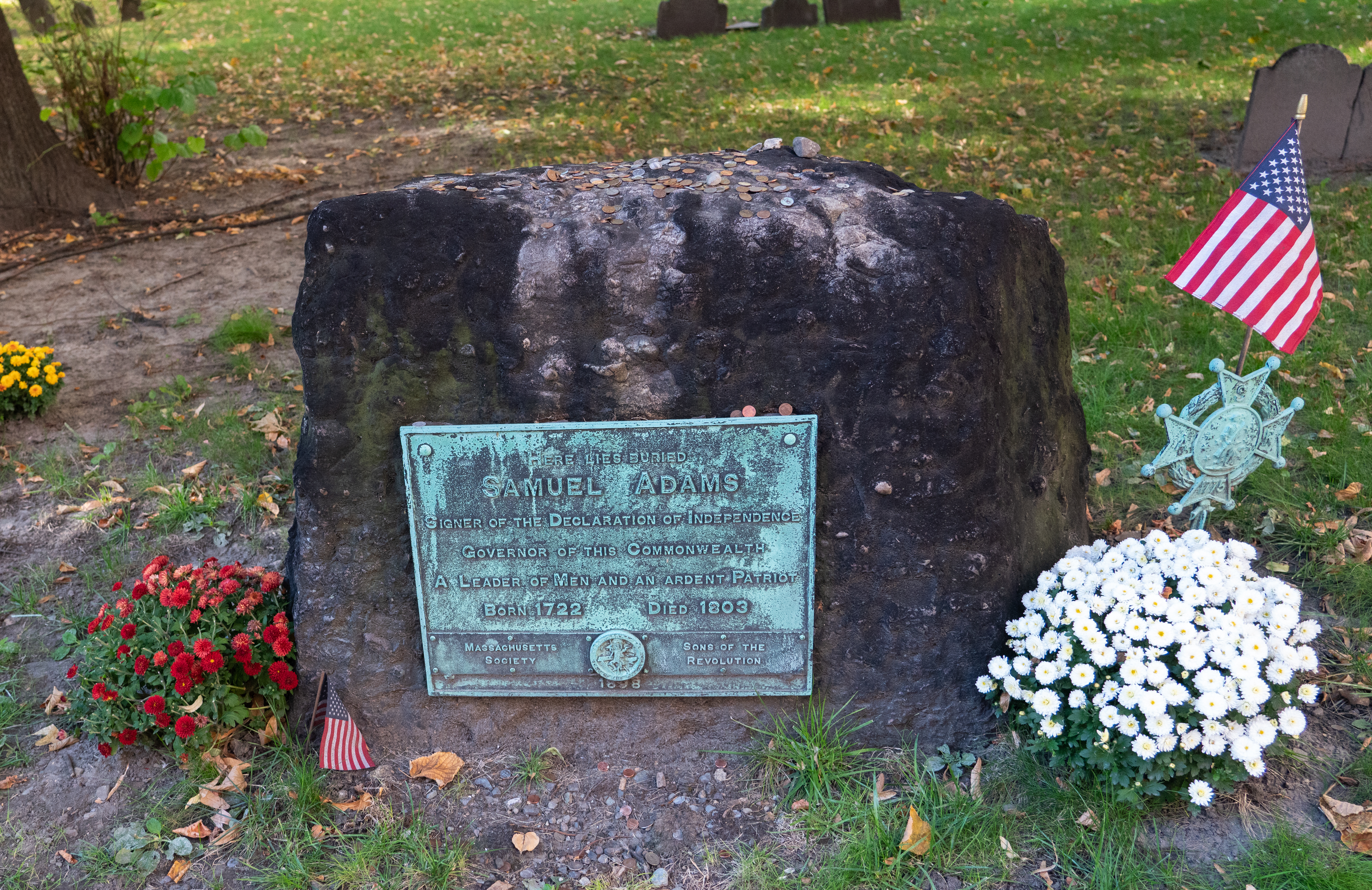
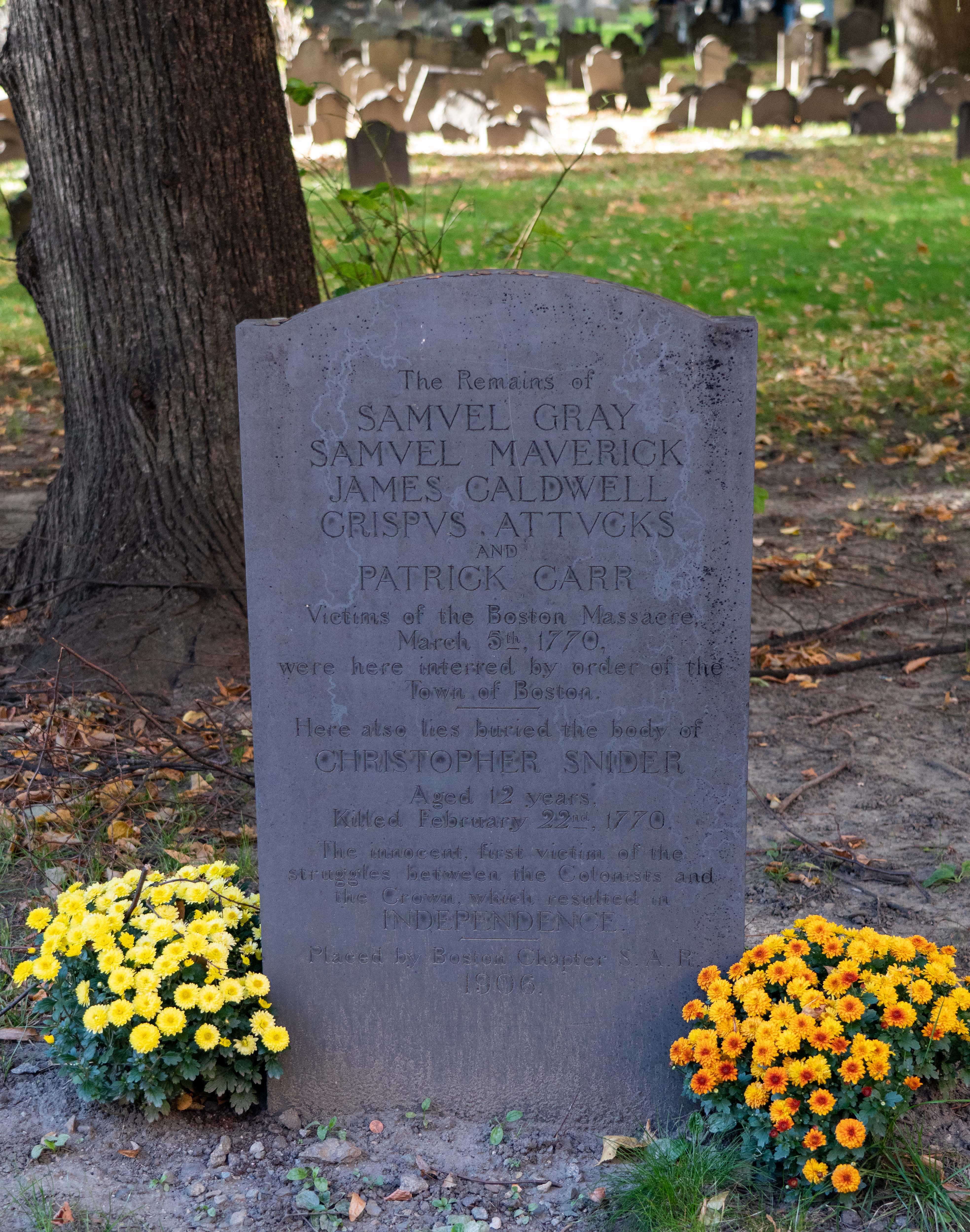
Right next to the Park Street Church is the Granary Burying Grounds. This is the 3rd oldest cemetery in Boston and has over 2,000 headstones, but likely more than 5,000 people buried in it. This includes multiple historical figures.
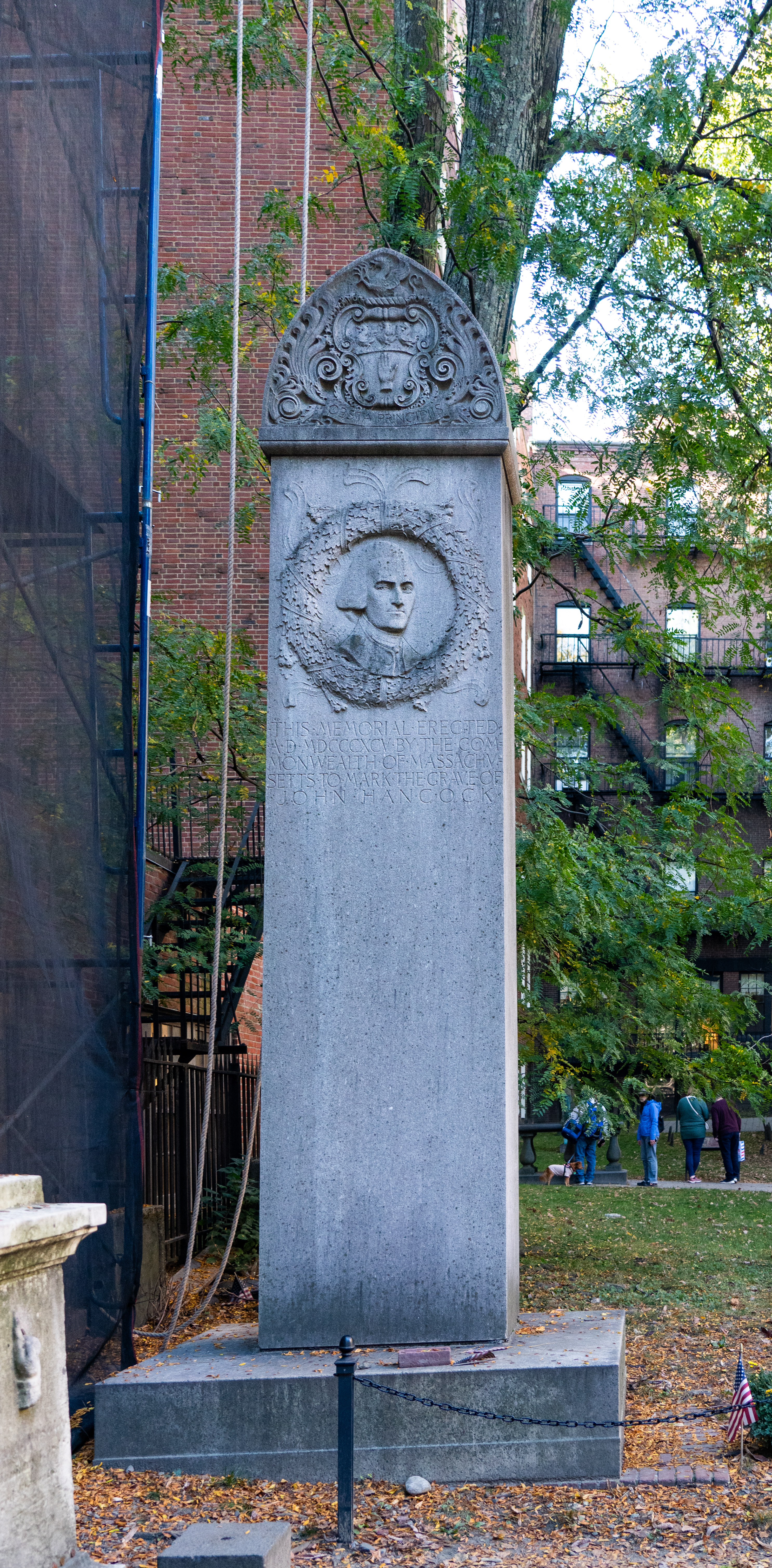
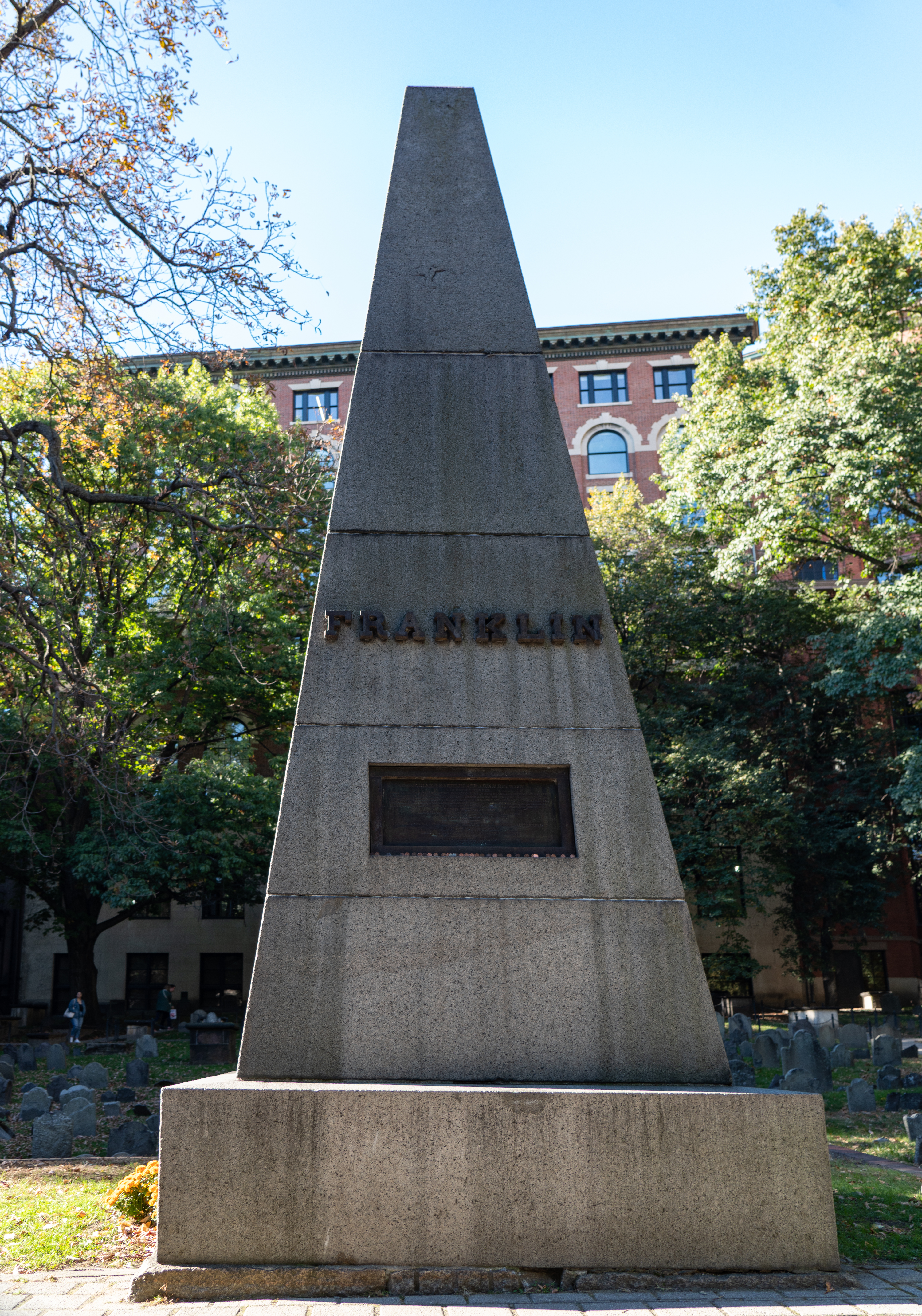
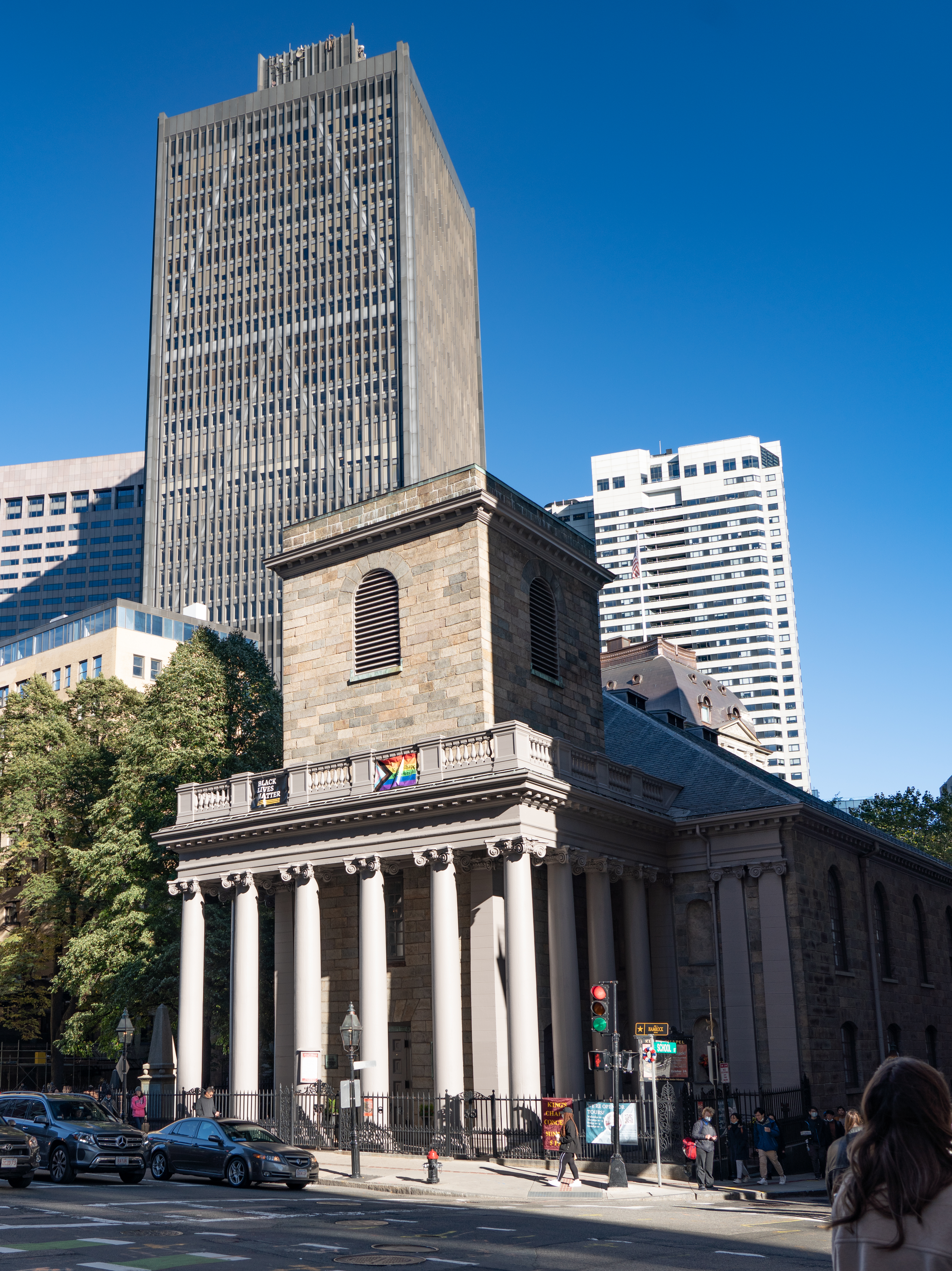
Just down the street is the Boston Latin School site. Five signers of the Declaration of Independence went to school here: Benjamin Franklin, Samuel Adams, John Hancock, Robert Treat Paine, and William Hooper, although Franklin dropped out before graduating. The school has subsequently moved multiple times and is still operational.
The next location is the Old Corner Bookstore (currently a Chipotle). Built in 1718 as an apothecary shop and residence, this is Boston’s oldest commercial building. It became a bookstore in 1828 and later an important publishing company.
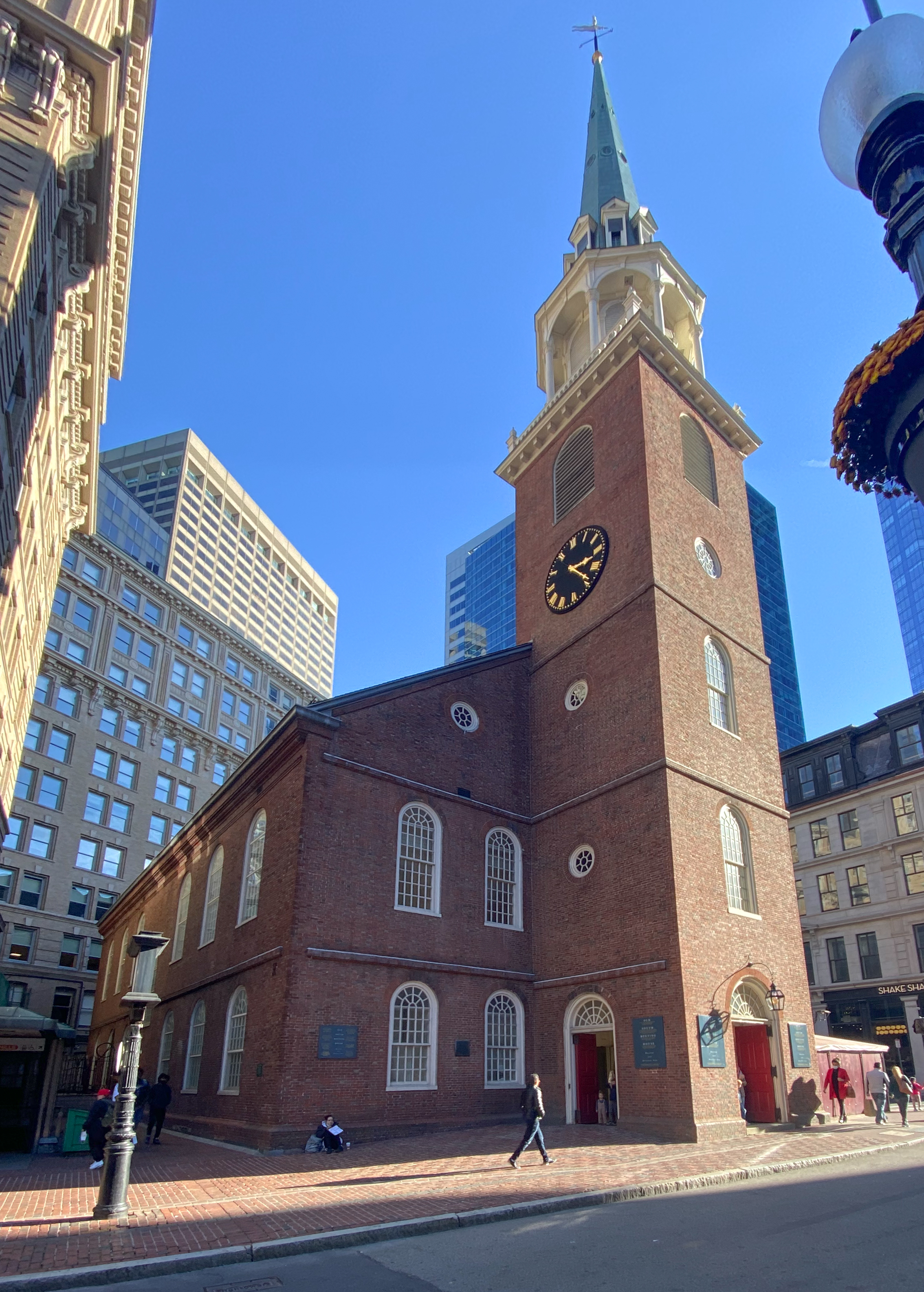
Moving along the Trail takes you to the Old State House. It is the oldest surviving public building in Boston.
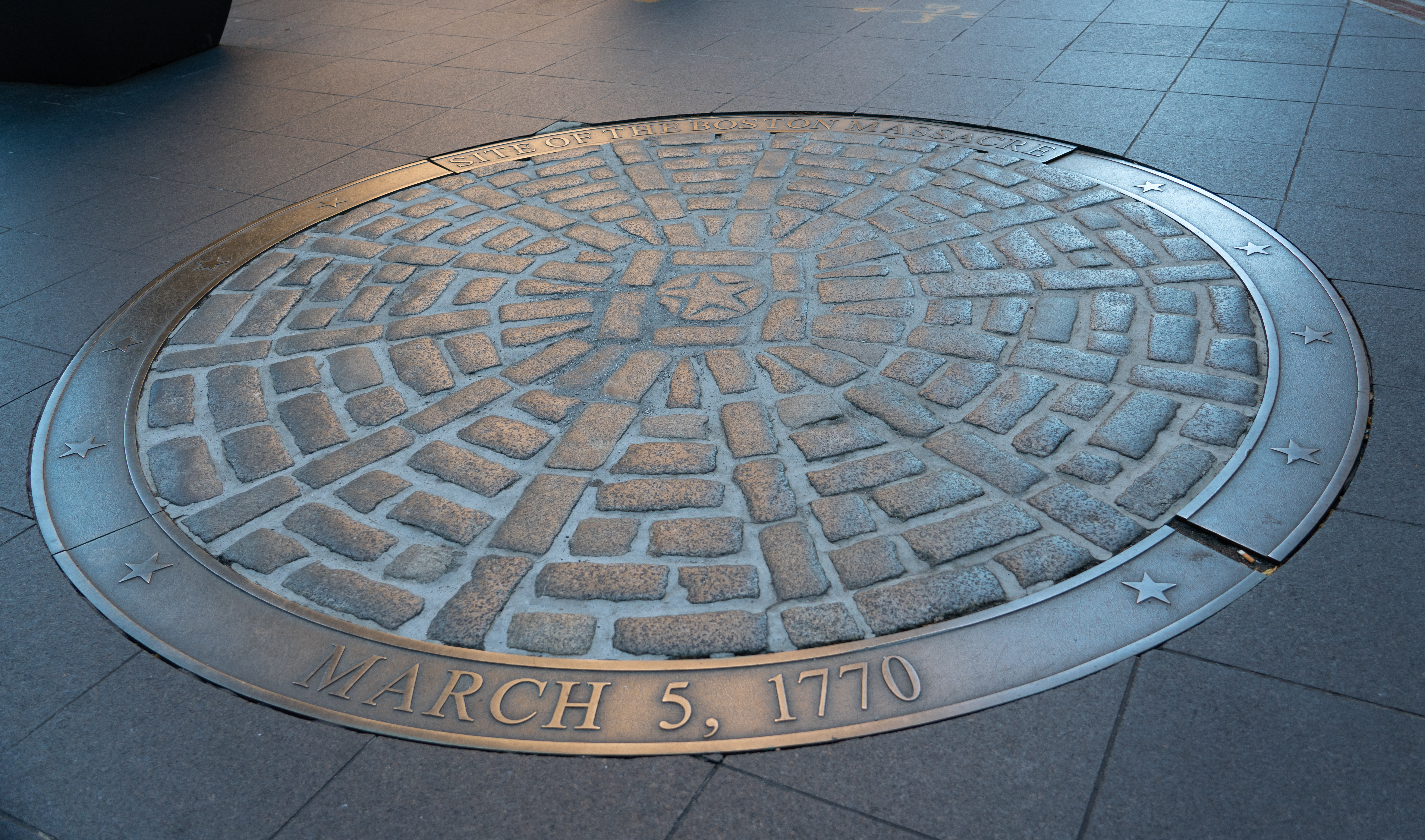
Faneuil Hall is the next stop. It is a meeting hall and marketplace that was built in 1741. Multiple speeches promoting independence were made here. Protests against the Sugar and Stamp Acts were held.
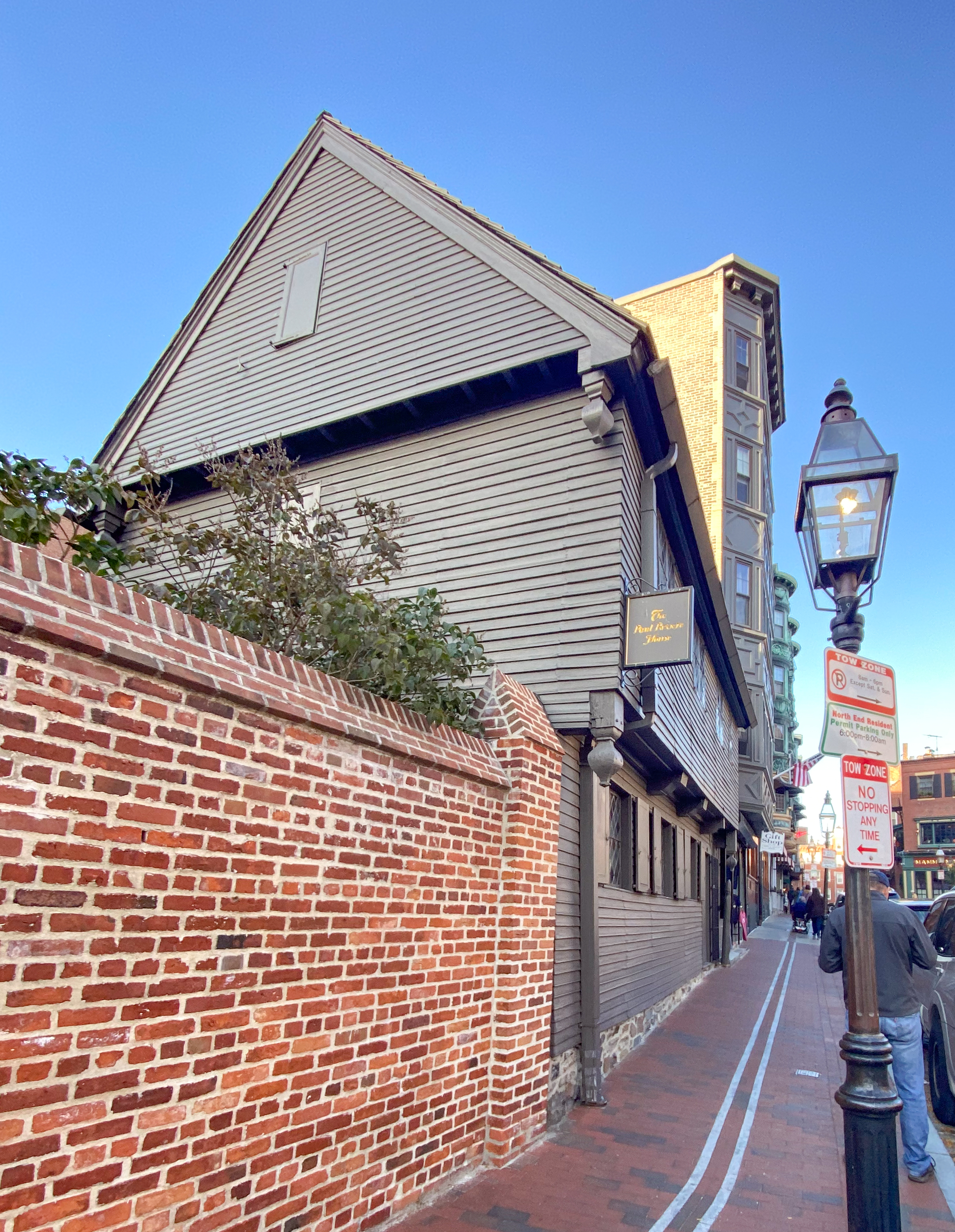
The Trail takes you by Paul Revere’s house. You can’t see much of it without paying the fee to go in.
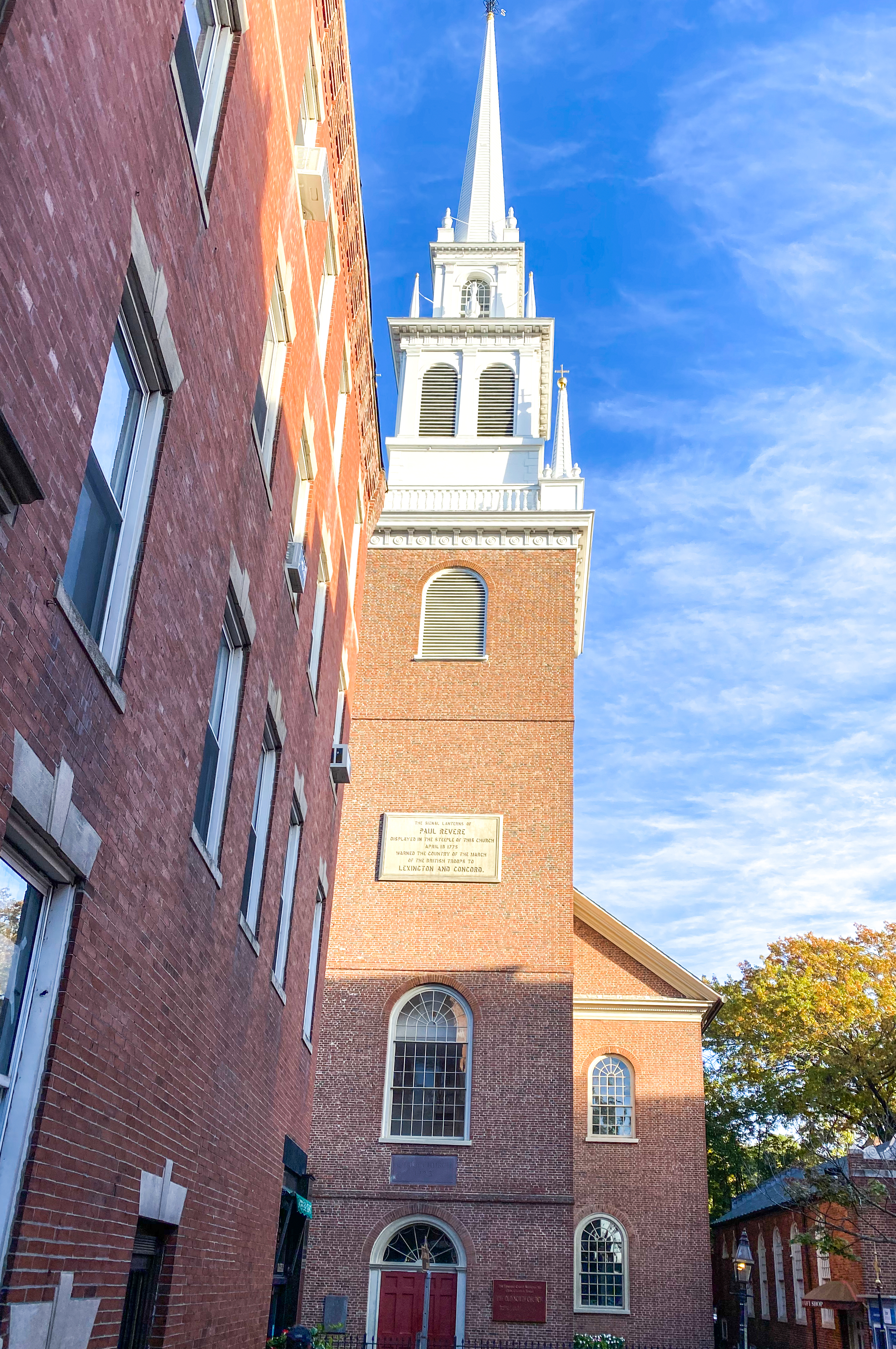
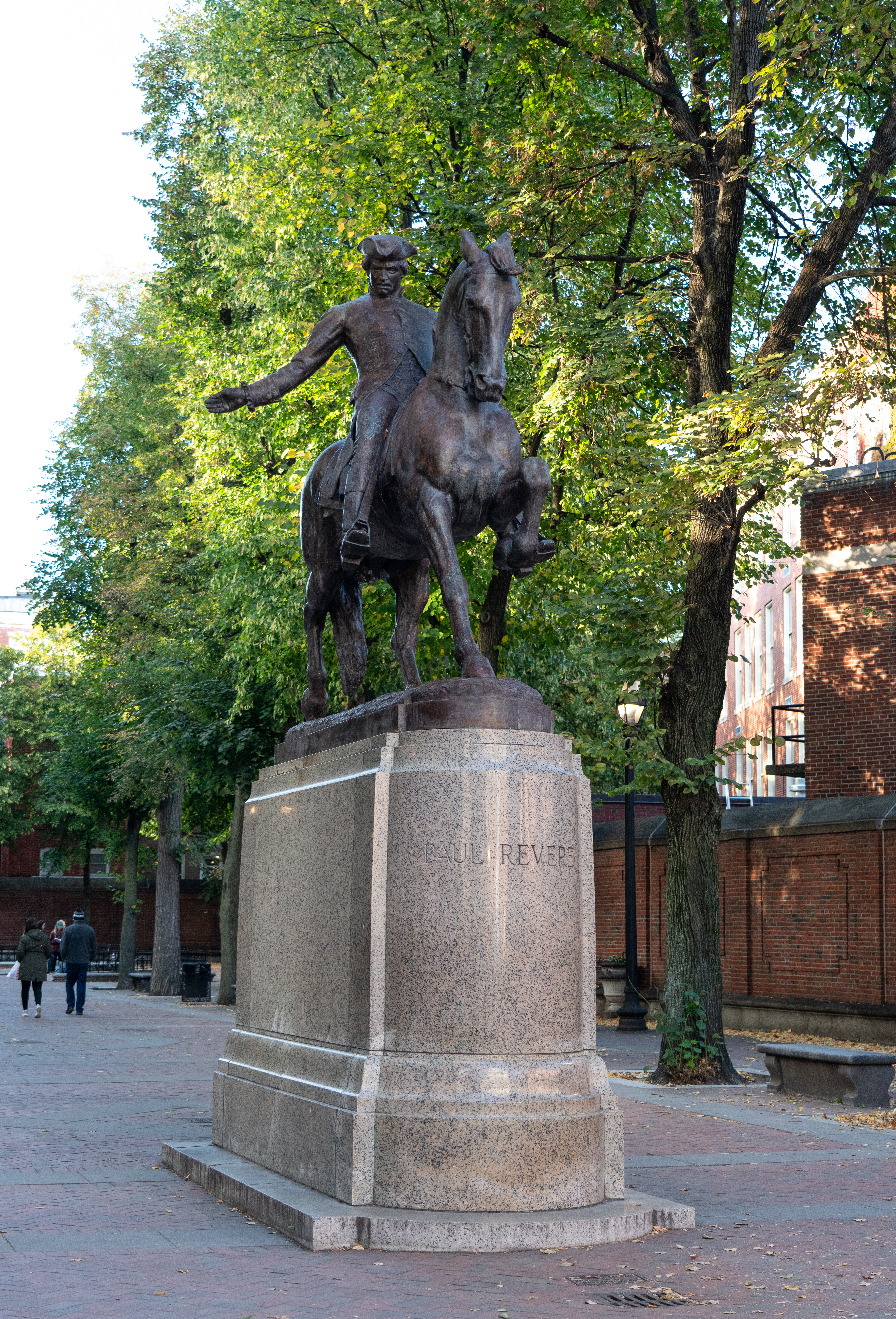
Copp’s Hill Burying Ground is next. Puritan minister’s Cotton and Increase Mather (associated with the Salem Witch Trials) are buried here. This cemetery is on a hill and, due to its vantage point, the British used it during the Battle of Bunker Hill to fire their cannons on Charlestown.
The USS Constitution is the world’s oldest ship of any kind still afloat. It was launched in 1797 and retired from active service in 1881. This is the one part of the Trail that we skipped due to time as it was getting late in the day.
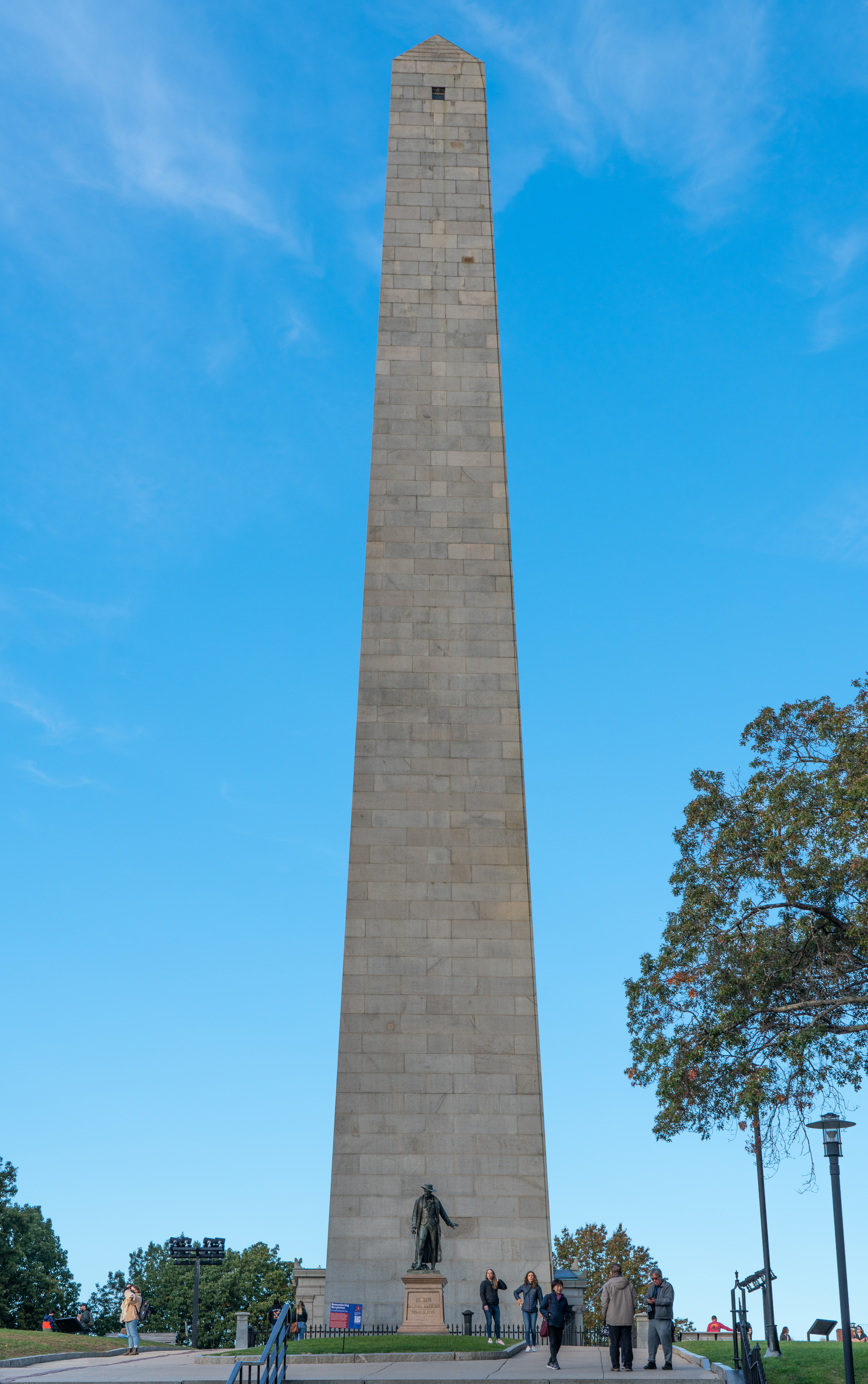
The last stop of the Freedom Trail is the Bunker Hill Monument. Technically, the Battle of Bunker Hill was a British win, but they had suffered a large number of casualties, including officers. The battle proved, however, that the Colonial troops could effectively fight. While it is known as Bunker Hill, the Colonial fortifications that the British Army attacked were actually on Breed Hill, not Bunker Hill, which is also where the Bunker Hill Monument is.
So that’s the run down and very abridged history.
 Will Suture for Travel
Leave a comment