We are starting a new adventure in Egypt. We arrived late last night and for a few days we will be in Cairo, but today we are taking a day-trip to Alexandria. This was a nearly 3 hour drive each way, so much of the day was in the car, but it was the only feasible way to get to this part of the country.
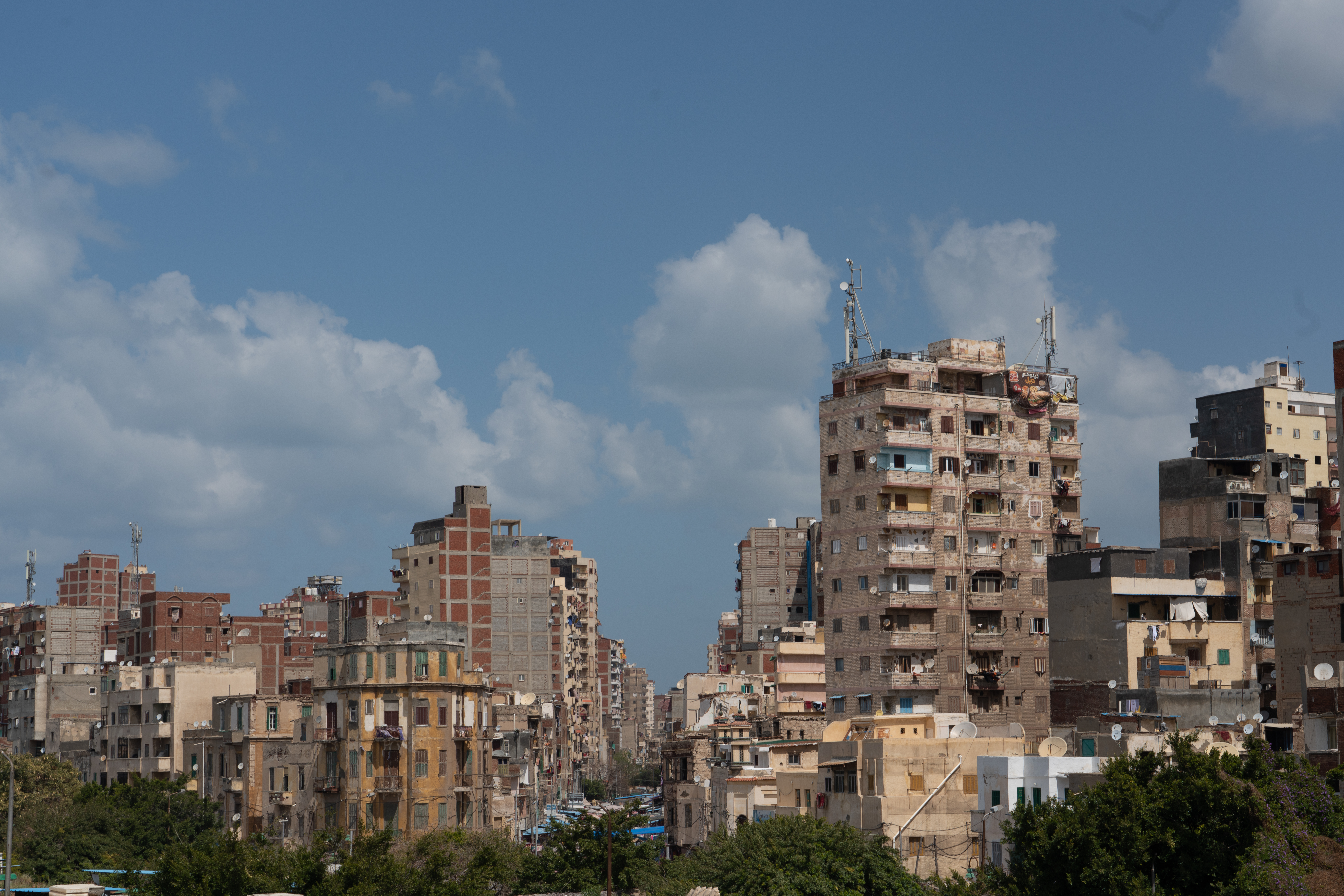
Alexandria, Egypt was founded by Alexander the Great in 331 BC to be his namesake and a link between Greece and the Nile Valley. Within a century it was the largest city in the world. Today it is the largest city on the Mediterranean and the 3rd largest city in Egypt.
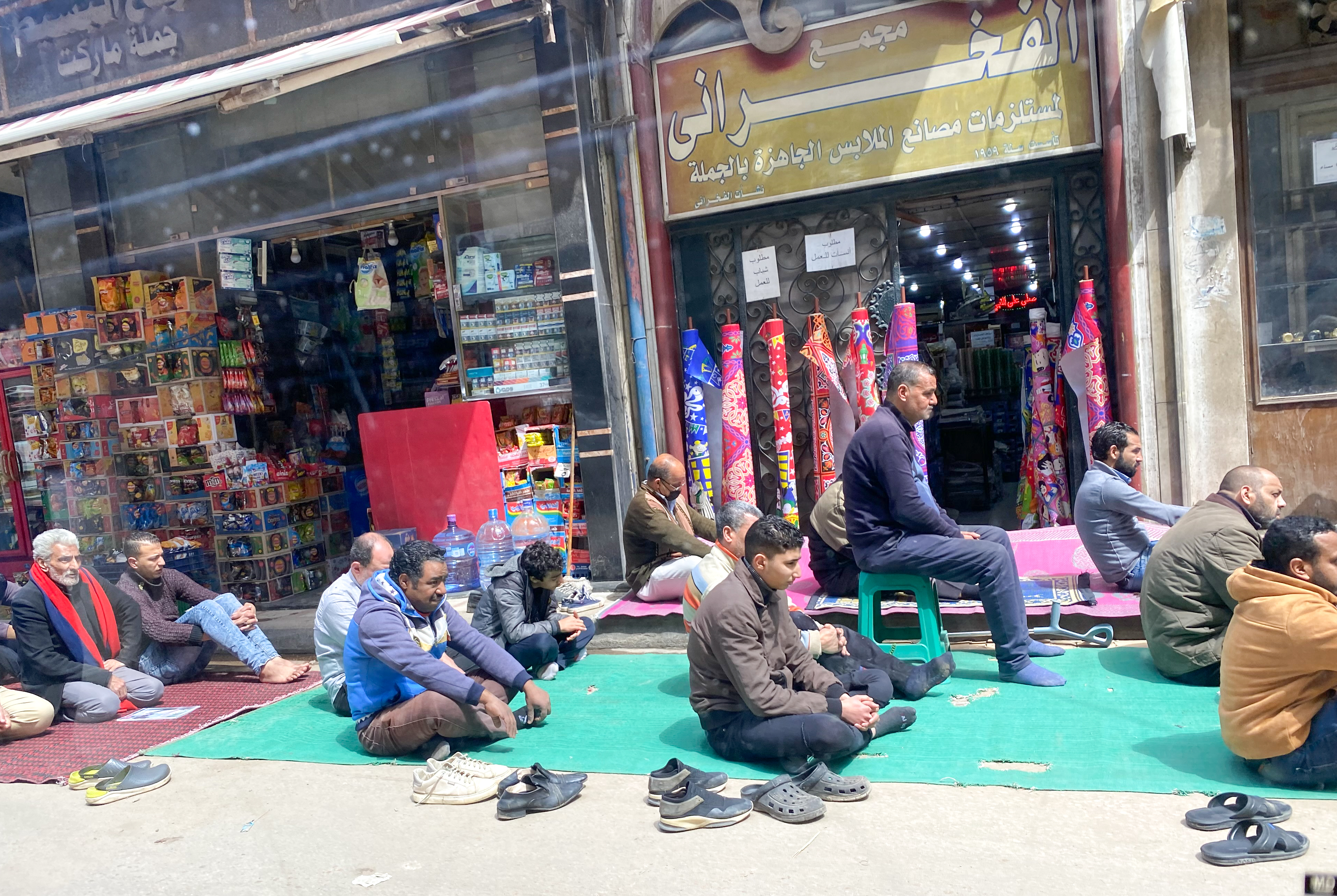
We started out at the catacombs of Kom El Shoqafa which is a 2nd-4th century family necropolis. This is 3 stories underground and and was discovered in 1900 when a donkey stepped into a weak spot and fell in.
The main tomb chamber is in the bottom and has intricate carvings that combine Roman, Greek, and Egyptian symbology.
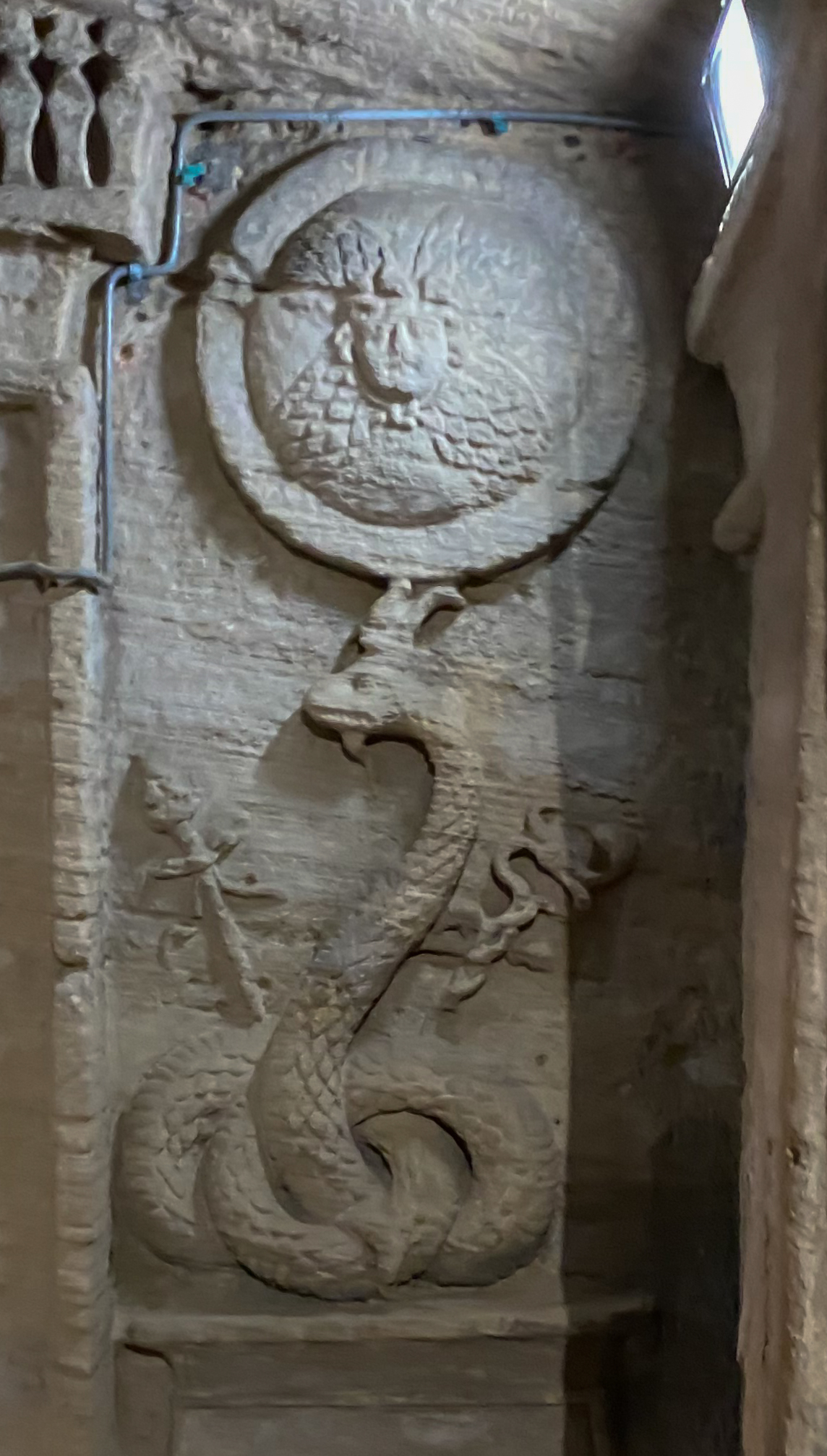
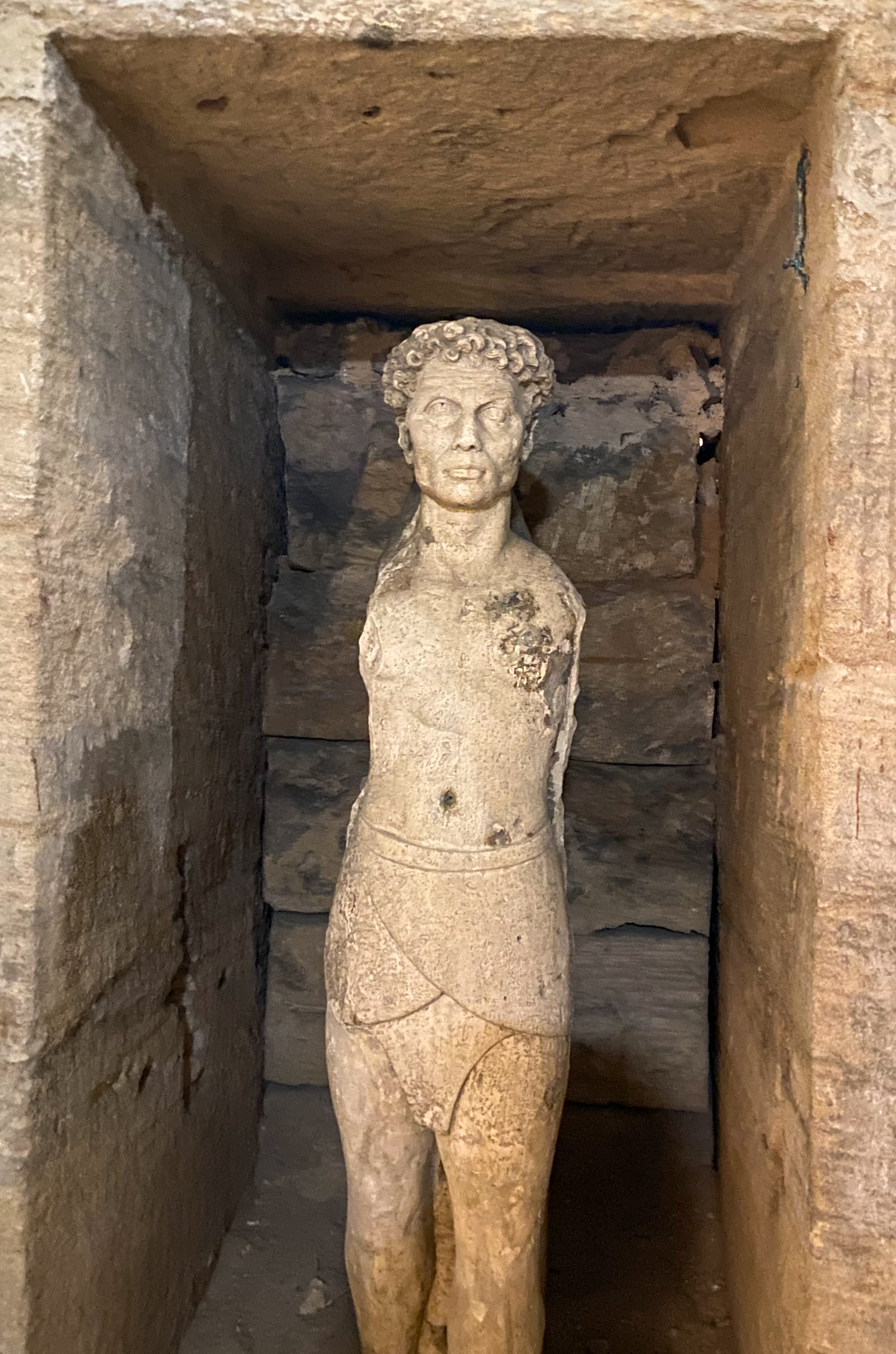
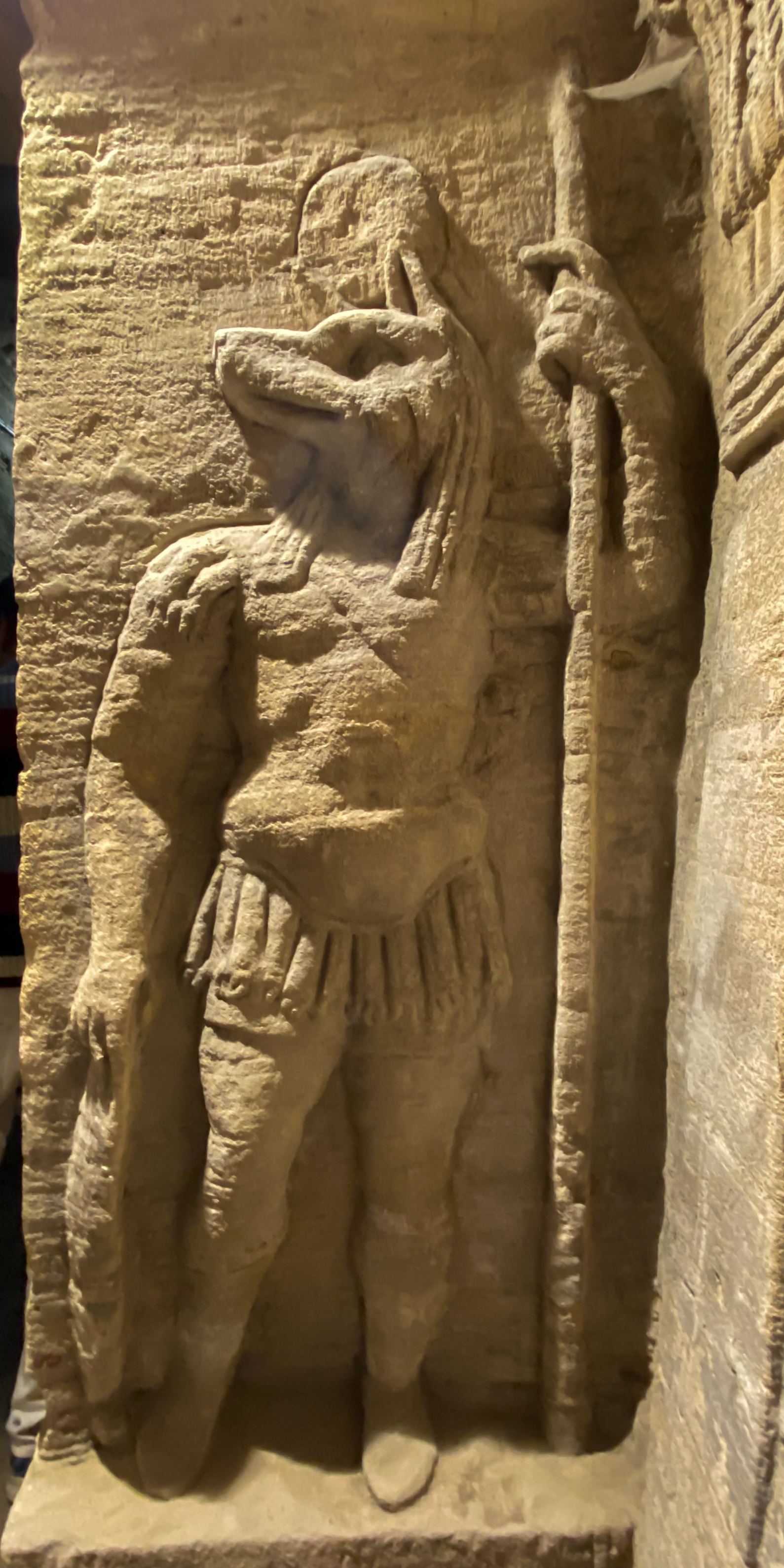
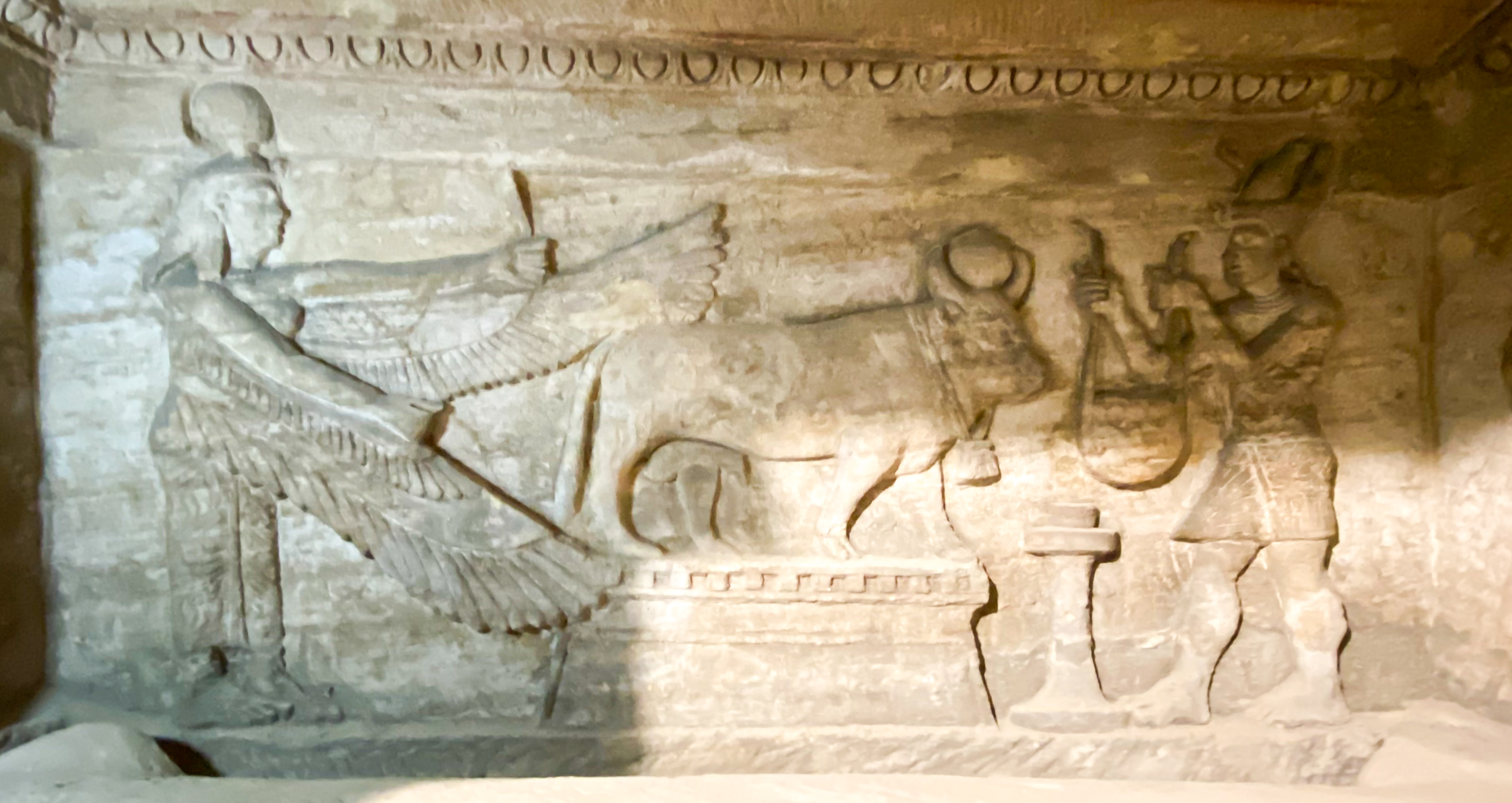
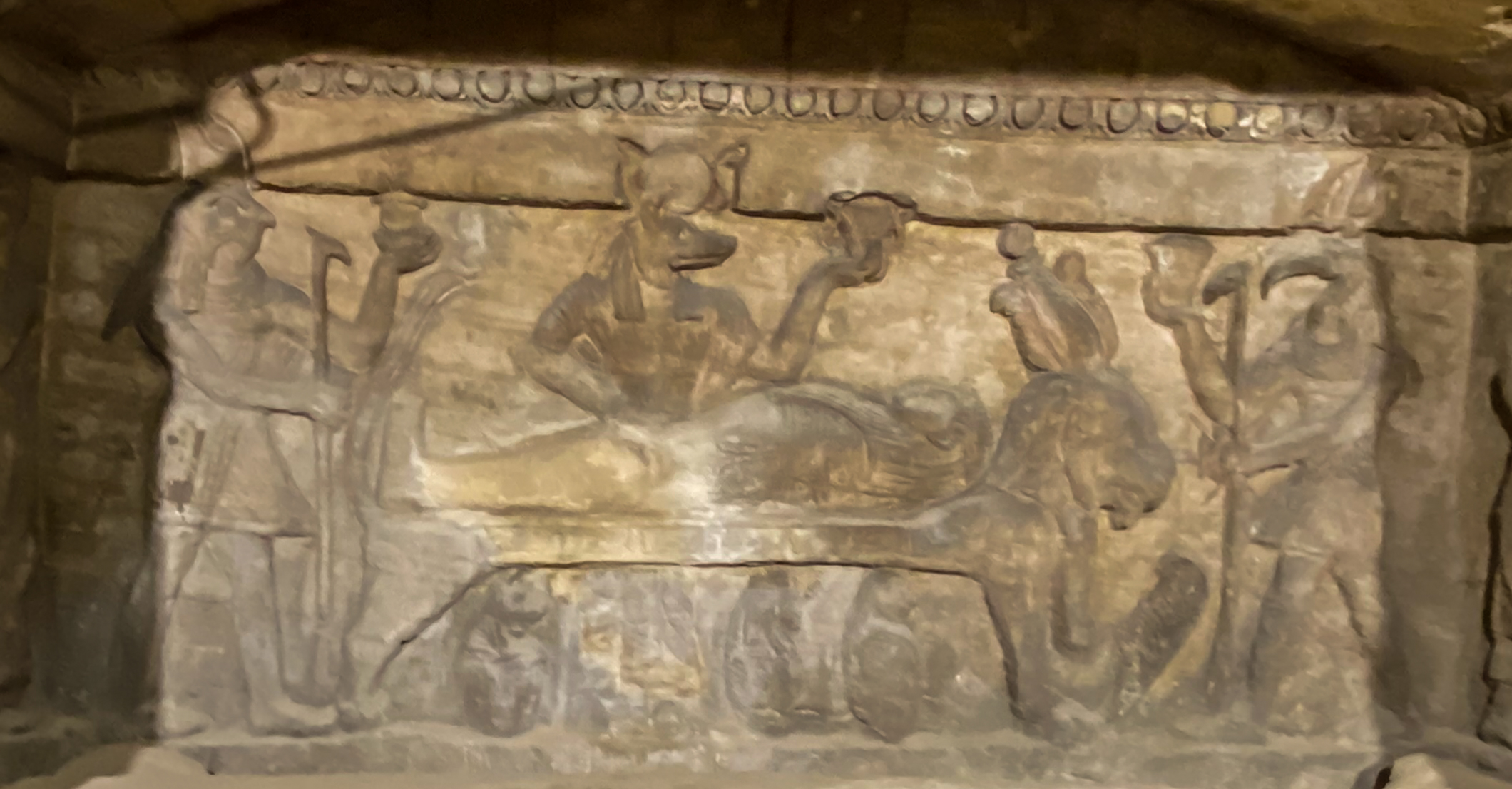
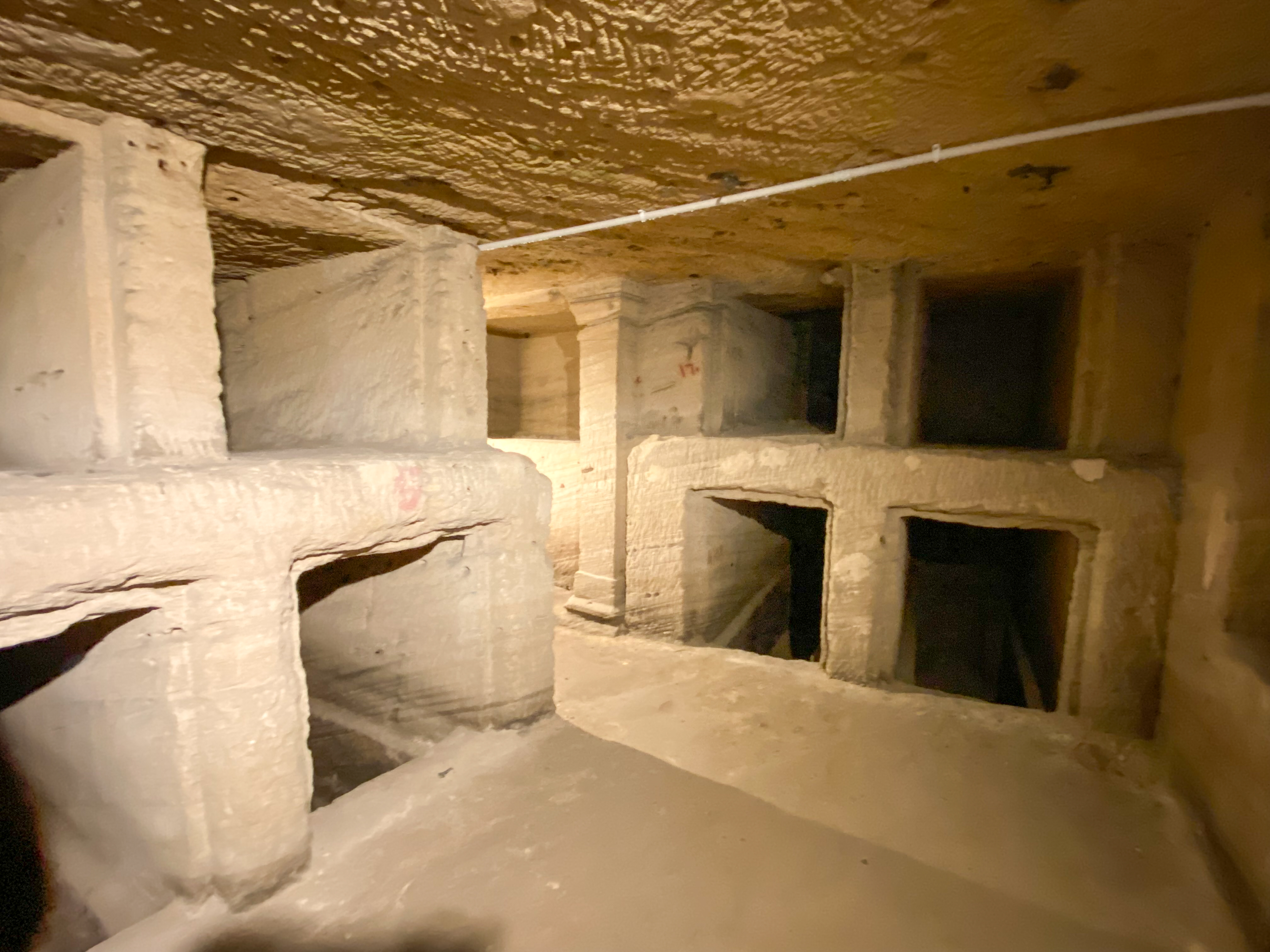
The floor above has a funeral banquet hall where family would gather. After they would eat, all dishes and glasses would be broken and thrown out into a pile of broken pottery shards. This led to the name of the site which means mound of shards.
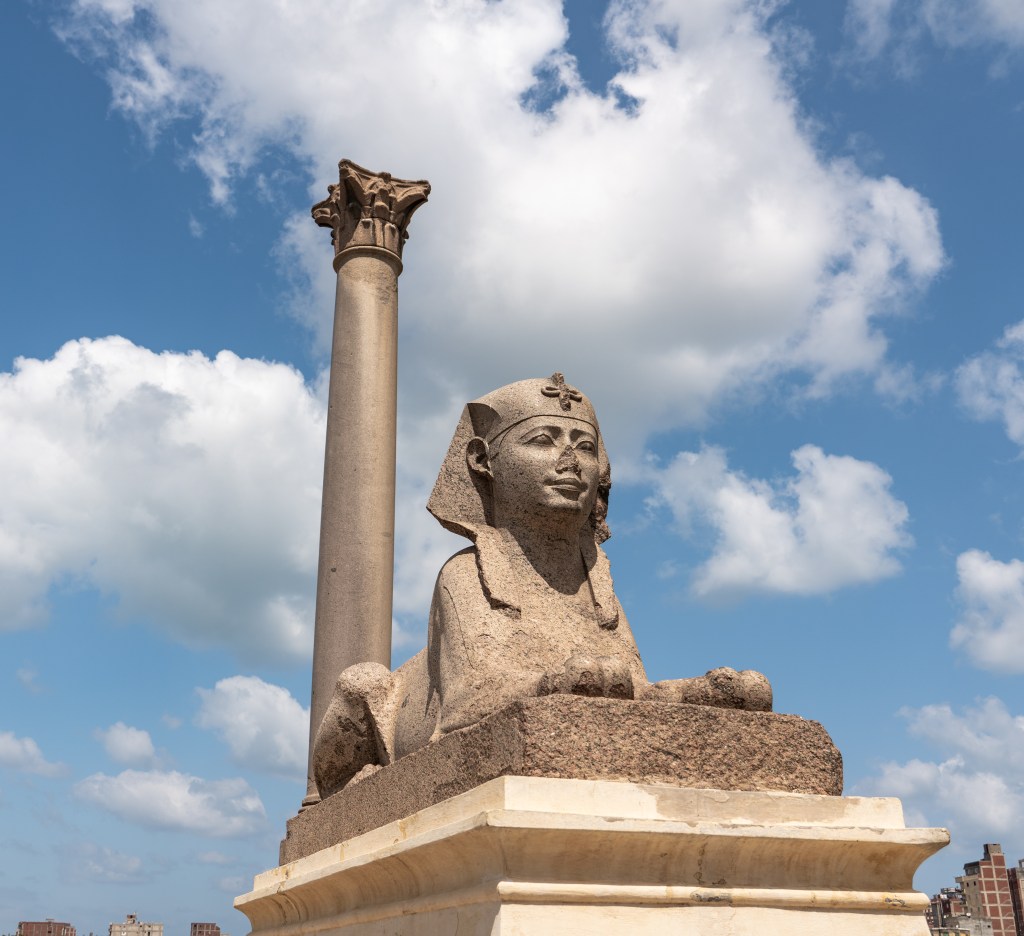
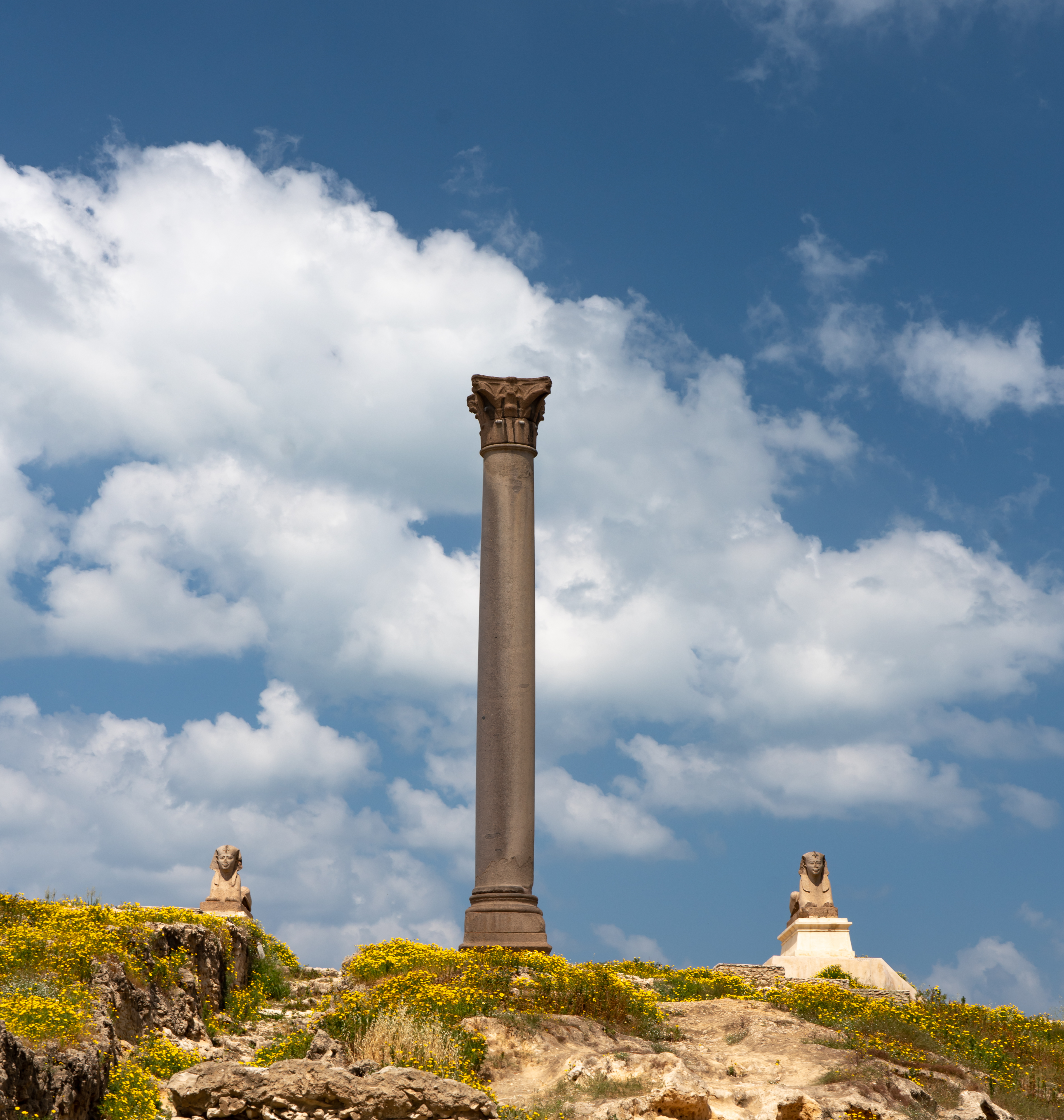
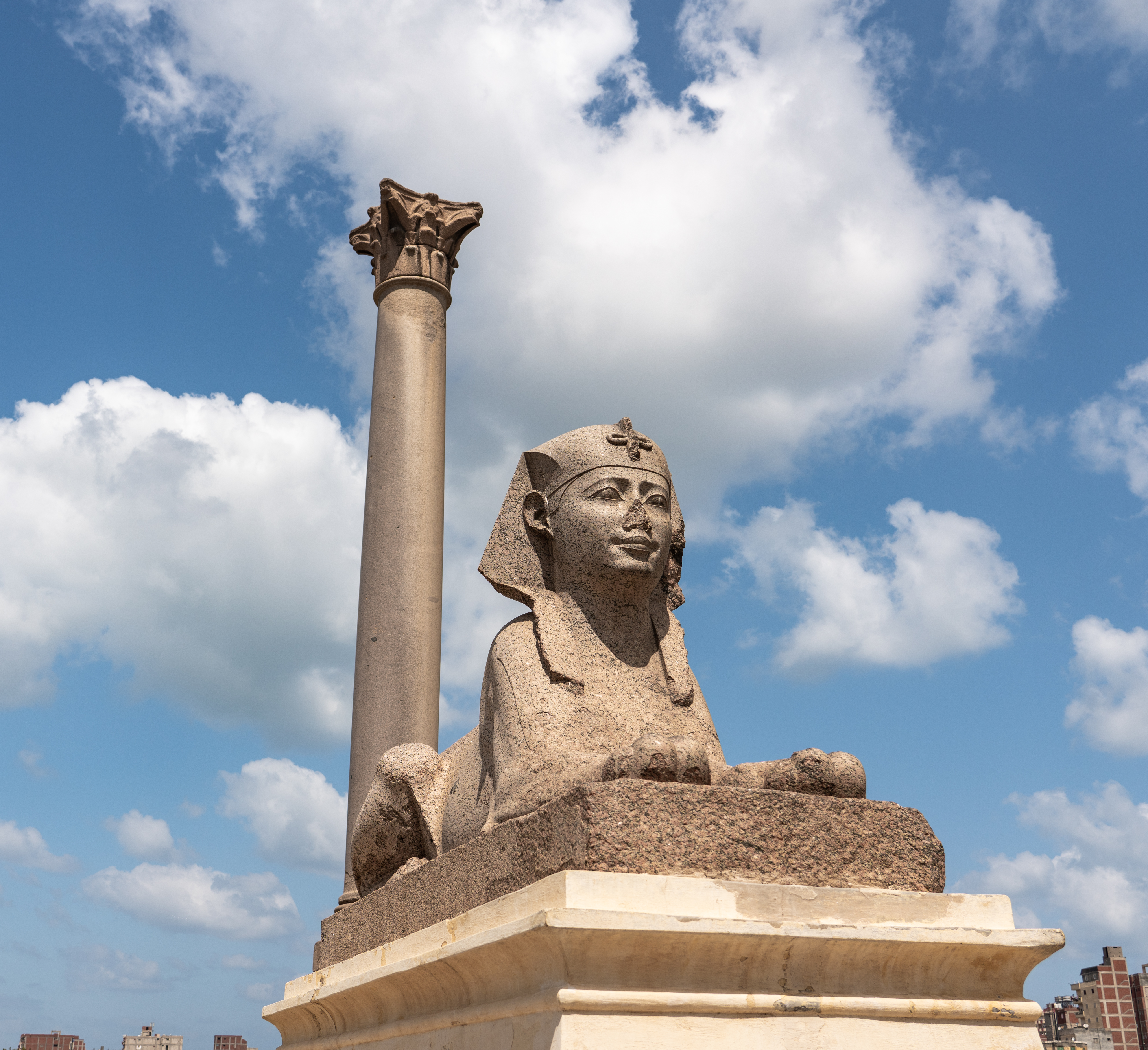
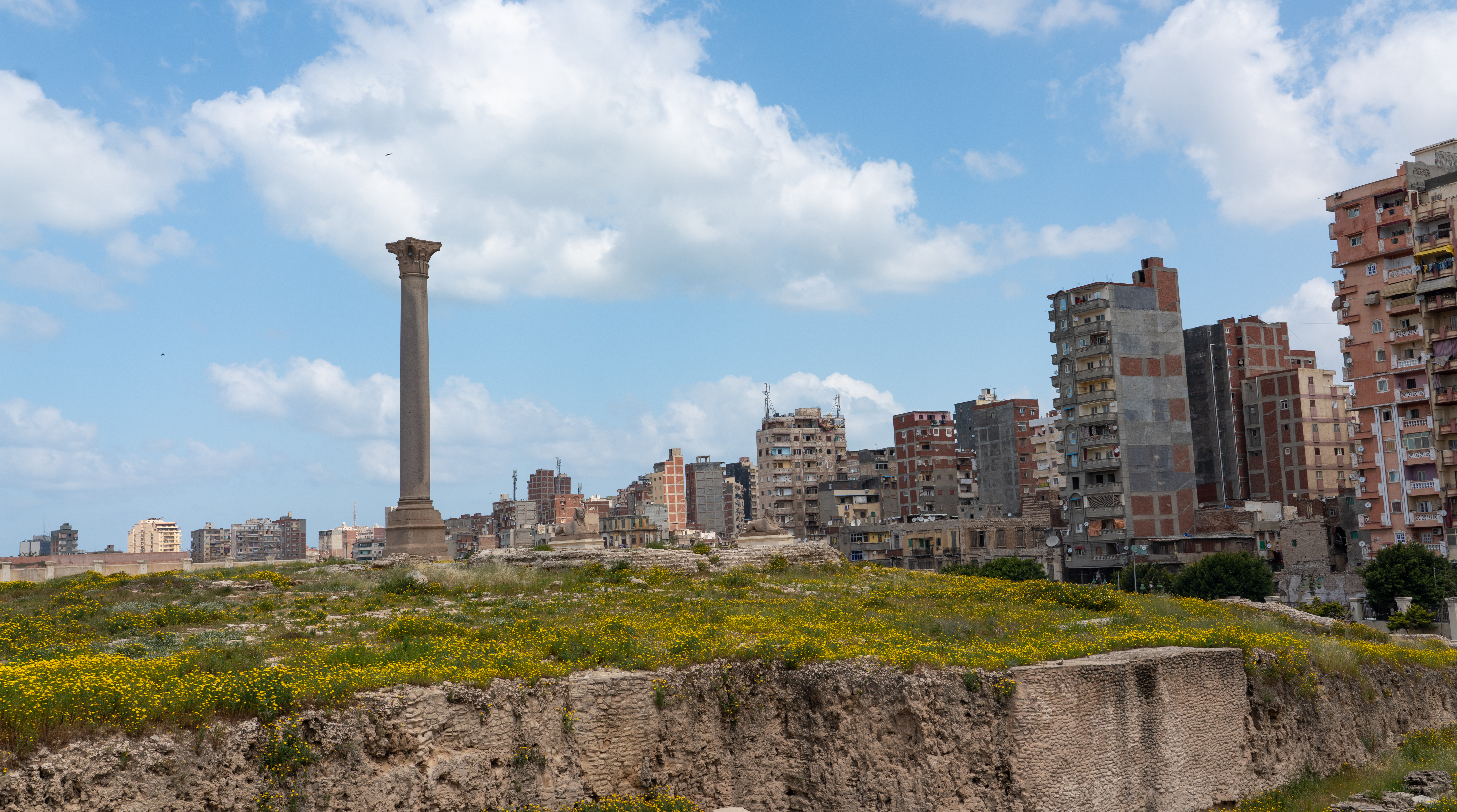
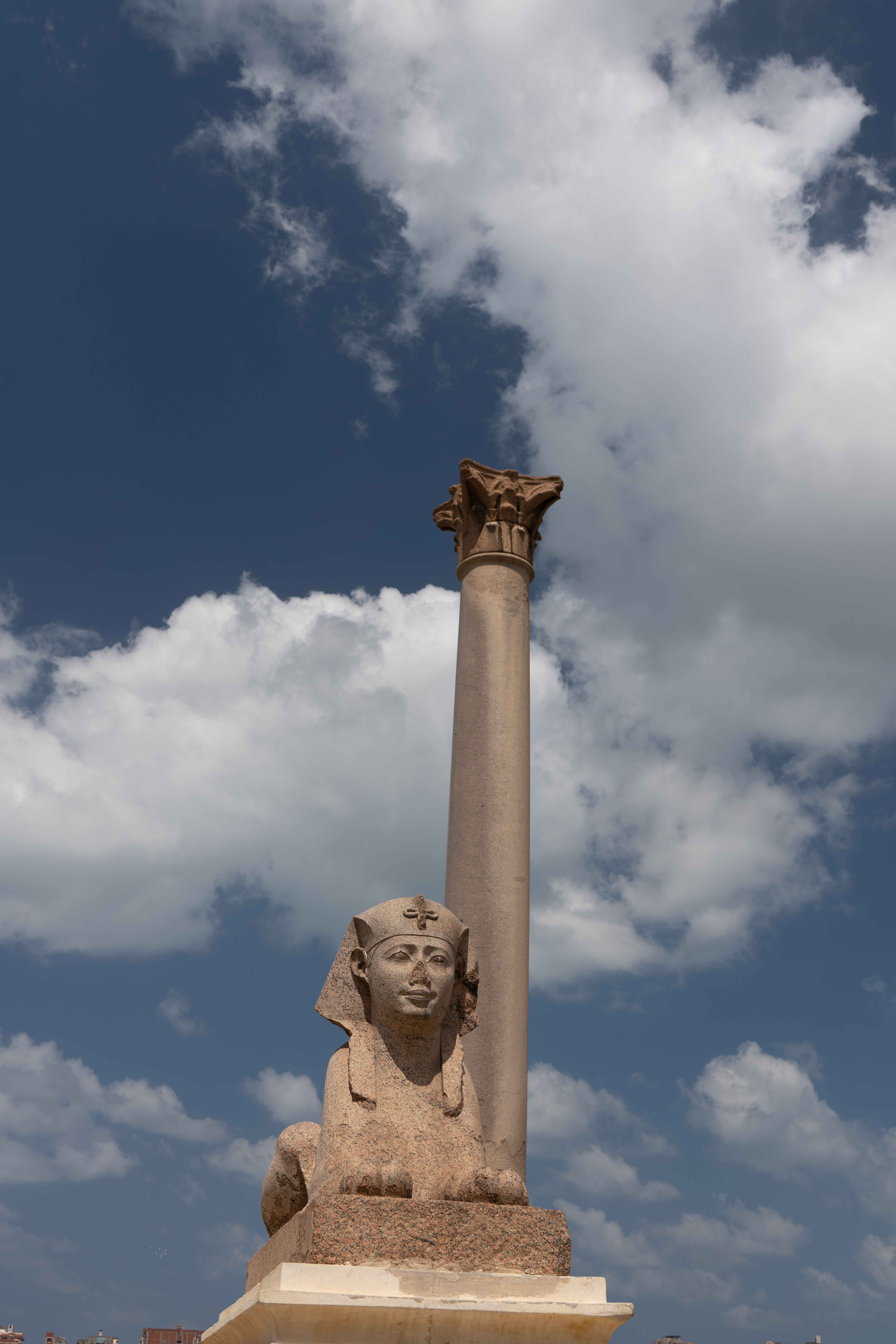
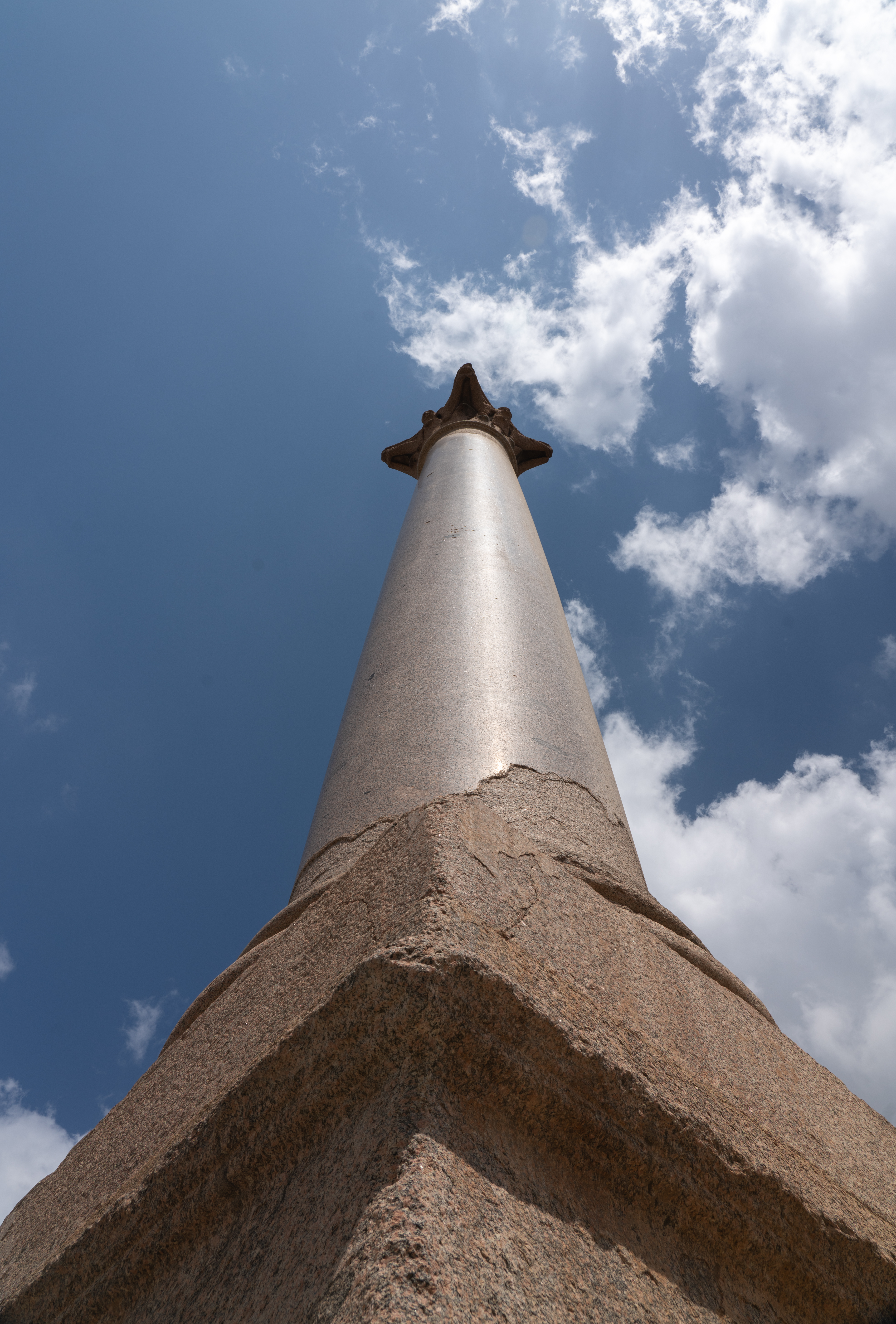
We next went to Pompey’s Pillar, an 88 ft tall Corinthian column set up around 300 AD to honor the emperor Diocletian. It originally had a statue at the top. The mis-association with Pompey is due to historical misreading of the inscription at its base.
It is beside the ruins of the temple of Serapis. Serapis was a deity that combined the worship of Osiris and the bull Apis, the name eventually written in Roman times as Serapis.
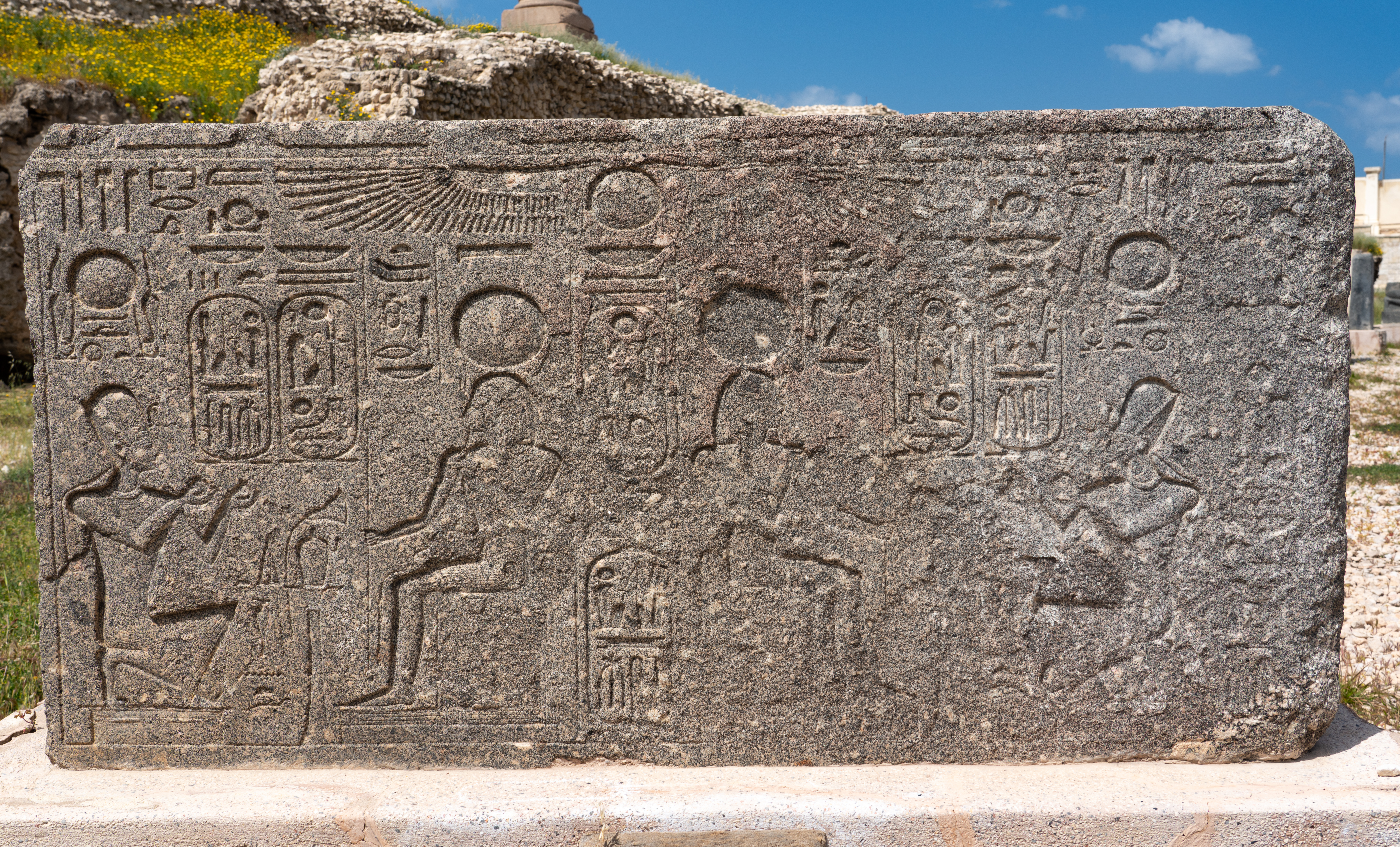
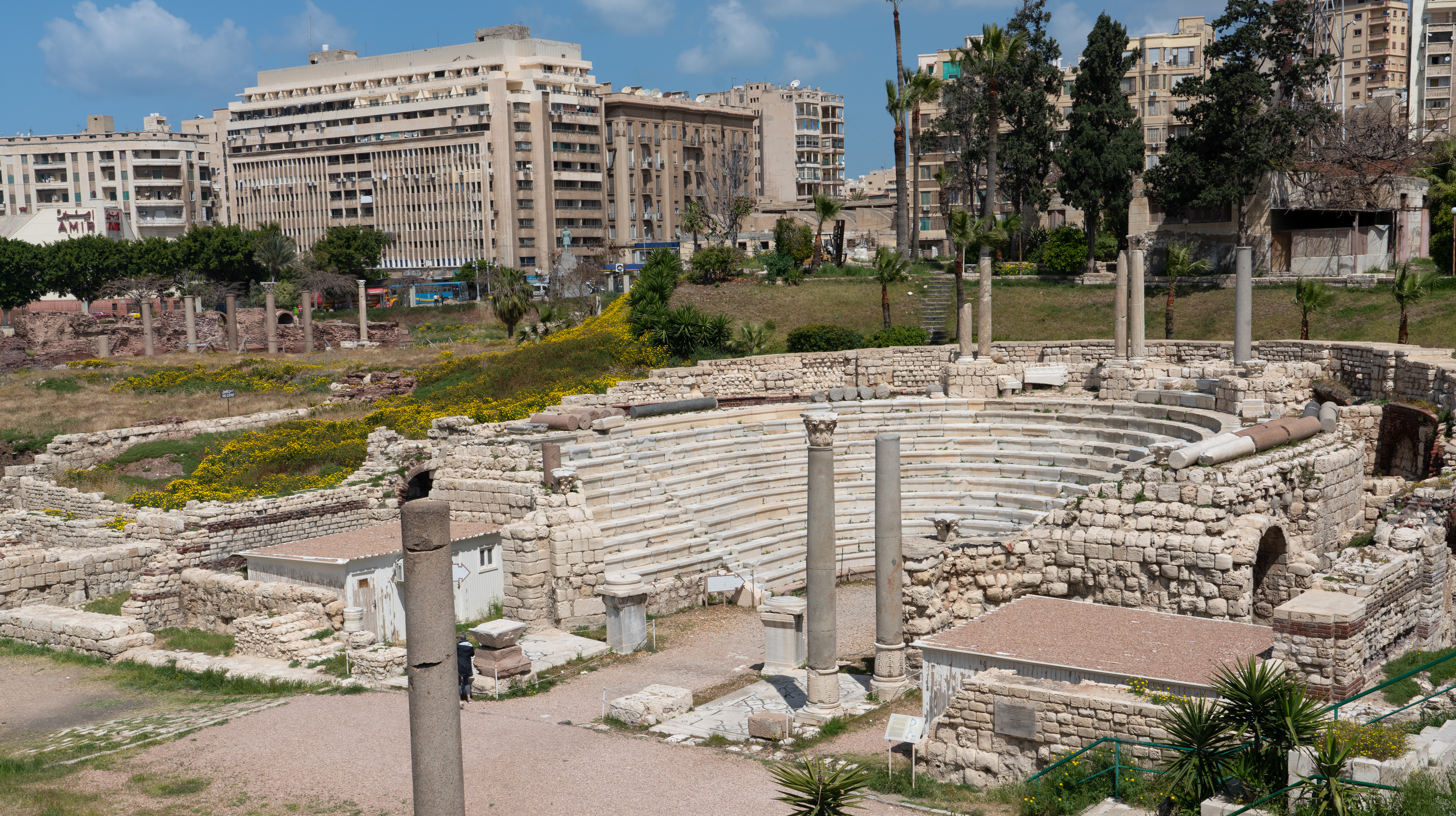
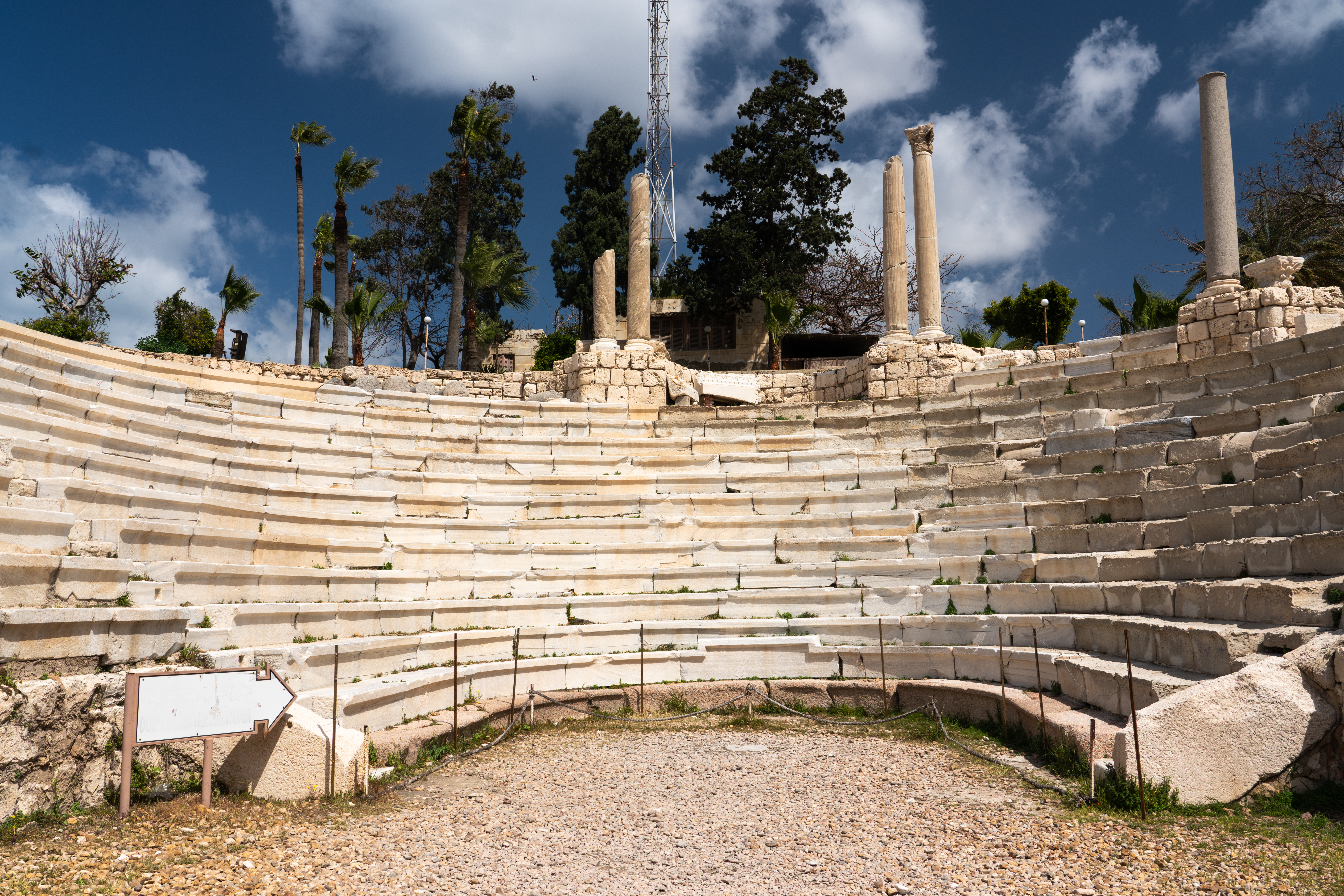
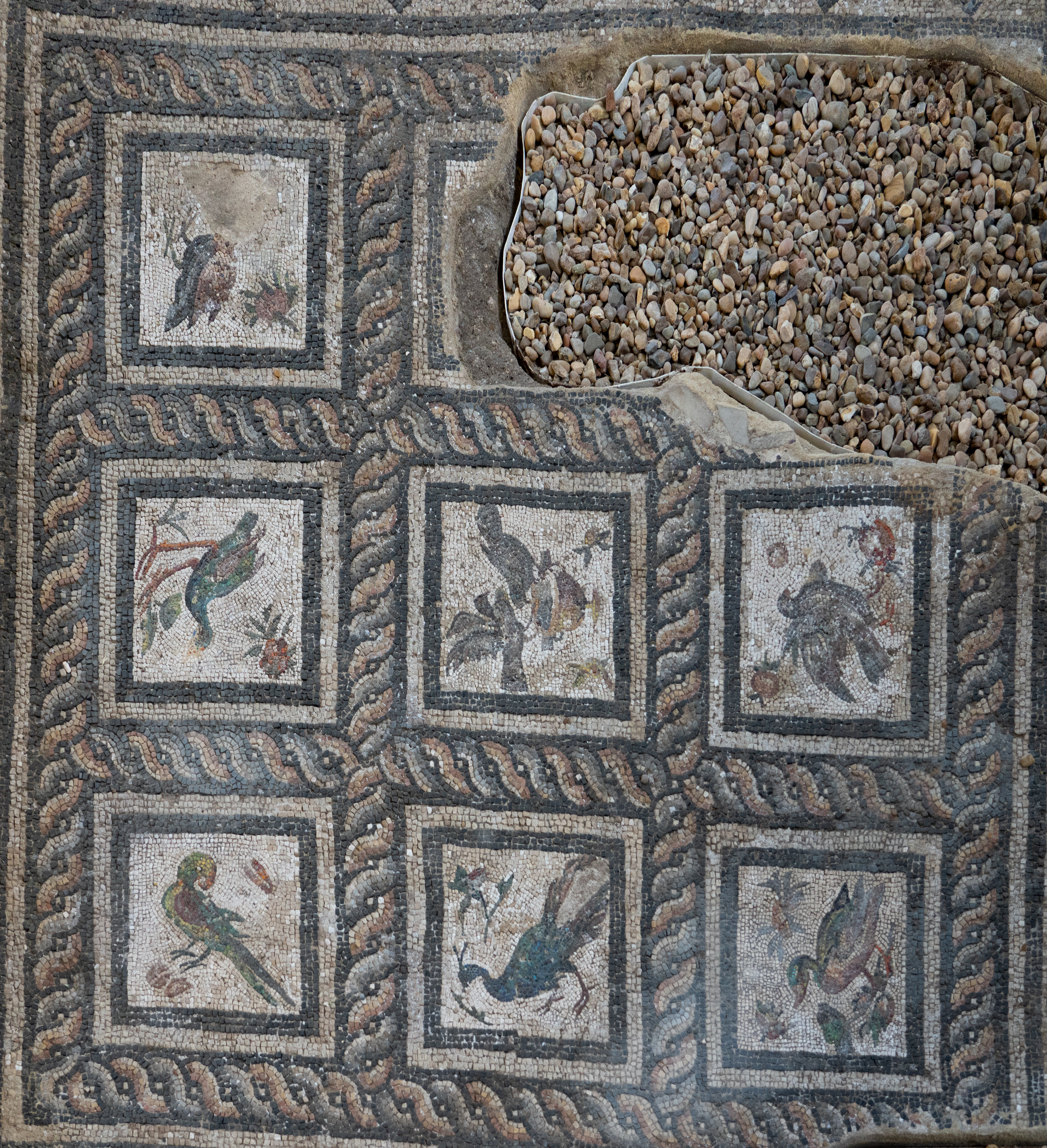
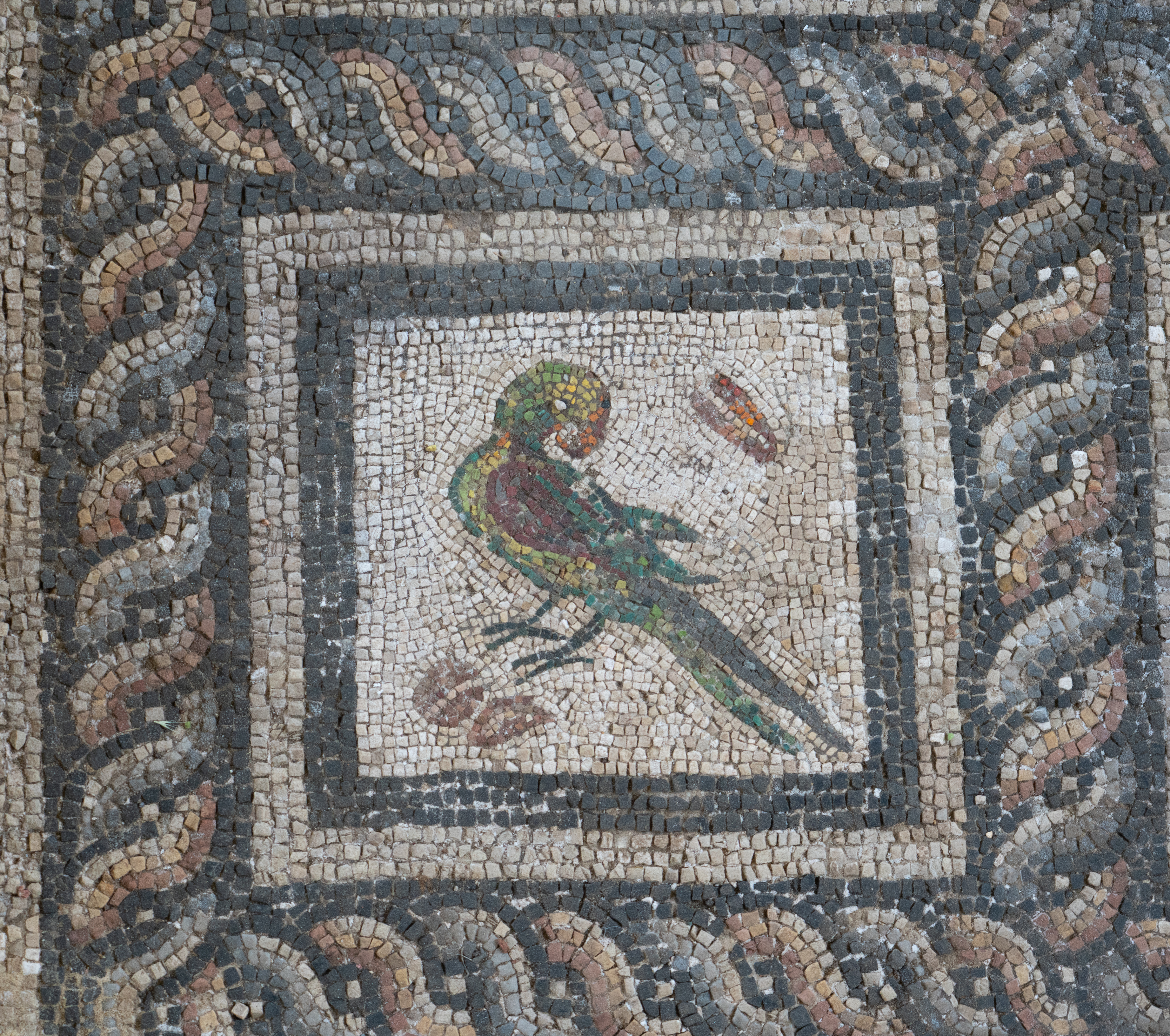
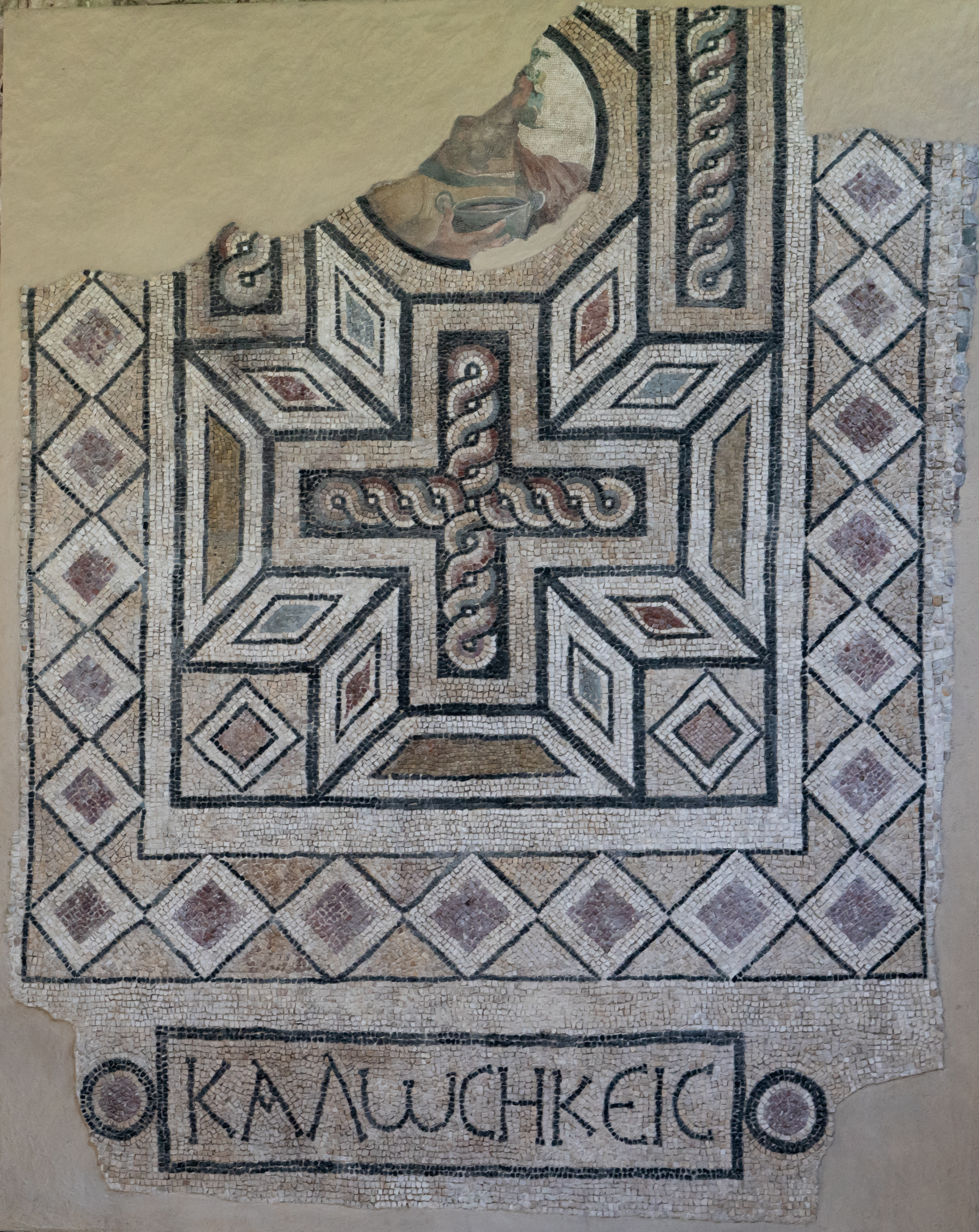
Our next stop was Kom El Deka, a Roman archaeological site that includes homes, baths, and the only Roman amphitheater found in Egypt. There are some beautiful mosaics. When they began excavating this site they were hoping to find the burial site of Alexander the Great. They still are looking for him, but this was definitely a great find.
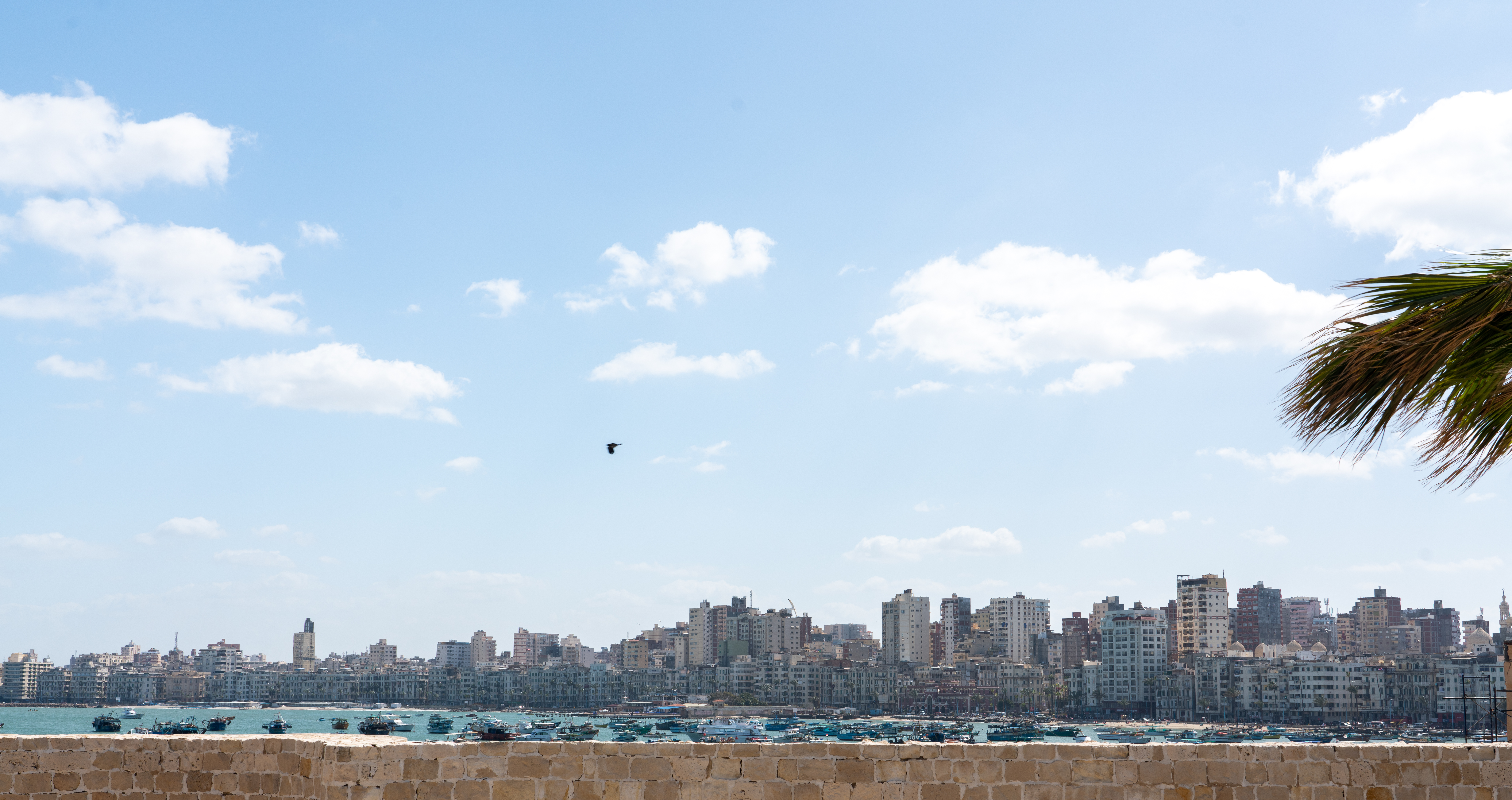
We ended up at the Qaitbay Citadel, This was built in 1477 to defend against the Turks. It was built on a very famous site, the site of the Lighthouse of Alexandria. The lighthouse was built around 350 BC and was over 300 ft tall. It was damaged in earthquakes in 956 and 1323 AD and survived to some extent until the last parts of it were used to build the Citadel. Some parts of the Lighthouse have been seen underwater by archaeologists, however.
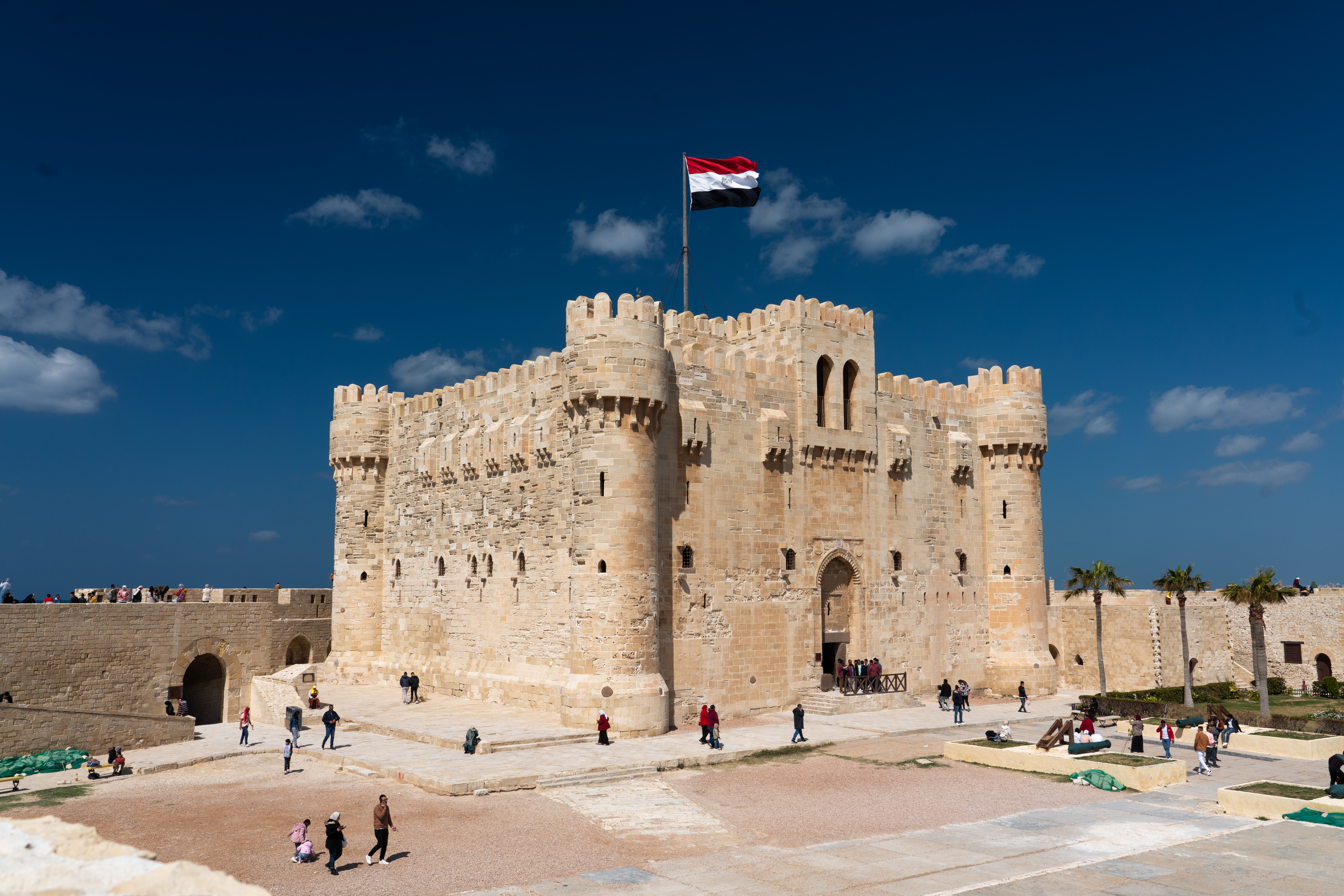
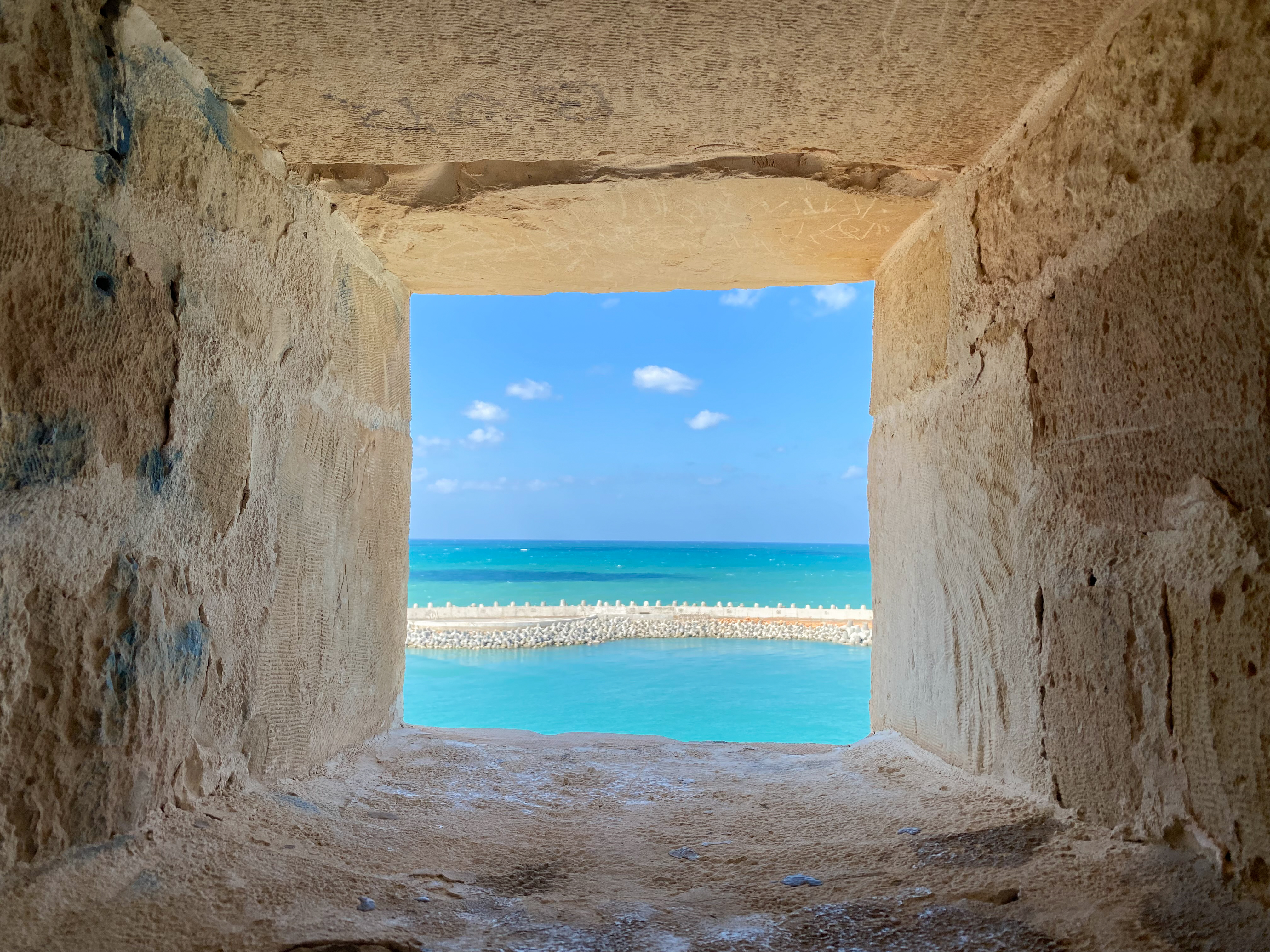
The Qaitbay Citadel was built on the foundations of the Lighthouse. The Citadel held until British bombing in 1882 caused significant damage requiring renovation.
 Will Suture for Travel
Leave a comment