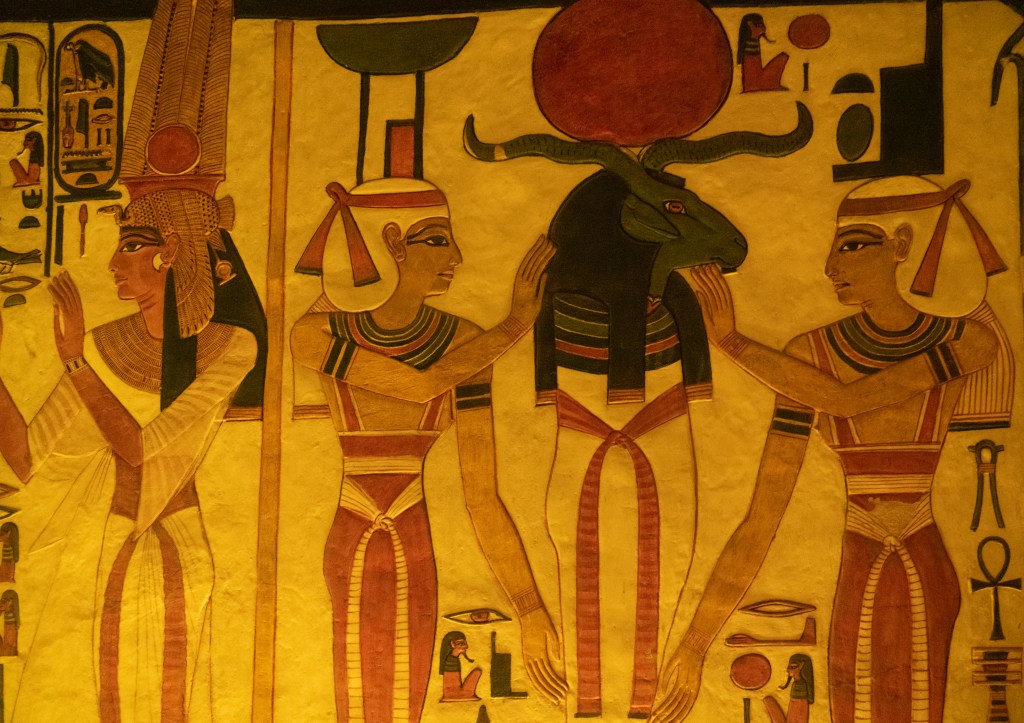
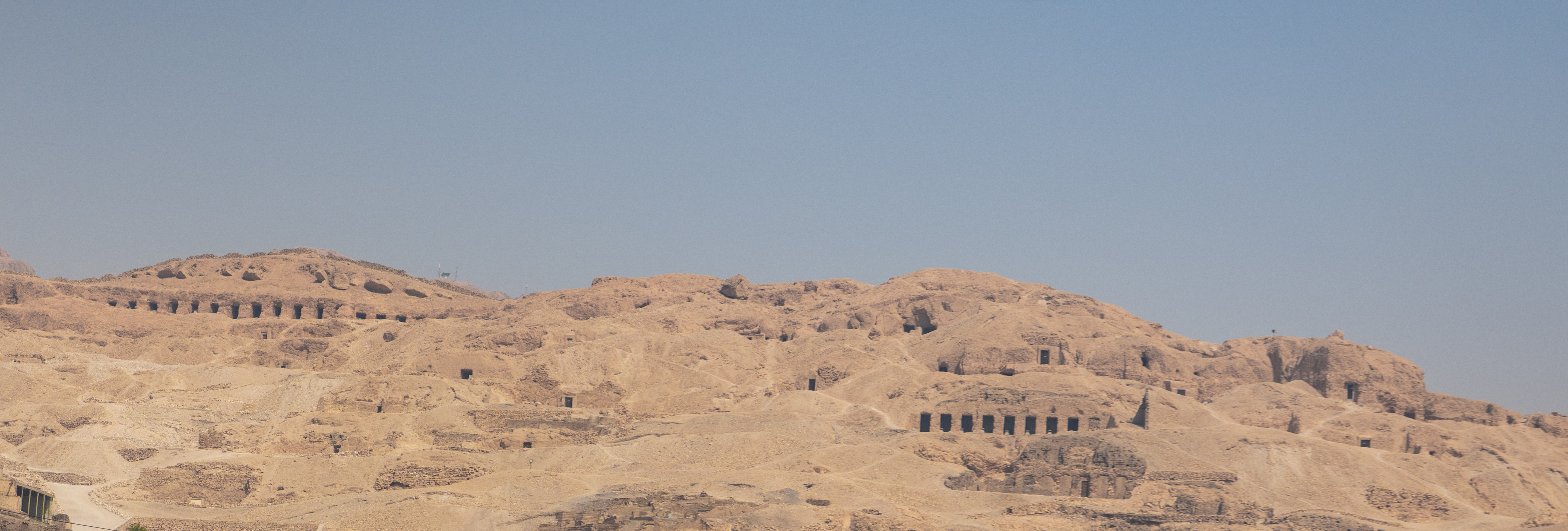
We started the day at the Valley of the Queens. This is where many of the wives of the Kings of Egypt were buried, although princes were also buried here. This area was used from 1292-1075 BC and there are around 90 tombs here.
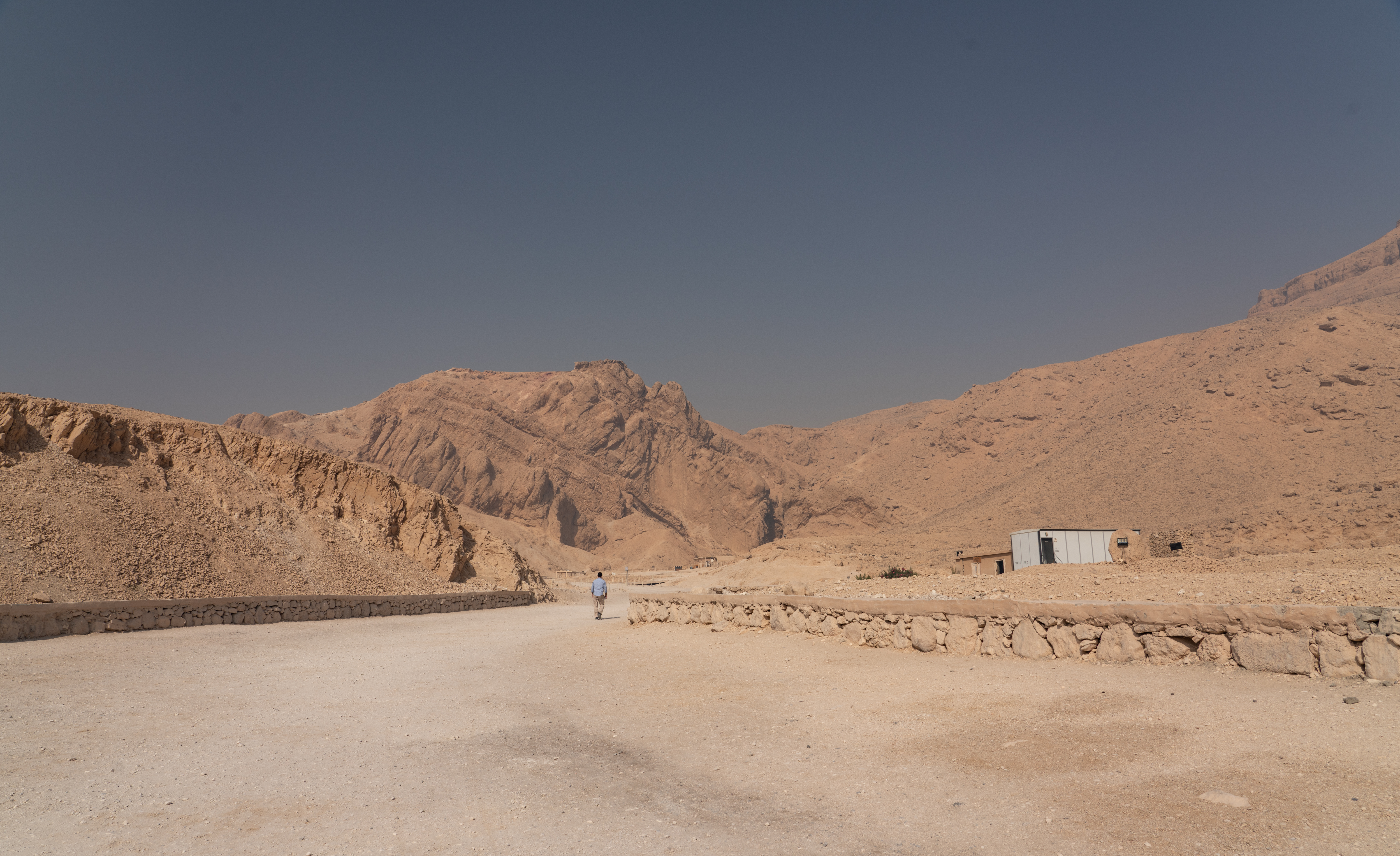
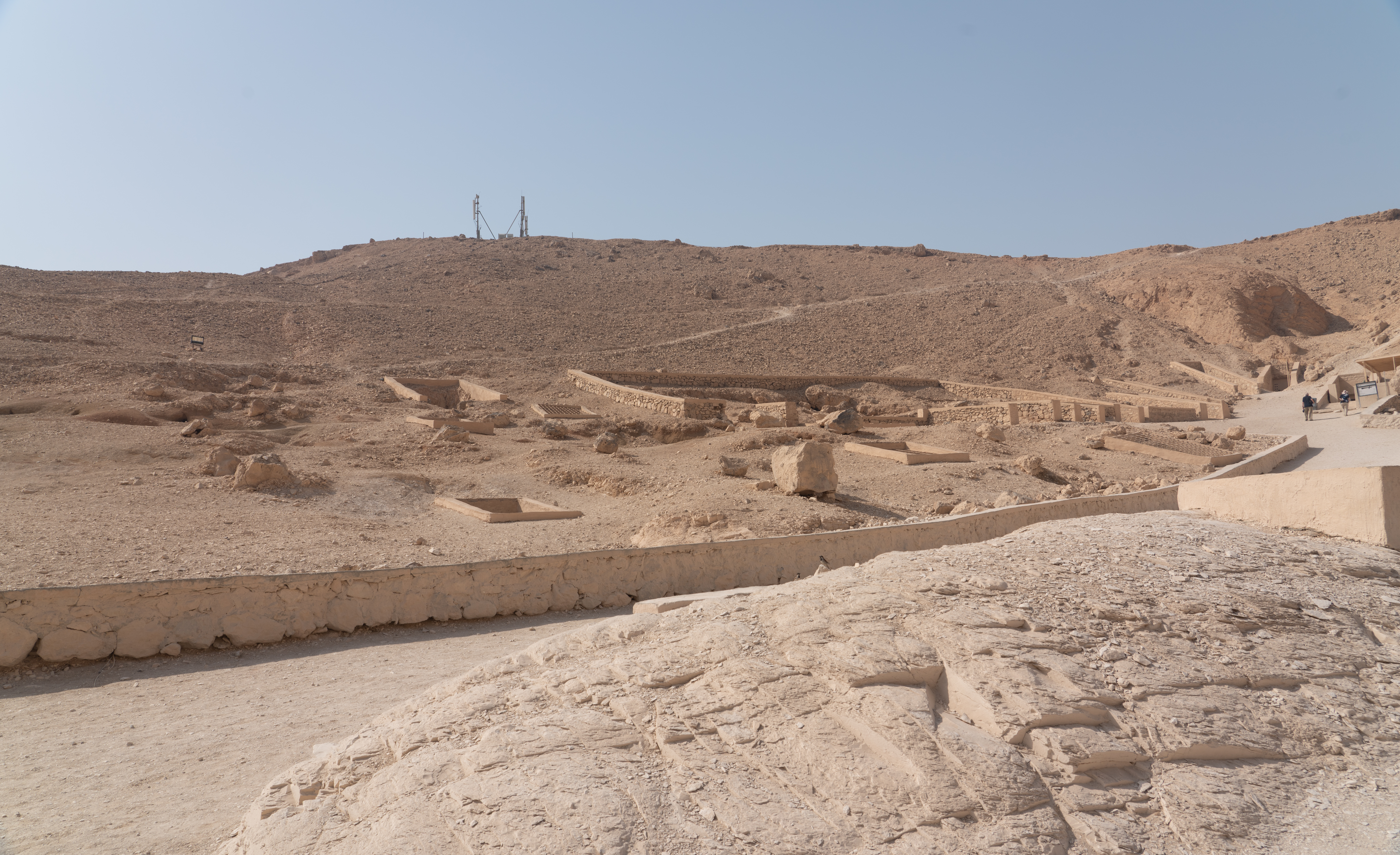
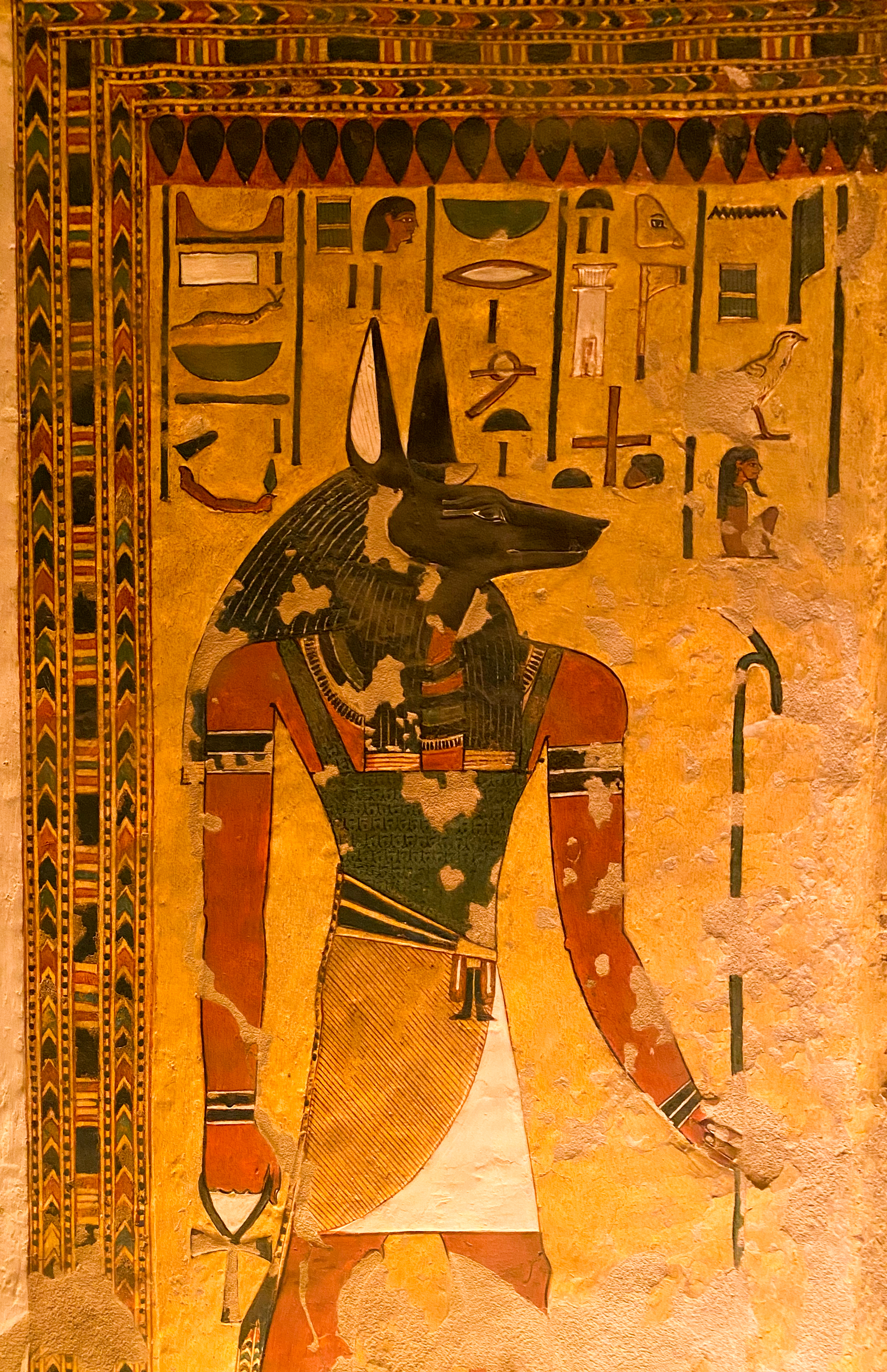
One of the most famous tombs in the Valley of the Queens is the Tomb of Nefertari. Nefertari was the principal wife of Ramesses II. She died in approximately 1255 BC and was buried in what is now known as tomb QV66. It is one of the largest and most beautiful in the Valley of the Queens. Because of this, the number of people entering it each day is limited and the fee to get in is substantial. It is well worth it.
.jpg)
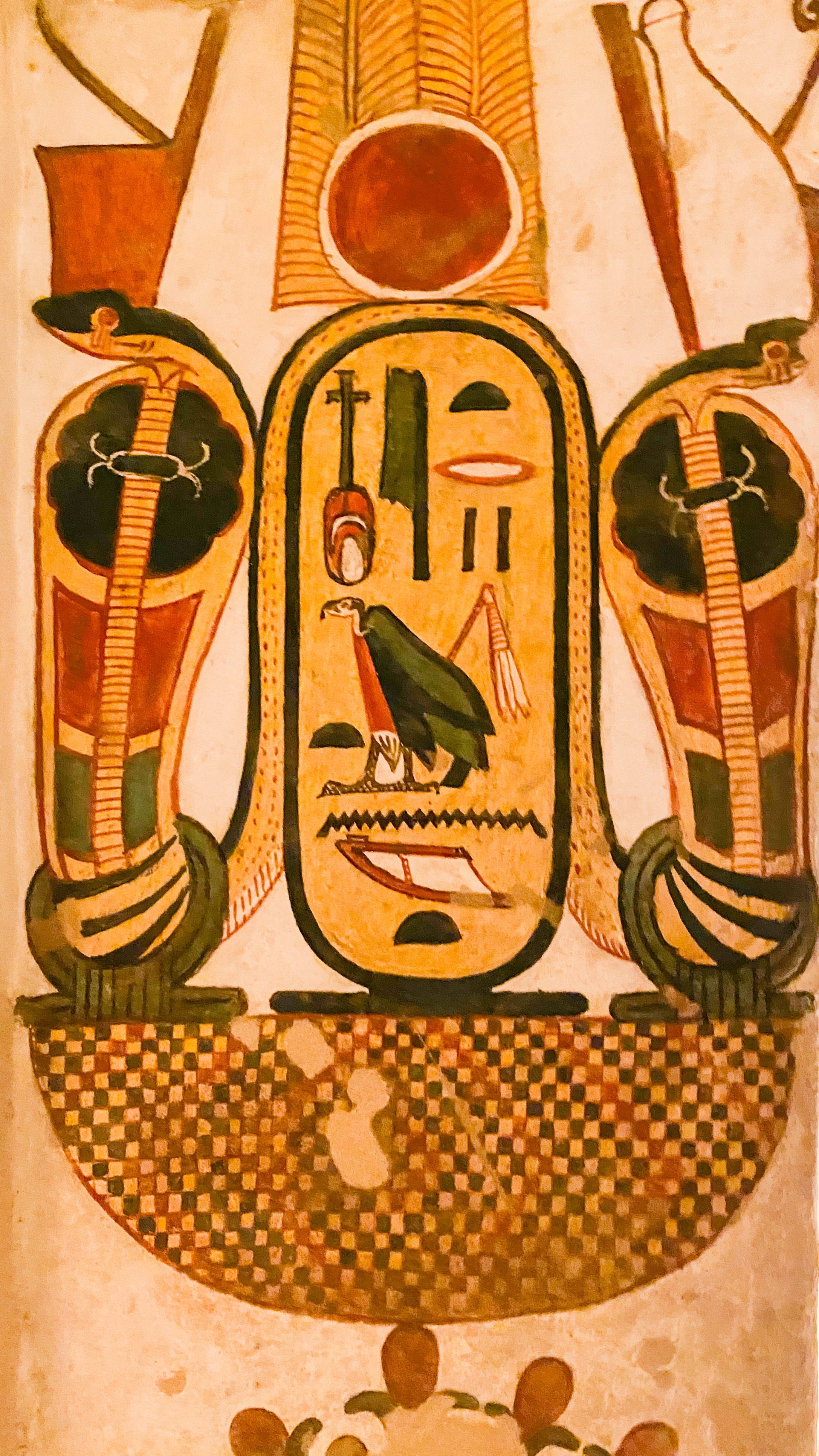
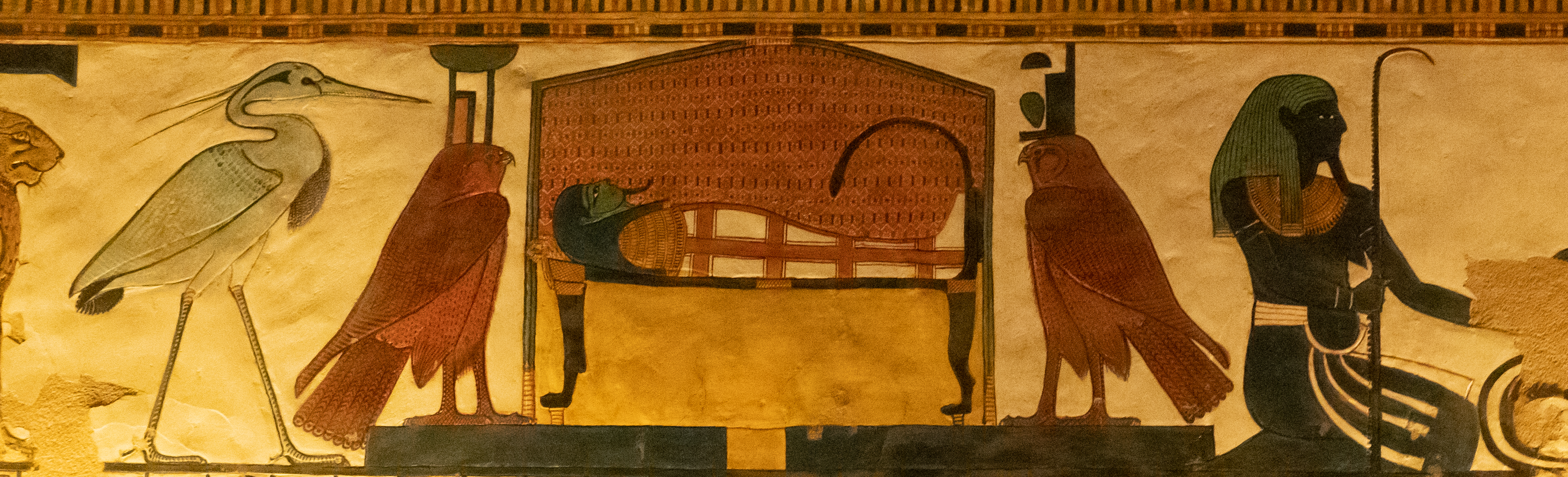
We also went into the tomb of one of the princes of Ramesses III: Amun-her-khepeshef (QV55) who died at about 15 years old in approximately 1254 BC.
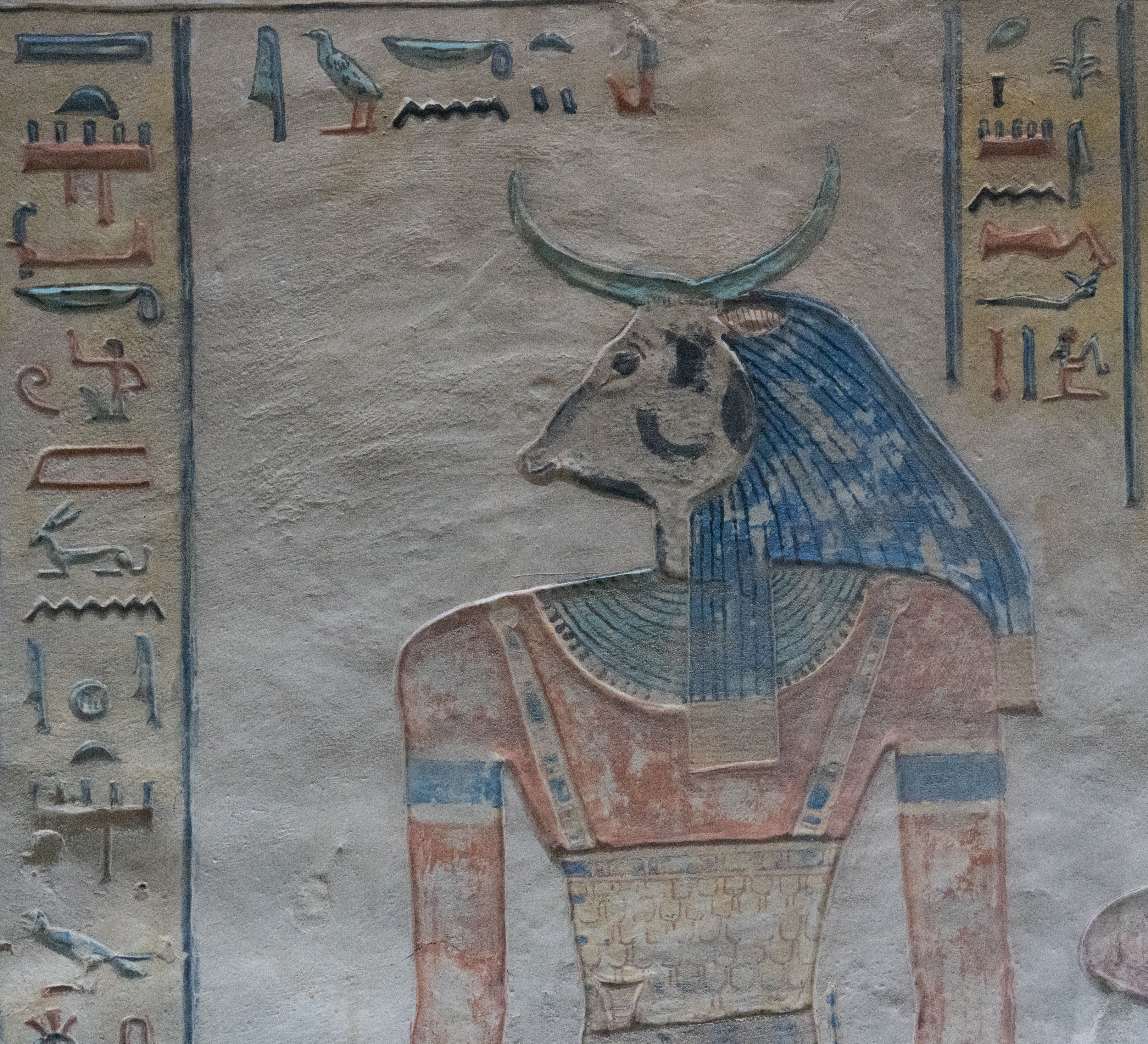
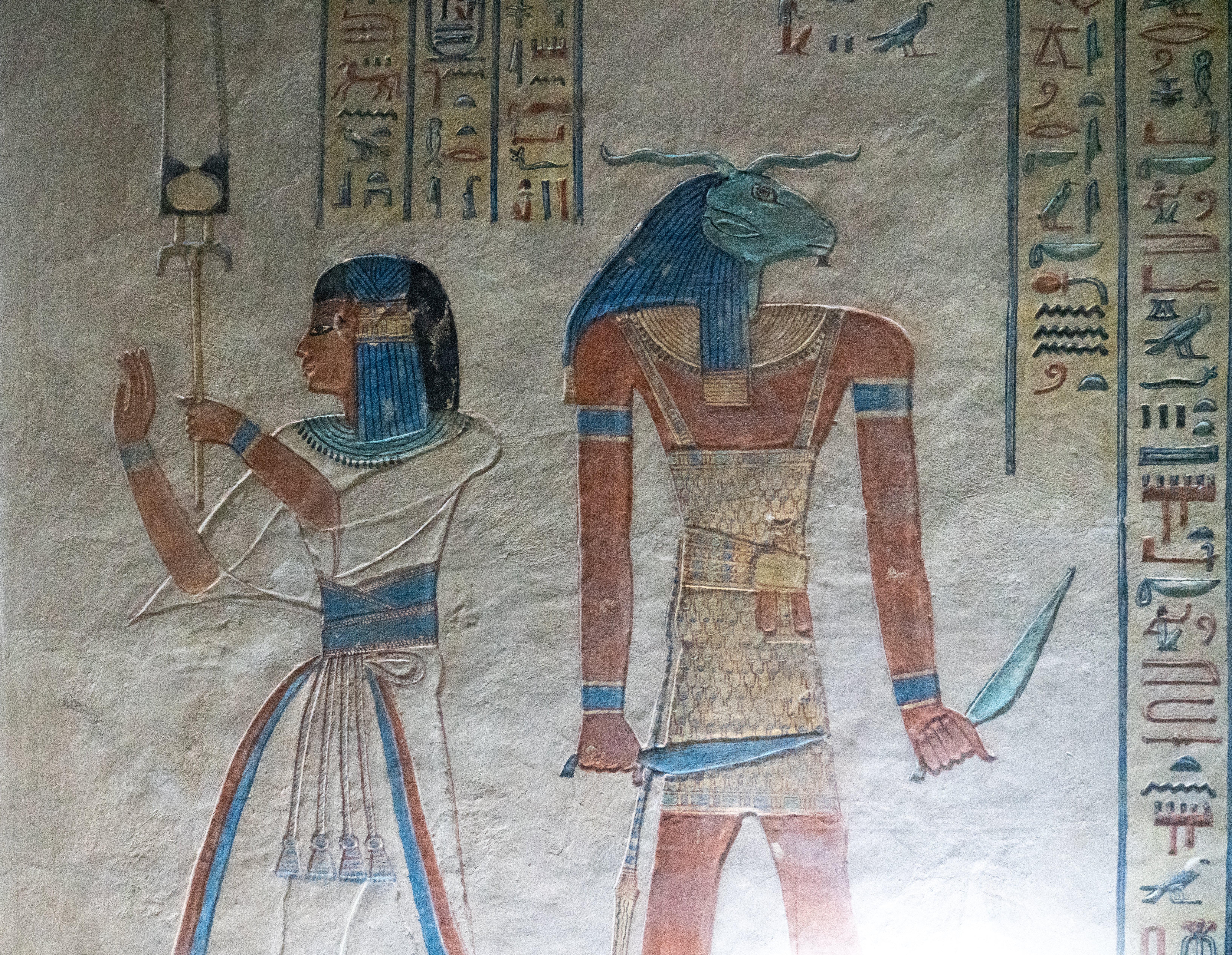
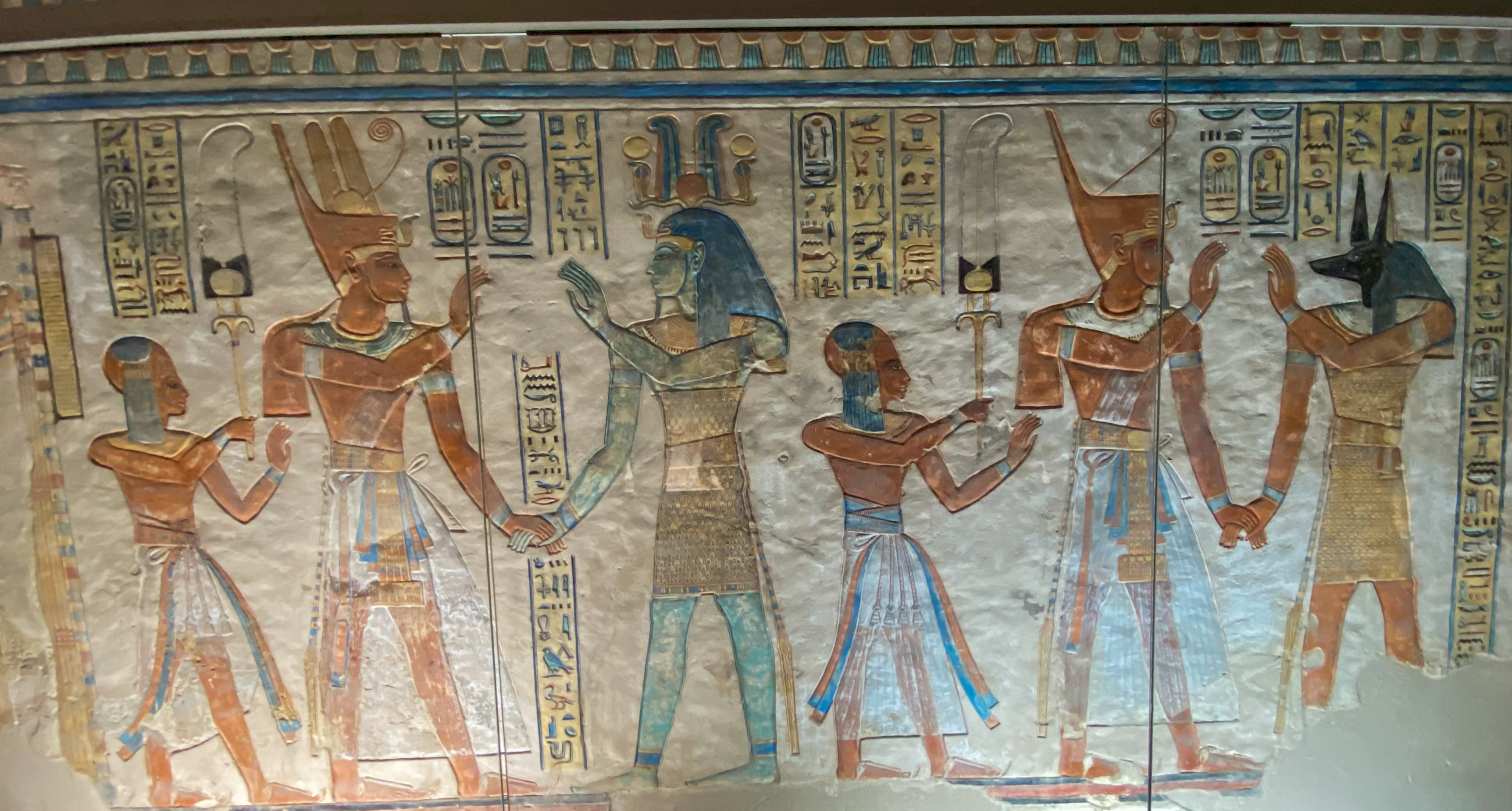
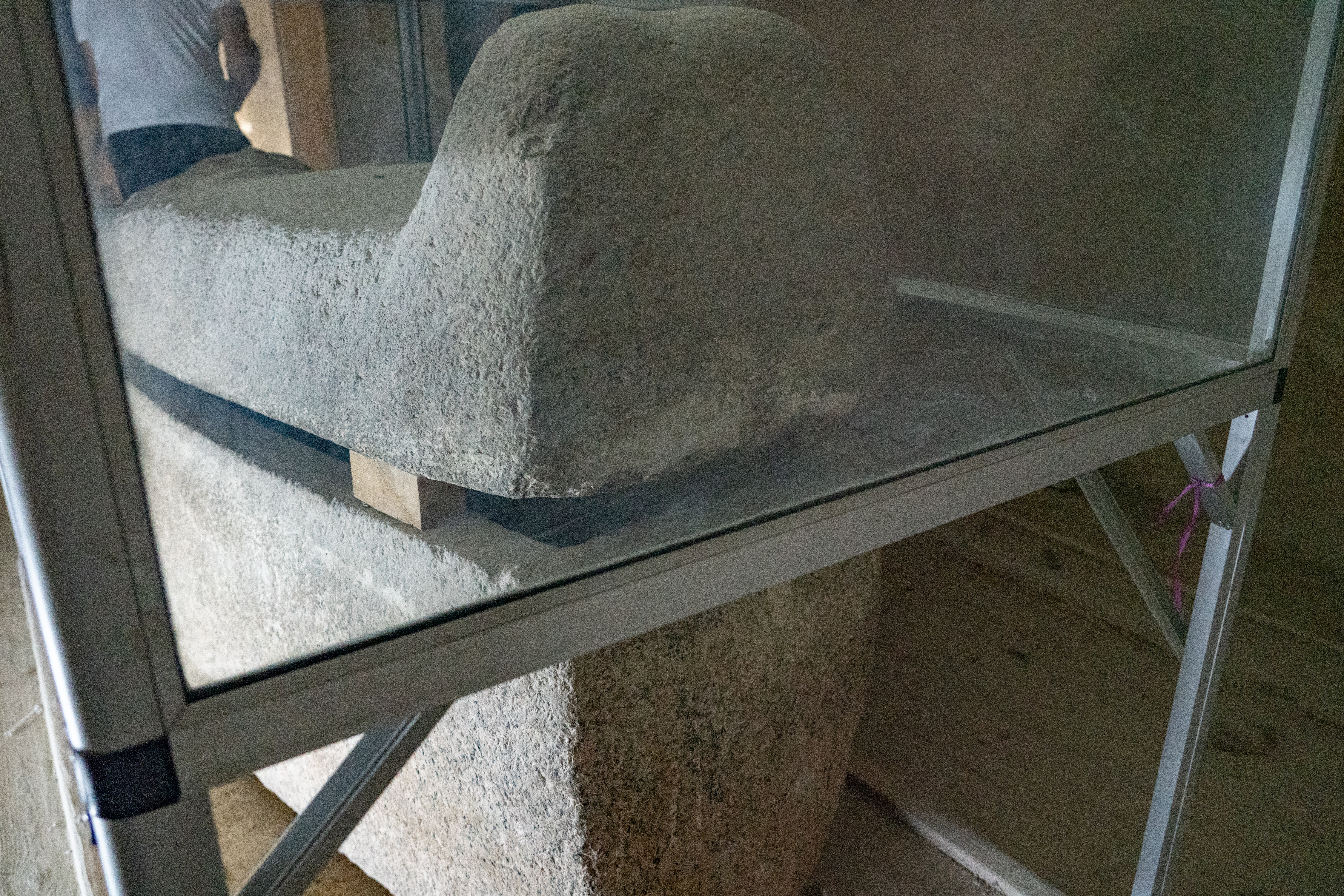
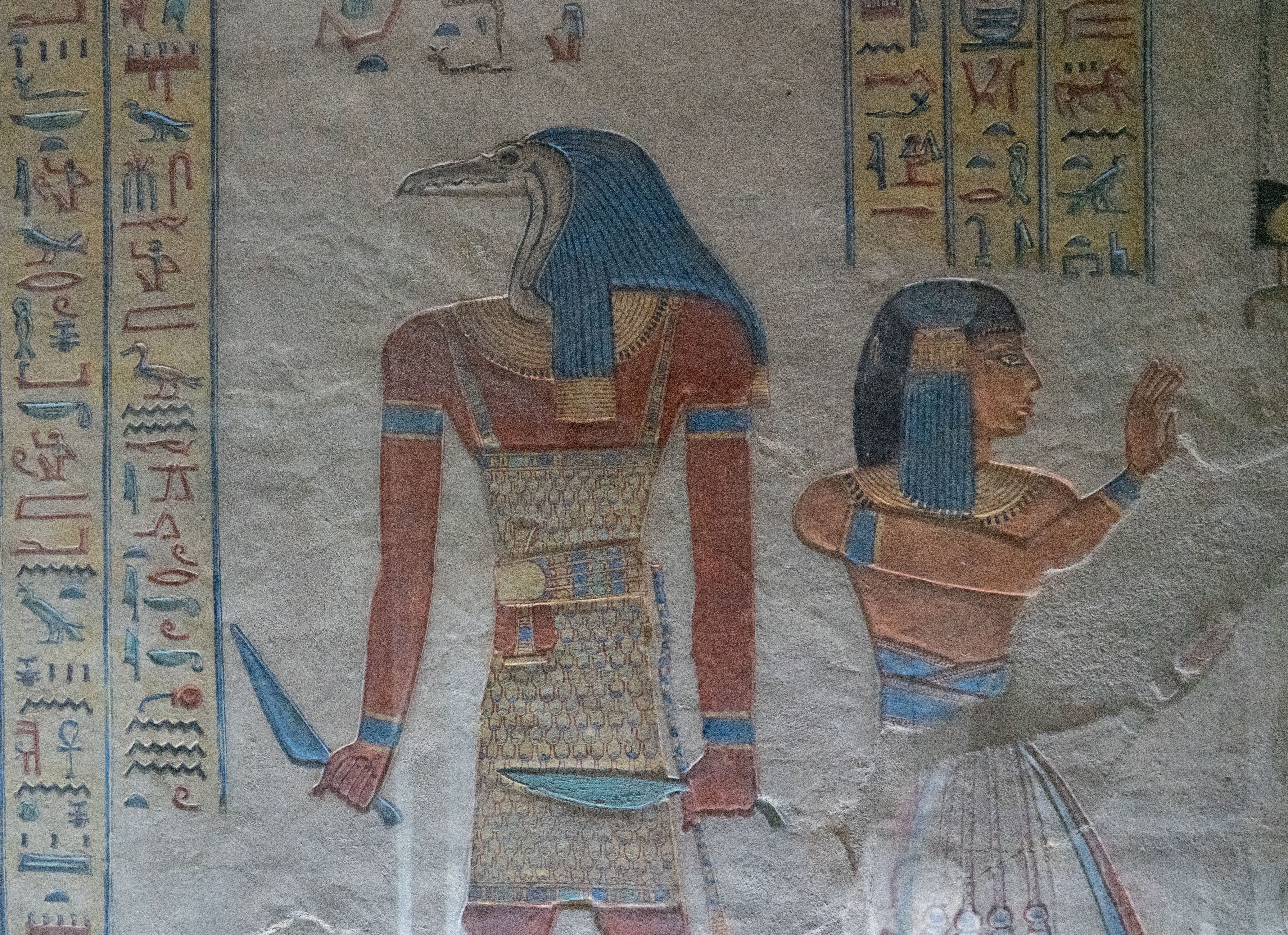
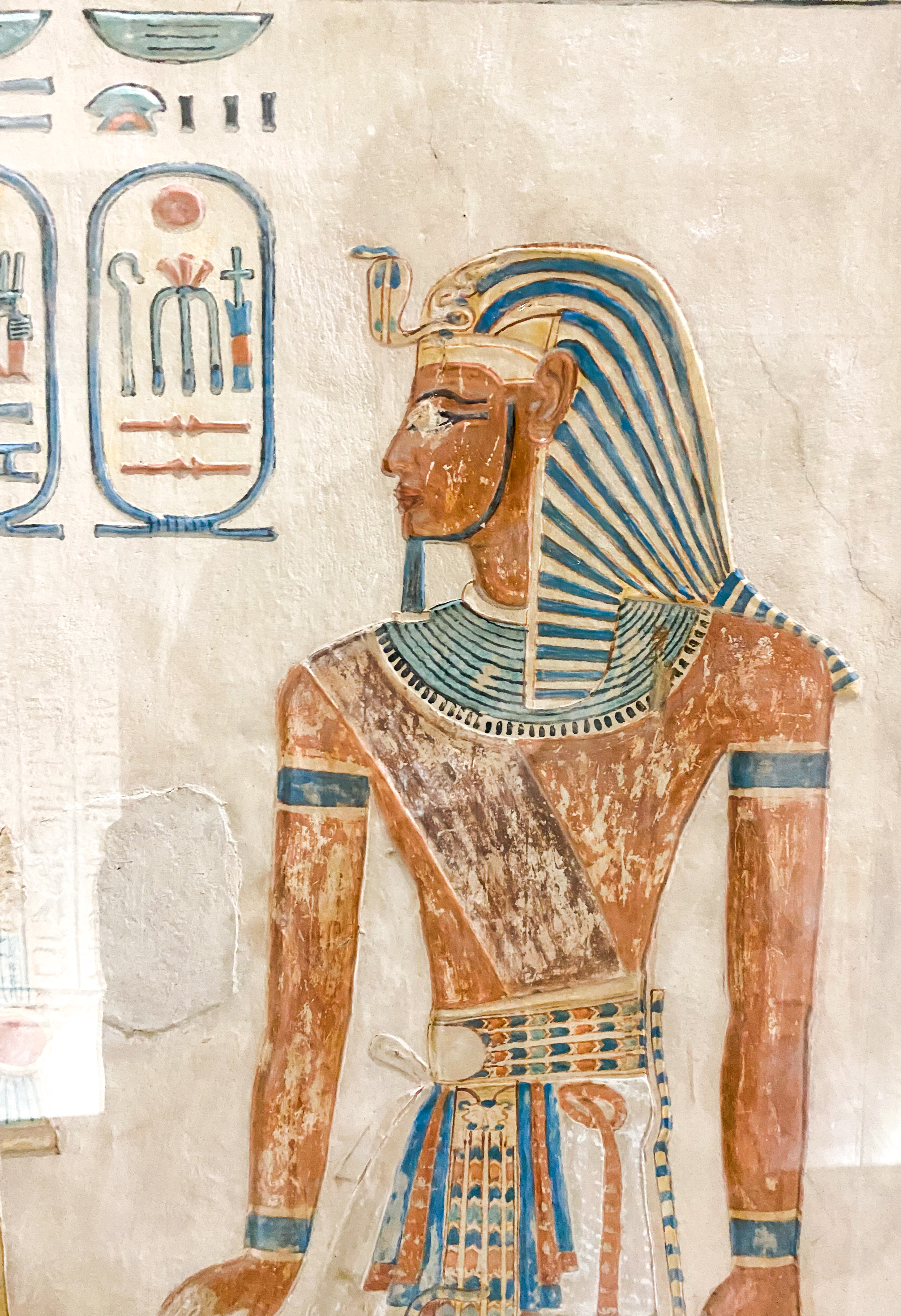
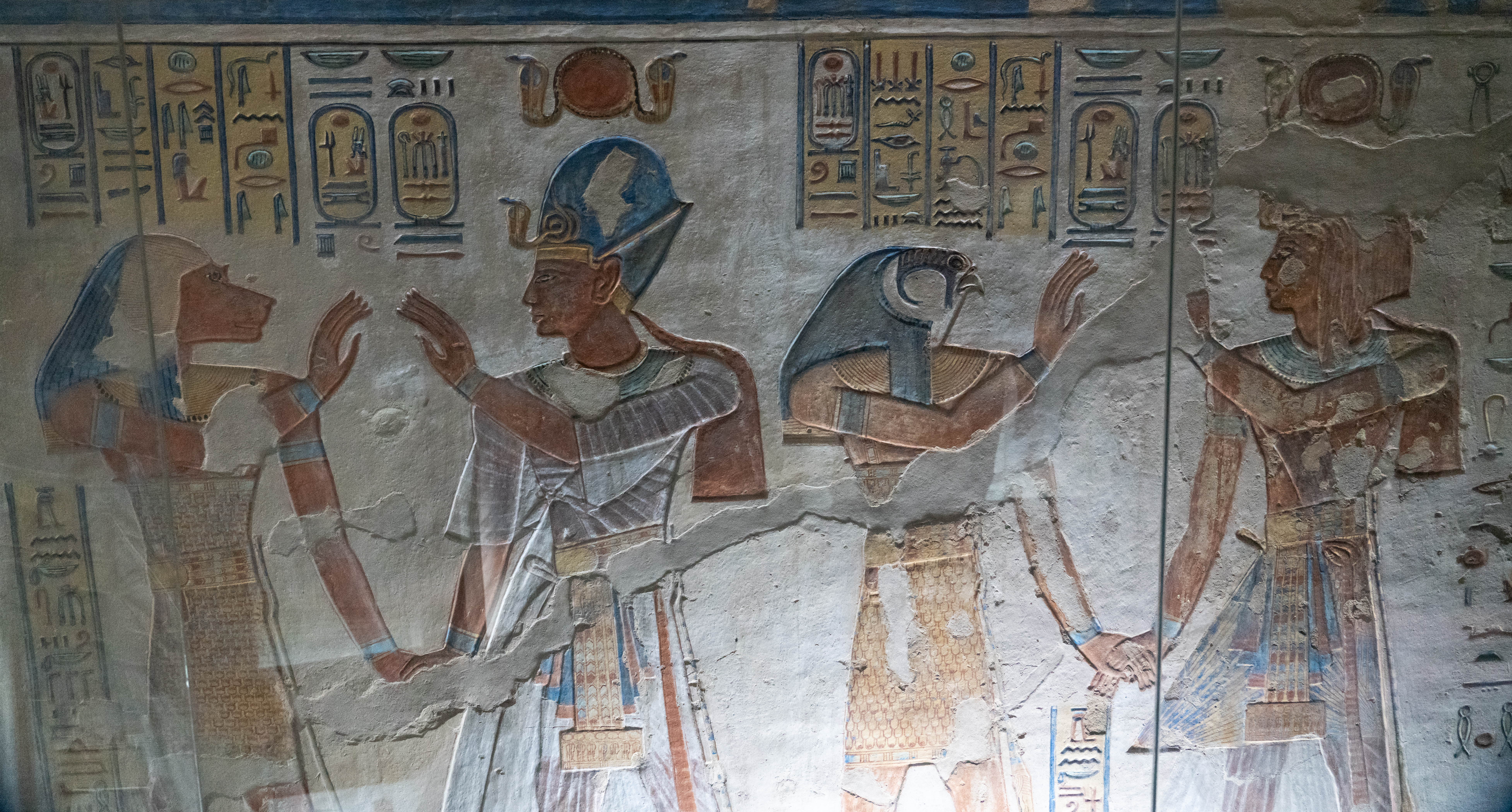
We also went into the tomb of Queen Tyti (QV52) who was most likely a wife and sister of Ramesses III and possibly the mother of Ramesses IV (12th century BC). I didn’t take any pictures inside because it was so much more worn than the previous two.
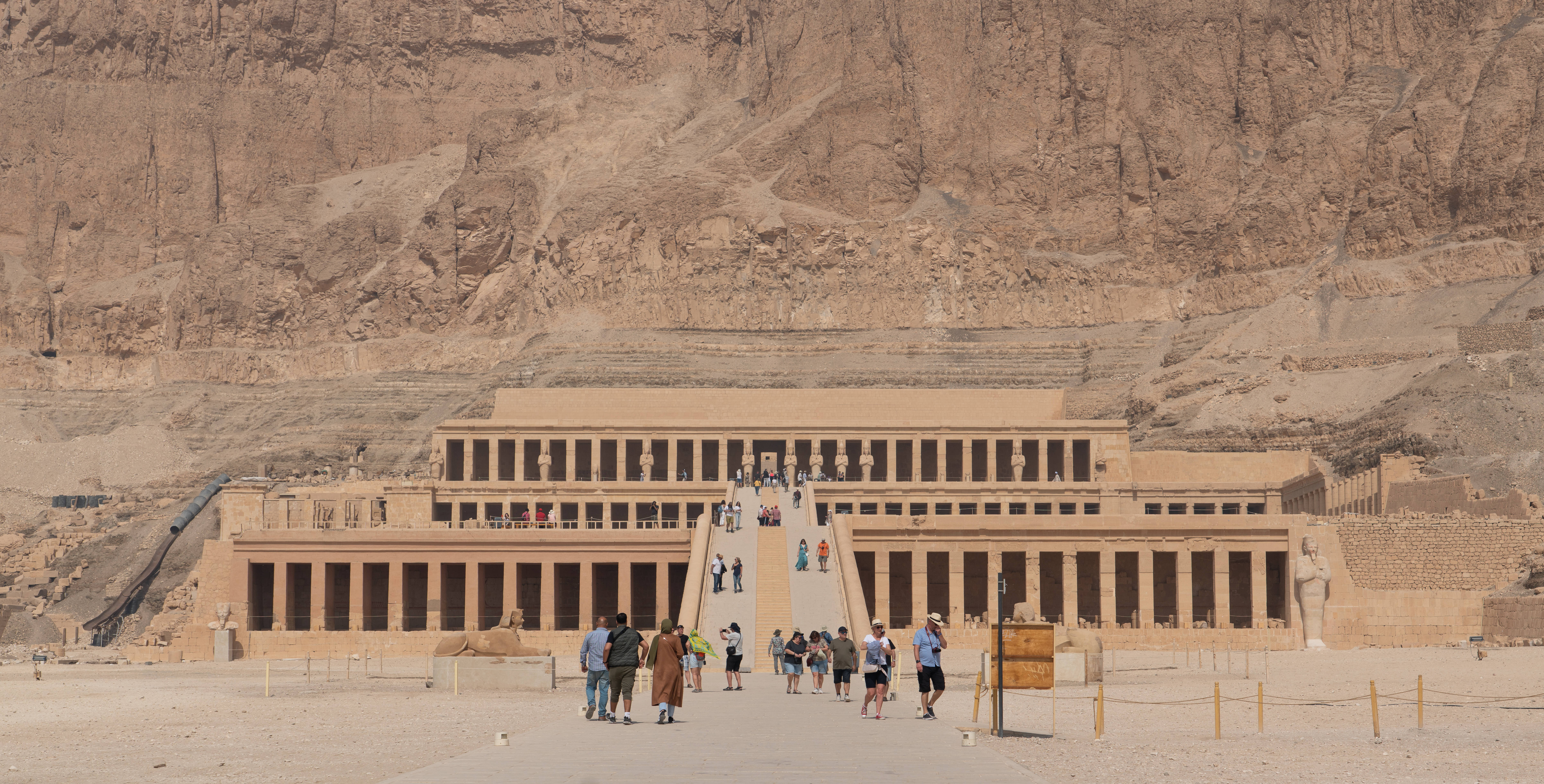
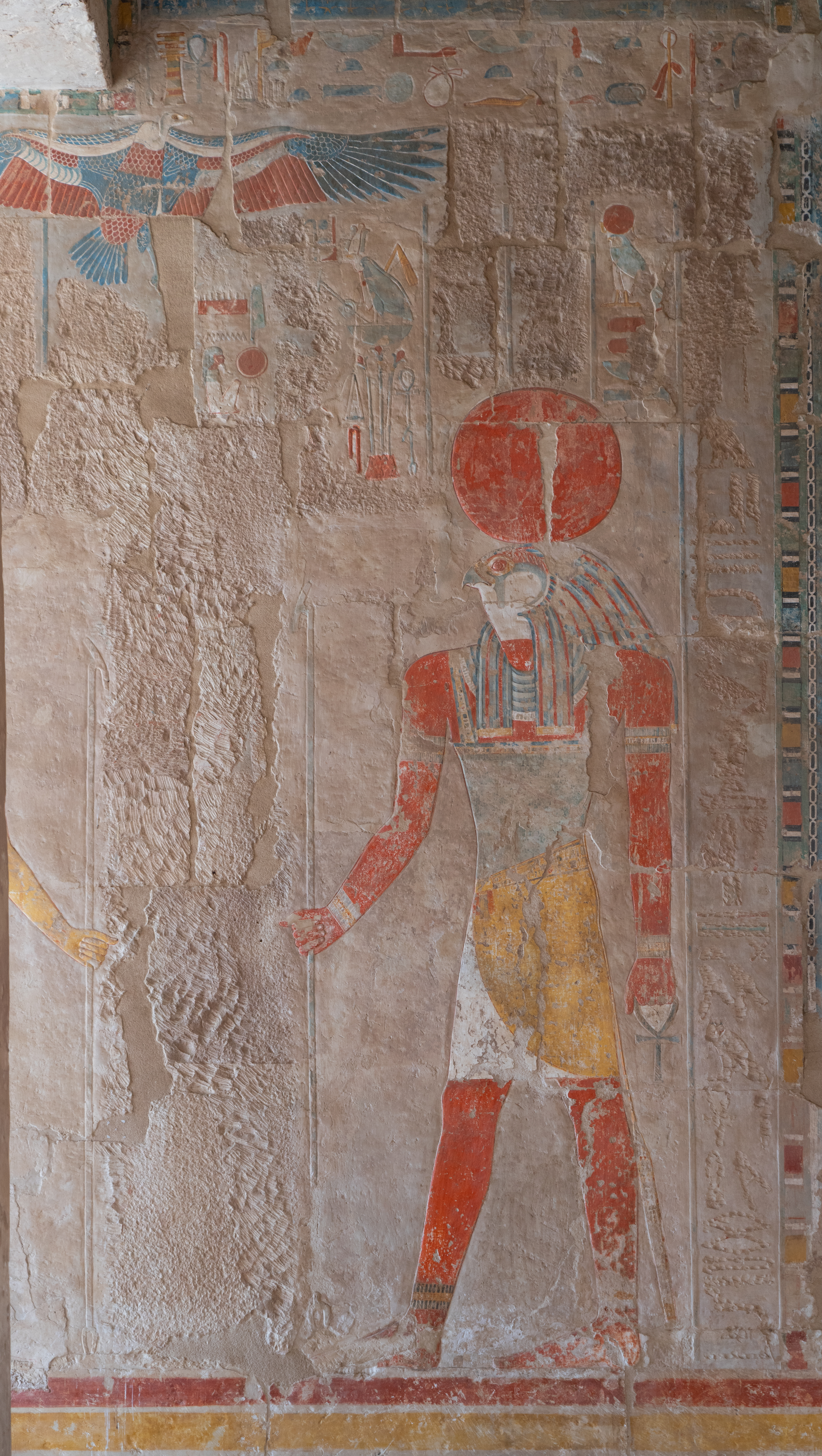
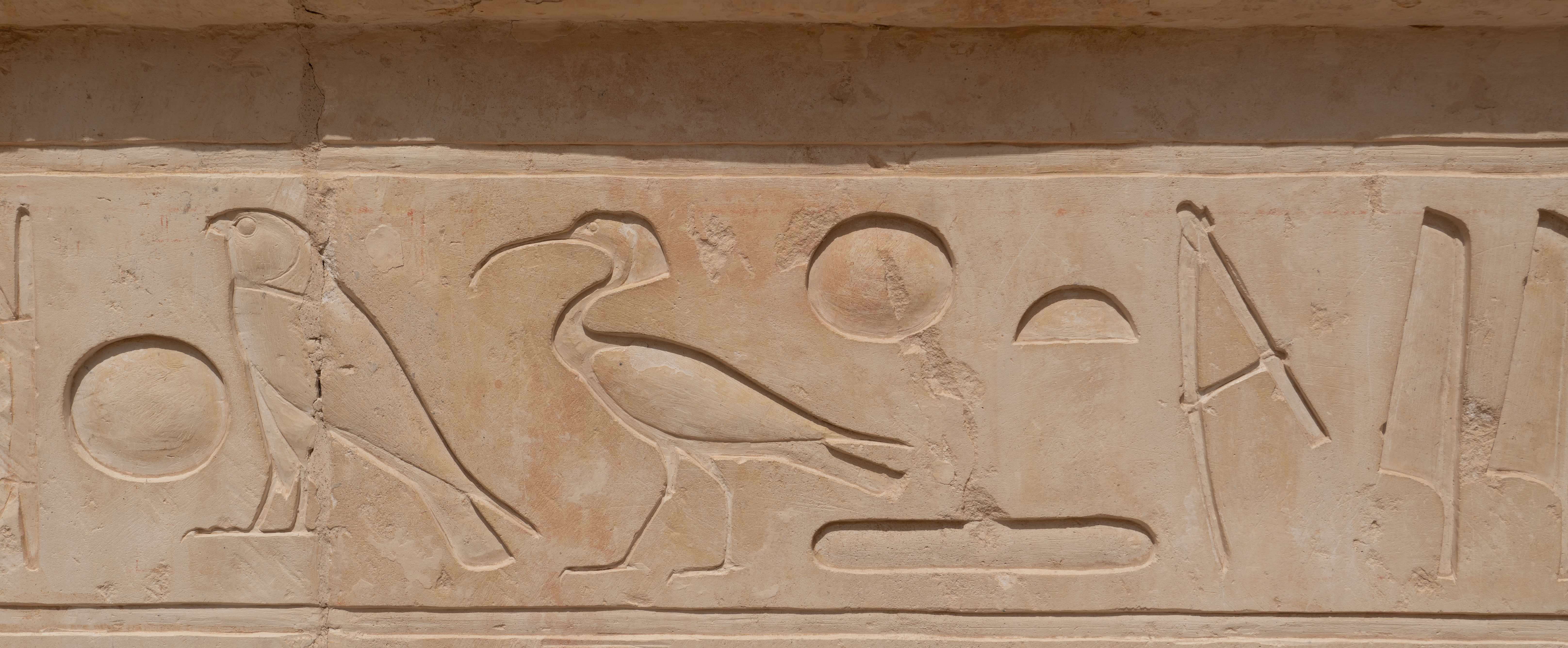
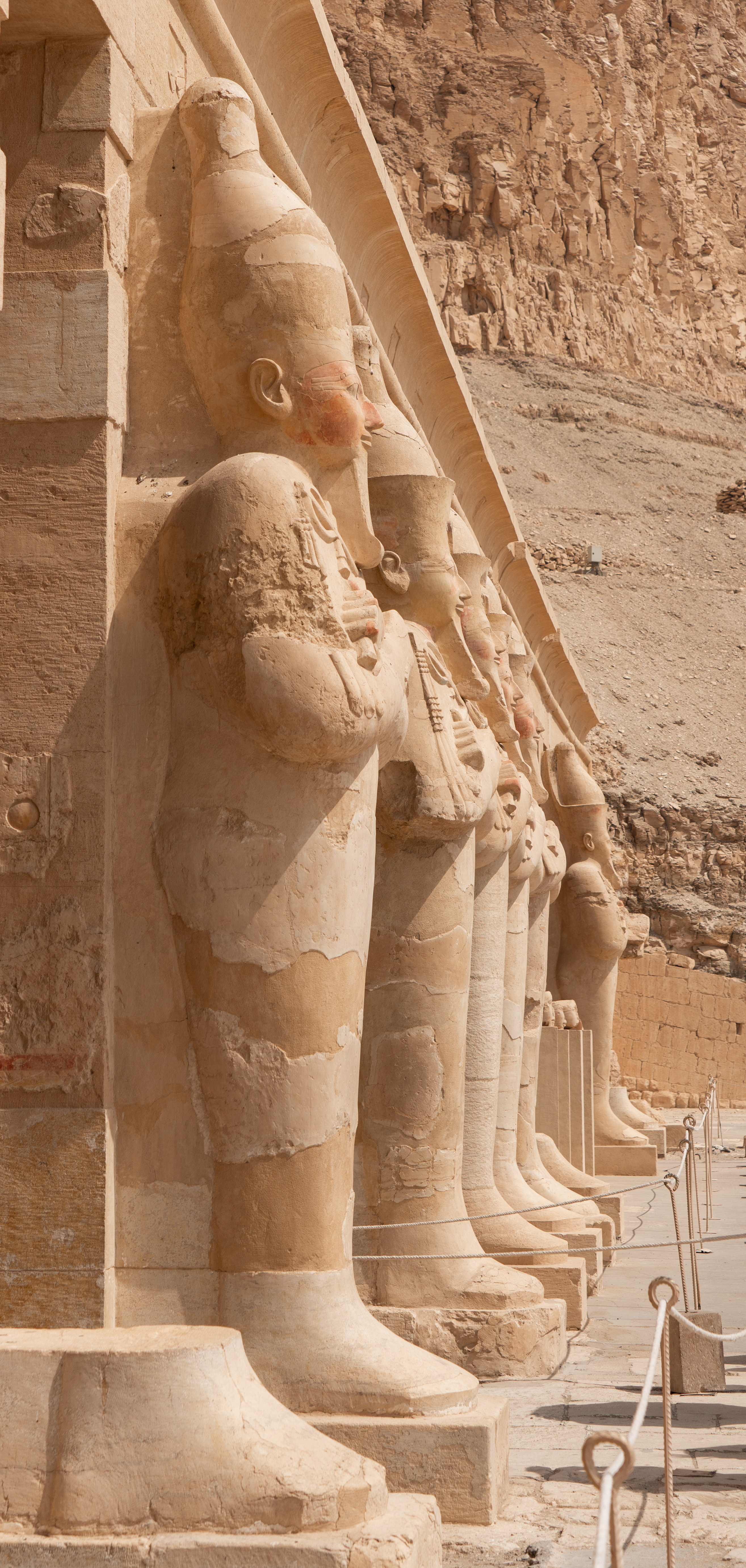
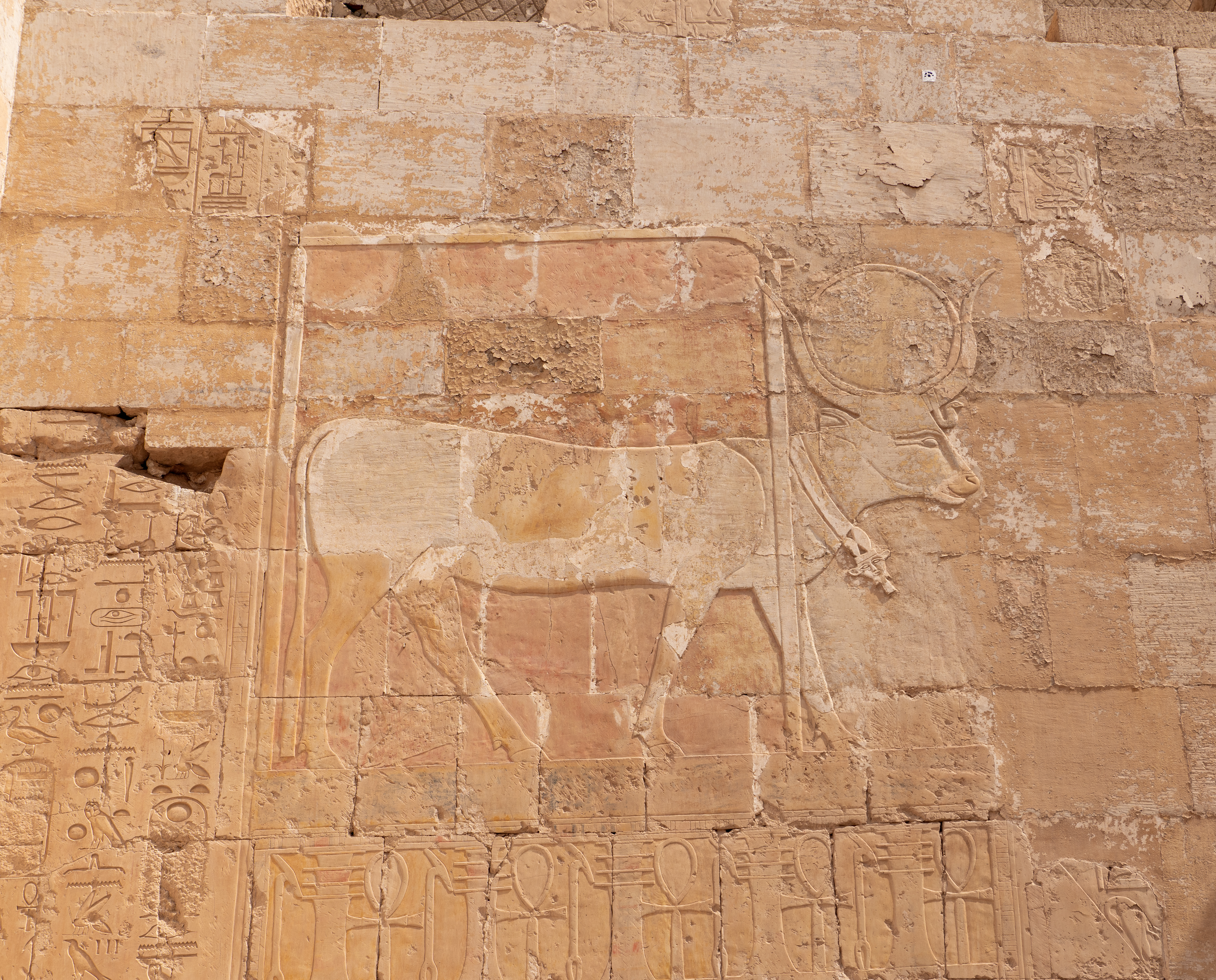
Next we went to the Mortuary Temple of Hatshepsut. This temple is in good condition because it had been buried in sand for centuries. Hatshepsut was a ruling queen in the 18th dynasty. ruling from 1479-1458 BC. She was the 2nd historically confirmed female pharaoh. She was the principal wife of Thutmose II and initially ruled as regent to Thutmose III, as son of Thutmose II by another wife and the heir to the throne. Thutmose III inherited the throne at age 2 and Hatshepsut asserted her right to the throne as daughter of Thutmose I and his primary wife. (Her husband Thutmose II was the son of Thutmose II and a secondary wife.) Our egyptologist says she was murdered by Thutmose III, who tired of her being in control when he was the heir of Thutmose II. It is unclear how she died and she may have been murdered by her husband so that he could gain the throne. It is very clear, however, that an effort was made to erase her from history shortly after her death. Her name and images was defaced from temples and other buildings.
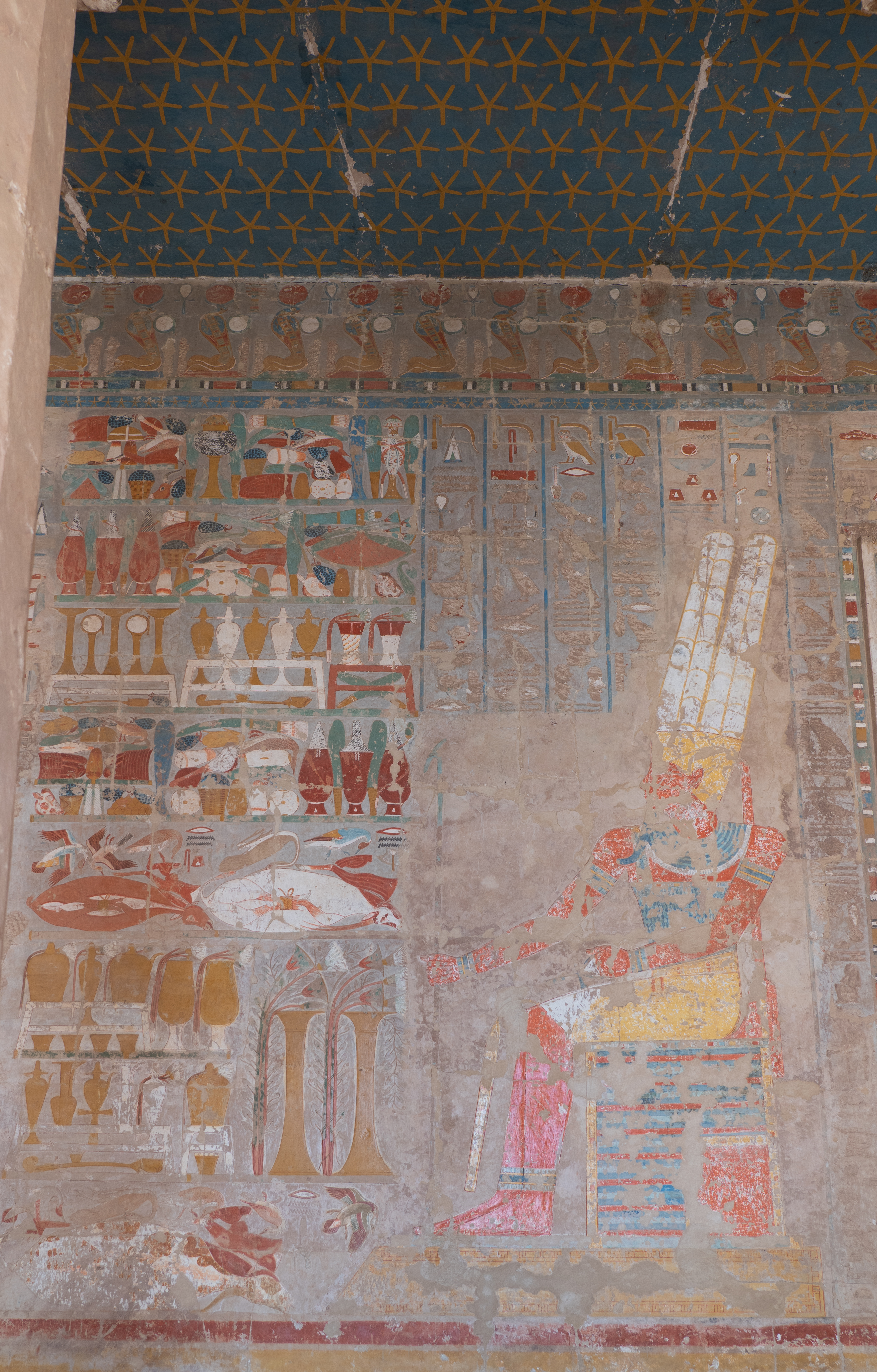
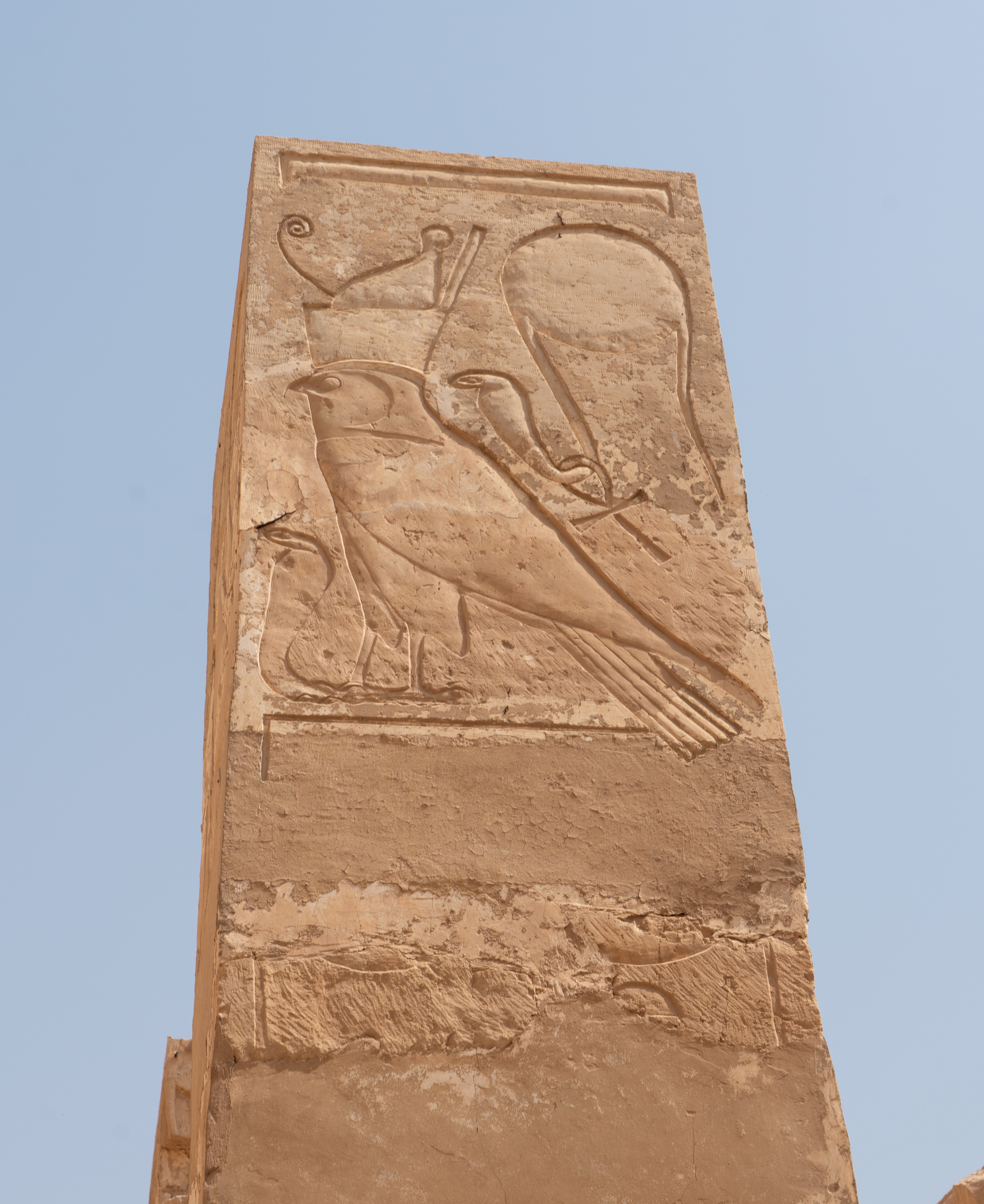
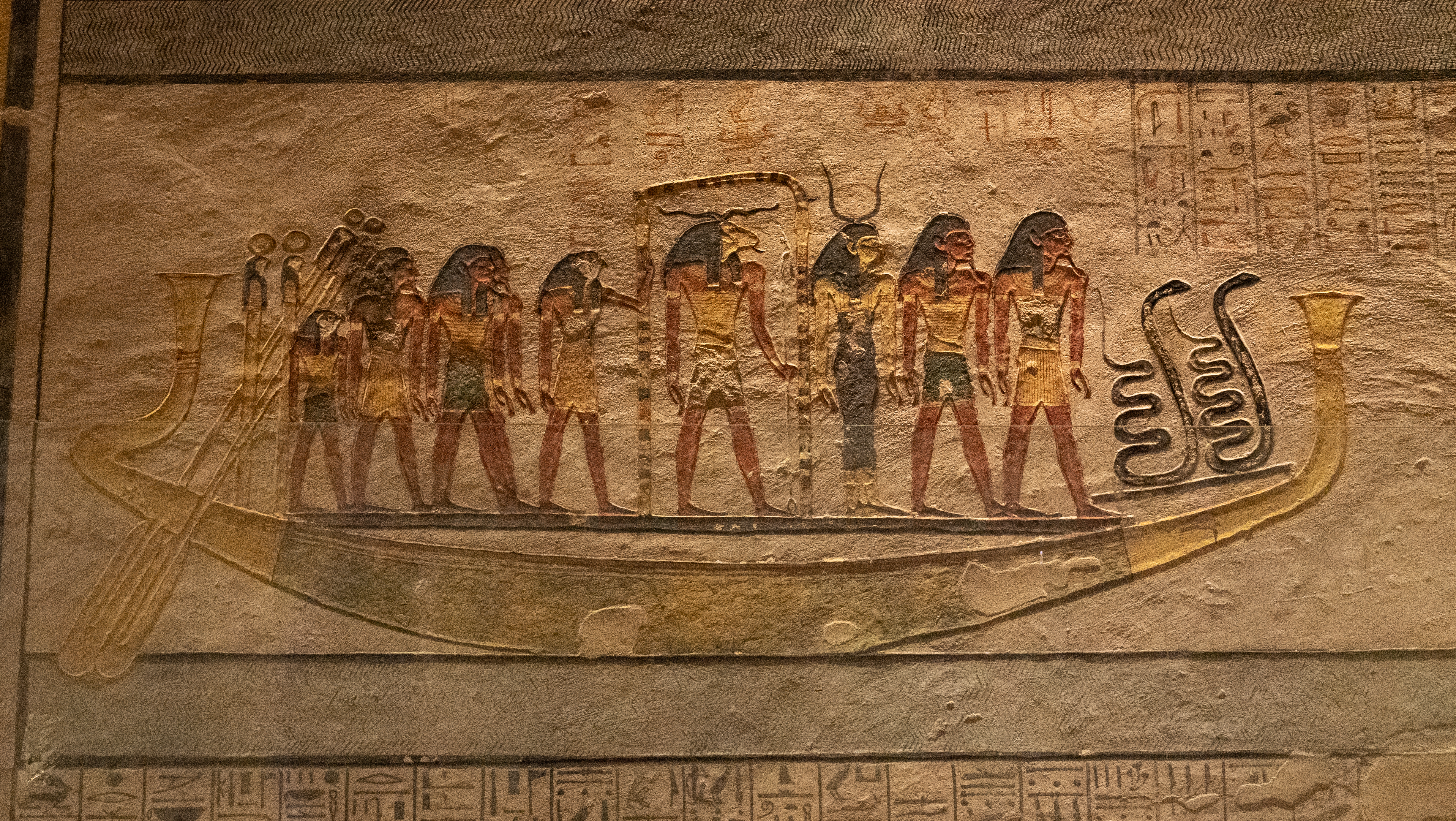
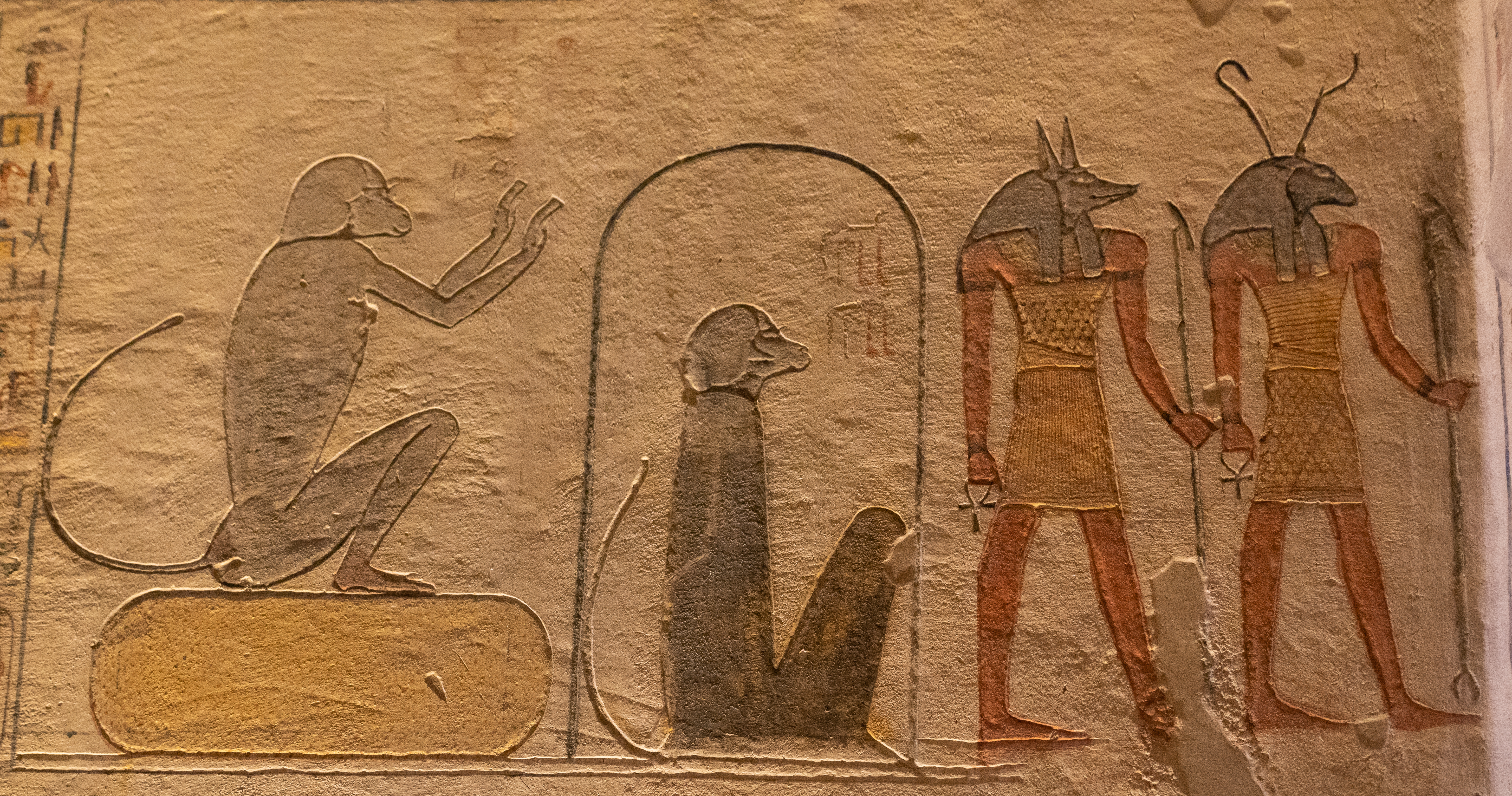
We went on to the Valley of the Kings, which is not far from the Valley of the Queens. This was the burial site fo the Kings of Egypt from the 16th to the 11th centuries BC. There are currently 63 known tombs here. Some of the tombs are simple, but others are elaborate tunnels with multiple chambers. The biggest is the tomb of the sons of Ramesses II with 120 known rooms and excavation still ongoing. The most famous one is the tomb of Tutankhamum, or King Tut.
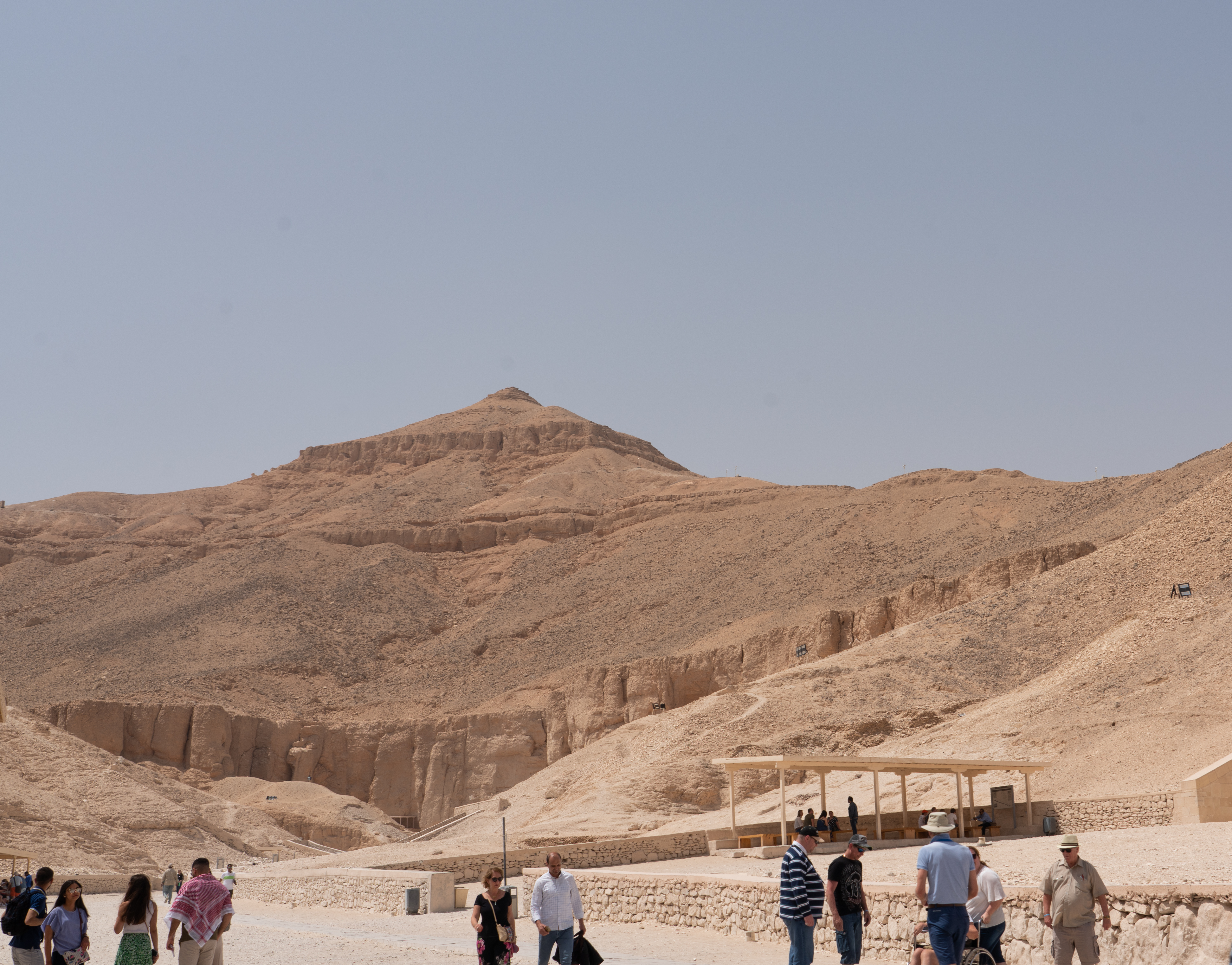
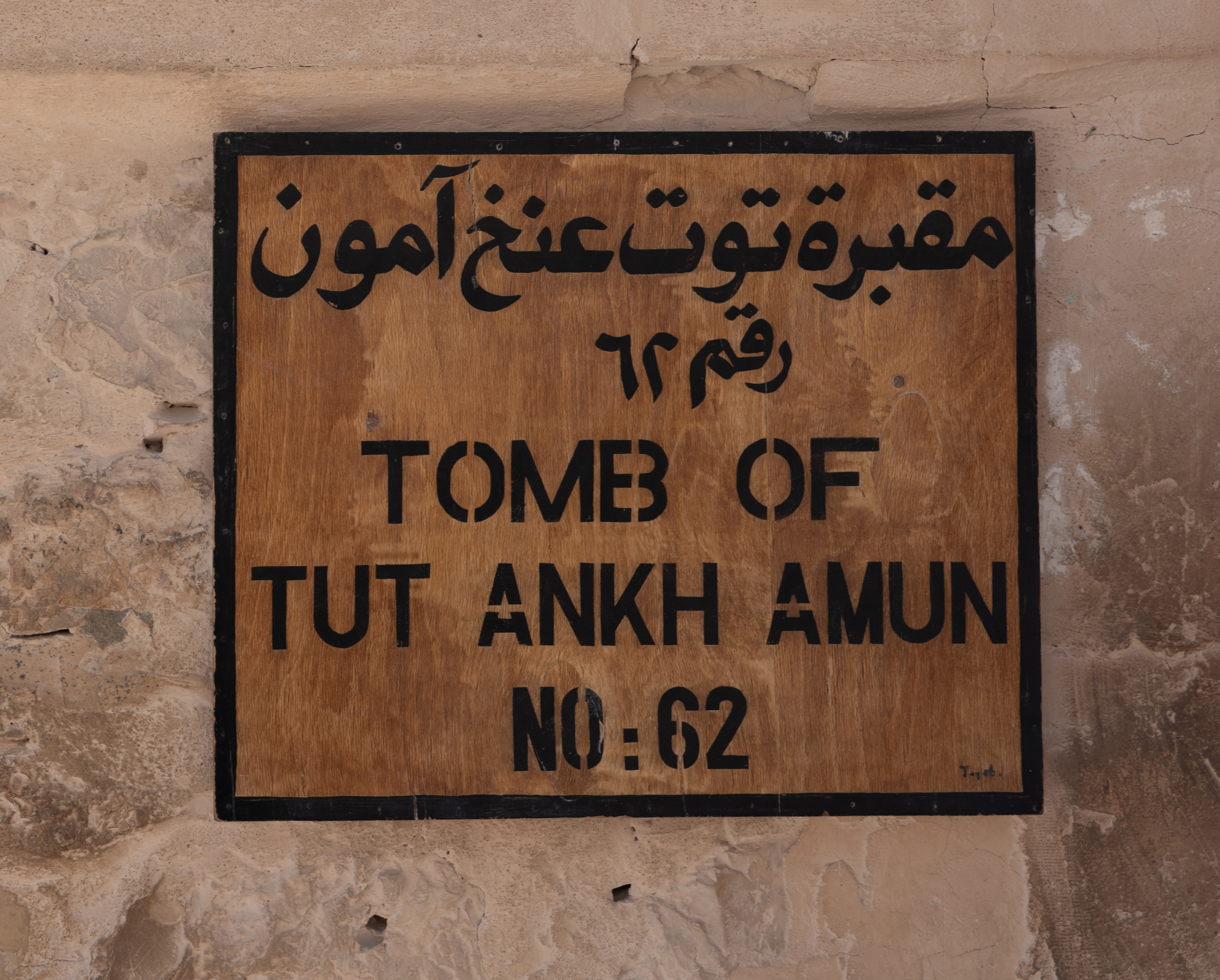
It takes an extra entrance fee to go into King Tut’s tomb, but they do not appear to limit the number of people entering it. His tomb is very small, with only 2 small rooms. This is likely because he died unexpectedly at a young age. He was the last of his family line to rule and he lived from 1341-1323 BC. He reigned for about 11 years and left no heirs as his 2 daughters were stillborn. His intact tomb was discovered by British archaeologist Howard Carter in 1922. Its entrance had been covered by rubble from the building of a later tomb. While all of the artifacts have been removed, the mummy of King Tut was left in his tomb.
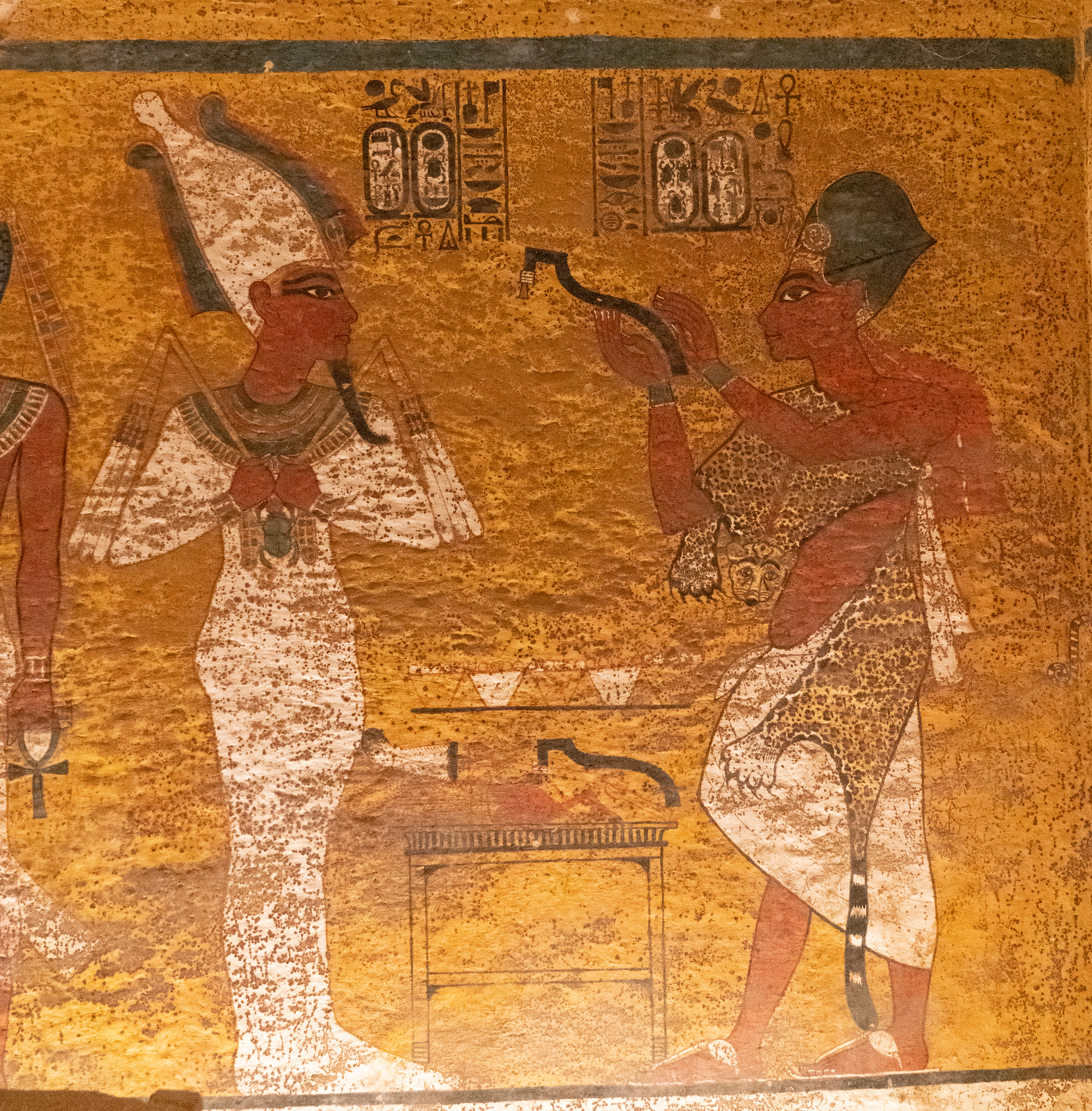
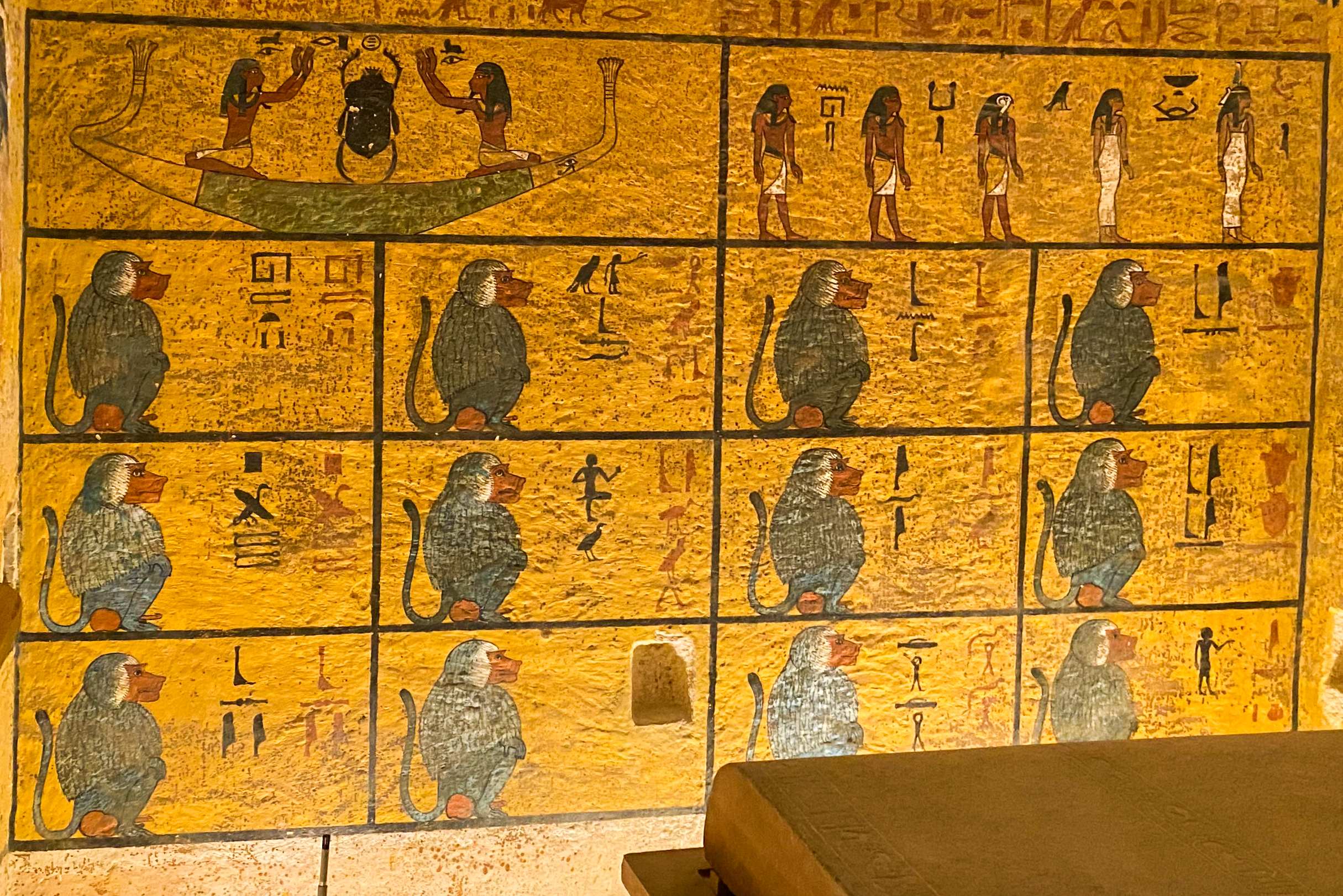
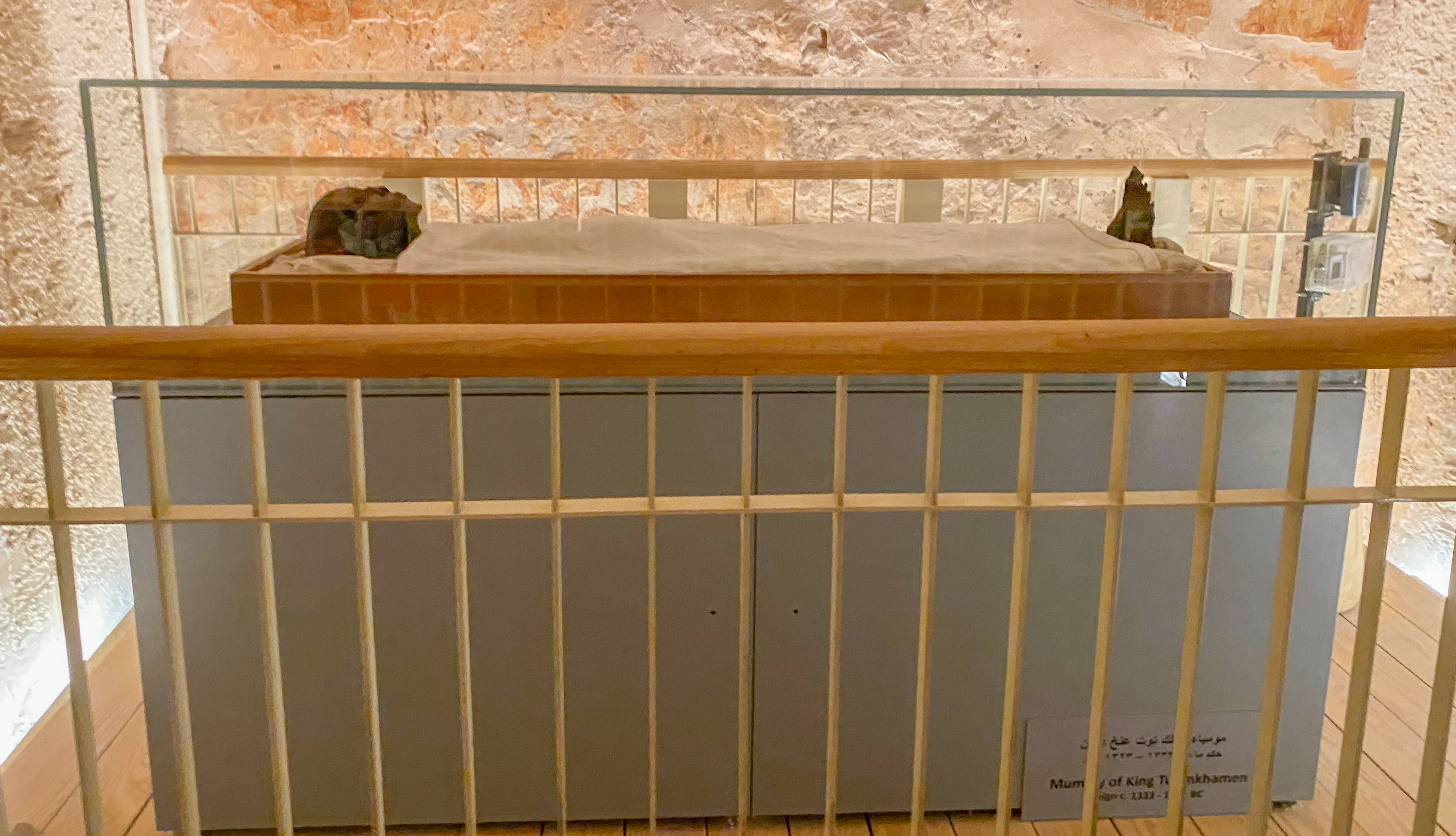
We went to 3 other tombs in the Valley of the Kings.
Ramesses I: He was the founding King of the 19th Dynasty. It is not completely clear when he ruled, but it may have been 1292-1290 BC or 1295-1294 BC. He was a non-royal from a noble military family who served as the vizier to the previous king, who had no surviving children. Ramesses was then chosen as his successor.
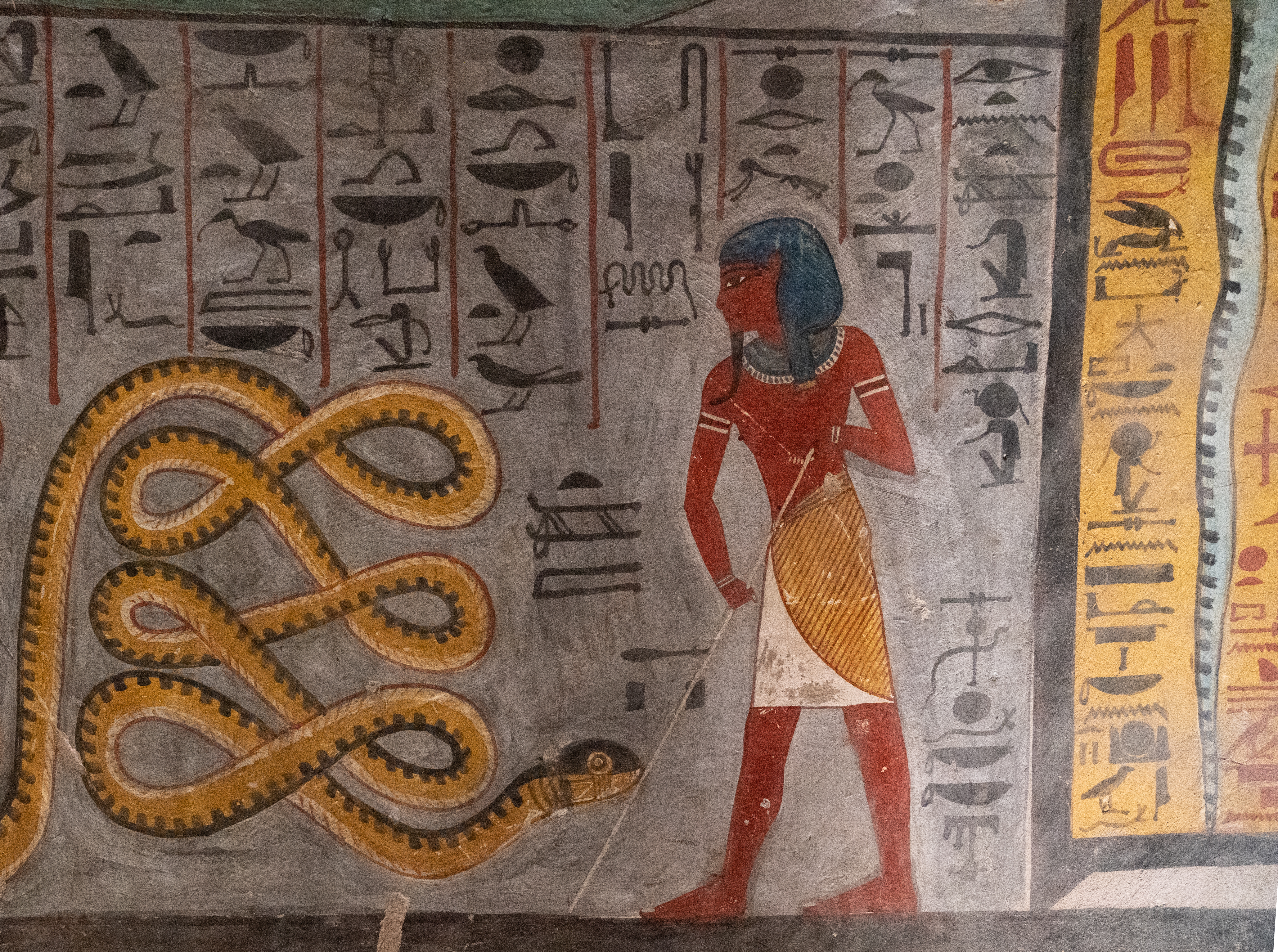
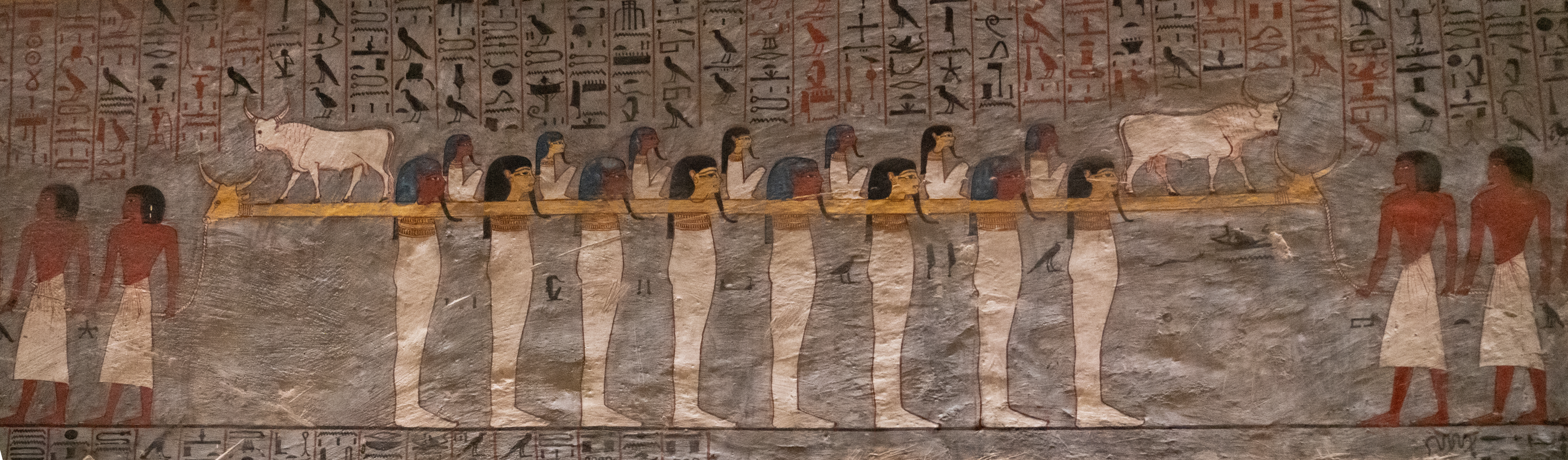
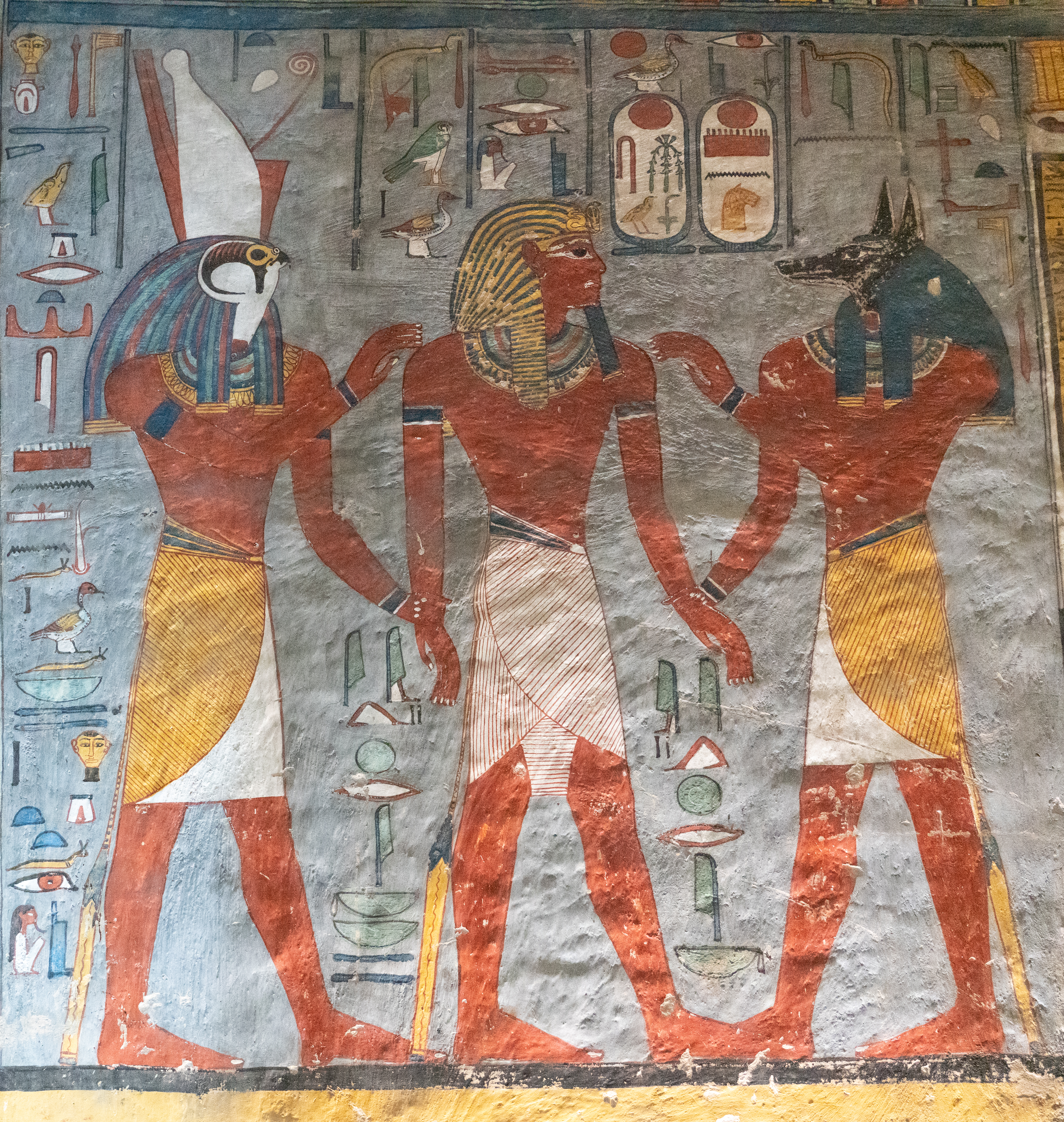
Ramesses III: He reigned from 1186-1155 BC and was assassinated in a plot led by one of his secondary wives who hoped to put her son on the throne instead of the chosen successor. Her son did not end up on the throne in the end, the original chosen son did.
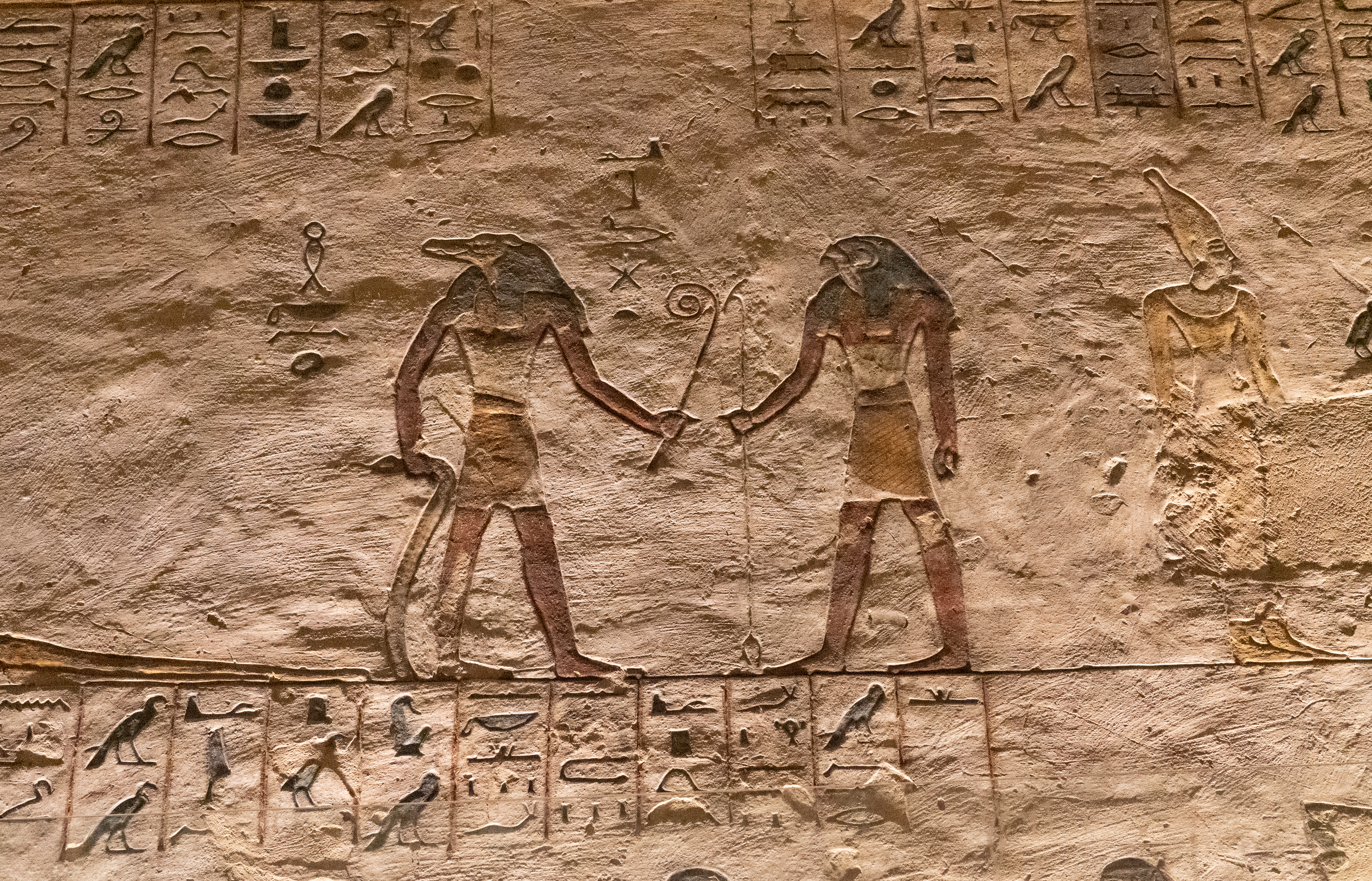
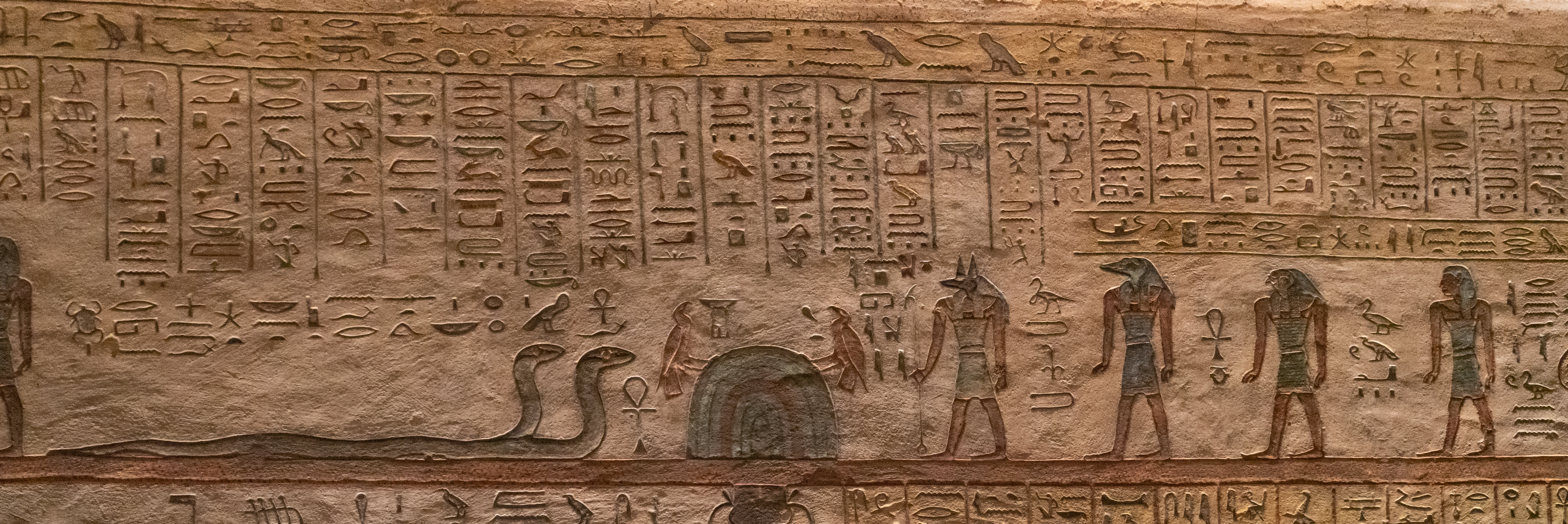
Ramesses IX: He ruled from 1129-1111 BC. He was probably a grandson of Ramesses III. He resign was know for trials of tomb raiders. Somewhat ironically, his tomb has been open since antiquity as there is Greek and Roman graffiti in it.
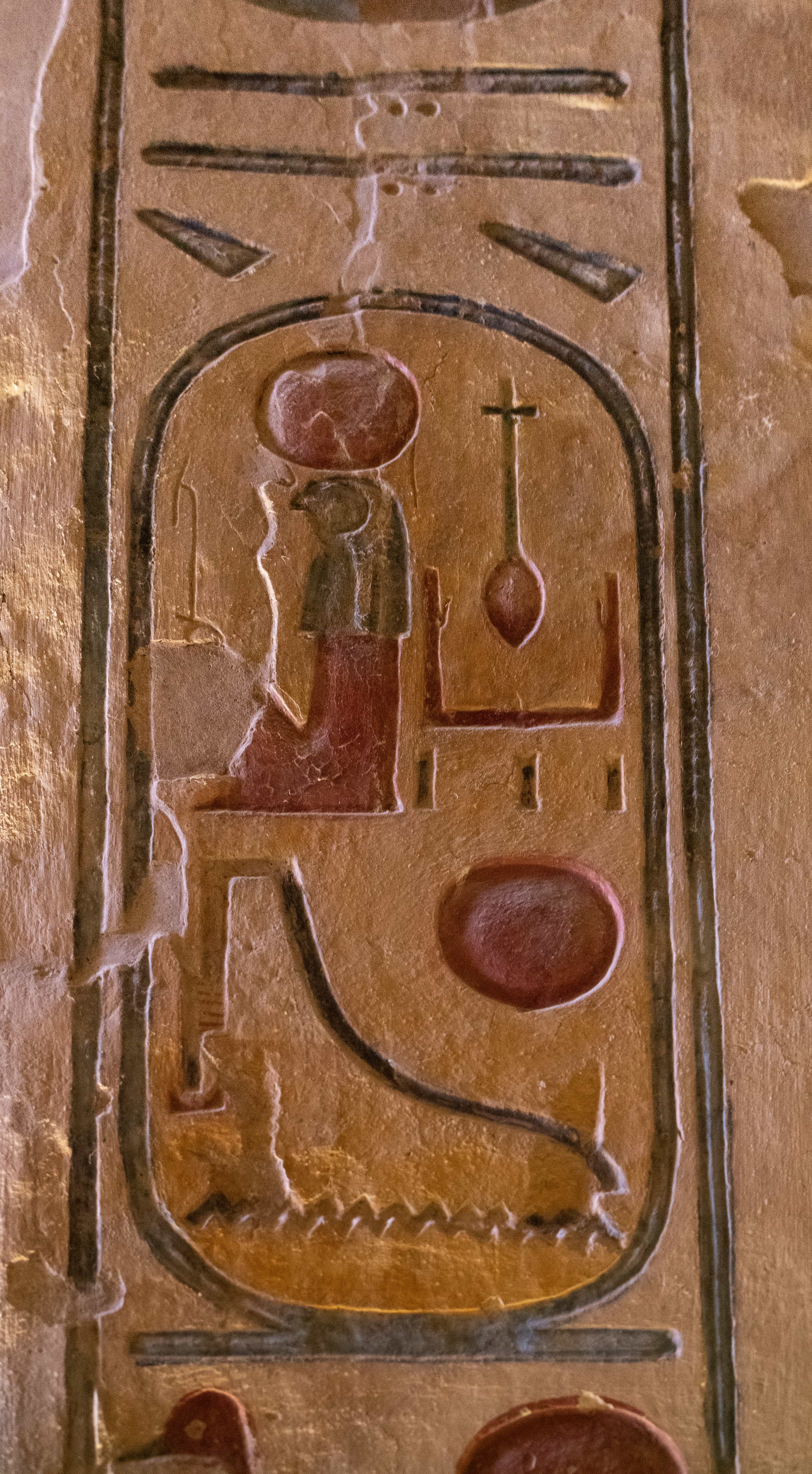
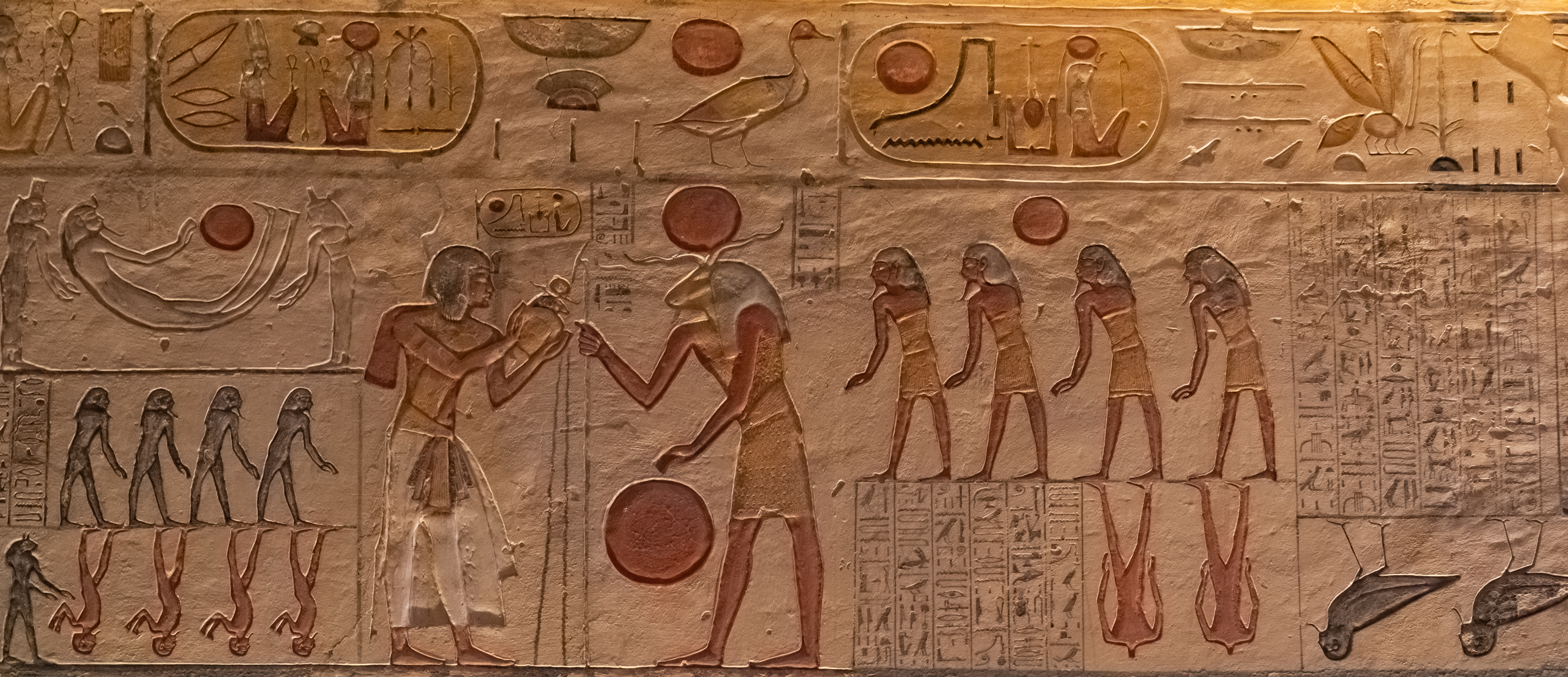
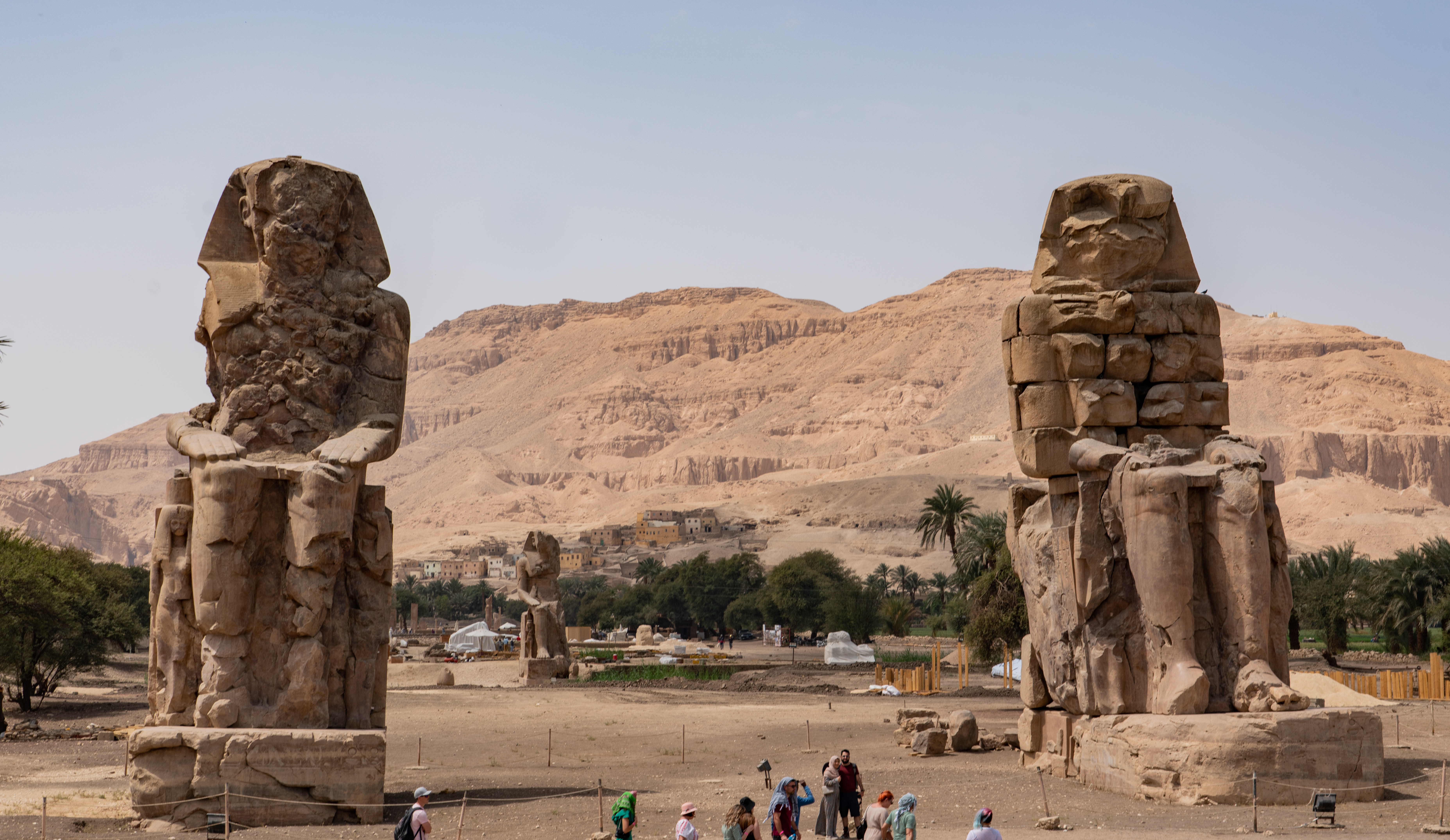
Lastly, we made a quick stop at Colossi of Memnon. These are two 60 foot statues of Amenhotep III that are in the front of the ruins of the Mortuary Temple of Amenhotep III. Amenhotep III likely ruled from 1386-1349 BC.
 Will Suture for Travel
Leave a comment