
Today we went to Lyon. This is the 3rd largest city in France and the 2nd largest metropolitan area. It is a big college city with approximately 200,000 students. The city is at the confluence of the Rhone and Saone Rivers and it is approximately 240 miles southeast of Paris. It is known for its cuisine, as the birthplace of Antoine de Saint-Exupéry (the author of “The Little Prince”), and it is also where the Lumière brothers developed the cinematograph, making the first films in the late 1800s.
Lyon was the capital of the Gauls during the Roman era. The city was established at Fourvière Hill. Eventually, the Romans recognized this site as a good strategic location and it became the capital of the Roman province. Two Roman emperors were born here. A Roman amphitheater was built at Fourvière Hill around 15 BC, although it was not completed until the beginning of the 2nd century. It had seating for around 10,000.
Under the Treaty of Verdun in 843 Lyon went to the Holy Roman Empire and eventually became part of the Kingdom of Arles. Lyon did not come under French control until the 14th century.
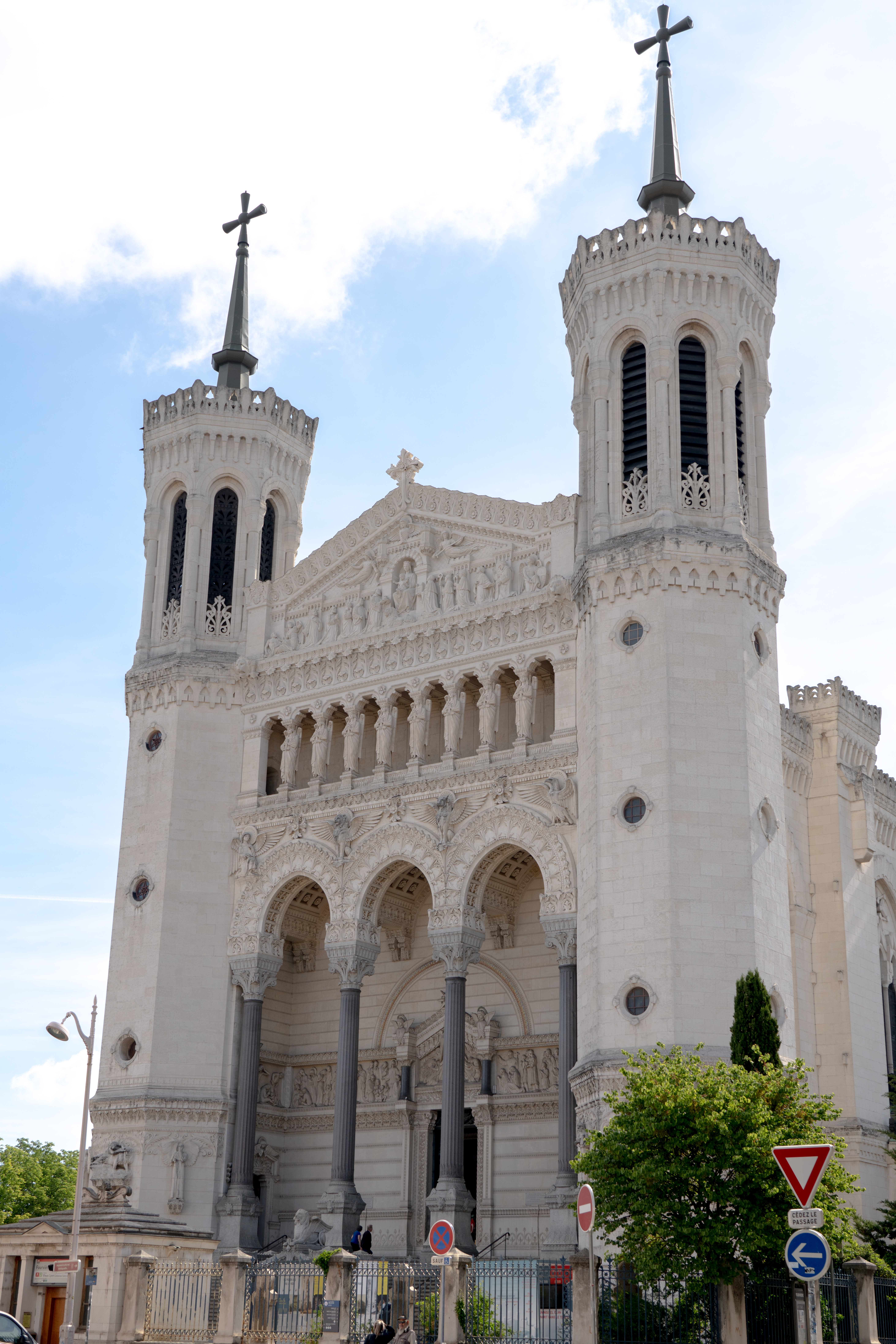
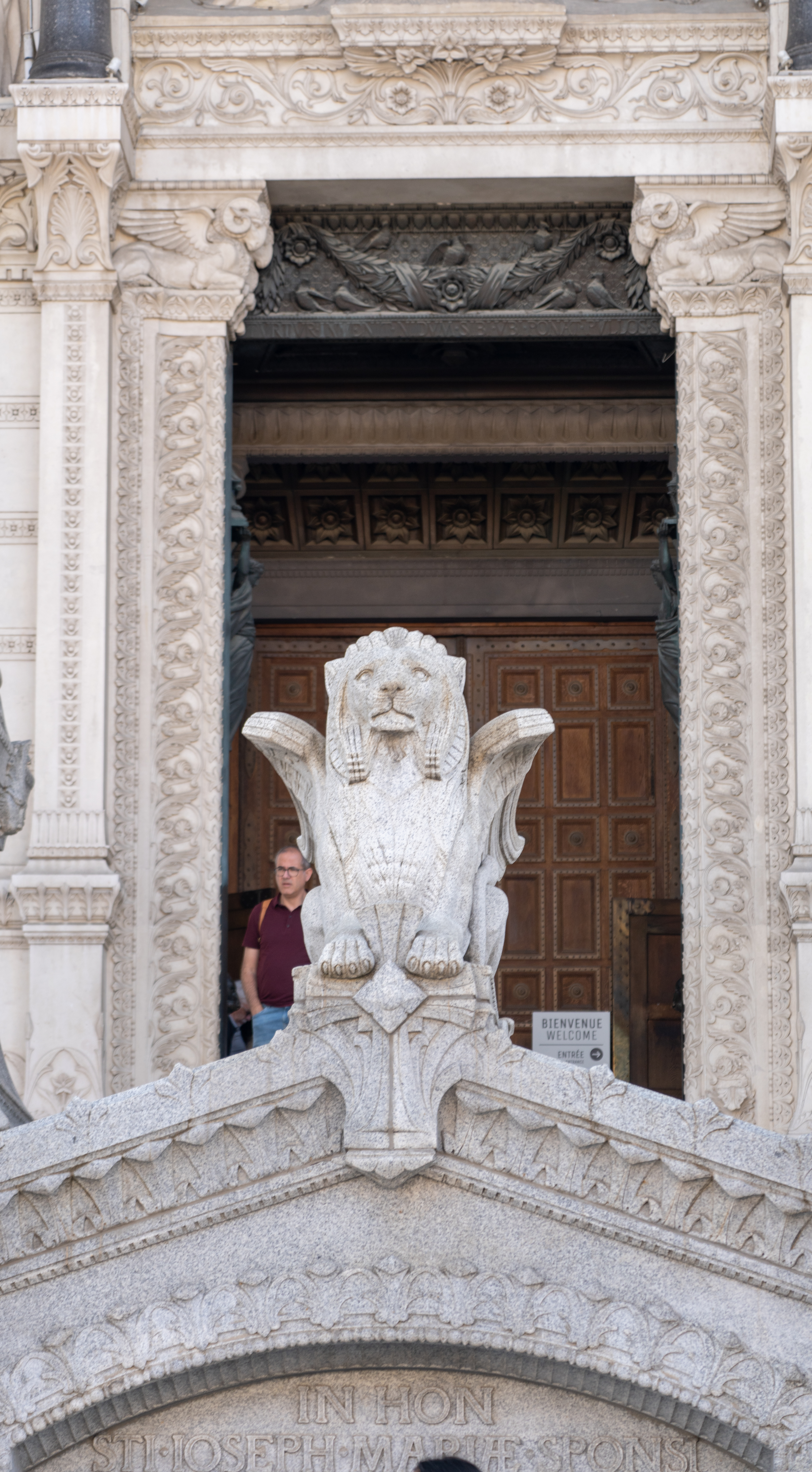
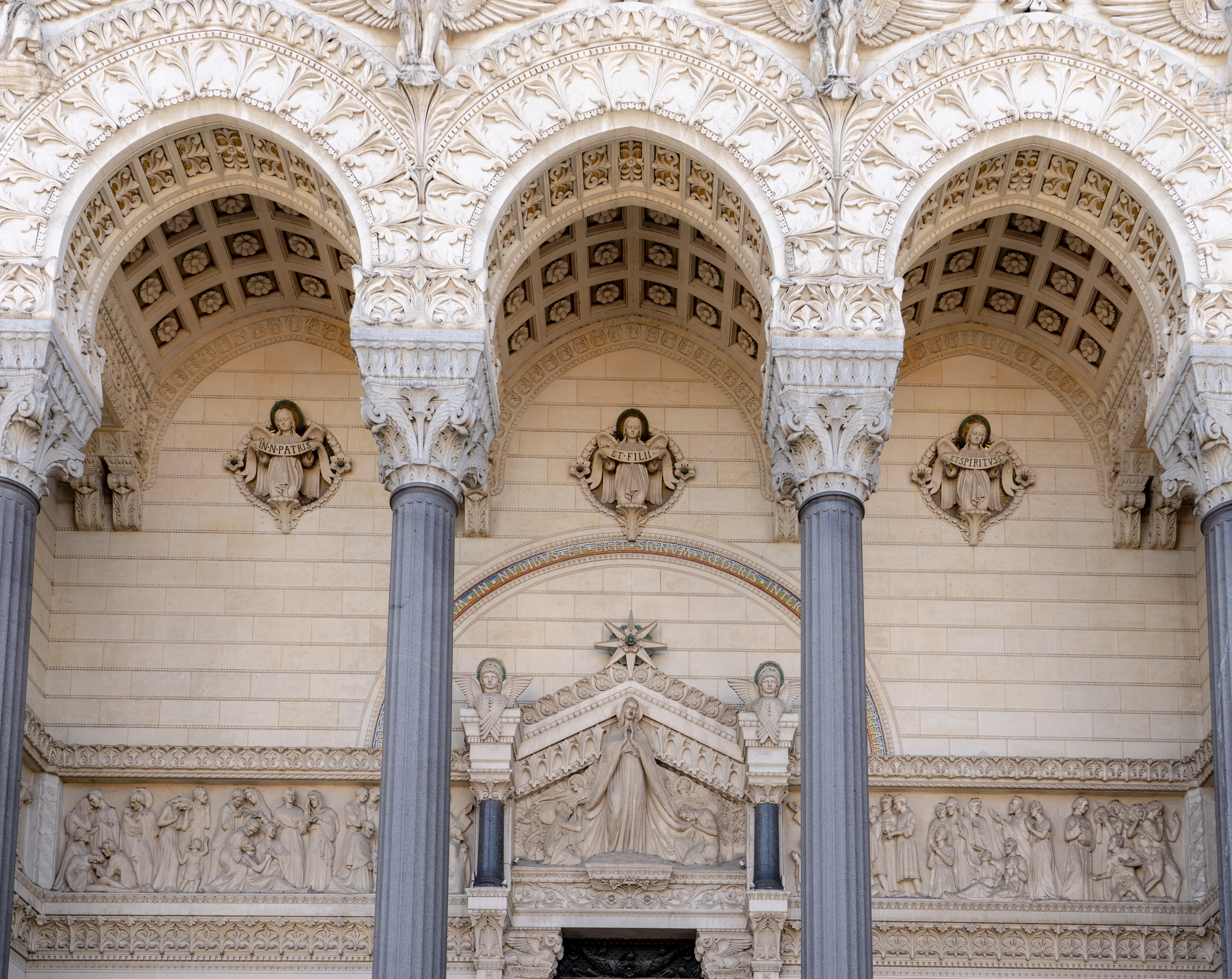
The Basilica Notre-Dame de Fourvière was built with private funds between 1872 and 1896 over a site where there was a Roman forum of Trajan. There has been a shrine to the Virgin Mary at this site since 1170. The basilica has both Byzantine and Romanesque architecture styles.
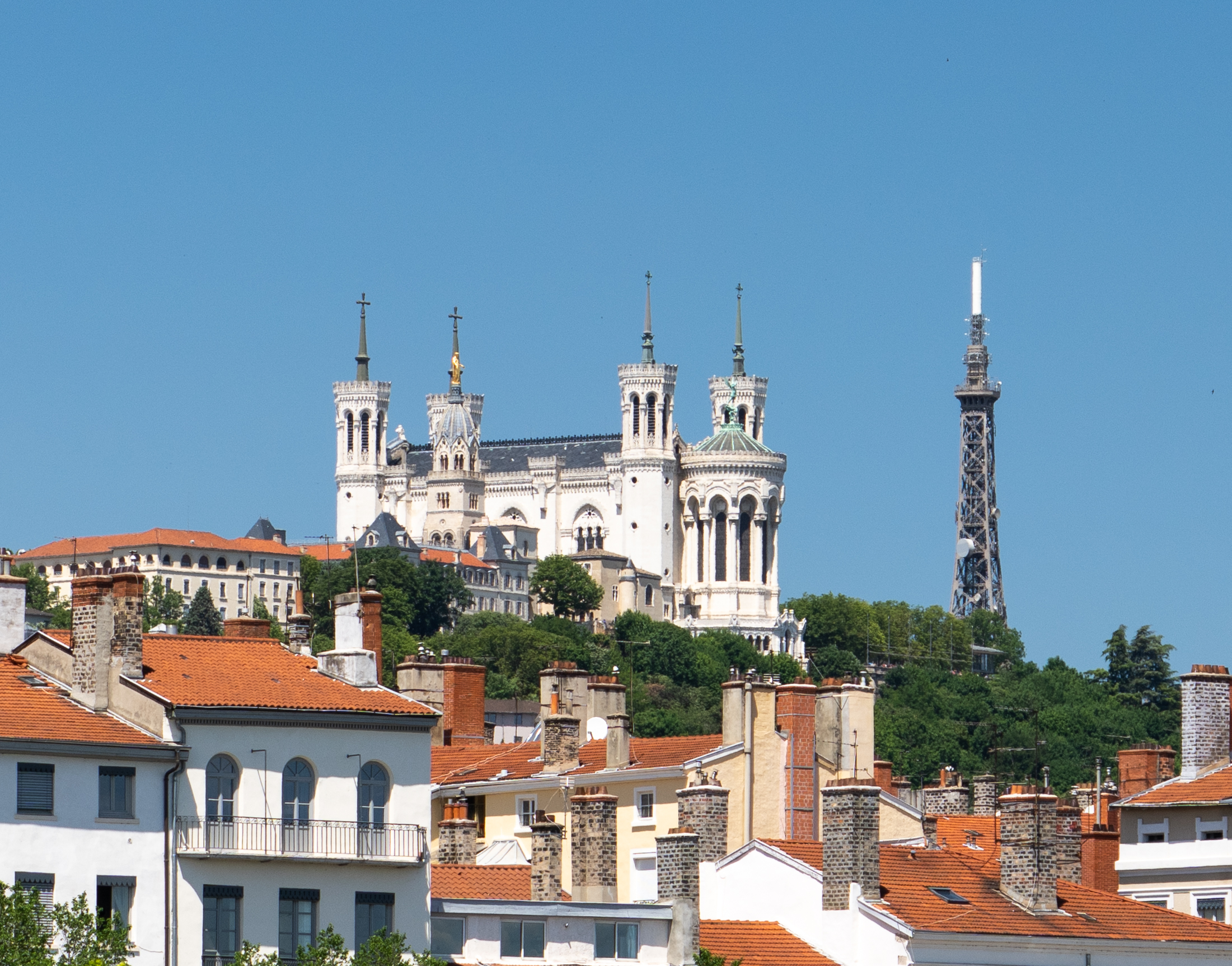
The old town area of Lyon is known as Vieux Lyon. It is a Renaissance old town that is still preserved today. It is one of Europe’s largest Renaissance districts.
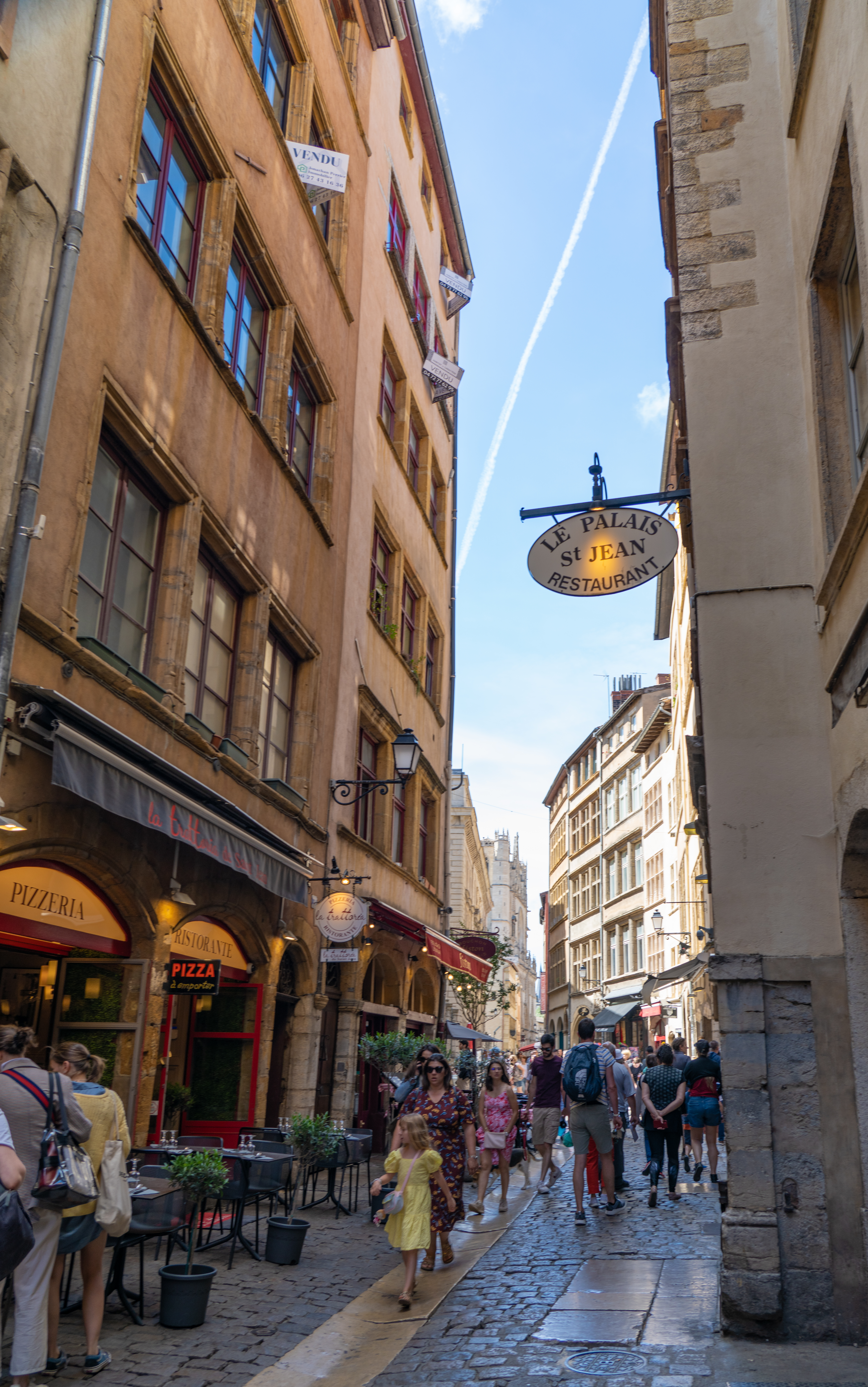
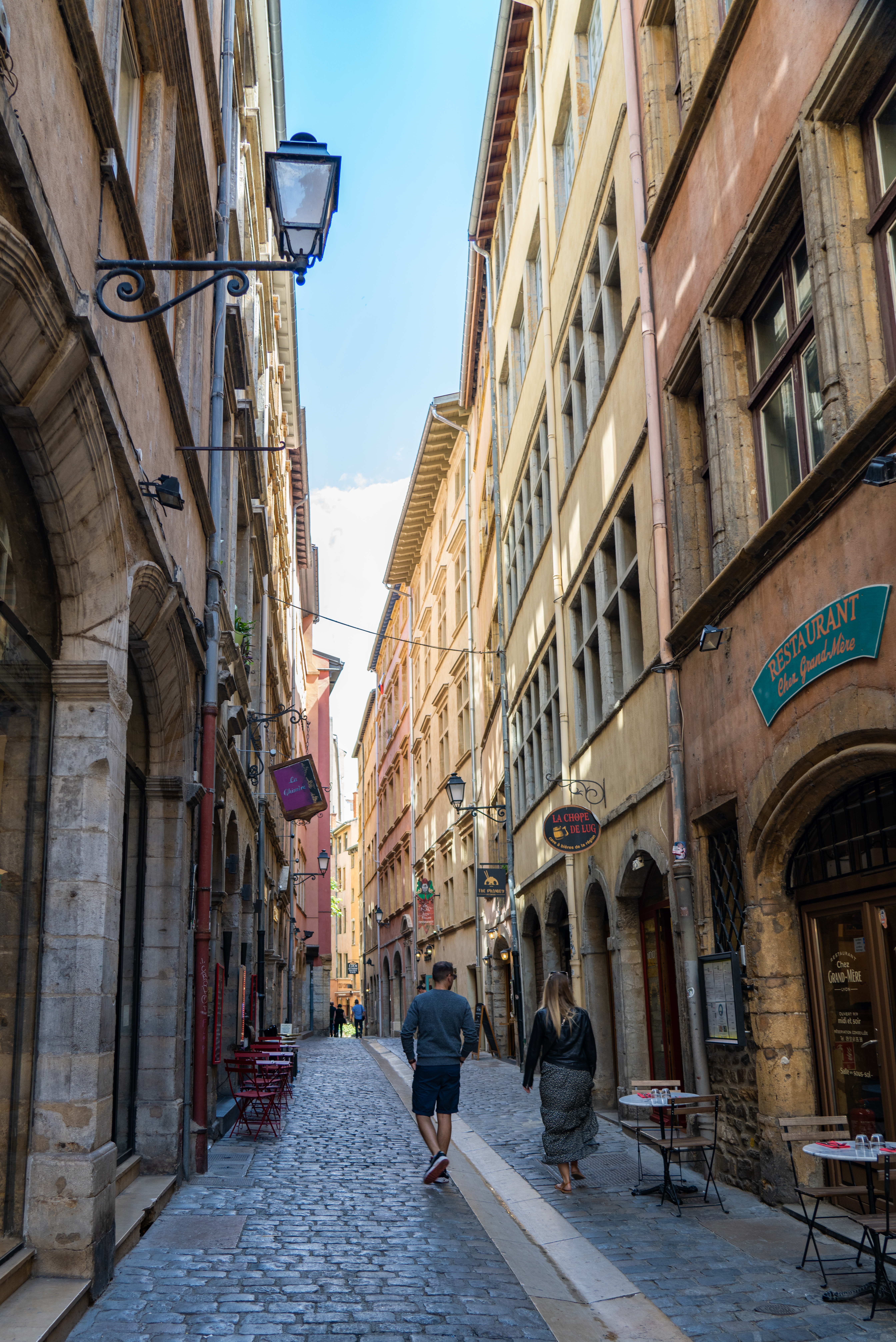
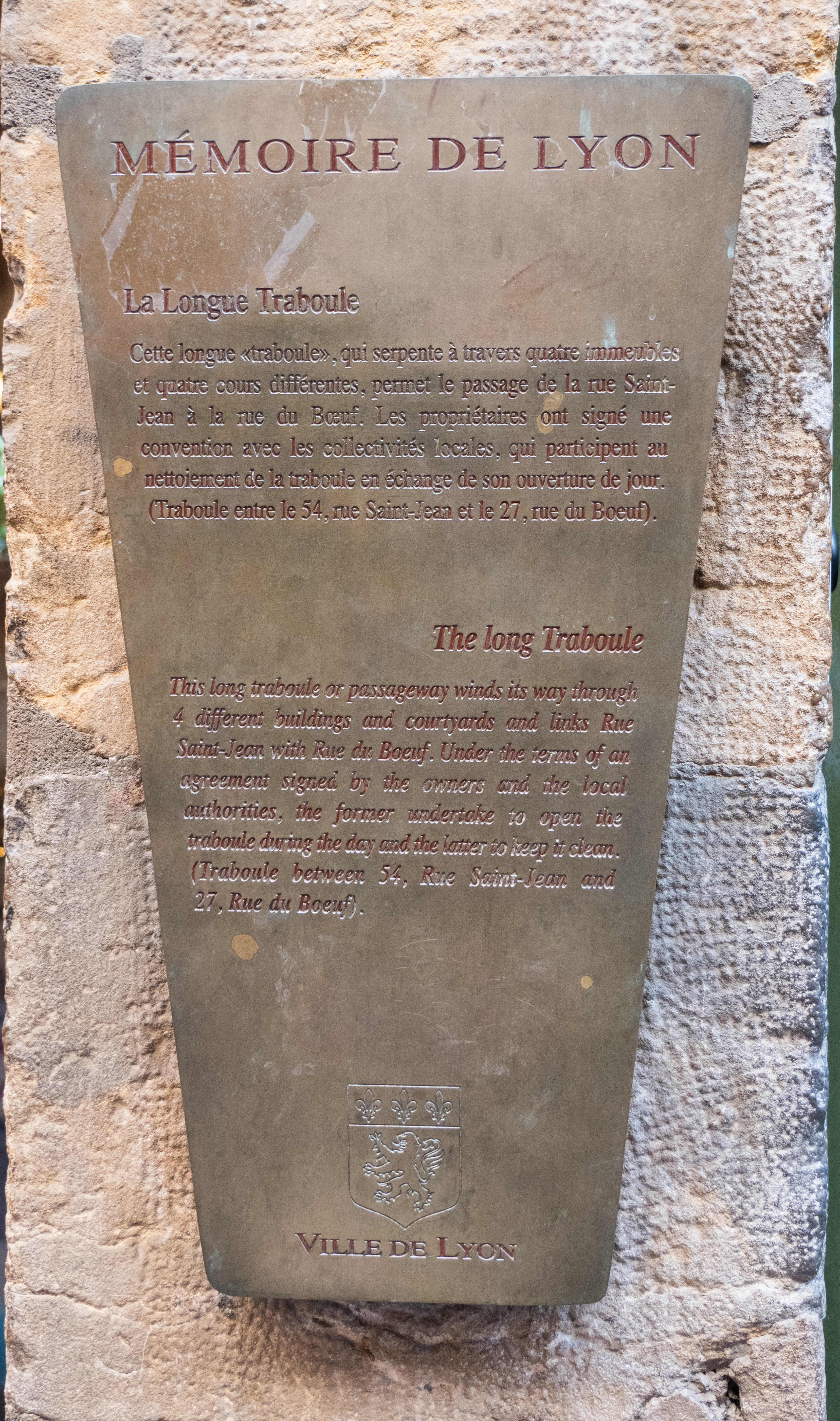
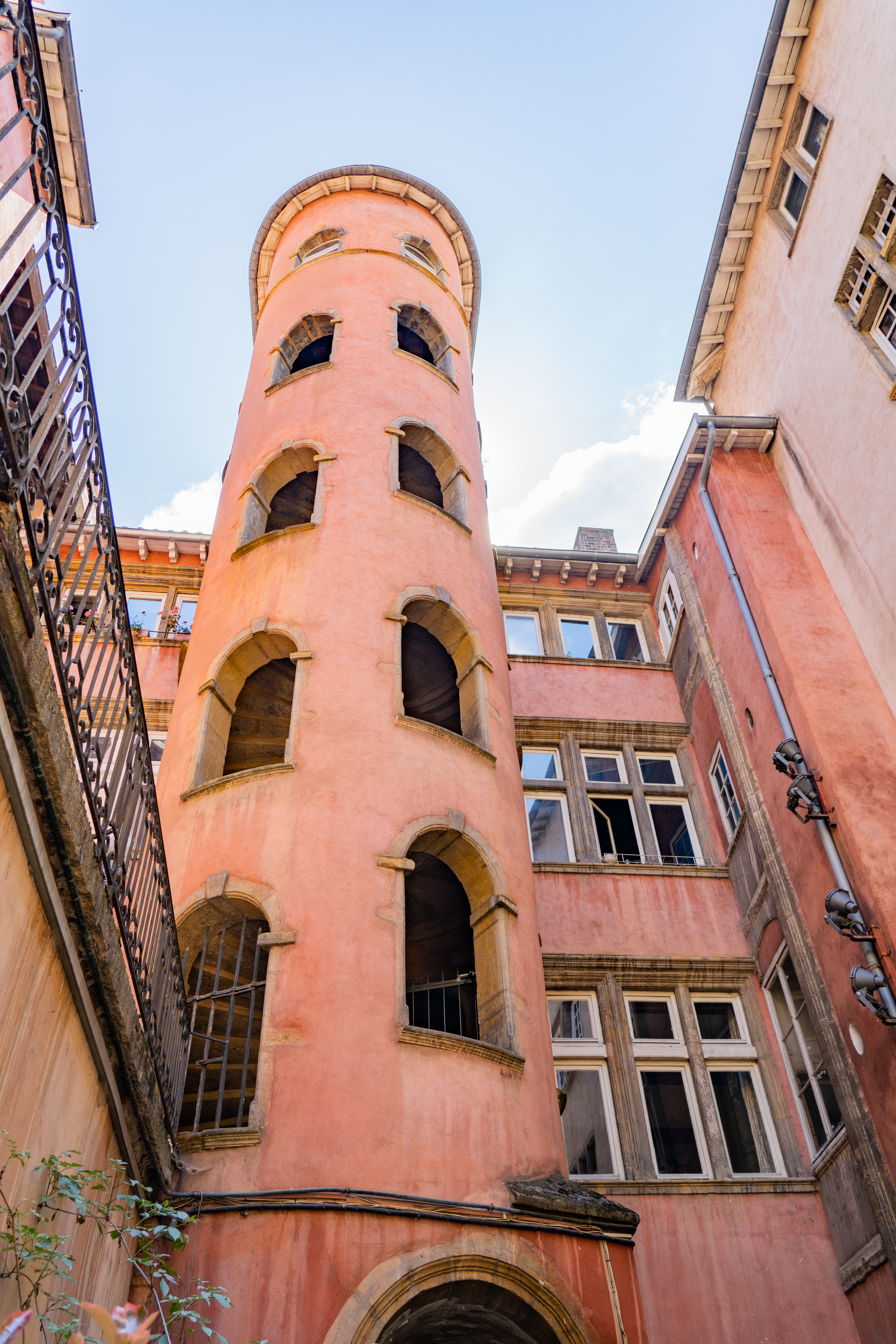
In the Vieux Lyon there are approximately 400 hidden passageways known as traboules. These date back to the Renaissance. Many are essentially shortcuts between the 3 main streets which run parallel to the river. Others lead to various courtyards or other locations. Many of these were useful during WWII to hide the operations of the French resistance. There are approximately 40 of these which are open to the public.
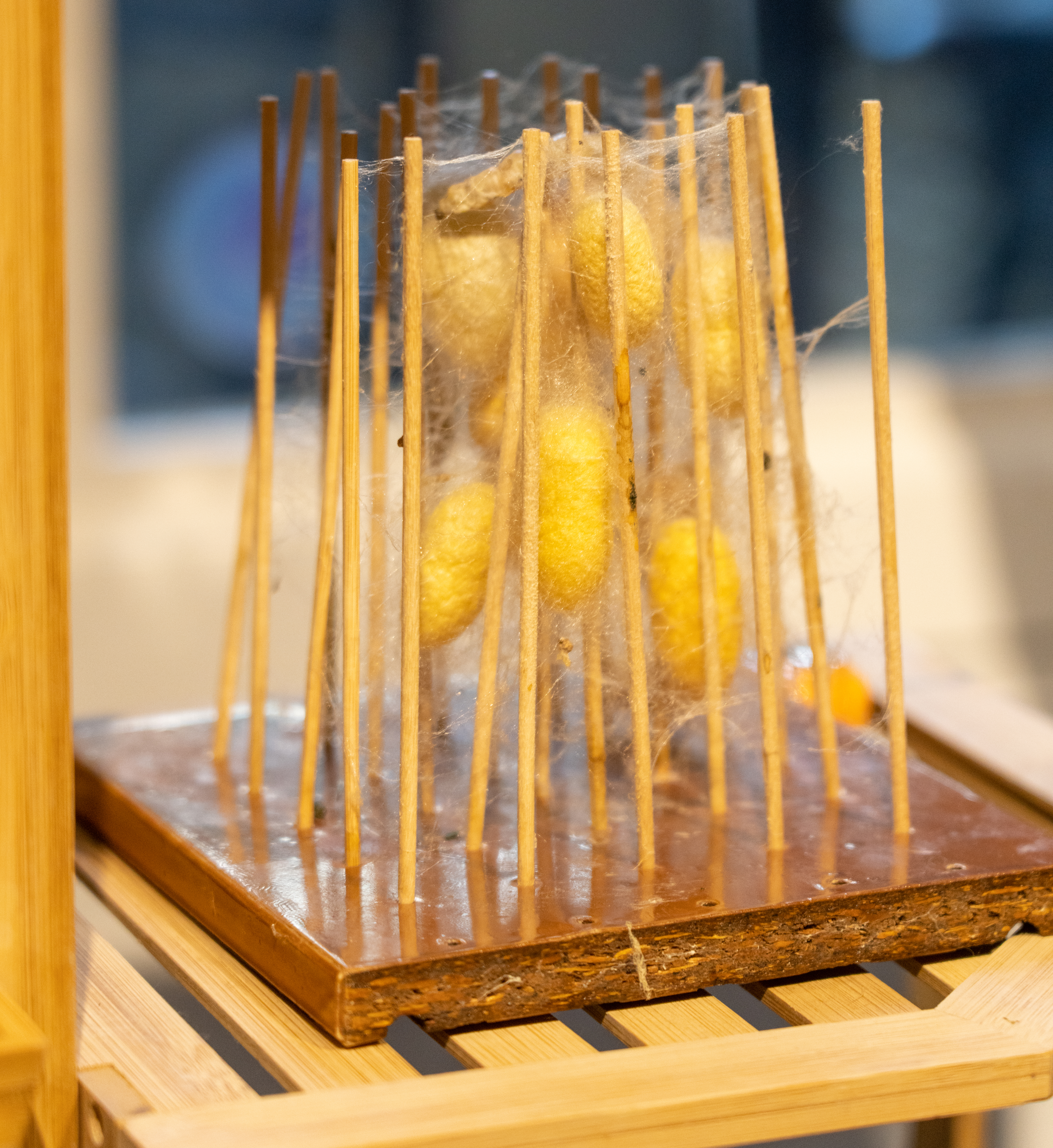
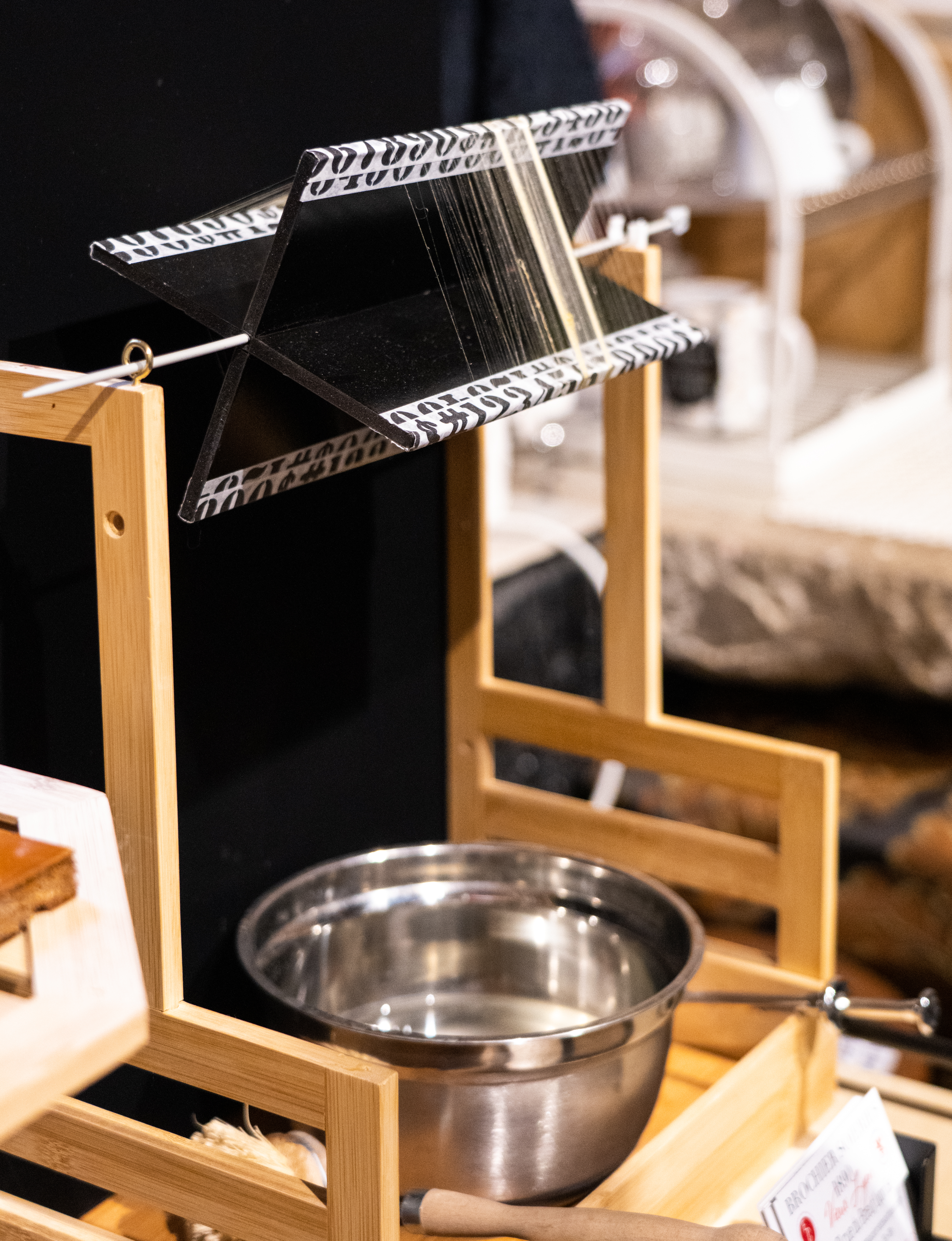
The silk industry was important in Lyon during the Renaissance. There was an entire district of the city dedicated to the silk industry and its workers. It saw a decline during the French Revolution, but returned again afterwards as mechanized looms were introduced. In the 1830s a worker revolt led to a long-term decline, but it did not go away. Silk is still an important part of Lyon.
Lyon Cathedral was built between 1180 and 1476 on the site of ruins of a 6th century church. It is dedicated to John the Baptist.
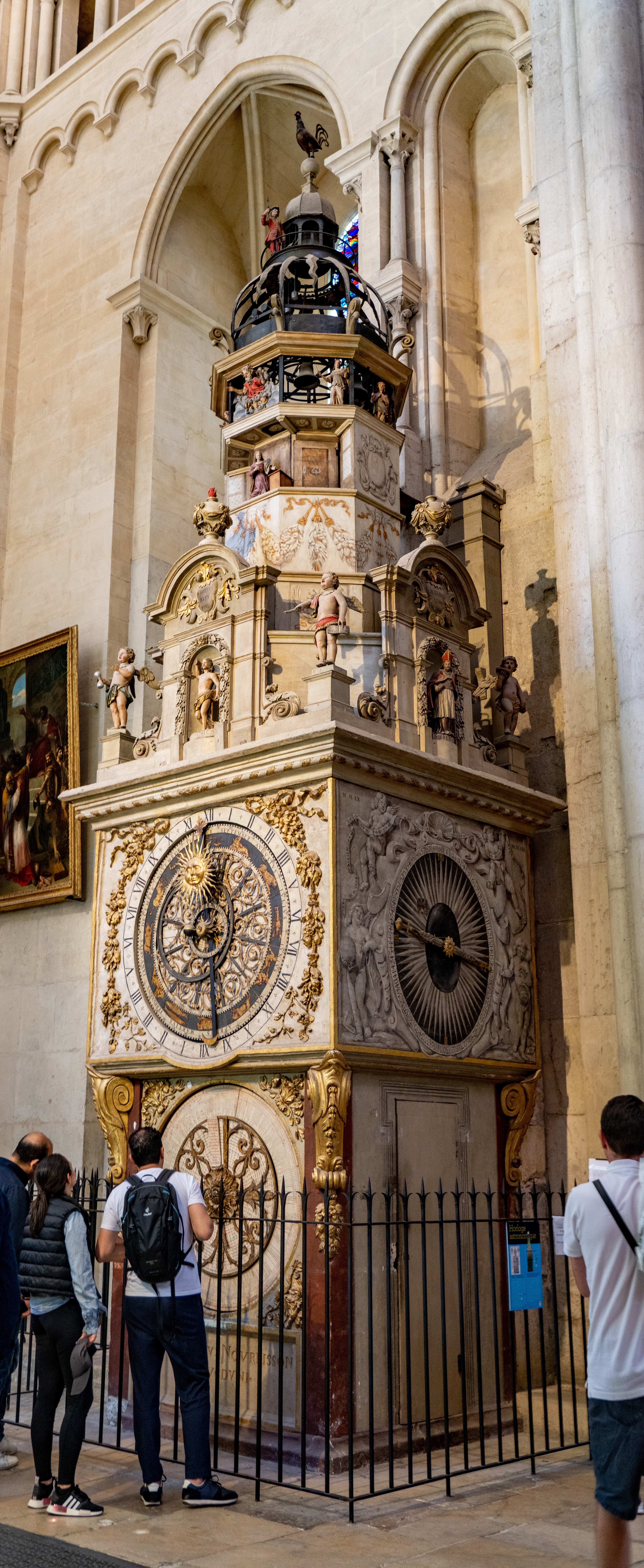
In the cathedral is the Lyon astronomical clock which has documentary evidence back to 1383. It was almost completely destroyed in 1562 and subsequently reconstructed in 1661.
 Will Suture for Travel
Leave a comment