
We spent today in and around a small town called Tournon.
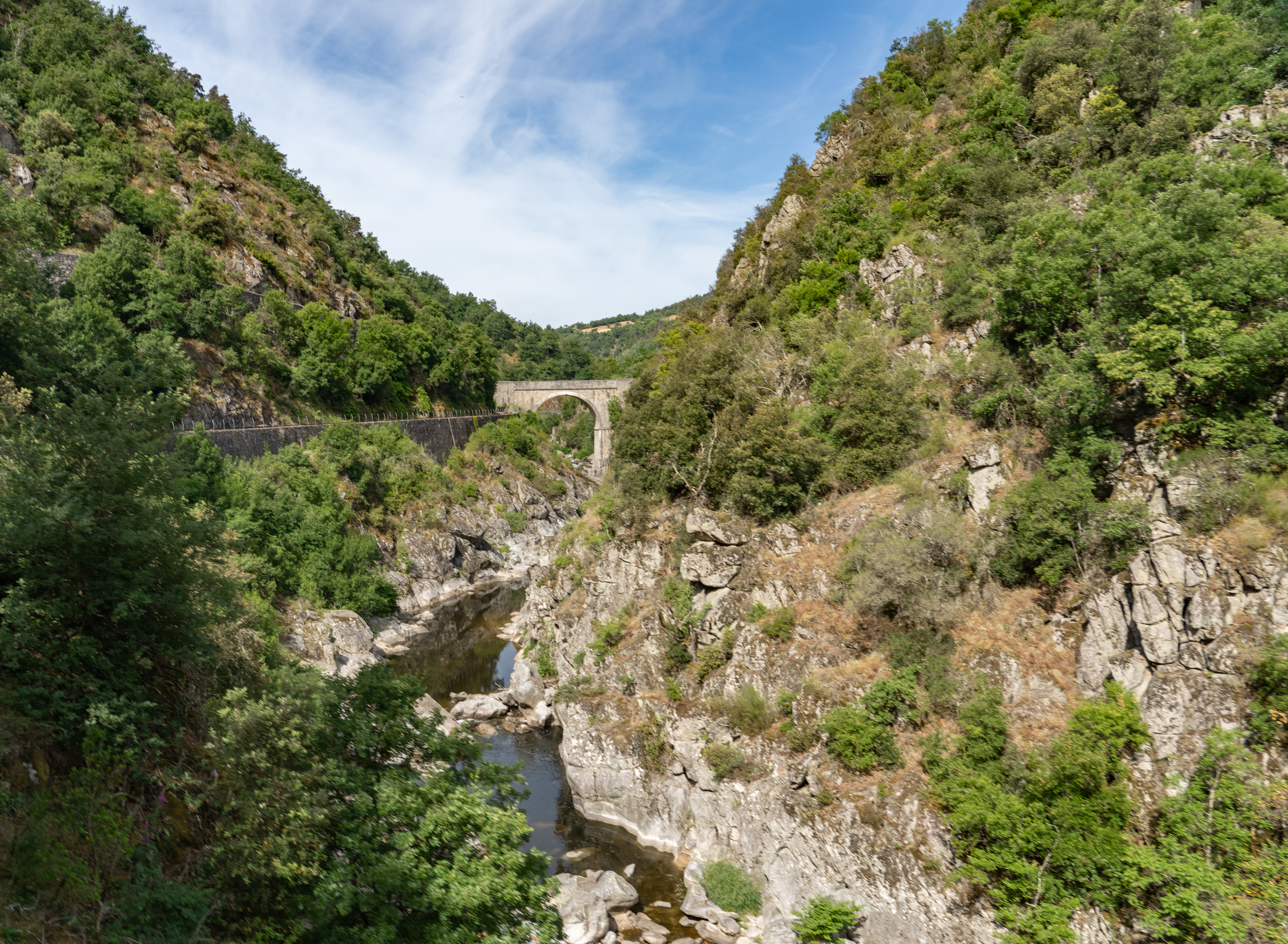
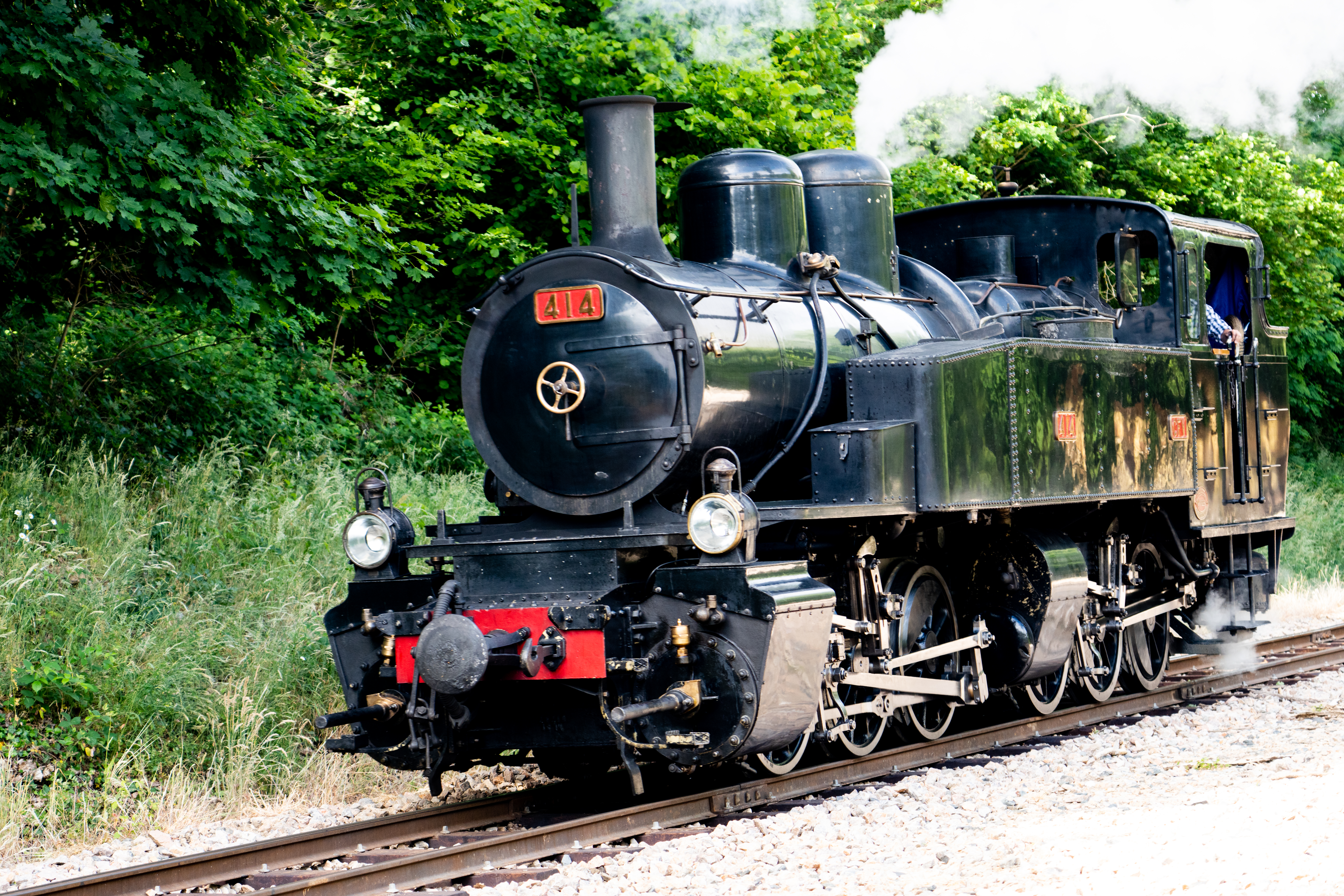
In the morning we took a steam engine ride through the gorges of the Doux River. The Doux is a tributary of the Rhône. This rail line was inaugurated in July of 1891 and was extended in 1903.
There is an aqueduct along the sides of the gorge that delivers water to the hydroelectric plant on the river. This was built by German prisoners of war in WWI.
During WWII, the local residents used the train line to smuggle in food from farmers. They initially used boxes under the train seats to hide the food as luggage got searched, but the police eventually caught on. What they eventually learned worked was to throw the food out the windows shortly before they reached their destination and then walk back to retrieve it after they were searched by police.
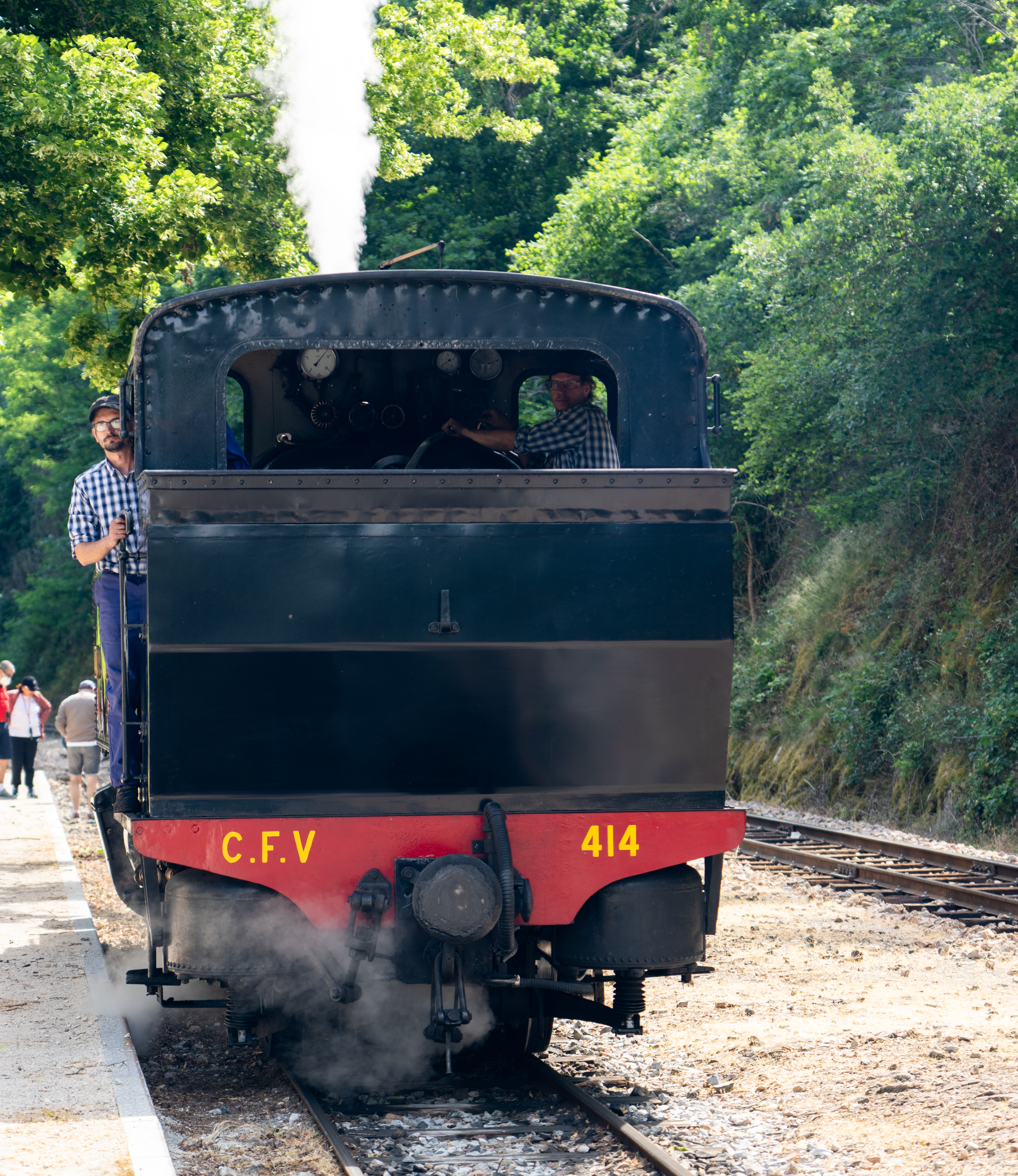
We did not go the entire length of the rail line, so they turned the engine around part way through so that we could turn back.
Back in Tournon we walked around the town center.
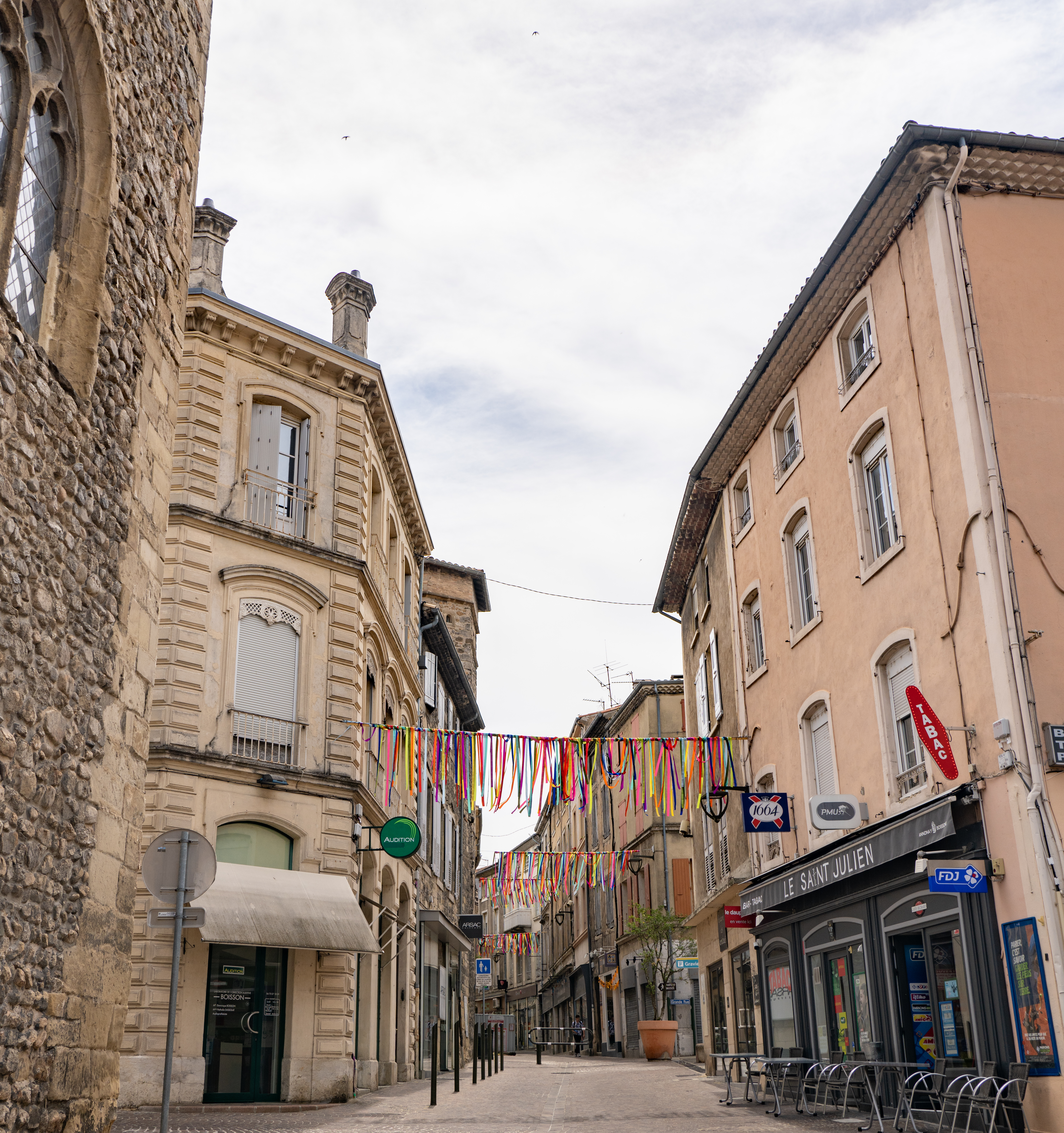

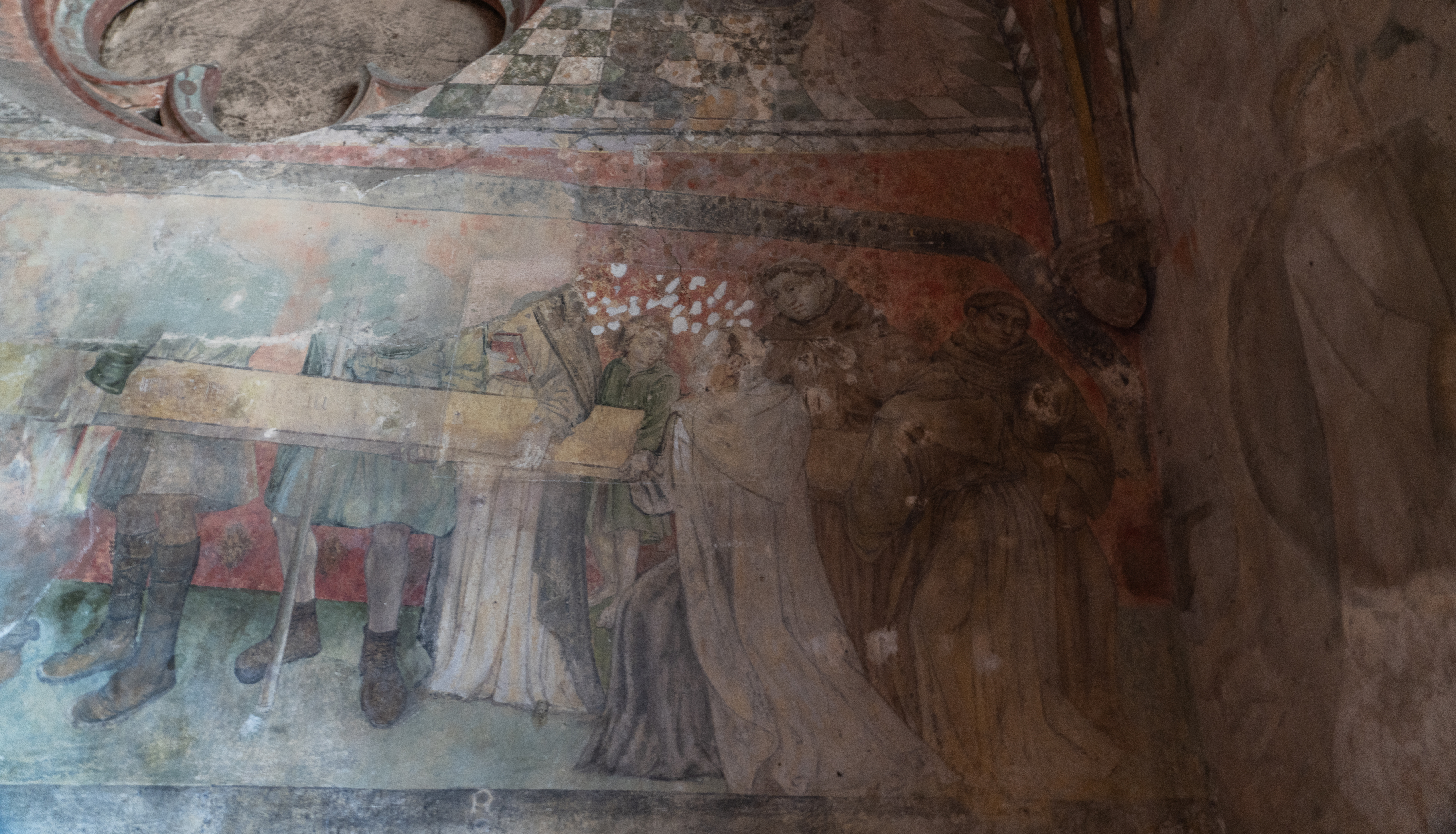
We stopped by the Church of St Julien, which was built beginning in 1300. It is dedicated to Saint Julien de Brioude, a Roman soldier from Vienne who converted to Christianity and was subsequently martyred in 304 AD.
There are a few frescoes in the church. I could not find firm documentation, but some sites suggesting they date back to the 14th century.
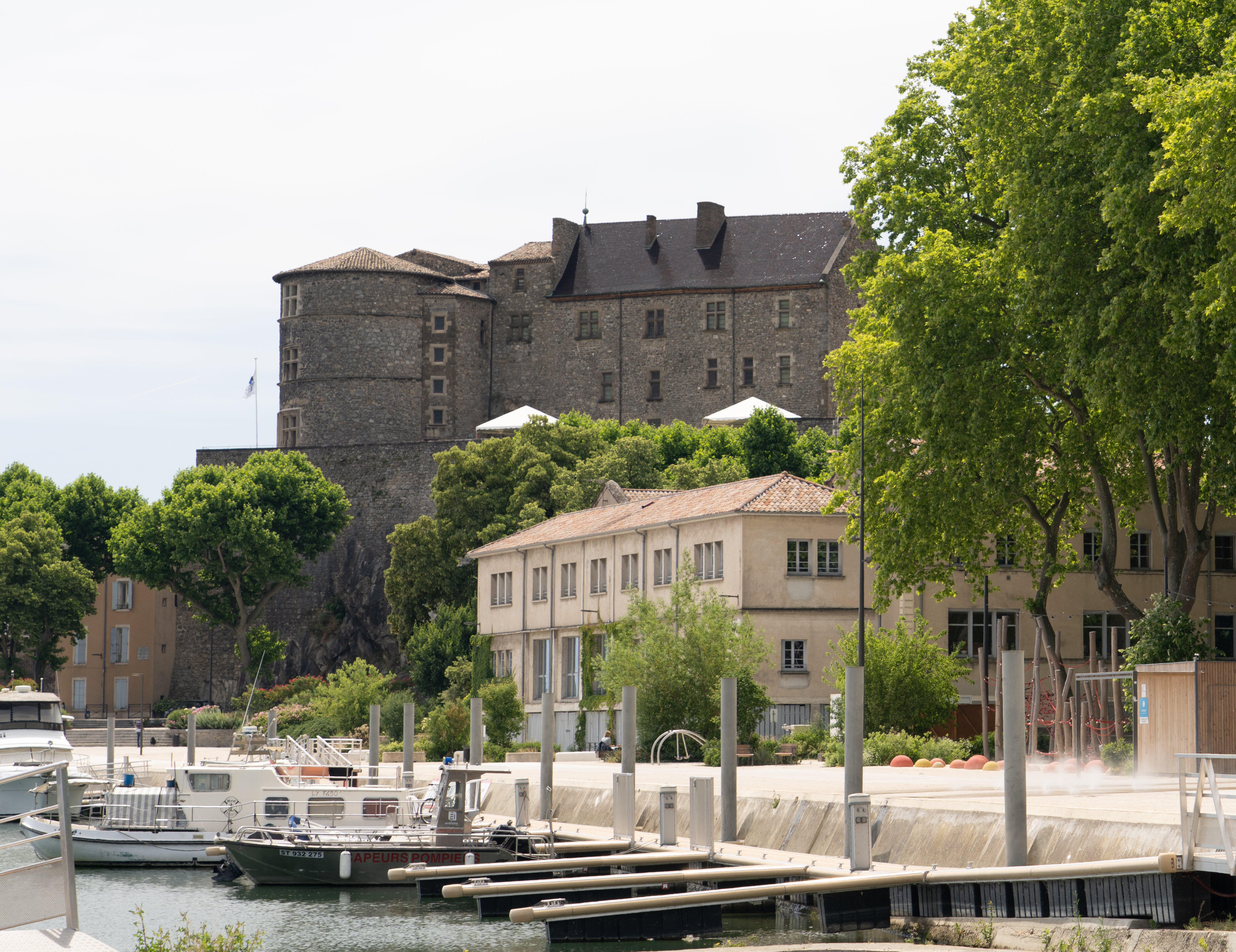
Tournon has a small castle as well which was built between the 14th and 16th centuries and located on the remains of a 10th century castle. This is where the Dauphin Francis died in 1536 at 18 years old. (The one whose heart is buried in the church from yesterday’s post.) The last descendant of the family who owned the castle died in the 17th century and it was subsequently used as a prison. In the 1930s it was reclassified as a national monument and eventually opened up as a museum.
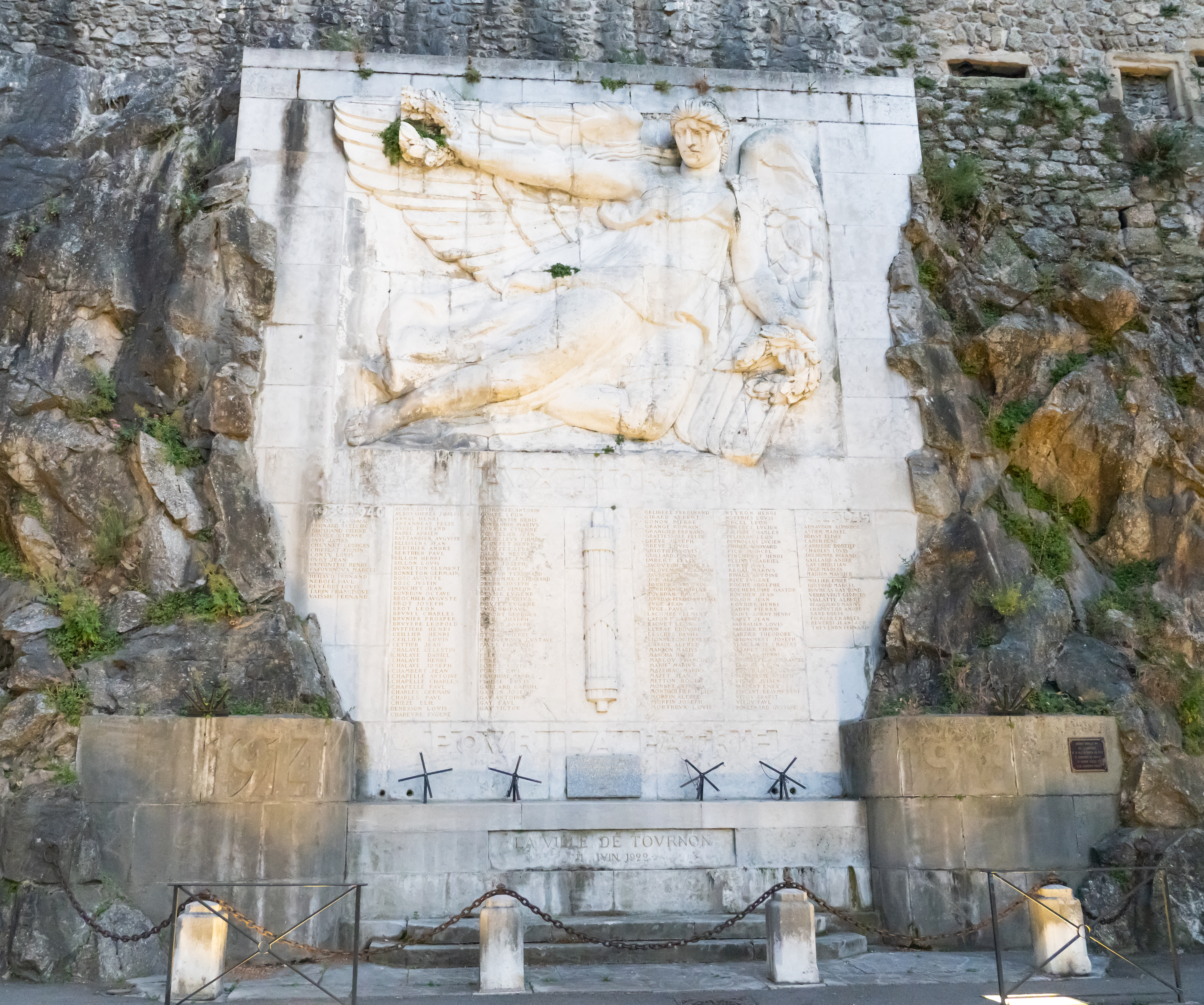
WWI memorial on the side of the castle
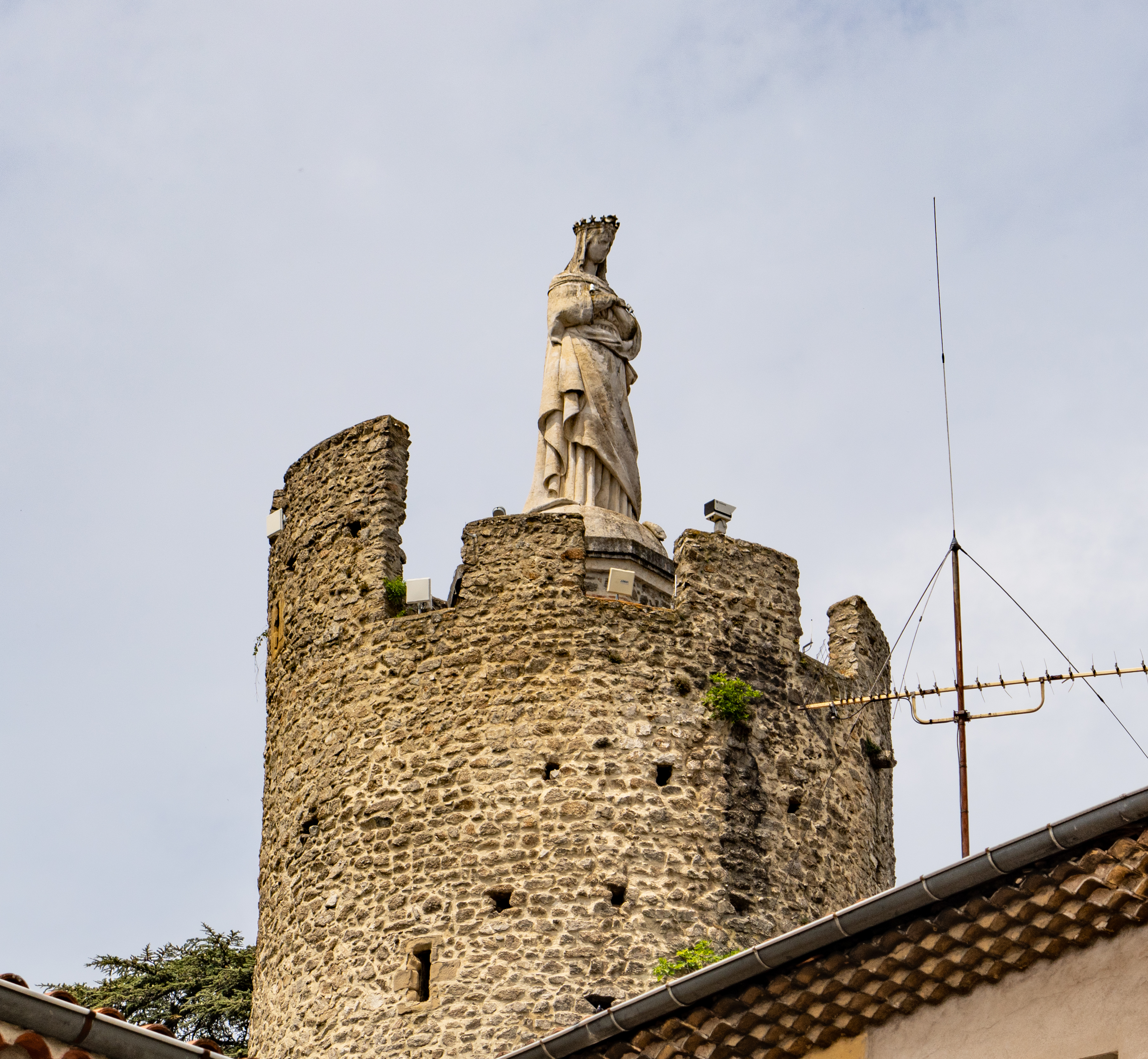
There are 2 remaining towers from the old ramparts of the city. One of them is known as the Hospital’s Tower and has a statue of the Virgin Mary on the top of it.
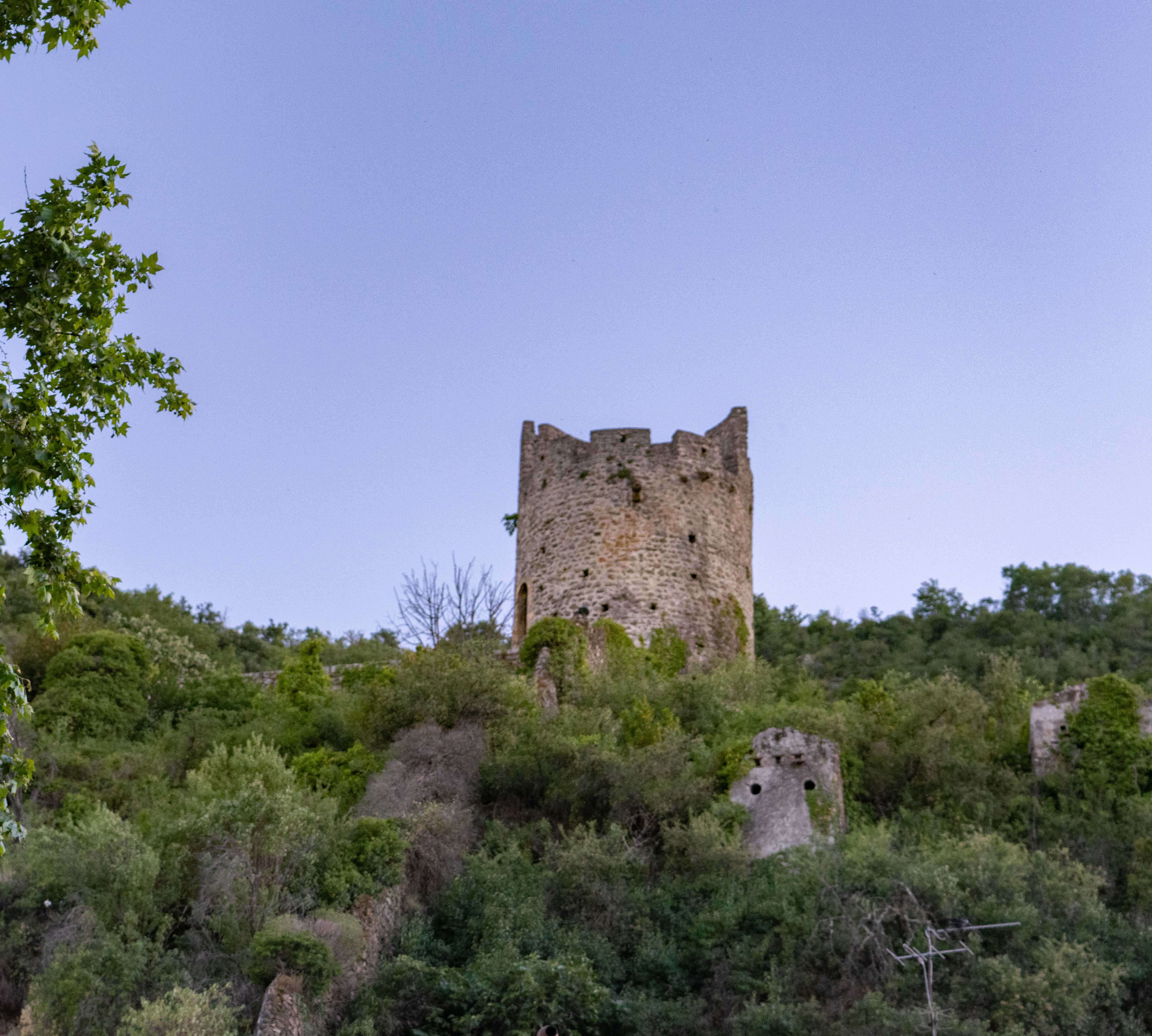
The other rampart tower.
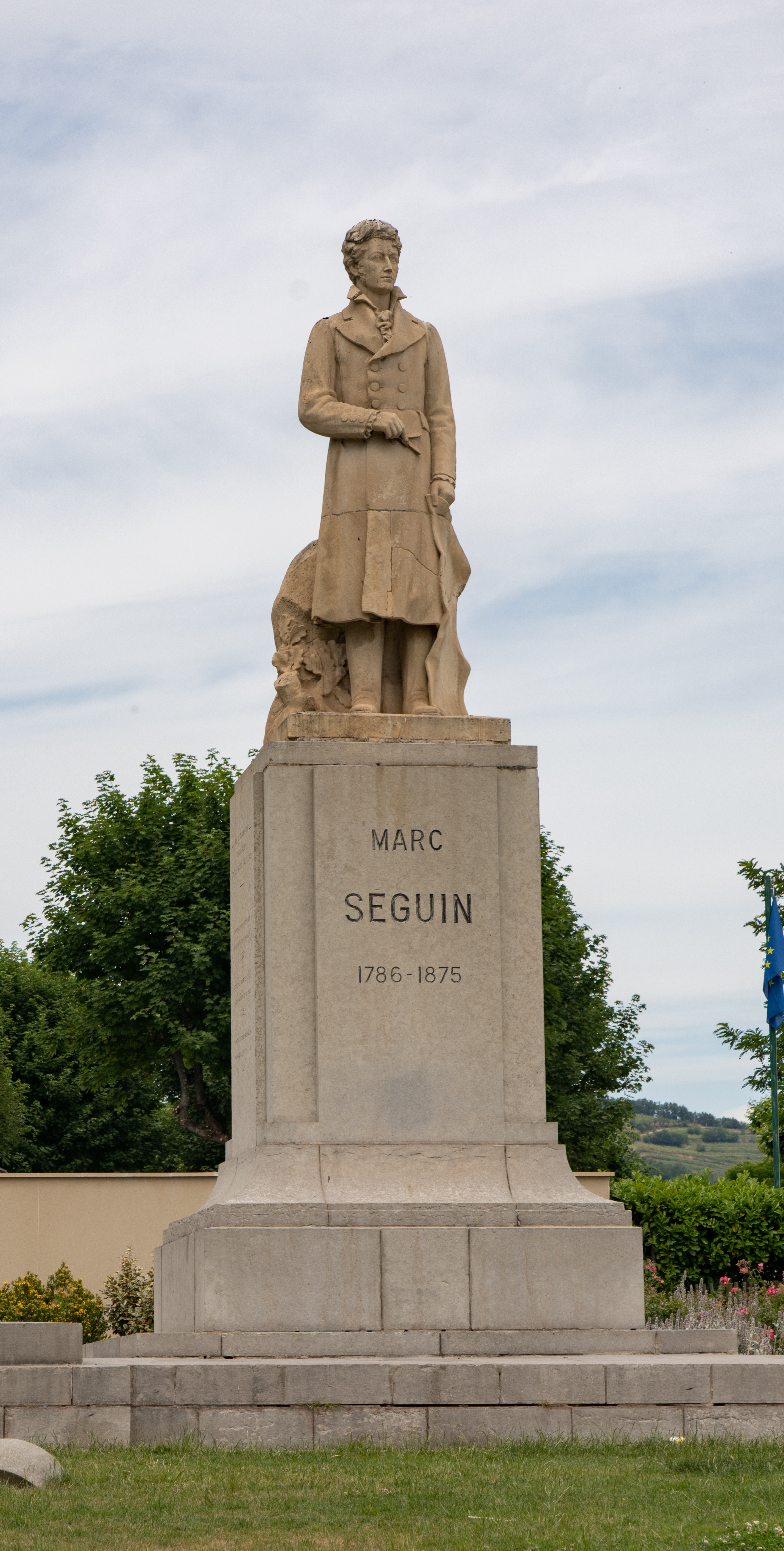
Marc Seguin developed a steam engine that was much more powerful than the existing ones of the time, increasing the speed from 4 mph to 25 mph.
He also built the first suspension bridge in continental Europe in 1825. It connects Tournon to Tain-l’Hermitage across the Rhône. It is still standing.
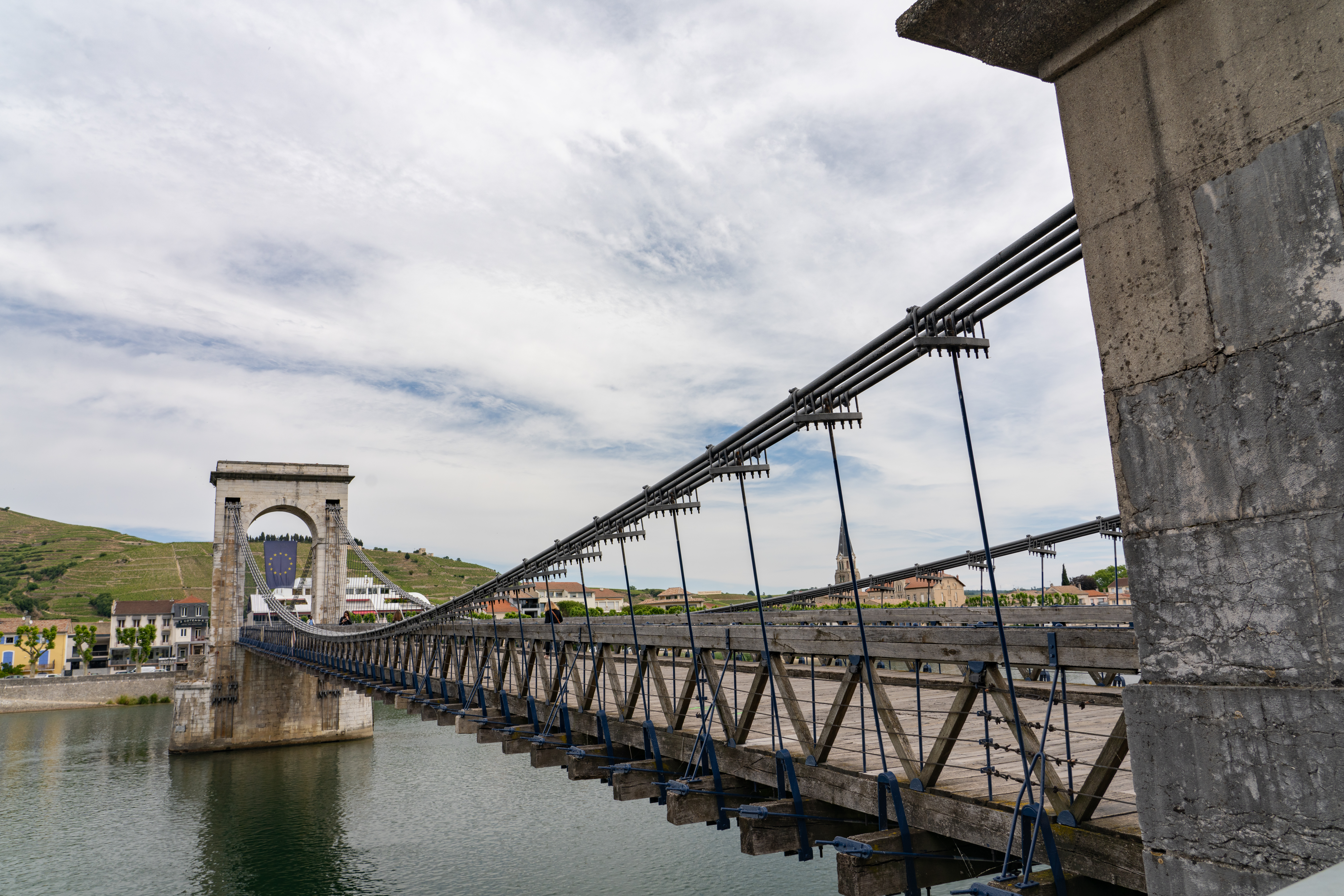
Vineyards across the river.
 Will Suture for Travel
Leave a comment