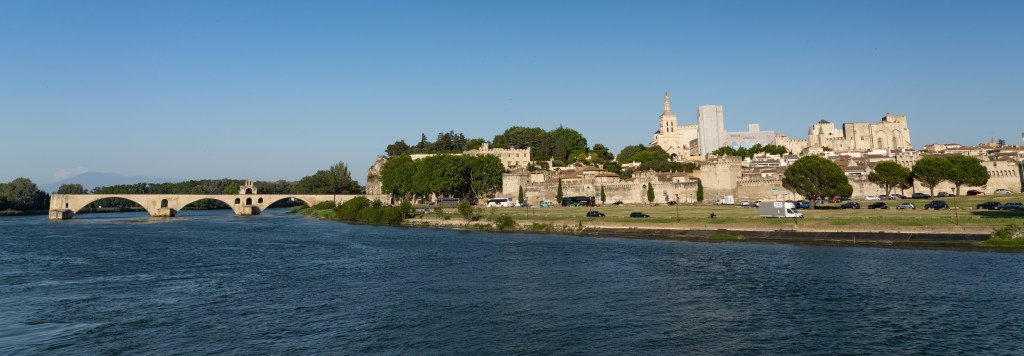
We spent today in Avignon. It’s medieval city center has an approximately 3 mile long city wall which encloses the old town. Historically, the city is known for being the home of the papacy.
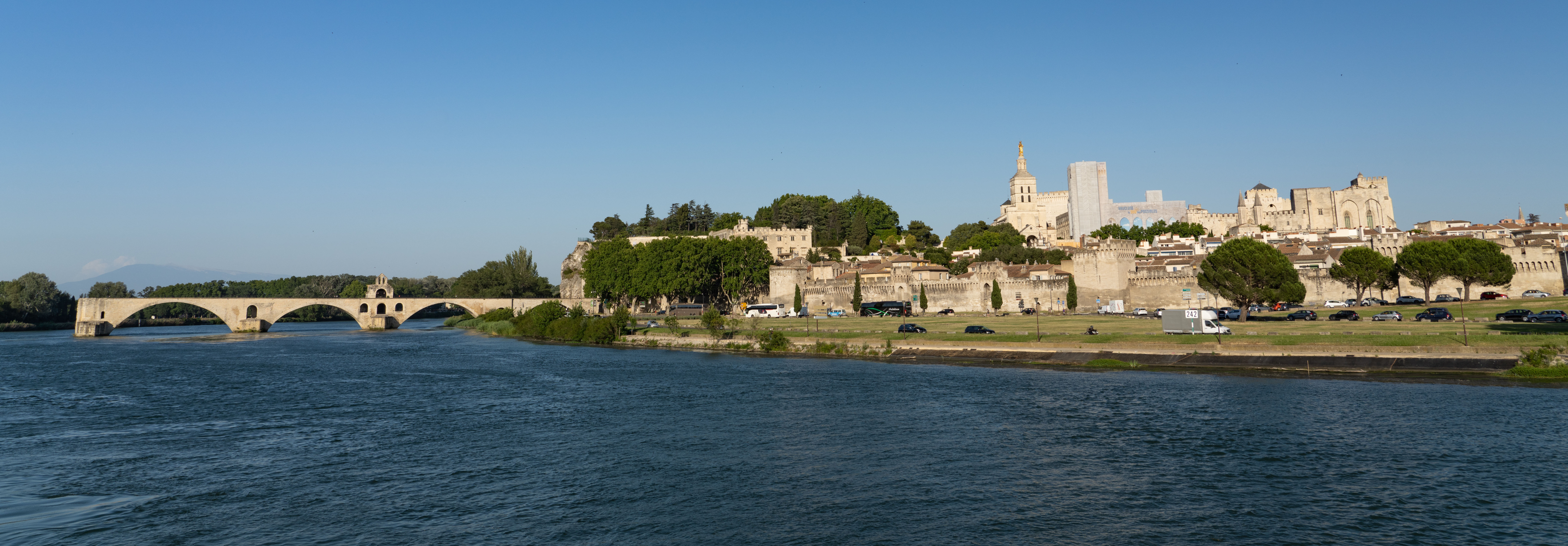
city wall
In the early 14th century the pope left Rome for political and safety reasons. He ended up settling in Avignon in 1309. This was supposed to be temporary, but they ended up staying until 1377. There were 7 popes during this time and 2 of them built an extensive papal palace. One of the popes, Clement VI, actually bought Avignon from Joanna I of Naples. Papal control of Avignon continued until the French Revolution, when it became part of France.
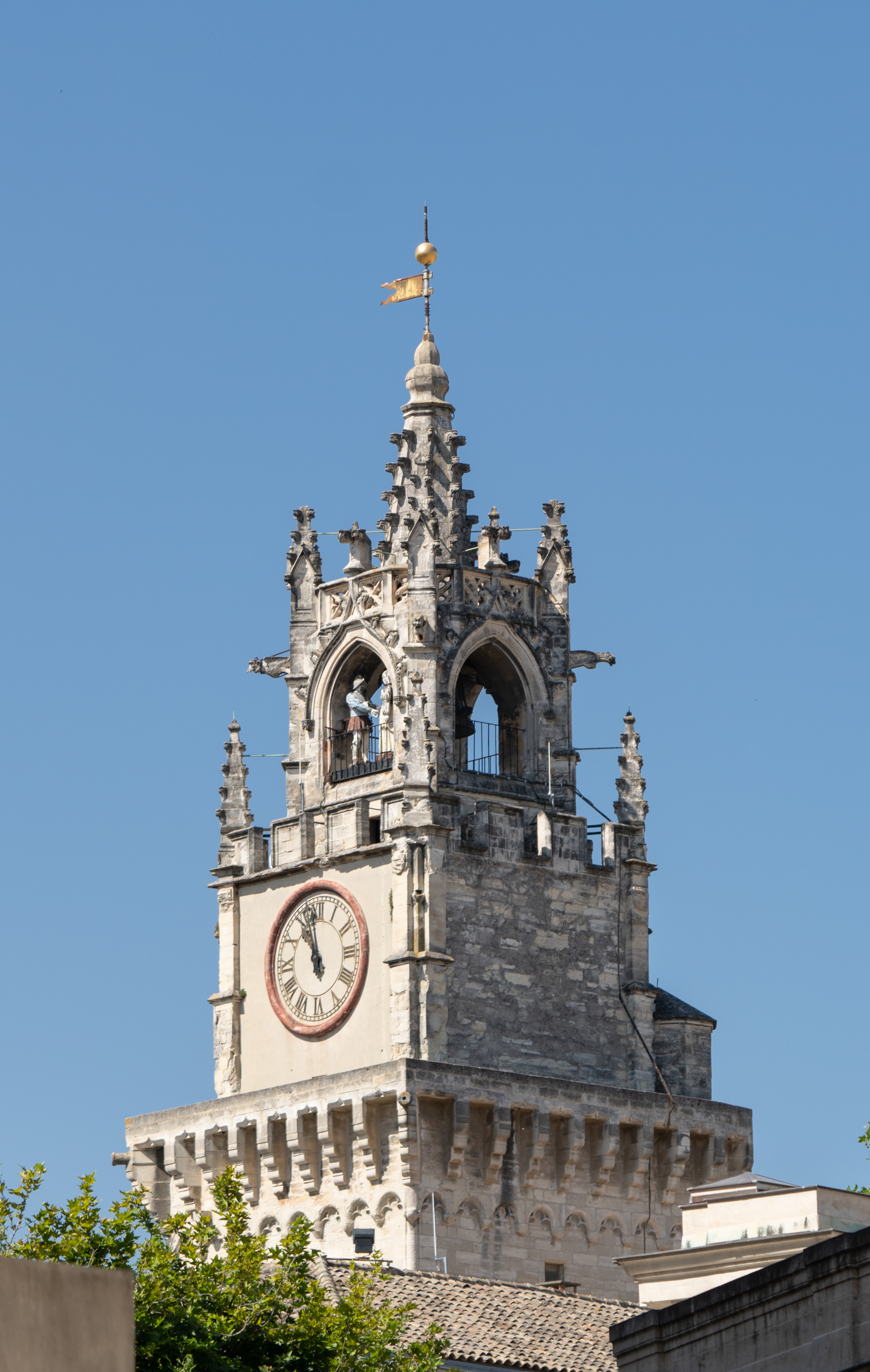
clock tower
The return of the pope to Rome in 1377 was not completely straightforward. An Italian pope was elected in Rome, but the French did not really want to give up power so another was elected in Avignon, hence 2 popes. Neither recognized the other. This continued from 1378 to 1417. There was even a 3rd pope for a while elected in Pisa in 1409, just to make it more complex. Eventually they reunified.
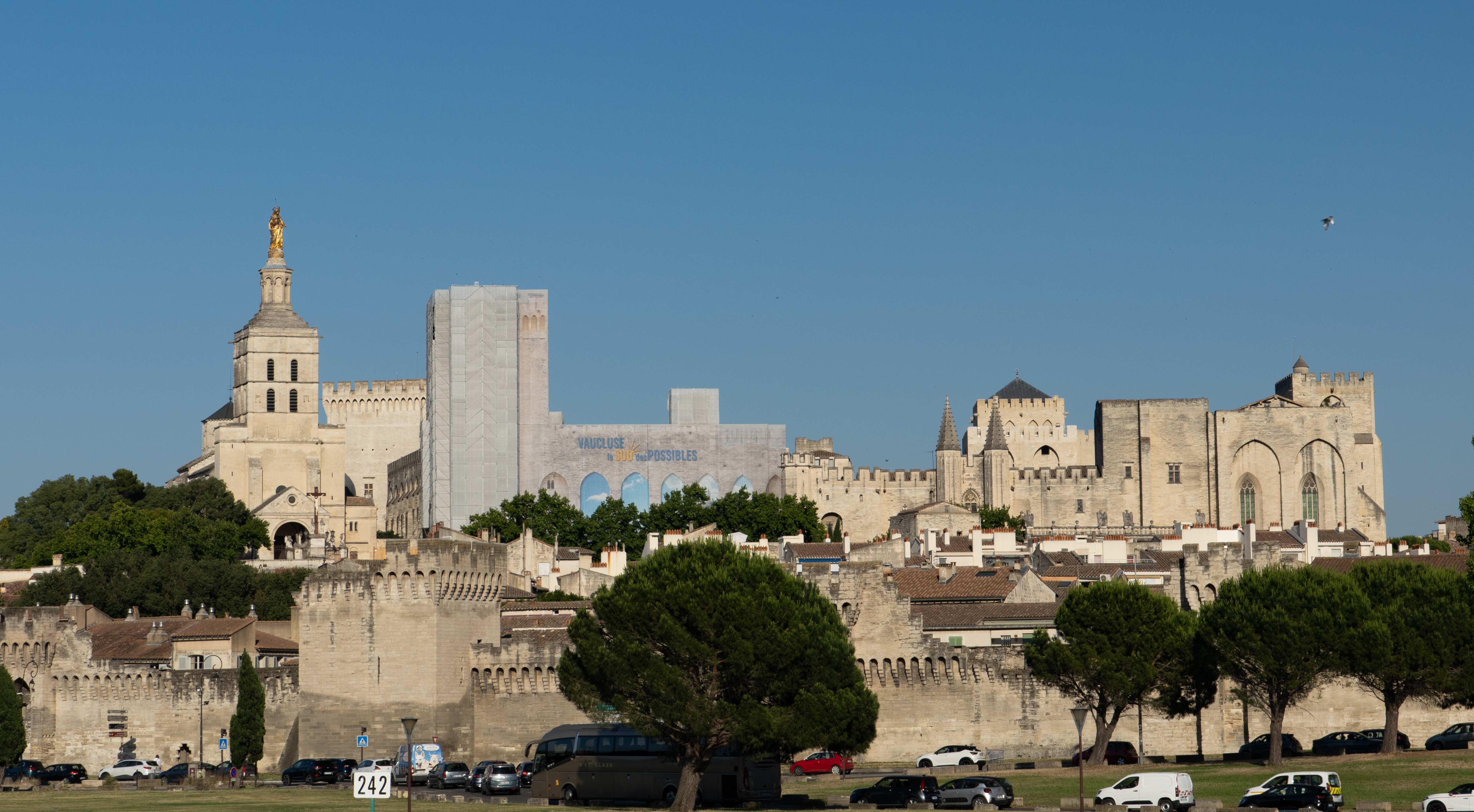
Palace of the Popes
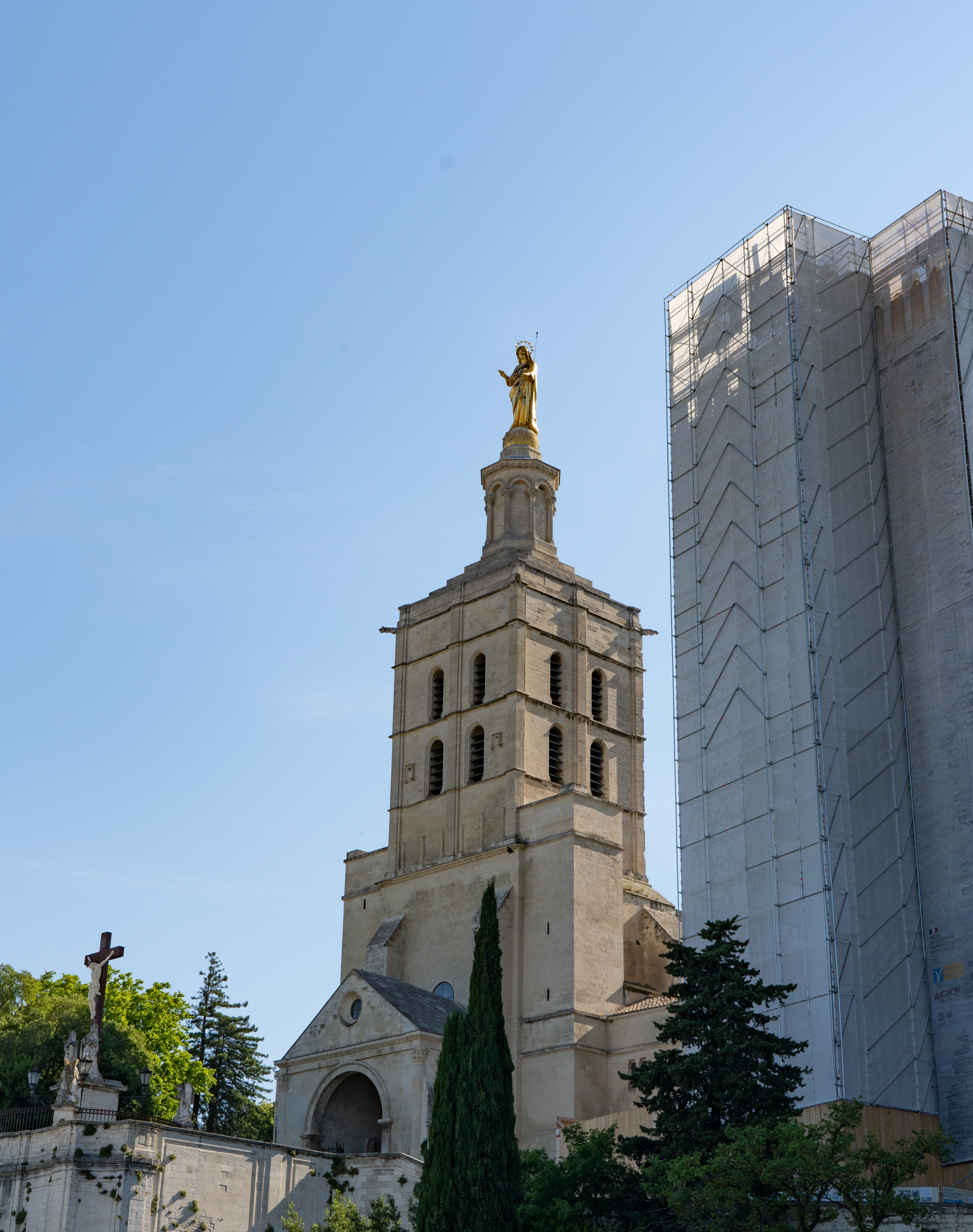
old palace
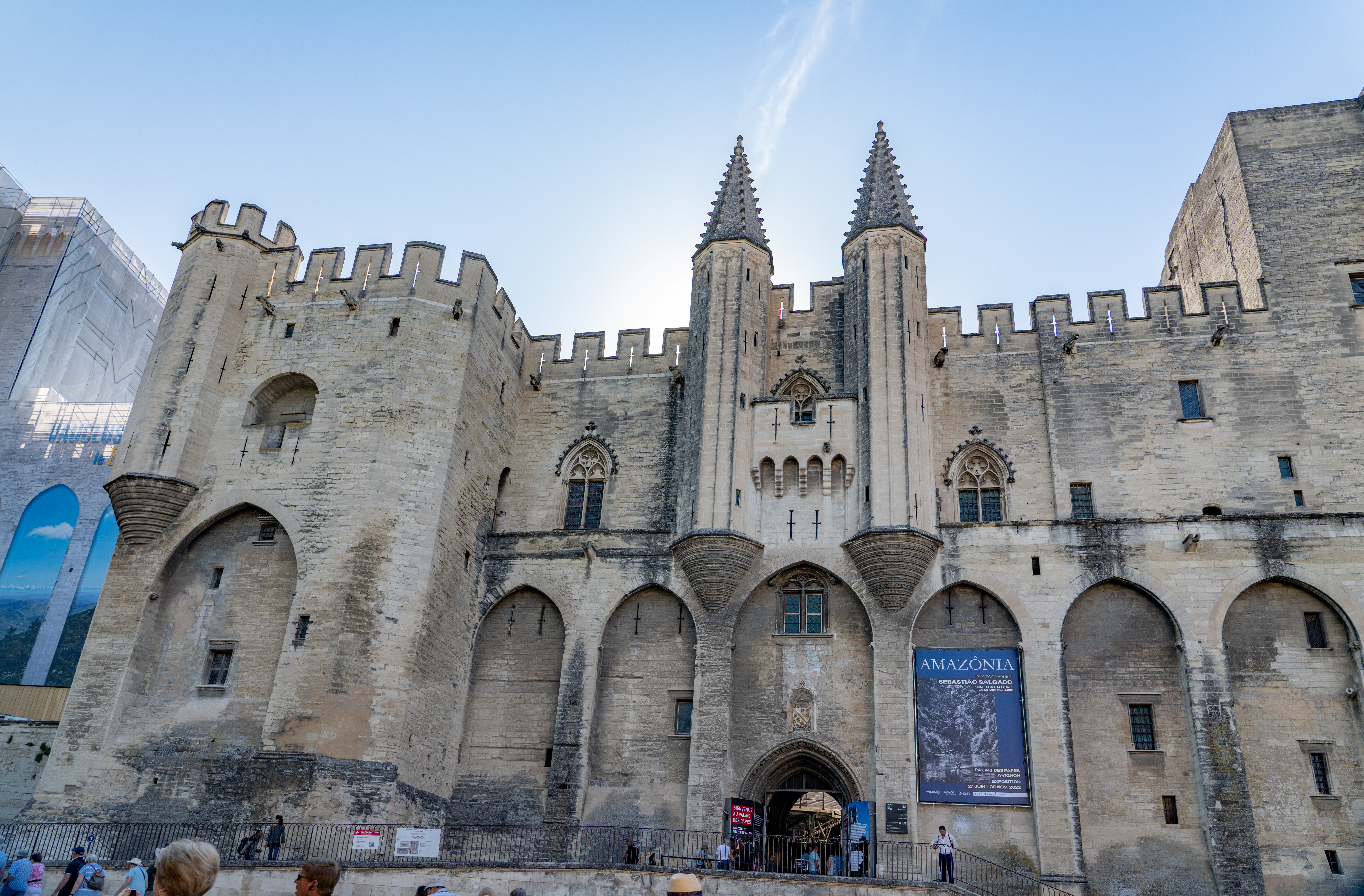
new palace
The Palace of the Popes is one of the largest Gothic buildings in Europe with 160,000 sq ft of space. It is 2 joined buildings: the old palace of Benedict XII and the new palace of Clement VI. Construction began in 1252. After the popes left Avignon, the palace gradually deteriorated, although there was a 16th century restoration. During the Napoleonic Wars it was used as military barracks and prison.
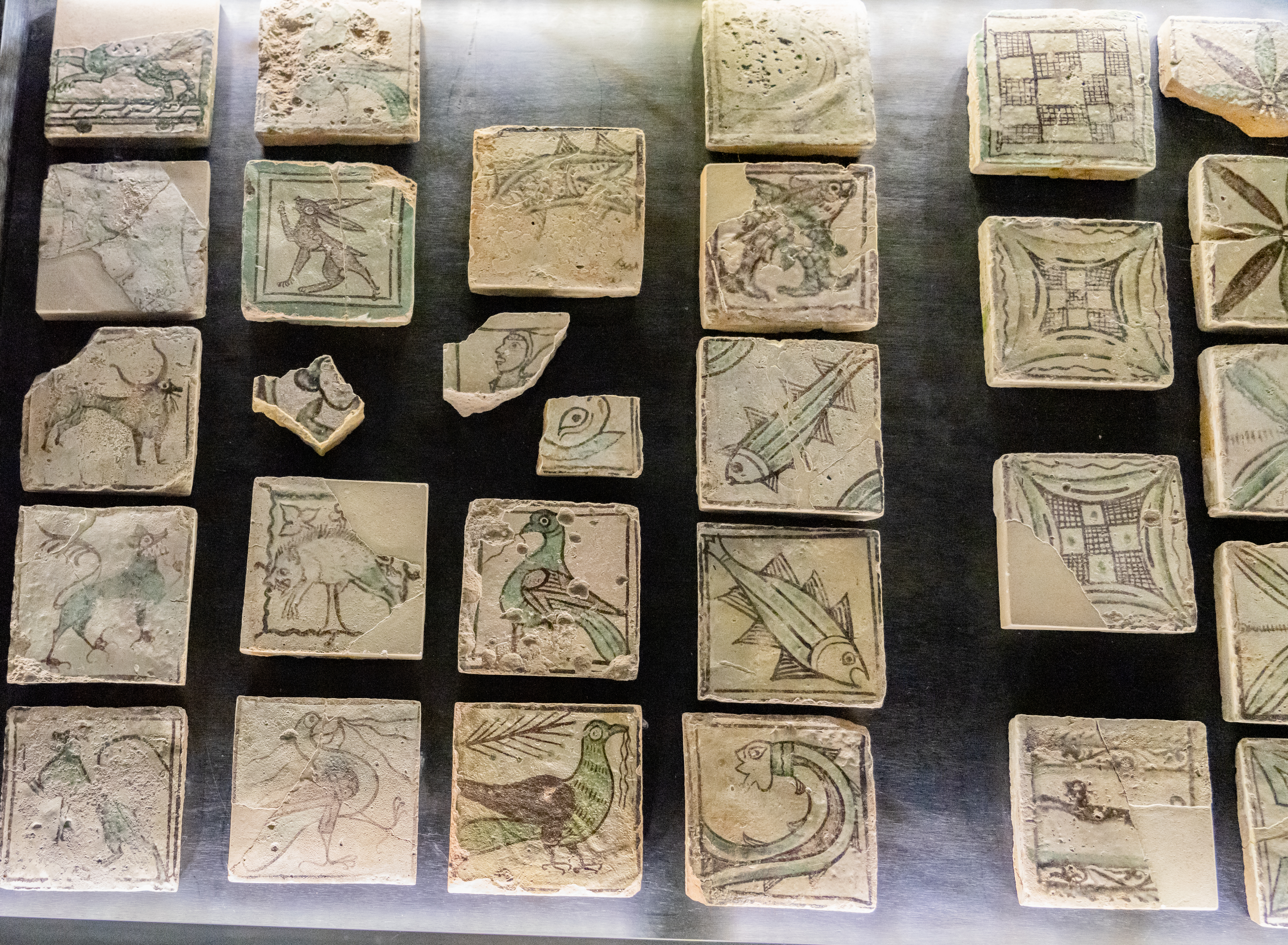
tiles from the palace
tiles from the palace
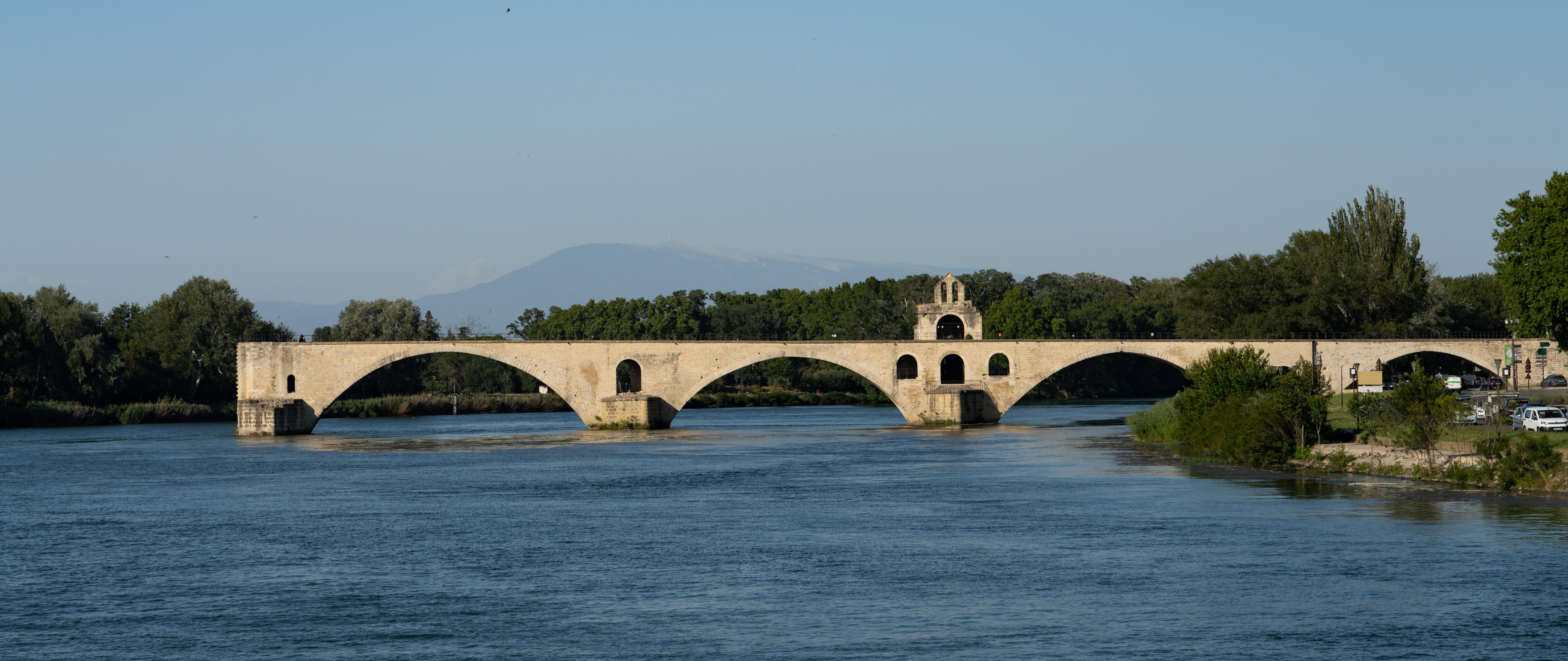
Pont d’Avignon: Also known as the Post Saint-Bénézet. This bridge was built beginning in 1234. It originally had 22 stone arches across this span. It was abandoned in the mid 17th century because the arches would collapse when the Rhône would flood. It became too expensive to rebuild. This is all that remains. The French song Sur le pont d’Avignon is about a dance performed under this bridge. The song dates to the 15th century.
In the afternoon we went to the Pont du Gard. This is a huge Roman aqueduct from the first century. This crosses the Gardon River. The length of the remaining span is 902 feet. It is 160 feet tall and has 3 levels. The upper level is the actual aqueduct with the lower 2 being supports. The aqueduct level has 35 arch spans, the middle has 11, and the lowest has 6. It is made of limestone. It originally was 31 miles long and carried water from Fontaine d’Eure to Nîmes.
Gardon River
Gardon River
 Will Suture for Travel
Leave a comment