This morning we moved from Samburu to Ol Pejeta. Ol Pejeta is a conservancy that south of Samburu. We drove between the two camps, about 3 hours. There were sights along the way.
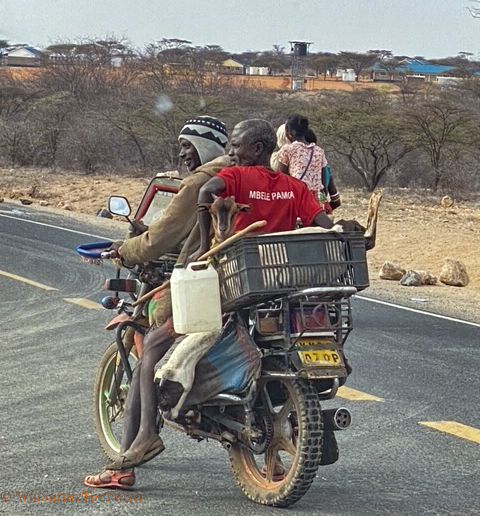
goat on the way to market
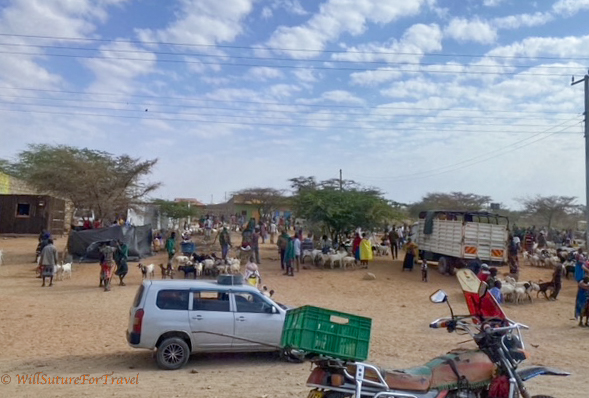
a local market
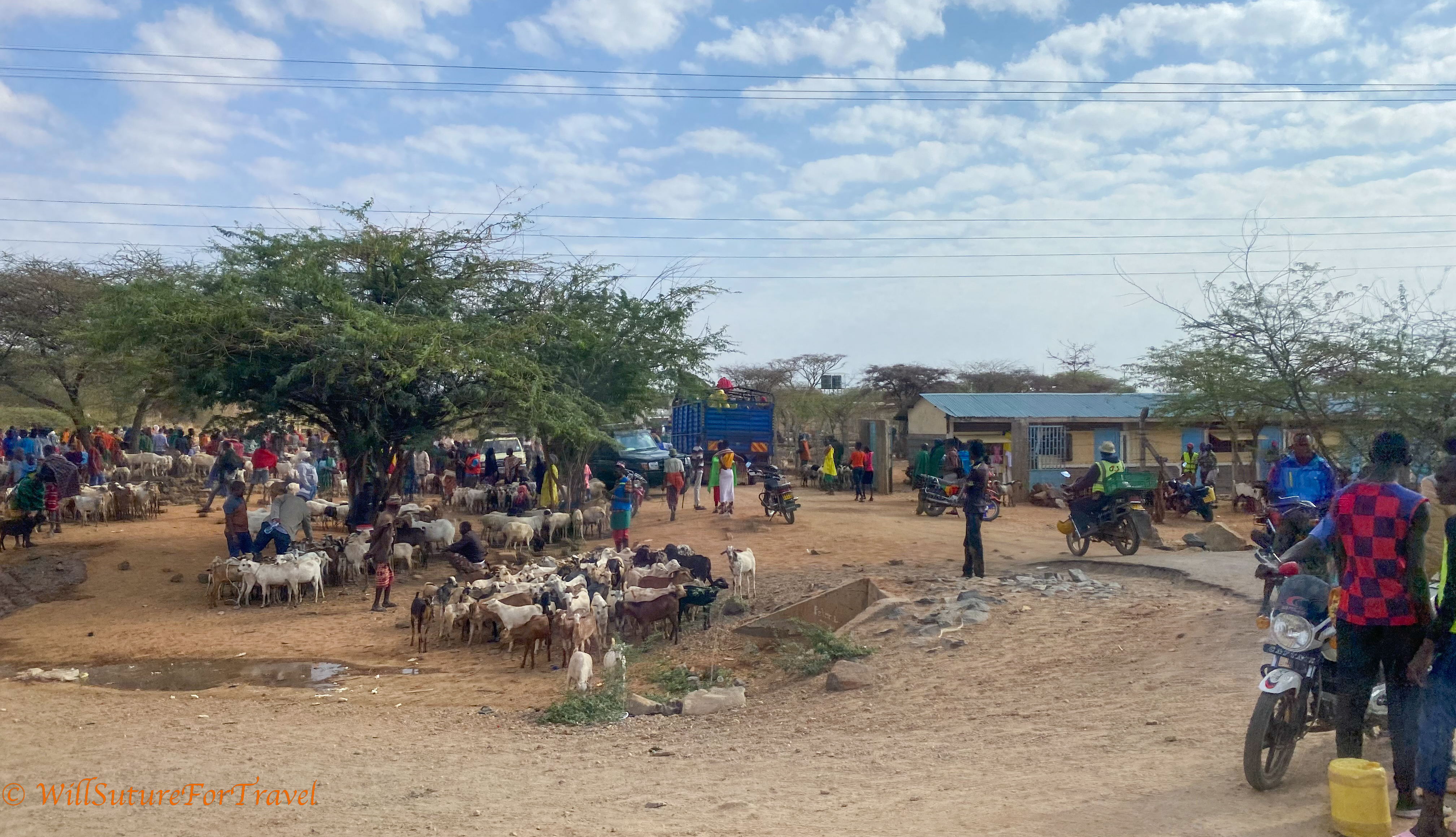
people are selling their livestock
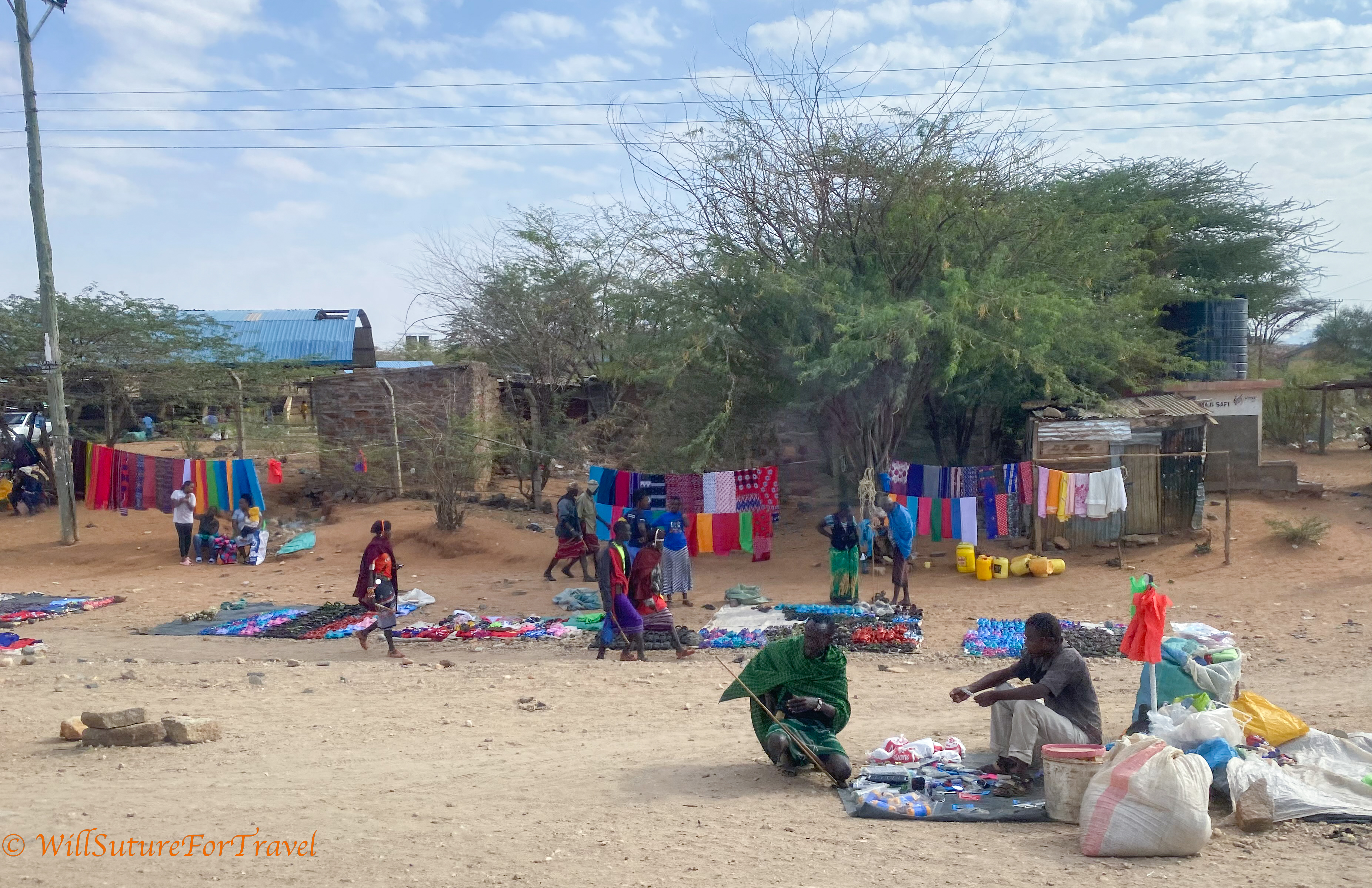
then they can buy goods
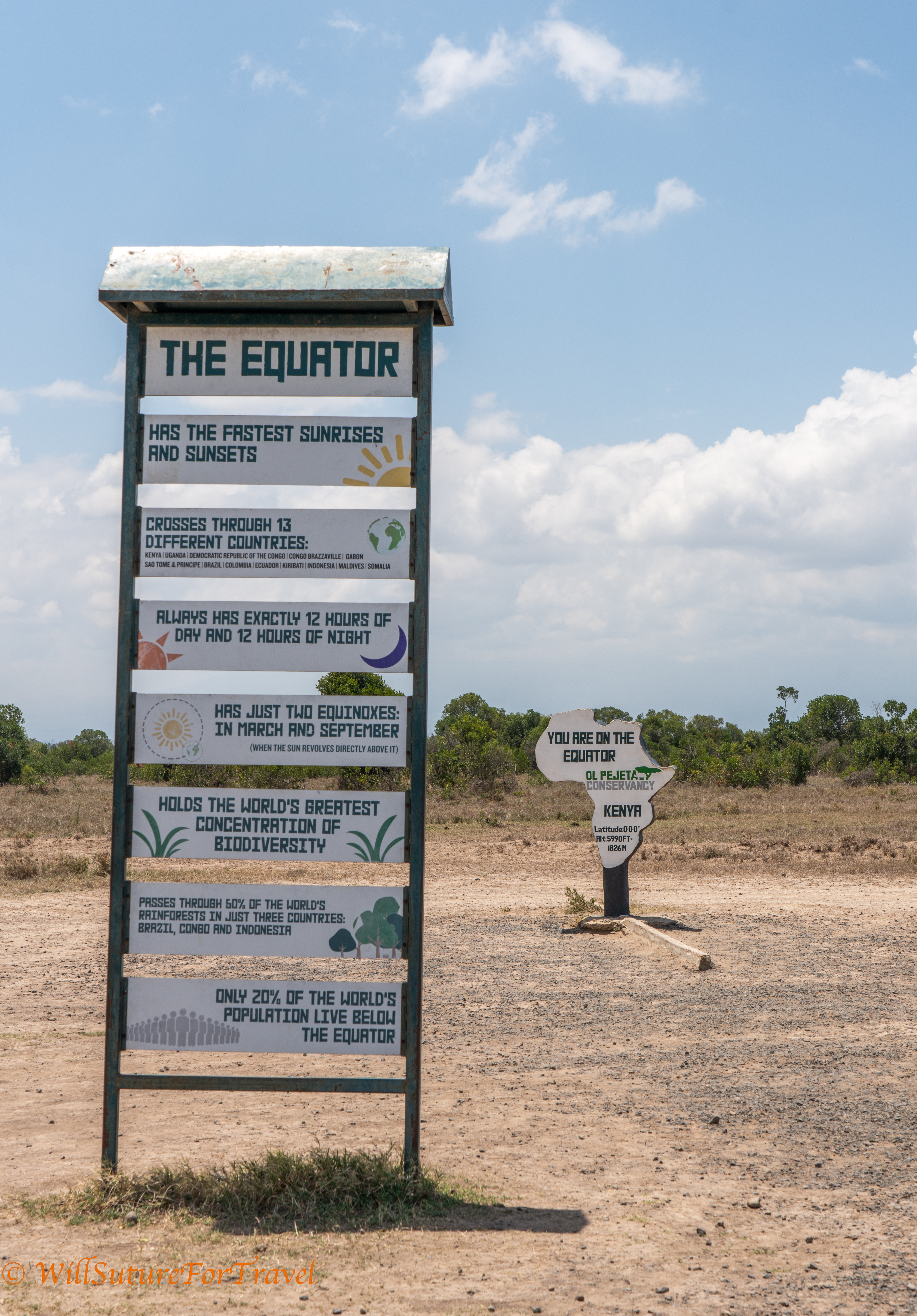
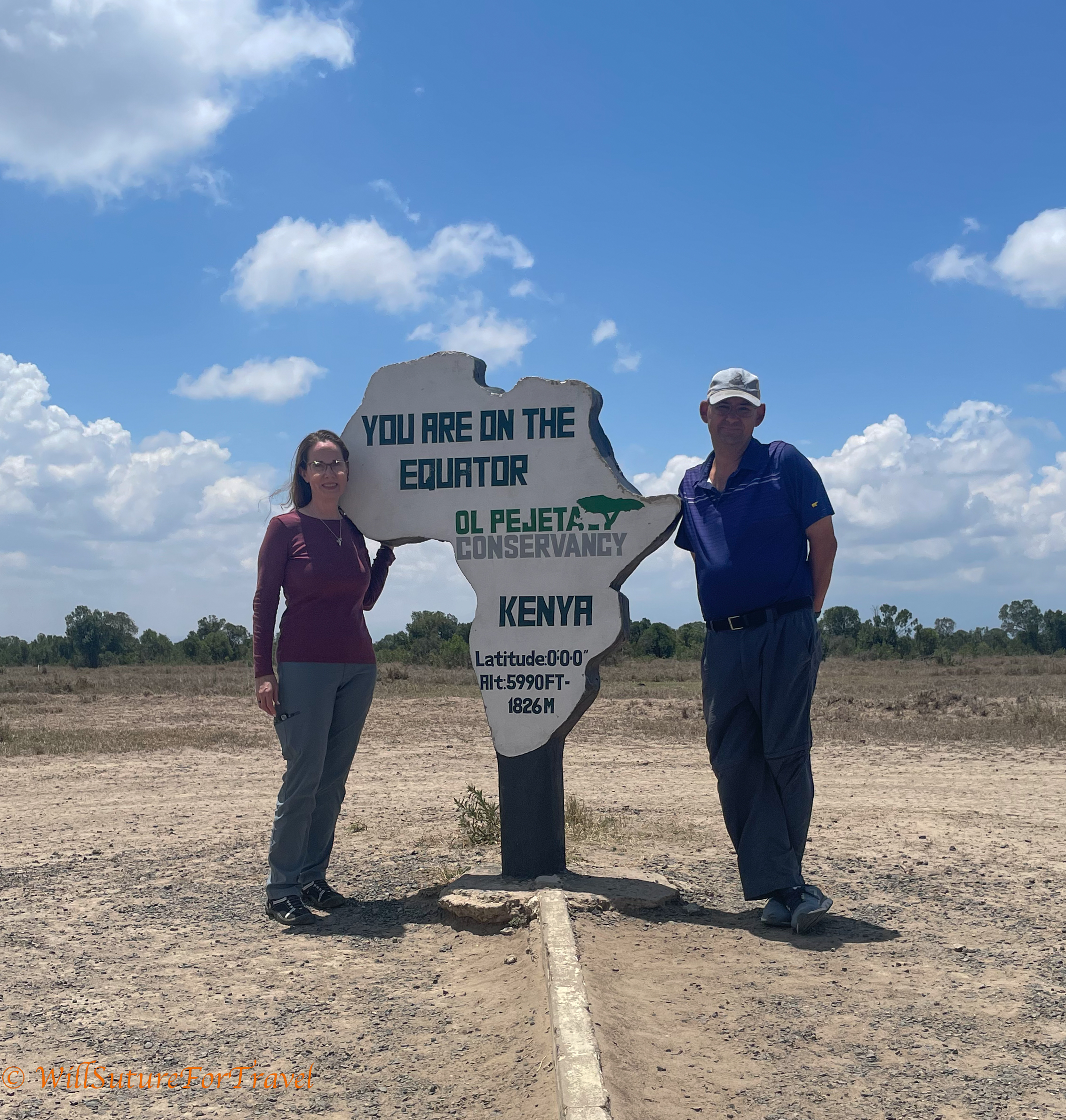
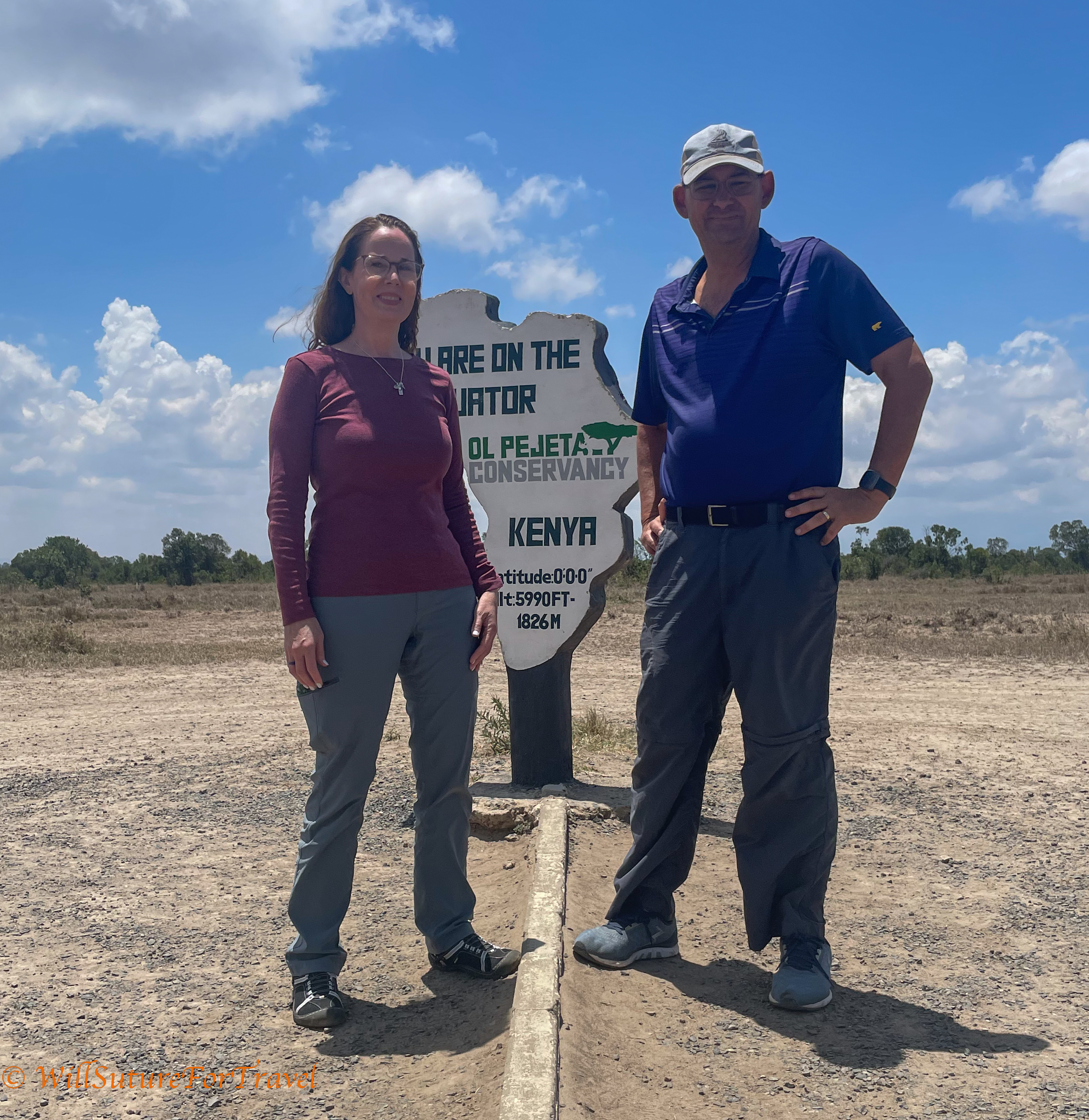
Shortly after entering the Ol Pejeta conservancy you arrive at the equator.
We had a nice little safari drive on our way into the camp.
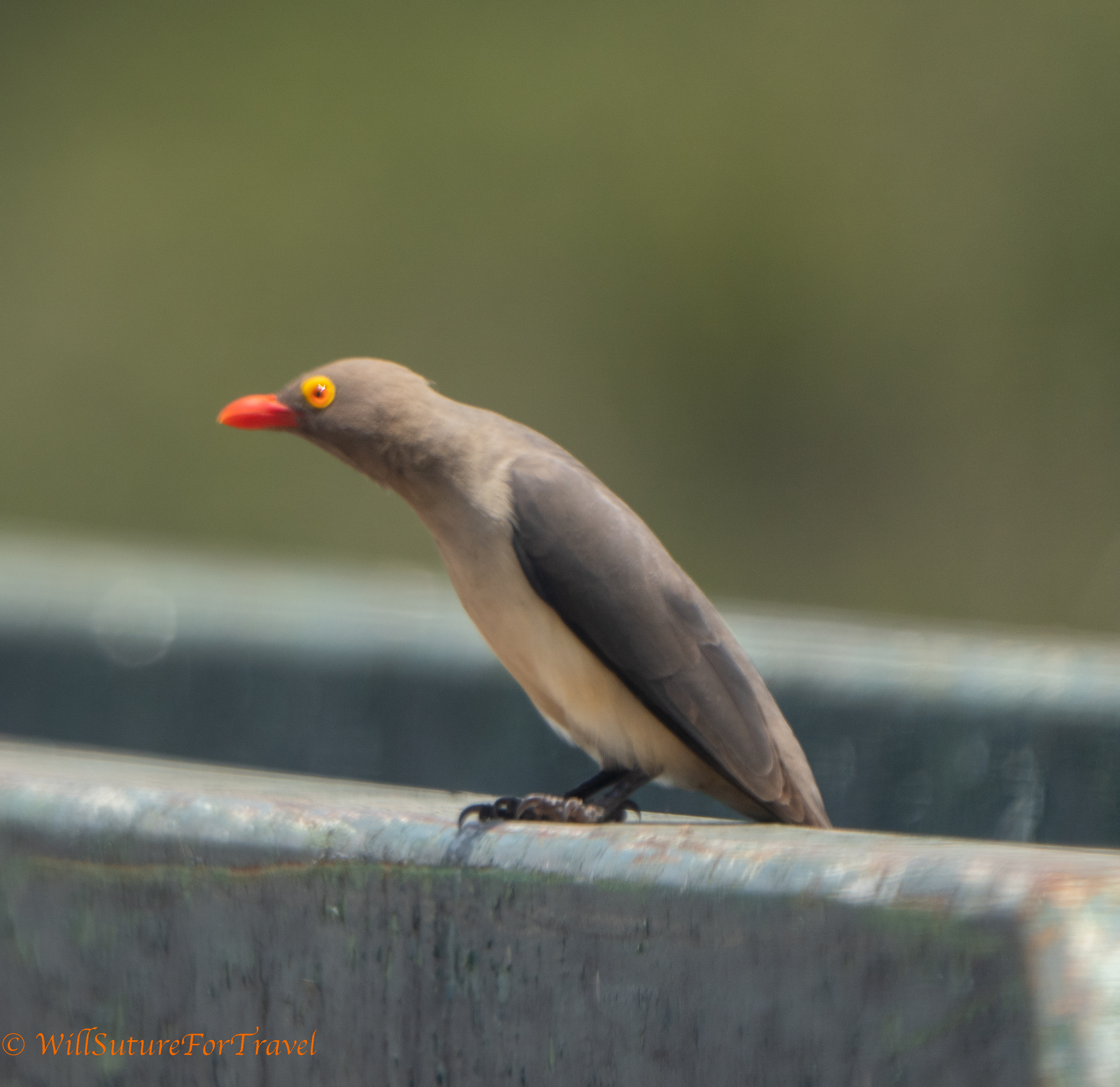
red-billed oxpecker: these birds eat insects off of other animals
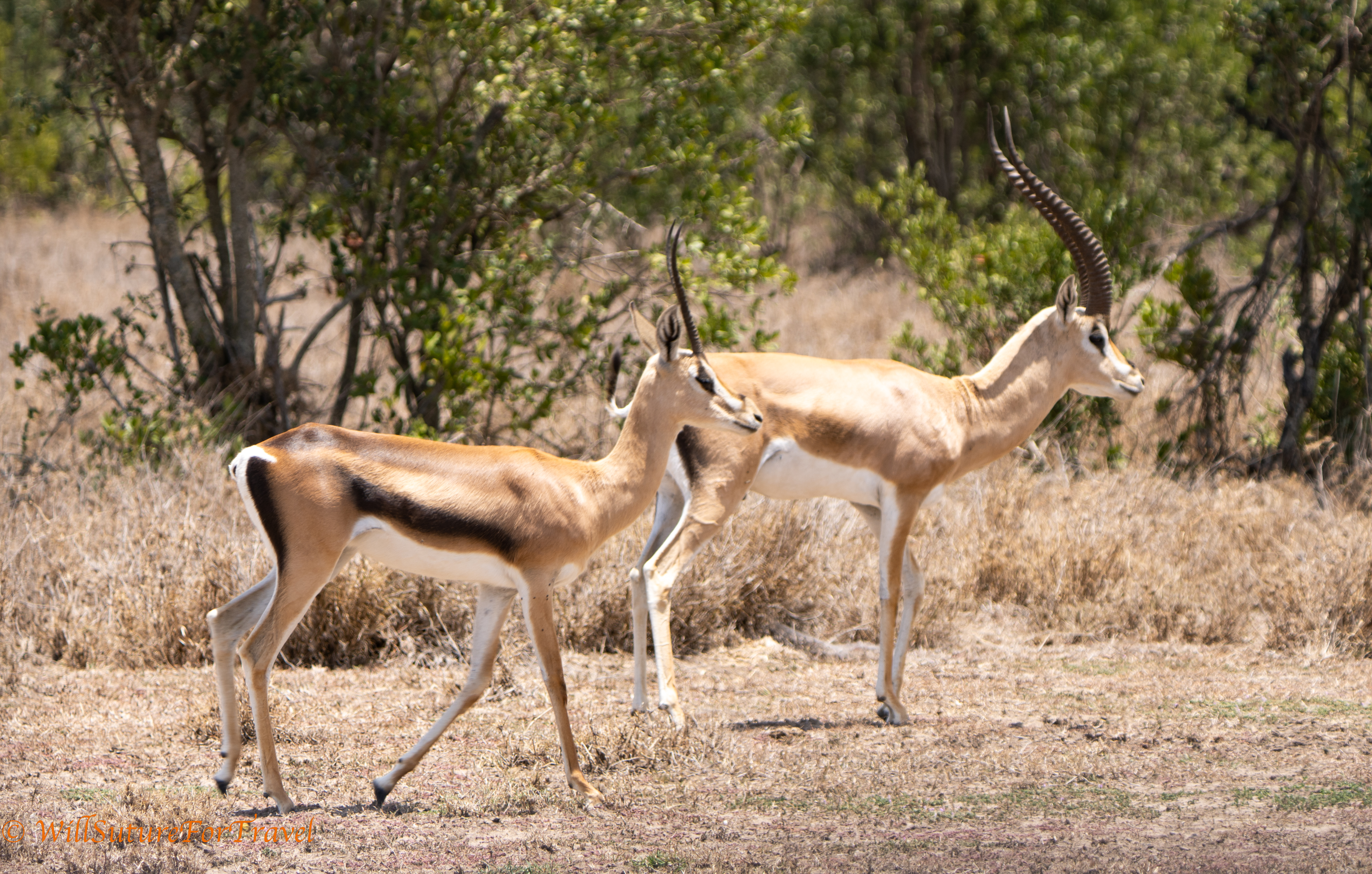
Thompson’s gazelles: These are a relatively common sight and are somewhat dainty.
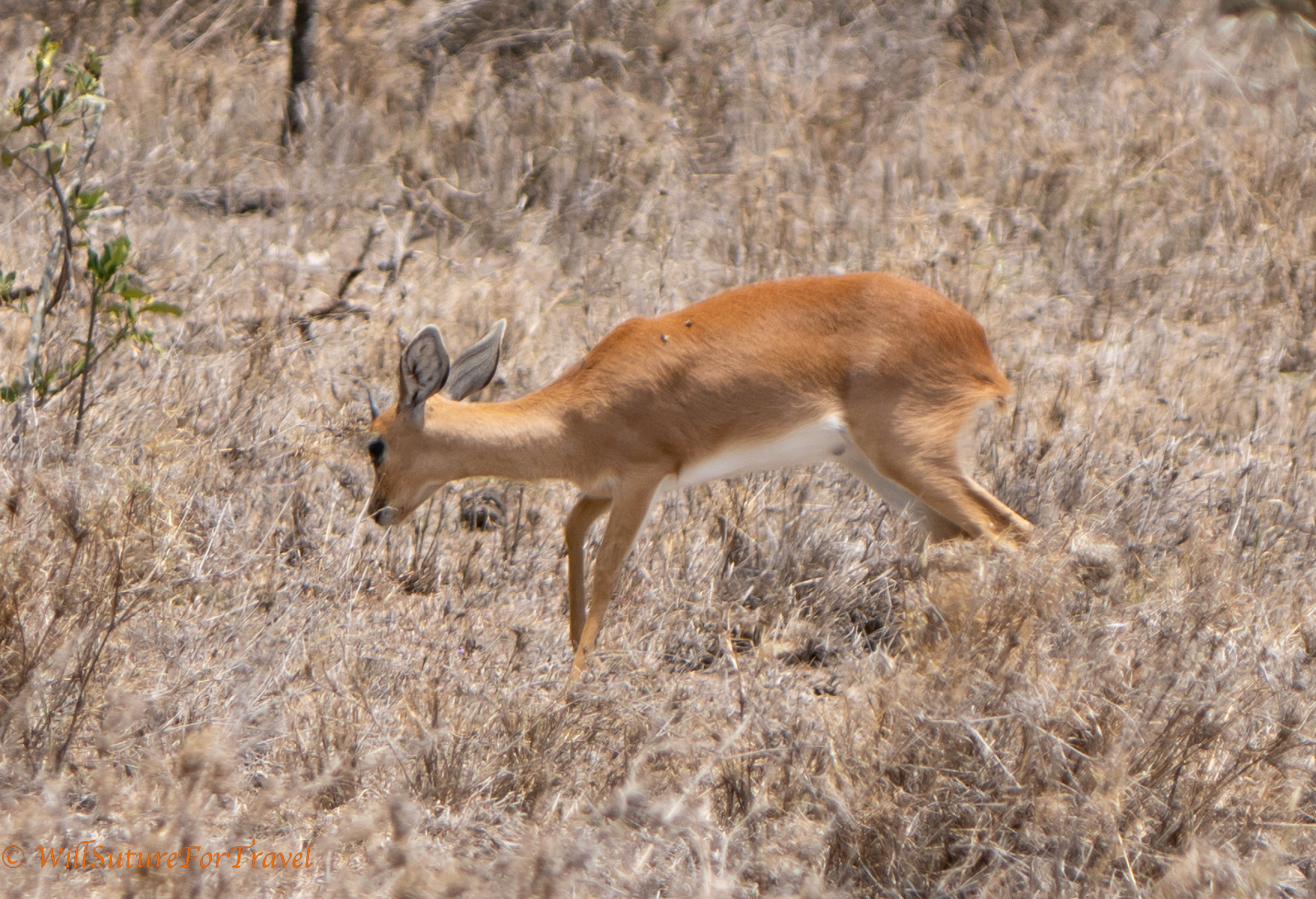
dik dik
And then we hit the jackpot!
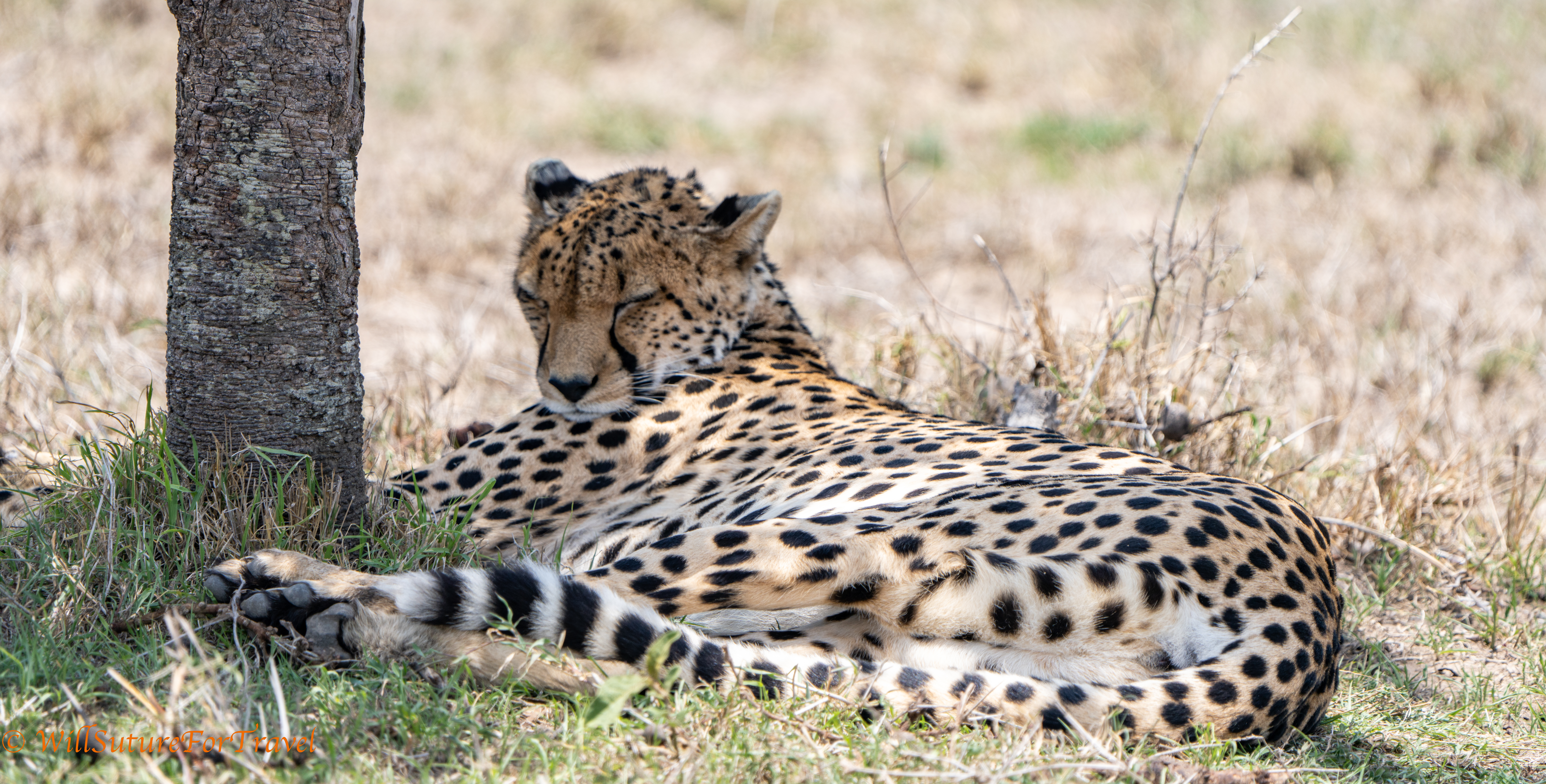
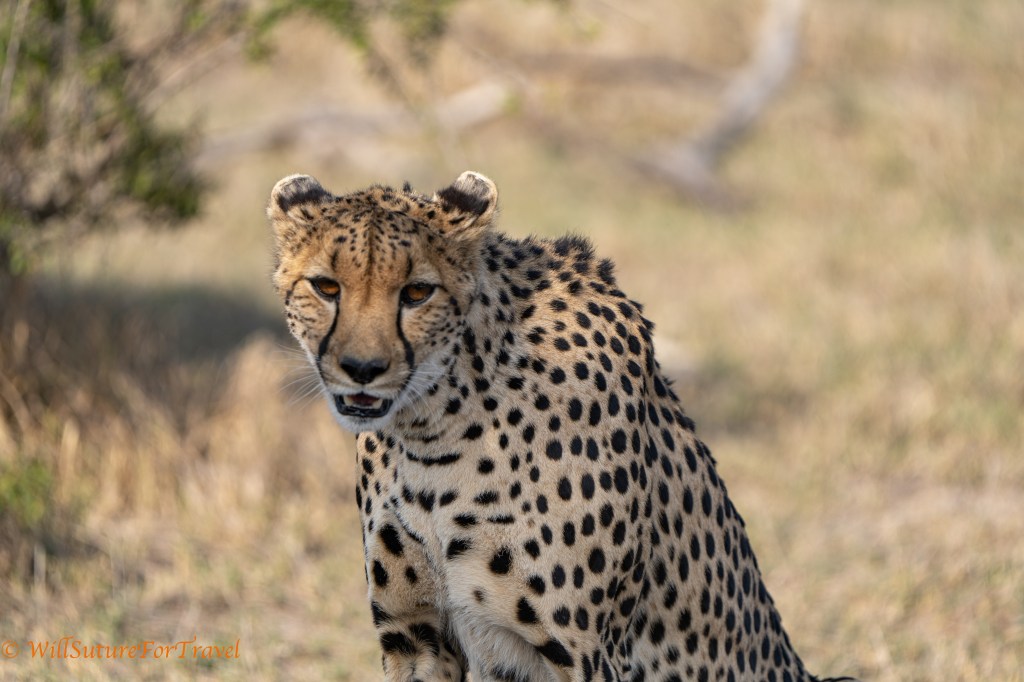
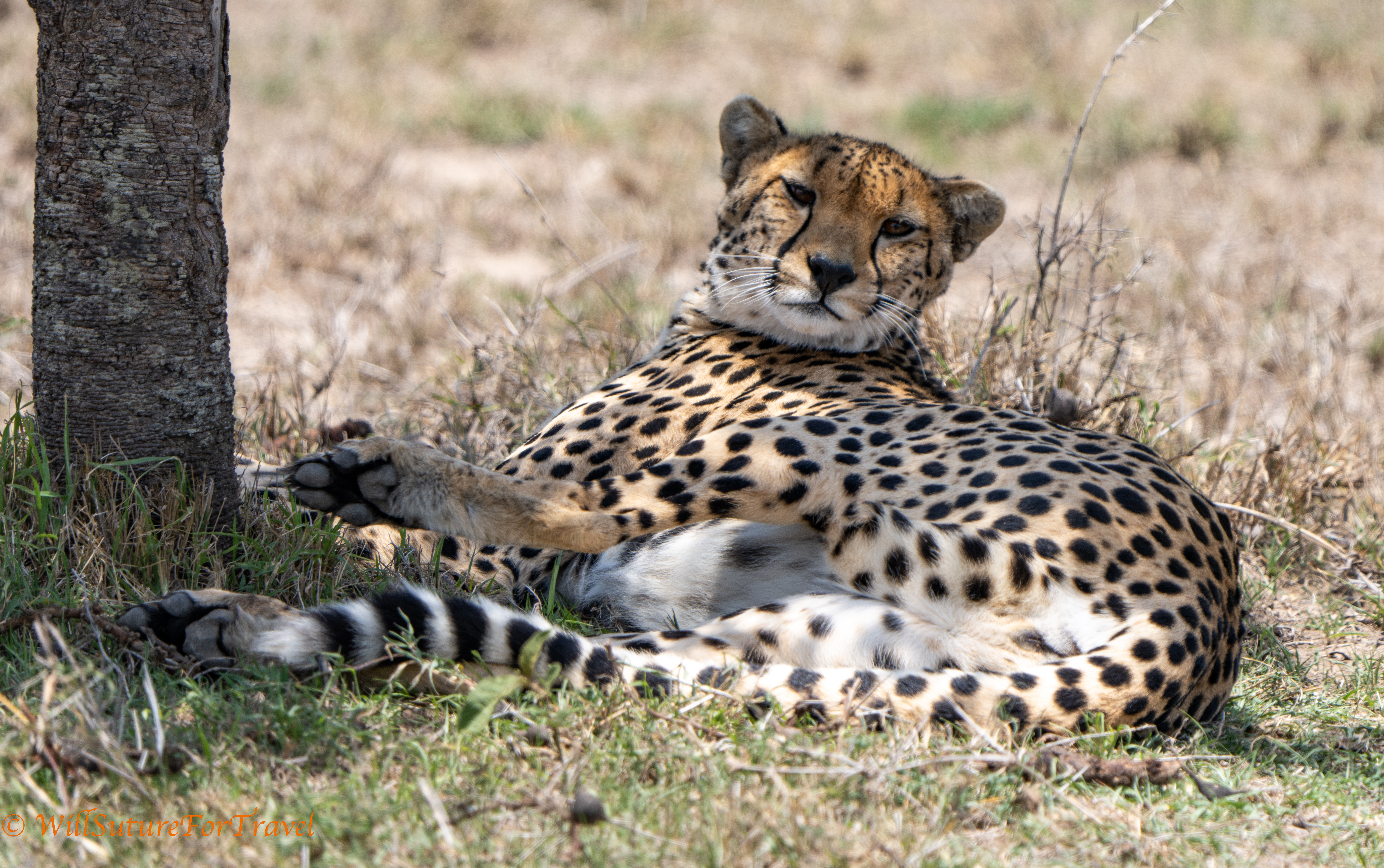
Cheetah! She was resting in the shade and we watched her for a while. She wasn’t up for doing anything in the mid-day heat. Our guide, Peter, says they believe this cheetah is pregnant.
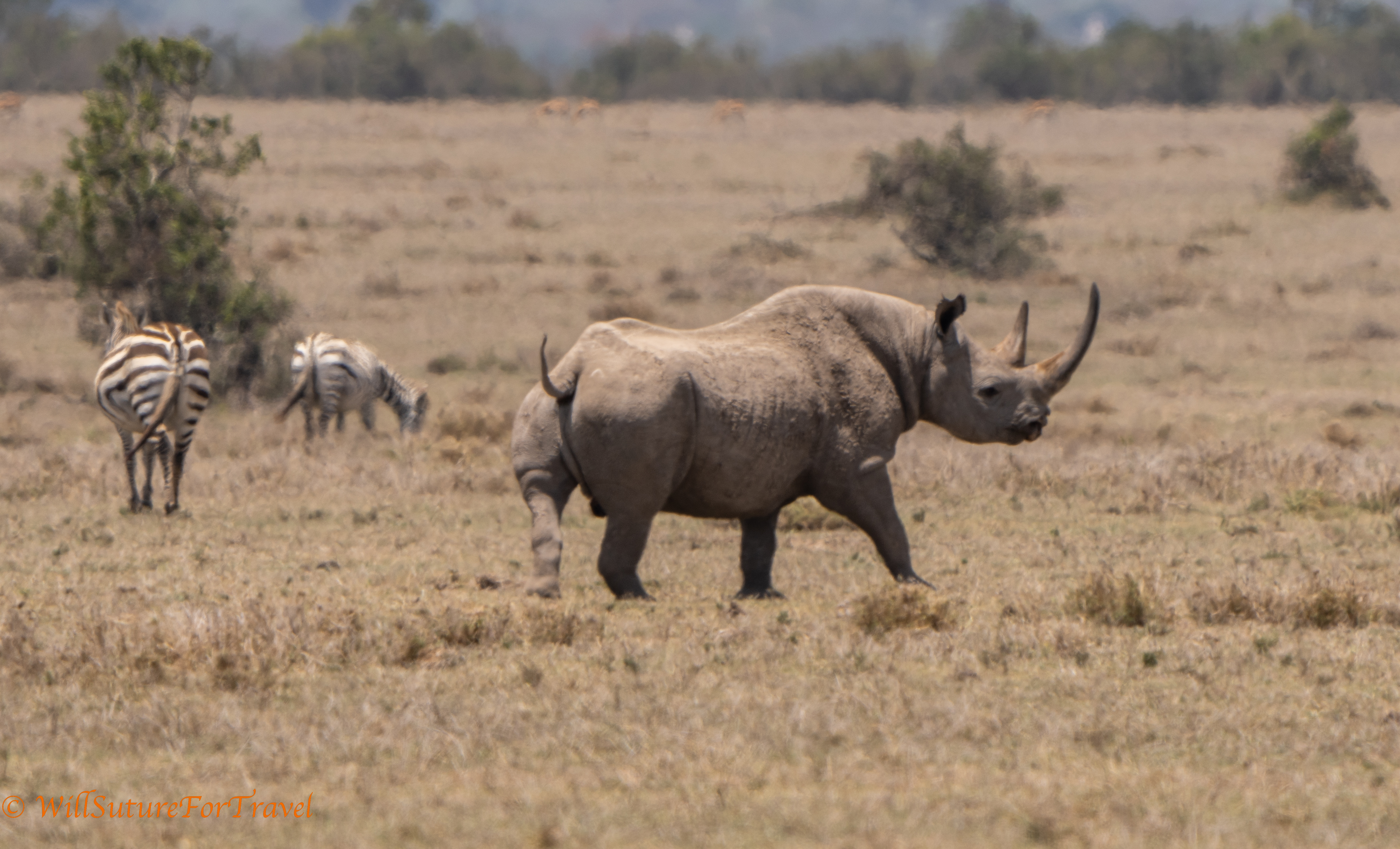
black rhino: These are huge animals weighing 1800-3000 lbs. The black rhinos have a pointed mouth adapted to their eating patterns of browsing on leafy plants and branches. (White rhinos have a square mouth as they are grass grazers.) Black rhinos are solitary animals and tend to be more aggressive than white rhinos. Despite their size they can run up to 34 mph. Black rhinos are endangered.
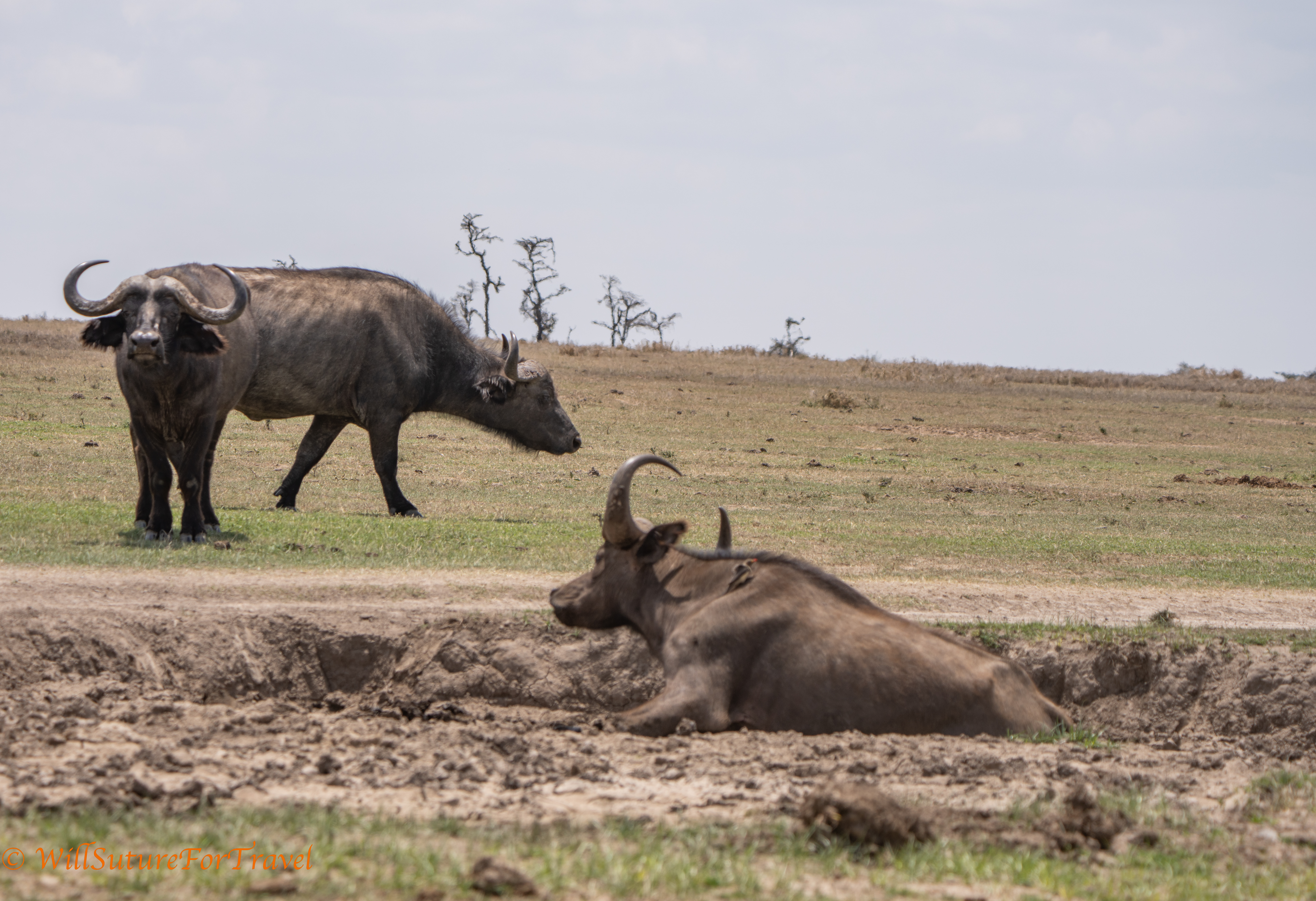
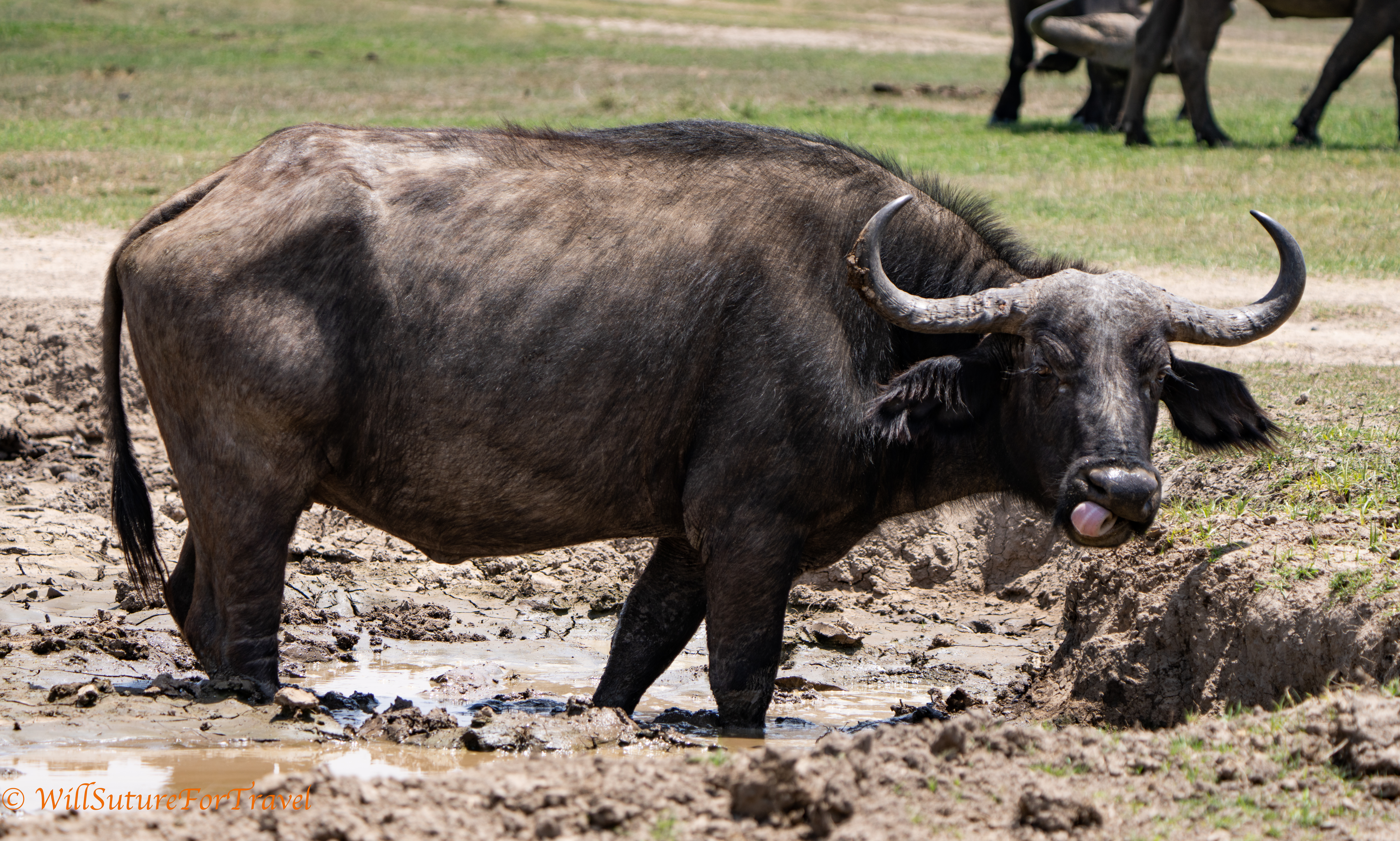
cape buffalo cooling off in a mud pool
We got settled in to the new place, had some lunch, and went out for our afternoon drive.
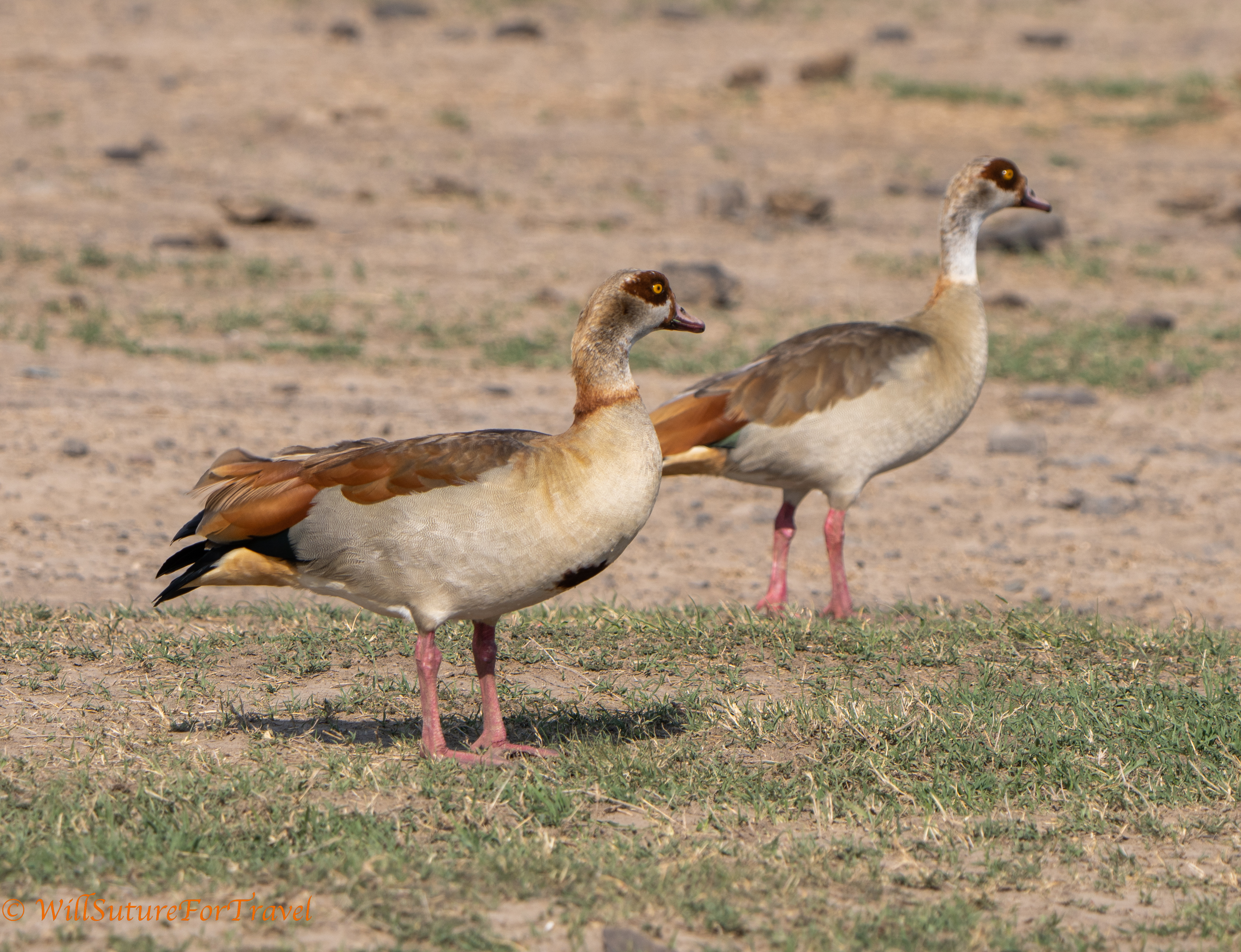
Egyptian geese
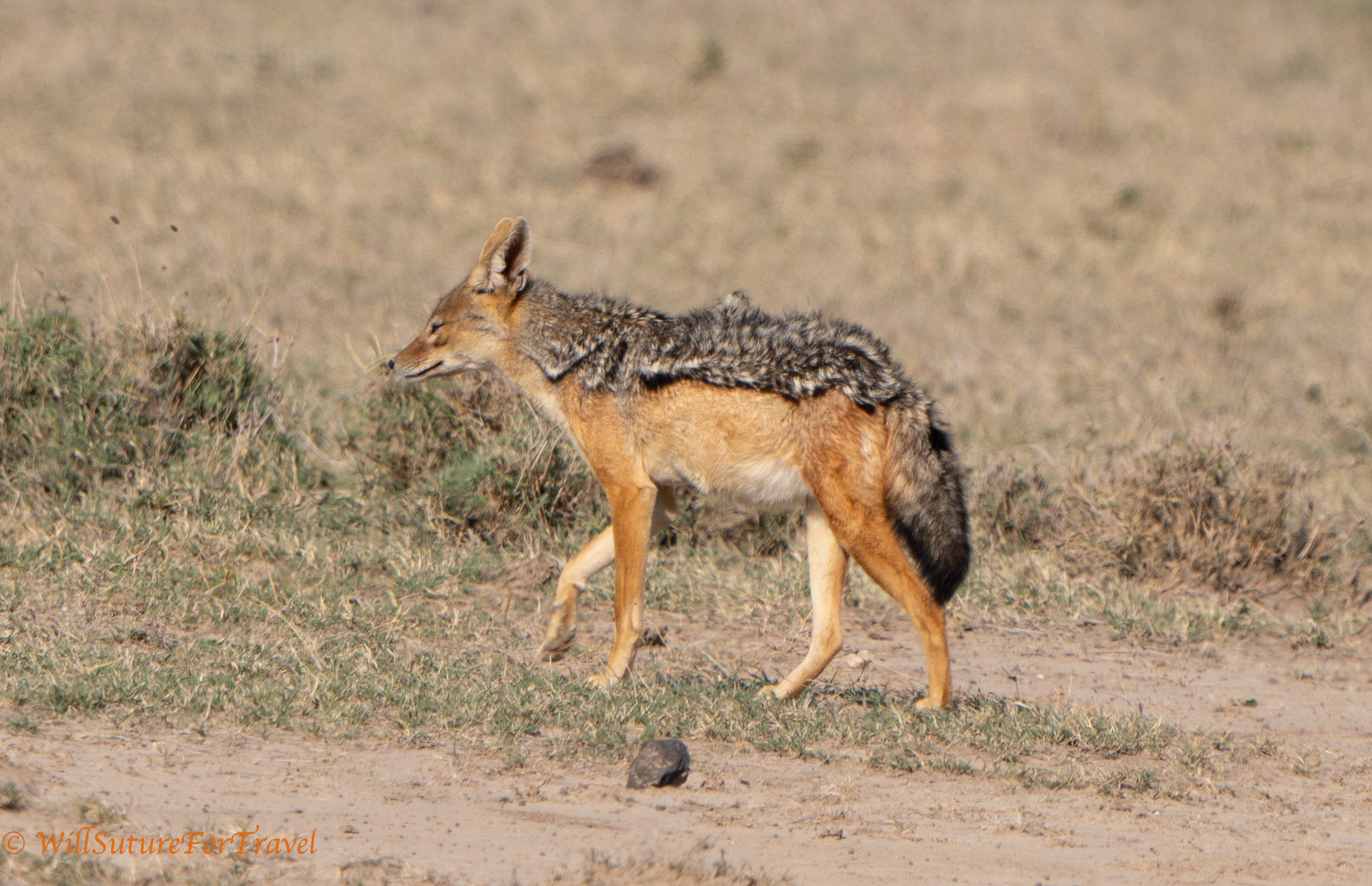
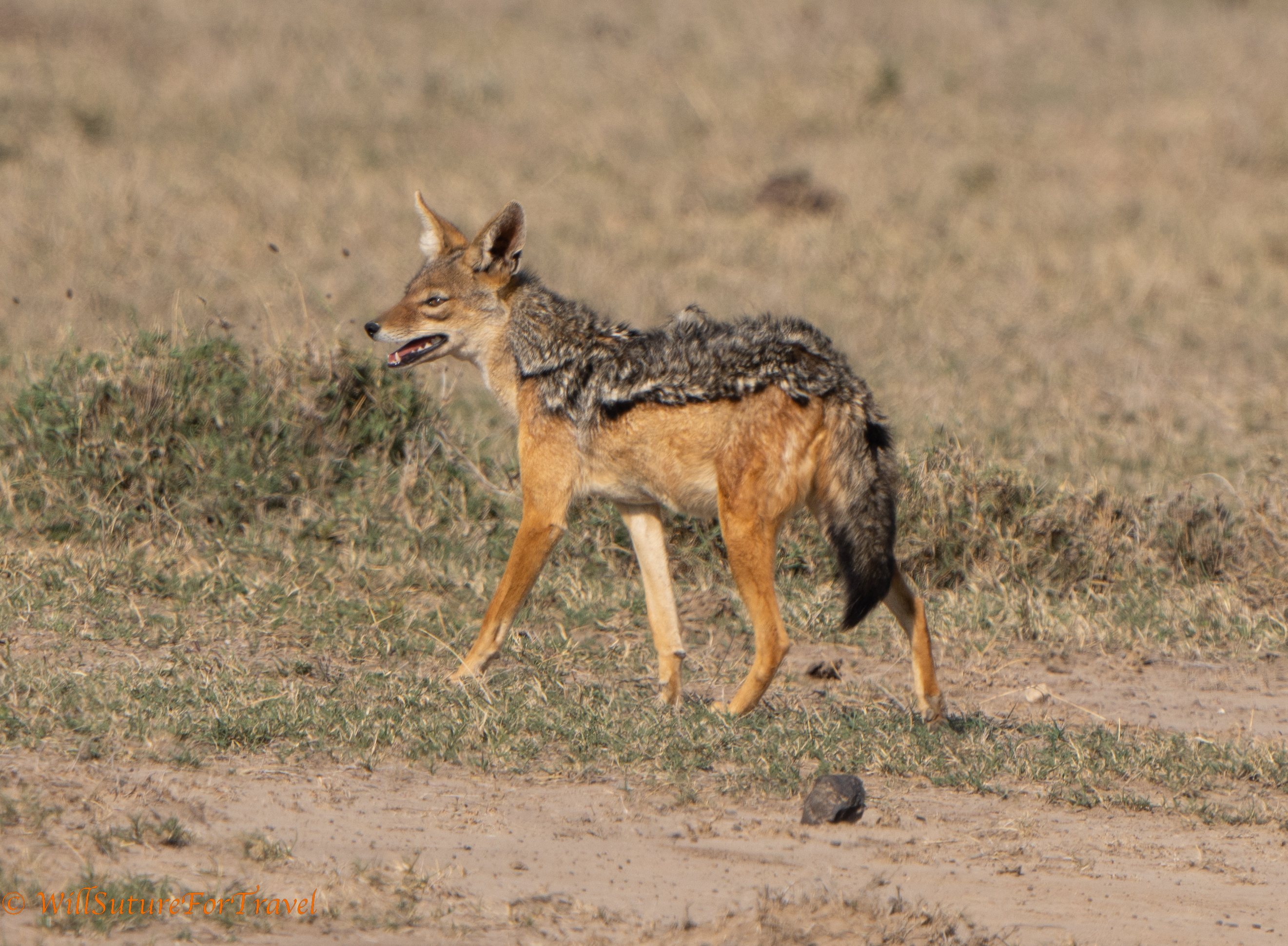
black-backed jackal: You usually see these in mated pairs They weigh 13-30 lbs. They are omnivores, eating various animal, carrion, and fruit.
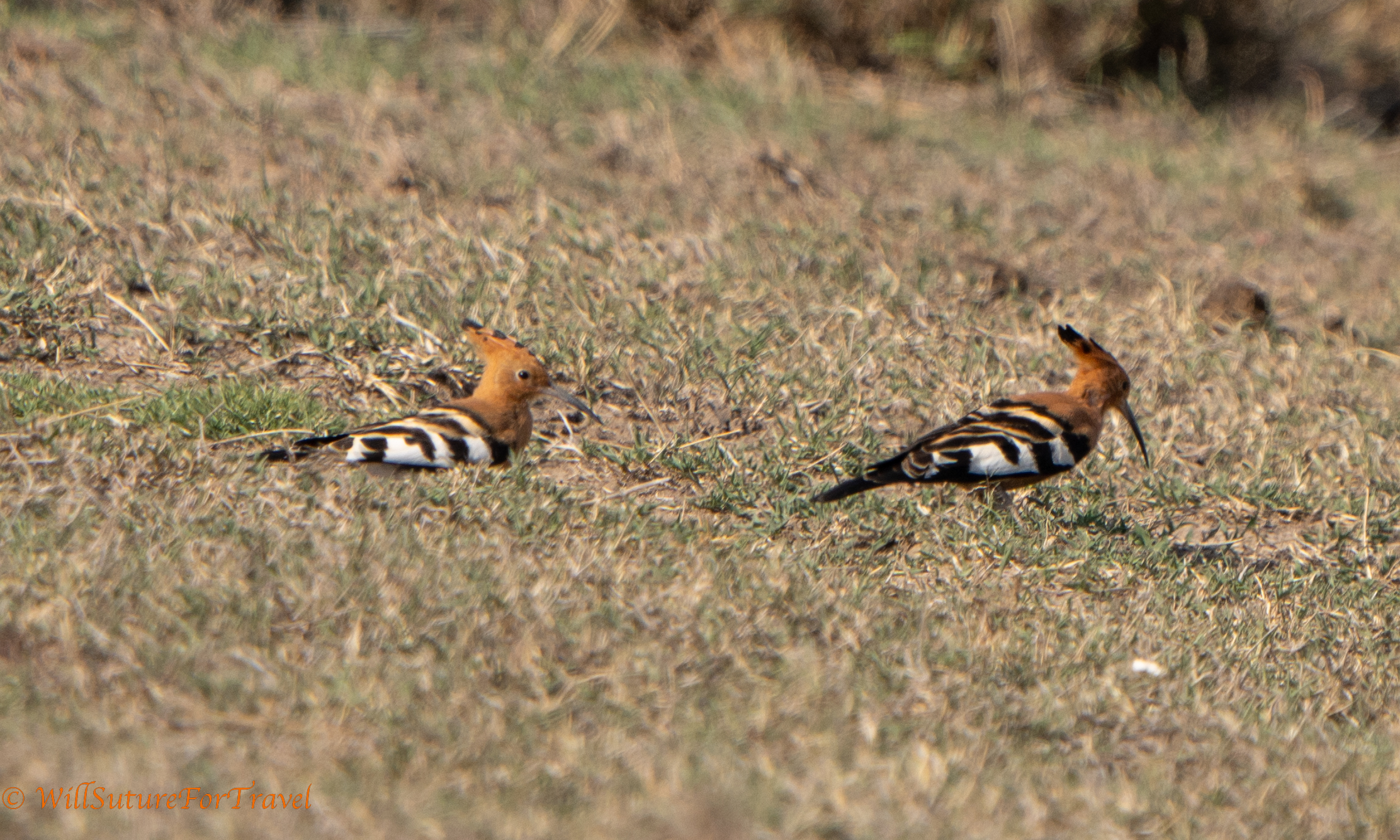
Eurasian Hoopoe: These spend much of their time on the ground eating insects.
And then we saw our cheetah again off in the distance. We were starting to drive towards her when we realized she was hunting impala.
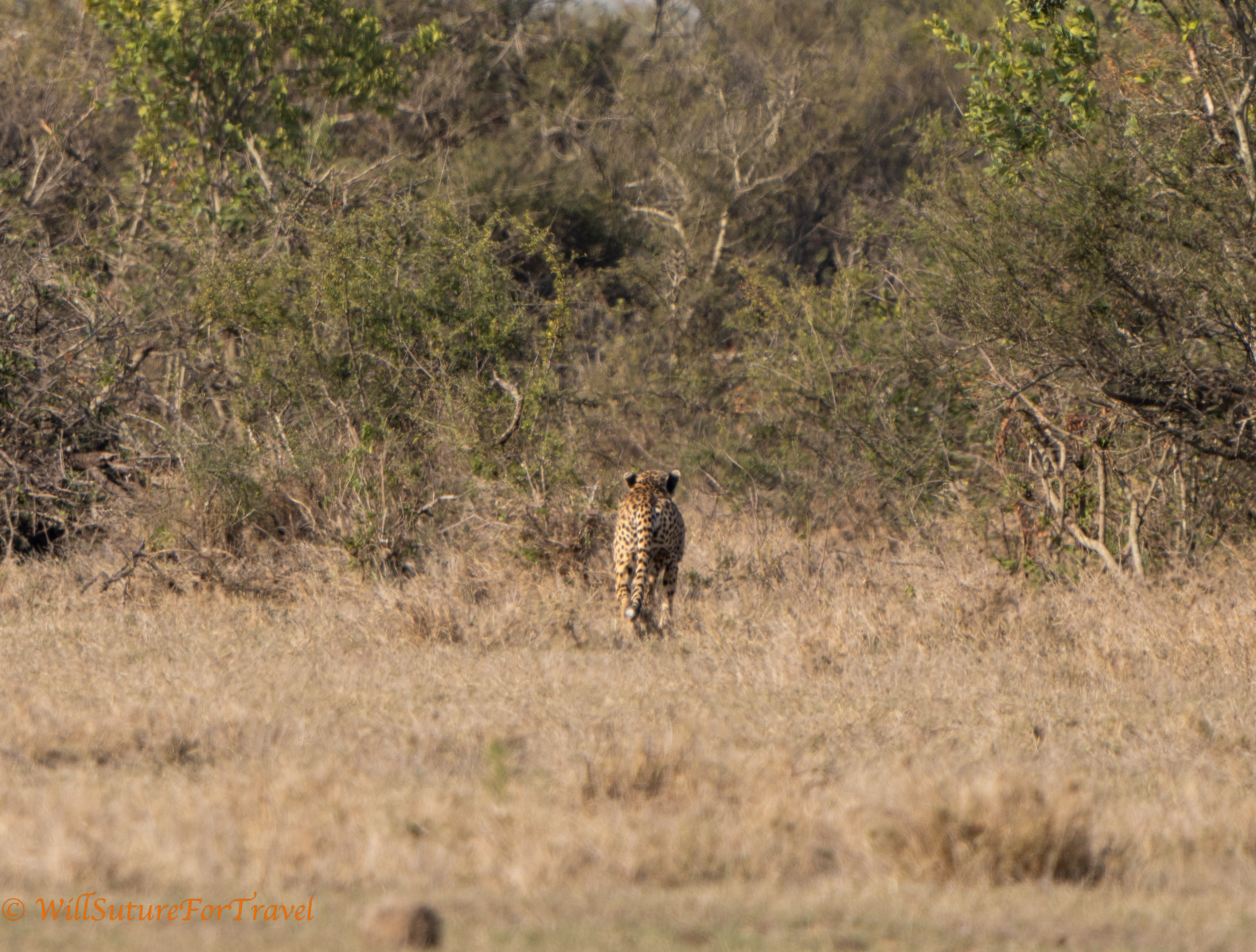
We sped up to get closer, but that impeded photography. We did, however, get a good view of her successful hunt. She caught a young impala in no time.
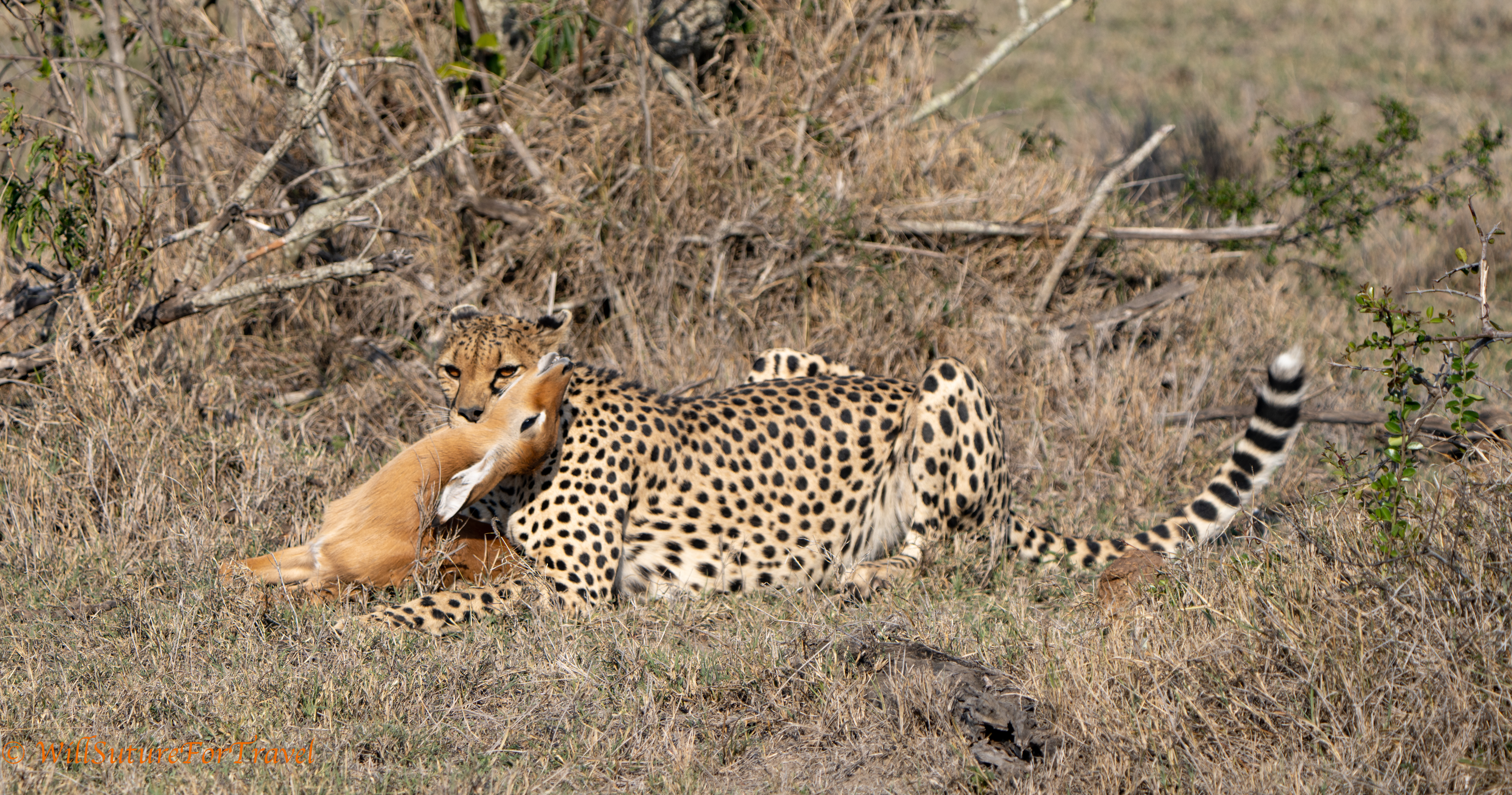
There were a few things that stood out to me. First, the impala herd were upset for a few minutes, vocalizing and agitated, but then they moved on. Second, even though the hunt was quick, the cheetah sat panting for quite a few minutes. That clearly took tremendous effort. Lastly, the kill itself, after the initial takedown, was calm and, oddly peaceful. Cheetahs hold down on the tracheas of their prey until they suffocate. This little impala didn’t move around or act in pain or distress. Once the cheetah let go of it there wasn’t a mark on the impala’s body.
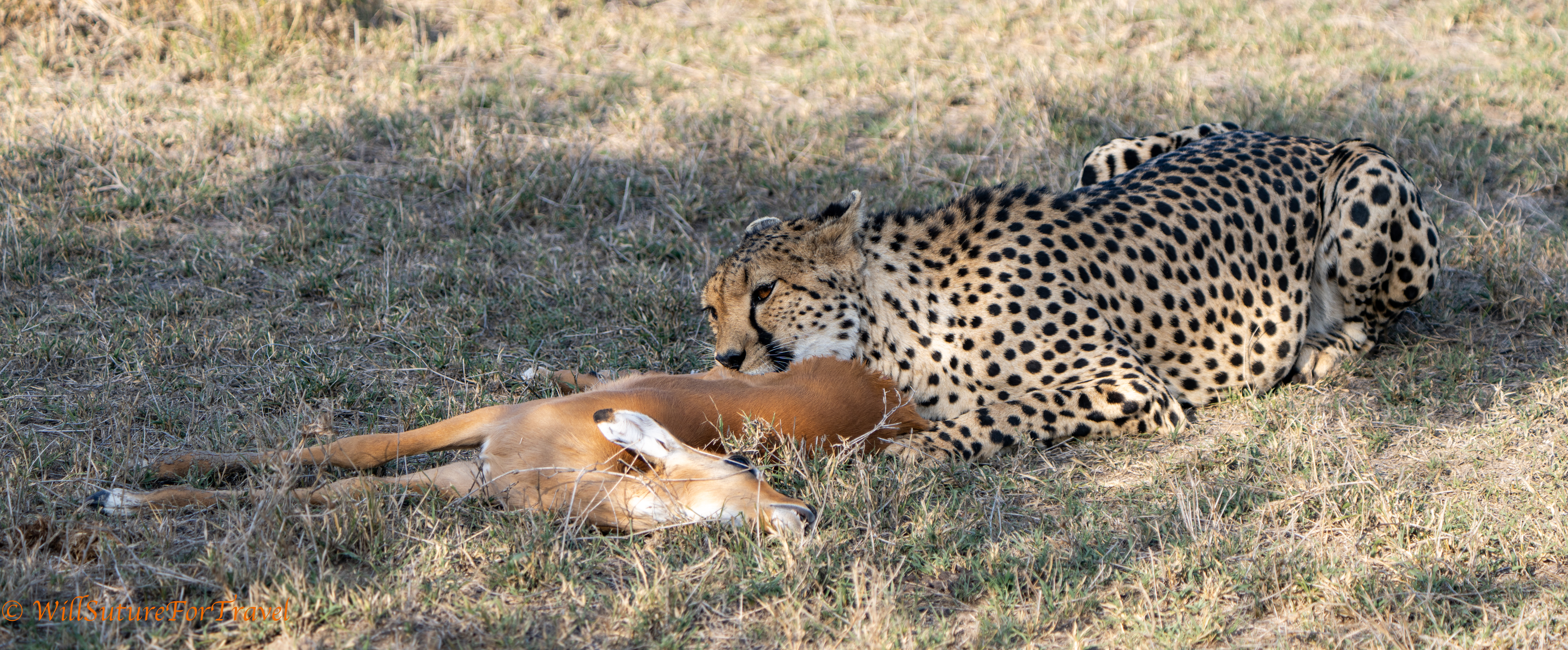
We stayed there for quite a while and then left her to her meal.
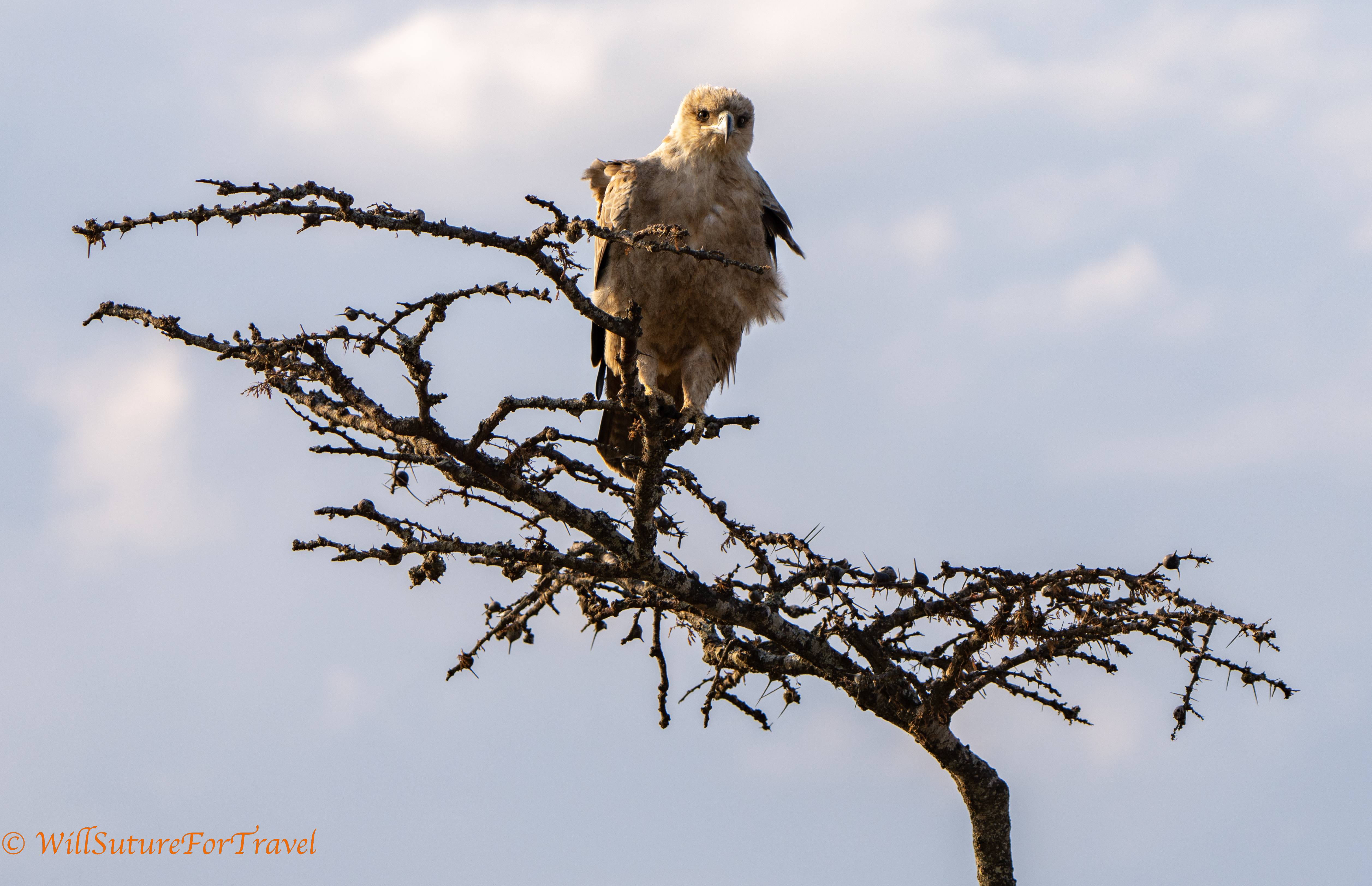
Tawny eagle
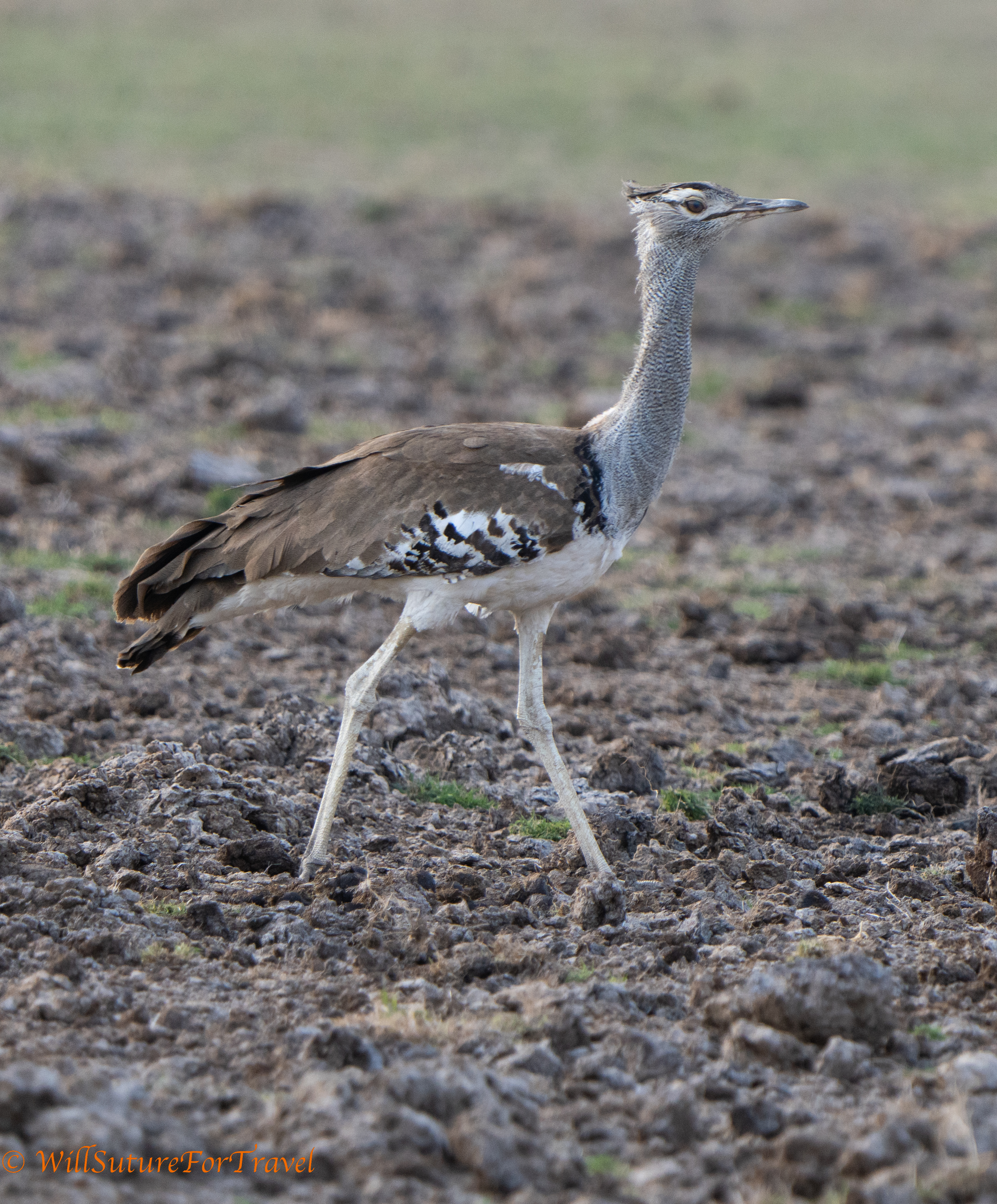
Kori bustard: these are 3-4 feet tall and spend most of their time on the ground.
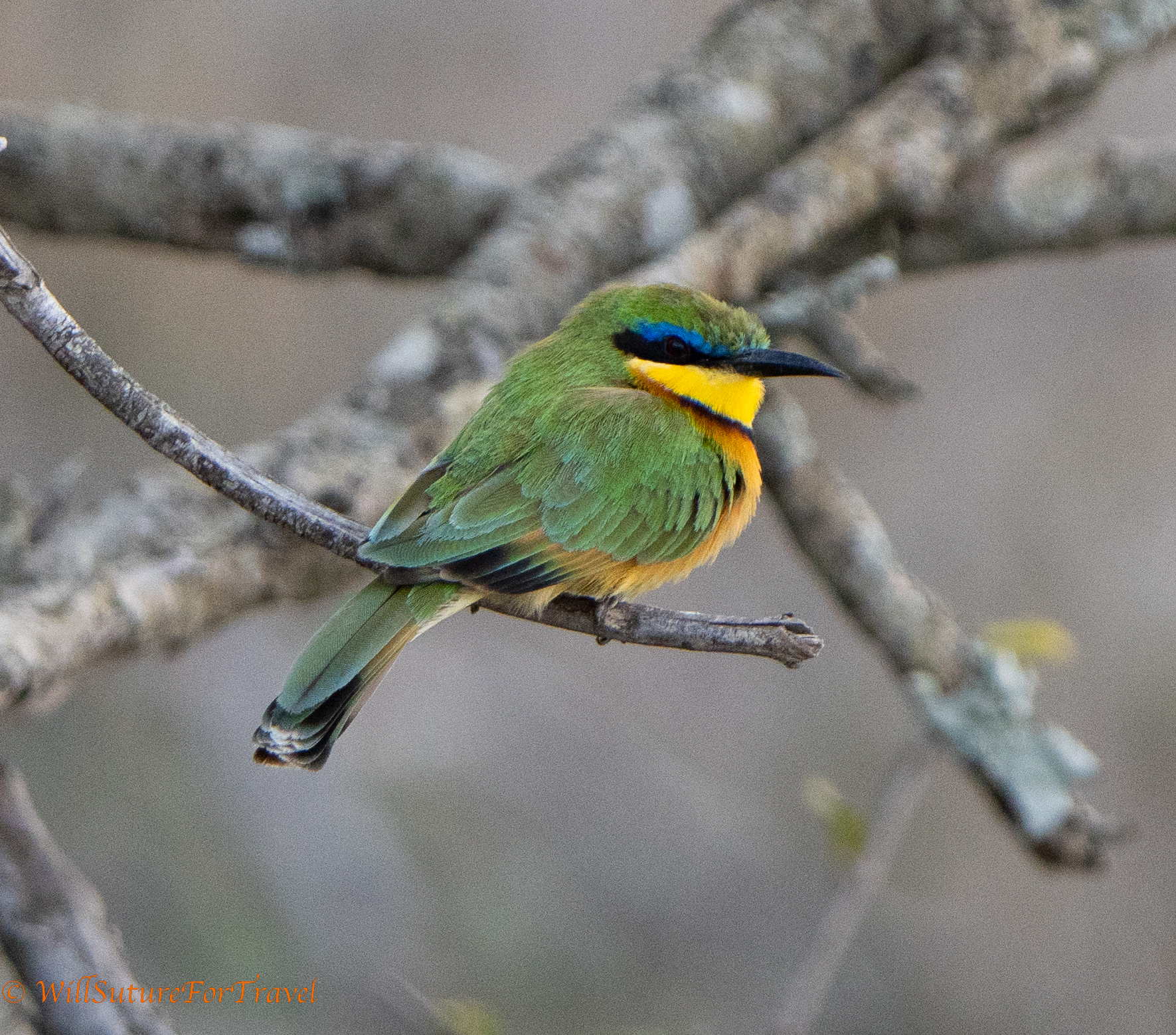
little bee eater: these are relatively common around here and are pretty, small birds. They tend to hang out in low bushes and trees.
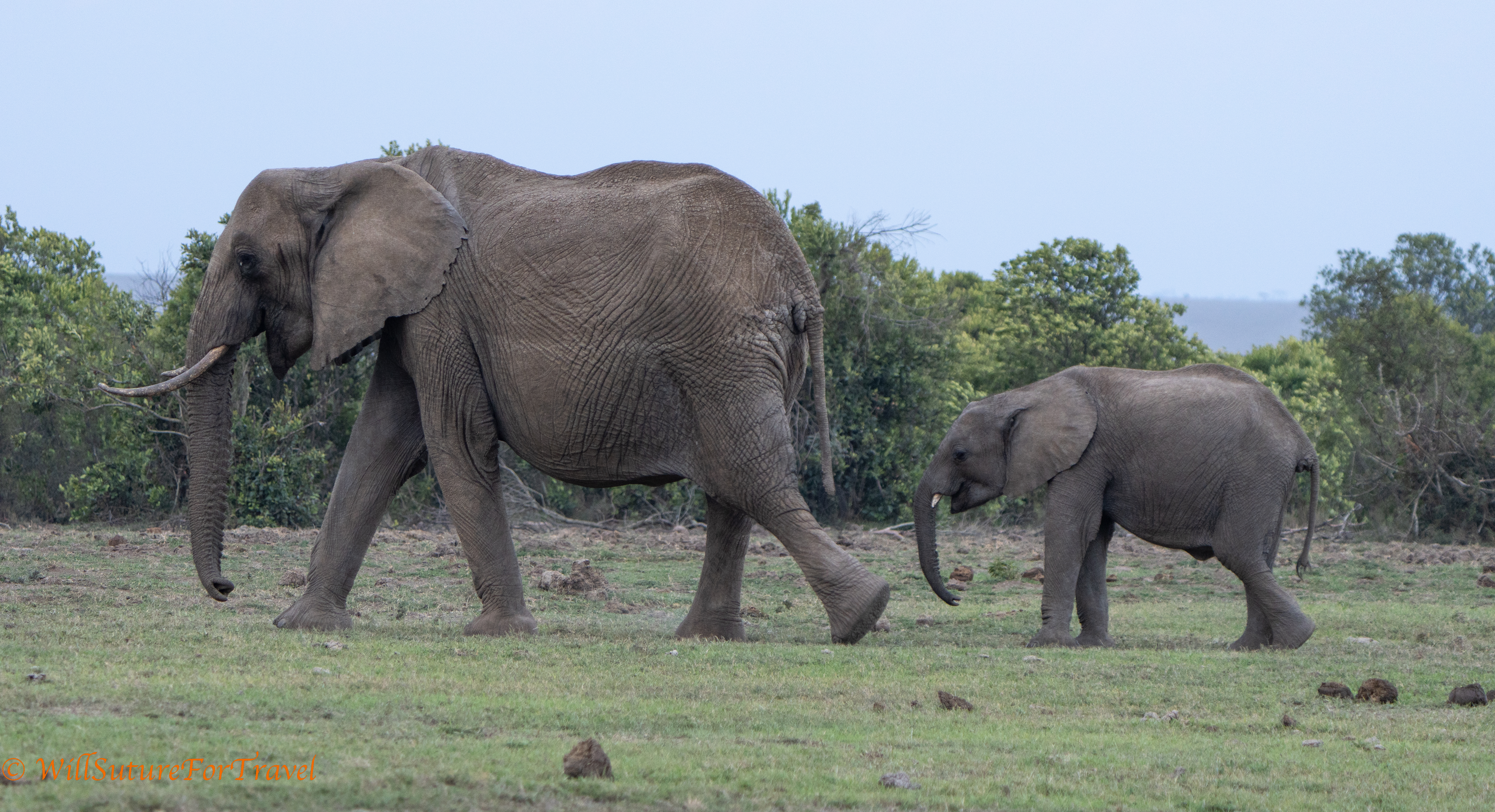
family of elephants
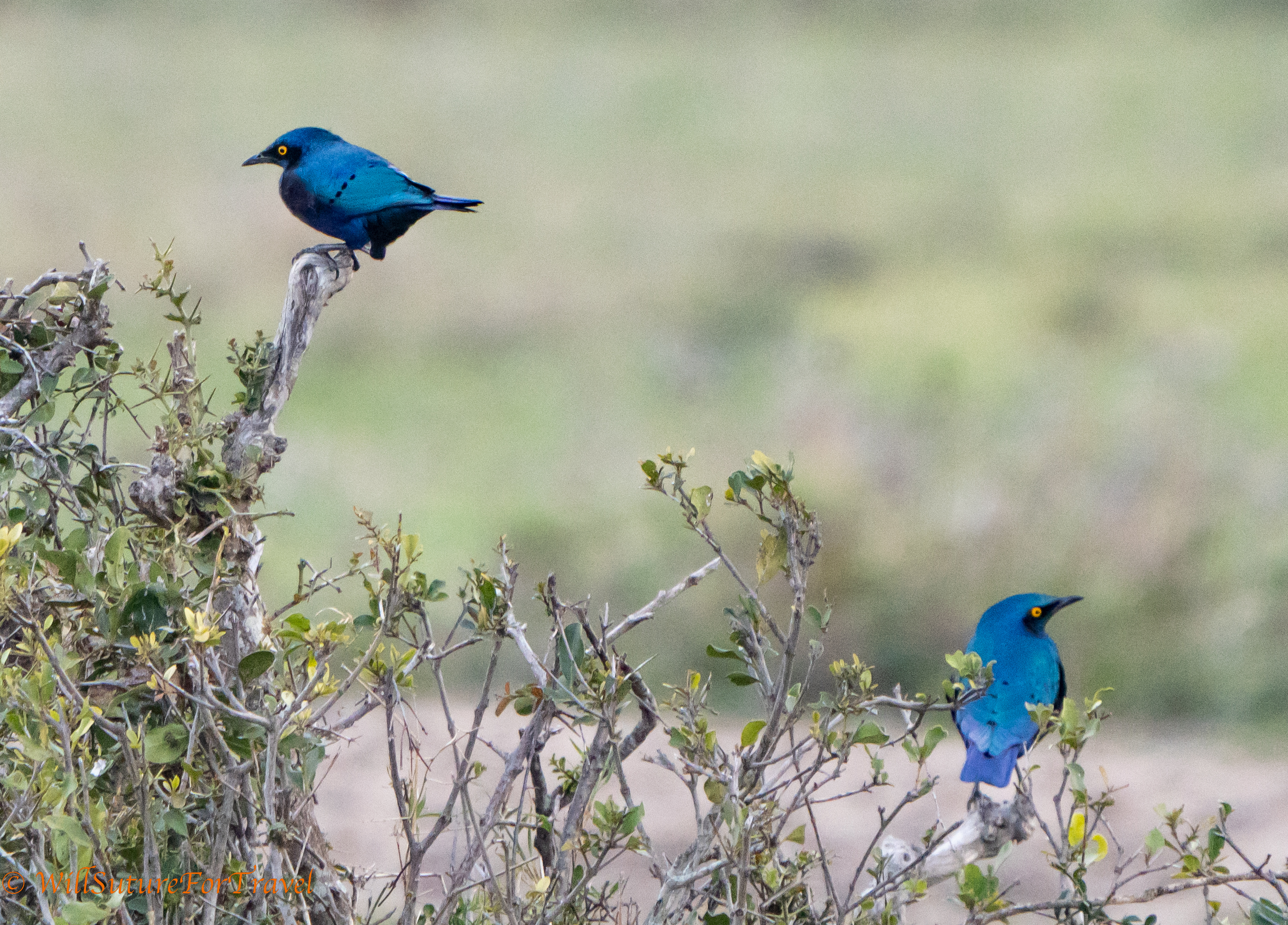
Greater blue-eared starling or glossy starling
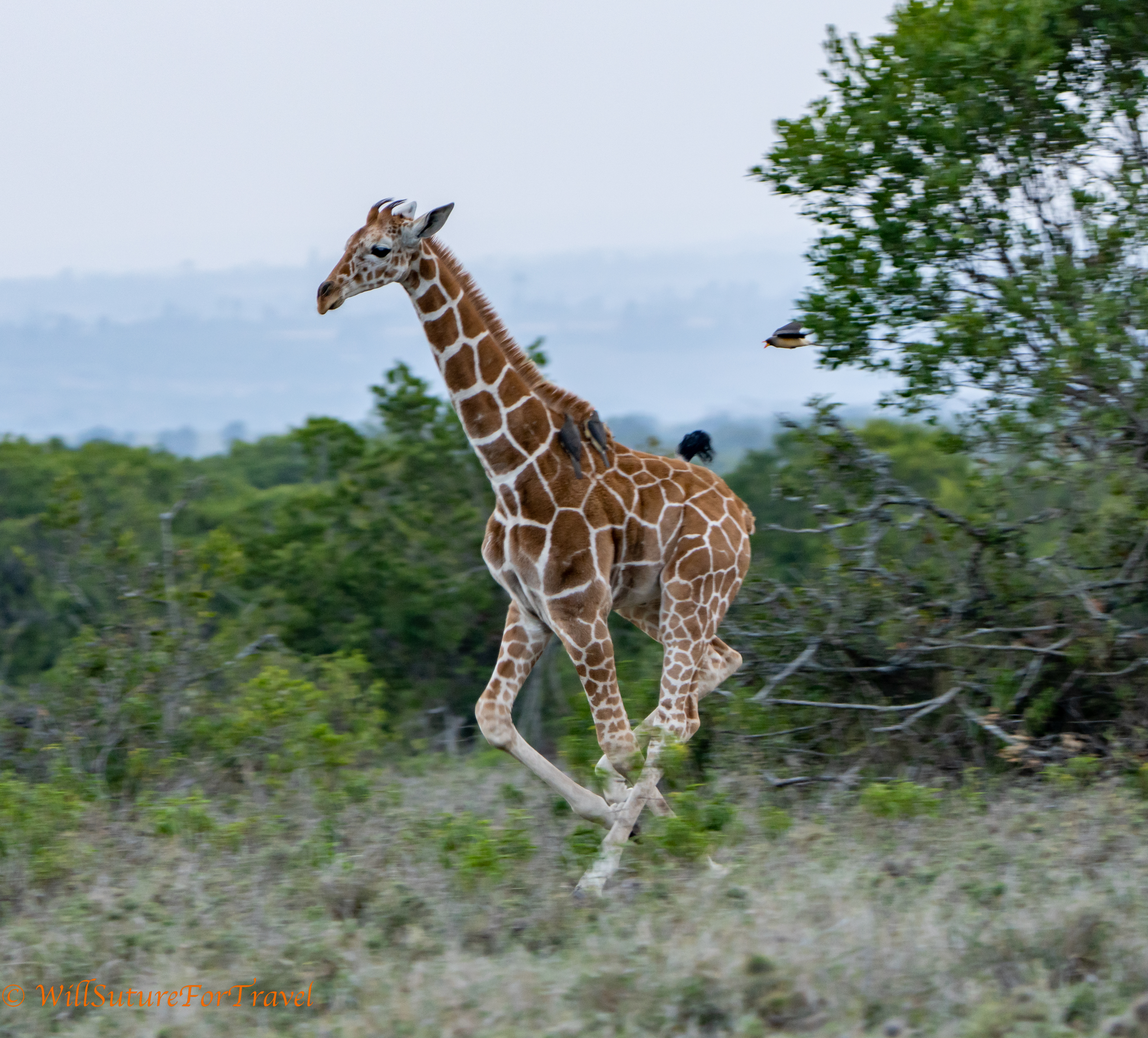
This young giraffe didn’t like all of the oxpeckers on it and was running to try to get them off.
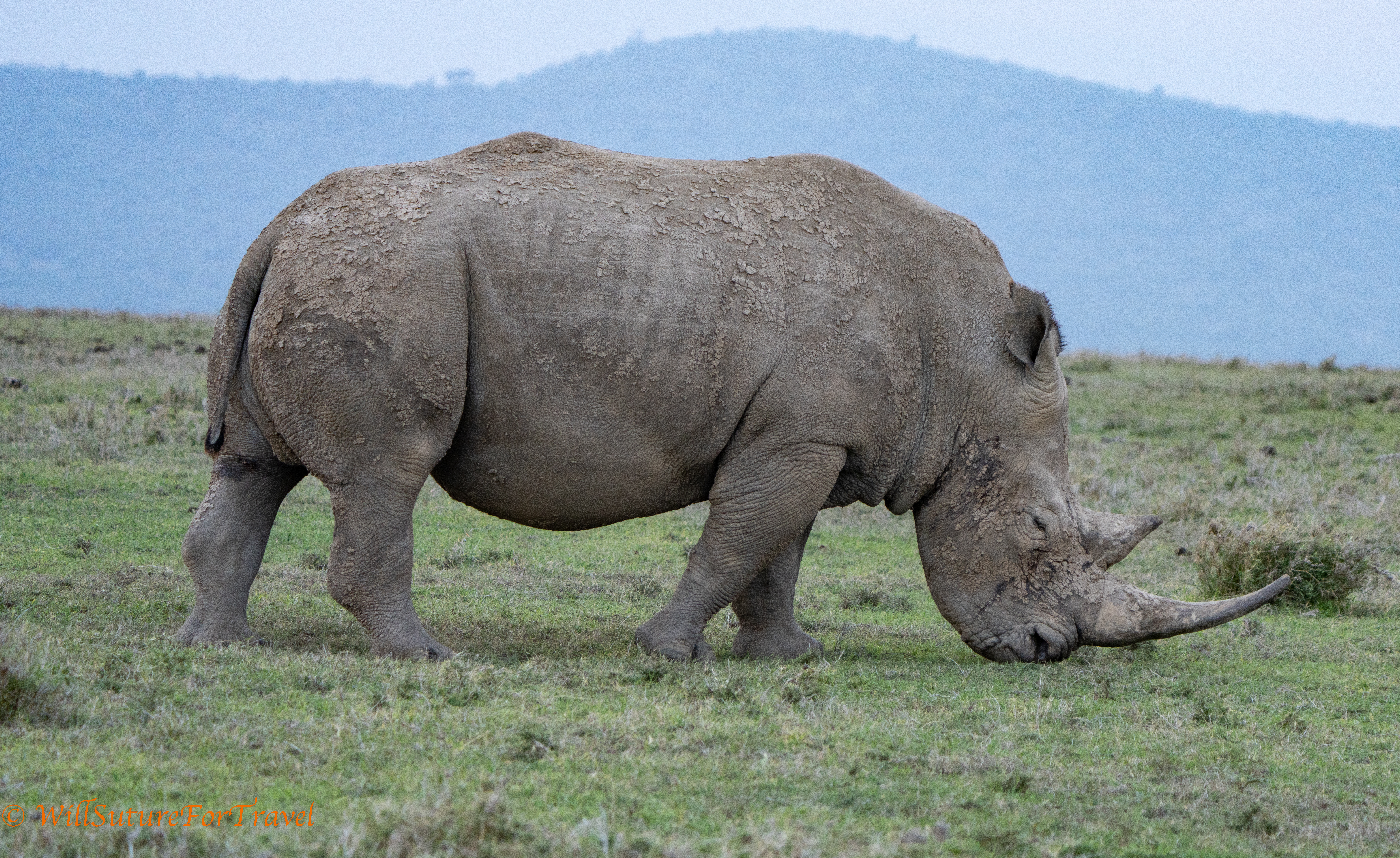
southern white rhino: These are threatened. As I listed above, they are grazers and have a square shaped mouth. They weigh between 3800-5000 lbs. They usually stay in groups and are less aggressive than the black rhinos. We have had some get pretty close to us and be very calm.
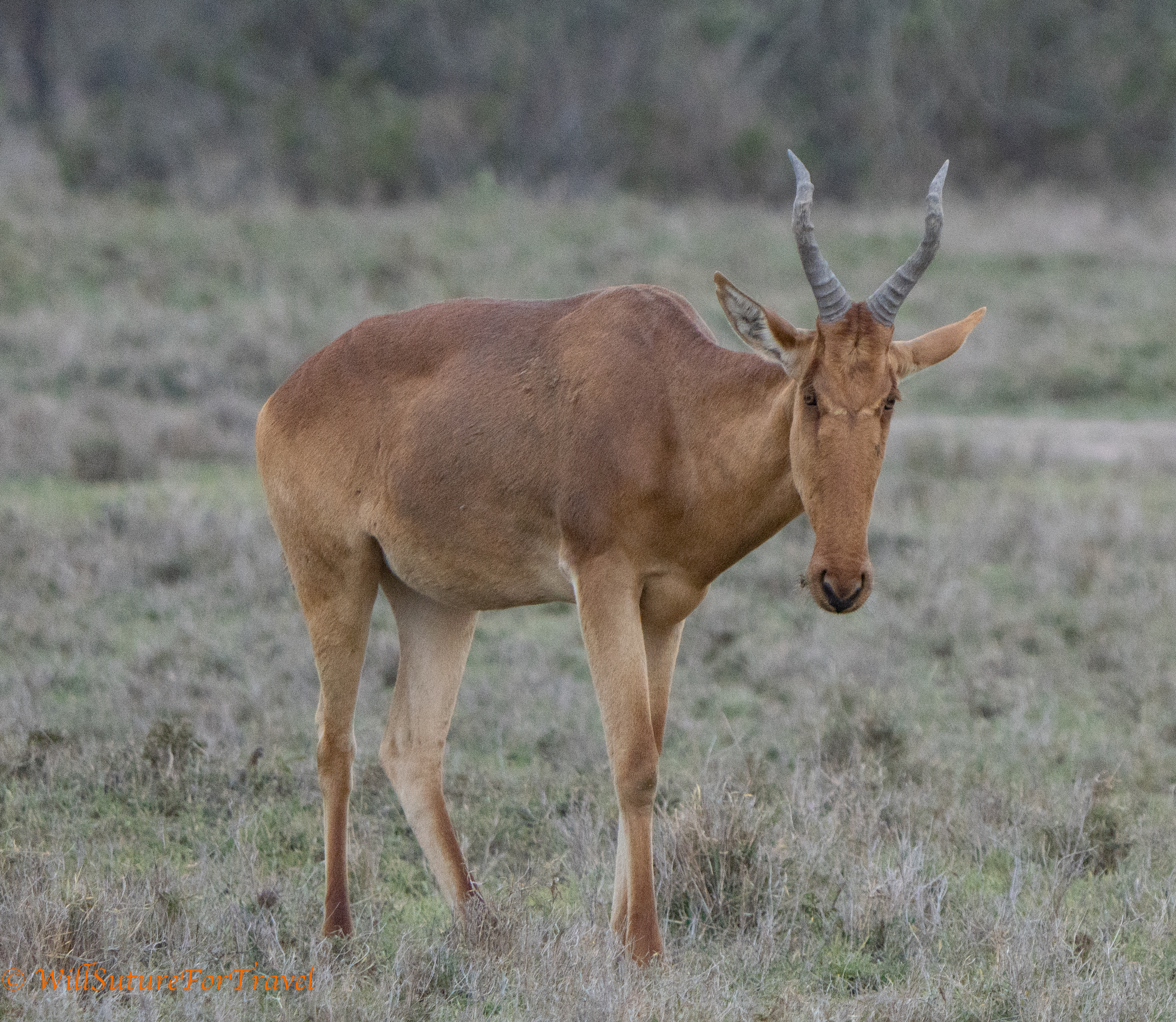
Jackson’s hartebeest: a moderately large antelope with a long face. They can form large herds, although we have only seen small groups here.
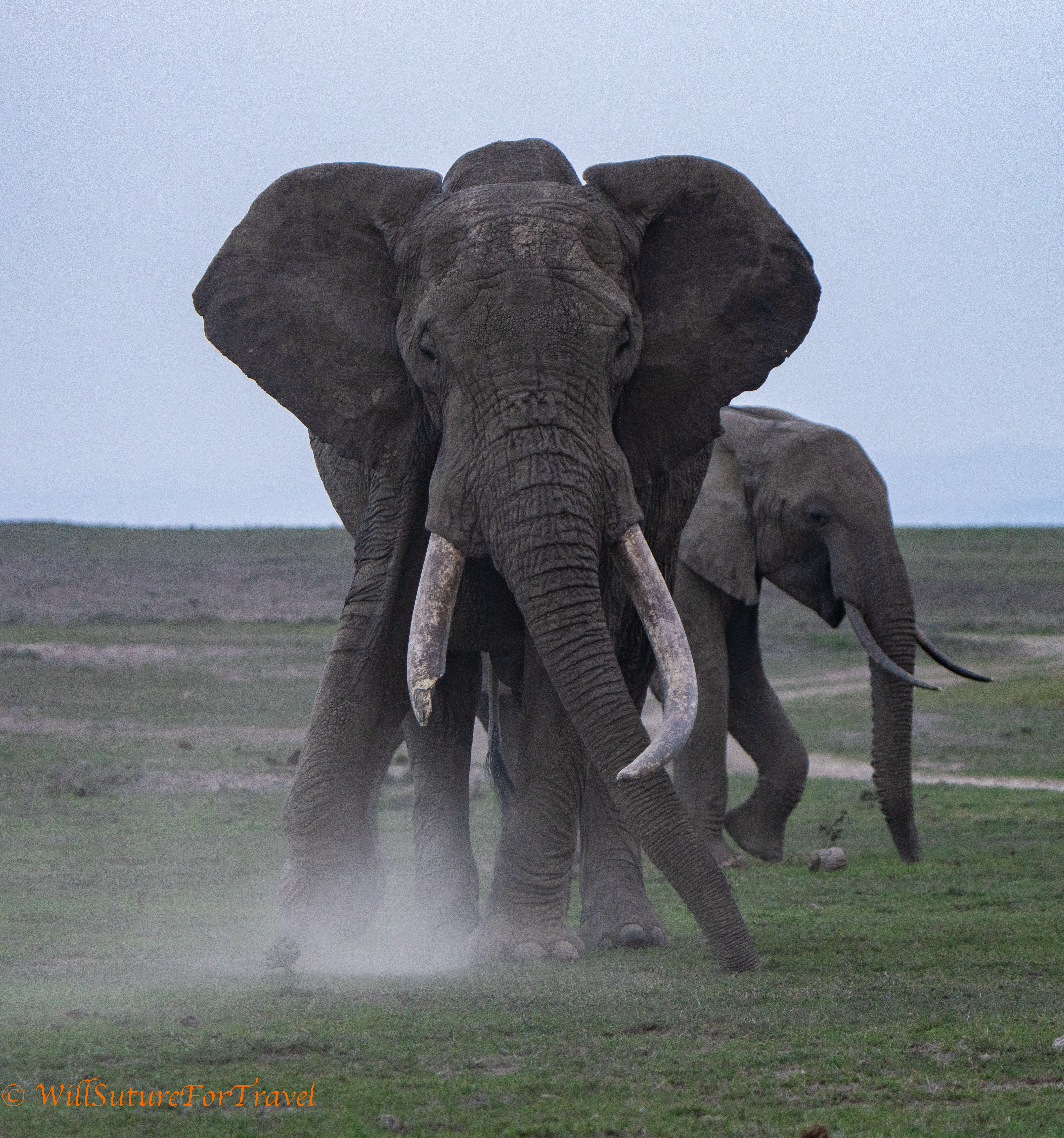
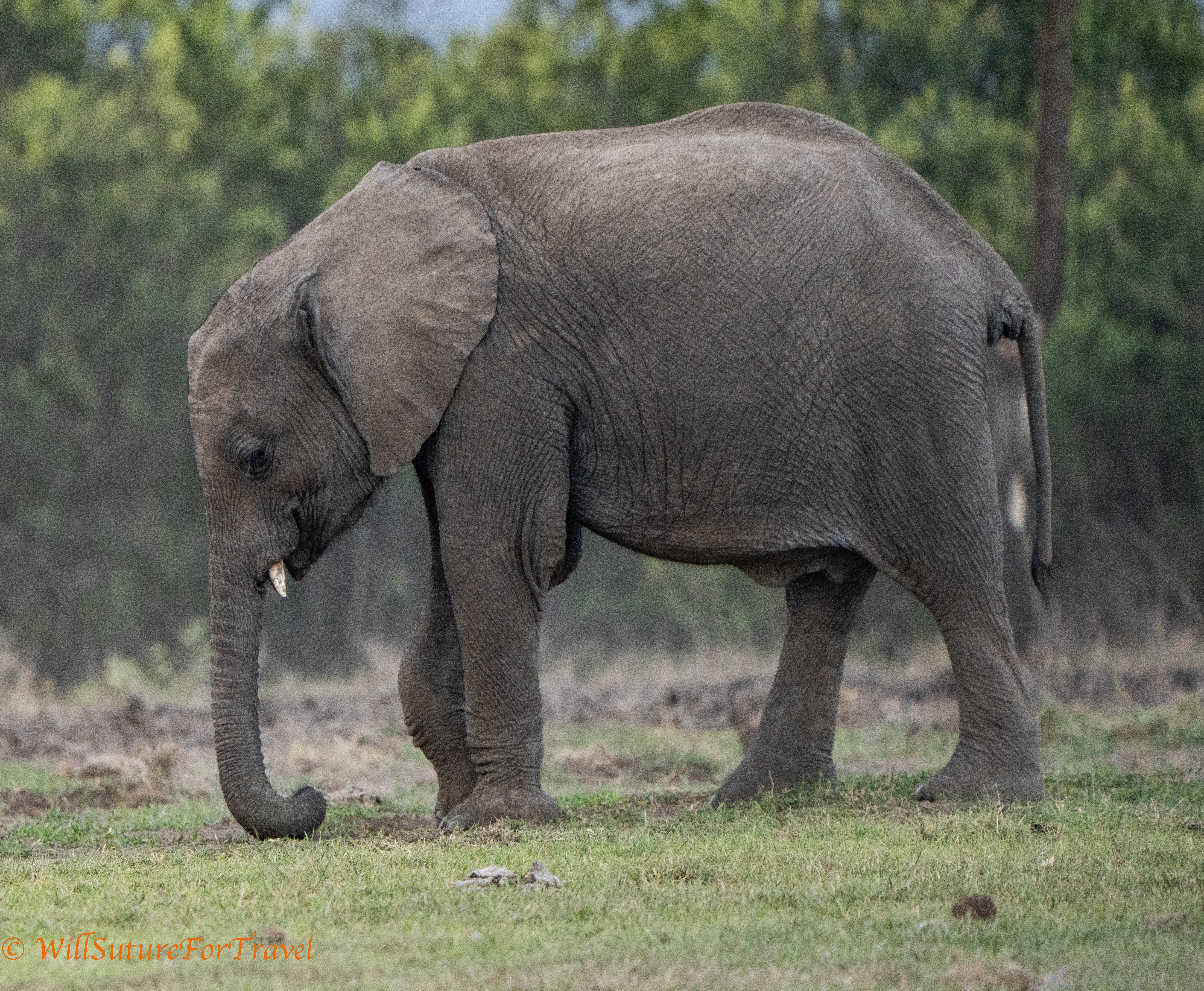
More elephants. They were using their feet to loosen up clumps of grass so that they could get them with their trunks.
Finally we came across a pair of lions. We followed them for a while.
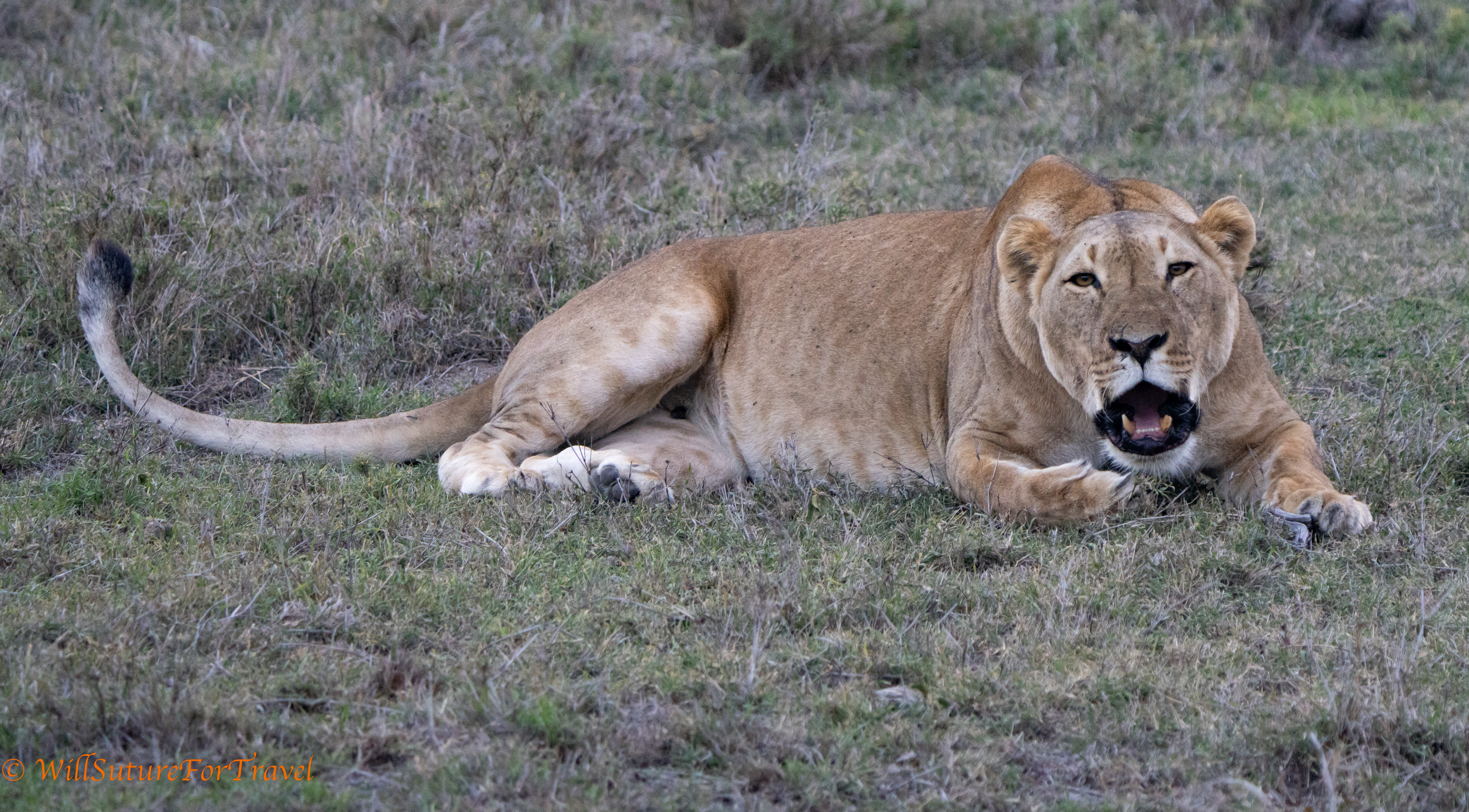
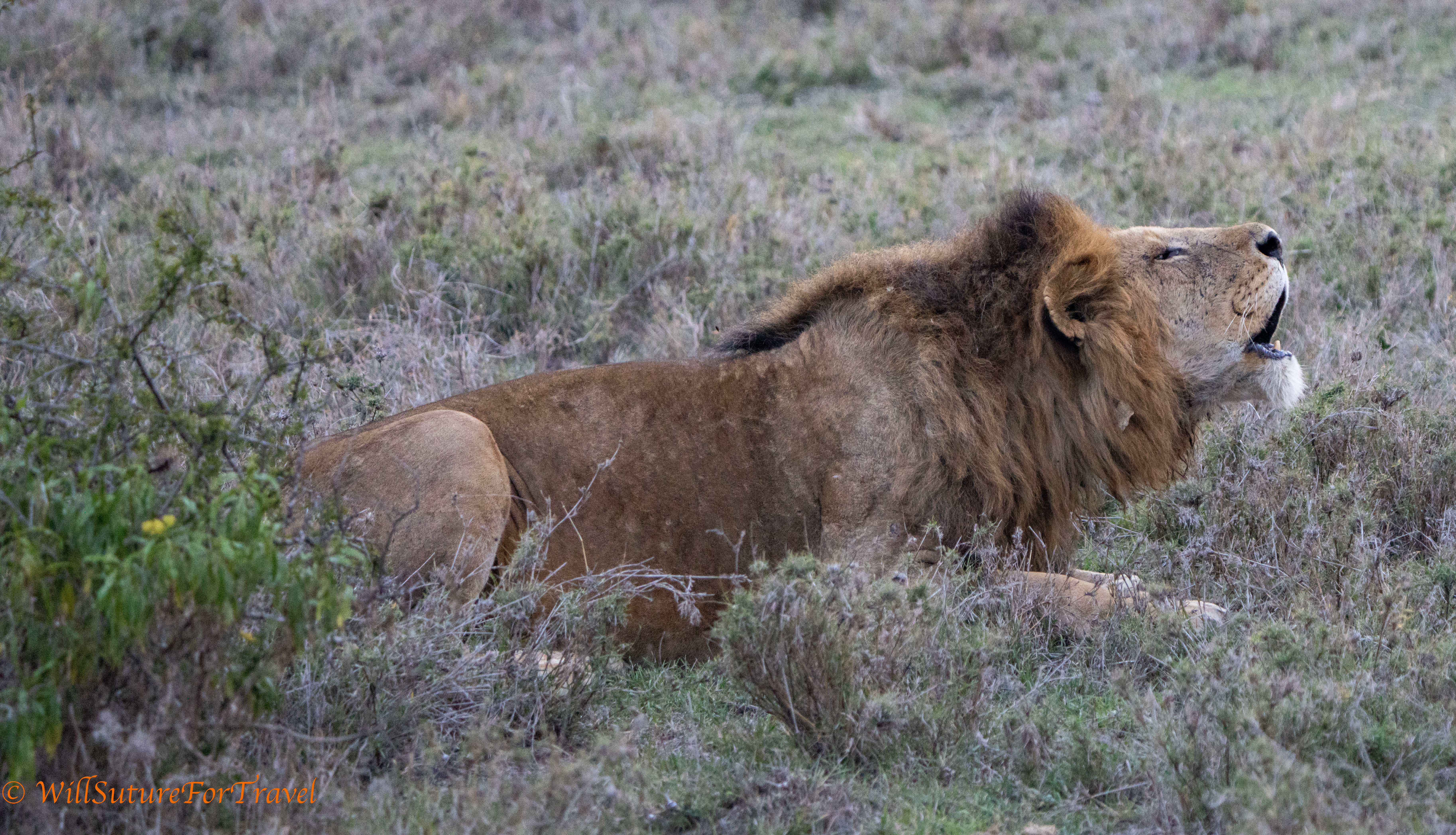
They began roaring and vocalizing to call to the rest of the pride.
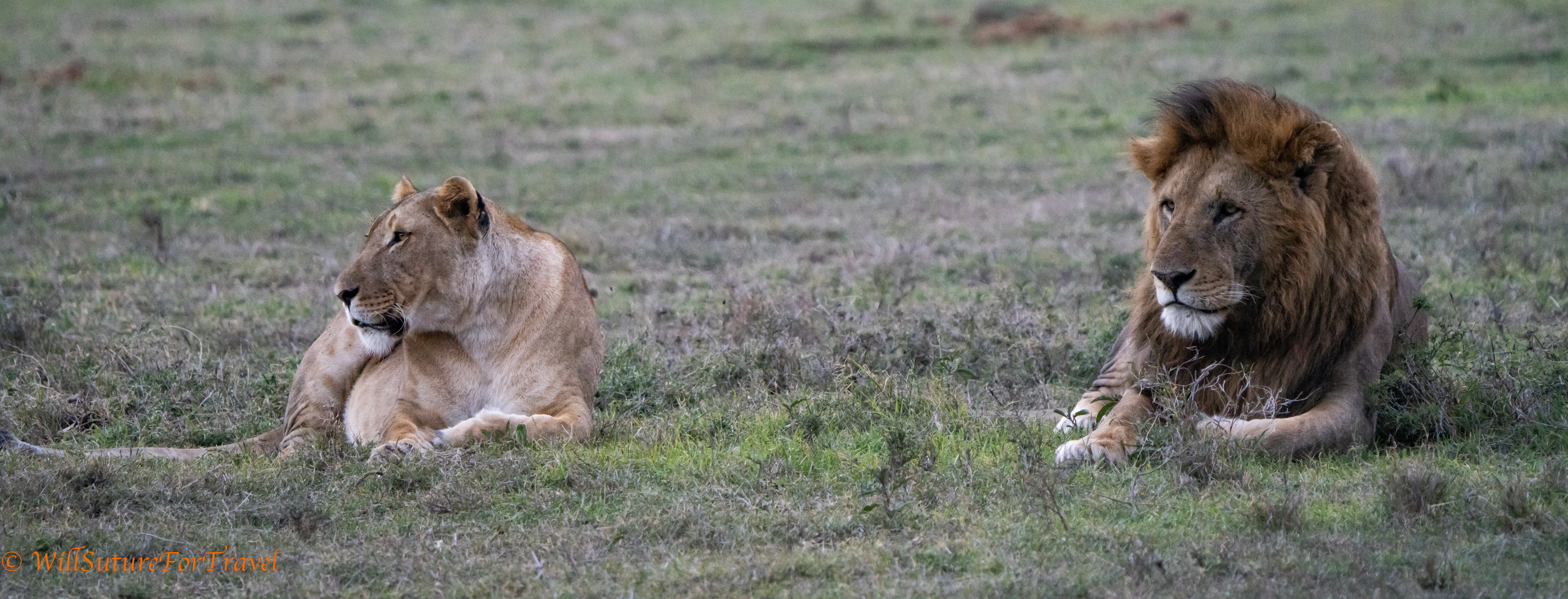
They finally found a spot to settle in, continuing to roar from time to time. During the afternoon drive we usually stop and get out to have some drinks and snacks. Today we had them in the truck while enjoying the company of the lions.
 Will Suture for Travel
Leave a comment