
Today we had a bus tour that took us to some sights around Lisbon.
We went out to the area of Belém to see a few things there. We started out at the Jerónimo’s Monastery. This monastery opened in 1495 and is built in the Portuguese Gothic Manueline style. This architecture style from the 16th century has maritime representations and styles incorporated into its motifs. The style was influenced by the successes of the Portuguese explorers and it was named for King Manuel I.
Cloister of the monastery.
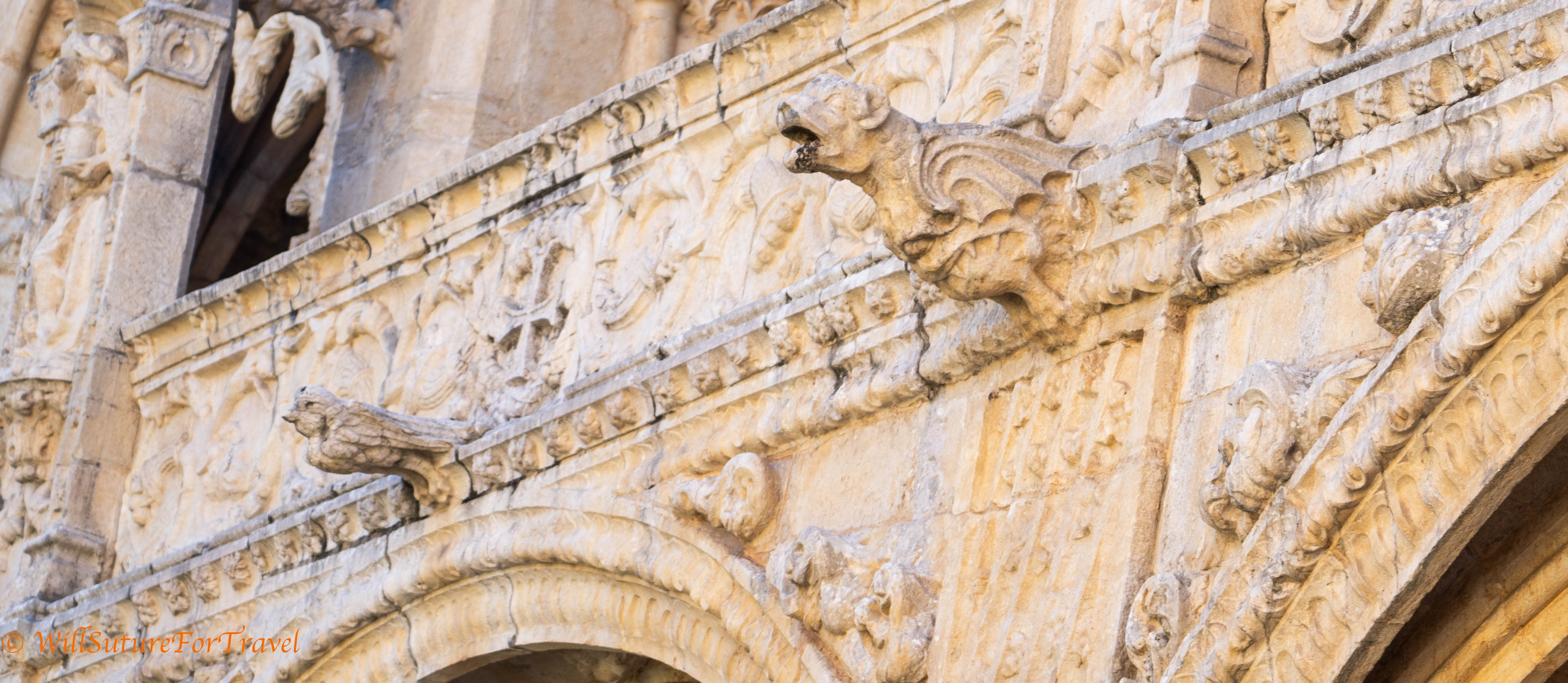
gargoyles
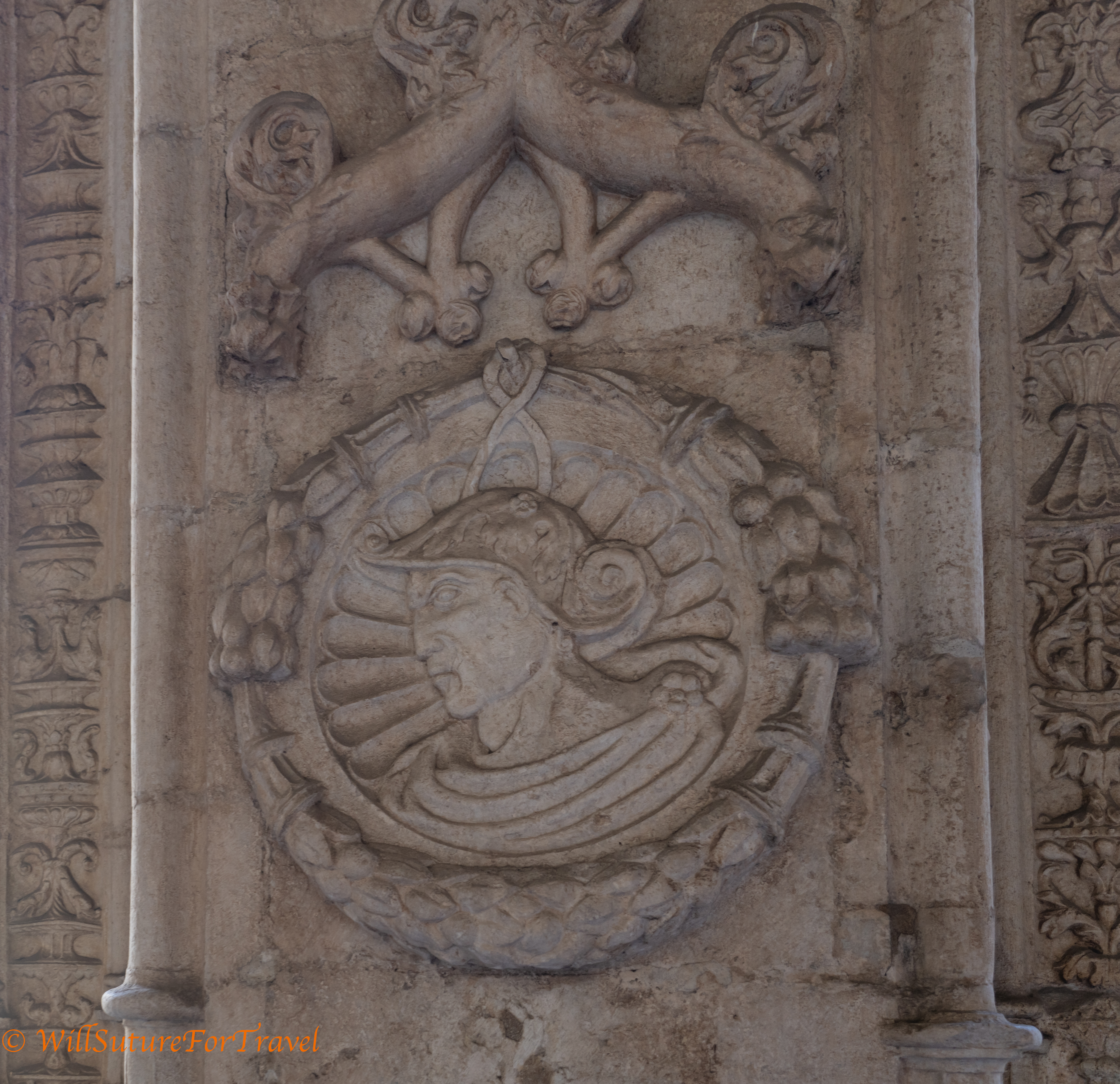
one of the explorers
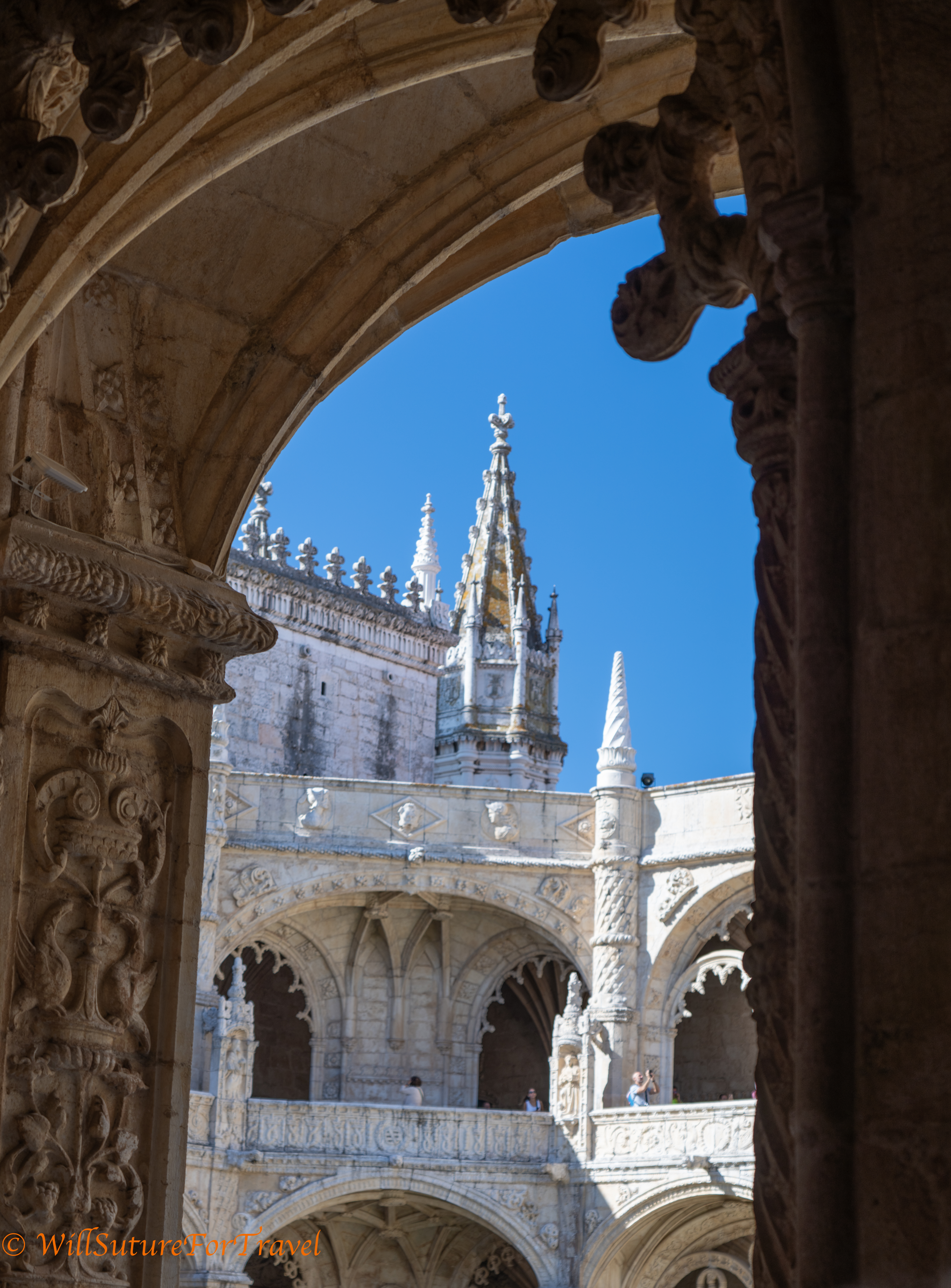
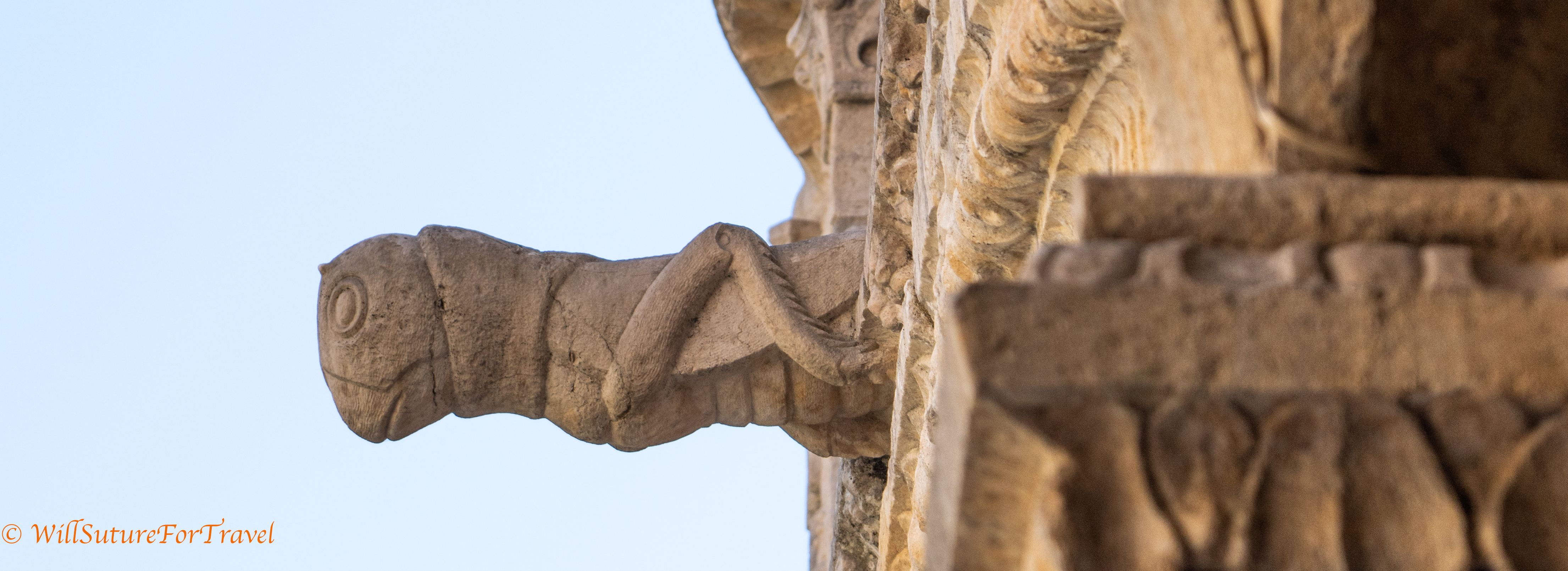
This gargoyle is a grasshopper
The dining hall with tiled walls
One of the tiled scenes
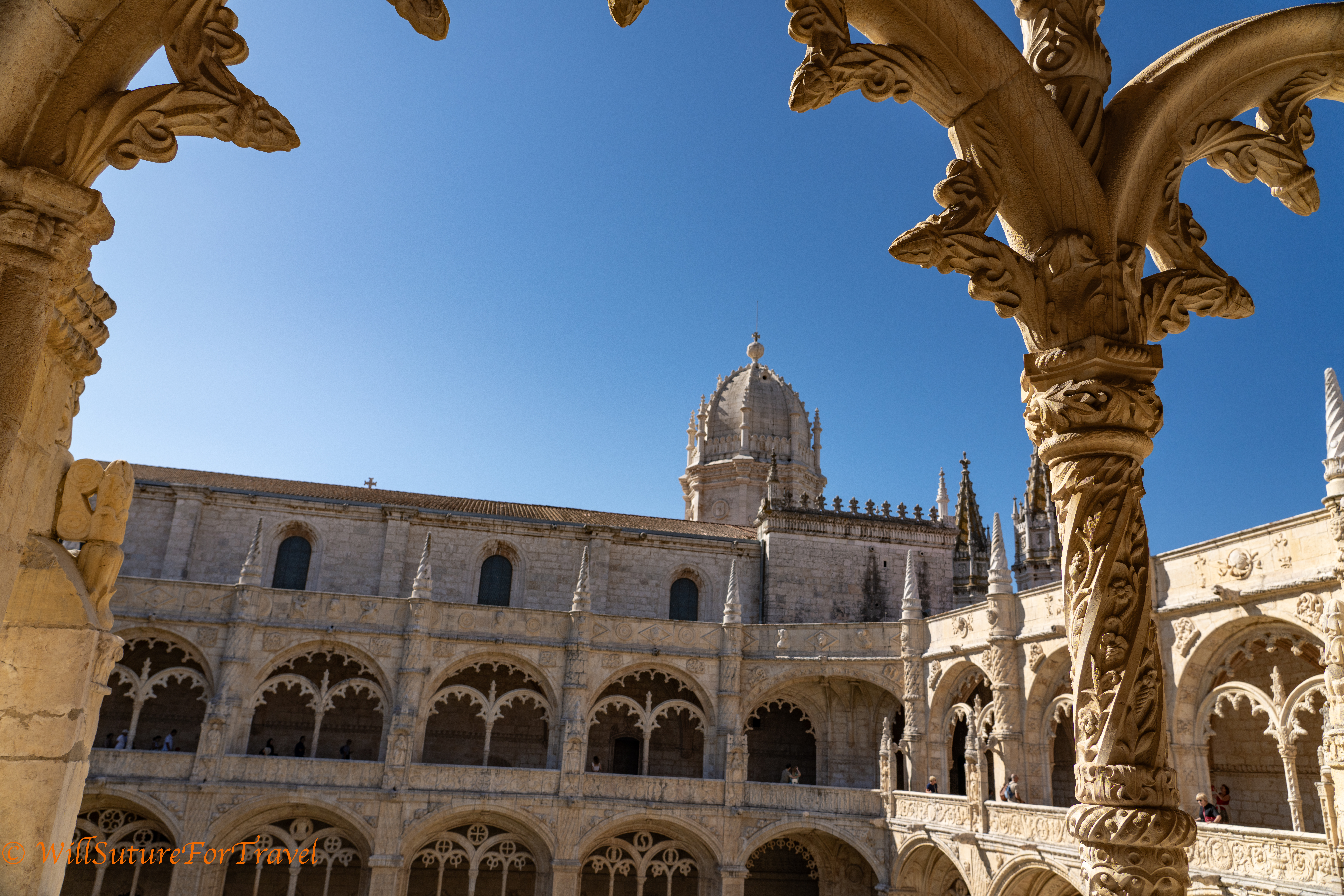
another view of the cloister
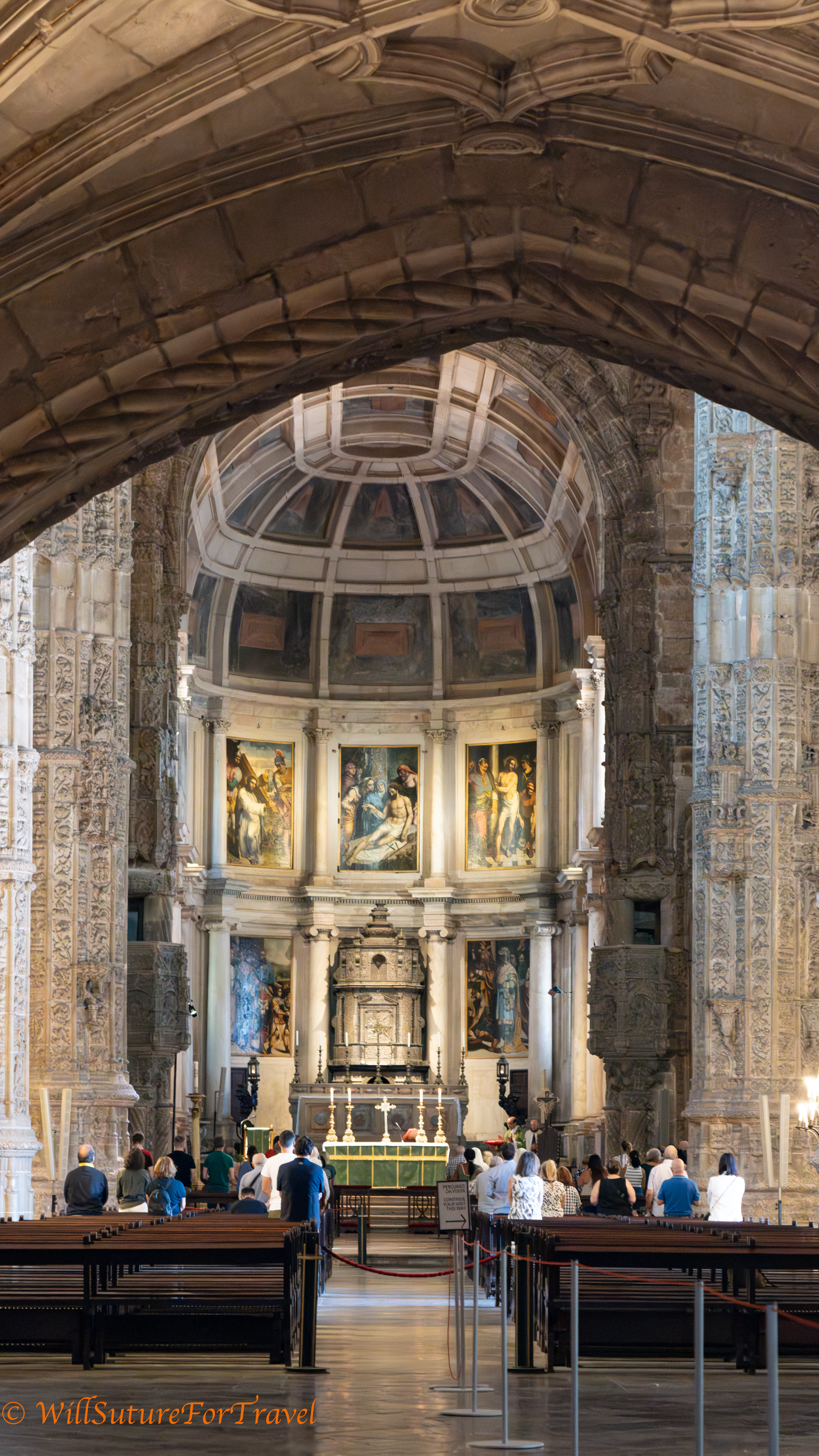
The church. We could not go inside as they were holding mass.
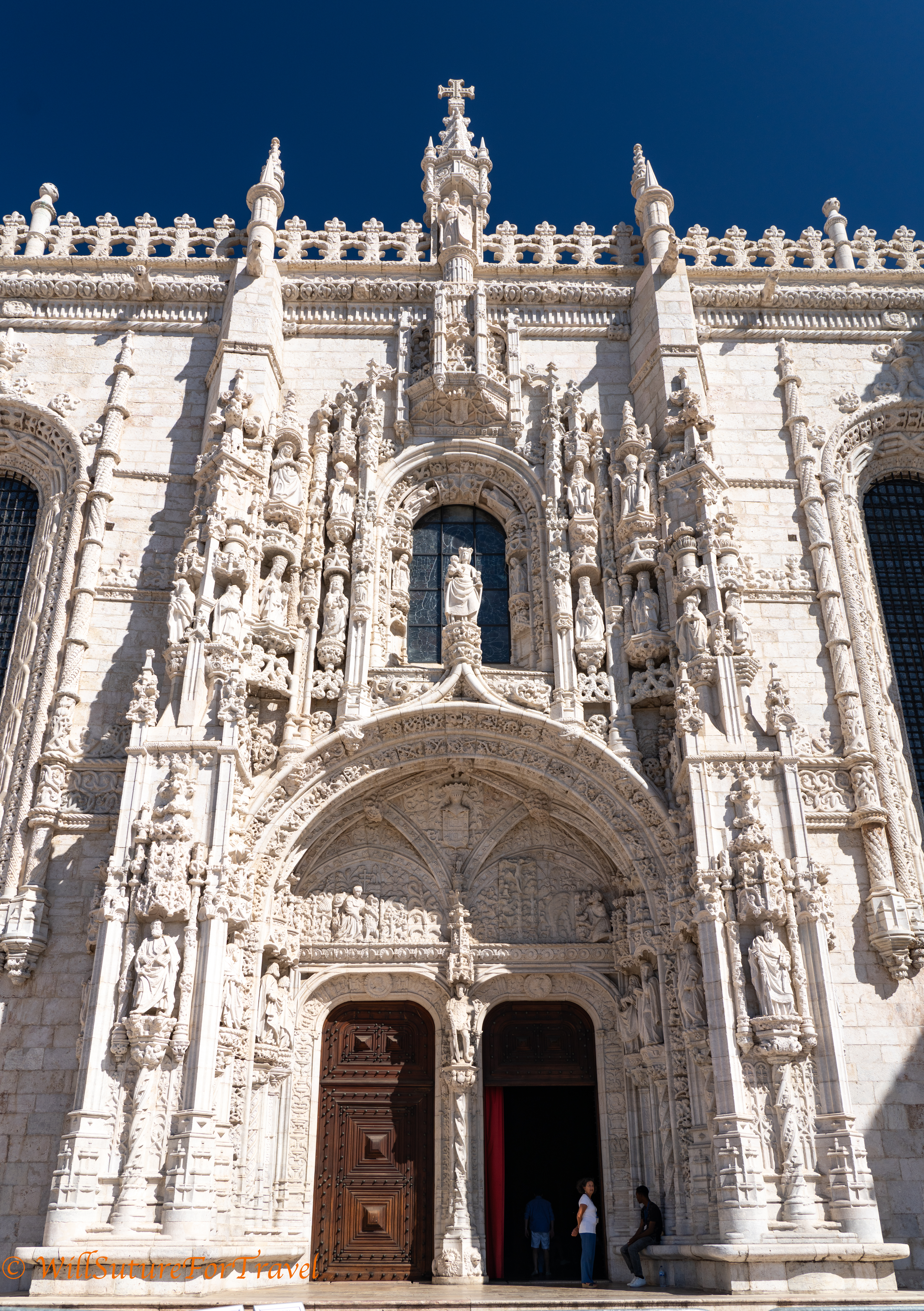
The outside of the church
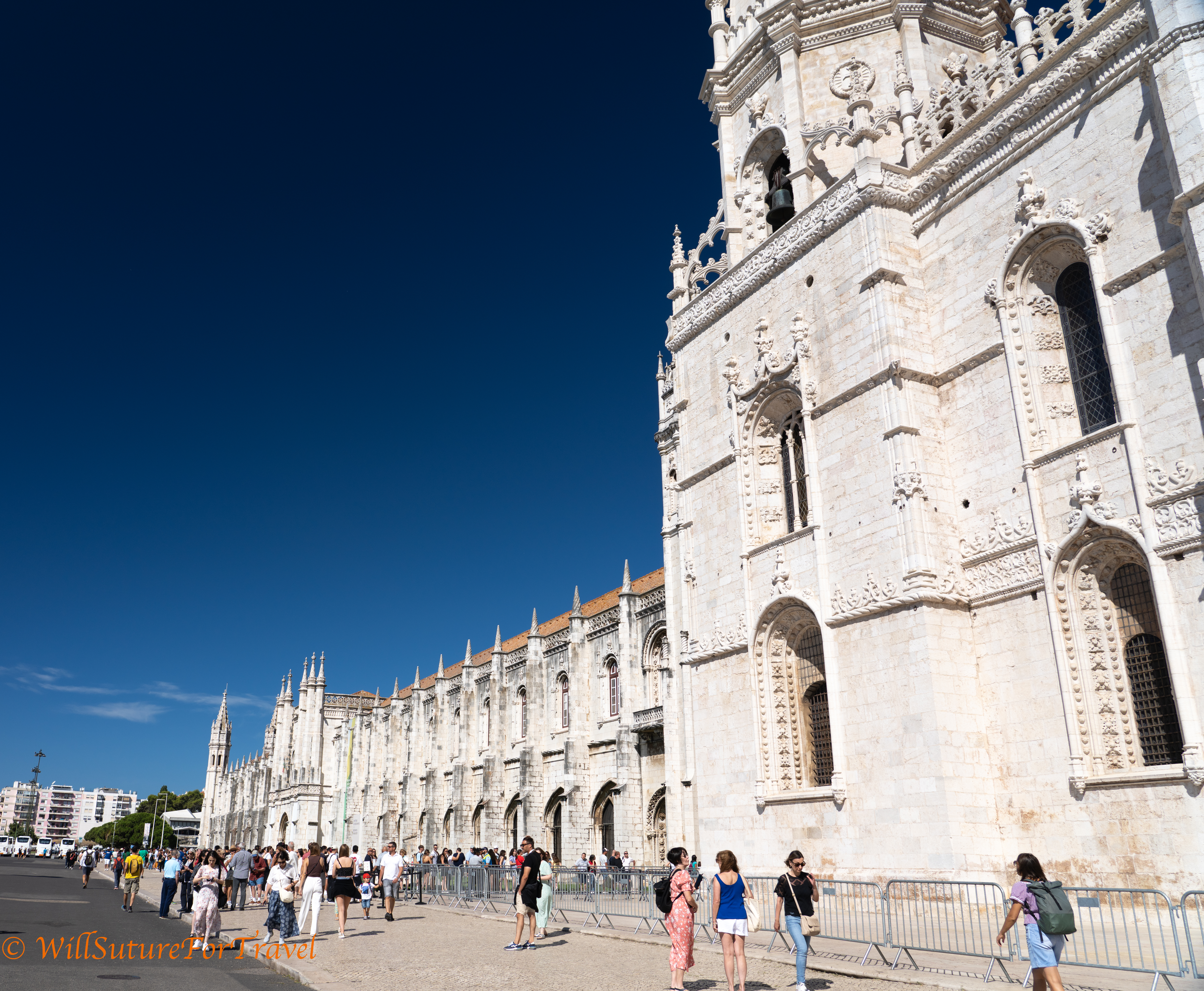
The outside of the church and monastery. There was a huge line of people waiting to get in when we came out.
We next visited the Belém Tower. This also was built in the Manueline style and was a ceremonial gateway to Lisbon and a place for Portuguese explorers to disembark as they sailed into the Tagus River.
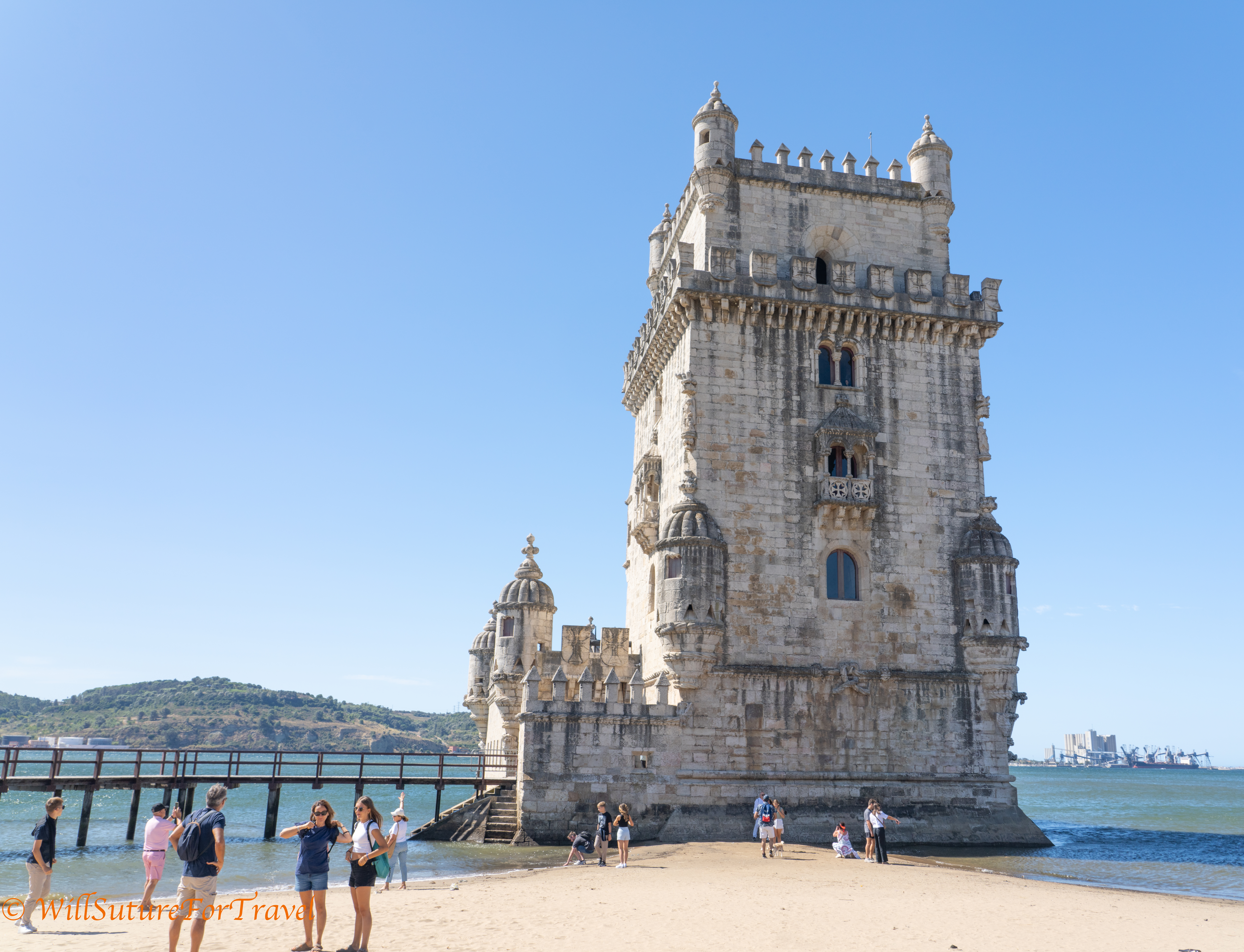
Belém Tower. This was originally completely out in the water of the Tagus River.
The last thing we visited in Belém was the Monument to the Discoveries. This massive statue (170 ft tall) sits facing the Tagus River and commemorates the 500th anniversary of the death of Infante Henry the Navigator. Henry was the 4th son of King John I of Portugal and is considered to be the main person to start and direct the age of discovery.
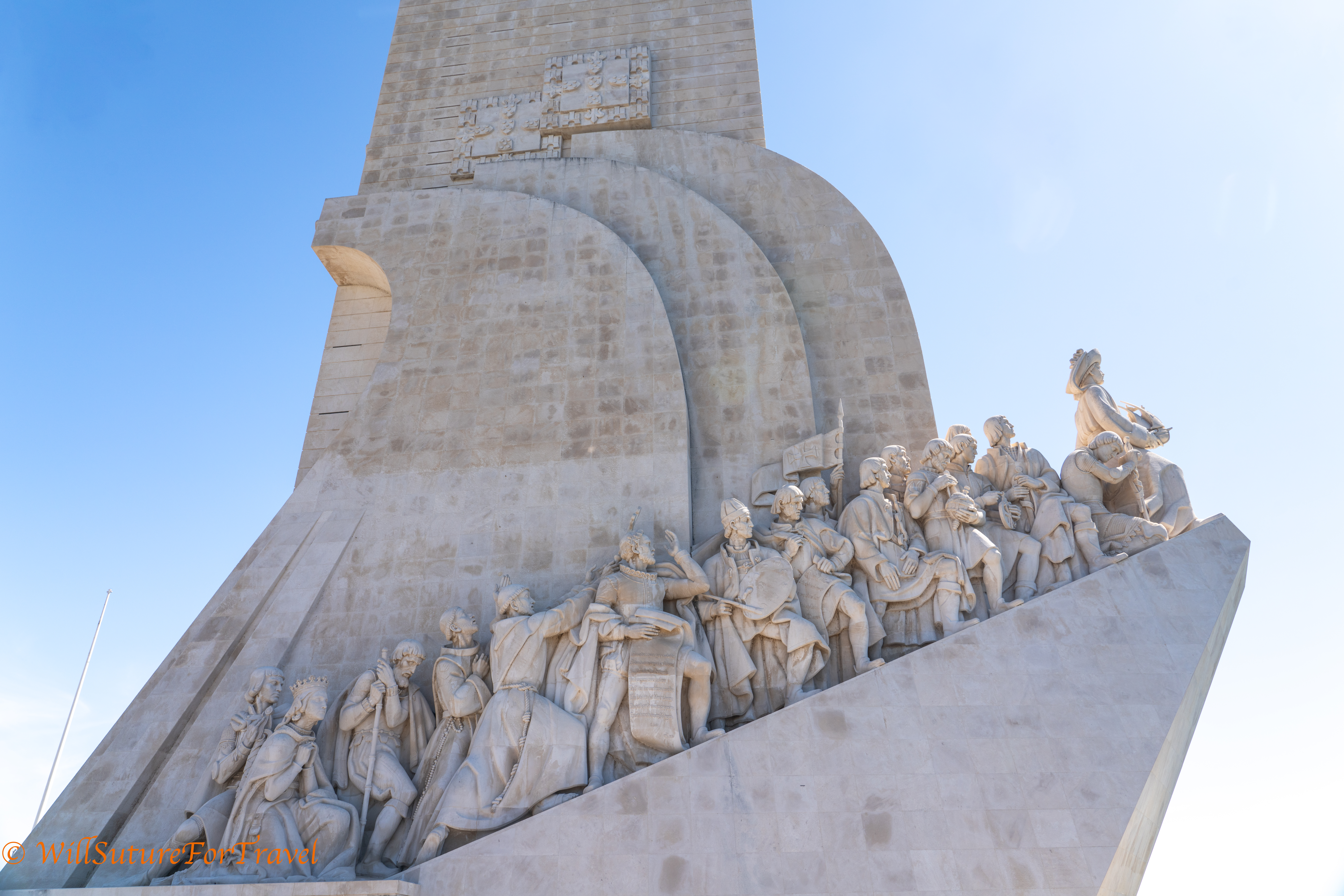
Henry the Navigator is at the head of the “ship” on the statue. There are a total of 32 other people represented on the 2 sides. On this side toward the left you see his mother, Philippa of Lancaster, included for her support. Two of his brothers are also depicted.
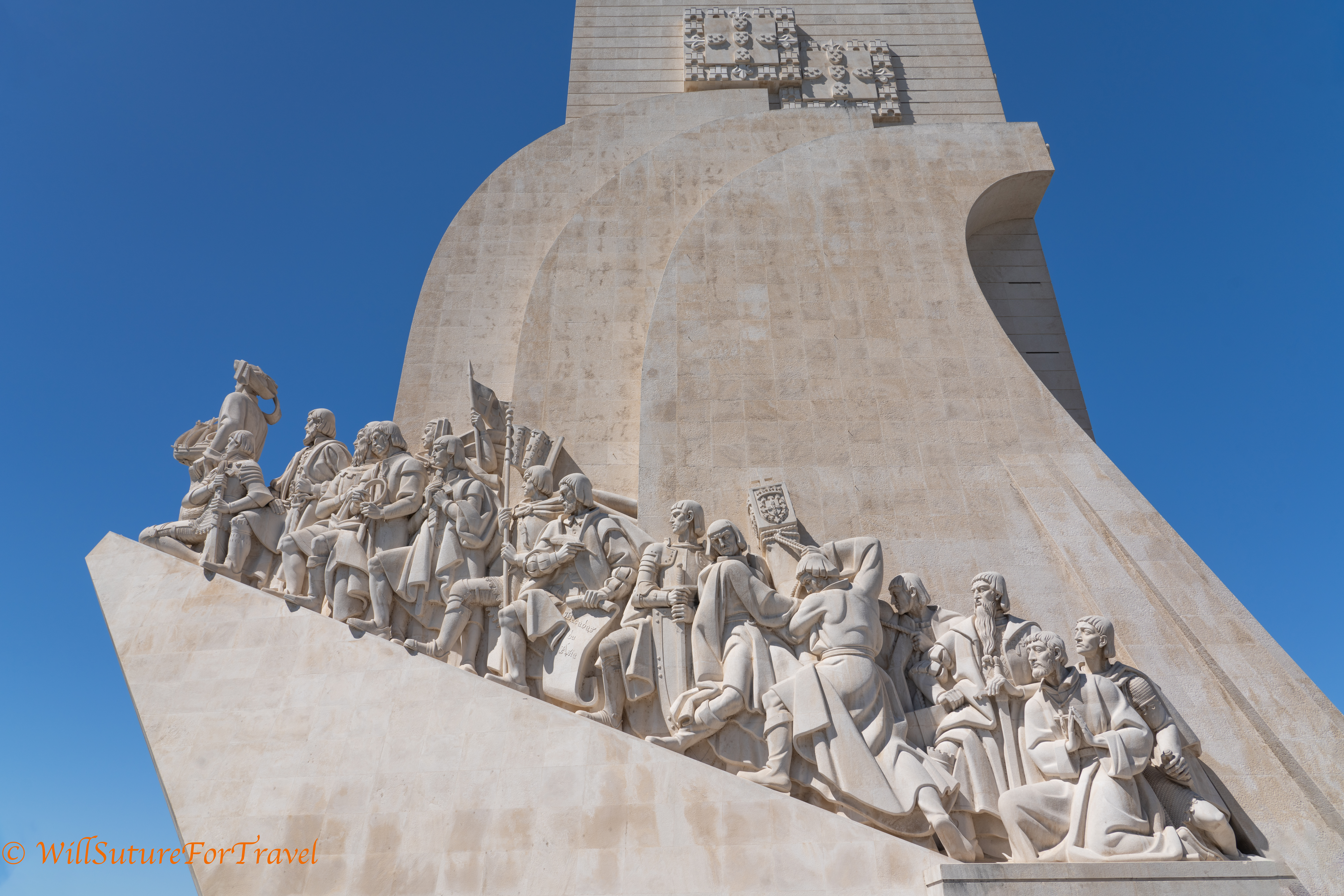
The other side of the monument. This side includes Vasco de Gaia and Ferdinand Magellan.
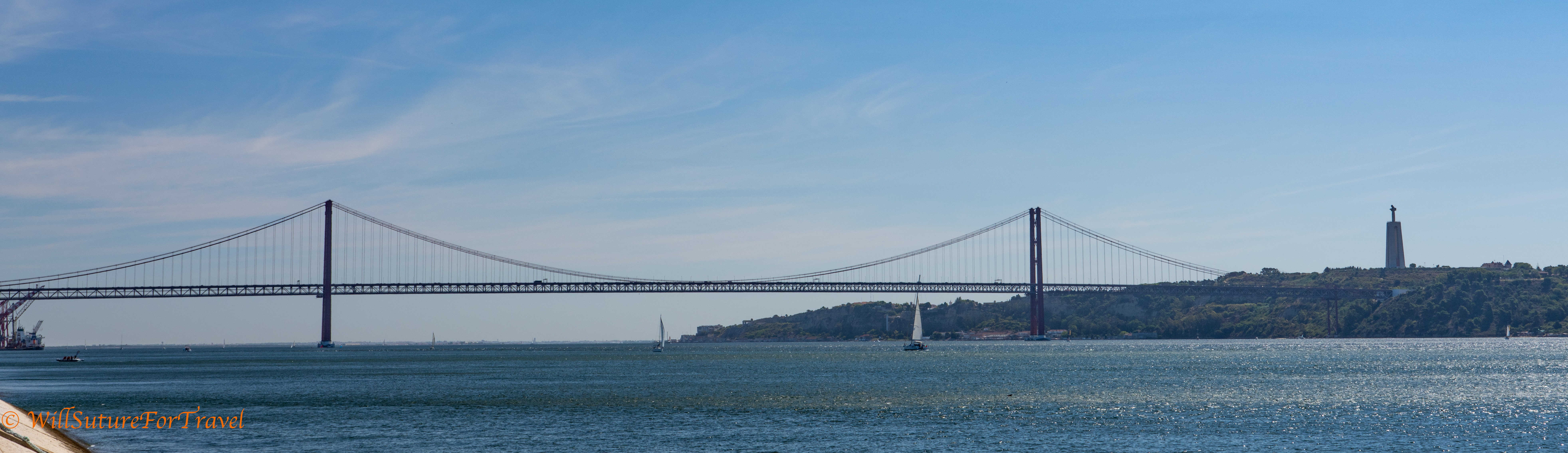
25th of April Bridge. This connects Lisbon to Almada, crossing the Tagus River. It was constructed by the same company that worked on the San Francisco Bay Bridge and closely resembles it. On the right is Lisbon’s version of Christ the Redeemer, called Christ the King.
We returned to Lisbon and wandered around the old city seeing various things.
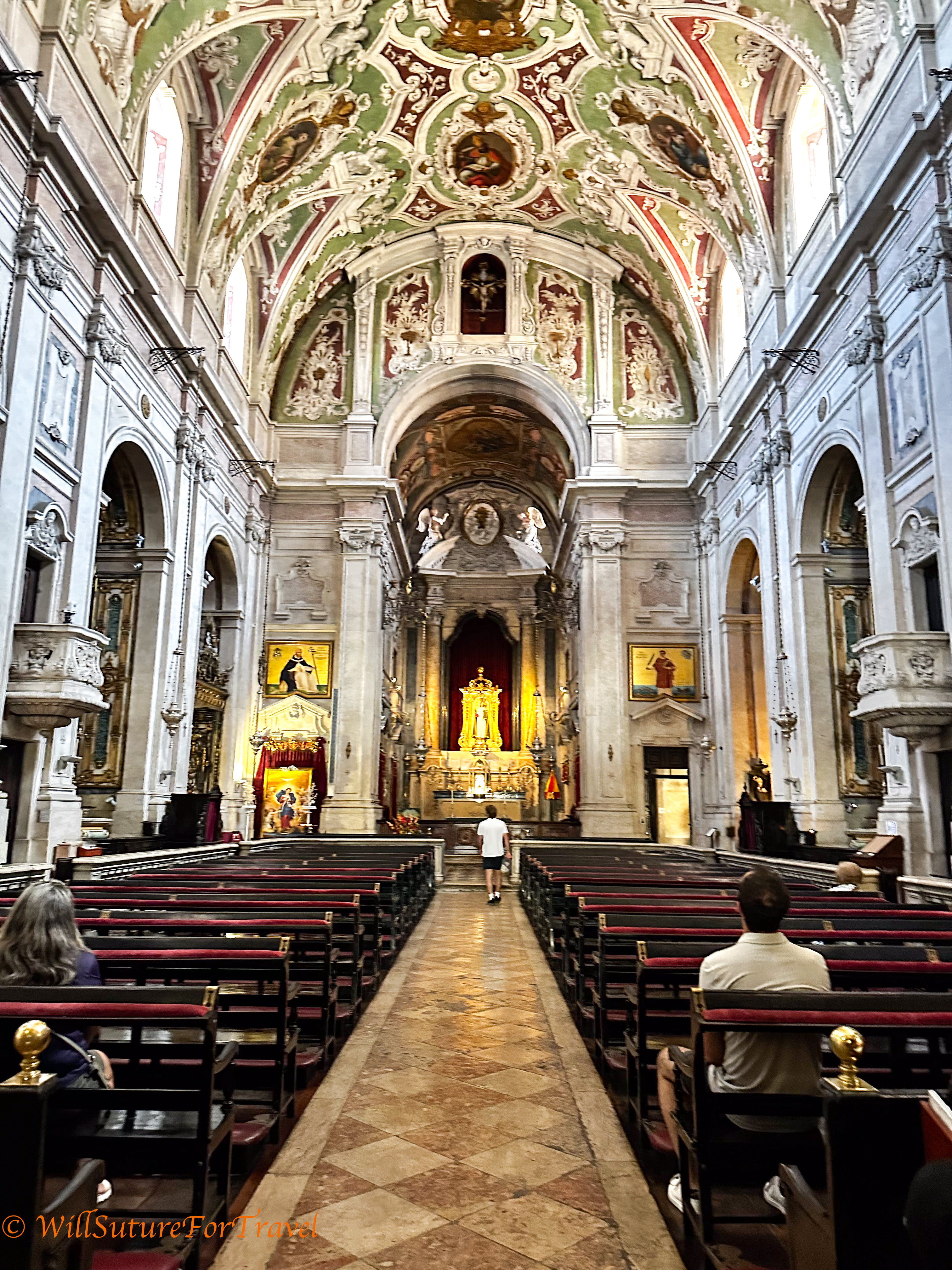
We came across the Church of the Martyrs which was originally built in 1147 as a crusader church, destroyed in the 1755 earthquake, and rebuilt in 1784.
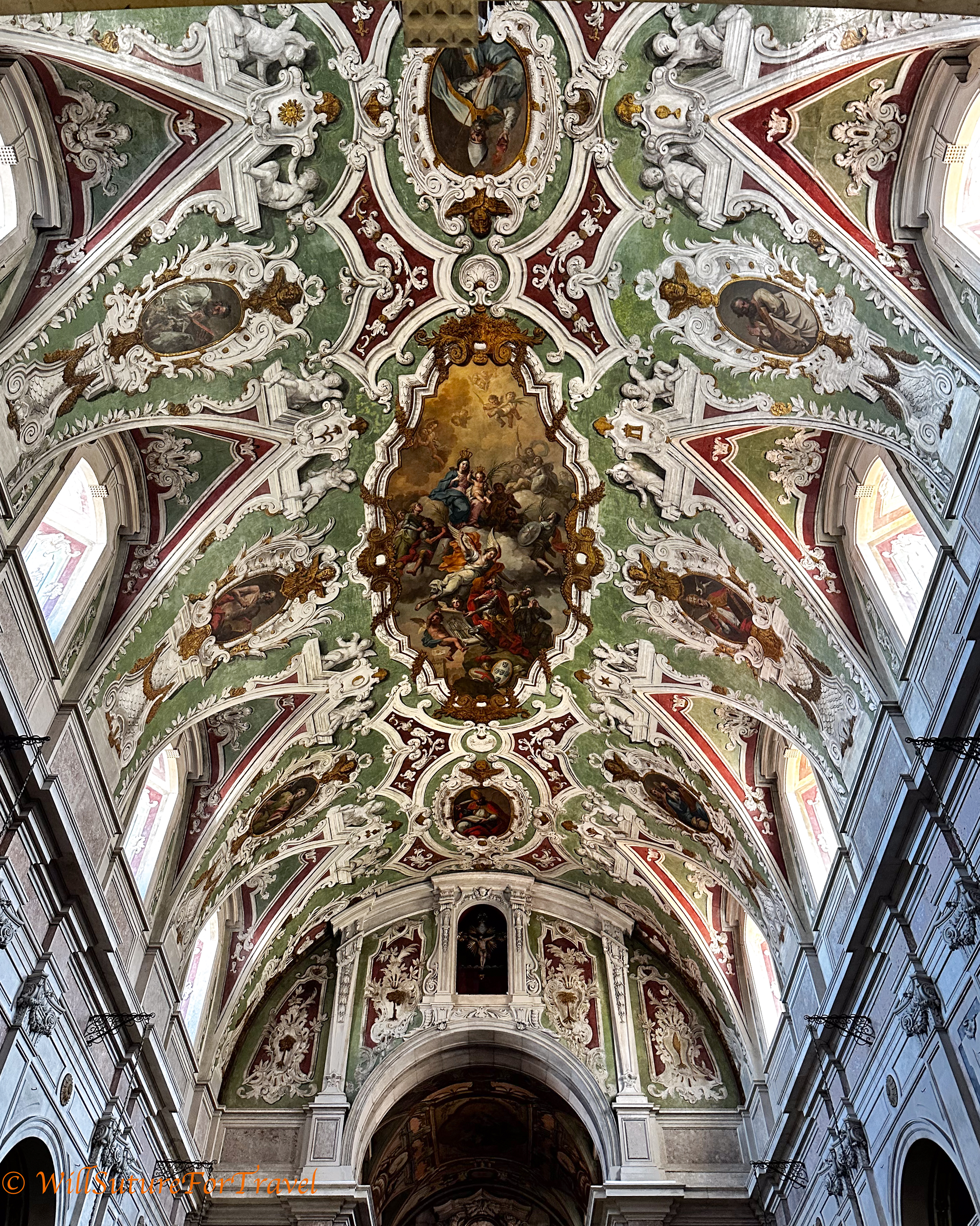
The ceiling of the church was painted by the Portuguese Rococo painter Pedro Alexandrine de Carvalho.
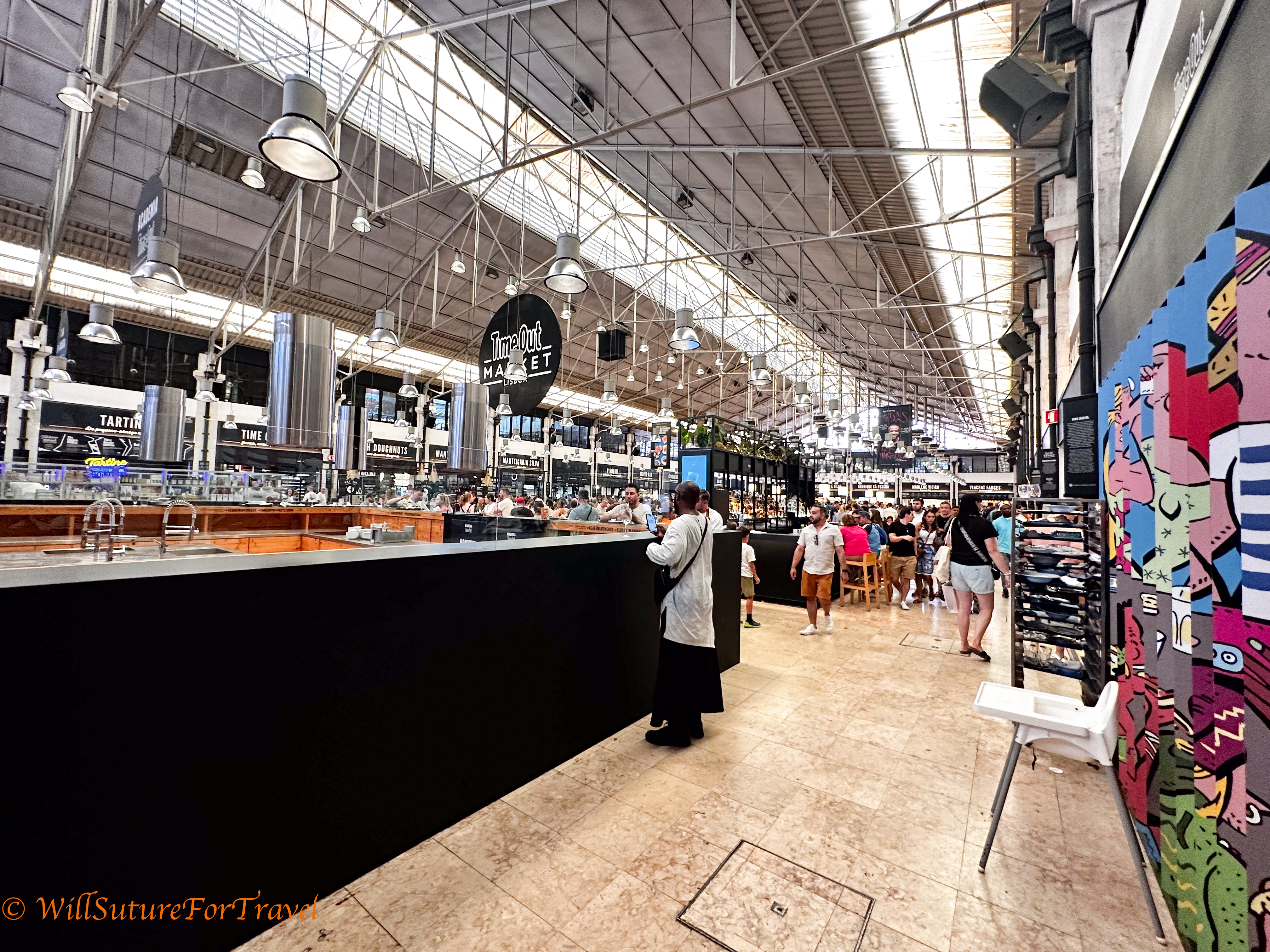
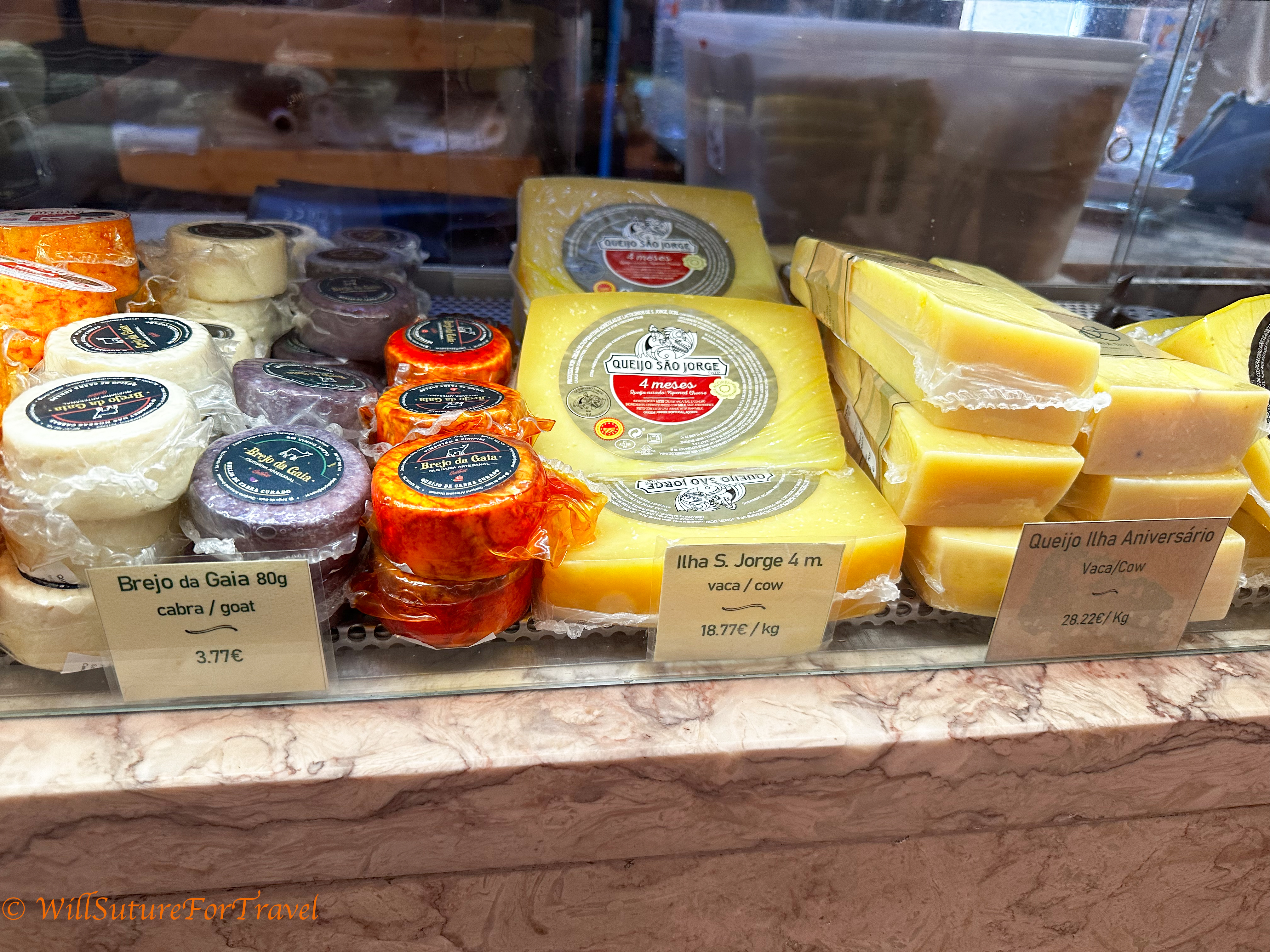
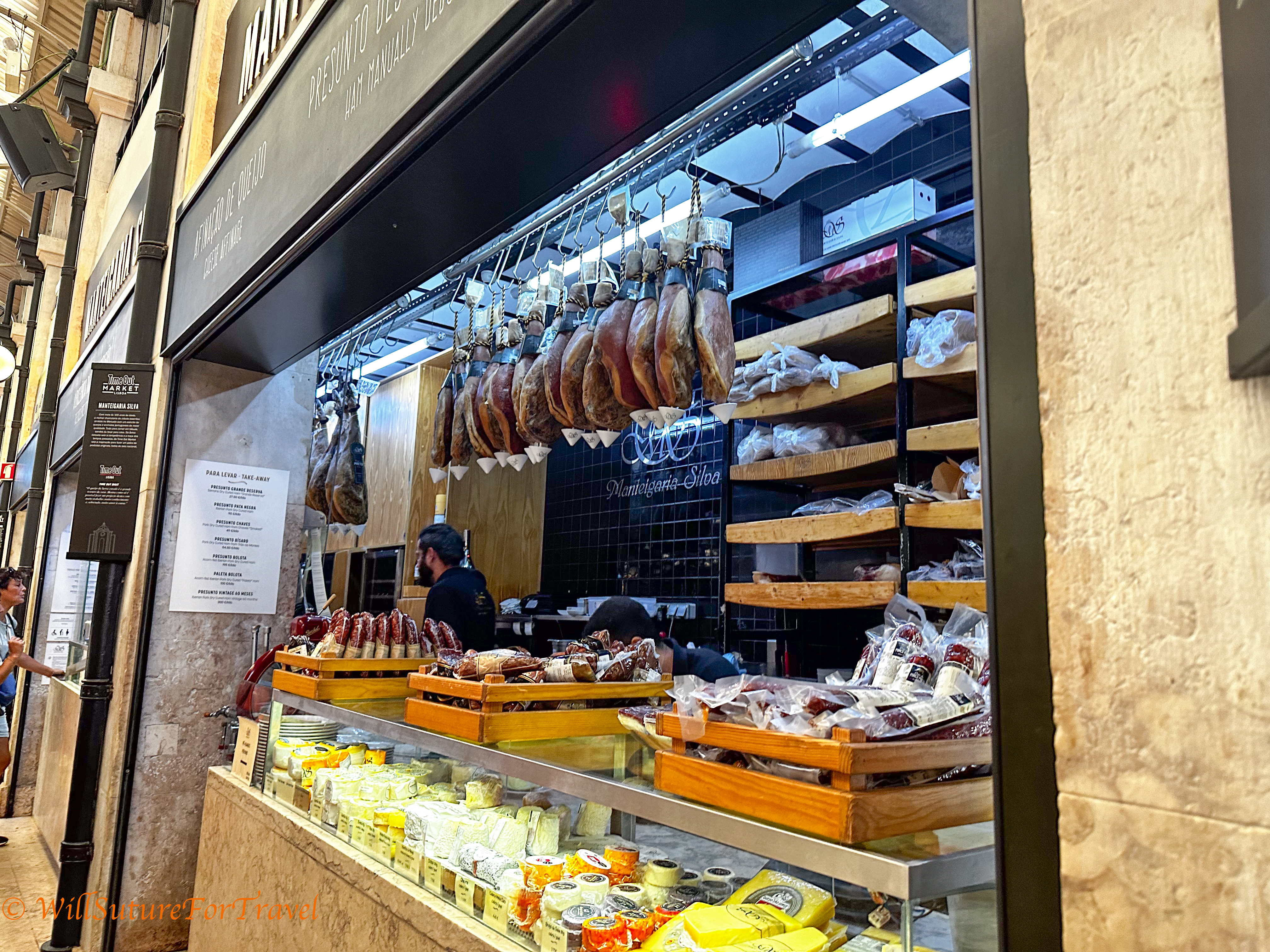
We went down to check out the Time Out Market, which is a large food hall. It was mobbed. It has a bunch of local food options along with a meat and cheese market, flower, and other vendors.
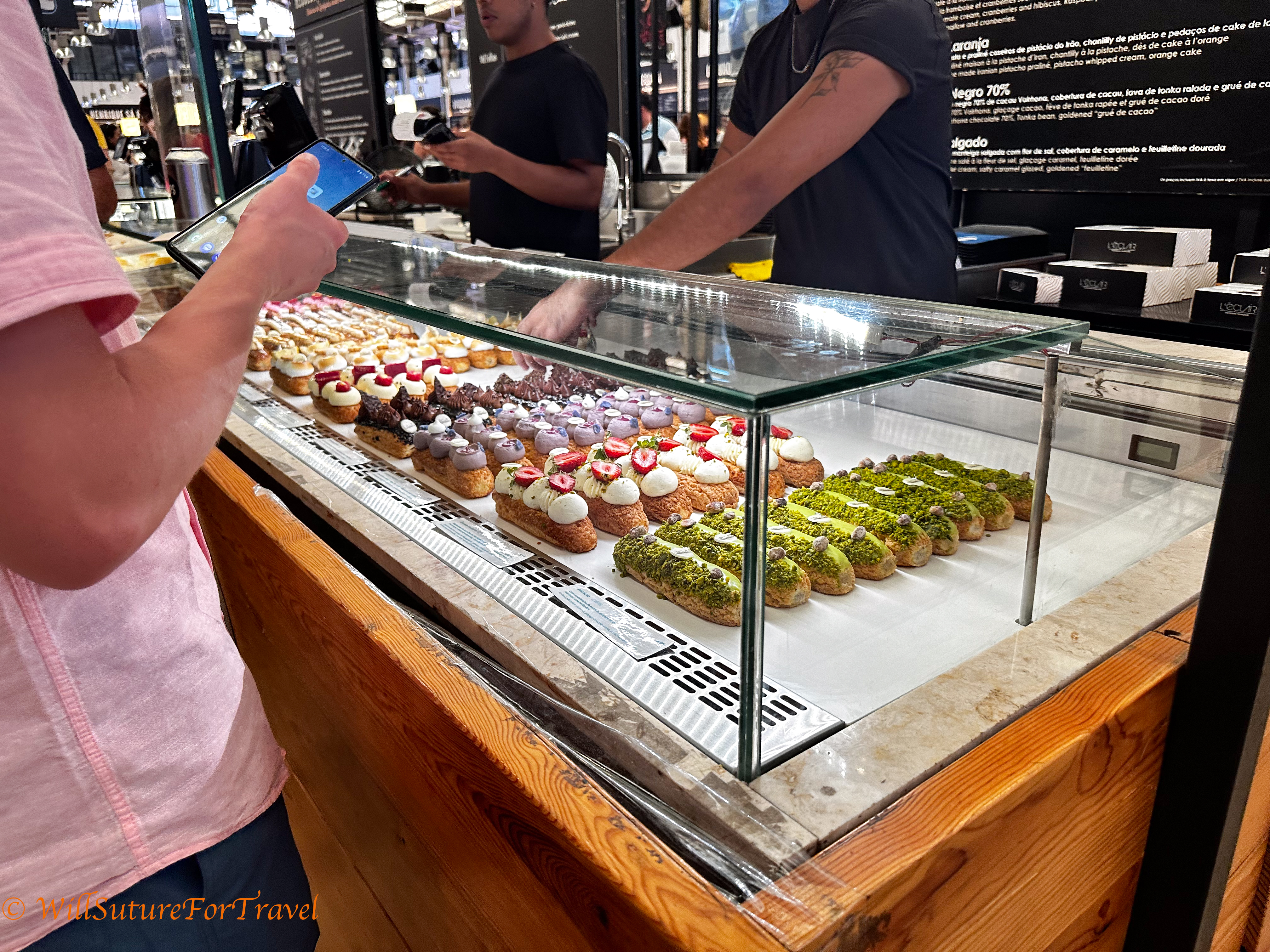
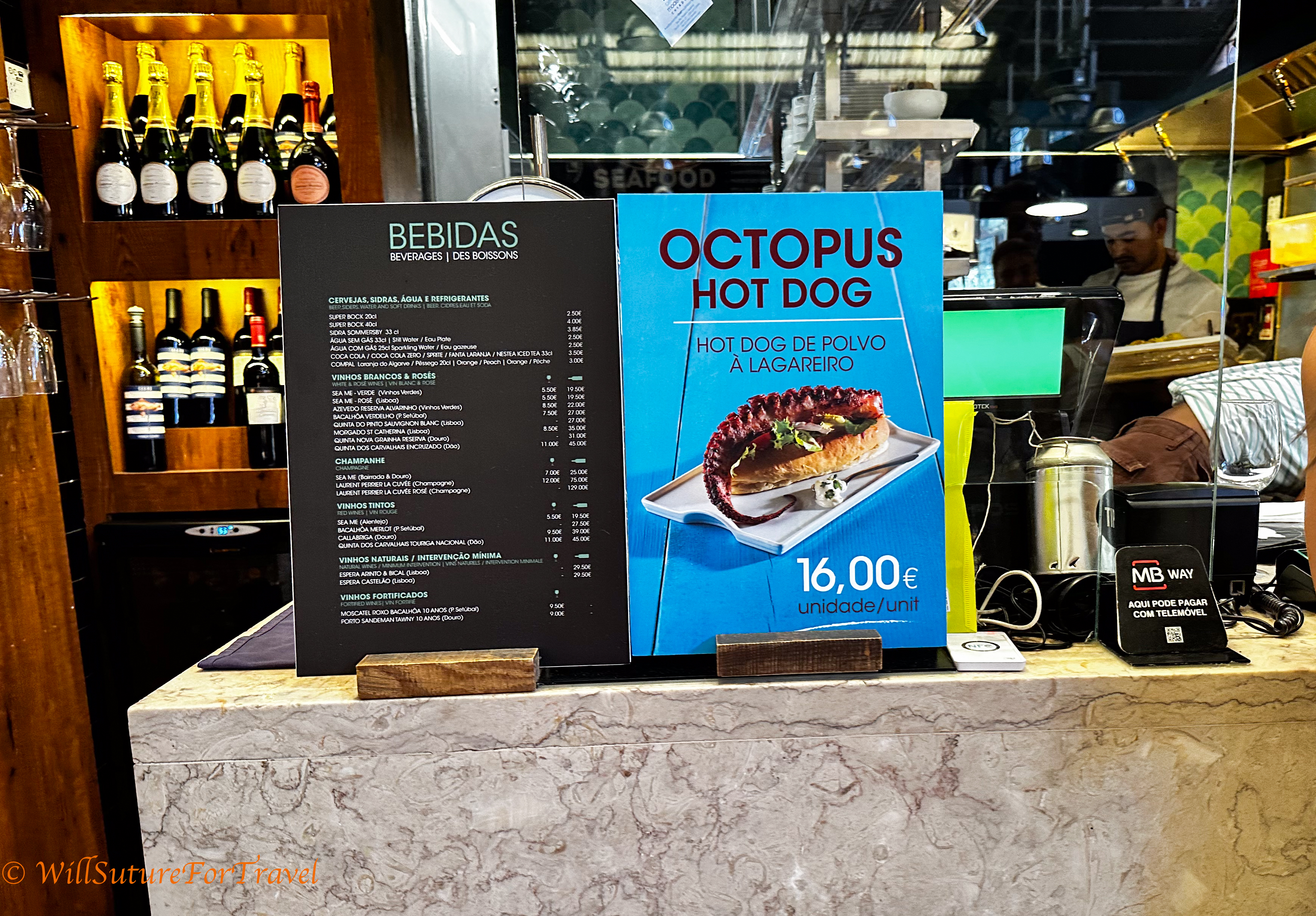
I’m not sure this meets the definition of a hot dog.
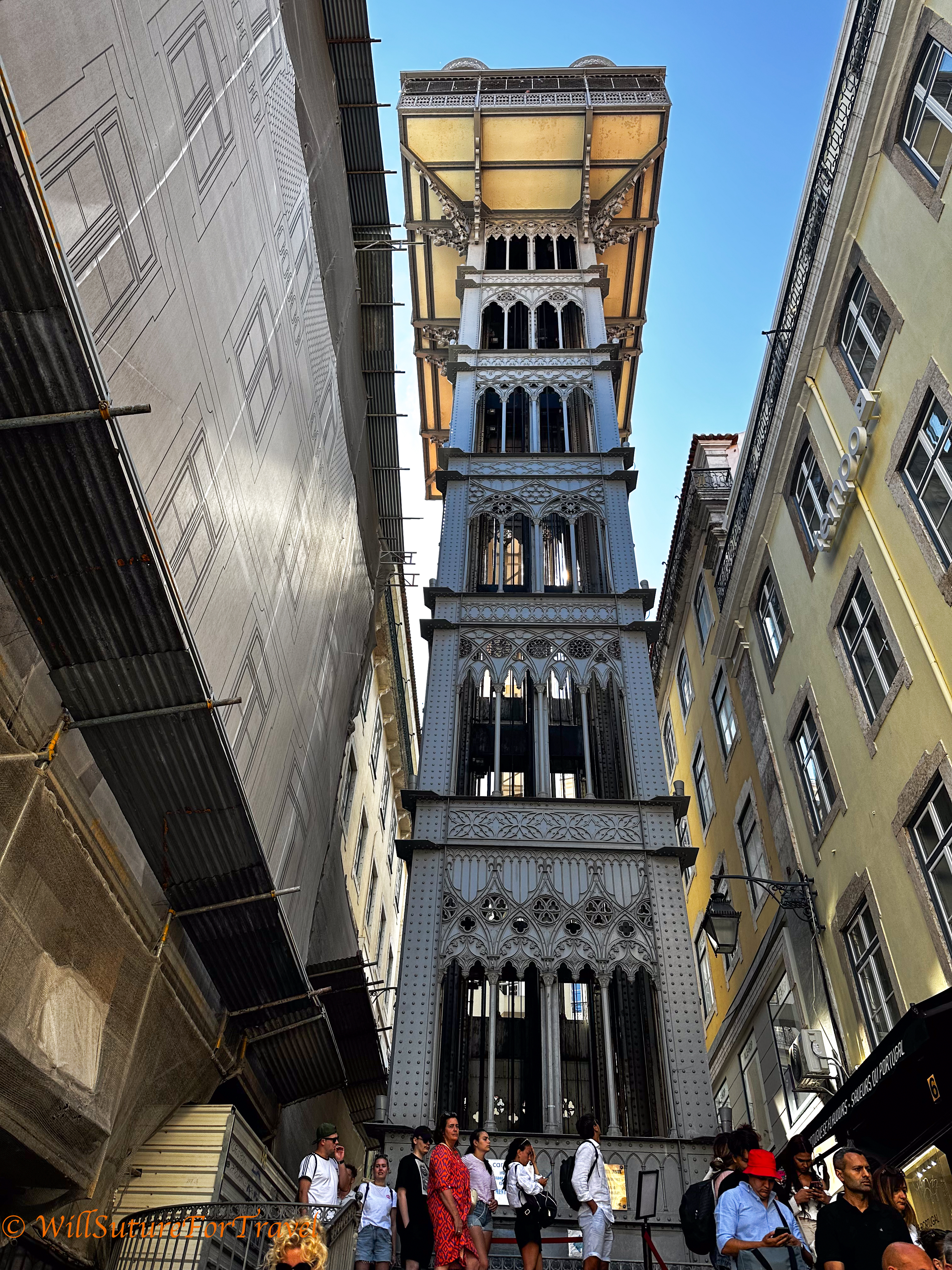
On the way back into the main part of town we made a closer pass by the elevator, which amazingly did not have a long line.
 Will Suture for Travel
Leave a comment