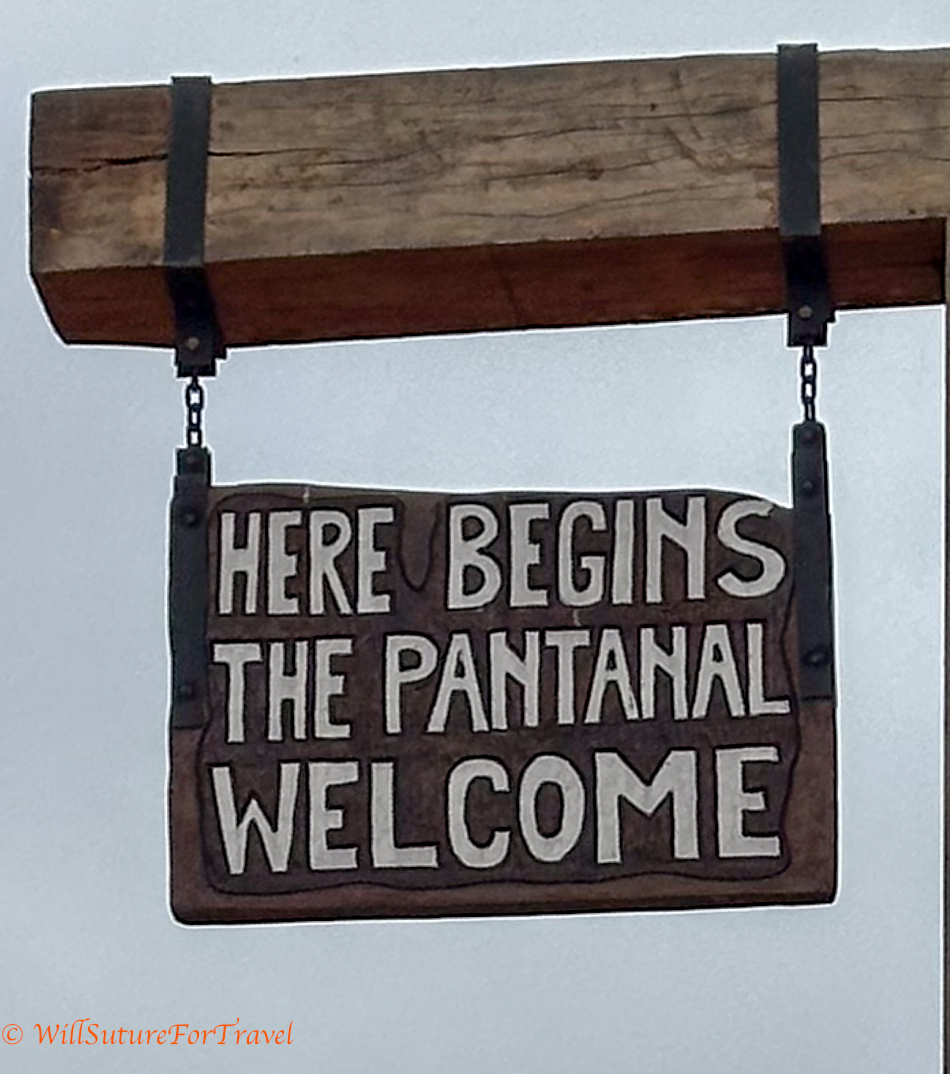
This morning we headed from Cuiabá to Pantanal. This involved a 2 hr drive on paved roads followed by a 1.5 hr drive on non-paved roads past the nearest town.
The Pantanal is the largest tropical wetlands and grasslands in the world. Most of it is located in Brazil, with some extending into Bolivia and Paraguay. During the rainy season, most of this area is submerged under water. We are here near the end of the dry season. The Pantanal ecosystem is very diverse with more than 225 species of mammals, 450 species of birds, 250 species of fish, 130 species of reptiles and amphibians, and 9,000 subspecies of invertebrates.
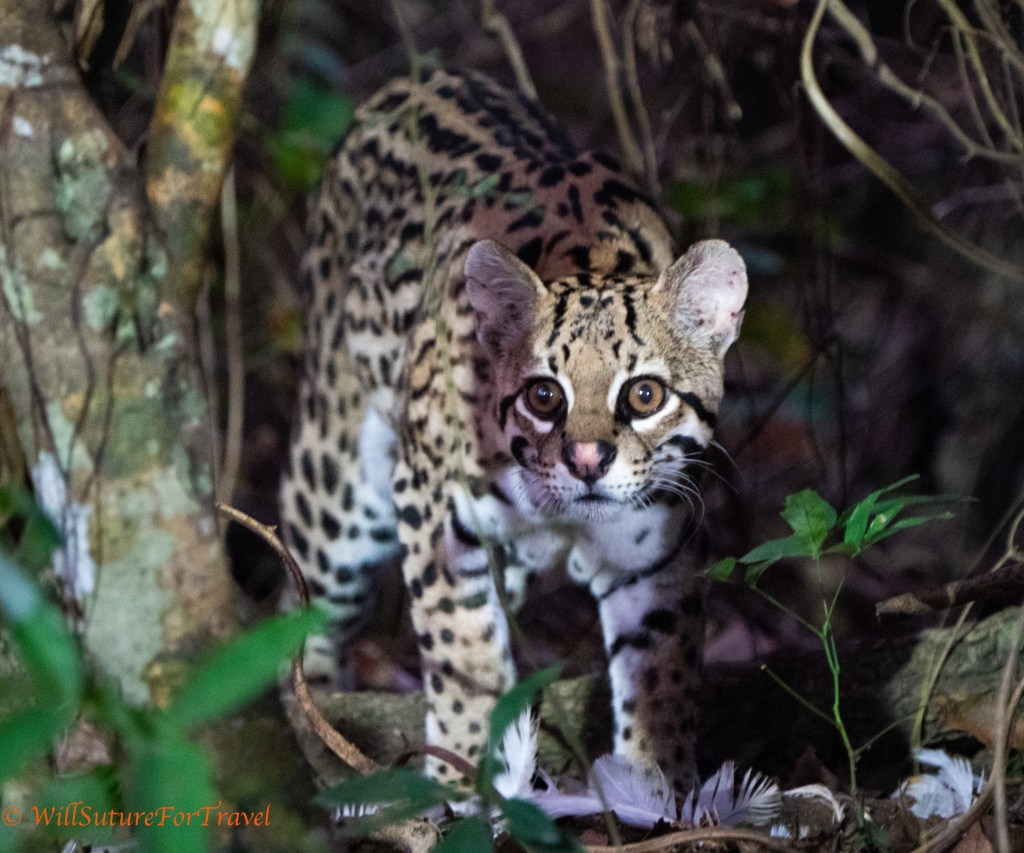
We chose to come here because there are jaguars and ocelots. All of the other animals are a bonus.
Some of the wetlands on our drive in.
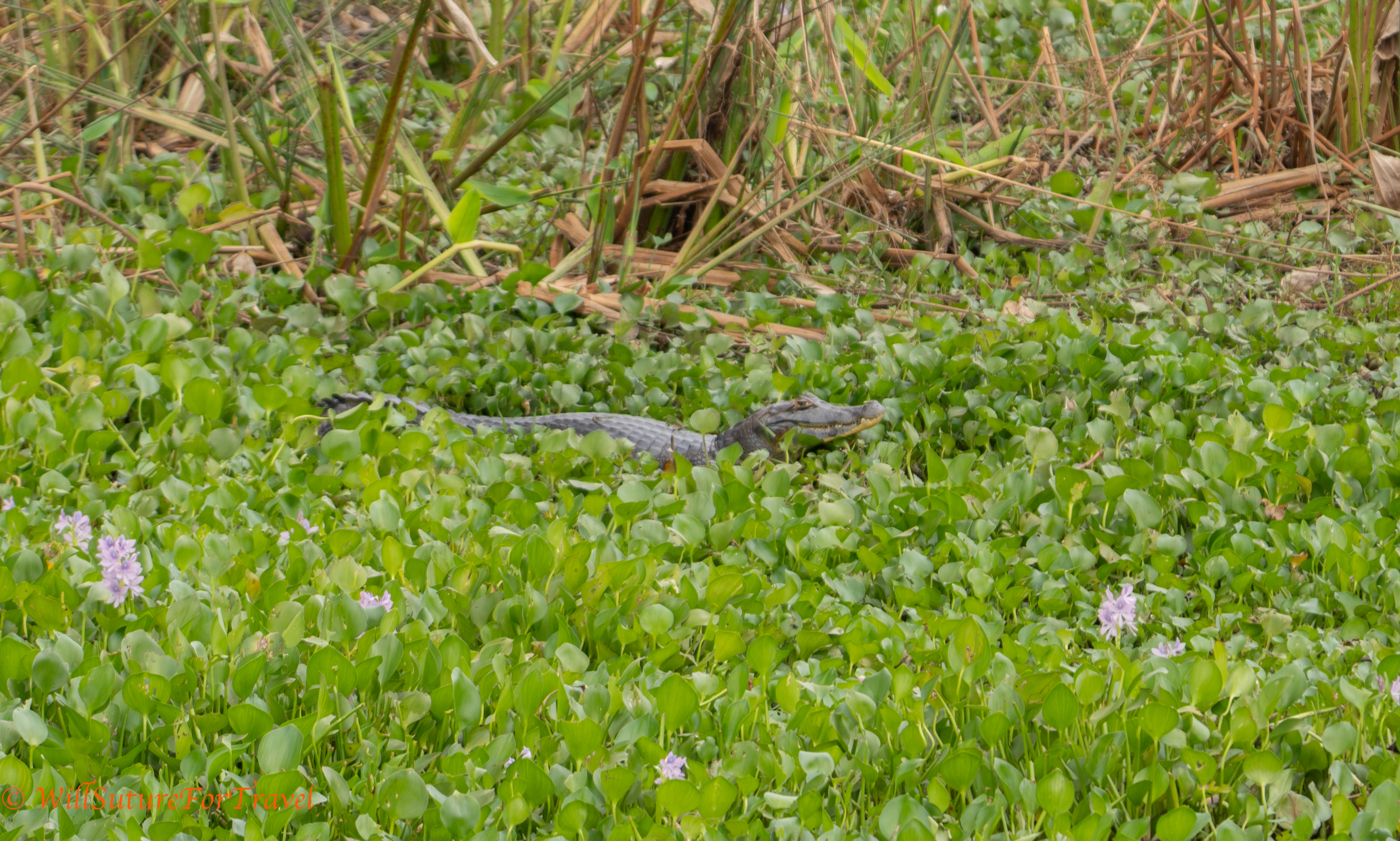
There were a bunch of Yacare caiman in there. These grow 6-9 feet long including the tail and they eat small fish, snails, and occasionally small land mammals.
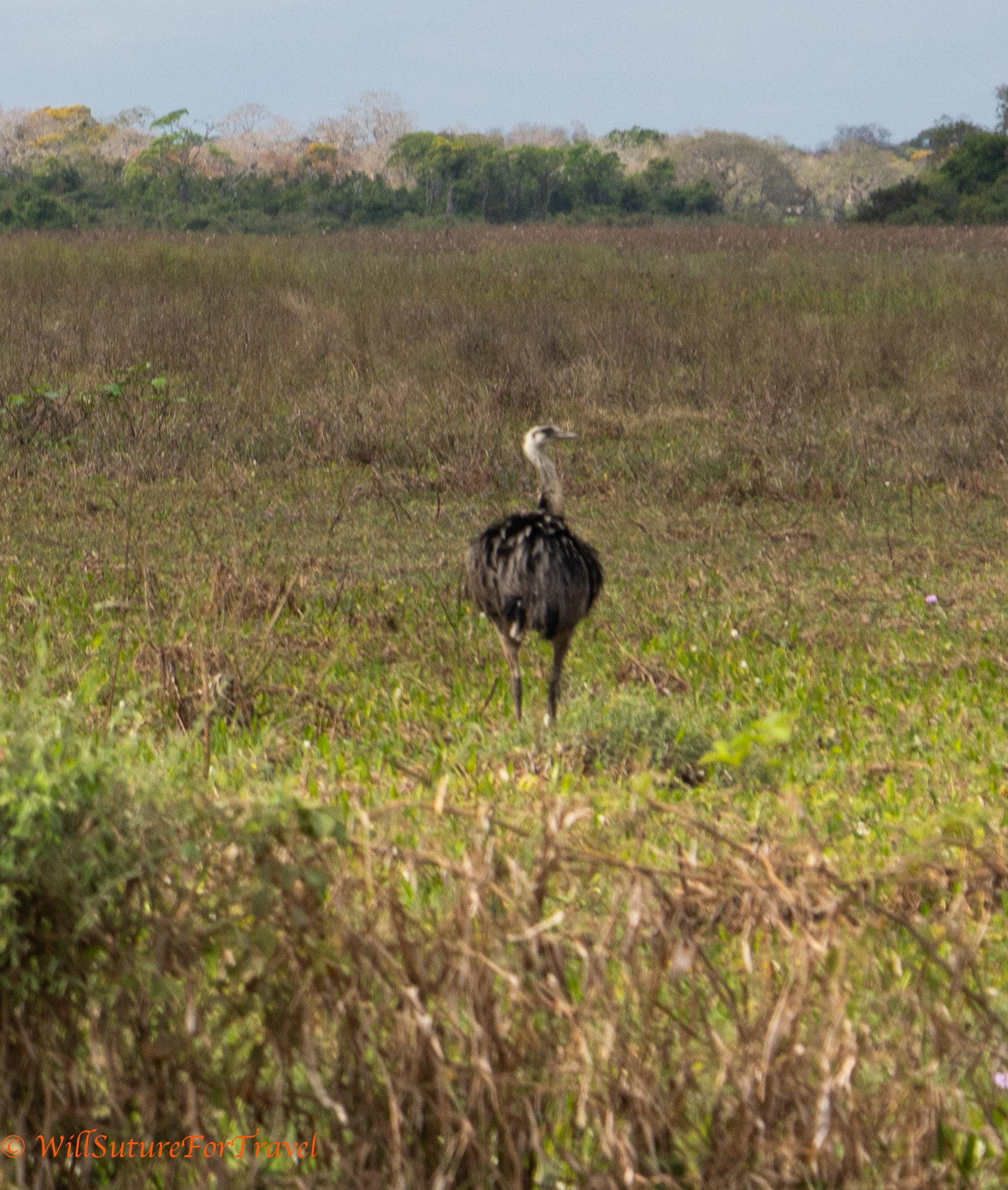
Rhea off in the distance. This is the largest bird in South America and third largest bird in the world behind the ostrich and emu.
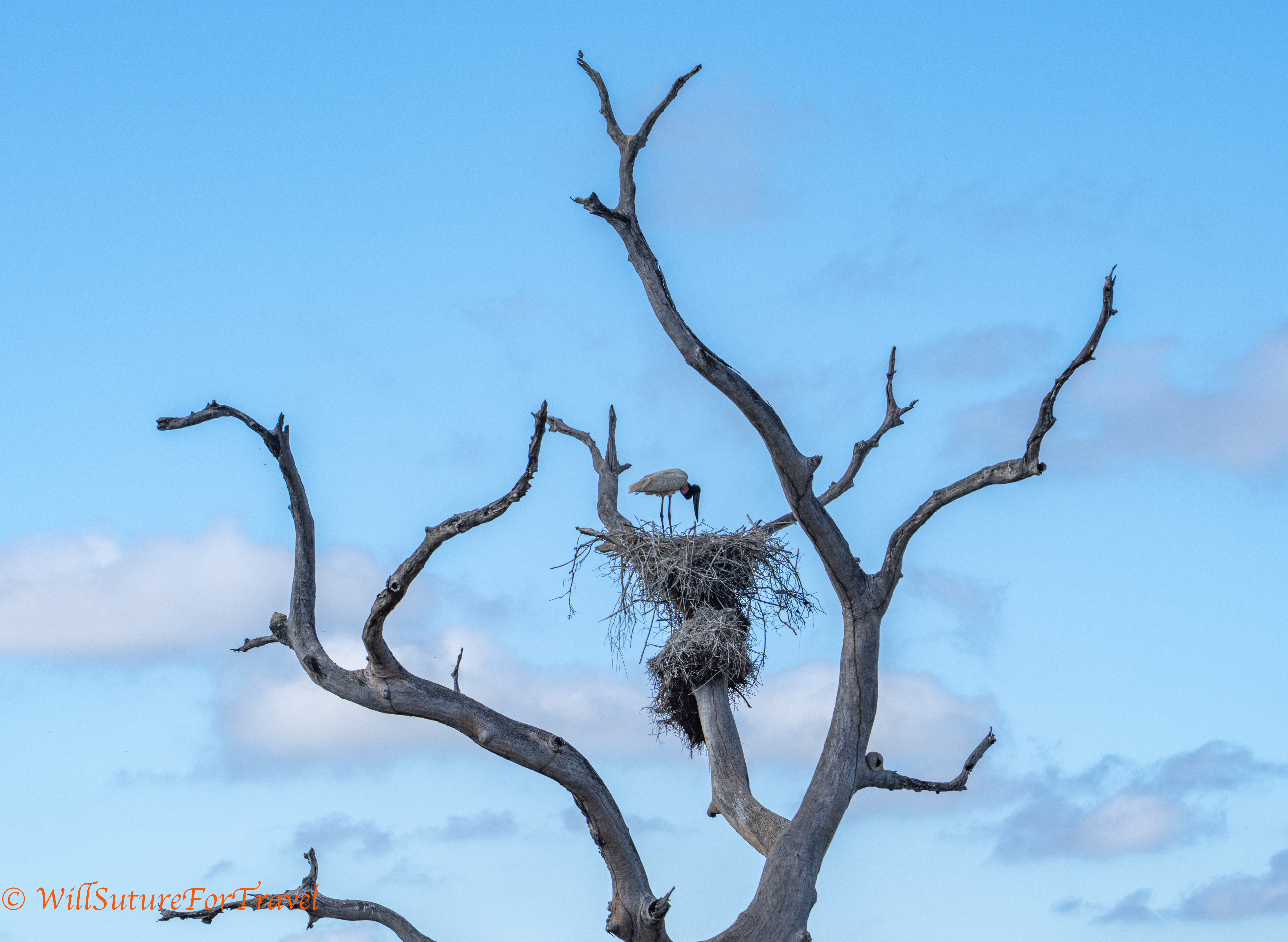
Jabiru: a large stork 47-55 in tall with 7.5-9 ft wingspan. That nest is huge.
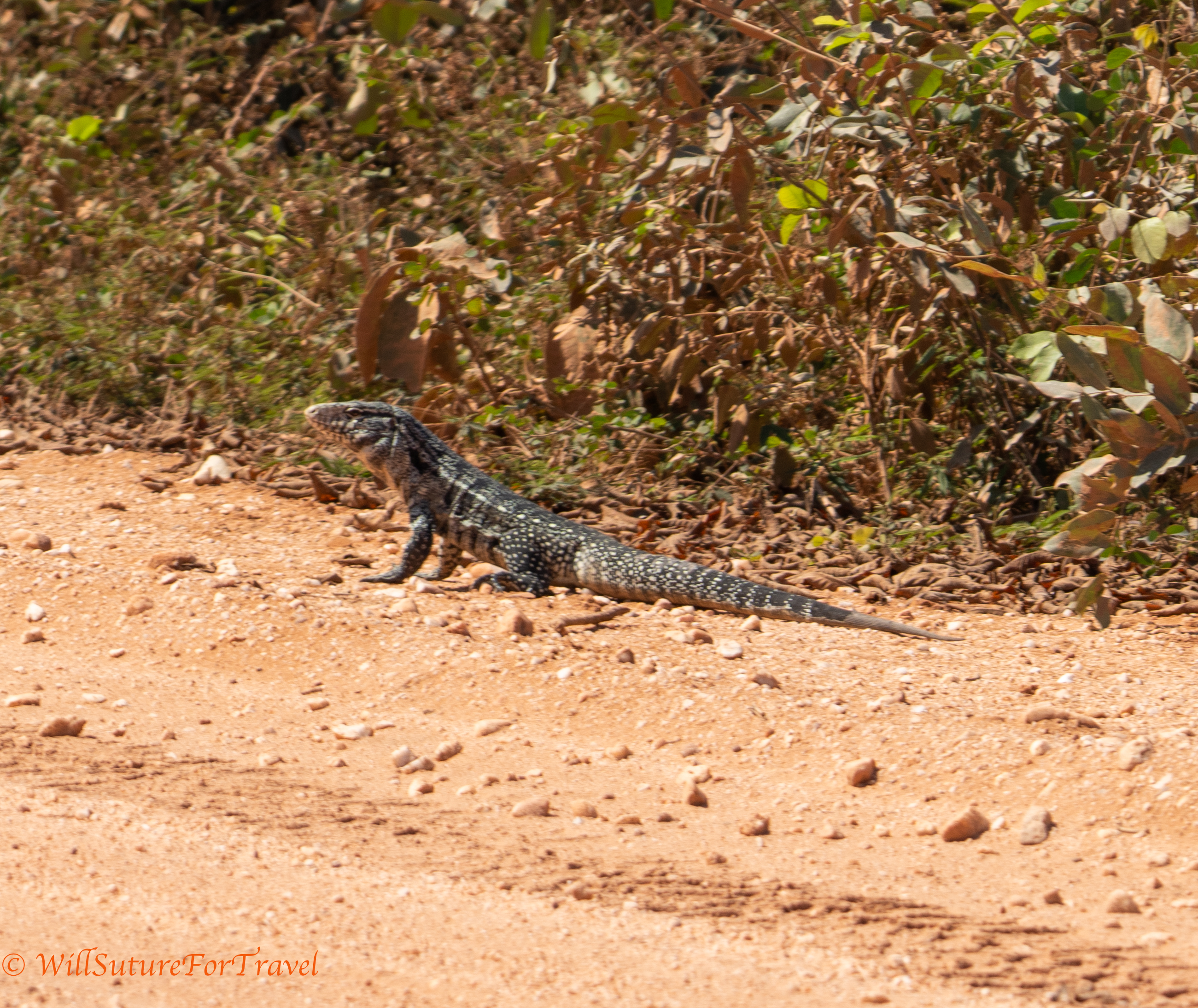
Argentine black and white tegu. These lizards can grow 3-4.5 feet long and can run on 2 feet for short distances.
After getting settled at our camp, we headed out on the water.
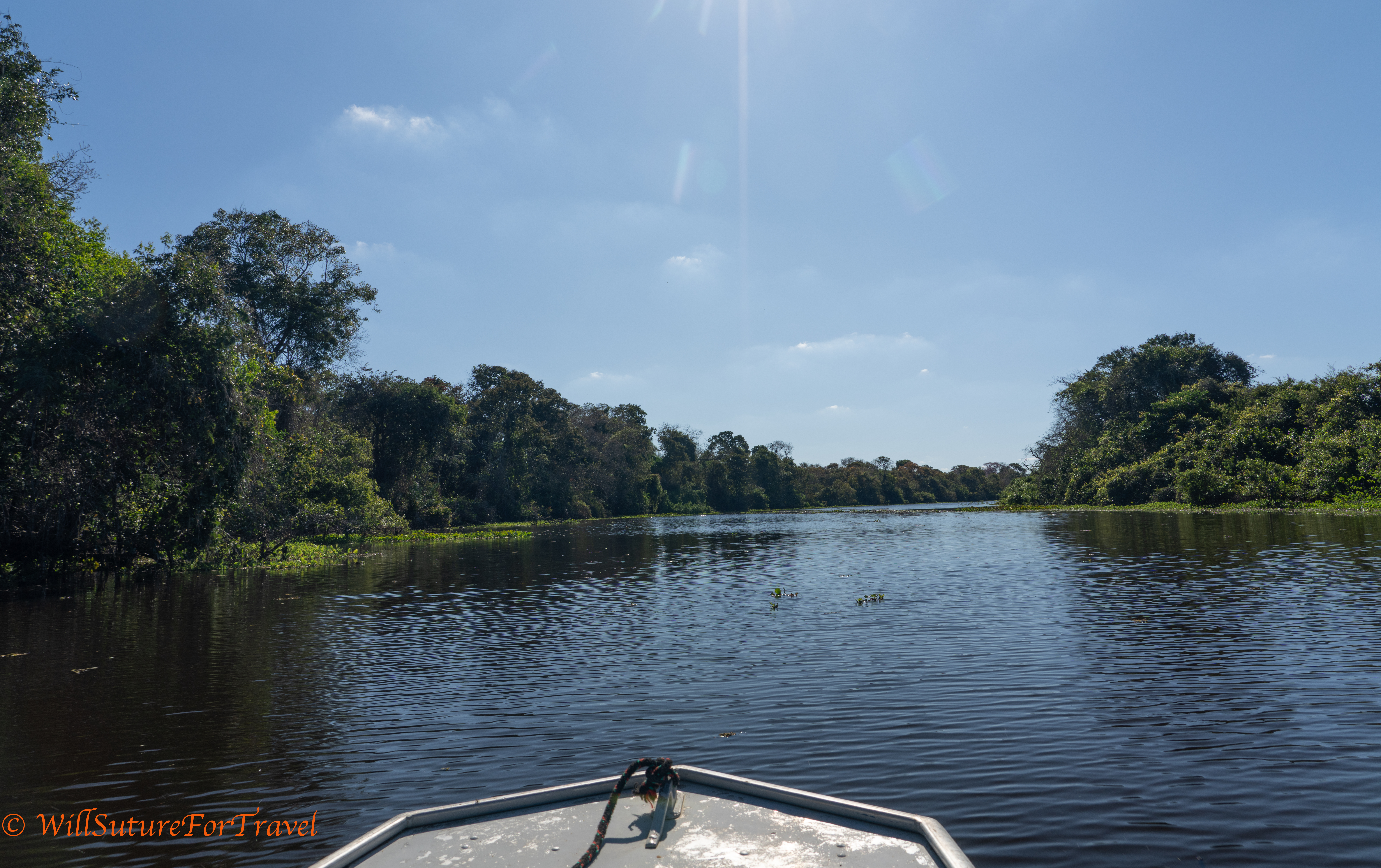
The scenery is beautiful!
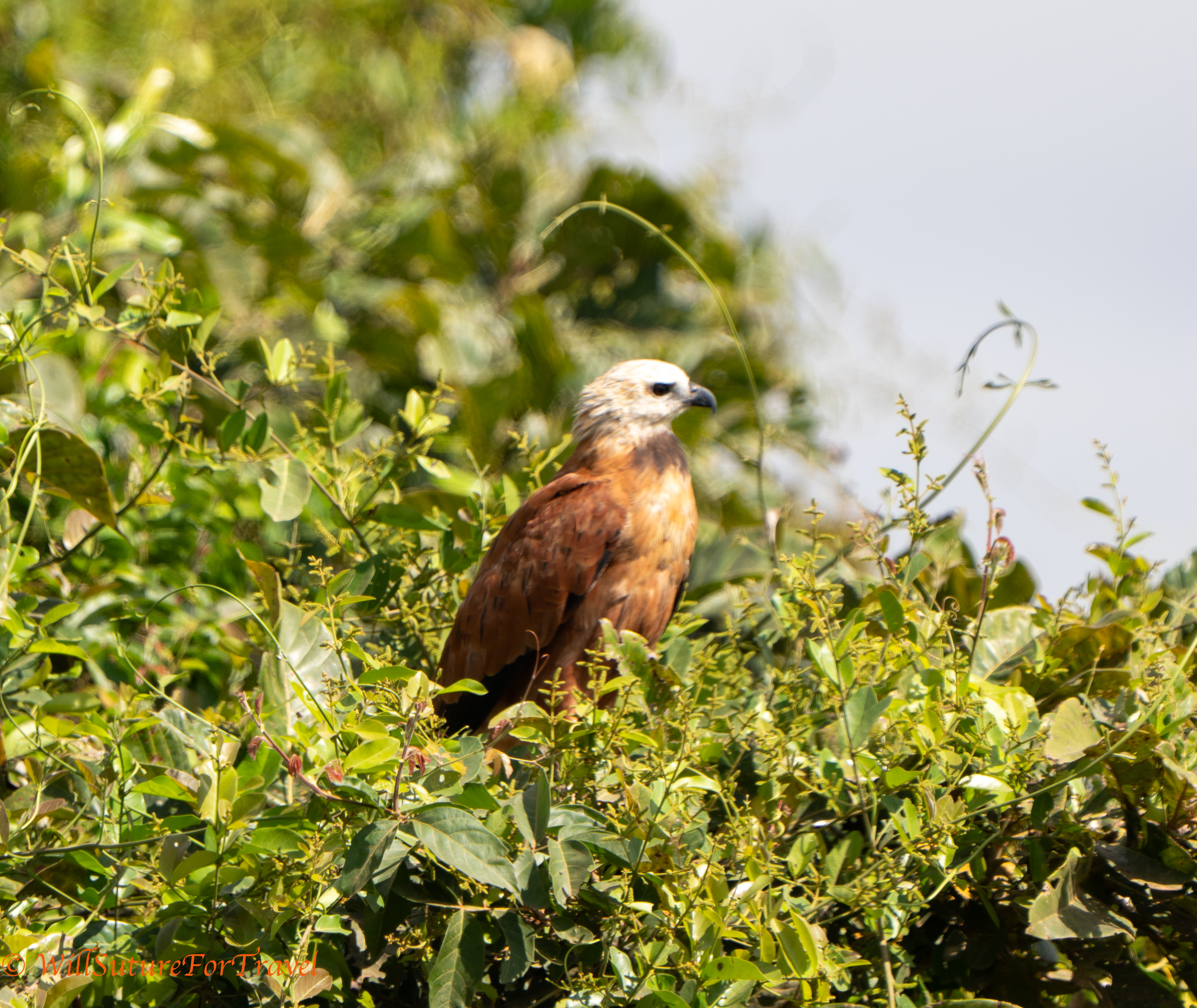
Black-collared hawk.
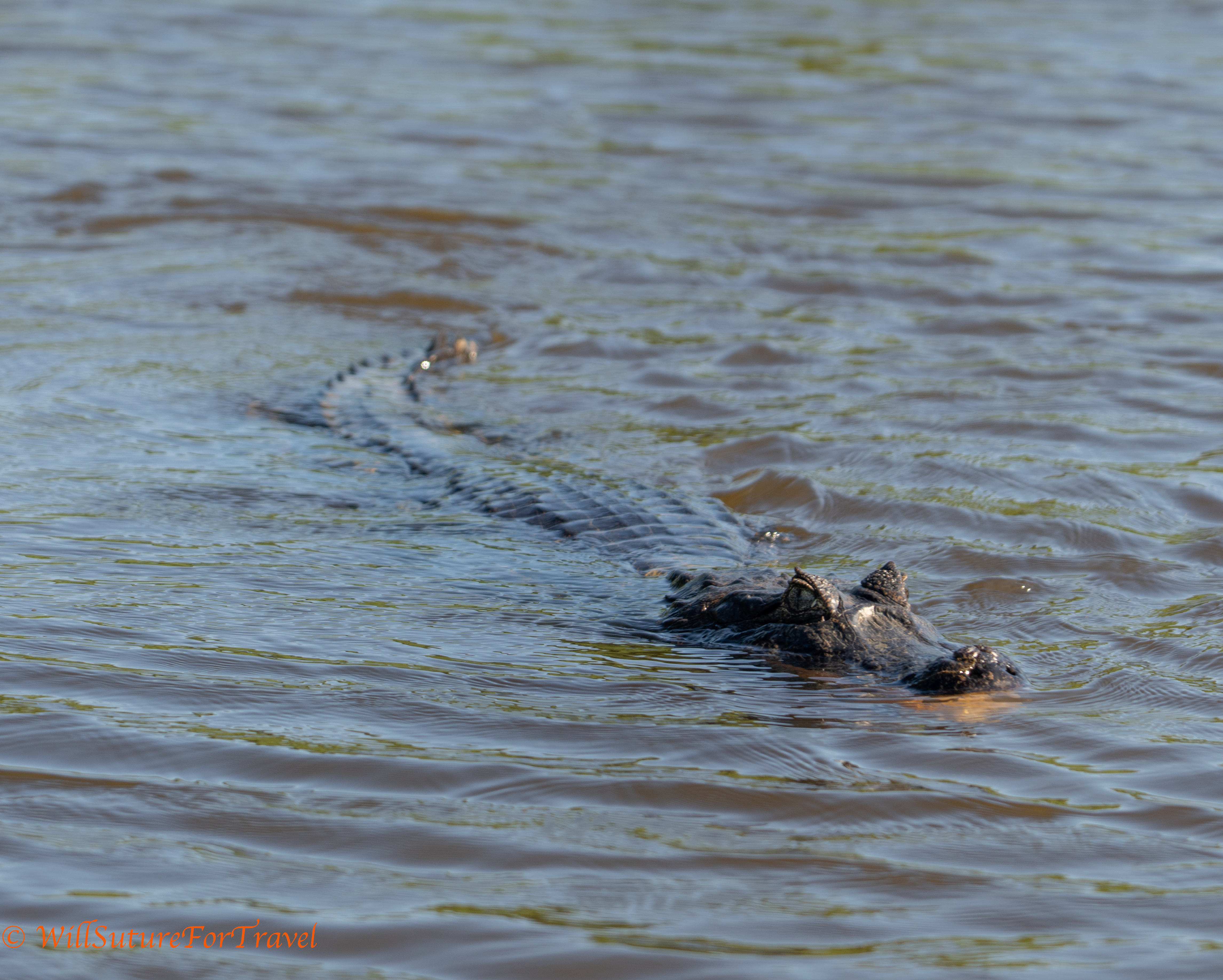
The boat driver called this caiman came over for some fish.
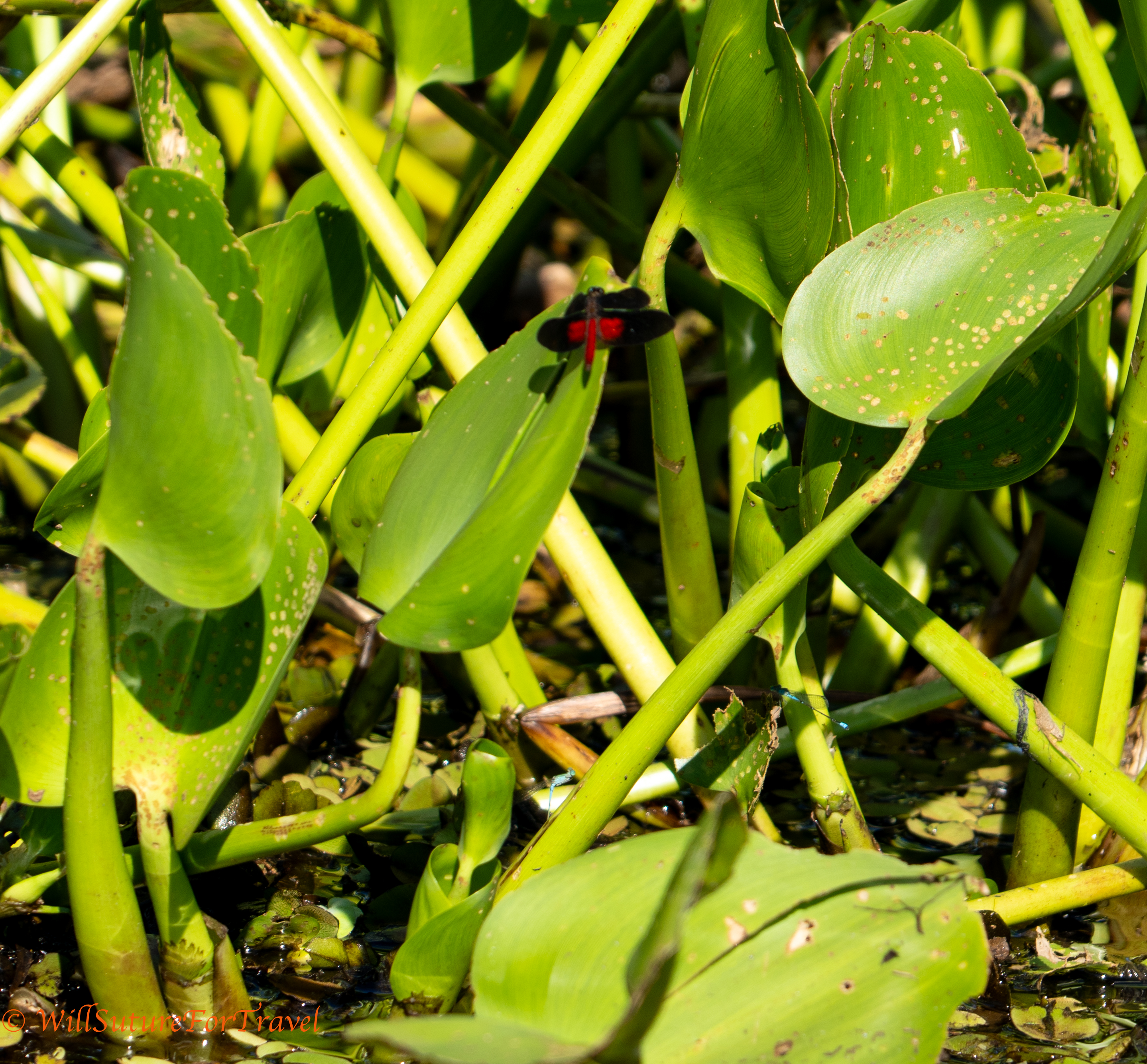
Diastatops pullata dragonfly
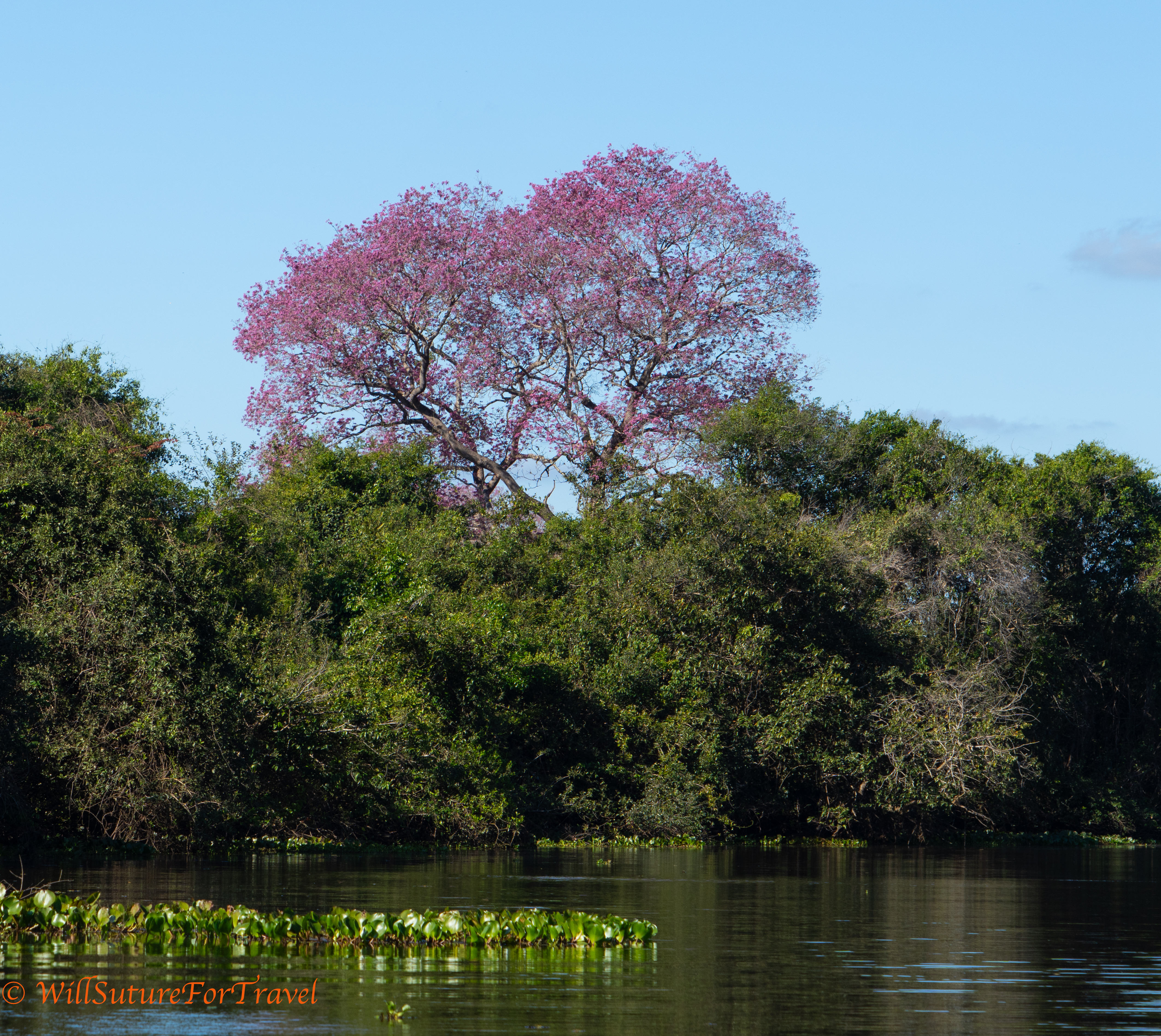
Pink ipê tree blooming amongst all of the green.
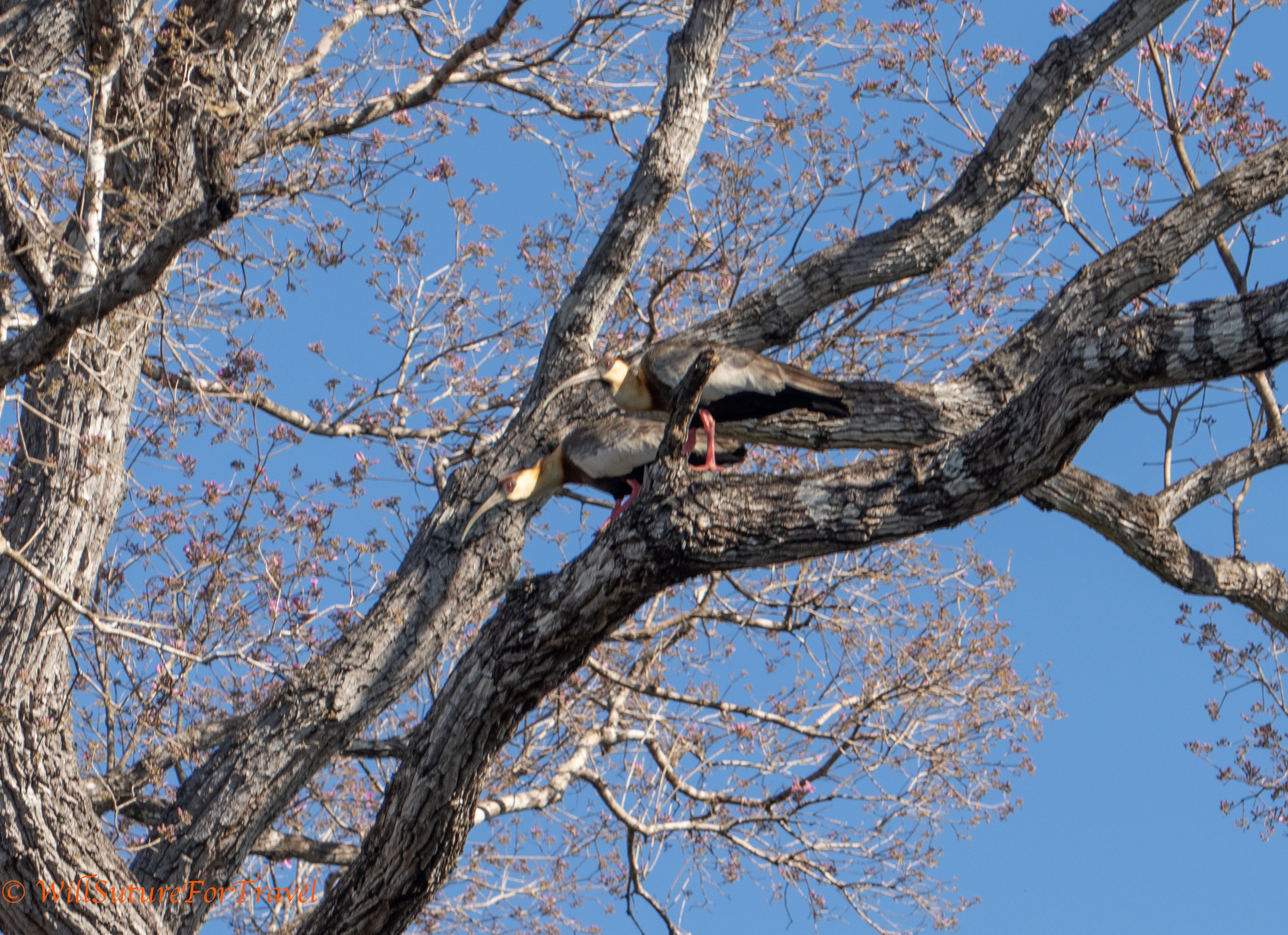
Buff-necked ibises in an ipê tree. They were very talkative.
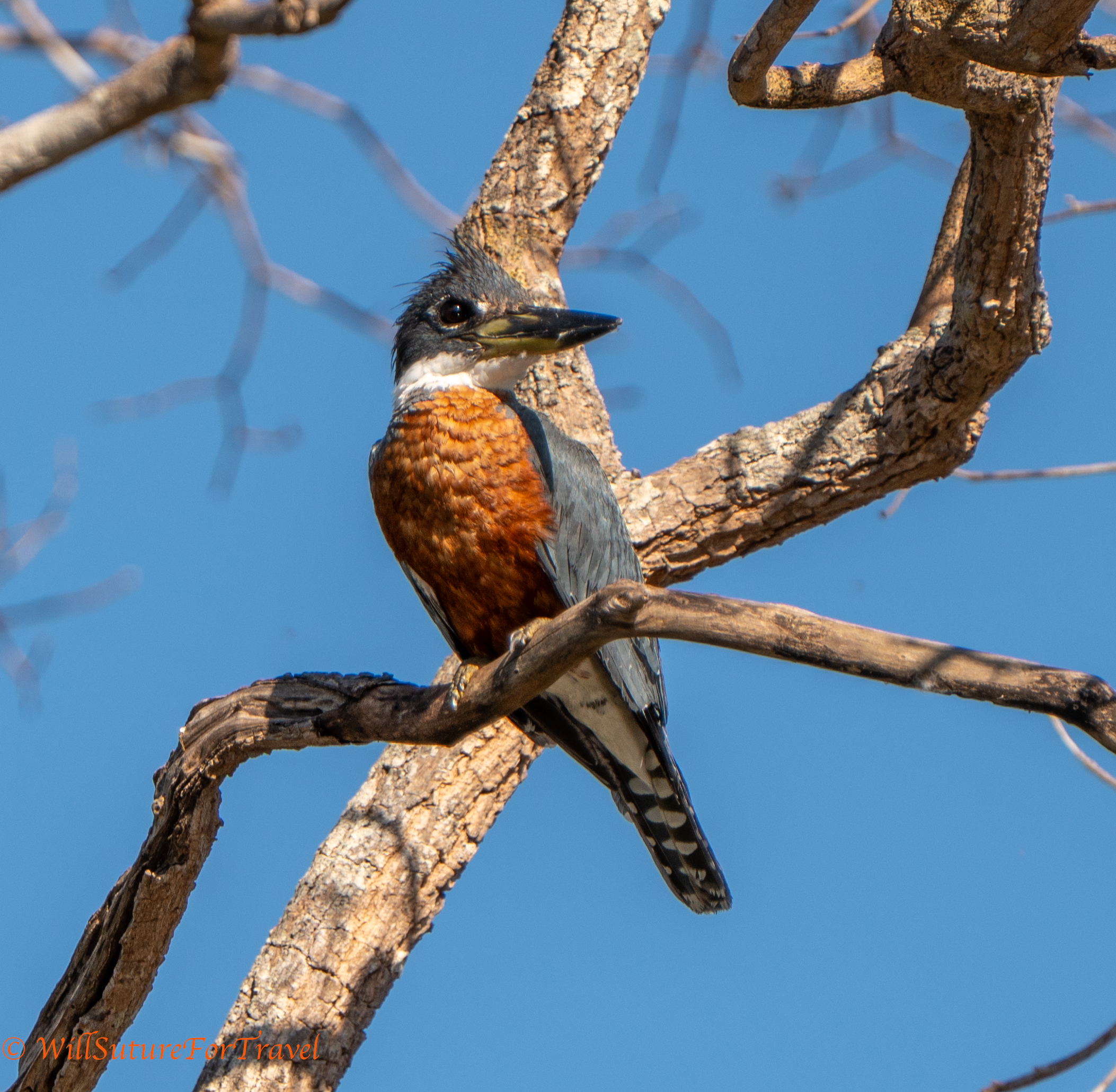
Ringed kingfisher. Their range covers South Texas, Central, and South America, but with regional subspecies.
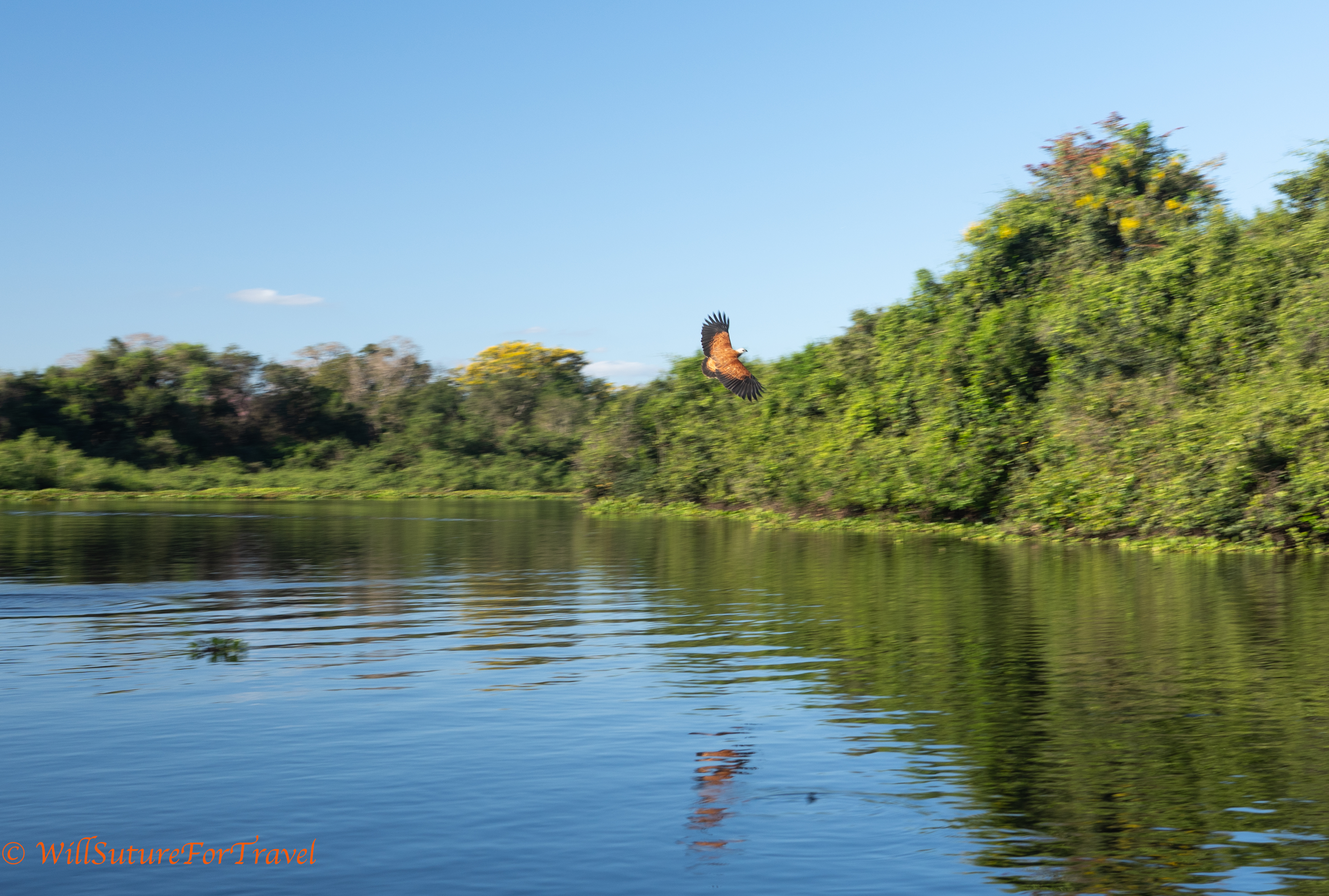
Black collared hawk
Capybara with a cattle tyrant ride-along. It didn’t seem to mind. The cattle tyrant is a flycatcher that follows or rides on grazing animals.
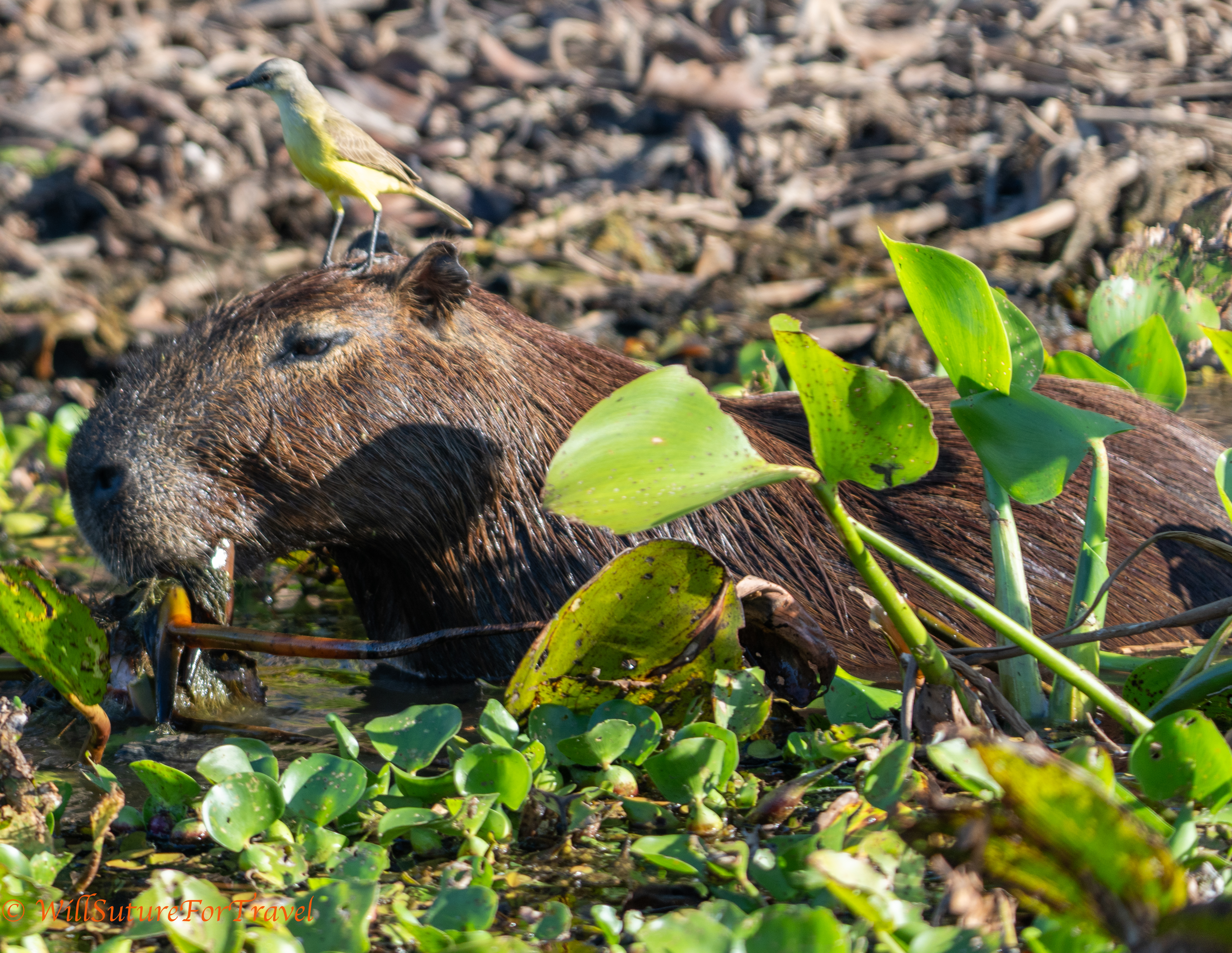
Capybara with a cattle tyrant ride-along. It didn’t seem to mind. The cattle tyrant is a flycatcher that follows or rides on grazing animals.
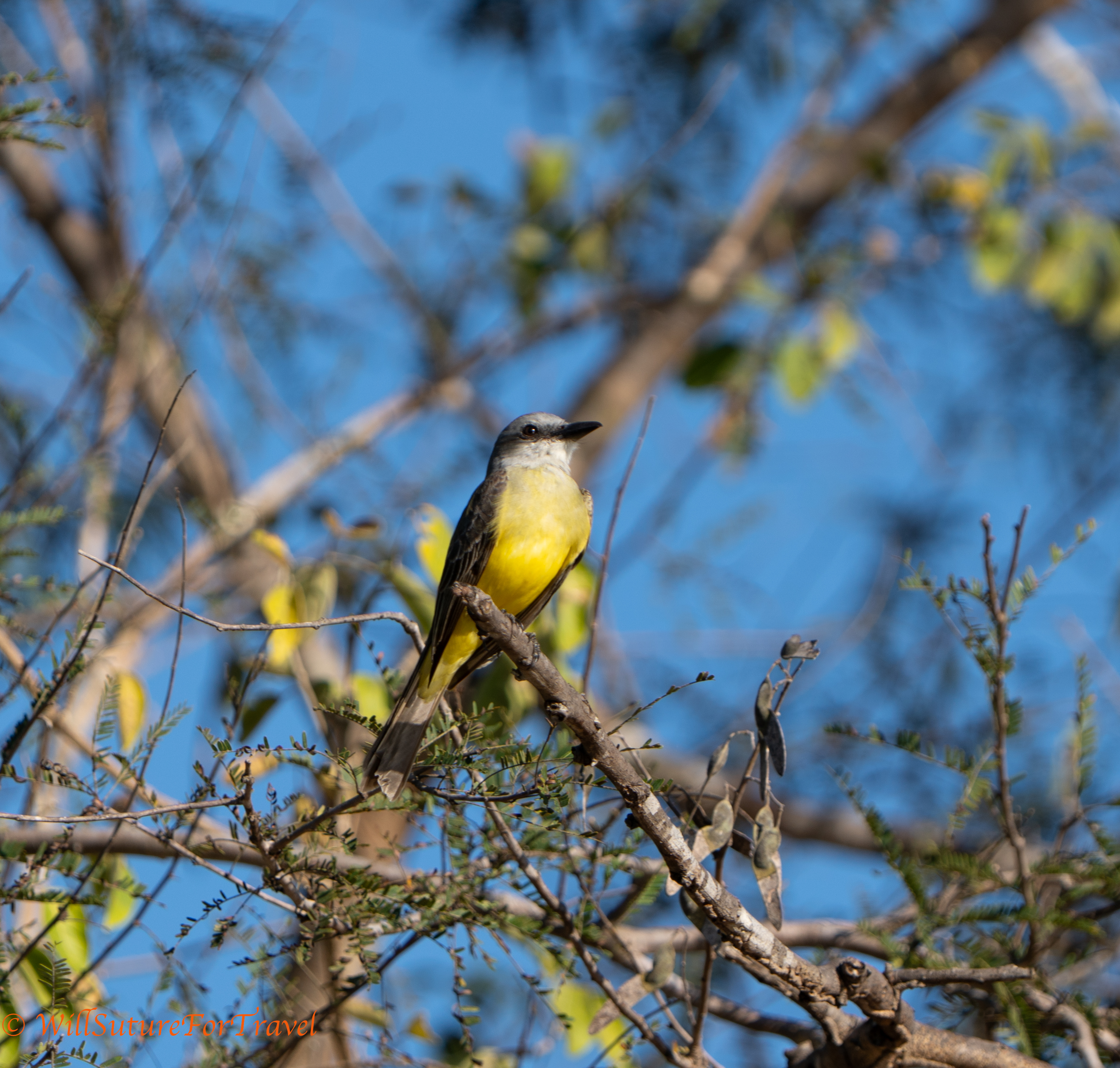
This appears to be a Tropical Kingbird.
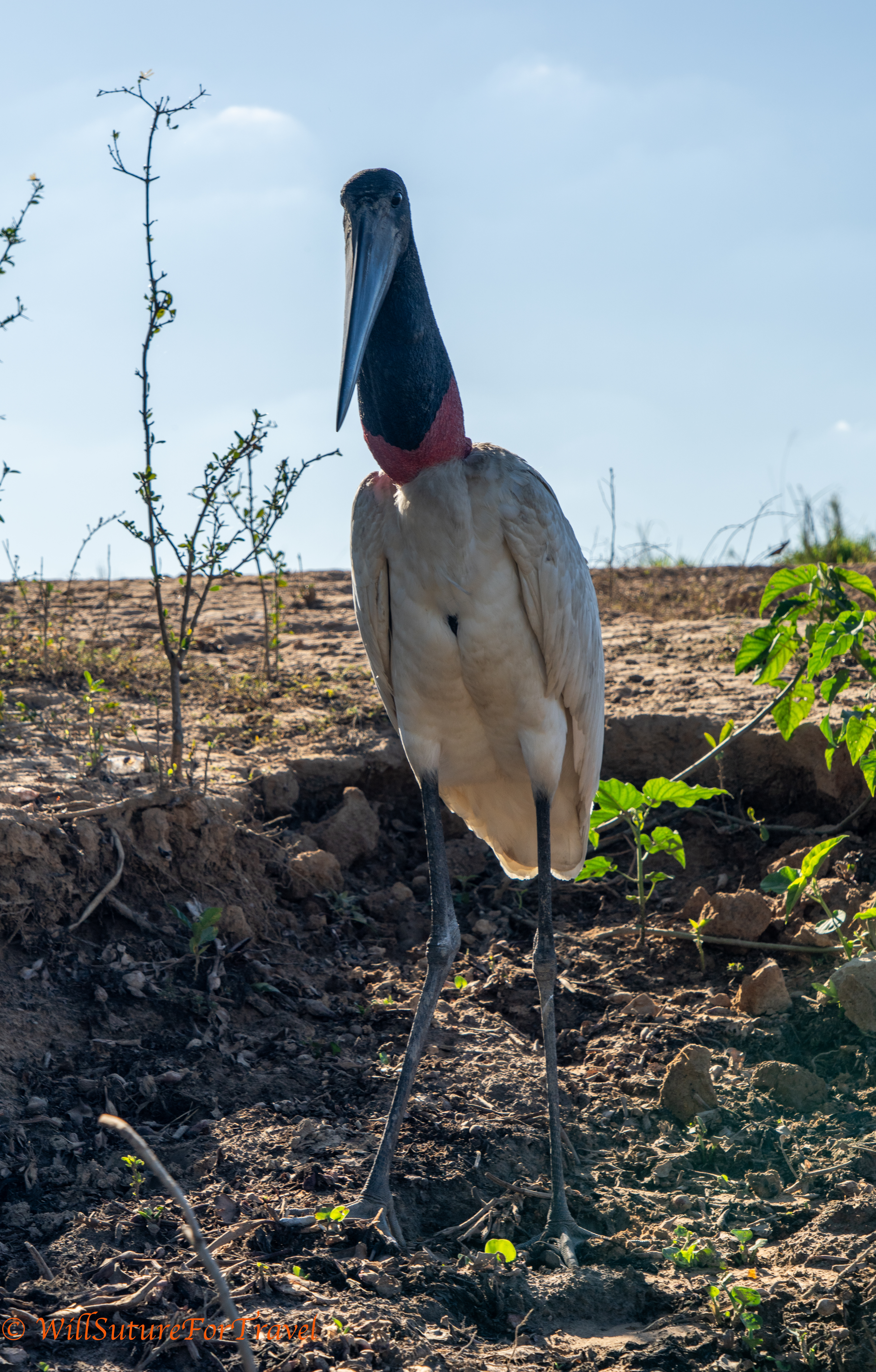
A jabiru up close. She came over to ask for some fish. Her nest was nearby.
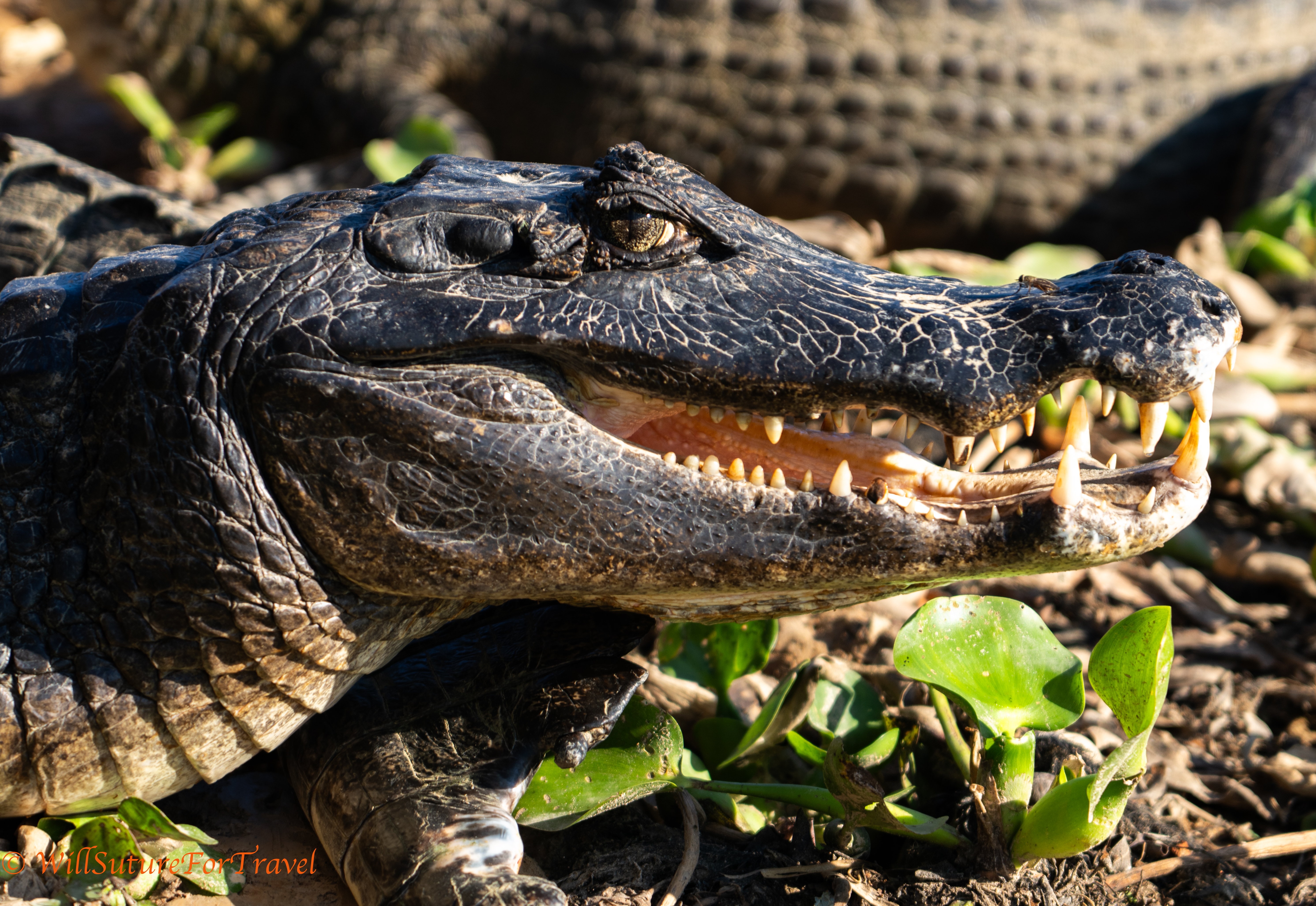
Sunning.
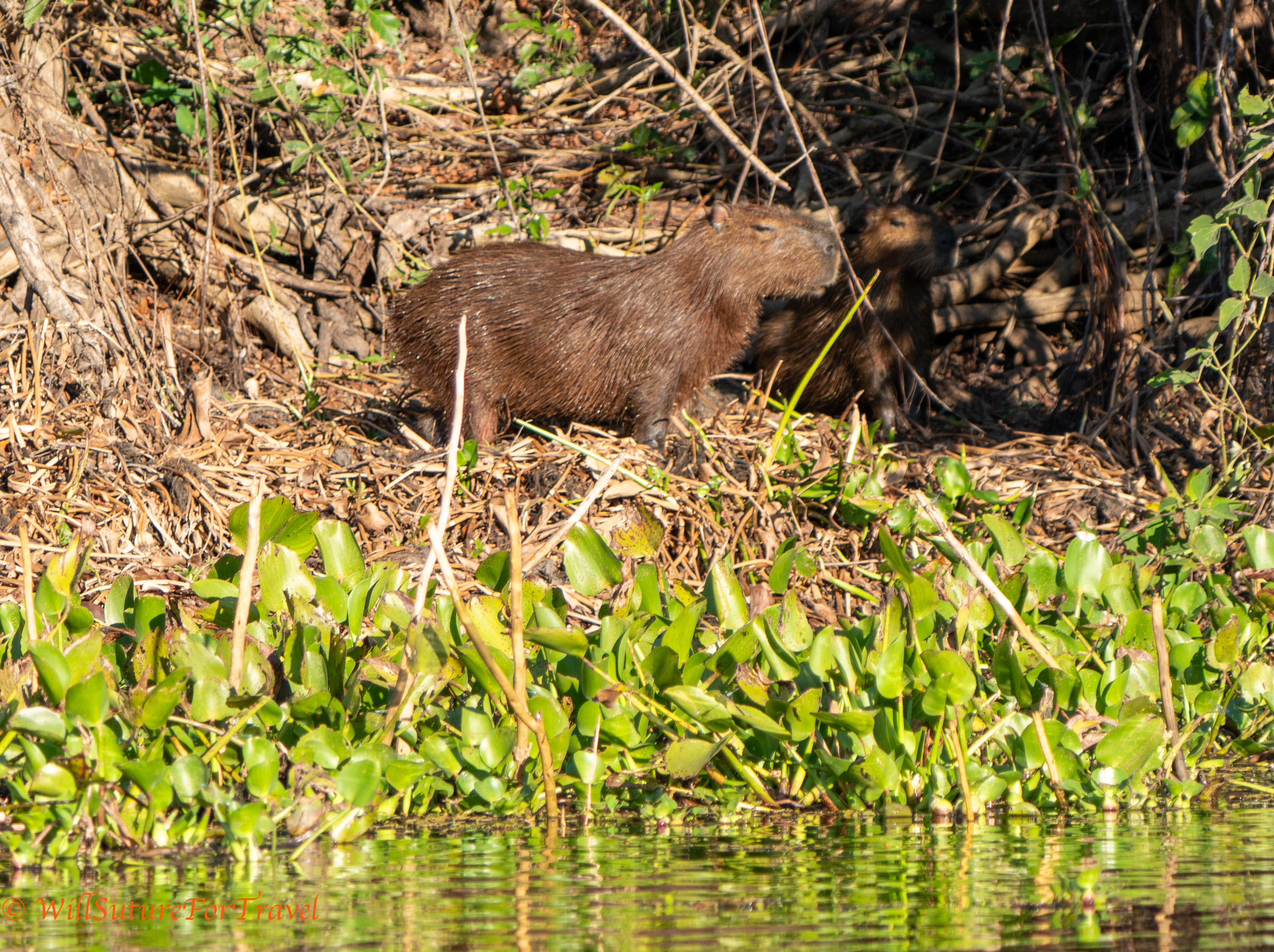
More capybara, the largest rodents.
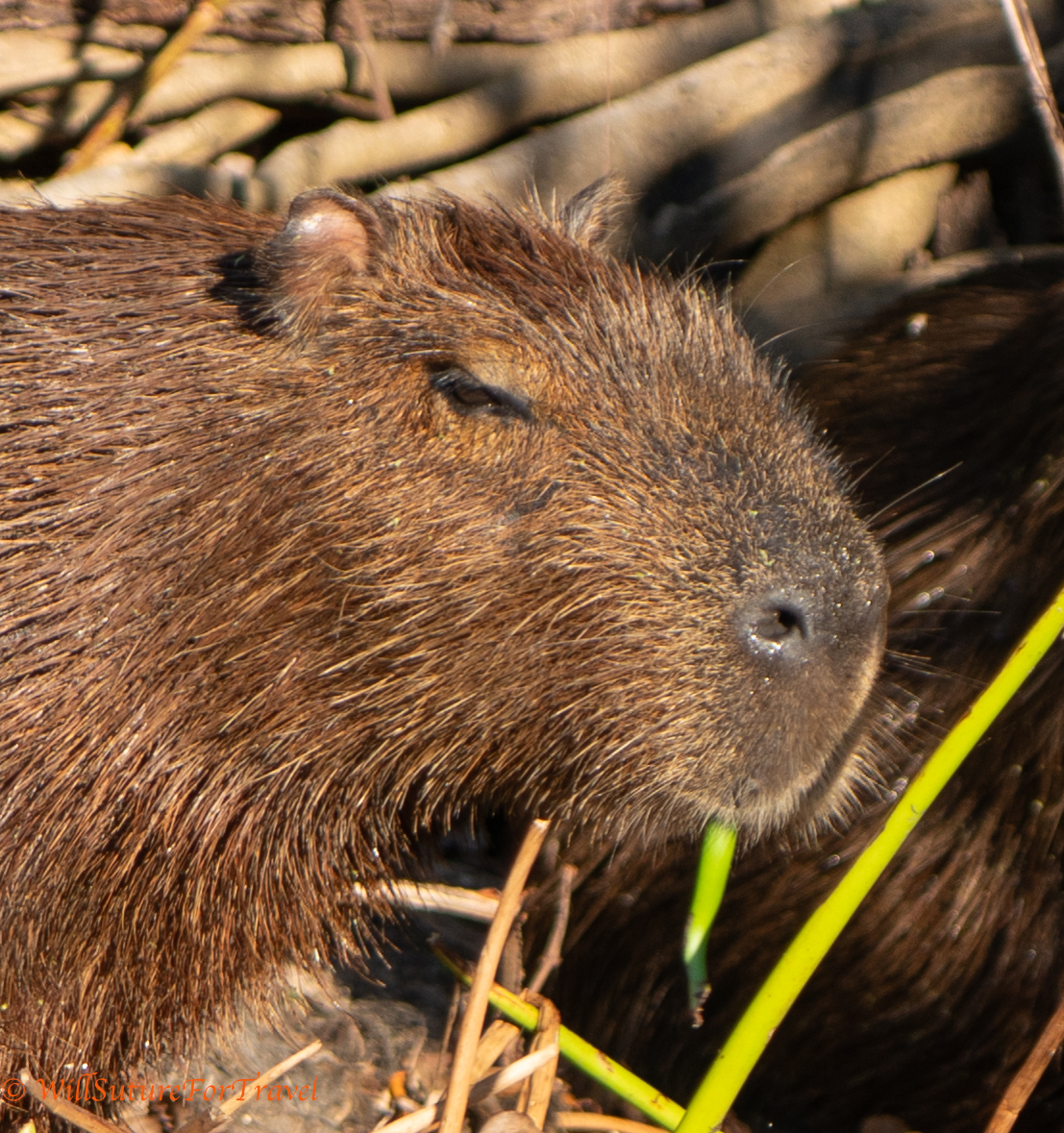
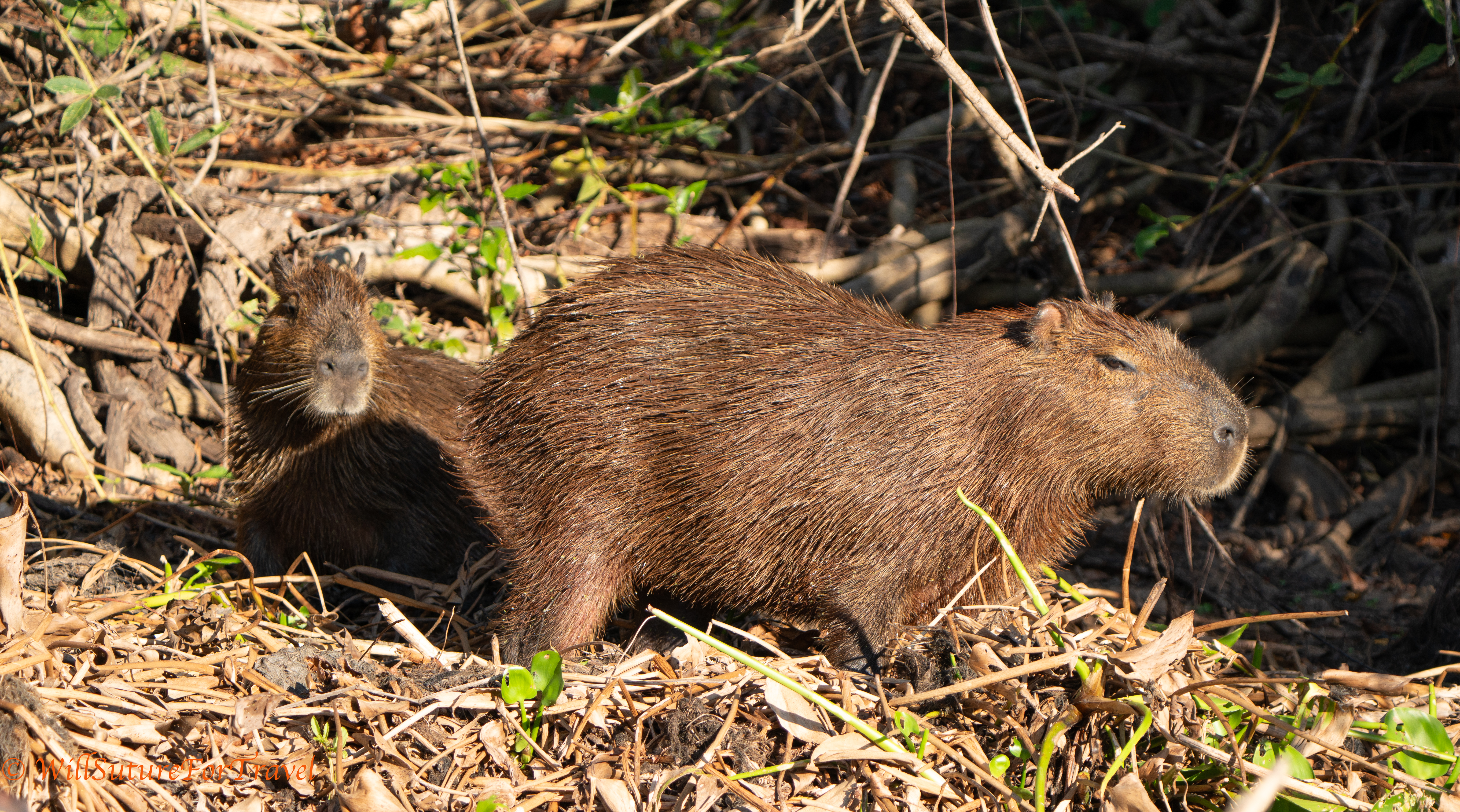
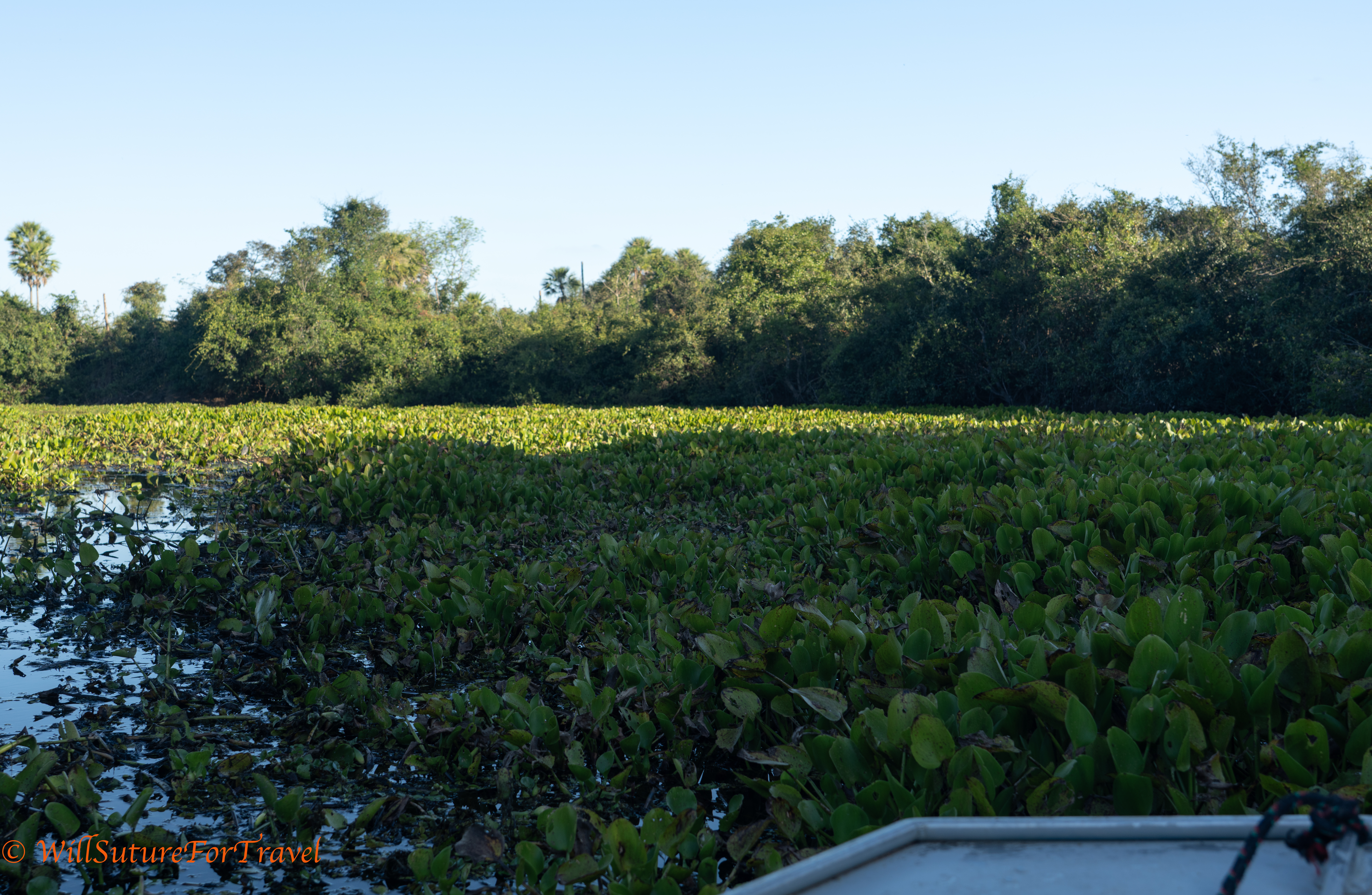
We eventually hit a dead end and had to go back to the camp.
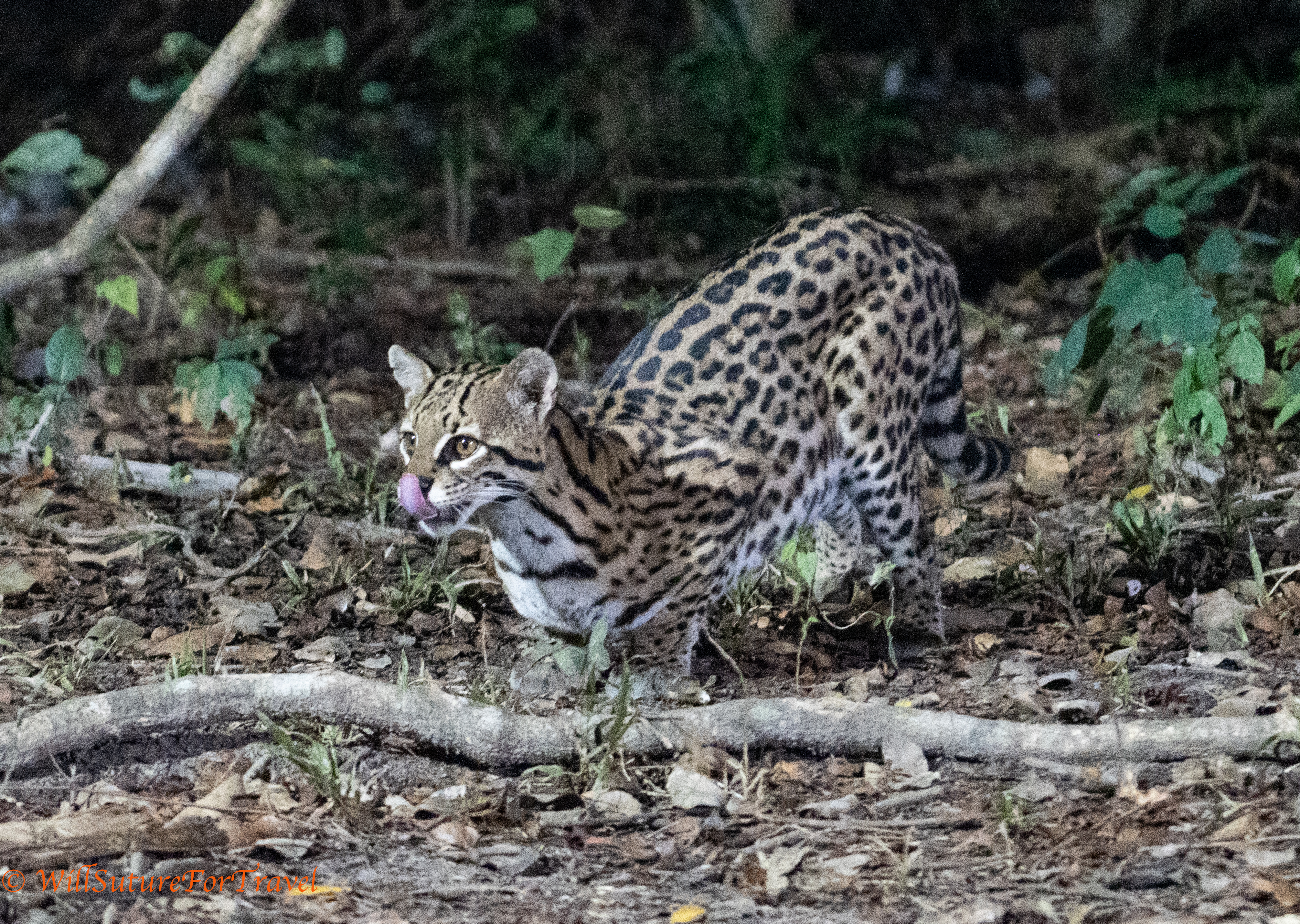
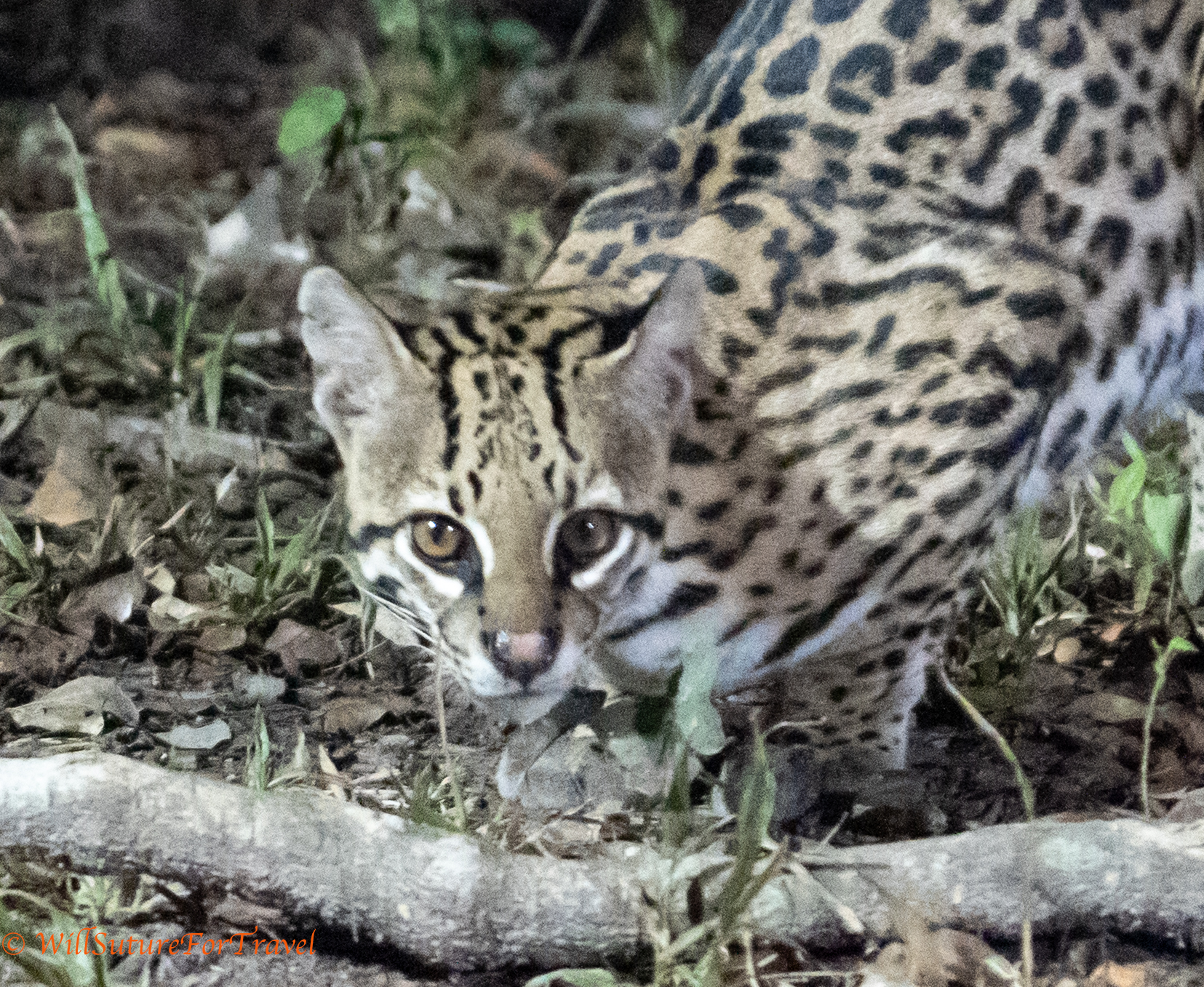
After a short break, we headed on a trail out to a blind. This camp has an area where ocelots sometimes come to feed. If they show up, the camp will give them fish. Guests can sit behind the blind for 2 hrs to wait and see if any of these shy cats show up or not. We went out to see.
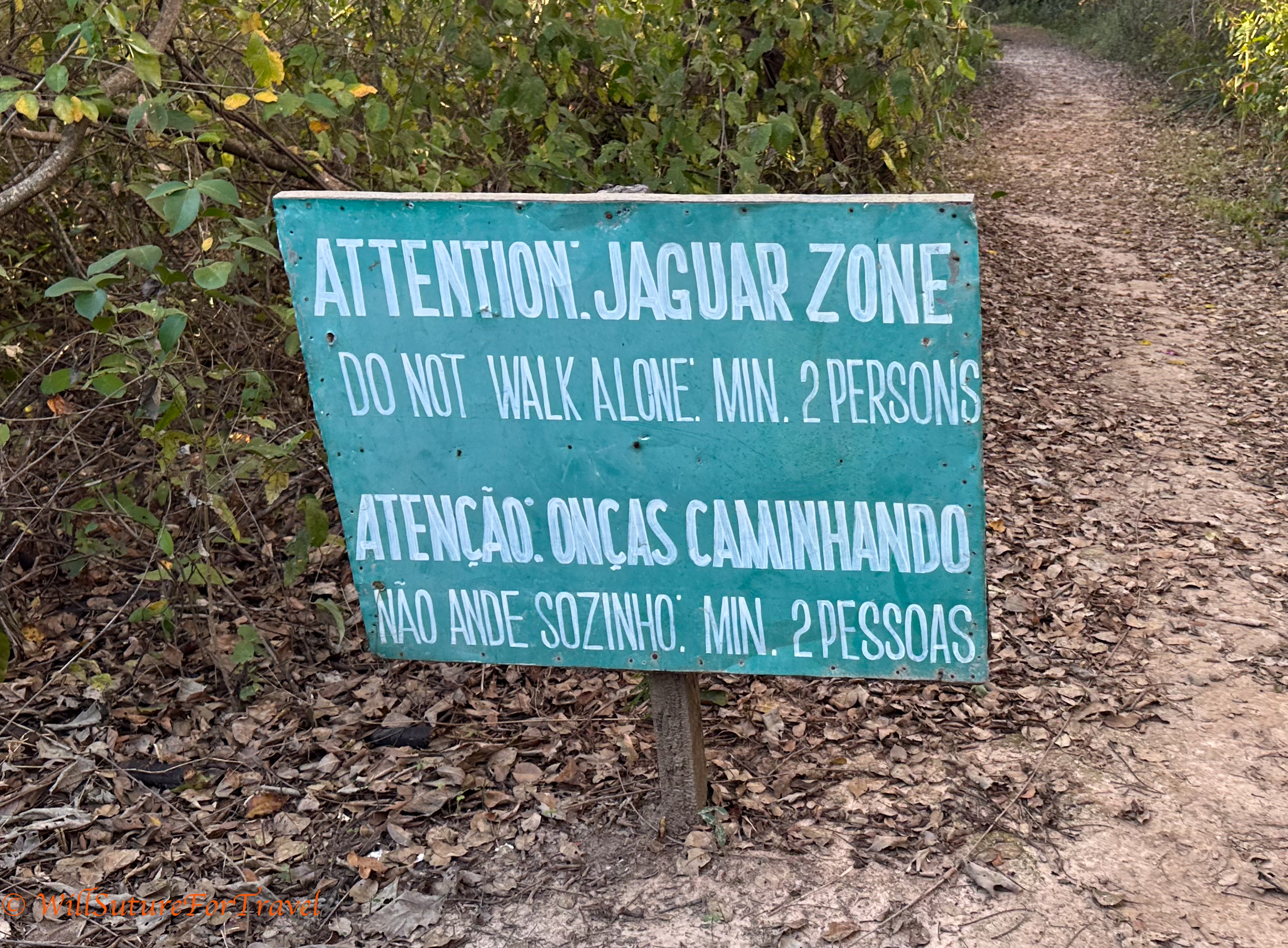
What we didn’t know at the time is that it had been 10 days since an ocelot had shown up. We sat in our assigned spots and waited.
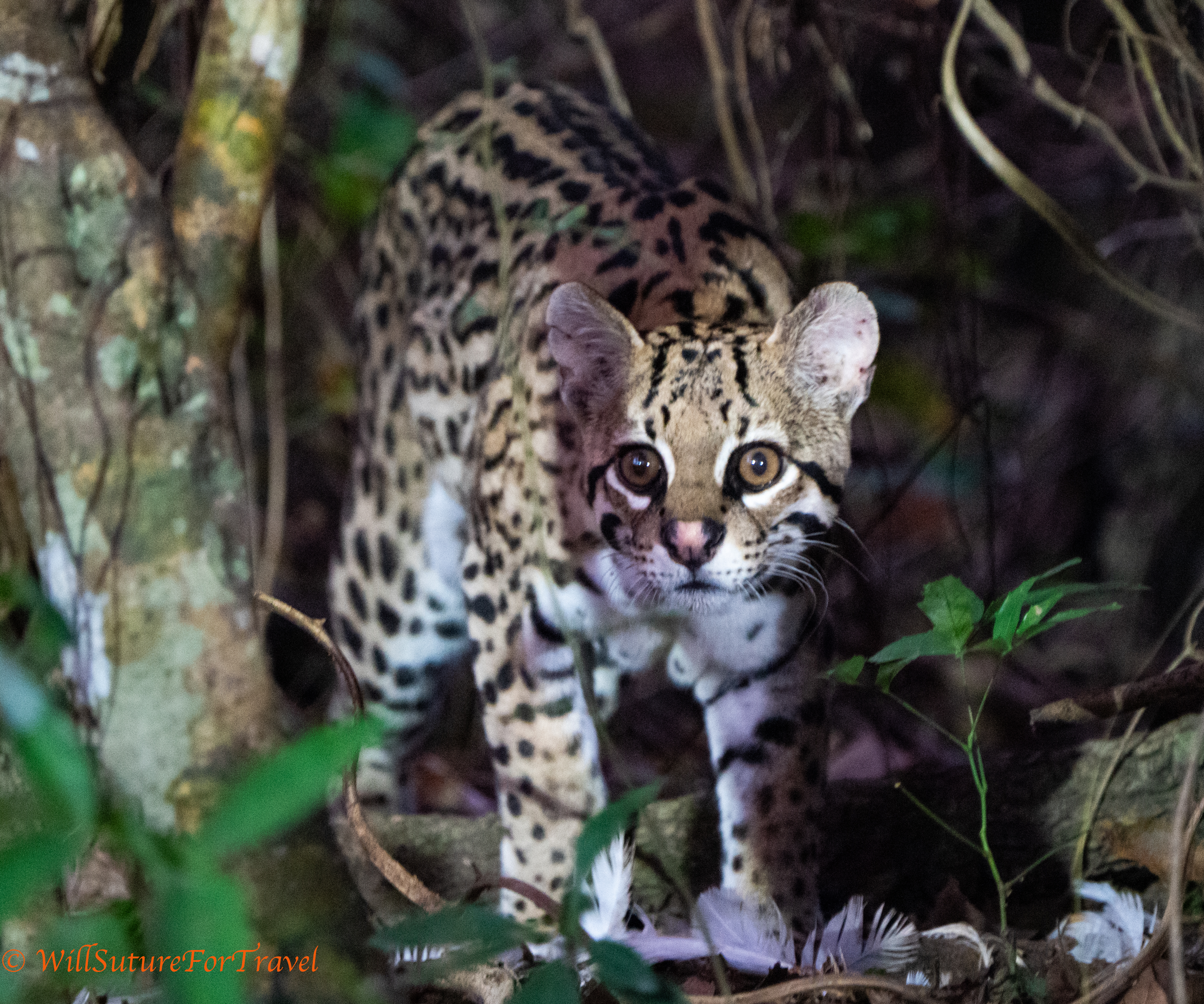
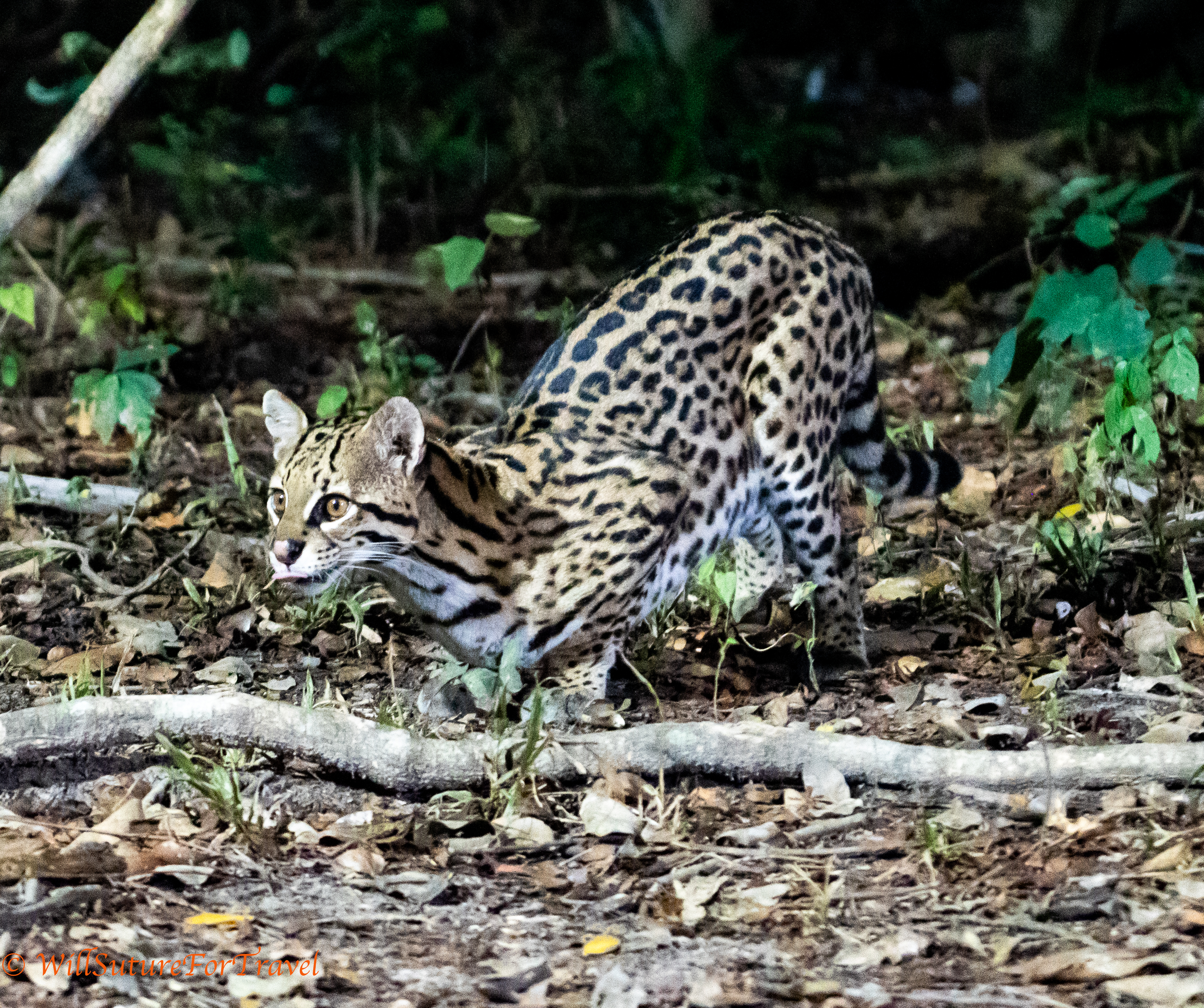
Ocelots weigh between 15-35 lbs. They are challenging to see because they are solitary and avoid interaction with people and larger felines. They are active around twilight and at night, resting during the daytime.
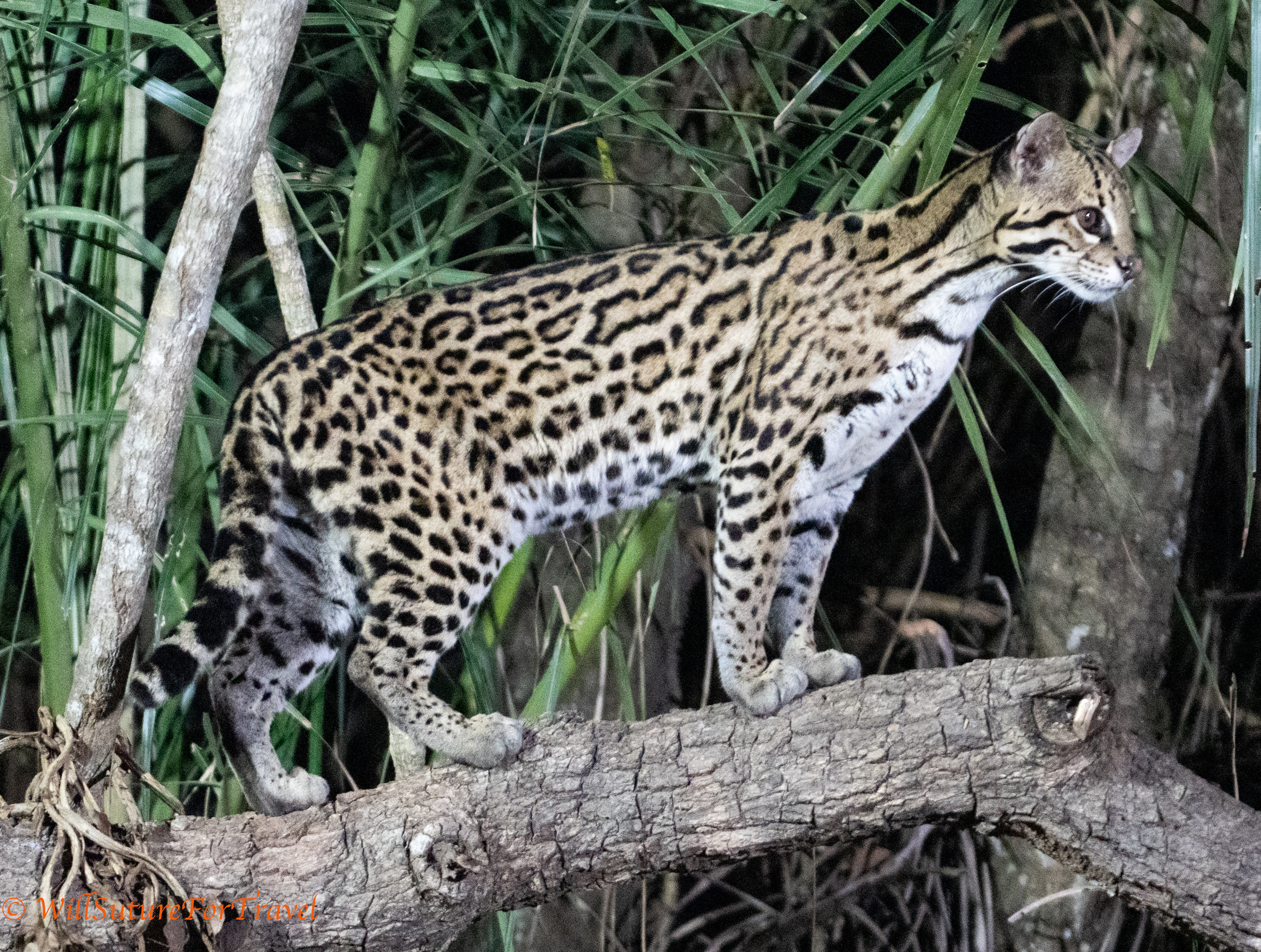
After dinner we went on a night drive and saw some small deer, a tapir, and a crab-eating fox. None of them were in range for a night photo.
 Will Suture for Travel
Leave a comment