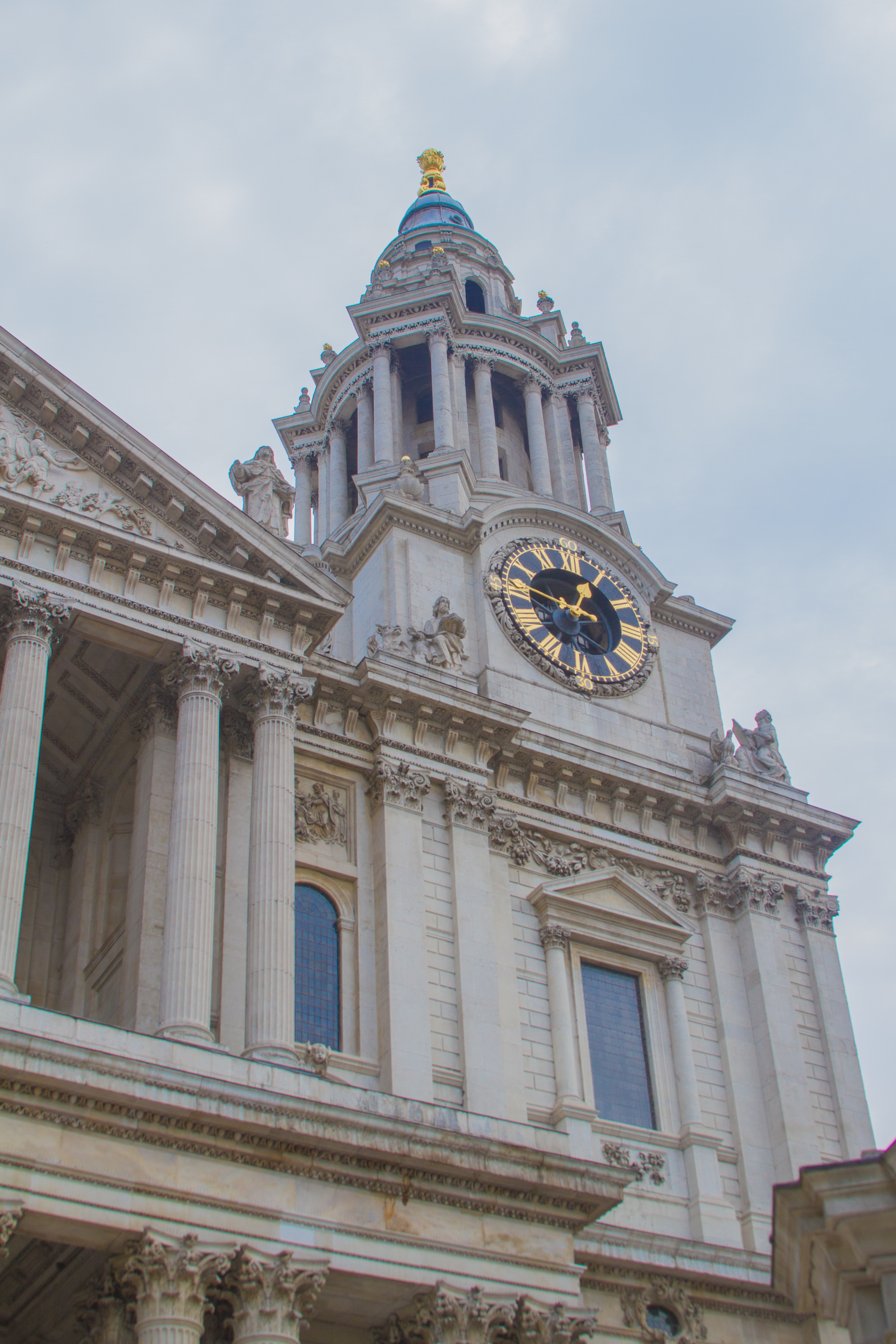
St Paul’s Cathedral
Today we arrived in London. After a long, long wait to get through passport control, we took the underground into central London, dropped our things off at the hotel, and headed out.
The last time we were in London (not just in the airport) there were a couple of things we didn’t get to so they were on our list for this time…with tickets bought online ahead of time. We started out at St Paul’s Cathedral. There has been a church on this site since 604, although the current building is from the late 1600s. It was built after the great fire of London in 1666.
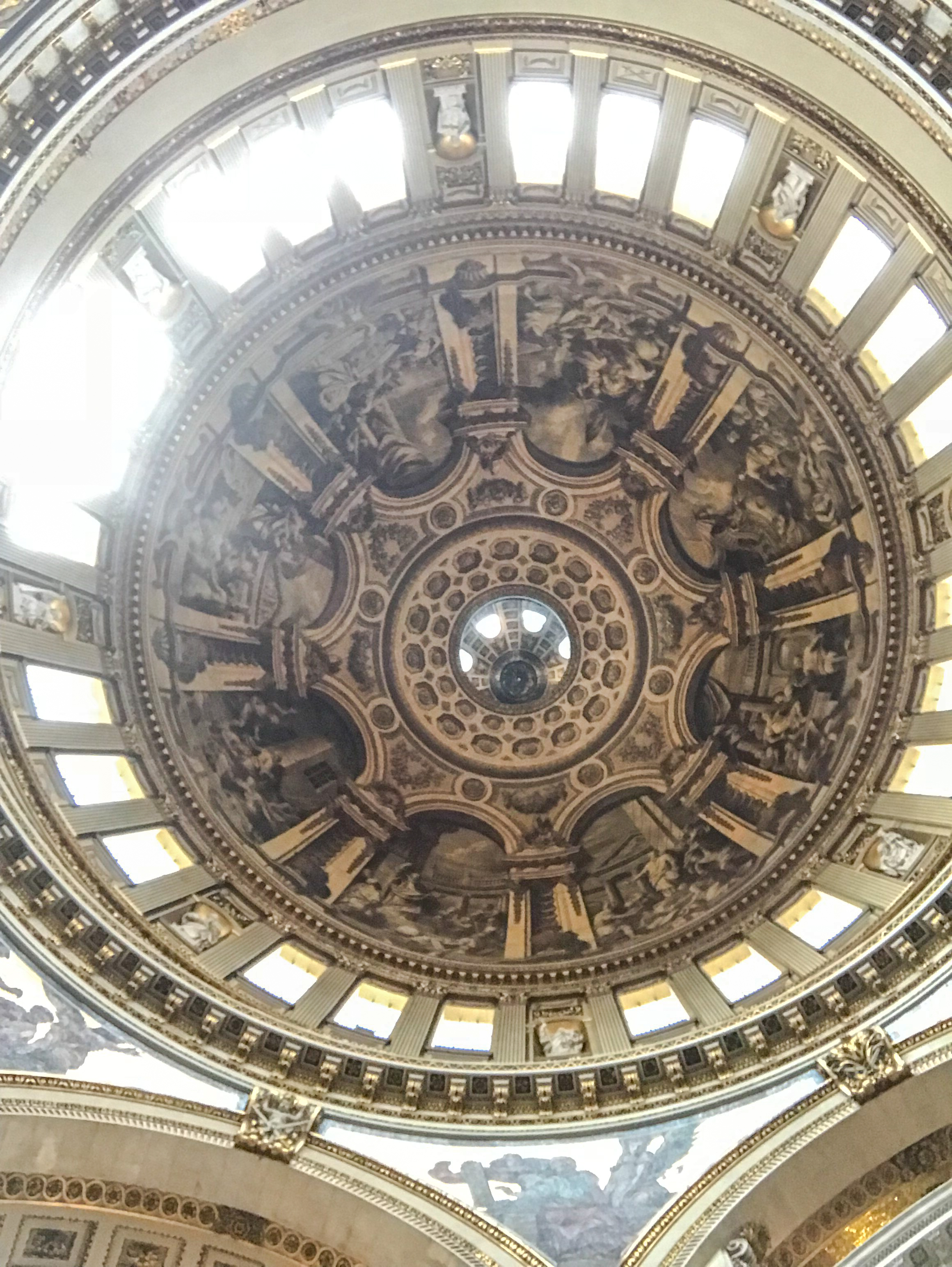
Dome of St Paul’s
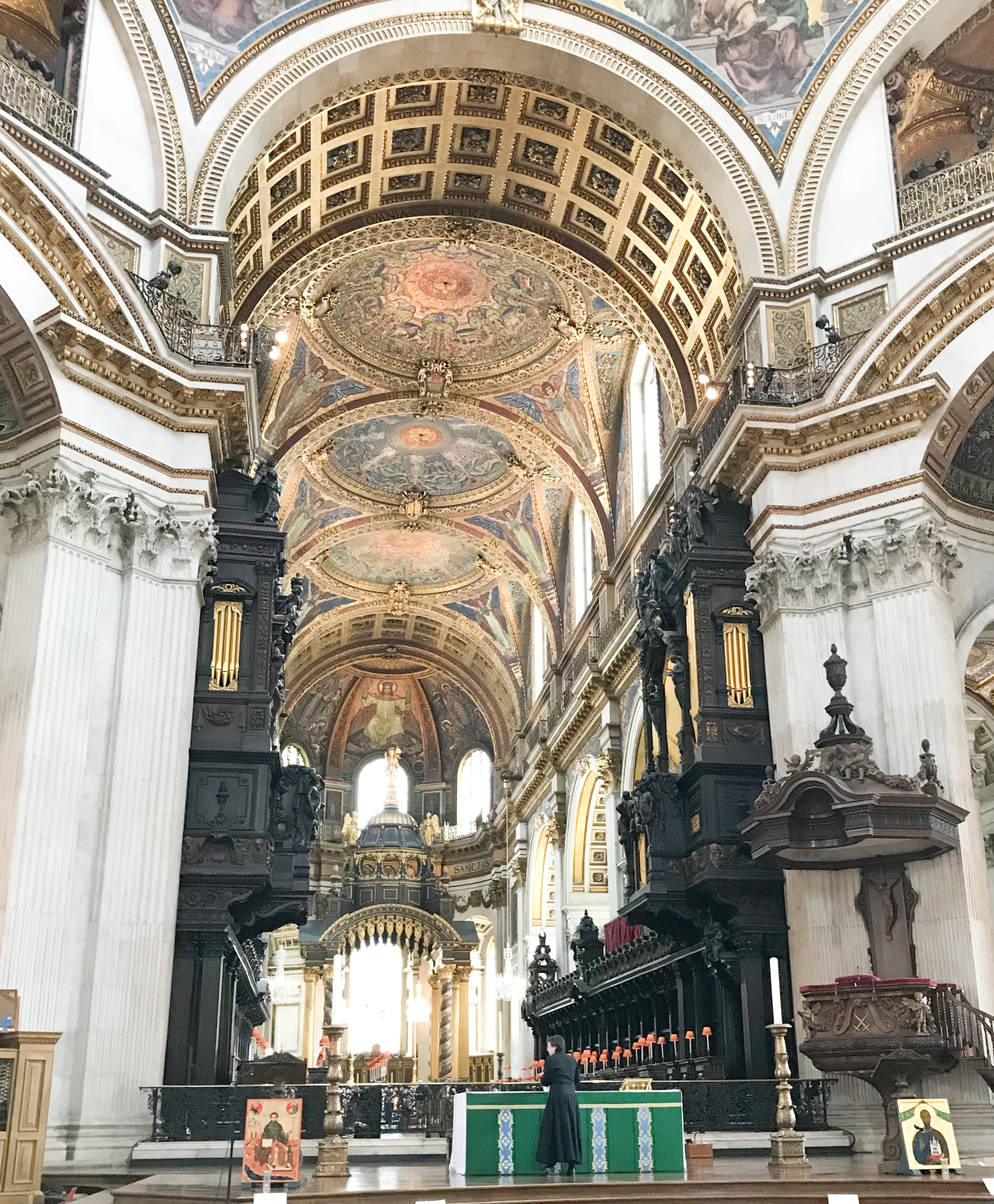
Inside St Paul’s
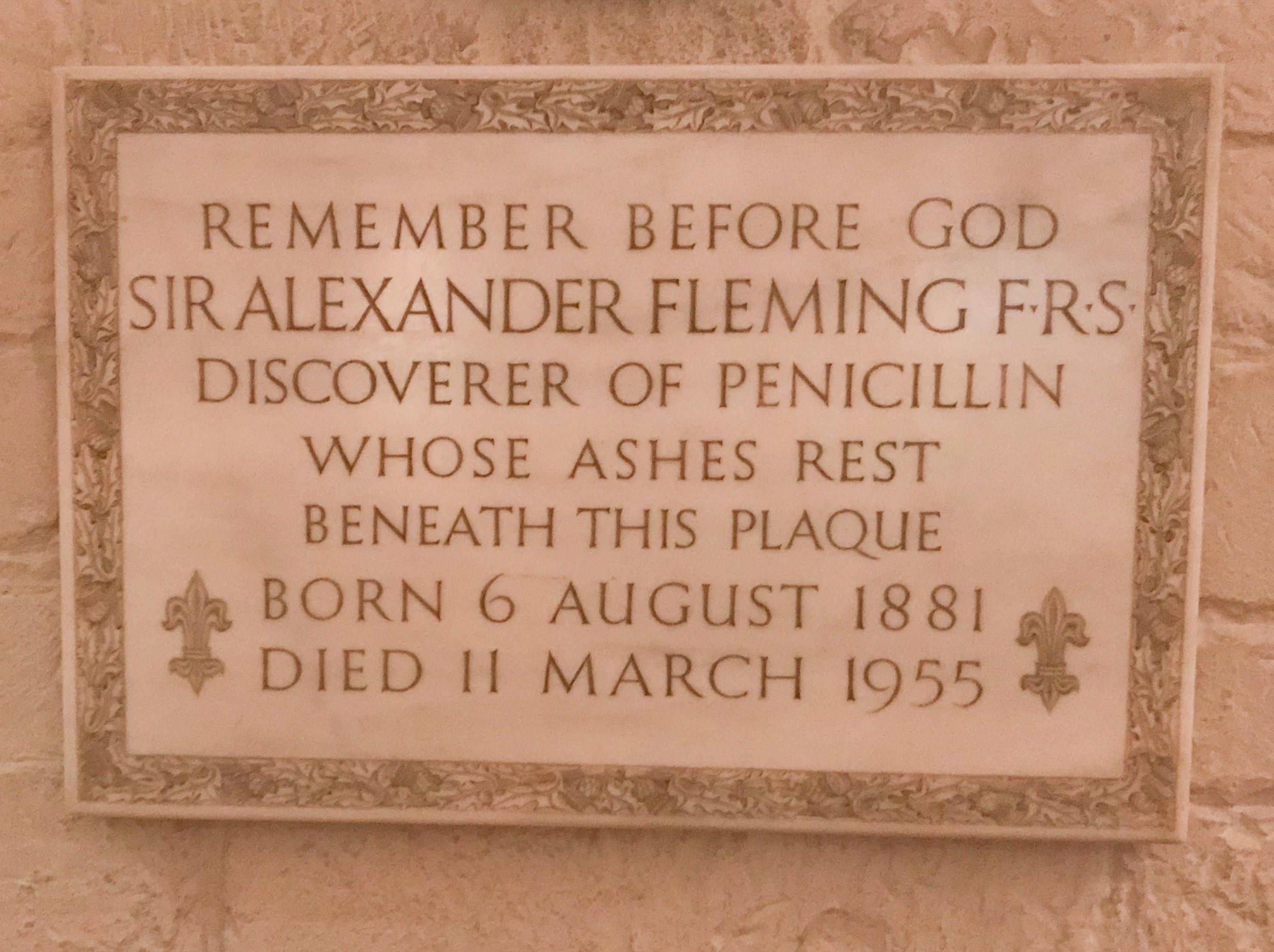
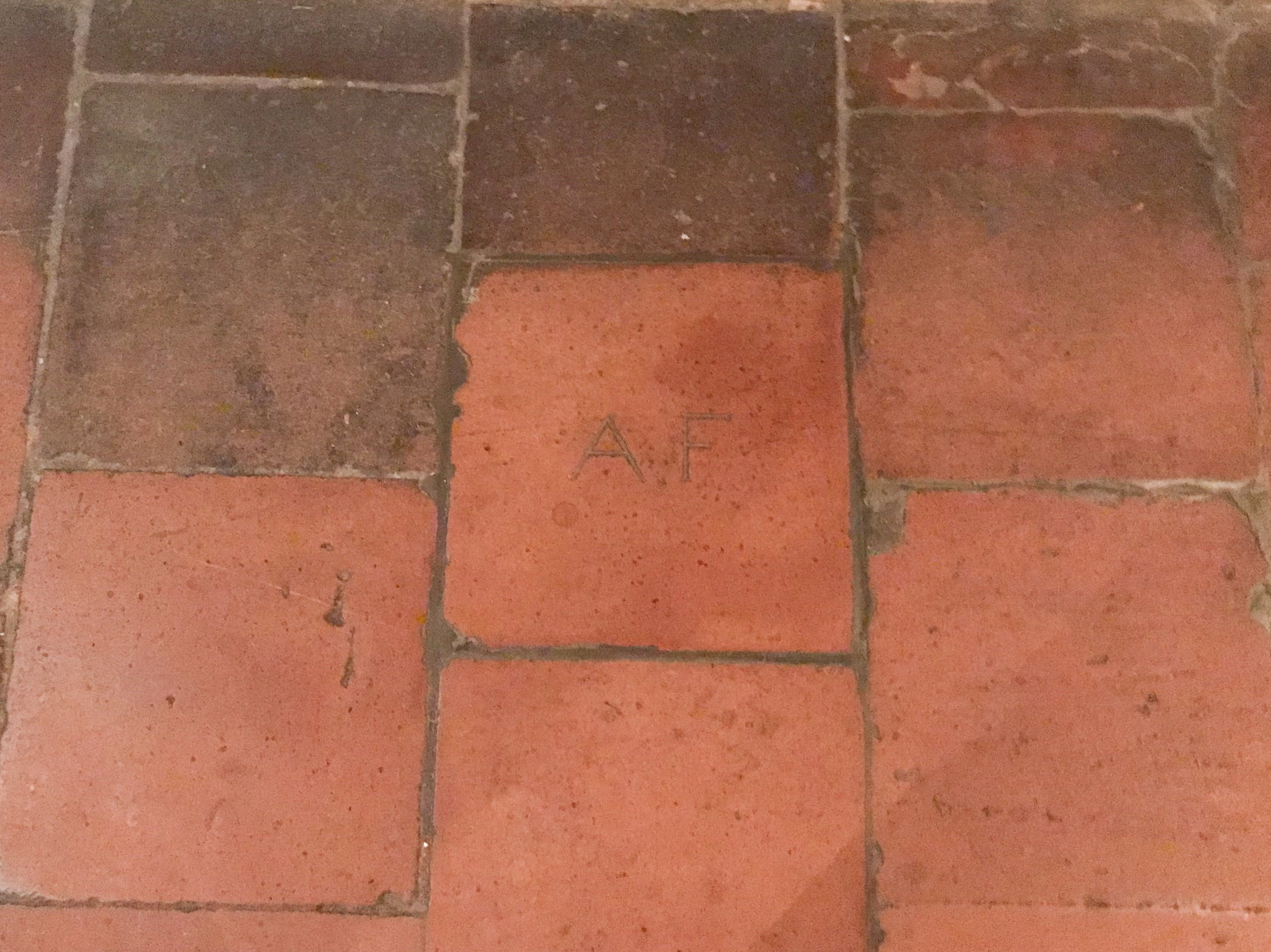
Grave Markings in the Crypt of St Paul’s for Dr Alexander Fleming, discoverer of penicillin
After touring the cathedral we stopped at a sandwich shop and went back to the cathedral gardens to eat our picnic lunch. There were lots of local taking their lunch break there as well. Some mallards were taking refuge in the grass from curious preschoolers.
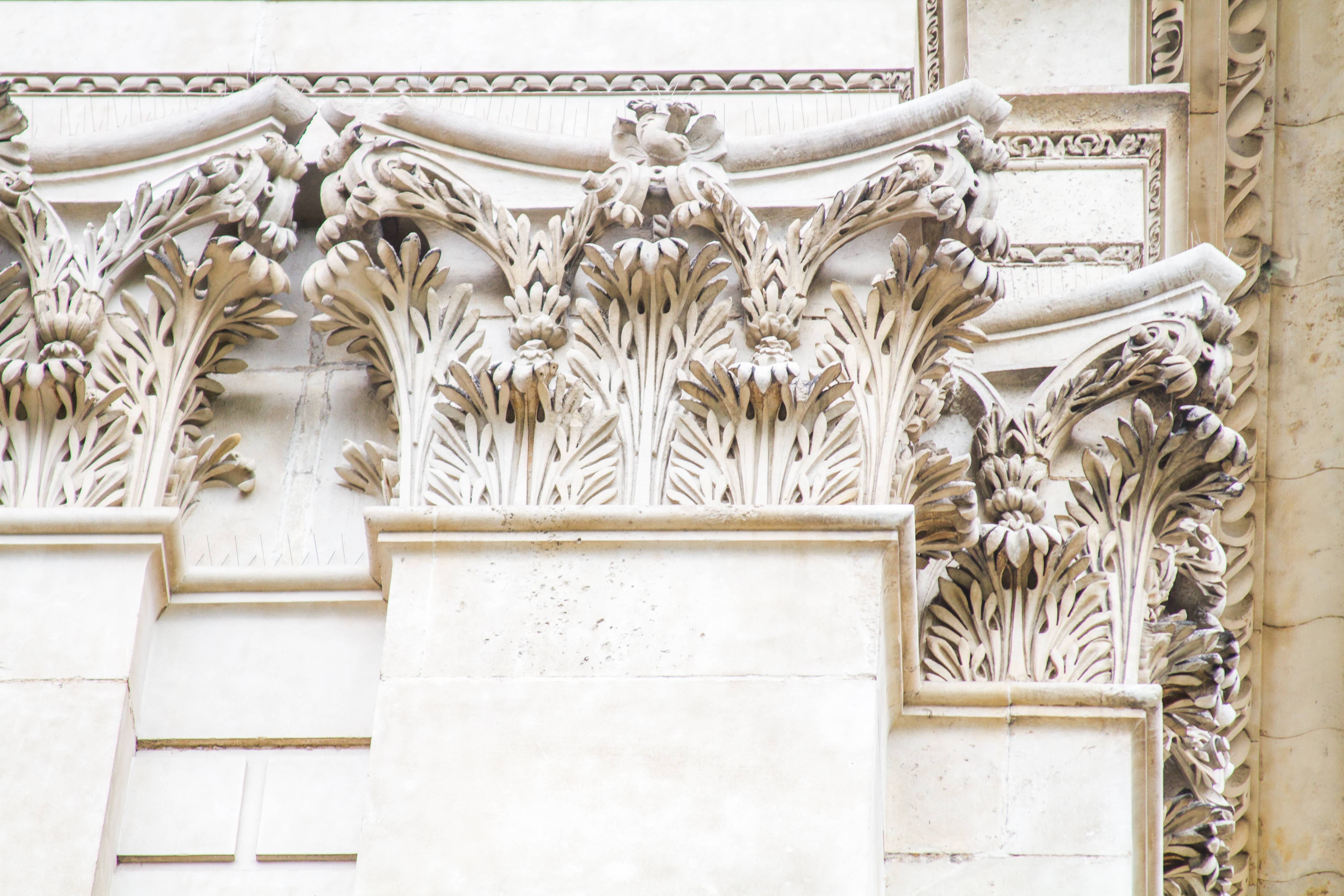
Exterior of St Paul’s Cathedral
After lunch we headed over to the British Museum, home of half of ancient Egypt and one third of ancient Greece. Joking aside (they do have most of a Greek temple, so it’s a joke based on reality), they have a lot of ancient stuff…even of some old people groups I don’t think I’ve heard of before. This place is impressive. And to top it off, it’s free. As in zero. I mean the church was pricey, so this was a great deal. Turns out this museum was founded in 1753 mostly off the collections of one physician/scientist. Over the years it grew so much that it was split into the current museum plus the Natural History Museum and the British Library. Altogether they have more than 230 millions items. The British Museum has over 100,000 items from Ancient Egypt alone.
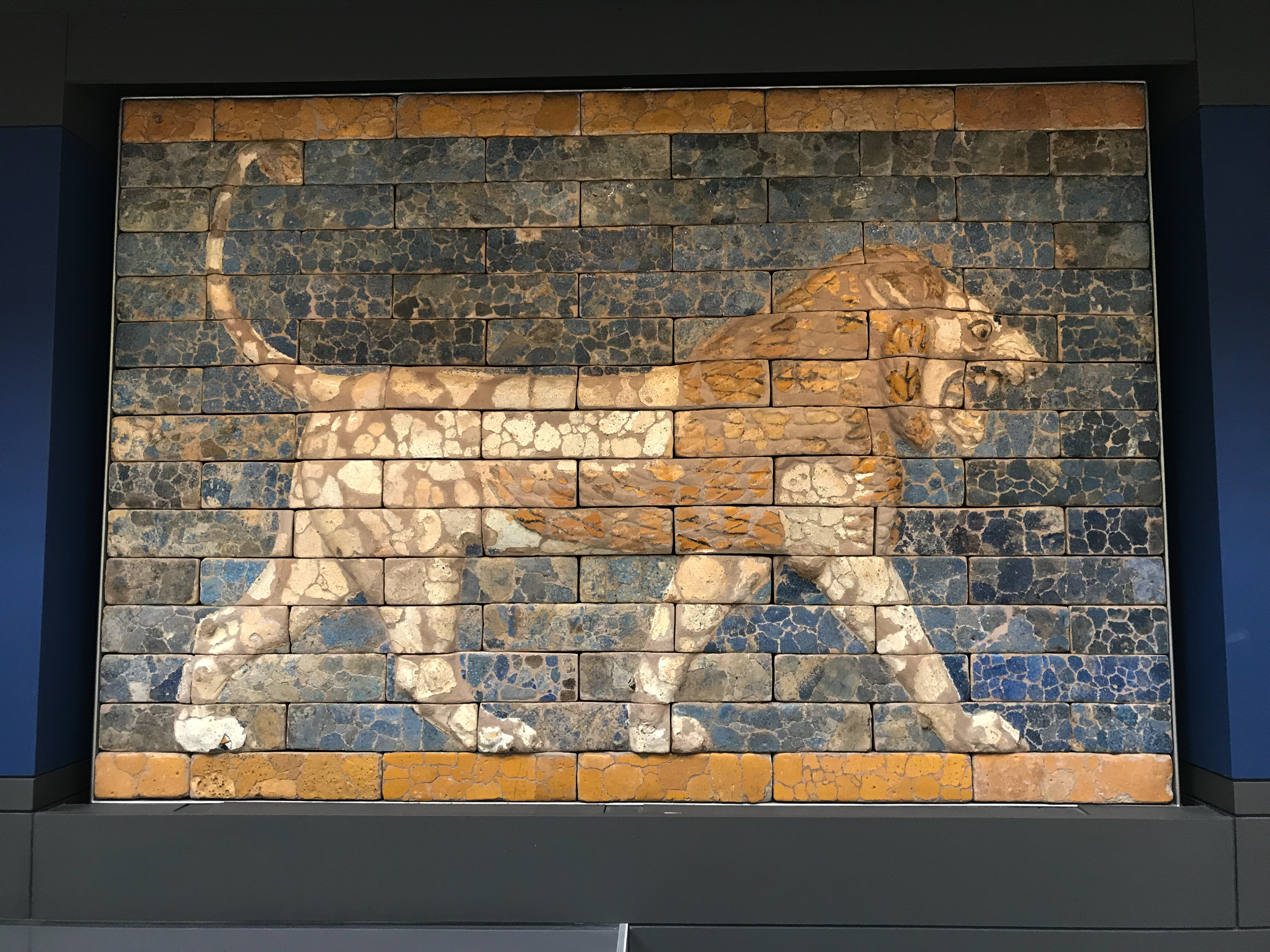
Blazed Brick Panel From the Throne Room of Nebuchadnezzar II
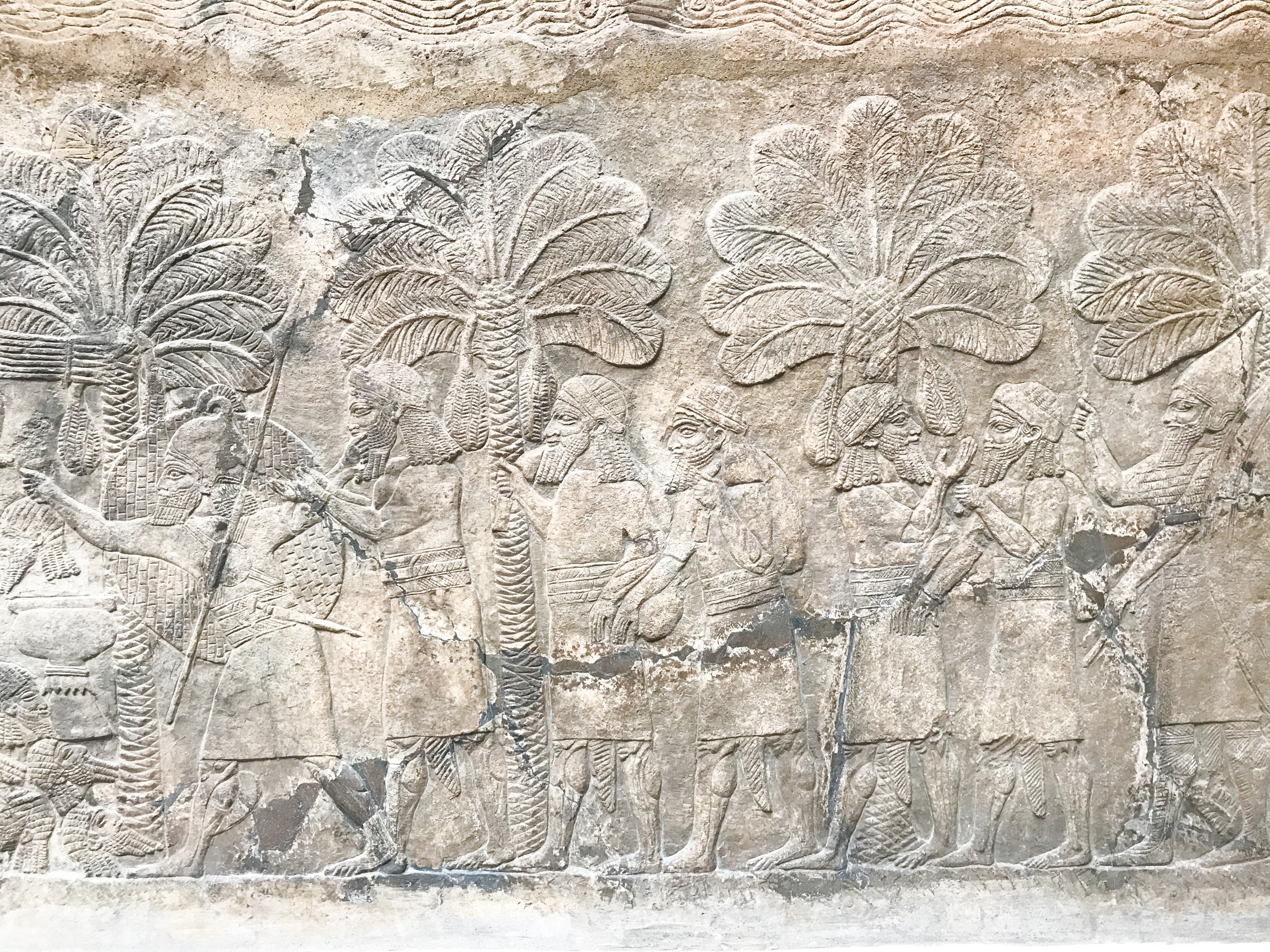
Carved Relief from Nineveh from about 640 BC
Probably the most famous item at the British Museum is the Rosetta Stone. This is an Egyptian decree from the government of Ptolemy V from 196 BC. It is written in hieroglyphics, Egyptian Demotic script, and Greek. These 3 translations on the same stone allowed for the deciphering of Egyptian hieroglyphs.
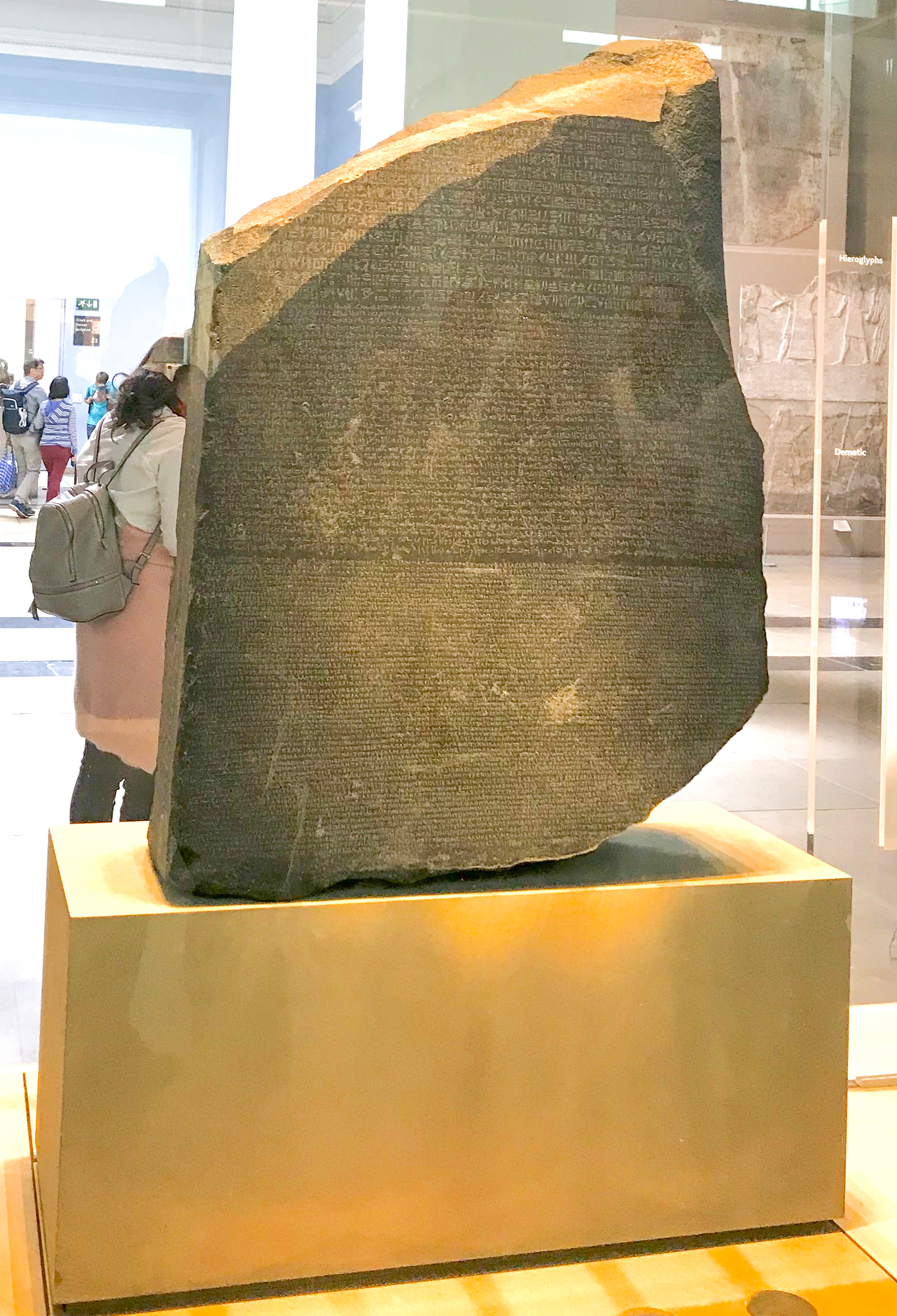
Rosetta Stone
After that, we crashed for a couple of hours, ate dinner at a restaurant near our hotel, and called it a night.


Leave a Reply