Today we are docked in Vienna, Austria. We decided to head a little bit outside of Vienna to see Stift Kloster Neuburg, a monastery nearby.
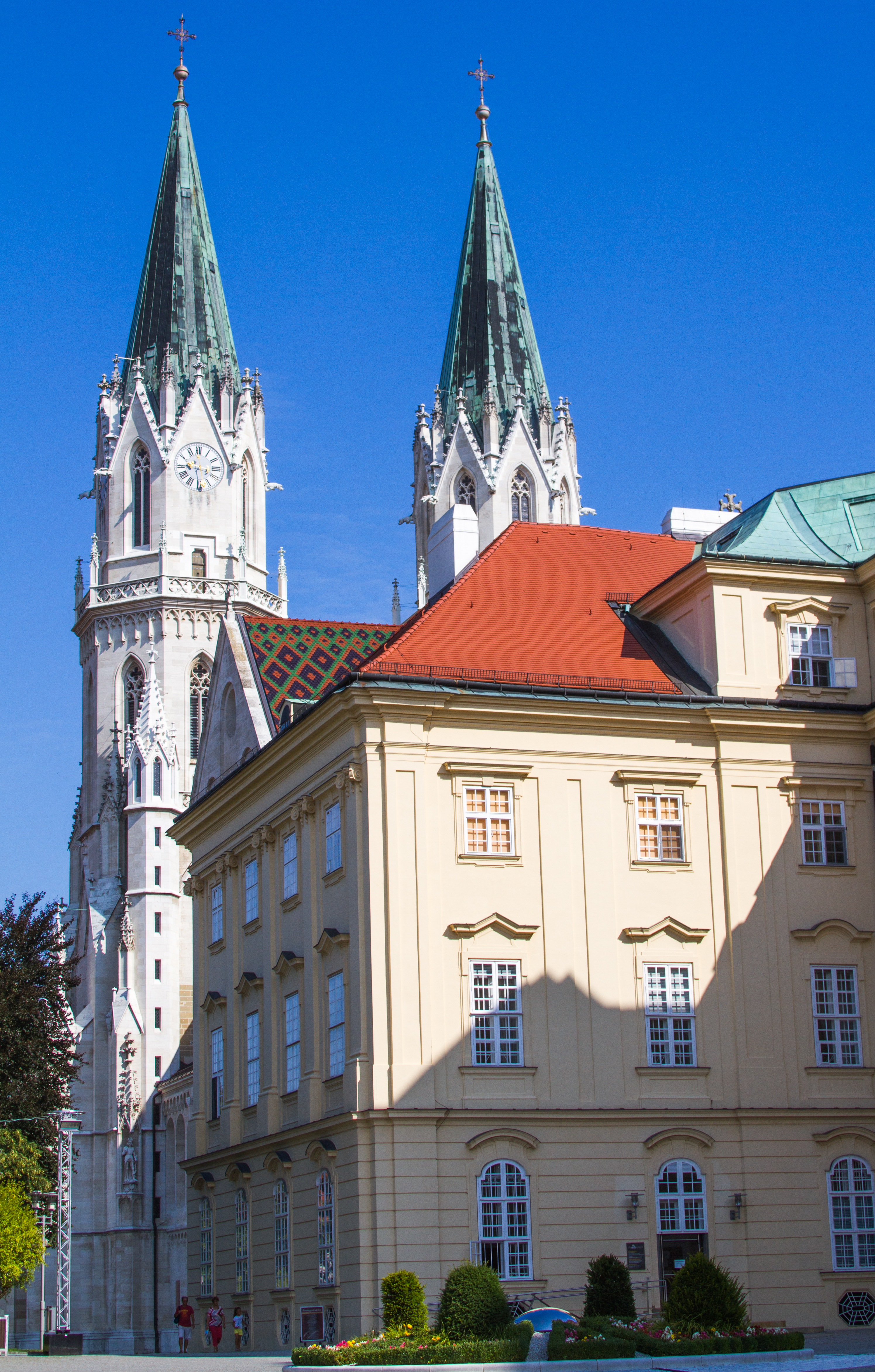
Stift Kloster Neuburg
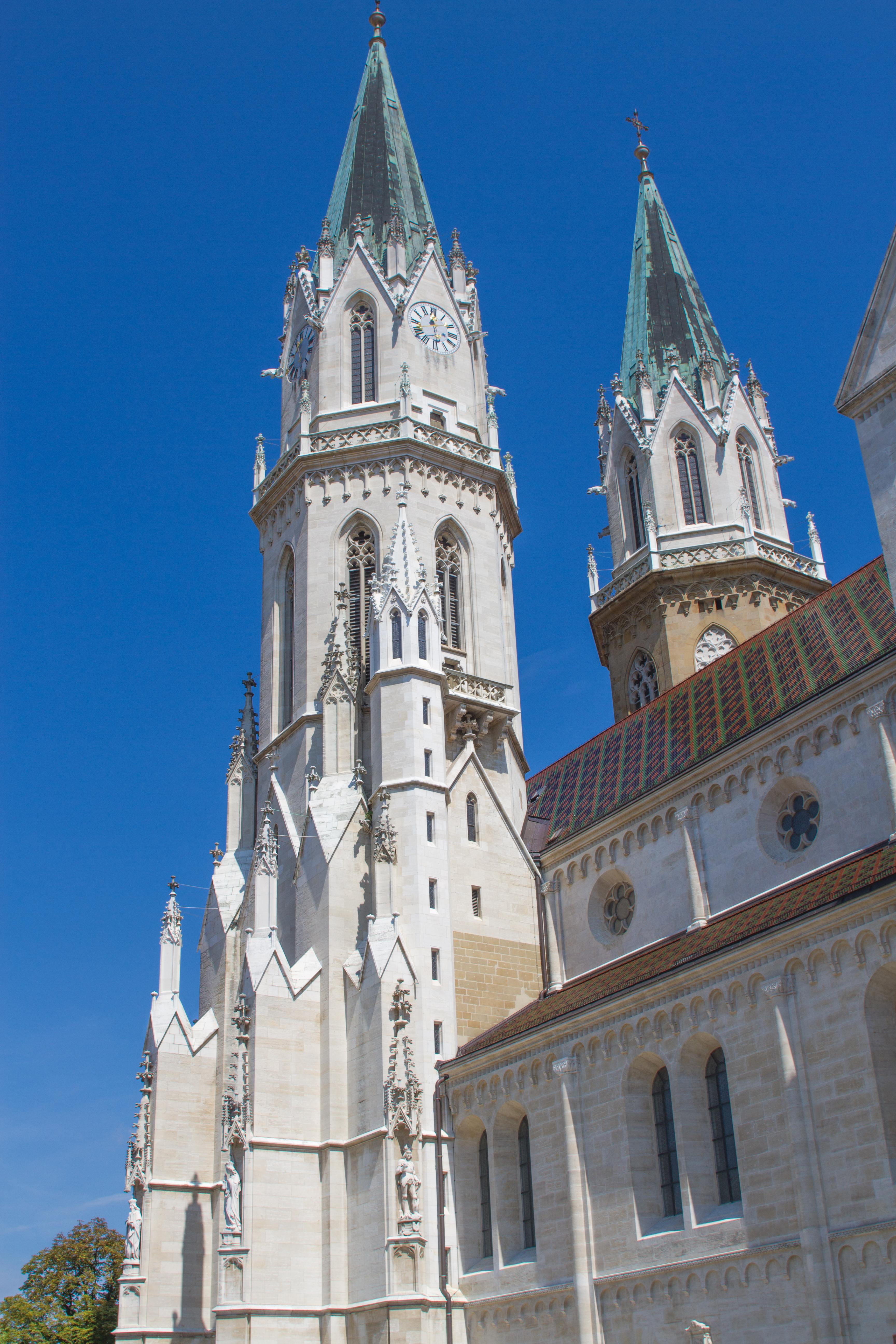
Stift Kloster Neuburg: the darker stones are the original portions of the building
Legend has it that this monastery was founded at the site where Leopold II found the wedding veil of his wife Agnes. This was considered very bad luck so he declared that he would build a monastery wherever the veil was found. 9 years later he found the lace veil completely intact in an elder bush so that is why the Kloster Neuburg monastery was started at this location.
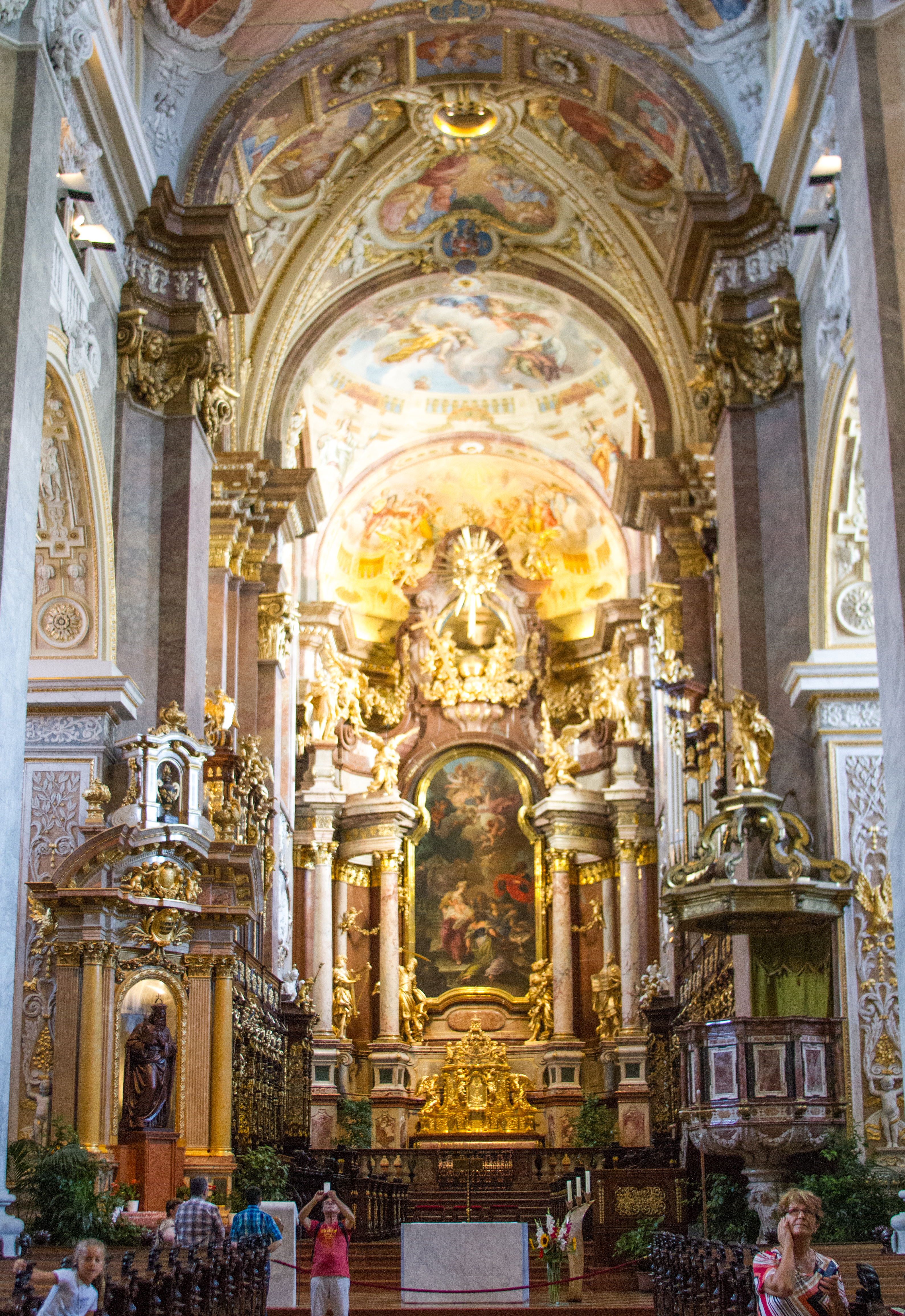
inside the church
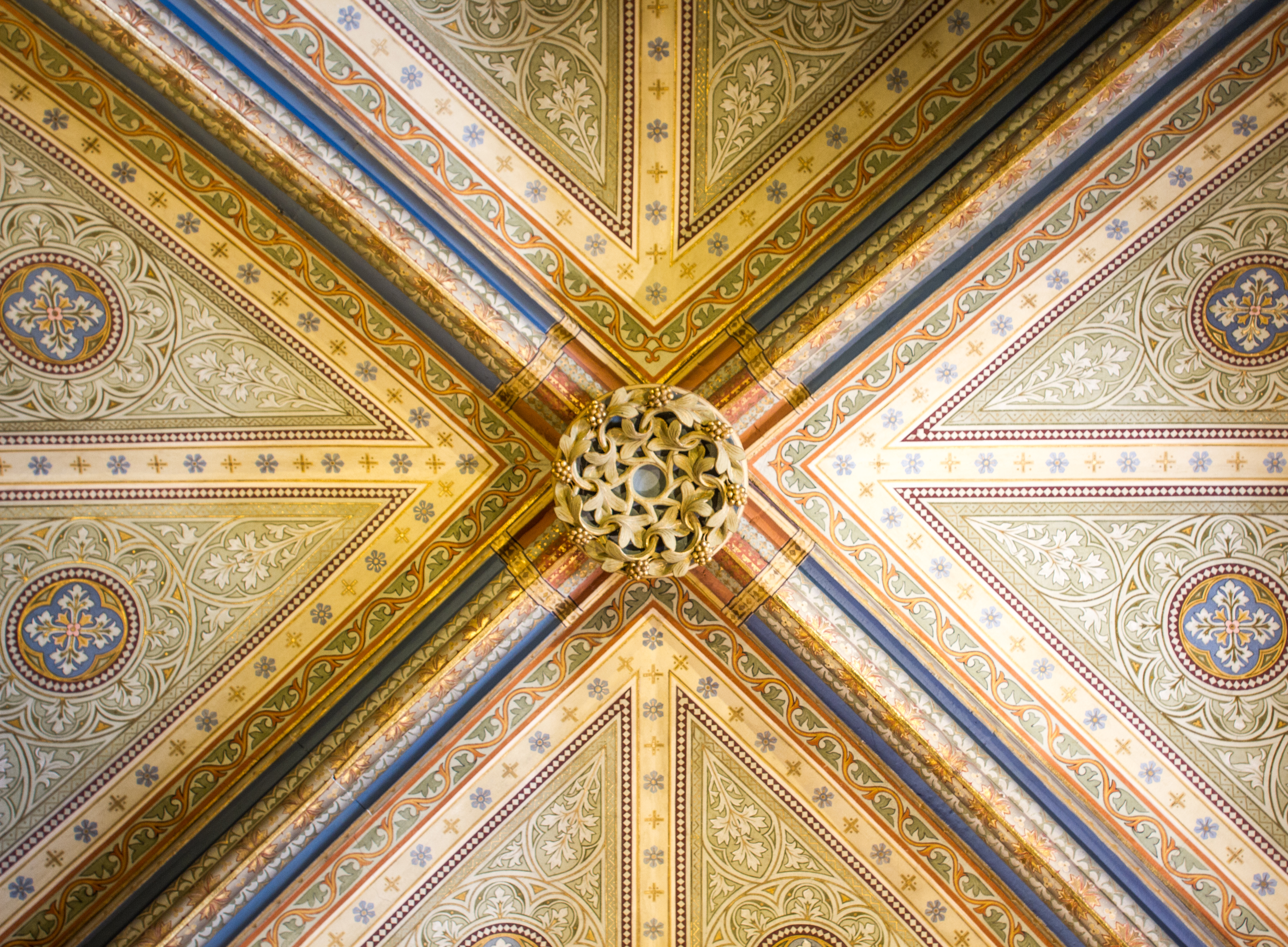
ceiling
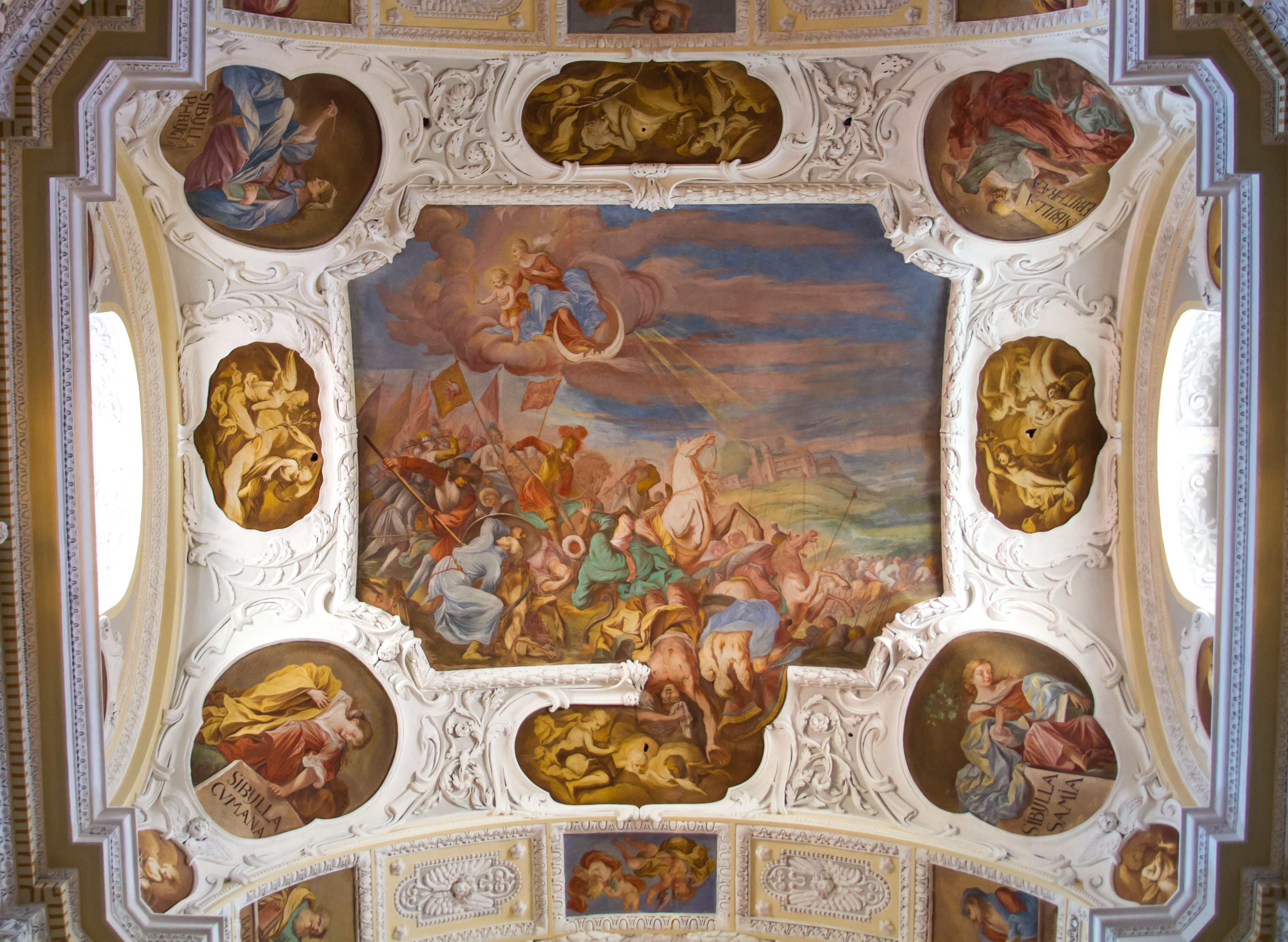
church ceiling: it is dedicated to the Virgin Mary and this is depicting her helping in battle. The artist even had the picture go outside of the frame showing how she cast out the enemies
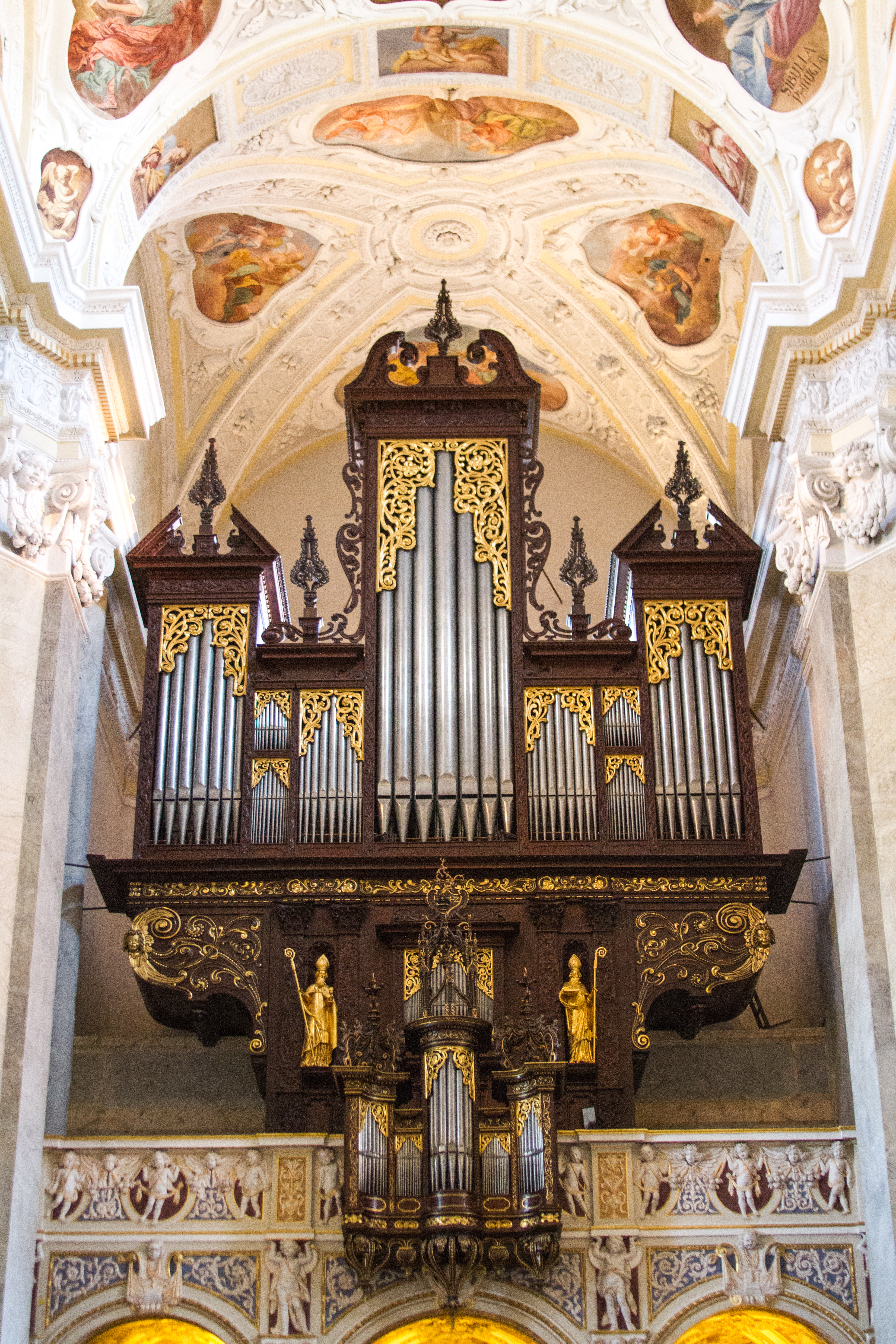
This organ dates back to about 1640. Really! It was restored in the 1980s and 90s and they actually play it and use it for concerts. Our guide says it is very loud compared to the other modern organ in the church.
In the early 1200s, Leopold VI built a residence on to the monastery, temporarily making this the capitol of early Austria. Over the centuries the monastery and adjacent palaces were expanded. The monastery started vineyards in 1114 and developed a business that exported throughout the region, continuing to today.
We toured the museum, which had some really nice items in it. Fortunately we decided to do an add on guided tour, not knowing what that meant. With this tour we got to see items that are not on general display. We saw the Agnes’ candelabrum which is a huge (10 ft ish?) bronze candelabrum that dates back to the beginning of the monastery, so early 1200s. Most impressive was the Verdun Altar. This was made in 1181. It is a large, 3-panel enameled piece and it is breathtaking. Each cell has a story from the Bible and it is organized with stories from before the 10 commandments, after them, and stores about Christ. Like the candelabrum, this is a very large piece. There also is a back side of the altar, which is paintings from the 1330s. They have been separated from the enameled portion to help with conservation.
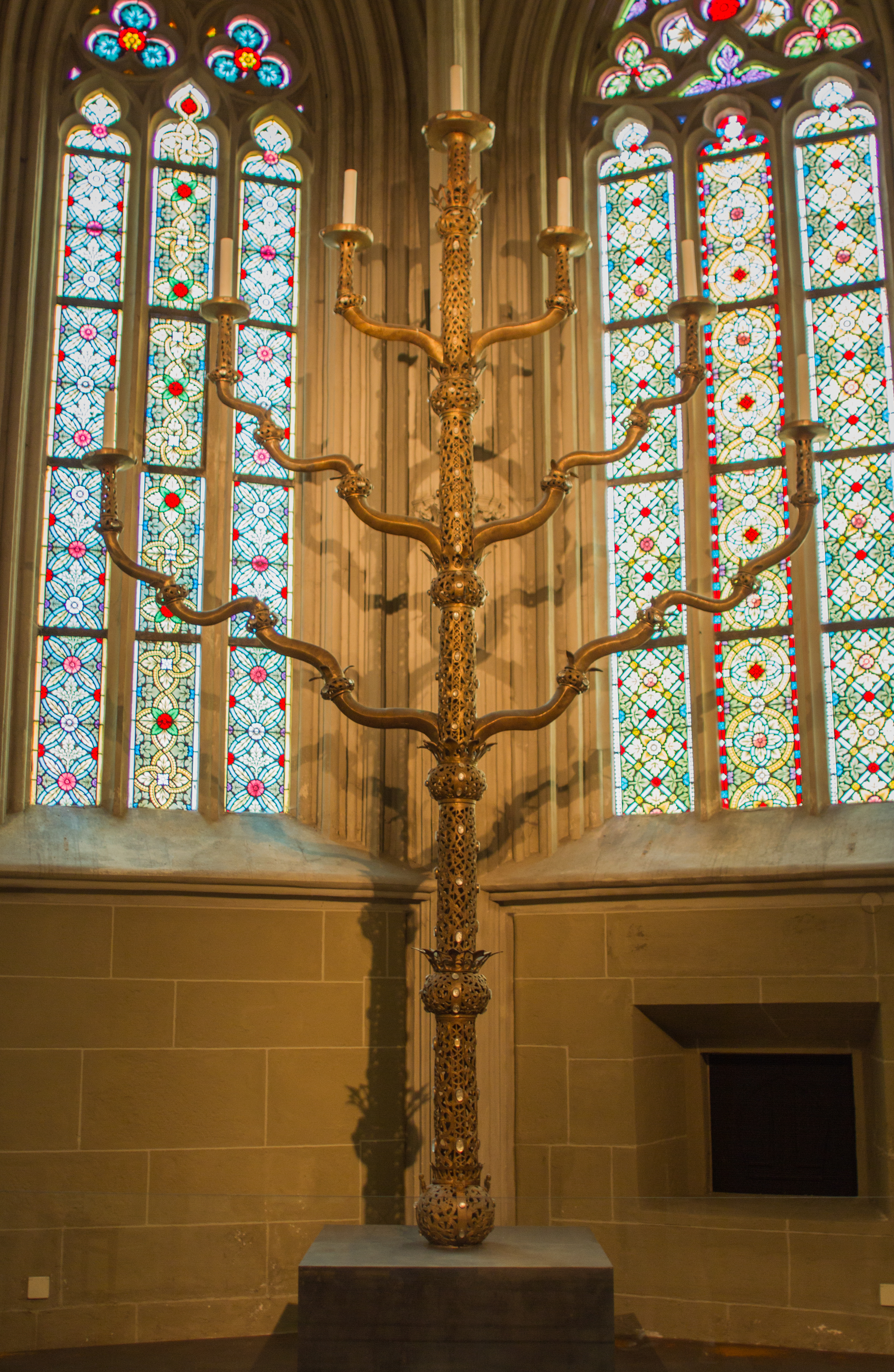
Agnes’ candelabrum
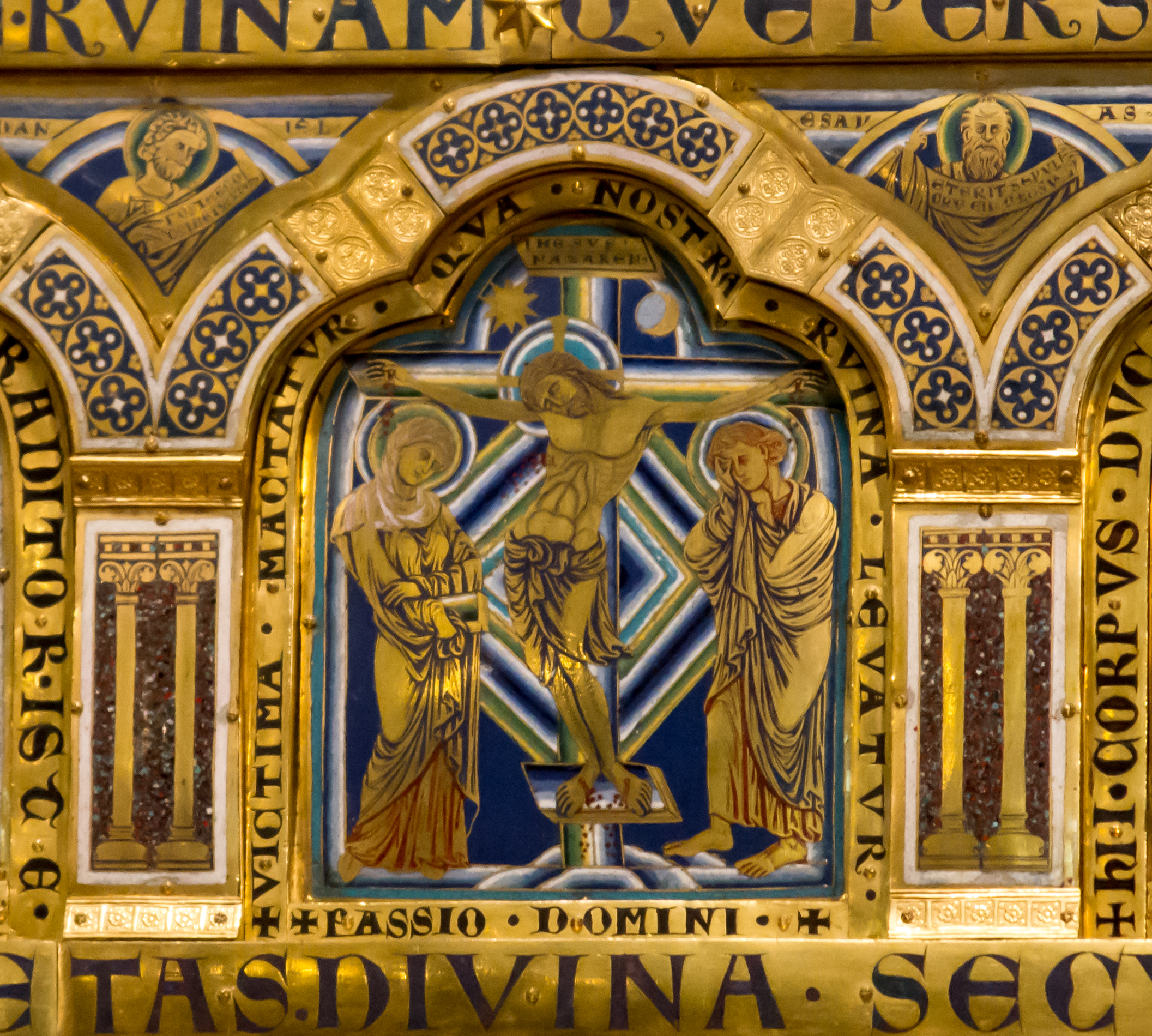
One cell of the Verdun Altar depicting the crucifiction
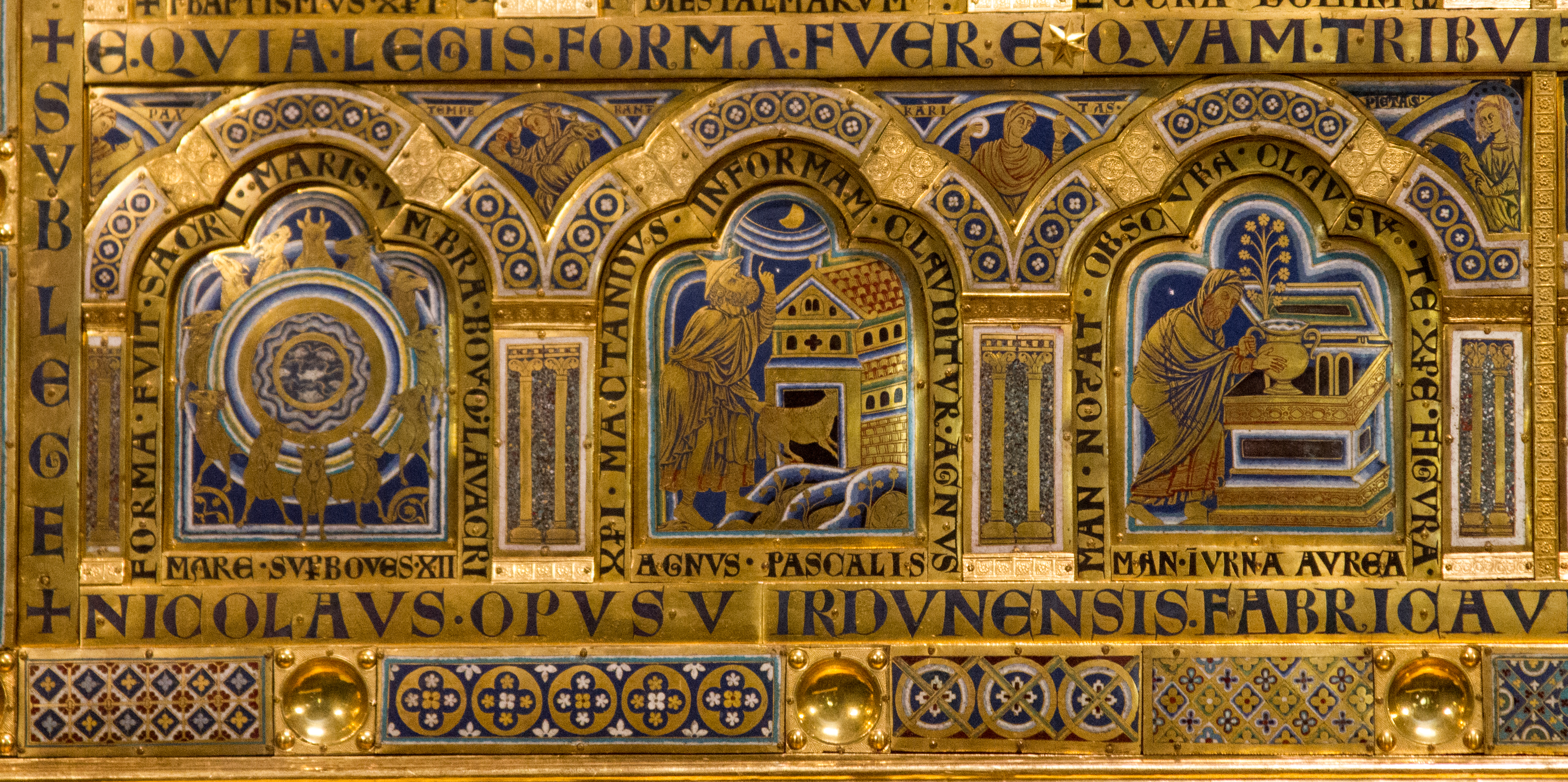
Another section of the Verdun Altar…the bottom portion has the name of the artist who made it.
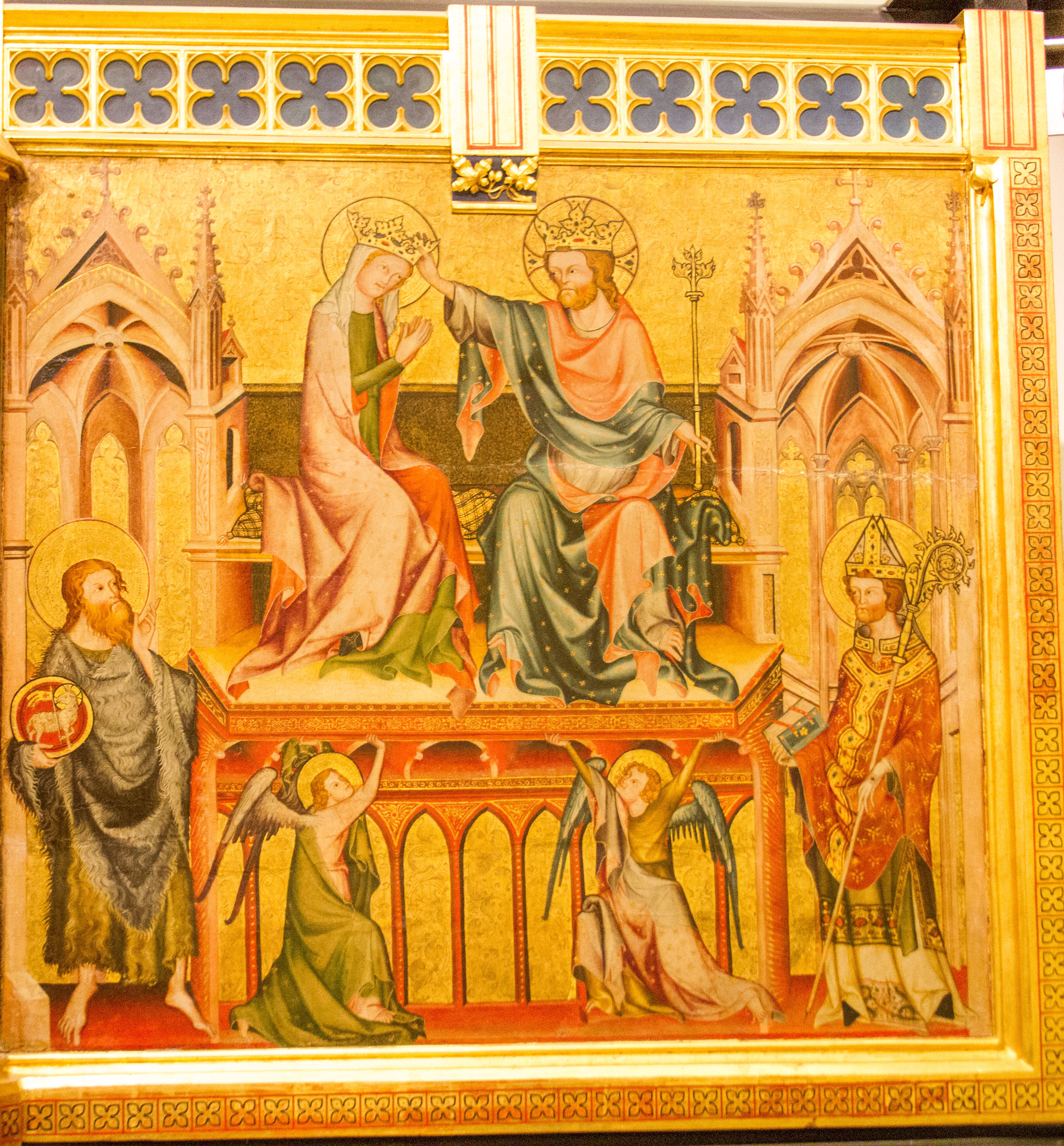
A portion of the back painted portion of the altar.
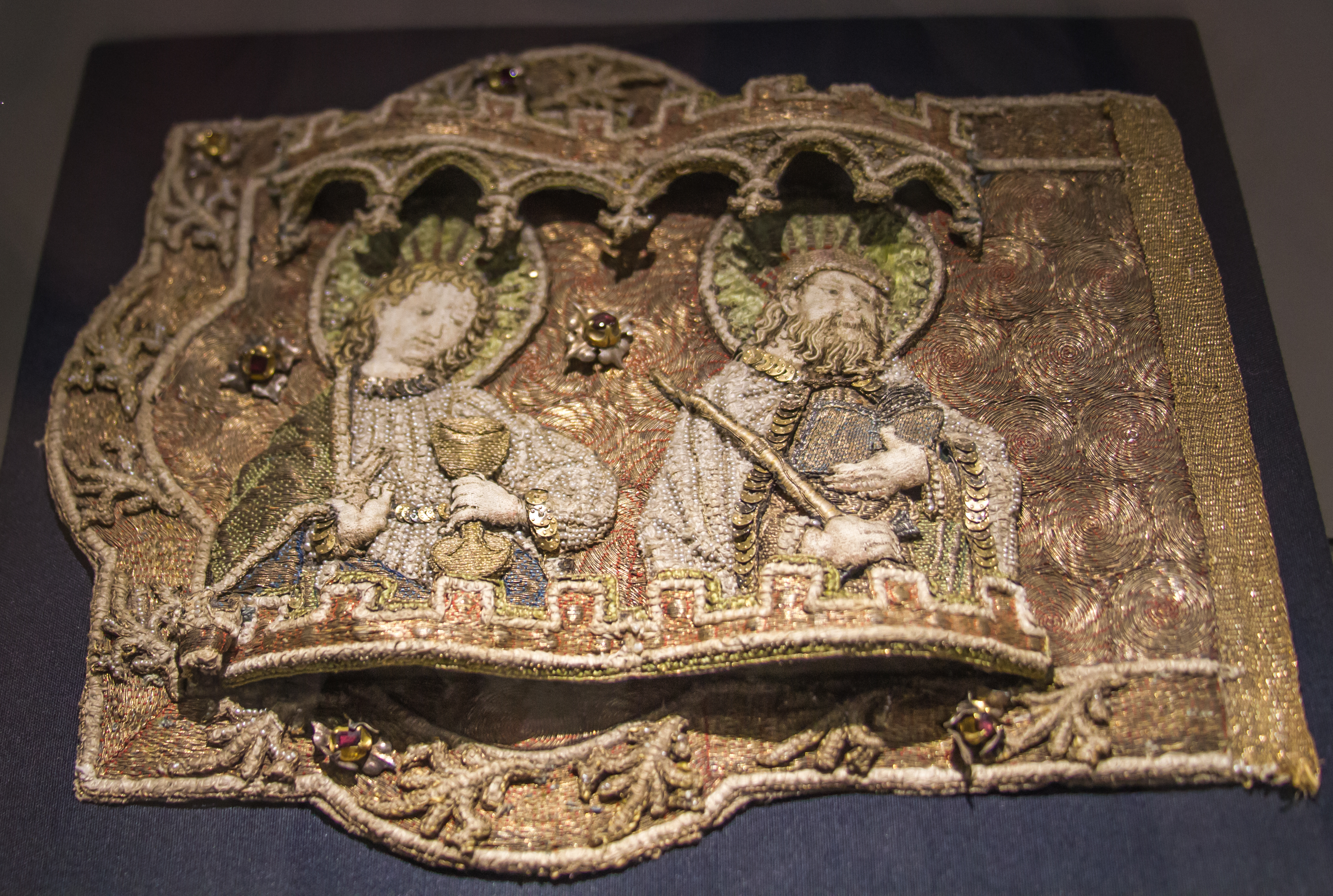
12th century embroidery
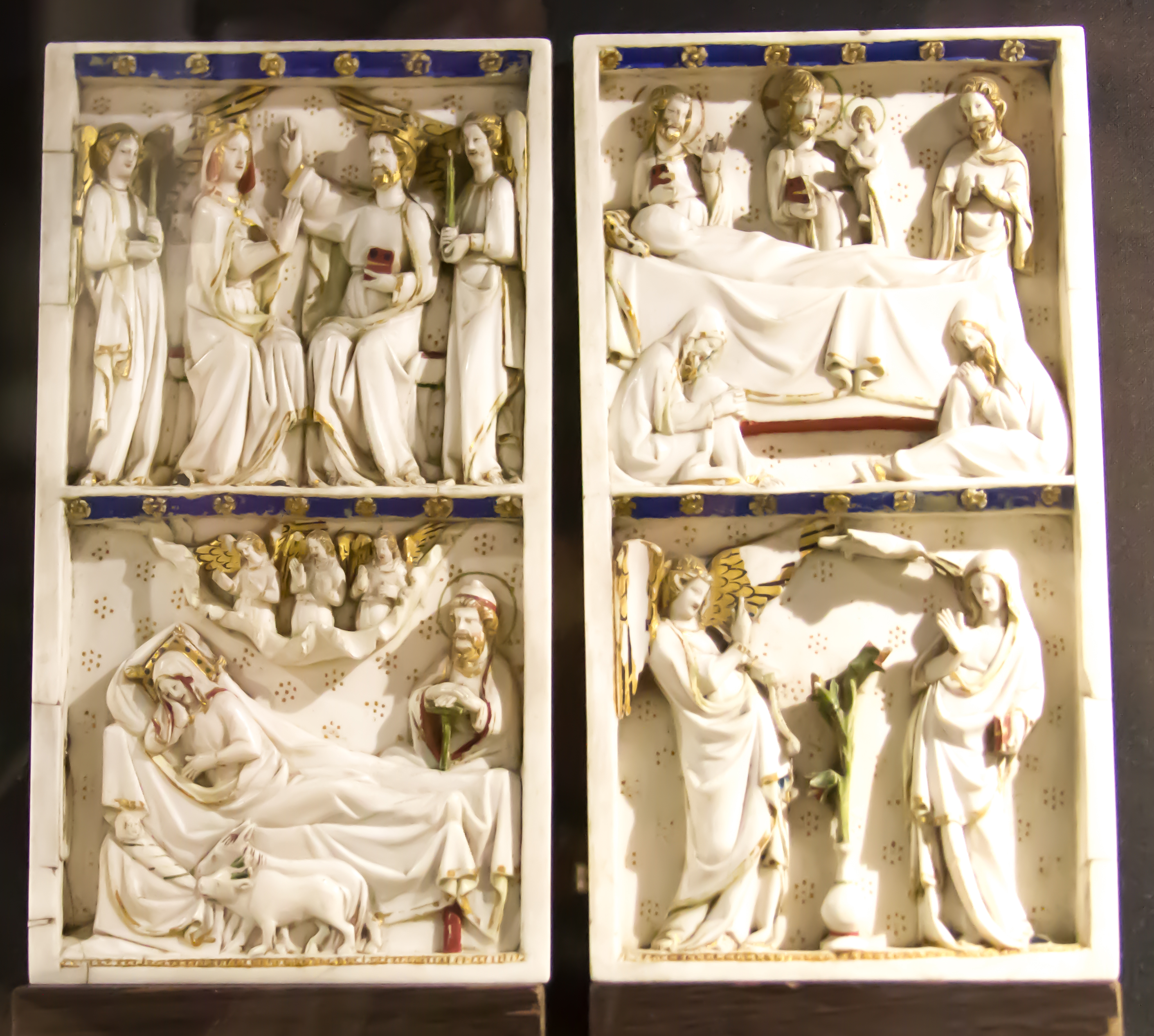
12th century ivory carvings
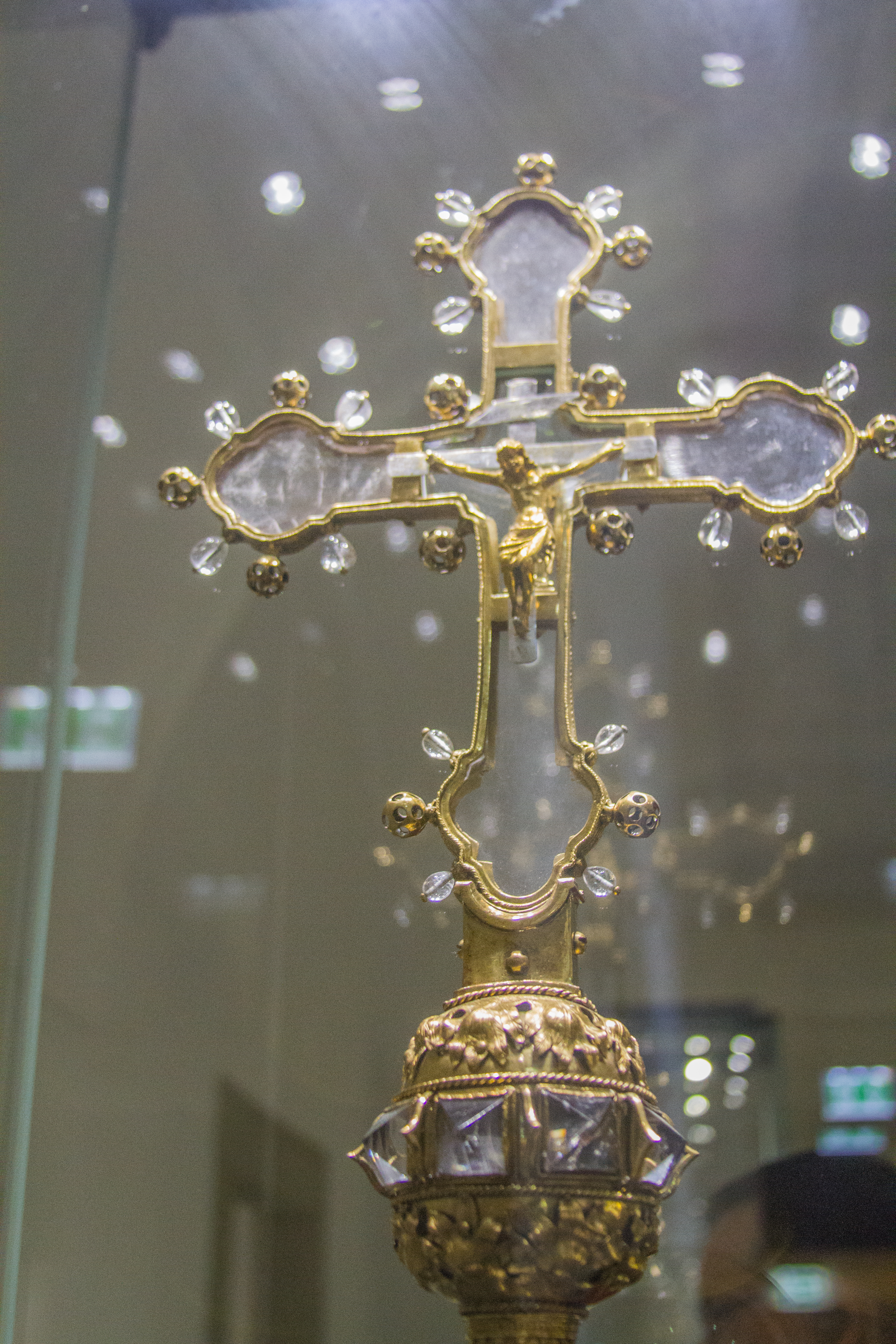
12th century cross scepter
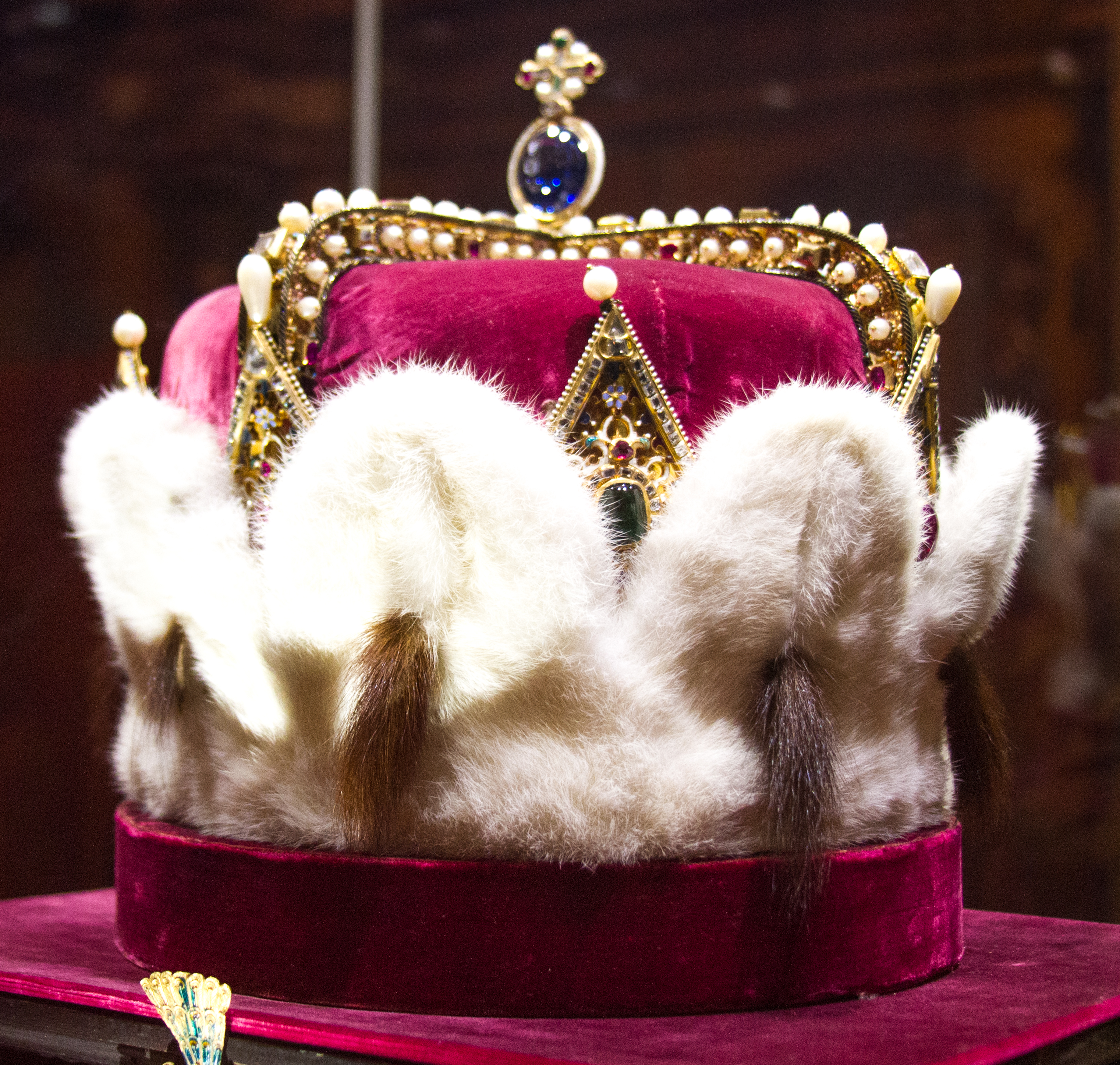
Austrian Archduchal Hat. Basically the crown of Austria…except it is held, not worn. It was given to the monastery to be kept there in 1616. It was used for inauguration ceremonies of new archdukes, last used for this in 1835. It was last officially used in public for the funeral of the last Empress of Austria, Zita, in 1989.
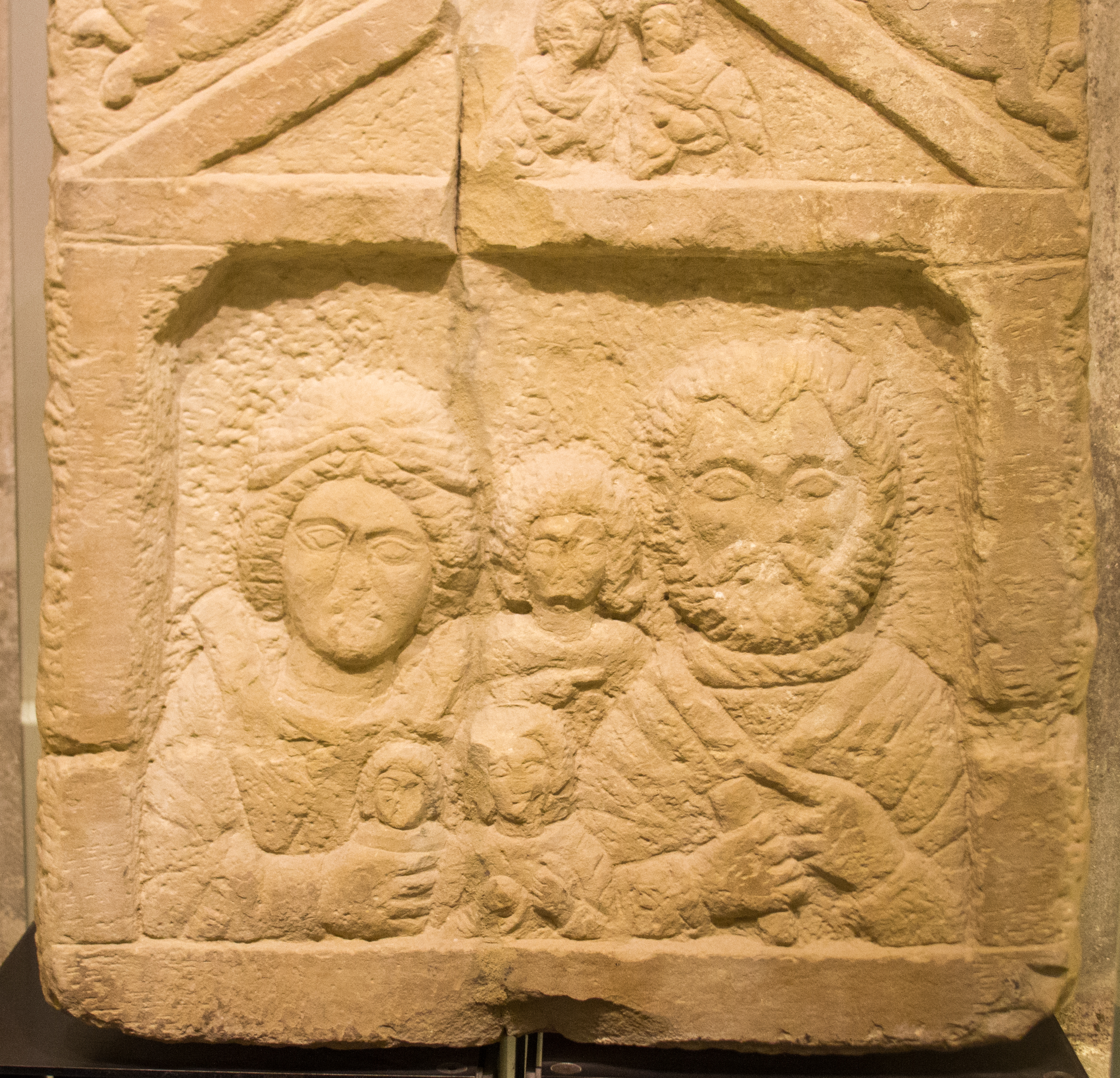
Tombstone from Roman era. Depicts a family: man is is Roman attire while woman is in Celtic attire which implies intermarriage of locals with the Romans
We really enjoyed our time in the monastery and would recommend visiting it…but take the extra guided tour!
After that, we headed back to Vienna. We went in the cathedral and went to say hi to the Lipizzaner horses. We also stopped by the Demel bakery to pick up a Sachertorte. This is one of the 2 official places that is recognized as “originators” of the Sachertorte, the other being the Hotel Sacher. Franz Sacher invented the famous Viennese cake in 1832. A member of the family worked at the bakery, but the family also started the Hotel Sacher. In the 1930s there was a legal dispute over who could claim to have the original Sachertorte. Basically, they have to label them with different chocolate pieces on the top. Silly lawyers. The bakery was crazy busy so we got a piece of the famous cake and a chocolate mousse to go. For the record, both were good, but the mousse was much better.
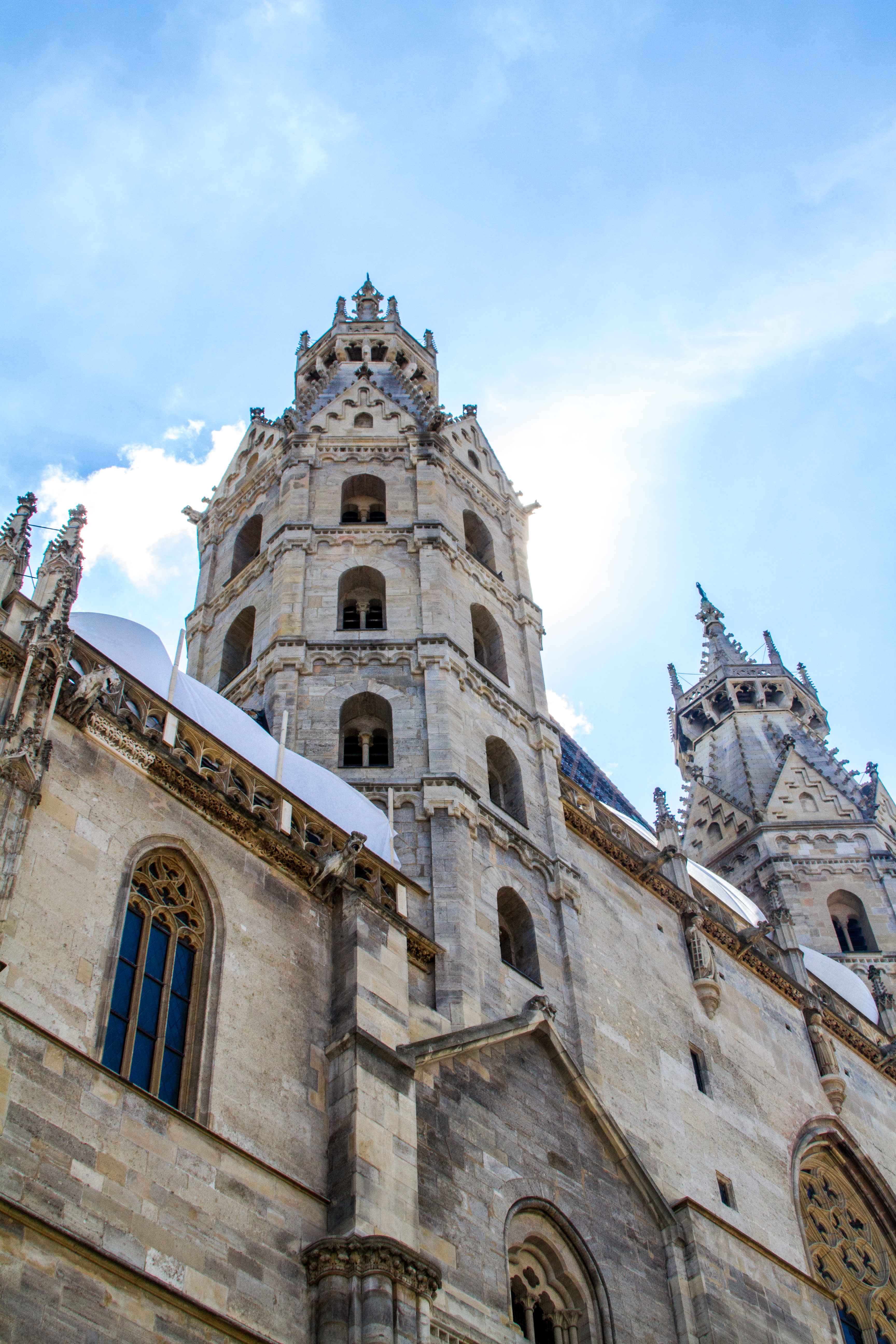
St Stephen’s Cathedral
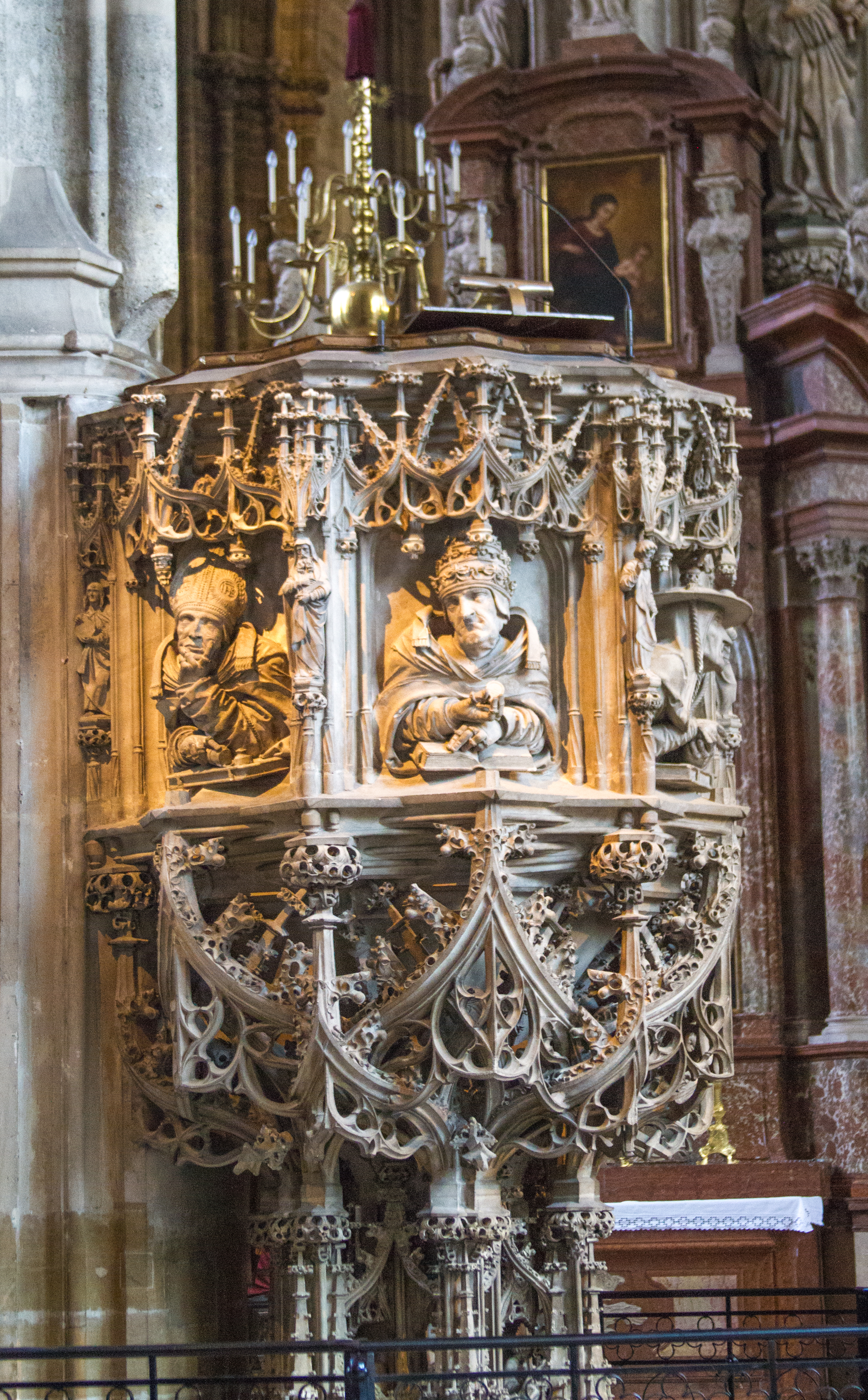
Inside St Stephen’s Cathedral
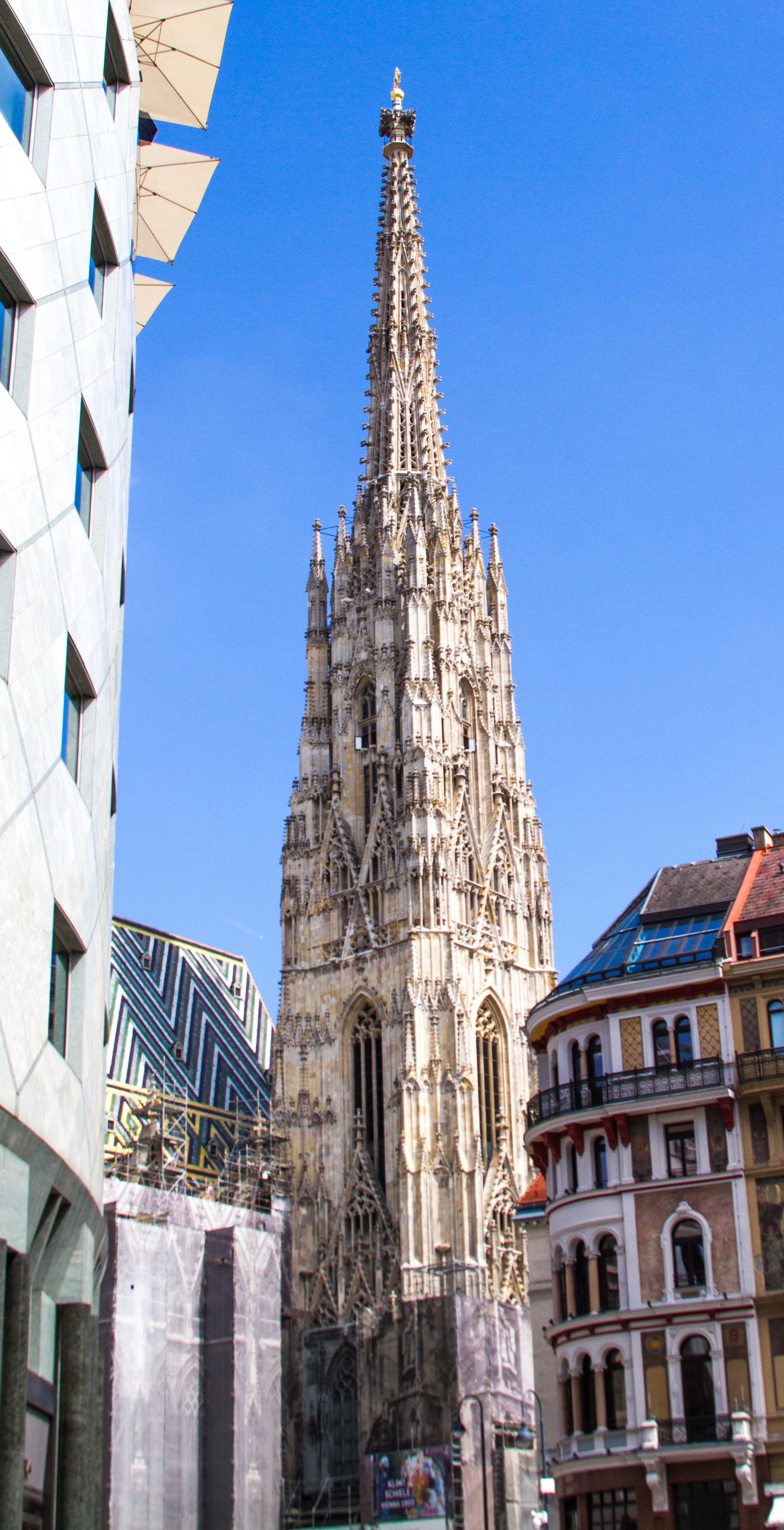
St Stephen’s Cathedral
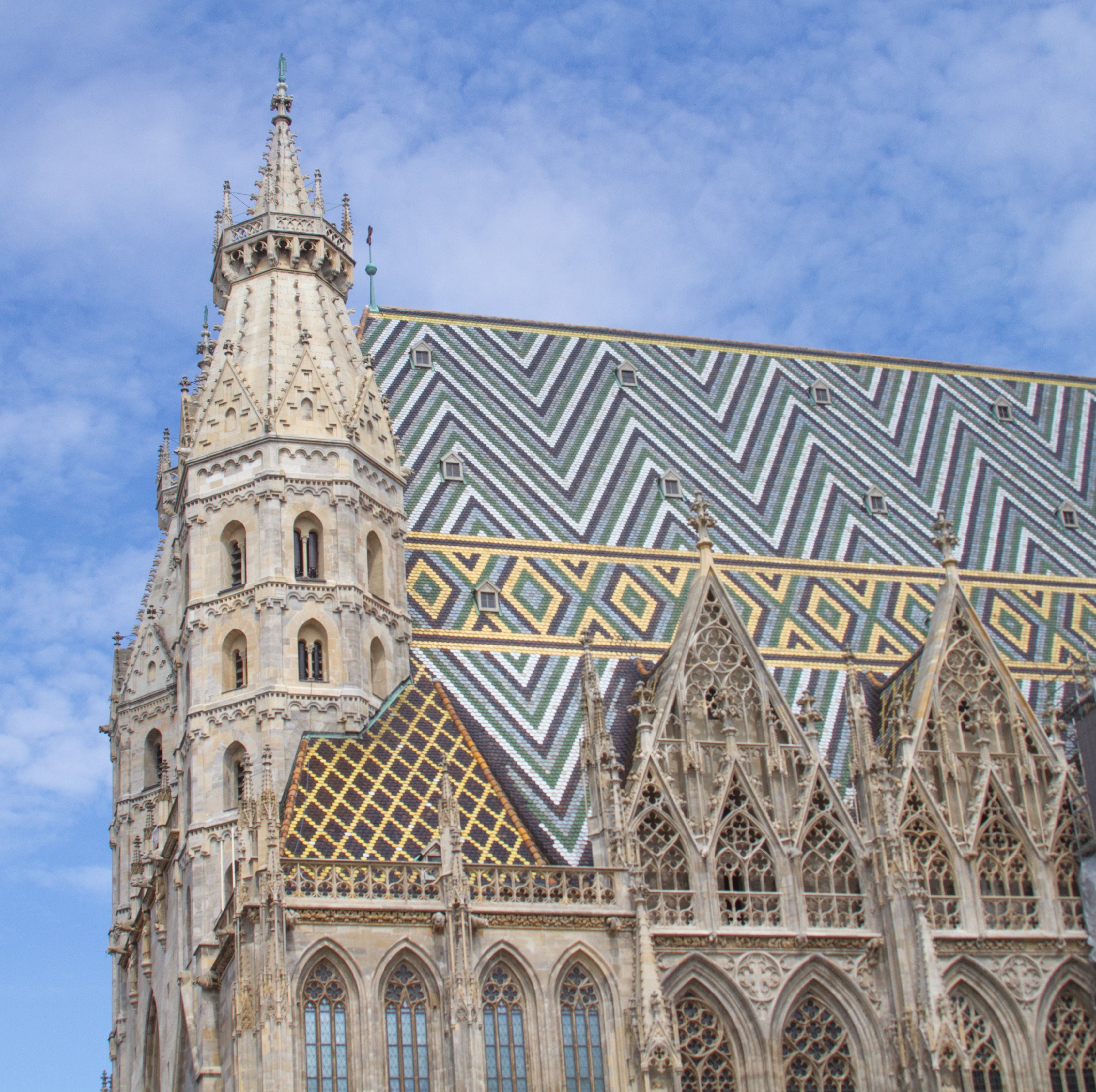
St Stephen’s Cathedral
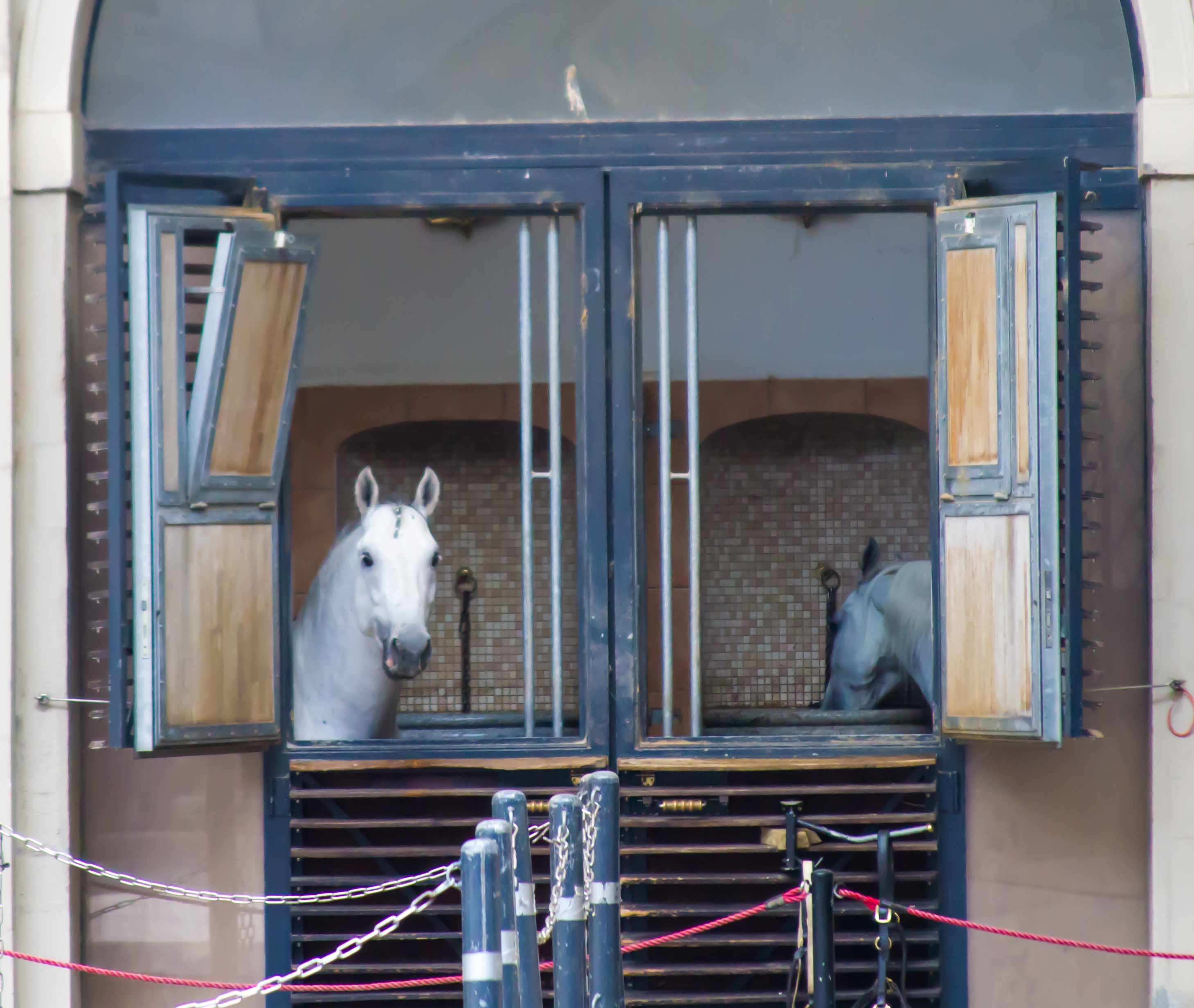
Lipizzaner horse
On our way back to the boat we stopped by a church we had seen. This was the St Francis of Assisi Church. I love the architecture of the outside! It was built between 1898 and 1910. Inside it is plain with the exception of the Elisabethcappelle. This is a small chapel decorated with gold mosaics. It is to commemorate Austrian Empress Elisabeth who was assassinated by an anarchist in 1898. She was the first protector of the Red Cross, so that organization donated funds towards the chapel, which was completed in 1907.
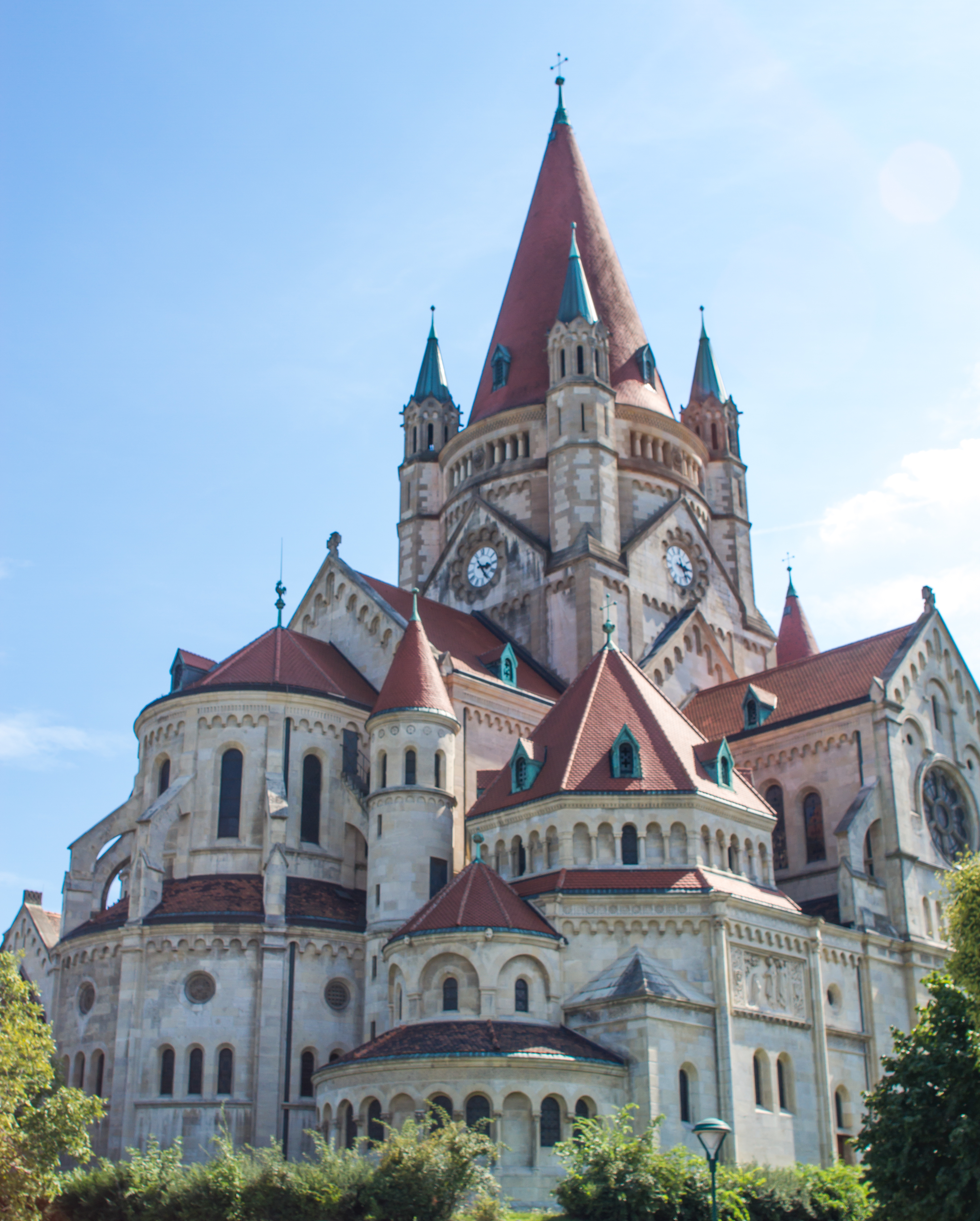
St Francis of Assisi Church
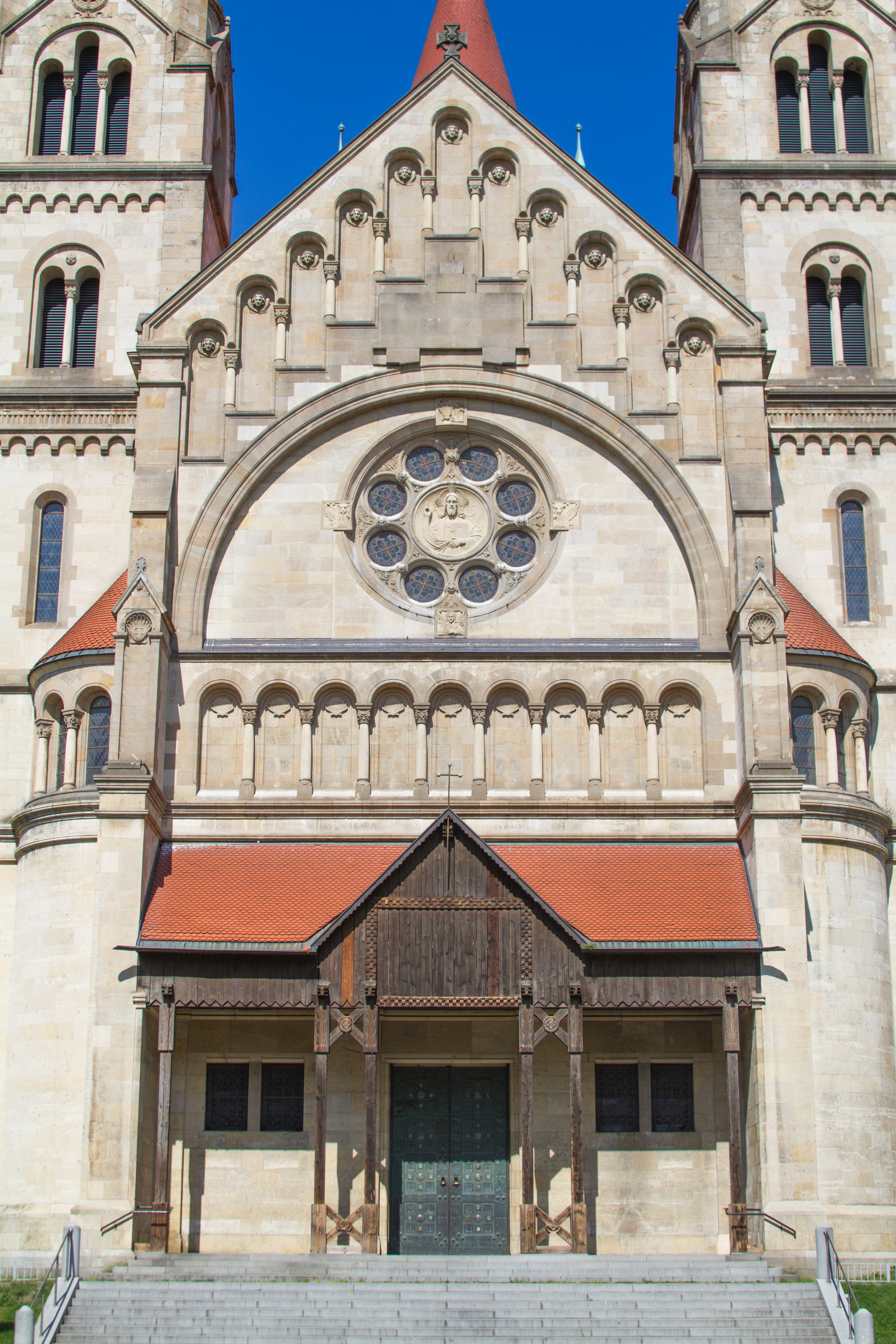
front of the church
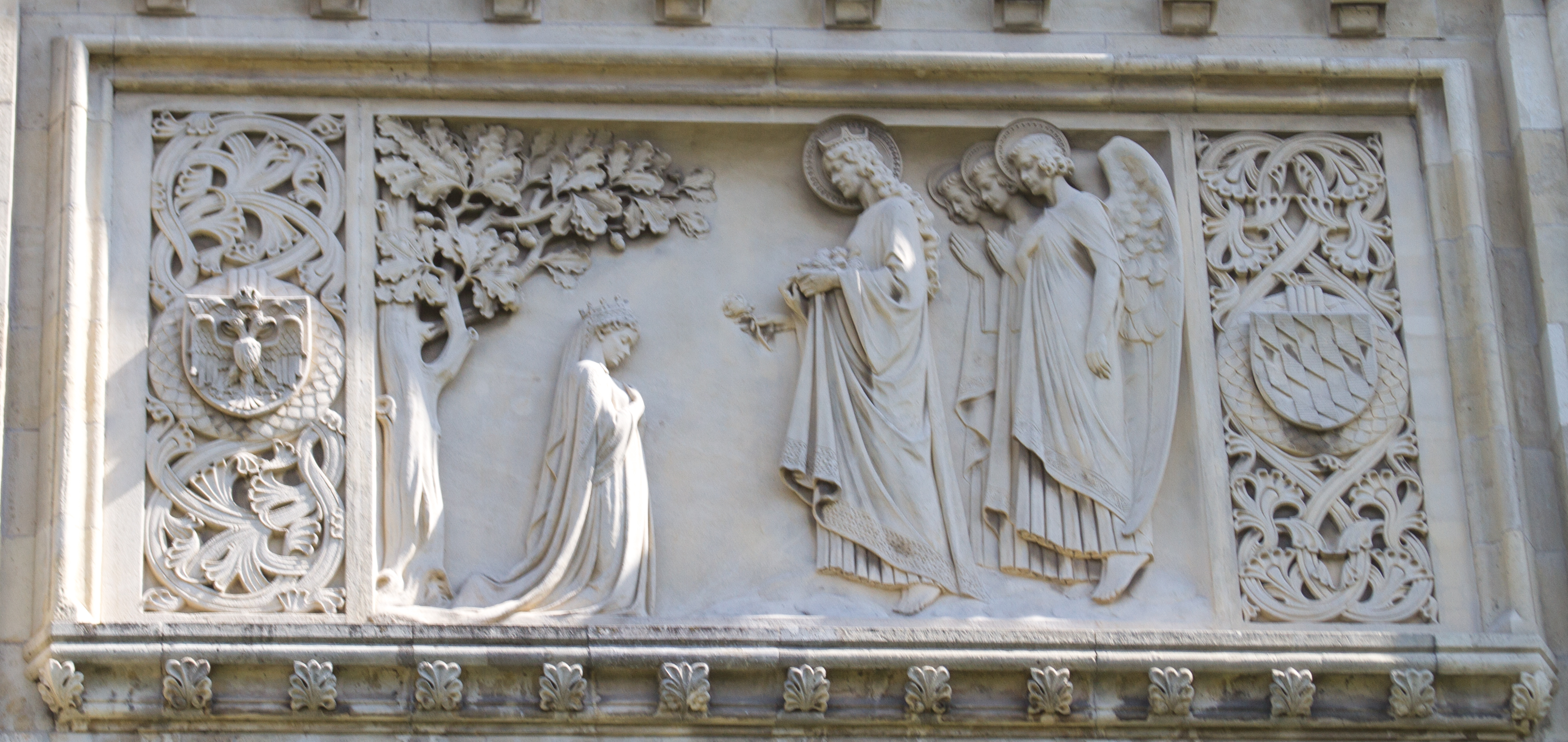
Carving on the side of the church
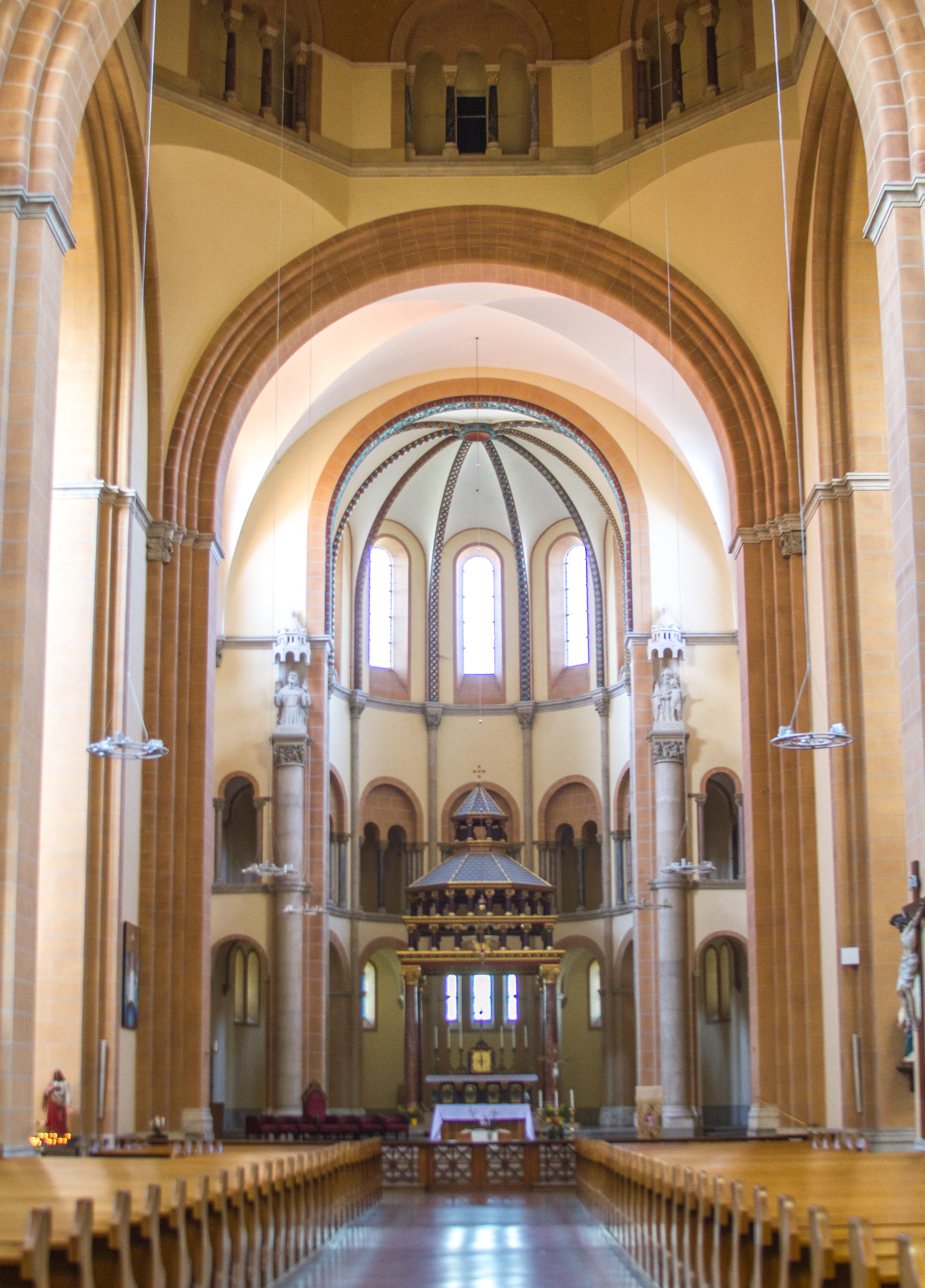
Inside the church
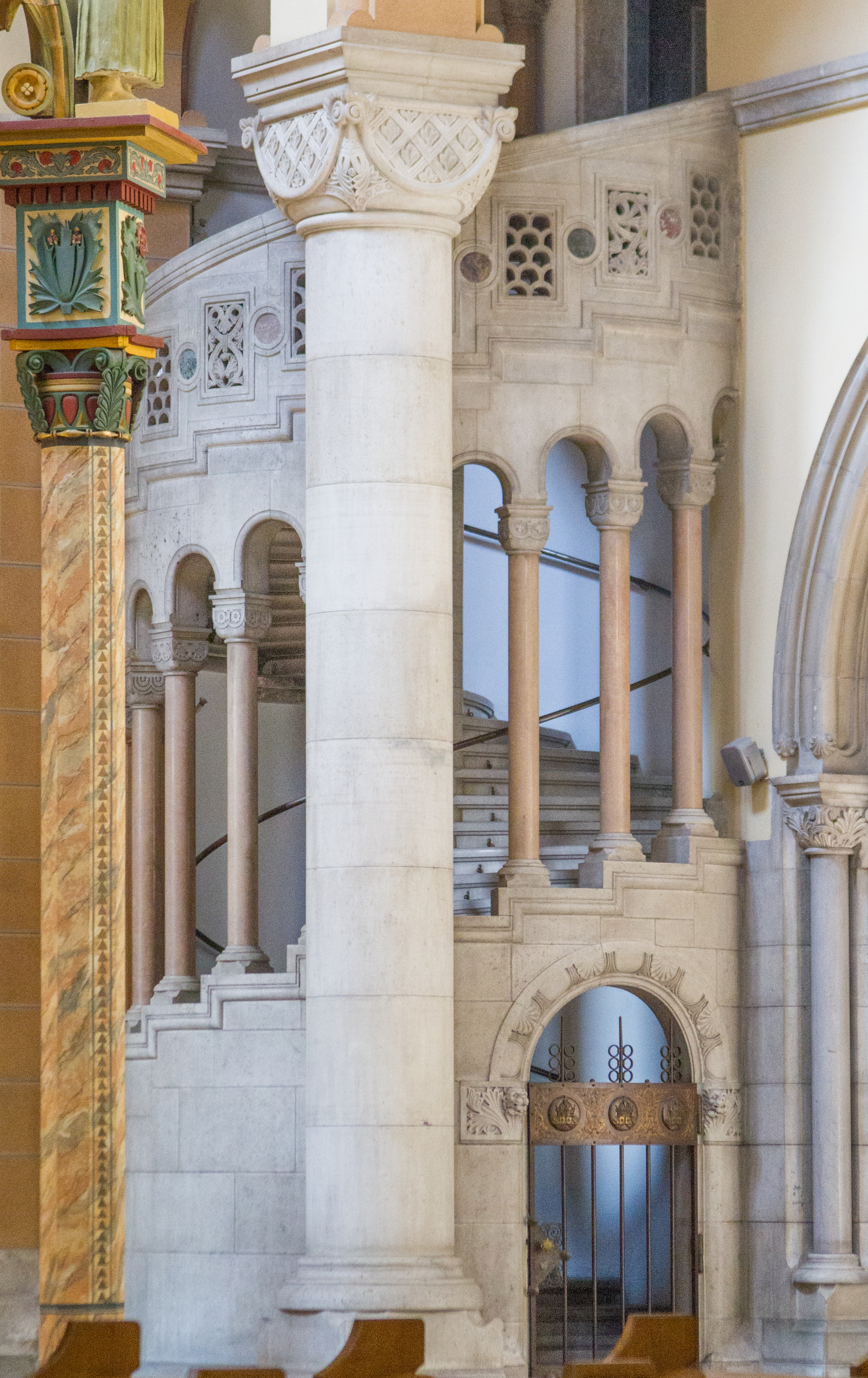
Stone spiral staircase
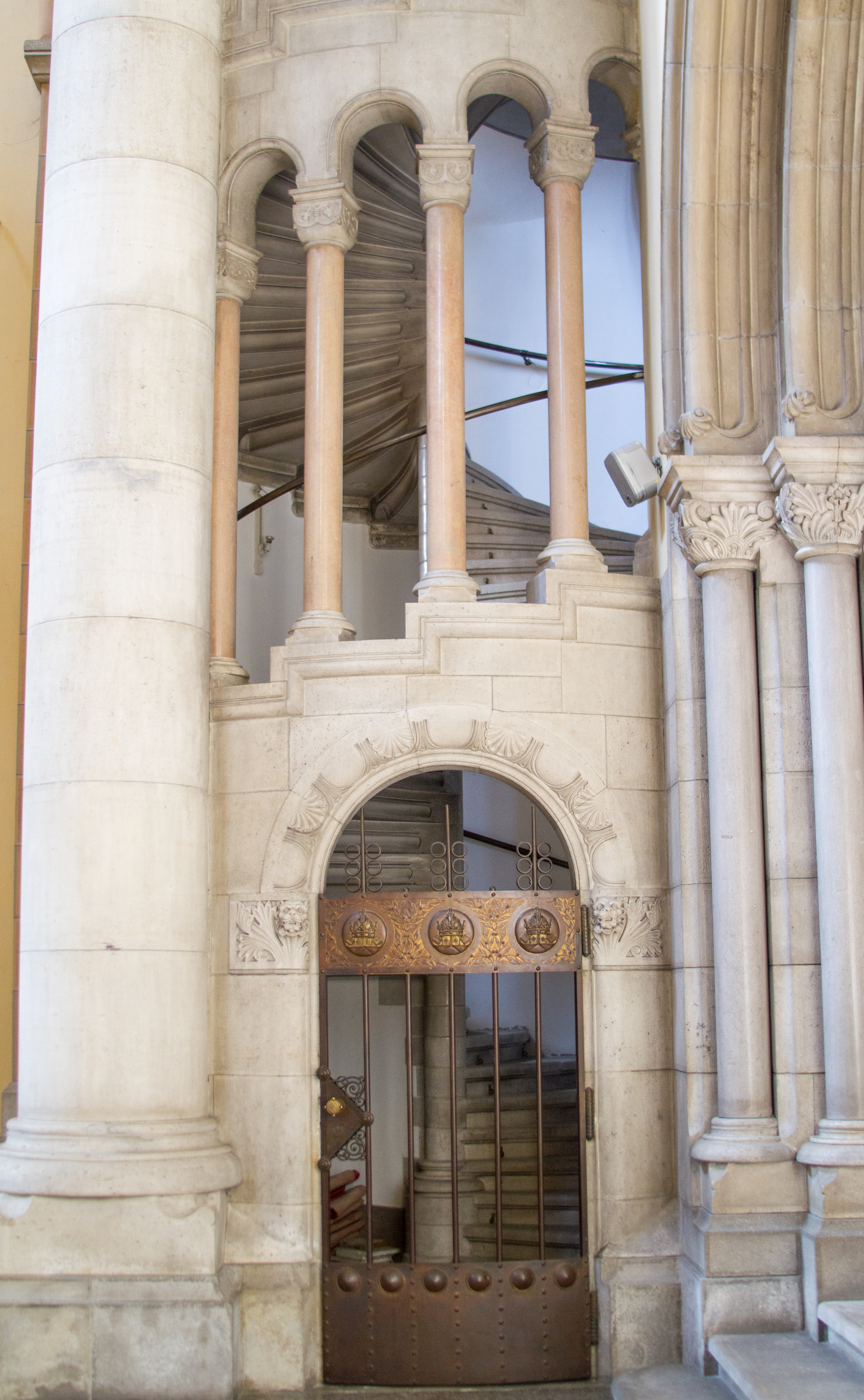
Stone spiral staircase
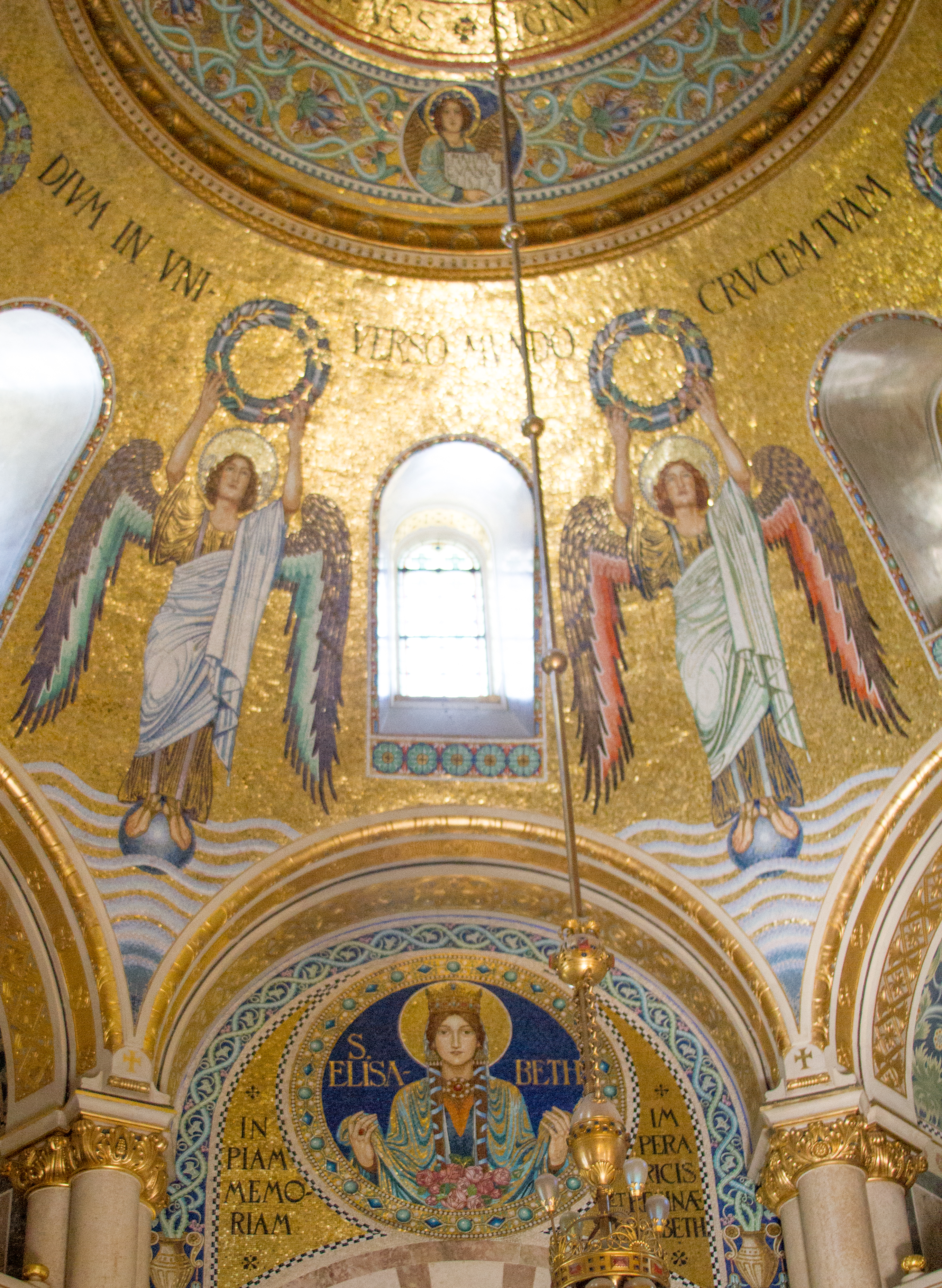
Elisabethcappelle
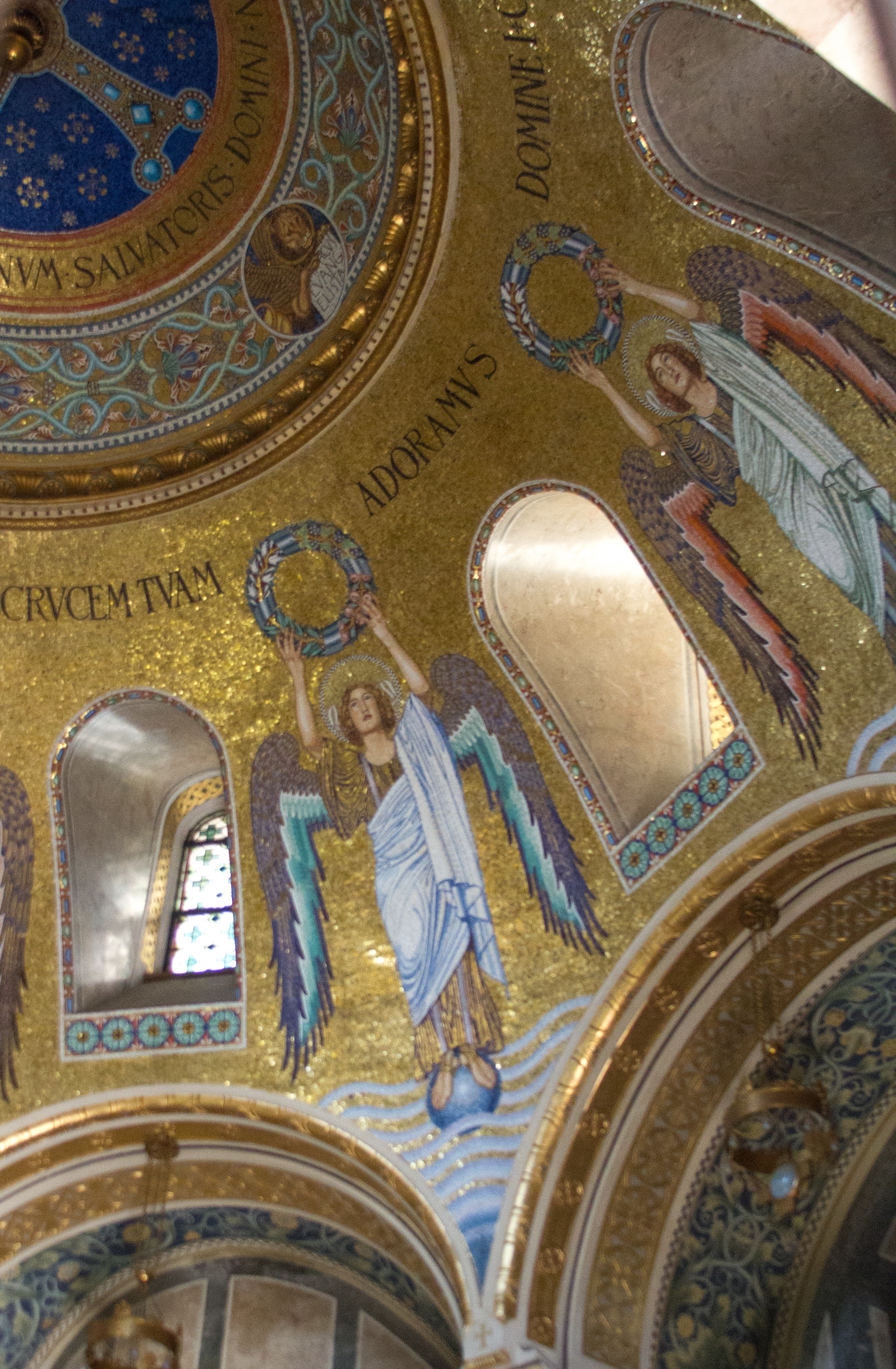
Elisabethcappelle
Our evening was spent at a Mozart and Strauss concert by the Vienna Residence Orchestra. We went to the same when we did this cruise before and it was excellent. This time was the same. The main violinist is in her mid 20s and she was absolutely amazing.
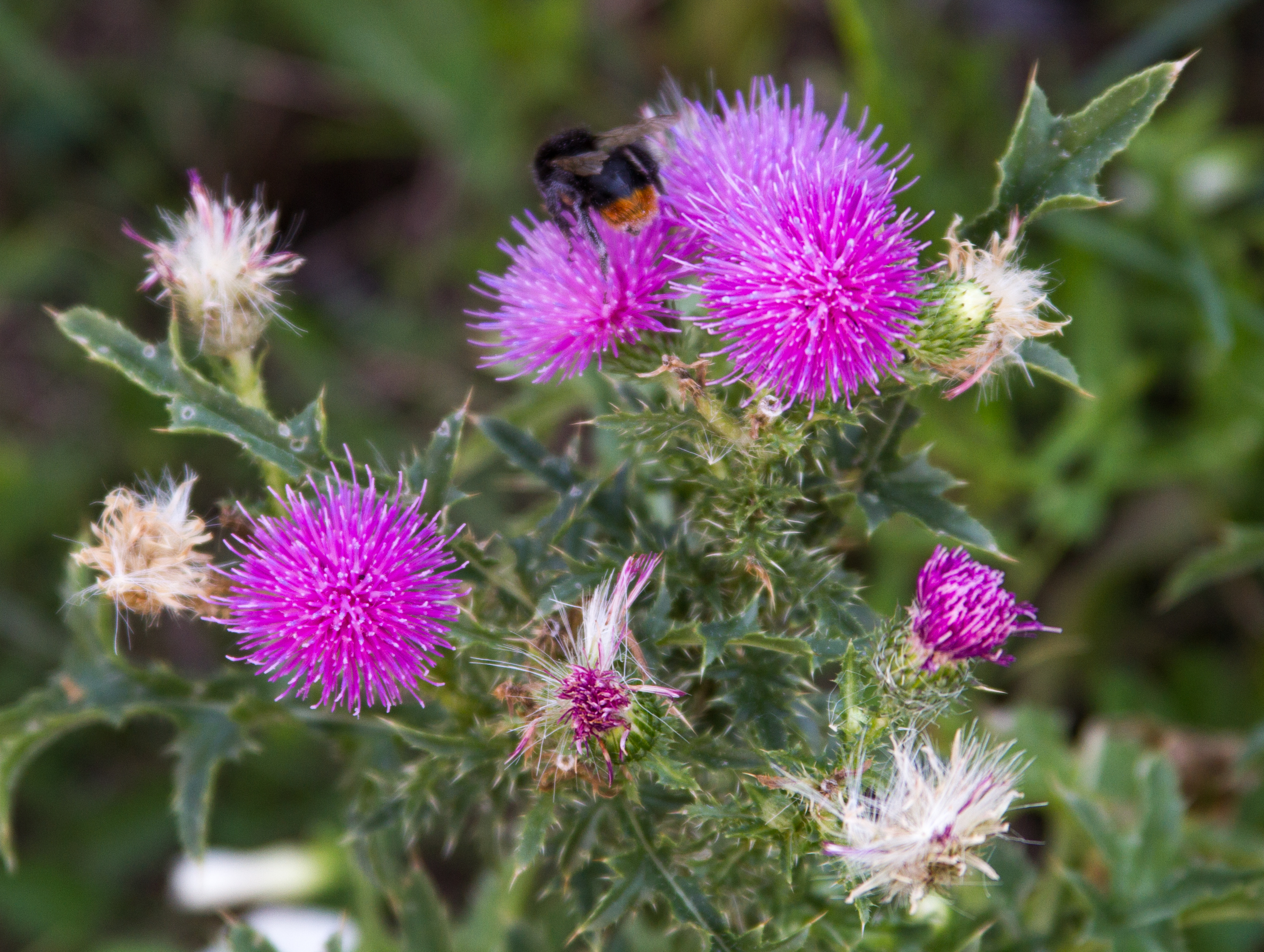
Thistle and bee…because I like flowers


Leave a Reply