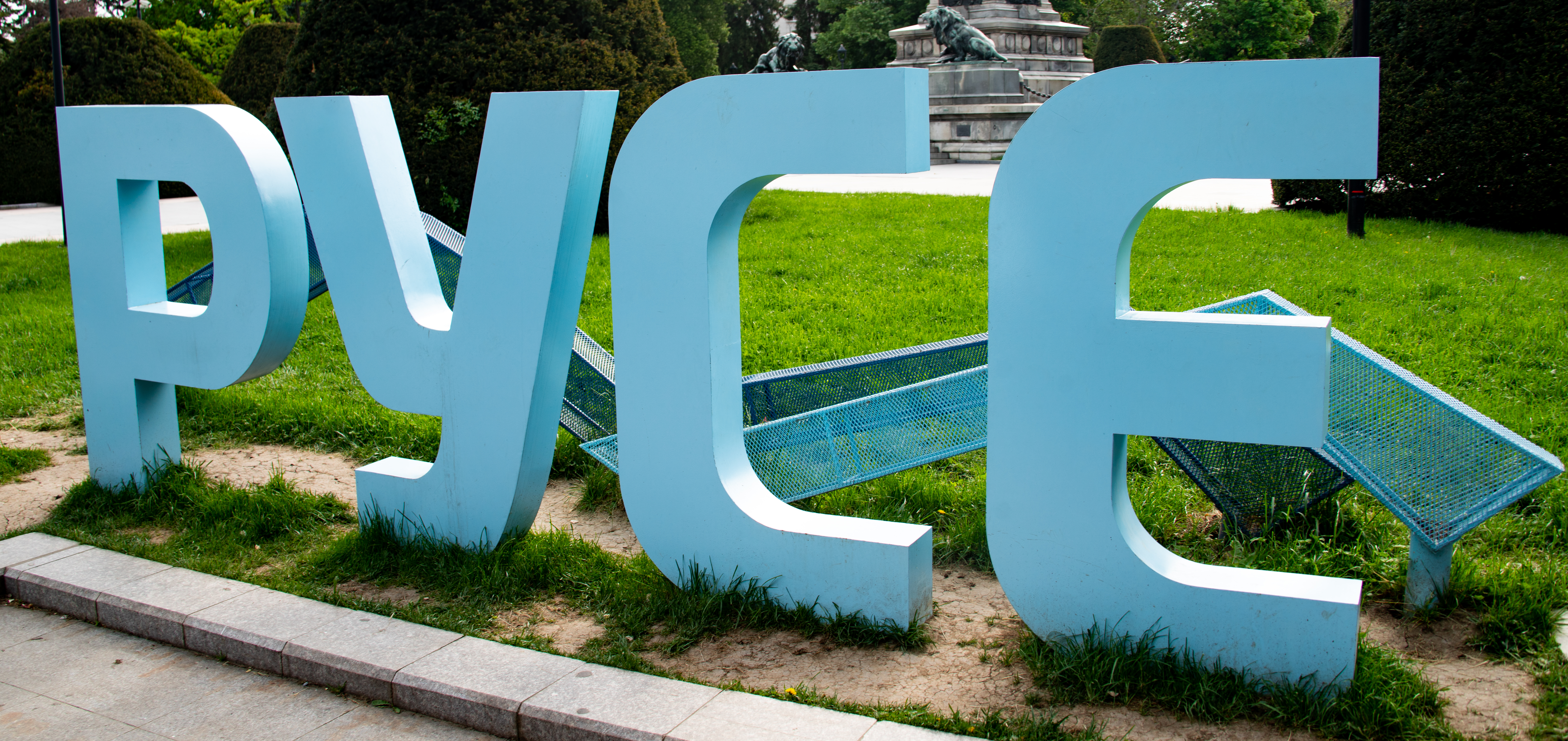
We started our morning today with a city tour of Ruse, Bulgaria, where our ship is docked. Ruse is known as “Little Vienna” because of its Neo-Baroque architecture. While the area has been settled since neolithic times, the Romans used this site as a naval center and had fortifications here. Of course, being in Europe it has changed hands many times over history. Our guide lives here and spoke about the transition from communist government to the current elected government. She said that in Bulgaria they did not have a revolution but that after seeing the other communist nations fall their leader opted to hold elections. According to the great resource Wikipedia, in reality this happened under pressure from reformers. Their leader was actually ousted the day after the Berlin Wall fell, albeit by another communist, but this new leader lifted free speech restrictions. This allowed protests which led to eventual elections by June 1990. These were won by the rebranded communist party. They have a constitution with a weak president, a stronger prime minister, and a parliament. Our guide said that “nobody likes the current prime minister” but he has been reelected 4 times. I’m not sure if that was to imply corruption or not. They have been slow to have economic recovery, which is very clear as we have been driven around, but this has apparently been improving more in the 2000s.
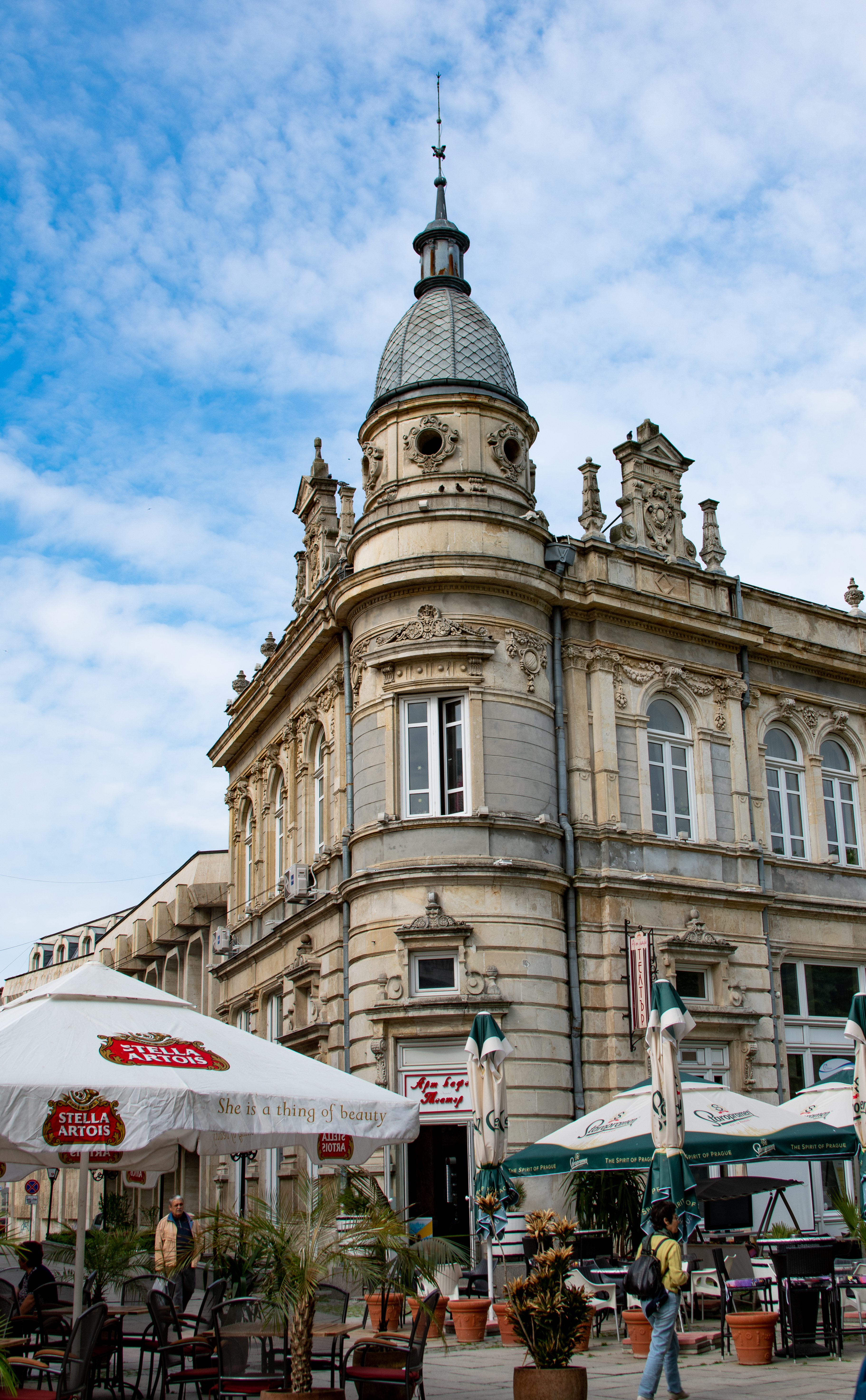
Ruse architecture
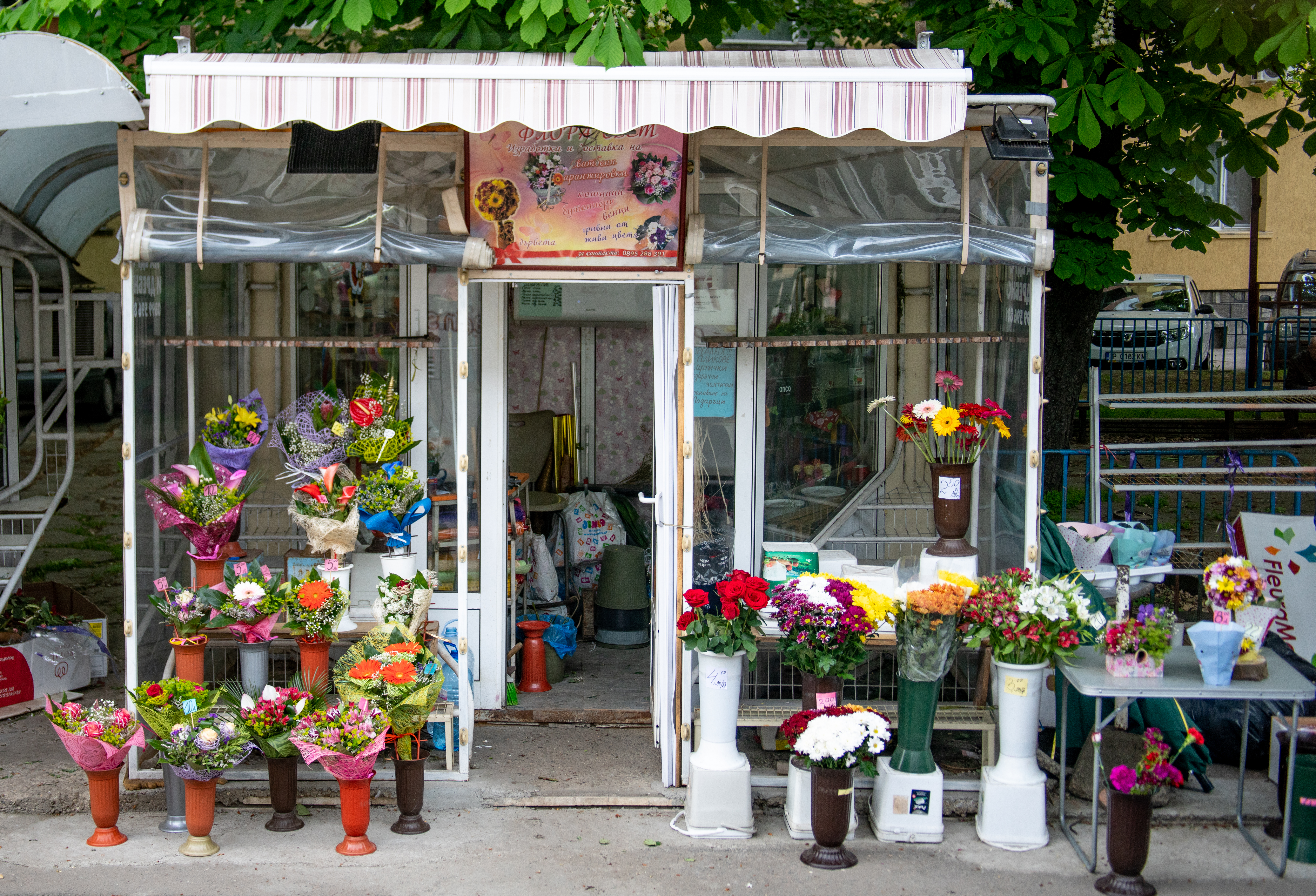
flower shop
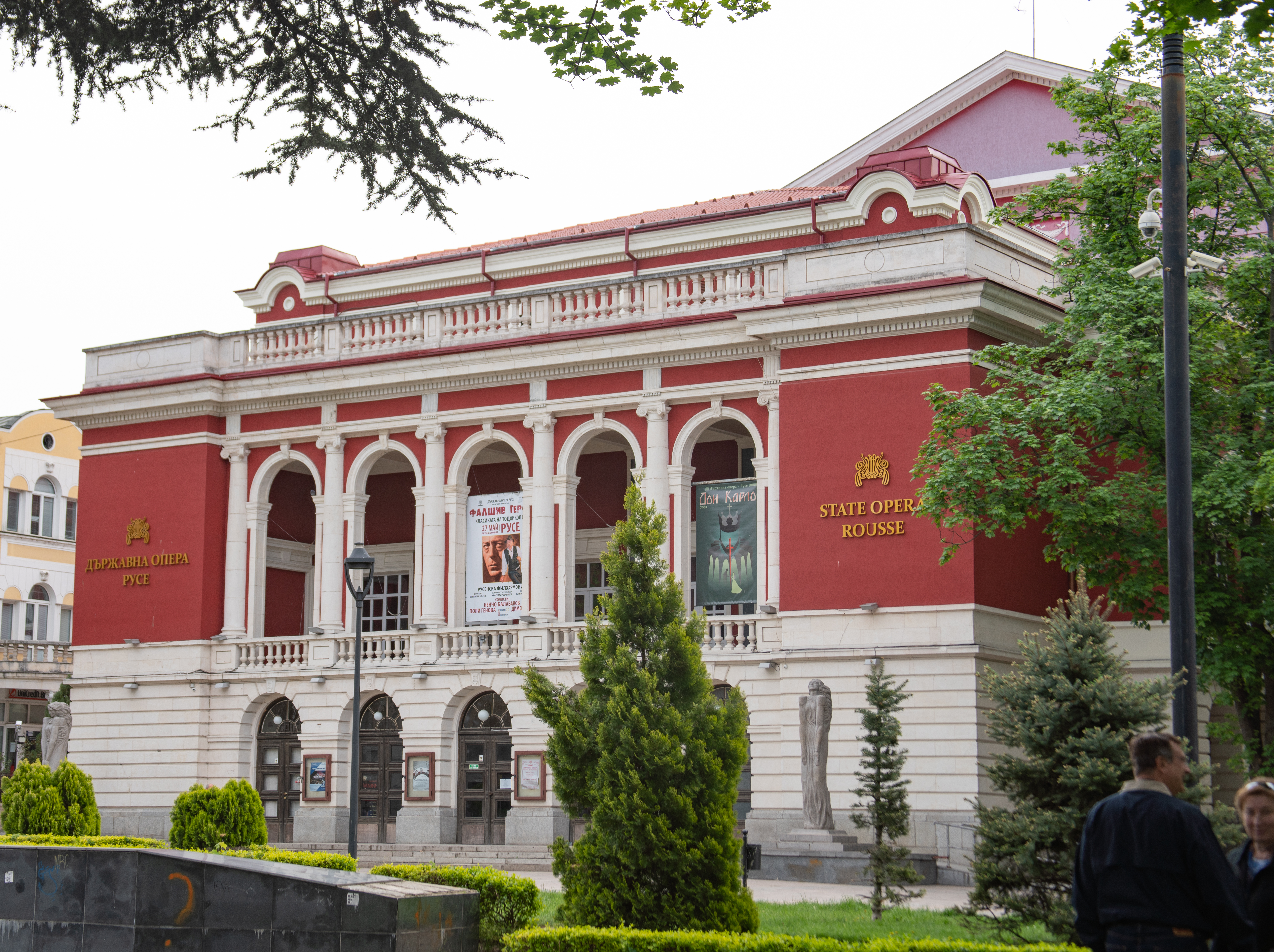
Opera House
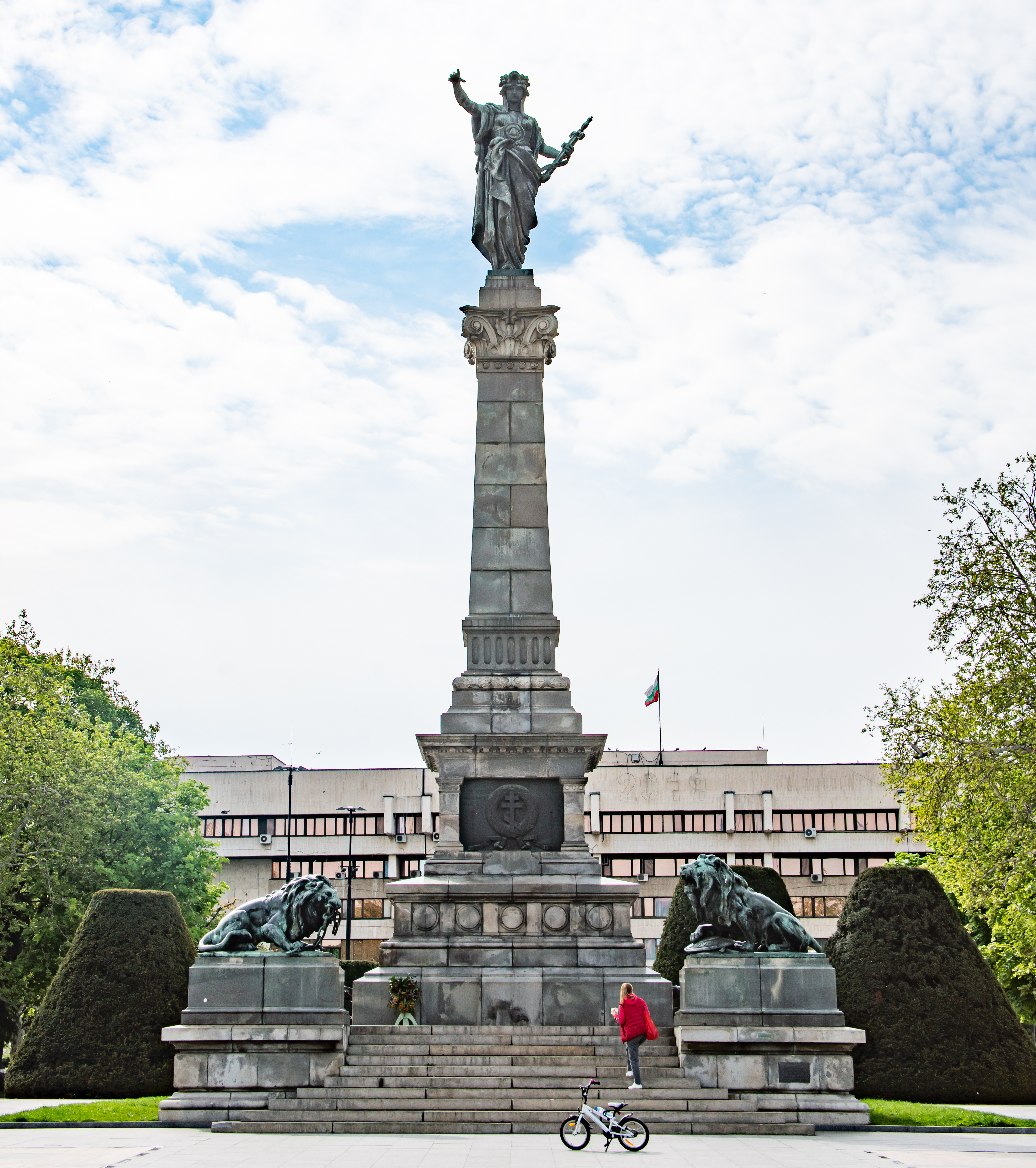
Ruse Statue of Liberty: liberated by Russia
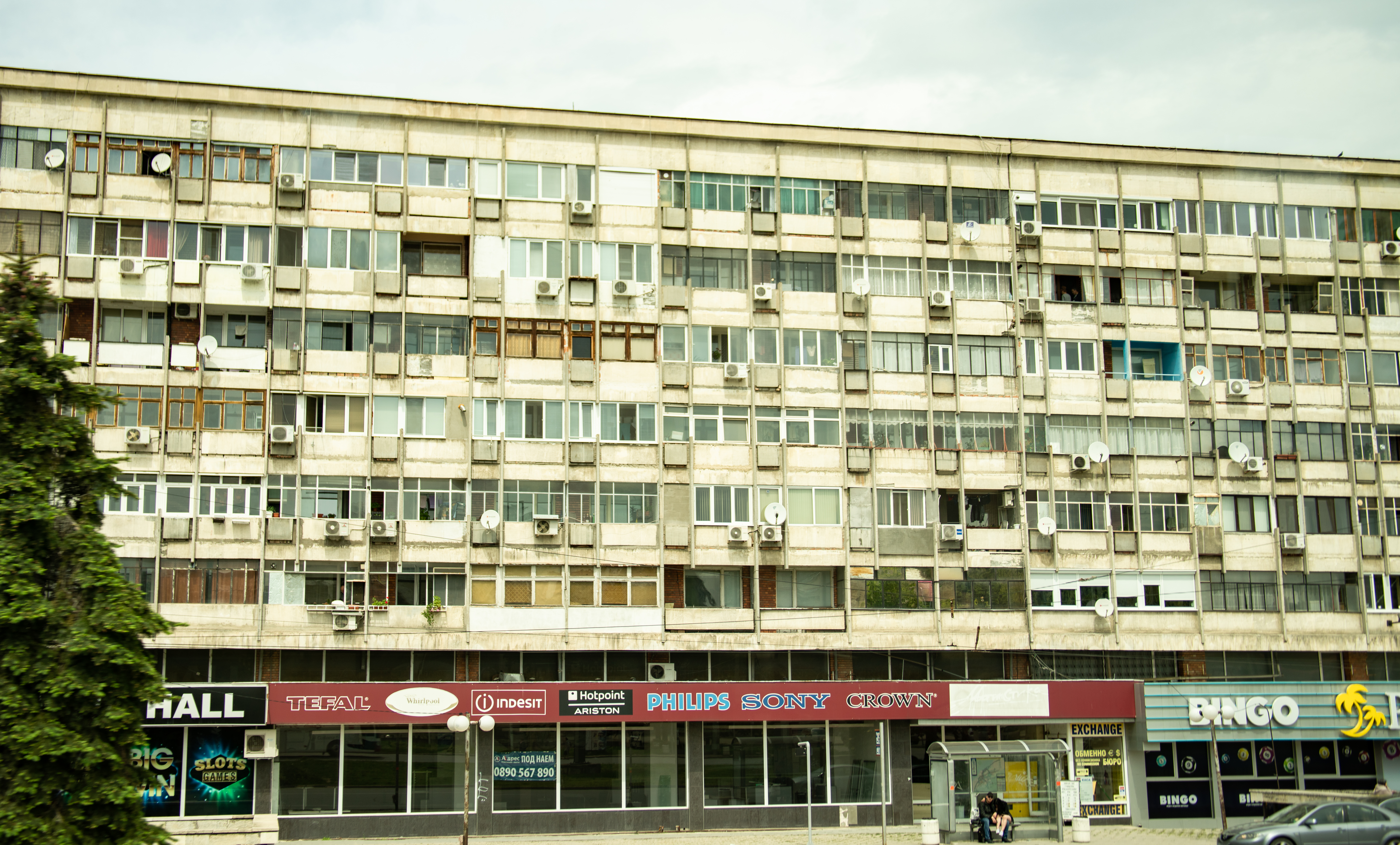
Soviet-style apartment building
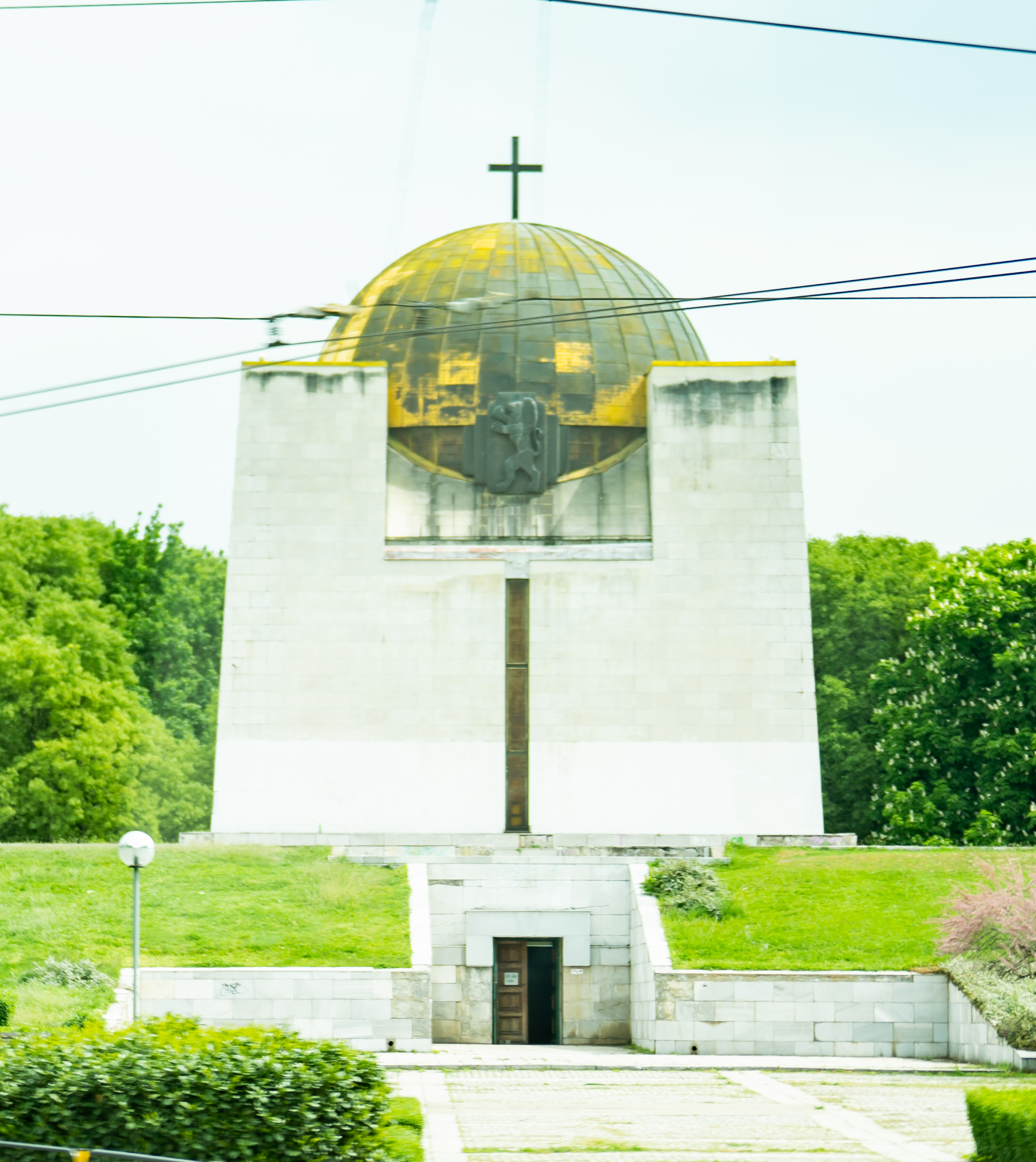
Pantheon of the National Heroes: a Soviet national monument that later had a cross added on top

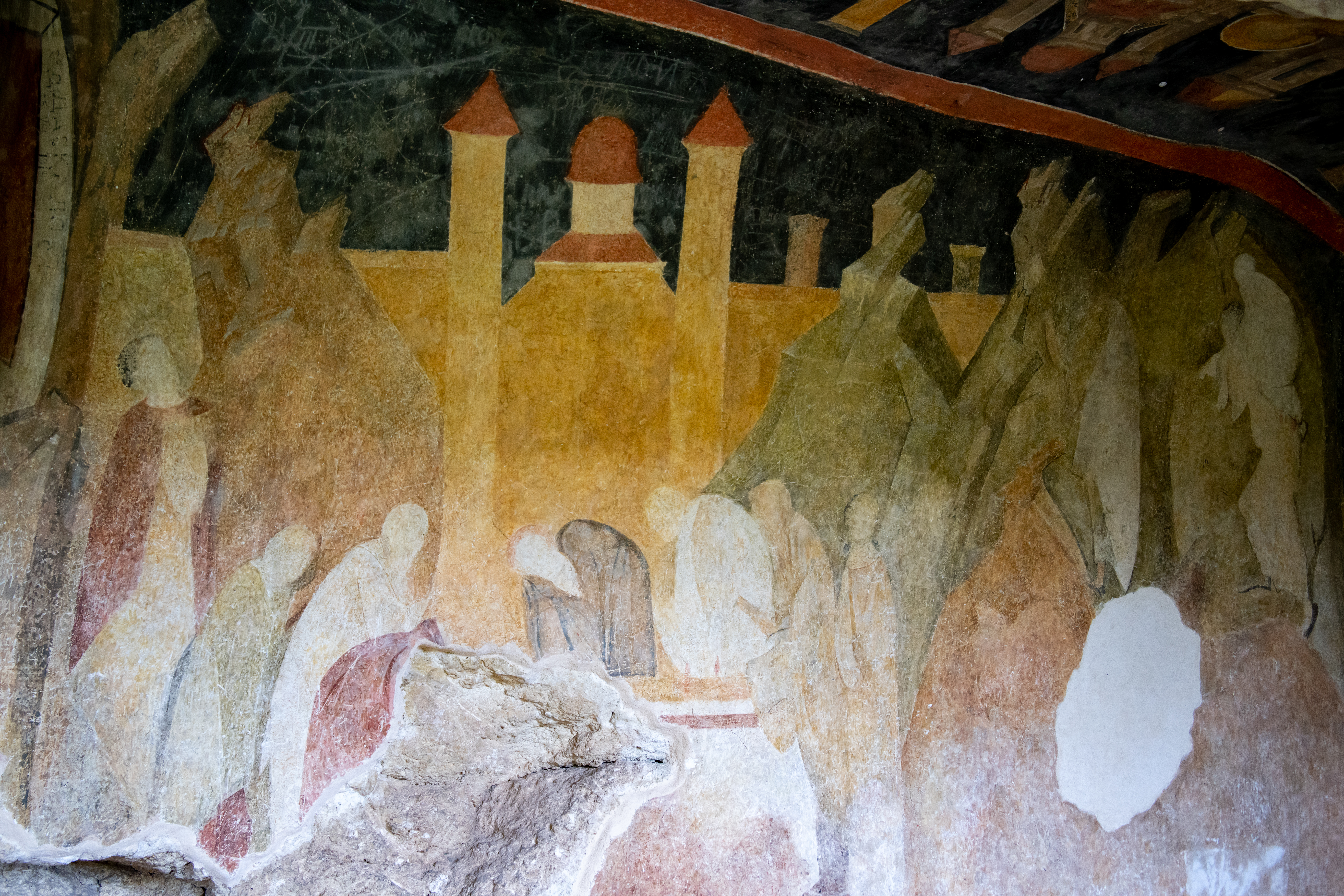
From there we drove near Ivanovo, a town about 20 minutes outside of Ruse. This area has a complex of medieval churches and monasteries that are in caves. There are apparently around 40 of them that were started in the 1200s and used by monks into the 17th century. Five of them have frescoes that were painted in the 13th-14th centuries and some of them are well preserved. We went in to the Church of St Mary. Now keep in mind: this is in a cave and this cave is 124 feet up a cliff. Apparently there was some sort of staircase up to it way back in the day, as the original entrance opens to free air nowadays. Today you can walk up a very steep staircase or you can take a longer trail with some great views. Our wise and experienced guide took us the latter route.
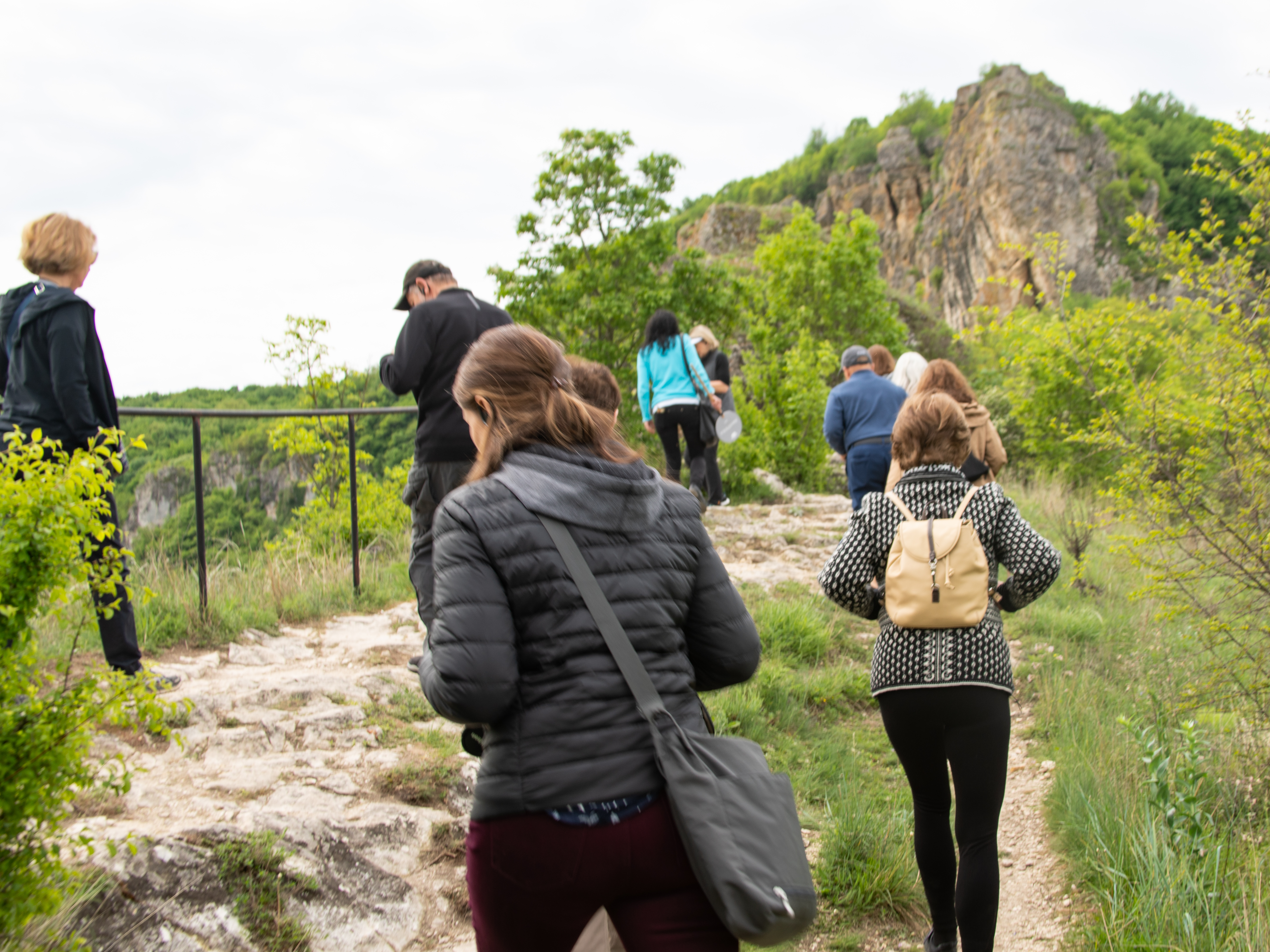
Trail on up
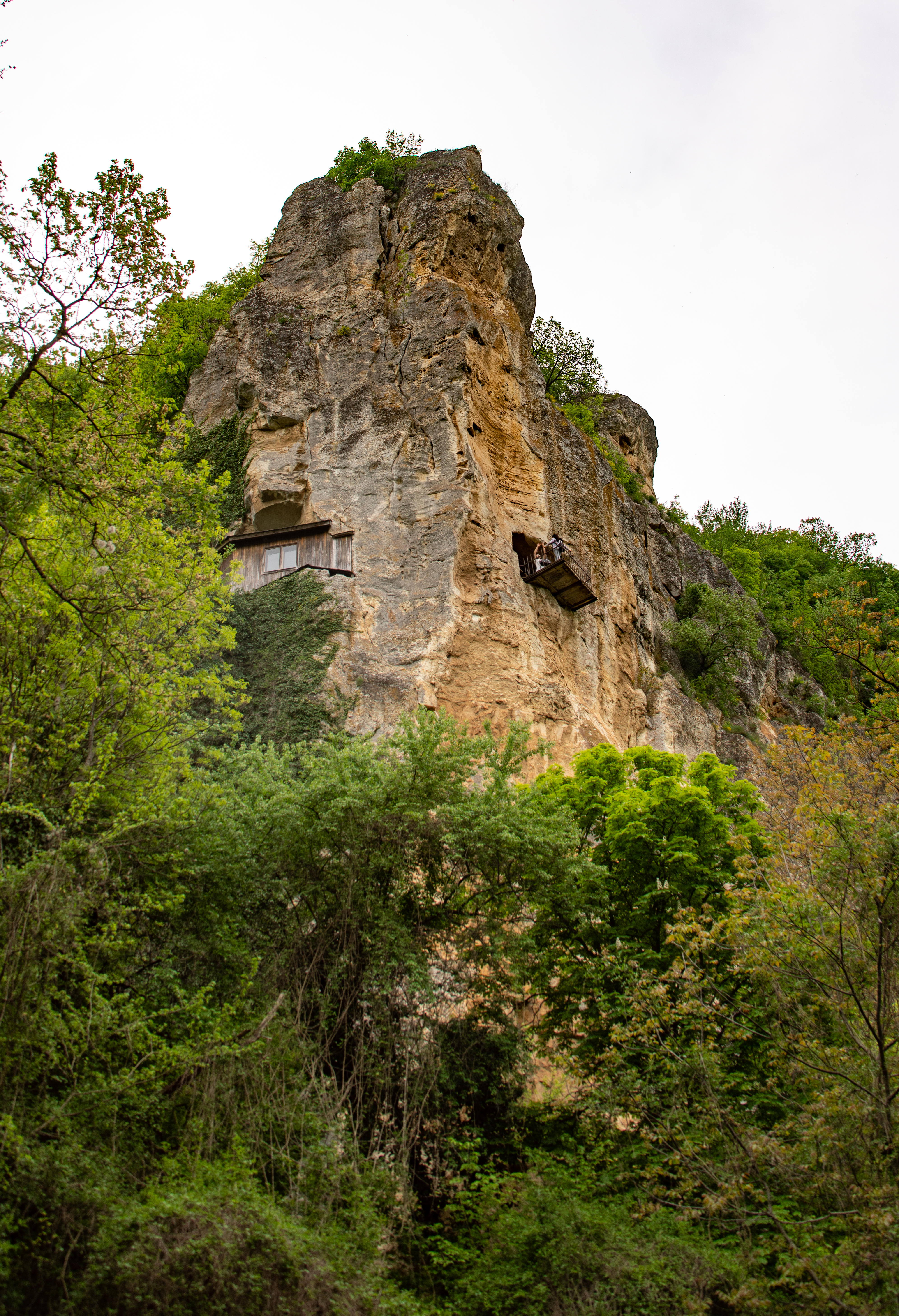
view
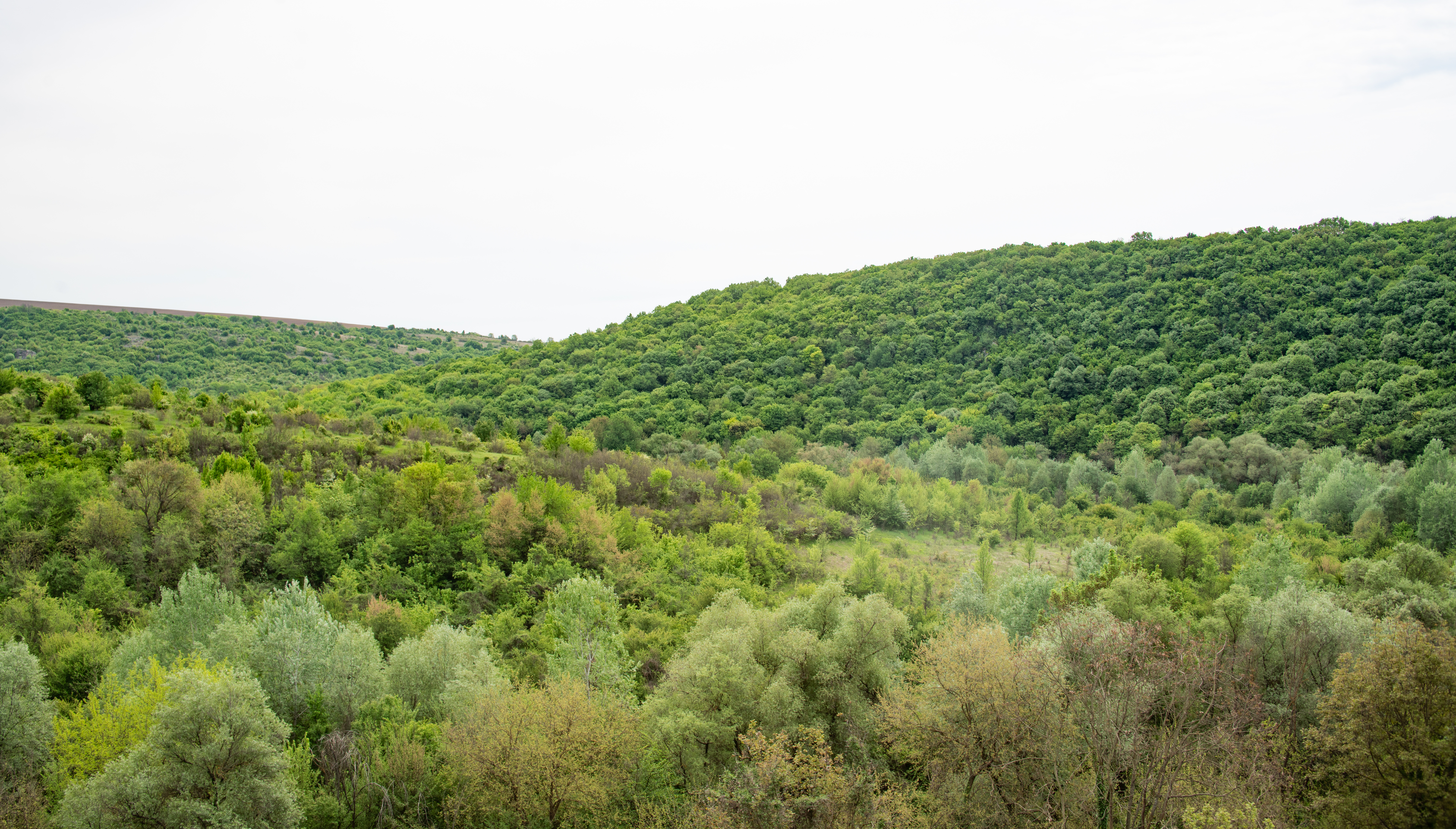
view
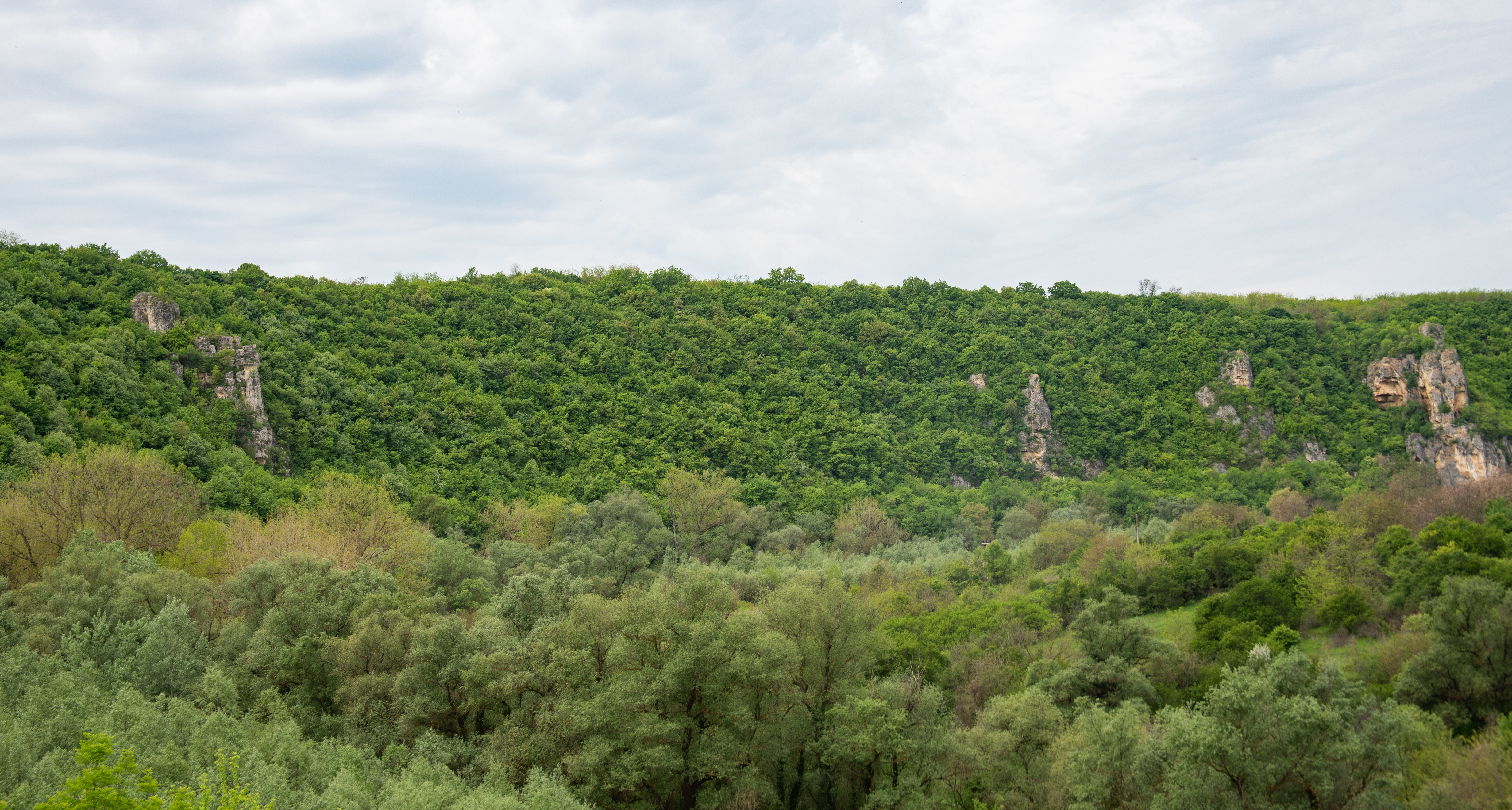
view
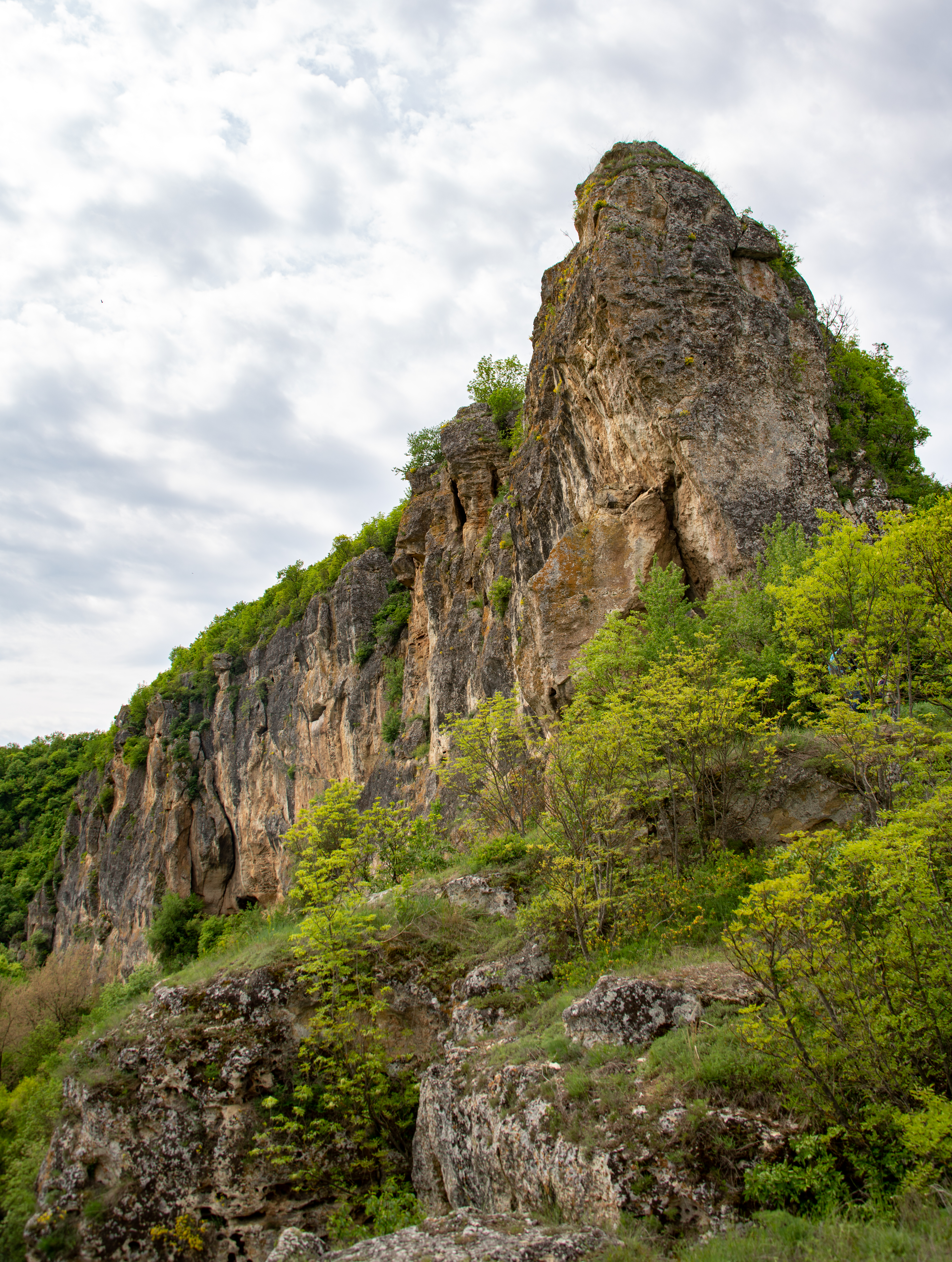
more view
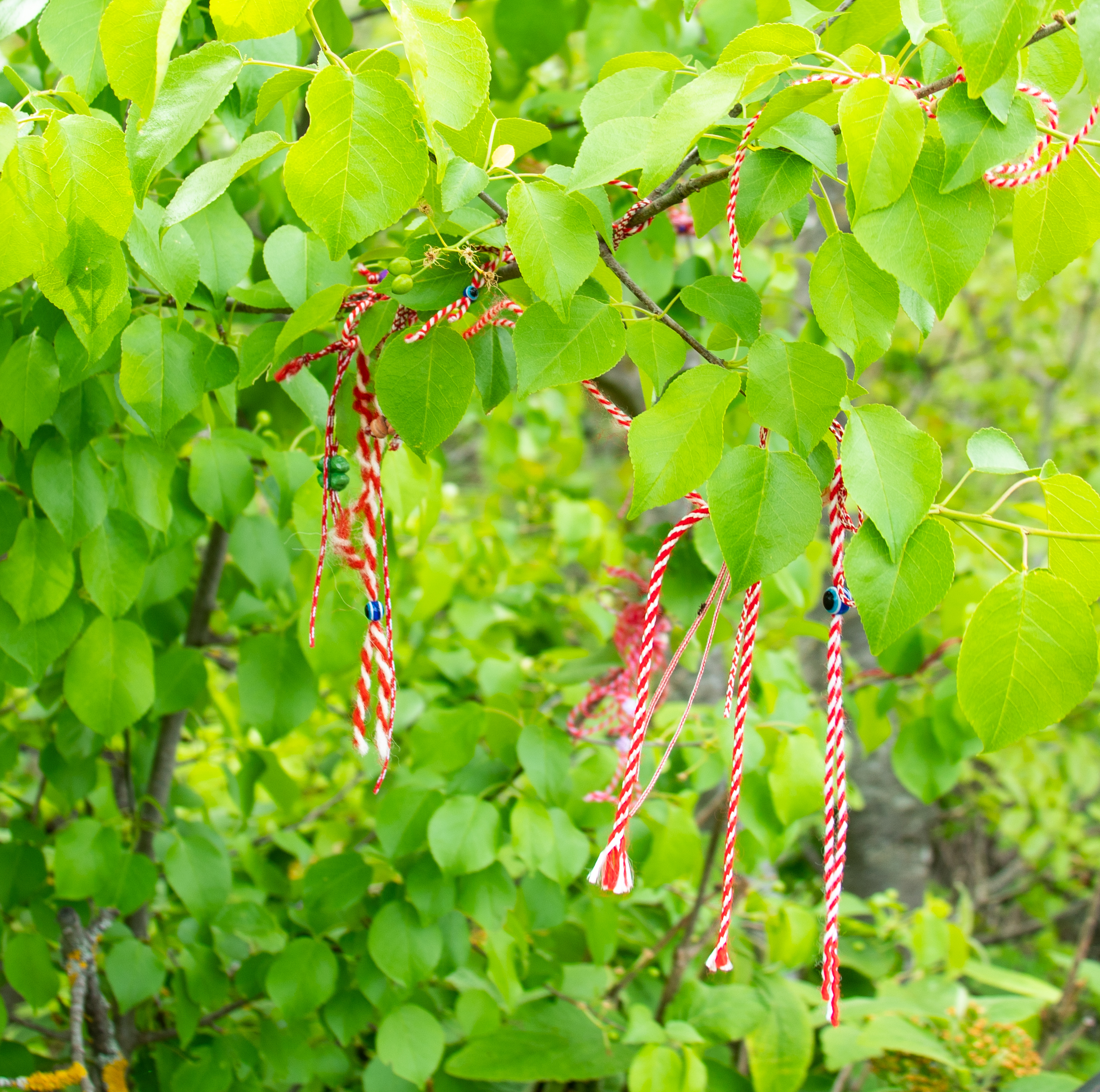
People tie these bracelets on the flowering bushes this time of year in order to wish for good weather according to our guide
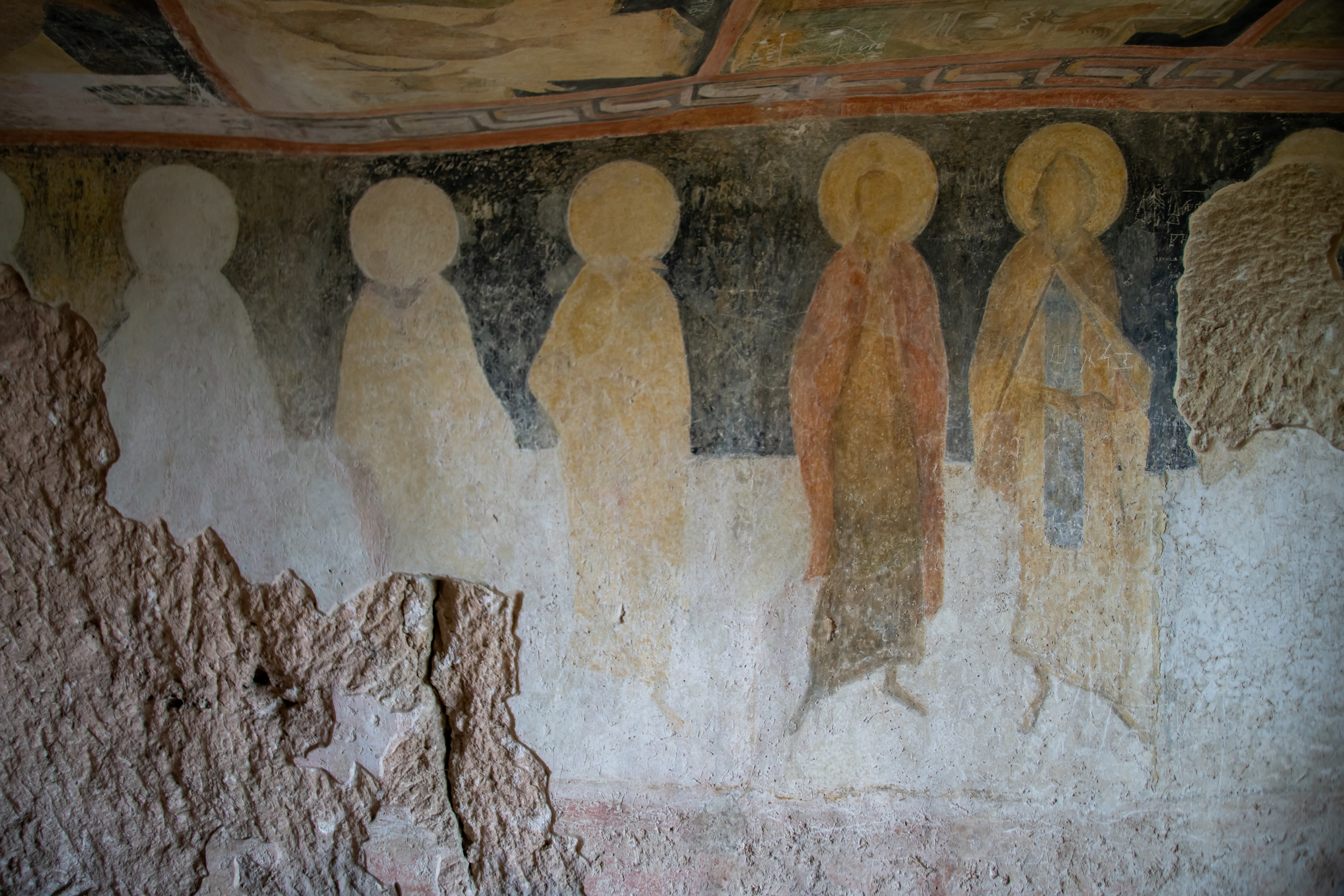

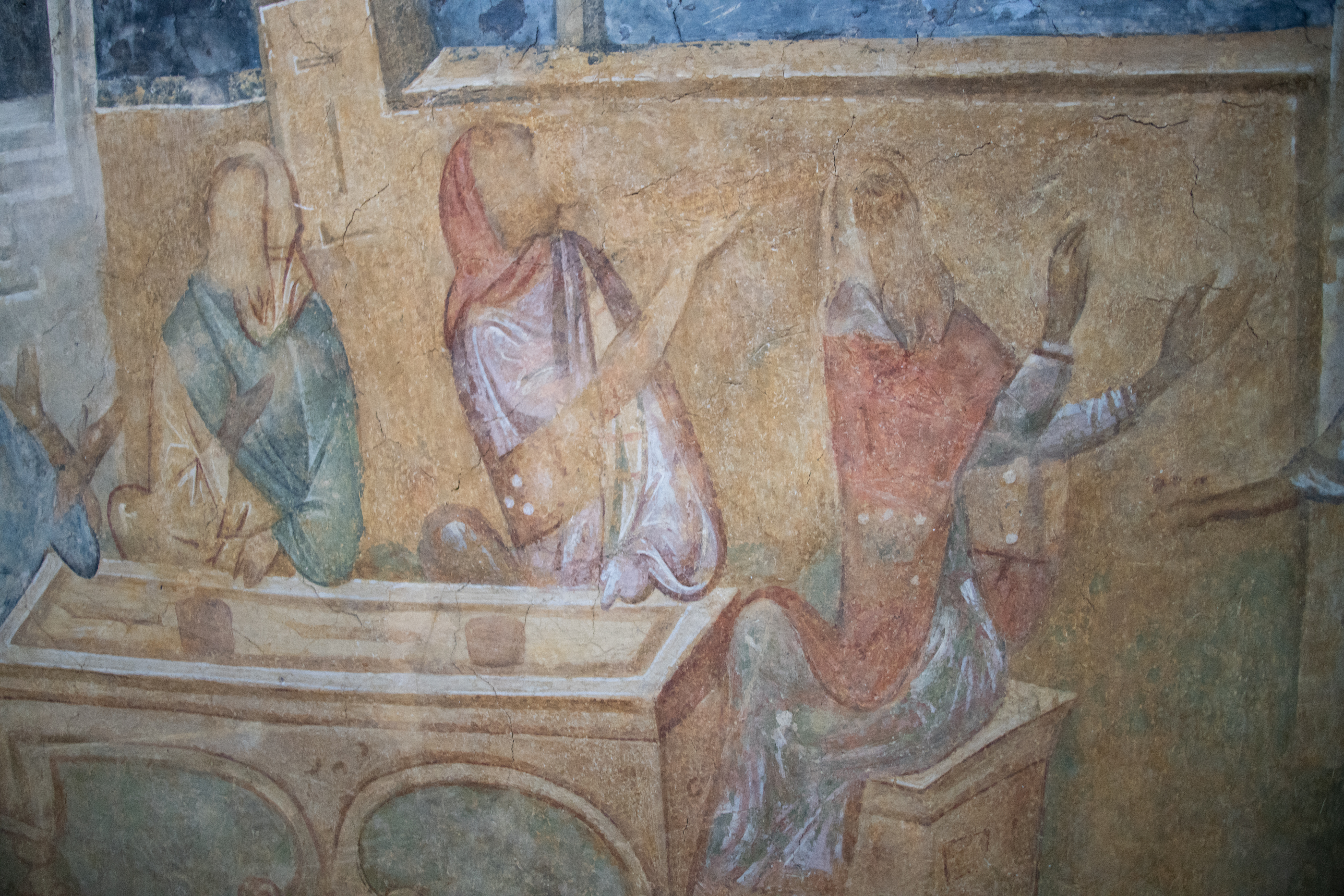
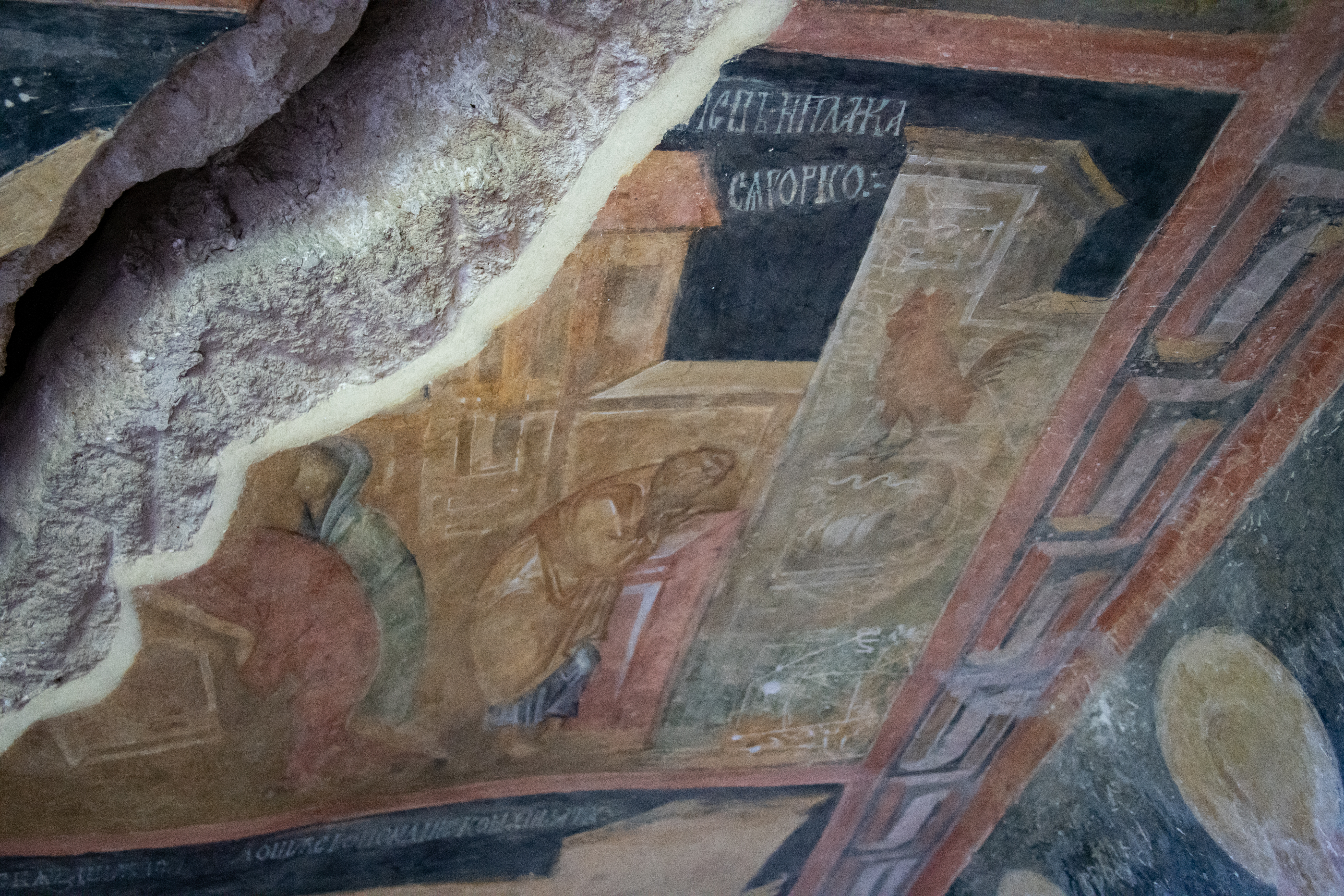
The area is heavily wooded with rock outcroppings and it is located in the Rusenki Lom Nature Park. The Rusenki Lom River is a tributary of the Danube River. I have no idea how these caves were discovered as they are well hidden. The area is quite pretty and we could hear lots of birds. The church itself was covered in frescoes, including the ceilings. We were told that the areas where the paintings were missing they had been removed and placed in a national museum. We have seen numerous medieval frescoes in various levels of preservation. Most of these were in amazing shape! I’ll just let the pictures speak for themselves.
View of the church from below
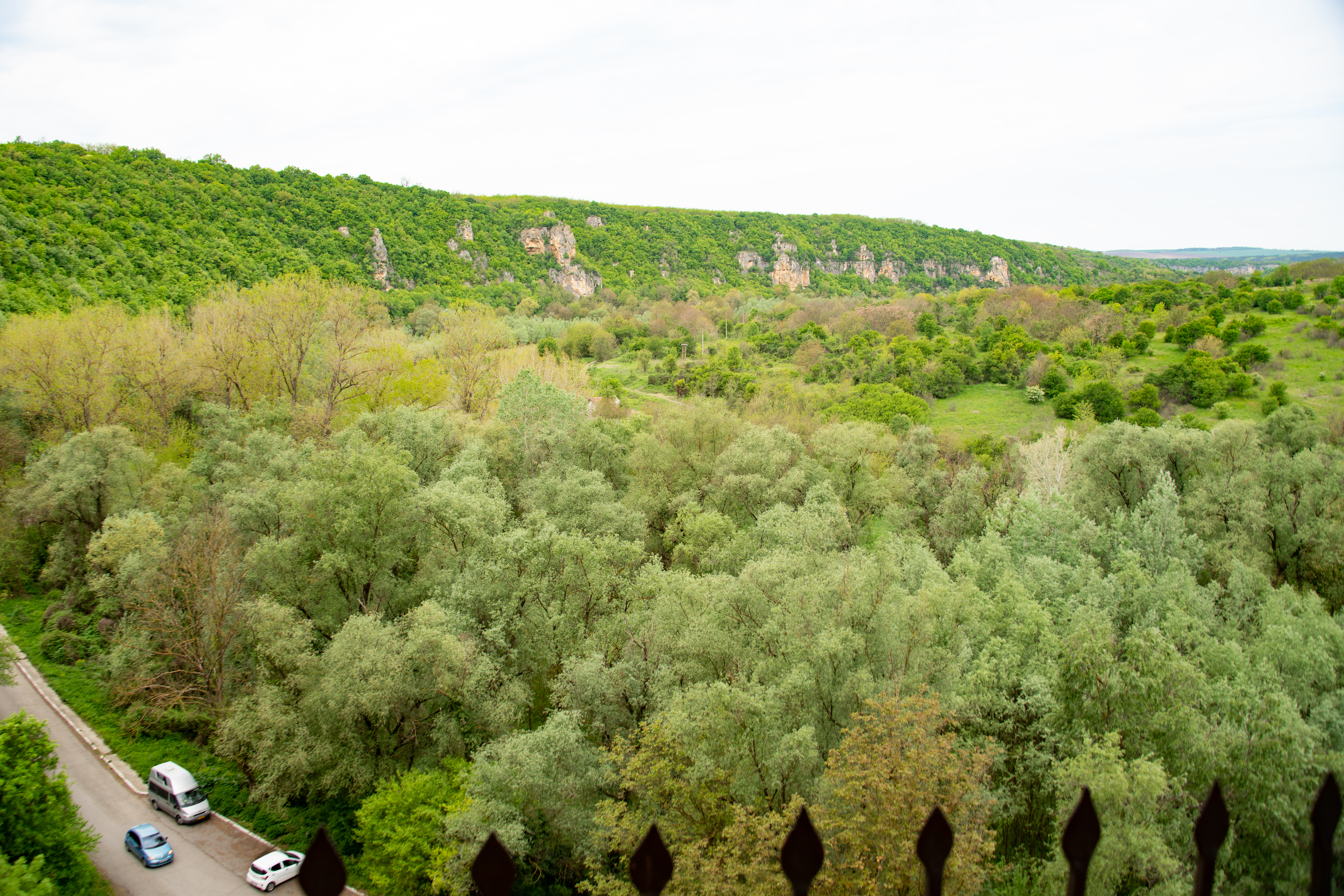
view from the balcony you can see in the picture above
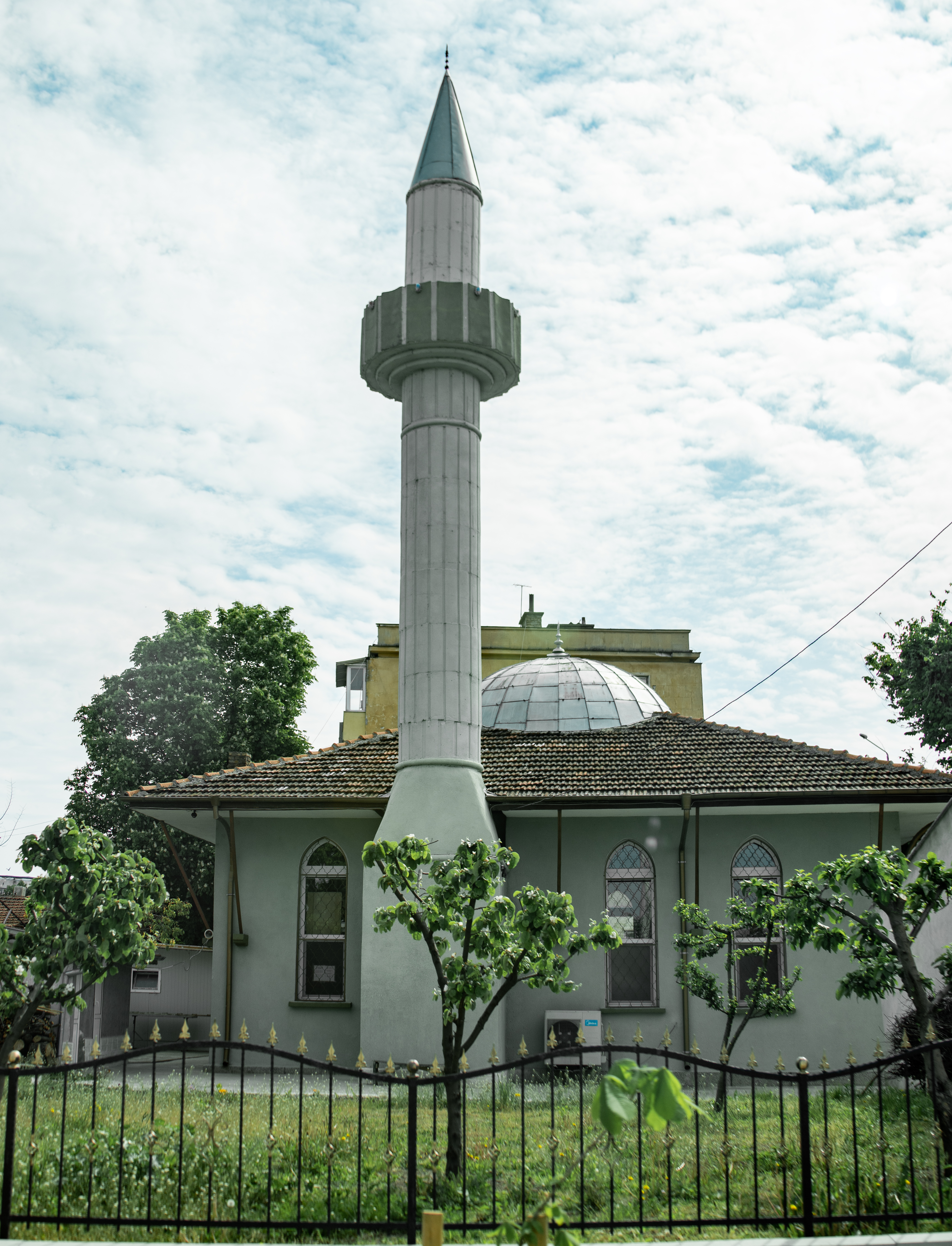
tiny mosque between Ivanovo and Ruse
After the cave, we returned to the ship for lunch and then spent some more time walking around Ruse in the afternoon. The day after Easter is a local holiday, so lots of families were out and about. We relaxed on the ship and had a fun dinner conversation with shipmates.
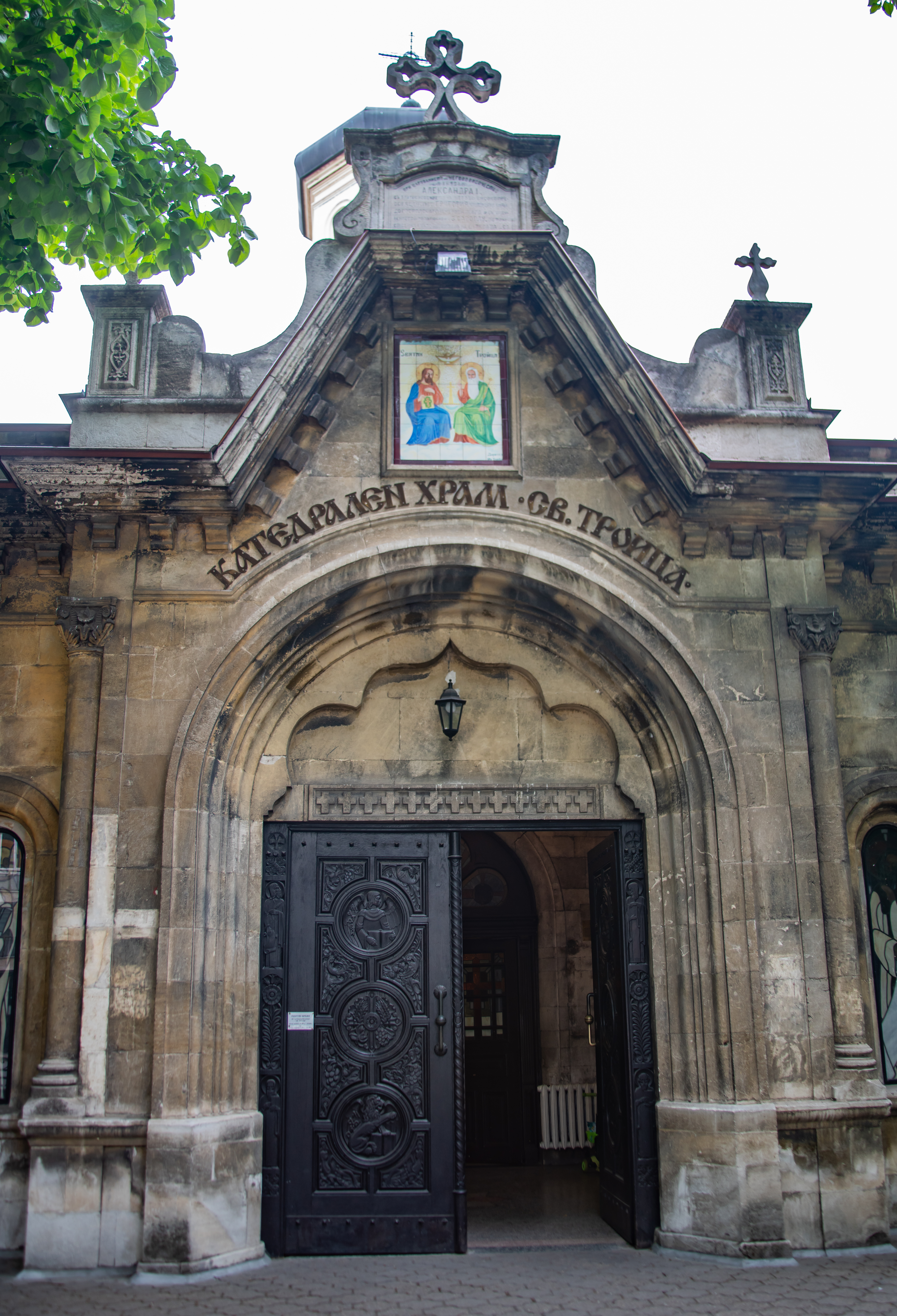
Sveta Troitsa Church: Built in 1632 below ground level – according to the Turkish stipulation that churches should be as unobtrusive as possible. Obviously the current structure is above ground.
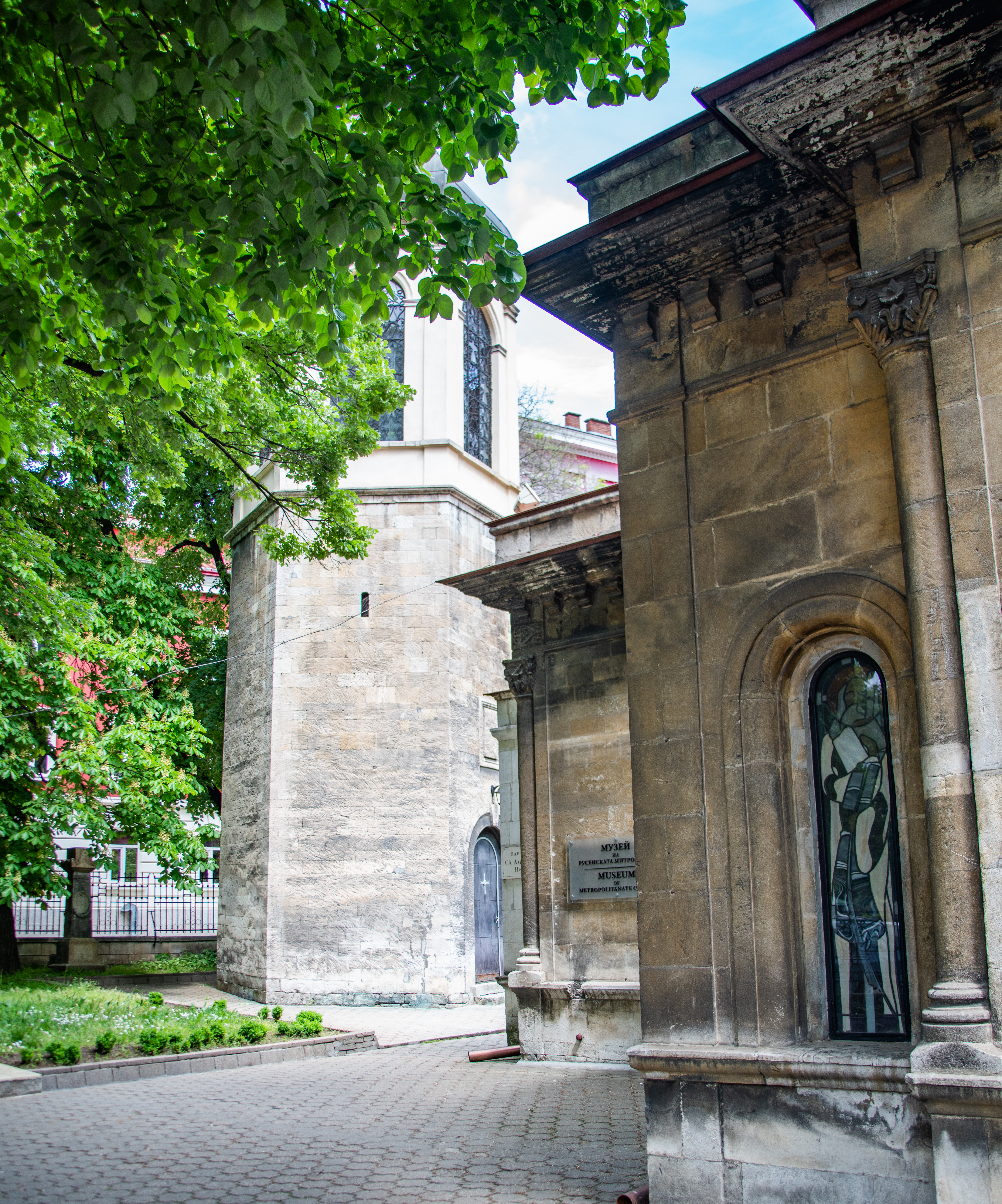
Sveta Troitsa Church
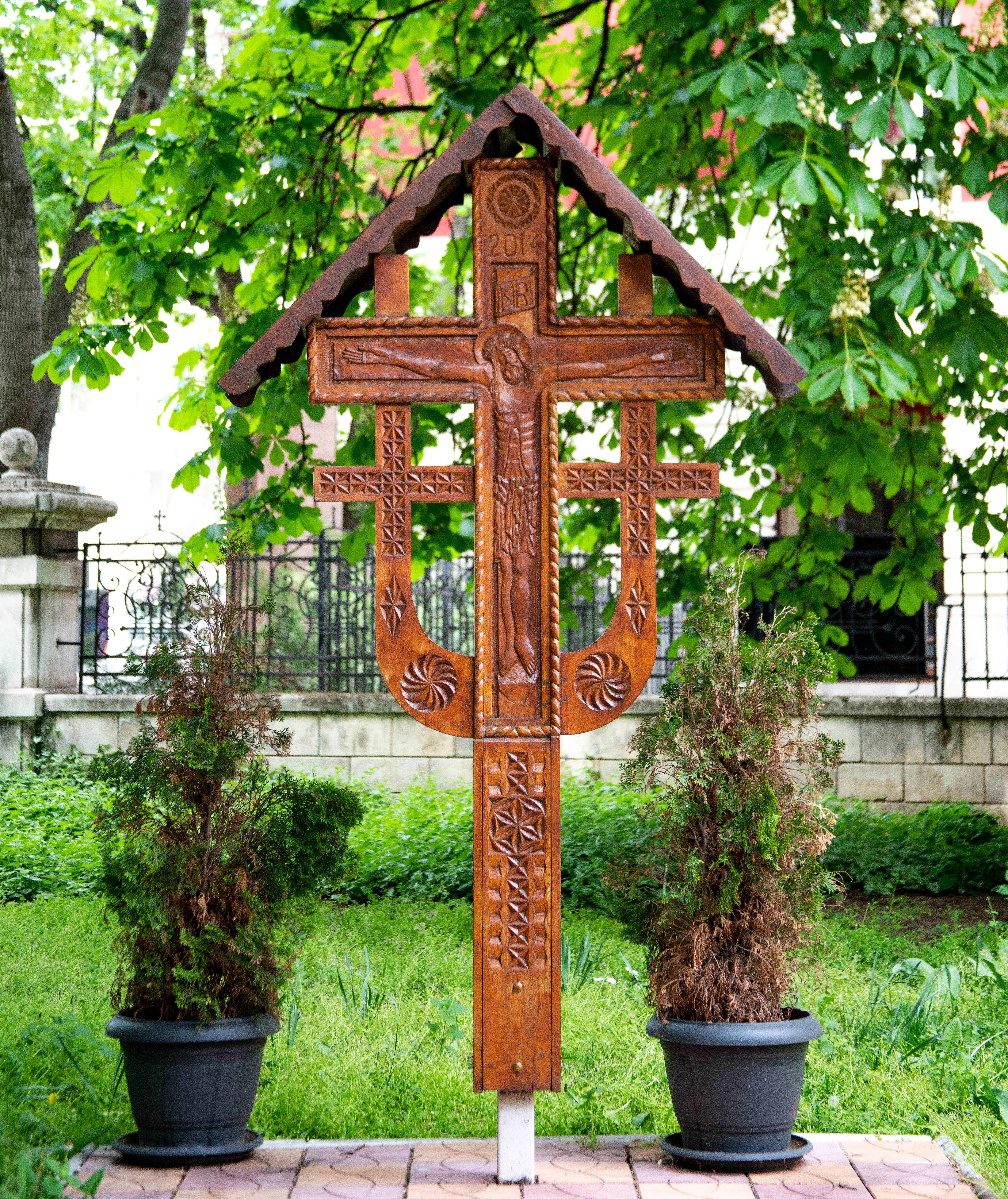
Carved cross outside of Sveta Troitsa Church
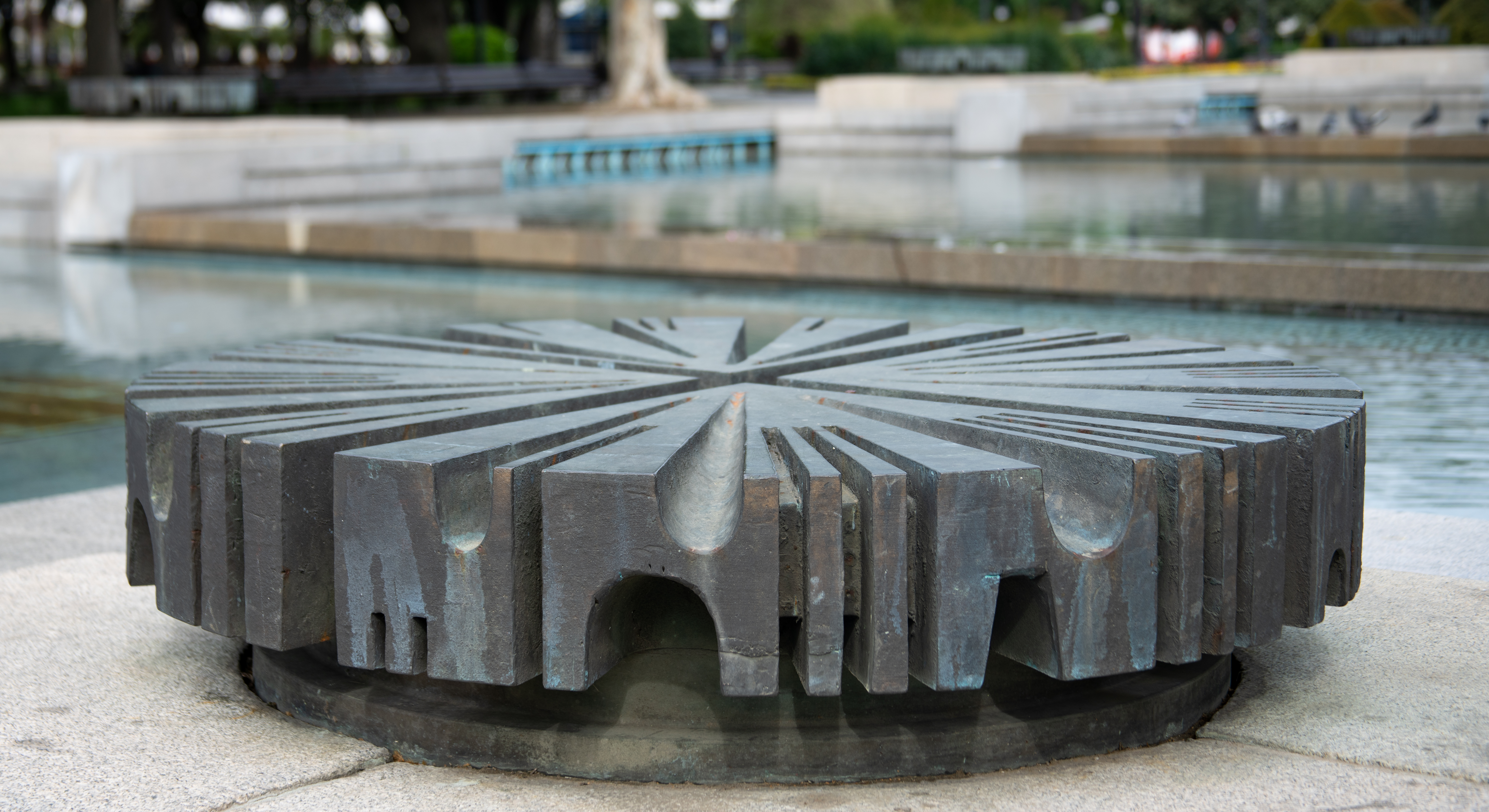
Part of an interesting fountain
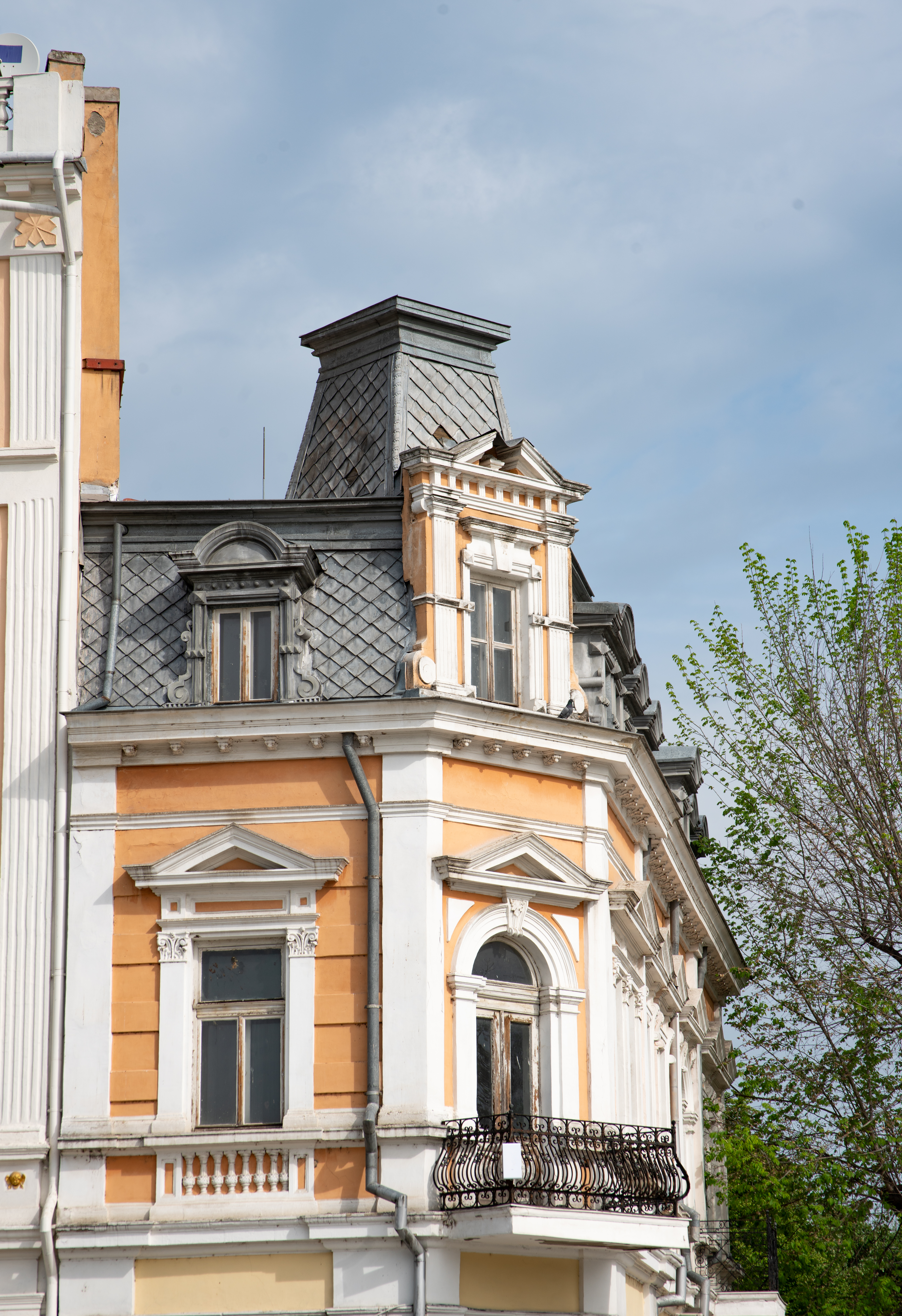
more architecture
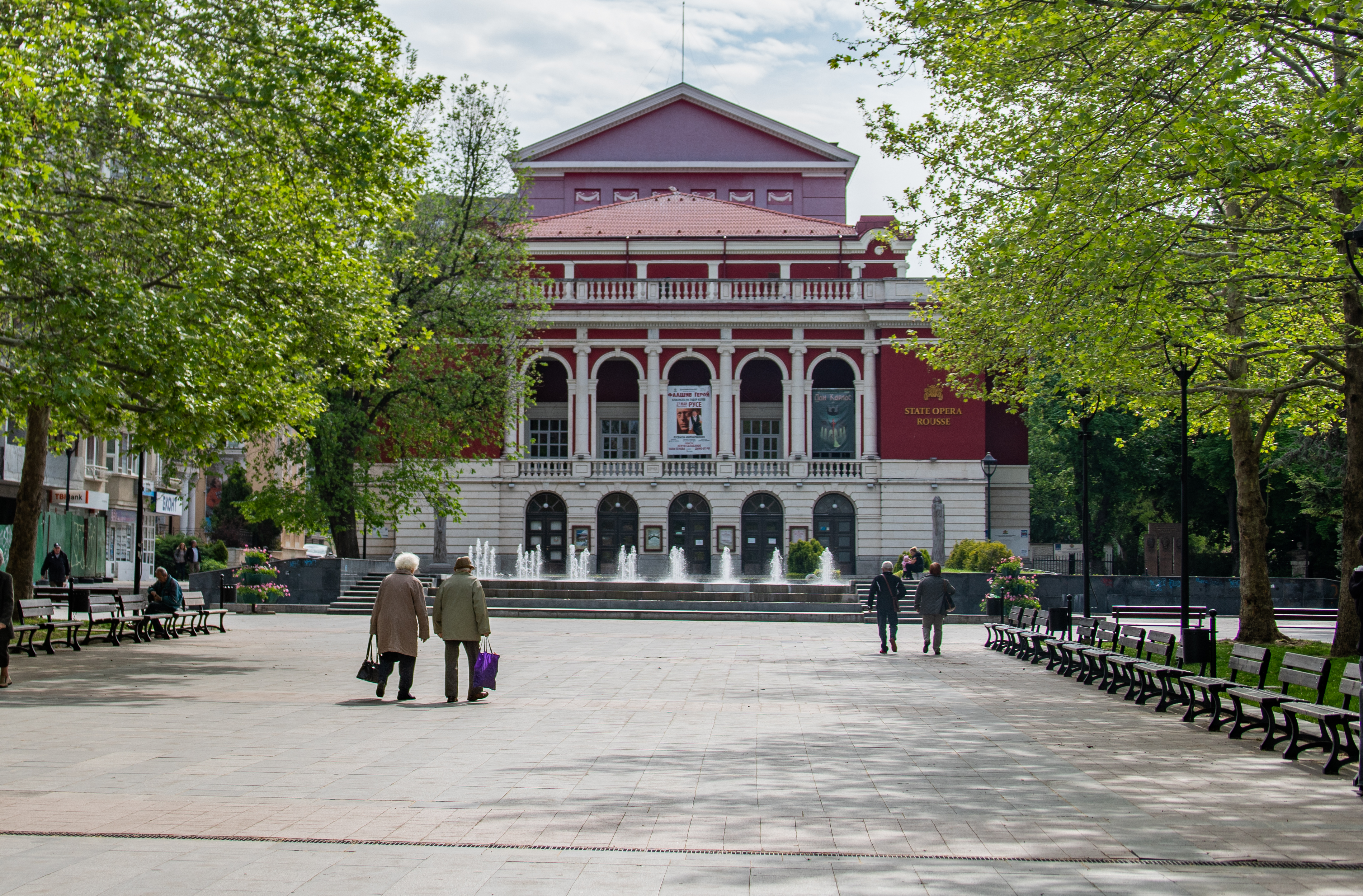
fountains on in front of the opera house
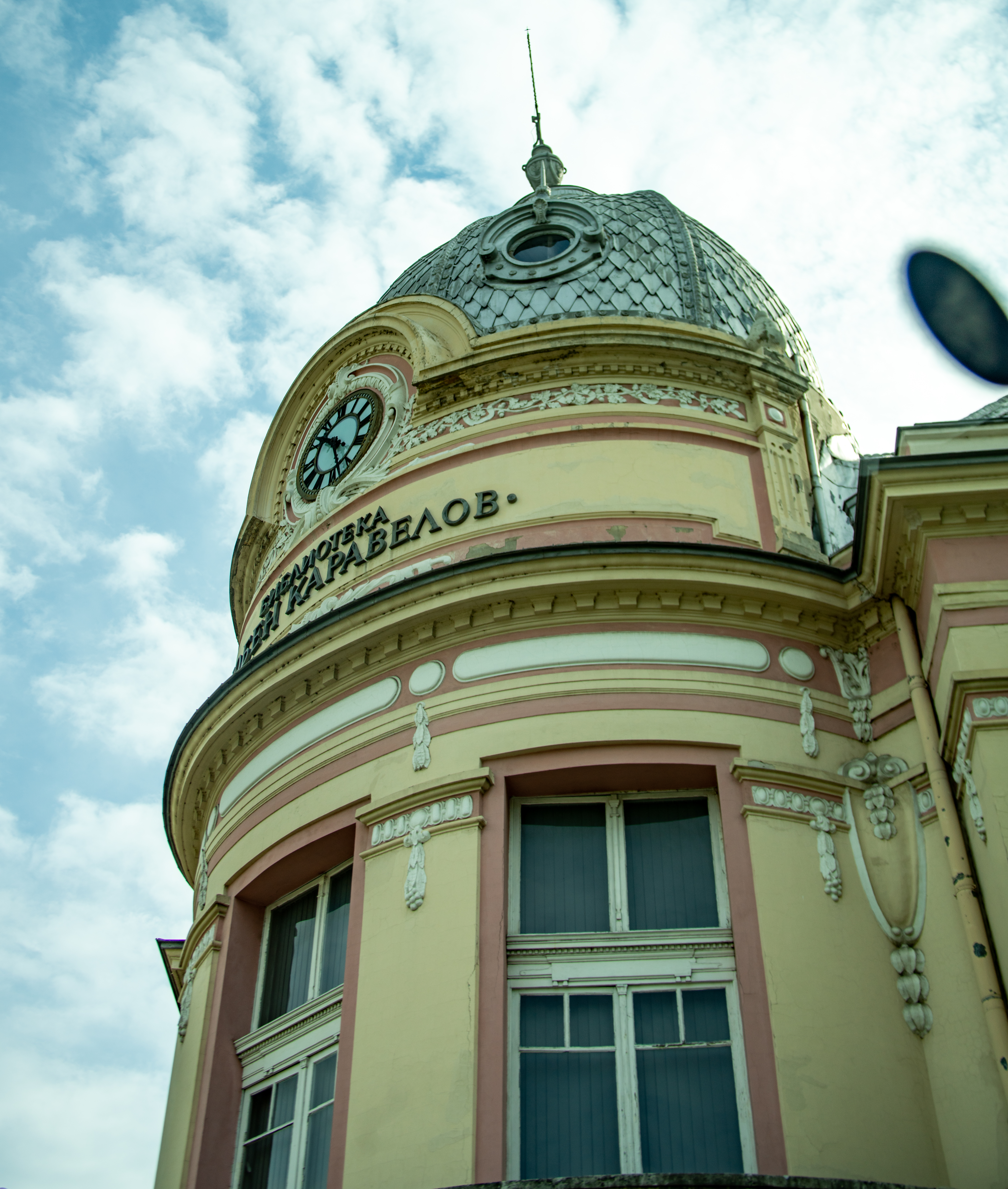
architecture
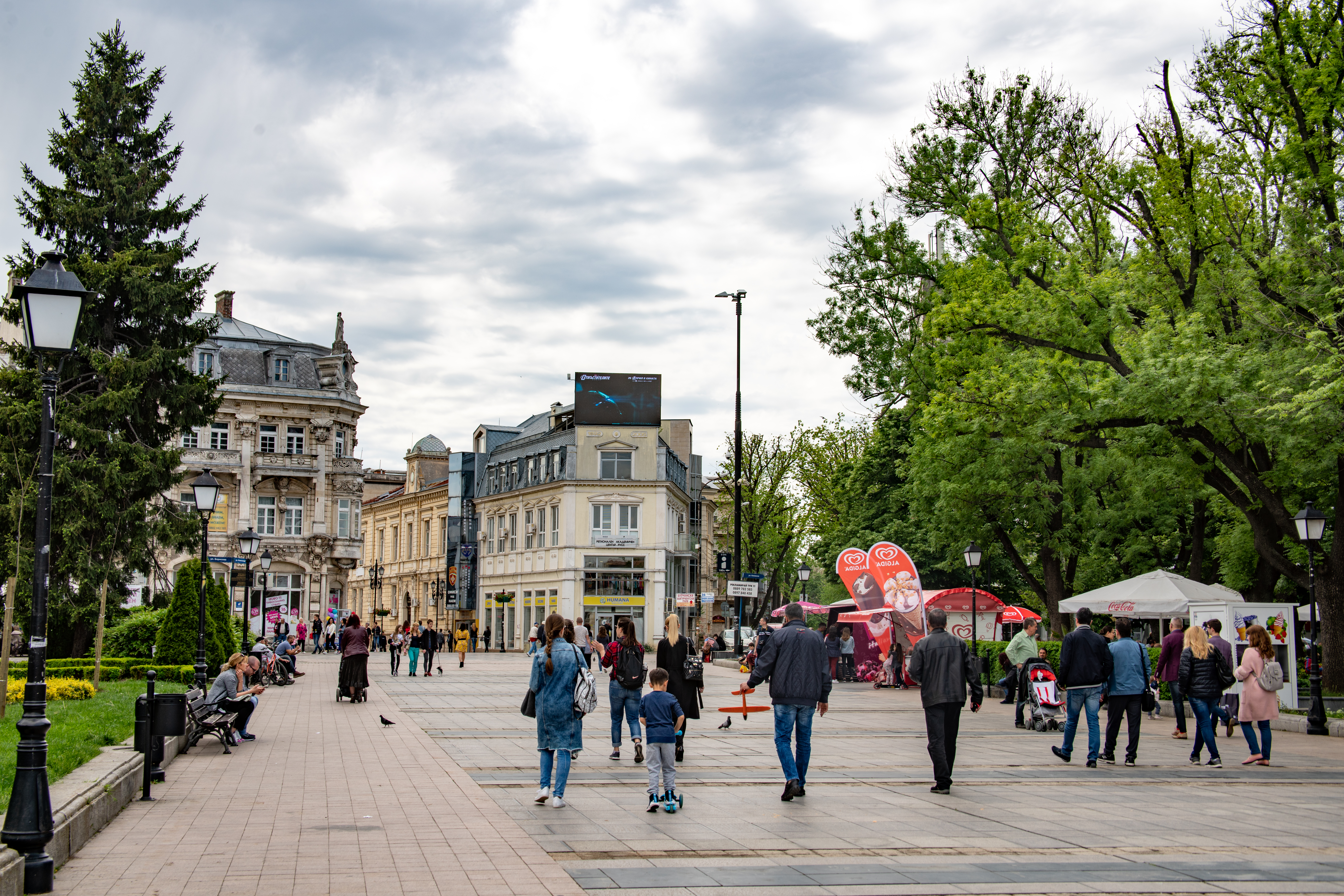
families out
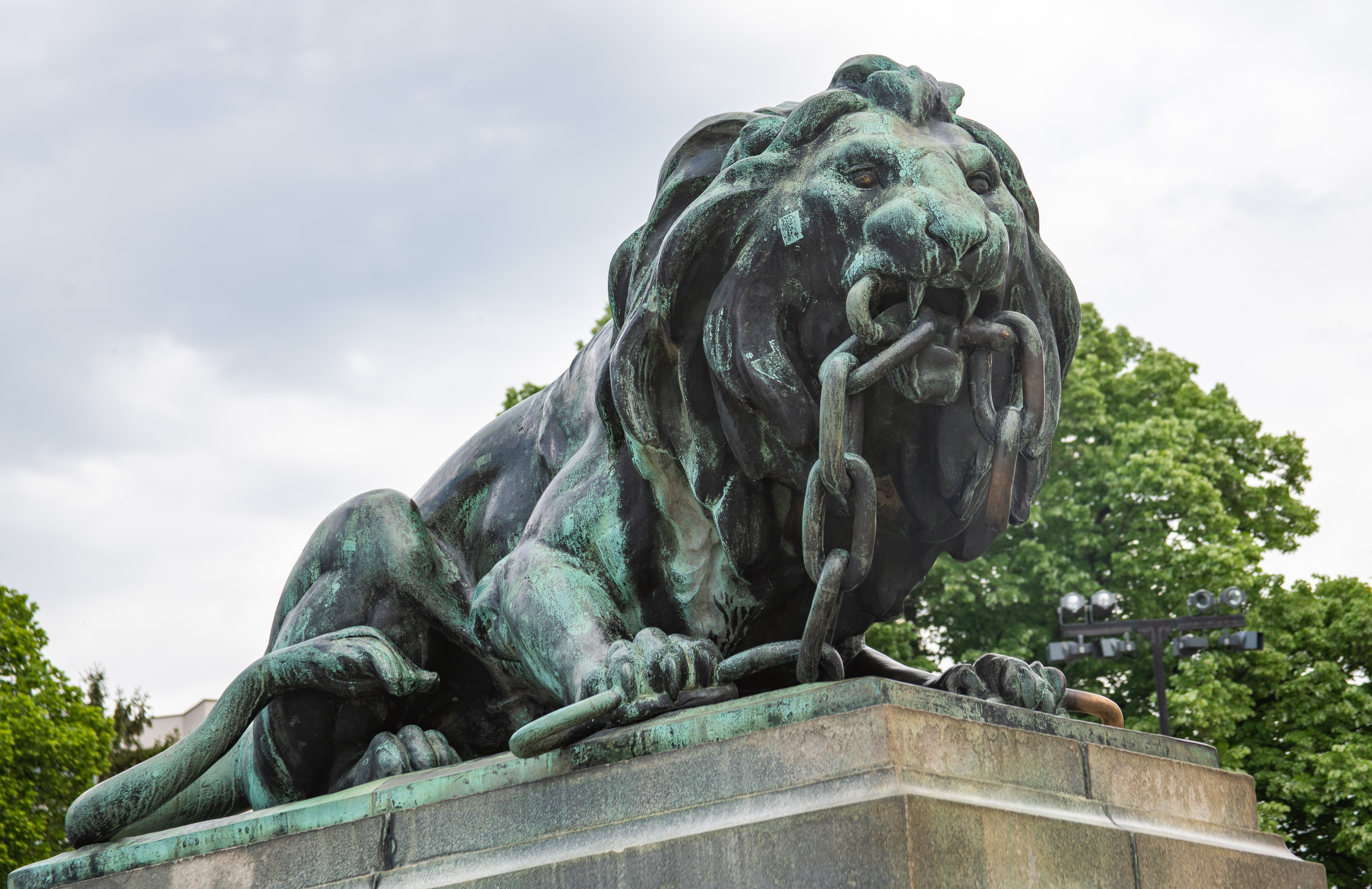
lion on the Ruse statue of liberty


Leave a Reply