Today we made it to Vidin after sailing on the Danube all morning. This is a smaller city Bulgarian city along the Danube with around 48,000 people here. We did a driving city tour. We had been told ahead of time that this would be “real” Bulgaria and that this area has not been able to really recover from communism. Yesterday we had noticed that Bulgaria is clearly poorer than Romania. The synagogue in Vidin was built in 1894 to replace the town’s old synagogue, which was destroyed during the Russo-Turkish war of 1878 to 1879. It resembled the Great Synagogue in Budapest. Unfortunately, in the 1940’s, due to a combination of communism’s oppression and opportunity in the new country of Israel, the Jewish community in Vidin essentially vanished. The synagogue initially was used by the city for storage, but later simply fell into disrepair. There are purportedly efforts to restore it, but, as you can see from my pictures, nothing is currently happening.
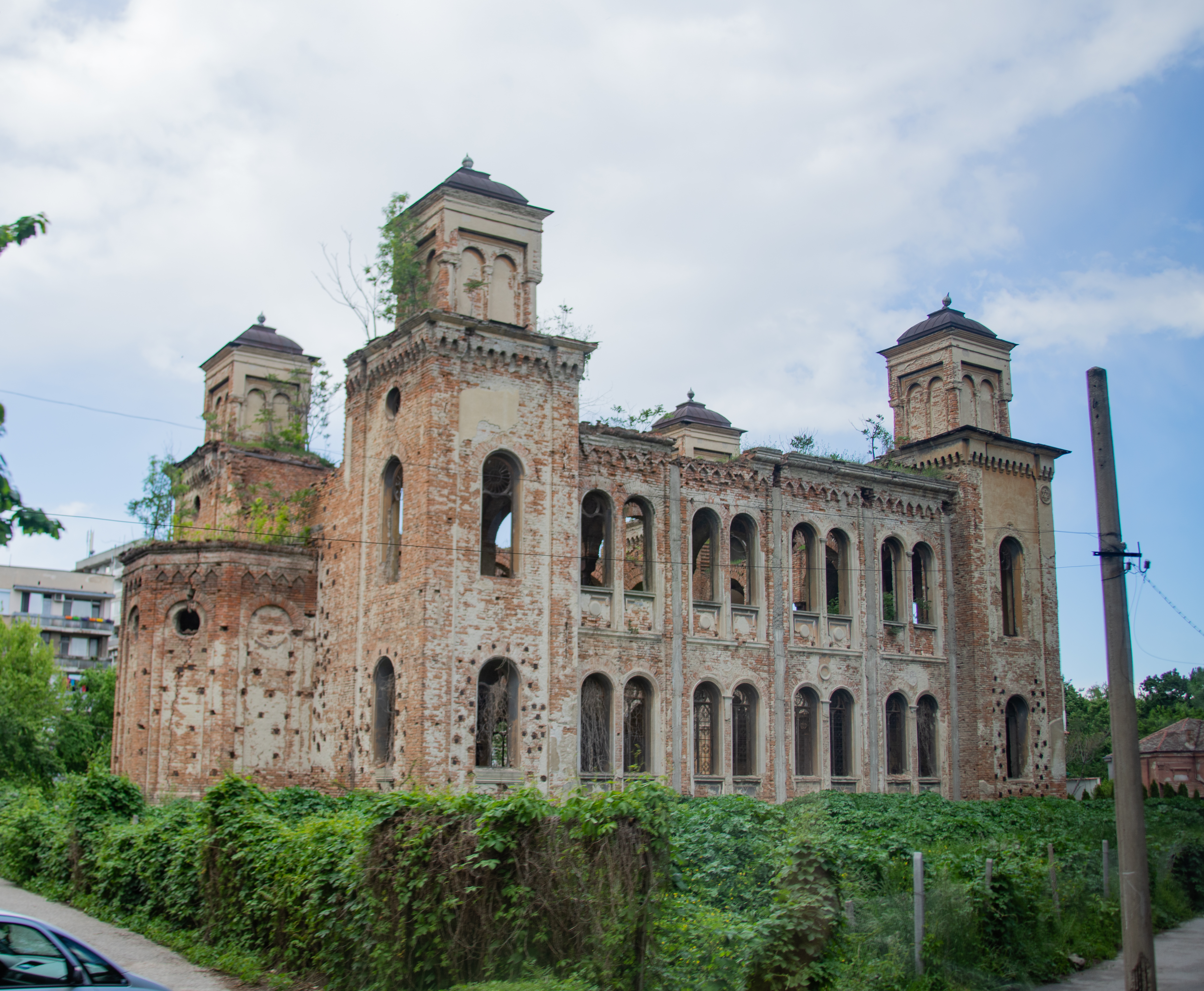
Vidin Synagogue
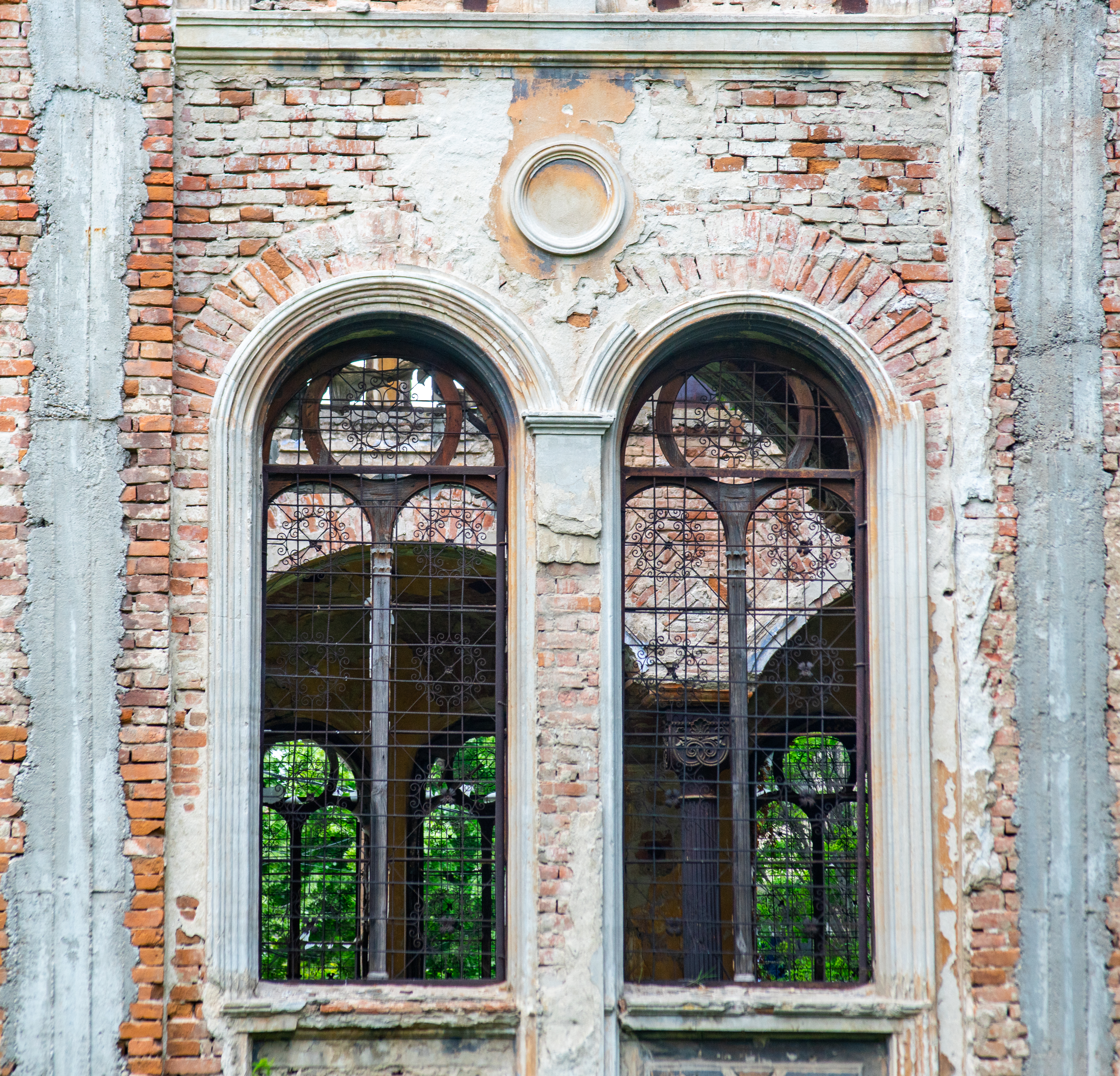
Vidin Synagogue
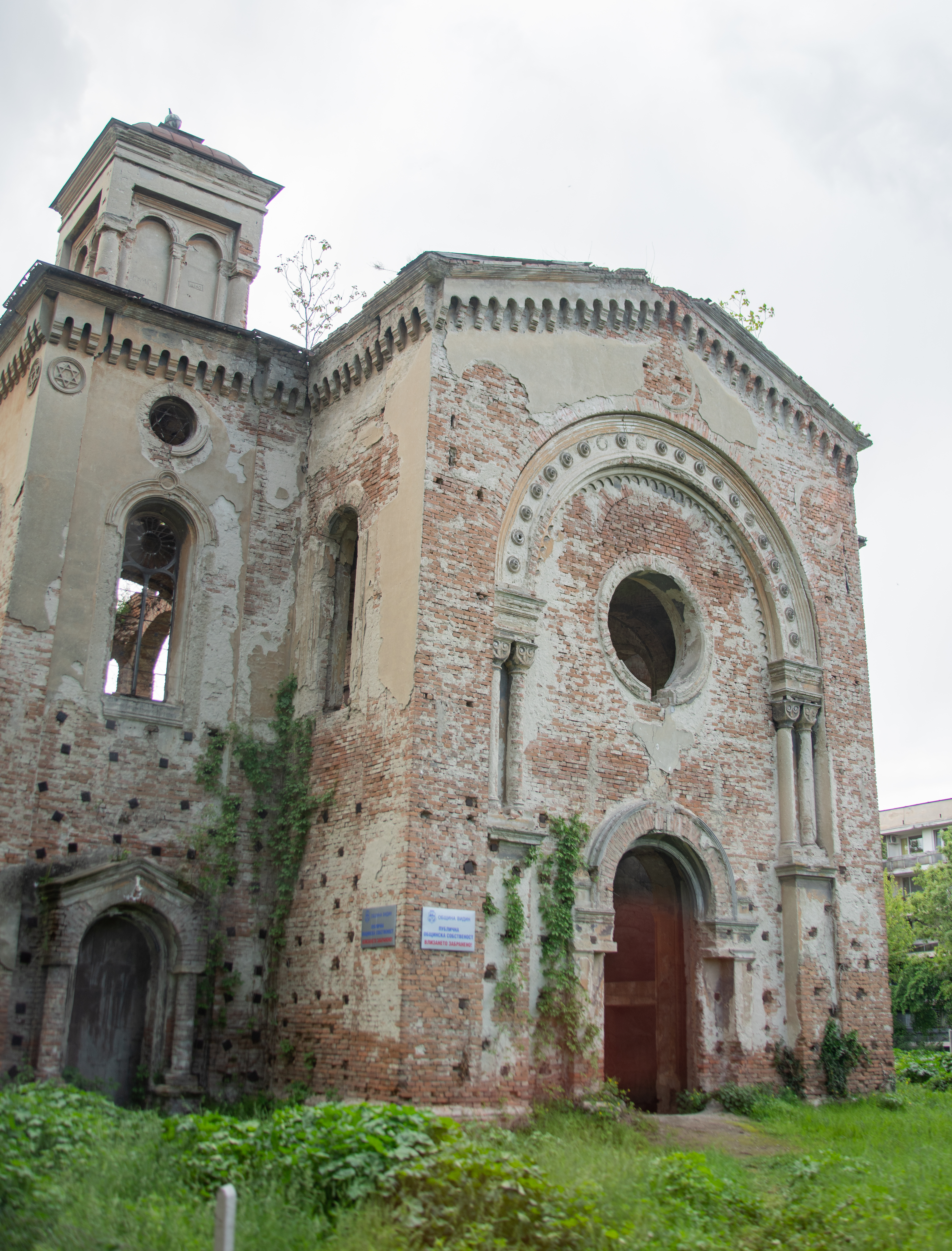
Vidin Synagogue
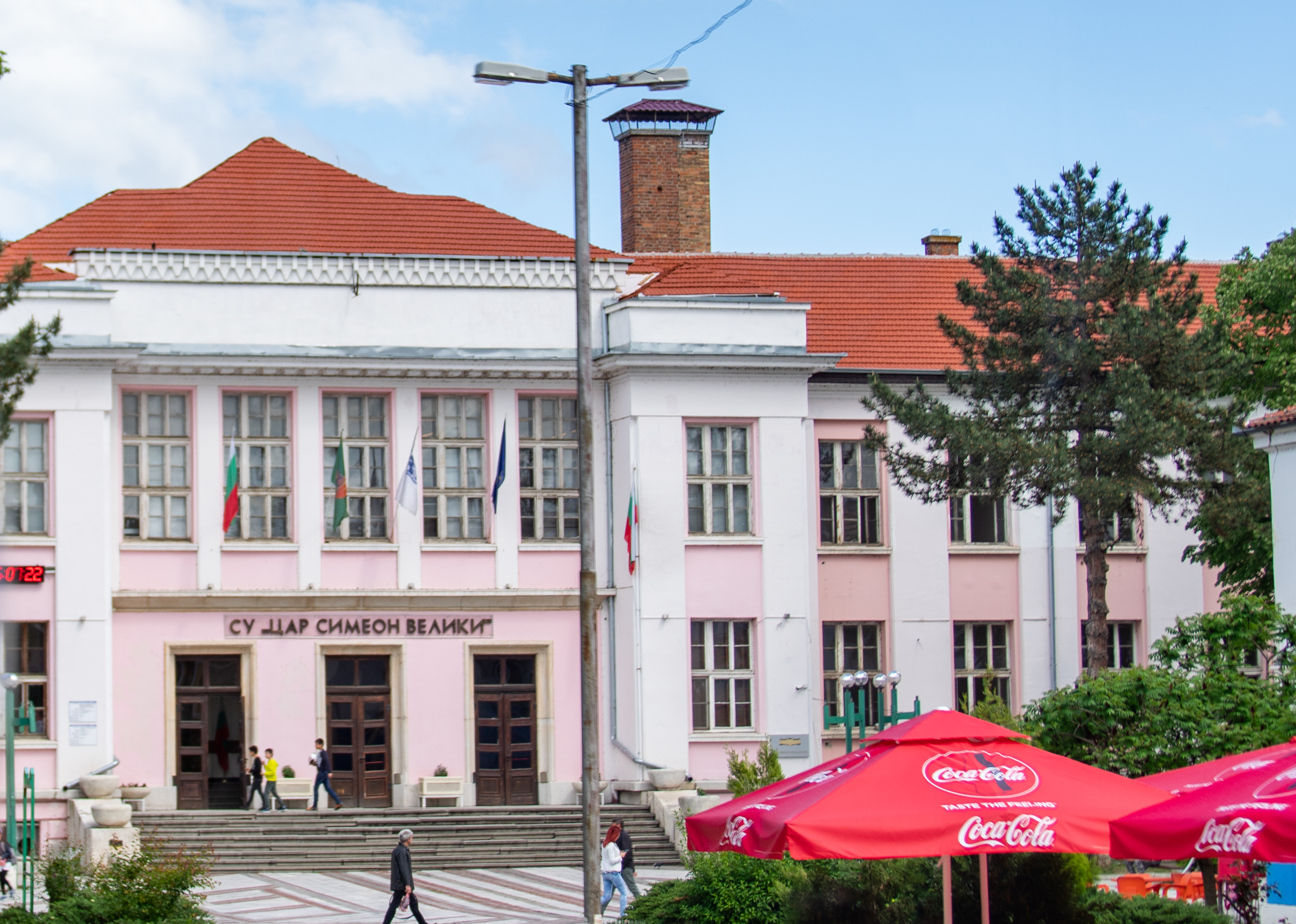
Vidin
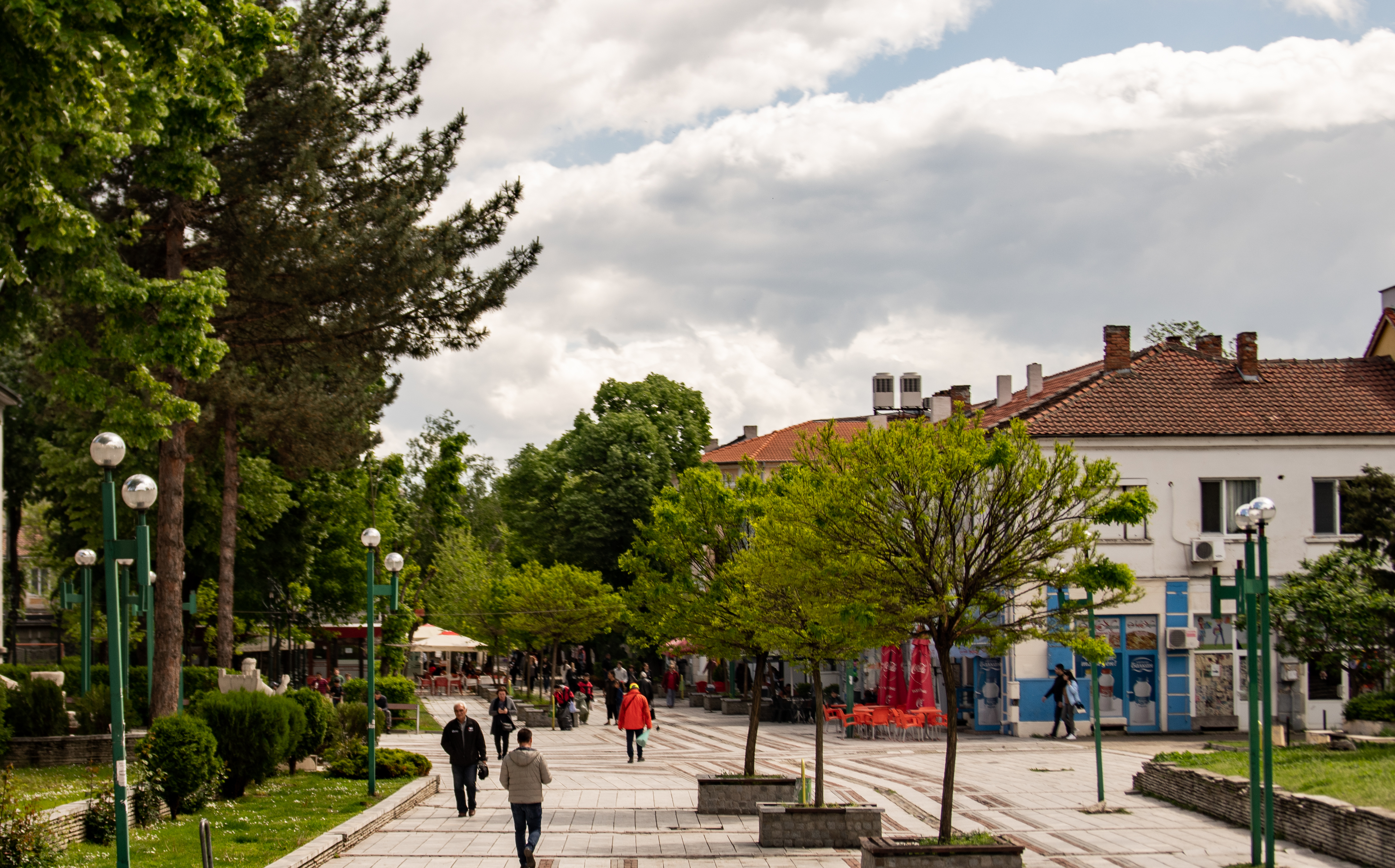
Vidin
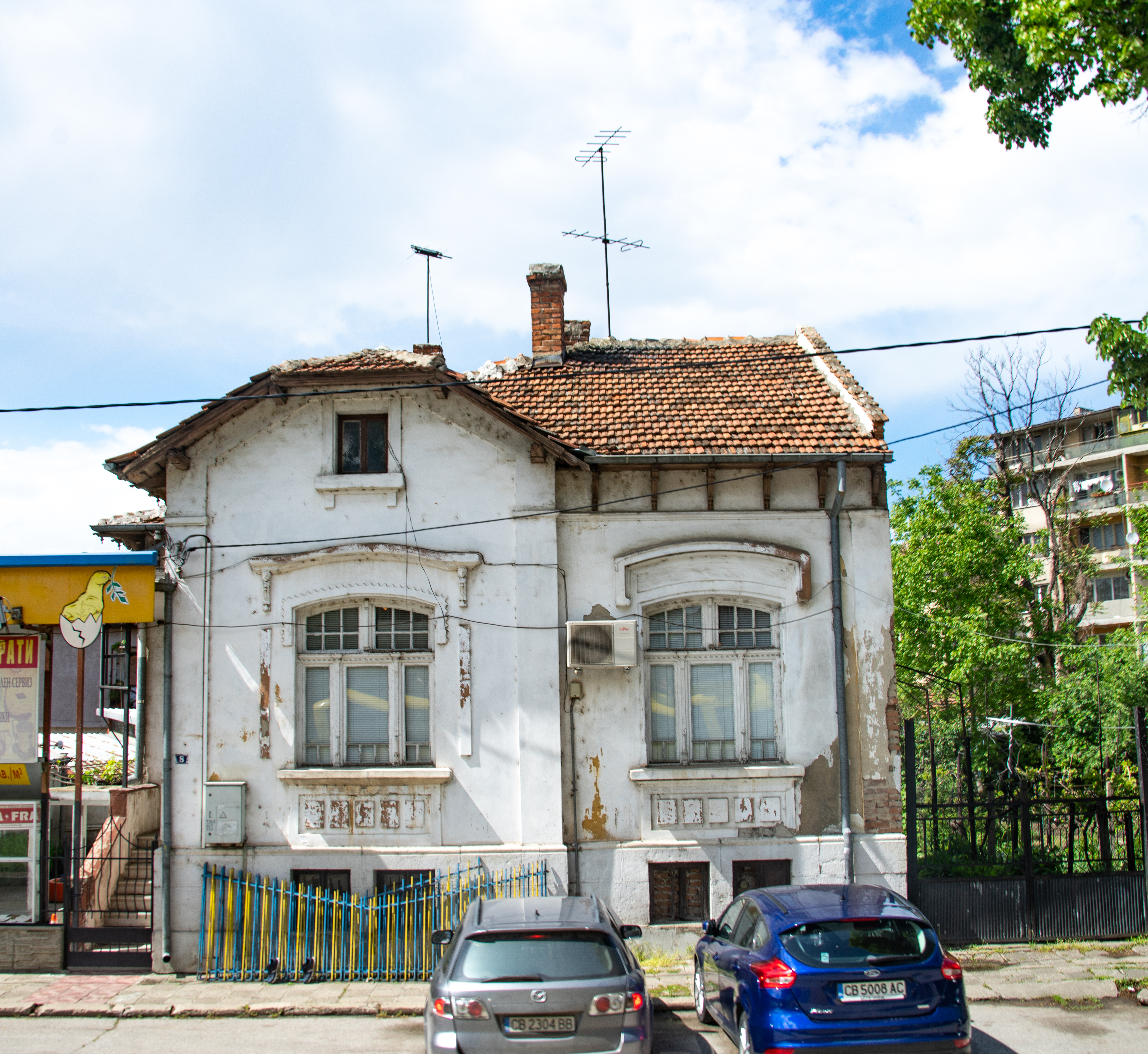
Vidin
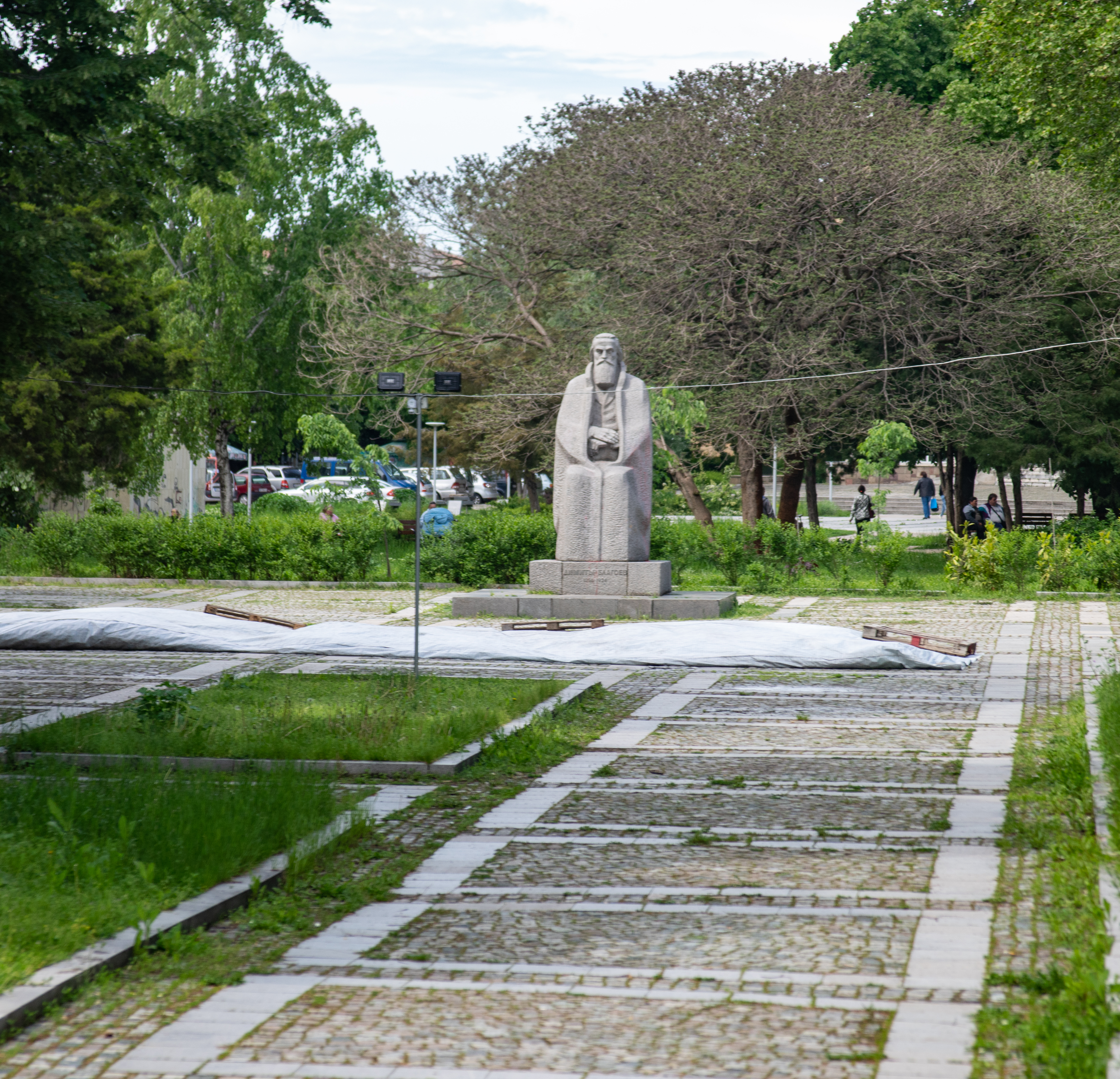
Vidin: this used to be an area that was a moat around the town. It was later filled in “because of mosquitoes” according to our tour guide. I’m not sure who the statue is of.
Vidin has a well-preserved medieval fort that we visited. We managed to get through it between rainstorms, which was nice timing.
They began building Baba Vida in the 10th century on an ancient Roman site. From the authoritarian site, Wikipedia: “The building of Baba Vida is tied to a legend, according to which a Danubian Bulgarian king who ruled at Vidin had three daughters: Vida, Kula and Gamza. Prior to his death, he divided his realm among the three. Vida, the eldest, was given Vidin and the lands north to the Carpathians, Kula was awarded Zaječar and the Timok Valley, and Gamza was to rule the lands west up to the Morava. Although Gamza and Kula married to drunkard and warlike nobles, Vida remained unmarried and built the fortress in her city. The name of the castle means “Granny Vida”.” This fort was the main defense of Vidin for the middle ages and was a main defense for this region of Bulgaria. It was destroyed but rebuilt in the mid-late 1300s. It was a warehouse for weapons and a prison for the Ottomans. Today it is a museum and it considered the best preserved medieval stone fortress in Bulgaria. Baba Vida was impressive. It is amazingly well preserved! It was funny to climb around and find no guardrails, though.
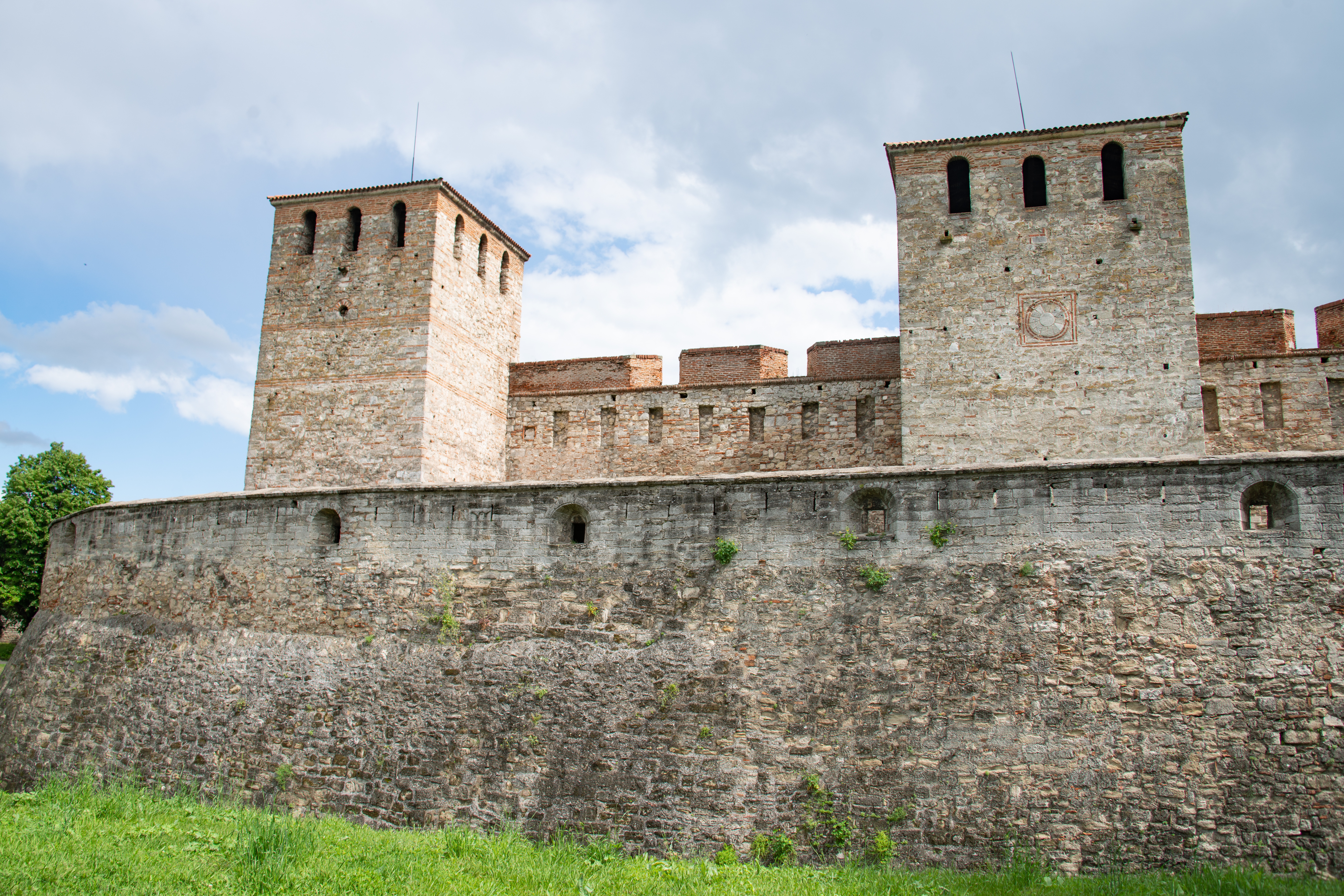
Baba Vida
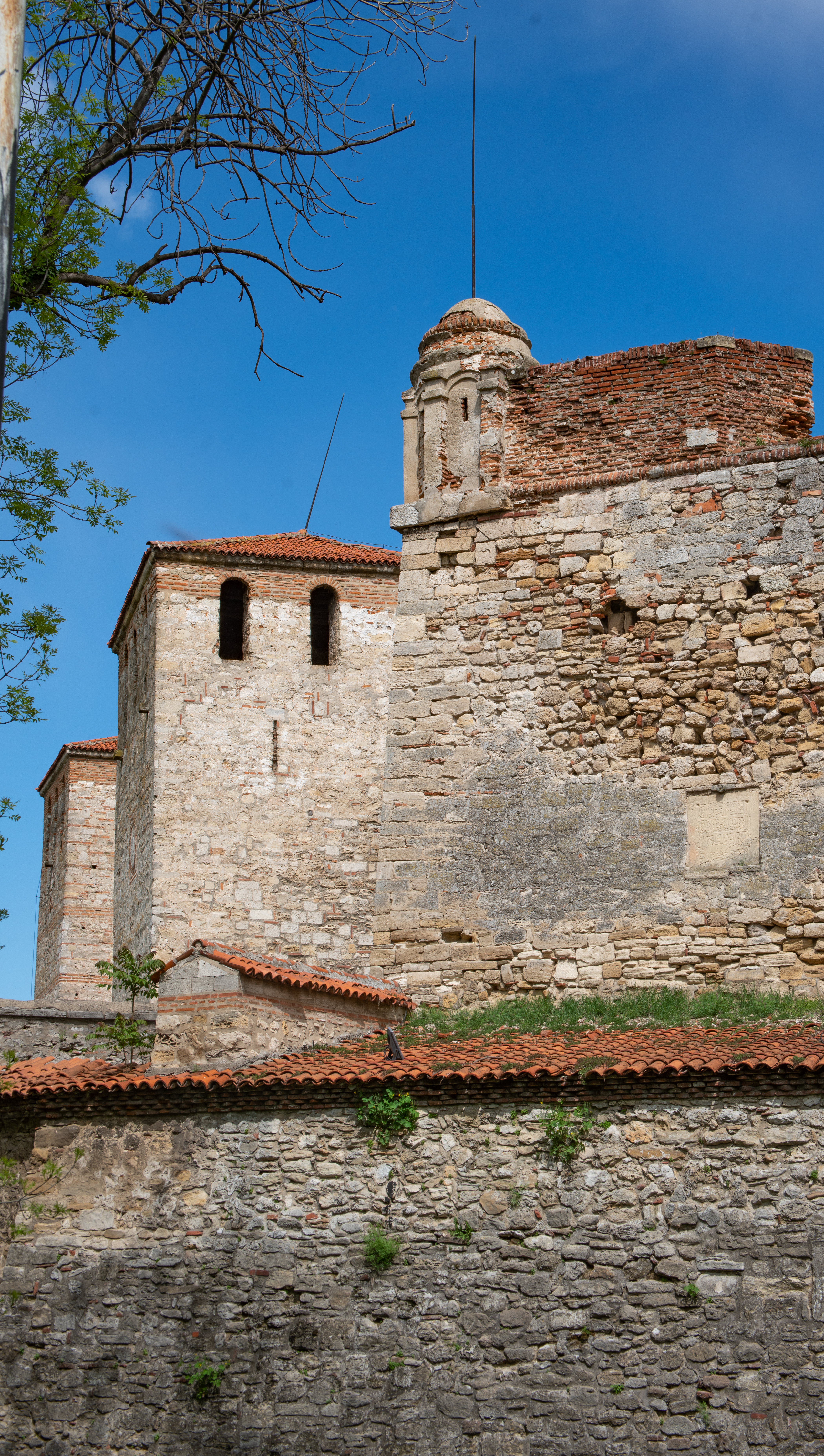
Baba Vida
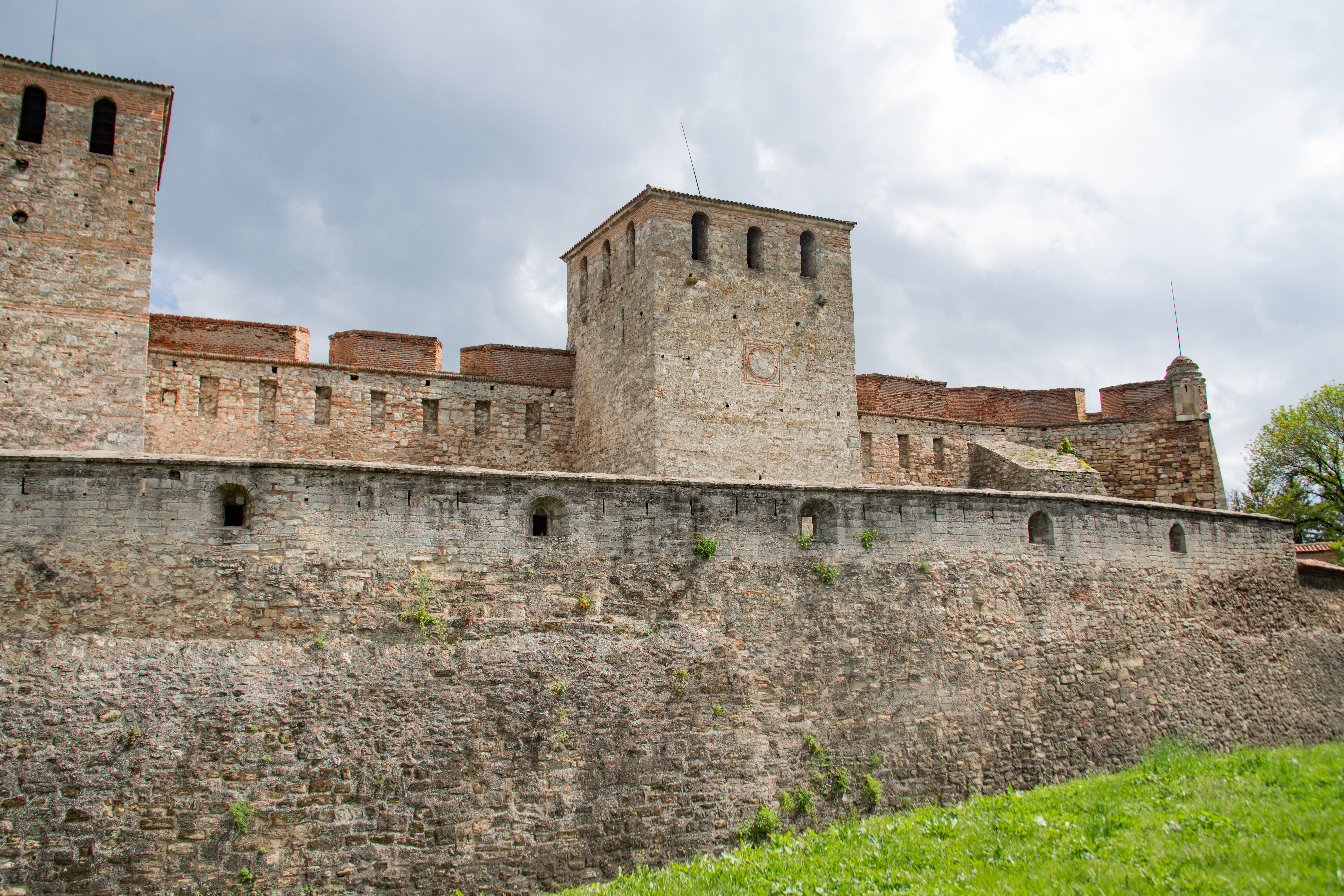
Baba Vida
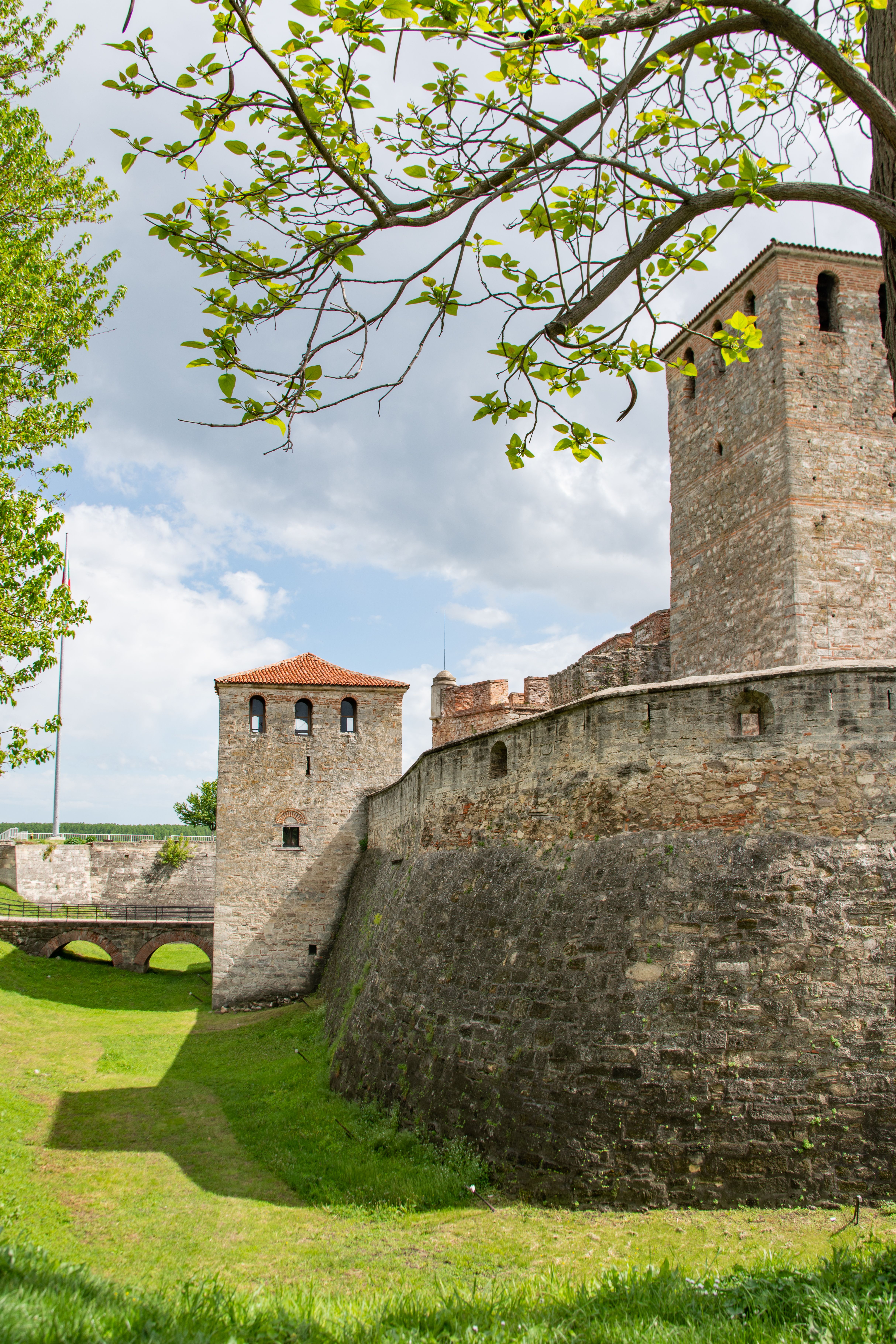
Baba Vida
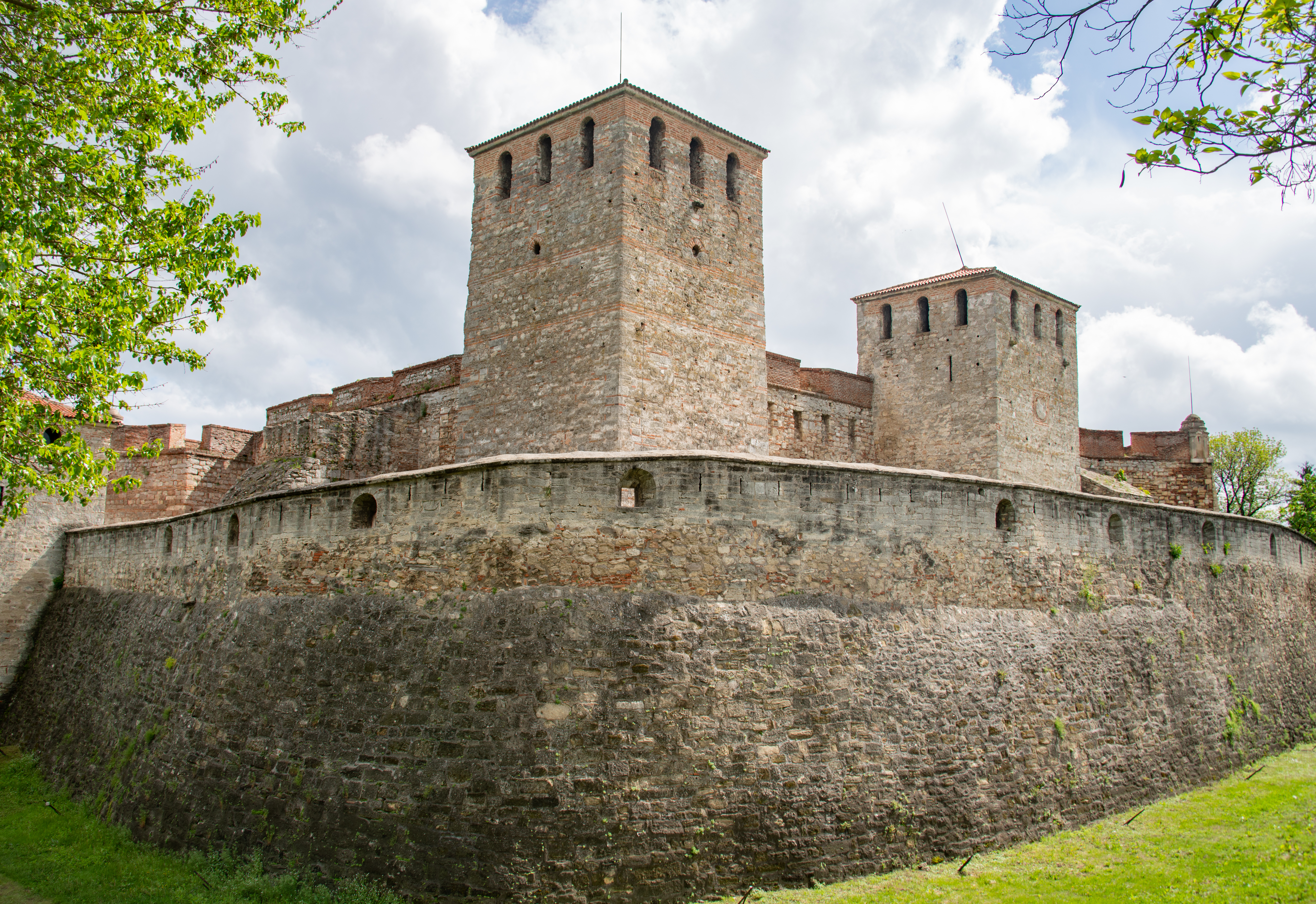
Baba Vida
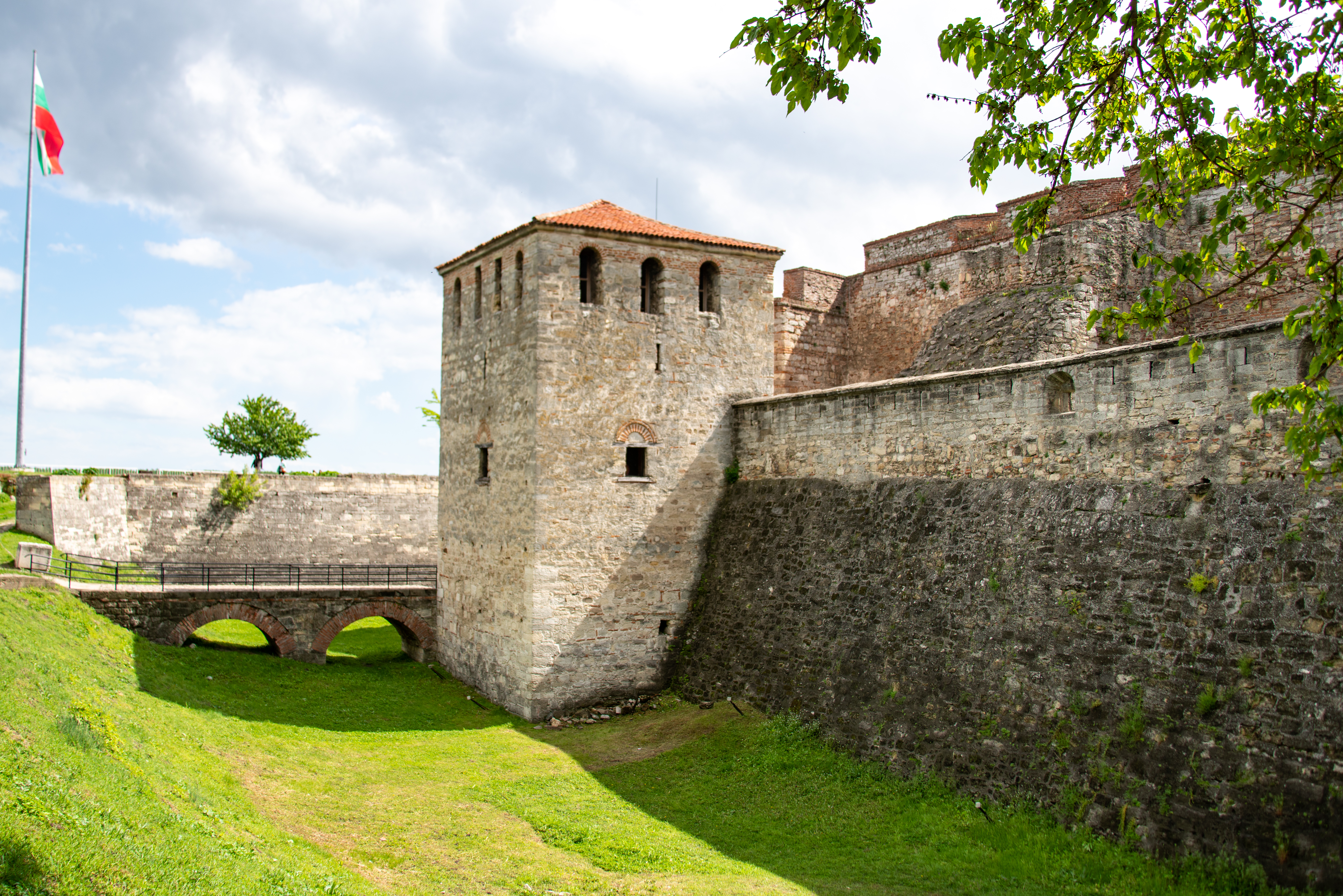
Baba Vida
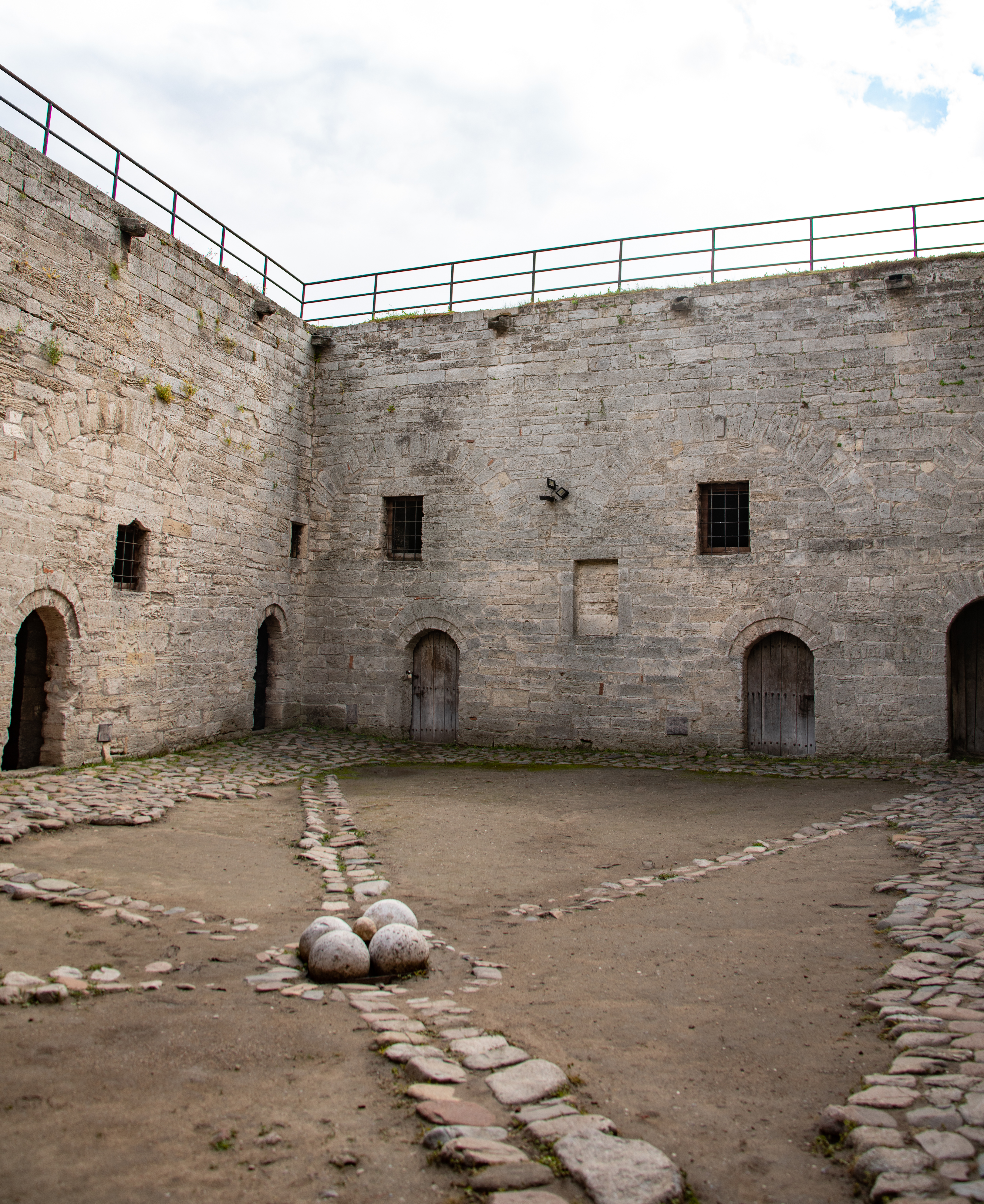
Inner courtyard with stone cannonballs
windows
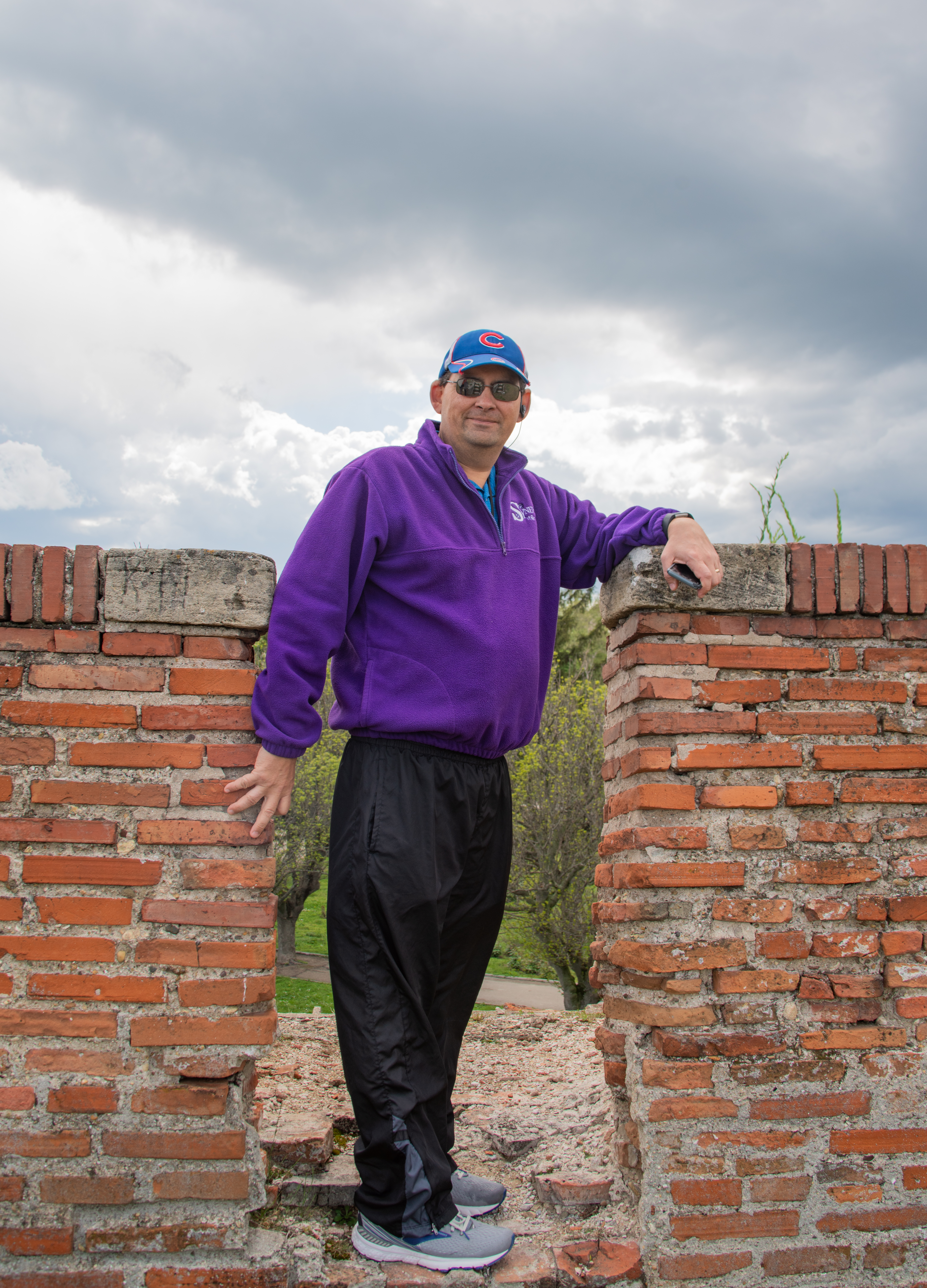
Paul standing on the top
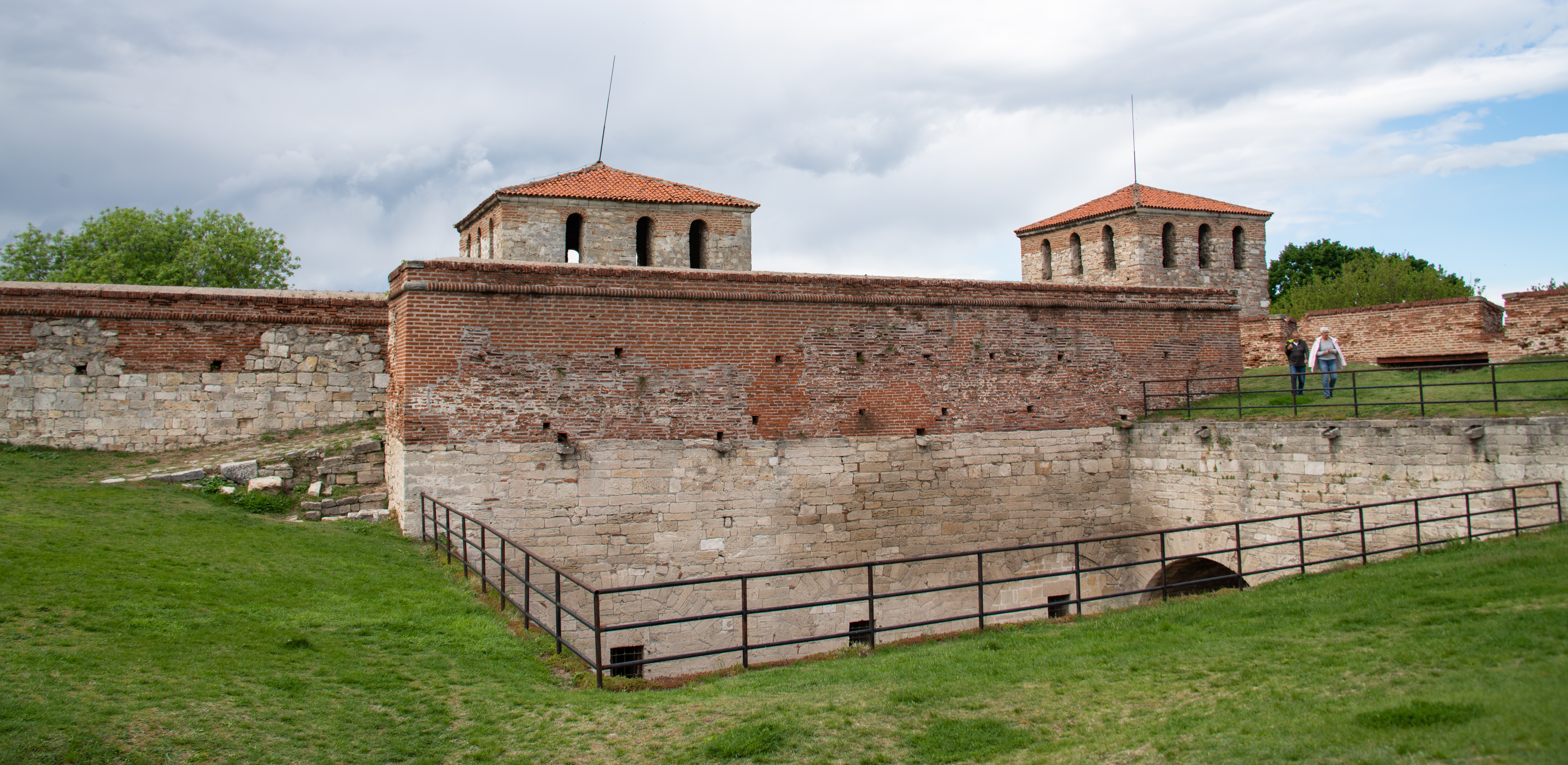
Top view
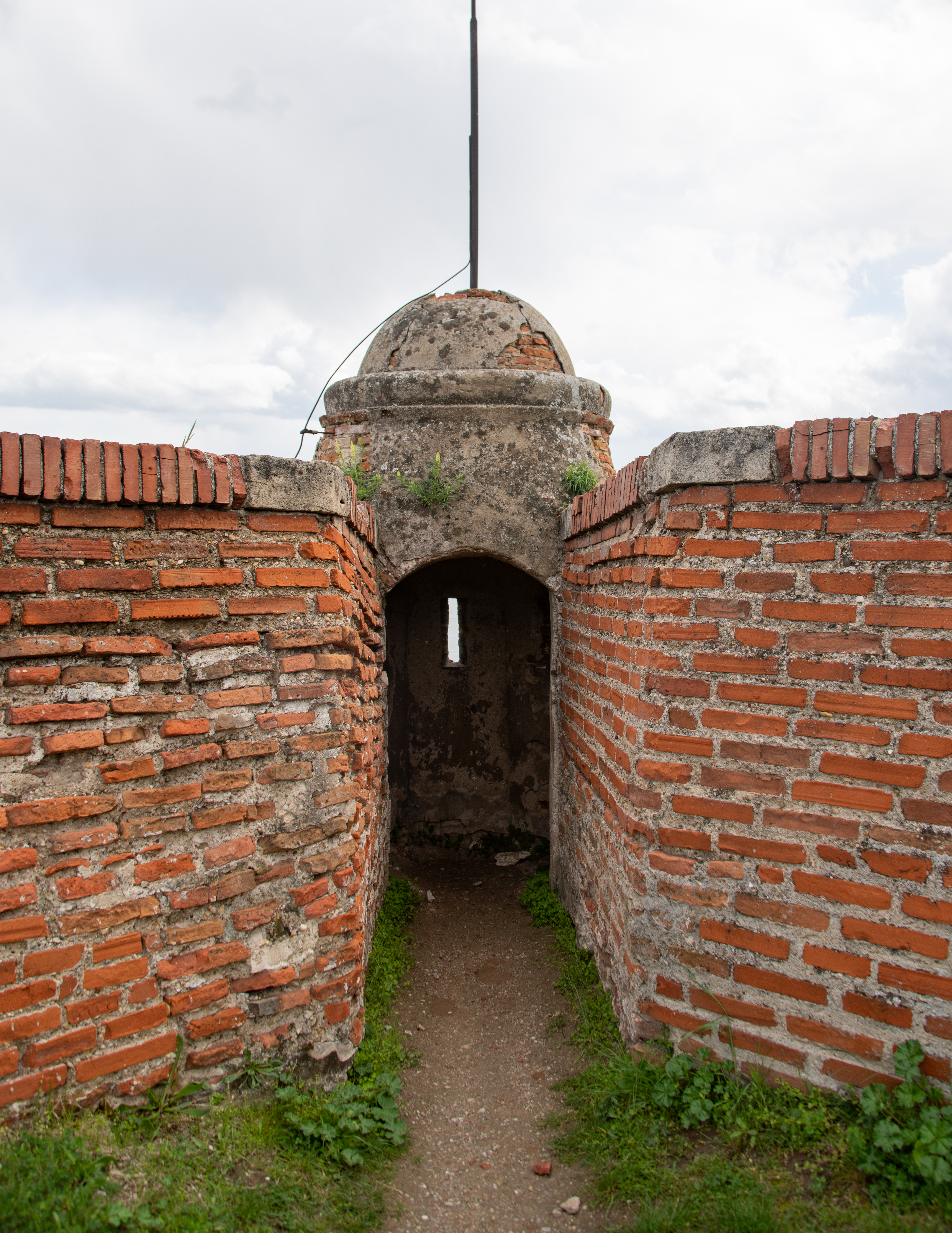
turret
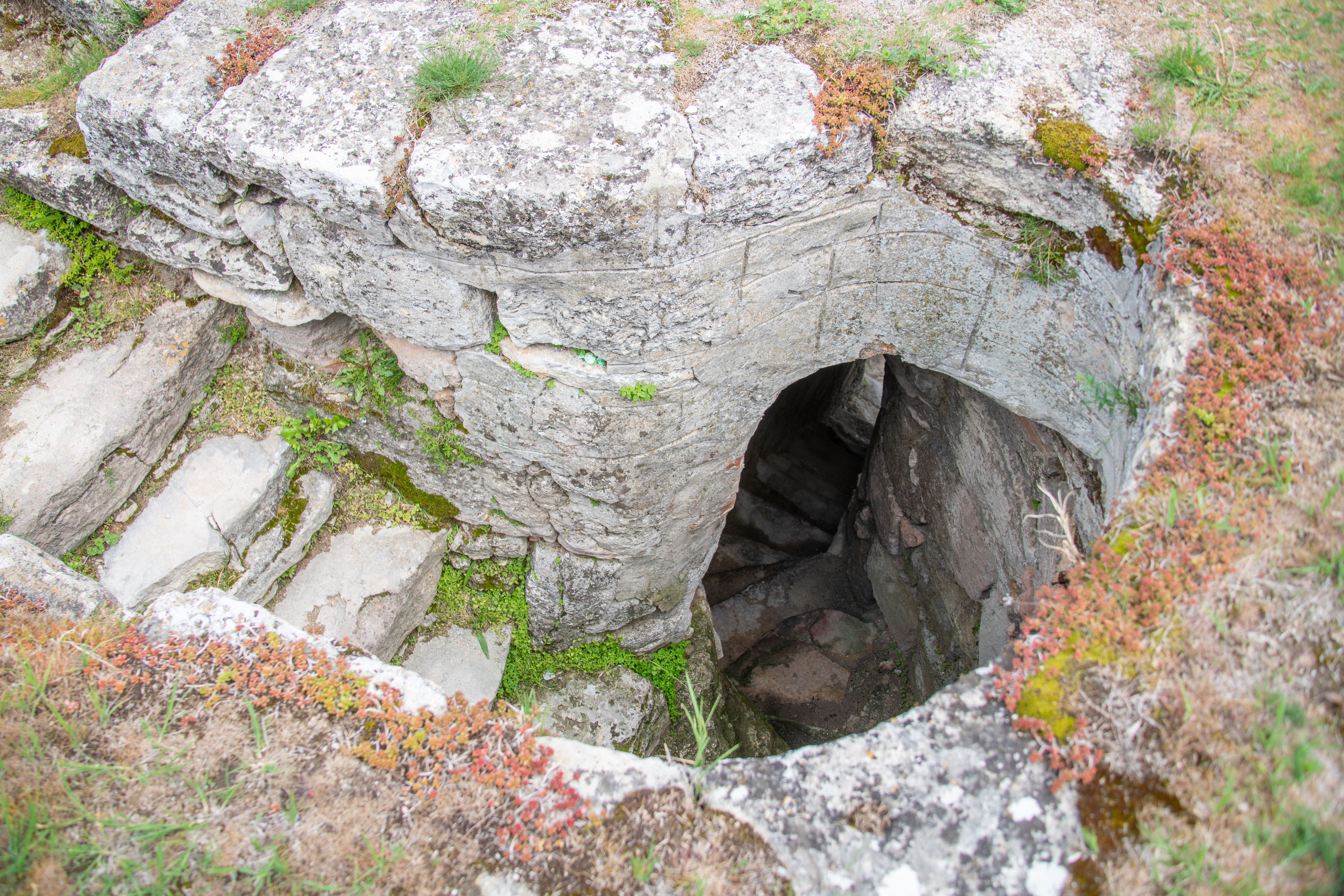
dark staircase
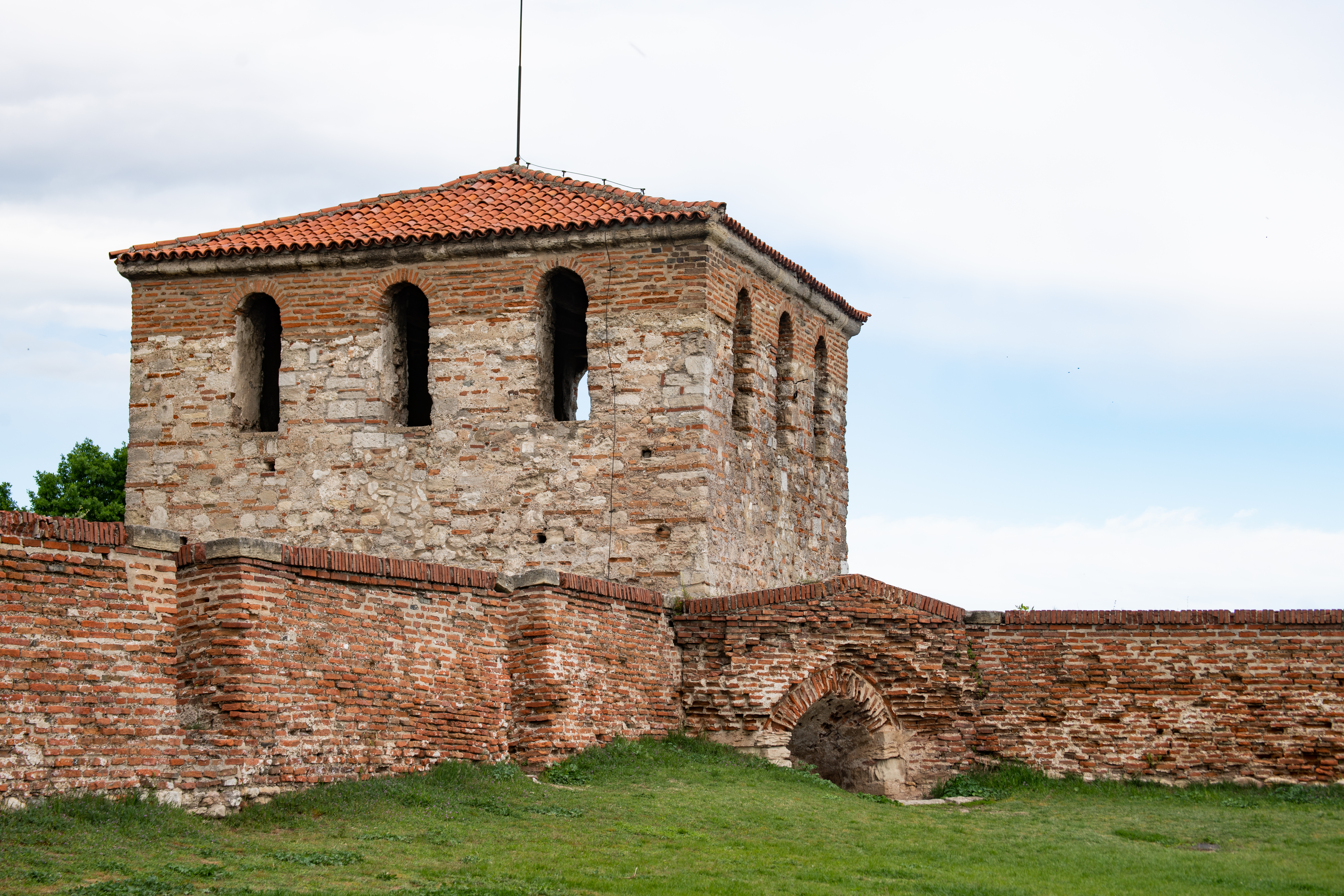
more of the top level
view from the top looking out at the Danube
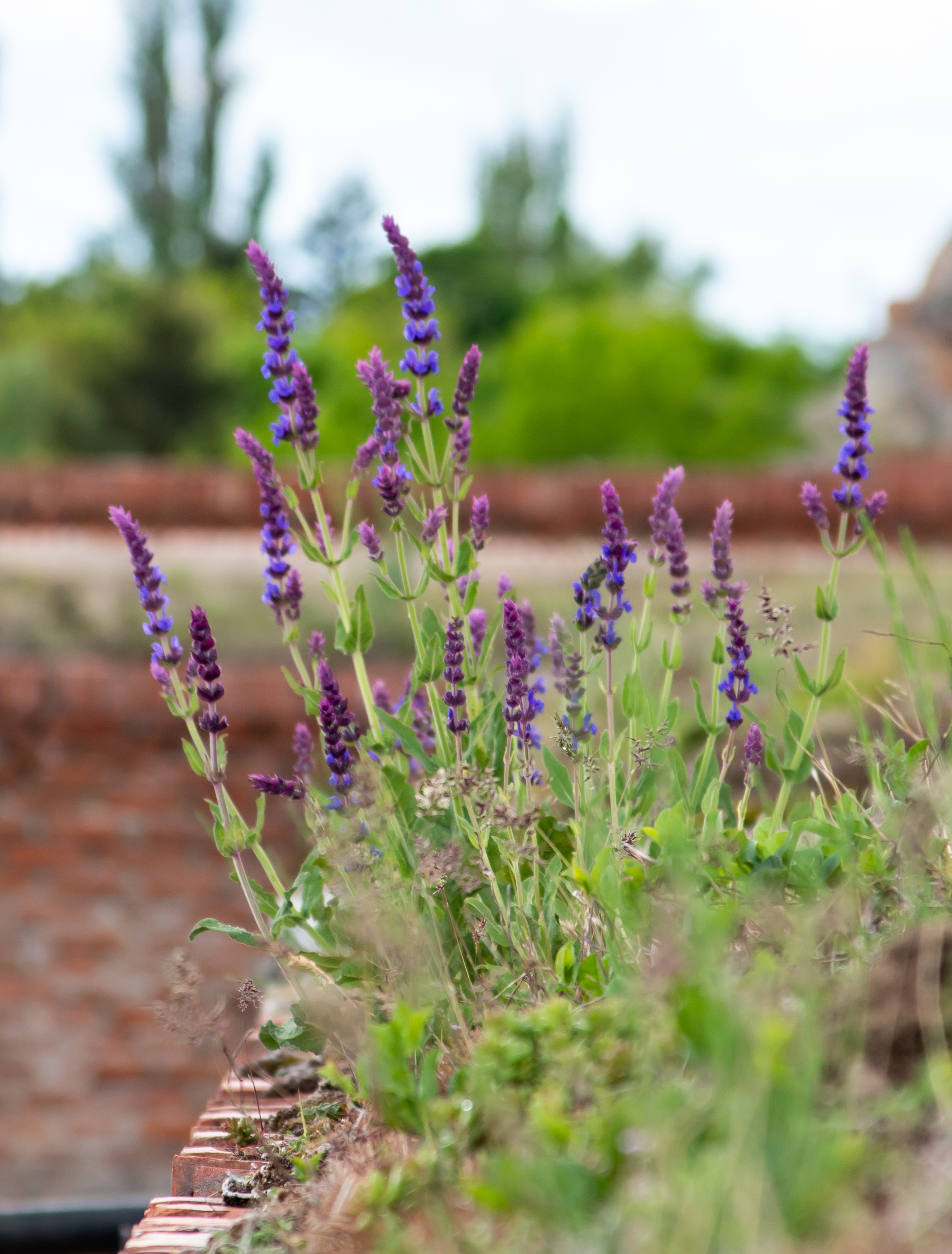
flowers growing out of Baba Vida
We also went to Belogradchik Fortress which is built amongst the Belogradchik Rocks which are a group of strangely shaped rock formations located on the western slopes of the Balkan Mountains. Not surprisingly, this is all right next to the town of Belogradchick, which we were told roughly translates to little town of white houses.
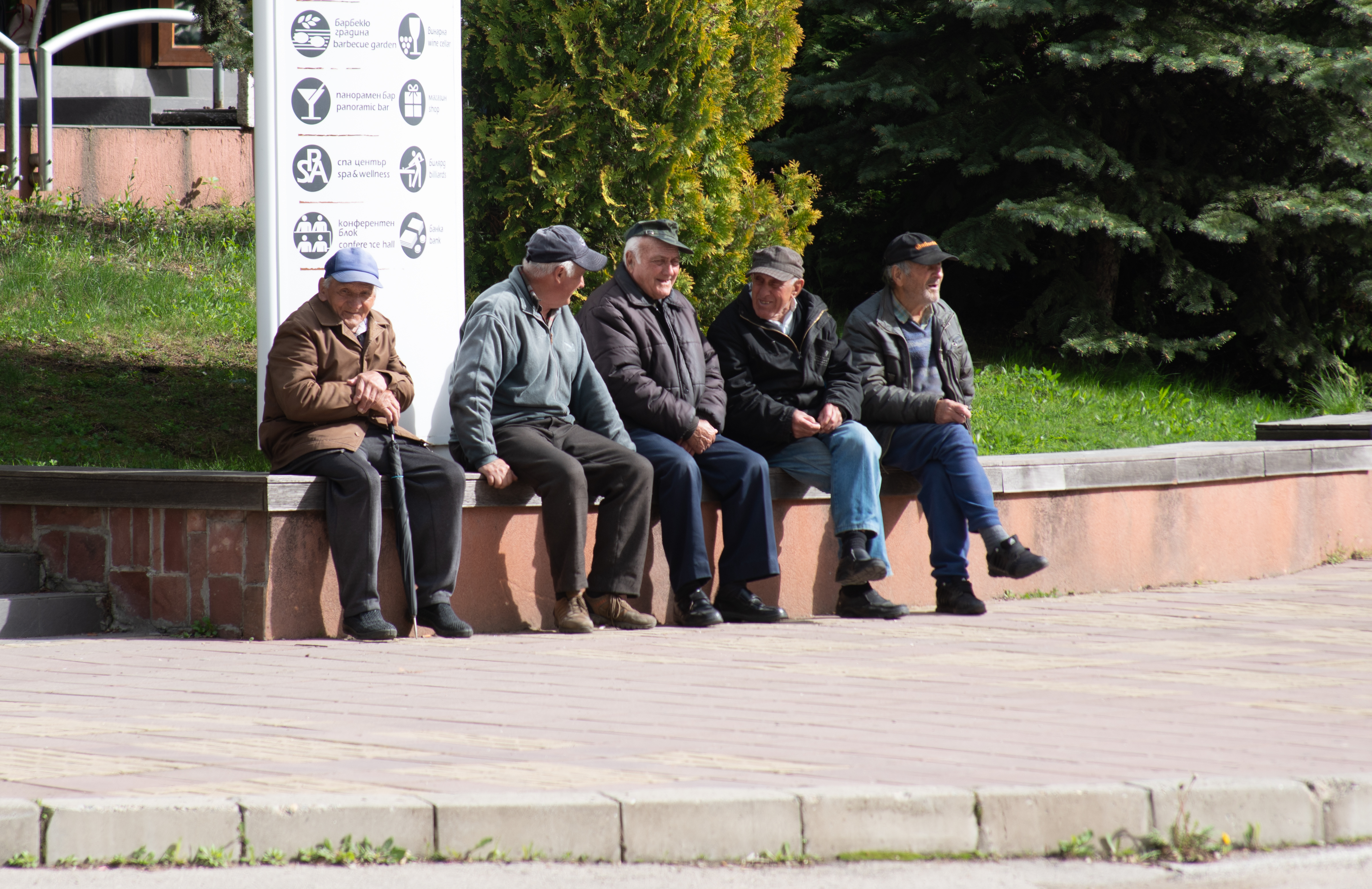
Our guide said these are the gossips of Belogradchik!
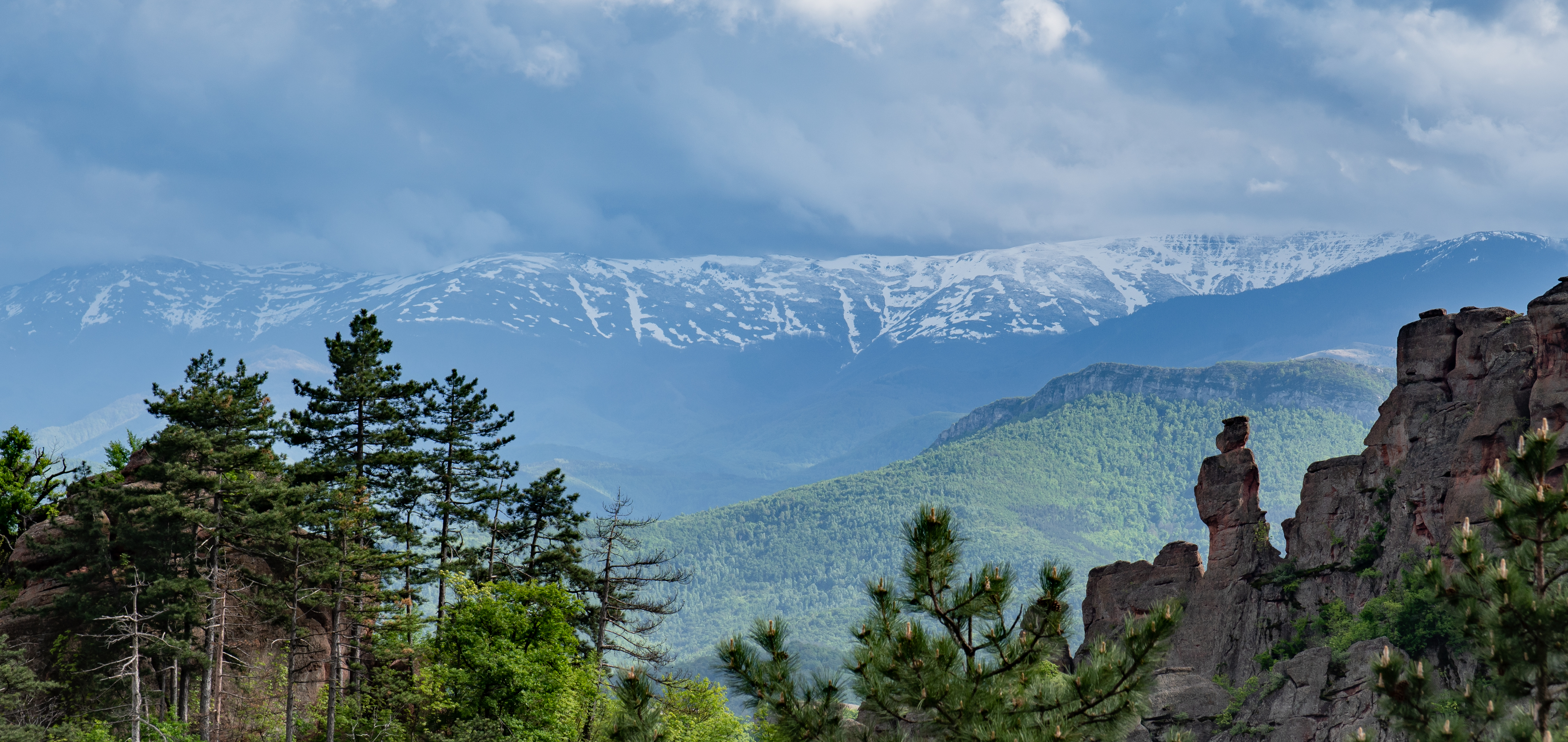
View of the mountains from Belogradchik
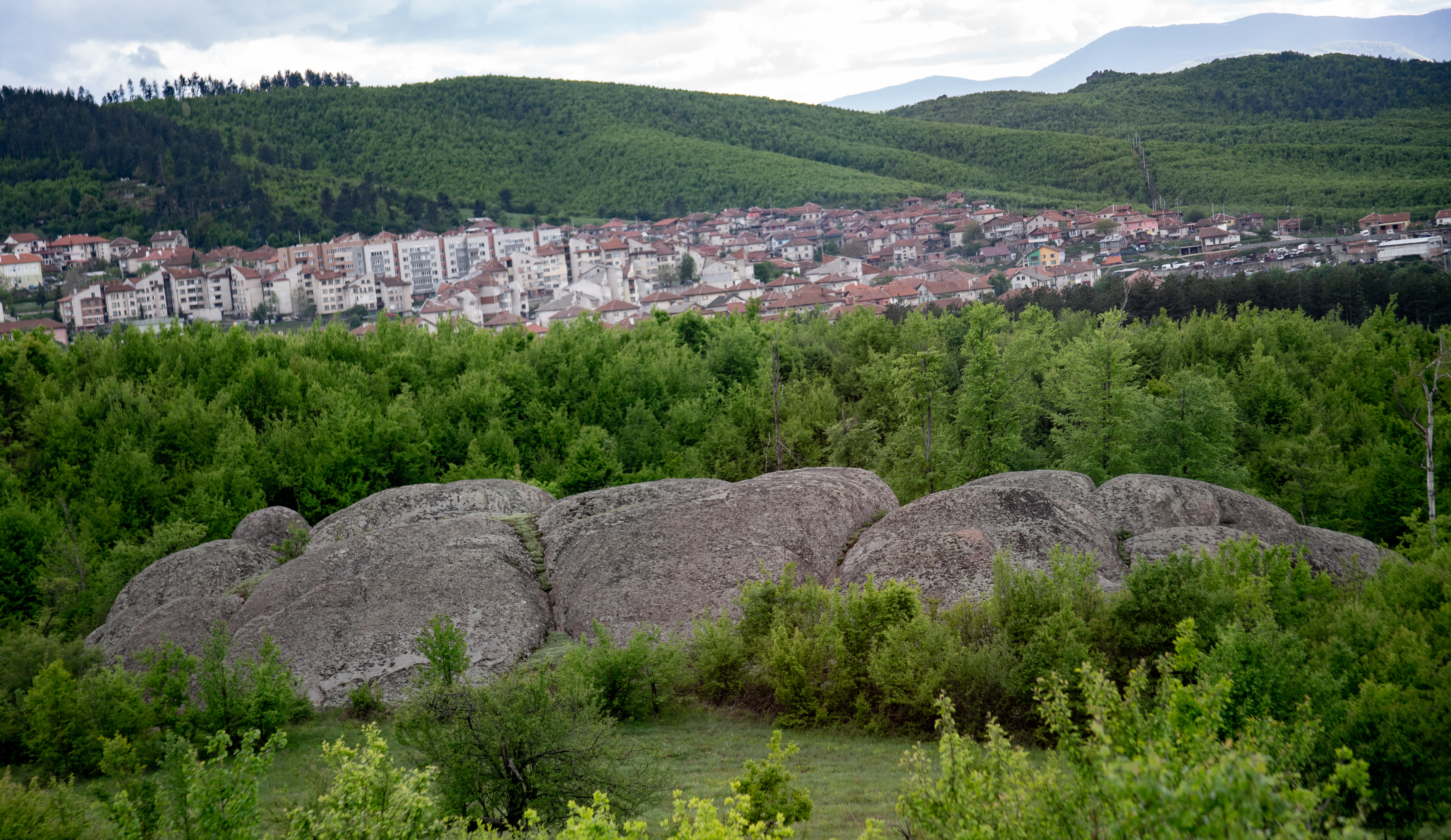
A stone formation on the way into Belogradchik. Our guide said it is a bear: it is laying down and the head is on the left.
The first fortress here was built by the Romans for surveillance. Later a Bulgarian tsar expanded it and it became a more significant stronghold. At one point it was captured by the Ottomans, who expanded the fort and the fort was again modified in the 19th century. It was used in both the Bulgarian Belogradchik Uprising of 1850 and the Serbo-Bulgarian War in 1885.
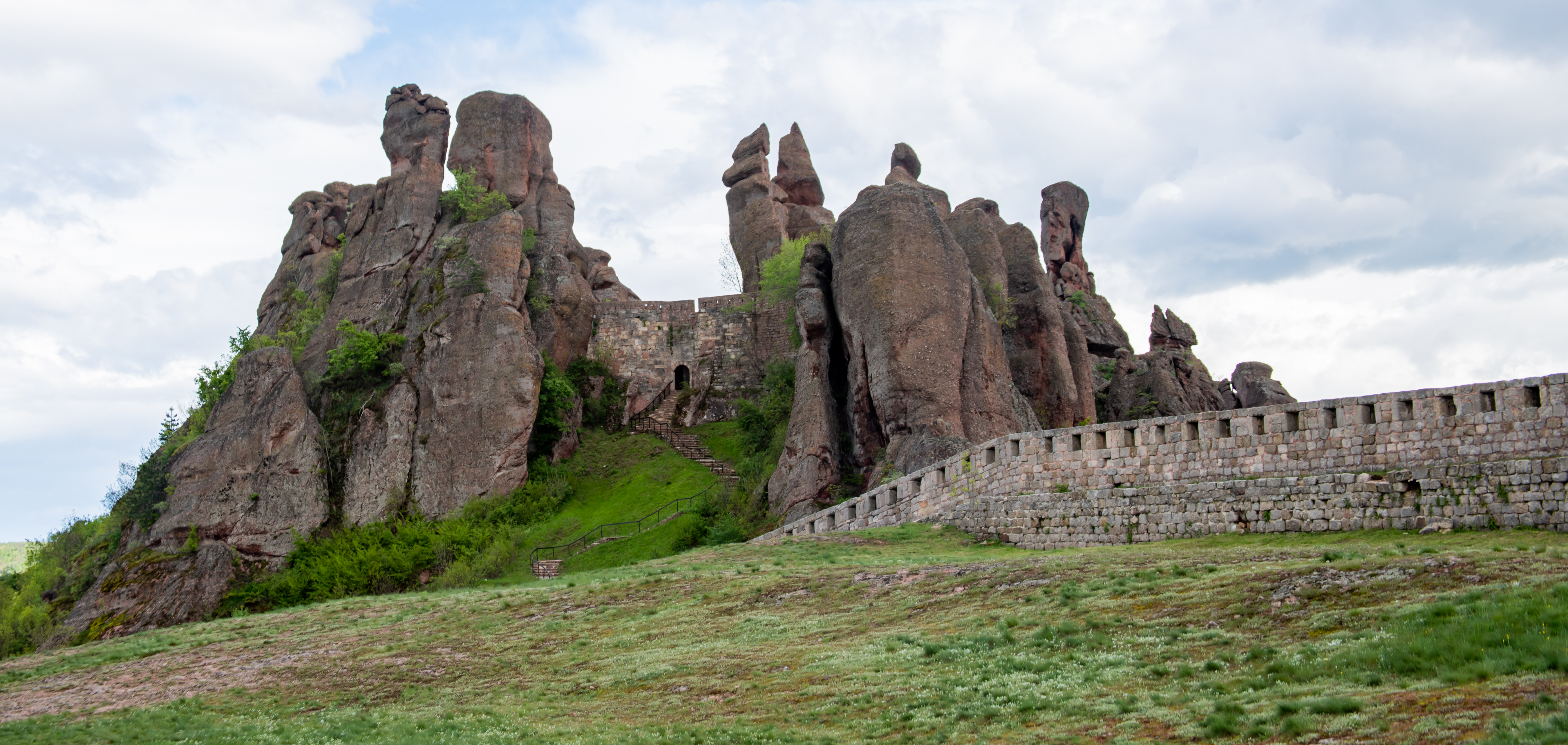
Heading in to Belogradchik Fortress
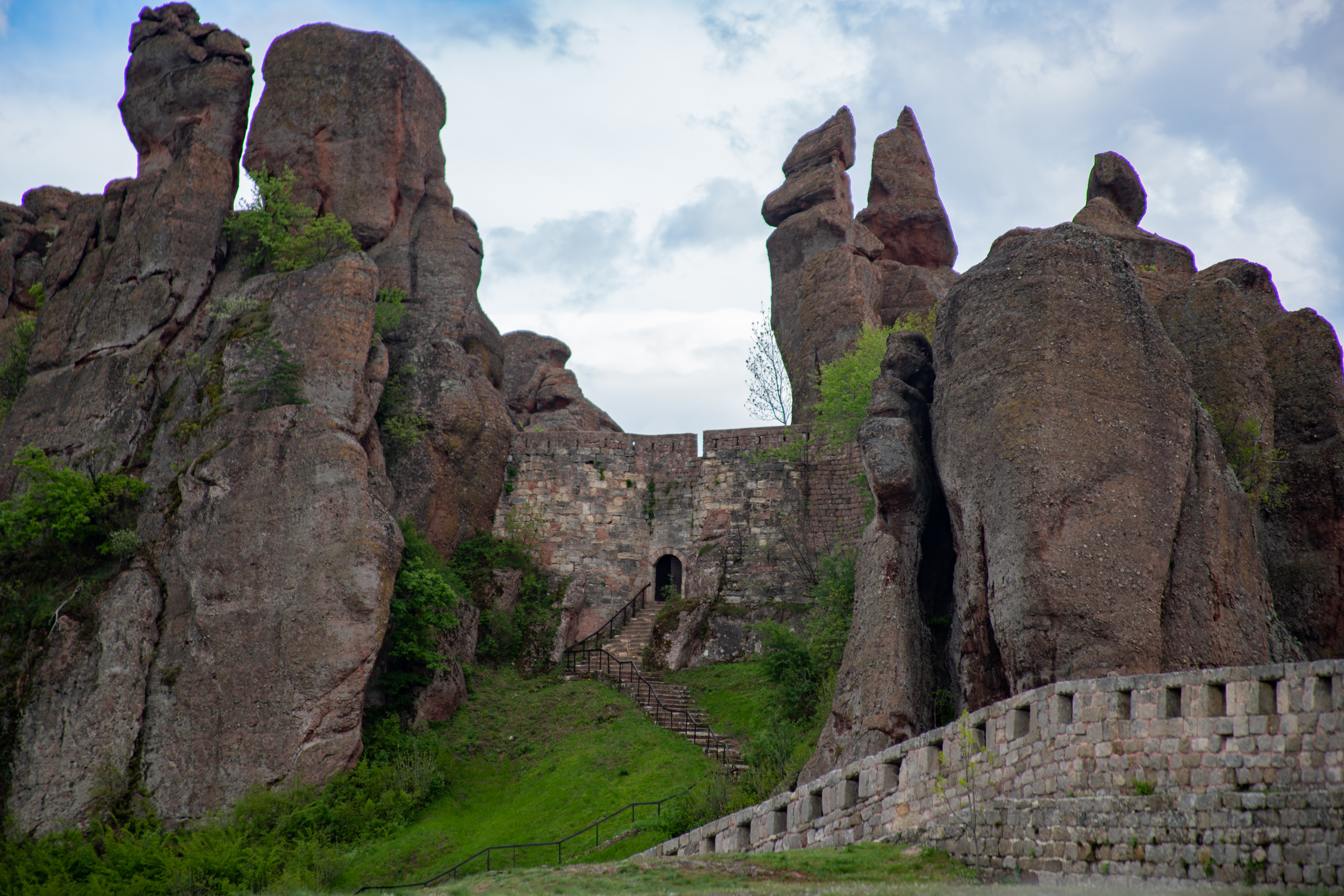
the part between the rock formations is the original part built by the Romans
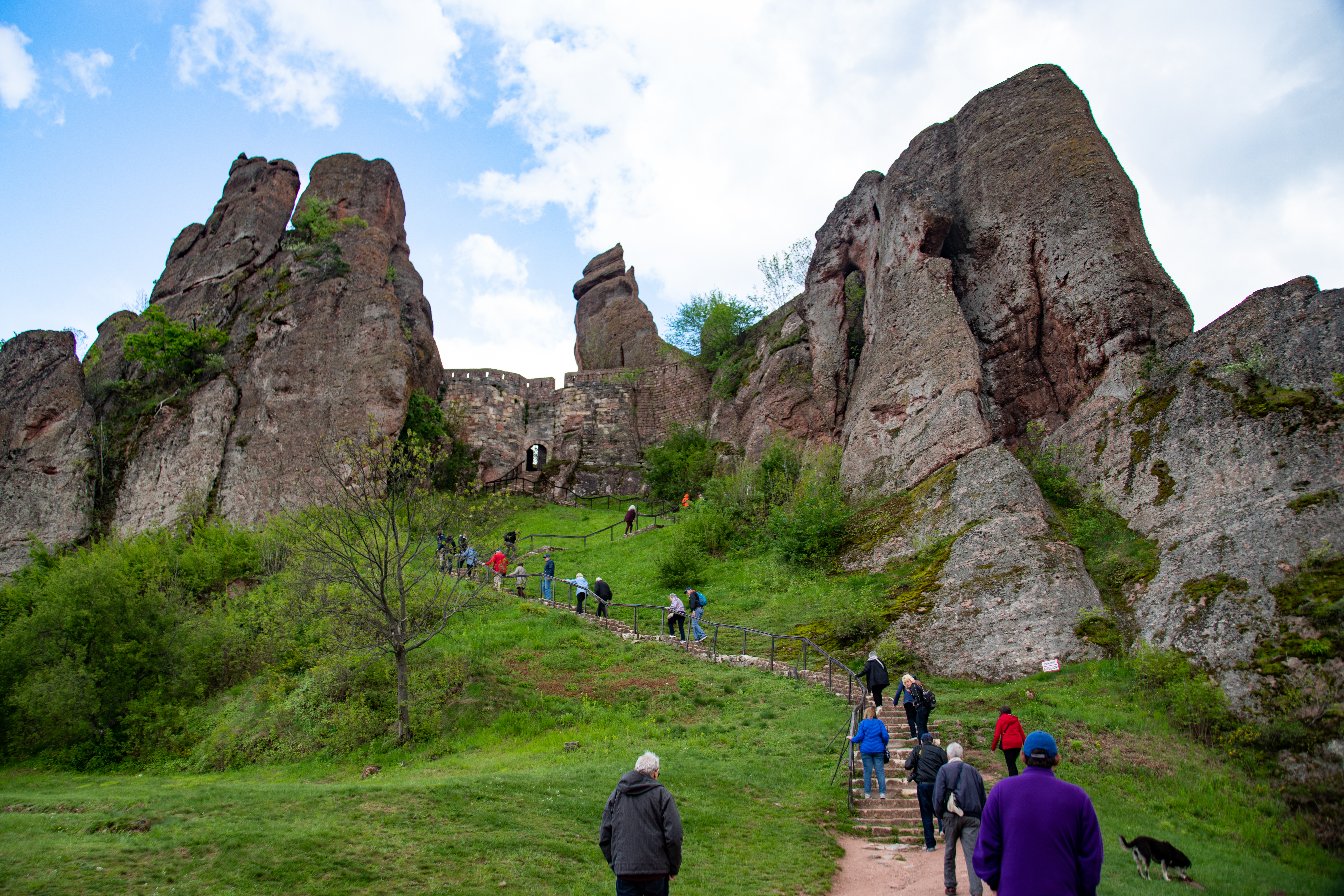
Starting the climb up
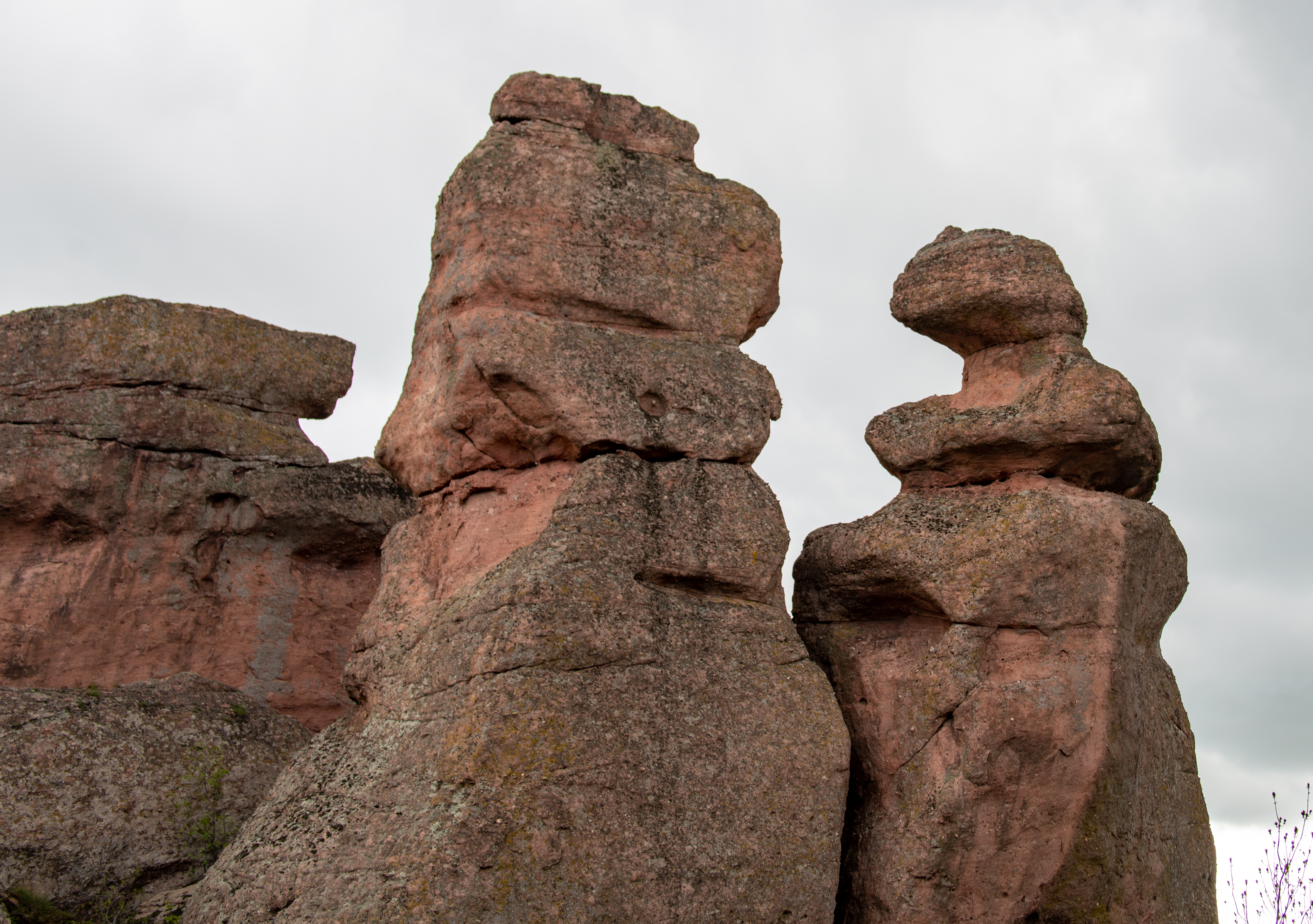
The locals have descriptions for many of the rock formations. The one on the left is a bulldog and the one on the right is a frog.
The Belogradchik rocks are conglomerates of coarse sandstone and limestone that are an orange-red color. They have been eroded away to vertical blocks. The valley they are in is pretty heavily wooded and quite green right now, which makes a pretty contrast with the color of the rocks and the distant mountains still have snow on them. The fortress is built amongst some of these rocks, using them as part of the structure itself. This place was amazing! We climbed to the top, which was a bit of an adventure at points as some of the steps barely qualified as steps. In other places there were metal ladders, which were nice, but very steep. It was threatening to rain the entire time we were there (and had been raining off and on the entire day so far) so we were a bit concerned about potentially making it down on wet stairs. Fortunately we avoided that.
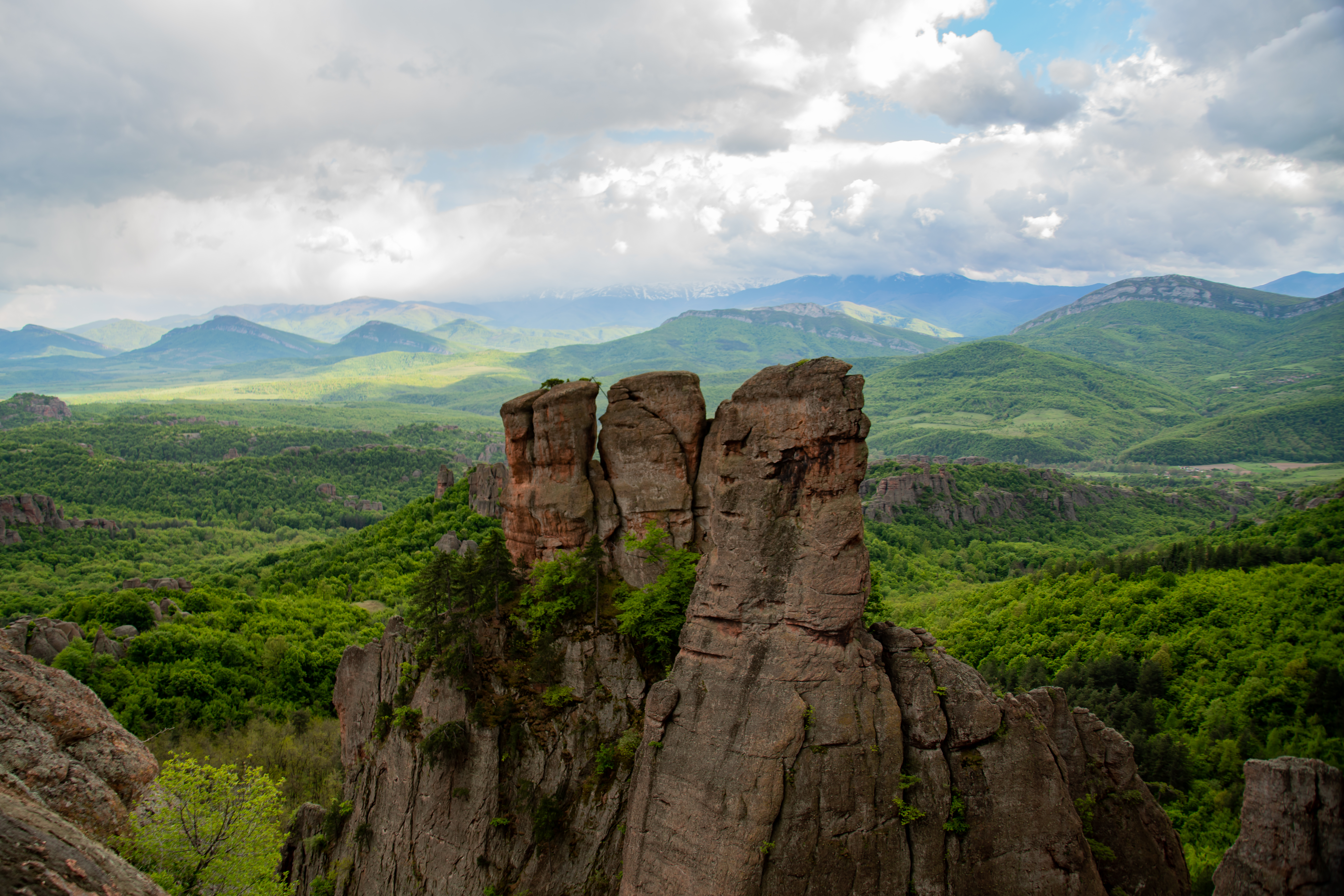
View from the top

View of Belogradchik from the top
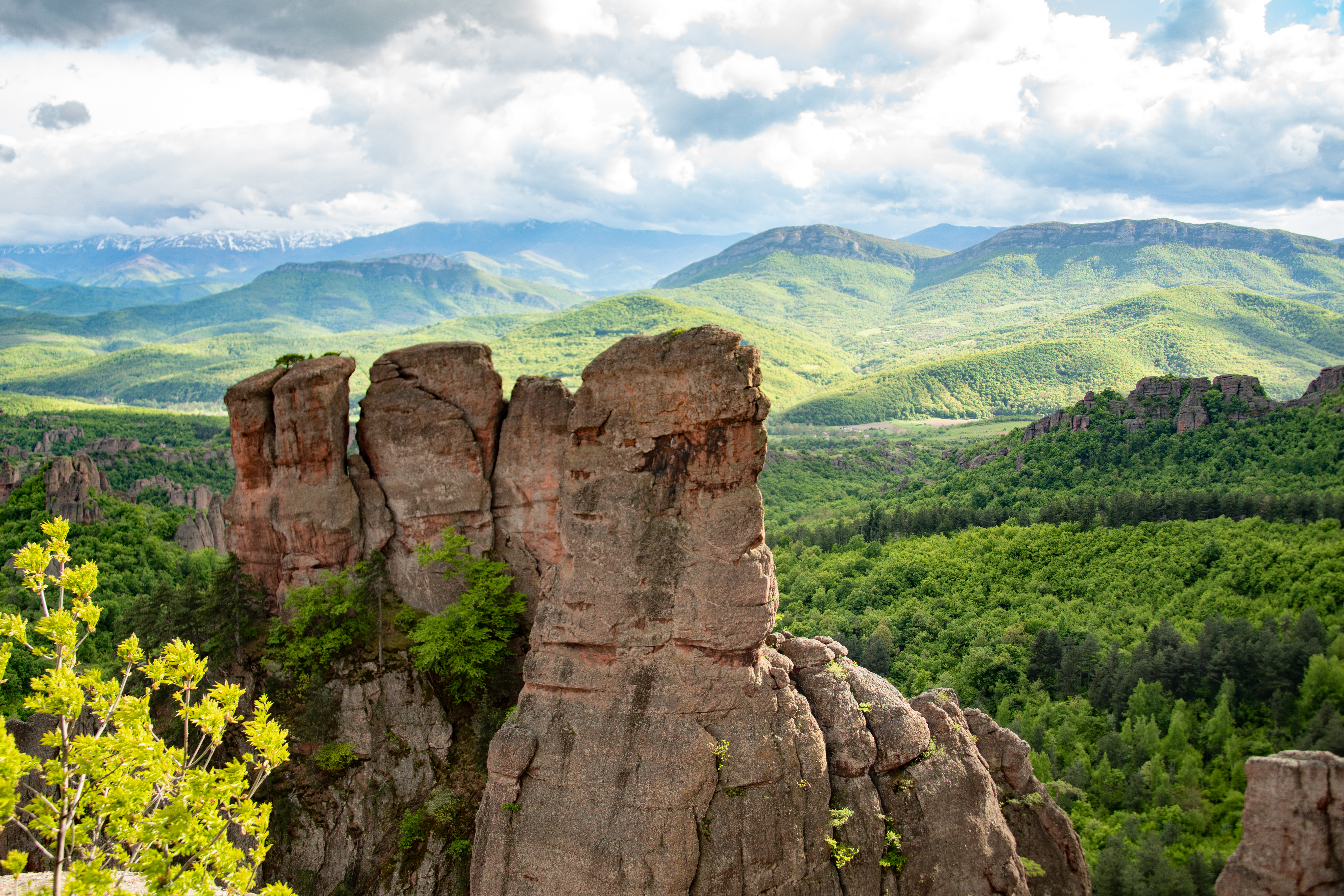
The sun came out for a minute
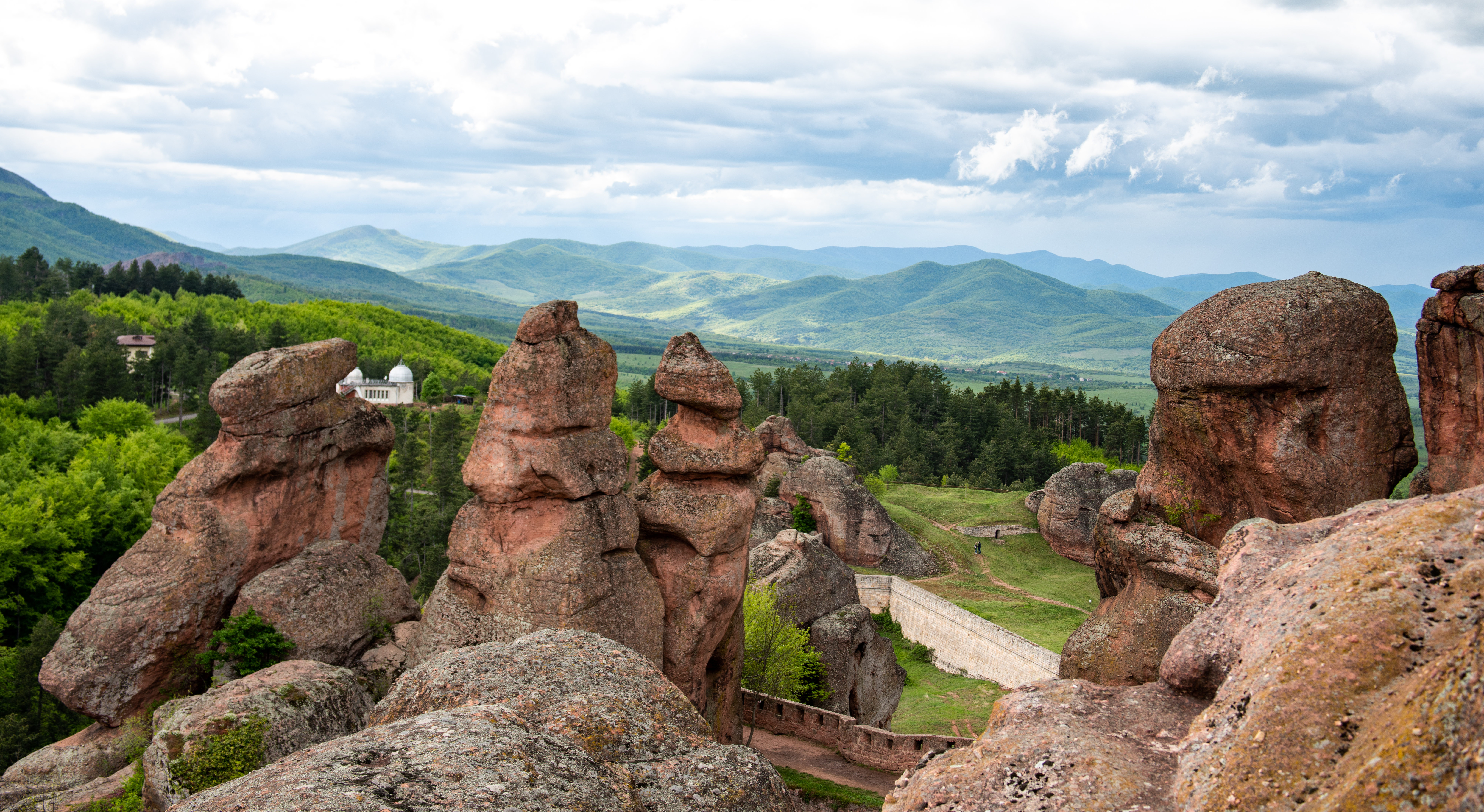
view from the top
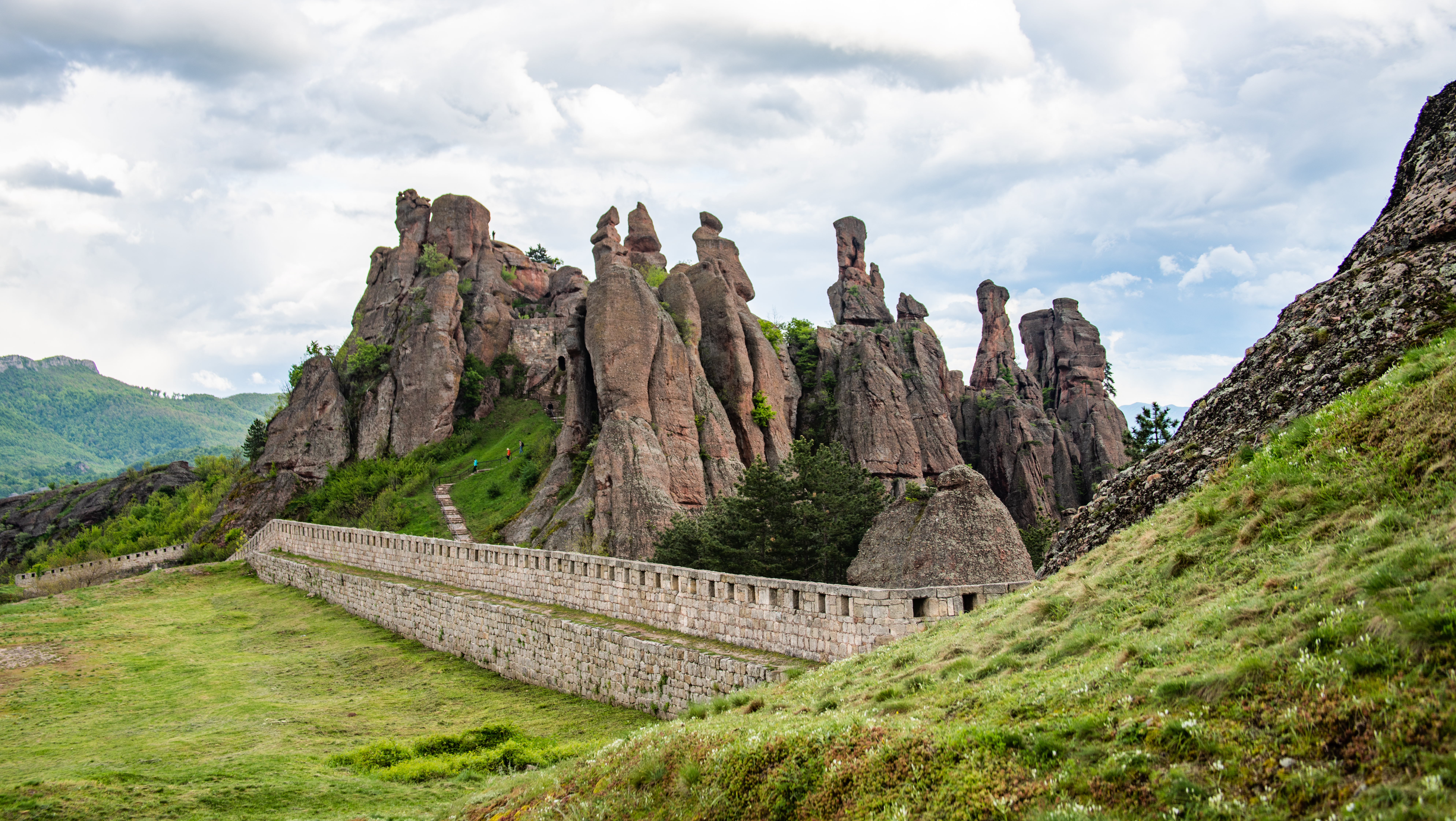
looking back from the entrance


Leave a Reply