We spent today in Belgrade, the capitol of Serbia. It is located at the confluence of the Sava and Danube rivers. The first record of the name Belograd appeared on April, 16th, 878, in a Papal letter to Bulgarian ruler Boris I. For about four centuries, the city remained a battleground between the Byzantine Empire, the medieval Kingdom of Hungary, and the Bulgarian Empire. The First and the Second Crusades went through the city but by the Third Crusade, Belgrade was in ruins. The Hungarians rebuilt the city and successfully defended it against the Ottomans for a time. In the 1500s the Ottomans razed the city. Again, later rebuilt, occupied by the Hapsburgs at various times, and in the early 1800s it was primarily a Muslim city. Around that time Serbian revolutionaries began fighting for independence, which was won in 1878. At that point, Belgrade again developed into an important city of the region.
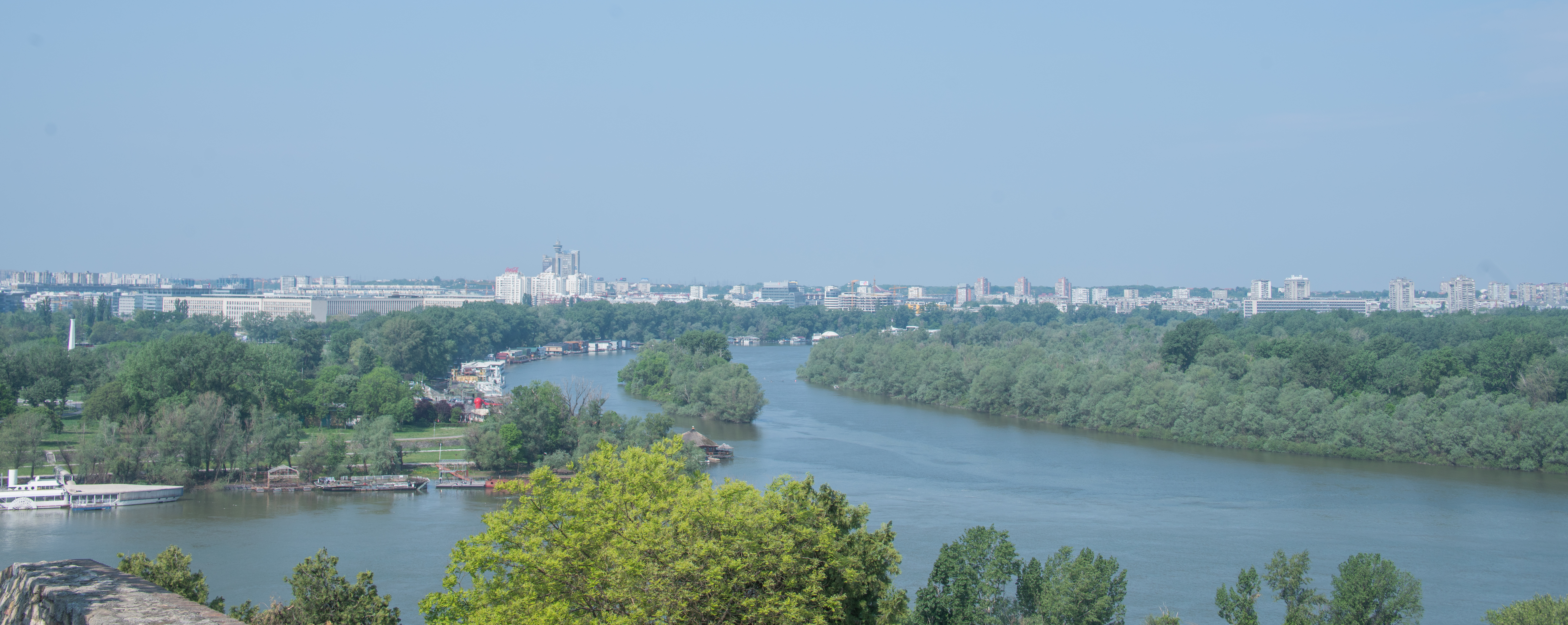
Belgrade
In the morning we did a city tour. Our guide spent quite a while talking about life in Serbia, which was very interesting. He explained that Serbia, as part of Yugoslavia, was under a “soft communism.” He said that their leader Josip Broz, known as Tito, broke from Soviet control early on and had much looser controls over his people. It still was communism, but people could travel more freely, could own limited property, and could have a small business with up to 10 employees. Tito kept connections with the West and allowed in western companies, which kept Yugoslavia much more prosperous than the Soviet bloc nations. Because of this, there are not many of the dilapidated buildings that we have been seeing in Romania and especially Bulgaria. He explained that even though they are still economically behind the West, they did not have as much catching up to do when communism fell. He says that is some of why they still like Tito in the countries that made up former Yugoslavia. At the same time Tito put those who opposed his government in concentration camps. The city definitely looks better off than the other places we have been so far, that said our guide informed us that the average income in Serbia is about $500/month.
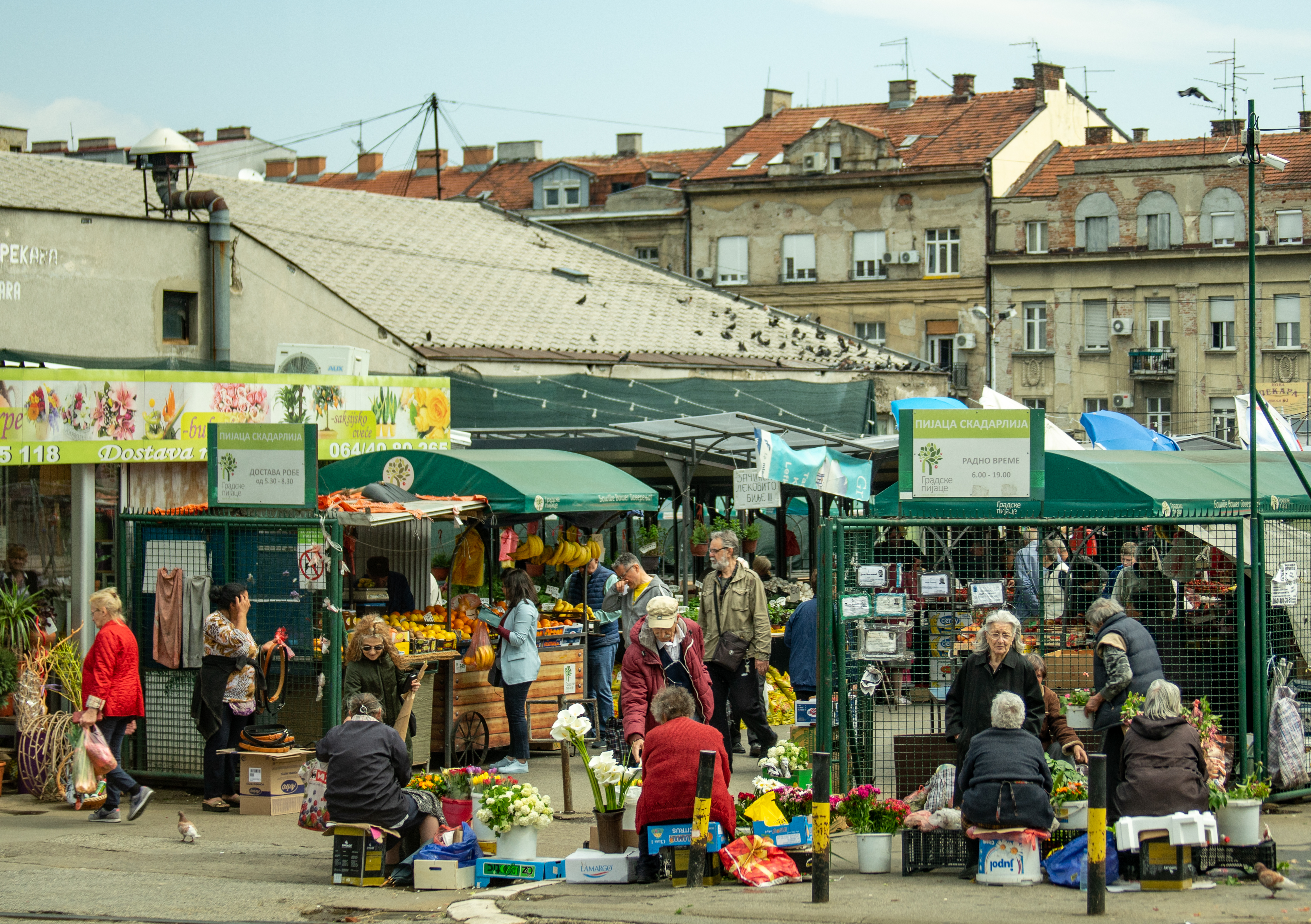
Open air market
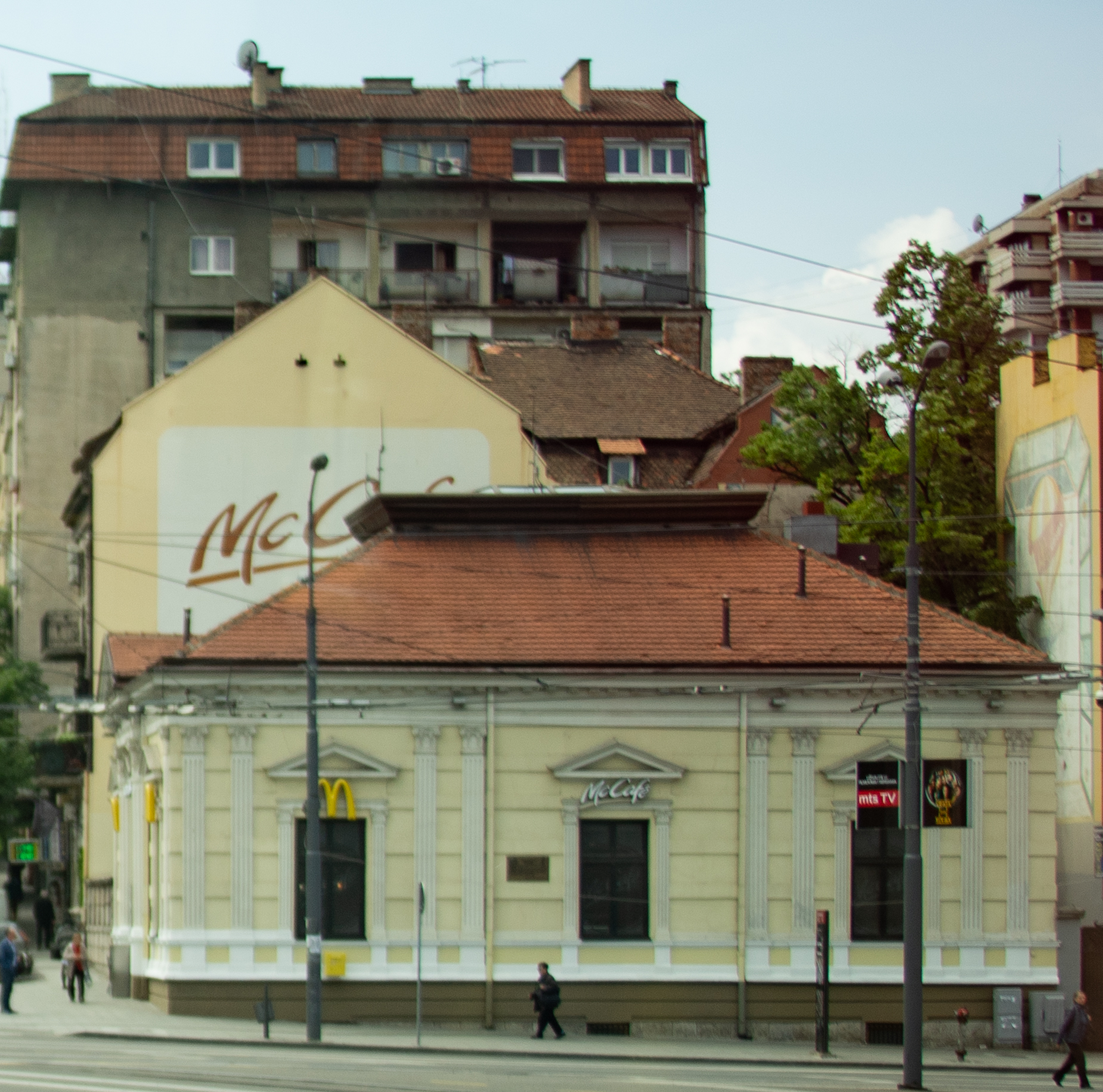
First McDonalds in Serbia. We were told it opened in 1988 and had very long lines. Our guide said he was in those lines.
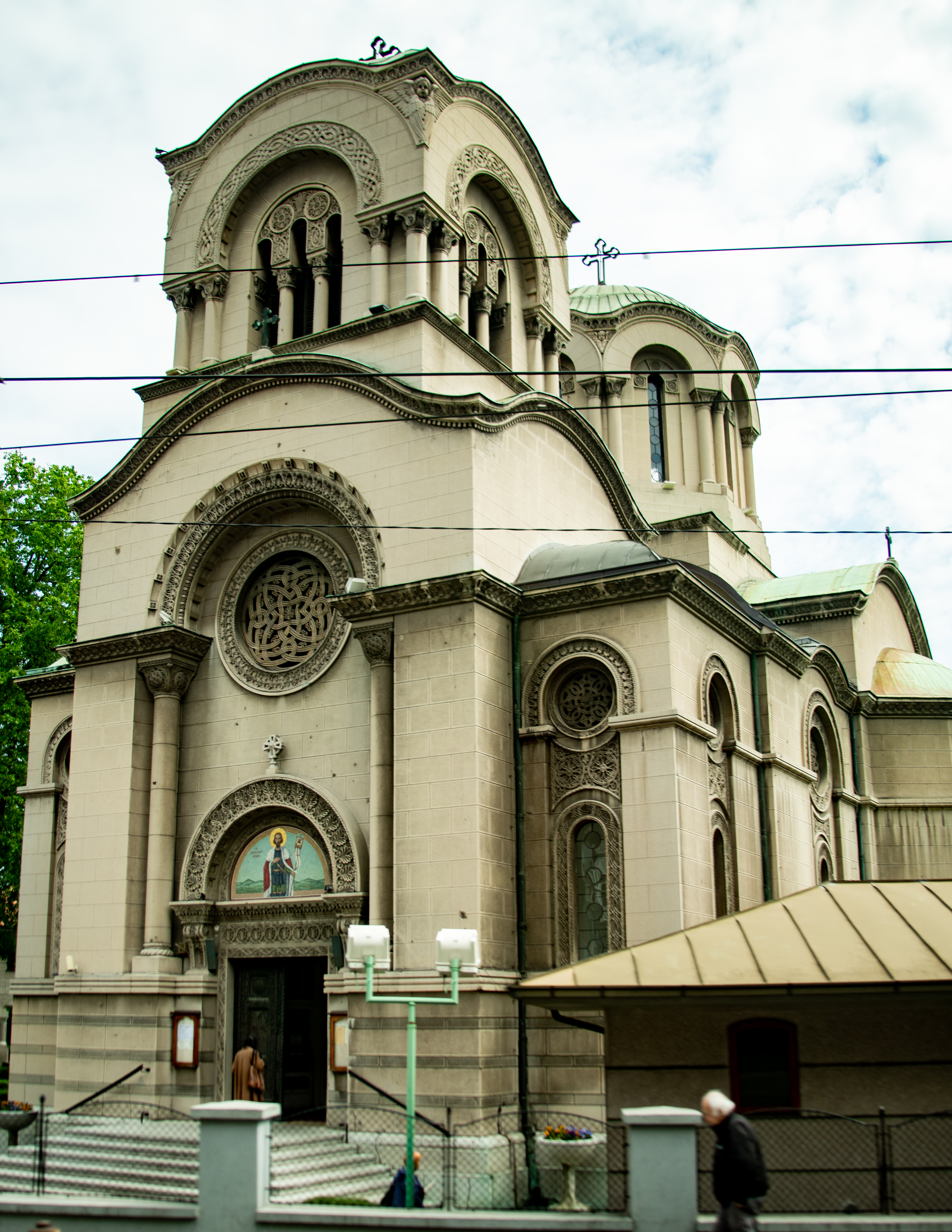
Orthodox church
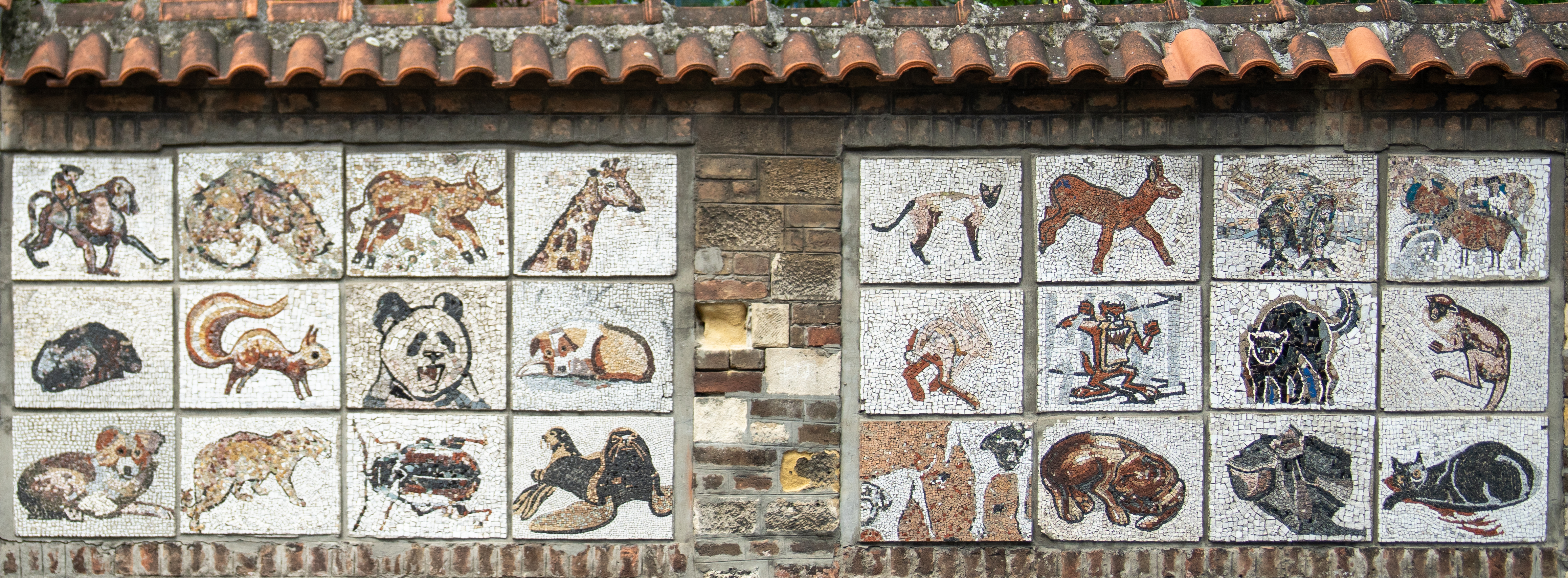
Walls of the Belgrade Zoo
Our guide also spoke about the NATO bombing of Serbia in 1999. He said that Serbians hate NATO and the Clintons, but do not hate Americans. We saw places that are still left in ruins from the NATO bombing. He also said that there are many Serbians that emigrated to the US and that those who could vote all voted for Trump in the last presidential election, regardless of party affiliation, because of Clinton’s association with these bombings. It is always interesting to find out what people in other countries think about us or things we have done. Sometimes it is a thin line to walk, conversation-wise.
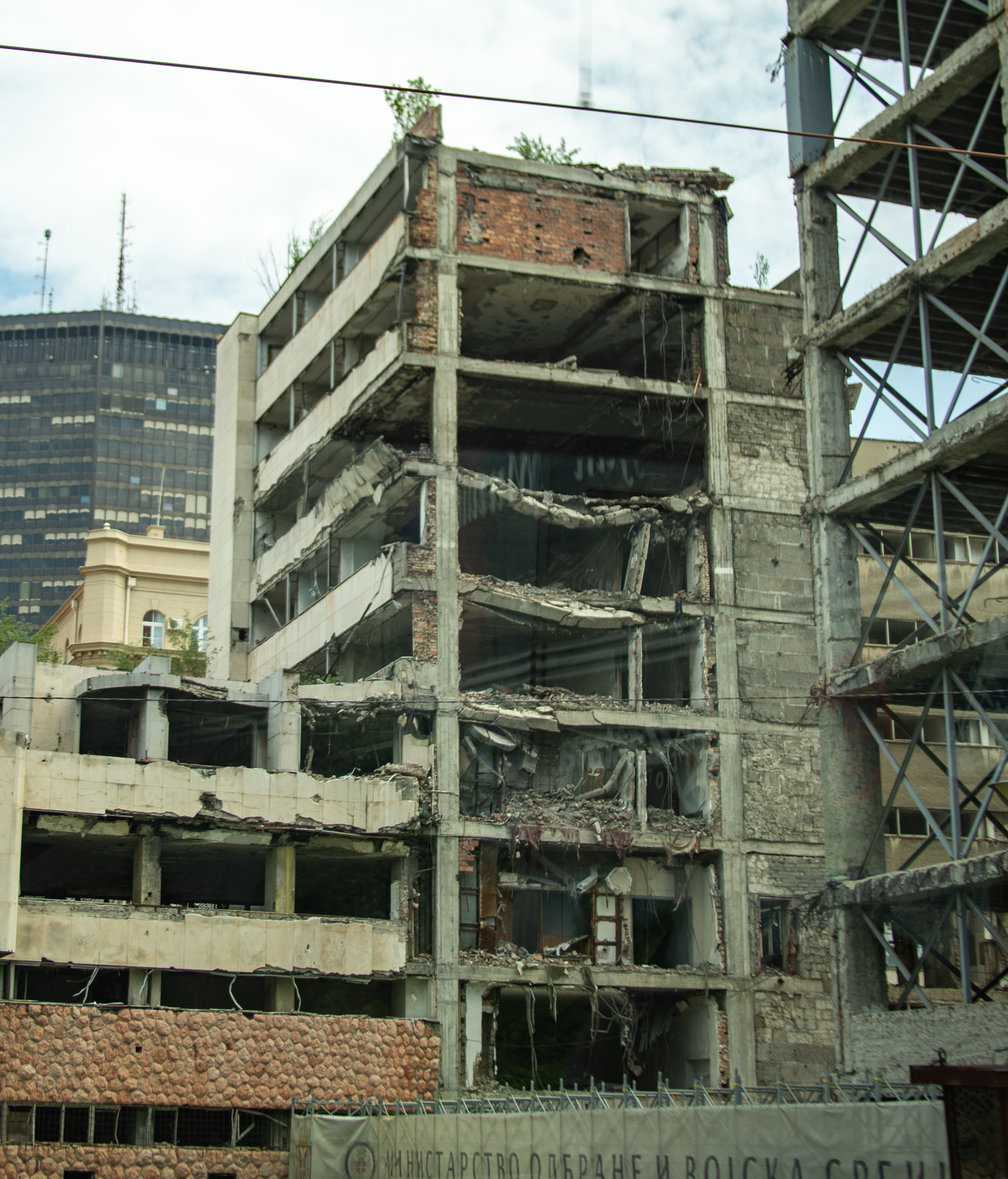
Damage from UN bombing in 1999
We walked to the Kalemegdan Fortress, also known as the Belgrade Fortress. Belgrade Fortress is the core and the oldest section of the urban area of Belgrade. For centuries the city population was concentrated only within the walls of the fortress. Like many others of these fortresses, it originally was a Roman fortress. It was rebuilt by the Byzantines in the 500s and the fortress remained a Byzantine stronghold until the 12th century when it fell in the hands of the newly emerging Serbian state. In 1521 was conquered by the Turks and remained (with short periods of the Austrian and Serbian occupation), under the rule of the Ottoman Empire until the year 1867, when the Turks withdrew from Belgrade and Serbia.
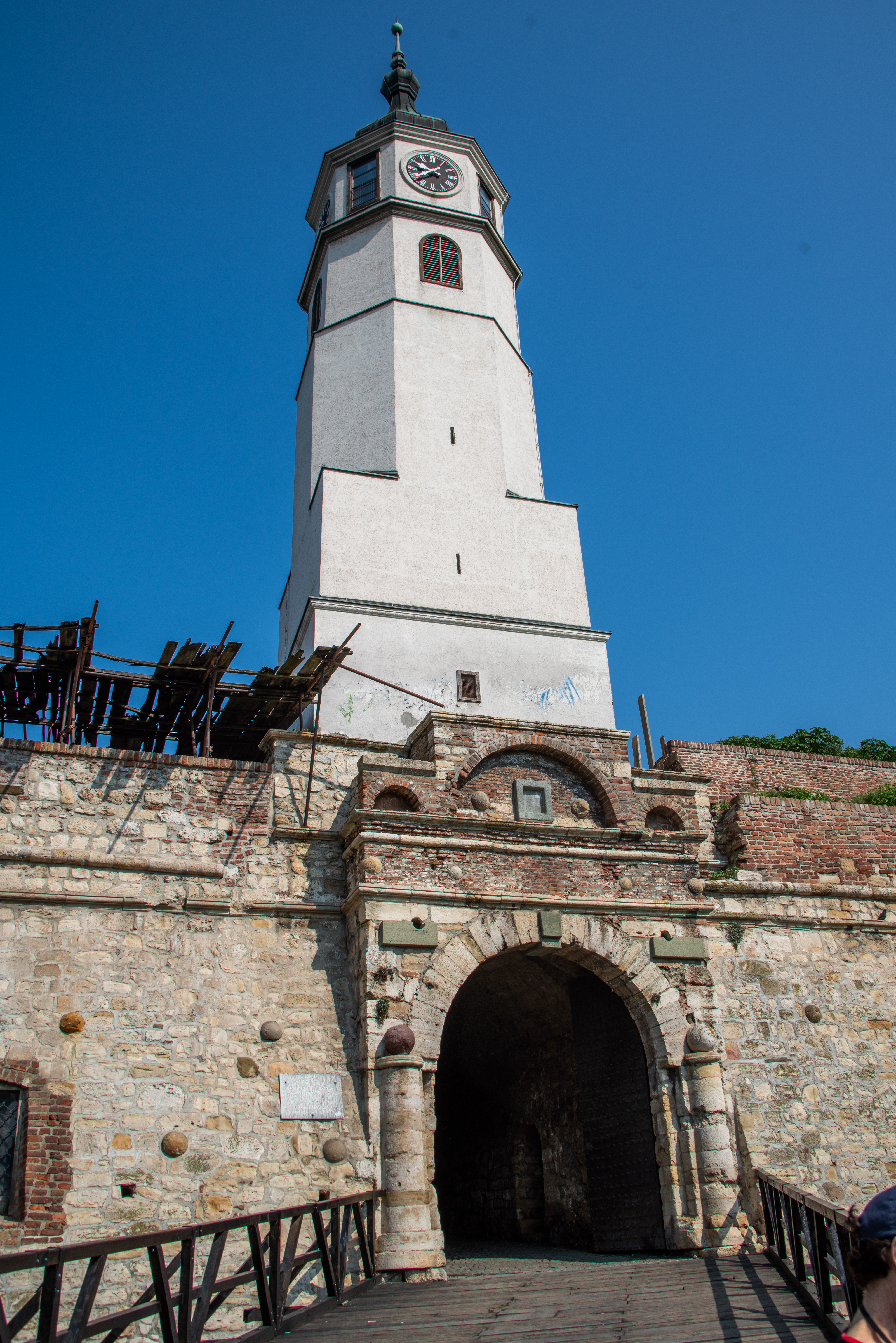
Kalemegdan Fortress
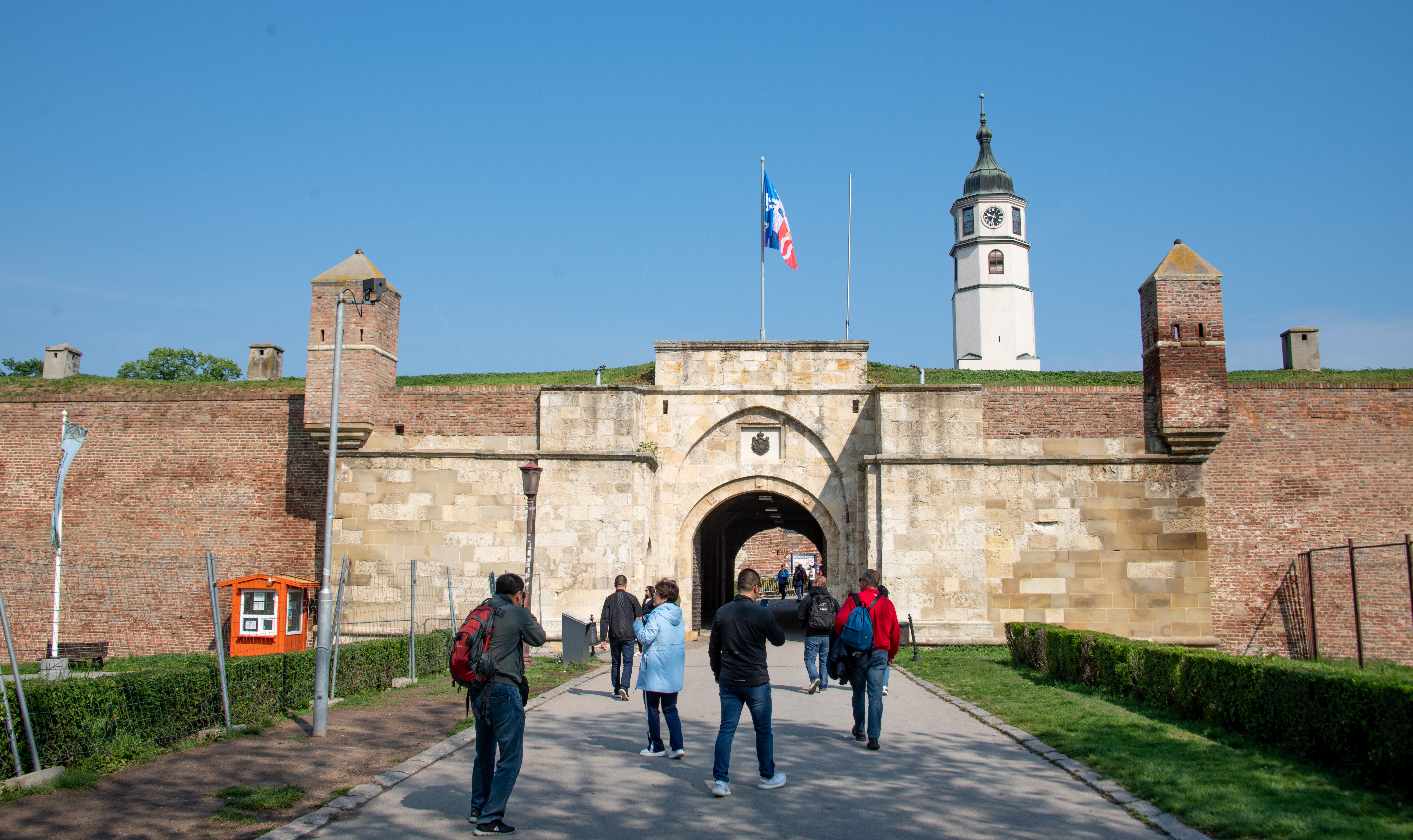
Kalemegdan Fortress
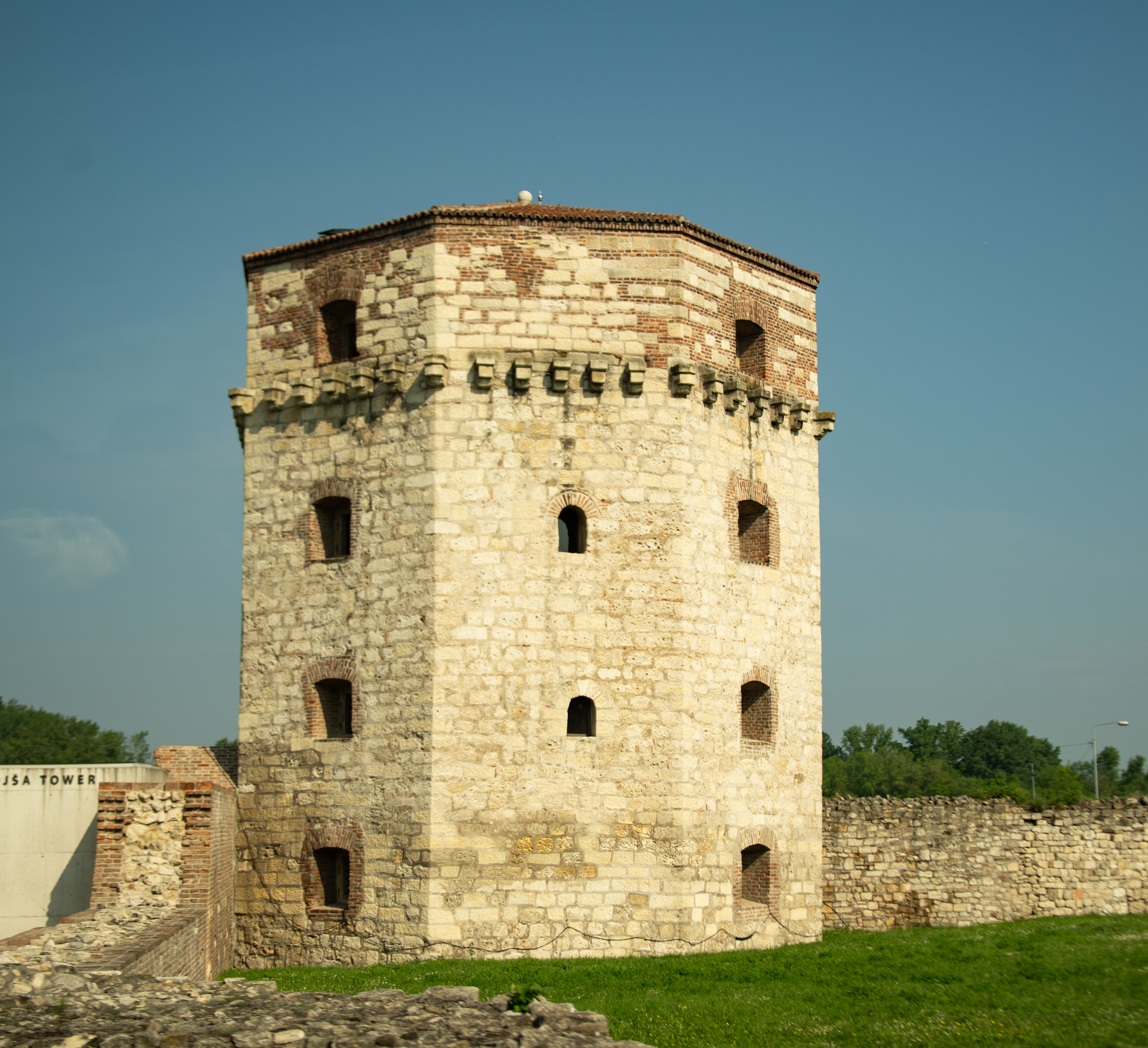
Outer portion of the fortress
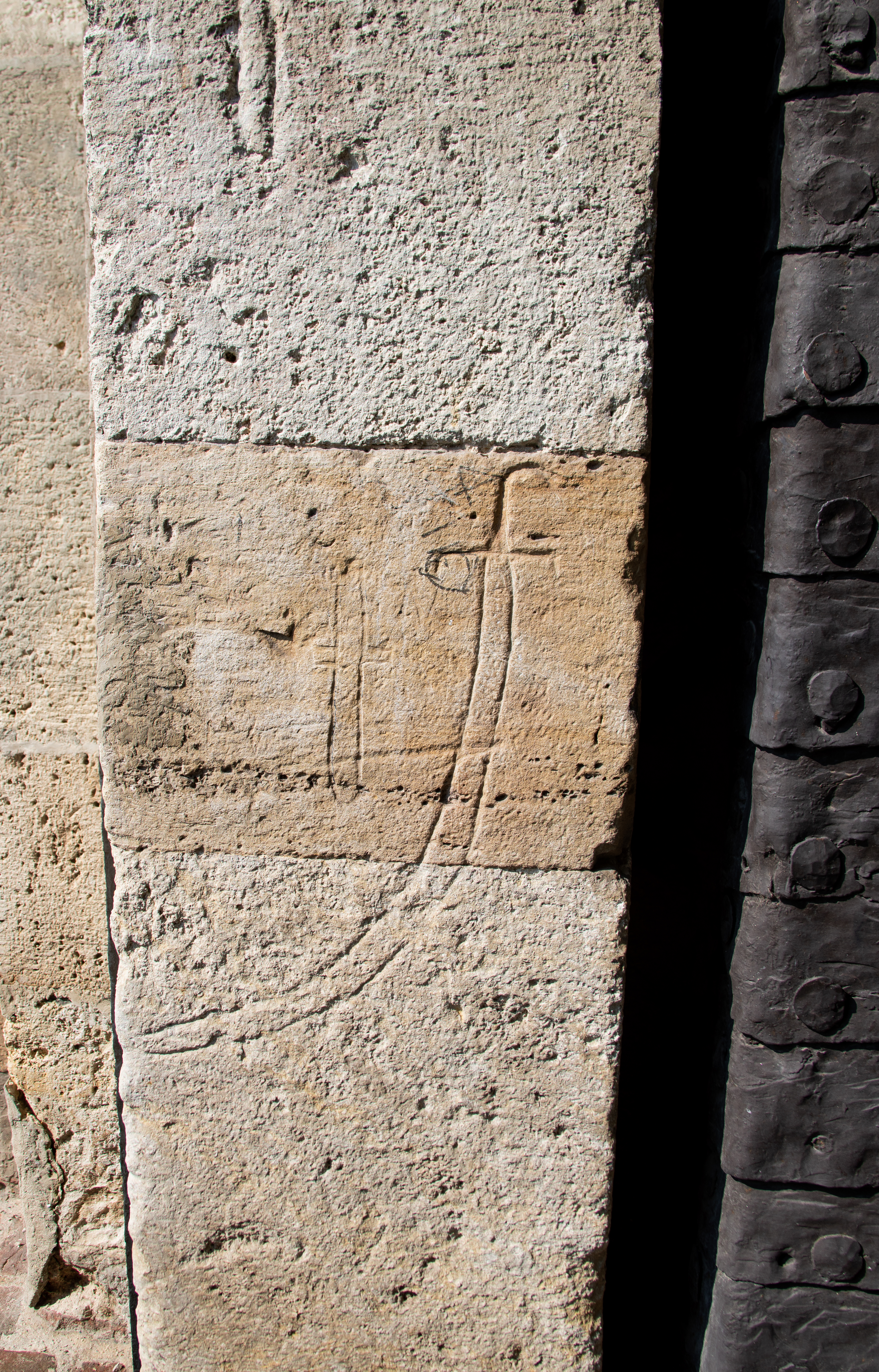
“Graffiti” carved into the fortress of 2 knives
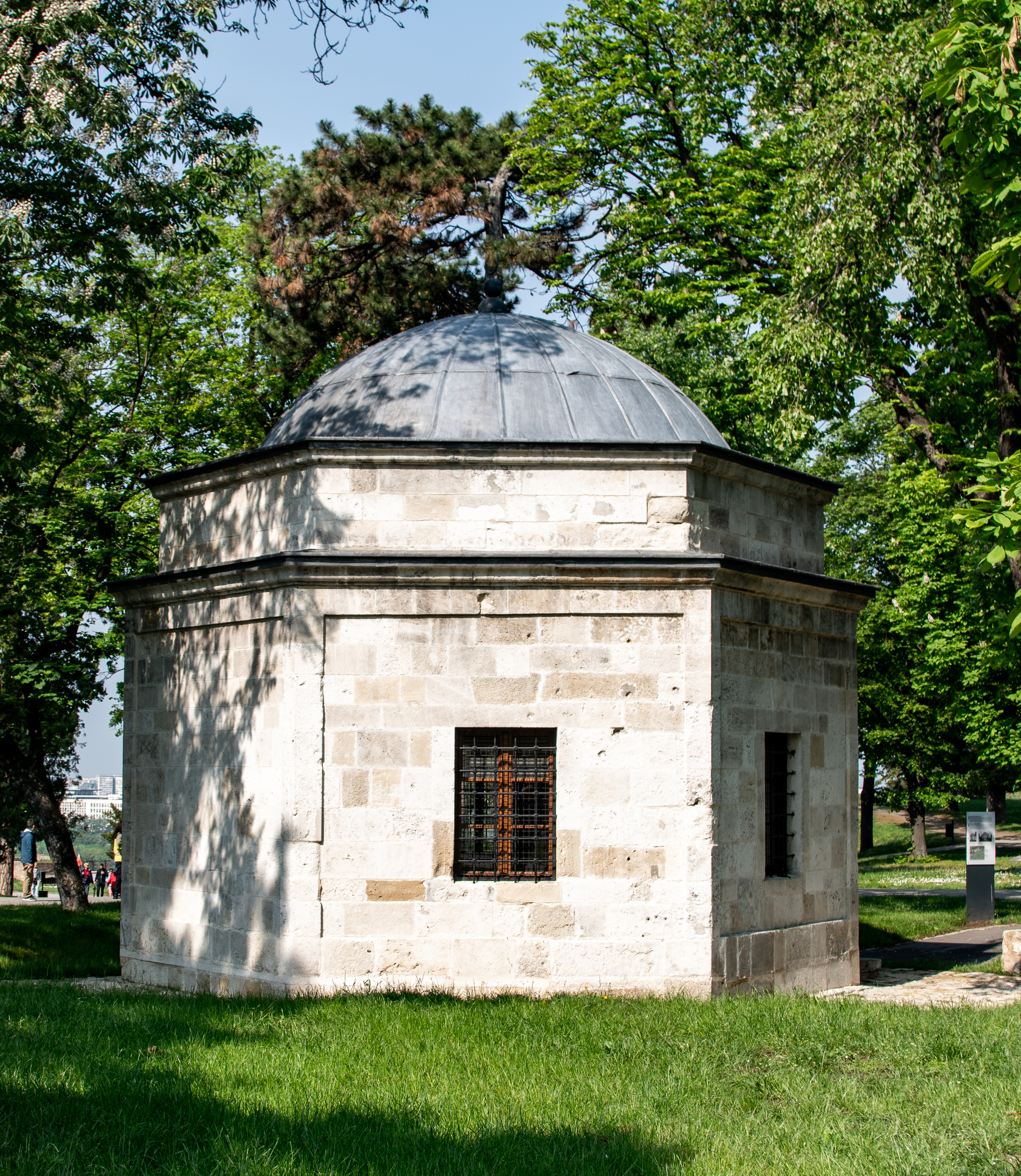
Mausoleum for Izzet Mehmed Pasha who was the commander in a famous battle in Novi Sad (where we go tomorrow)
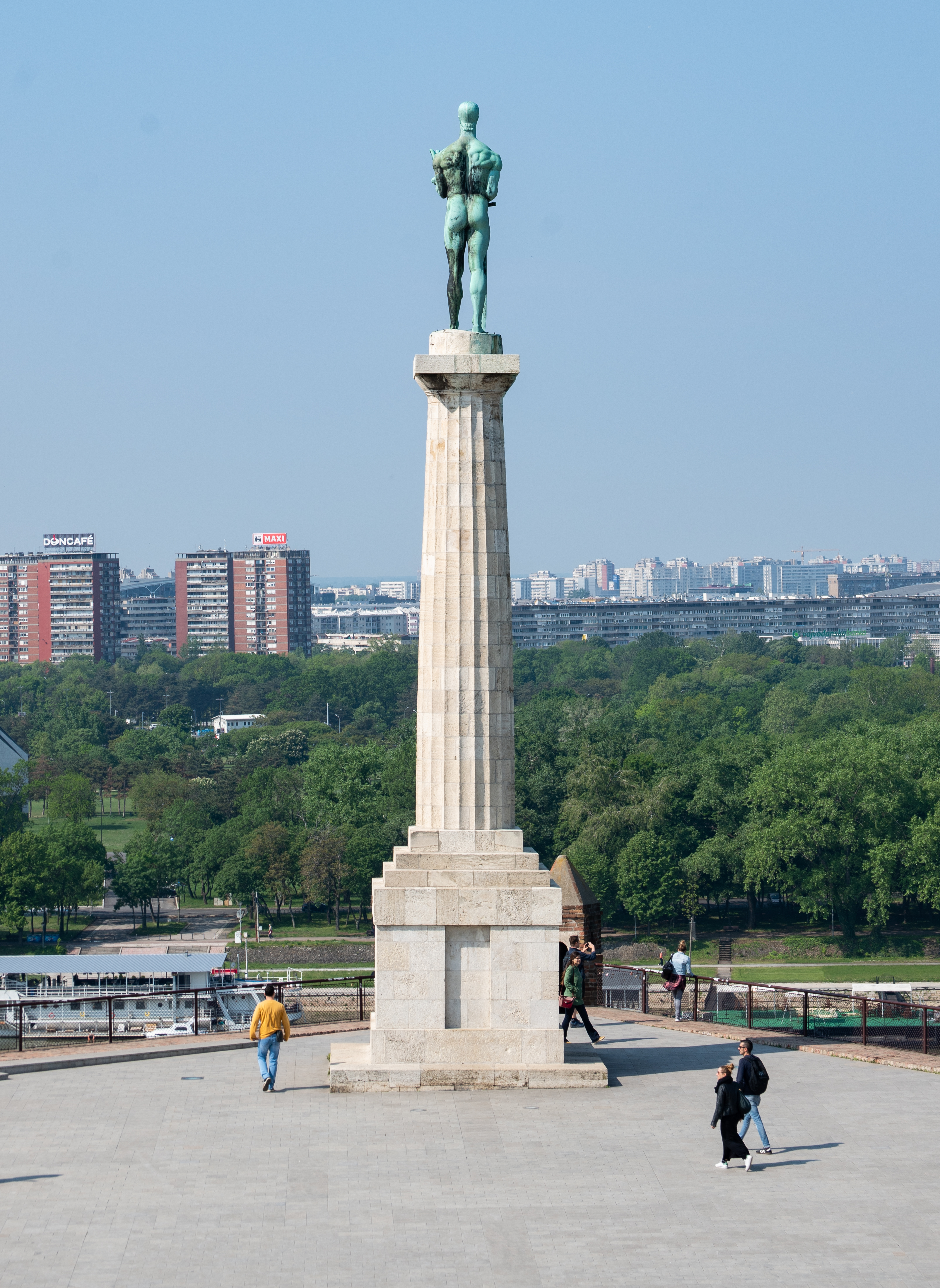
Pobednik Statue commemorating Serbia’s victory over Ottoman and Austro-Hungarian Empire during the Balkan Wars and the First World War. Our guide explained that since it has a nude man people organized to protest it being in the town center and it was placed overlooking what was a swamp at the time. Somewhat ironically, I only had a chance to view it from behind.
We also visited the Church of Saint Sava. Saint Sava was the founder of the Serbian Orthodox Church and an important figure in medieval Serbia. He was a Serbian prince and Orthodox monk, the first Archbishop of the Serbian Church, the founder of Serbian law, and a diplomat. They started building the church in 1935, but had to put it on hold during WWII. It has been slowing progressing since then as it is funded by donations. The dome was placed in 1989. The exterior of the church was completed in 2017. The inside is not completed and you can only enter the crypt, which opened 3 years ago. It has mosaics and gold leaf. There is a smaller church adjacent to it where they apparently currently hold services.
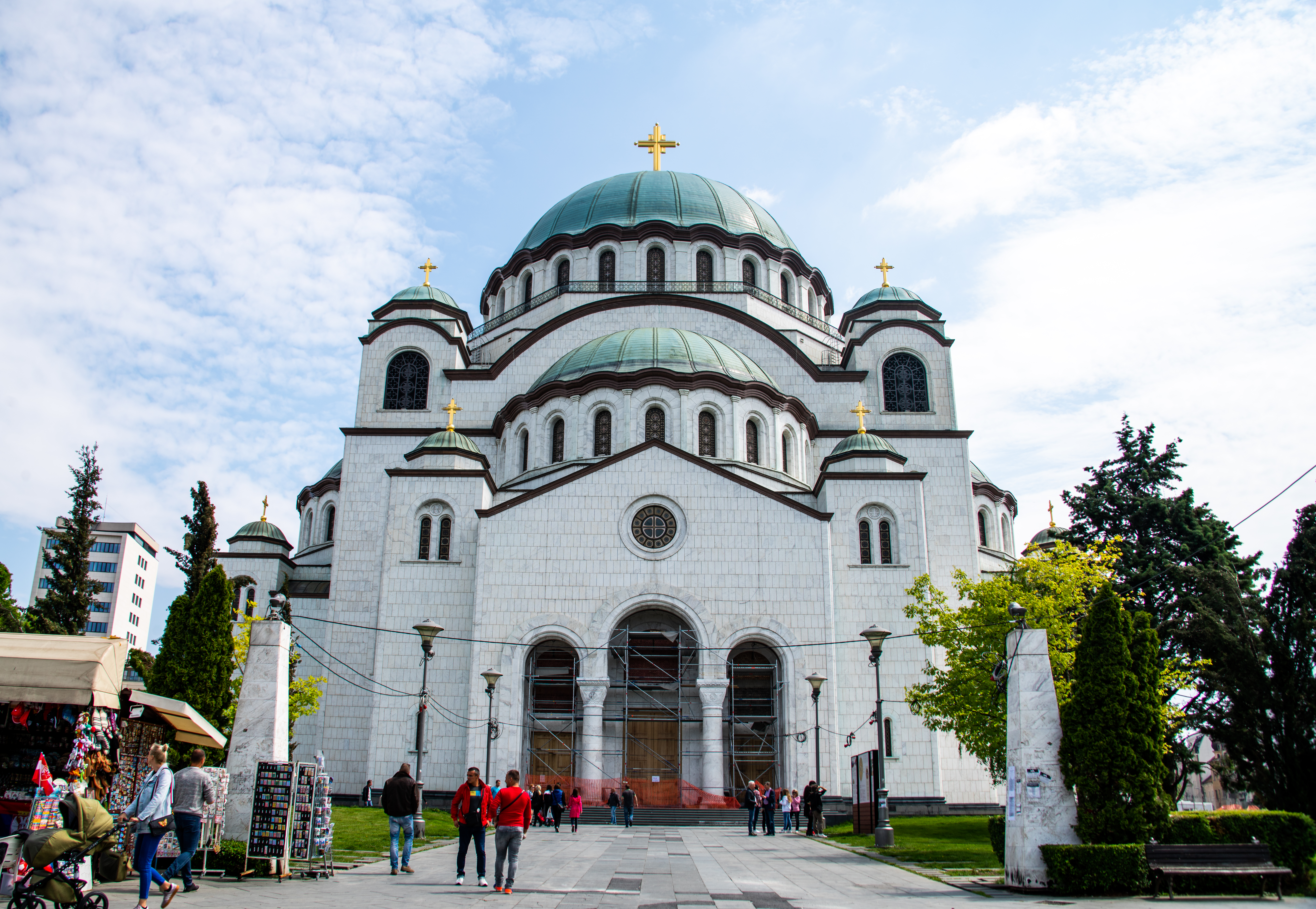
Church of St Sava
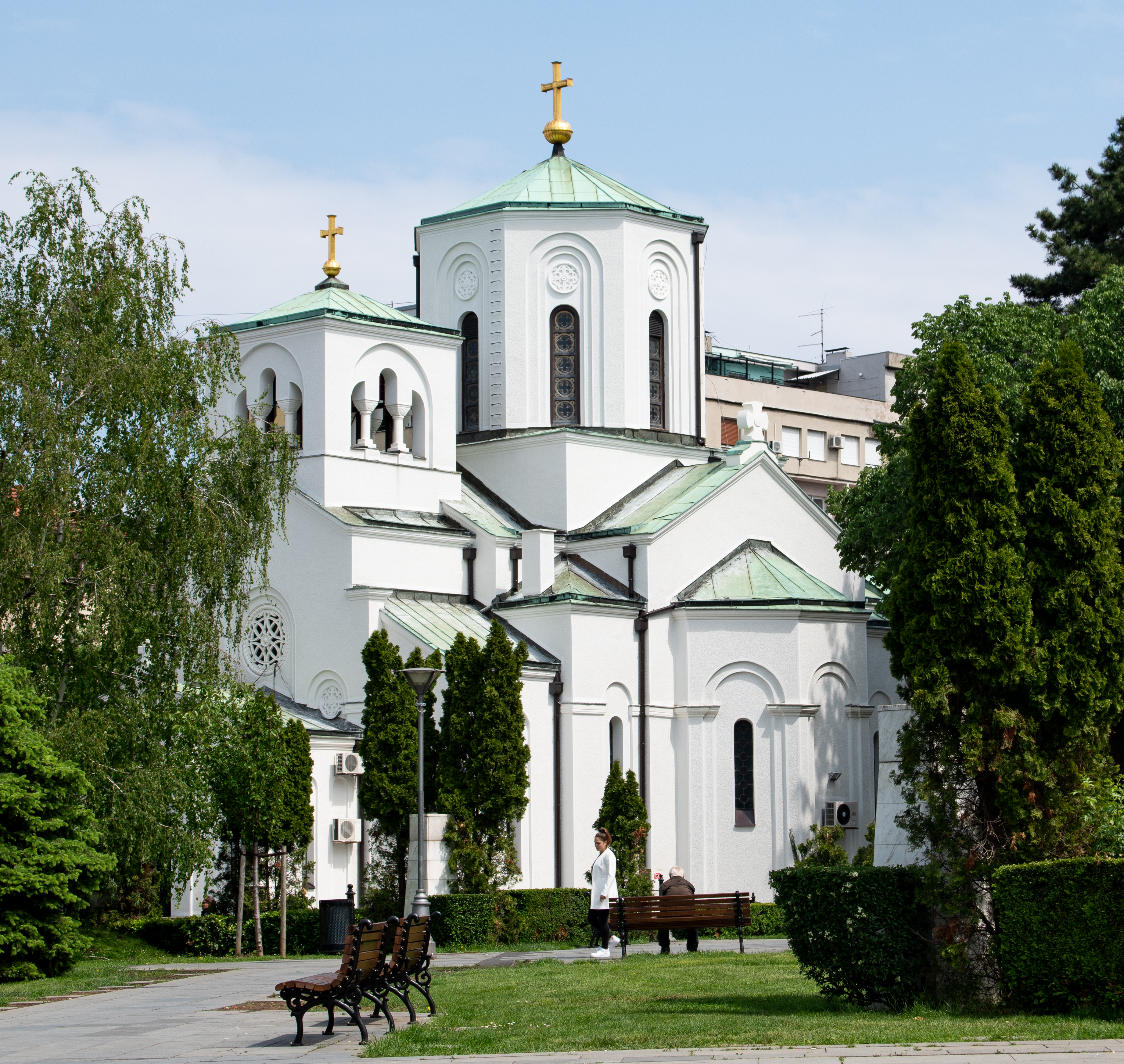
Smaller church where they have services
crypt
crypt
crypt
crypt
In the afternoon we headed out ourselves to walk around the city. We went to Knex Mihailova Street, which is a pedestrian shopping district. It was bustling with lots of people shopping and eating at cafes. We headed over to the Republic Square which is completely torn up in a renovation project. We also found our way over to the Old Town, which is a 3-4 block pedestrian area with shops and cafes. It was nice and relaxing.
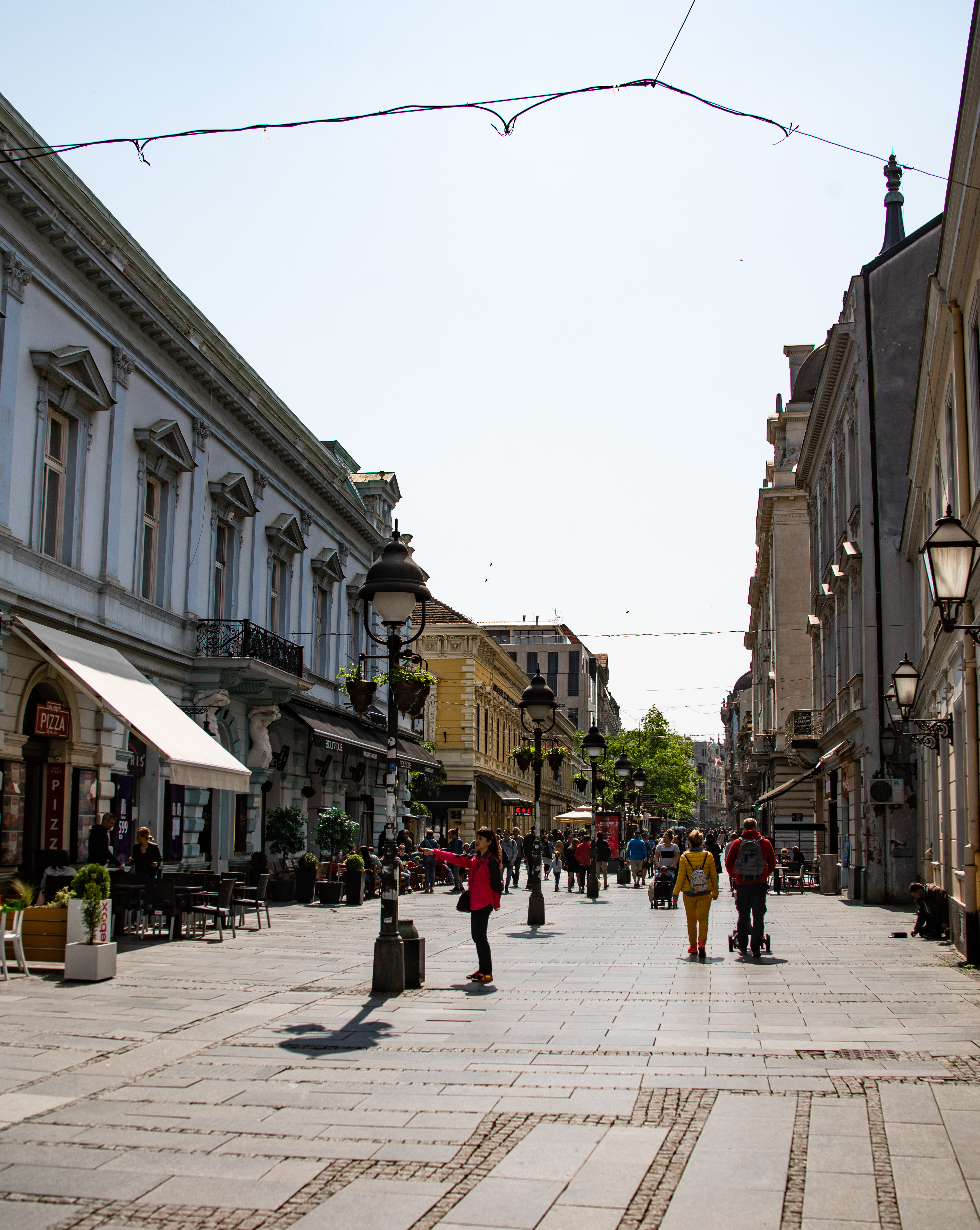
Knex Mihailova Street
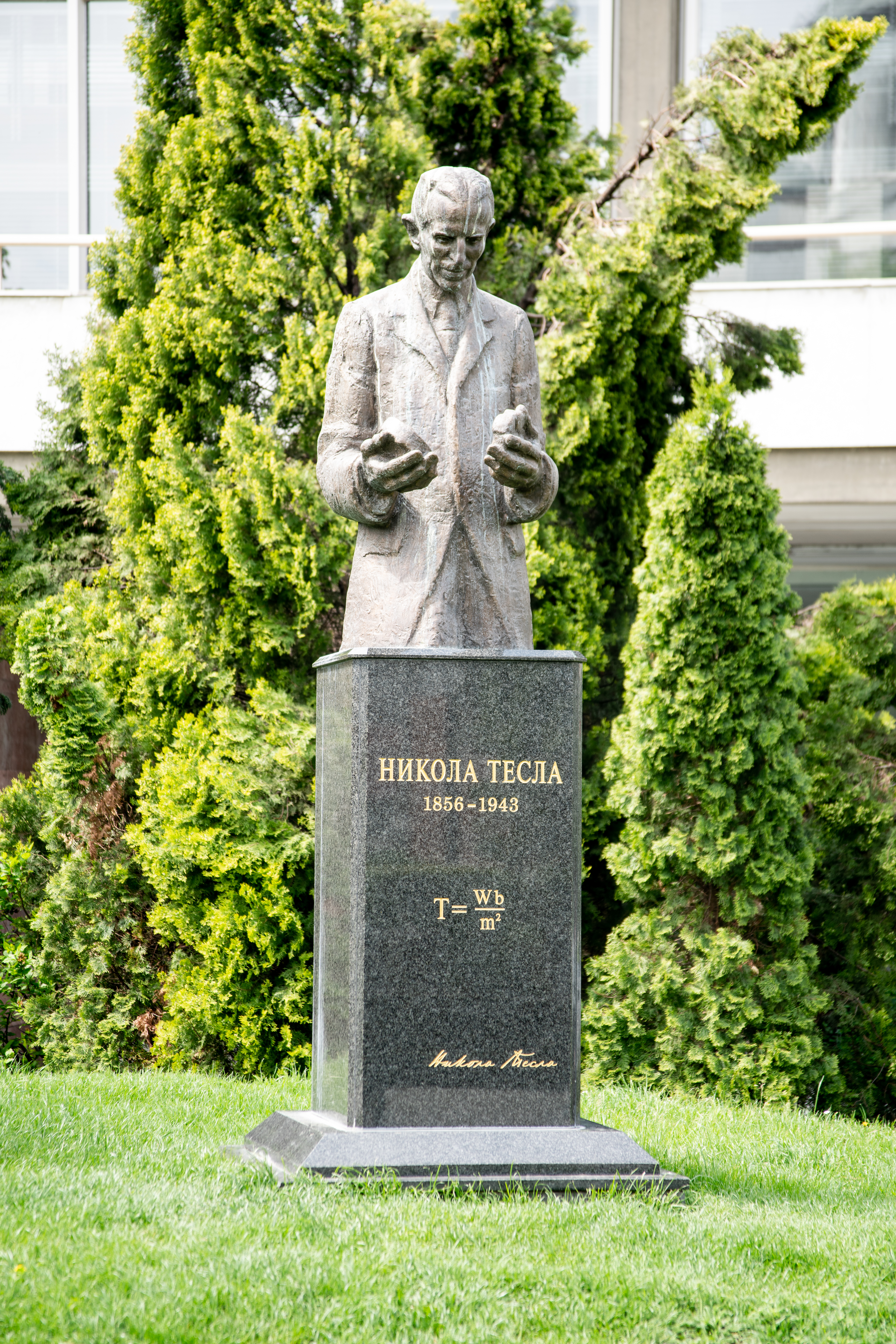
Statue of Nikola Tesla, who was from here
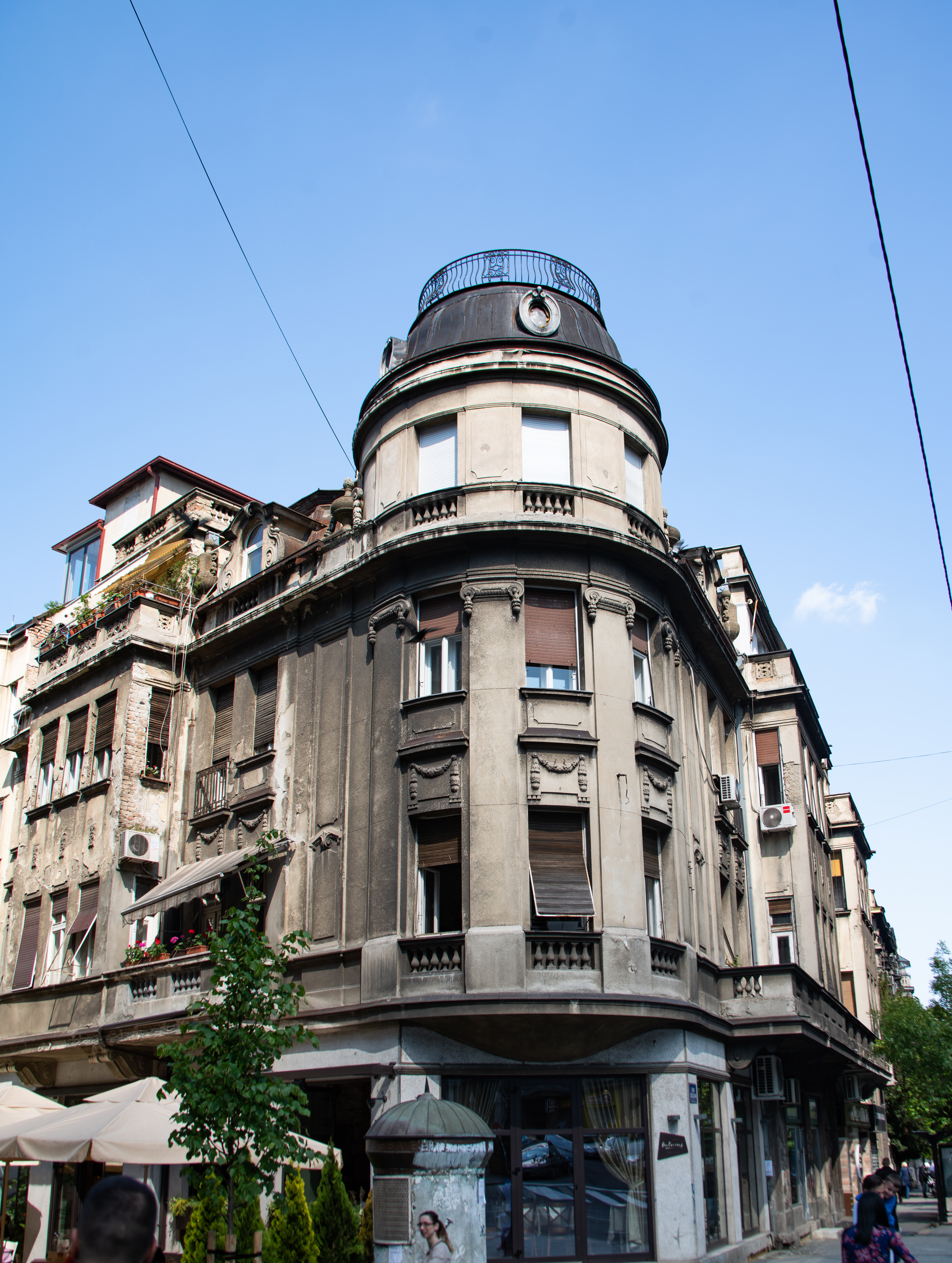
Old Town
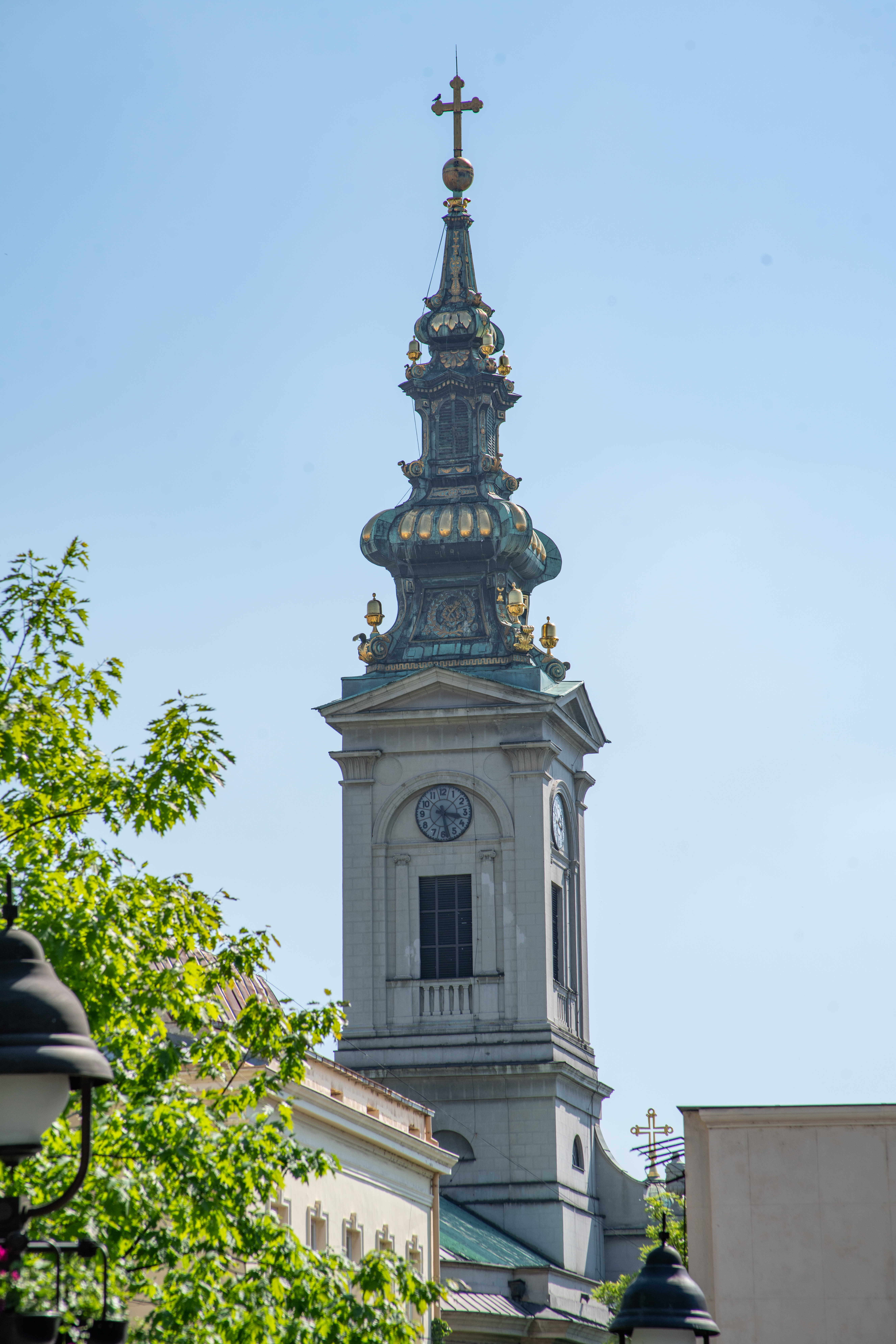
Church
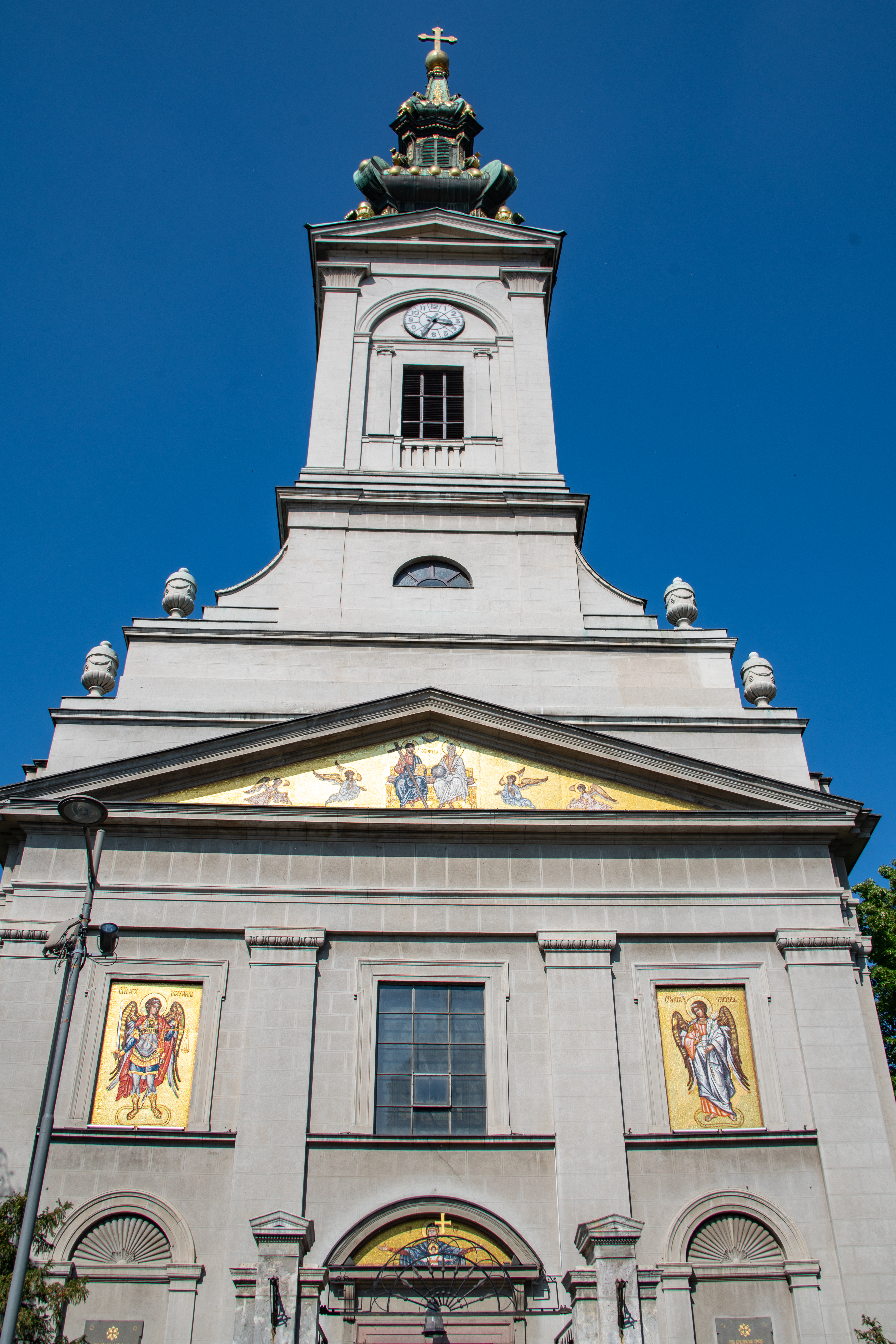
Church
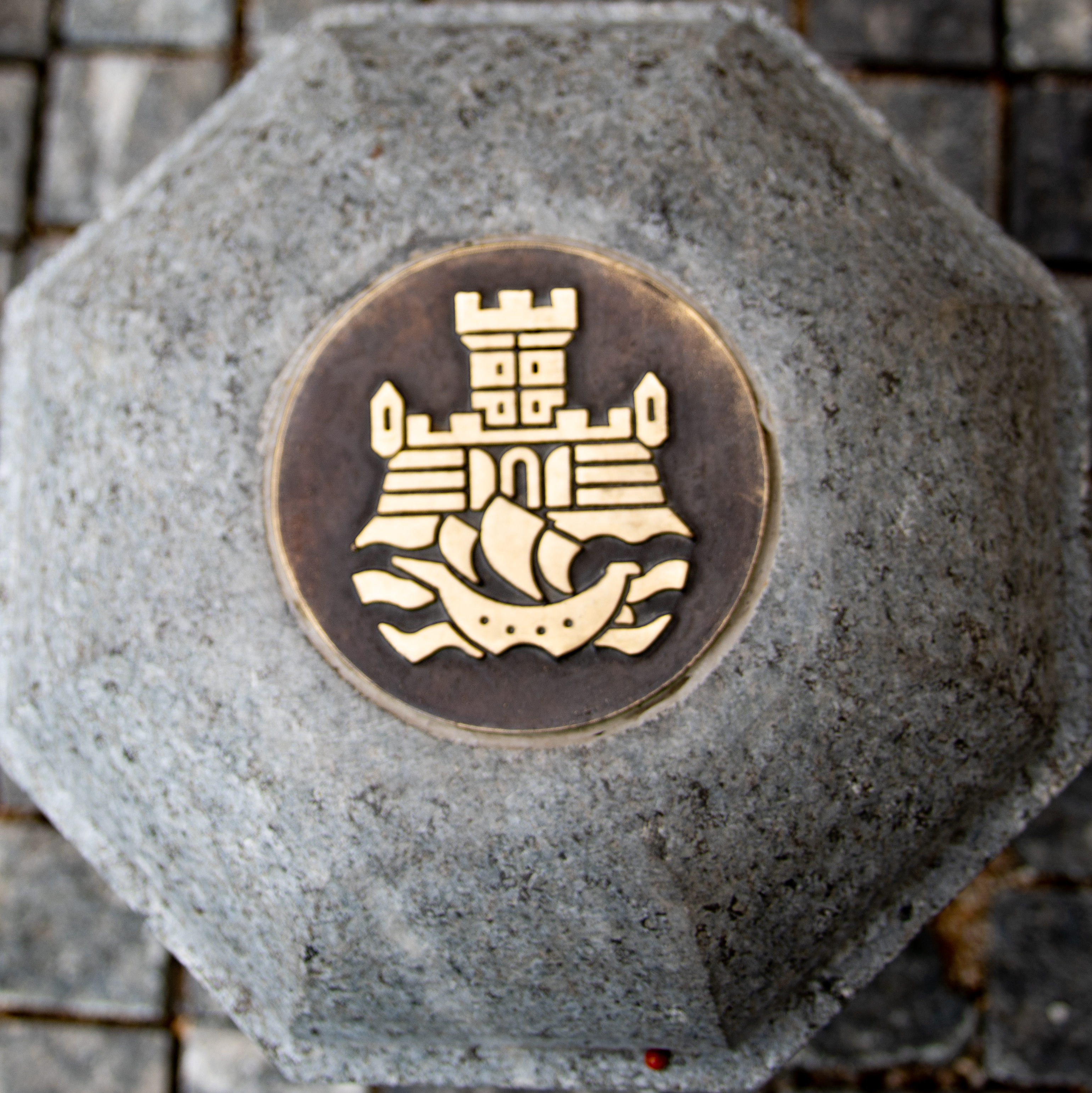
Coat of Arms of Belgrade


Leave a Reply