Today we made it in 2 countries. We started out in Serbia and ended in Croatia.
In the morning we were in Novi Sad, Serbia. Novi Sad was founded in 1694 when Serb merchants formed a colony across the Danube from the Petrovaradin Fortress, a strategic Habsburg military post. In the following centuries, it transformed into an important trading and manufacturing centre as well as a center of Serbian culture, earning it the nickname Serbian Athens. In 1716 there was an important battle between the Archduchy of Austria, the Holy Roman Emperor, and the Ottoman Empire that took place here known as the Battle of Petrovaradin. The Ottoman’s were defeated, keeping this area of Europe safe from further incursion of the Turks. The city was heavily devastated in the 1848 Revolution, but was subsequently rebuilt and restored.
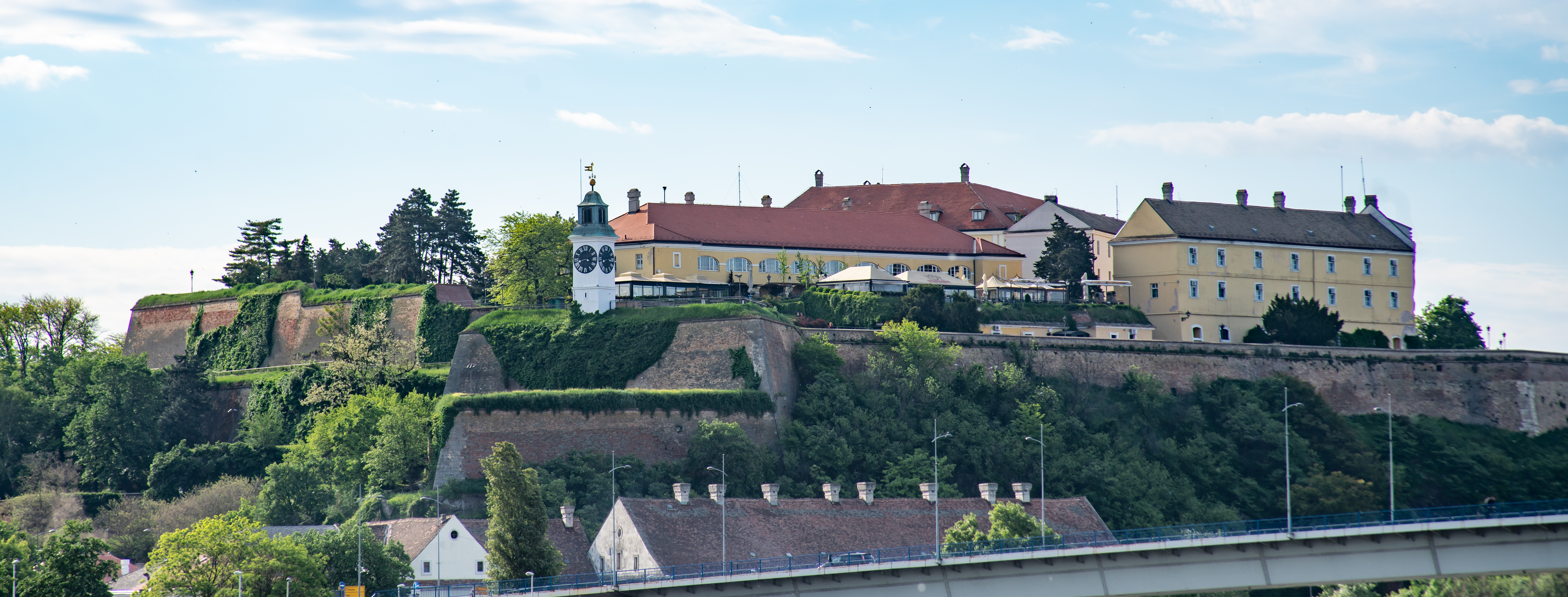
Petrovaradin Fortress
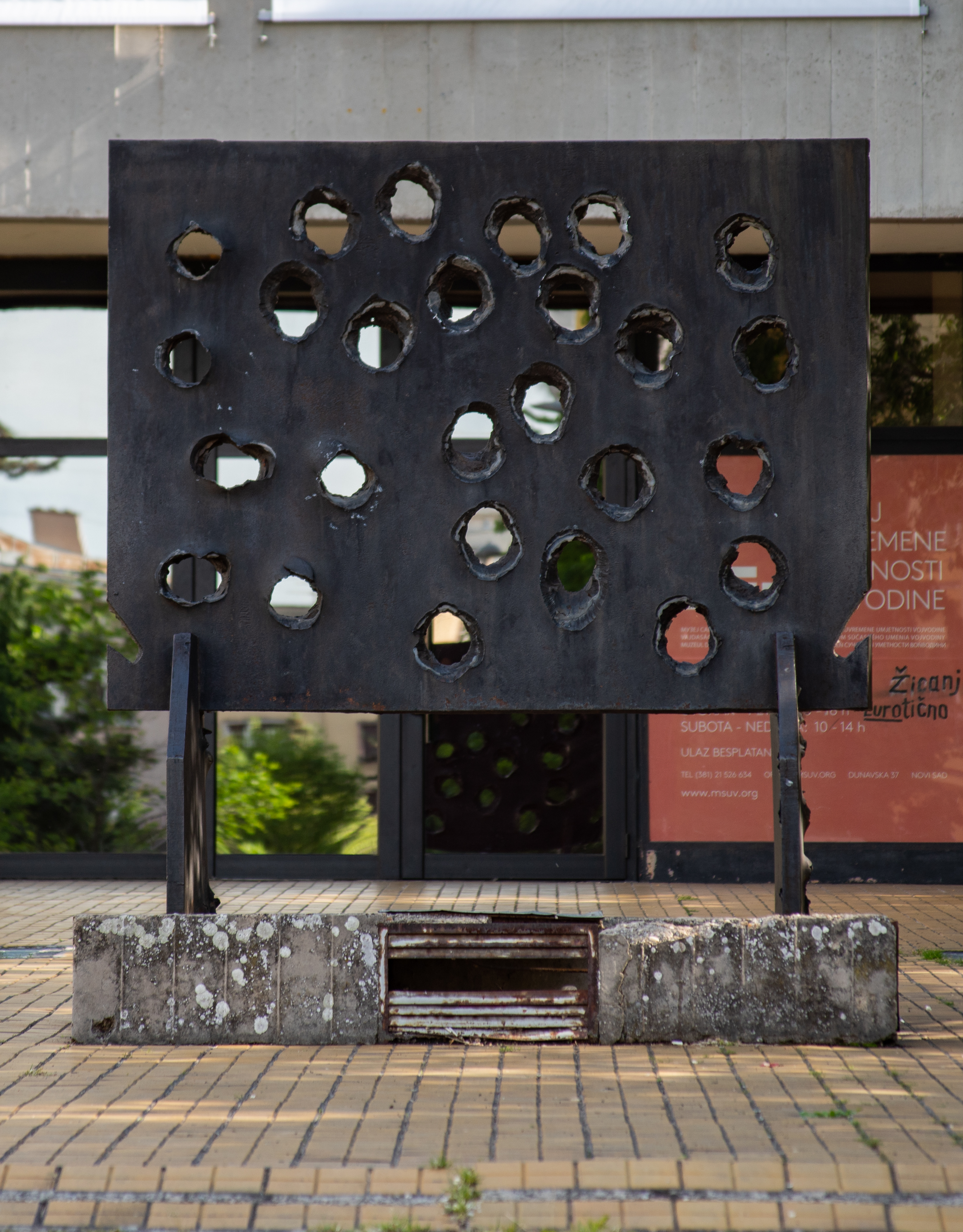
Thick steel with mortar rounds through it, now outside the Museum of Contemporary Art
Historically, Novi Sad (and Serbia in general) has been under the following countries/rulers:
Habsburg Monarchy 1694–1804
Austrian Empire 1804-1867
Austro-Hungarian Empire 1867-1918
Kingdom of Serbia 1918
Kingdom of Yugoslavia 1918-1941
SFR Yugoslavia 1944-1992
Serbia and Montenegro 1992-2006
Republic of Serbia 2006-present
We walked along the river and into the old town area. We went into the St George’s Cathedral, which is a Serbian Orthodox Church. The current church was built in 1905 on the site of a church from 1734. It is next to the Bishop’s Palace, which is where the bishop for the church lives. In the Serbian Orthodox Church, the bishops and priests are all married. Nearby is a statue to Jovan Jovanovic Zmaj who was a Serbian physician and poet born in Novi Sad. He is apparently well known in Serbia for his nursery rhymes. From there we made it to Trg Slobode, Liberty Square, which is the main town square. There’s the Catholic Church of Name of Mary along with the town hall and other buildings. The church has a beautiful porcelain tile roof.
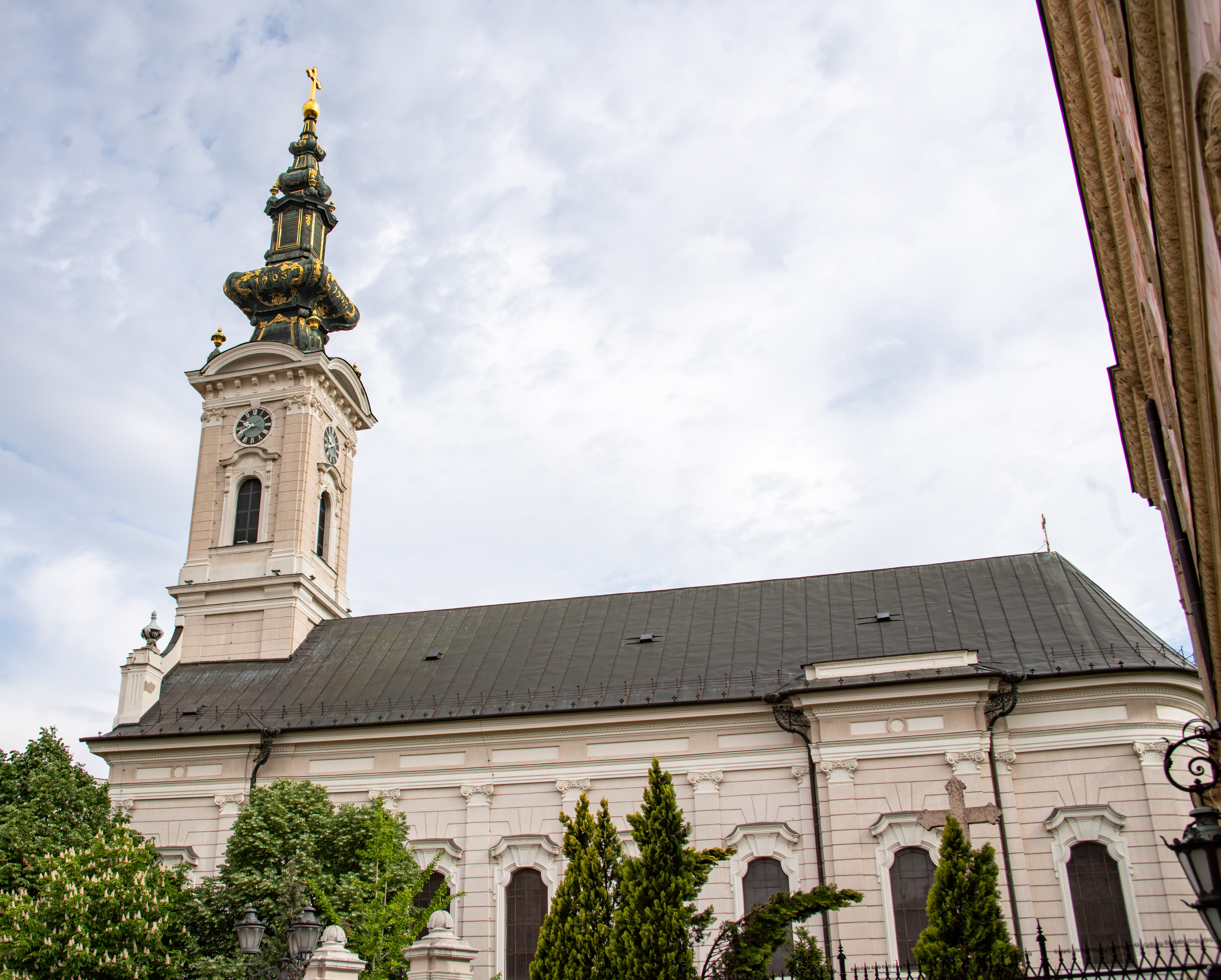
St George’s Cathedral
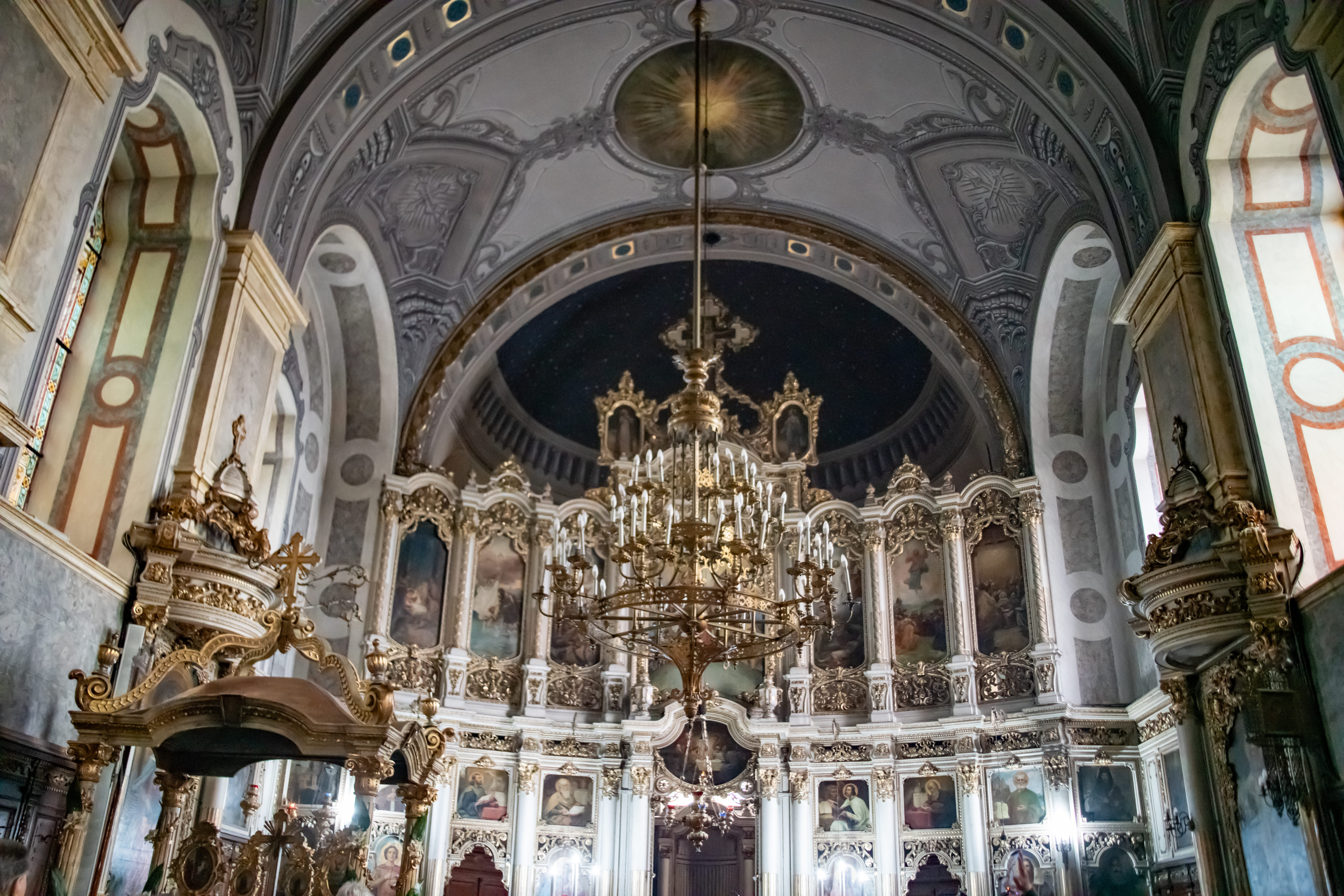
Inside St George’s Cathedral
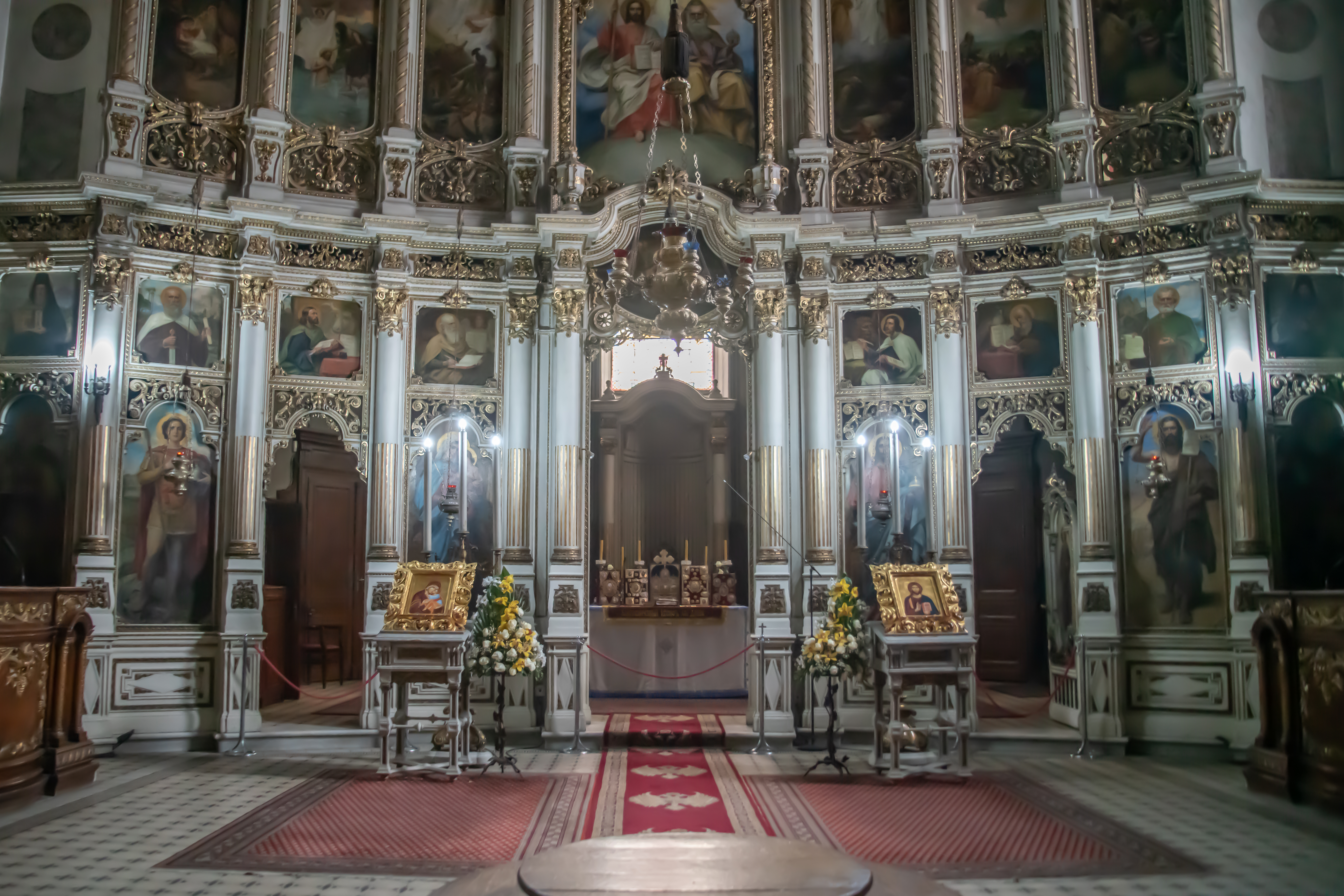
Inside St George’s Cathedral
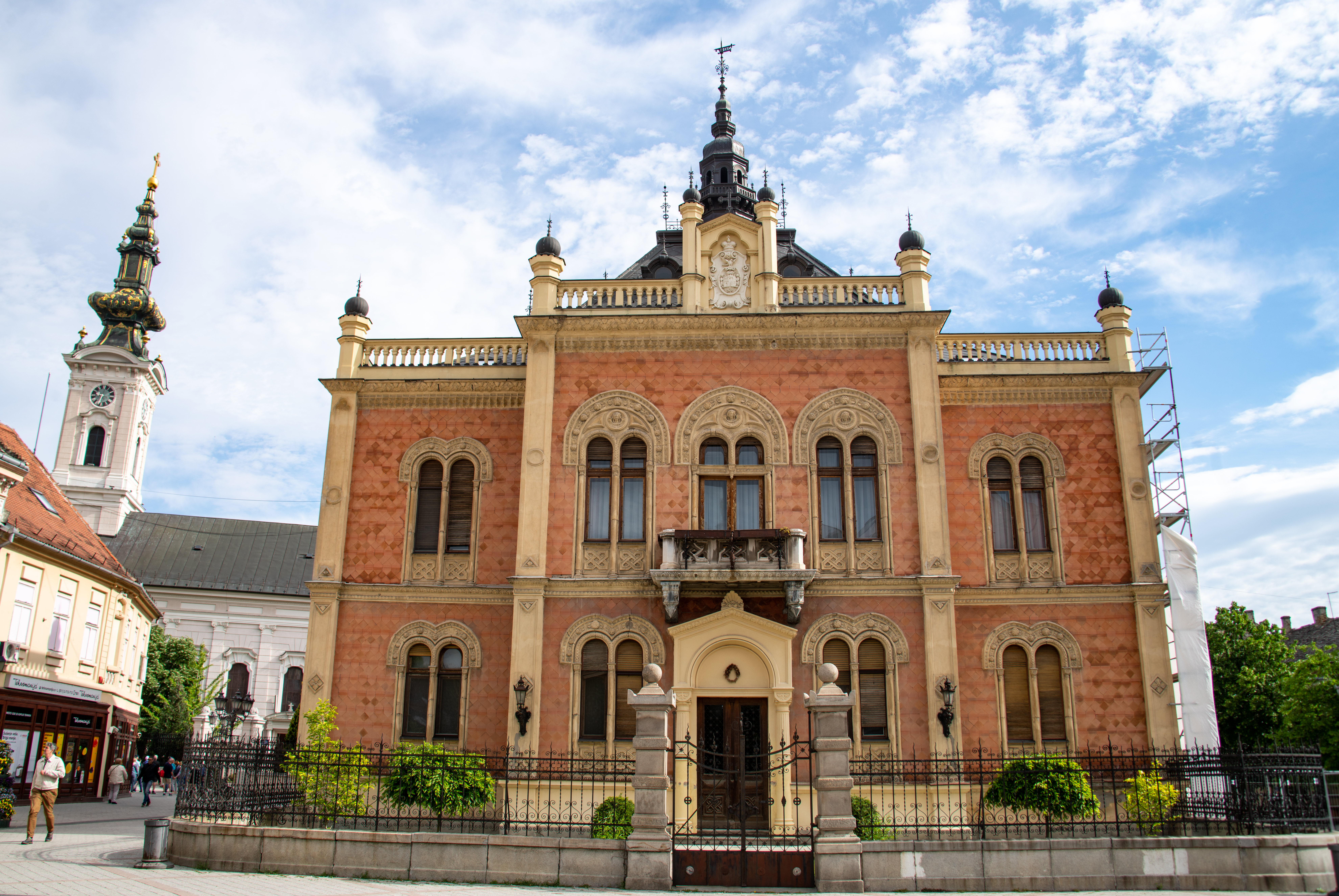
Bishop’s Palace

Statue to Jovan Jovanovic Zmaj
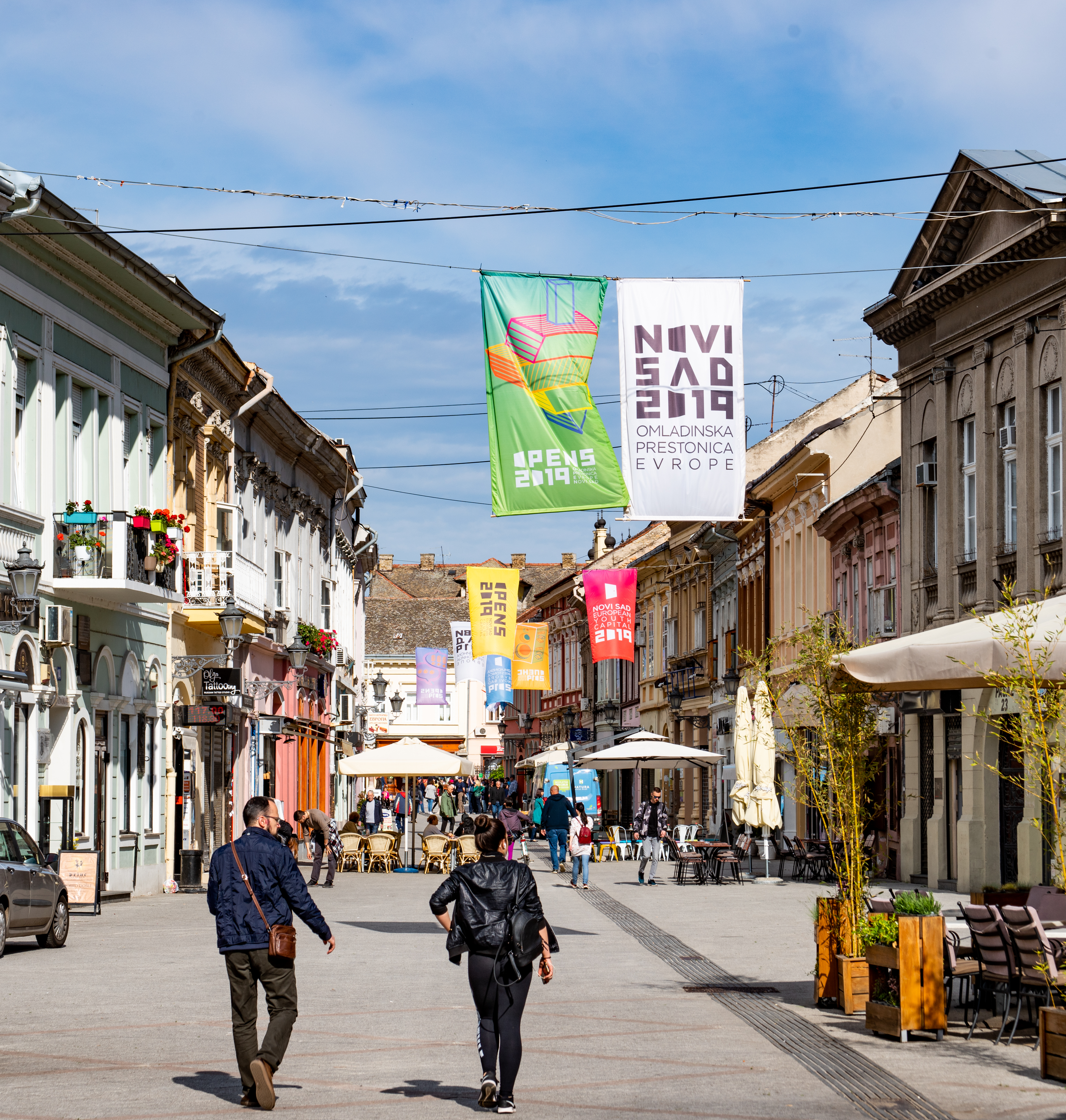
walking around
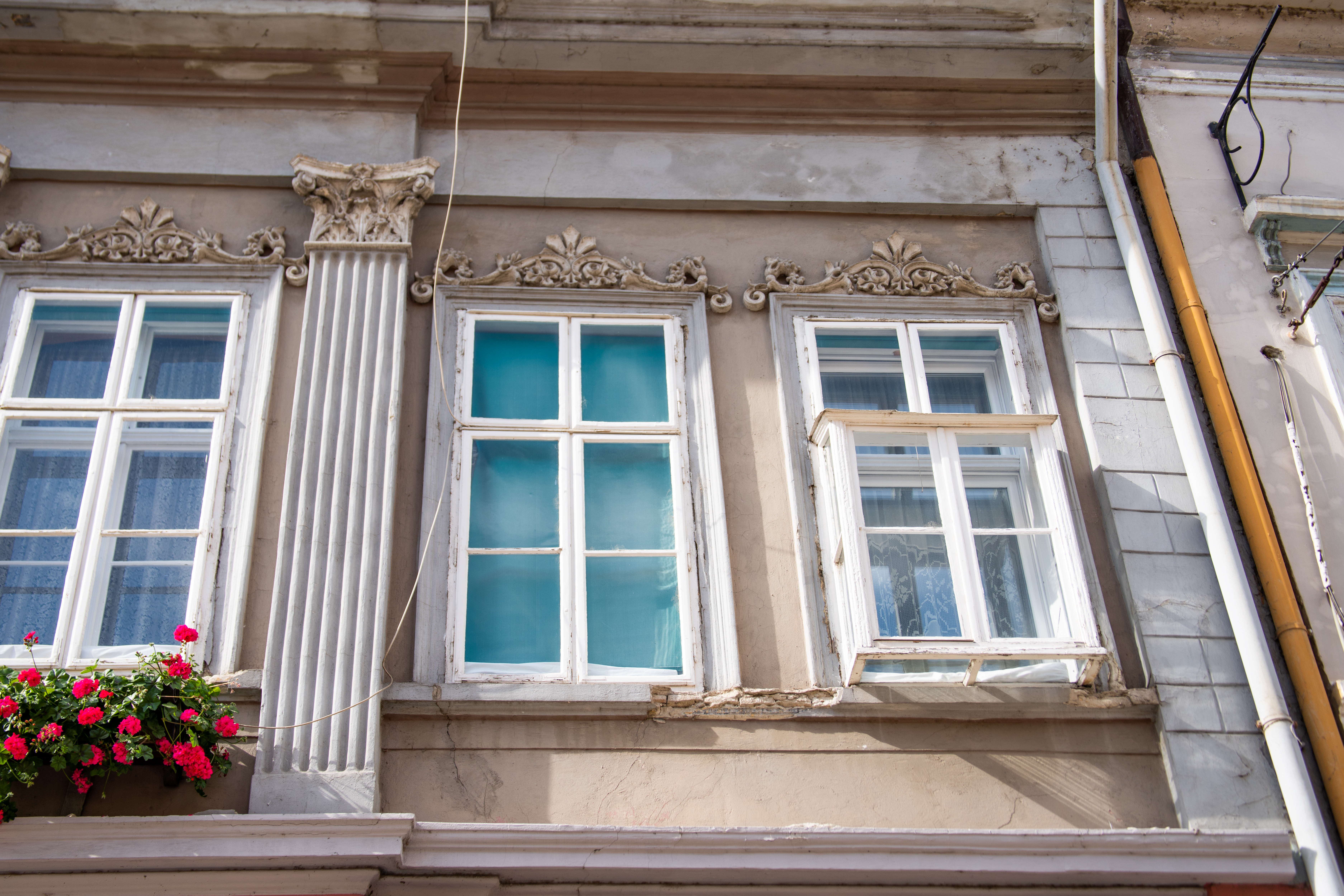
Gossip windows: they jut out so that people can see more of what is going on in the street below
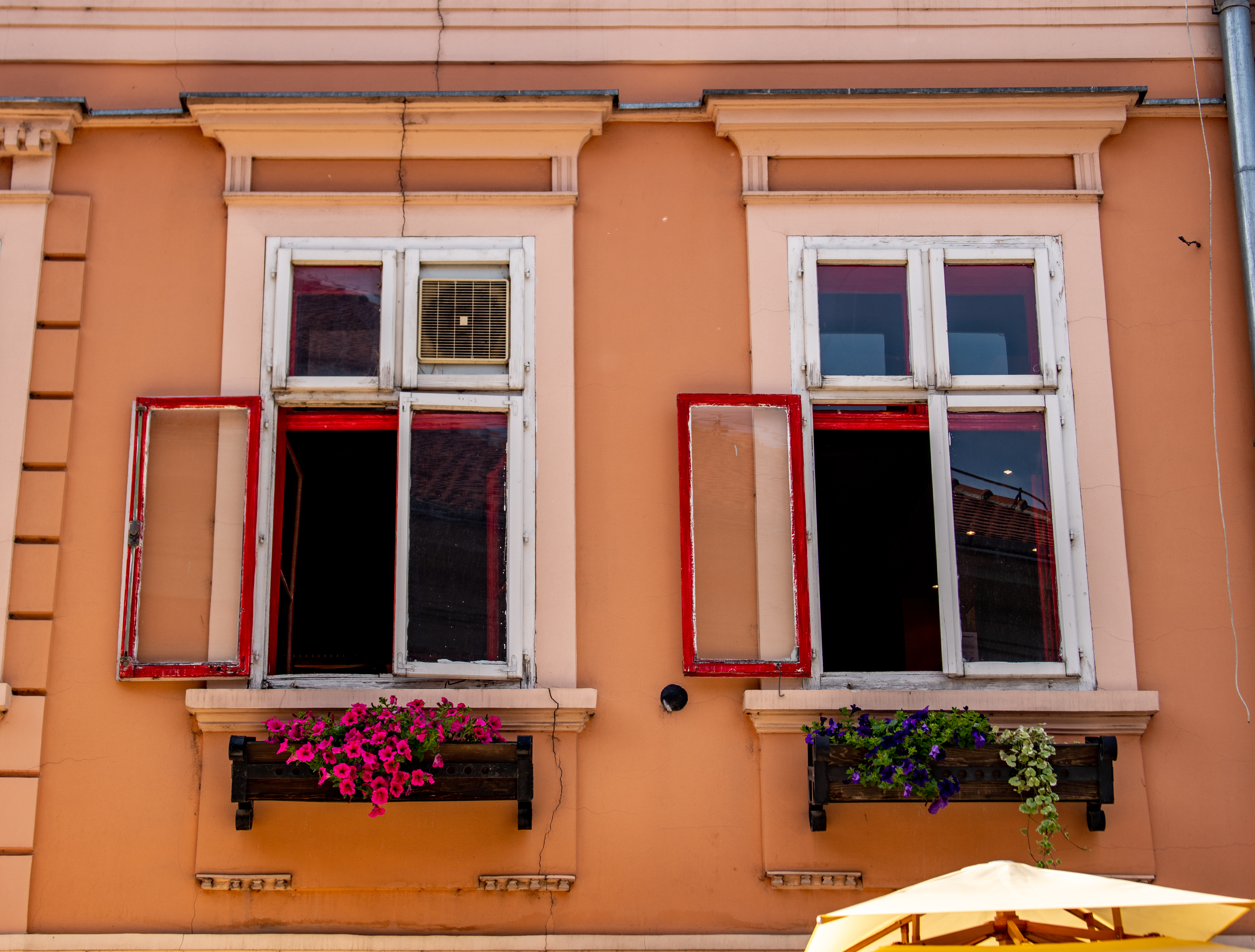
Quaint windows
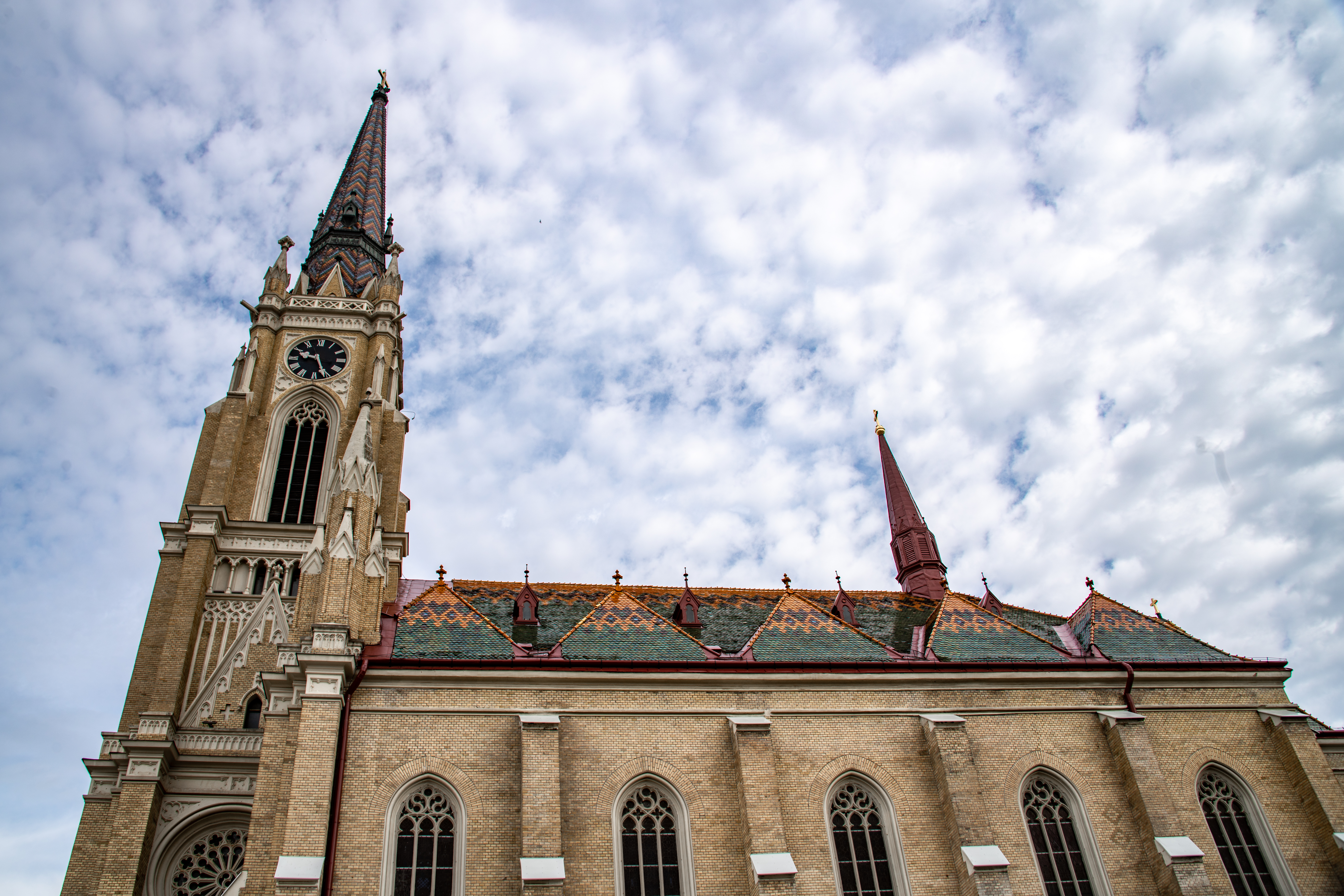
Church of the Name of St Mary
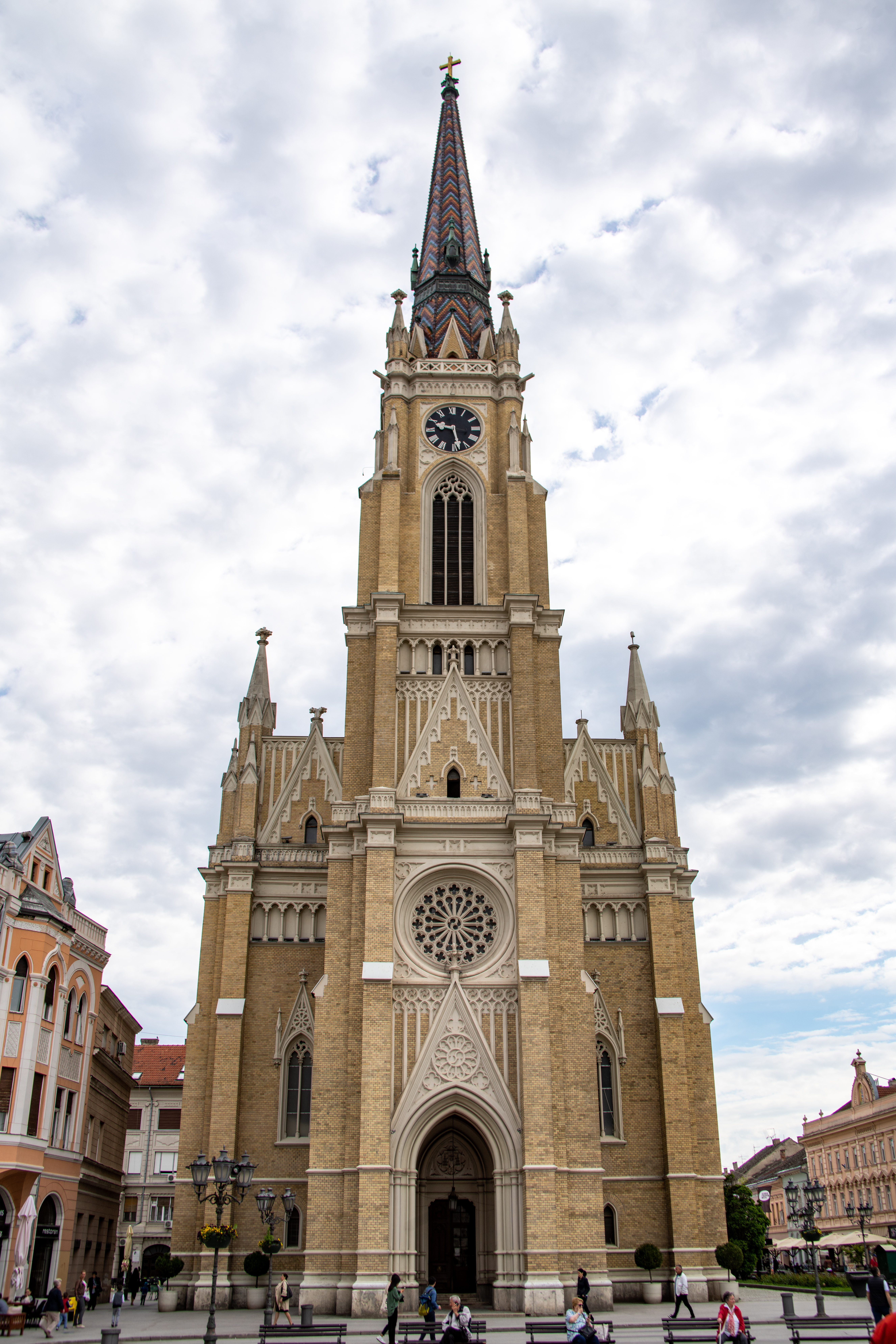
Church of the Name of St Mary
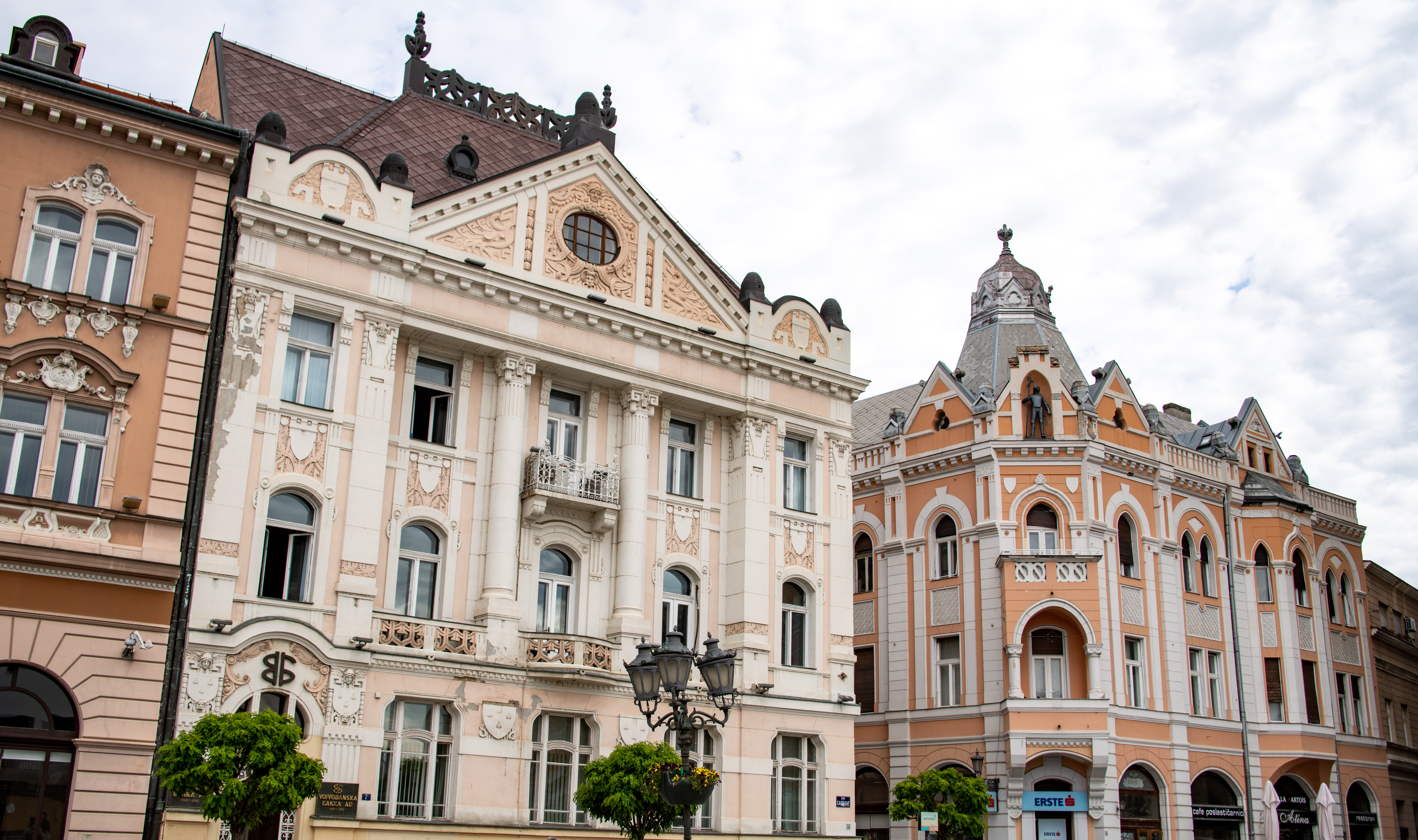
City square
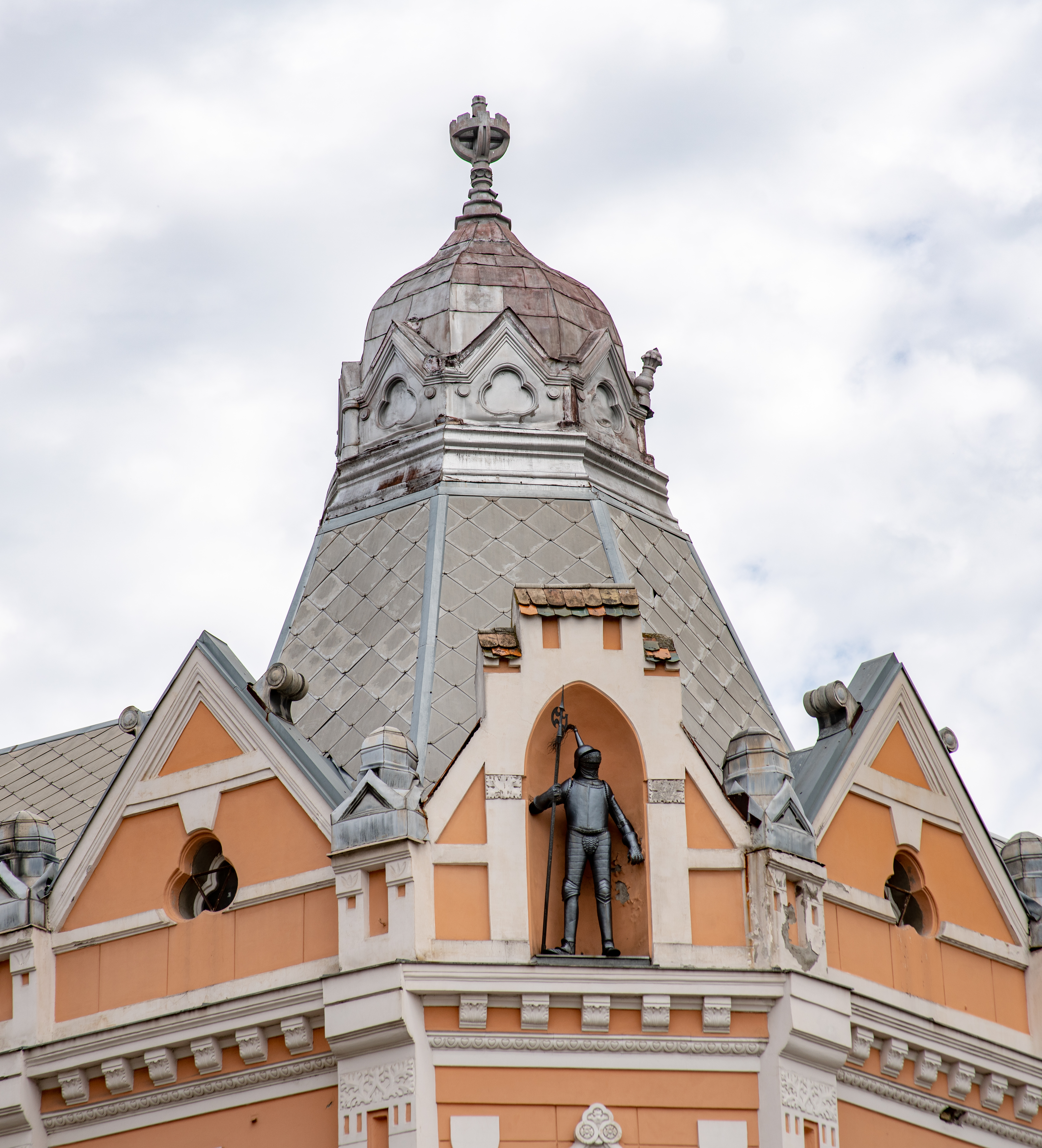
interesting building accent
After that, we went across the Danube to visit the Petrovaradin Fortress. The cornerstone of the present-day southern part of the fortress was laid on 18 October 1692. The fortress was strengthened due to the threat of Turkish invasion. However the fortress fell after a two-week siege in 1526. The Austrian Army recaptured Petrovaradin after 150 years of Turkish control during the Great Turkish War in 1687. The Austrians began to tear down the old fortress and build new fortifications. They built a clock tower, but built it with the hour hand longer than the minute hand so that the fishermen could tell the time more easily from a long distance. Our guide said that the clock loses its accuracy in extremes of temperatures. The fortress has a number of underground tunnels that were constructed mostly during the 18th century. The last offensive military role the fortress was to play was during the Hungarian Revolution in 1849, when Austrian troops tried to force the Fortress to surrender after a blockade. The fortress served as a military barracks and storage facility during World War I.
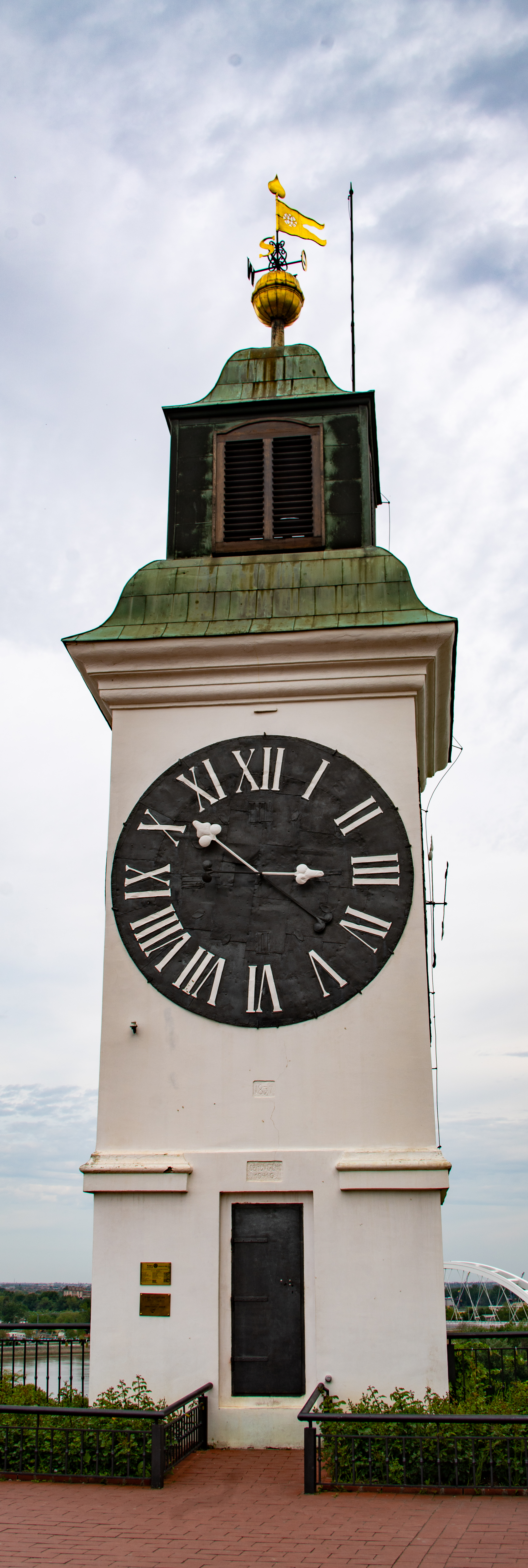
Clock tower
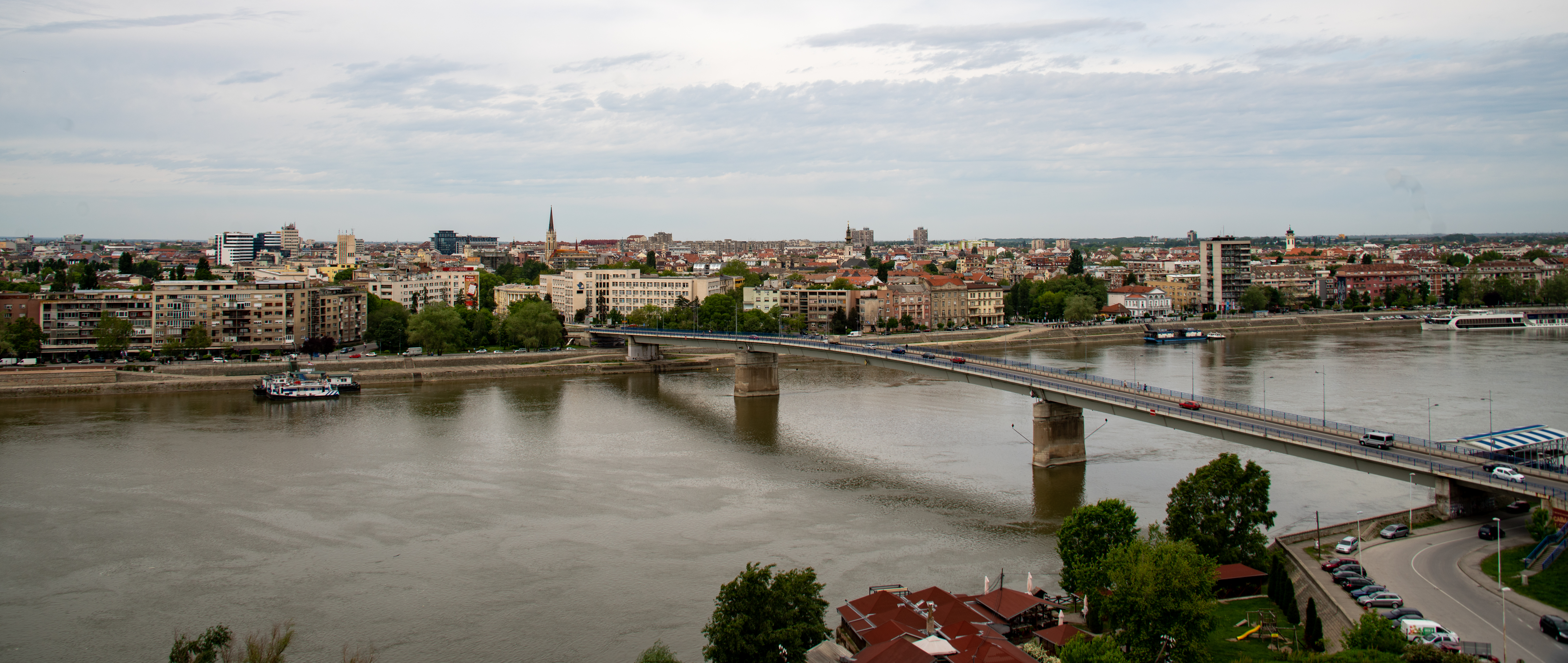
View of Novi Sad from the fortress
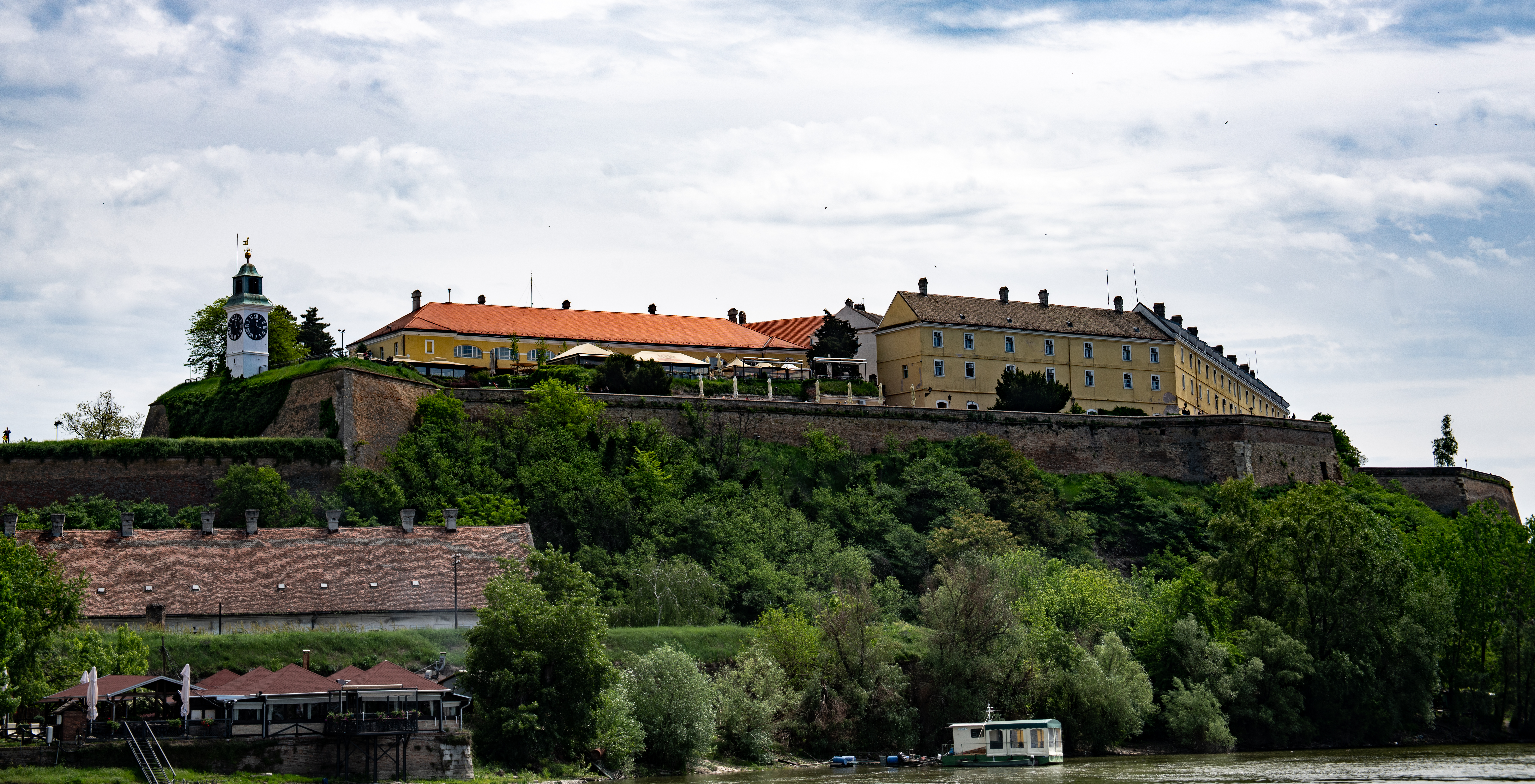
Fortress
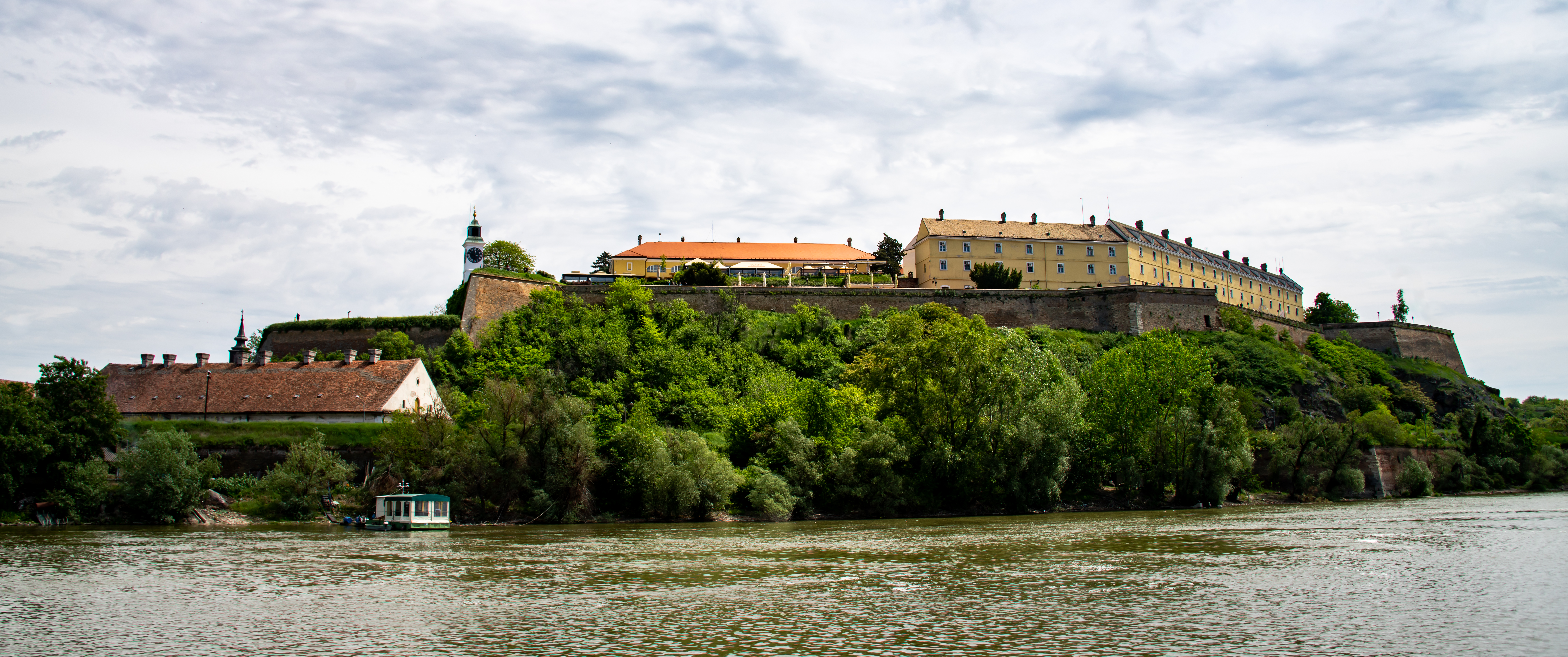
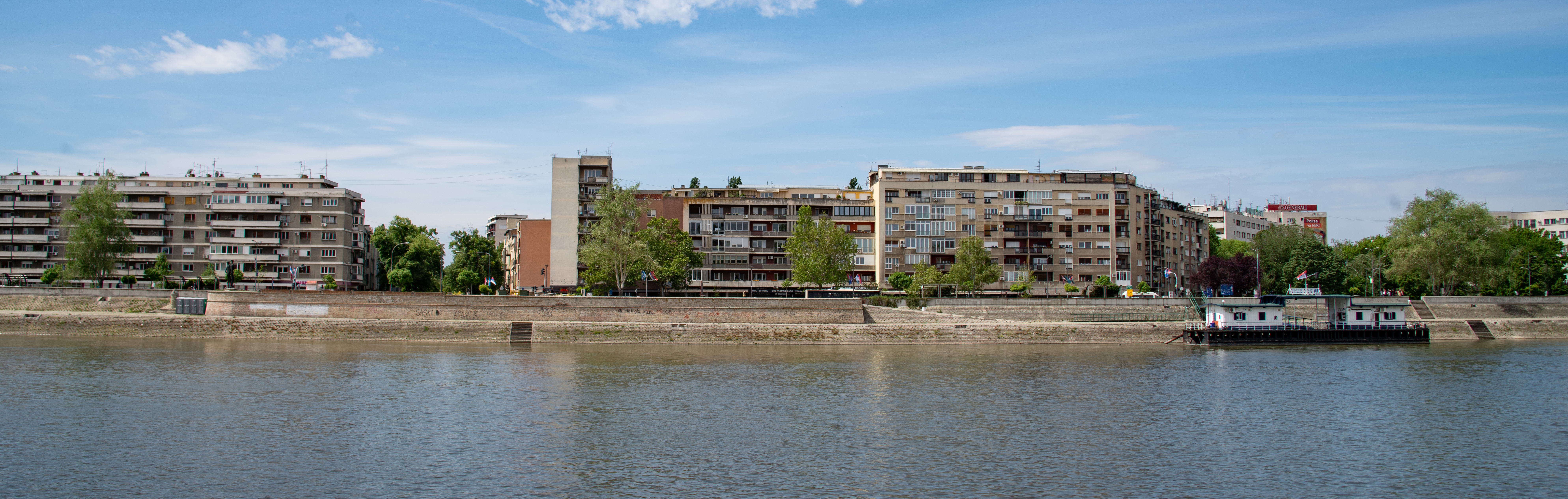
Novi Sad
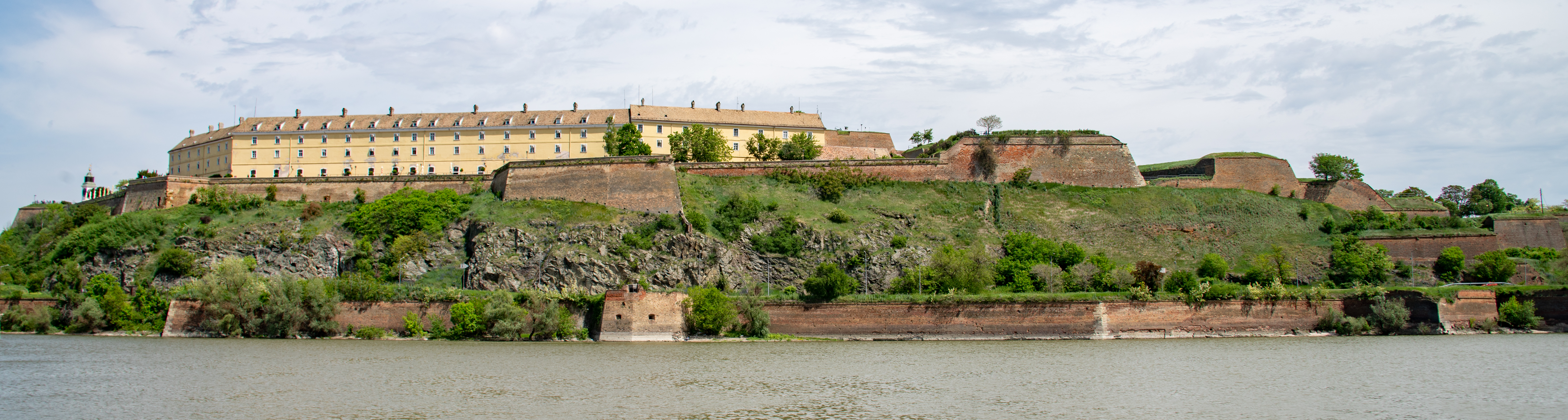
Fortress
After that, we got back on the ship and sailed off to Croatia.
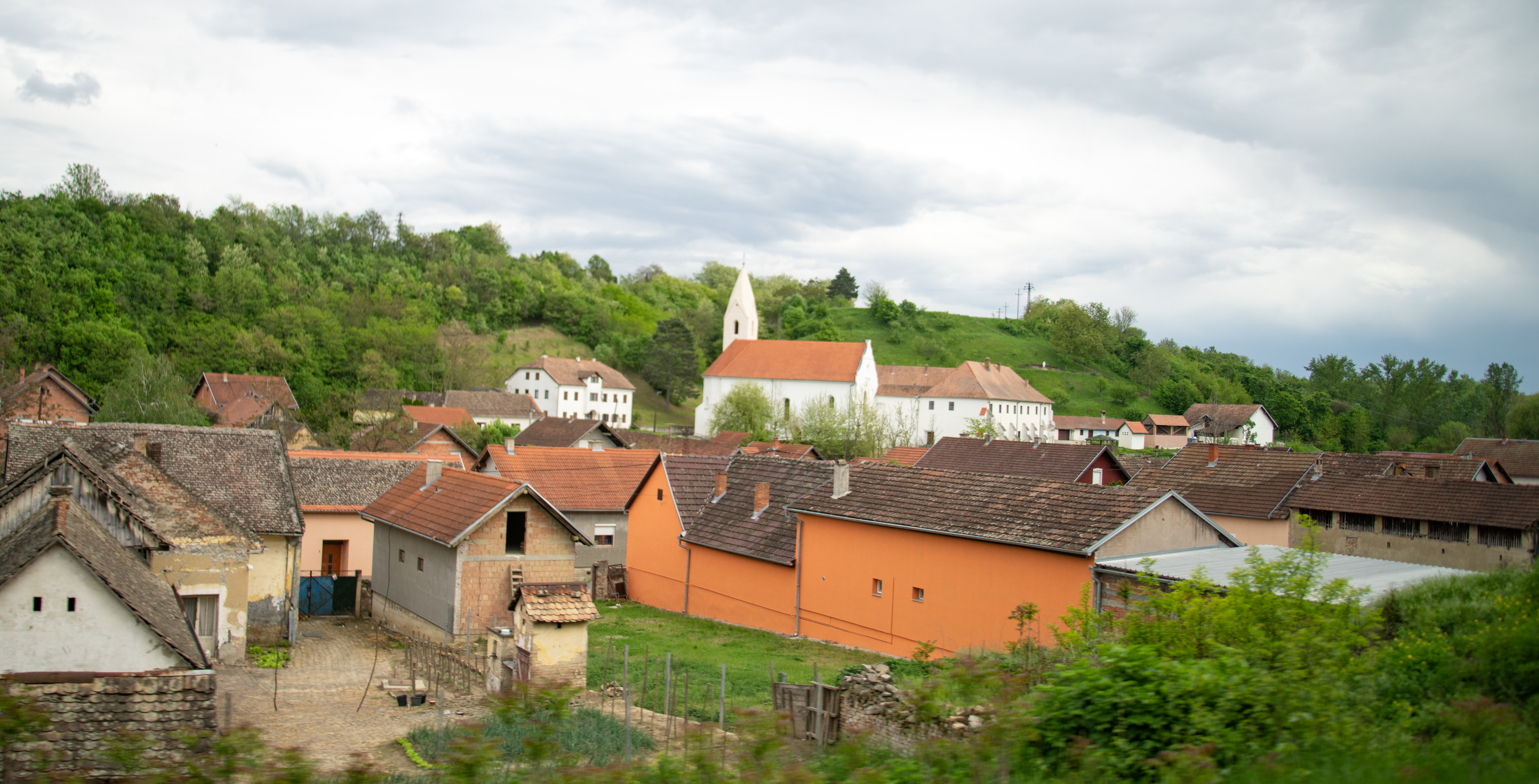
Croatian villiage
We just got a little taste of Croatia, since we only had an afternoon there. We went to a city called Vukovar. This place is known for an important battle in the Croatian war of independence in 1991. The town was completely devastated, with about 90% of it destroyed. A few people continued to live there, but it wasn’t until a treaty was signed in 1995 that refugees began to return. There is a water tower in Vukovar that was riddled with holes from the battle but it remained standing. The city decided to keep it as a reminder of what happened. They have decided to reinforce it and do some type of updating to it as a monument, so it is currently covered in scaffolding. I encourage you to do a google search to see what it looks like without the scaffolding.
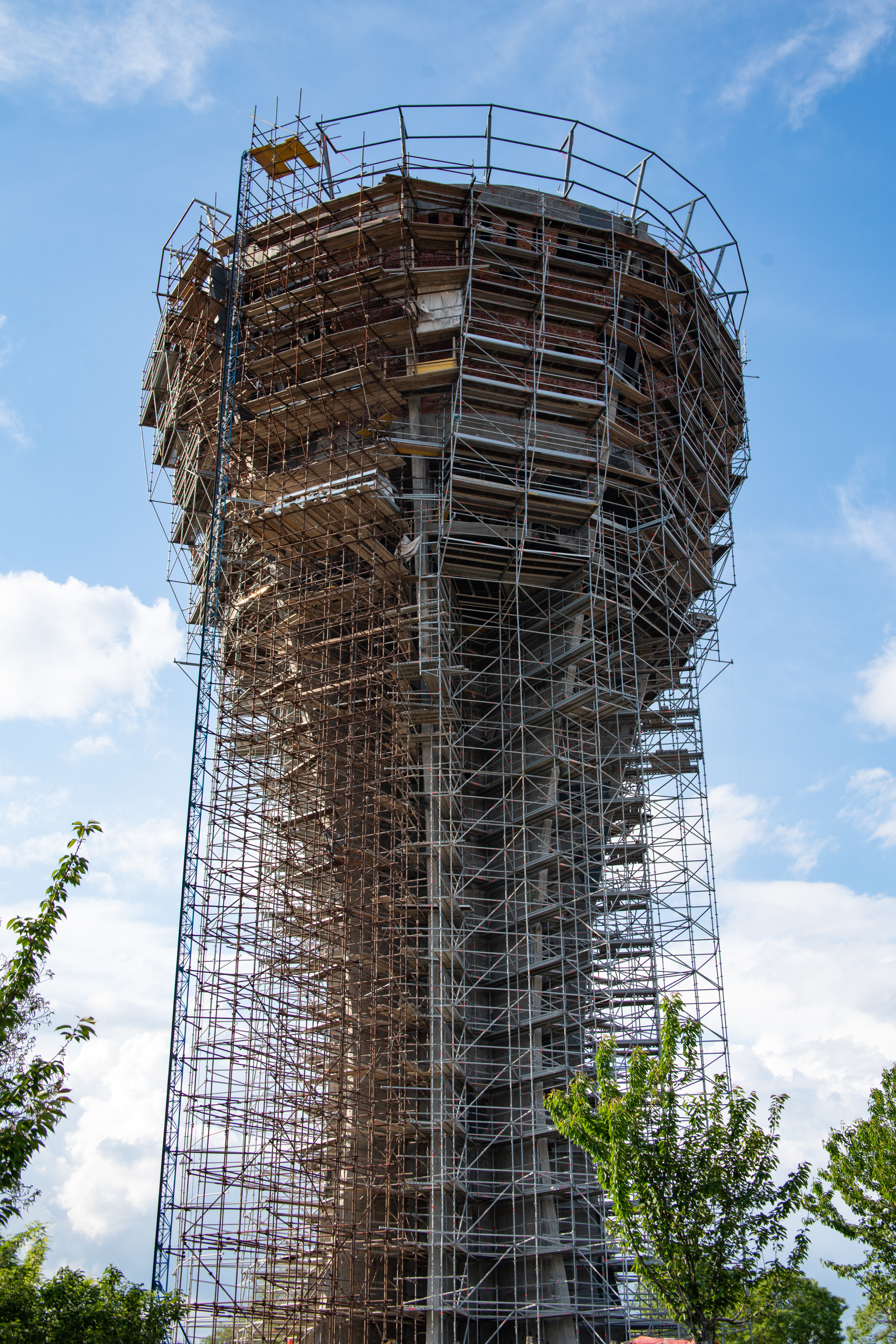
Vukovar Water Tower
Vukovar is the site of true war atrocities. The city was under siege for months. Under the Geneva Convention, the hospital should have been a safe site. The Red Cross even had volunteers working there. People had taken refuge at the hospital, which we drove by, but the opposing side simply removed them from the back doors of the hospital, took them to a rural barn, tortured them, and executed them. 261 were killed like this, in addition to the many who died in the siege of the town. Many were later found in a mass grave, although some have still not been found. Many of us may remember the name Slobodan Milošević. He was the leader of Serbia/Yugoslavia, who was opposing Croatia becoming independent. He was on trial for these and other war crimes when he died.
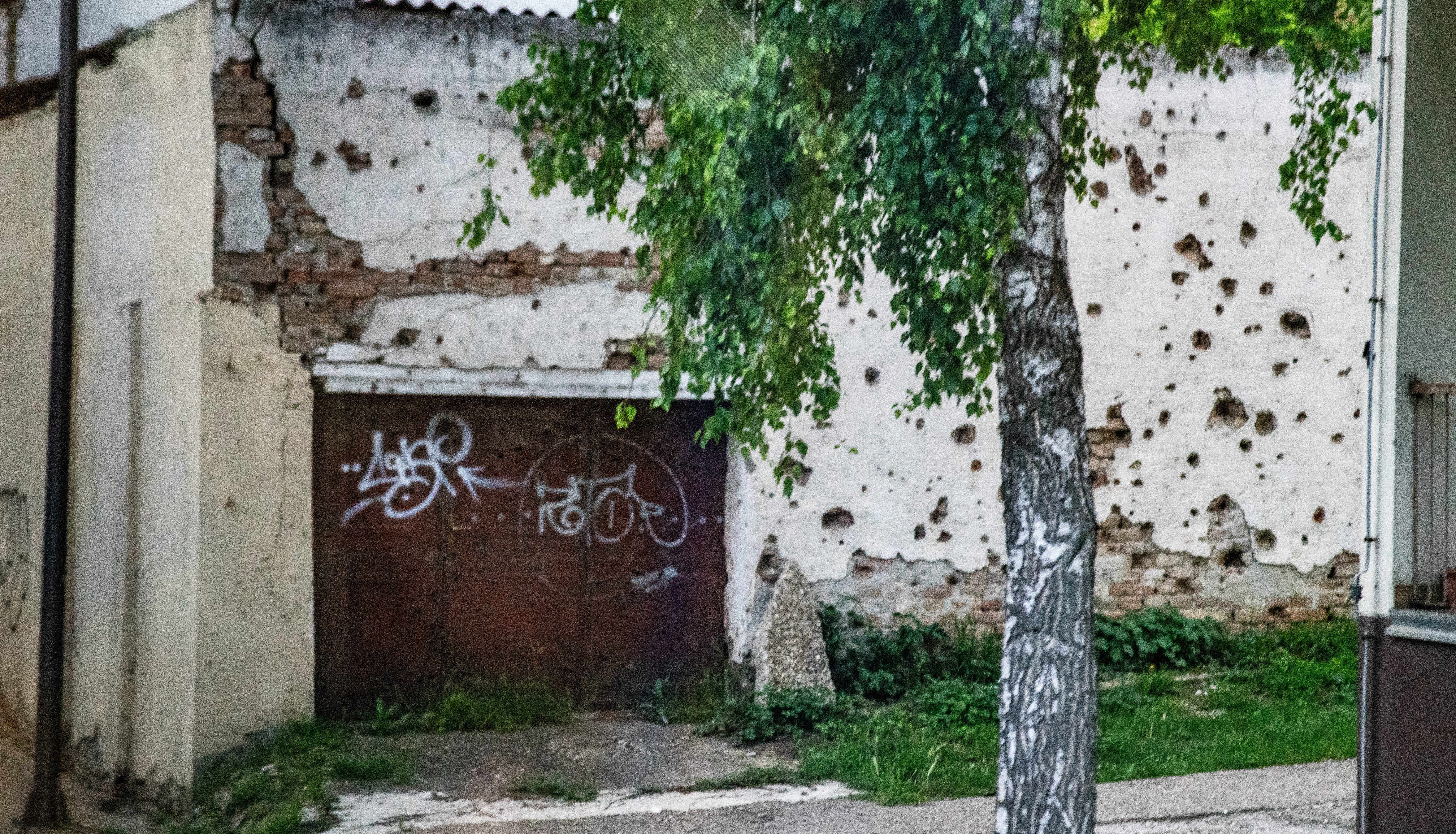
Shelled building in Vukovar
We went to a very moving memorial to the victims. It was in the actual barn where this happened. It has their pictures on the wall, but they fade in and out. Some of their personal belongings are on the floor along the walls. The room is totally dark. In the center there is a candle and the names of the victims are lit in orange going in a swirl moving towards the candle. On the ceiling are 261 stars. Embedded in the floor are thousands of shell casings. They told us they keep the barn doors permanently open so that nobody can ever get shut in again. If you want to read more about this it is know as the Vukovar Massacre.
Floor of the memorial
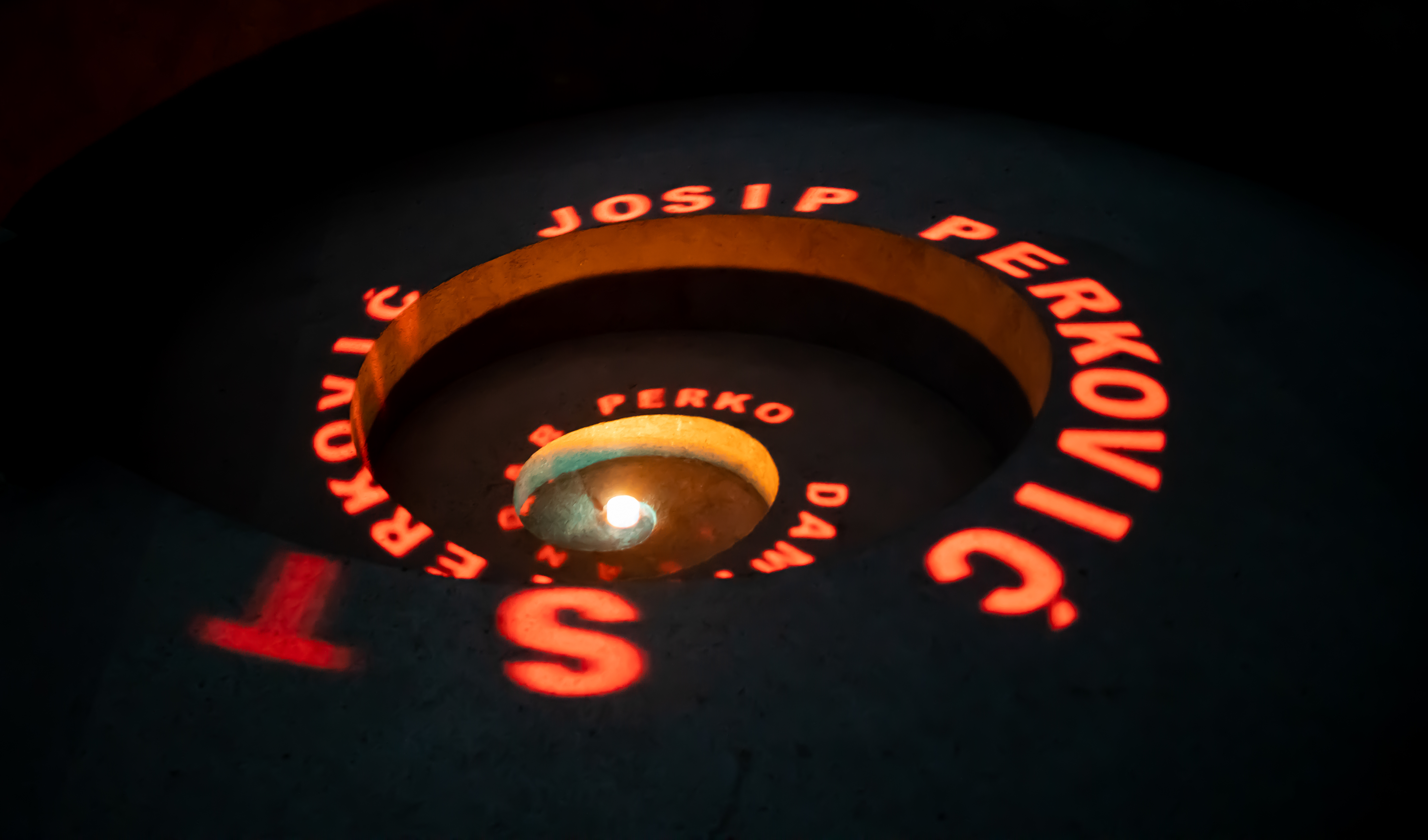
Center of the memorial
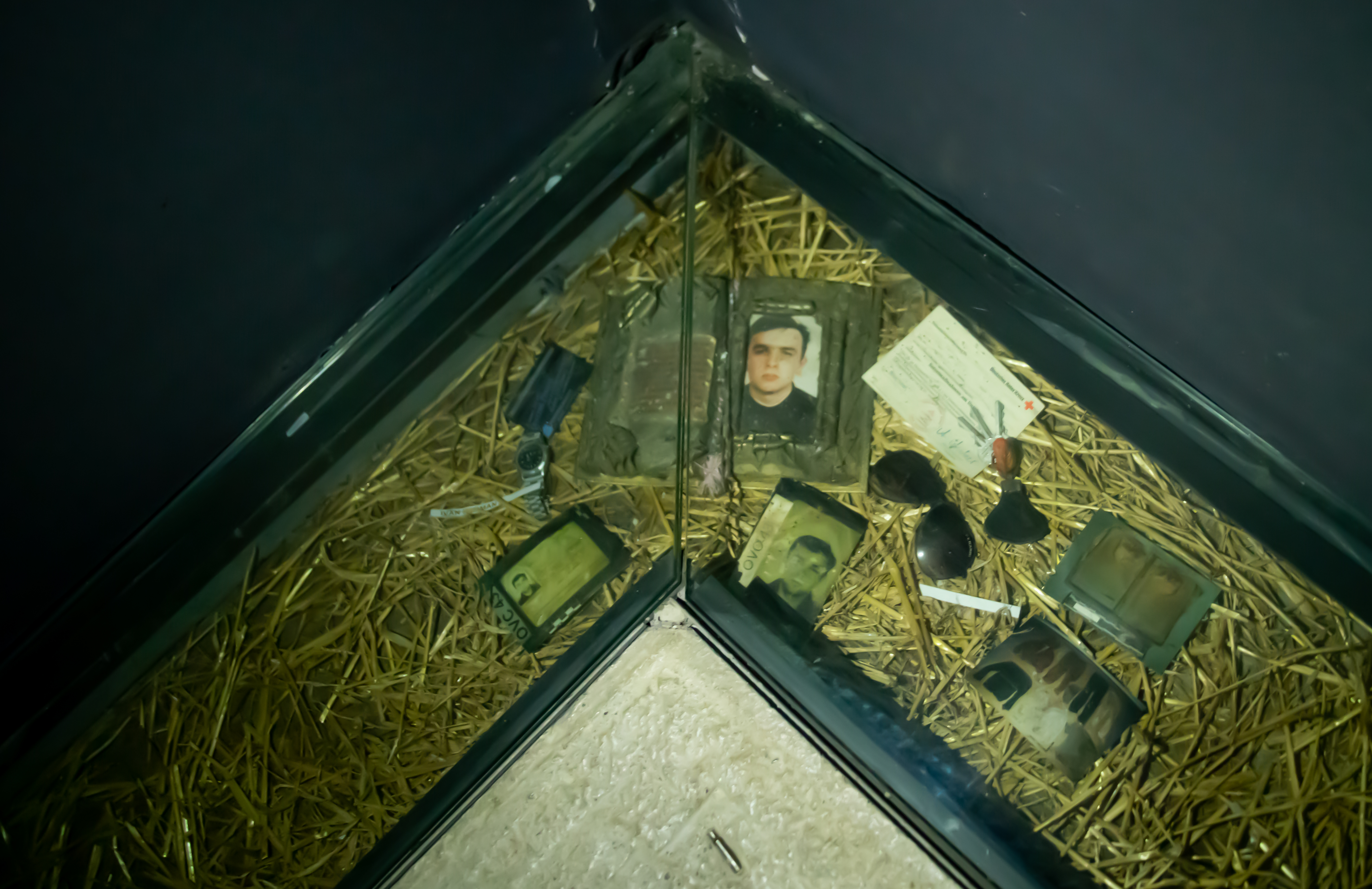
Personal items
We also went to the Eltz Manor, which is a museum in Vukovar. It is a mix of a museum about the atrocities in Vukovar, a cultural museum, and a natural history museum. We did not have a lot of time to go through it, but it was well put together. We were supposed to have a walking tour through the city, but a hailstorm through a wrench in those plans and we simply returned to the ship instead.
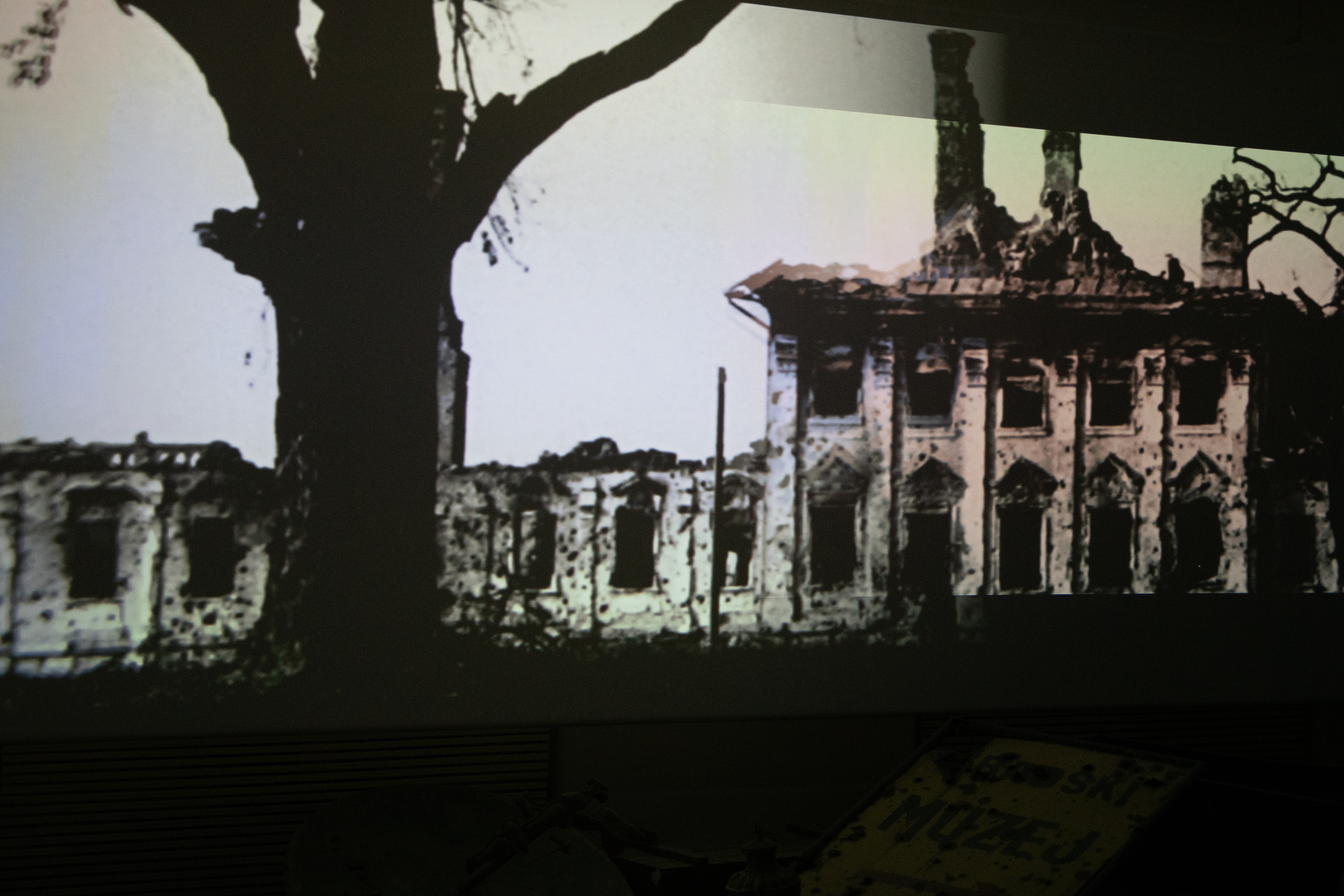
Picture from Eltz Manor of war damage
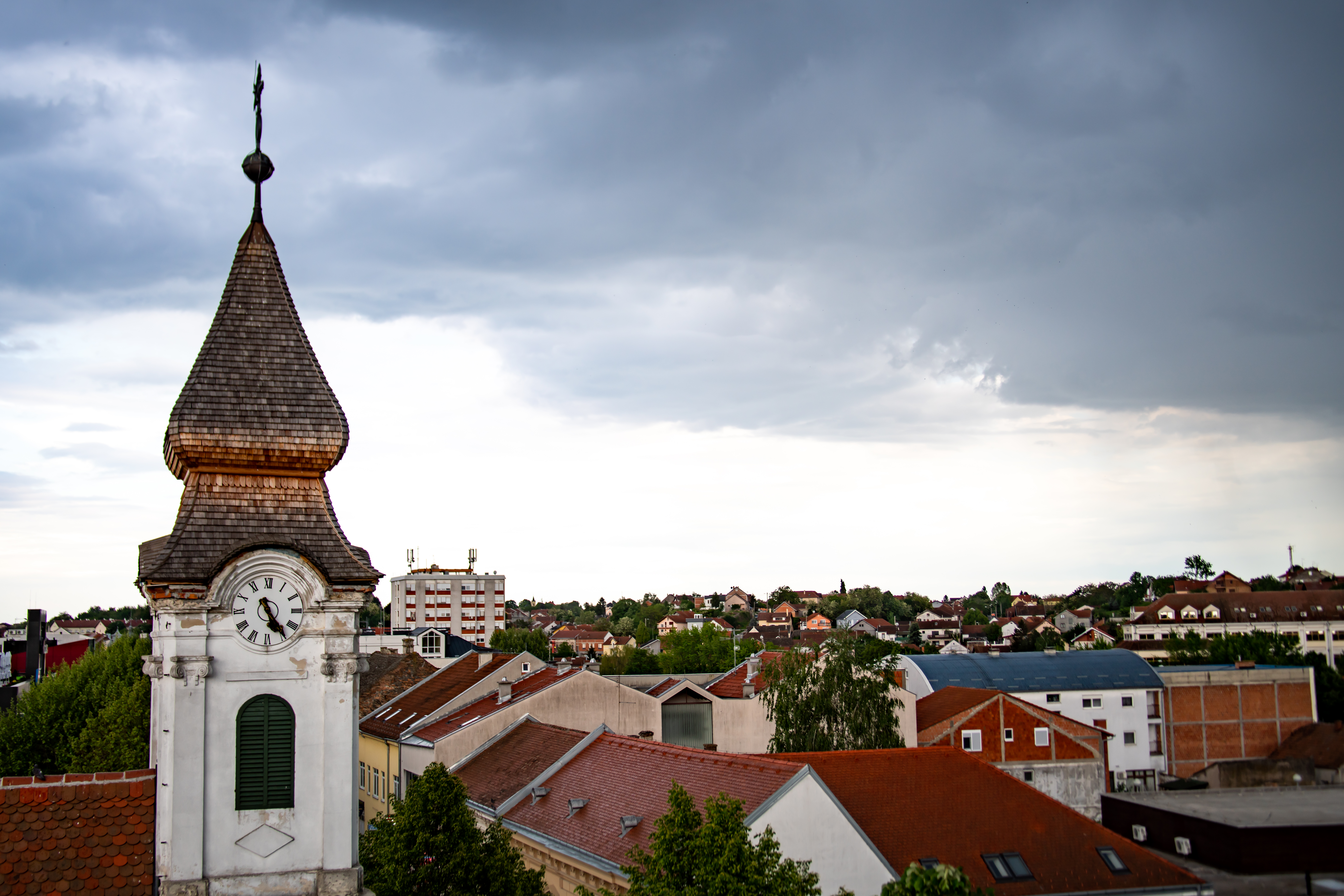
View of Vukovar from Eltz Manor
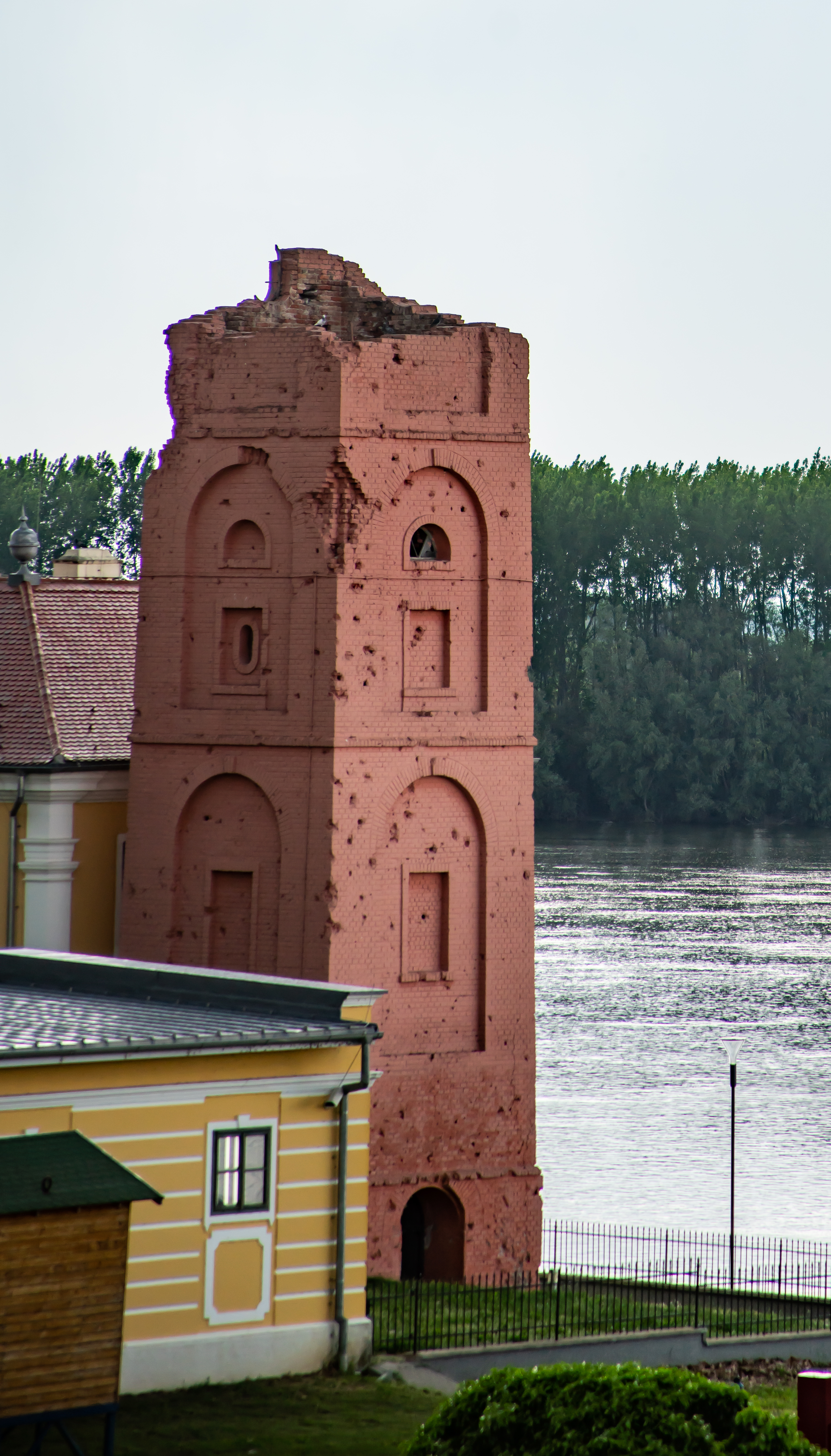
View of the river and damaged building from Eltz Manor


Leave a Reply