Today we are in Lima, the capital of Peru. It is directly on the Pacific coast, with the edge of the city located on cliffs overlooking narrow beaches. This is a big city, about 9 million, making it the 3rd largest in the Americas behind São Paulo and Mexico City. It is divided up into 43 districts, each with their own mayor, local government, and police force. The whole city of Lima is overseen by a main mayor and government. Since Lima is the capital, the national government is also located here. Lima was founded by Francisco Pizarro, the Spanish conquistador, in 1535. Prior to that, it had been inhabited by various tribal groups, including the Lima people group, prior to being incorporated into the Inca Empire in the 15th century.
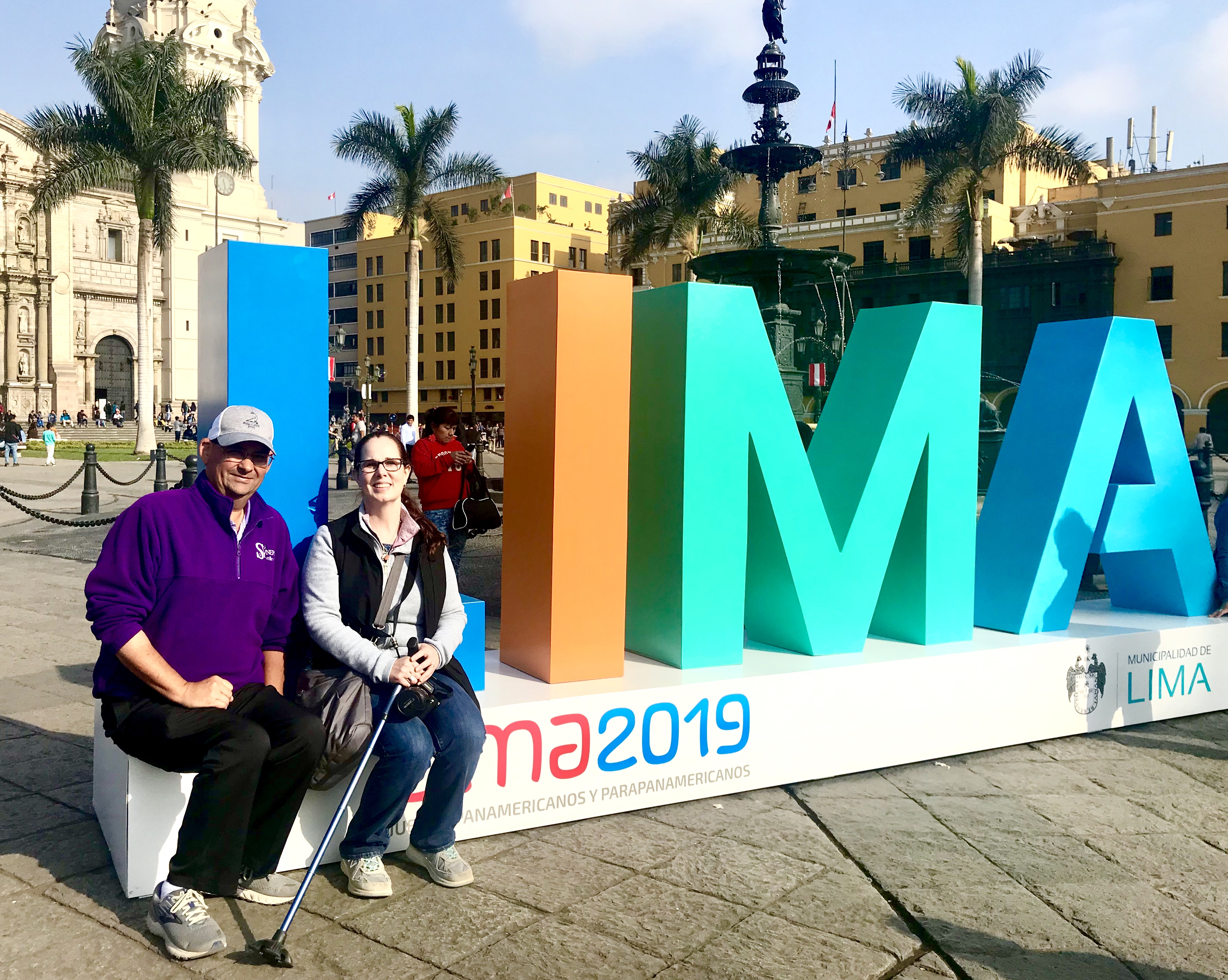
We are staying in the Miraflores district. This is a nice area of the city where many of the hotels are located. We spent the morning walking around on our own and had a tour in the afternoon. We hired a tour company to help plan this trip and to make all of the transport arrangements. We do have some tours, but they are all personal tours for the two of us.
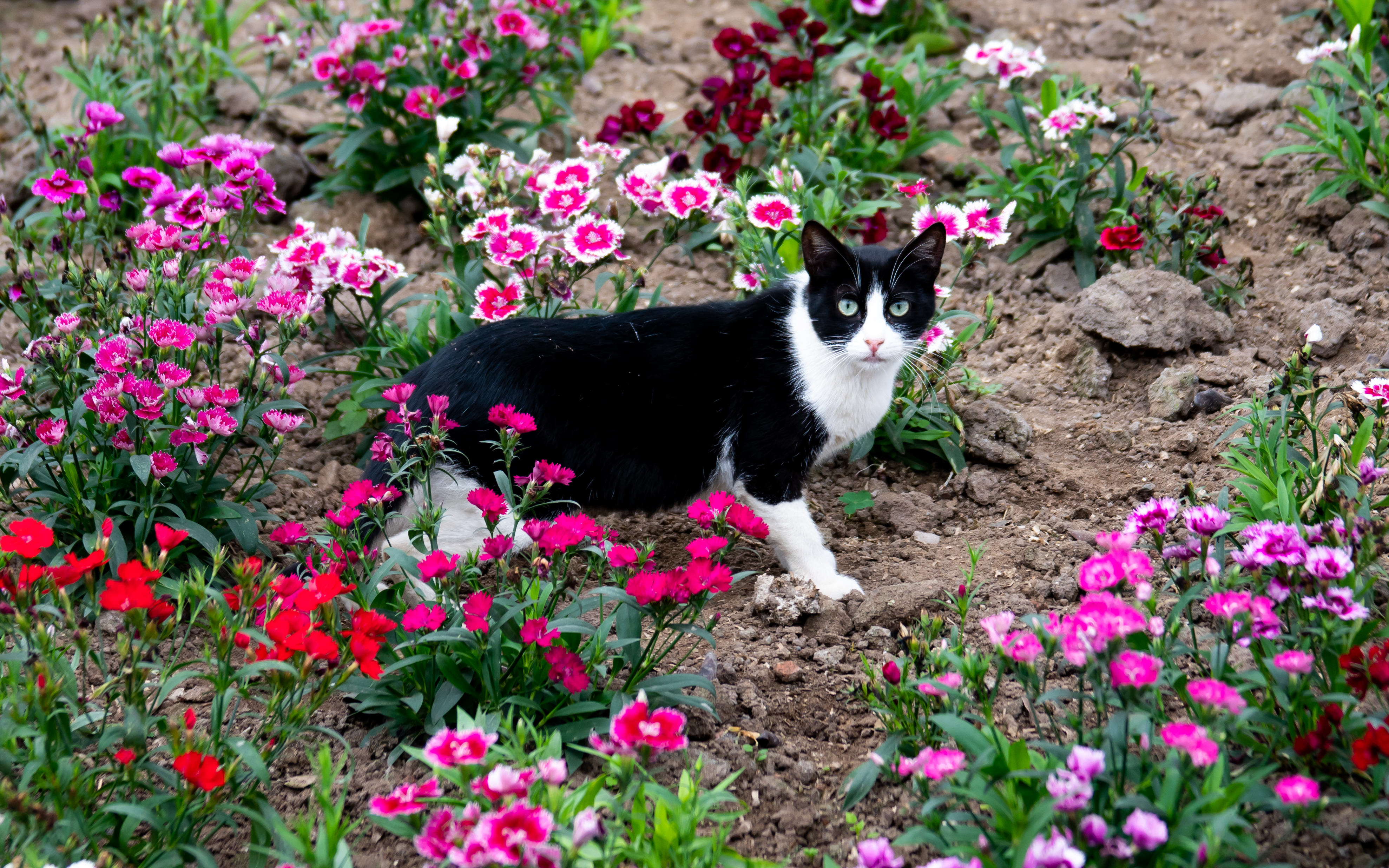
We started off walking to Kennedy Park. While the park predates this, it is dedicated to JFK. It is a pretty park with lots of flowerbeds. More recently, it has become known for cats. There are many resident cats.
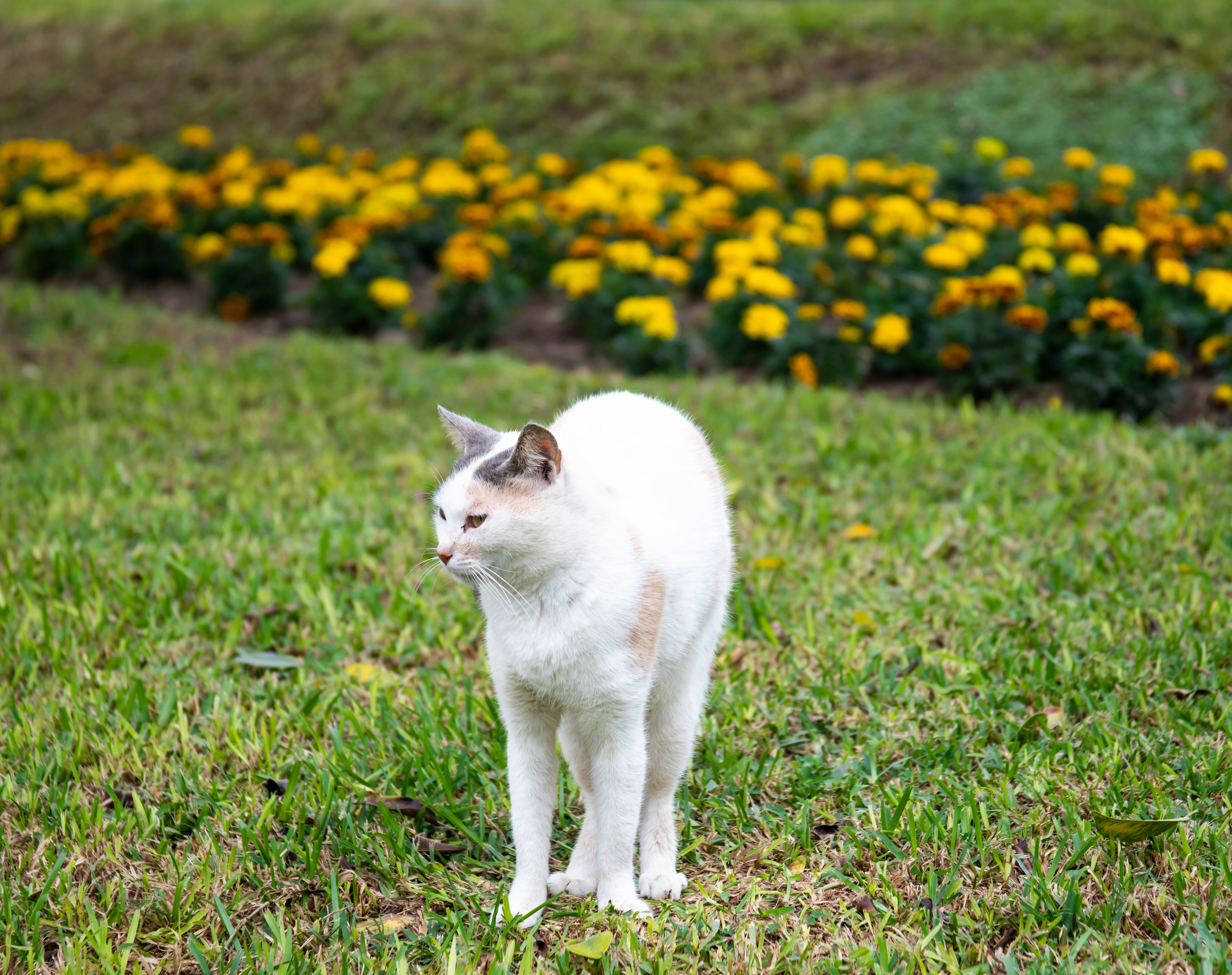
It apparently has been home to cats for a couple of decades. They are now neutered (although we saw a pregnant one) and are well fed. The park is all open, so they are there by choice. We did see a bunch of them hanging out at the Virgen Milagrosa Church at the end of the park where they had food and water in a small courtyard.

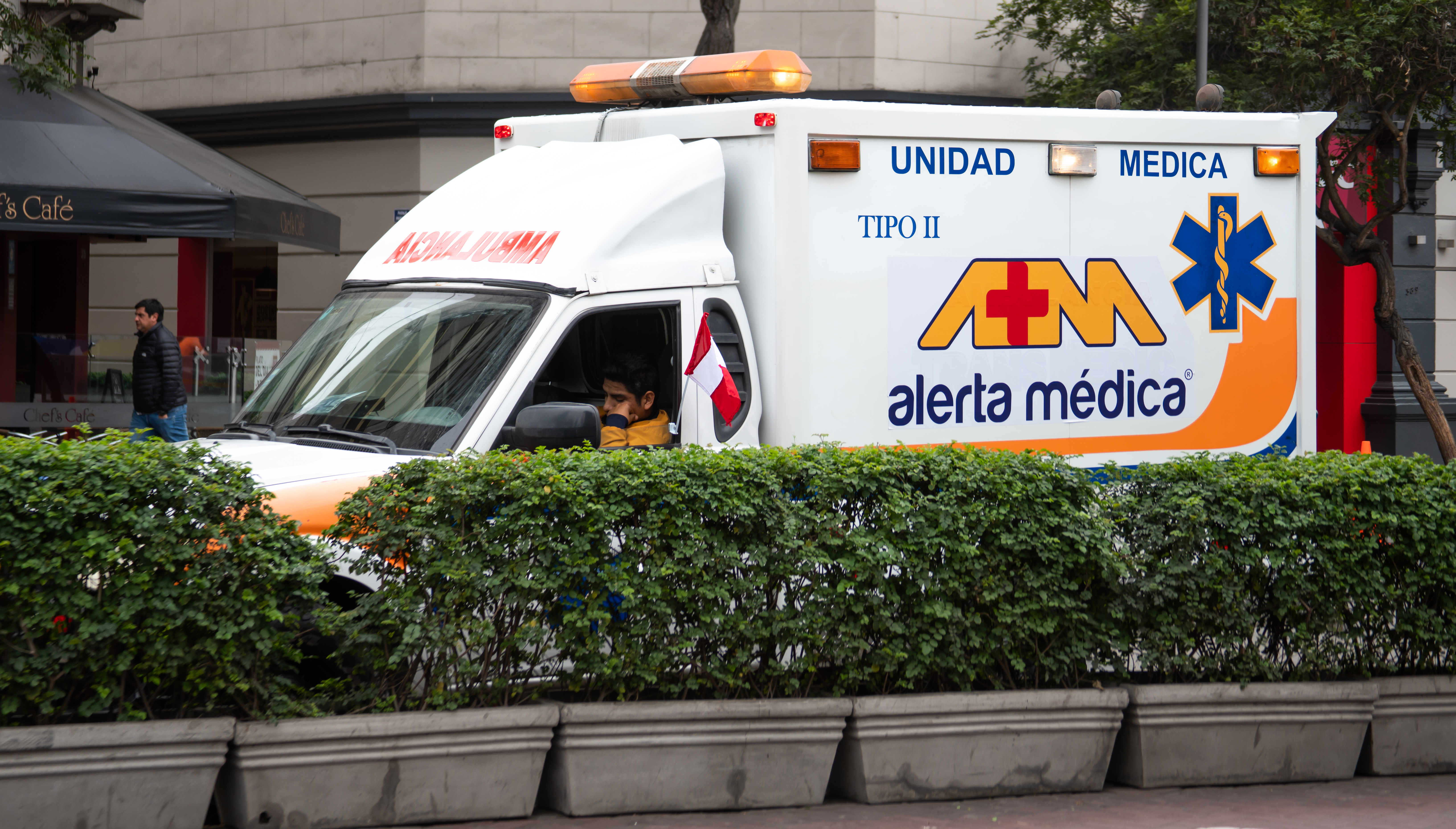
Obligatory Peruvian ambulance. It says alert medic…not sure that is accurate advertising.
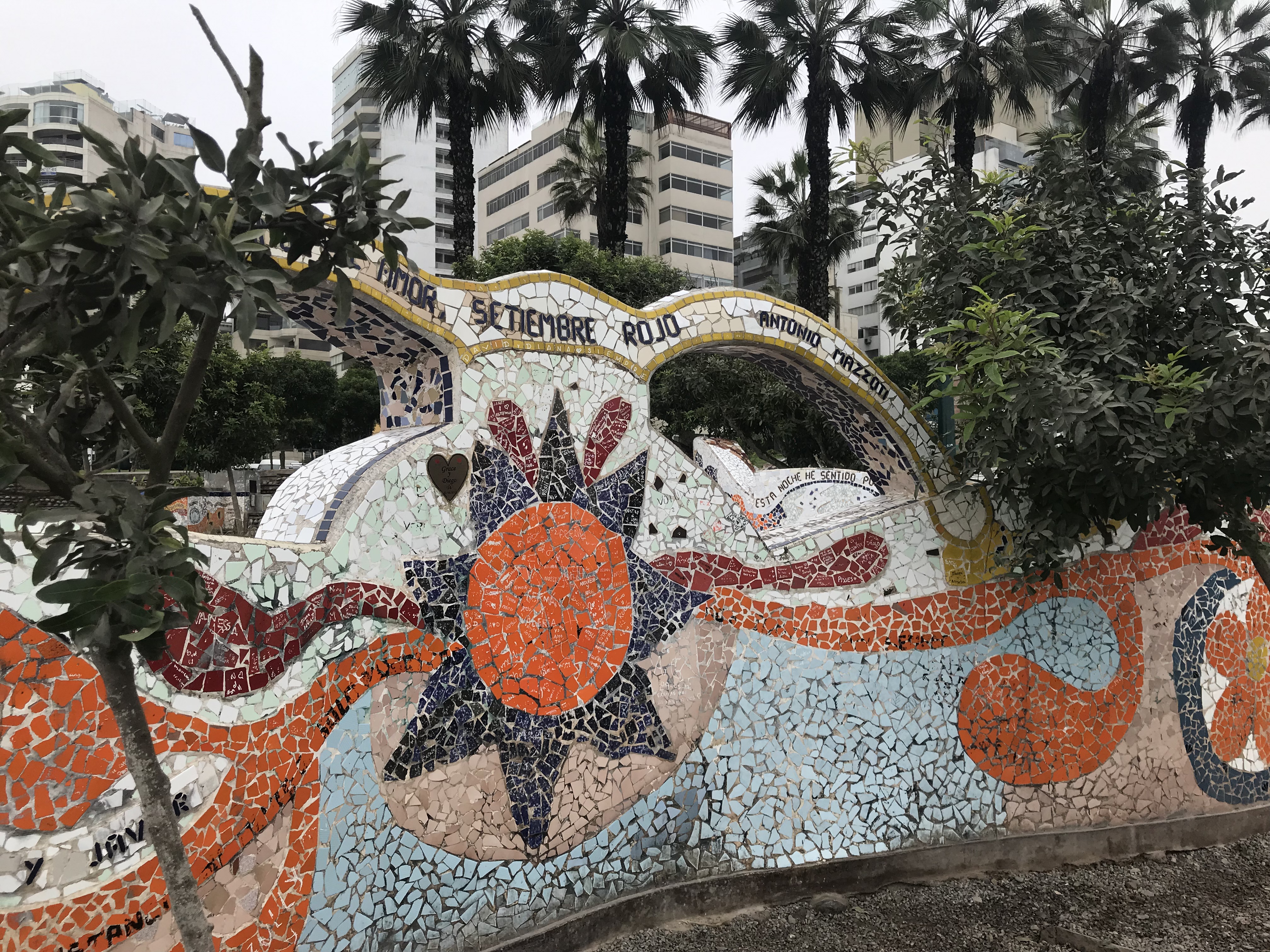
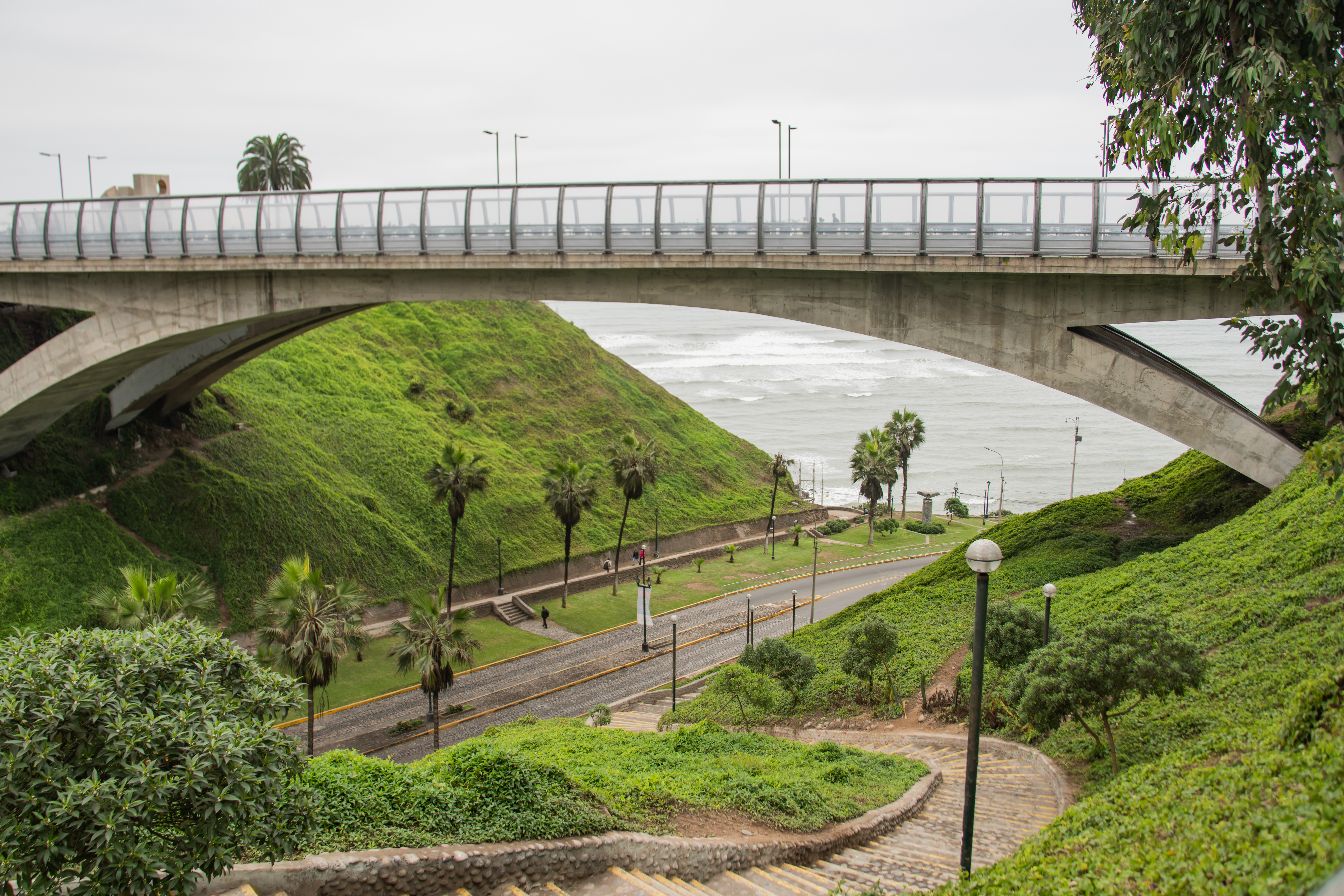
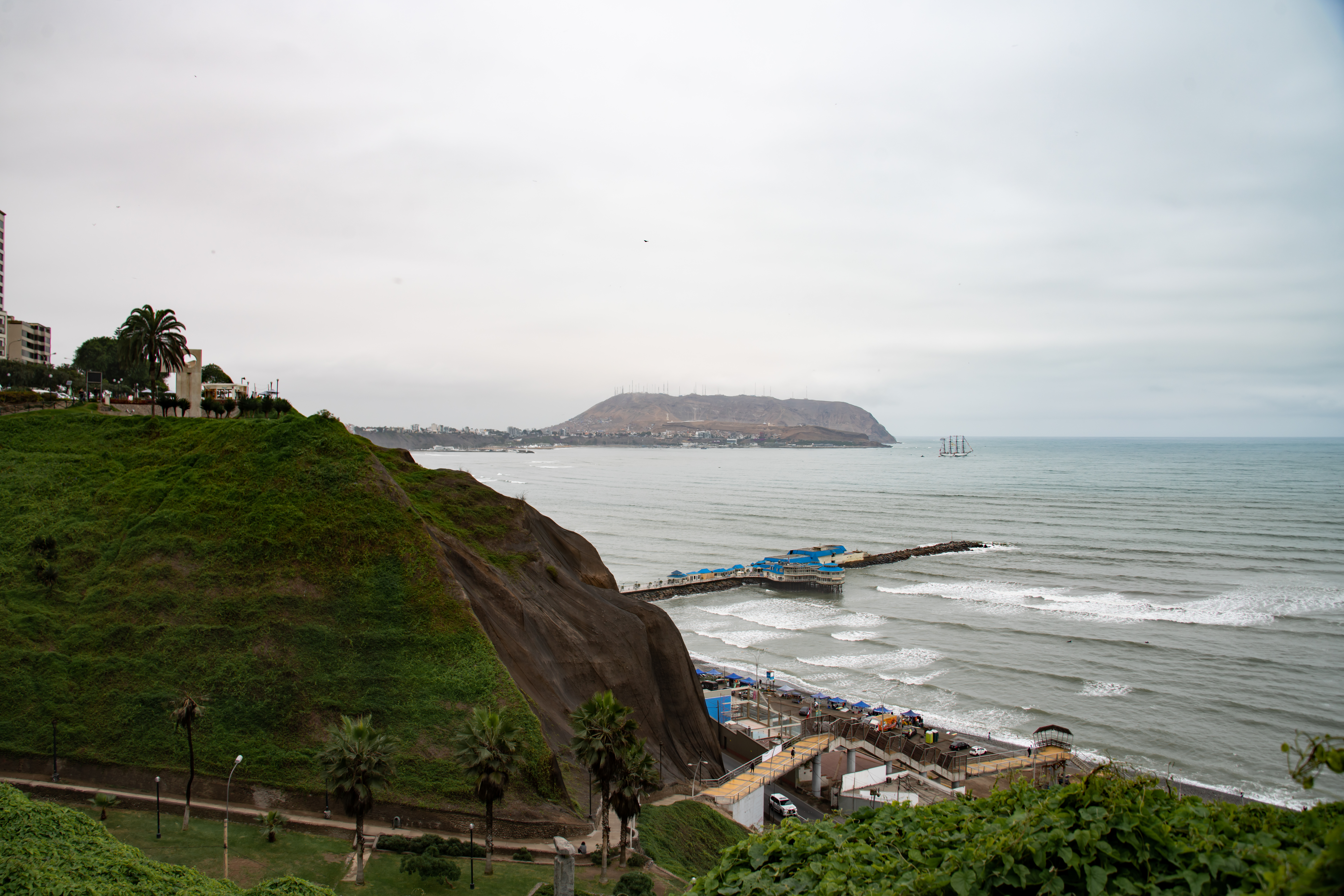
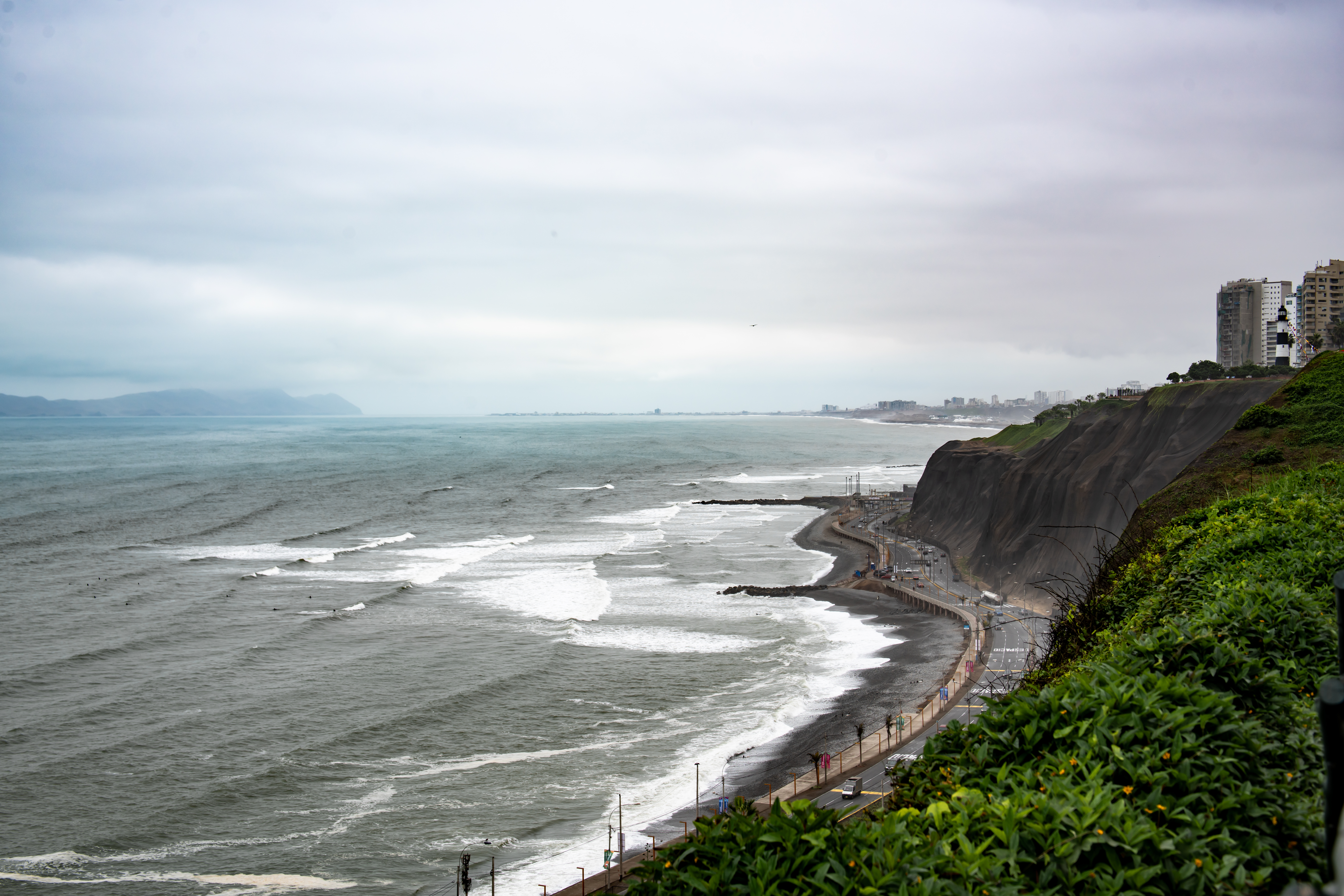
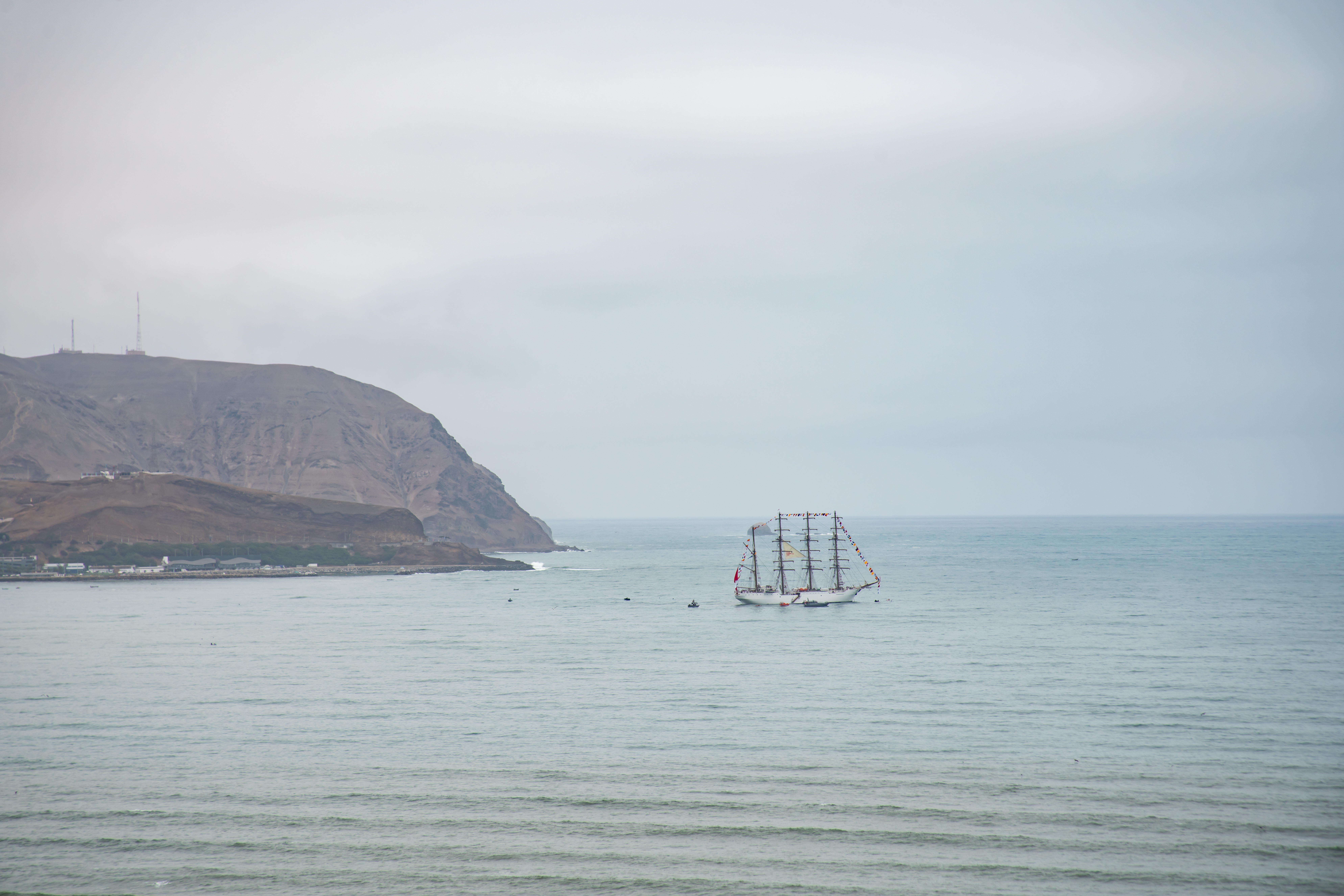
From there we walked out to see the ocean. We headed out to the Parque del Amor and Puente Villena Rey. It was overcast, but still a nice view. Have to keep in mind that it is currently winter down here. Pretty temperate, overall, as it was in the 60s, but still technically winter.
We then went to see a pre-Incan ruin called Huaca Pucllana. This is a clay brick, flat-topped pyramid with surrounding complex that dates back to 600-700 AD. It is only partially excavated (although most of it is). It was a ceremonial center, rather than where people lived. The bricks were all handmade and unfired. They are laid upright like books on a bookshelf. After the Lima people stopped using this site it was used by the Wari Empire. After a few centuries they stopped using the site and it eventually became buried, eventually looking just like a hill until excavations began in the late 1900s.
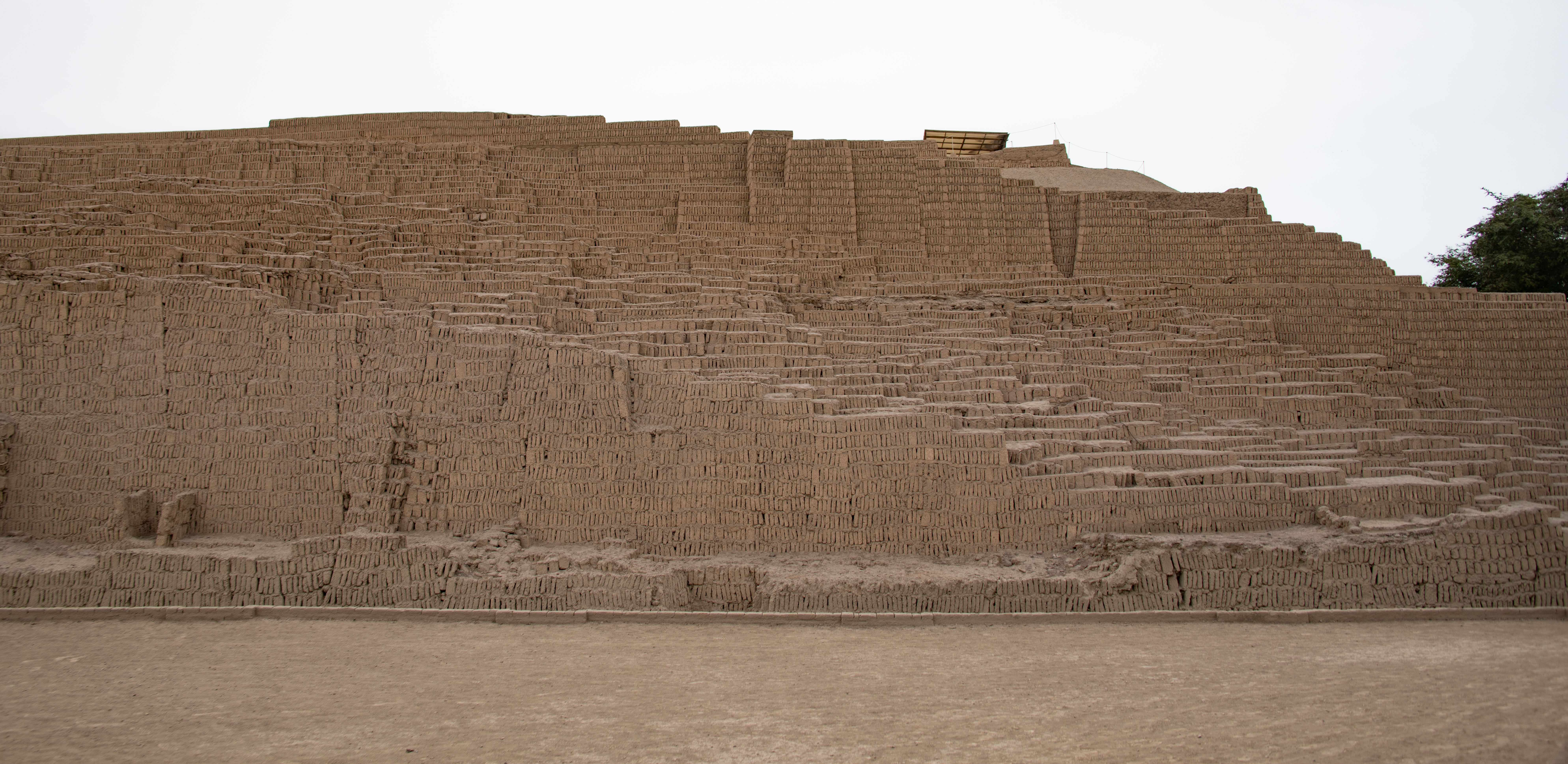
Flat topped pyramid
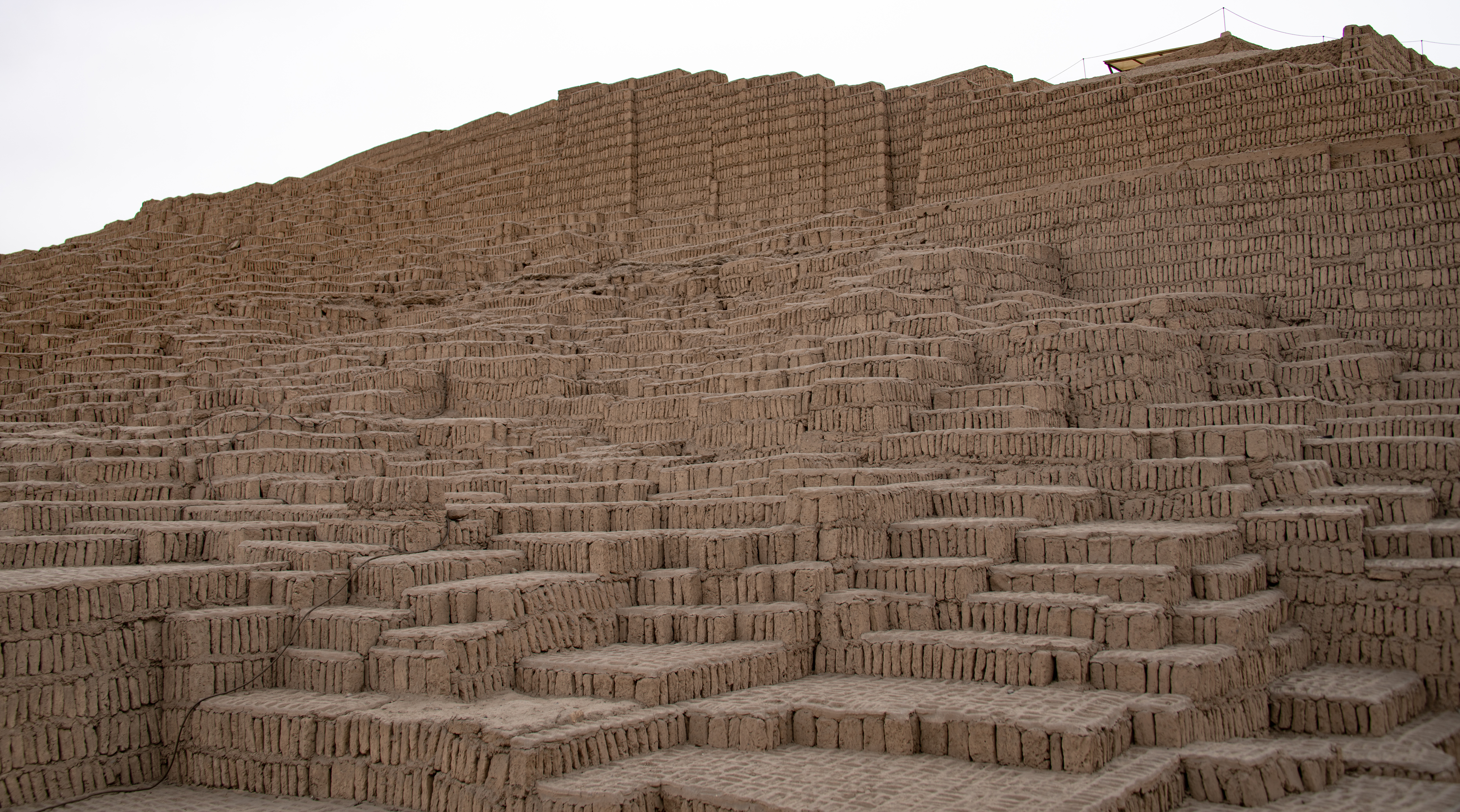
another view of the pyramid
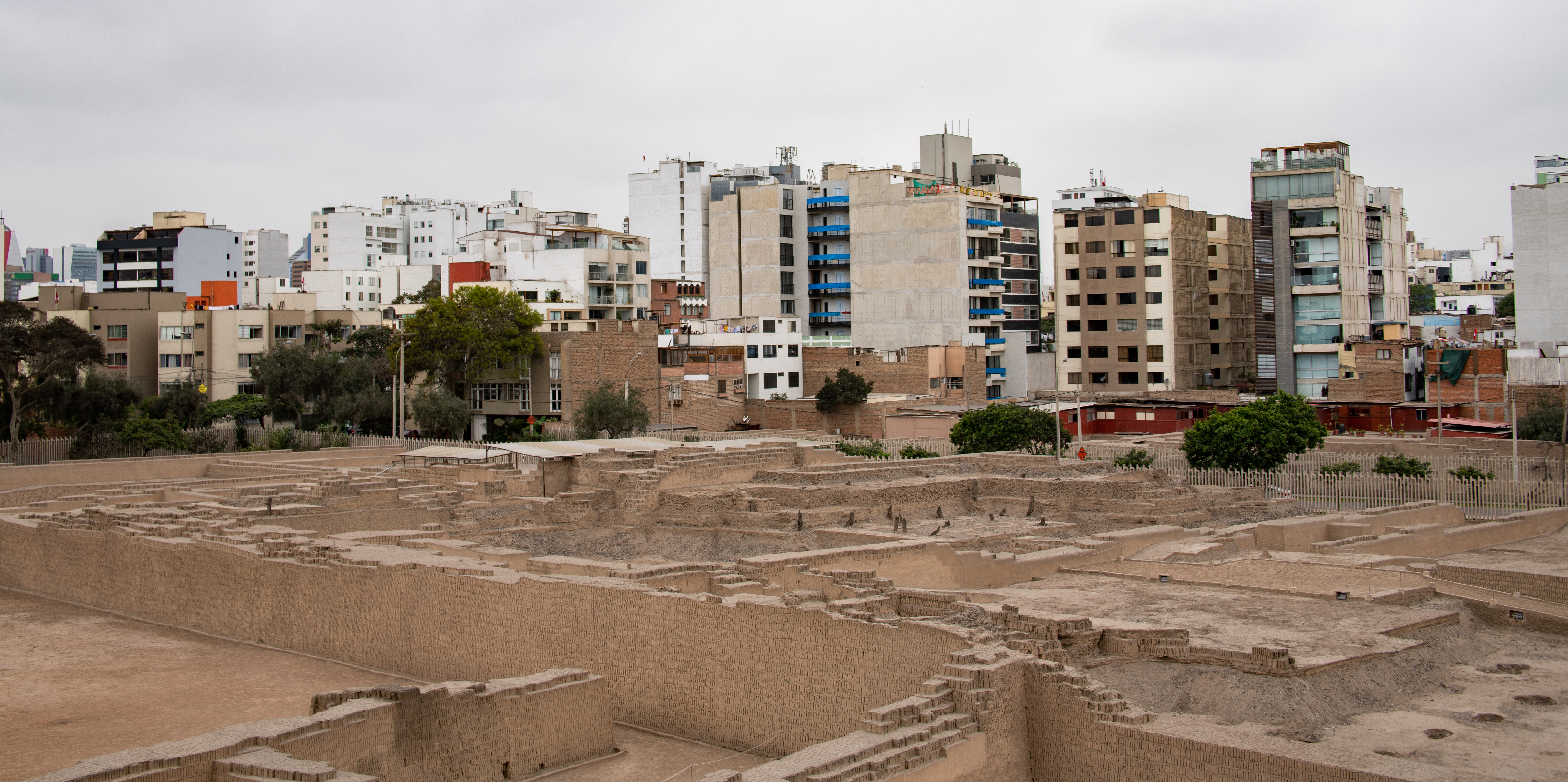
View from near the top of the pyramid
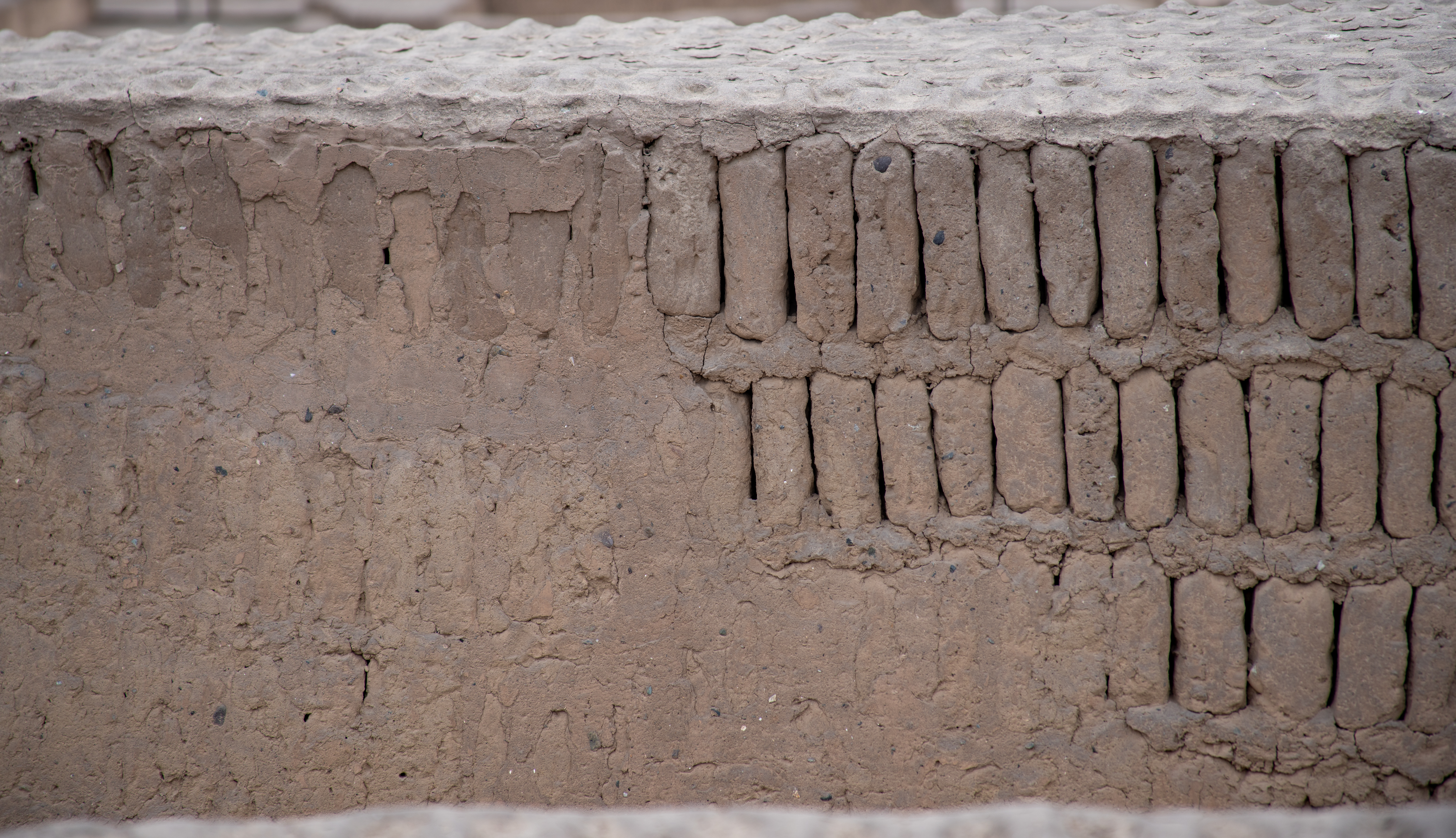
Bricks laid like books on a bookshelf. They would have been covered over and painted with a yellow paint.
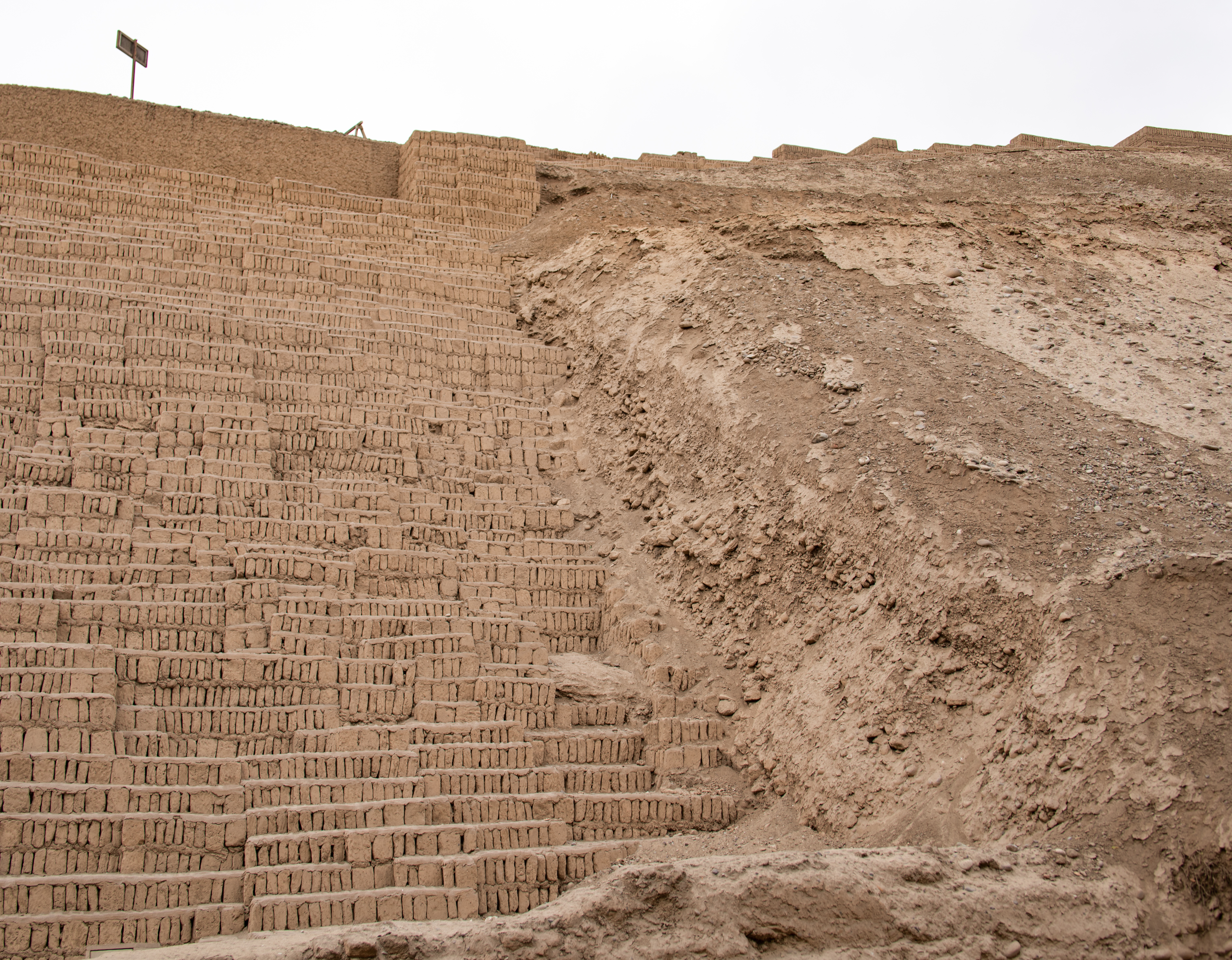
This is the line between the excavated and unexcavated portions
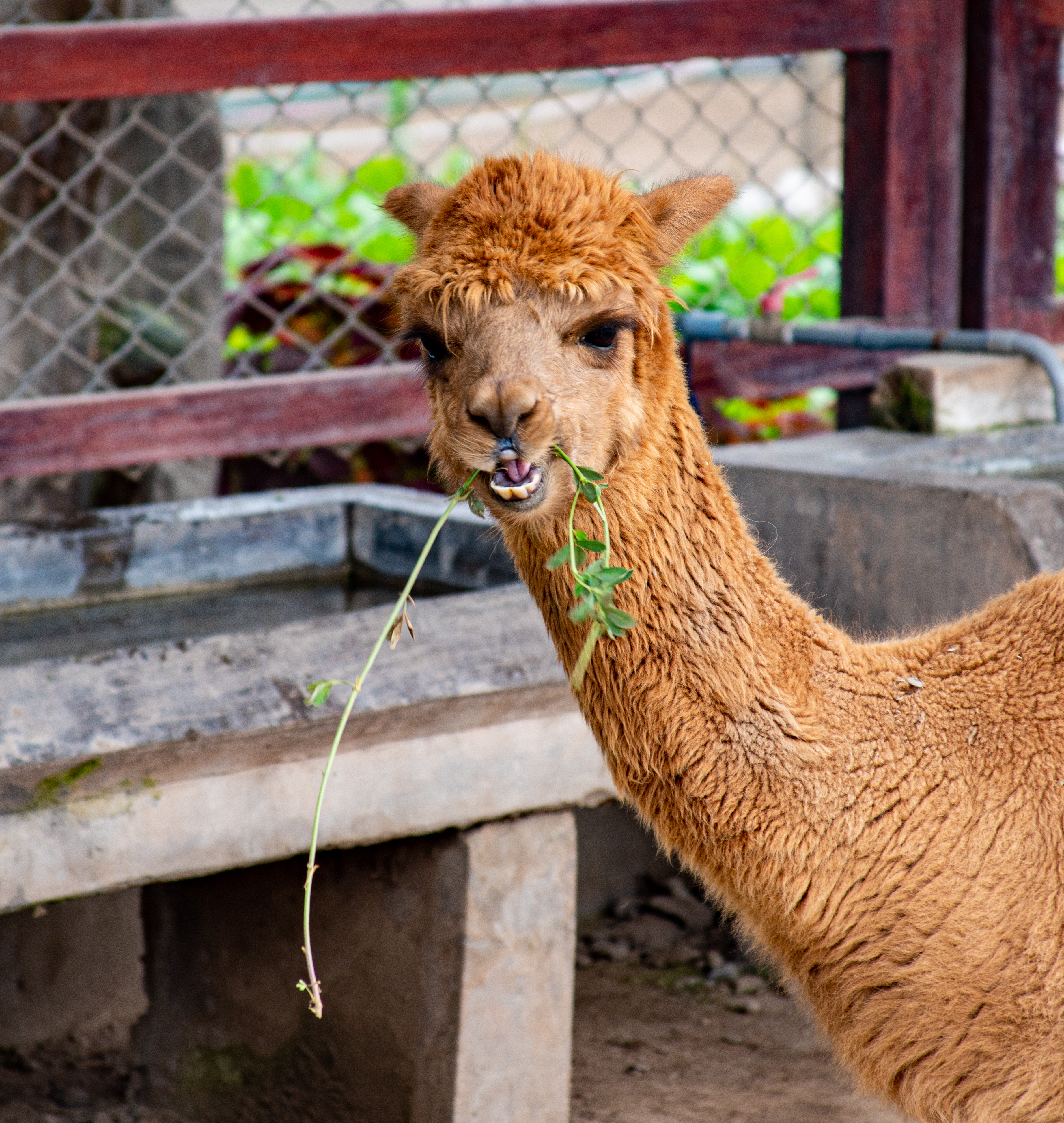
An alpaca they had there. I petted one of his friends.
After lunch we had our city tour through various districts. We got out and explored a bit at the Plaza de Armas which is the main square of the city. The location of the square was chosen but Francisco Pizarro. This square has multiple important buildings. One of these is the Basilica Cathedral of Lima, which was initially constructed in 1535, although it has had many renovations and reconstructions since then. Its towers have fallen in earthquakes, so they have been replaced with wooden structures. The Basilica contains the tomb of Francisco Pizarro. The square also has the Government Palace and City Hall. The Government Palace was originally built by Francisco Pizarro in 1535. They have guards in the courtyard in front of the Palace and they have a changing of the guard each day at noon similar to what they have at Kensington Palace in London.
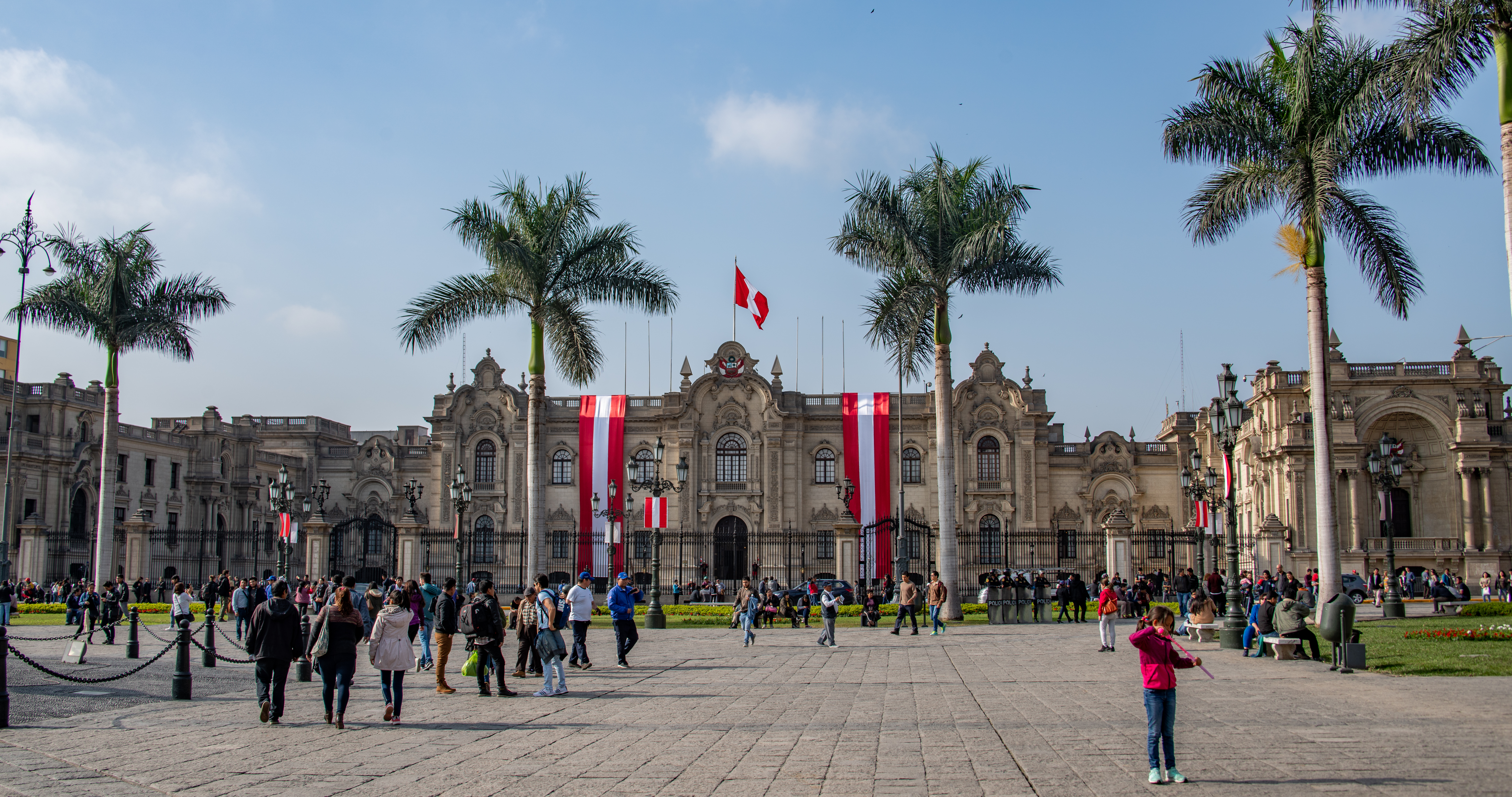
Government Palace

Basilica Cathedral of Lima
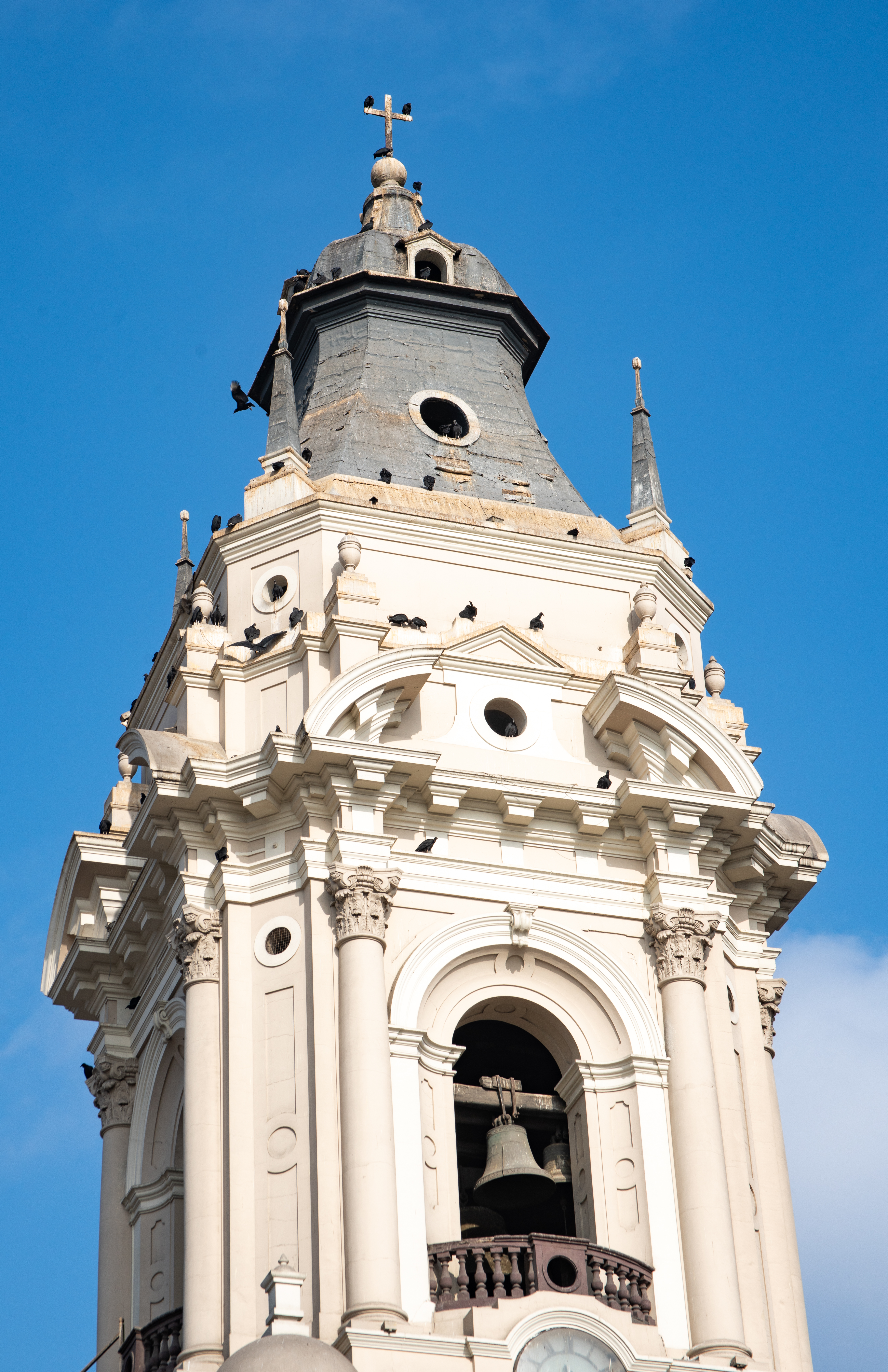
One of the towers of the Cathedral. Those are buzzards on there. Lots of them!
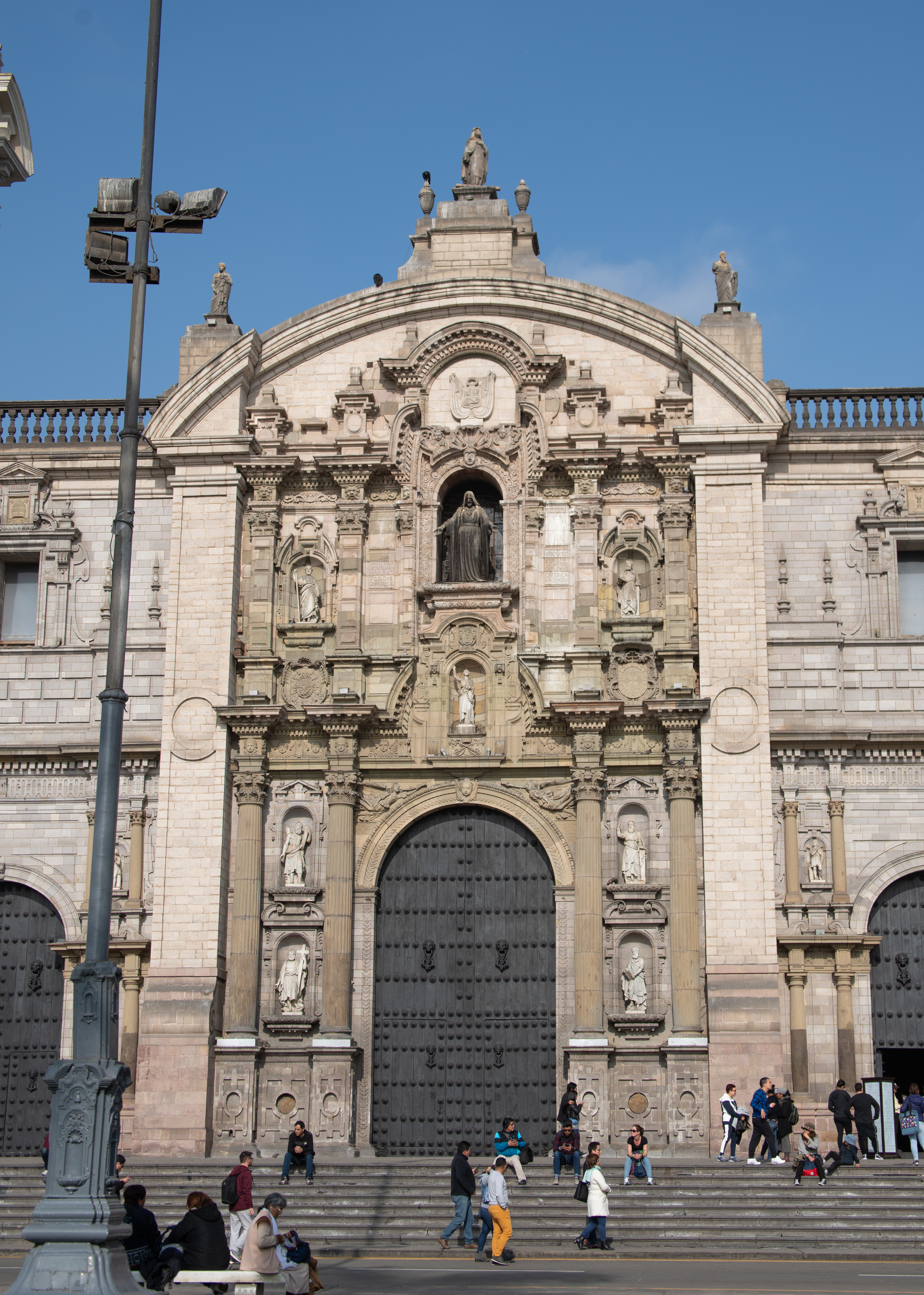
Entrance to the Cathedral
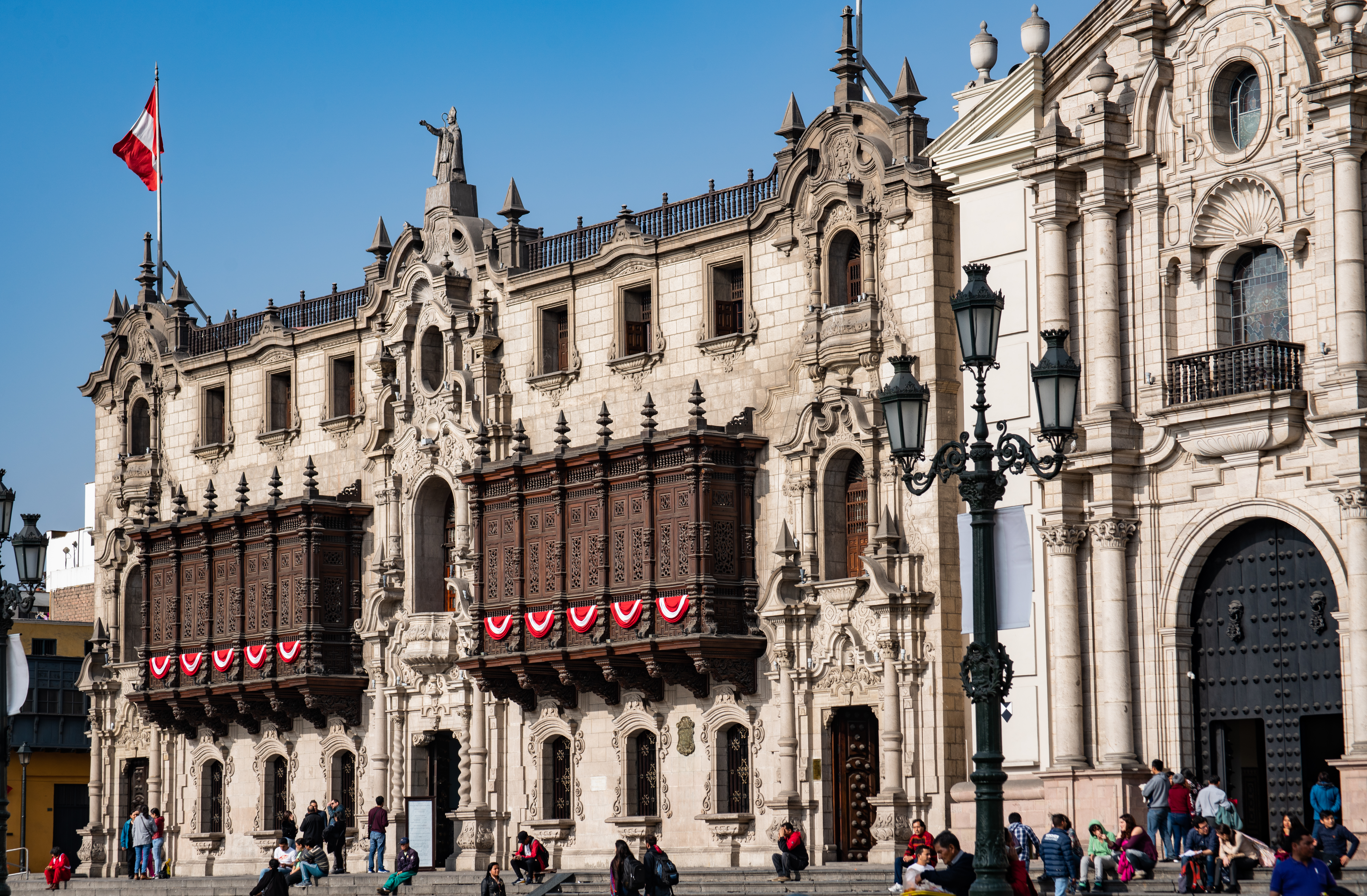
Bishop’s Residence
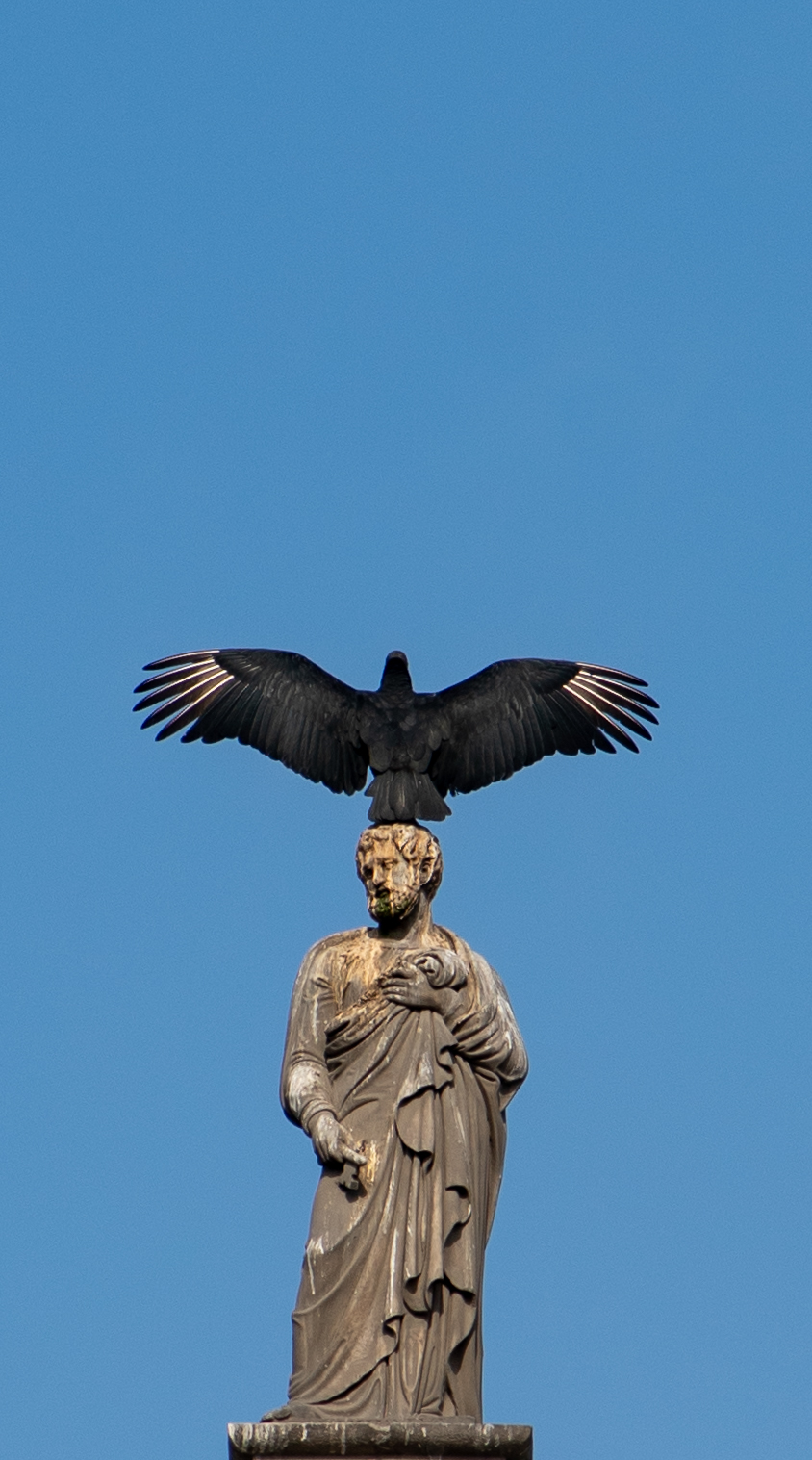
Buzzard on a statue on the top of the Cathedral
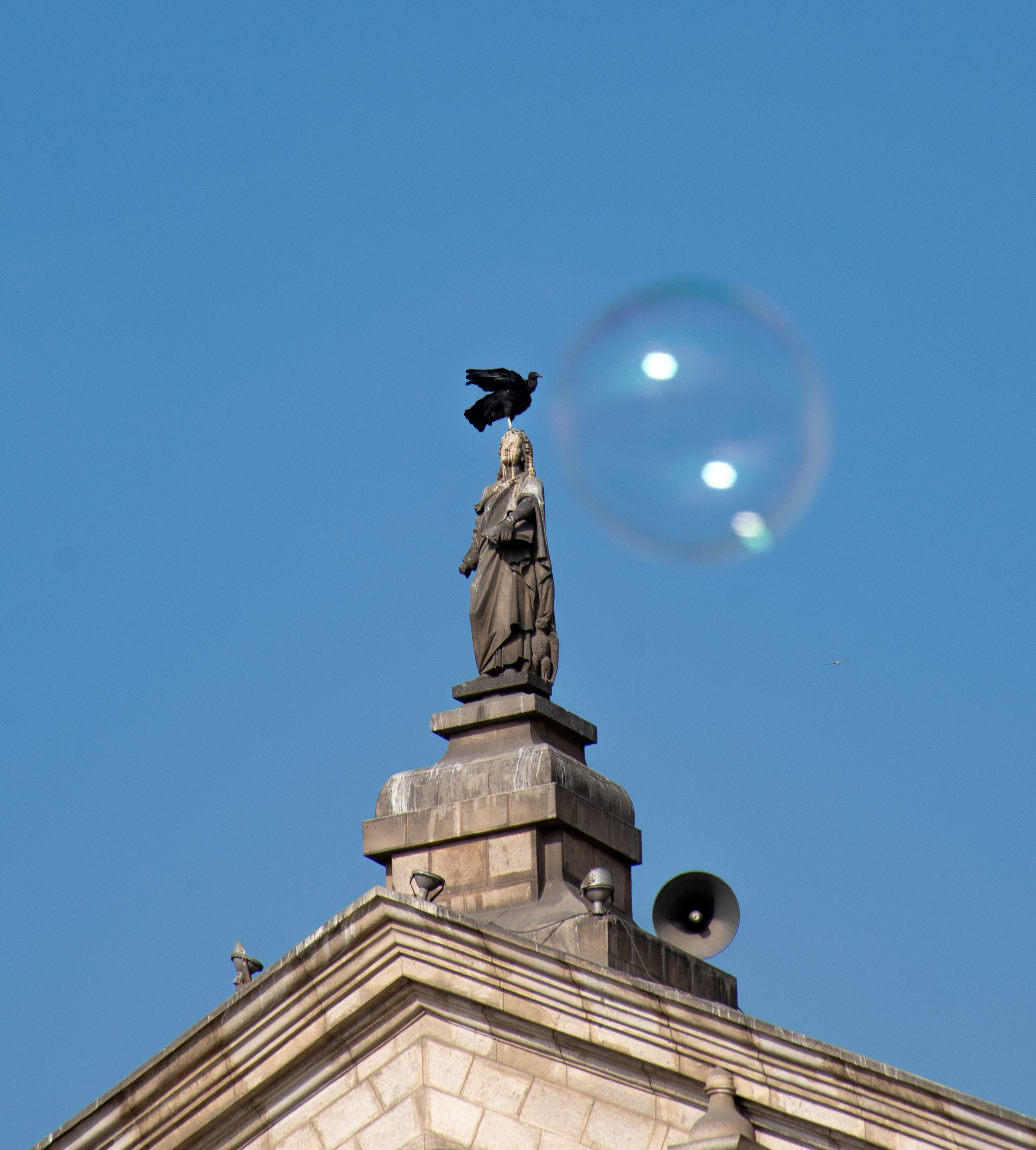
There were kids playing with bubbles in the square. This one made it into my buzzard pic.
We then went to the San Franciscan Convent and catacombs, which was just a few block from the Plaza de Armas. The catacombs have the bones of about 25,000 who had been in mass grave and crypts. Like all other catacombs we have been in before, we weren’t allowed to take pictures. The catacombs were a major burial place until the early 1800s when a city cemetery was established. The bones that are there have been organized in groups (mostly large bones remain like the femur and humerus) with some set up in geometric designs. The convent is active and is known for its library which has some pre-conquest books. I was told by our guide that they don’t have a way to keep them in a temperature and humidity controlled environment, so some are in disrepair. The library is quite quaint-appearing with 2 spiral staircases going up to the second story. Again, I wasn’t permitted to take pictures there. The only area I could photograph was their cloister courtyard. The cloisters themselves had old frescoes that they are in the process of uncovering.

San Franciscan Convent cloister courtyard
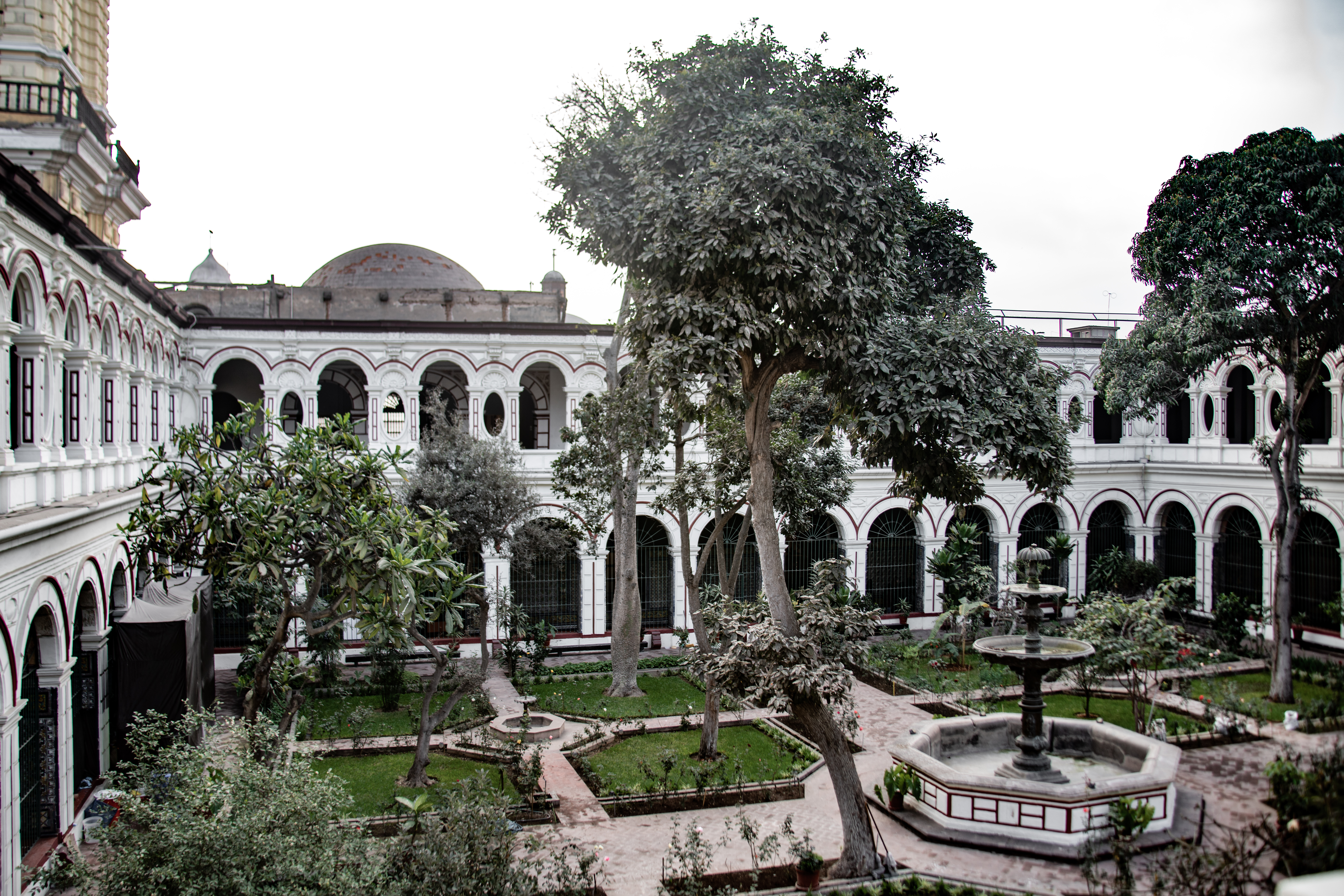
San Franciscan Convent cloister courtyard
We finished our evening with dinner at a nice restaurant by our hotel. I had Peruvian food and Paul had pizza. About right.


Leave a Reply