This morning we flew from Lima to Cusco. This involved going from essentially sea level to over 11,000 feet. We got to Cusco at 1, dropped off our bags at the hotel, and joined our tour group.
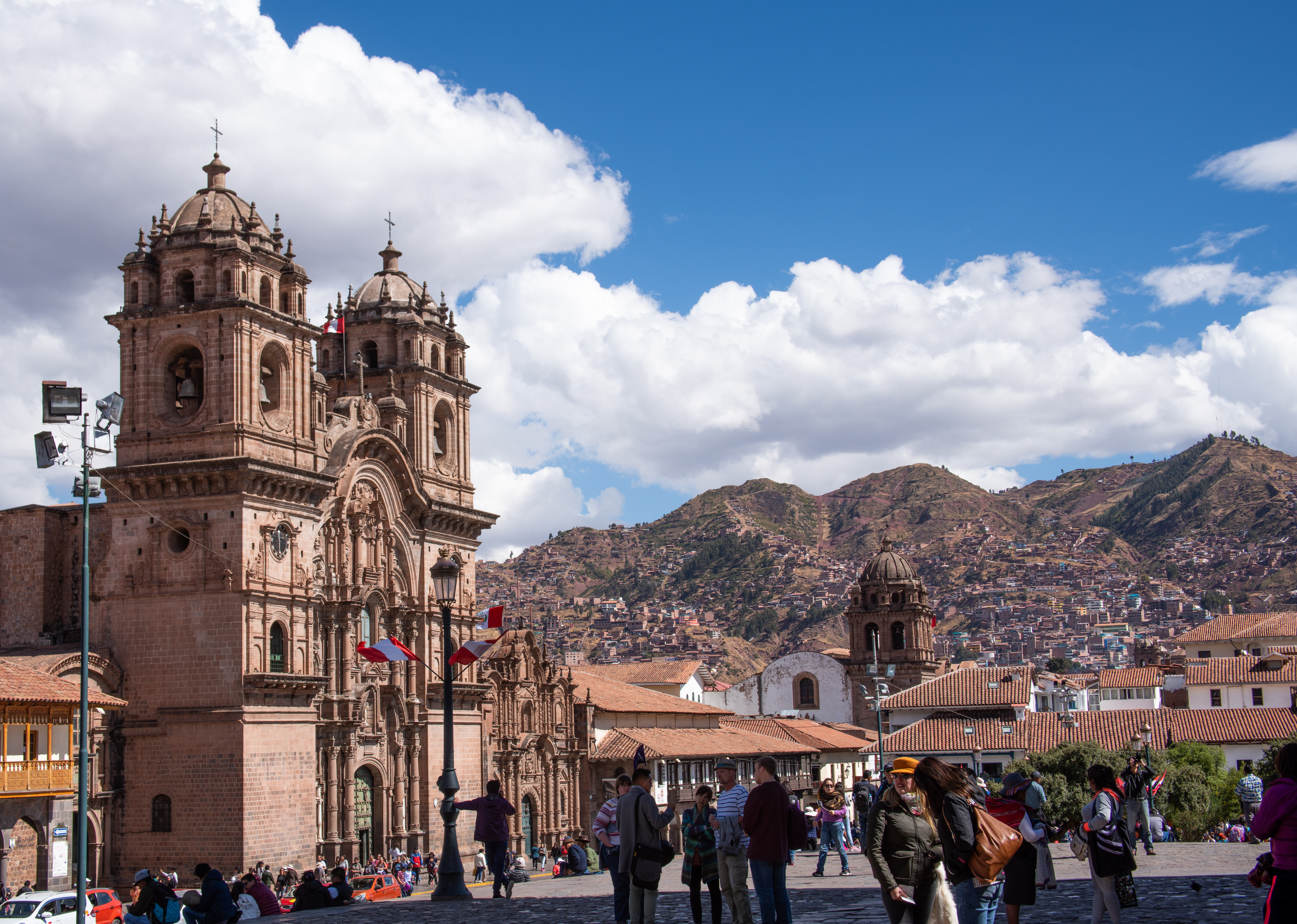
Plaza de Armas
We started out at the Cusco Cathedral. This was built by the Spanish on the site of the Incan temple of Kiswarkancha, which the Spanish dismantled. They also dismantled part of a nearby site, Sacsayhuamán, to construct the cathedral. This second site, you will see later, includes some huge stones that the Spaniards could not move, which means you can still visit Sacsayhuamán today. The Cusco Cathedral is a mix of Gothic-Renaissance with a touch of Baroque for good measure. It does have some great local, historical artwork. My favorite is a huge painting of the Last Supper, Peruvian-style. It was painted by Marcos Zapata, a Peruvian Quechua painter. The table has a guinea pig served up and there are glasses of chicha, a local beer made from corn. There are other native foods laid out. Also, Judas at the table is represented by Francisco Pizarro, the Spanish conquistador who defeated the Incas. Like many churches, they did not allow pictures and they had a lot of “hall monitors” around catching people. I wanted a picture of that painting. I also really wanted a picture of the rules. Not only could you not take pictures…you also could not “bounce the trash cans.” There has to be a story behind that.
We returned to Cusco and went to Qurikancha, or now the Church and Convent of Santo Domingo. Again, the Spaniards built over an Incan sanctuary, but this time they actually incorporated it into their new structure instead of destroying it completely. The current convent is a reconstruction as the original Spanish one was damaged, but the Incan structure still remains.
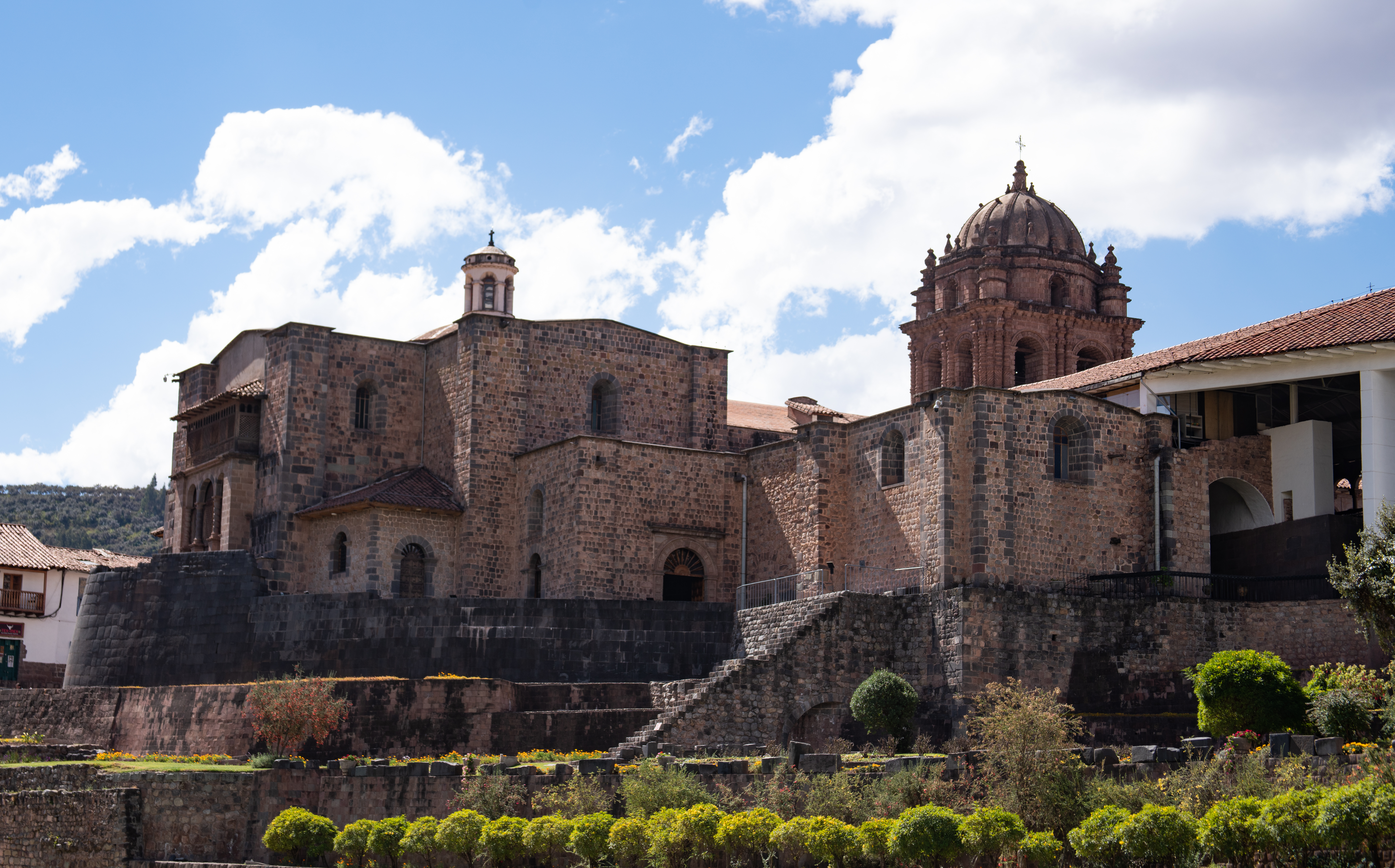
Qurikancha: the larger, more uniform stones at the bottom left are Incan.
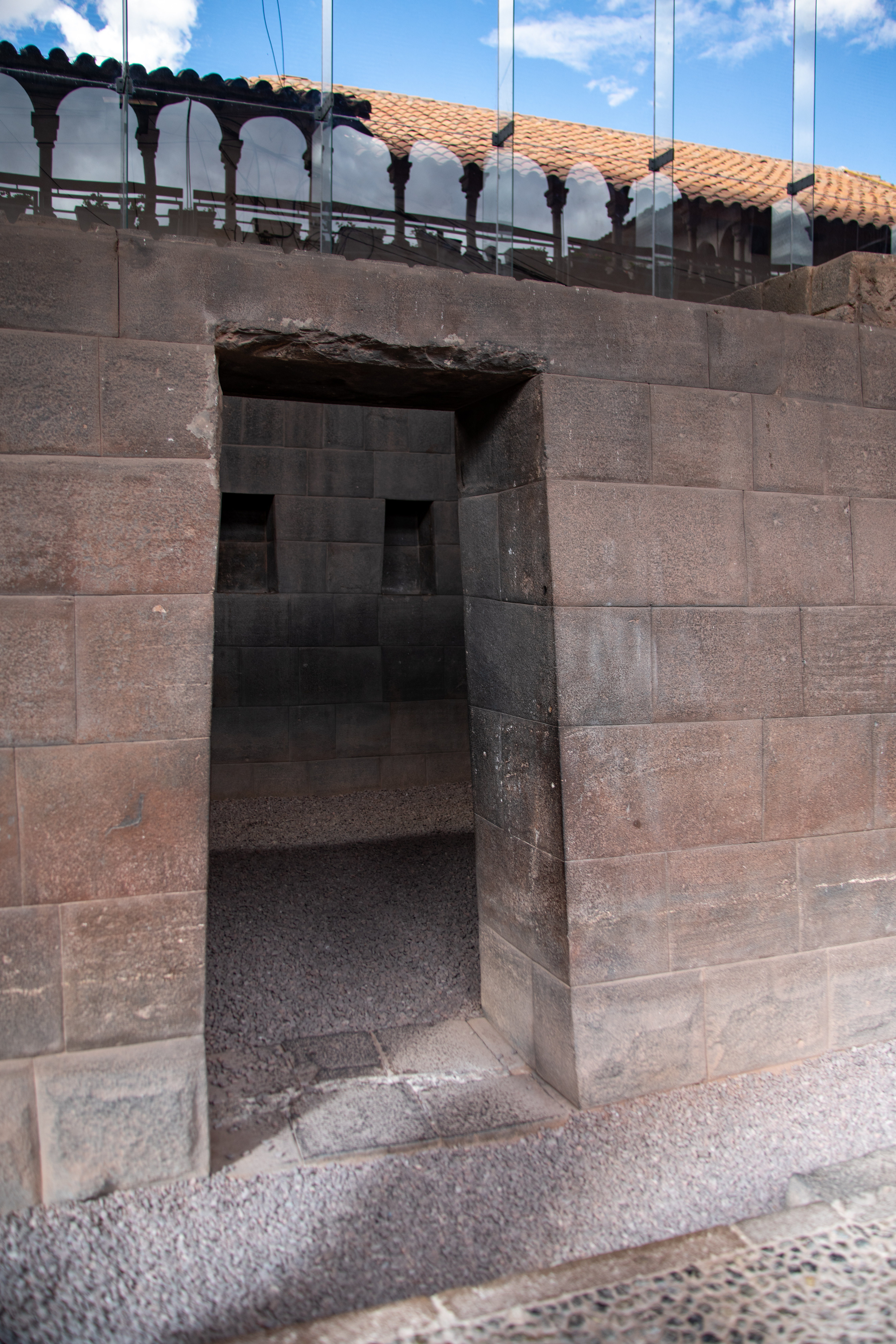
Incan walls inside the convent. If you look at the top they are notched. Our guide said they are like ancient legos in the way they fit together. This is part of how they could make them without mortar.
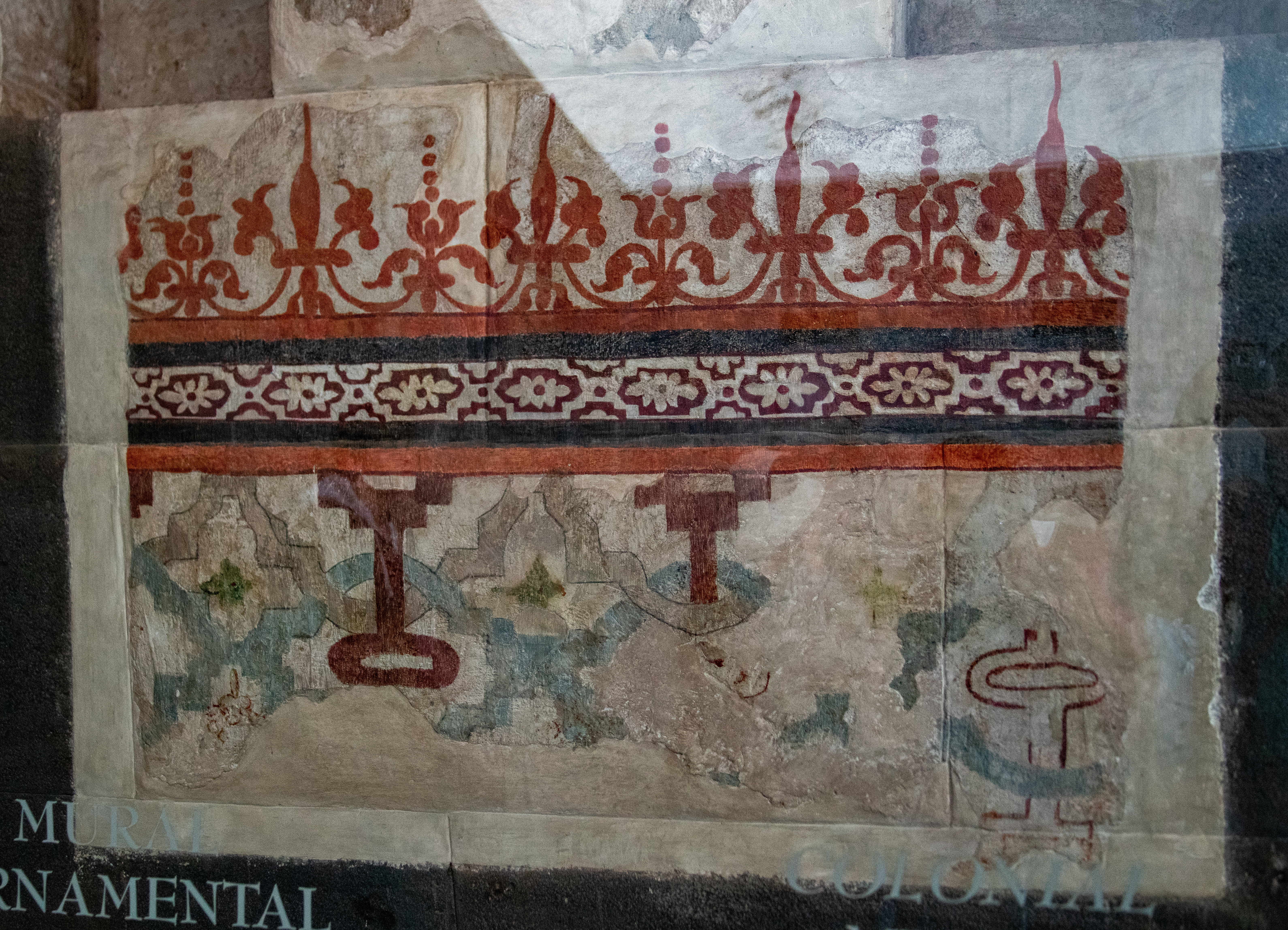
Frescoes that were uncovered after an earthquake. They had been plastered over by the Spaniards.
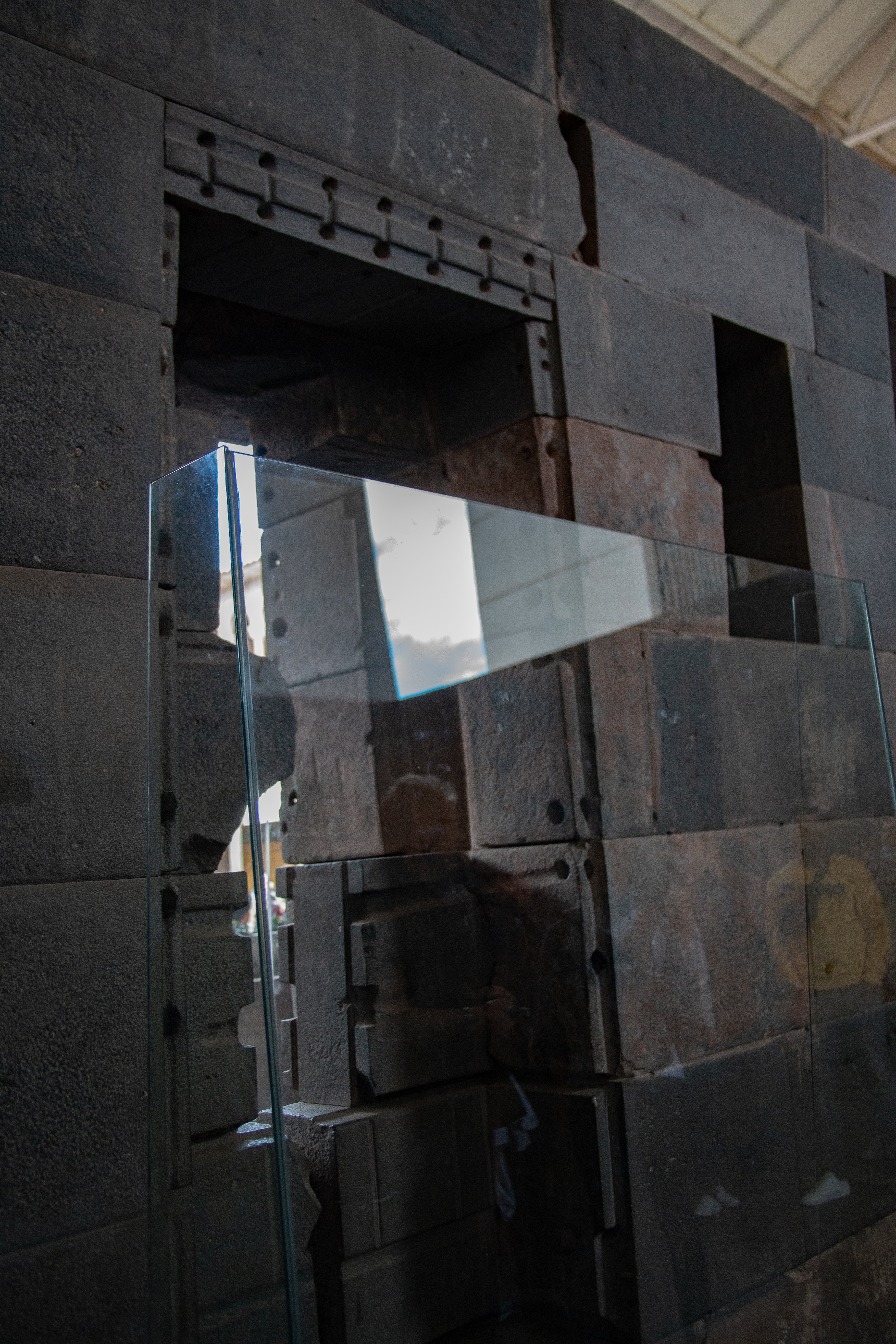
The holes in the stones allowed for textiles to be tied up to cover this opening. The holes were made without breaking the stones even though they are close to the edges.
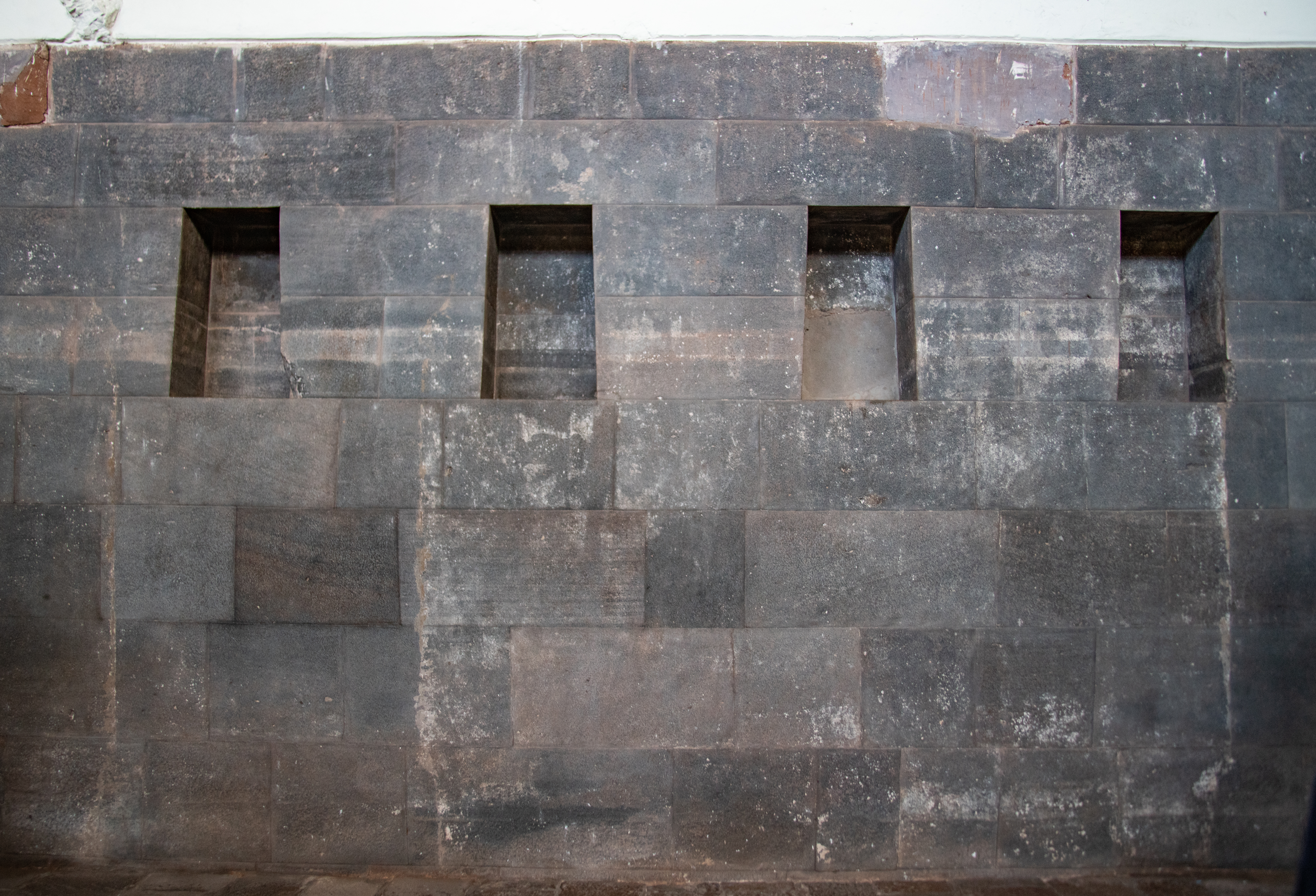
Niches in the wall
Next we went to Tambomachay. This is a water temple with springs and a series of aqueducts that constantly flow. It may have been an Incan bath, used by the Incan upper class. It was likely built around 1500. This site is at the highest elevation we went to today: 12,350. Boy did we feel that elevation. The stonework here is very precise. This also may have served as a military outpost.
One of the aqueducts.
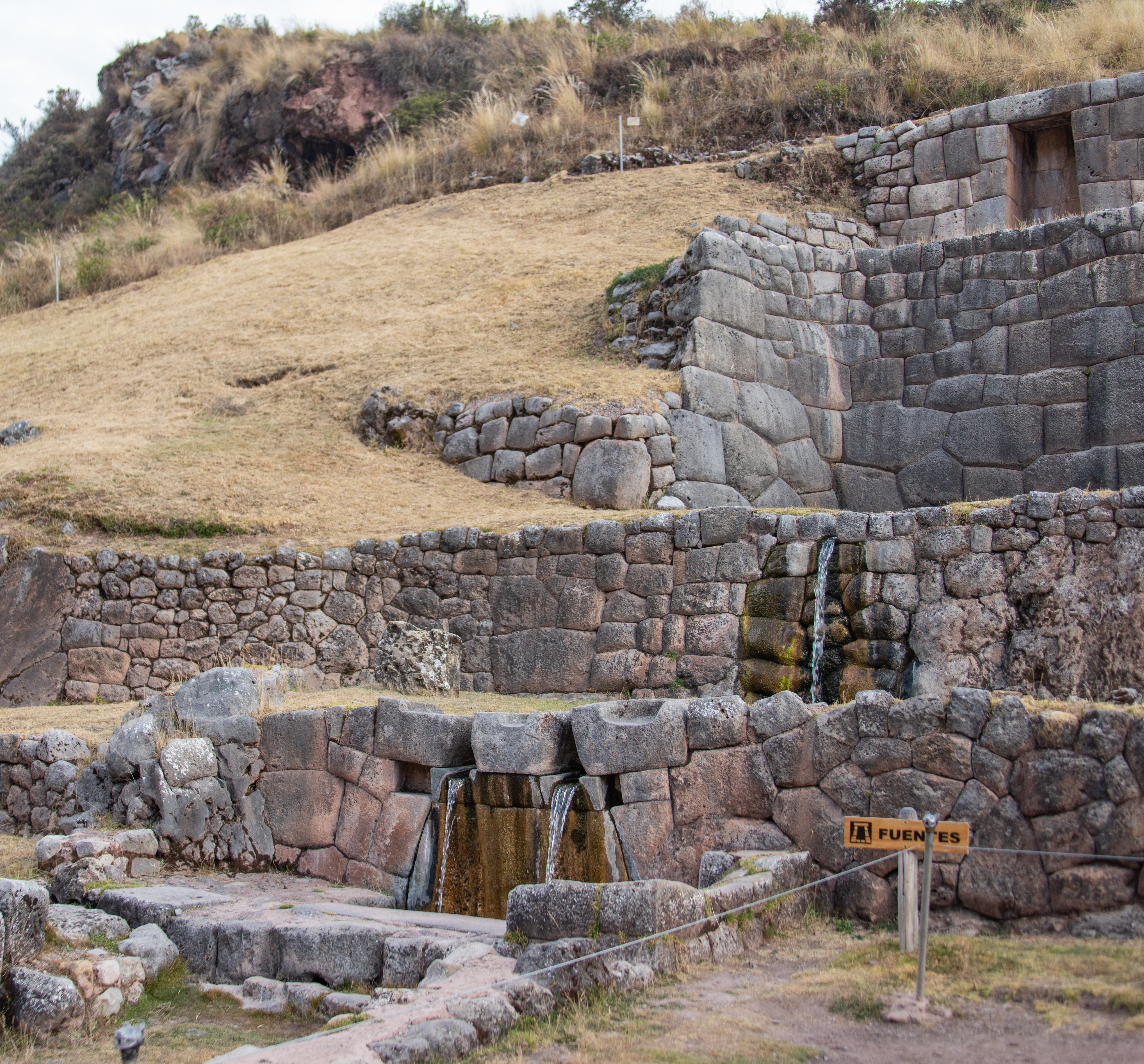
The main part of the site

The main part of the site
We drove by Puka Pukara, or the red fort. This was likely a guard post.
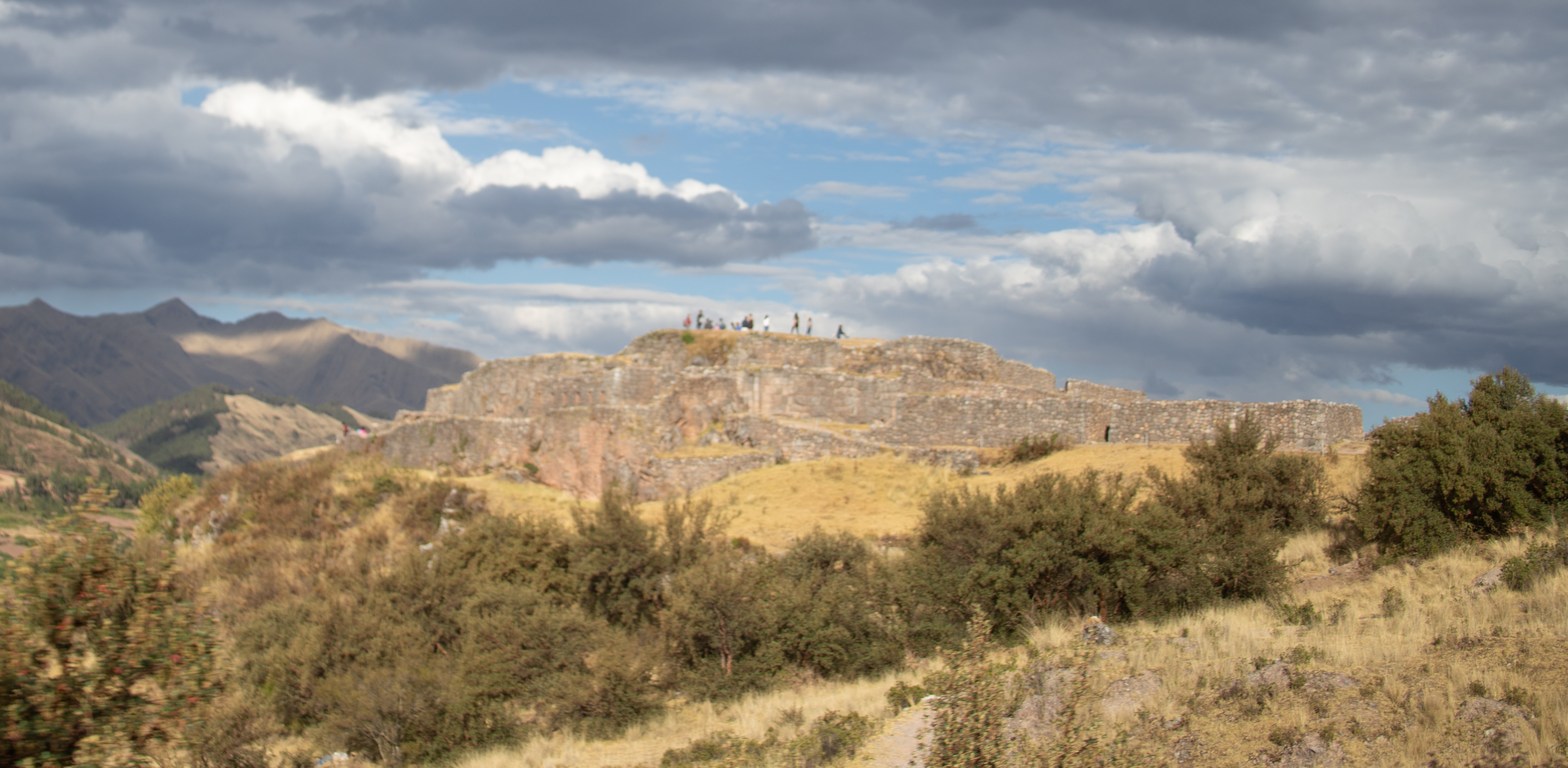
Puka Pukara: Please excuse my “drive by shooting” photography
From there we went to Q’enko. This is basically a single huge limestone rock with tunnels in it. In one of these is an altar where it is thought they did embalming, maybe sacrifices. This site may have also been used for worship as one of the stones lines up at the winter solstice.
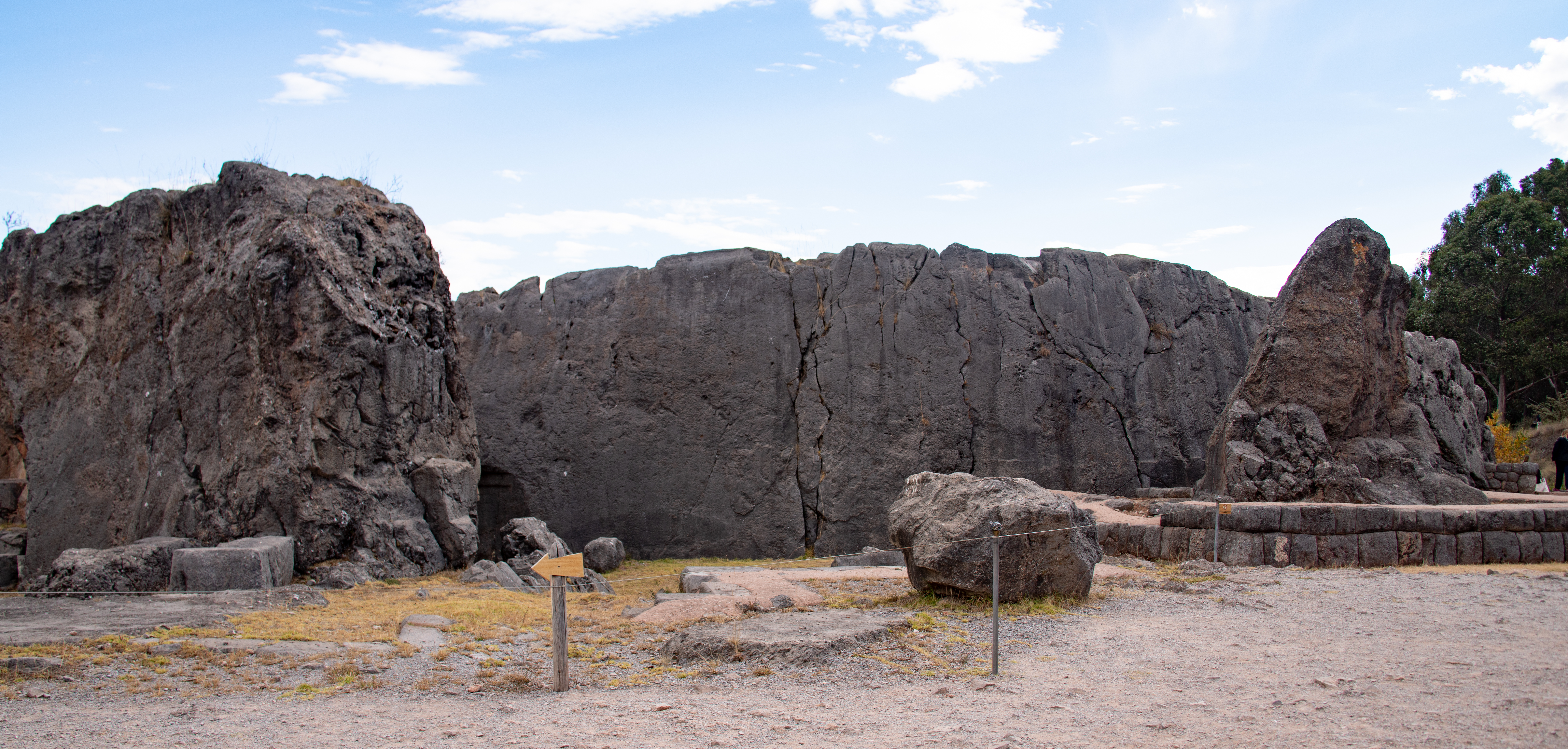
Q’enko
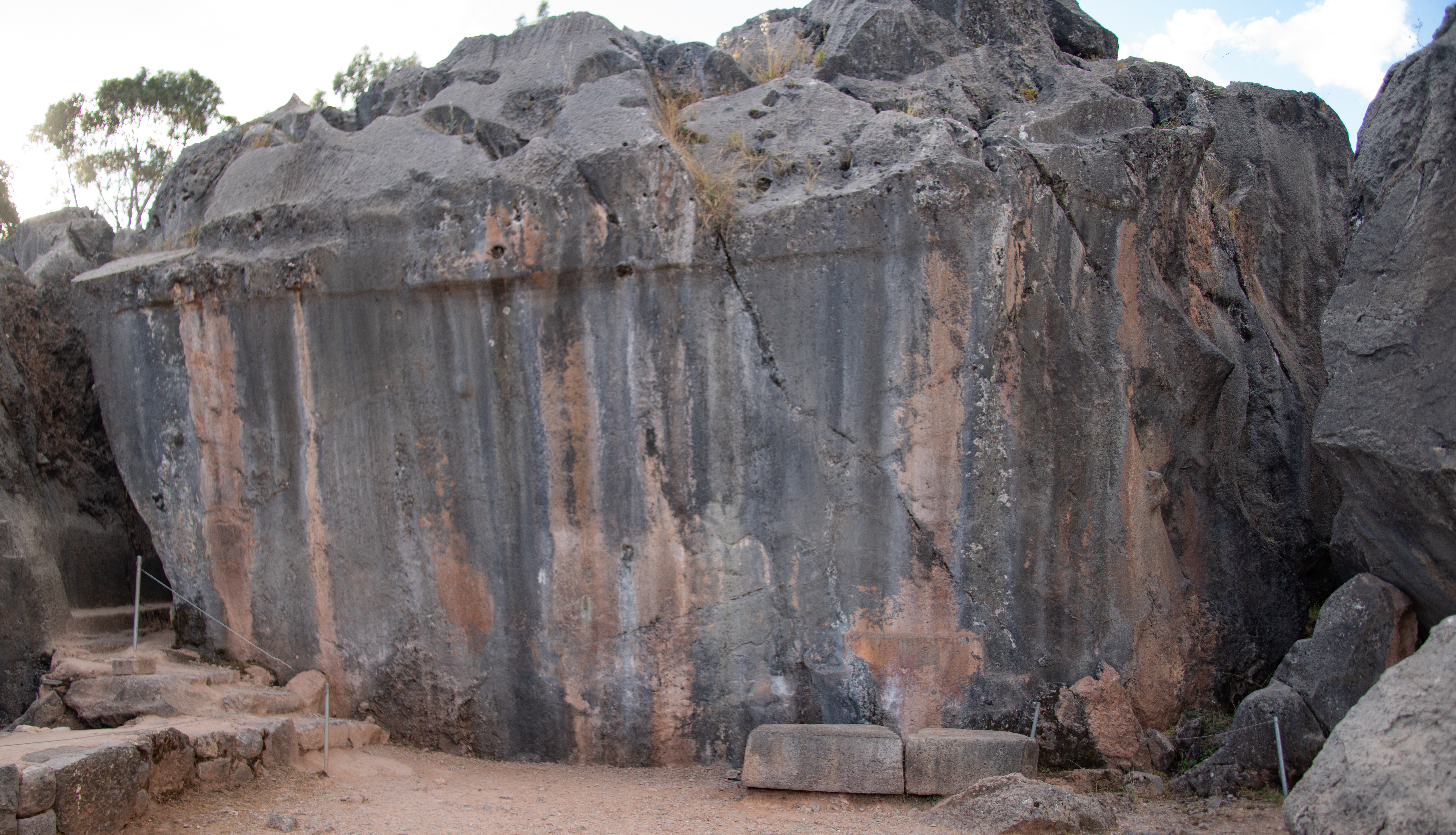
Back side of the large stone
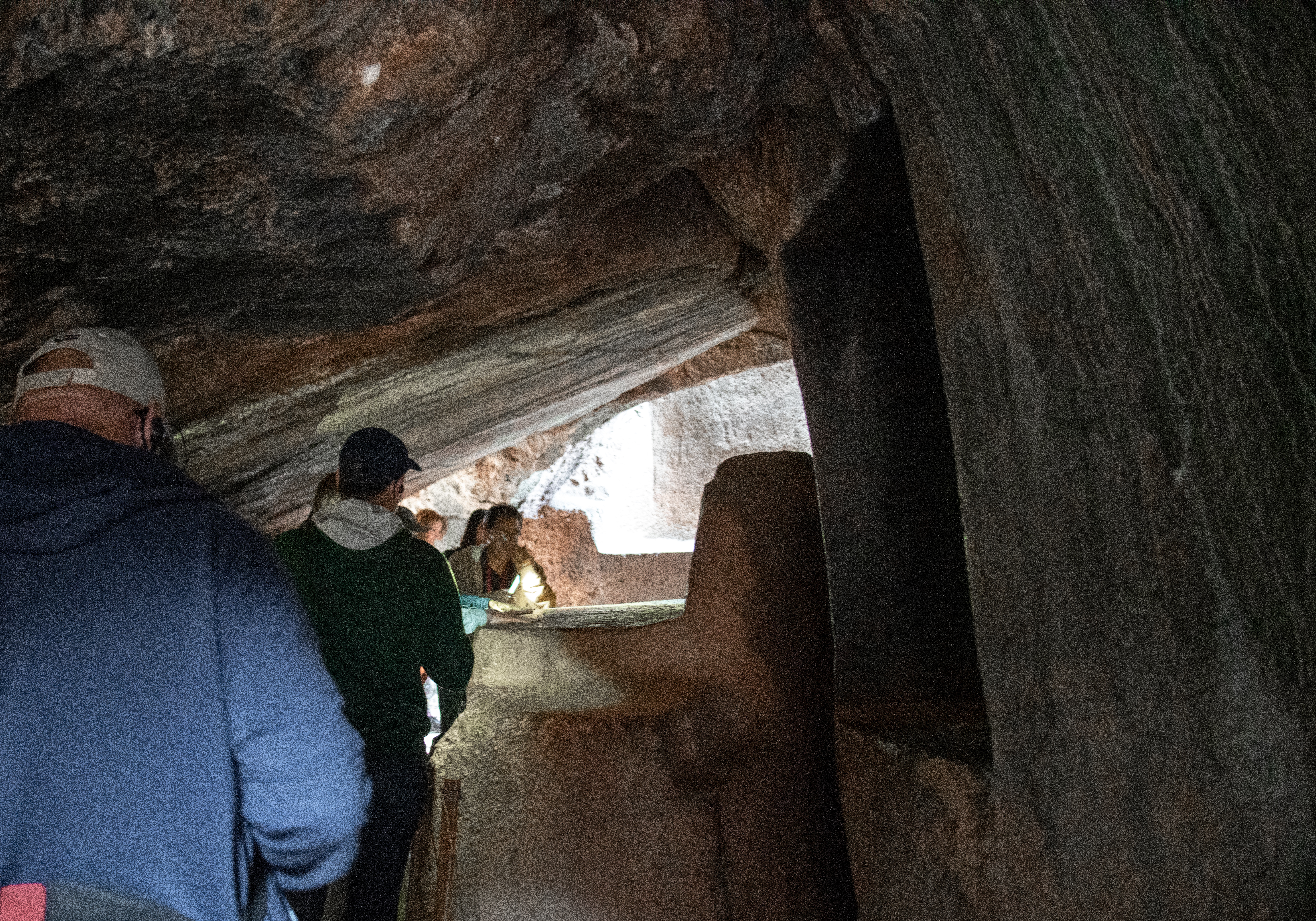
Tunnel with altar
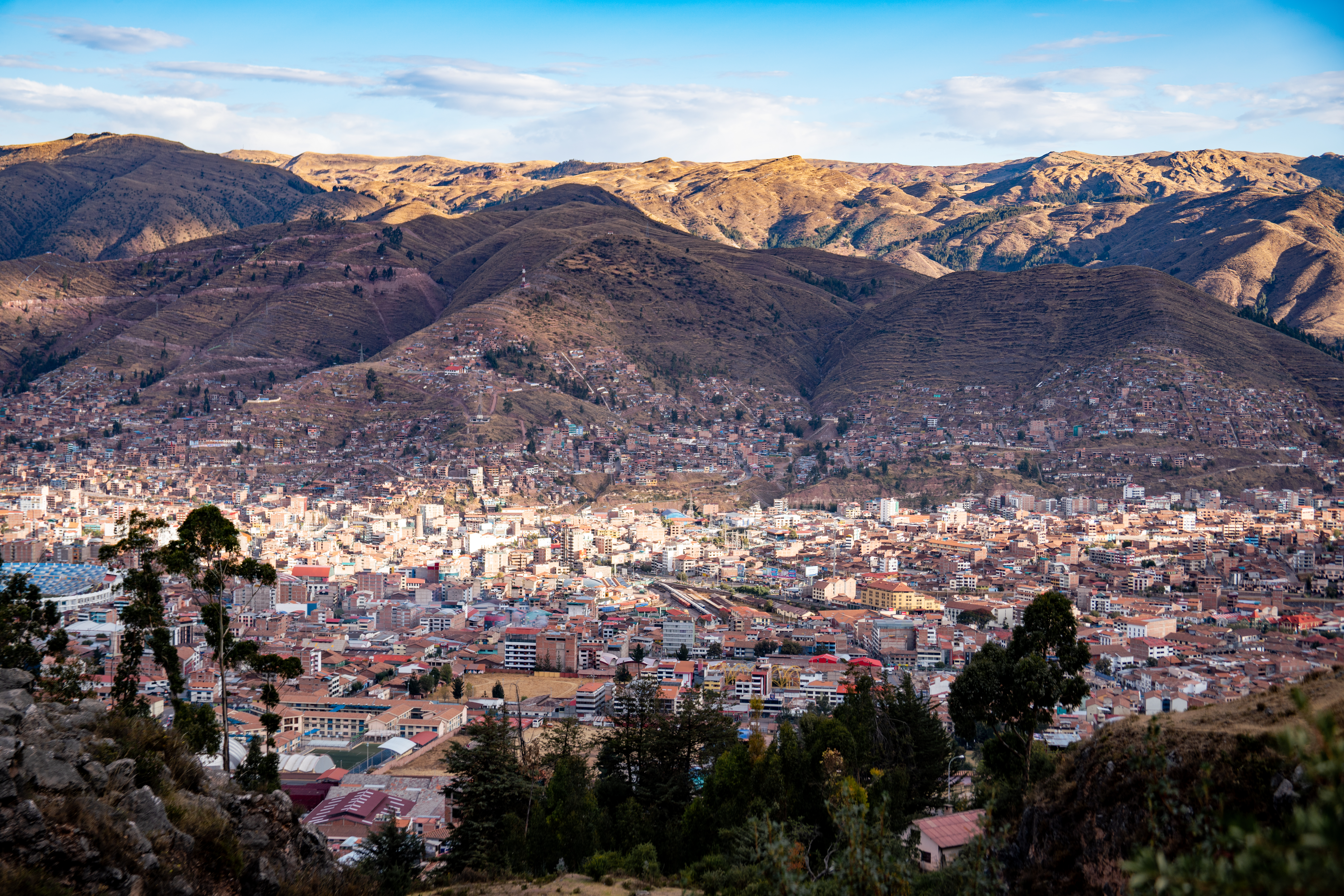
View of Cusco from Q’enko
Our next stop was a much larger site: Sacsayhuamán, which I mentioned earlier. This was an Incan fortress and religious center. It has an unusual zig-zag structure and it is known for its huge stones. They are fitted without mortar. This site was originally built on by the Killke people (although it was inhabited before they built) and then added on to by the Incas. It is located on a hill overlooking Cusco.
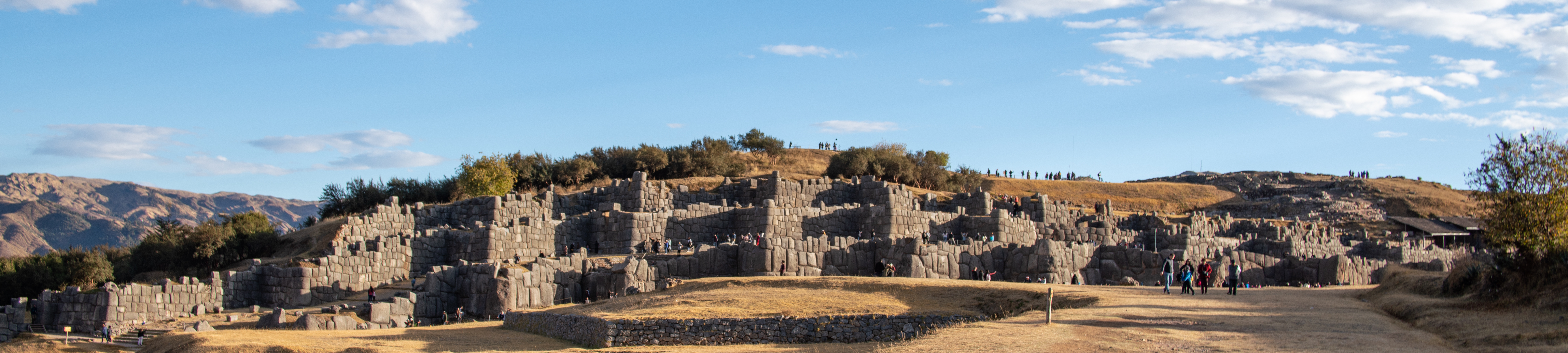
Sacsayhuamán
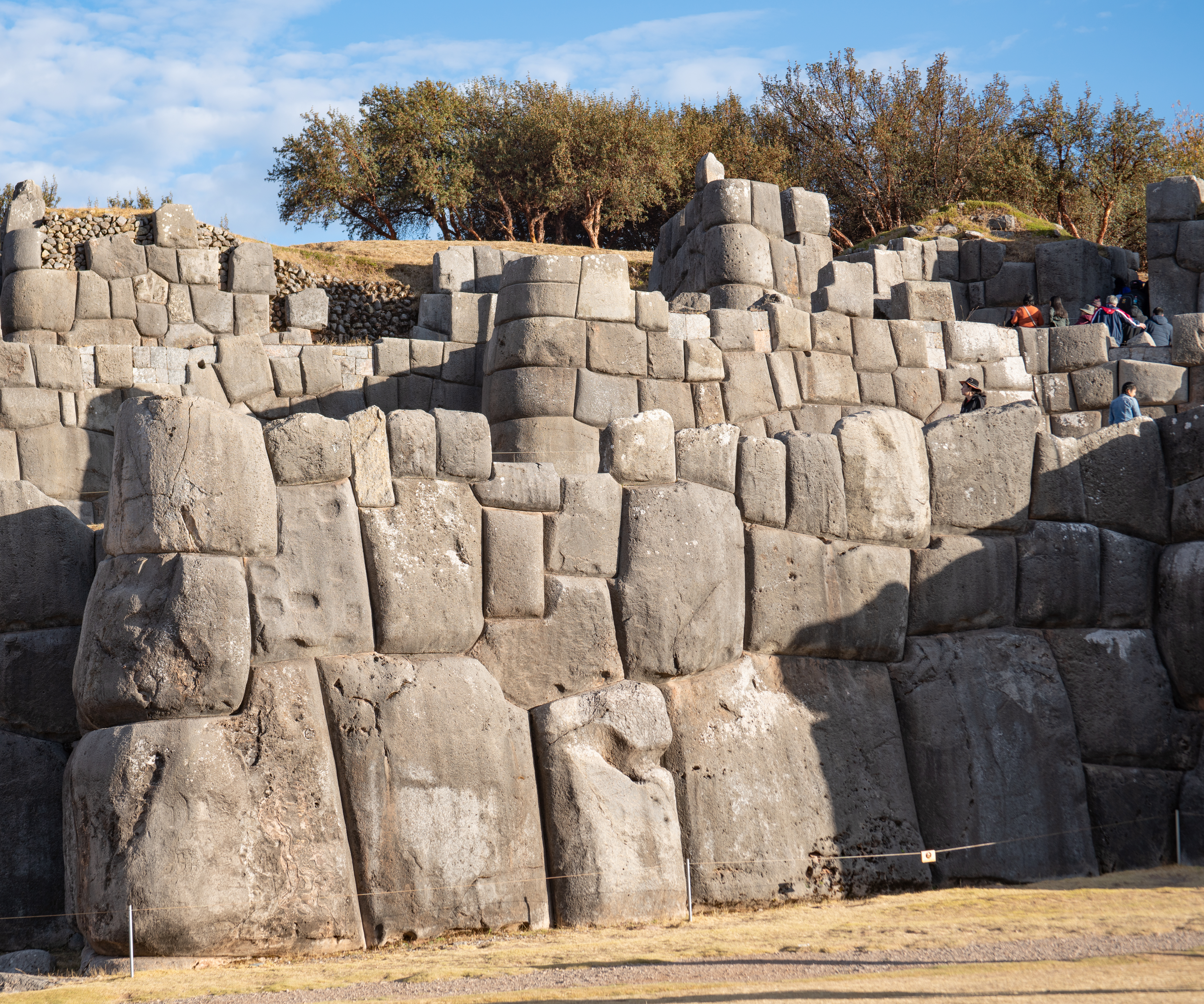
Sacsayhuamán
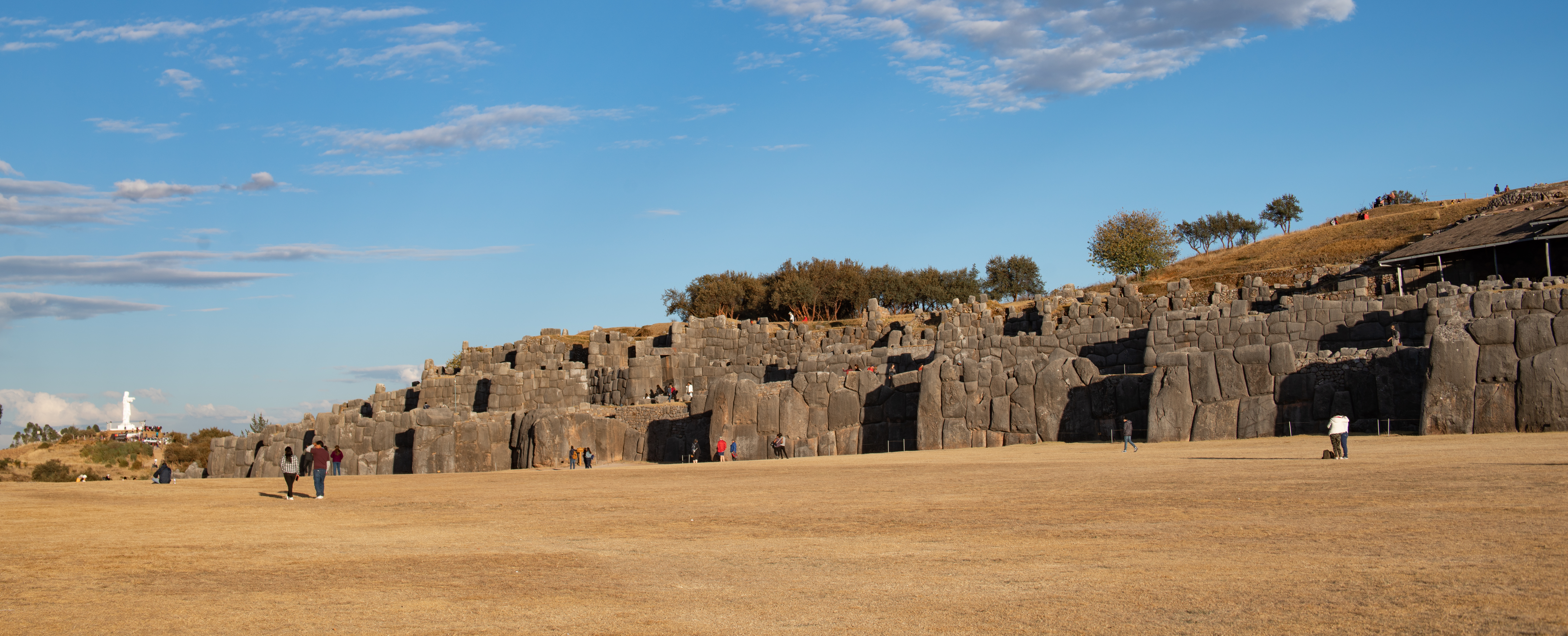
Sacsayhuamán
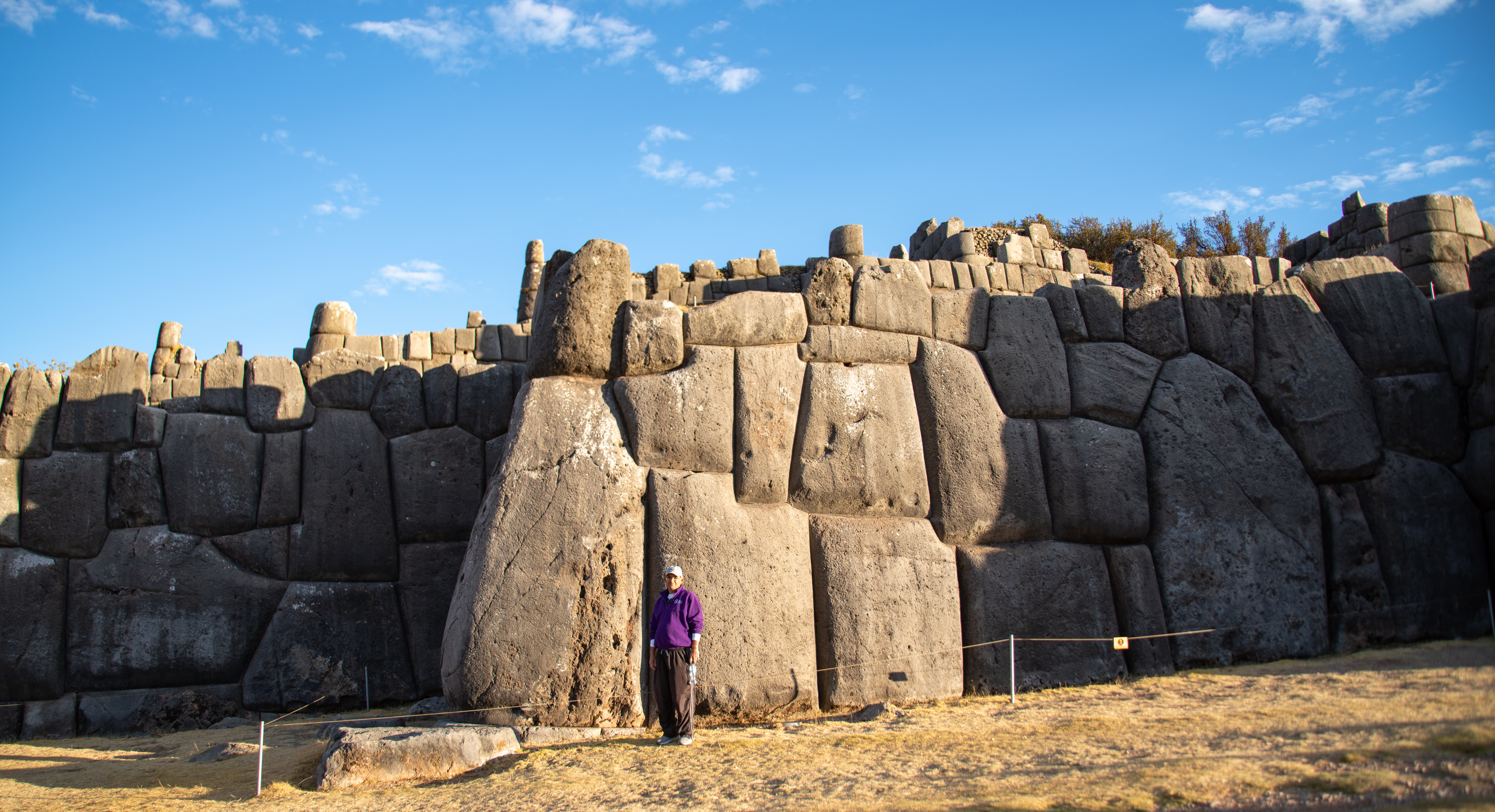
Paul for size comparison
We ended our evening having dinner in the Plaza de Armas, the main square. It is standard for Spanish cities and towns to have a square, but this one was built over the Incan version of a city square. There were originally multiple temples lining the square. We managed to survive our jump to altitude, even with busy sightseeing.
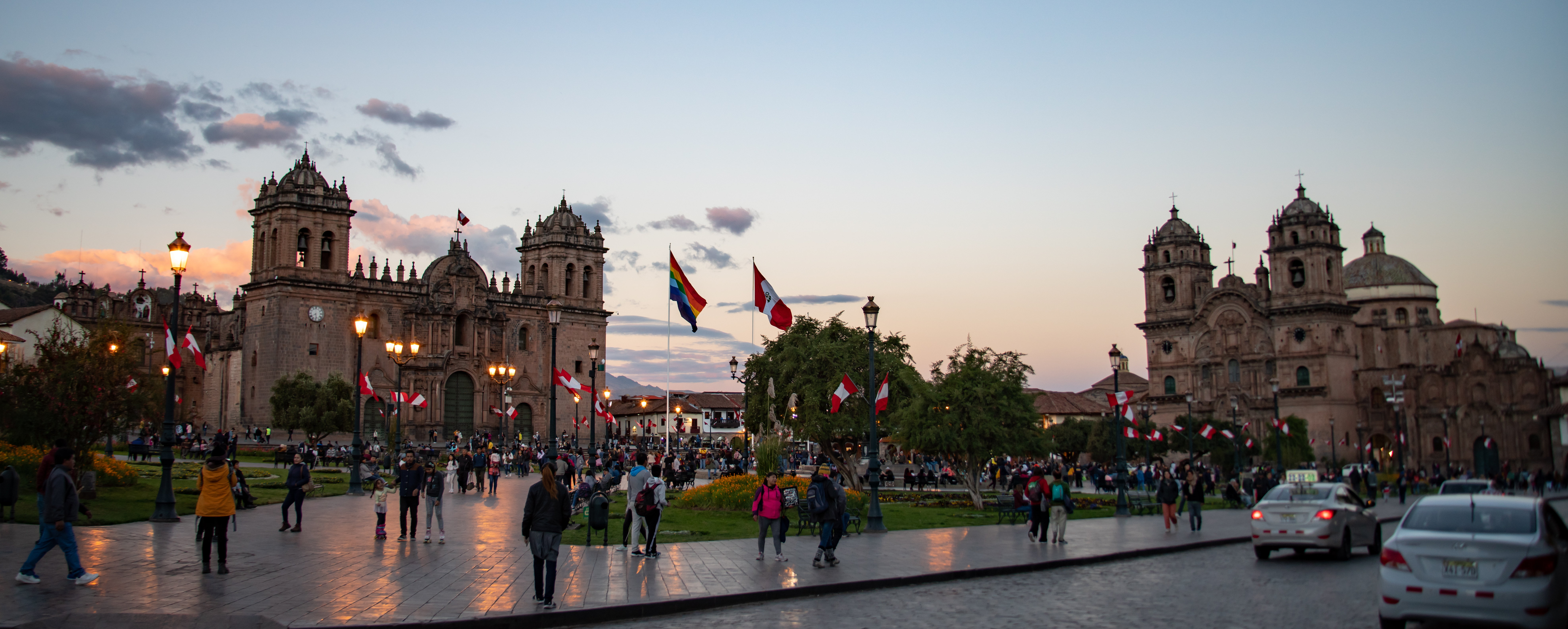
Plaza de Armas at twilight
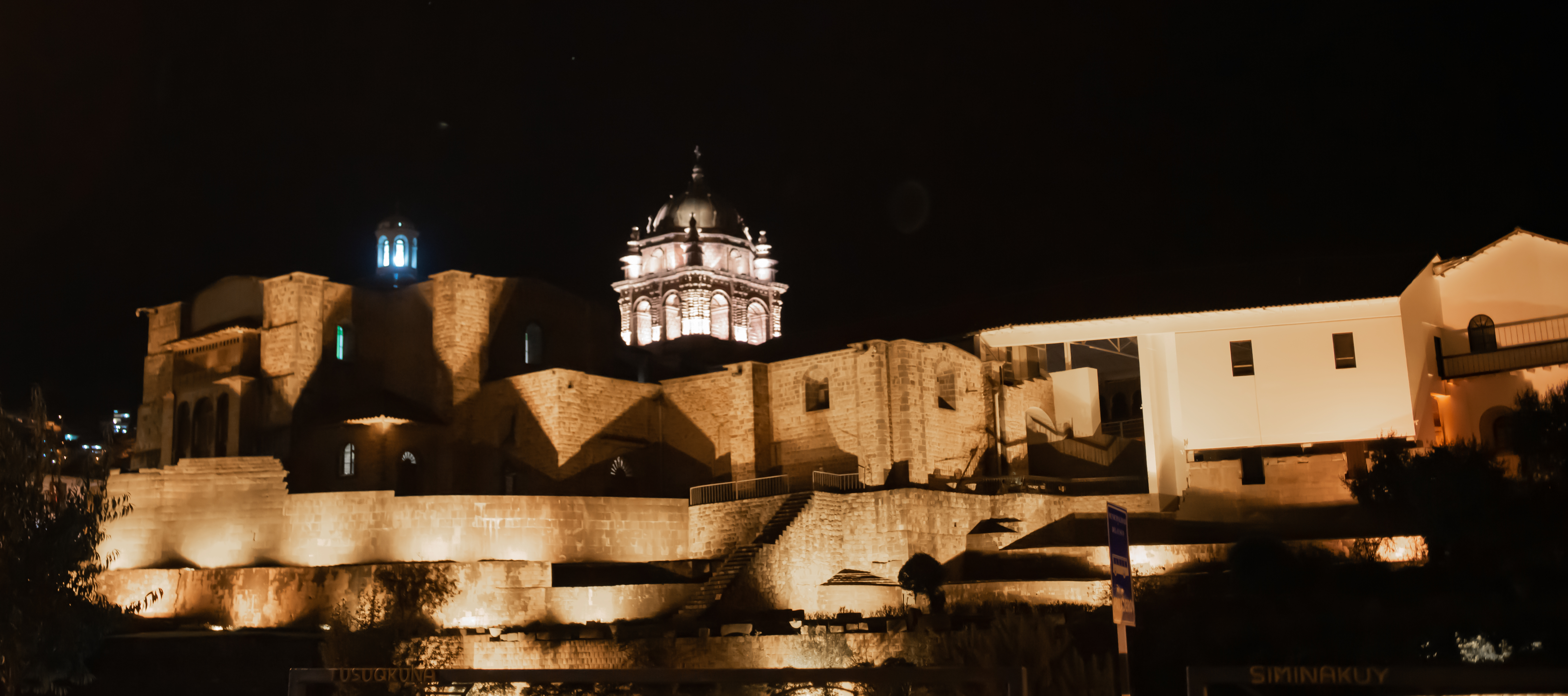
Qurikancha/Church and Convent of Santo Domingo lit up at night


Leave a Reply