Today we drove through the Sacred Valley of the Incas. This is also known as the Urumbamba Valley. The Incan people lived along here for centuries. They did not live on the floor of the valley because that was scarce flat, fertile land. They used that for farming. They lived on the sides of the mountains, terracing the mountainsides to provide living space.

Sacred Valley
On our way today we first stopped at a place that had a wide variety of South American camelids. What, you say? Well, you’ve heard of llamas and alpacas. They are cousins of camels. Thing is, there are different types of them.They come with short fur and long fur, some even go all the way to the ground. The llamas are pack animals, although they really can’t carry all that much weight. Their fur isn’t soft, so it is mostly used for things like rope. Apparently, they do eat llama, but their meat is tougher, so is often used as jerky. Alpacas have much softer fur and are smaller, so aren’t any good for carrying anything. Their fur is used for some higher-quality yarn and baby alpaca yarn is even softer. They eat them pretty regularly here and we were told that the meat tastes like high-quality beef. I haven’t tried so far. Llamas and alpacas also have other South American cousins you probably haven’t heard of: guanacos, which are basically a non-domesticated line of the llama family, and vicuñas, which are a non-domesticated line of the alpaca family. The fur of vicuñas is considered very soft and anything made from it is expensive. Sooo…here are pictures with my best effort to try to label them appropriately. Apologies to the camelids I mislabel.
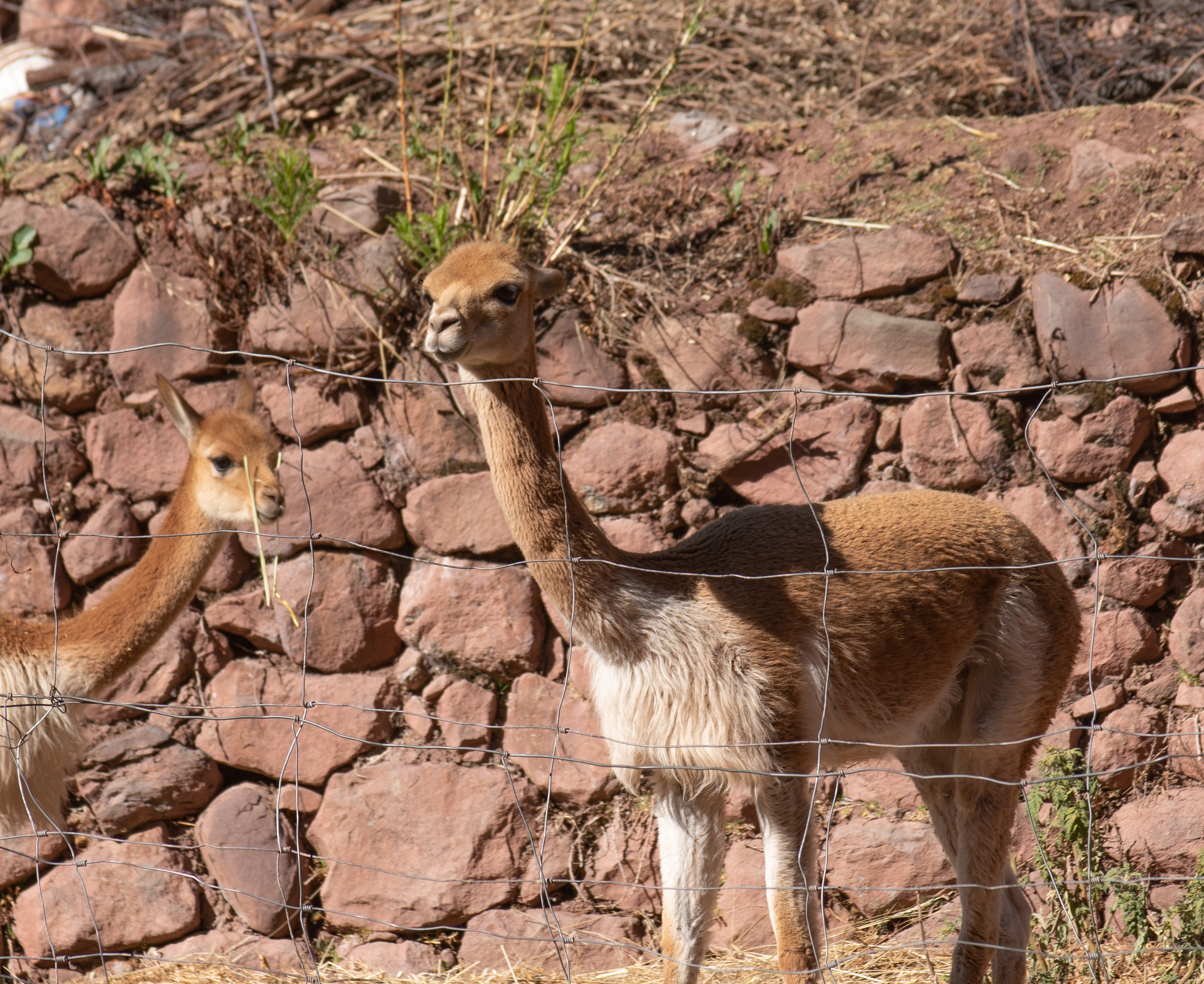
Vicuña
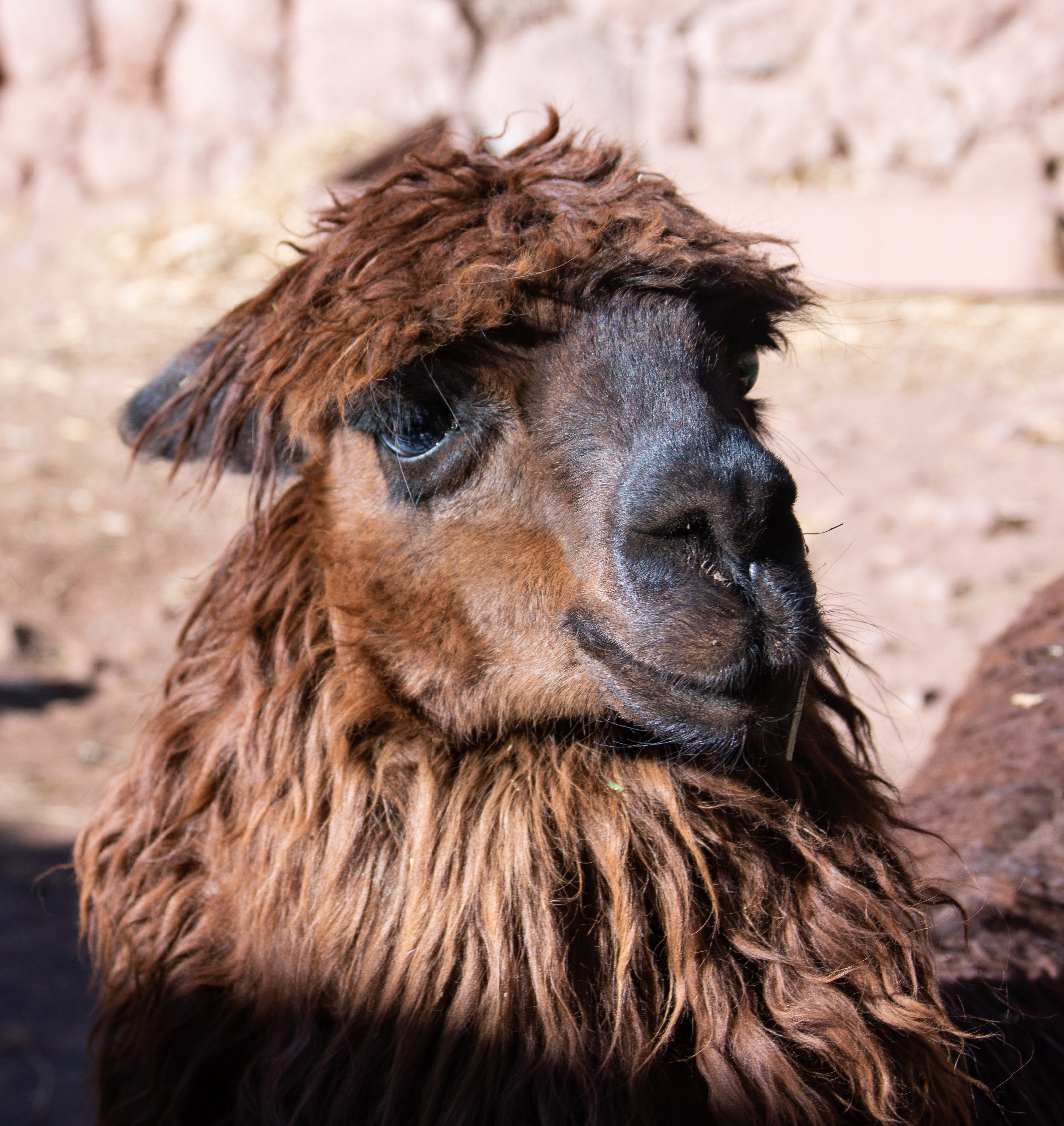
Alpaca Huacayo
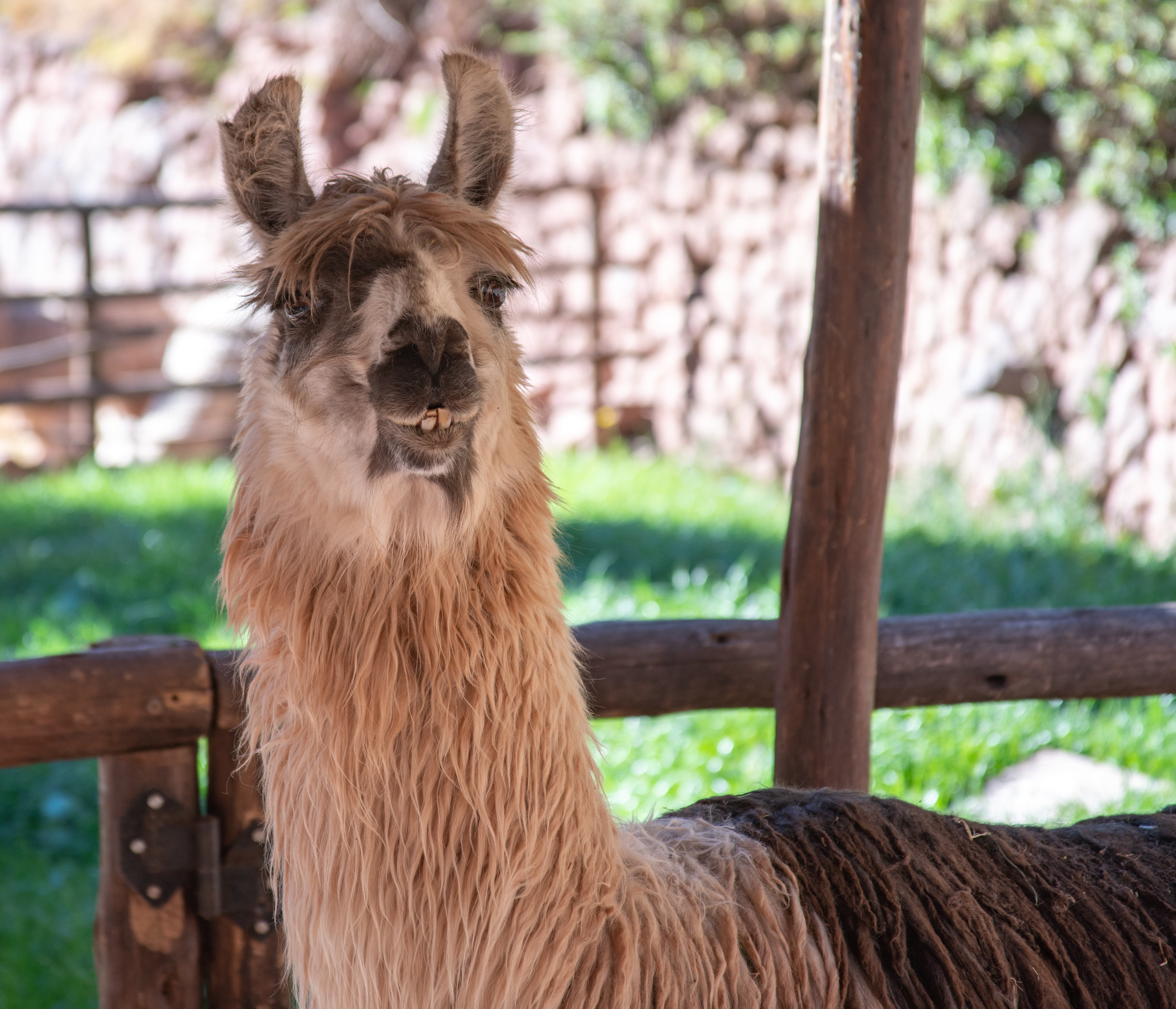
Llama Ch’aku
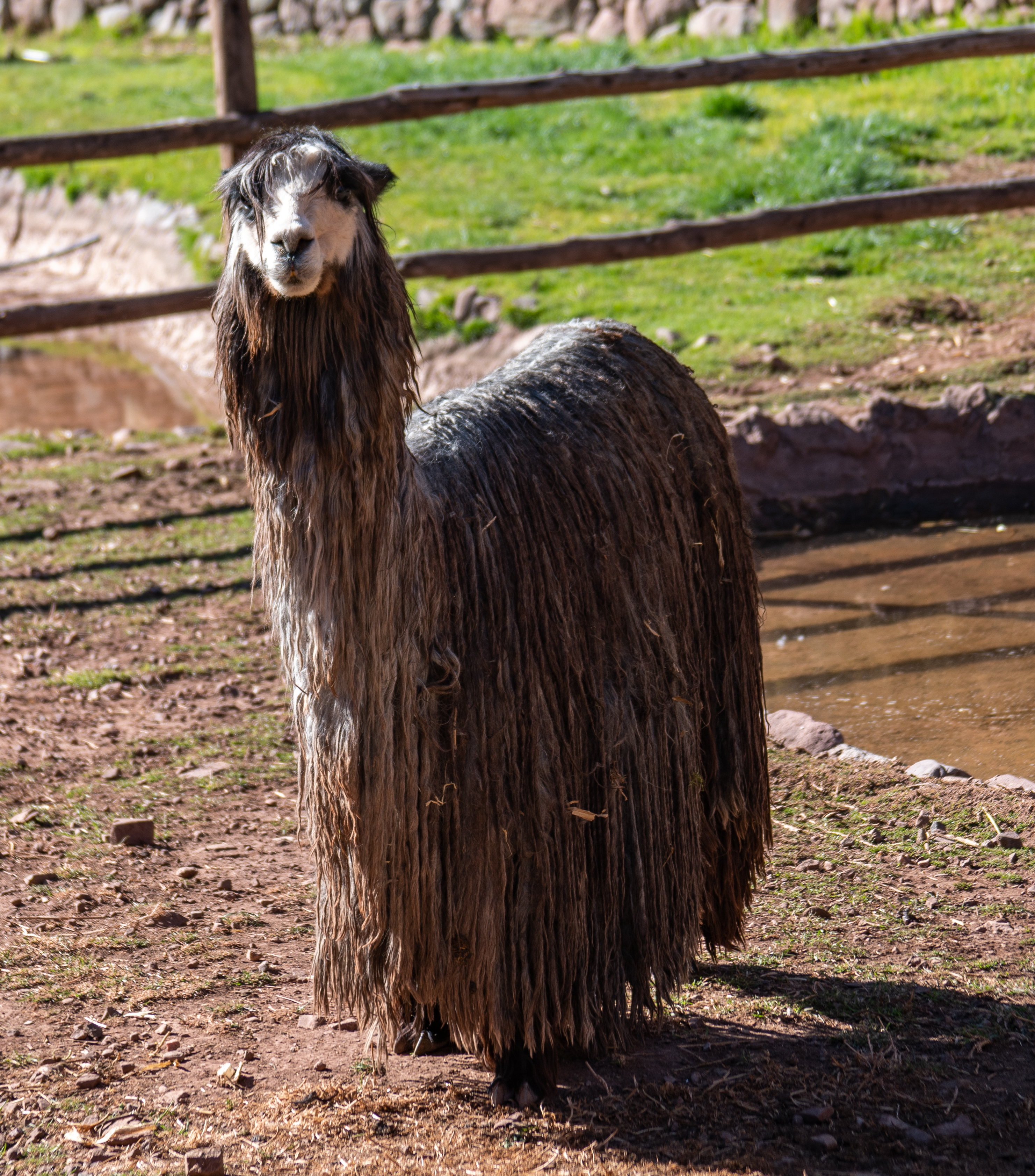
Alpaca Suri
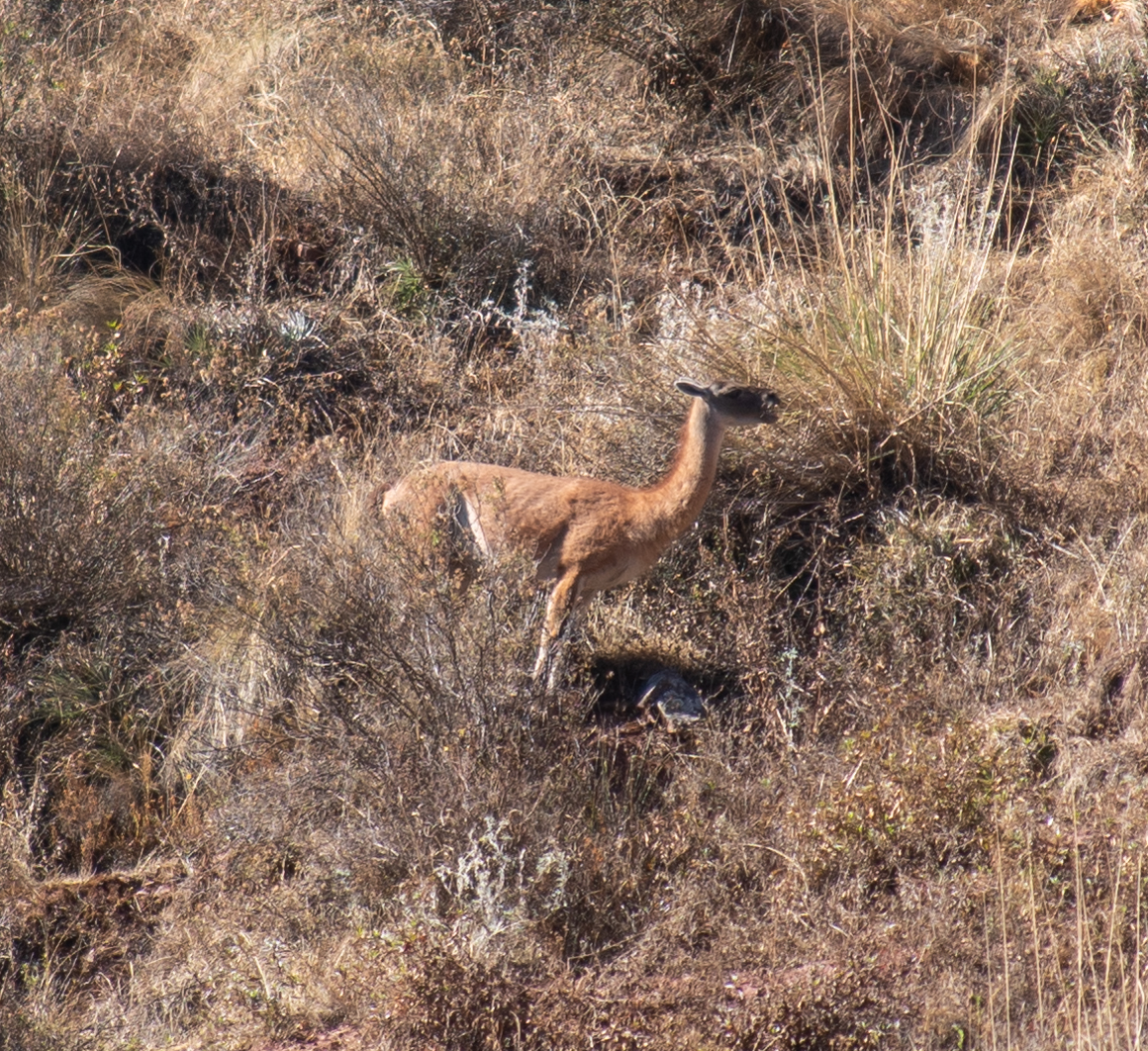
Guanaco
They also had women demonstrating weaving.
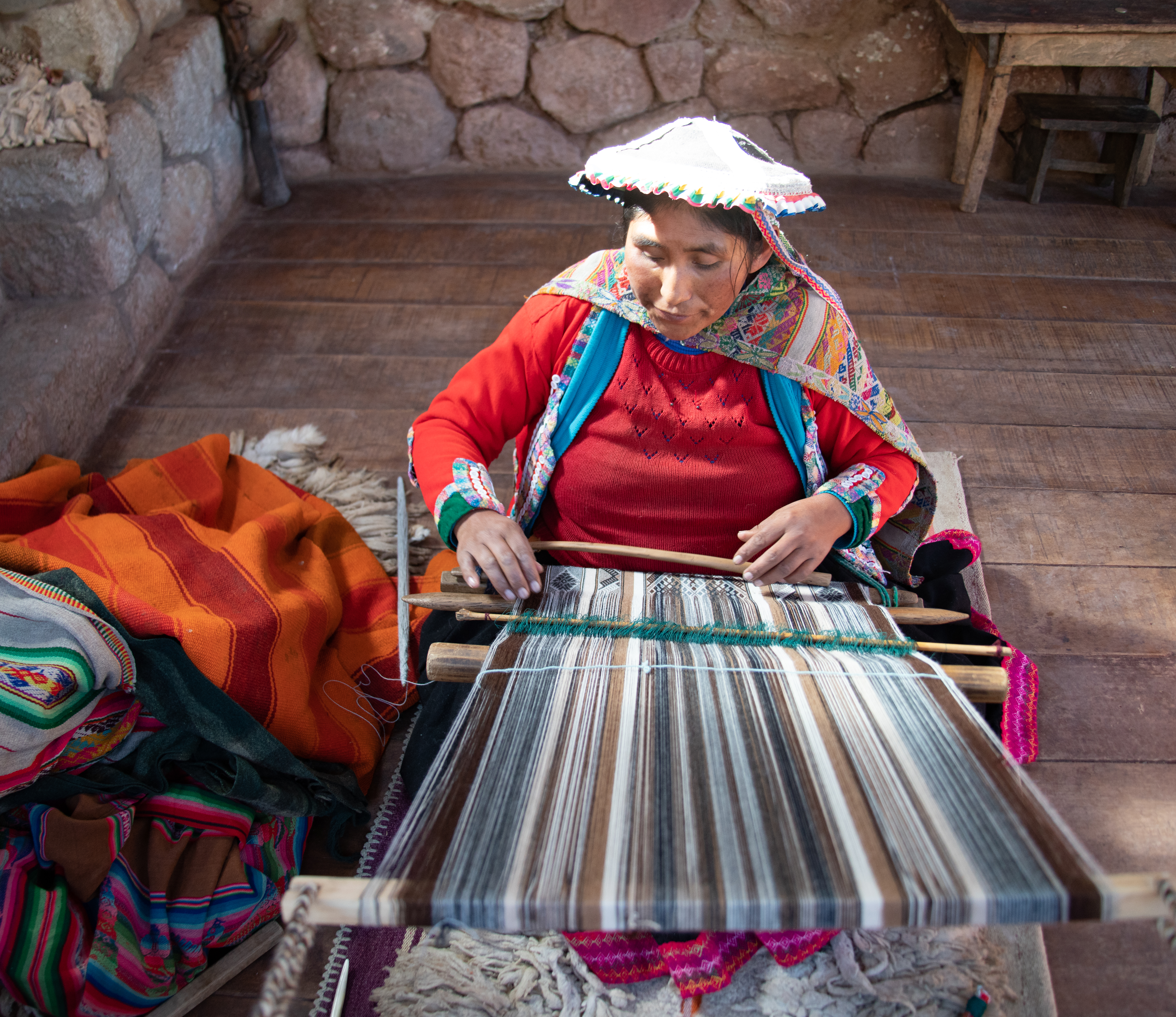
Woman demonstrating traditional weaving
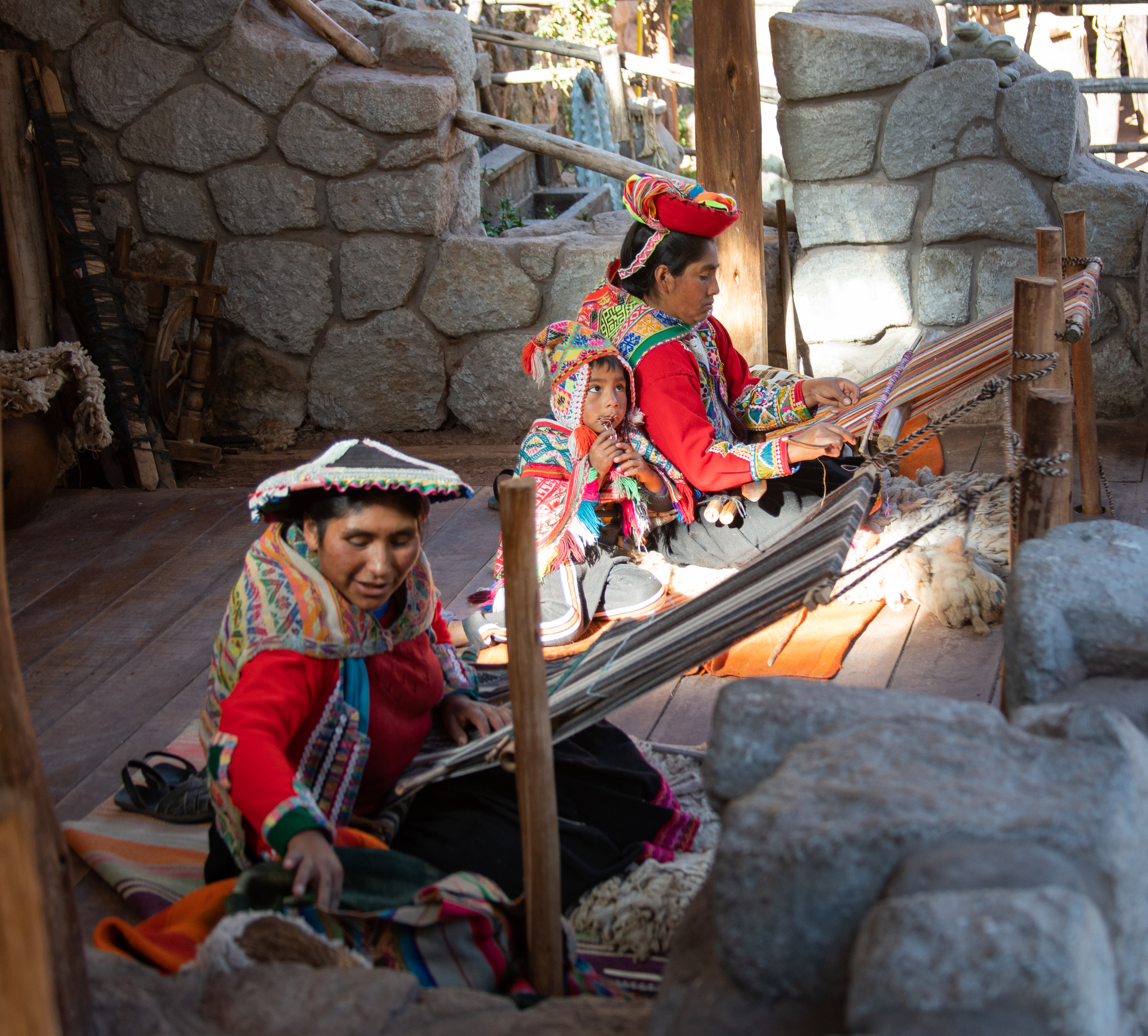
Women demonstrating traditional weaving
Next we went to Inca Pisac. These are pretty extensive ruins with large terraces (some still being used), temples, and a significant number of buildings. There are other Incan structures visible from here, but they are much smaller, some of them likely being guard posts. This site is at over 10,000 foot elevation and it is an uphill climb. It is also strewn over much land space. We, unfortunately, only had 30 minutes to explore after our guide finished giving the history, so we didn’t get to see very much of it. We would have liked to have had more time, but it was making us winded at that altitude.
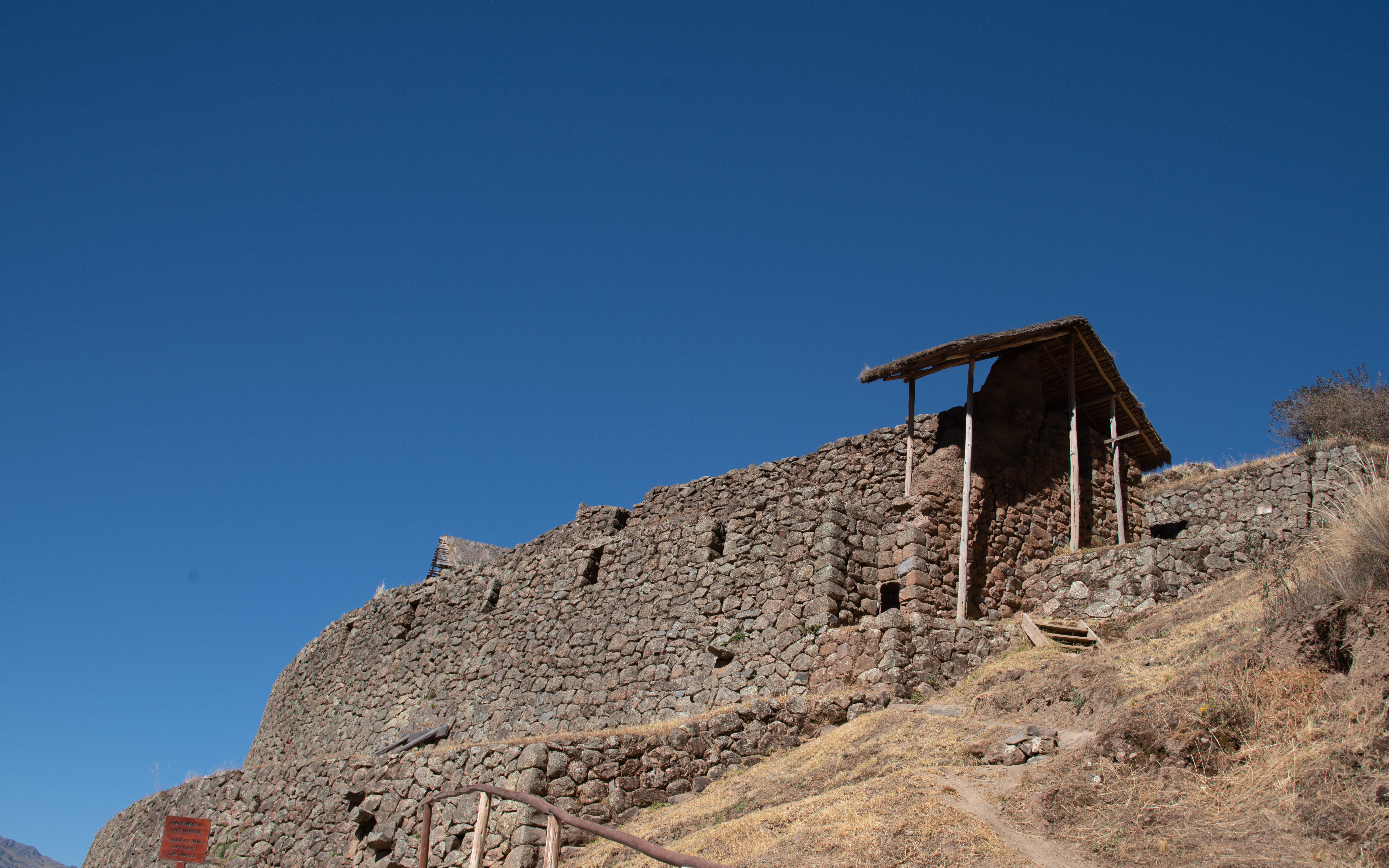
Pisac
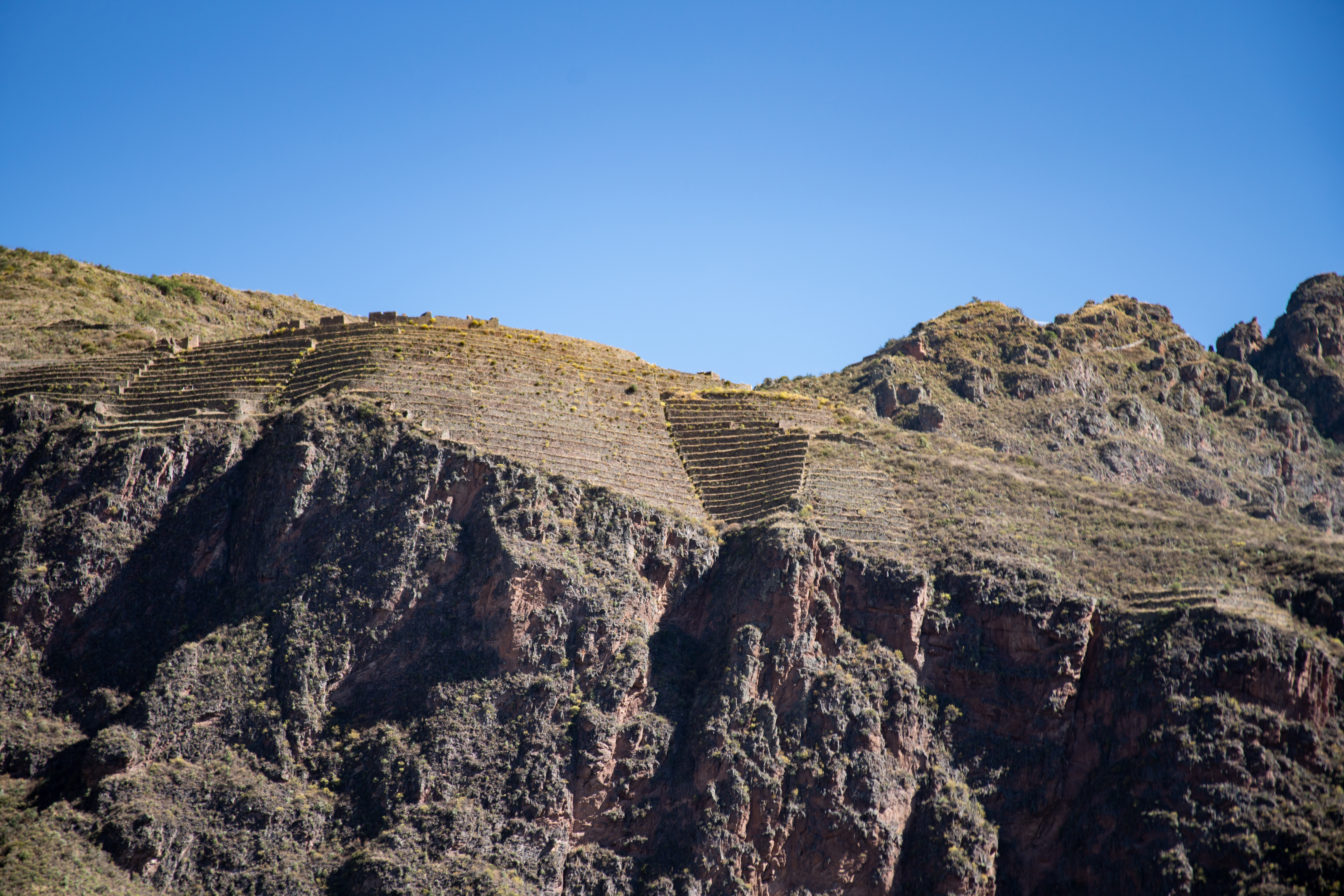
Pisac terracing
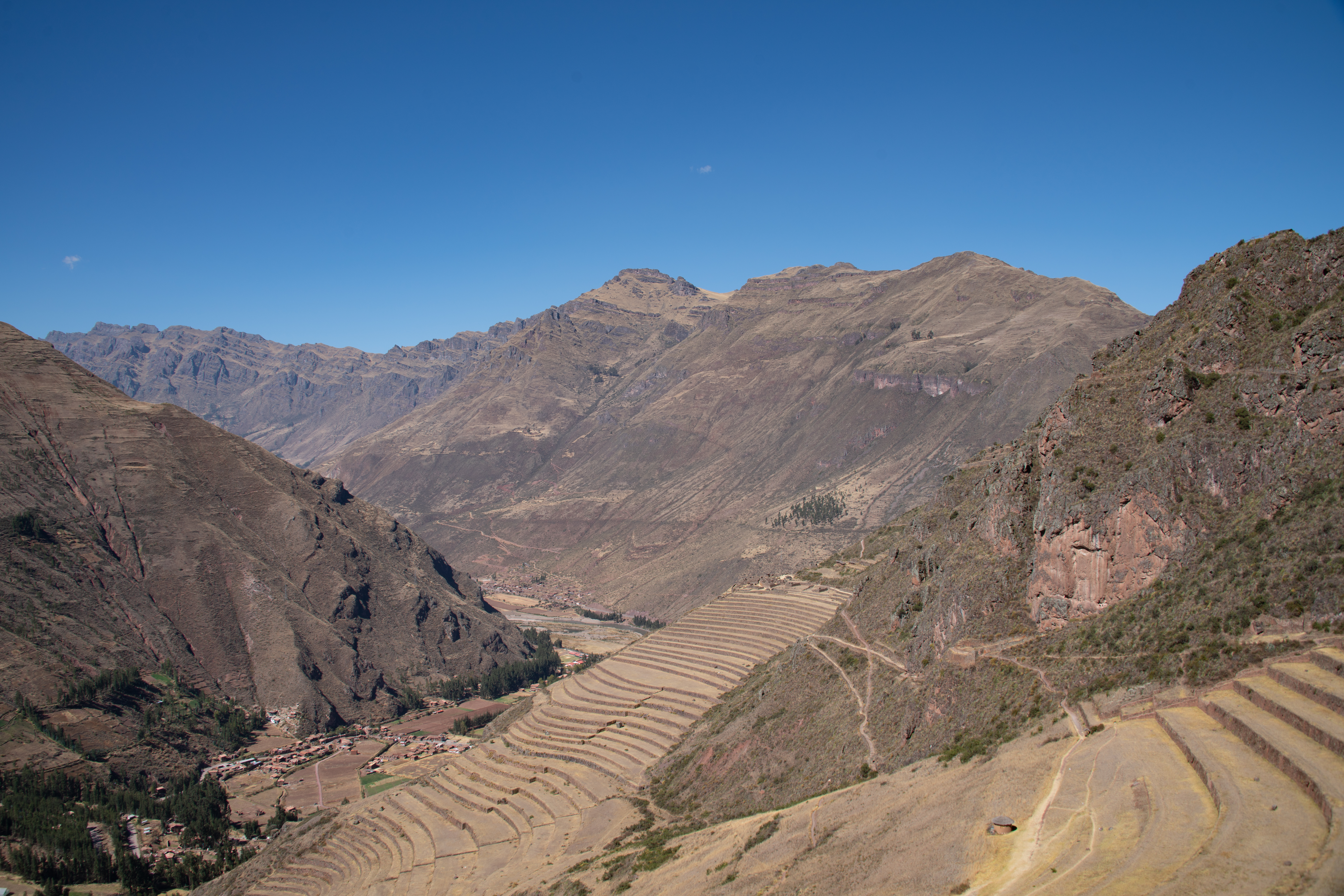
More terracing
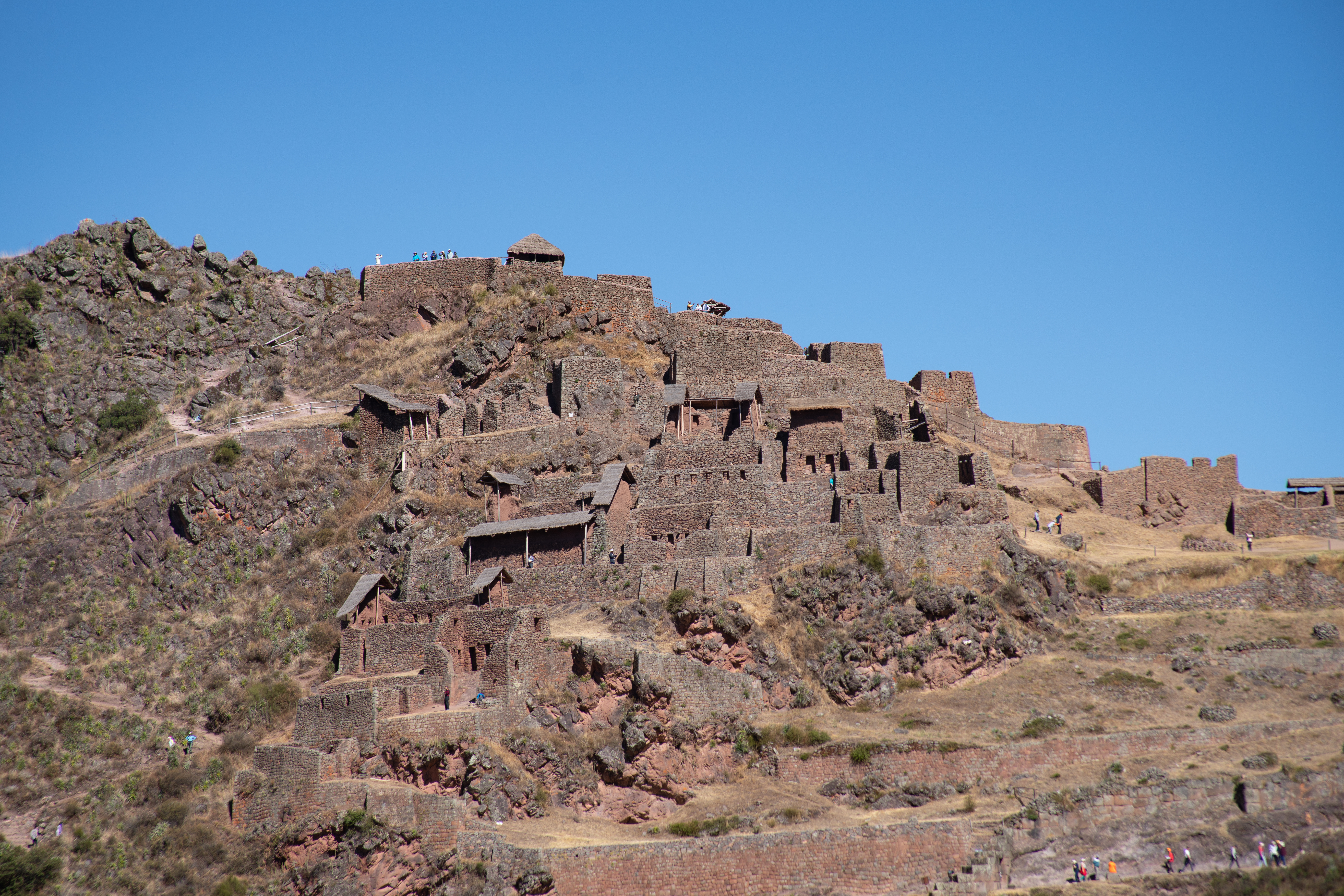
The main ruins at Pisac
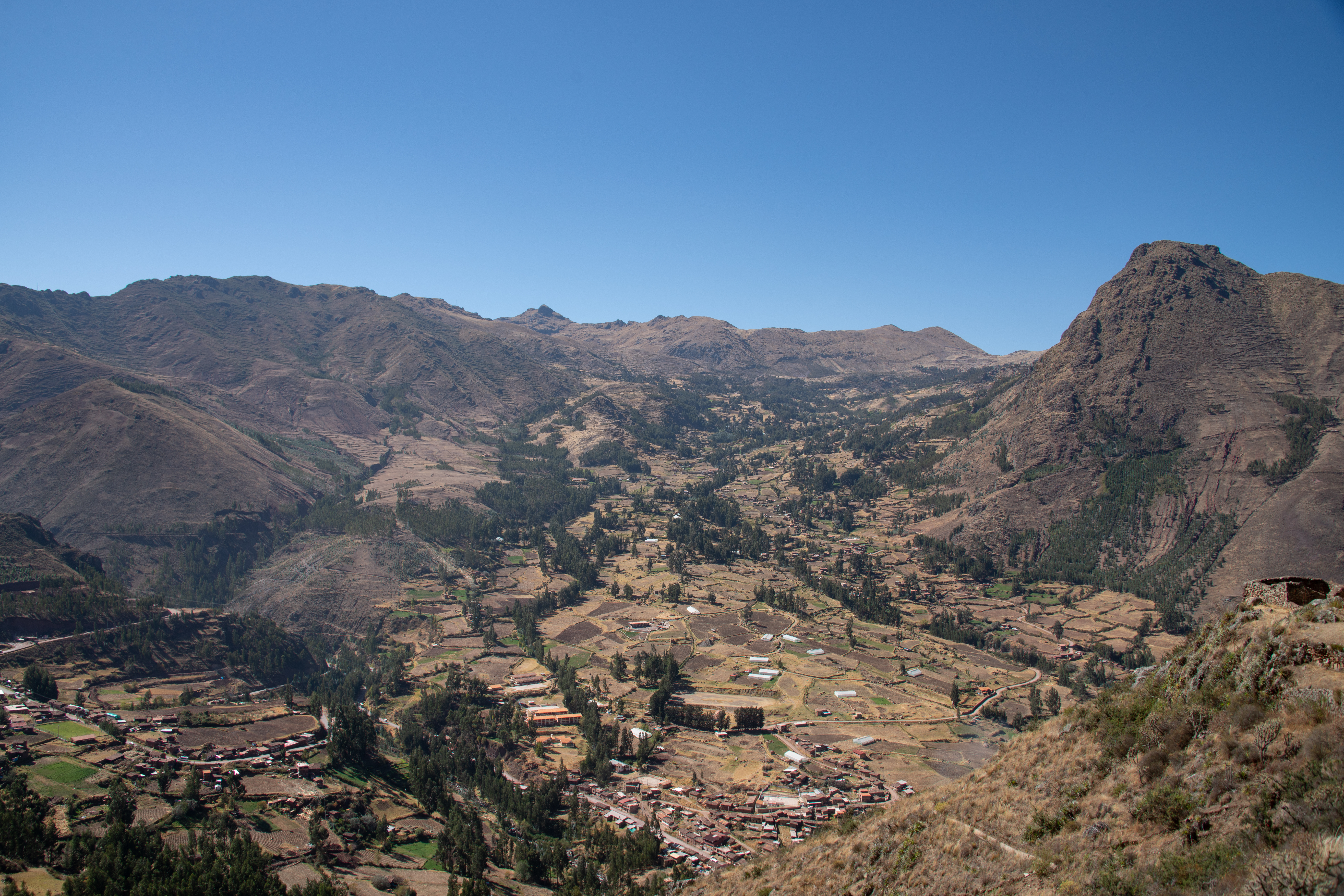
Valley below the ruins
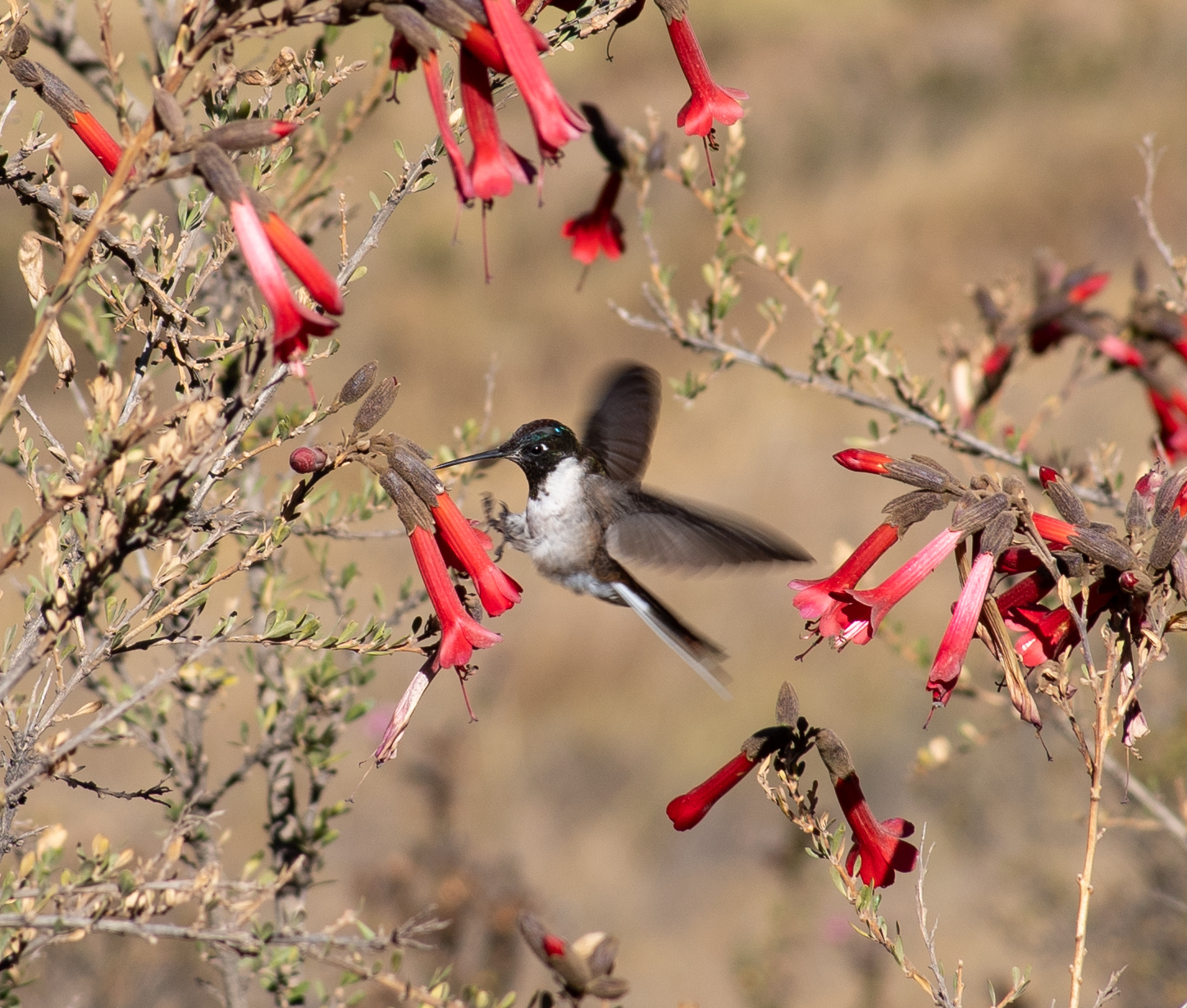
Hummingbird at Pisac
We then went to the town of Pisac. We had a little time to visit the local market, which is well-known to travelers coming through.
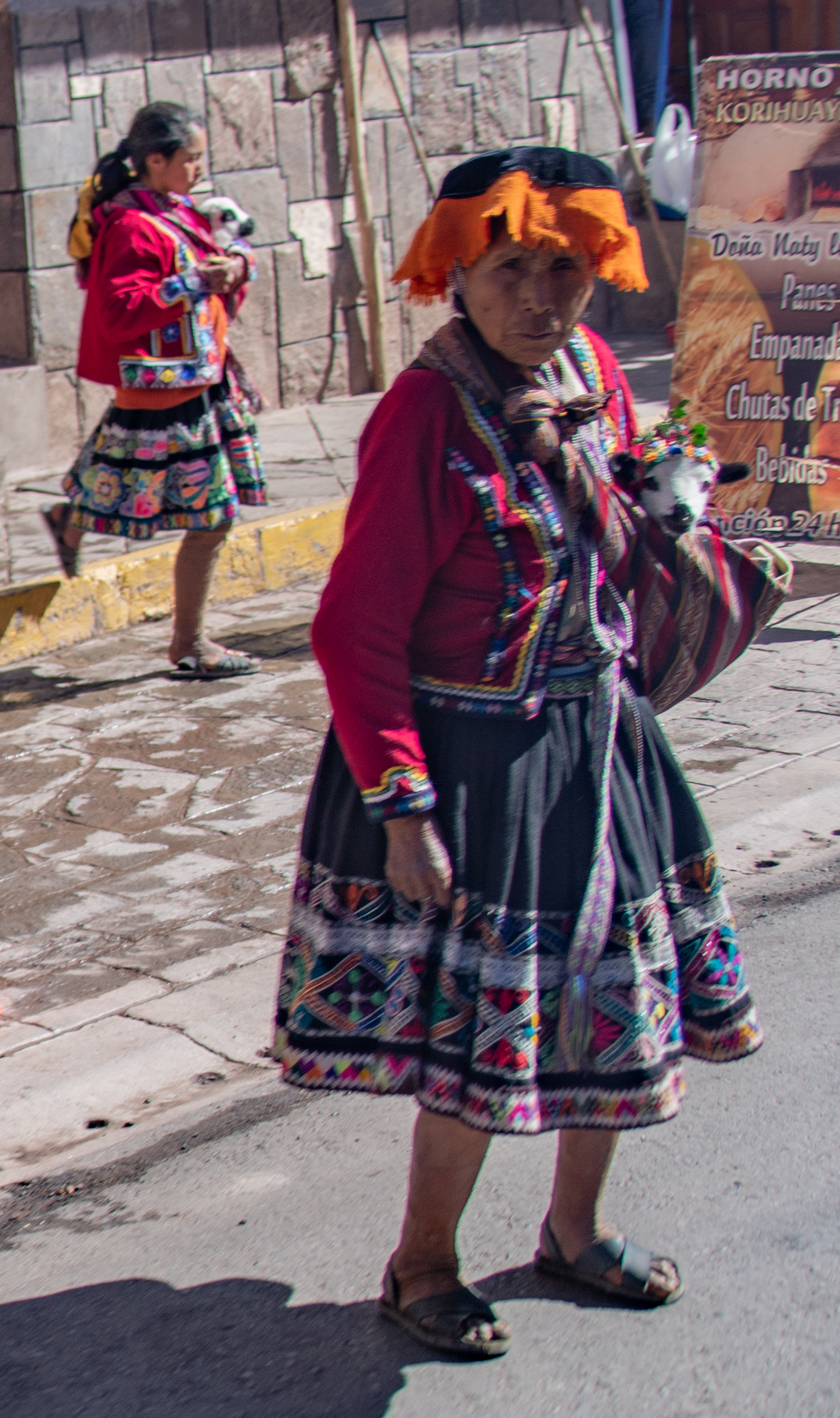
A woman in traditional dress, holding a goat, to get pictures with tourists
We ended our Sacred Valley tour at Ollantaytambo. This site was inhabited by a pre-Incan culture, but they were conquered by the Incans in the mid 1400s. The emperor built a personal estate with a large temple between 2 rock outcroppings. Later, this temple was used defend against Spanish attacks from Cusco. They actually dismantled parts of the temple and rolled them down the terraces. Next to the temple is the partially-finished fountains called the bath of the princess. Across the valley from the temple are storehouses. Apparently, the other hillside is drier. Also on that side are remains of a pre-Incan site. In between the temple and the hill with the storehouses is the town of Ollantaytambo. We spent a little time there before catching the train to Aguas Calientes, where we are spending the night before going to Machu Picchu.
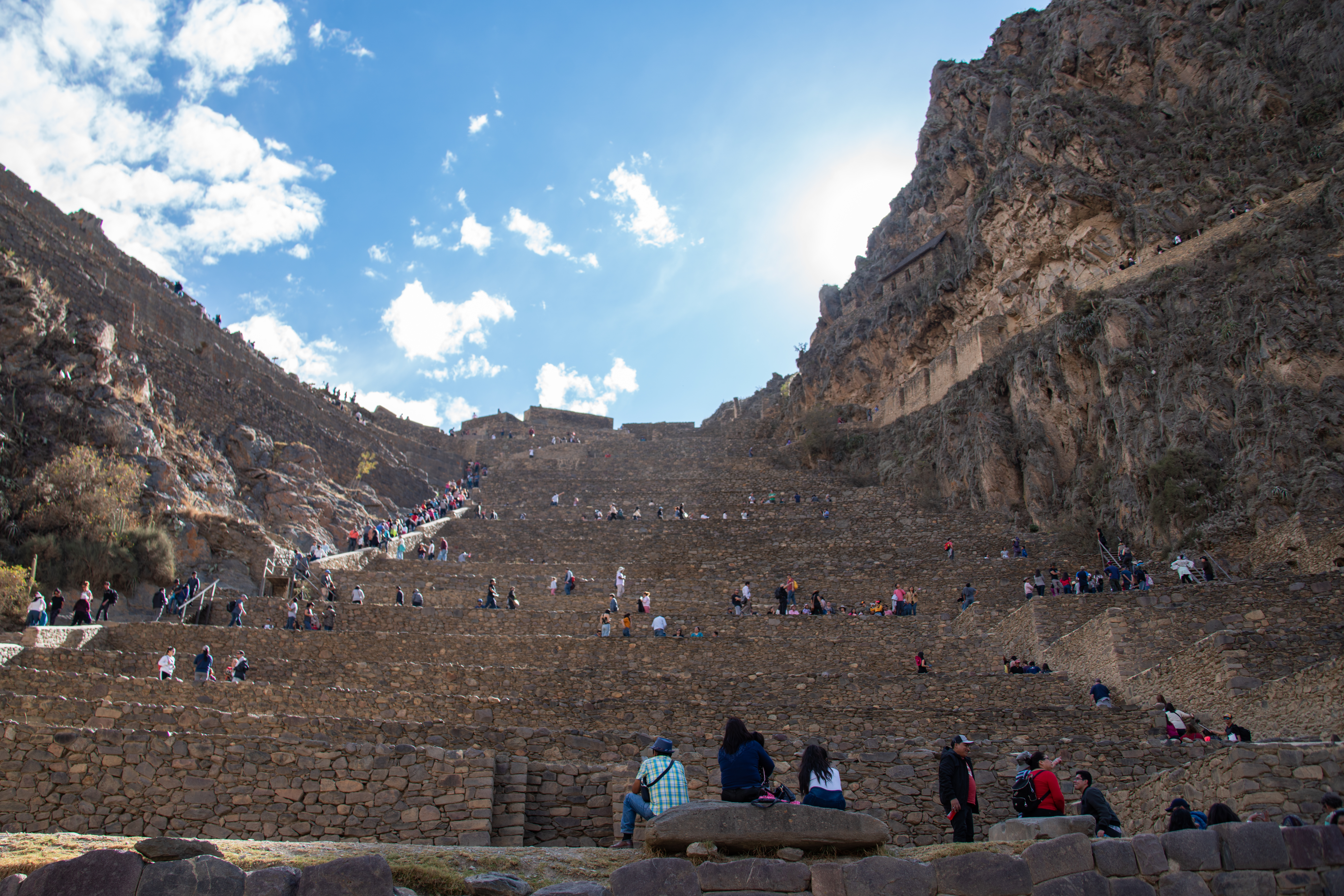
Ollantaytambo
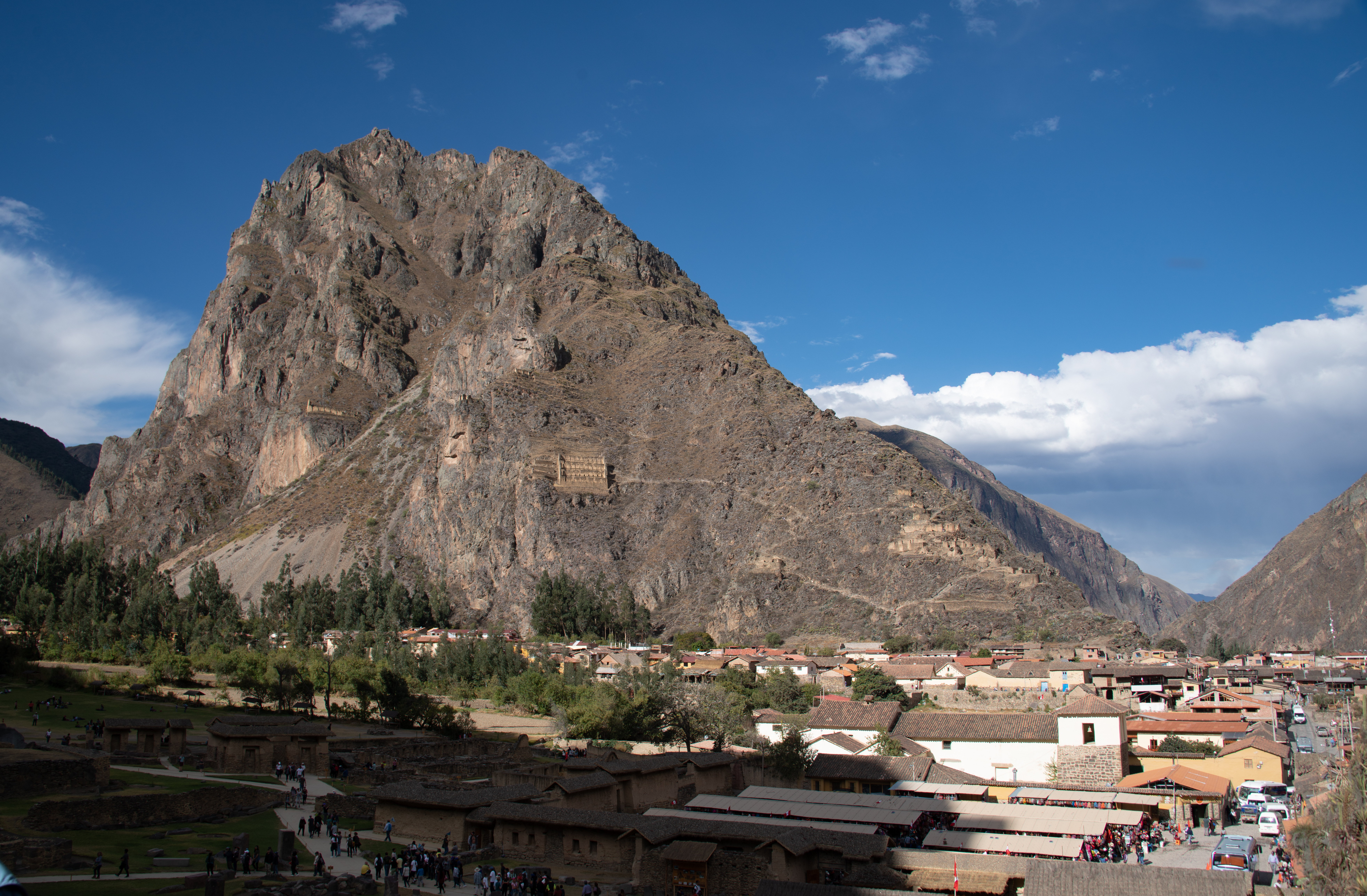
View from Ollantaytambo temple. The main storehouse is the rectangular structure in the middle. The pre-Incan site is on the lower right of the hill.
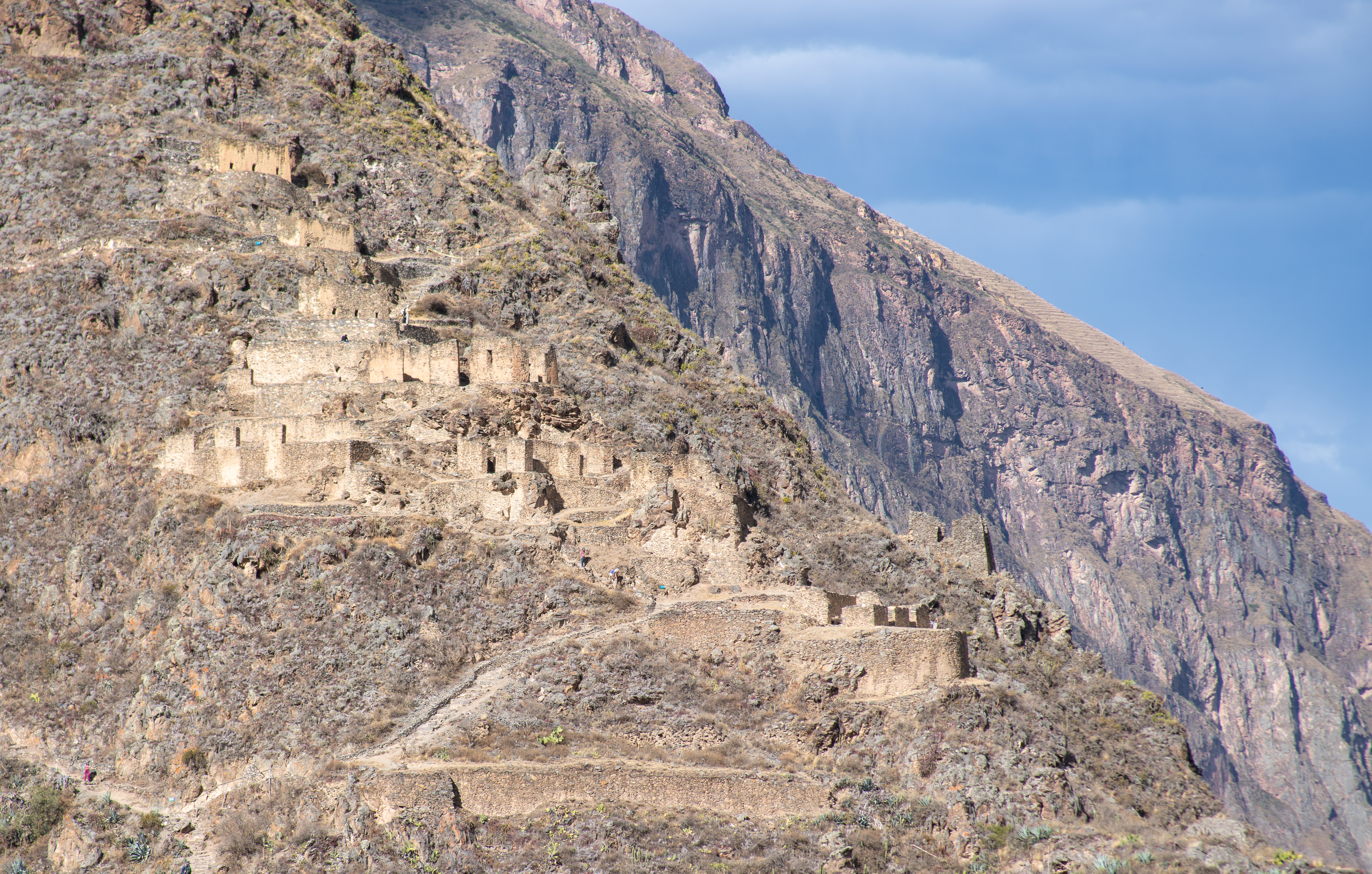
Pre-Incan site
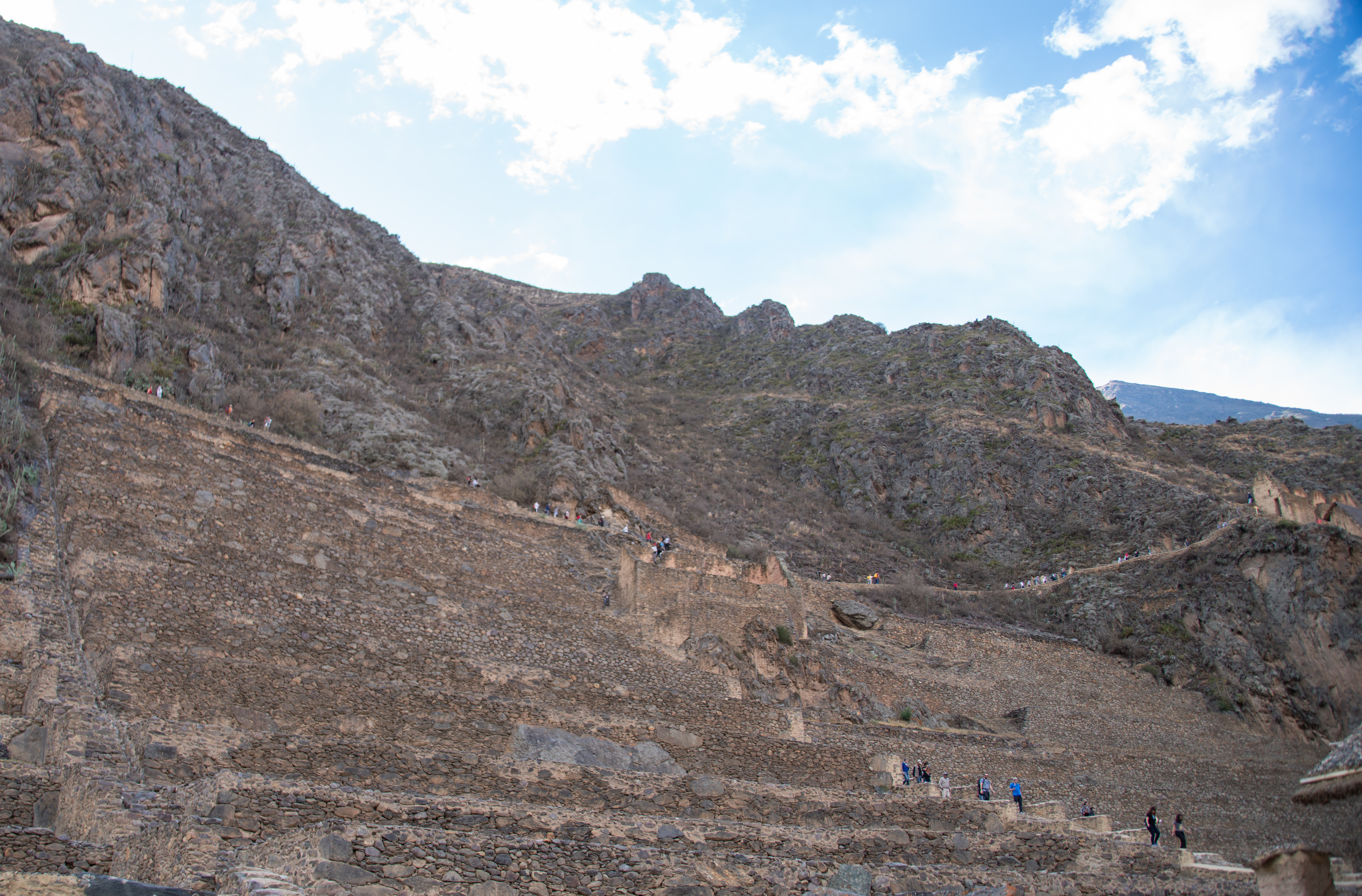
Another part of Ollantaytambo site
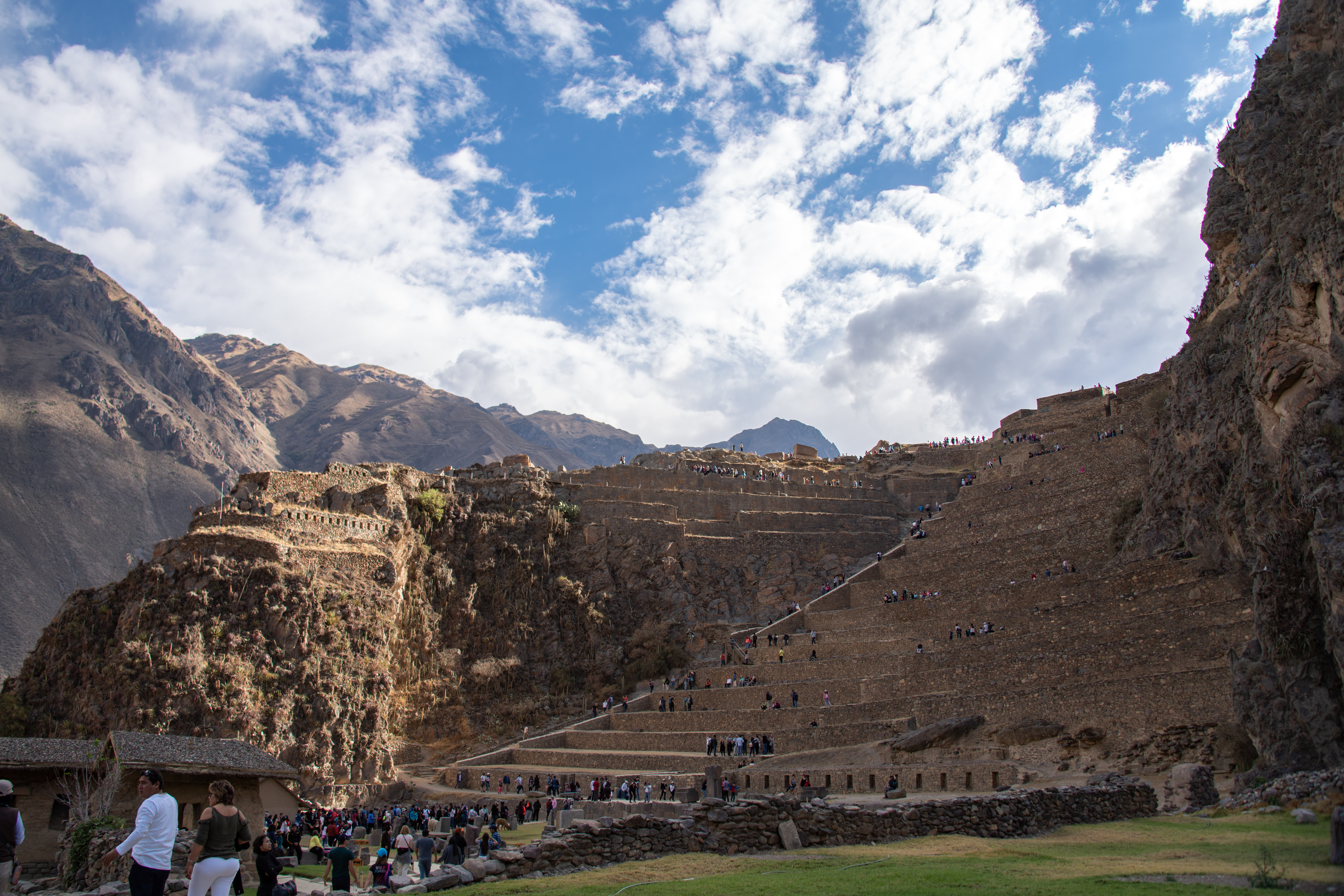
View from near the fountains
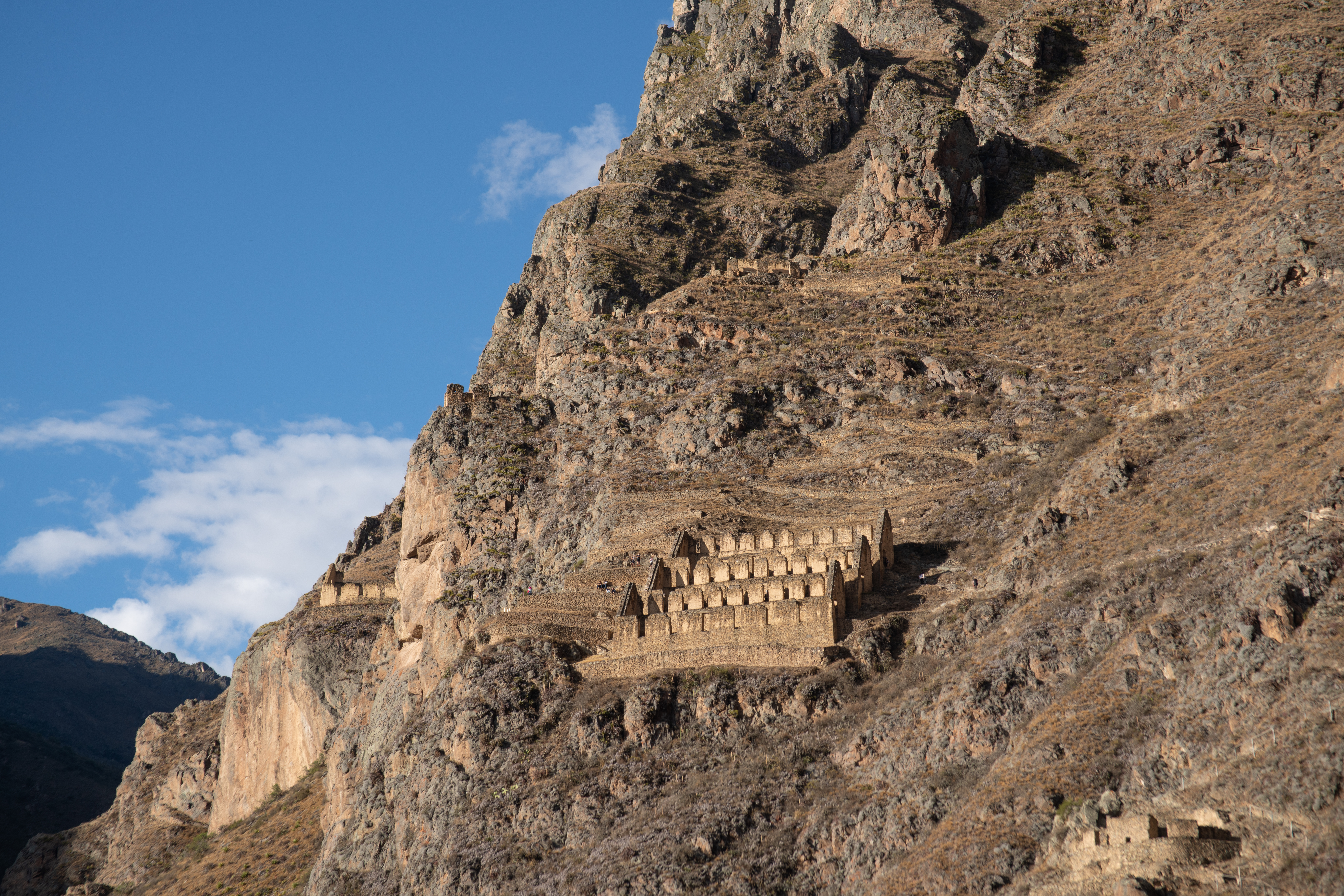
Close up of the storehouses


Leave a Reply