Today was the reason why we originally planned this trip: Machu Picchu.
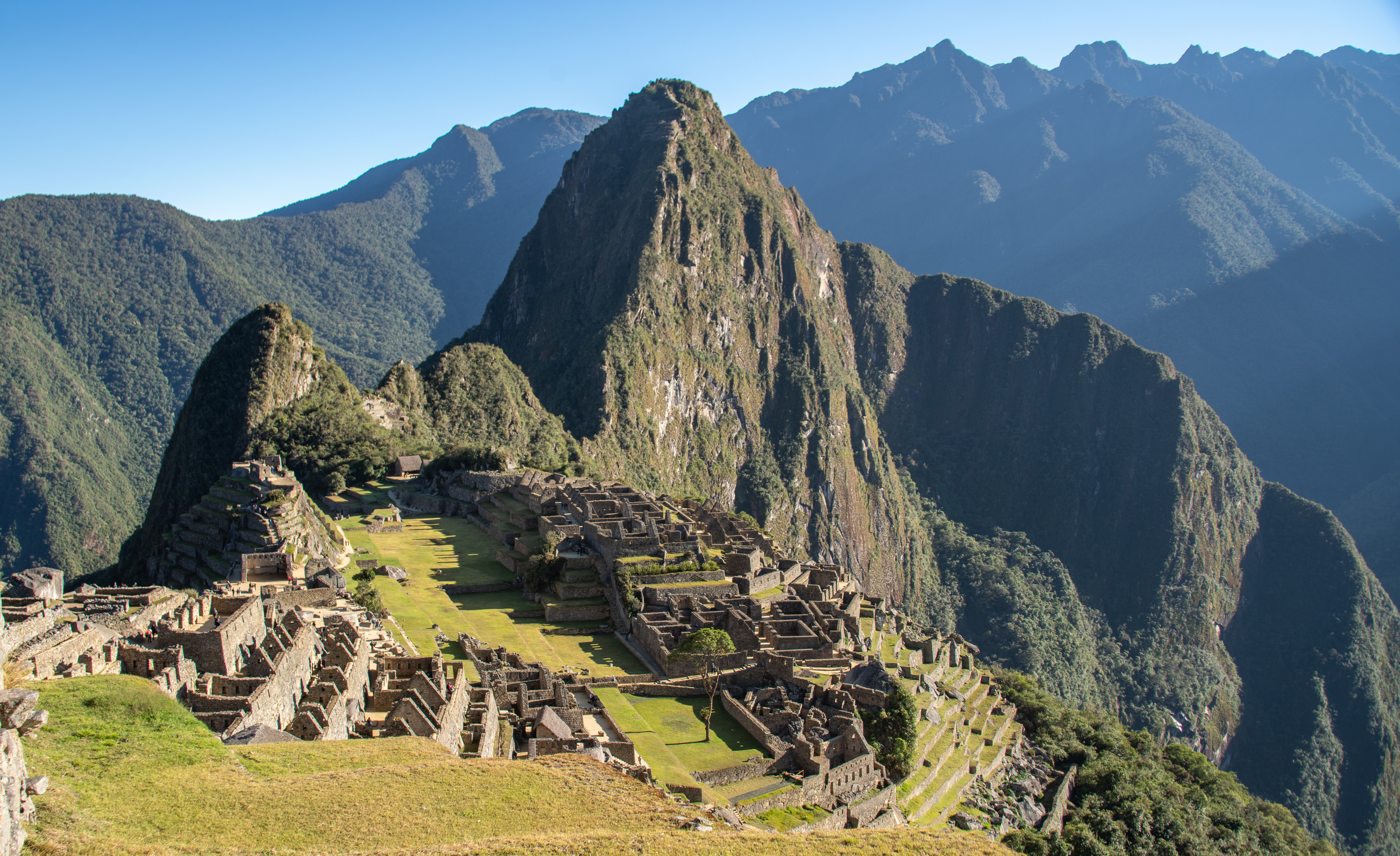
Machu Picchu
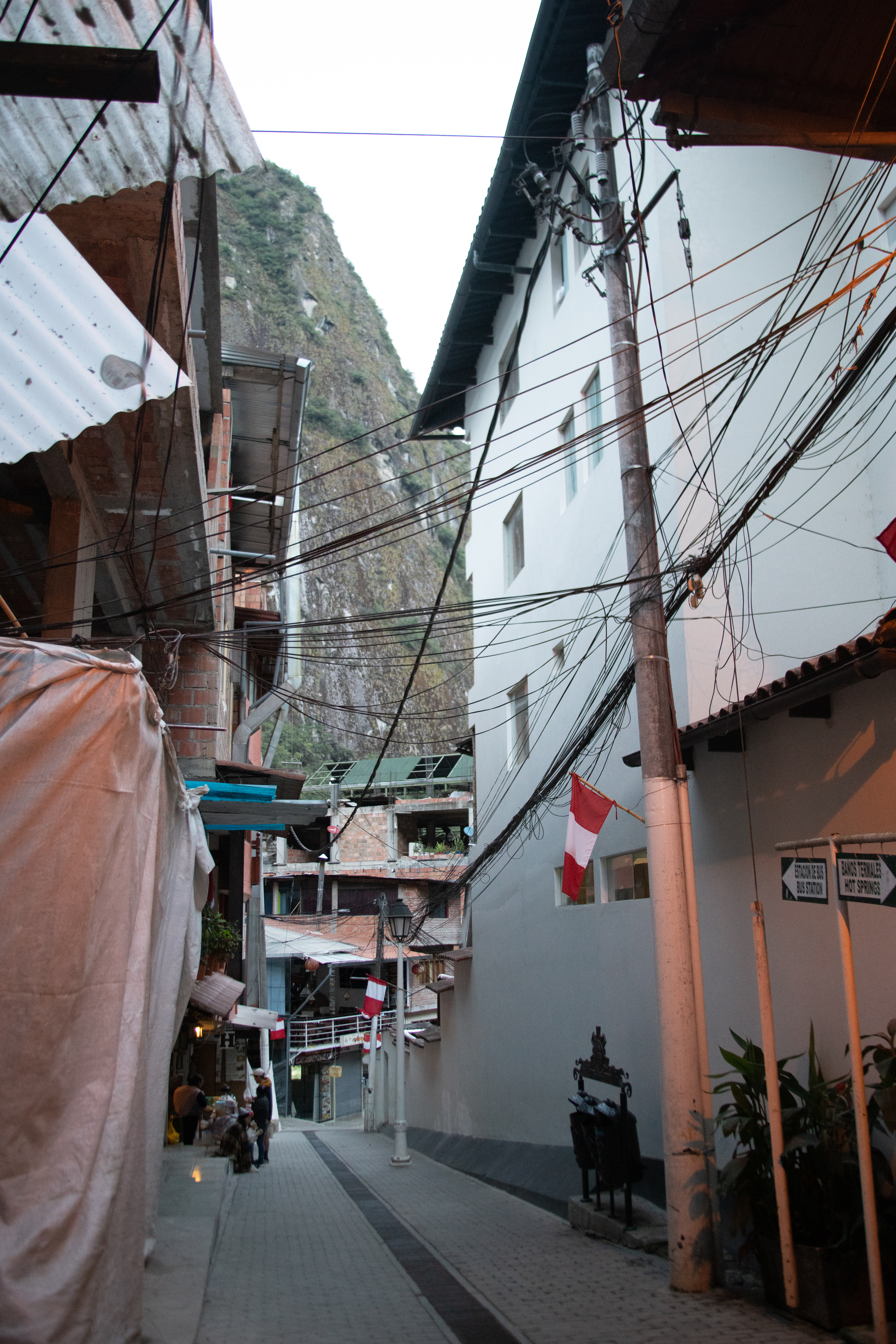
Aguas Calientes in the morning
Aguas Calientes in the morning
The day started early as we had 7 am entrance tickets. We spent the night in the tourist town, Aguas Calientes (think Hot Springs) after coming up in a train from Ollantaytambo last night. This town 3.7 miles away from Machu Picchu and is basically only there to serve tourists, so it is full of hotels, restaurants, a market, and other shops. There is a train station, as that is how most everyone gets here, and the “bus station” to get up to Machu Picchu. Anyways, our guide picked us up at 6:15, collected the rest of our group, and we headed off to the line for the buses.
First let me explain a little about the ticketing for Machu Picchu. You get an assigned ticket time on the hour starting at 6 am and ending at 2 pm. The later the day goes on, the more people there are at the site, so, in general early morning ticket are prime. You do, however, risk morning fog blocking your view of the entire site if you have an early ticket. The route through the site is one way, so you can’t go back later to get a picture if it clears up.
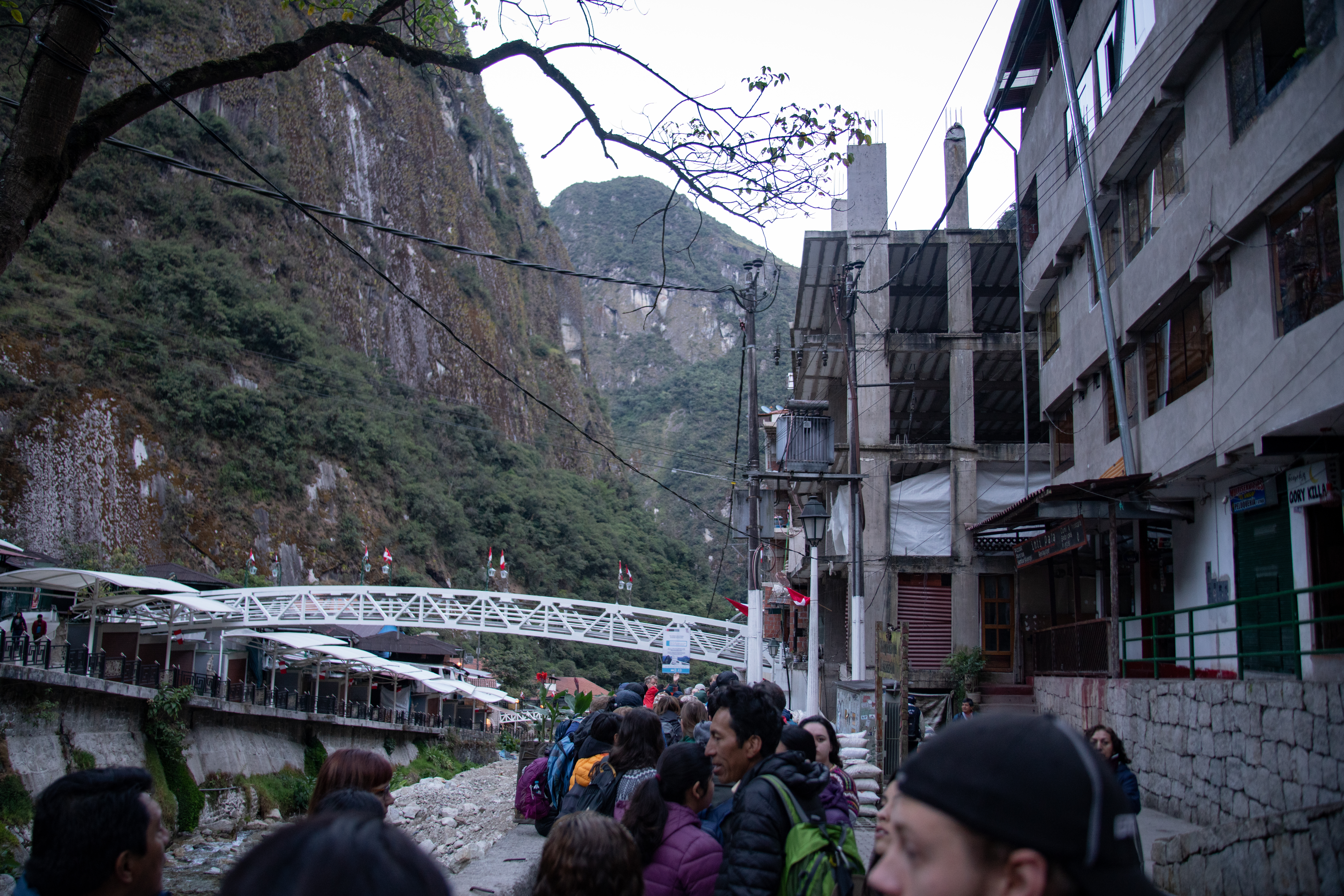
Bus line
So, we had what we hoped was a prime 7am ticket and we were in line for the bus with hundreds of our closest friends. Seriously, the line went on for blocks. We are here in high season (it’s the dry season right now) and, even though they say they limit entrance to the site, they are running 5,000-8,000 people a day through the site! Our guide said that 2 days ago they broke an all time record, although he didn’t say what that was. That said, they did an excellent job getting everyone on the busses quite quickly. The bus ride is about 25 minutes and is largely hairpin turns as Aguas Calientes is at 6,690 feet and Machu Picchu is at 7,970 feet. Now, you can walk from the town to the site, but, as you can imagine, it takes much longer than 25 minutes and involves a lot of stairs. There was plenty of walking to be had at the site itself, I’m happy to pay for the bus.
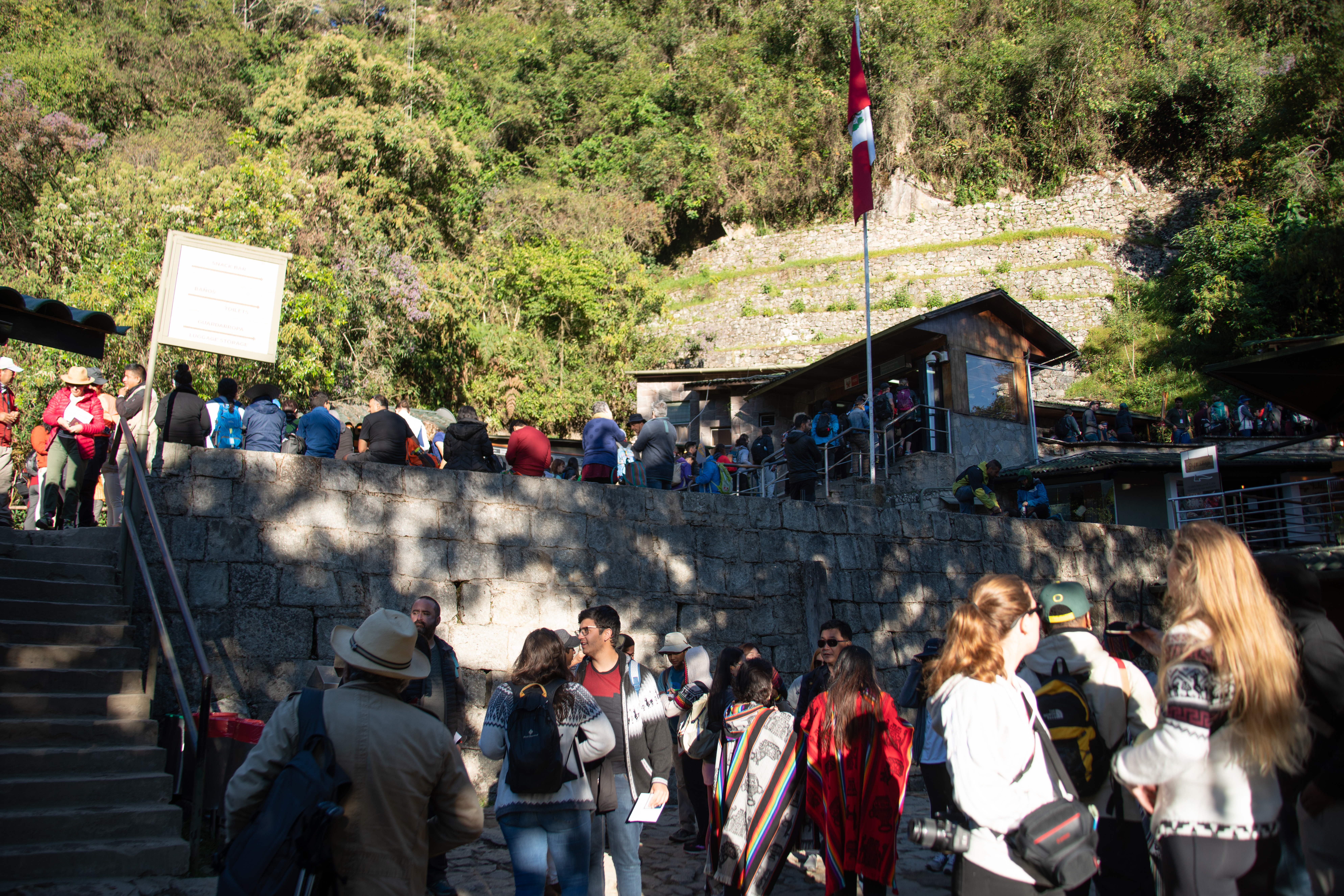
At the entrance to Machu Picchu
Once there, we found the desk where you can get a Machu Picchu stamp in your passport (you have to have your passport to get into the site, so why not?) and then headed in. I had read all of the rule the Peruvian government posted about what you could and could not take into the site. Nobody checked anything. I suppose if grossly violated something significant they would take notice. I did get to use my cane, which was not allowed until recently. Could’ve made it without it, but it would have been quite rough with my foot the way it still is.
And then we were in!
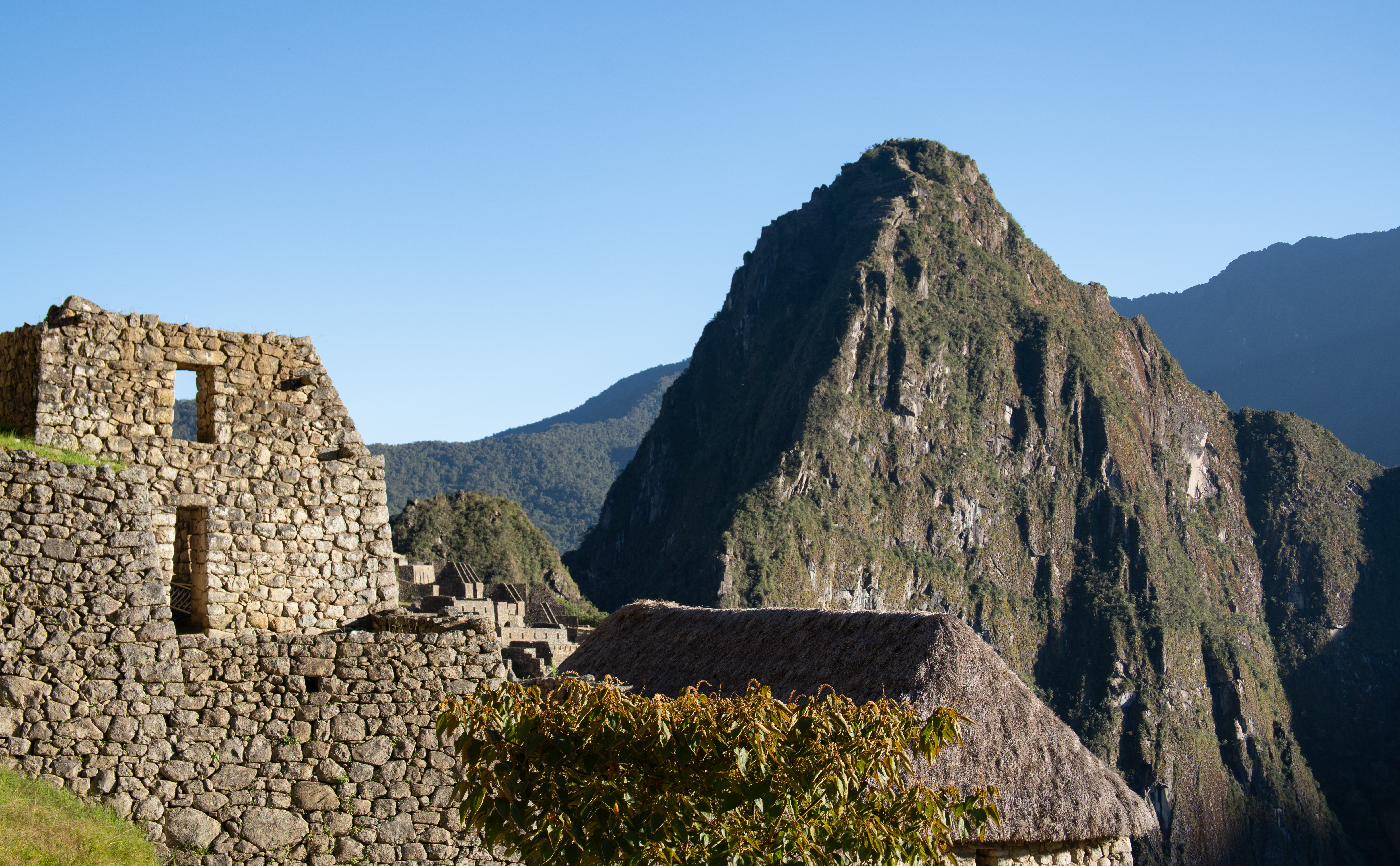
What you see when you go in
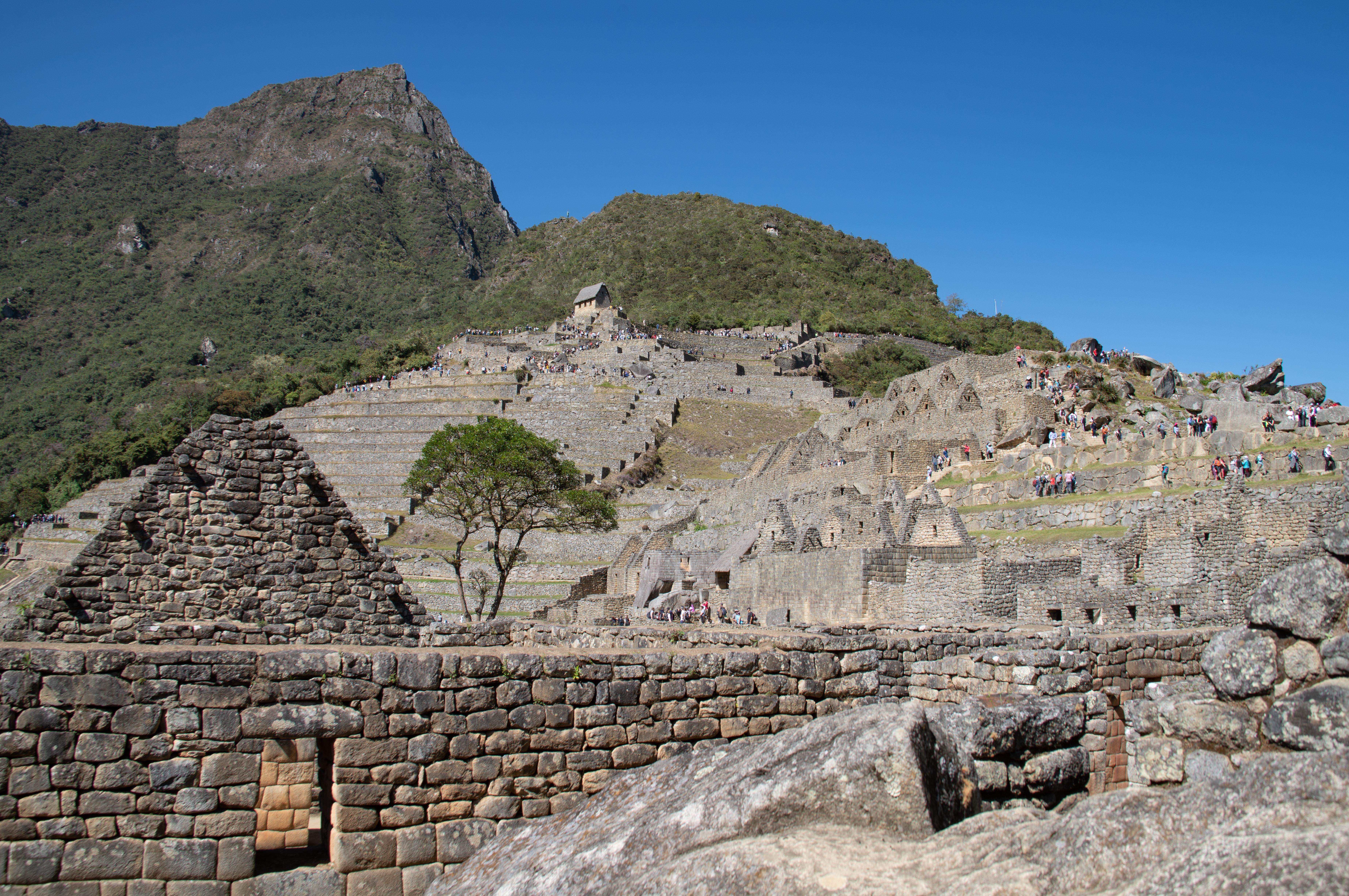
So what is Machu Picchu? Depends on who you talk to. Down here we are consistently being told that is was a trading town between the Amazon and Cusco. They say it was strategically placed for this purpose and that its setup is that of a town. If you look at other references you’ll find that many experts feel it was an estate of the Incan emperor. Our guides here have said that doesn’t make sense as it would have taken weeks to travel each direction to and from Cusco and the emperor could not have easily conducted business from there. They also dispute it being designed as a palace. Bottom line, it was built in the 1400s and abandoned around the time that the Spanish invaded Peru about 80 years later. The site was never found by the Spanish. In fact, it wasn’t found by non-Peruvians until Hiram Bingham, a Yale professor of South American culture, was taken there by a local in 1911. He was looking for a different site, but recognized the importance of what he had been taken to. Now, he did find the name Augustín Lizárraga and the year 1902 written in charcoal on one of the buildings, but since Bingham came back and spent years clearing the site of overgrowth, excavating it, and studying it, he is considered the “discoverer” (or rediscoverer).
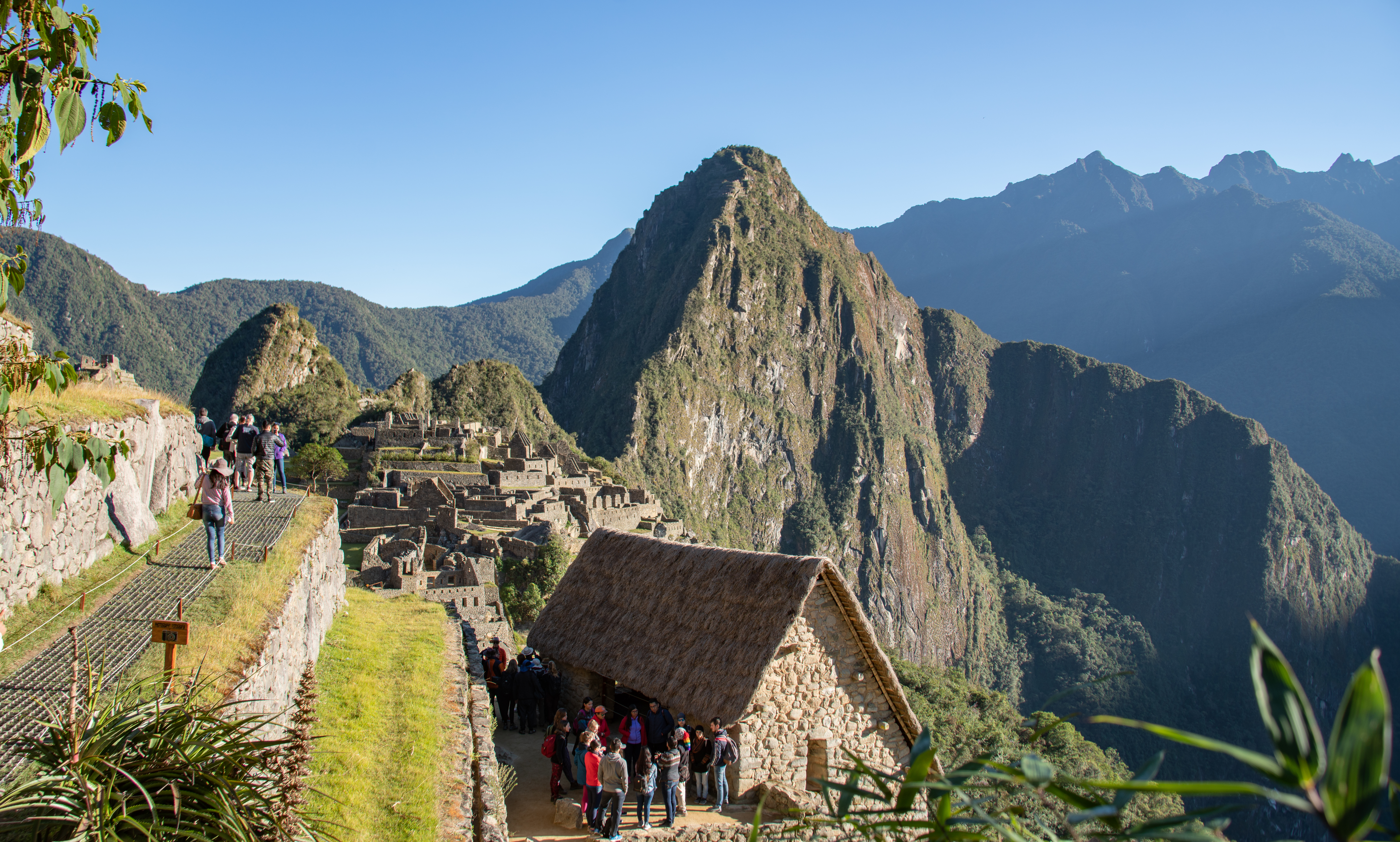

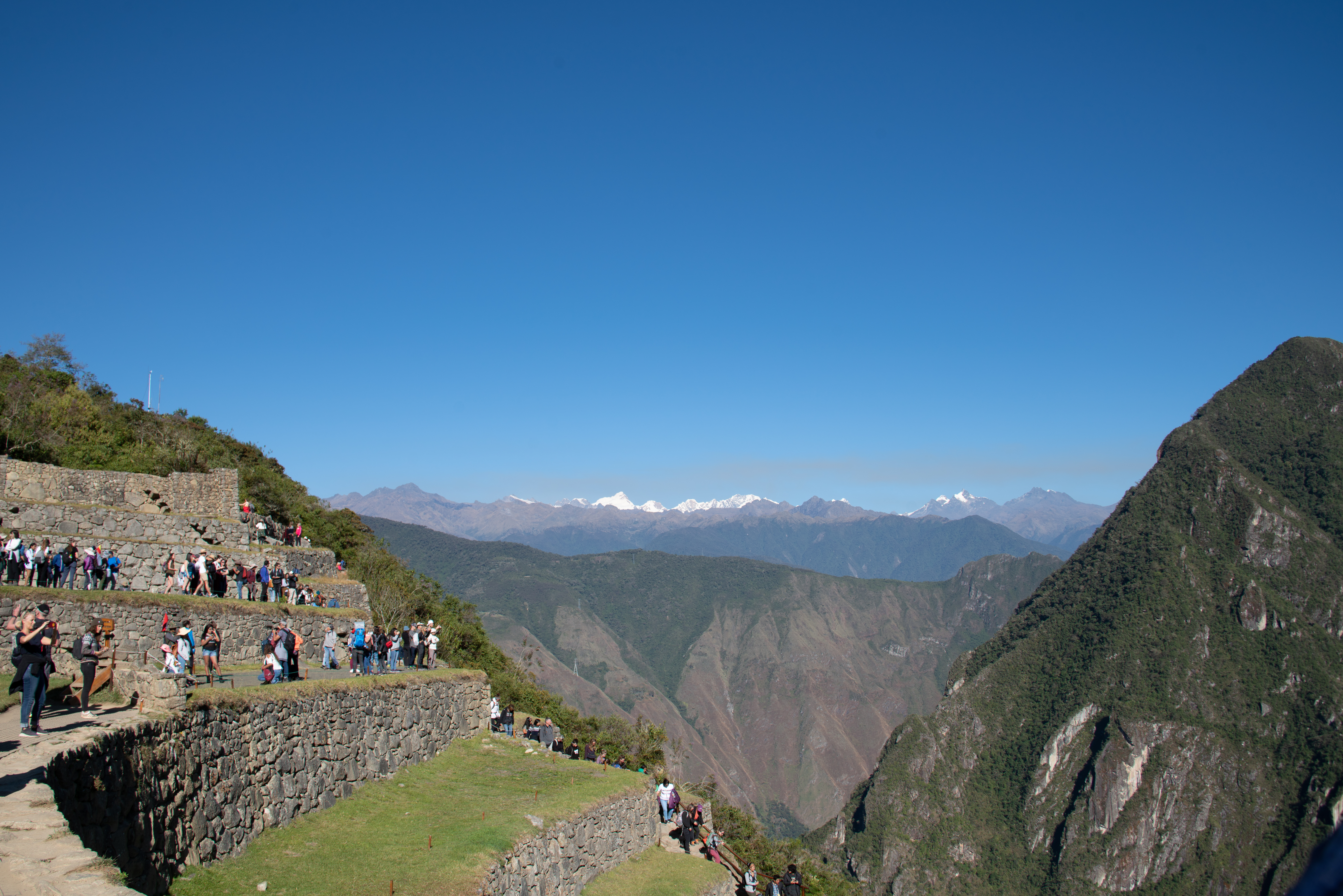
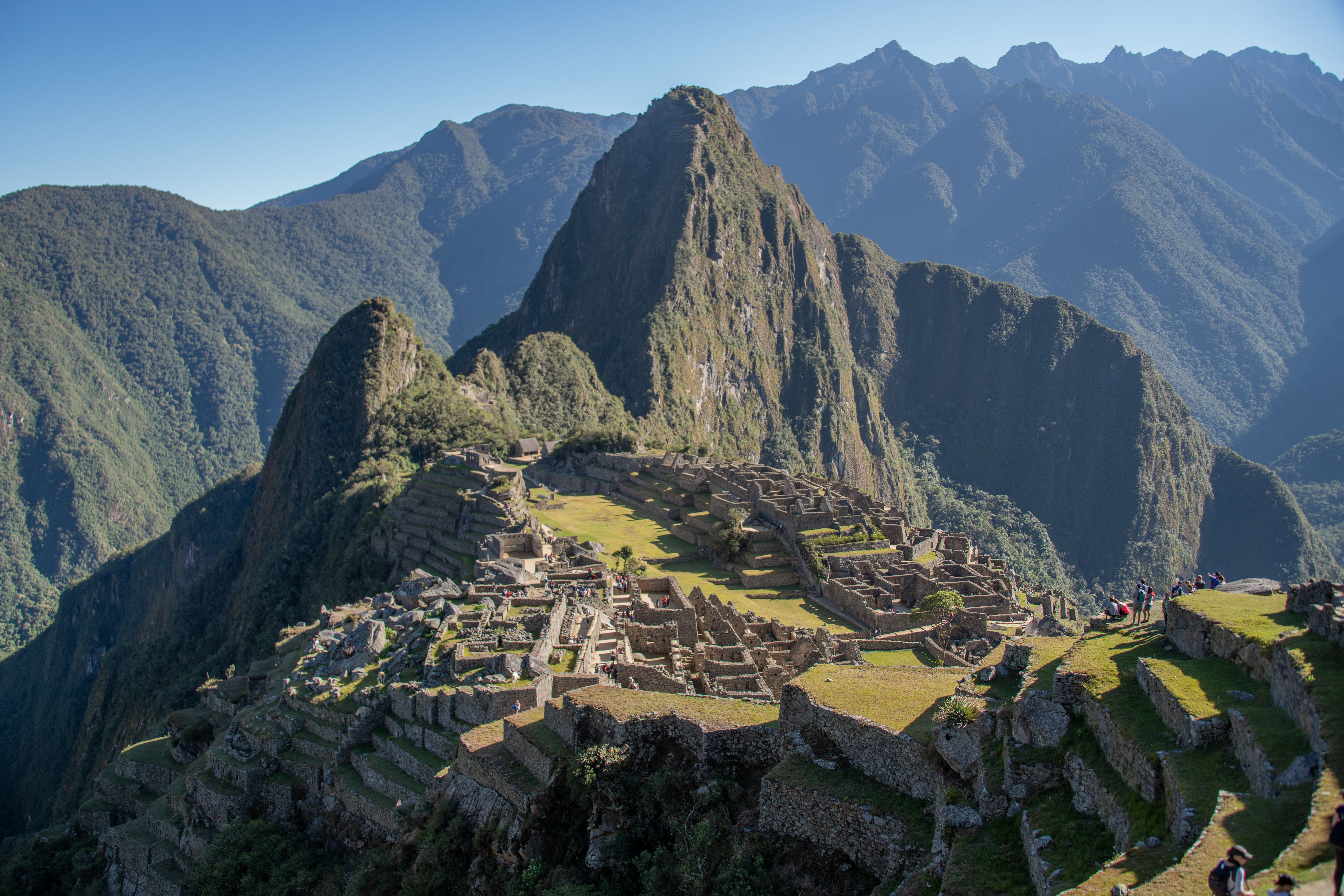
Machu Picchu was still being expanded when it was abandoned. This has helped in the understanding of how it was built. First off, they used the local stone in that part of the Andes, white granite, for construction, largely using natural cracks to make the stones for much of the construction. This means that, instead of the common Incan practice of uniform stones, much of Machu Picchu is constructed with stones of different sizes. Also, they did not use wheels. They did, however, use levers and cylindrical rollers to move larger stones. They didn’t use mortar, instead placing stones directly together. They used various architectural features to stabilize the structures against erosion and earthquakes.

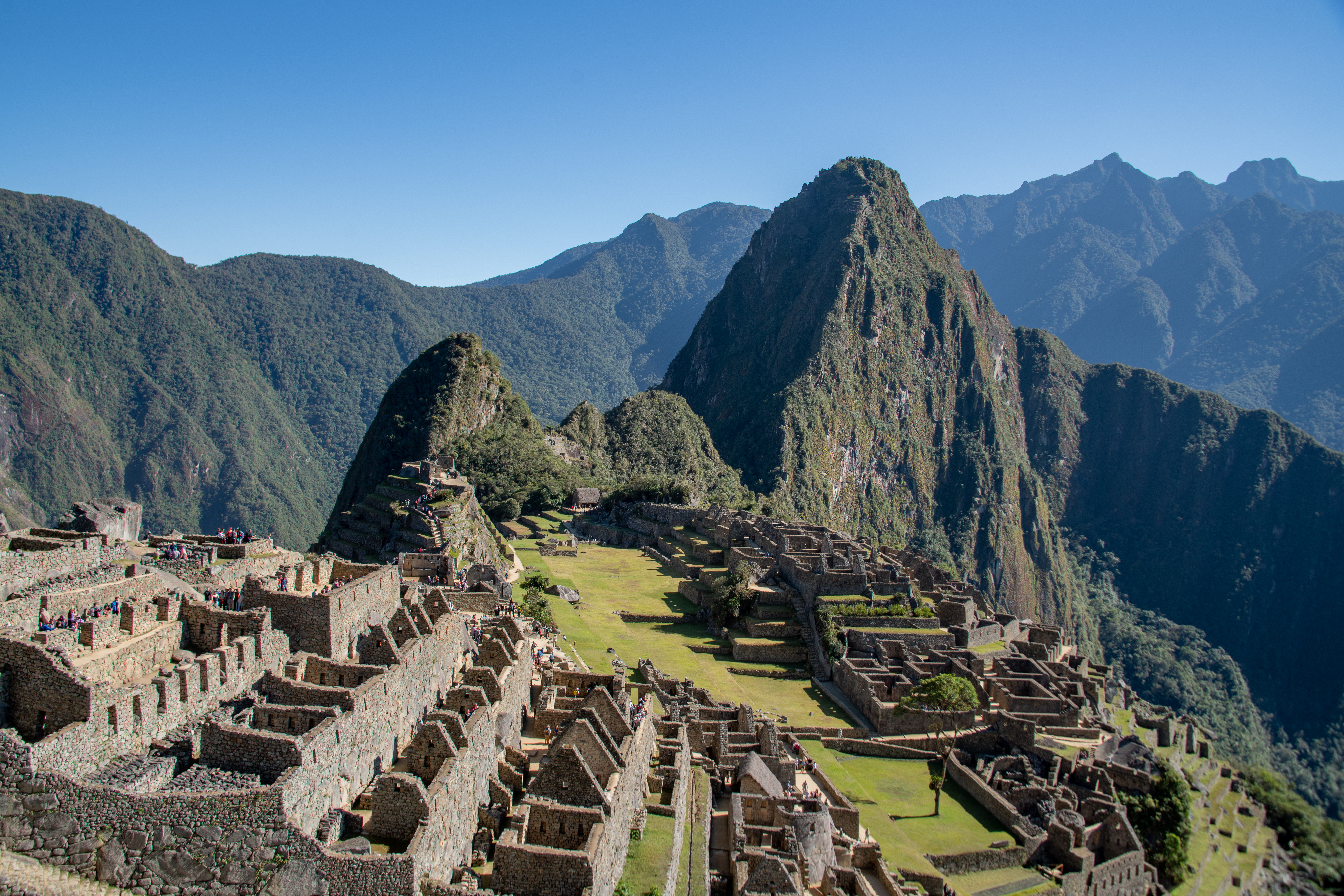

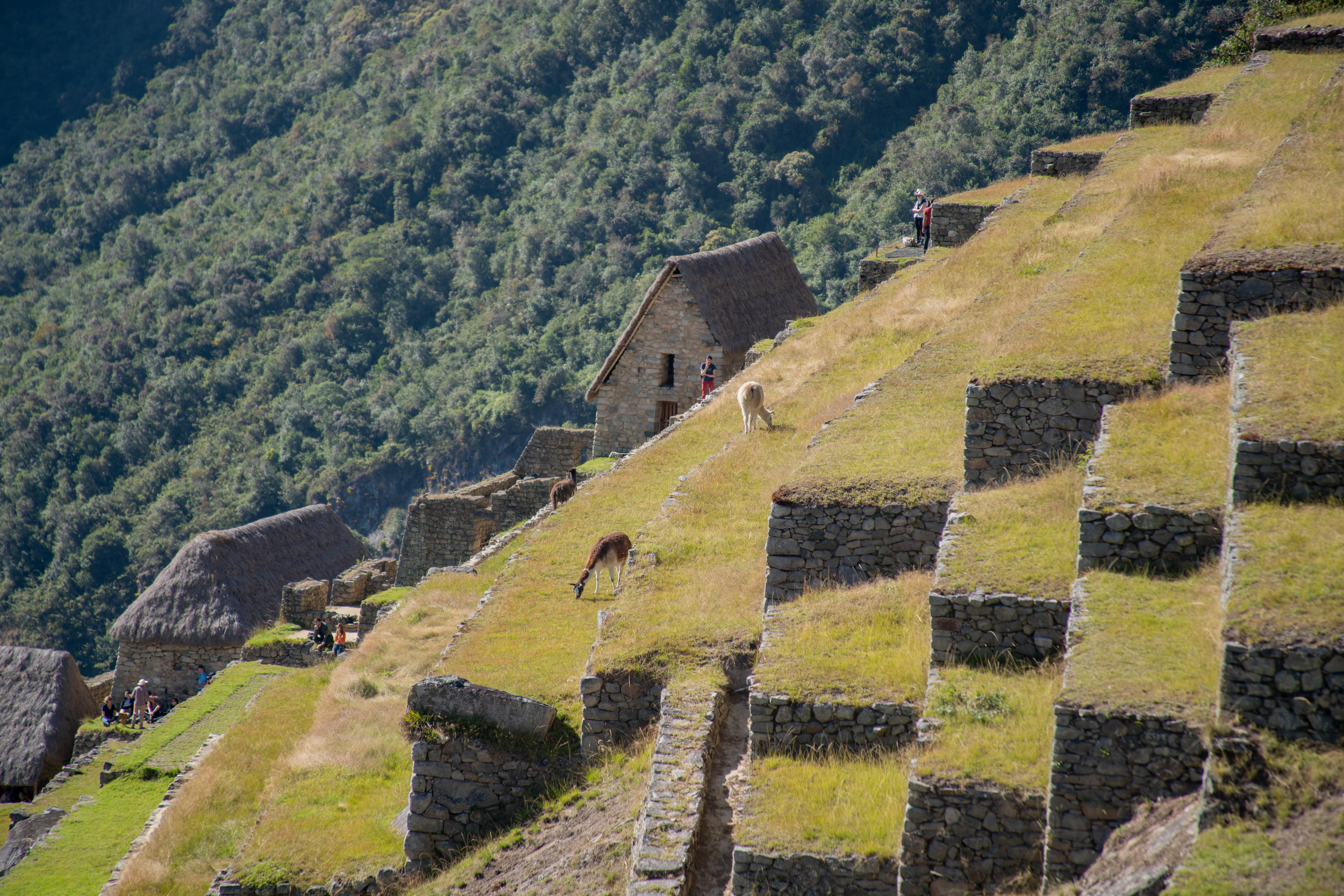
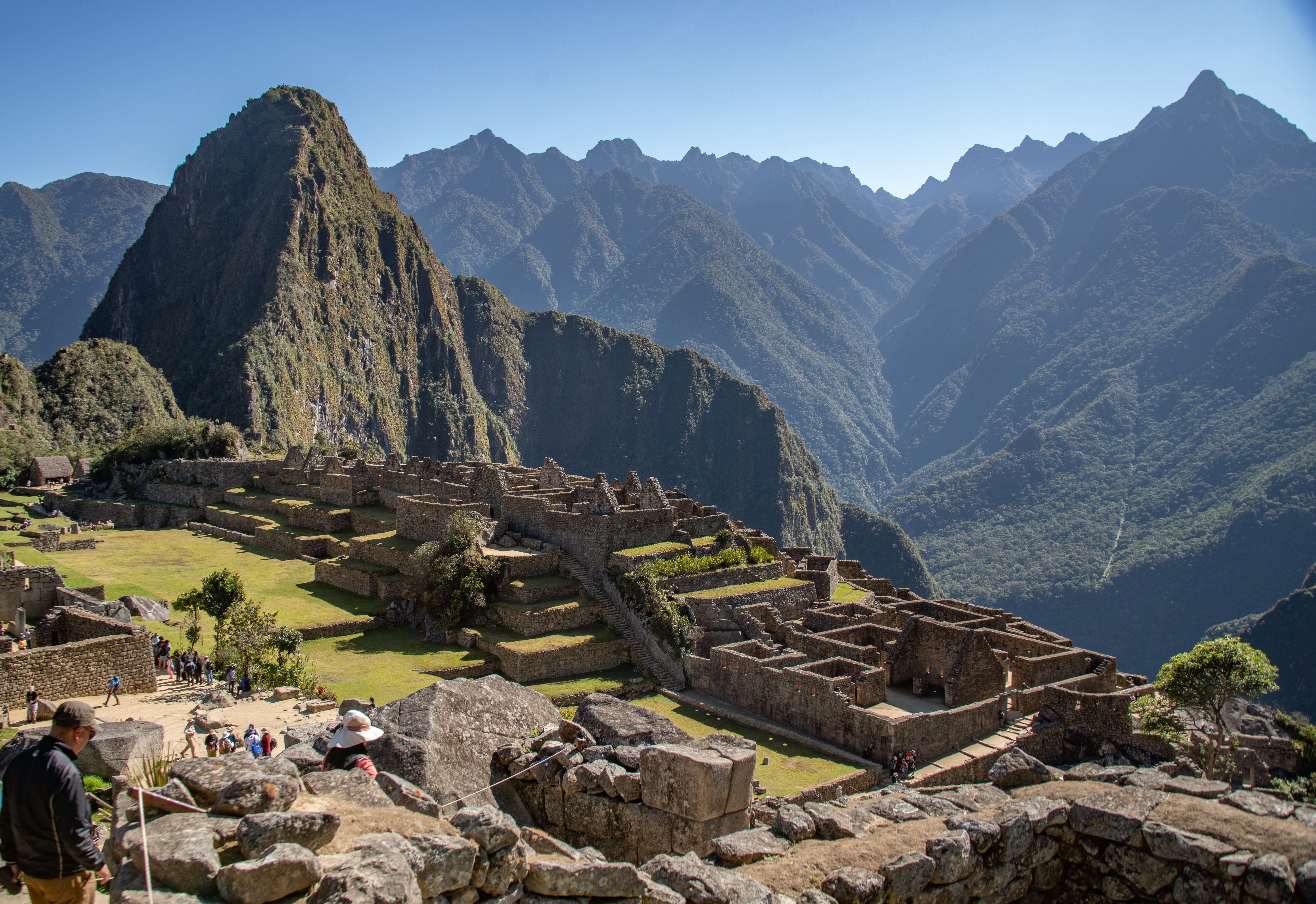
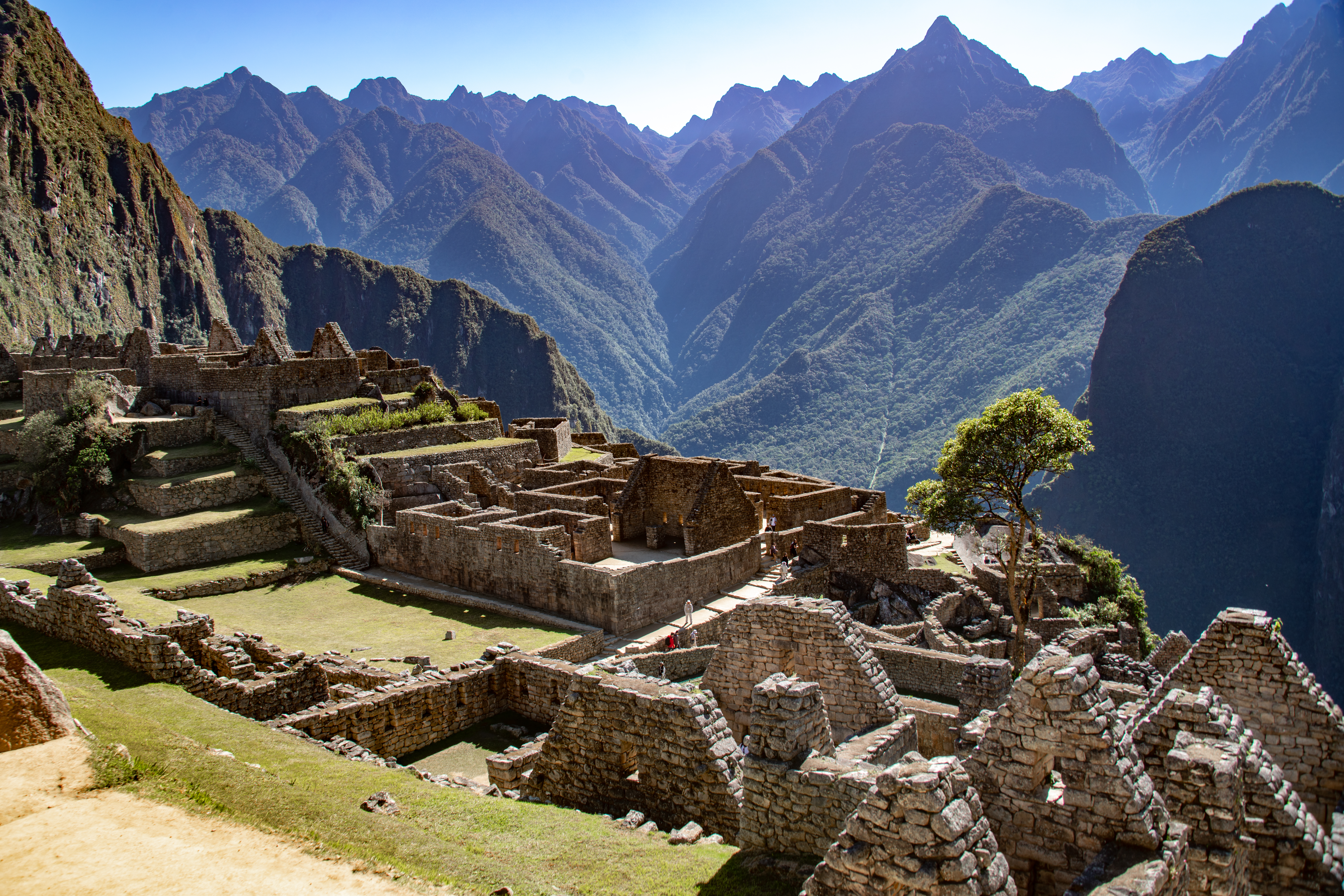
For understandable reasons, Machu Picchu was made a UNESCO World Heritage Site in 1983. More recently it was voted one of the 7 Wonders of the Modern World.
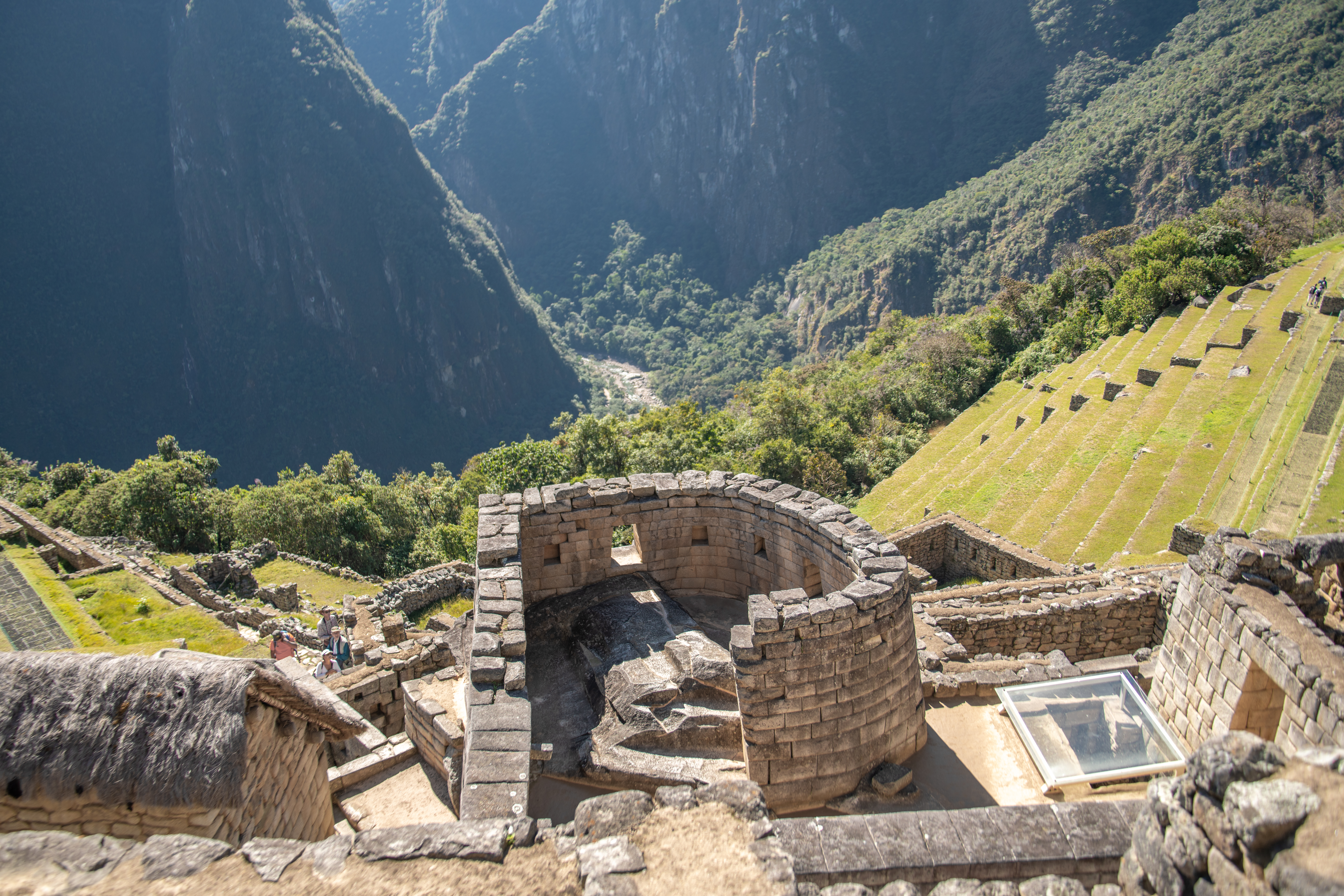
Temple of the Sun
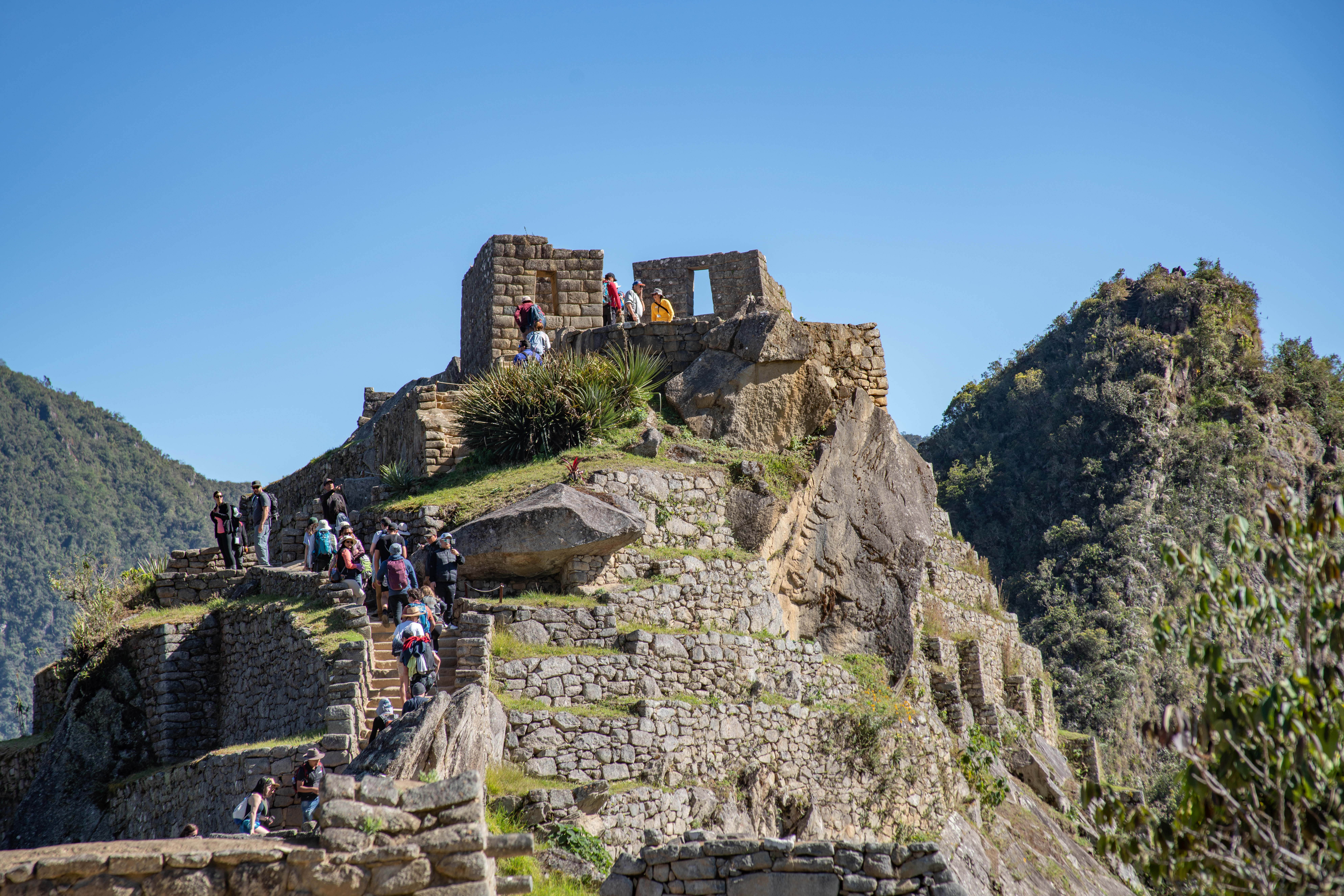
Going up to the sundial
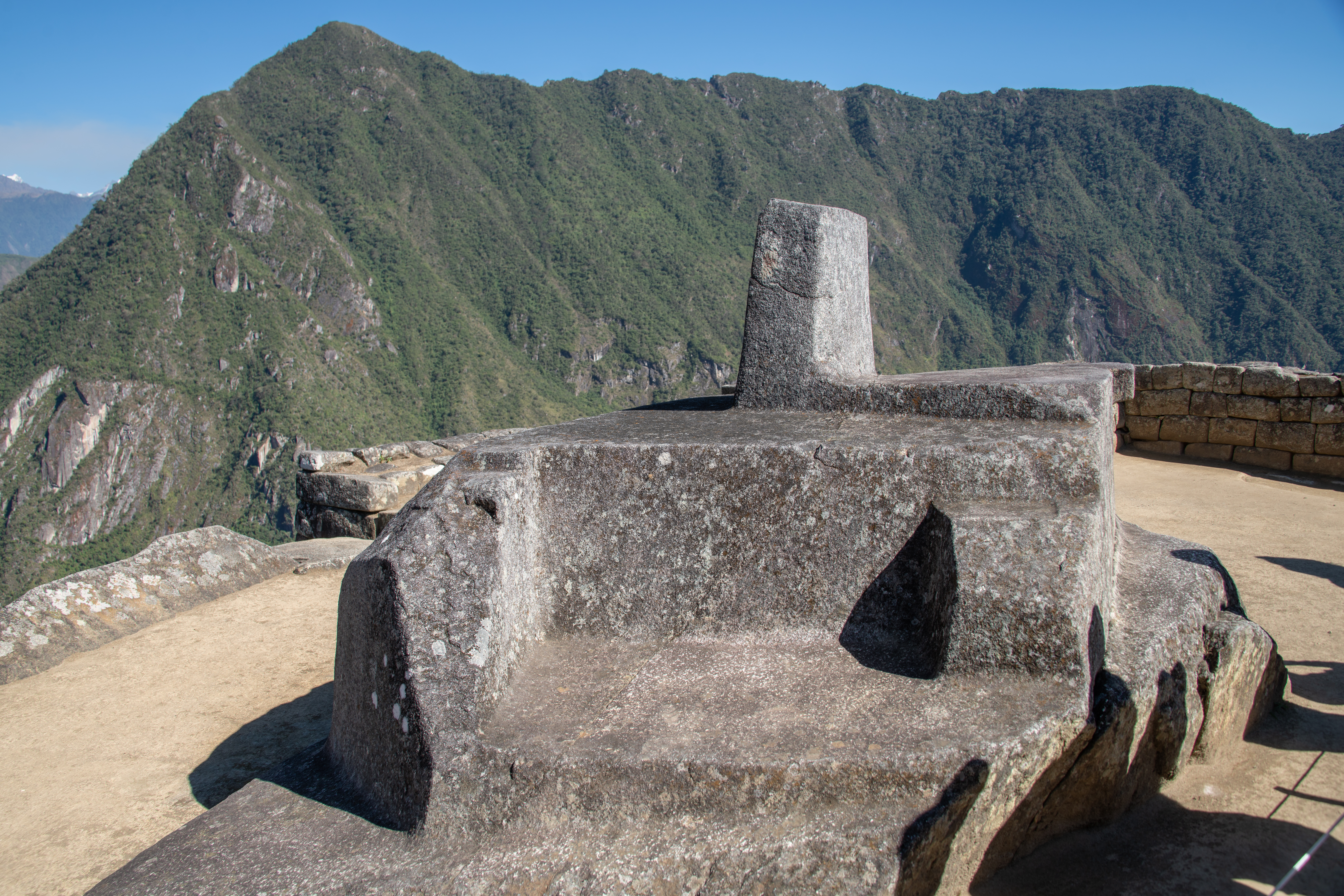
The sundial

view from the sundial
I swear this baby llama was sleeping
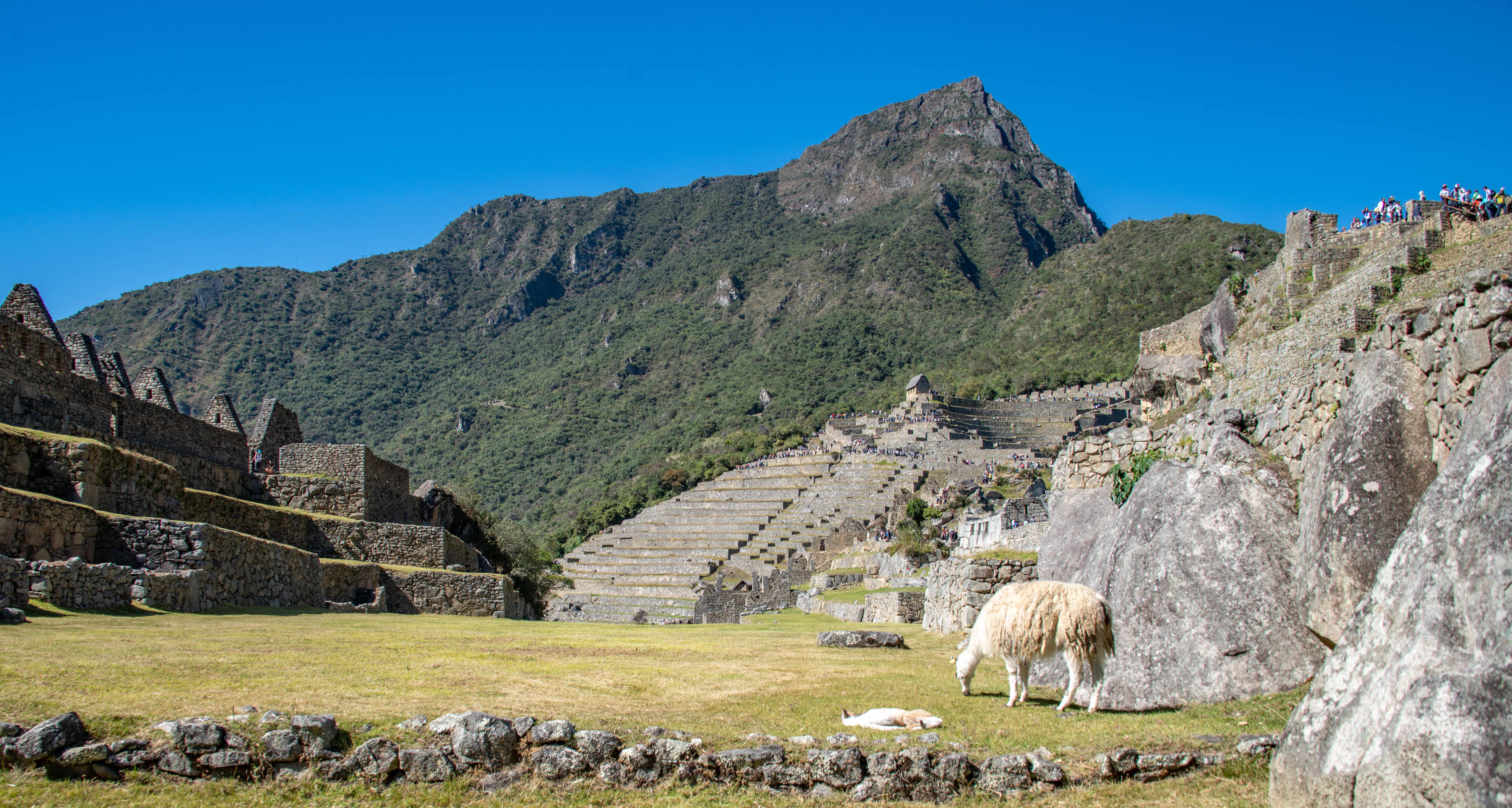
Plaza
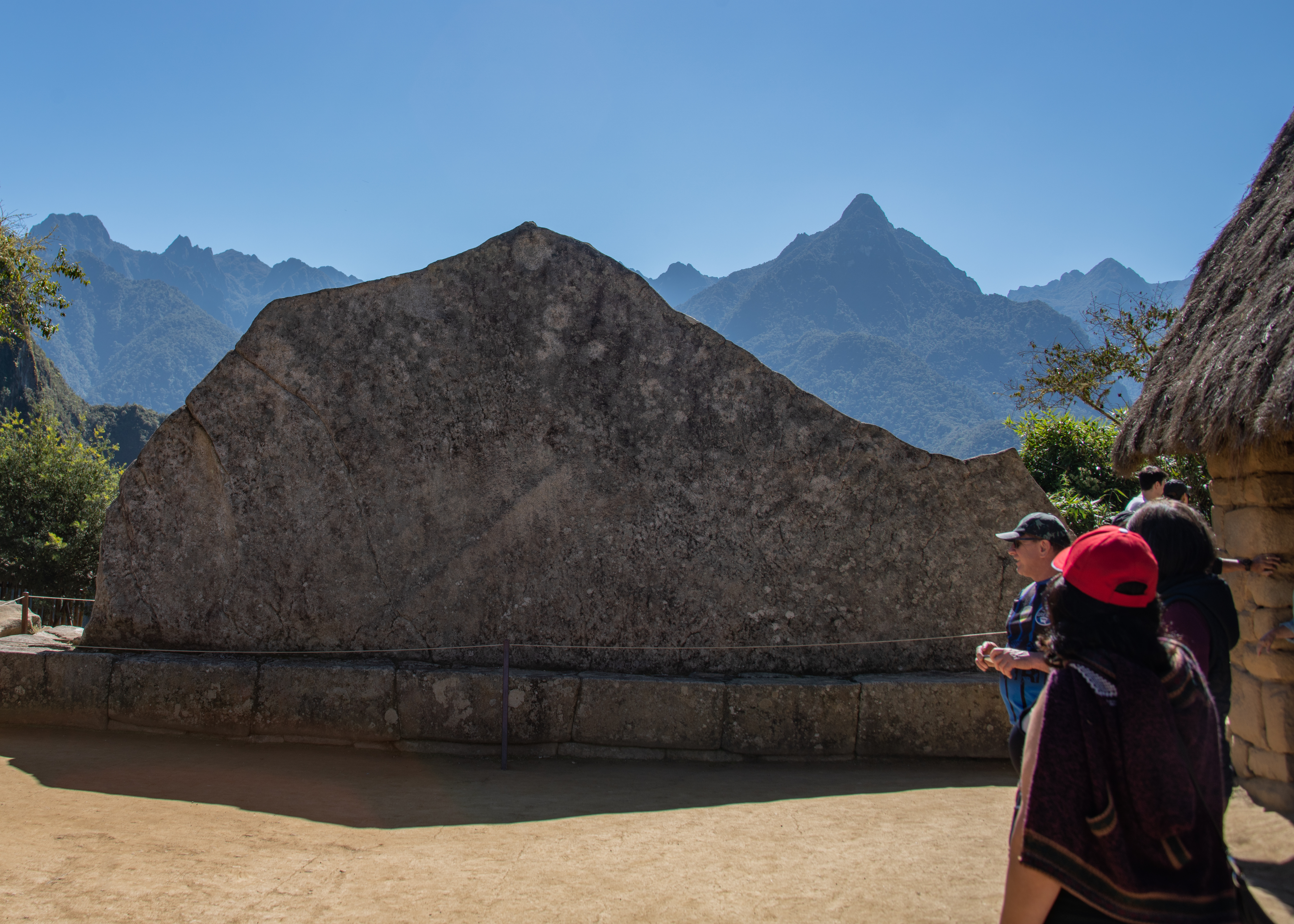
Sacred Rock…looks like the mountain behind it
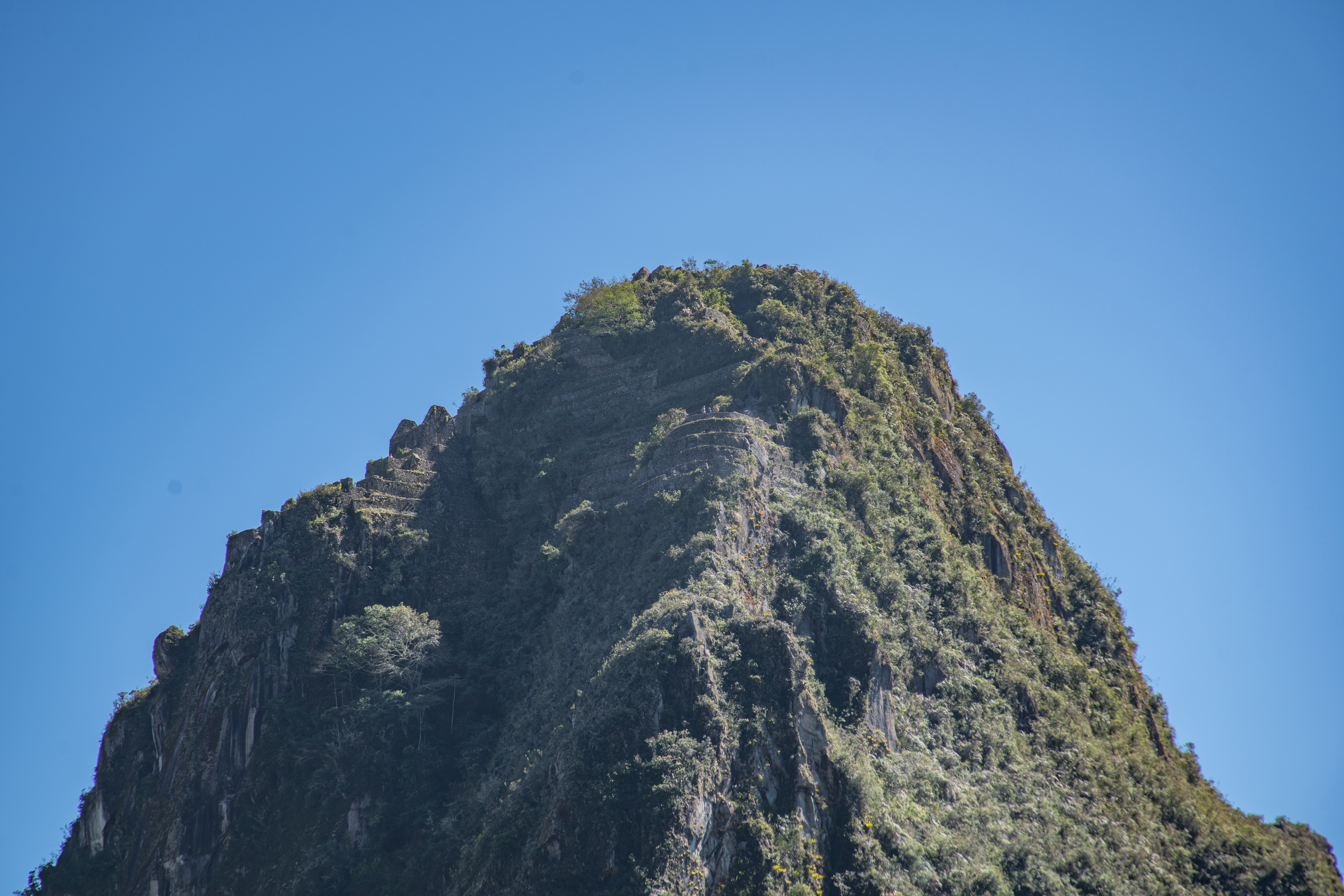
Huayana Picchu, which also has ruins
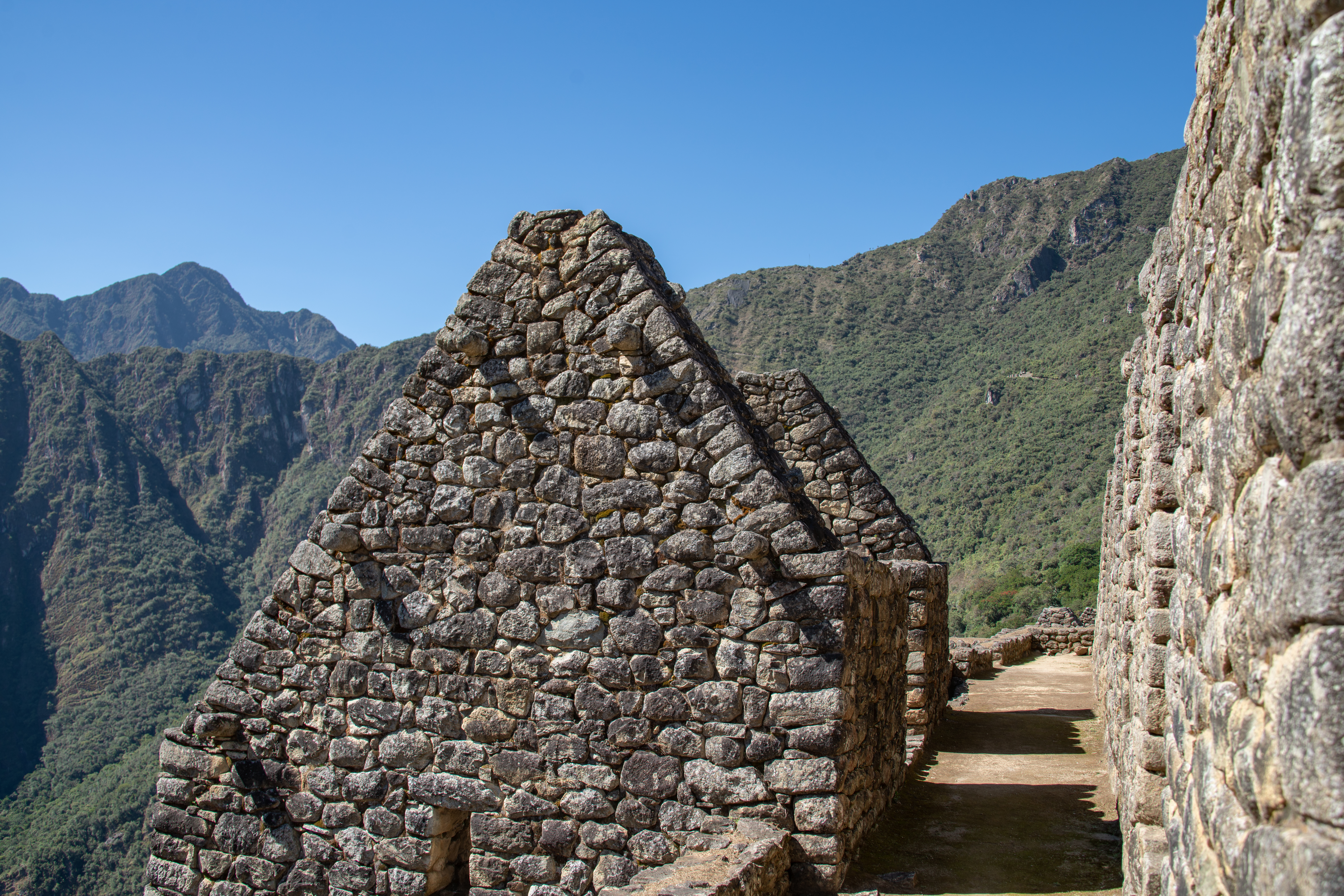
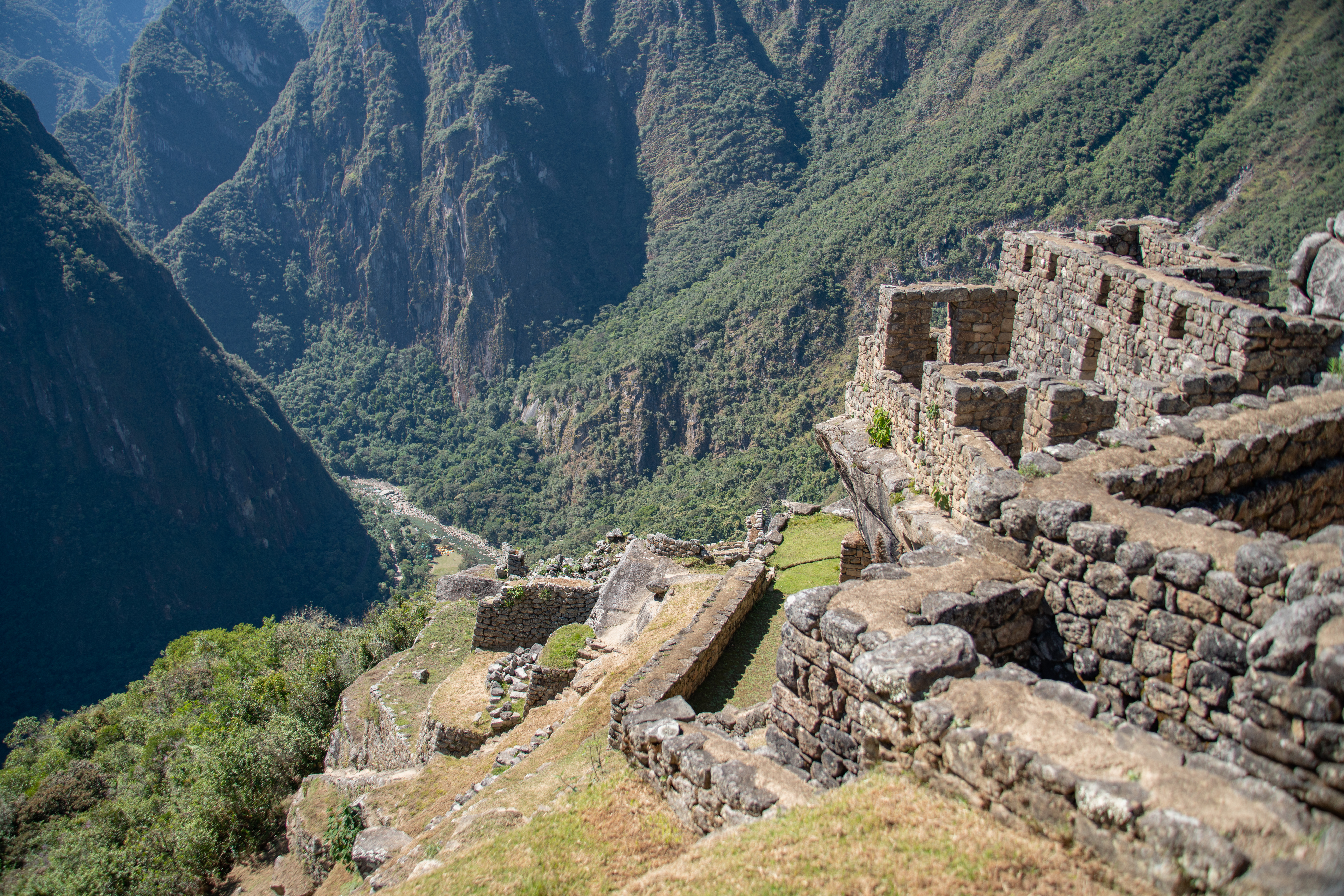
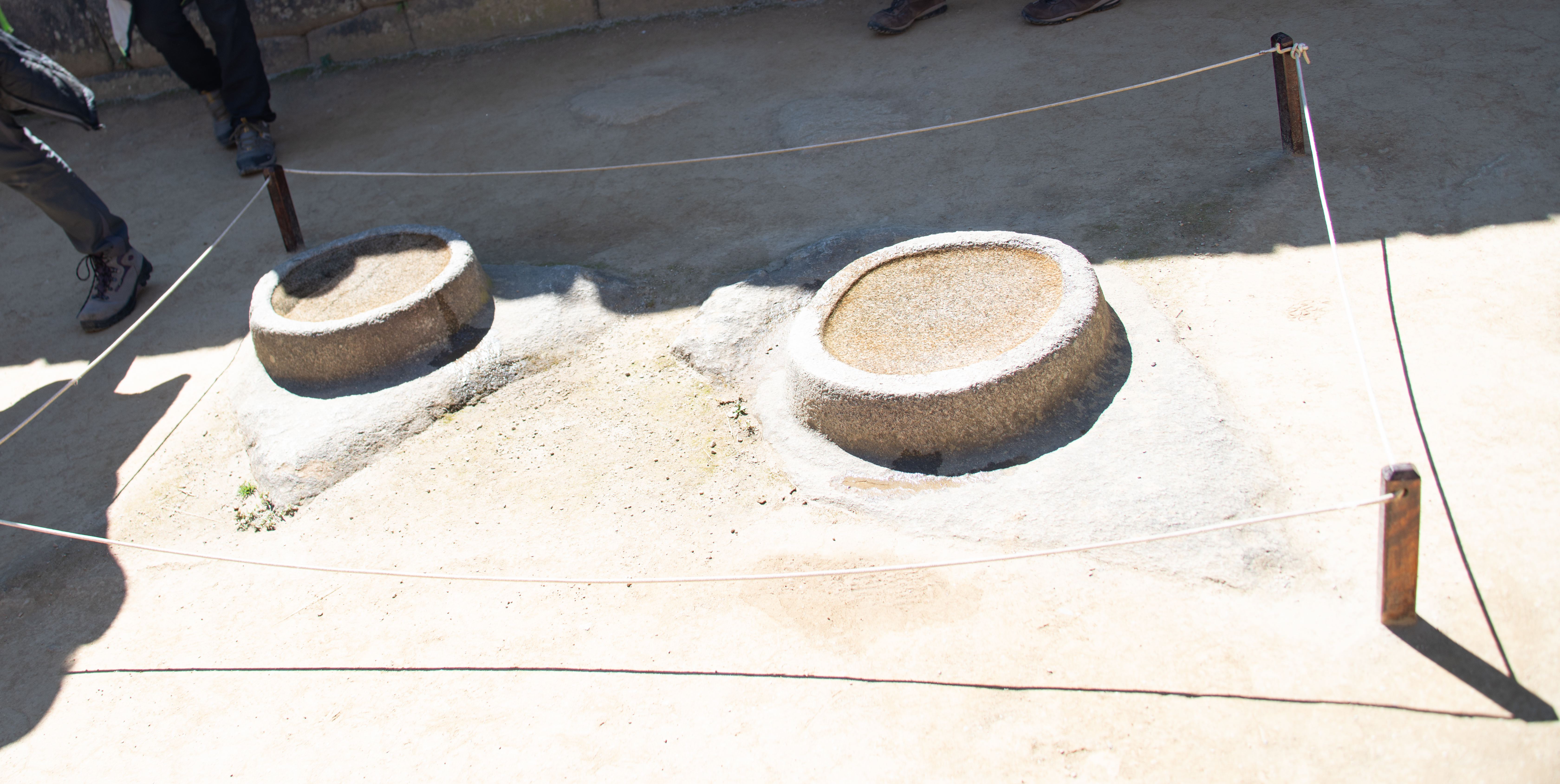
Espejos de agua: they put water in these and likely used these to look at the stars
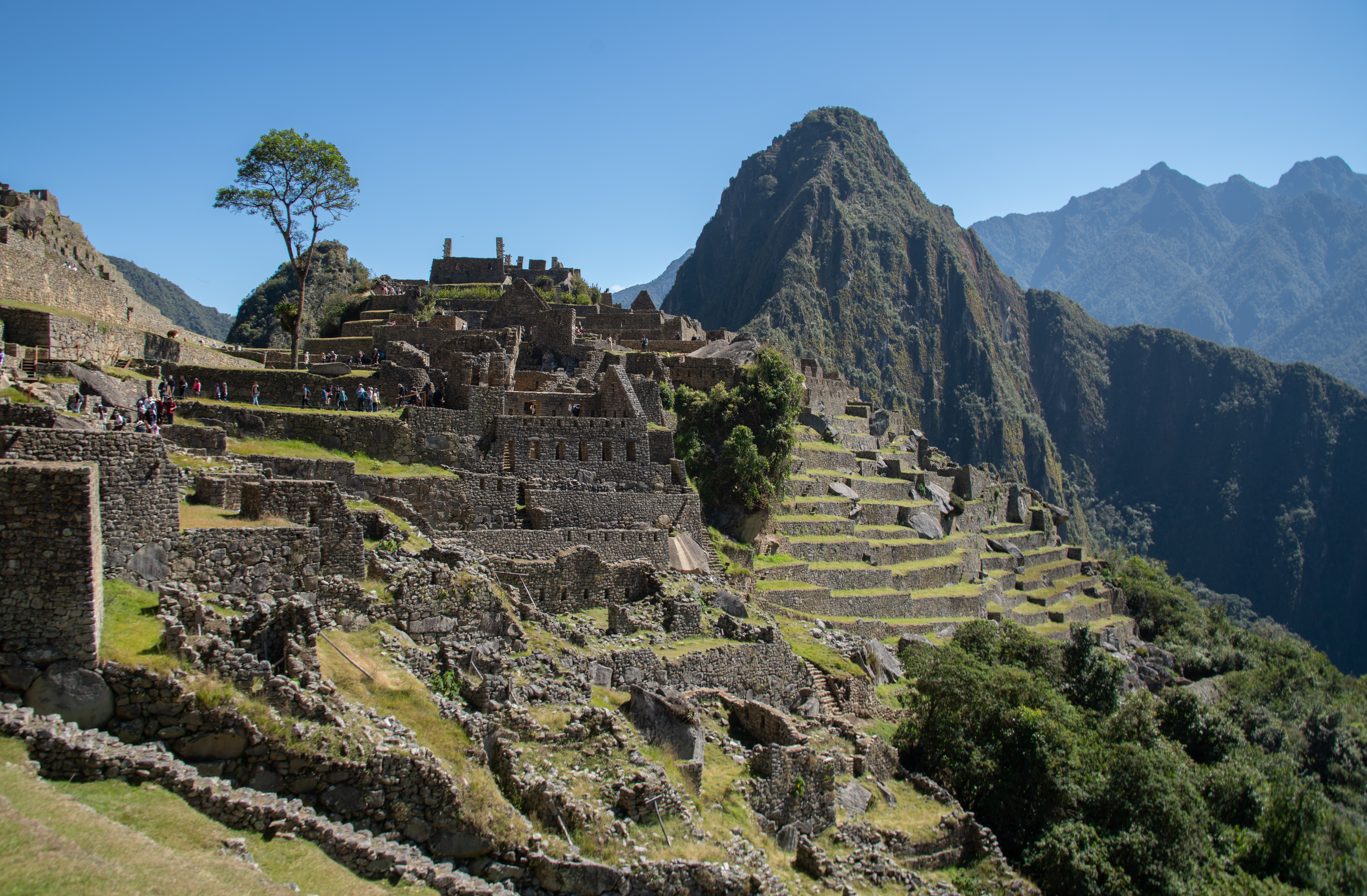
Our visit was amazing and I highly recommend it. Some other notes about visiting Machu Picchu: the walking is rough. The ground is very uneven and there are lots of stairs of varying height. There were a total of 3 handrails in the entire place and one of those was wobbly. There are no safety railings, meaning that there are open edges with falls of hundreds of feet. Once you go in it is one way and there are no bathrooms inside. Once you leave, you cannot re-enter. This is not a trip for anyone who cannot walk well or cannot walk at altitude. Also, I would not recommend going there without a guide. We would have missed so much without our guide. There aren’t any signs explaining anything. Right before you enter, there are guides that you can hire if you don’t have one in advance.
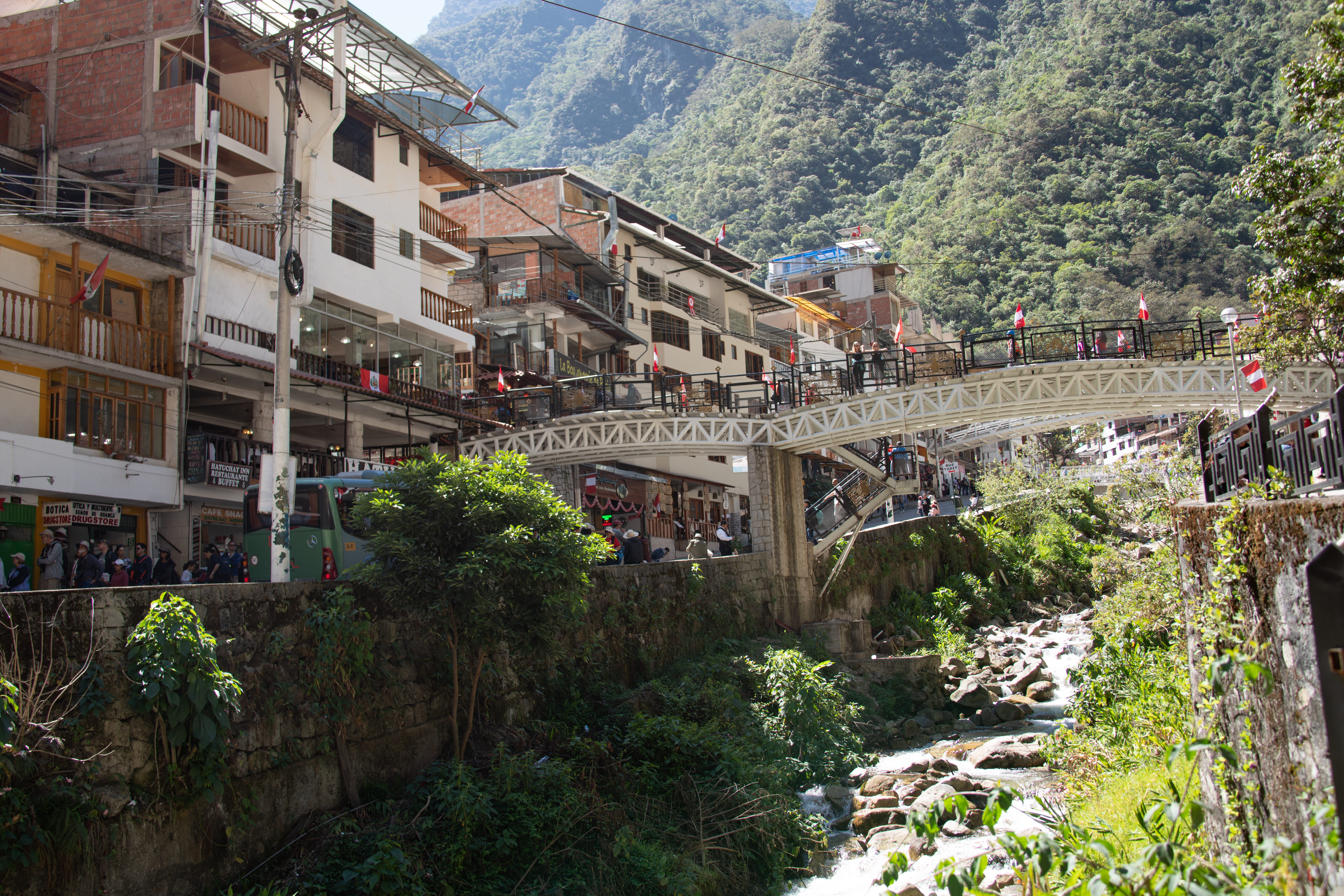
Back in Aguas Calientes
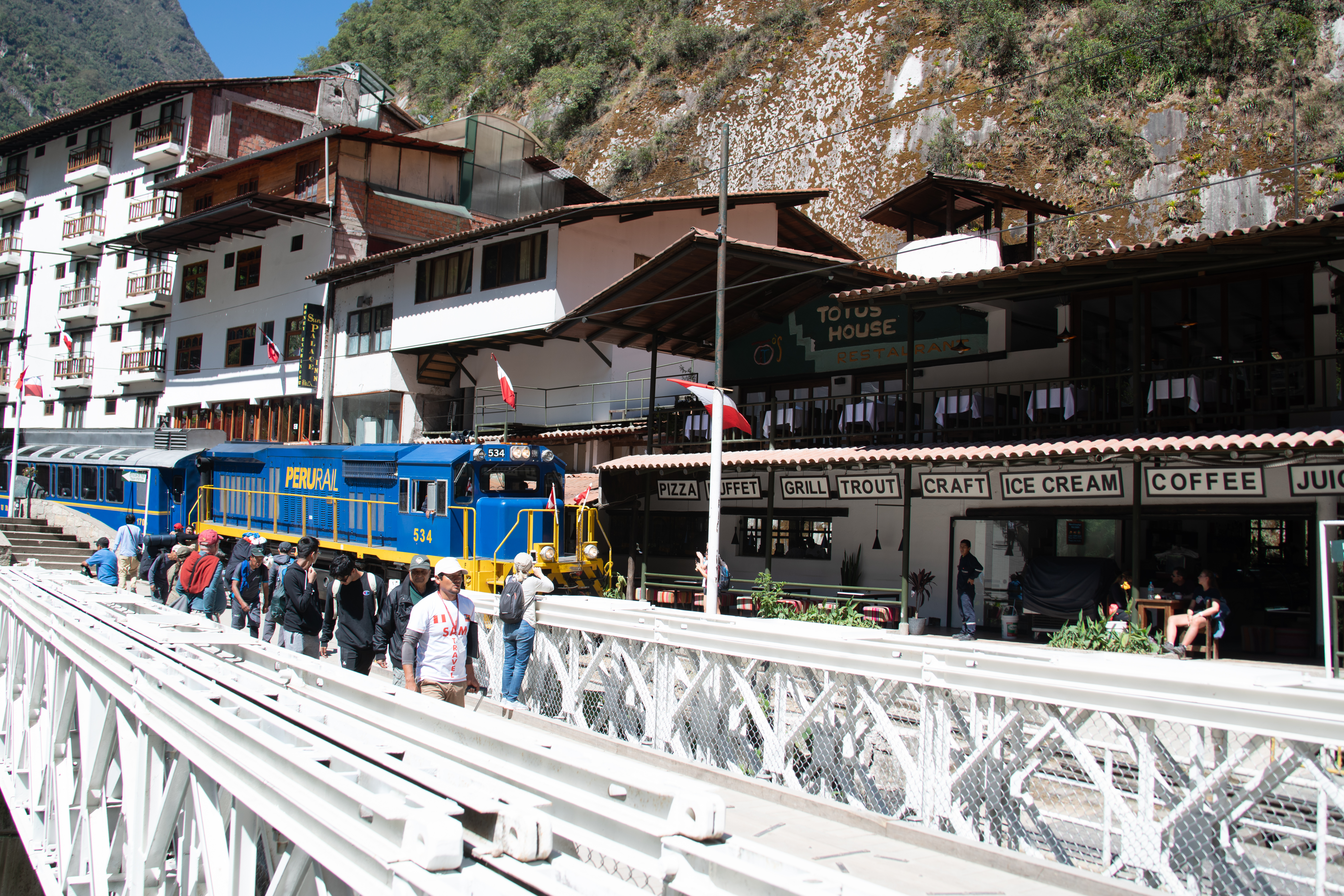
One of the trains coming into town
So, we were done with the site before lunchtime. We rode the bus back and had a relaxing lunch in Aguas Calientes followed by shopping in the market. We relaxed in our hotel lobby (we had gotten up at 5am) until it was time for our train back to Cusco.


Leave a Reply