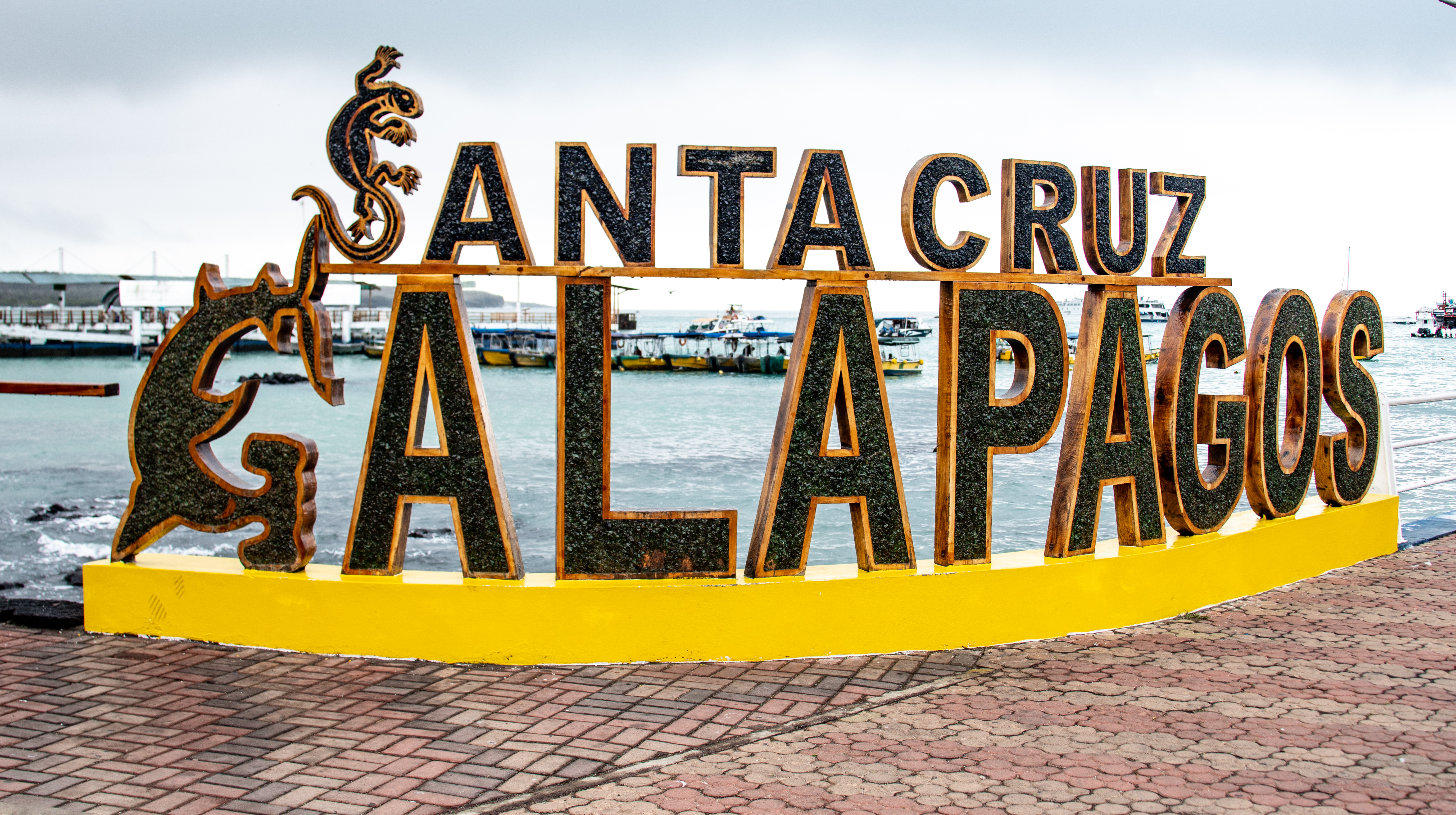
We started out the morning at a beach on Santa Cruz.
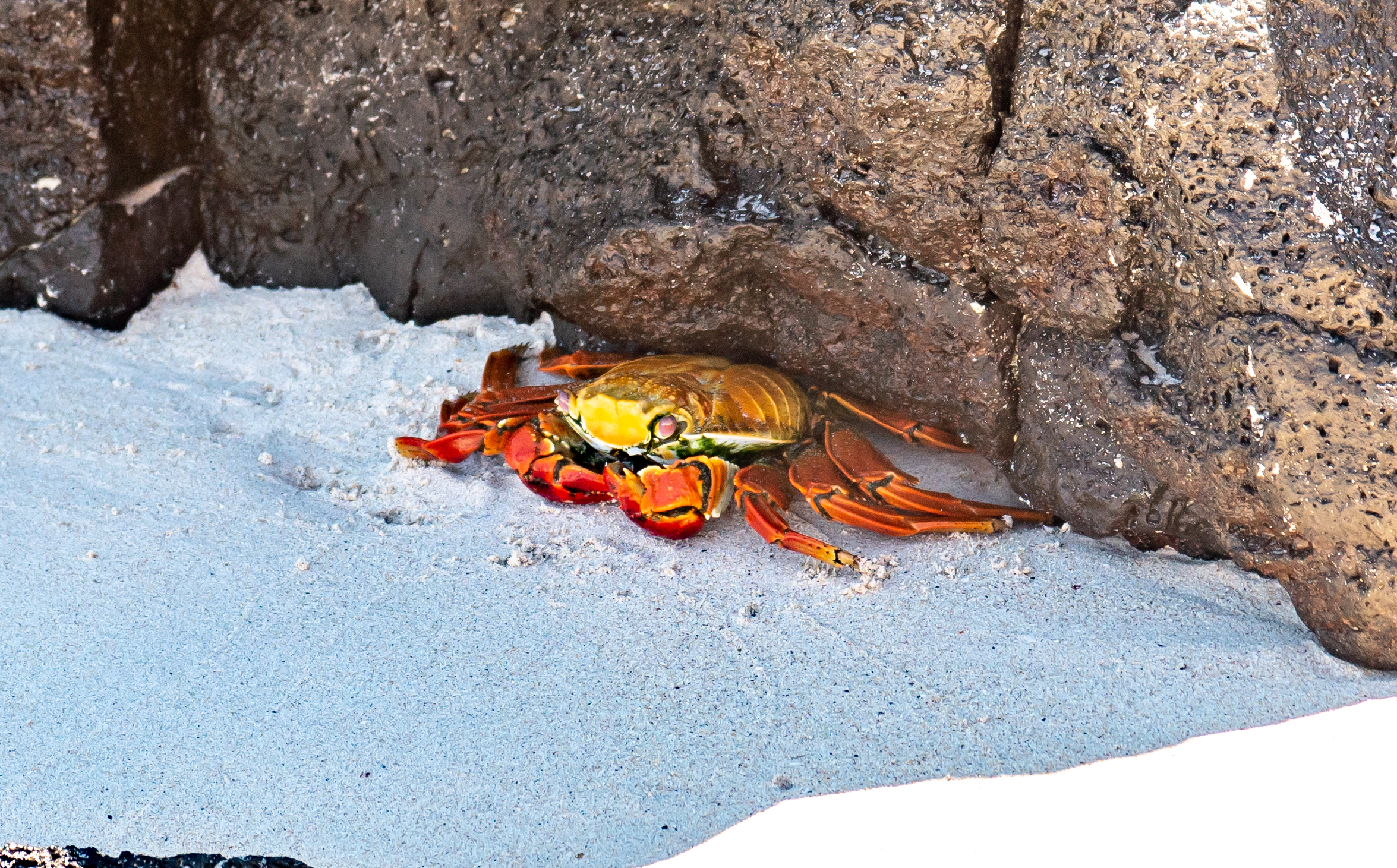
Sally Lightfoot Crab
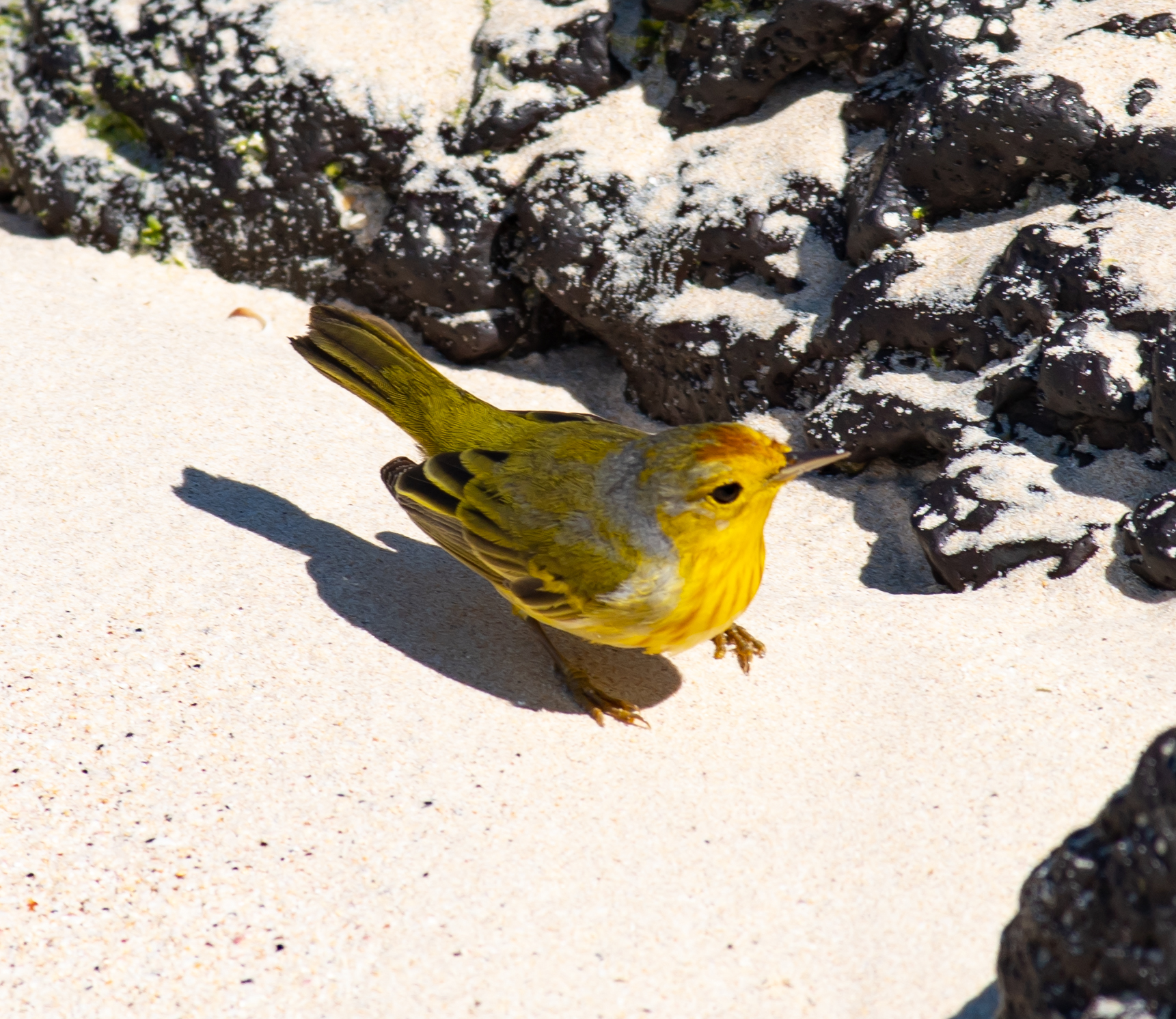
Galapagos Yellow Warbler: I followed this little guy for quite a while watching it eat insects out of the sand and rocks on the beach.
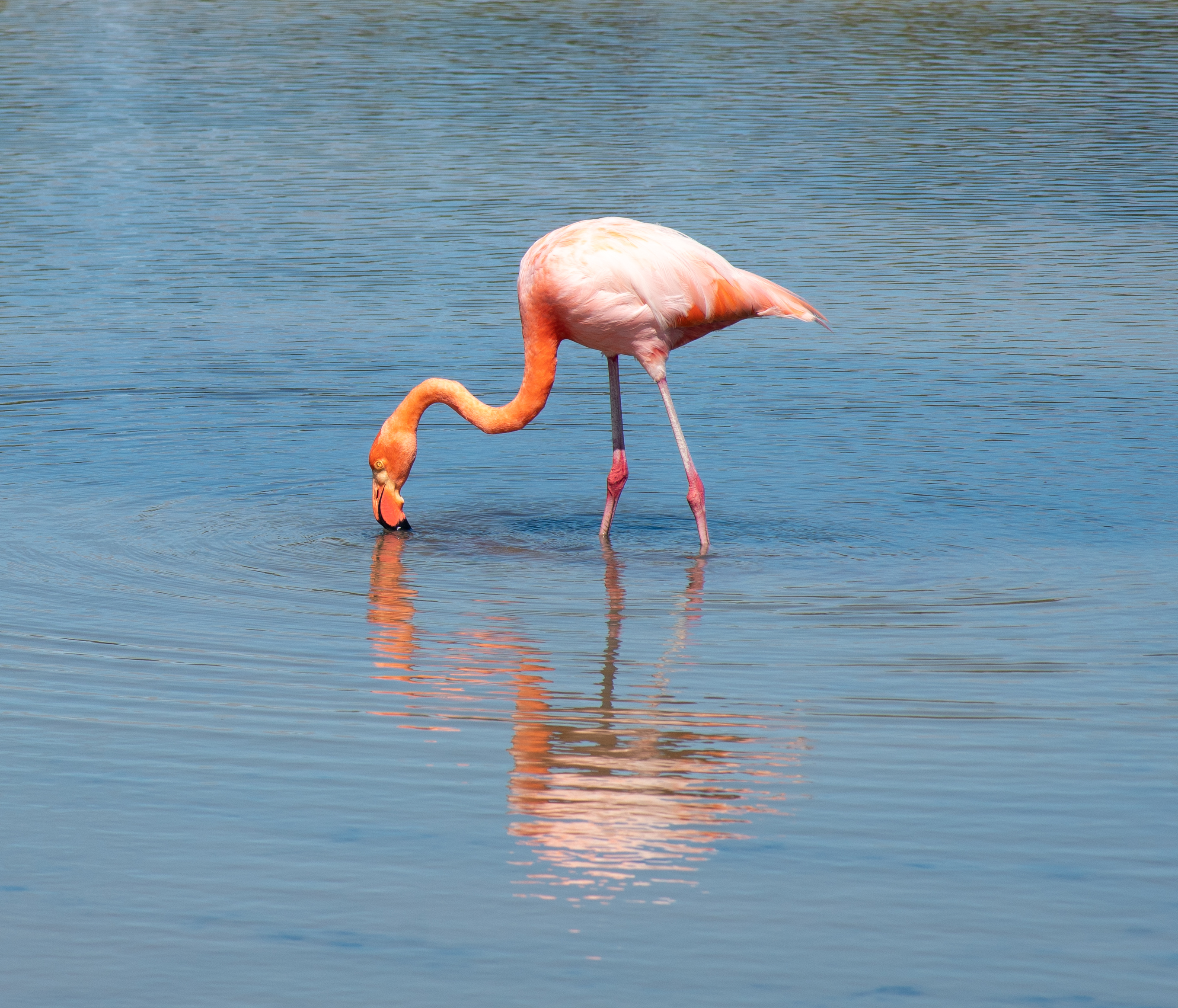
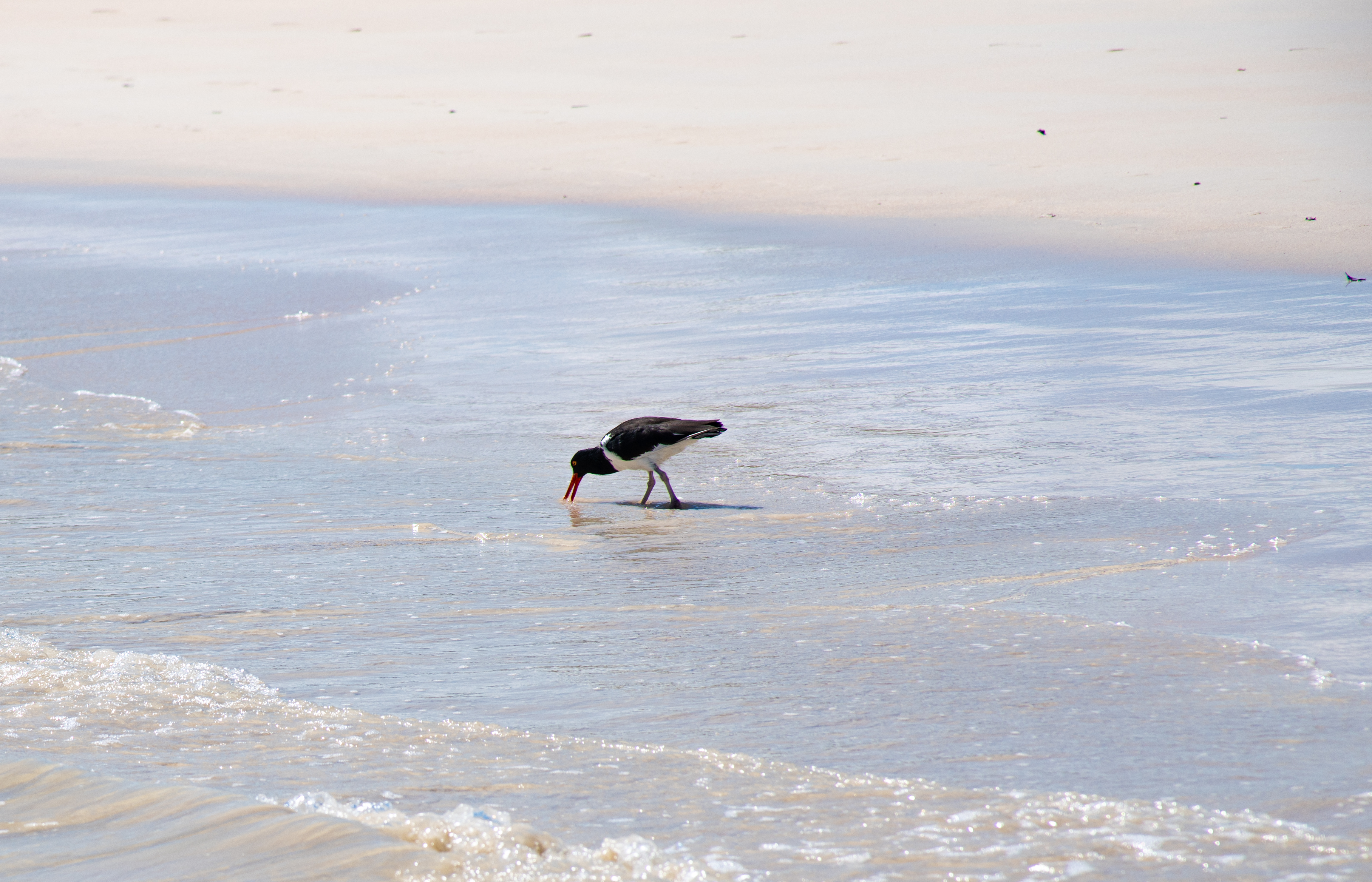
American Oystercatcher
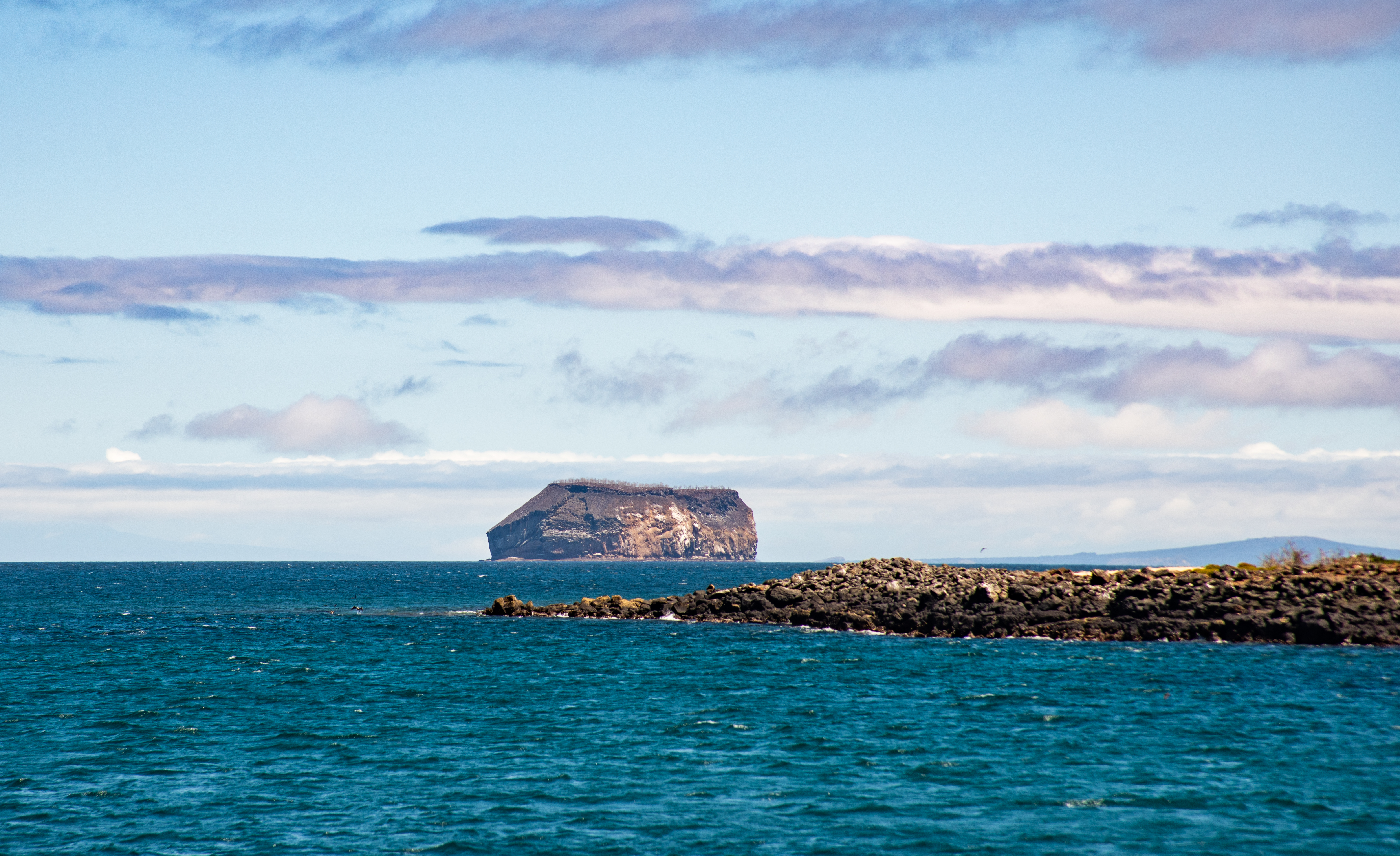
Then we headed out to North Seymour Island. This island is known for its nesting Blue Footed Booby and Magnificent Frigatebird populations. It did not disappoint. The island is small, relatively flat, and seemingly barren this time of year (no leaves on these trees during the winter…apparently the trees on this island only get leaves after it rains). The island is uninhabited and you have to have an official guide to take you here. There is a 2 km trail around the island that allows you to get very close to both Booby and Frigatebird nesting sites.
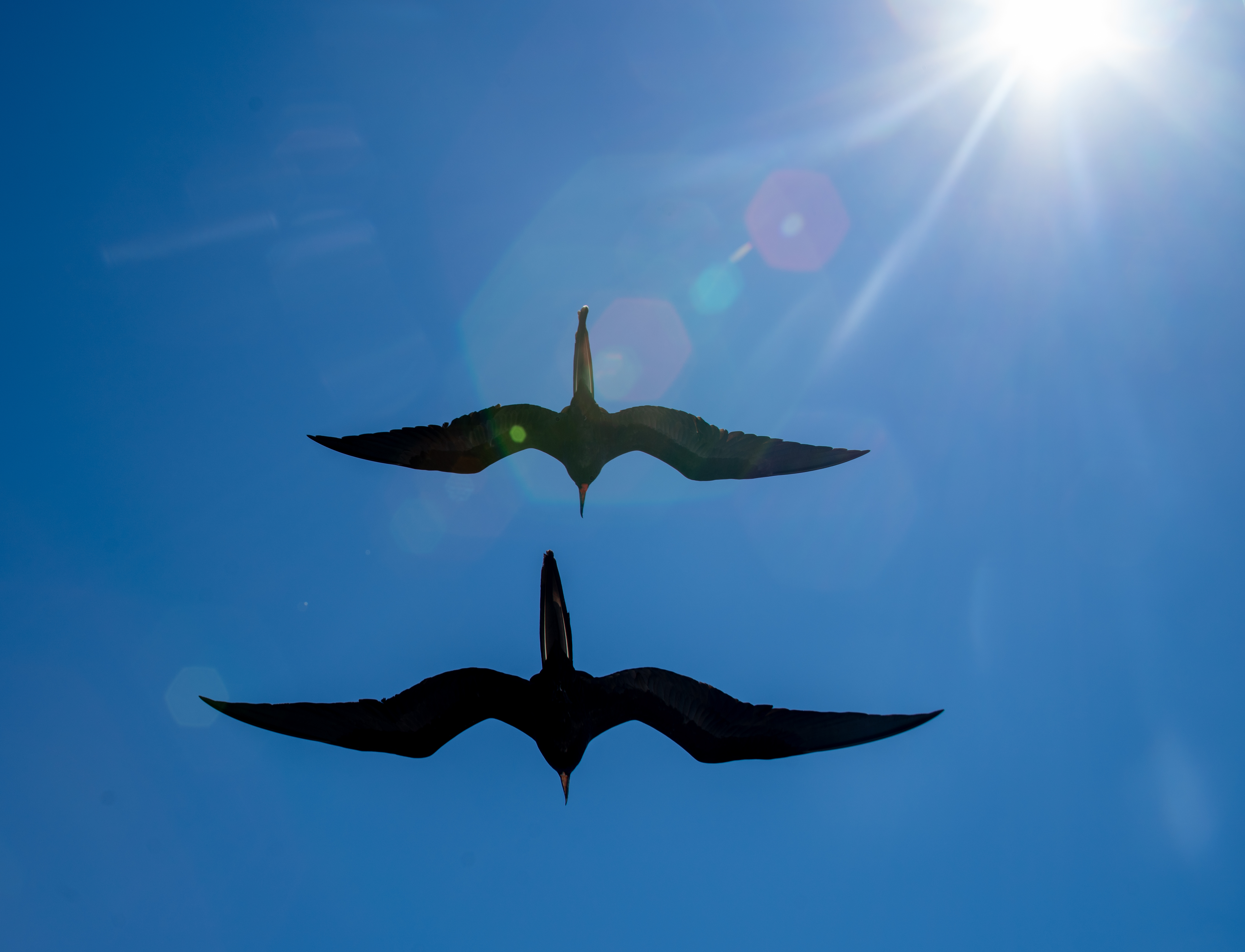
Pair of Magnificent Frigatebirds flying along with our boat. Apparently they do not land on water, so they have a habit of following boats and landing on them if they choose to take a break from flying.
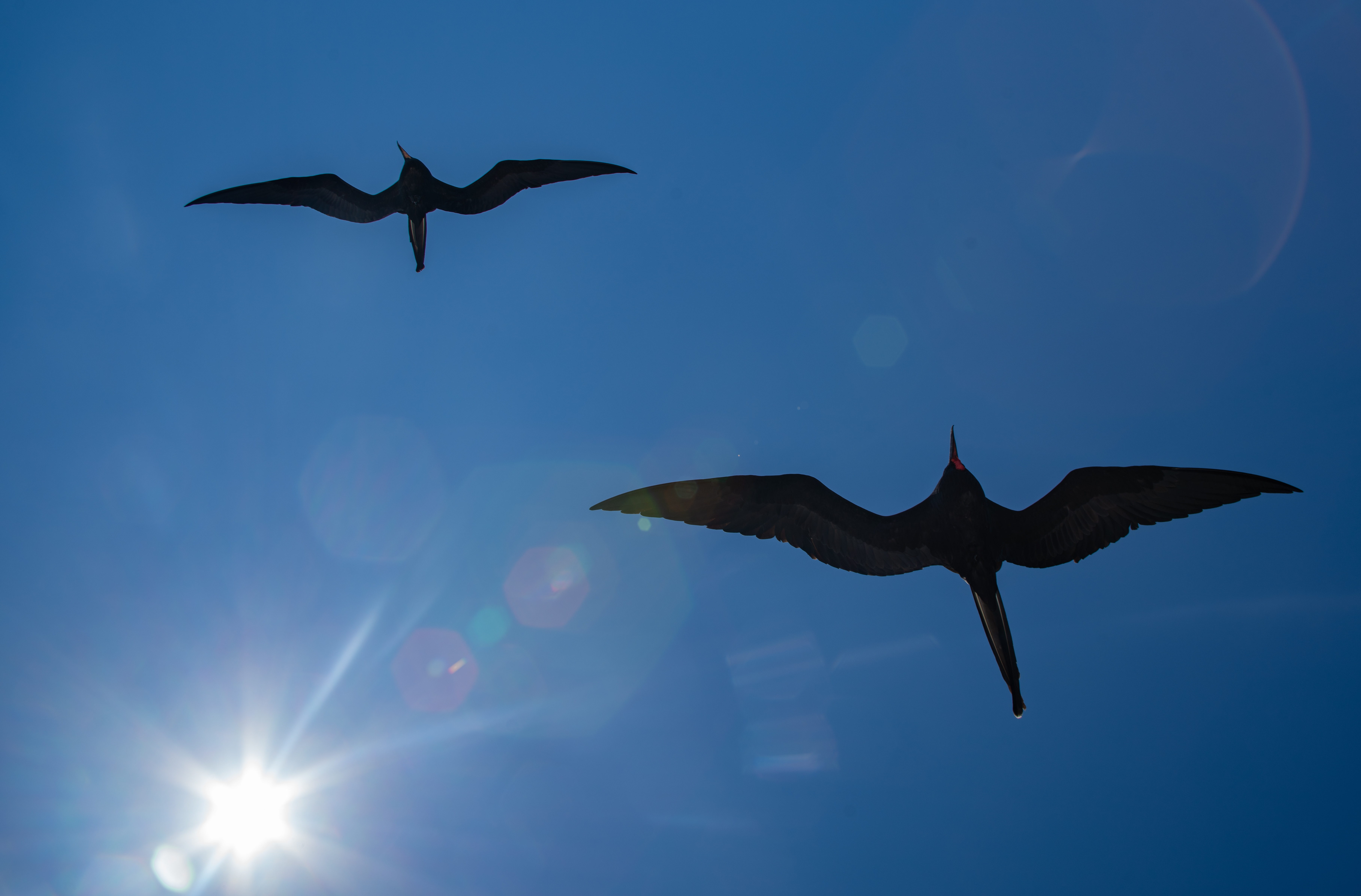
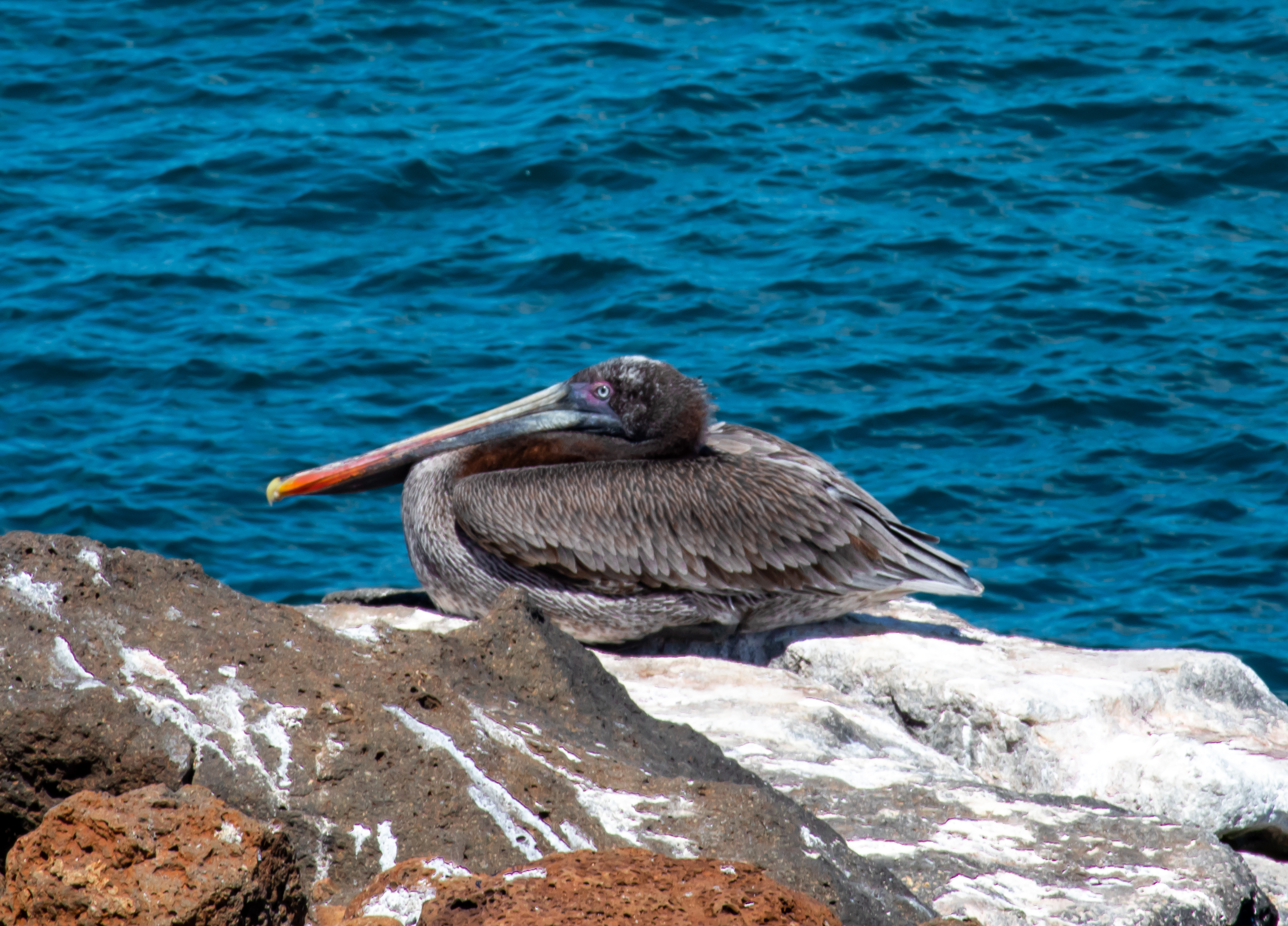
Nice example of the coloring on the brown pelican
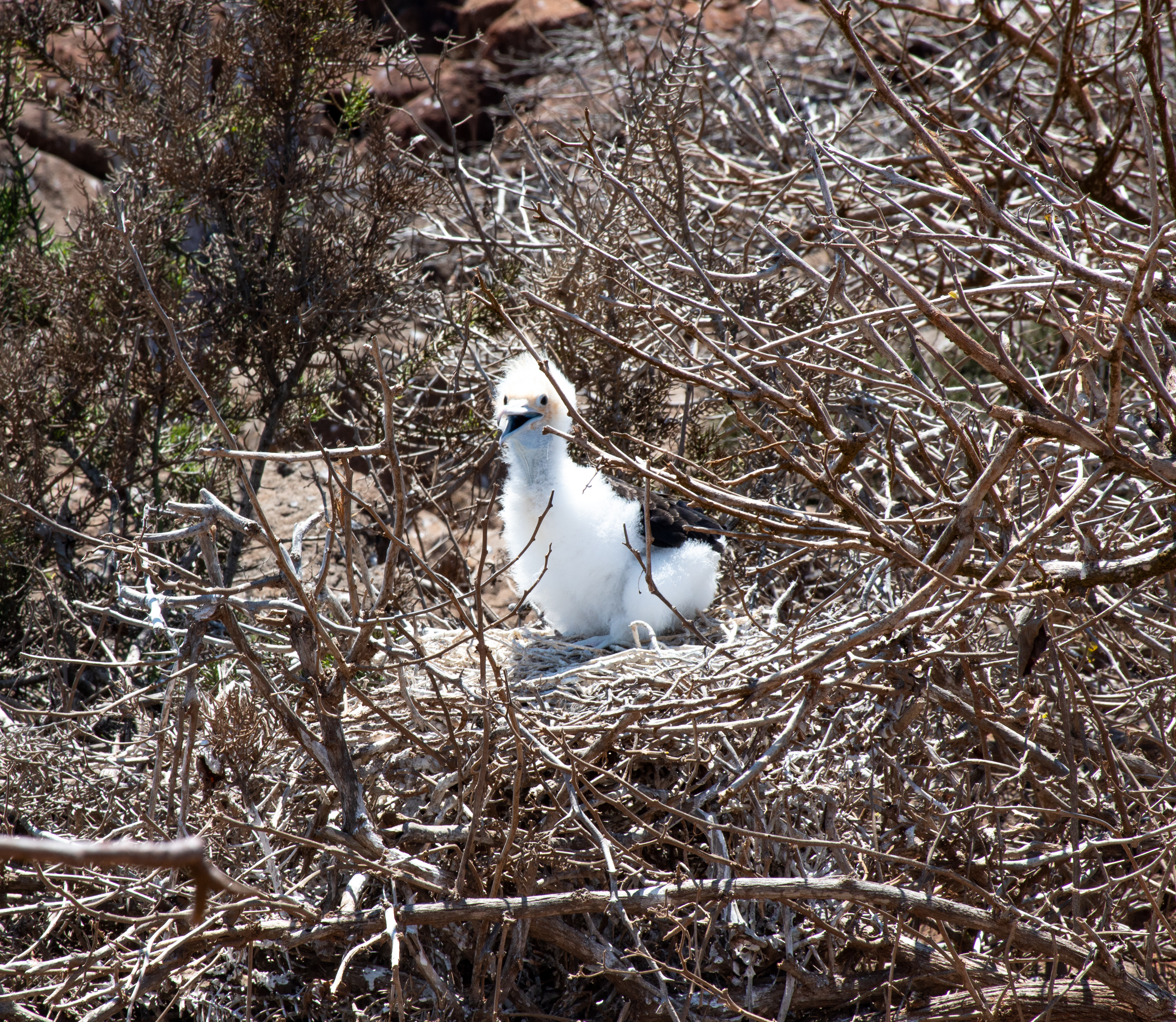
baby magnificent frigatebird
Magnificent Frigatebirds are large seabirds with wingspans up to 8 feet. They are seen from North America through South America, although there is some genetic evidence that the Galapagos population is a true subspecies of the larger species or even a separate species itself. They feed on fish that they can catch while flying, rather than diving into the ocean. They also will steal fish caught by other seabirds, sometimes even making them regurgitate fish they have eaten. The males have a pouch of red skin on their chest that they can inflate. The rest of their bodies are covered in black feathers. The immature birds have white heads and the chicks are very fuzzy and mostly white with some yellow-orange feathers.
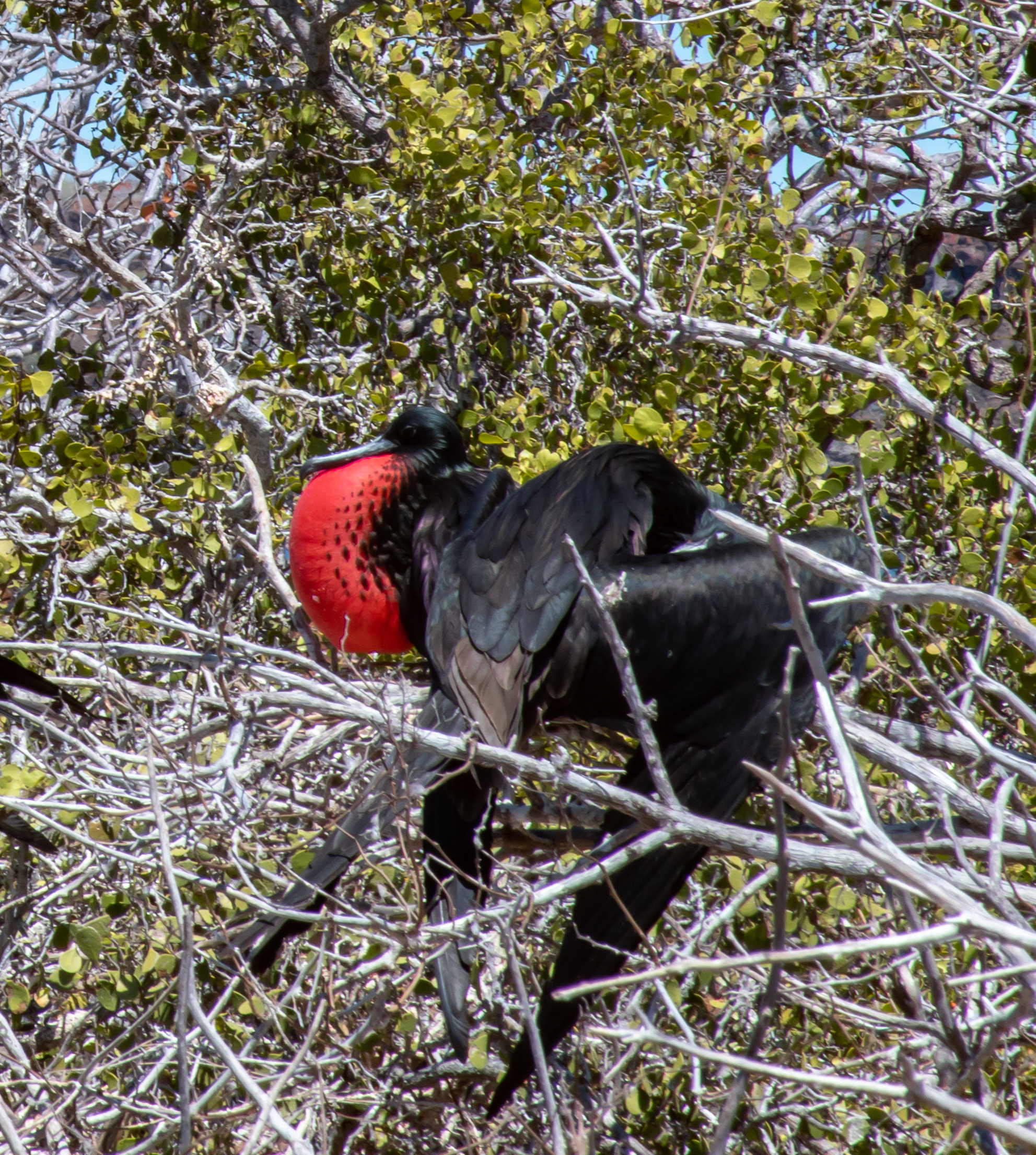
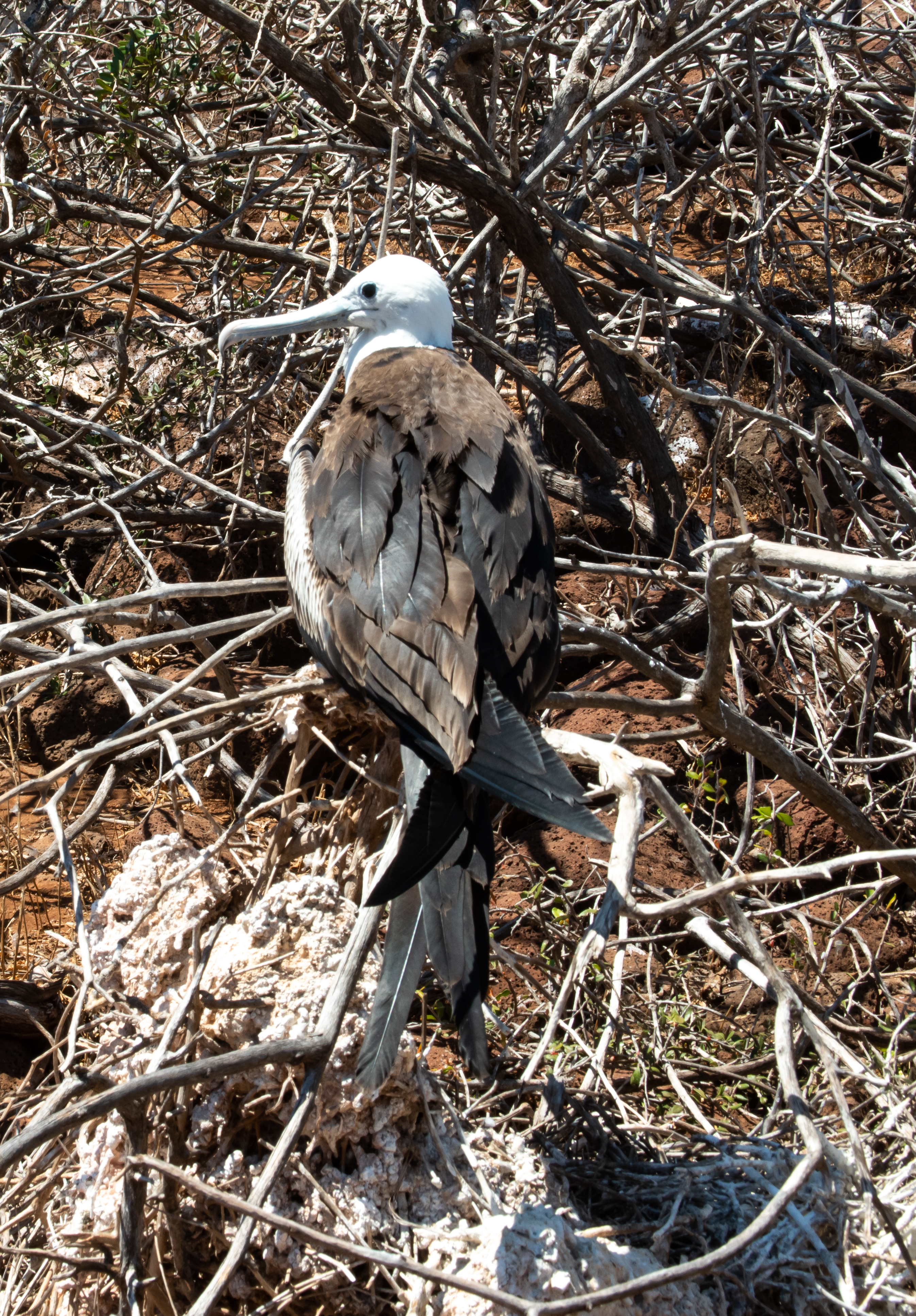
Juvenile Magnificent Frigatebird
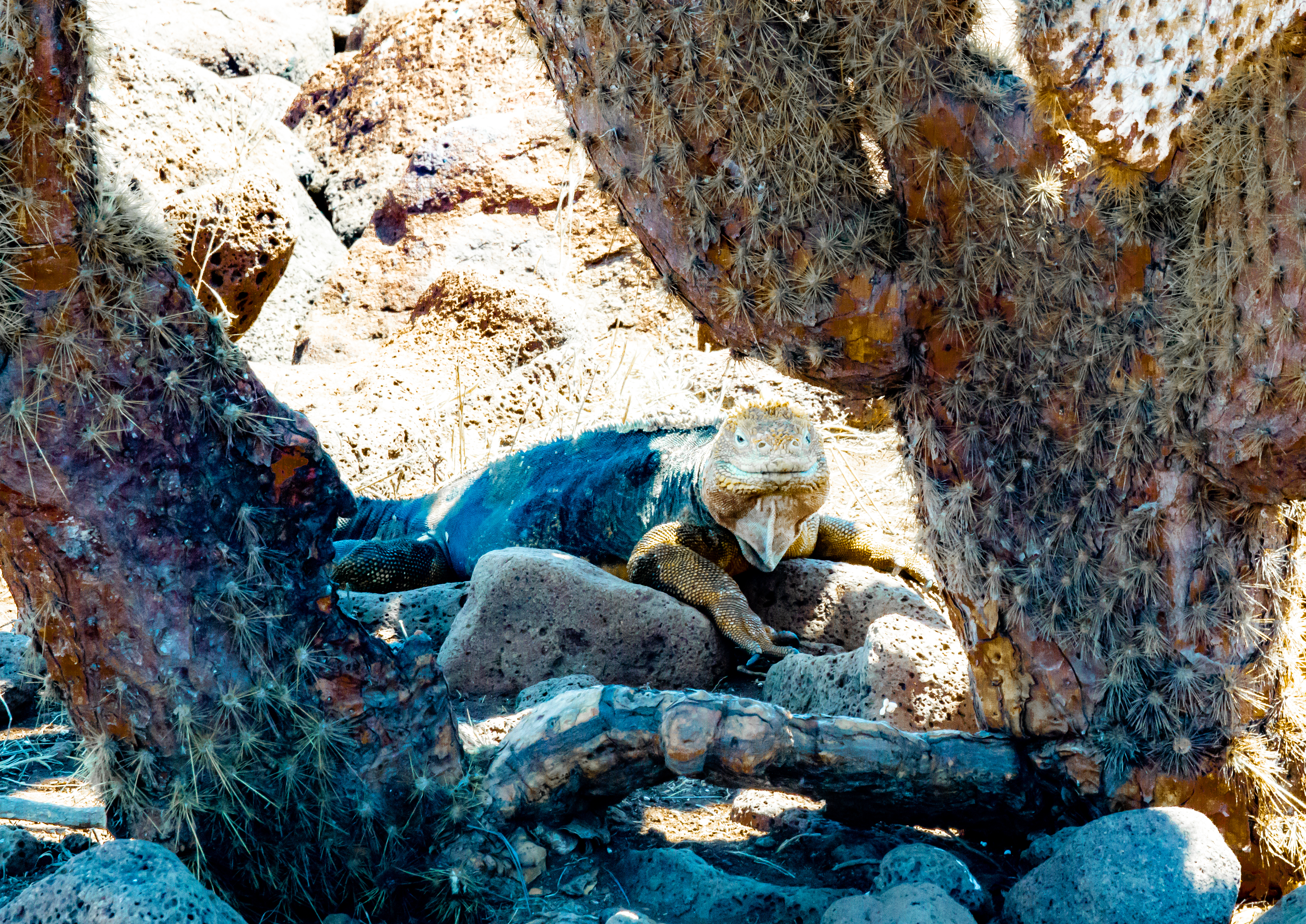
land iguana
The land iguanas on this island are descendants from the ones that were moved here in the 1930’s from the island that the airport is on. Apparently some of the original ones that were moved are still alive, too. They were not naturally on this island. The plants here have not developed natural defenses yet, so the iguana population has done well.
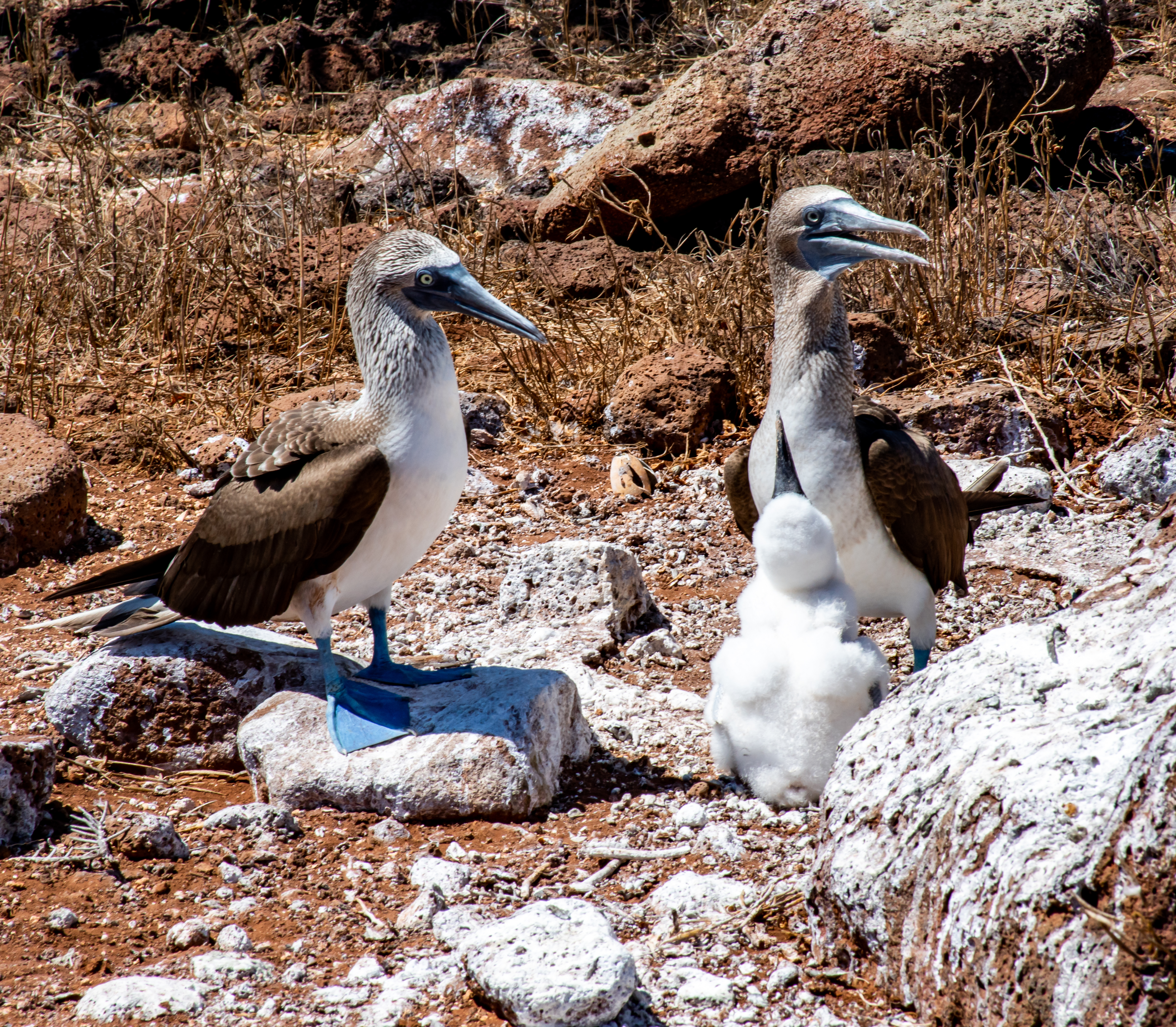
Blue-Footed Boobies
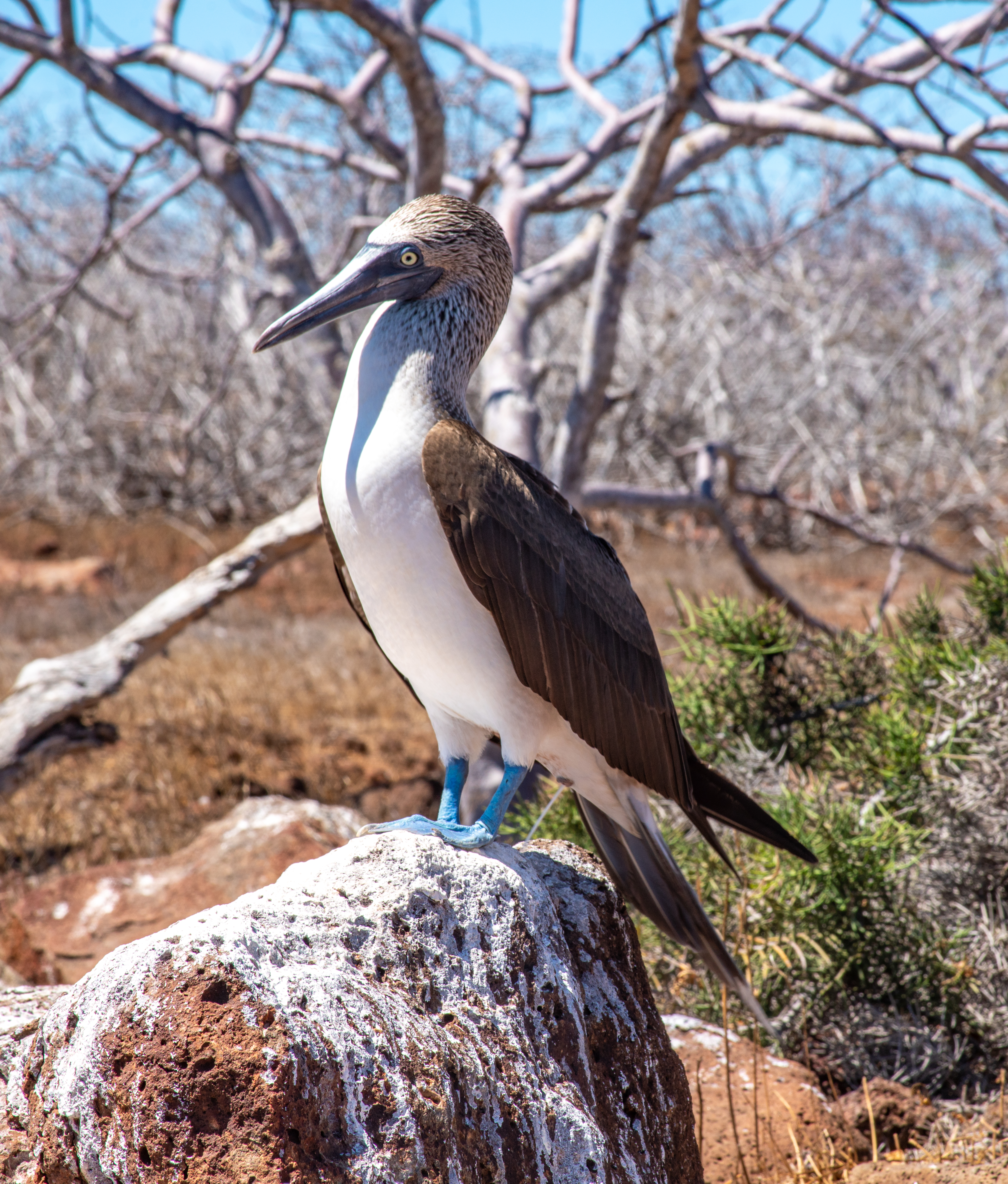
Blue-footed boobies are found from Baja California to Peru, but half of the entire population nests in the Galapagos. The blue coloring in their feet comes from carotenoids from the fish they eat. The brightness of the feet is indicative of age and health/nutritional status. The birds lay 1-3 eggs, each one about 5 days apart. This means that one of the chicks is older and stronger than the others and often kills or pushes out its siblings so that it gets the advantage of being the only one getting food, a practice known as siblicide. It is apparently unusual to see 2 nest-mates survive to adulthood. We did see one nest with 2 adolescent boobies, but we also saw another mated pair with one chick they were caring for and another, much smaller one, that had been pushed from the nest but was still alive, although clearly weak.
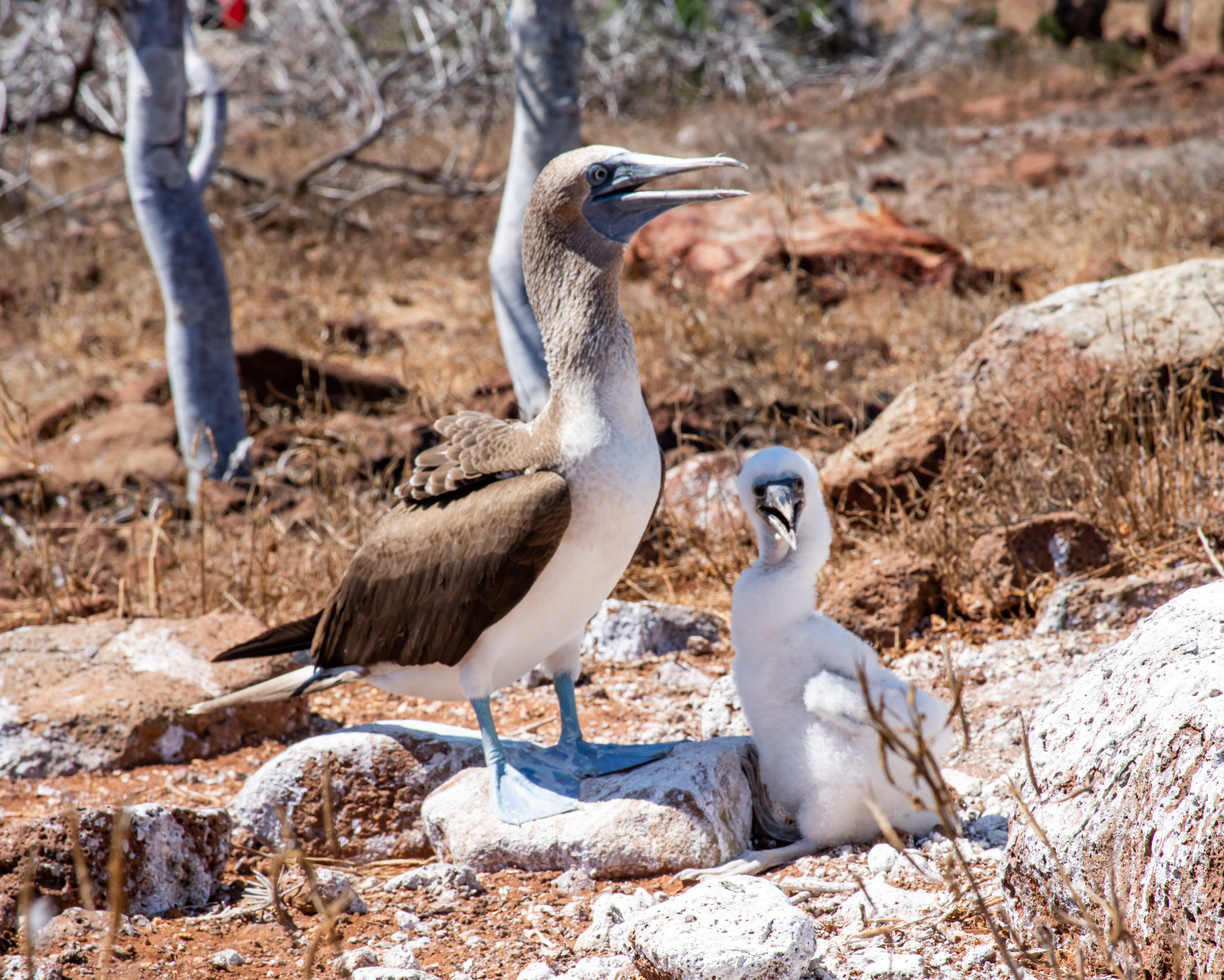
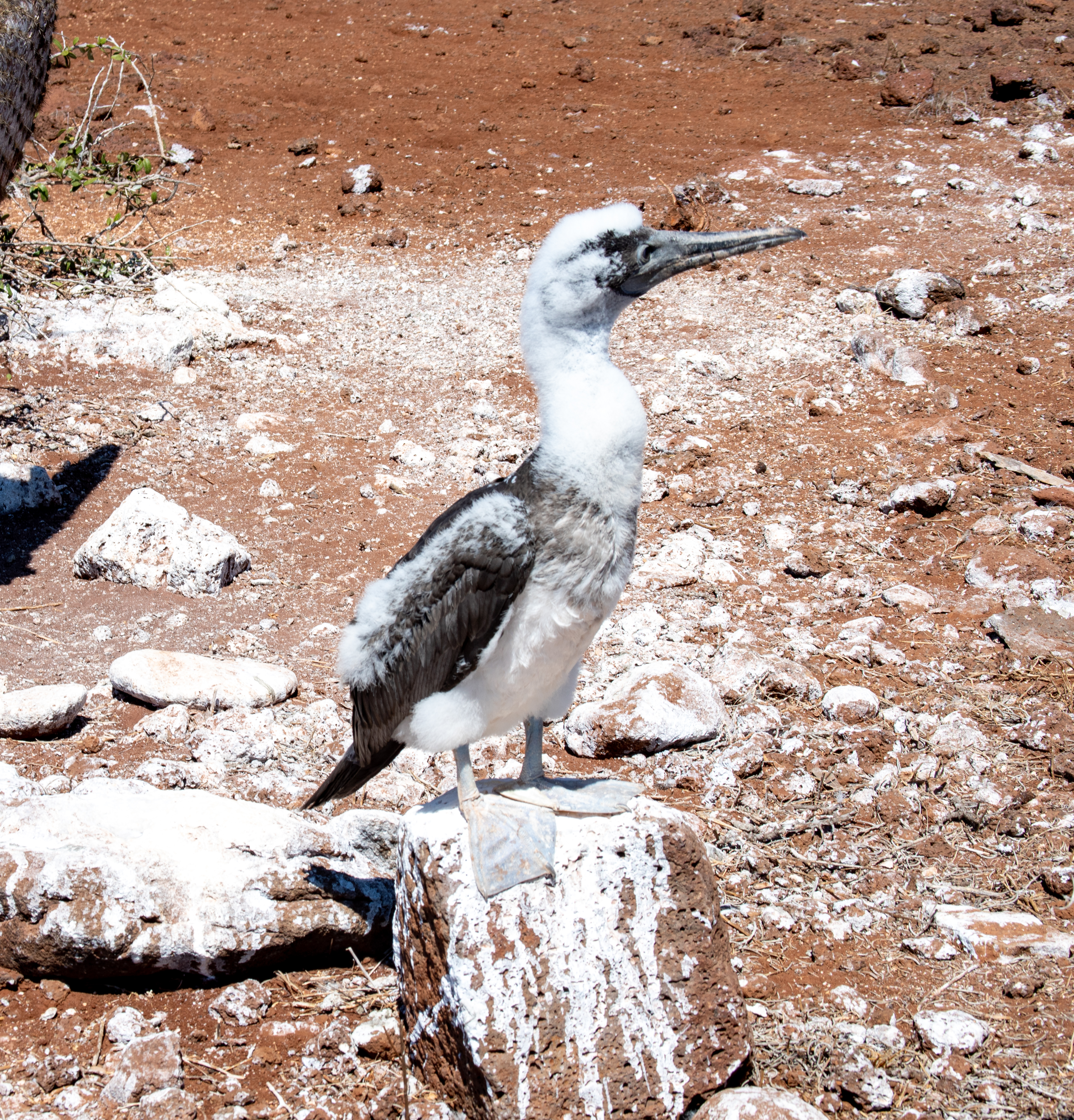
Juvenile
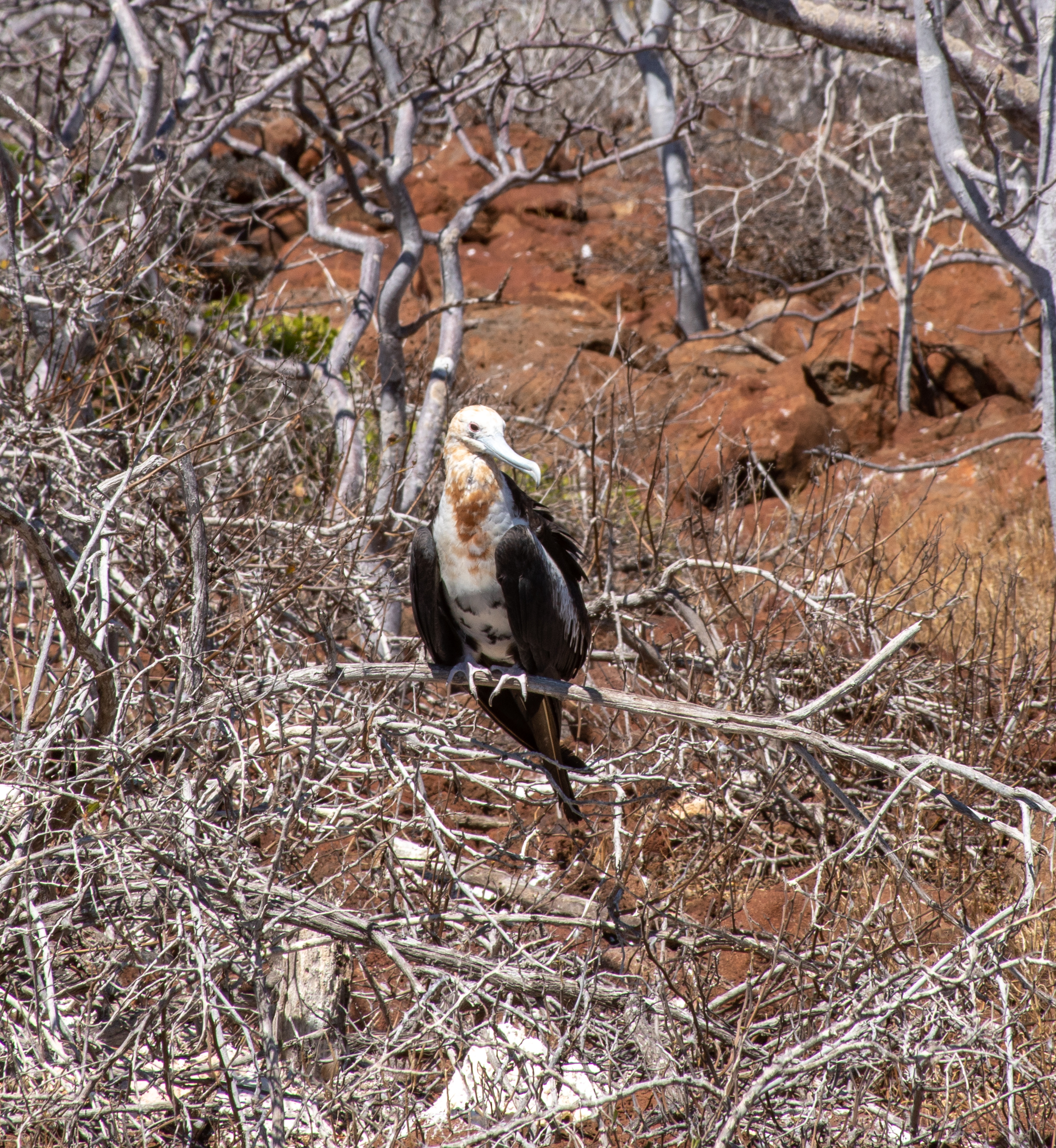
Juvenile Frigatebird
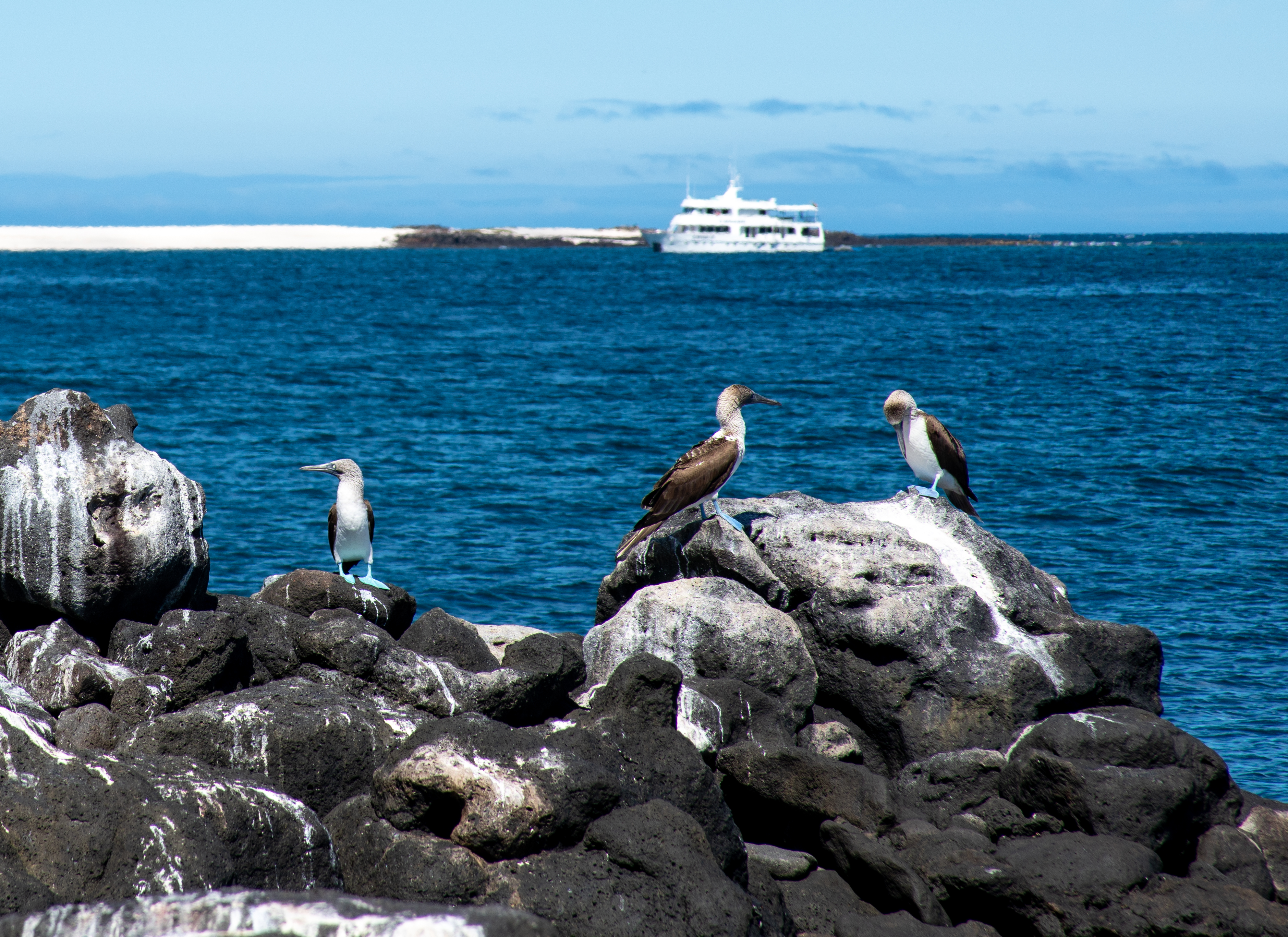
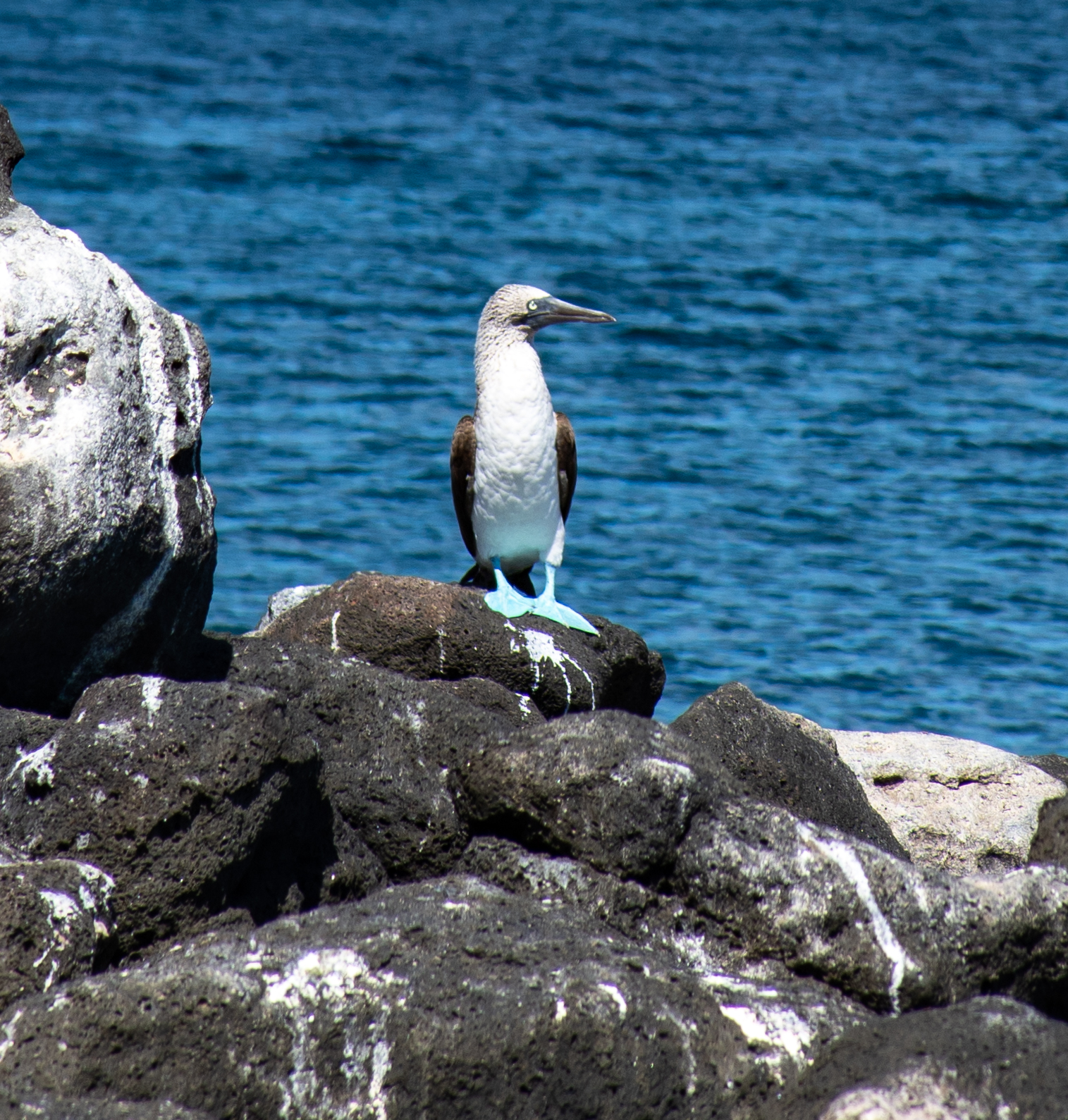
We had a great time on this island, getting up close with the nesting birds.
This was our last day on the Galapagos. We only scratched the surface here, but it was wonderful. I recommend coming here if you get the chance. If you want to snorkel or scuba dive, I would not come this time of year and would come when their water is a bit warmer (although I think you always need a wetsuit). If you’re wanting to primarily stay on land I have no complaints about the weather we had.
Tomorrow is a travel day, so no blog post.


Leave a Reply