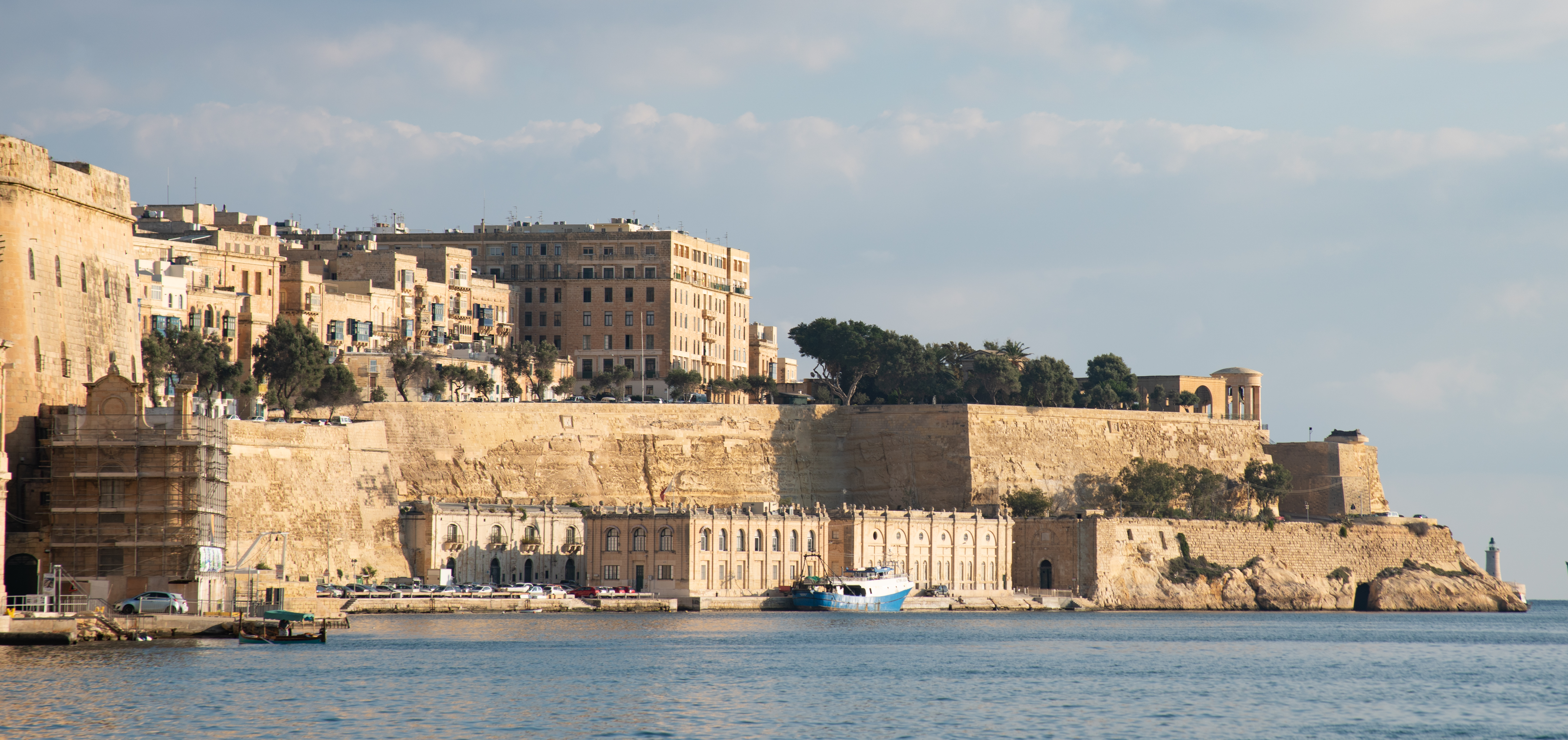
Today we were in Malta. When we were planning this trip, we were totally overwhelmed as to what to do with our day here. We like to visit old and ancient sites and Malta is full of them. So, basically, we decided we had to return here before we arrived and after spending the day here that has been confirmed.
We started in Valletta, which is the capitol. It was officially established in 1566 by the Knights Hospitaler. They were asked to settle here by the Holy Roman Emperor to protect the empire from the Ottomans. Previously, this area had only had a watchtower. The man who planned out this new city was Jean de Valette but, unfortunately, he died before its completion, but the city bears his name. The city and its defenses were instrumental in keeping the Ottomans out of Europe in the Great Siege of Malta, although it did briefly fall to the Ottomans in 1565. If they had failed, the Ottomans would have had the perfect launching off spot for raids into Italy and eventually the rest of Europe. Malta has been under both French and British rule, and it suffered bombings during WWII. It did not become an independent nation until 1974.
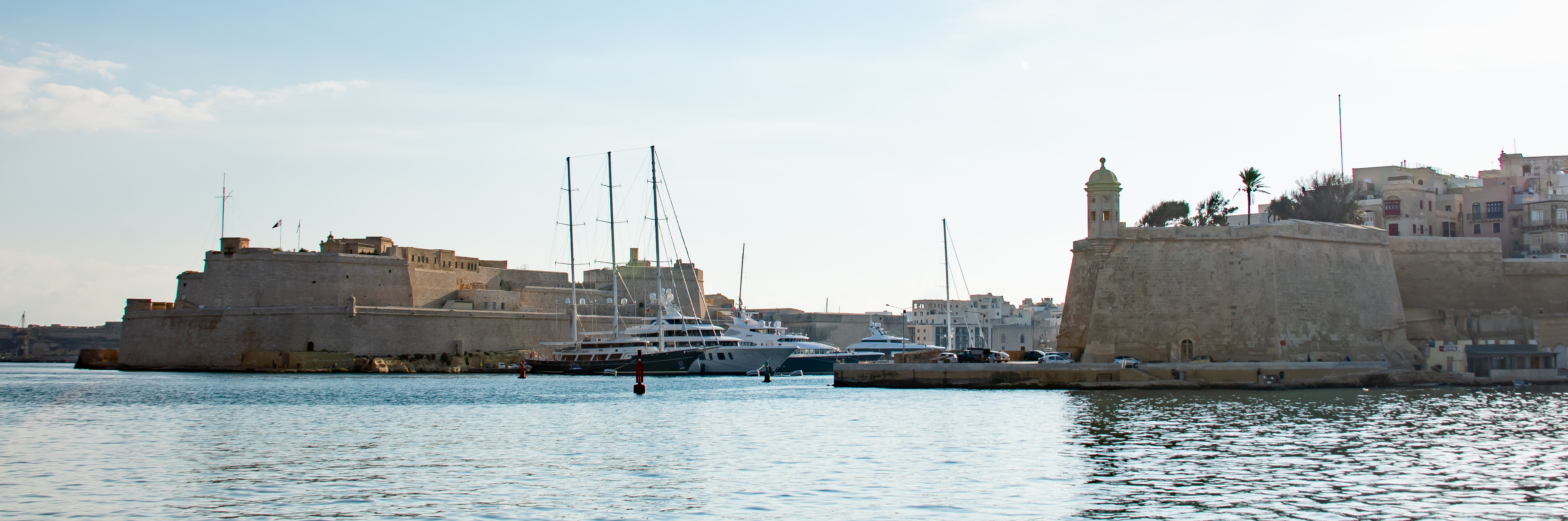
Taking the ferry from our ship to Valletta
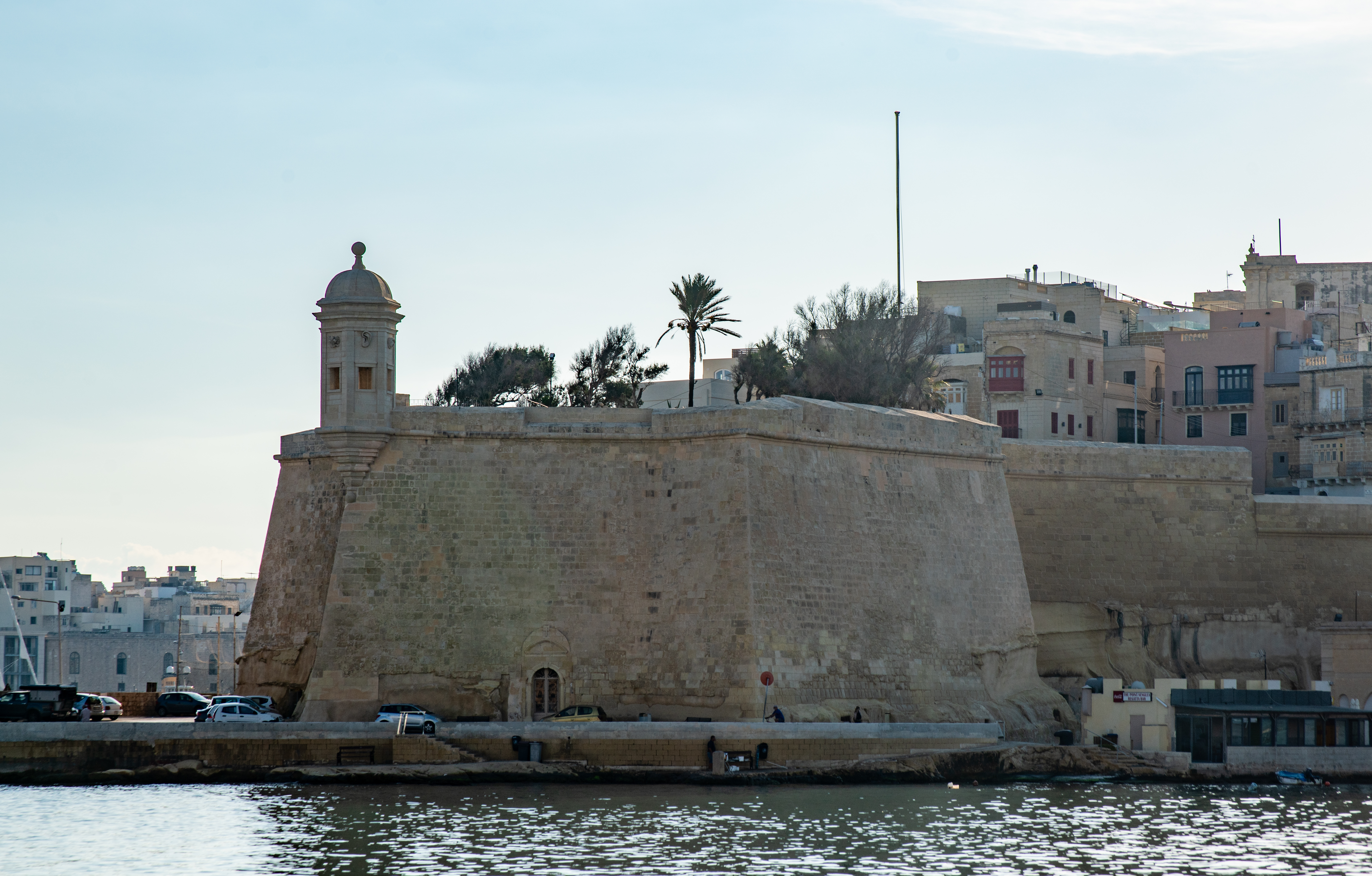
Taking the ferry from our ship to Valletta
We walked up to the Upper Barrakka Gardens. These are located on the upper portion of the St Peter and Paul Bastions, which were built in the 1560s. They give a wonderful view of the Grand harbor. This is also the highest part of the city walls. We were able to see 2 of the 3 cities of the harbor, Birgu and Senglea, where our ship is actually ported. We went there first thing in the morning and beat the crowds.
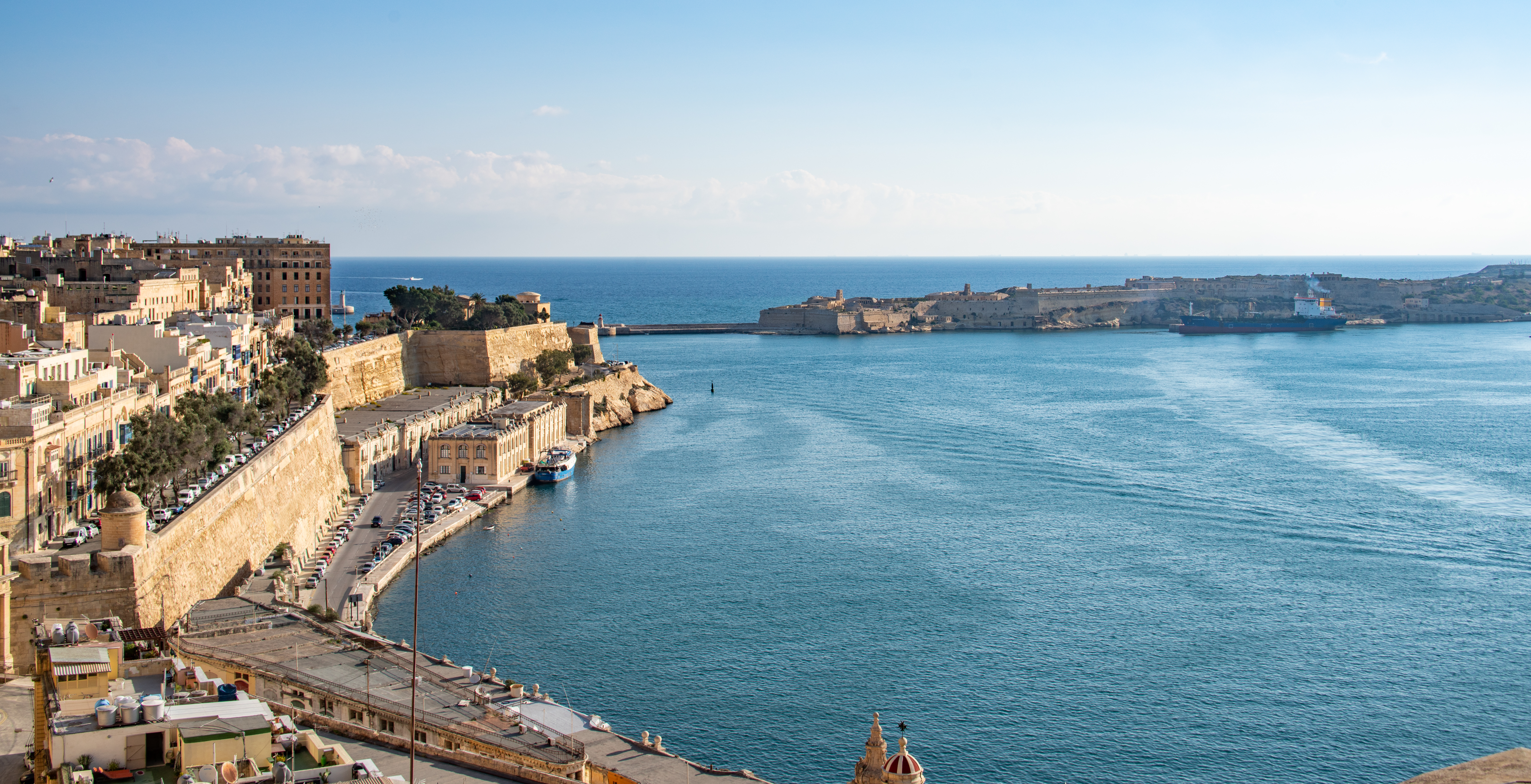
View from the Upper Barrakka Gardens looking at the Valletta side
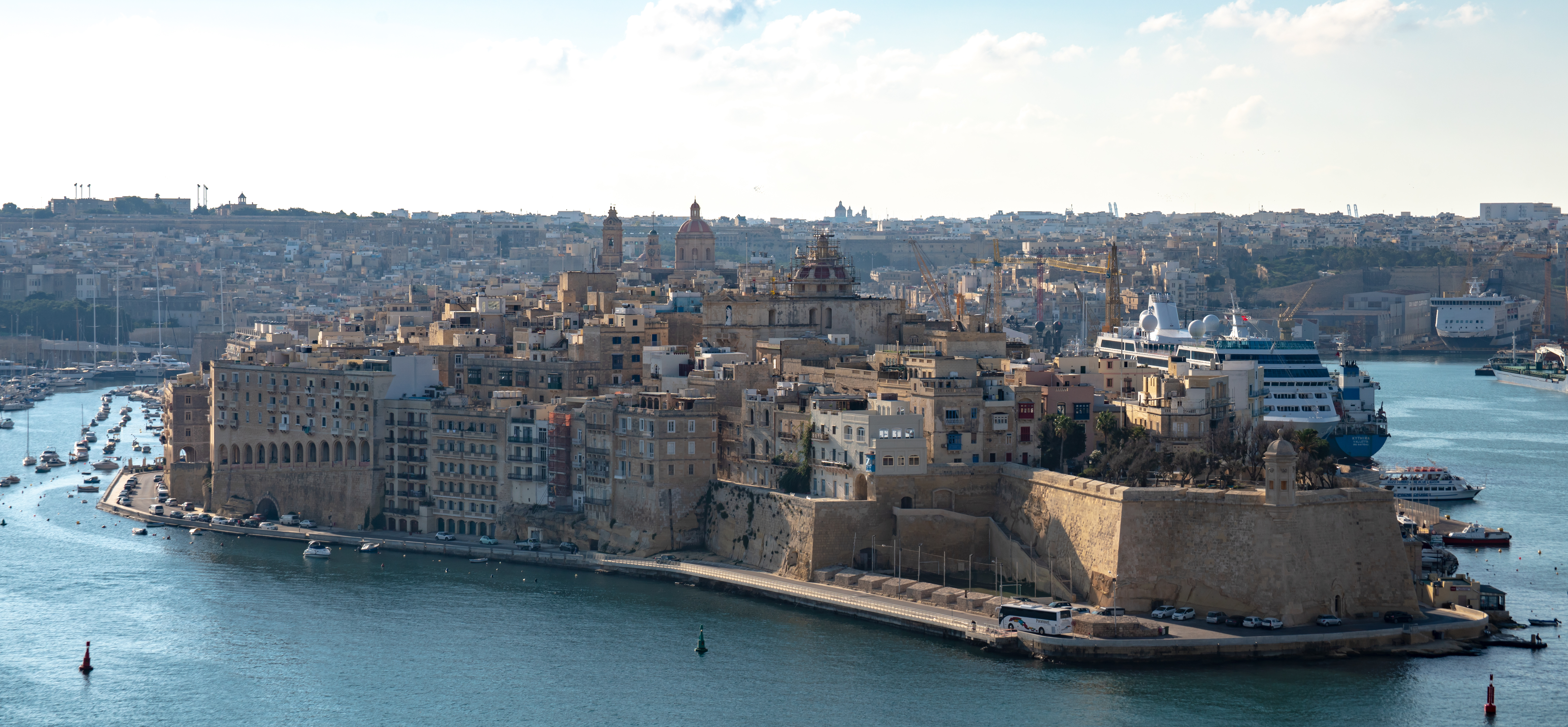
View from the Upper Barrakka Gardens lookin at Senglea
We went on to St Johns Co-Cathedral which was built from 1572-1577 and is dedicated to John the Baptist. The interior has been decorated over time, with artwork being commissioned by various Grand Masters of the Order of St John. It is mostly Baroque and the interior is now completely covered with artwork, including the floor, which has intarsia-type marble tombs throughout. Most of the gold and silver were stolen a few centuries ago, although there are a few pieces, mostly silver, remaining. The main artwork there is a huge Caravaggio piece: The Beheading of Saint John the Baptist. There is also another Caravaggio: Saint Jerome Writing. The cathedral has 9 chapels. We also managed to get into the cathedral before there was a line. By the time we got out, there was a huge line to get in.
Cathedral
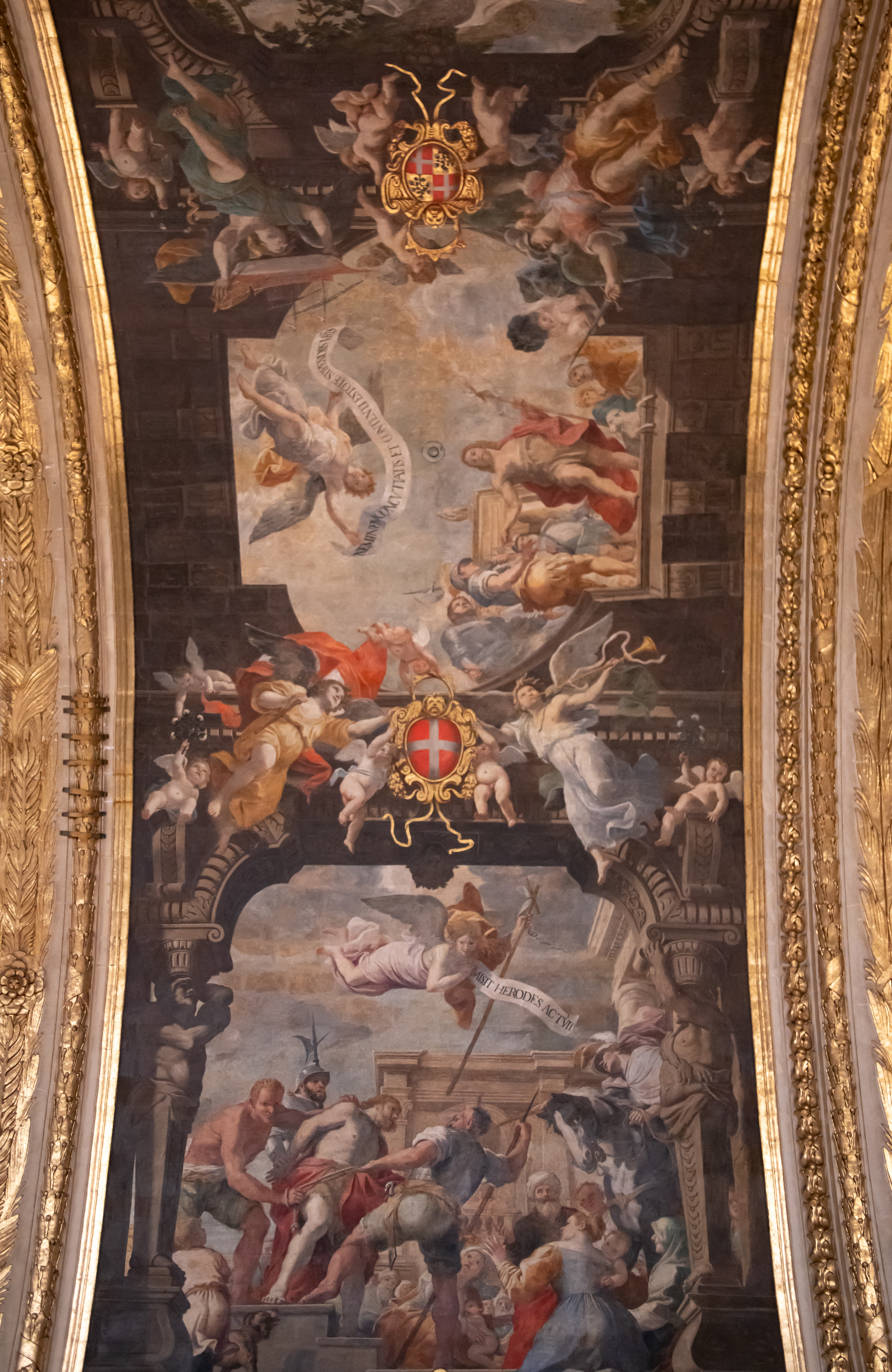
Cathedral ceiling
altar
Intarsia-style marble floor
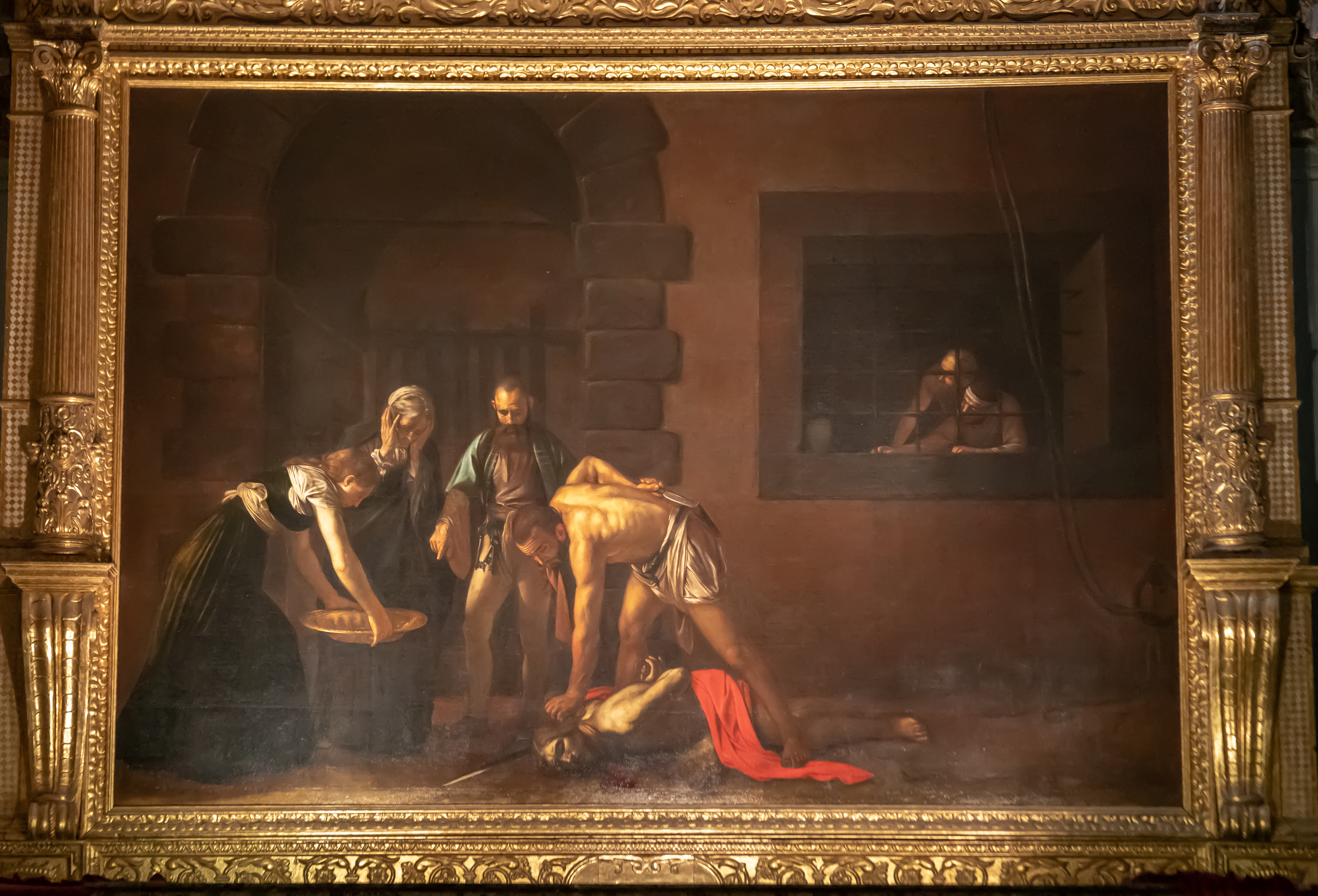
The Beheading of Saint John the Baptist
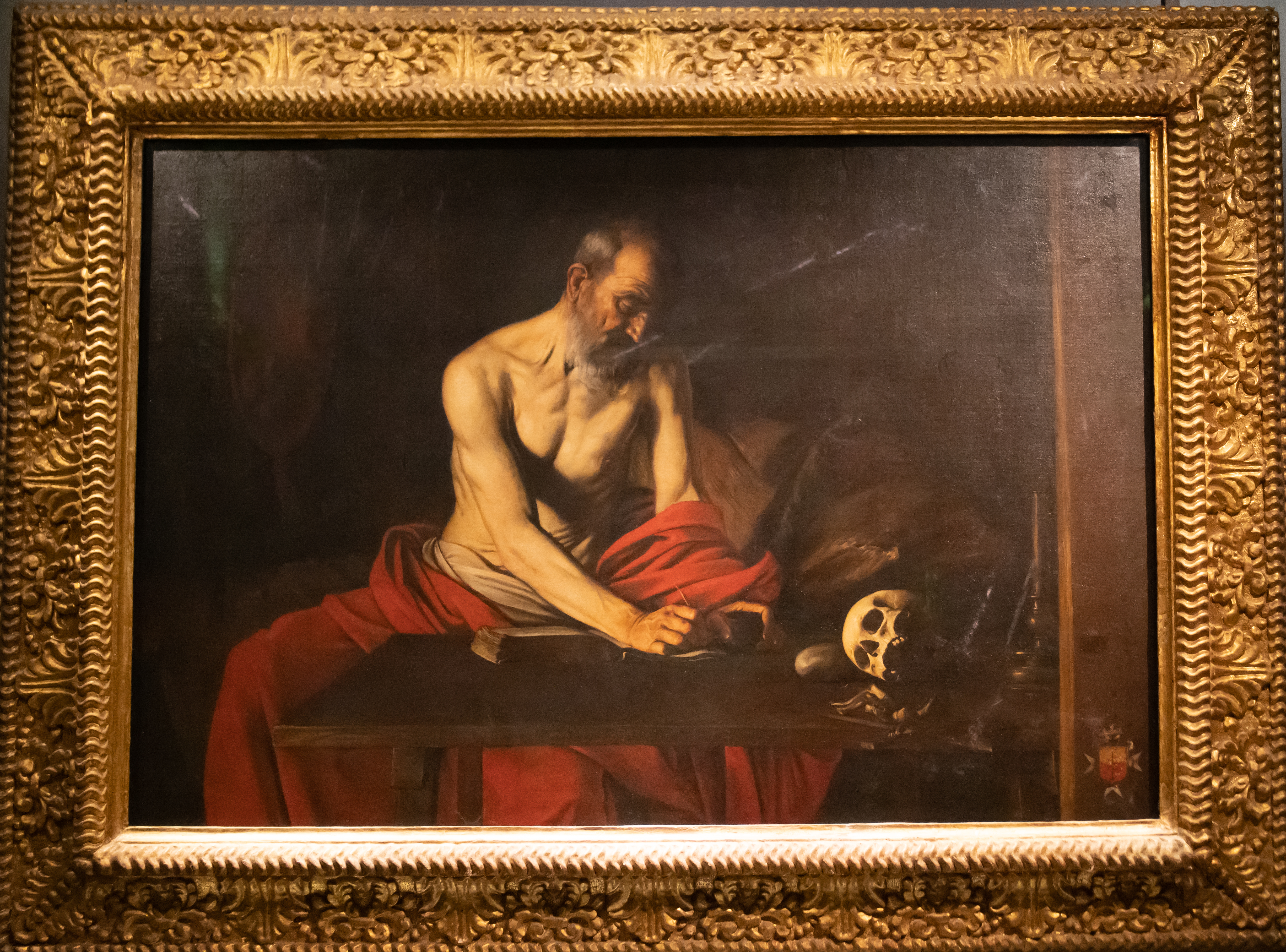
Saint Jerome Writing
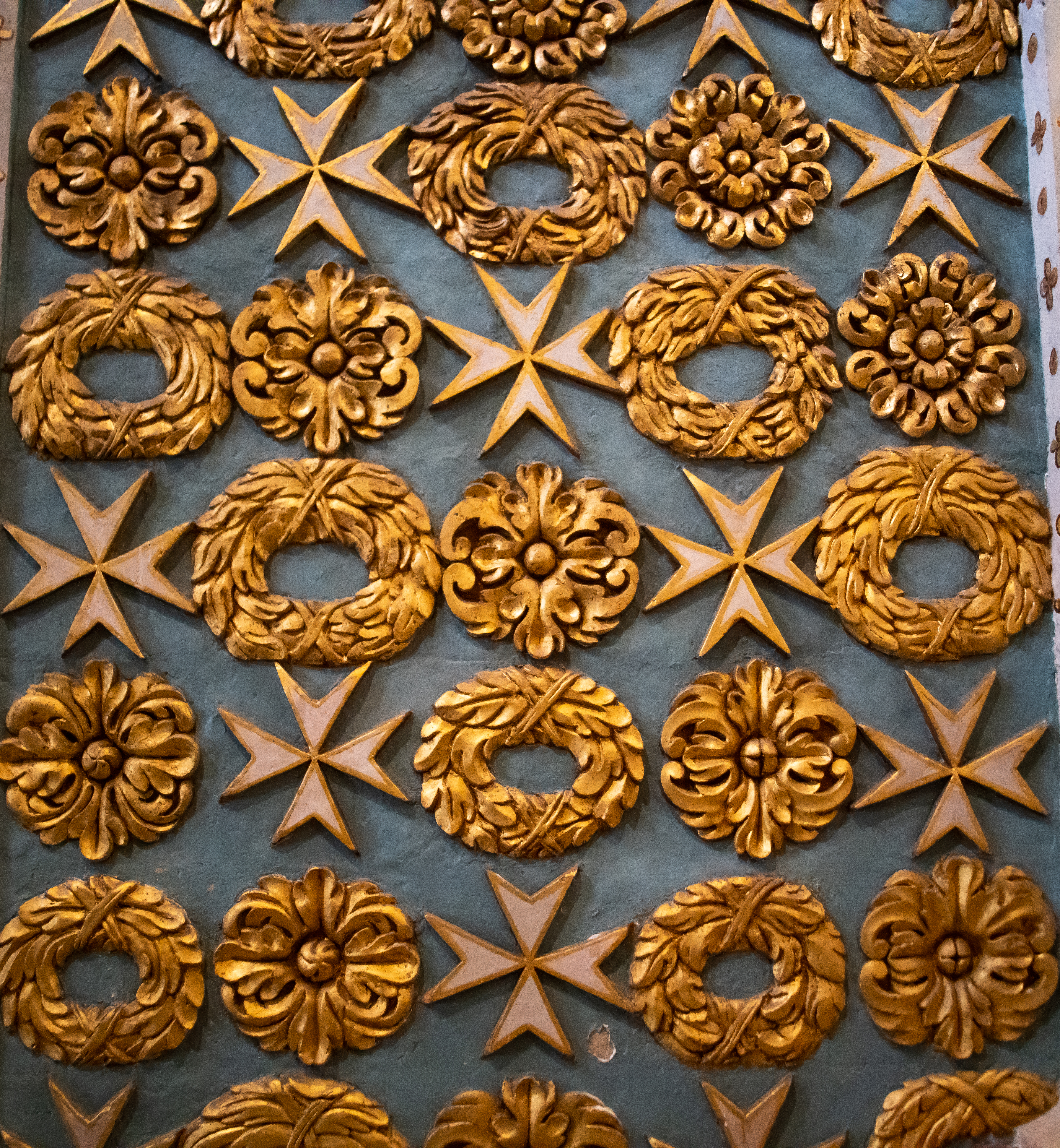
Carved wall
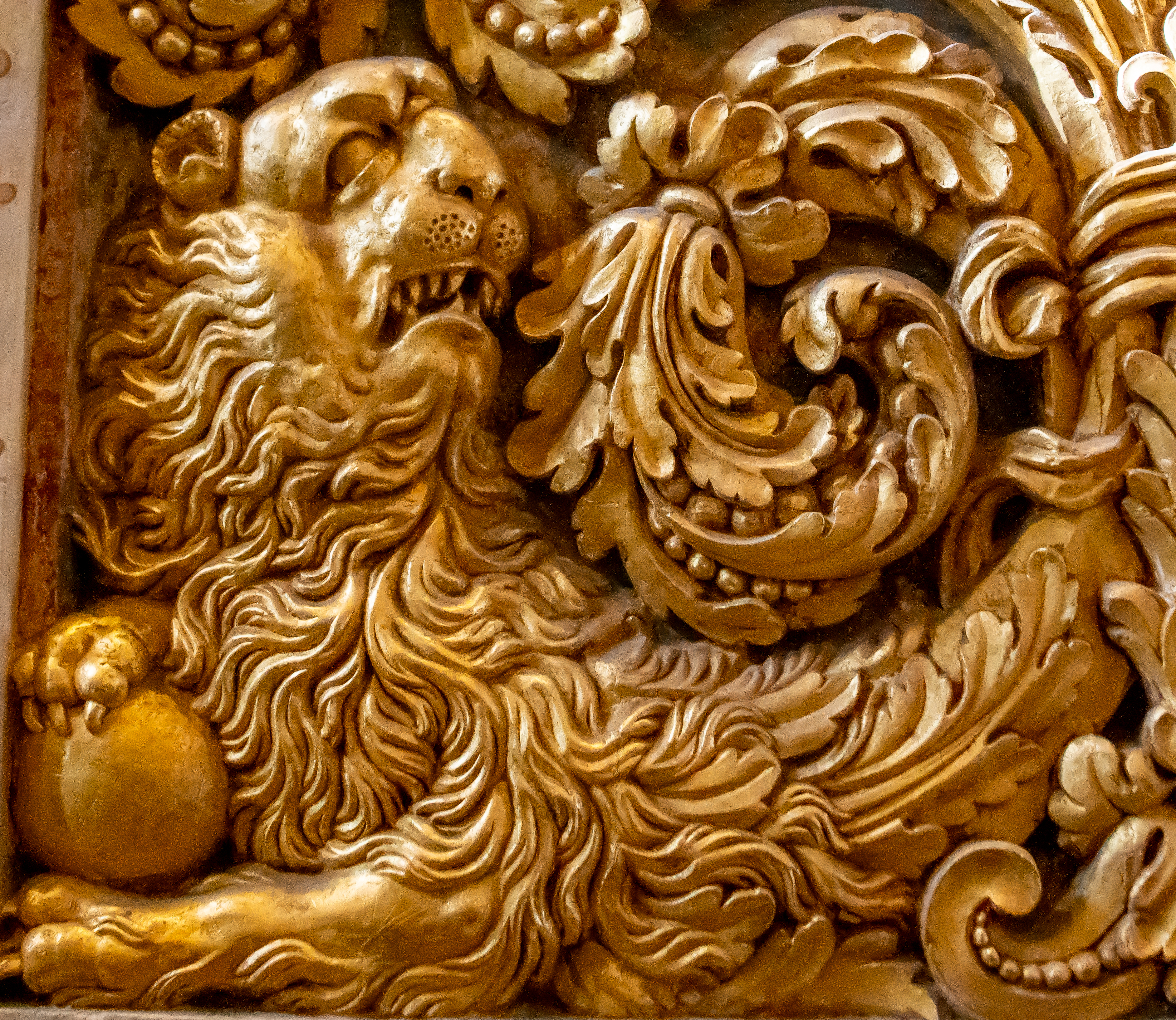
Carved wall
We then went for a drive to the seaside fishing village of Marsaxlokk. It is known for its colorful boats, known as luzzu and kajjik, and its fish market. We simply came here to take some pictures.
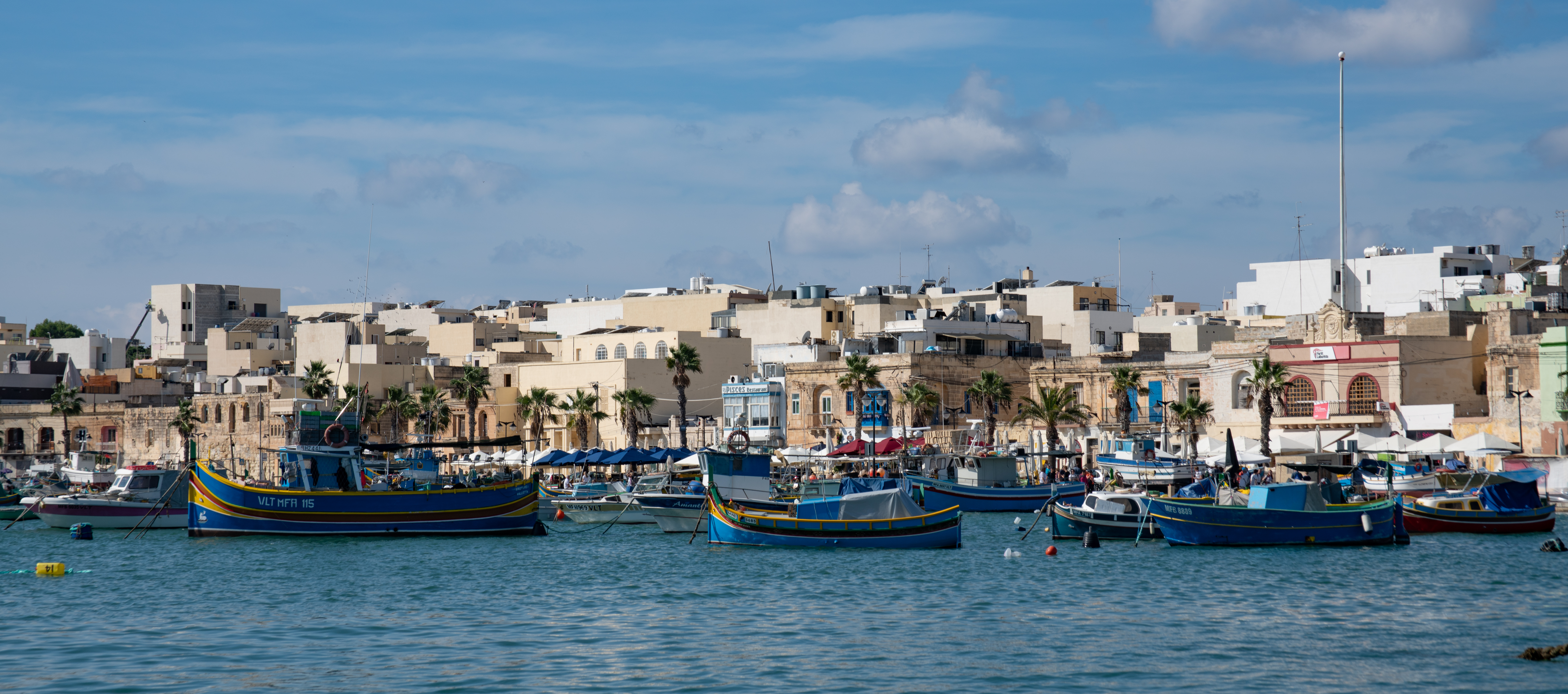
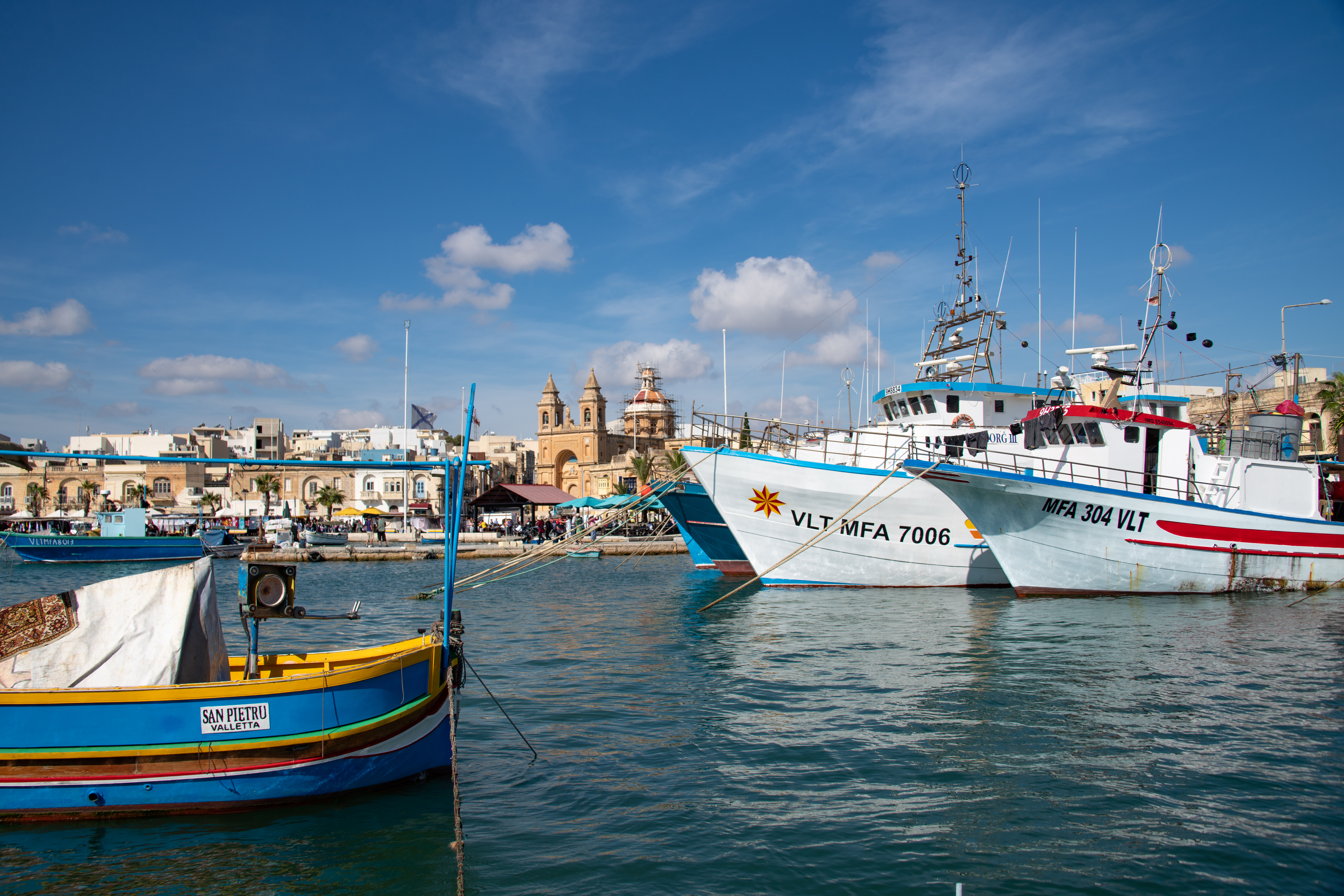
From there we went to a very ancient site, Ħaġar Qim. This is a megalithic temple complex dating back to 3600-3200 BC. It is considered one of the most ancient religious sites anywhere. It is made of limestone, which means that it weathers. Because of this, they have covered the site with a large tent to protect it from the elements. They have found evidence of animal sacrifices, but no human bones here. They have found evidence that these huge stones were moved with rollers. There is one stone, in particular, that weighs about 20 tons and is over 15 feet tall and 20 feet long! They have doorways carved into some of the stones with rope holes cared into the edges of them..all of this in a single stone. The temples also have holes aligned for the various solstices and equinoxes.
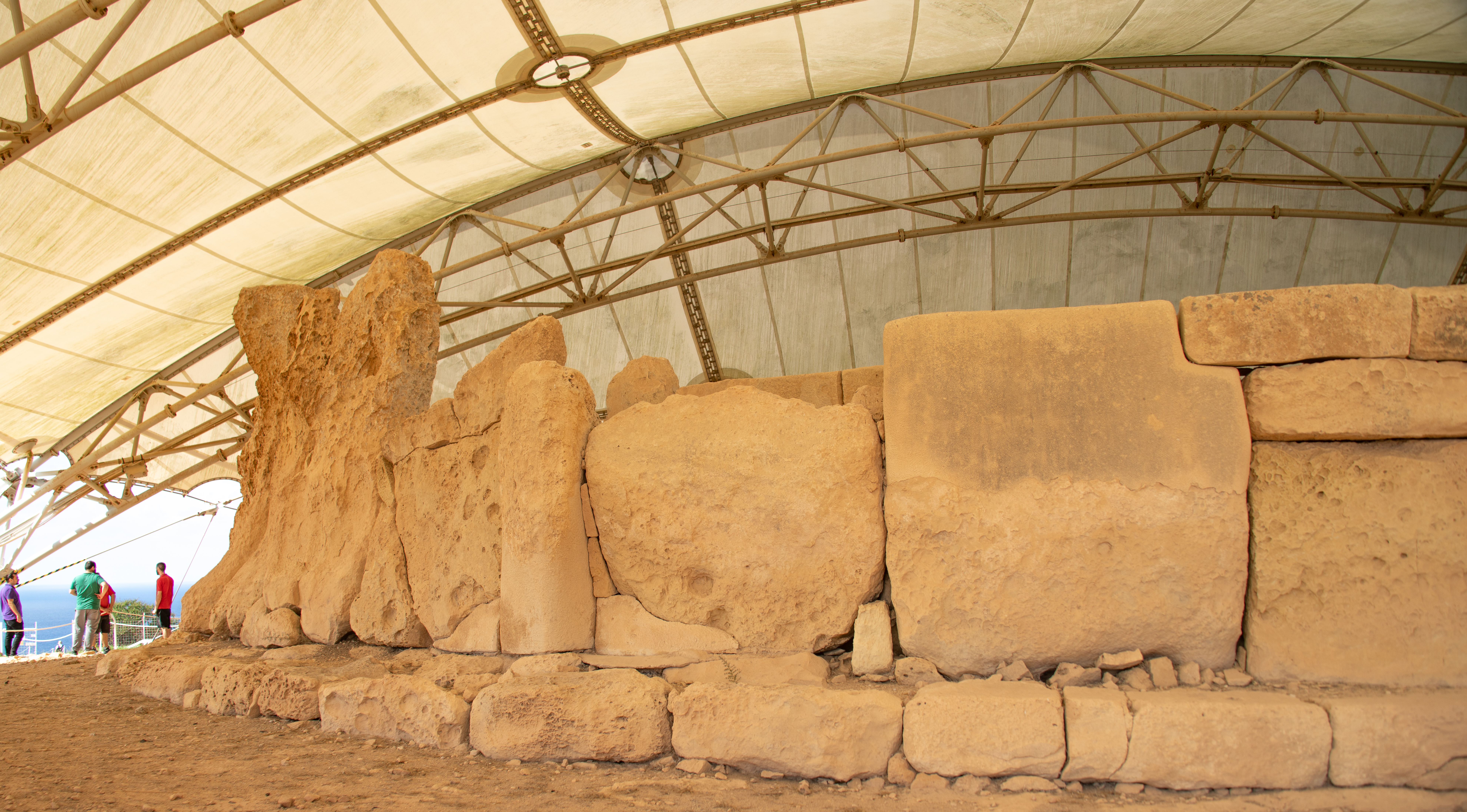
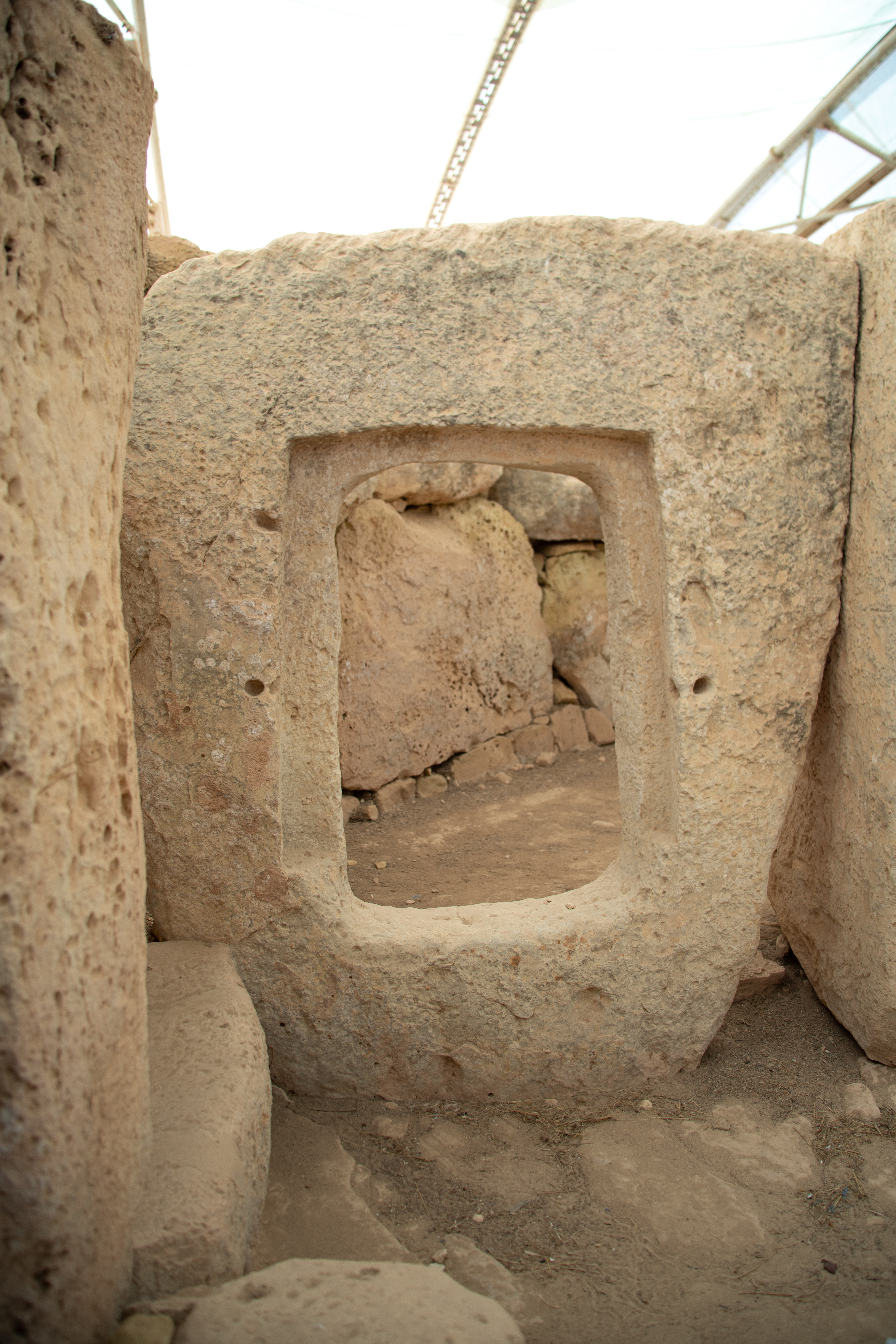
doorway with rope holes
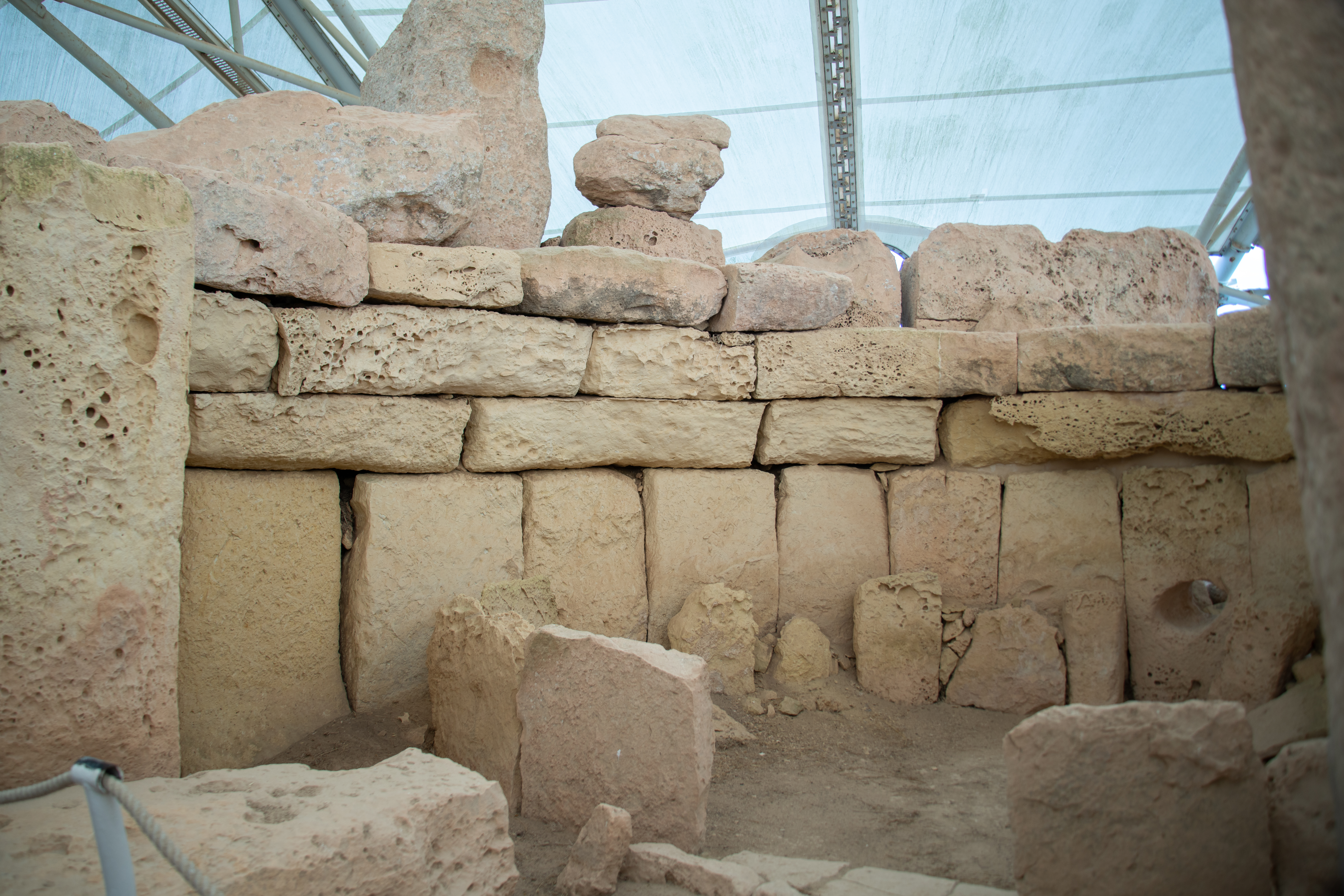
The hole in the back right lines up with the spring equinox
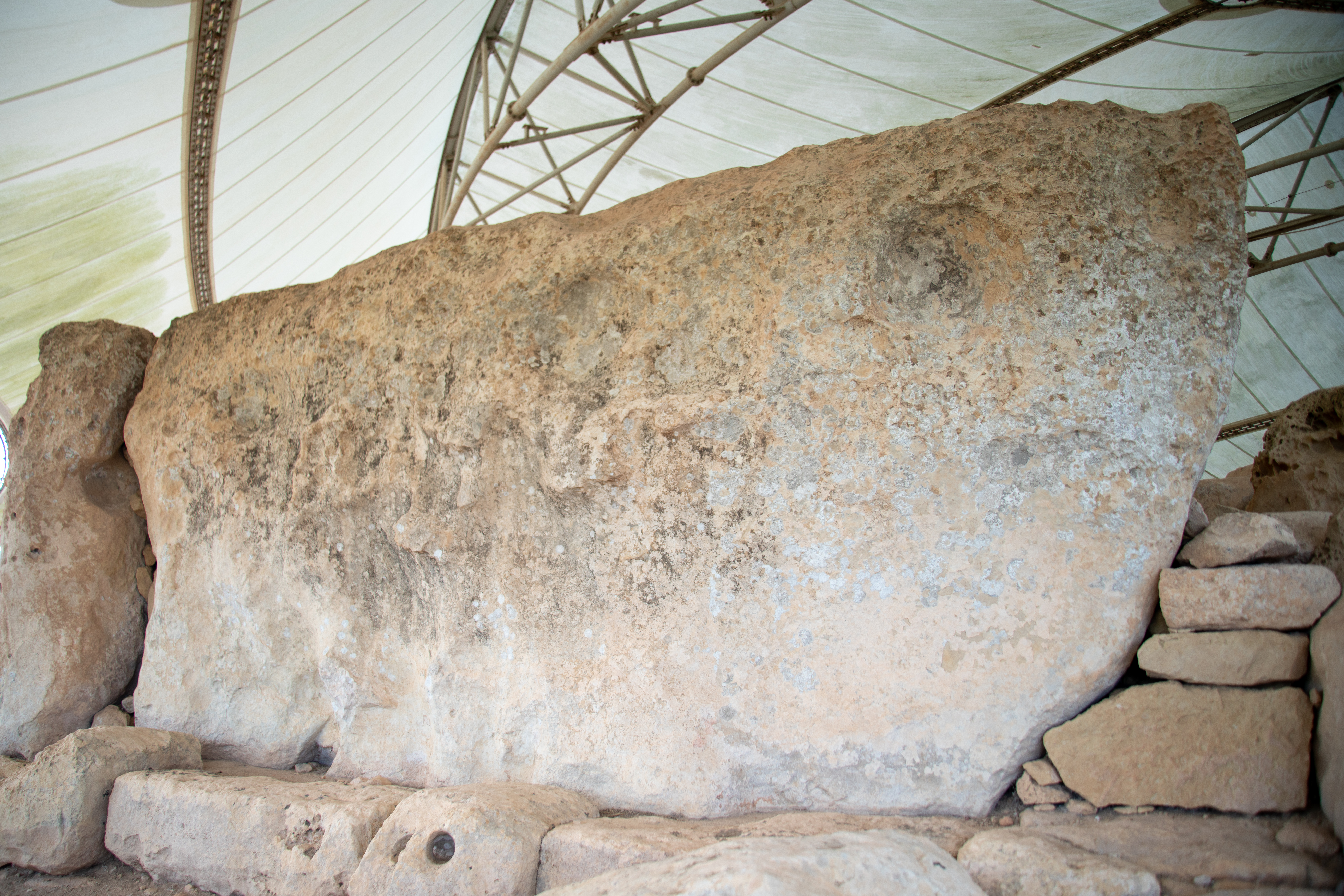
This is the huge stone
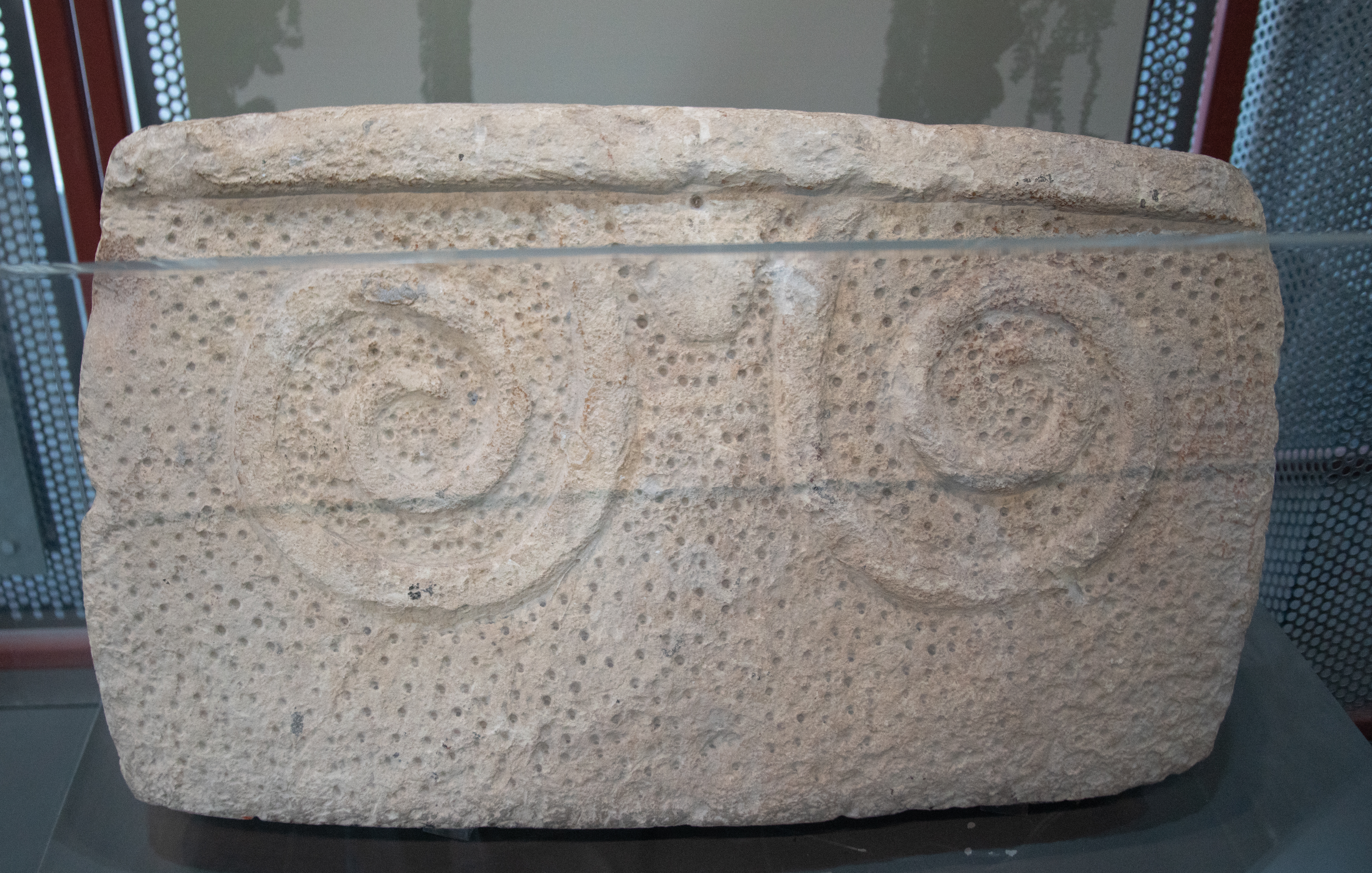
A decorative stone. They did this stippling pattern frequently and it was hand carved.
After Ħaġar Qim, we had a whirlwind walking tour of Mdina. This is a fortified city in the northern region of Malta. The area has been inhabited in historical times since around the 8th century BC when it was settled by the Phoenicians. Later it was taken over by the Romans. It was known as Melite at that time. According to the Book of Acts, the Apostle Paul was shipwrecked on Malta in 60 AD and greeted by Publius, the chief official of the island. At the time, Melite (Mdina) was the capitol of the island, so this is where Paul was. Paul healed Publius’ father from an illness so others came and were healed as well. According to Acts, he was there 3 months and tradition has it that the people on Melite/Mdina were converted to Christianity.
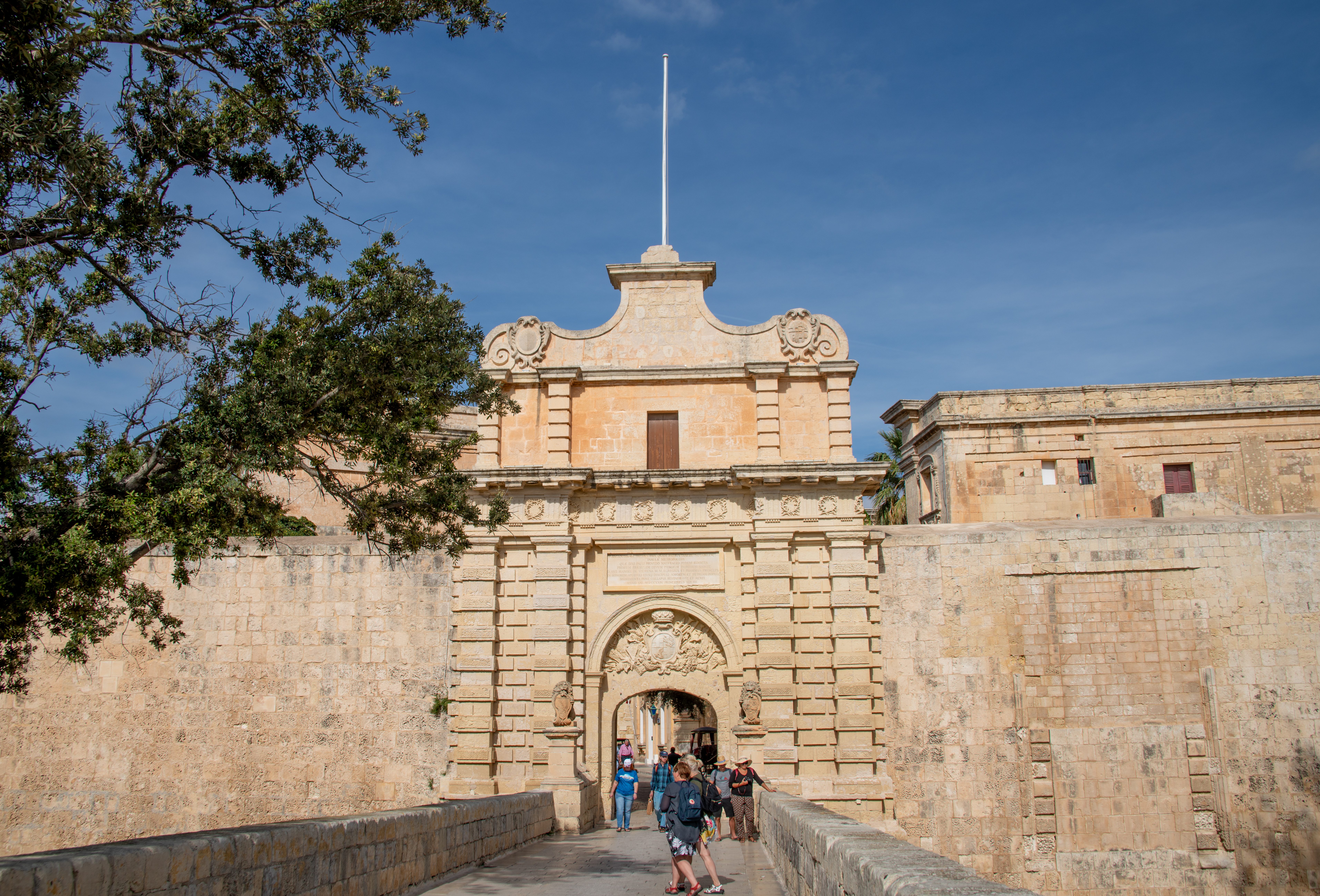
Entrance to Mdina. This is a newer one. You can see the outline to the older one to the right, all filled in.
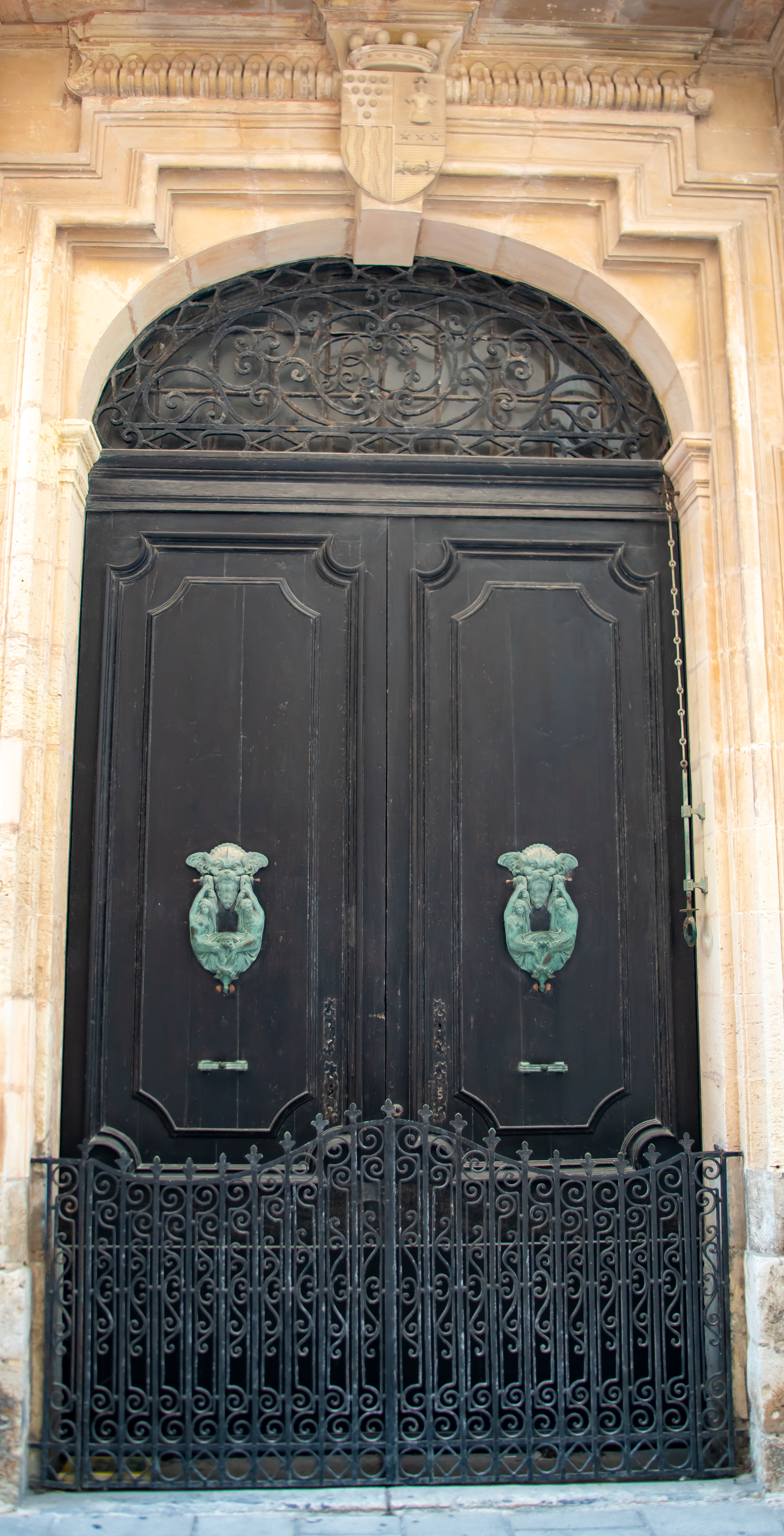
Cool doors
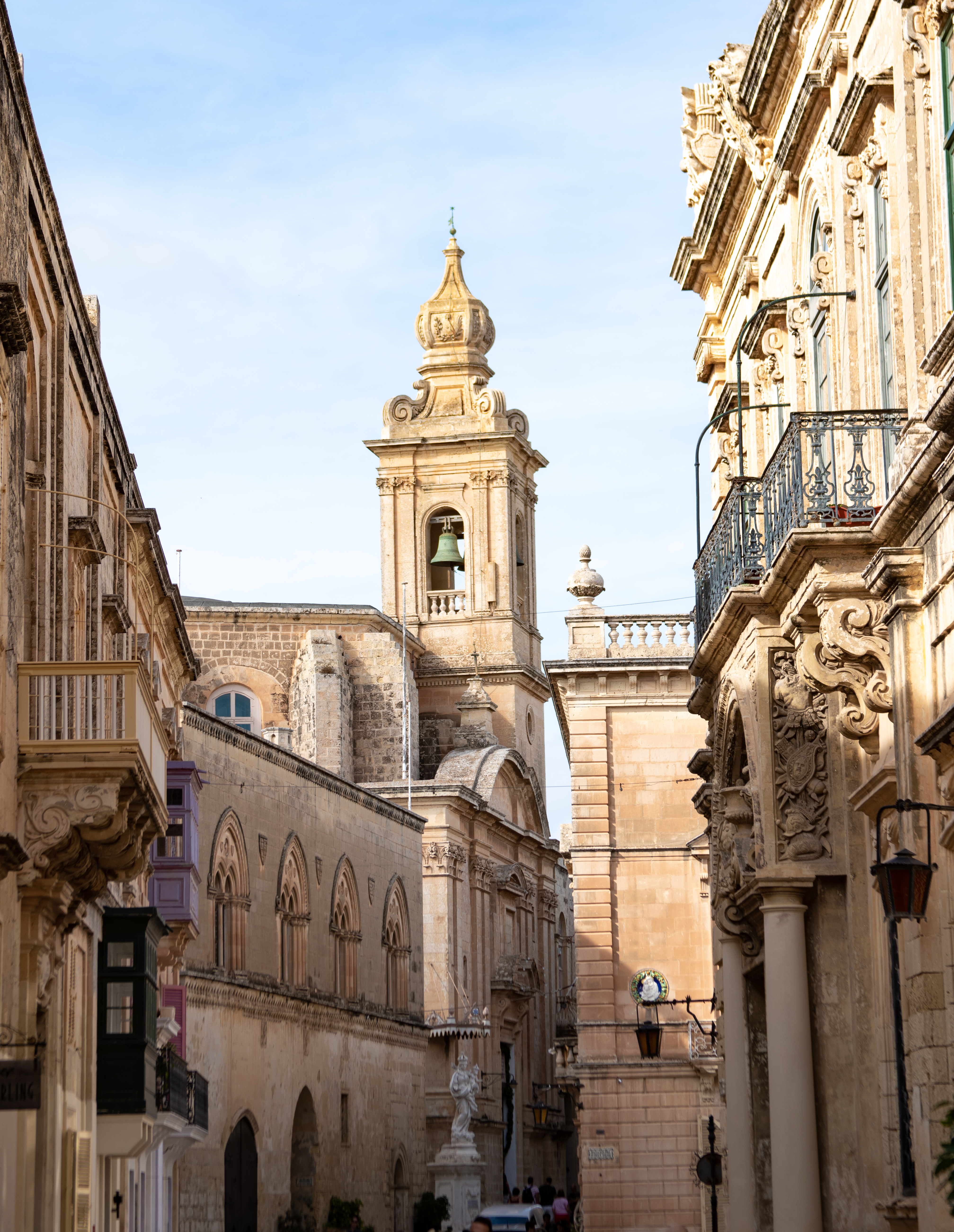
church
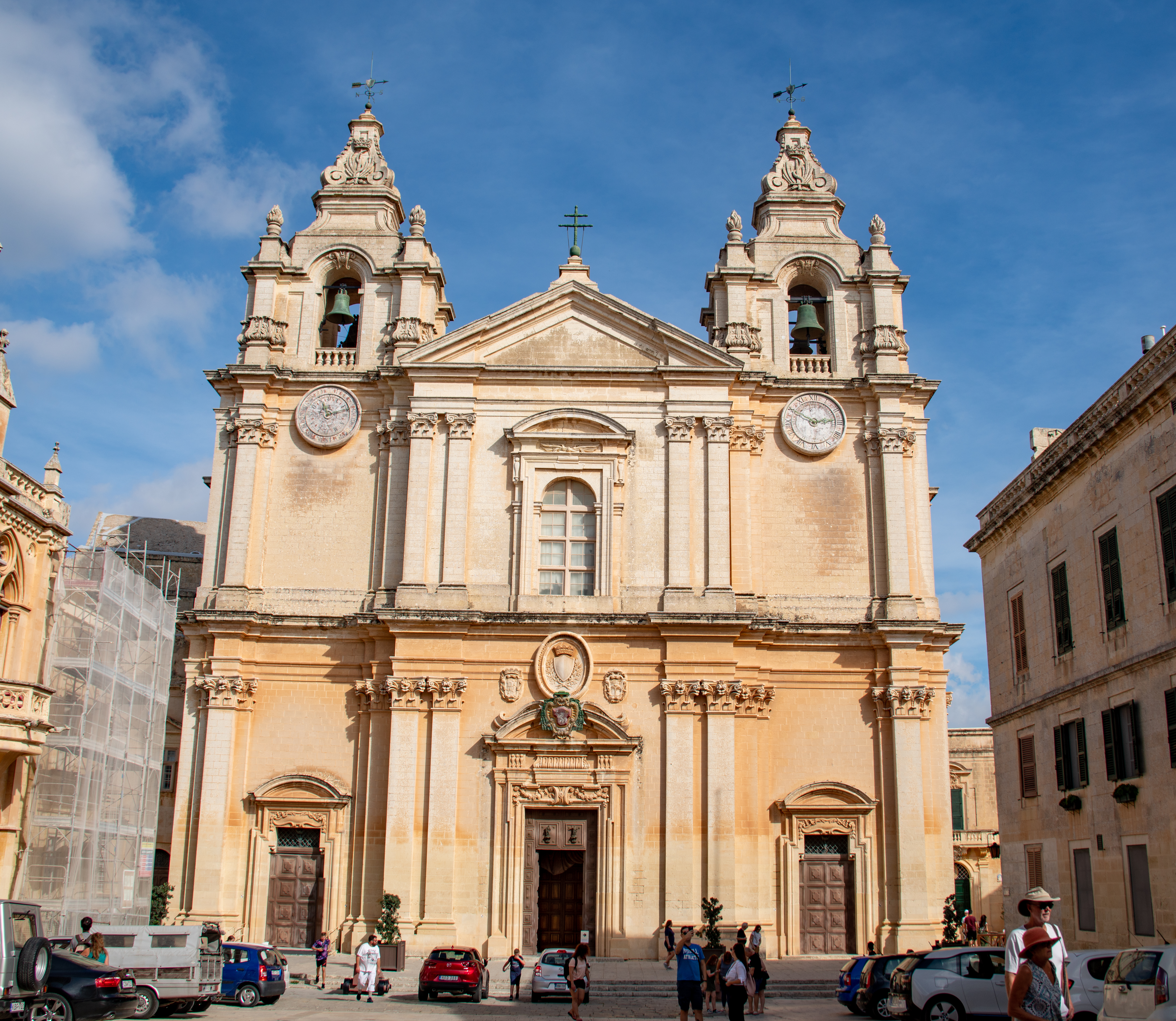
St Paul’s Cathedral
inside a small church we went in
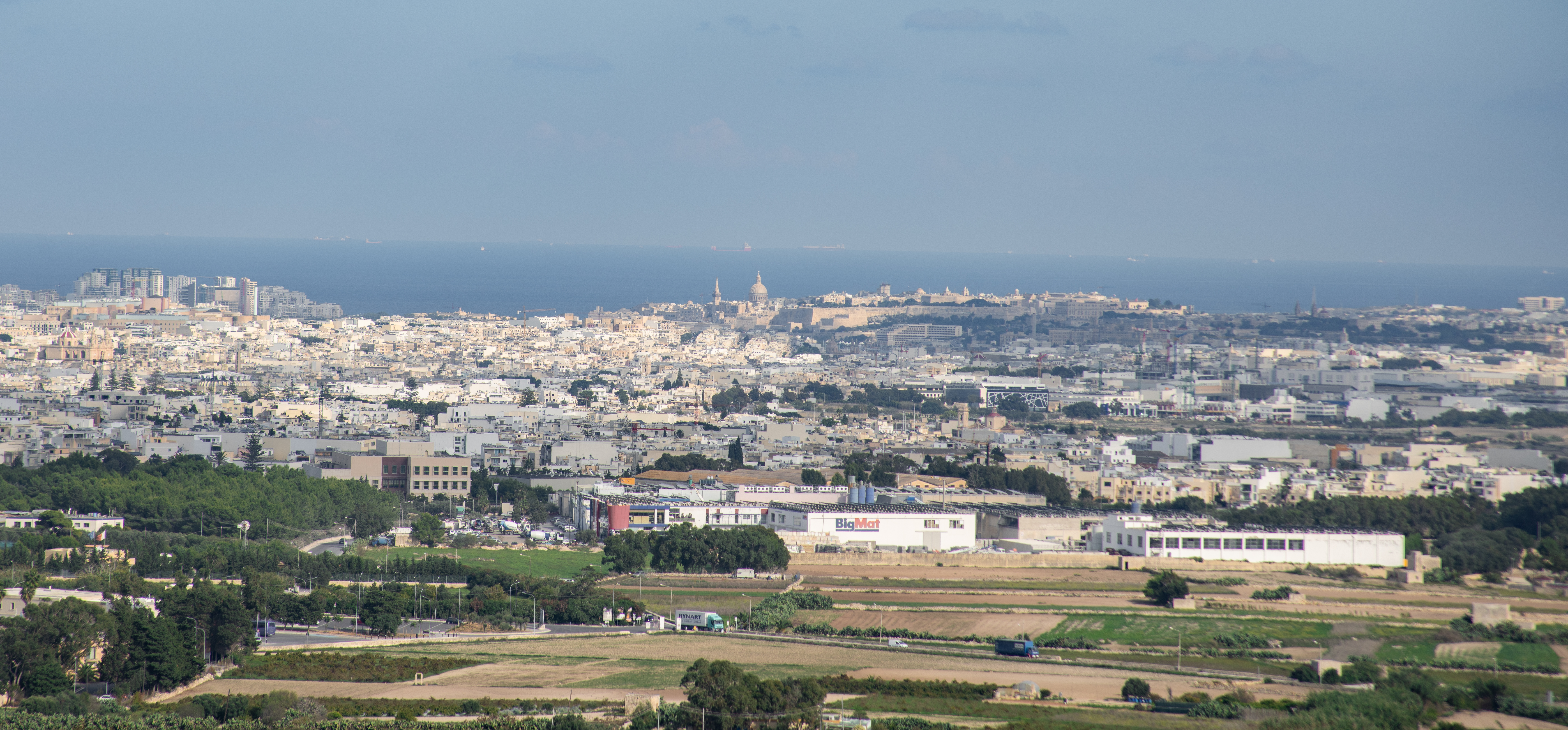
view looking out from Mdina towards Valletta
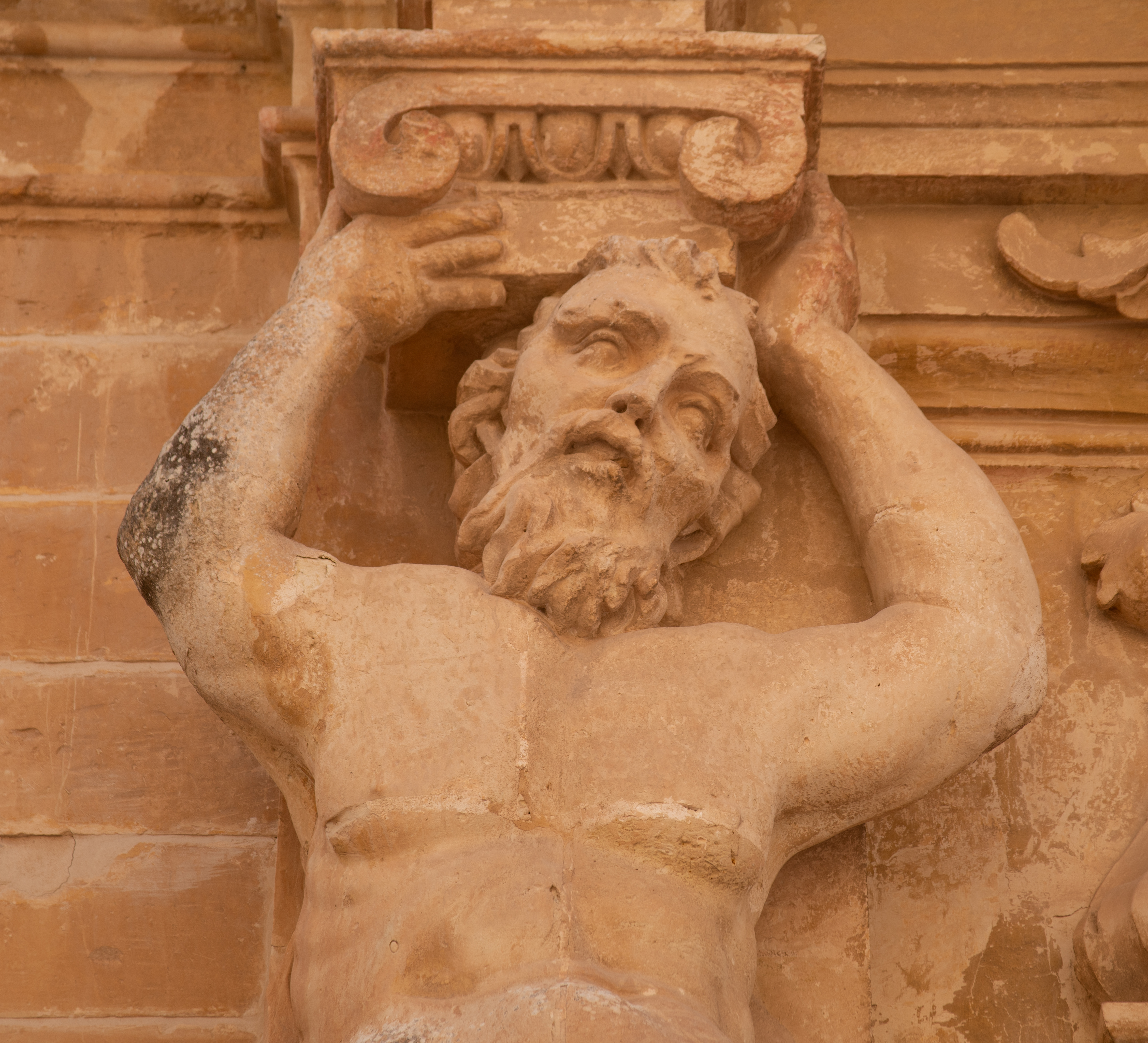
Carving on the building next to St Paul’s Cathedral
At some point the city was fortified and has stayed within its walls since. It changed hands a few times, again, but the walls have stayed. The city is up on a hill and is quite impressive. Only about 300 people live within the city walls today, but it hosts about 750,000 visitors a year. But don’t expect to stay within the walls as there is only 1 boutique hotel there.
I managed to take some pictures as we were sailing away from Valletta. It was quite pretty as it was all lit up.
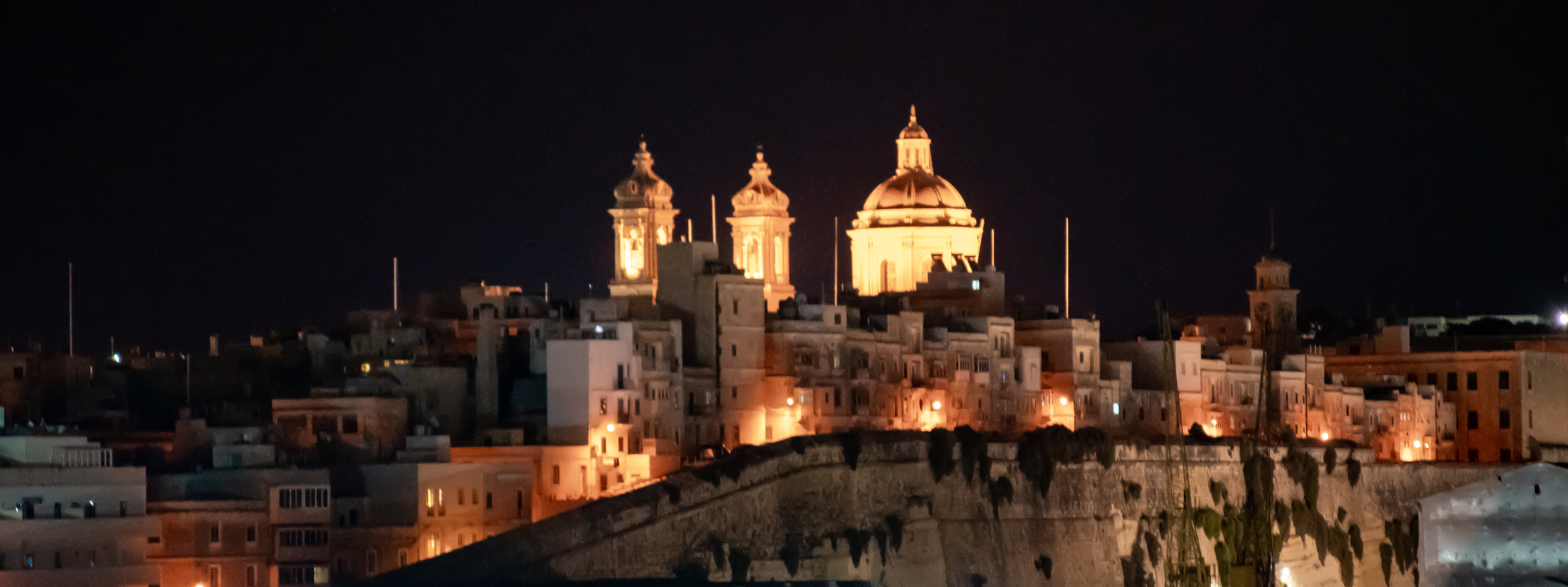
Senglea
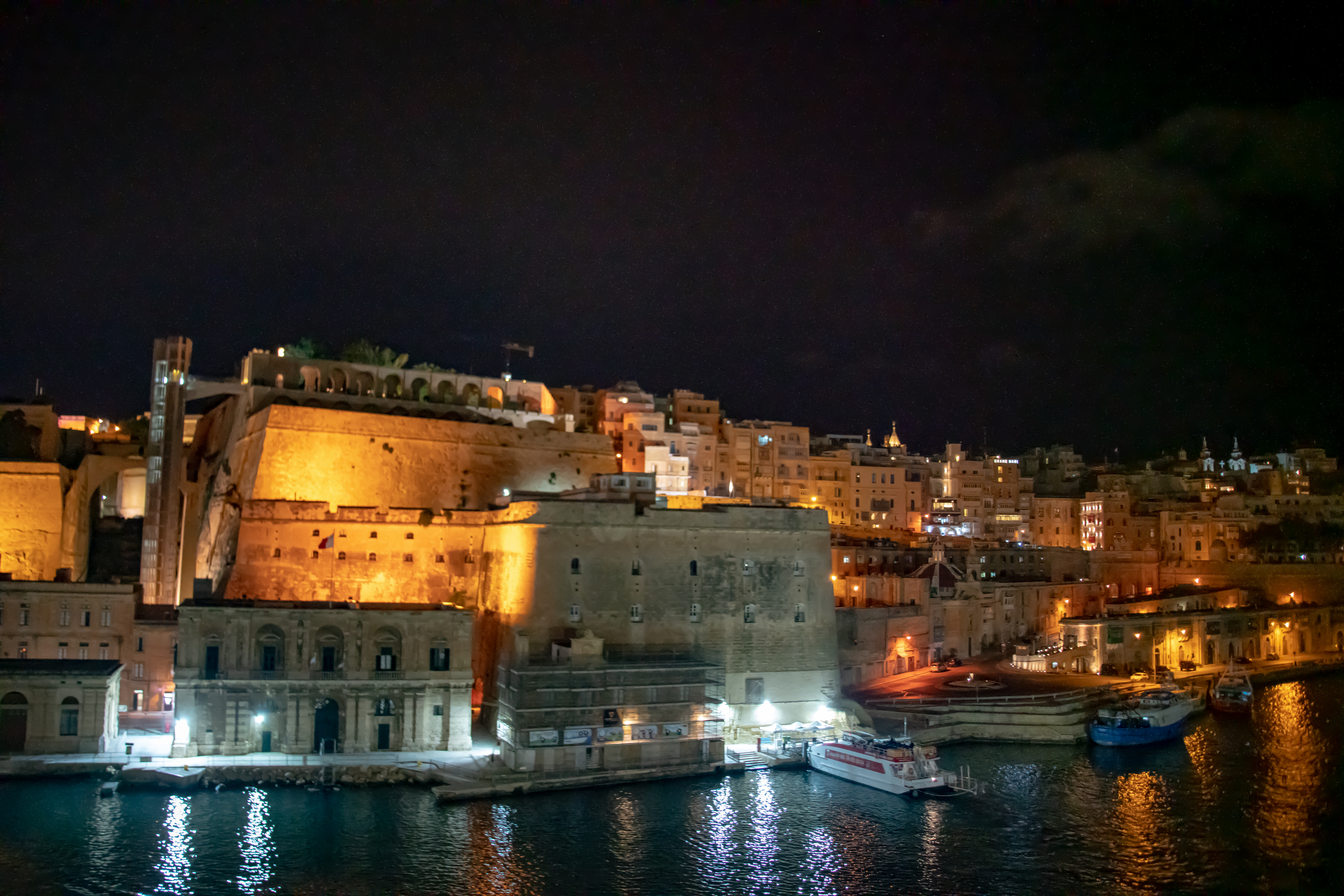
Valletta: the arches are the Upper Barrakka Gardens where I took pictures in the morning
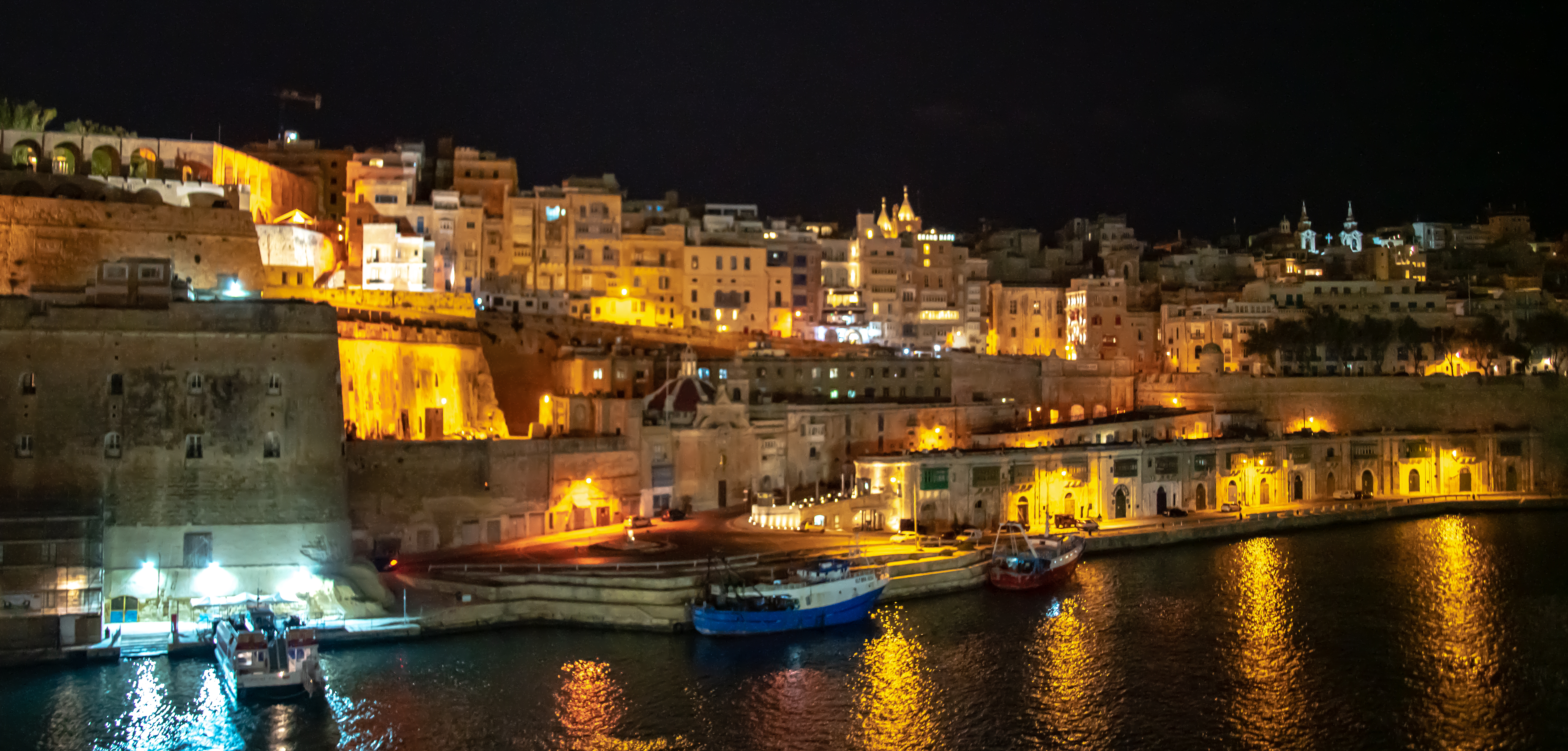
Valletta
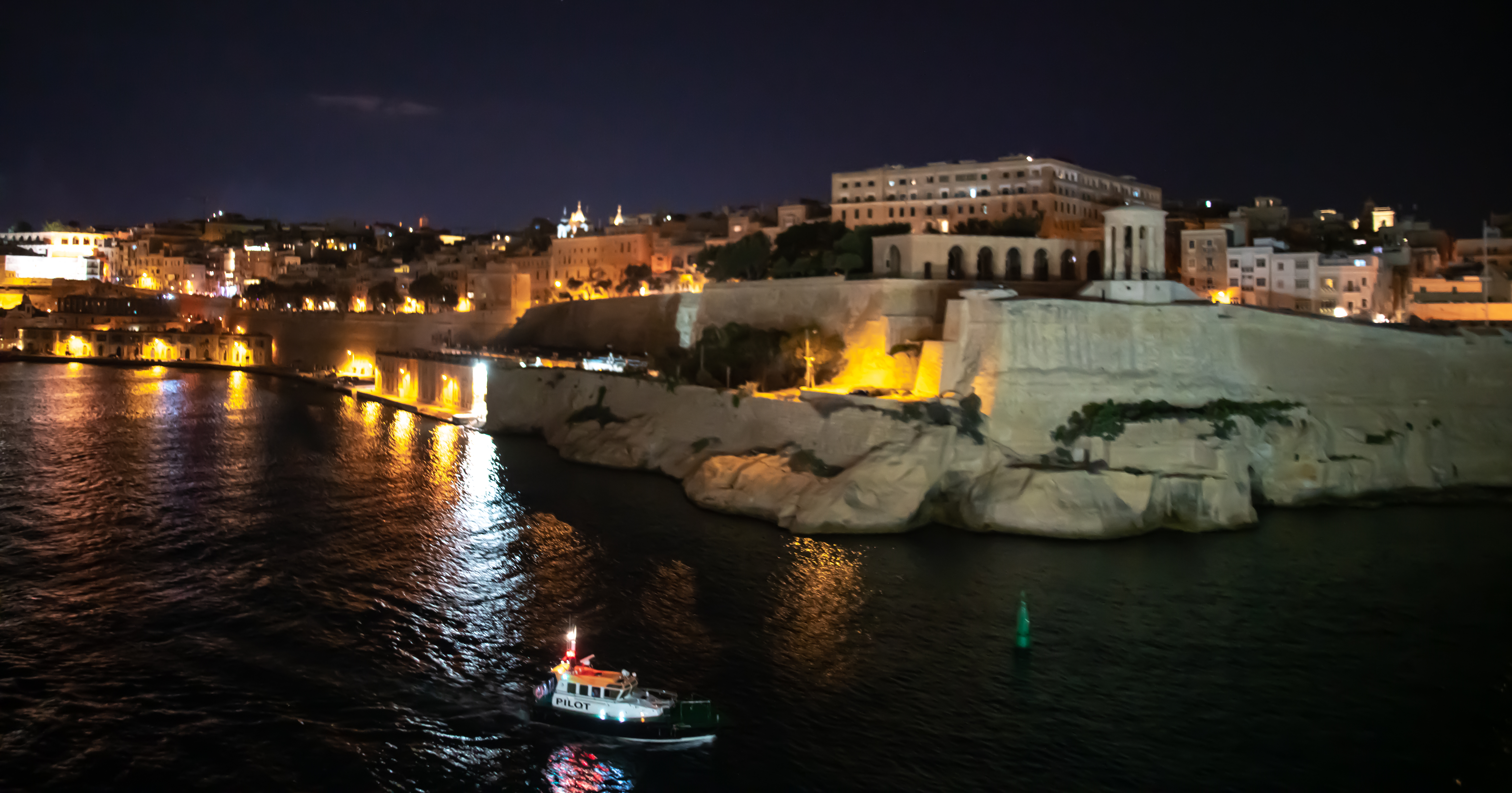
Valletta


Leave a Reply