Today we went to a new country for us: Montenegro. This is a relatively small country that gained independence from the former Yugoslavia in 2006. It is located on the Adriatic and is bordered by Bosnia and Herzegovina, Serbia, Croatia, Kosovo, and Albania. It is mountainous and is known for its lakes and wildlife.
Bay of Kotor in the early morning
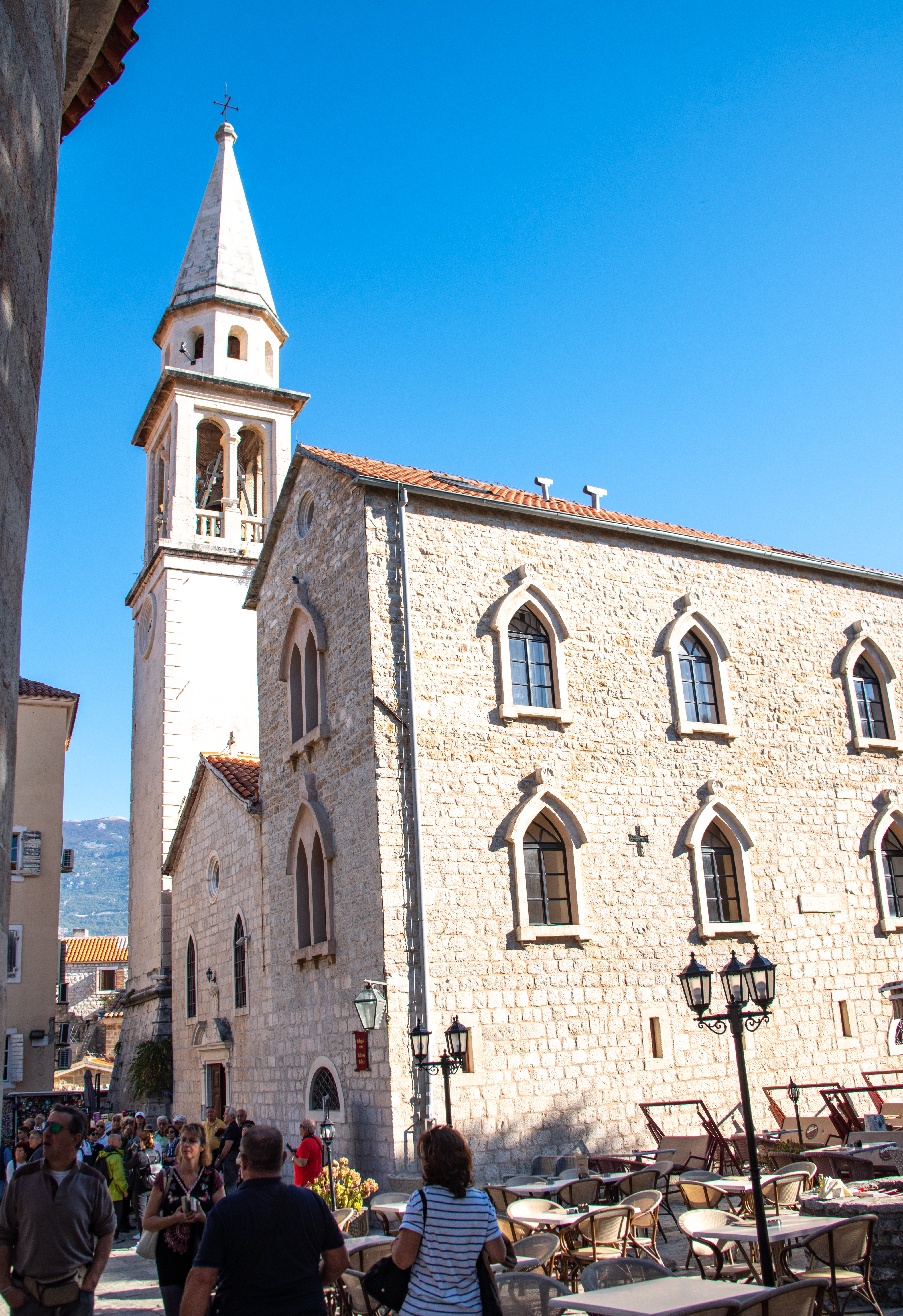
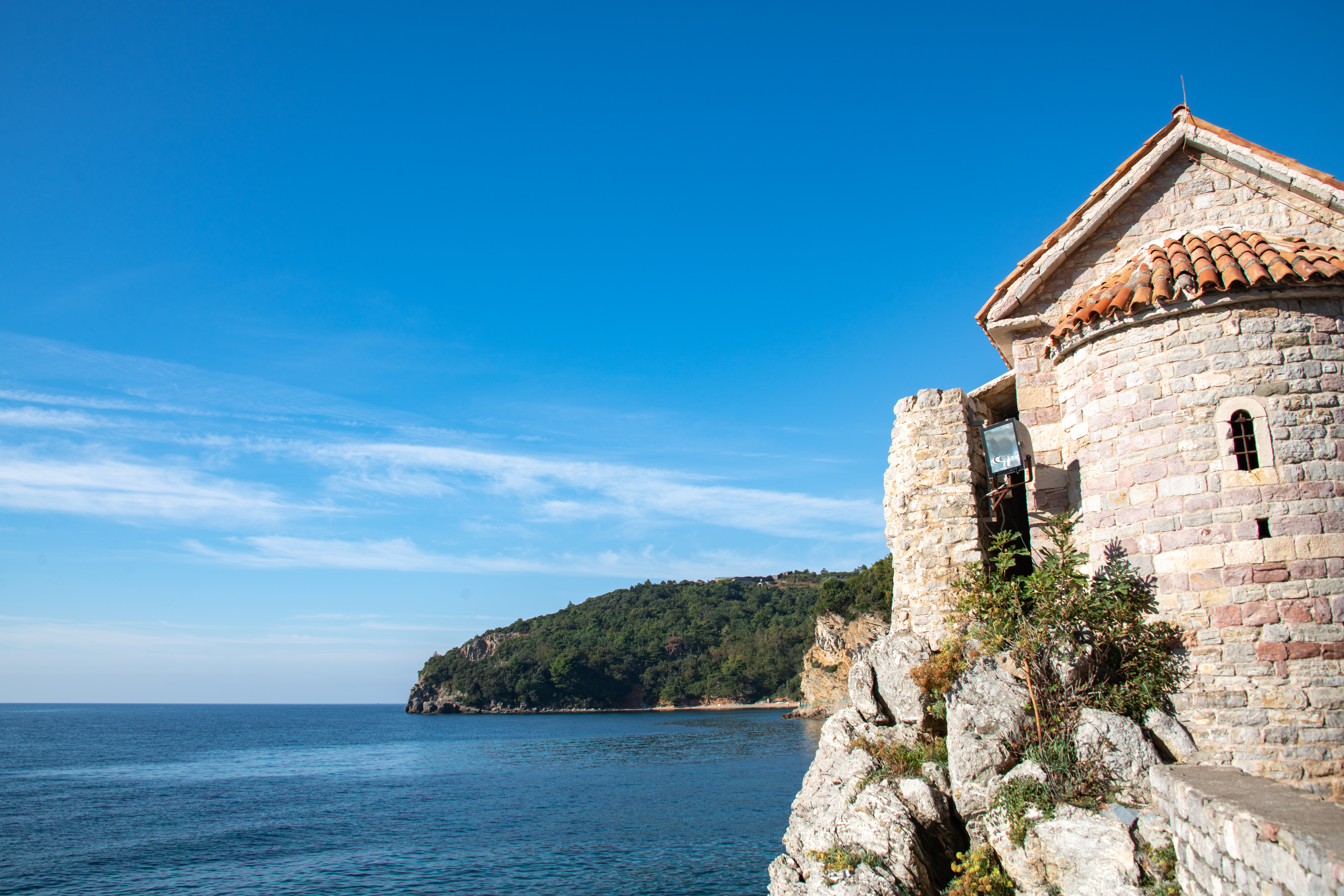
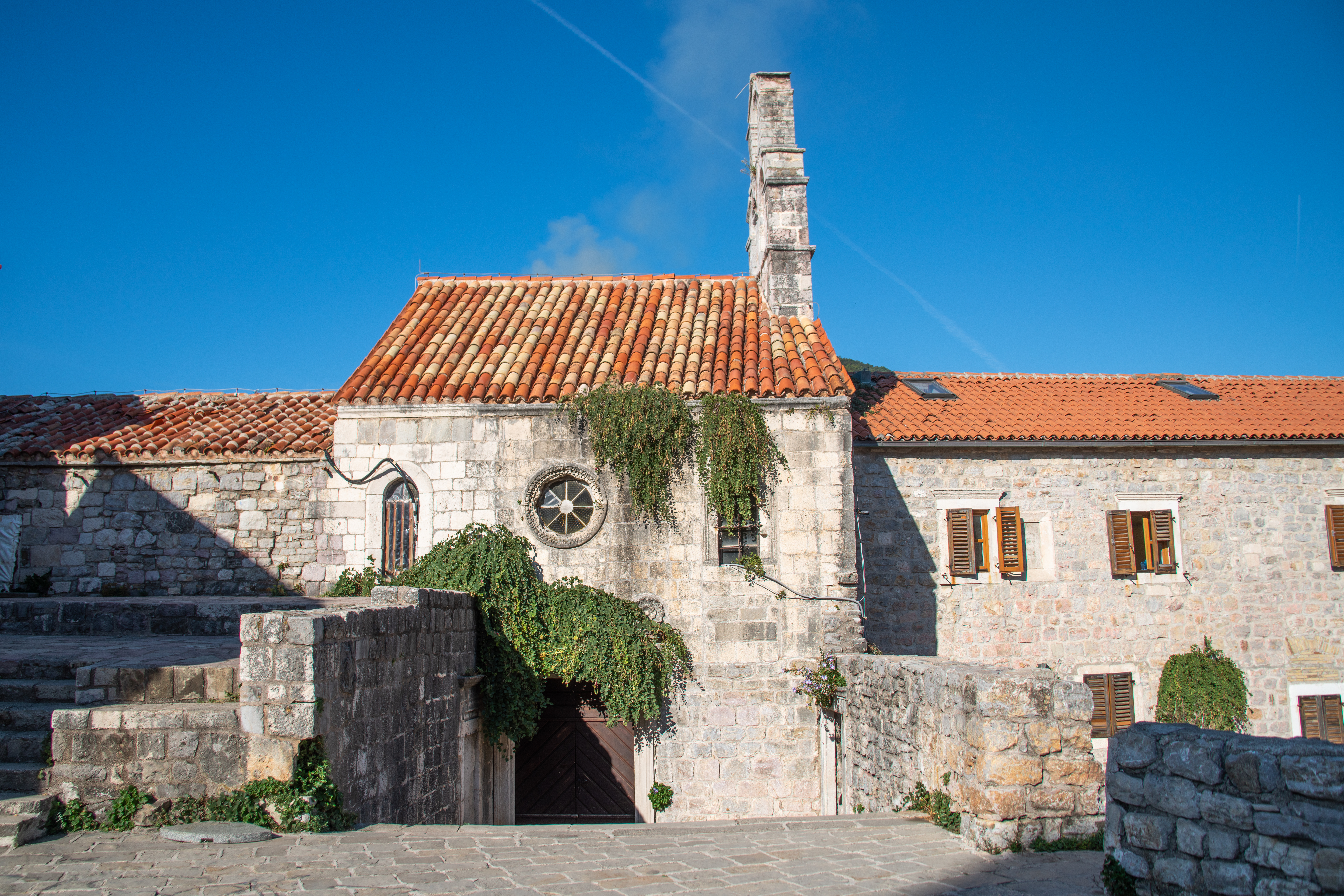
We ported in Kotor, but actually started our day out in Budva, a 2,500 year old town on the Adriatic, with historic documentation of settlements dating back to the 5th century BC. It passed through the hands of the Greeks, Romans, Byzantines, Slavs, and Avars before being sacked by Muslim Saracens in 841. In the early middle ages it recovered under various nobles. For about 400 years it was ruled by the Venetians, but with the fall of Venice it came under the rule of the Hapsburgs. Skip ahead to WWI: at the end of the war it remained with Austria-Hungary. After WWII it was a part of the Kingdom of Yugoslavia which later became the Republic of Yugoslavia.
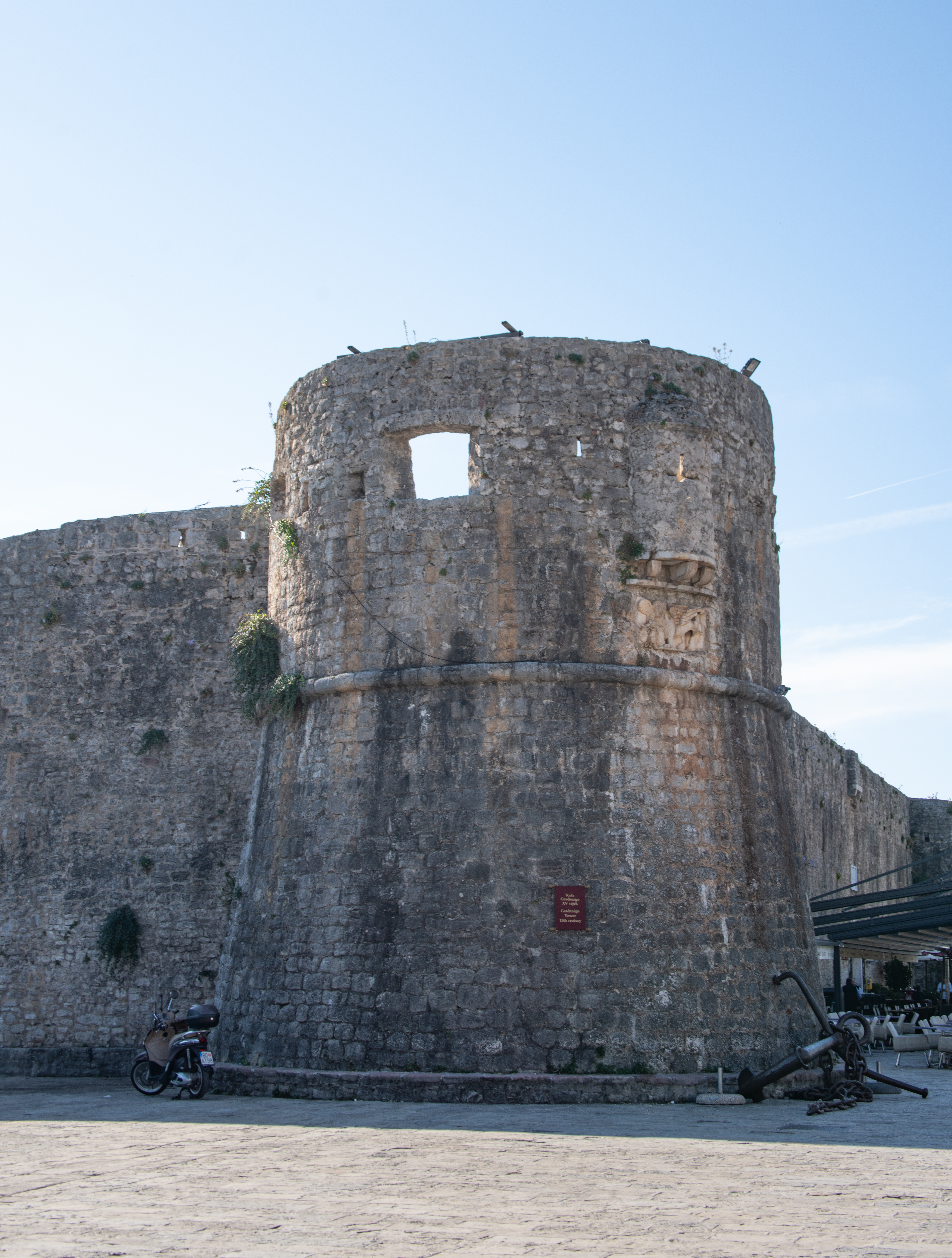
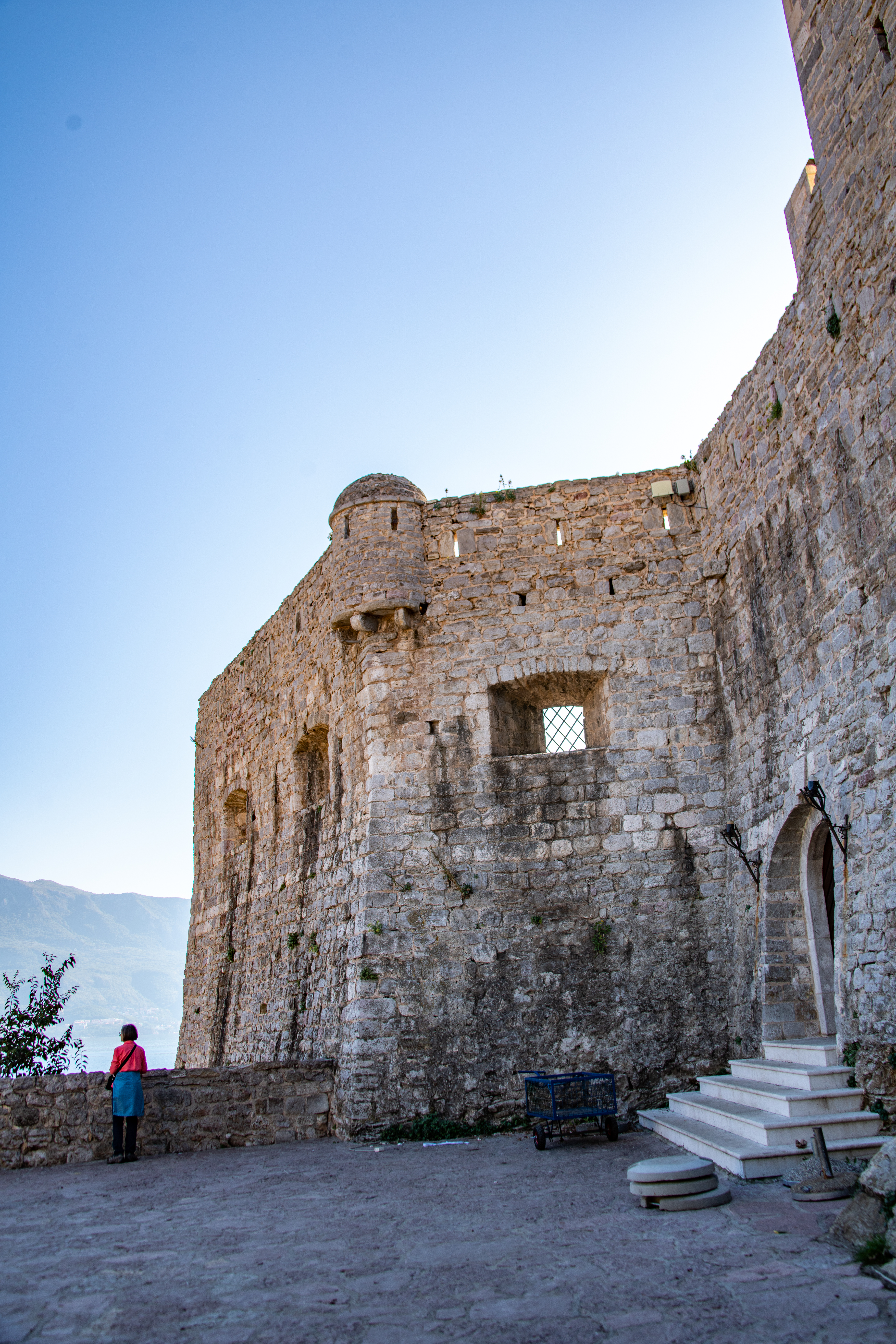
Budva city wall
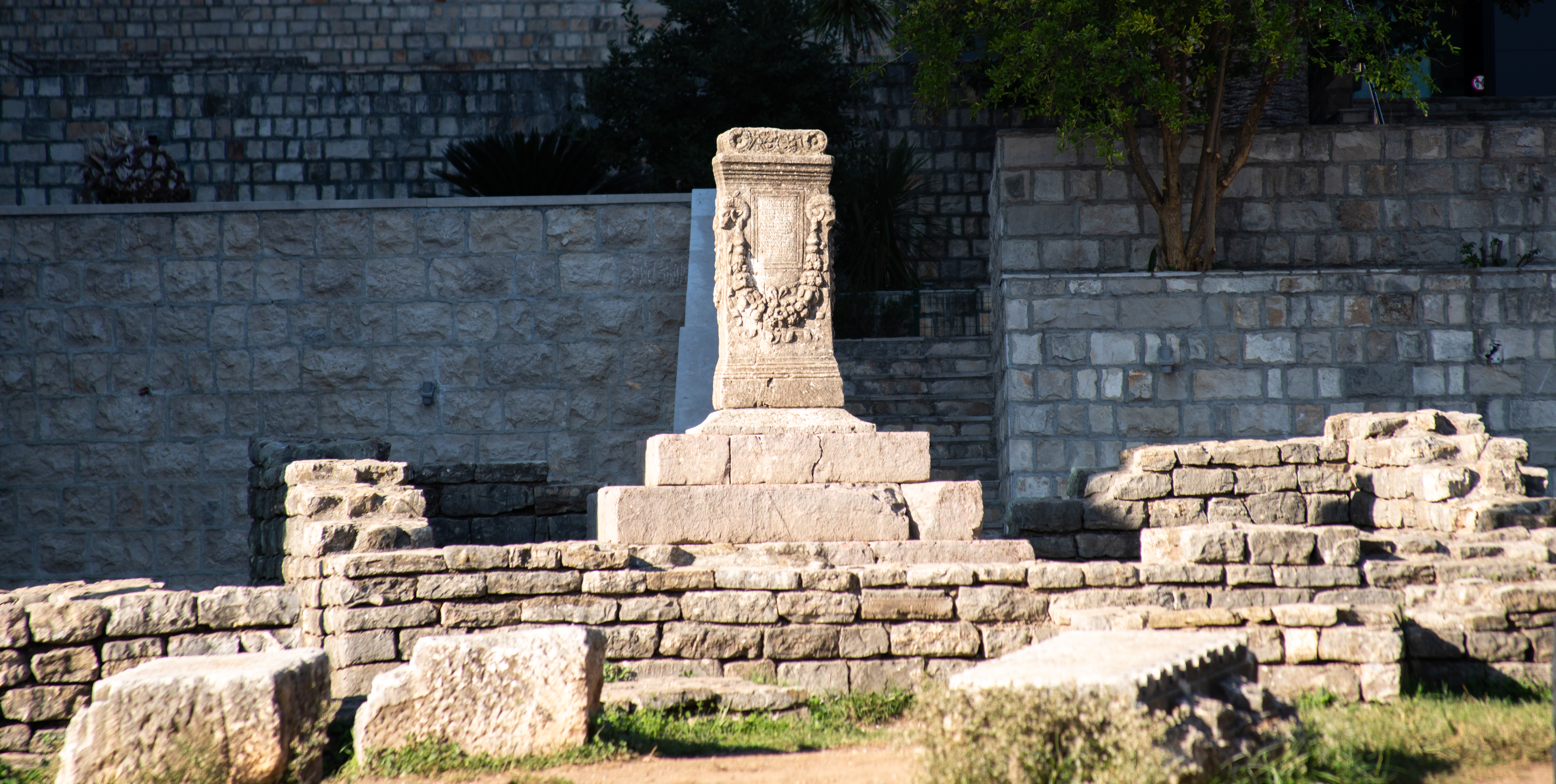
Roman grave in Budva
In 1979 a terrible earthquake hit the area, destroying most of Budva. It literally destroyed almost all of the buildings there, which was terrible as the old town had been well-preserved. Amazingly, no people died in the town. Experts were brought in to reconstruct the town to its previous state from the rubble. Also, the earthquake uncovered some previously unknown archaeologic sites.
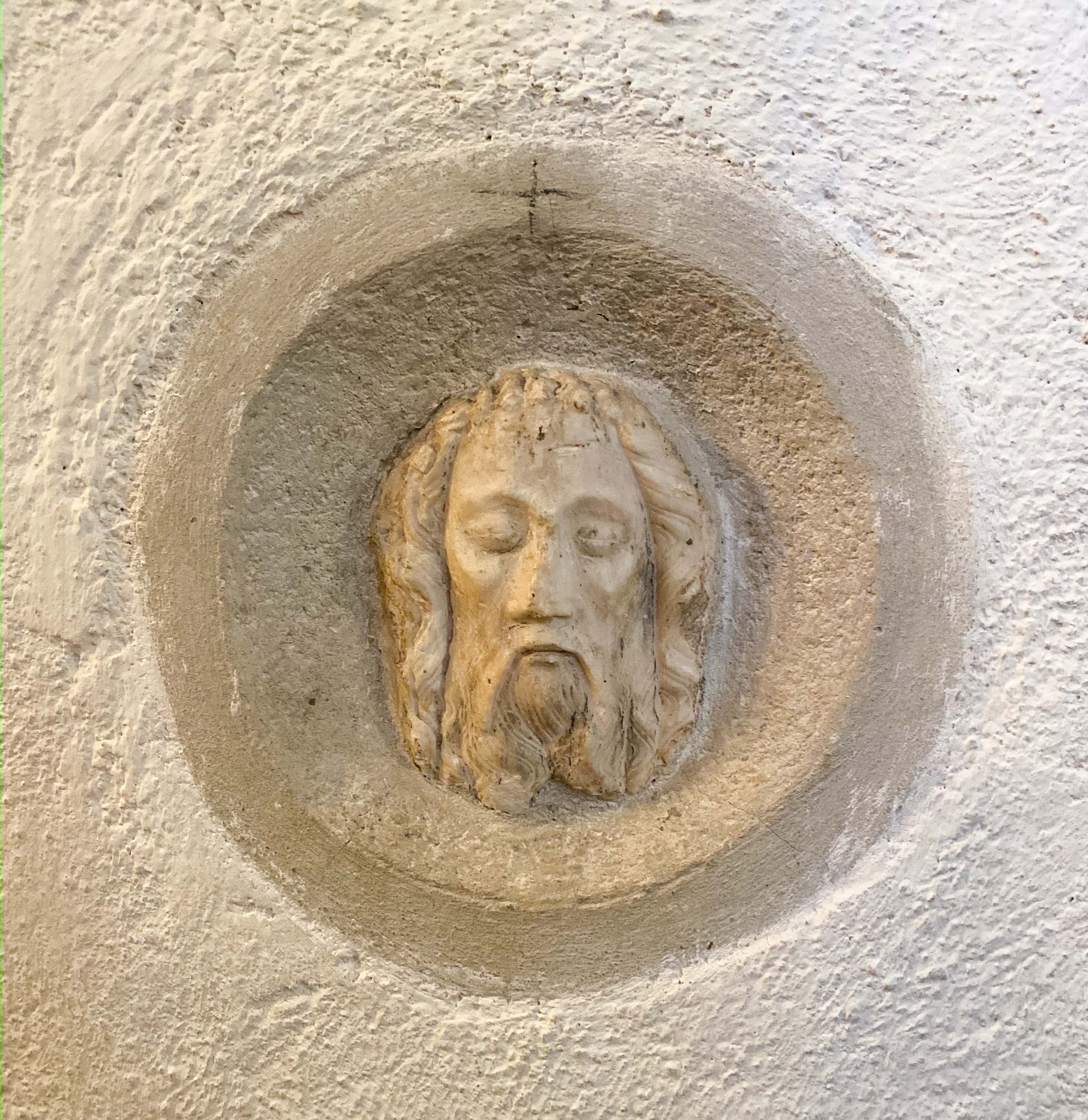
carving inside one of the churches

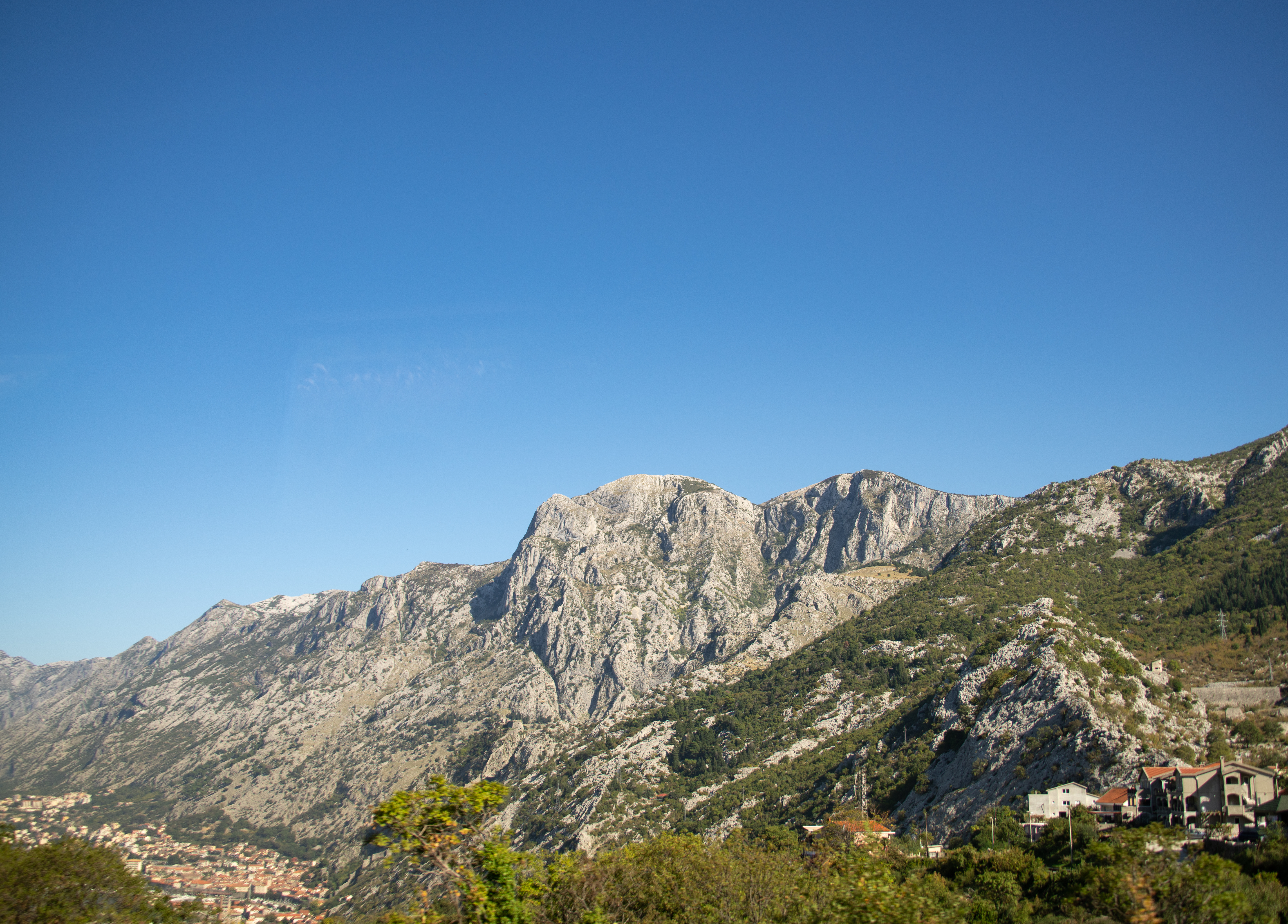
Countryside between Budva and Kotor
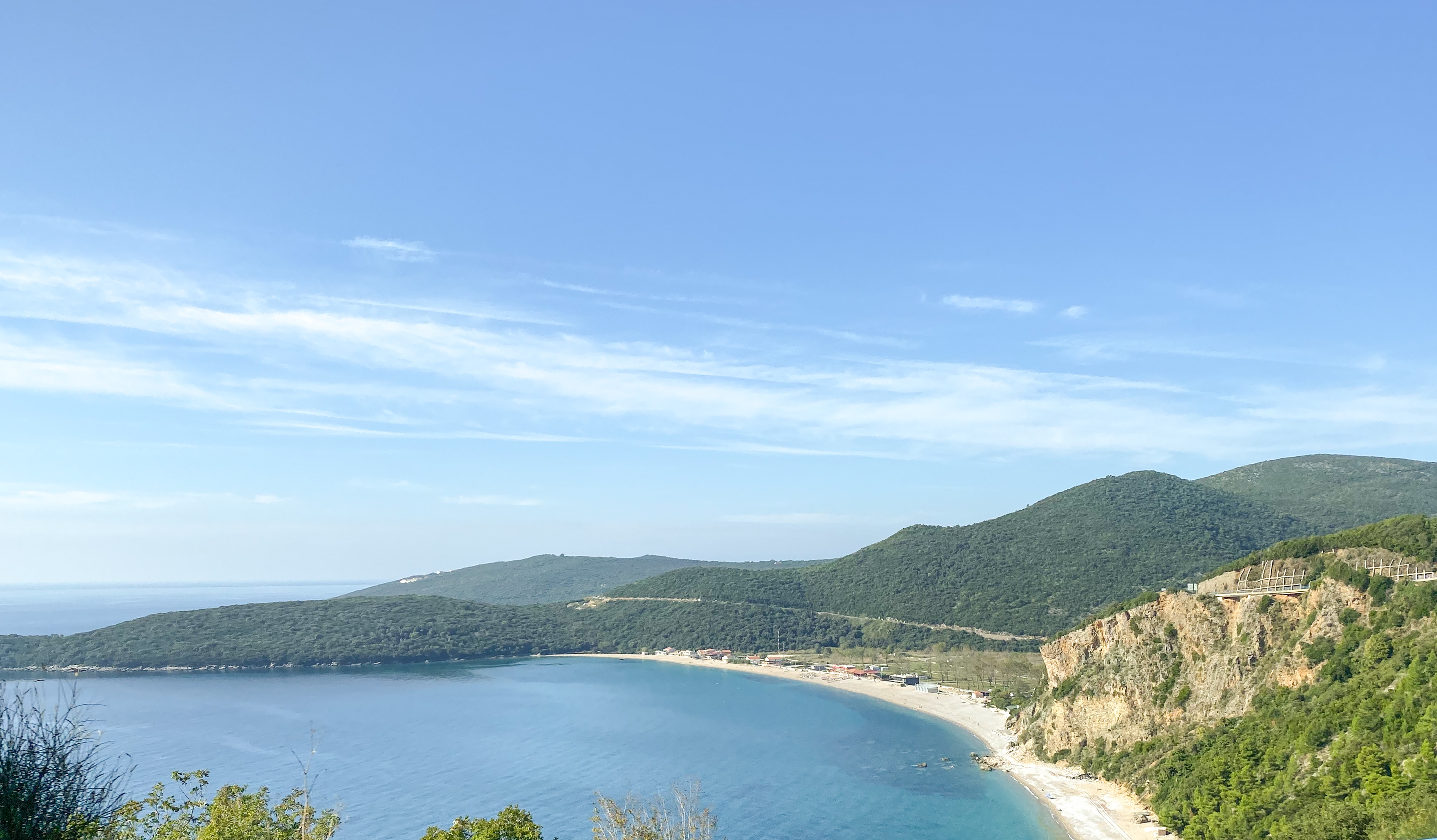
by the shore
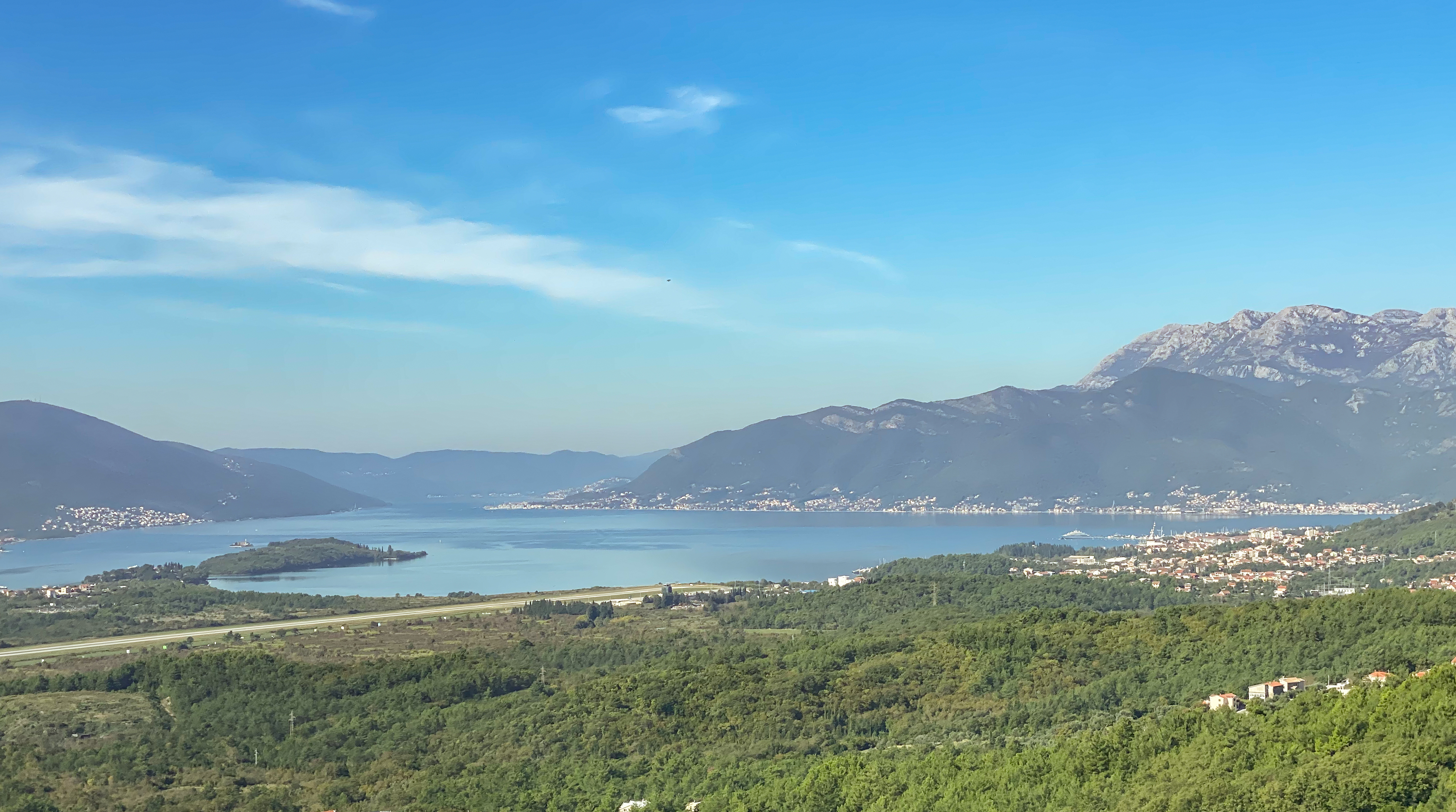
more countryside
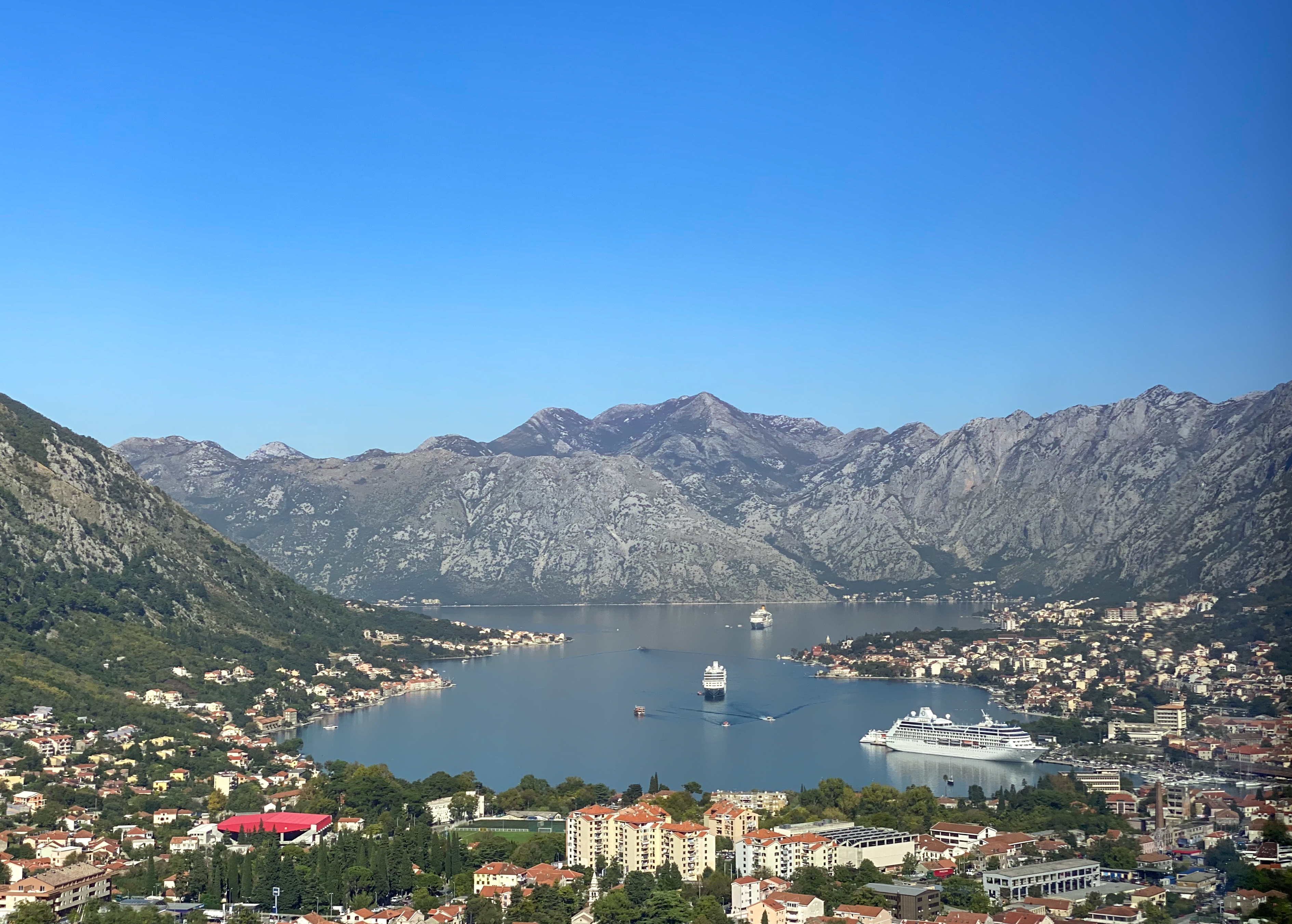
Bay of Kotor
We then went back to Kotor, a port on the Bay of Kotor that has been settled since Roman times. The town is known for its fortifications. It has had some degree of fortification since the Emperor Justinian built a fortress in 535. This town went through a similar series of ruling peoples like Budva (as they are very close together). When they were under Venetian rule, a significant fortification was built around the city, much of it still standing today including 3 miles of the city wall. Kotor is considered to have one of the best-preserved medieval old towns in the Adriatic. We visited the Cathedral of Saint Tryphon, which was consecrated in 1166, although it was damaged in earthquakes in 1667 and 1979. One important thing to know about Kotor is that it is known for cats. We definitely took advantage of that!
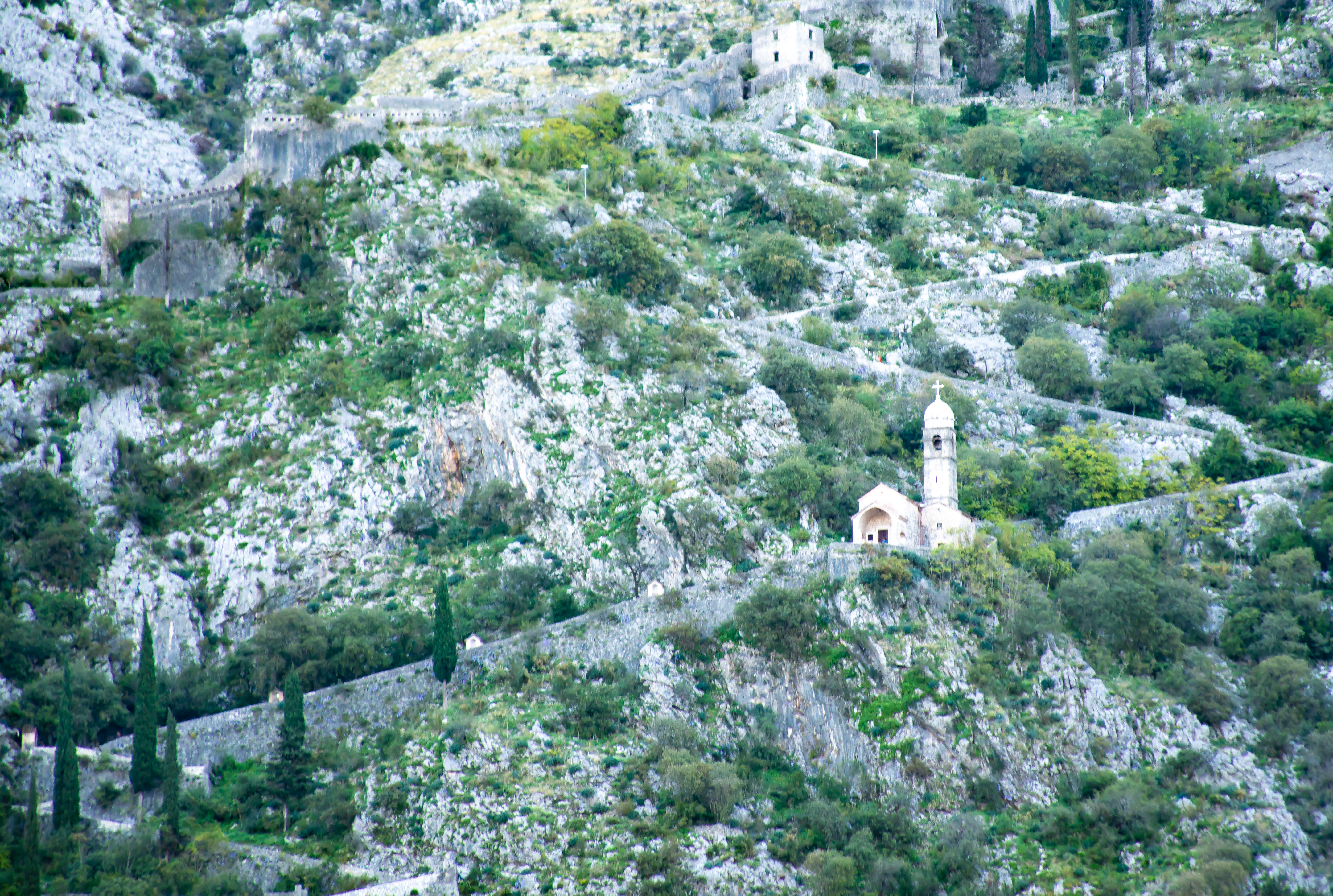
Part of the city wall high up on the hill with a small church
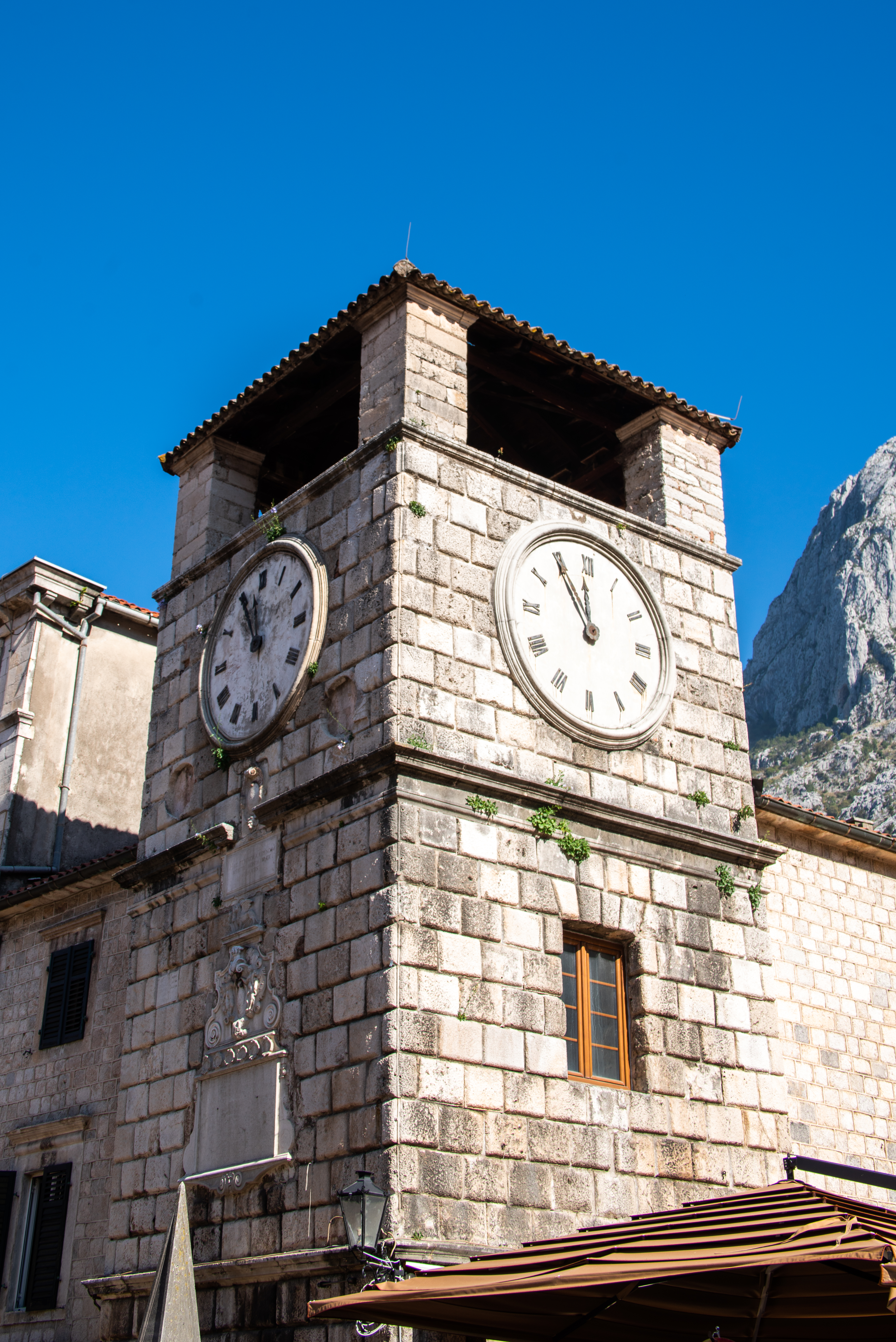
Clock tower
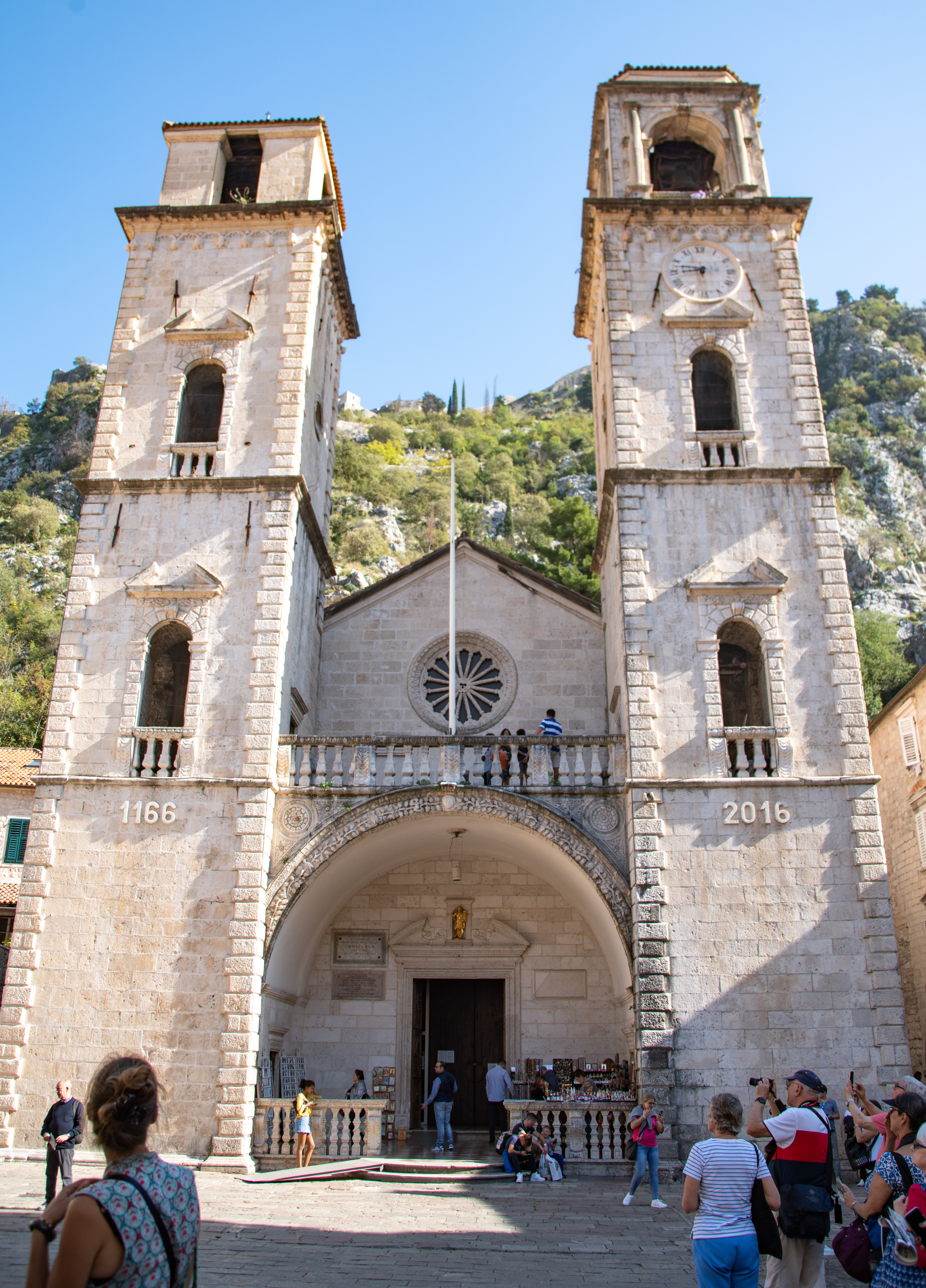
Cathedral of Saint Tryphon
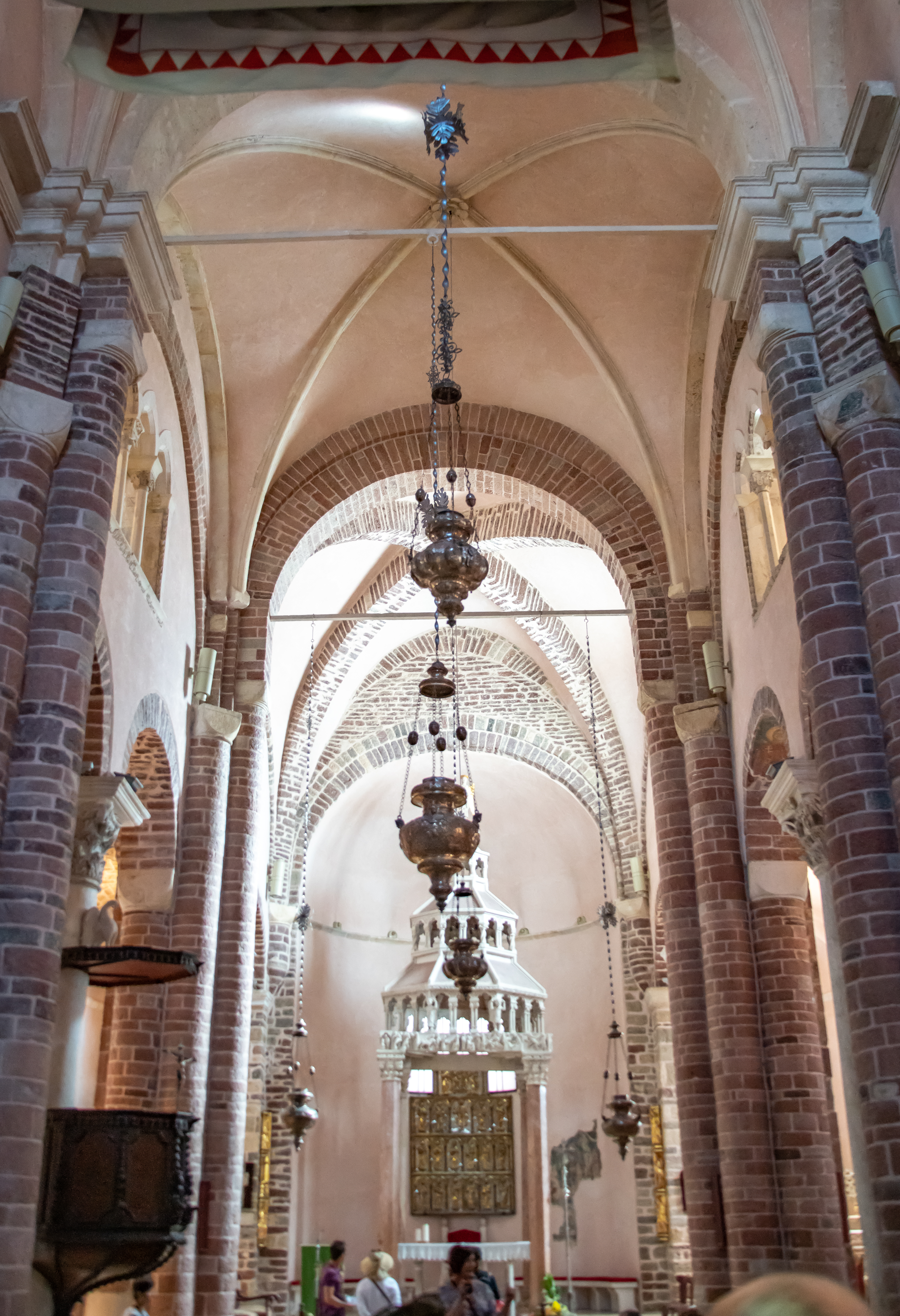
Cathedral of Saint Tryphon
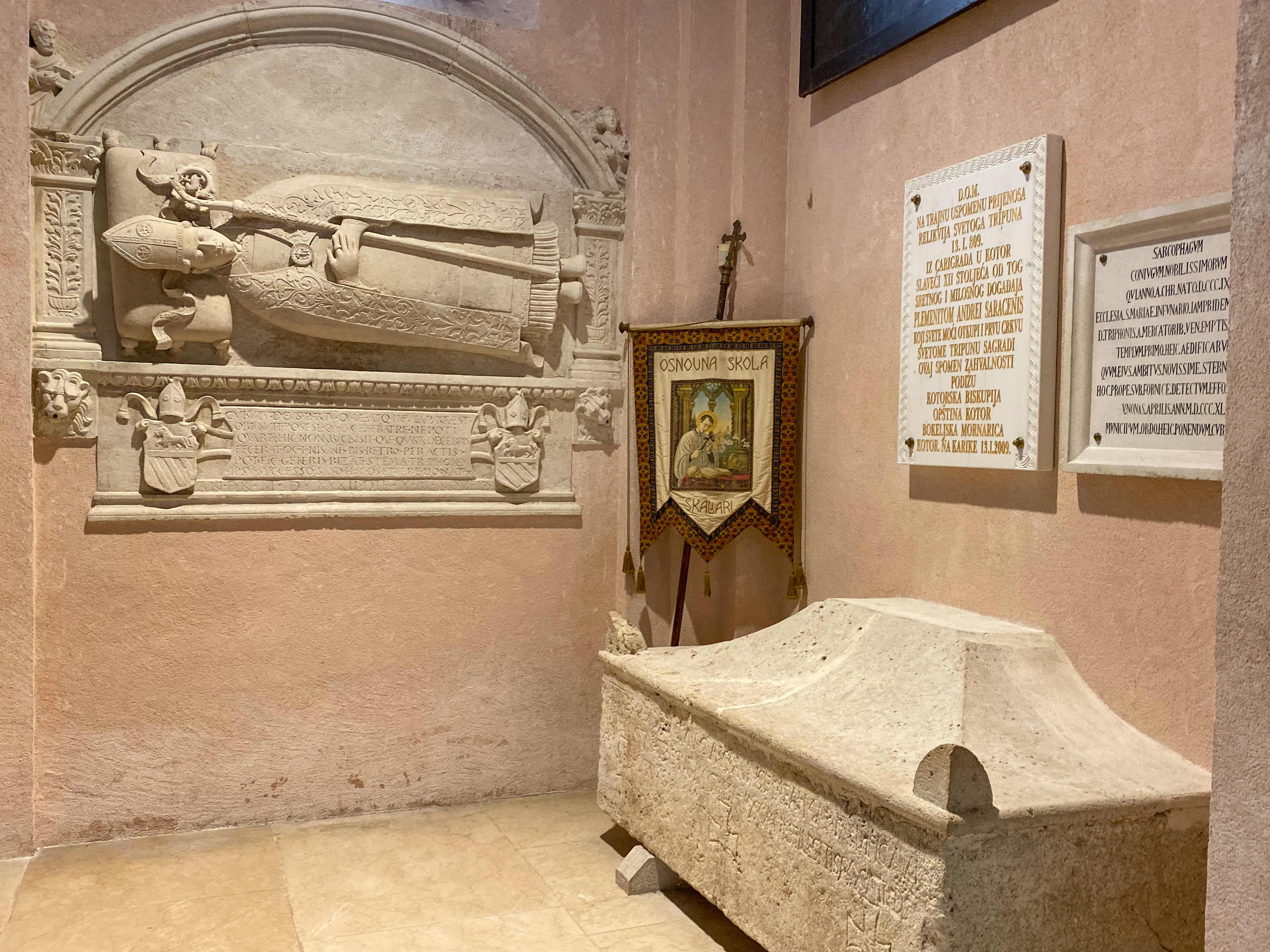
Cathedral of Saint Tryphon
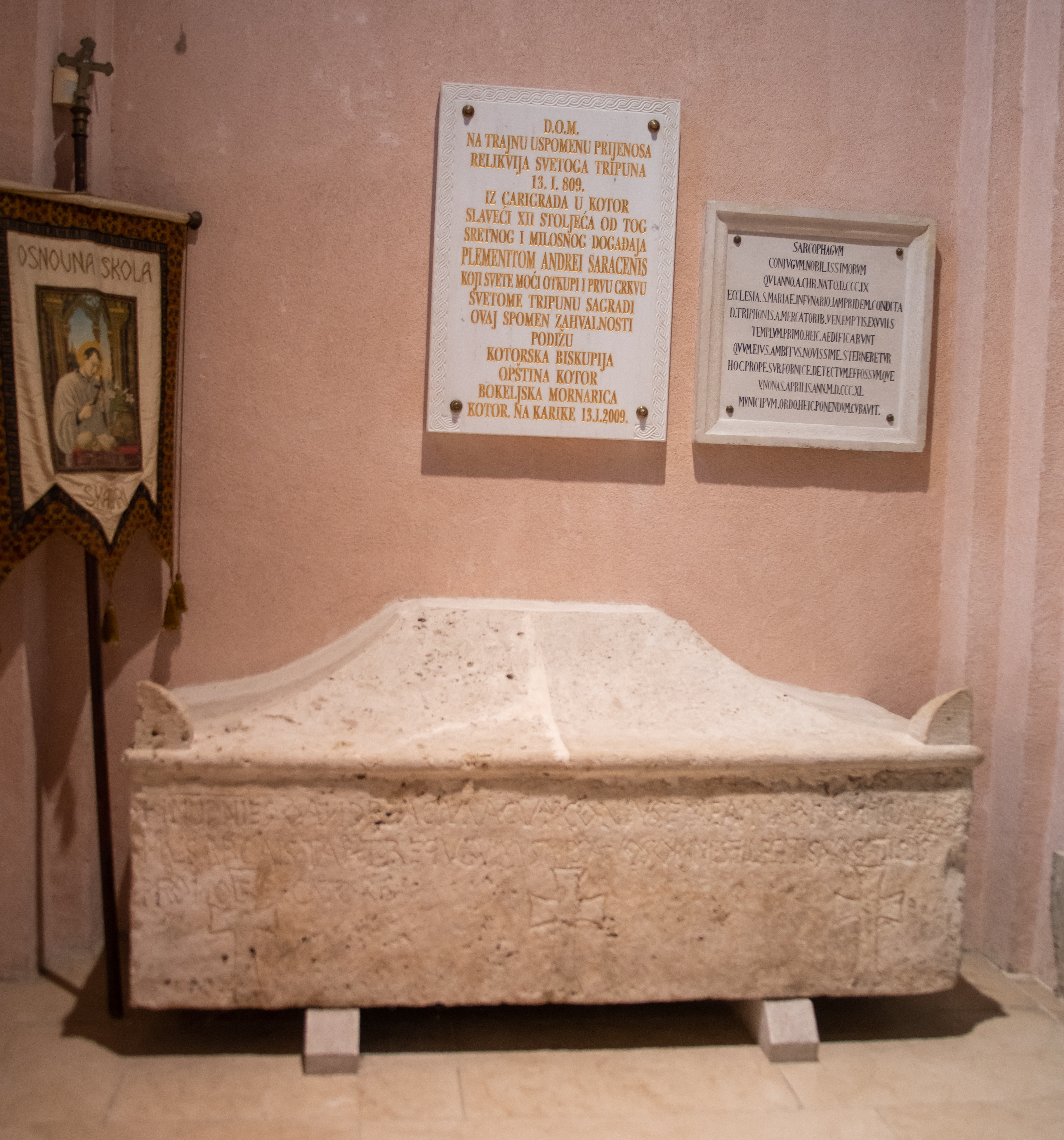
Cathedral of Saint Tryphon
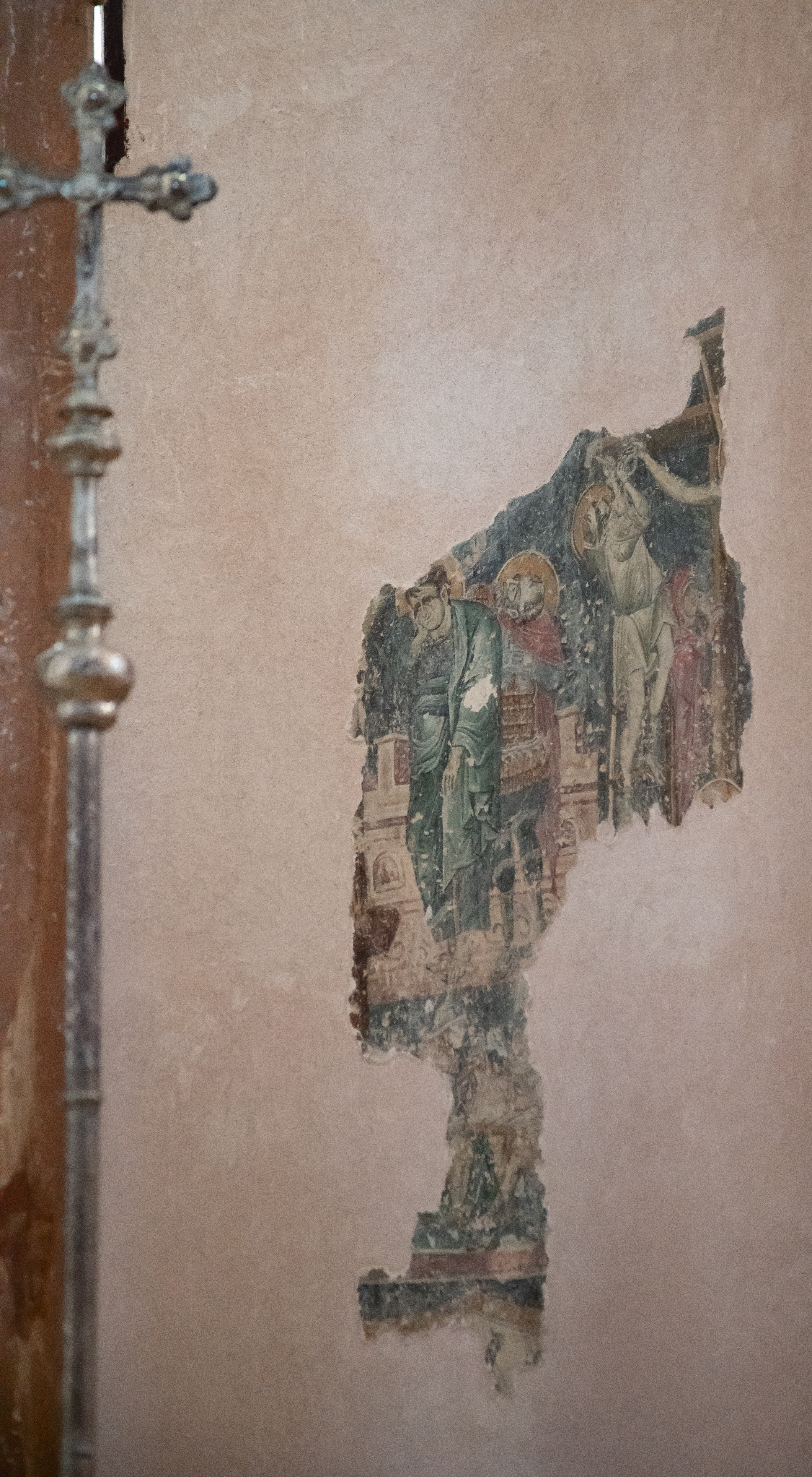
Cathedral of Saint Tryphon
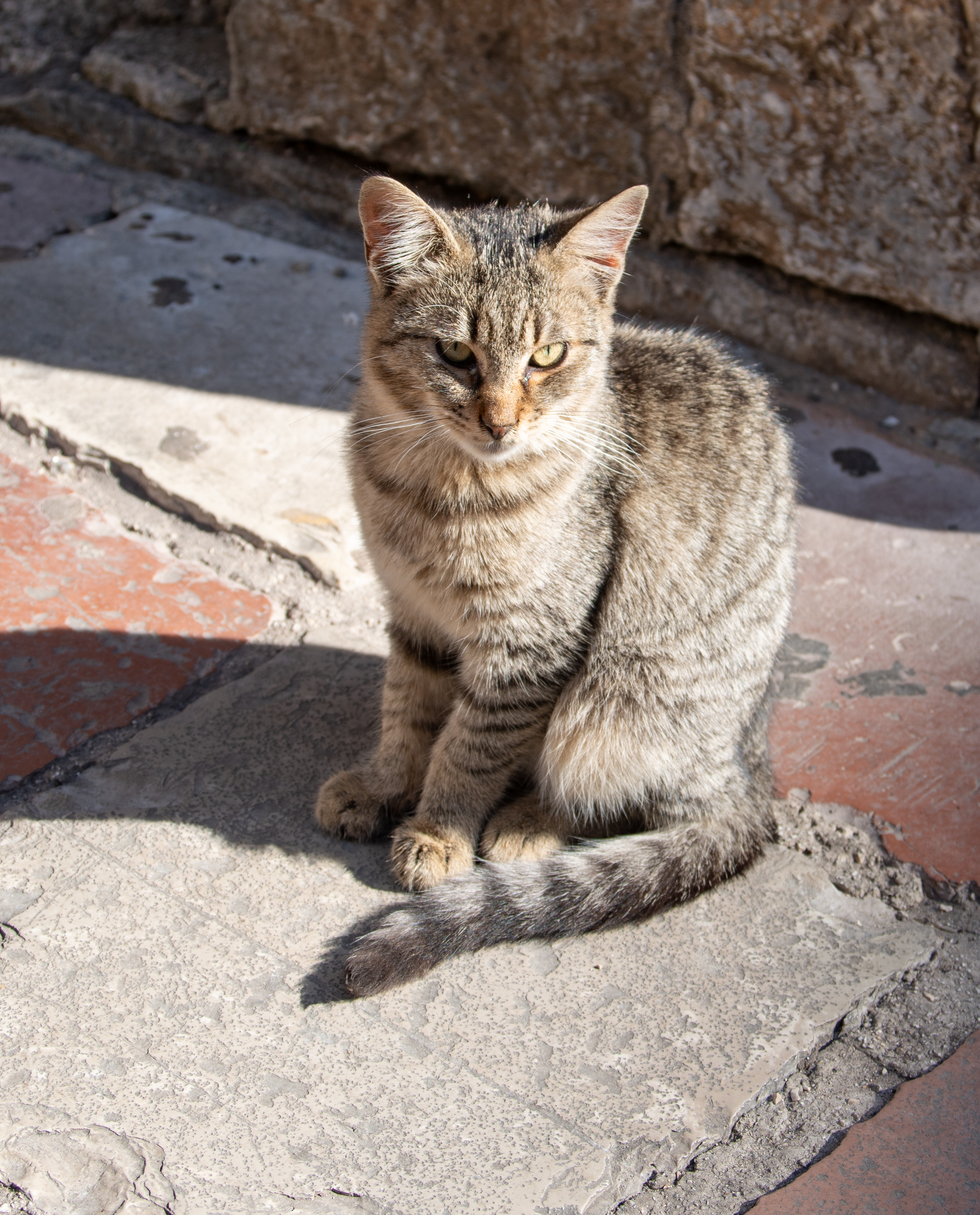
Kotor kitty
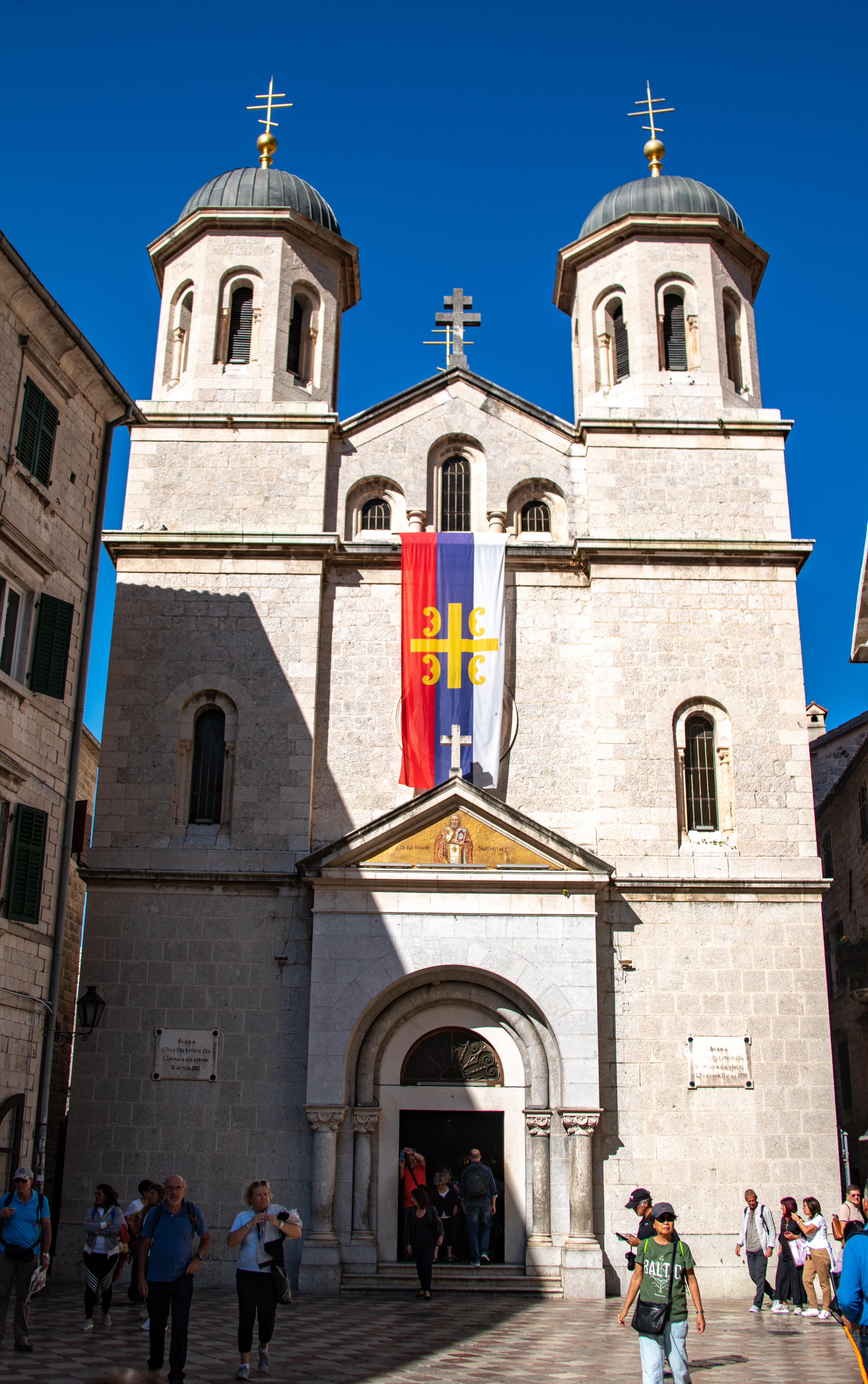
Church of Saint Nicholas
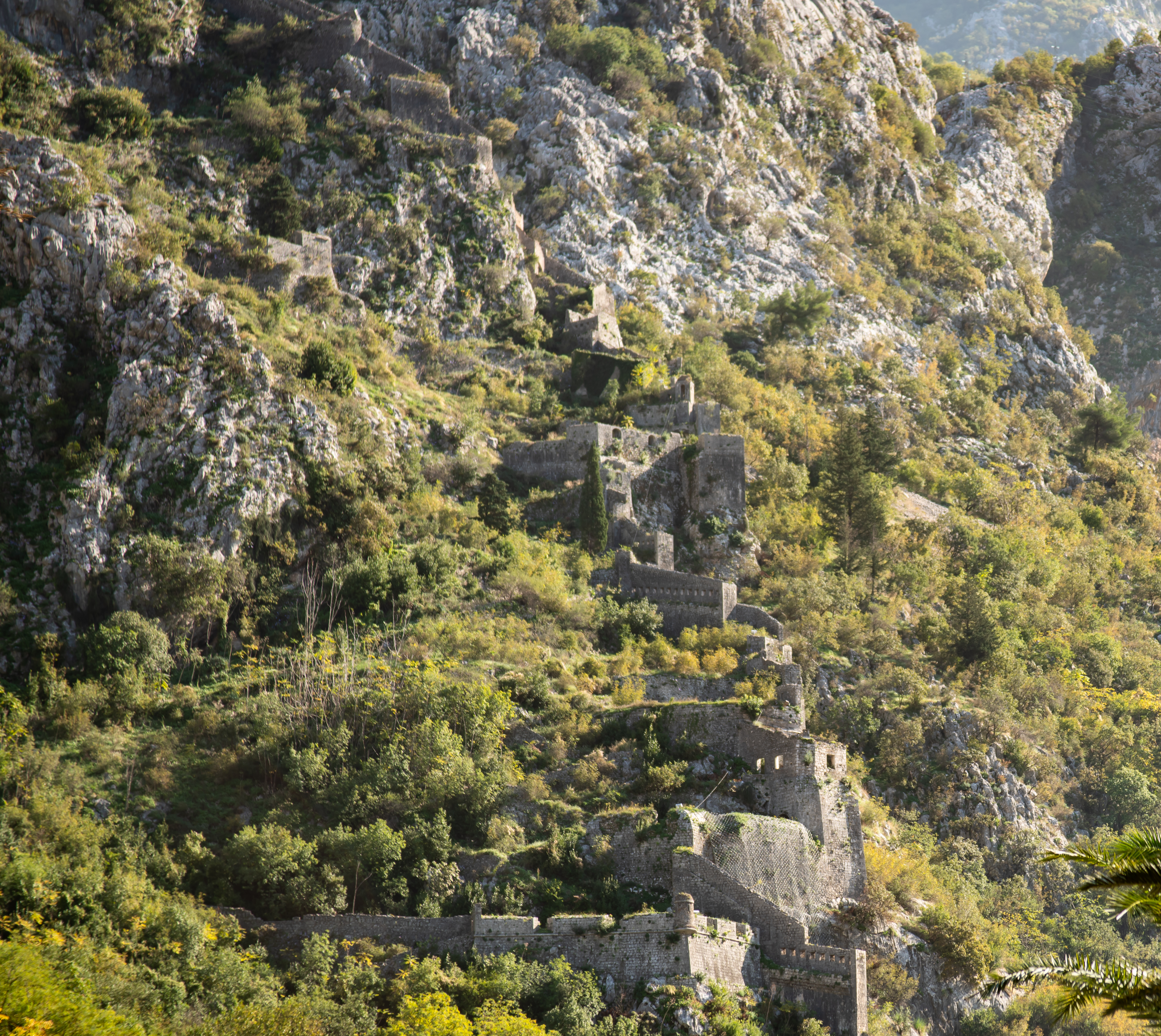
more city wall
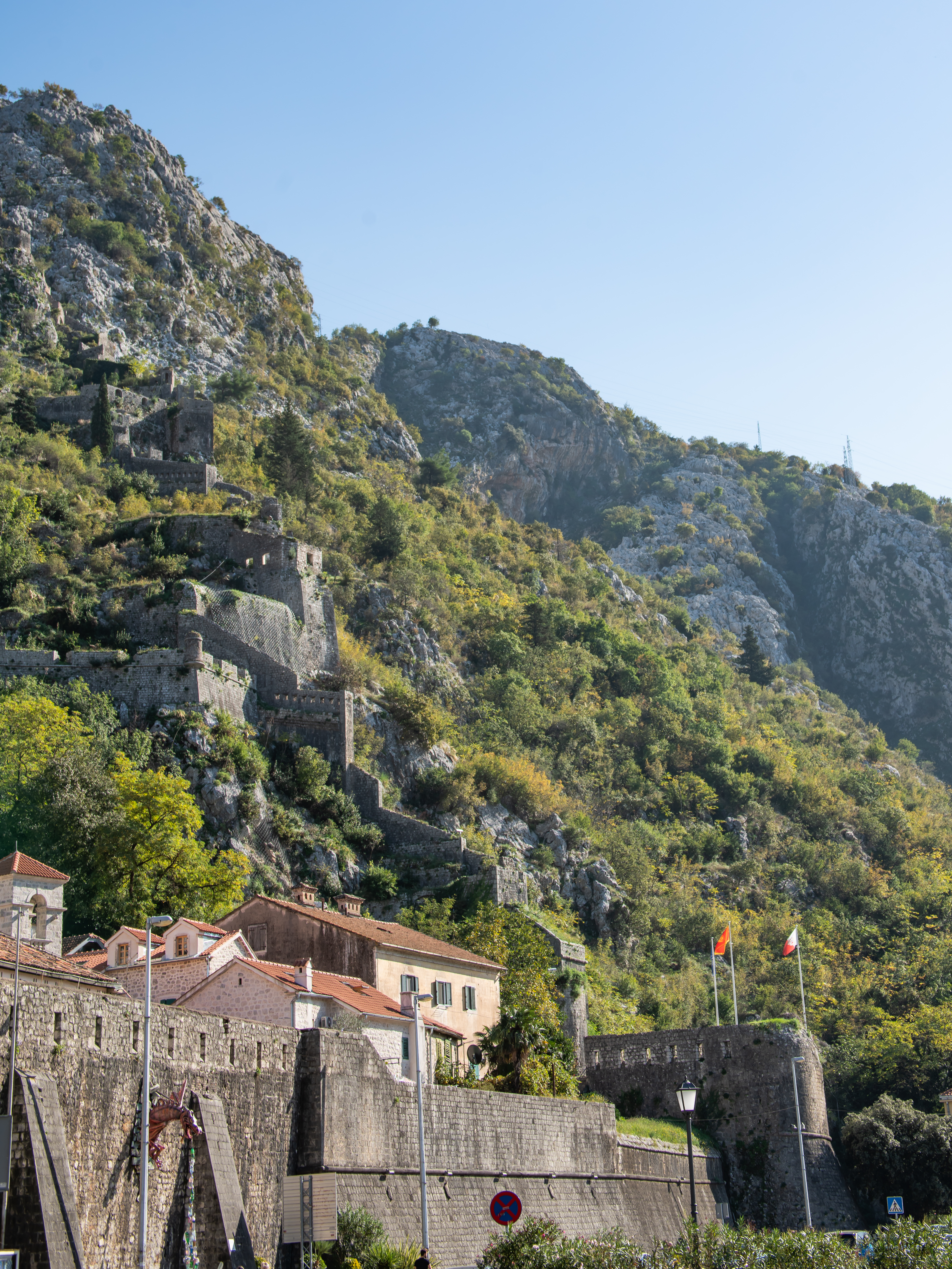
city wall
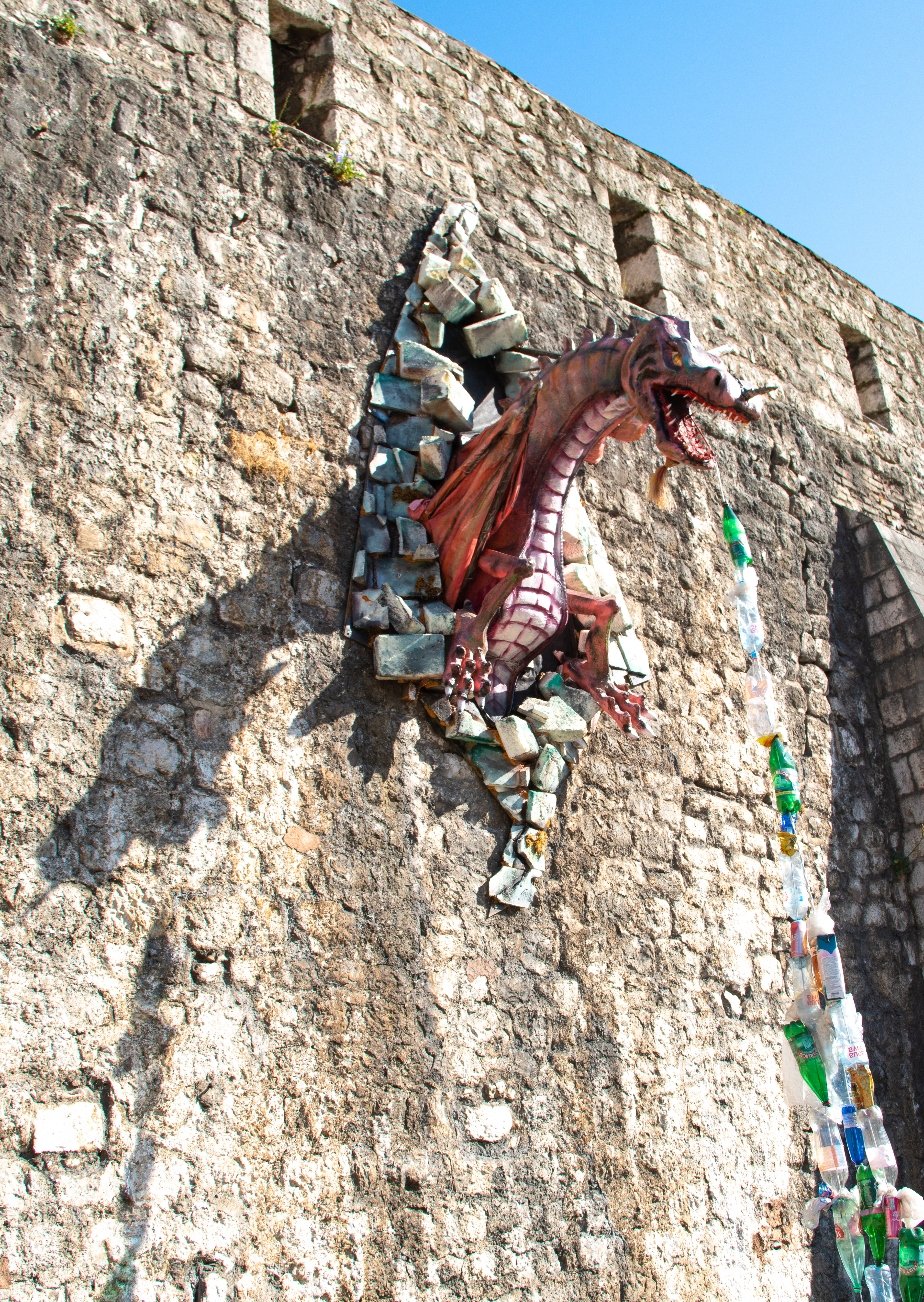
added wall dragon
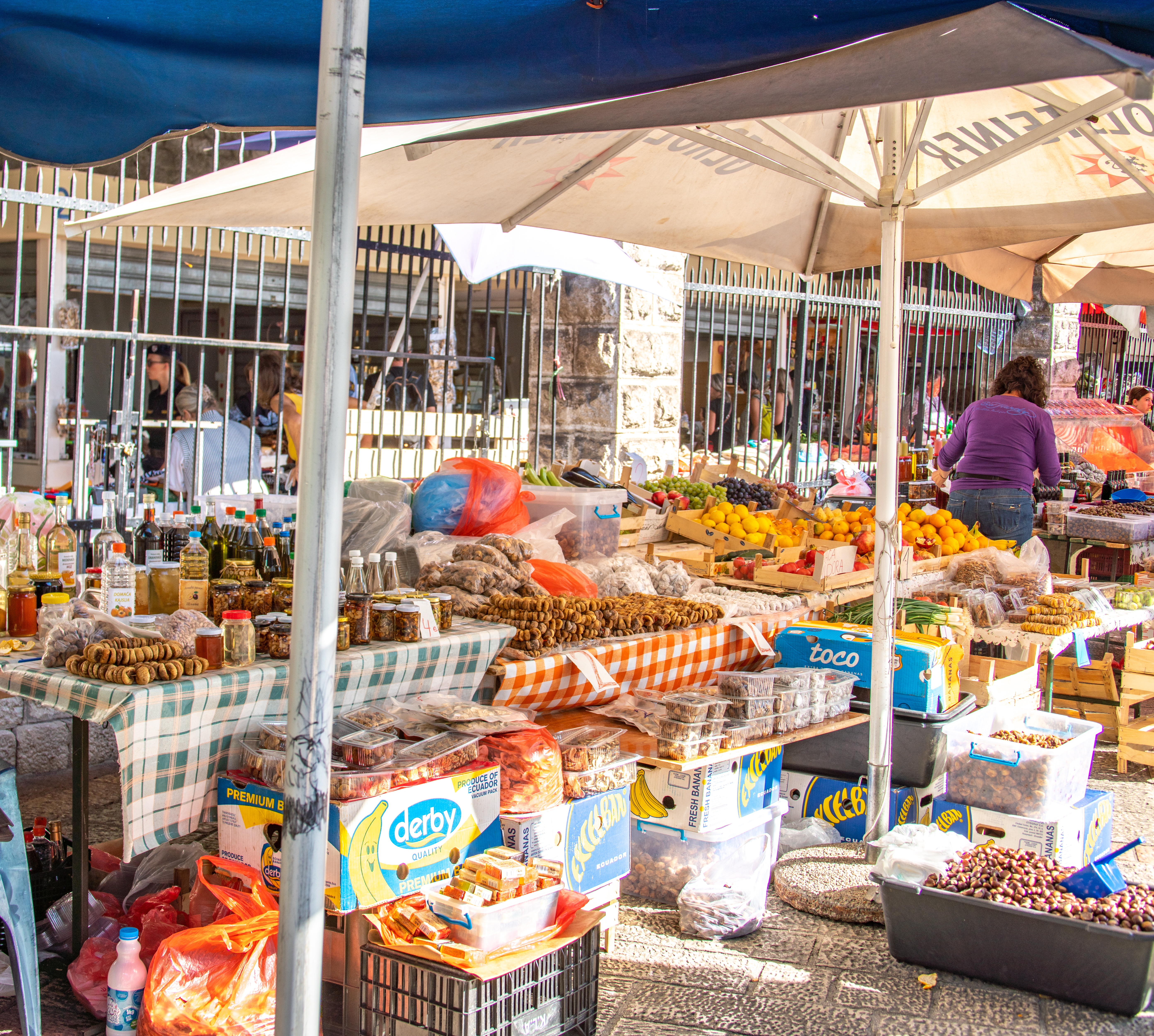
open market
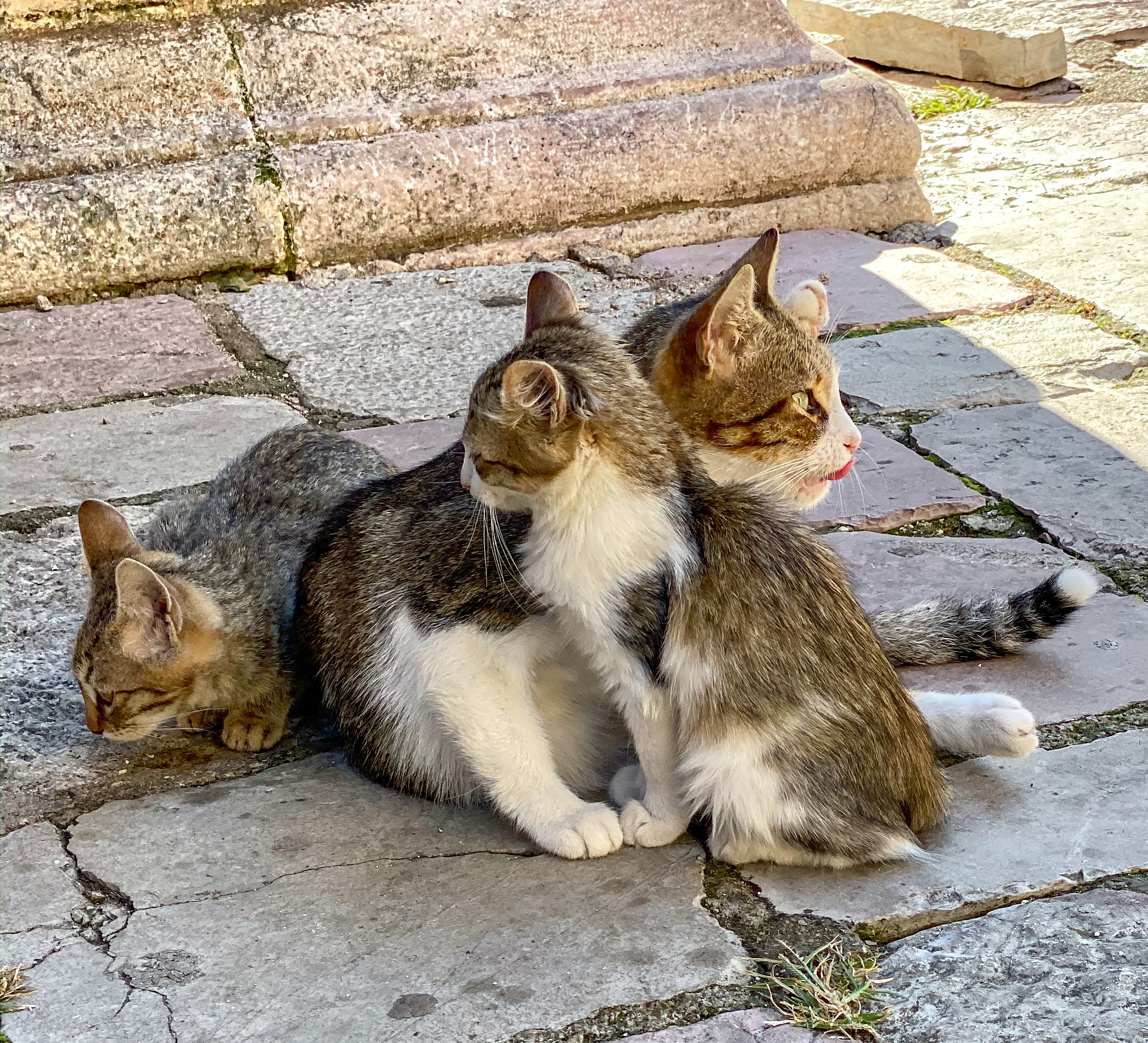
More Kotor kitties
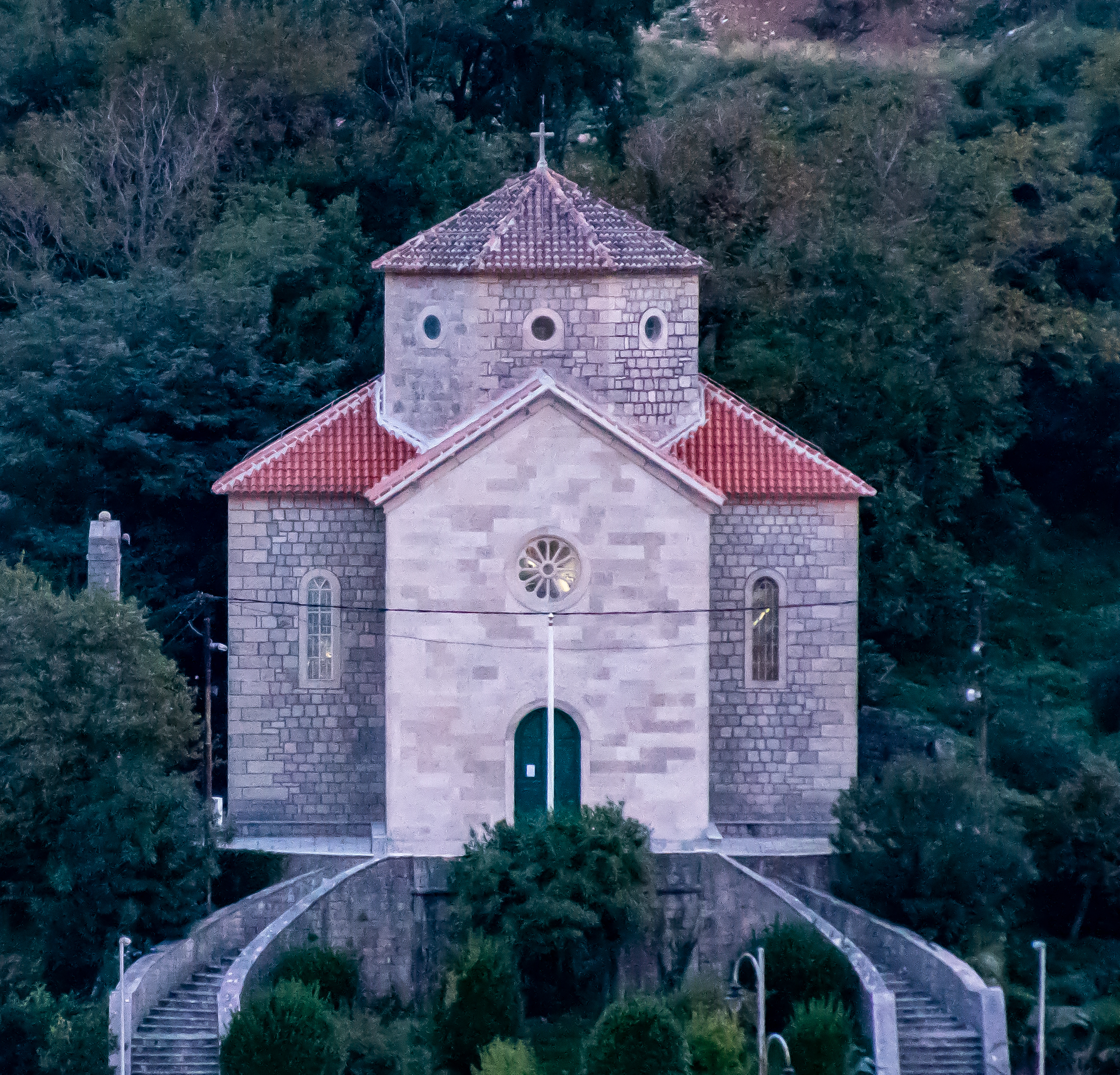
a church in a town as we sailed away
Sailing away


Leave a Reply