Today brought us a tiny new country, San Marino. This nation has been independent since 301 AD and has been operating under its current constitution since the late 1600s. The entire country occupies 23.6 square miles and it is entirely surrounded by Italy. Much of the country is on a single mountain, Monte Titano. San Marino has remained neutral during WWI and WWII but it was erroneously thought to be overrun by Germans and was bombed by the British in 1944. The town has a Basilica which was built in 1836 on the site of a previous one dating back to the 7th century.
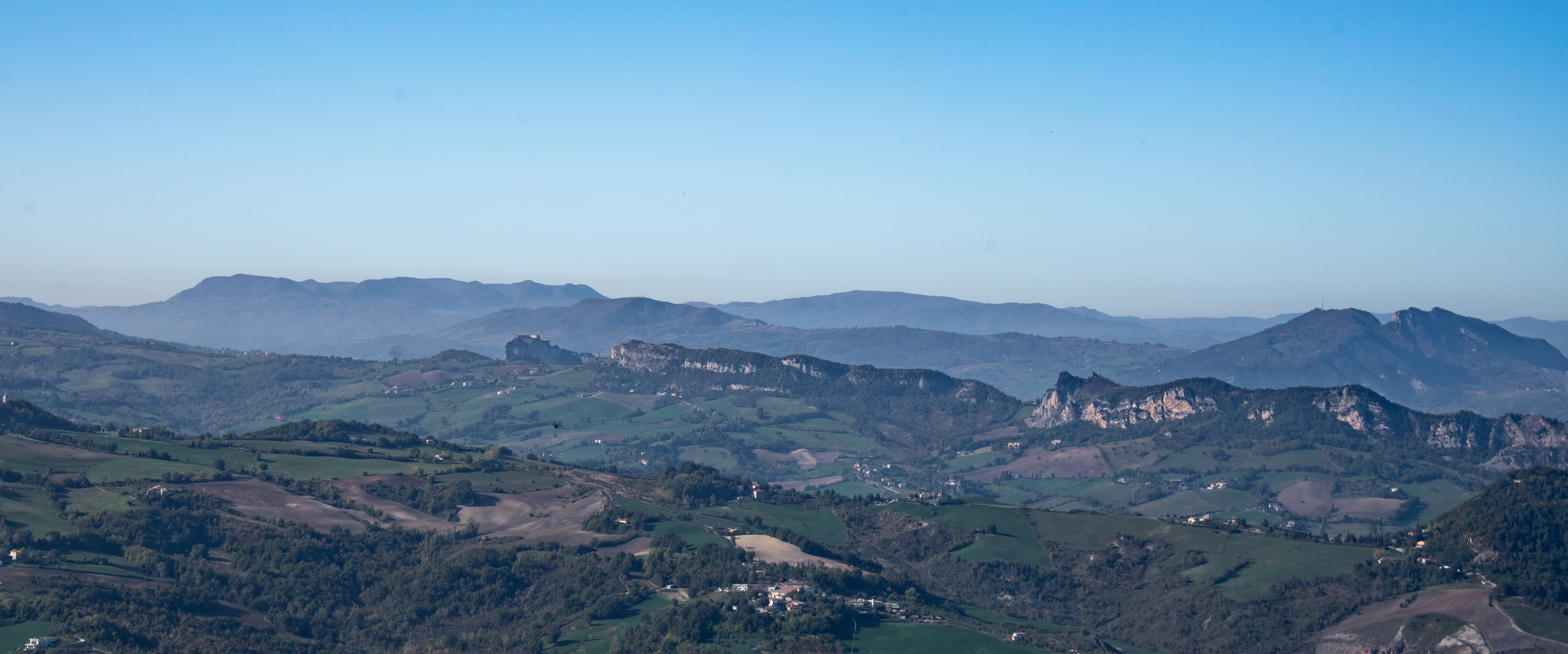
San Marino countryside
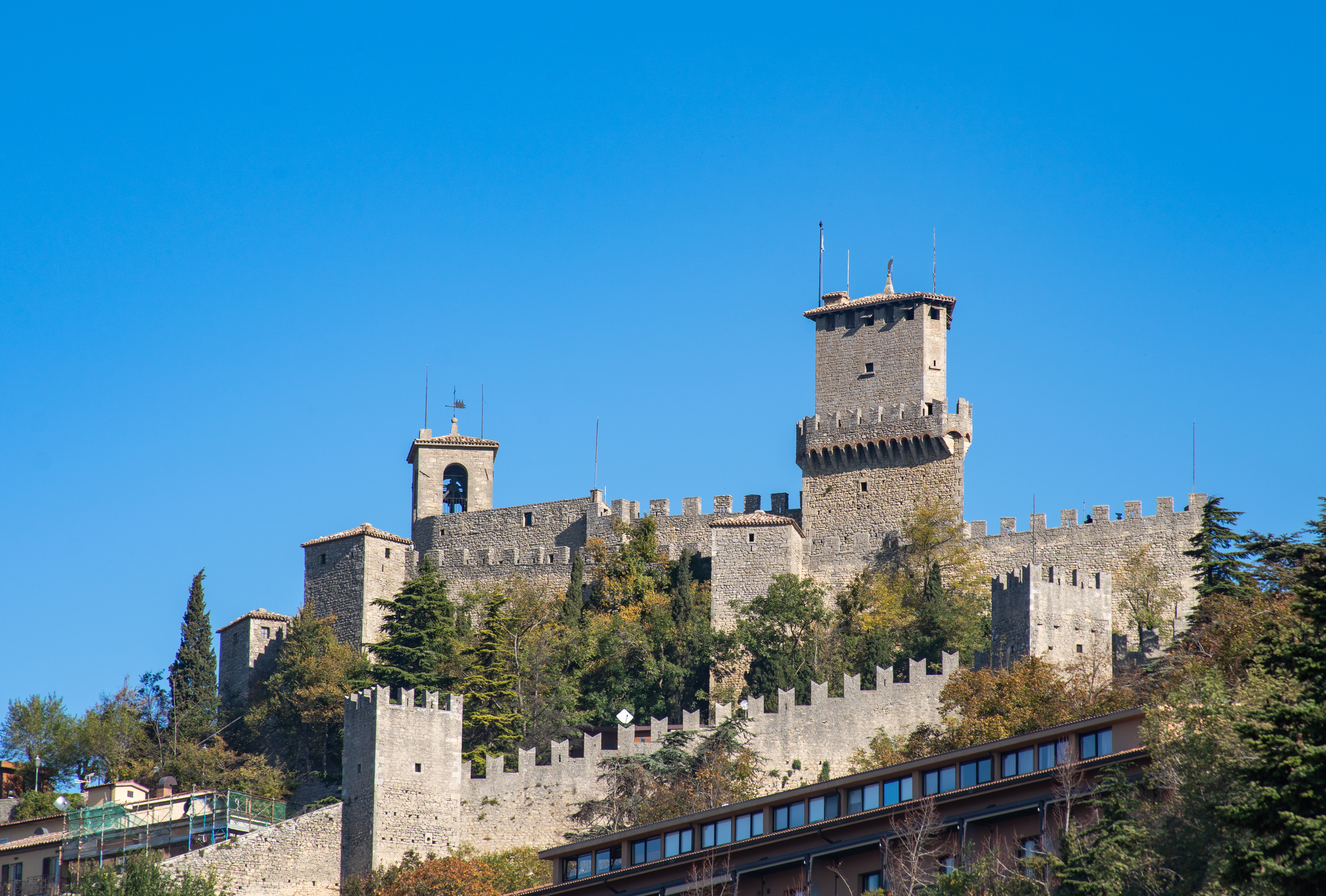
Wall and fortifications of San Marino
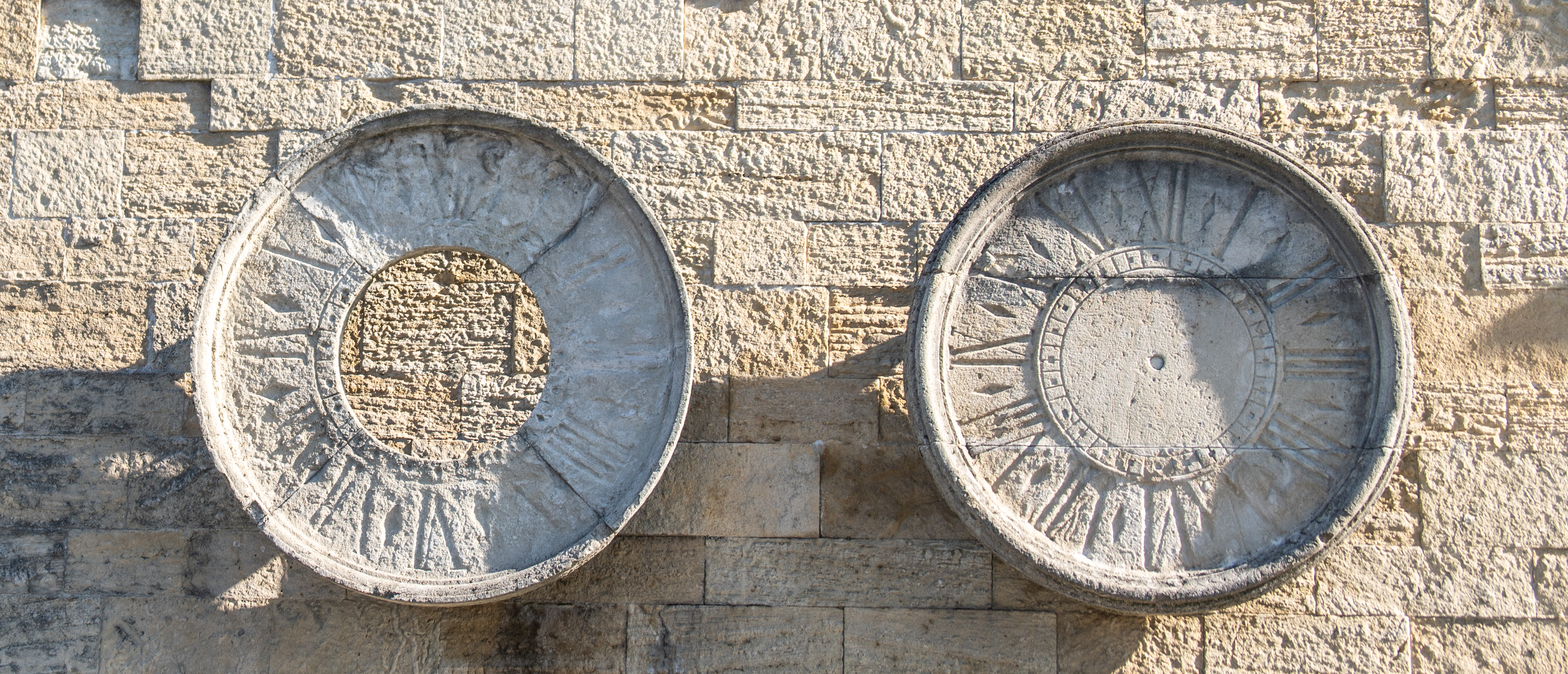
Clock faces on the wall
San Marino is know for its 3 towers, which are depicted on its national flag and coat of arms. We managed to walk (uphill, both ways) to two of them, as the third is much less assessable. The first tower is Guaita and is the oldest, constructed in the 11th century. It has been rebuilt over time and the current form is from the 15th century. It looks like it comes straight out of the cliffs. The second tower is Cesta, which was constructed at the highest point on the mountain in the 13th century over the remains of a Roman fort. The third tower is Montale which was constructed in the 14th century. It is much smaller and is the farthest out from the town.
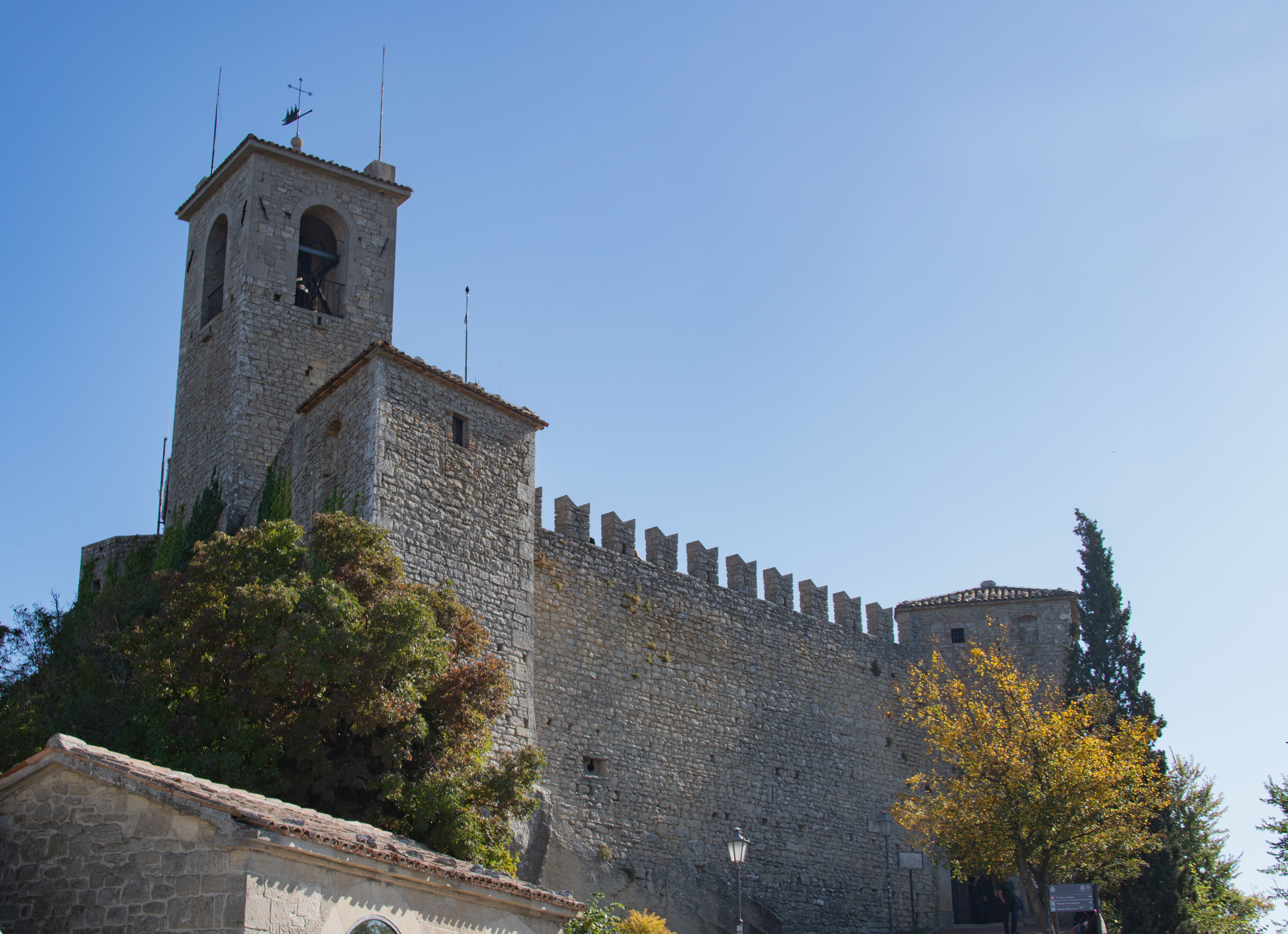
Guaita
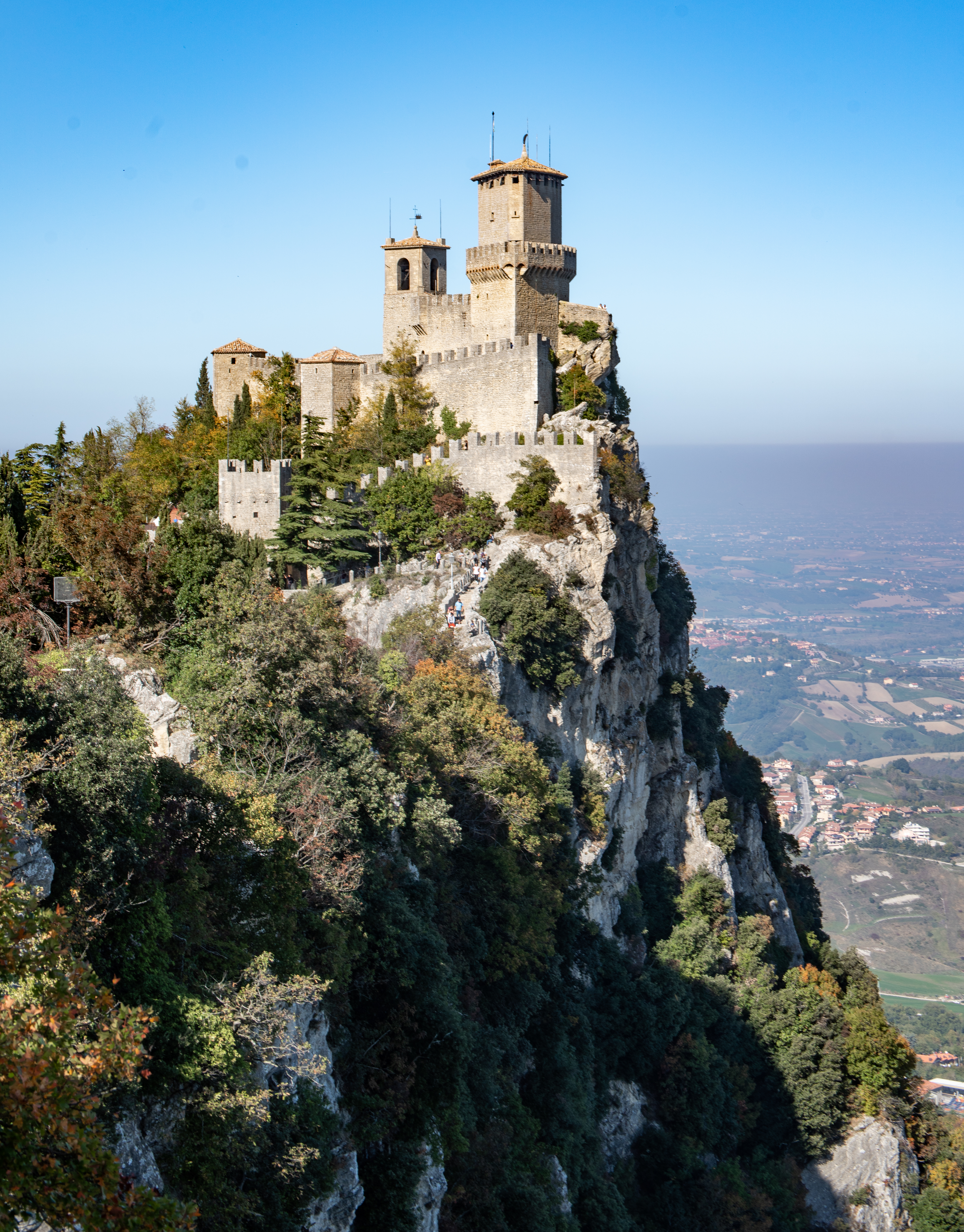
Guaita
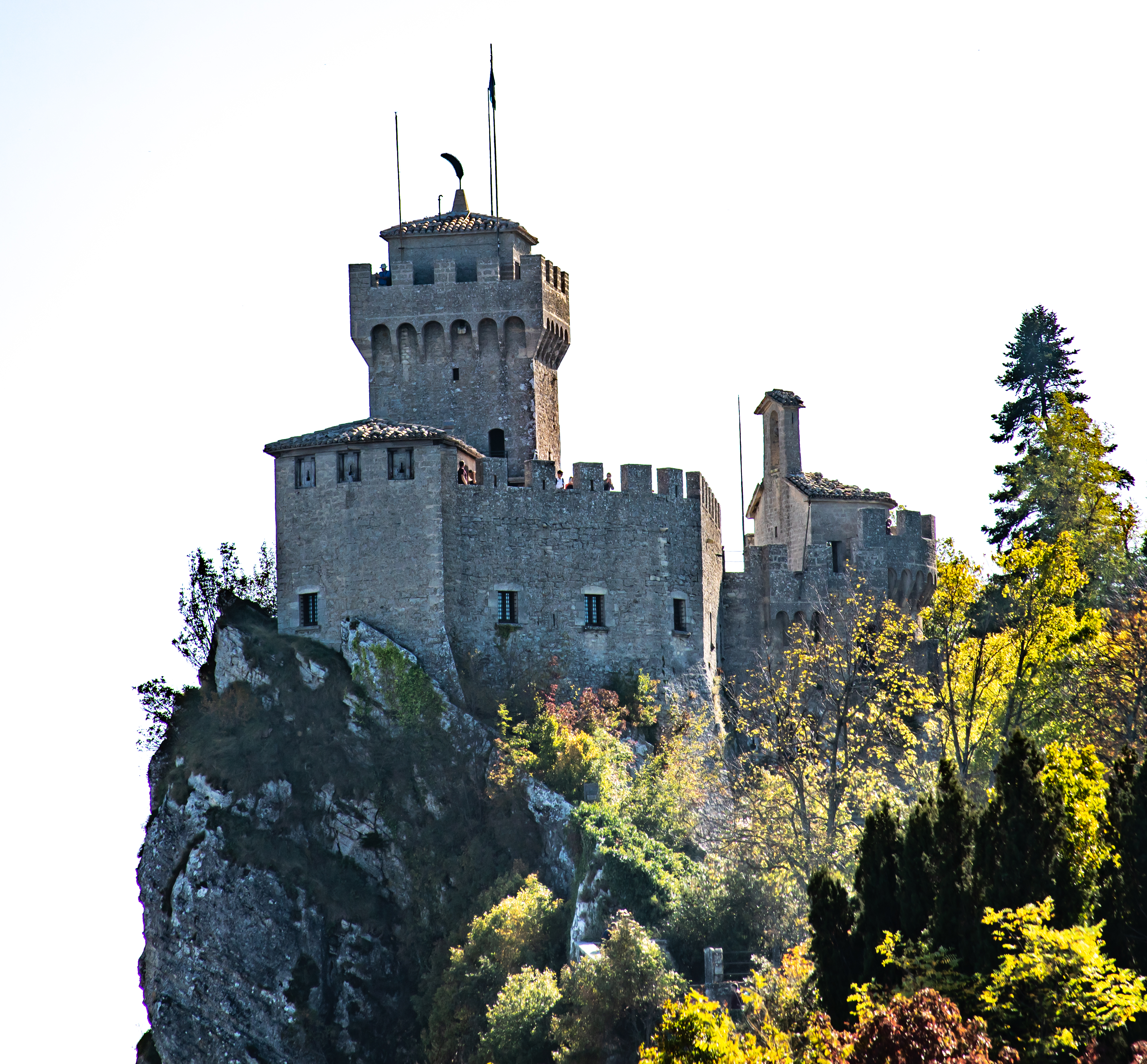
Cesta
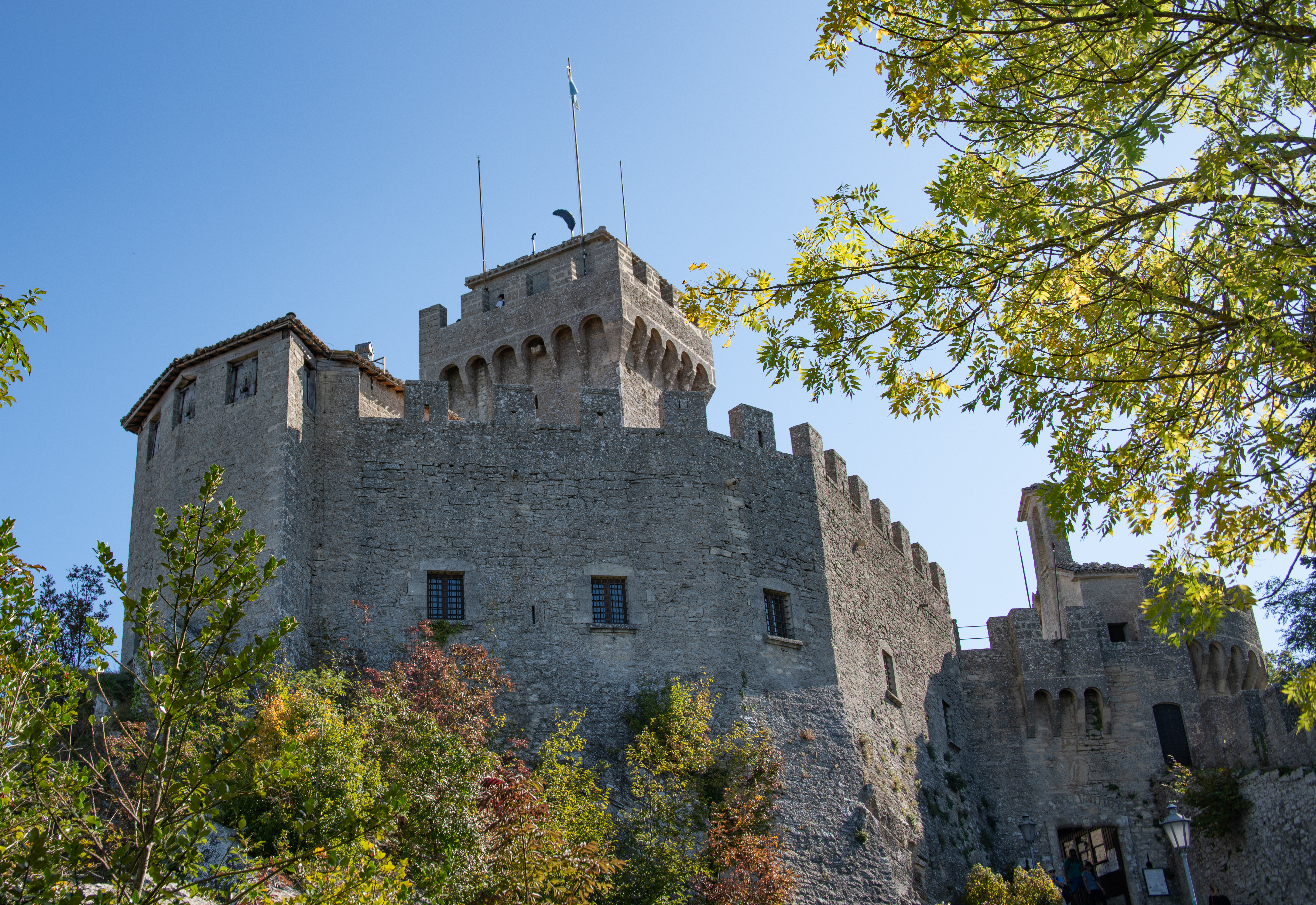
Cesta
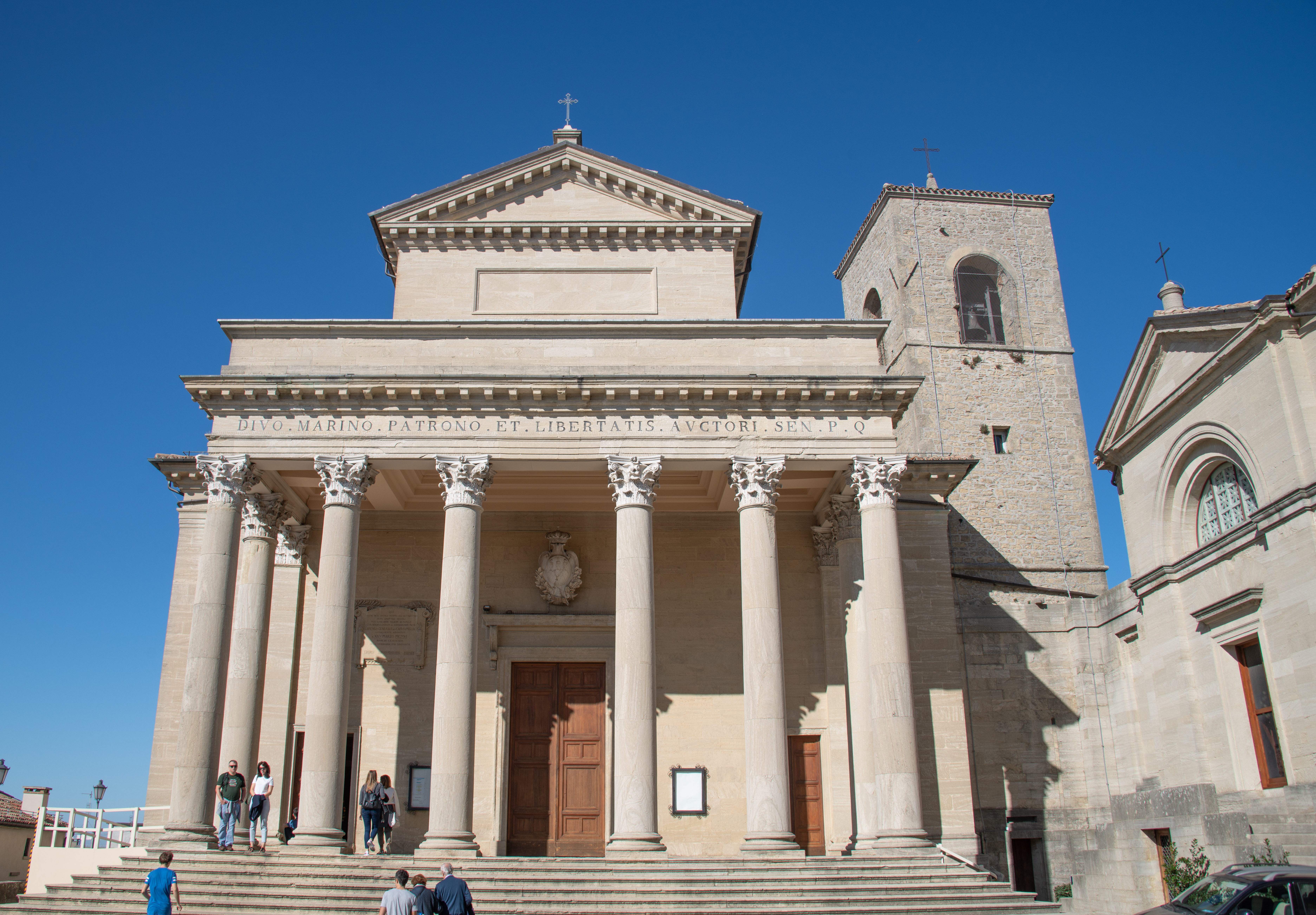
Basilica di San Marino
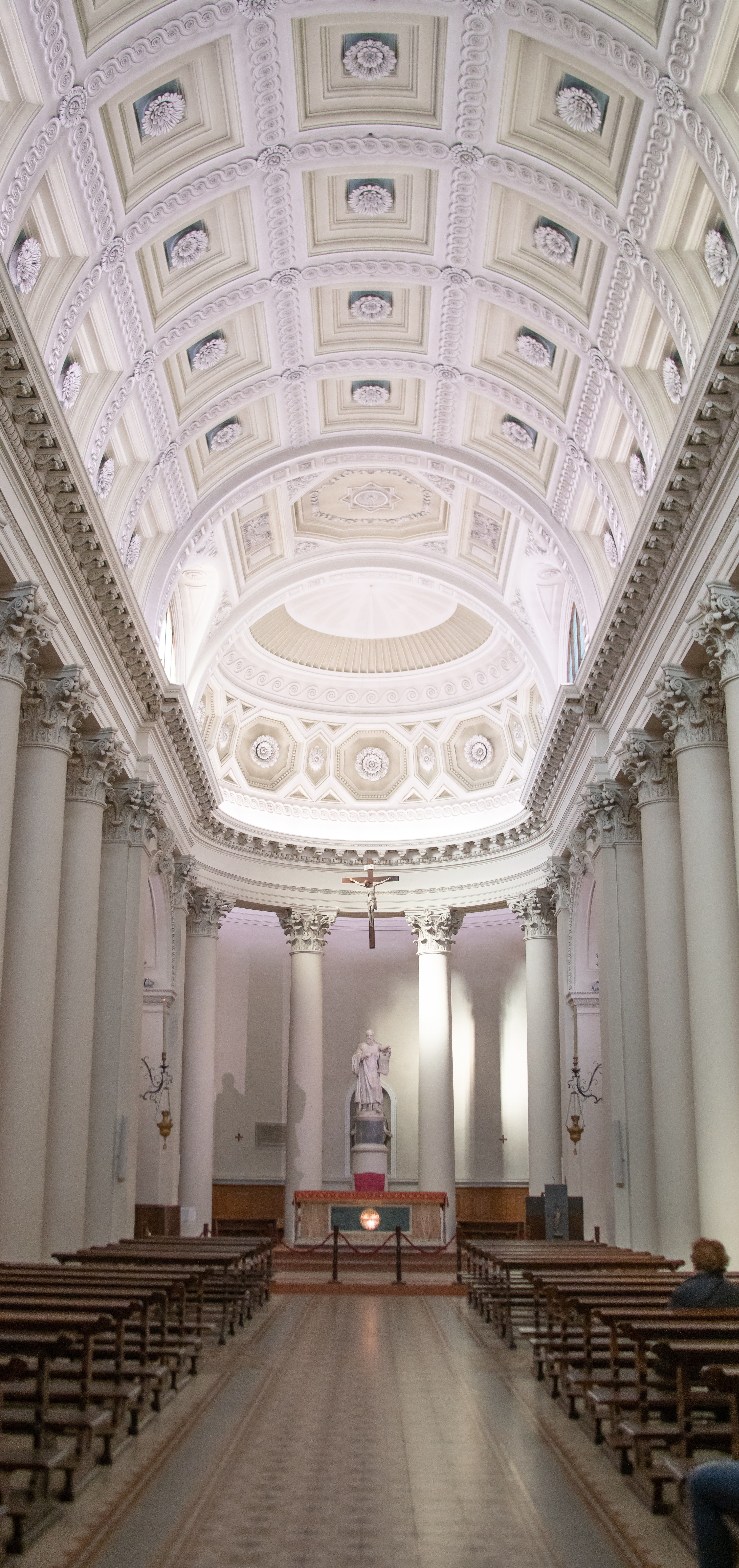
Basilica di San Marino
We left San Marino and headed to Ravenna, Italy. Ravenna is known for its Roman and Byzantine architecture, especially for some ancient churches. Ravenna was the capitol of the Western Roman Empire from 402 until its collapse in 476. It was later the capitol of the Ostrogoth Kingdom. It has been important in other time periods as well. We didn’t have much time here, but we came to see 2 early Christian sites.
The Church of San Vitale is a Byzantine church built from 527-547. It has breathtaking mosaics that are still in place from then. There are panels showing the Emperor Justinian I and the Empress Theodora. There are various panels with biblical stories such as Cain and Abel, Moses, and Abraham. There are portions of the original mosaic floors, although some have been replaced. There are frescoes in the dome that were painted between 1778-1782.
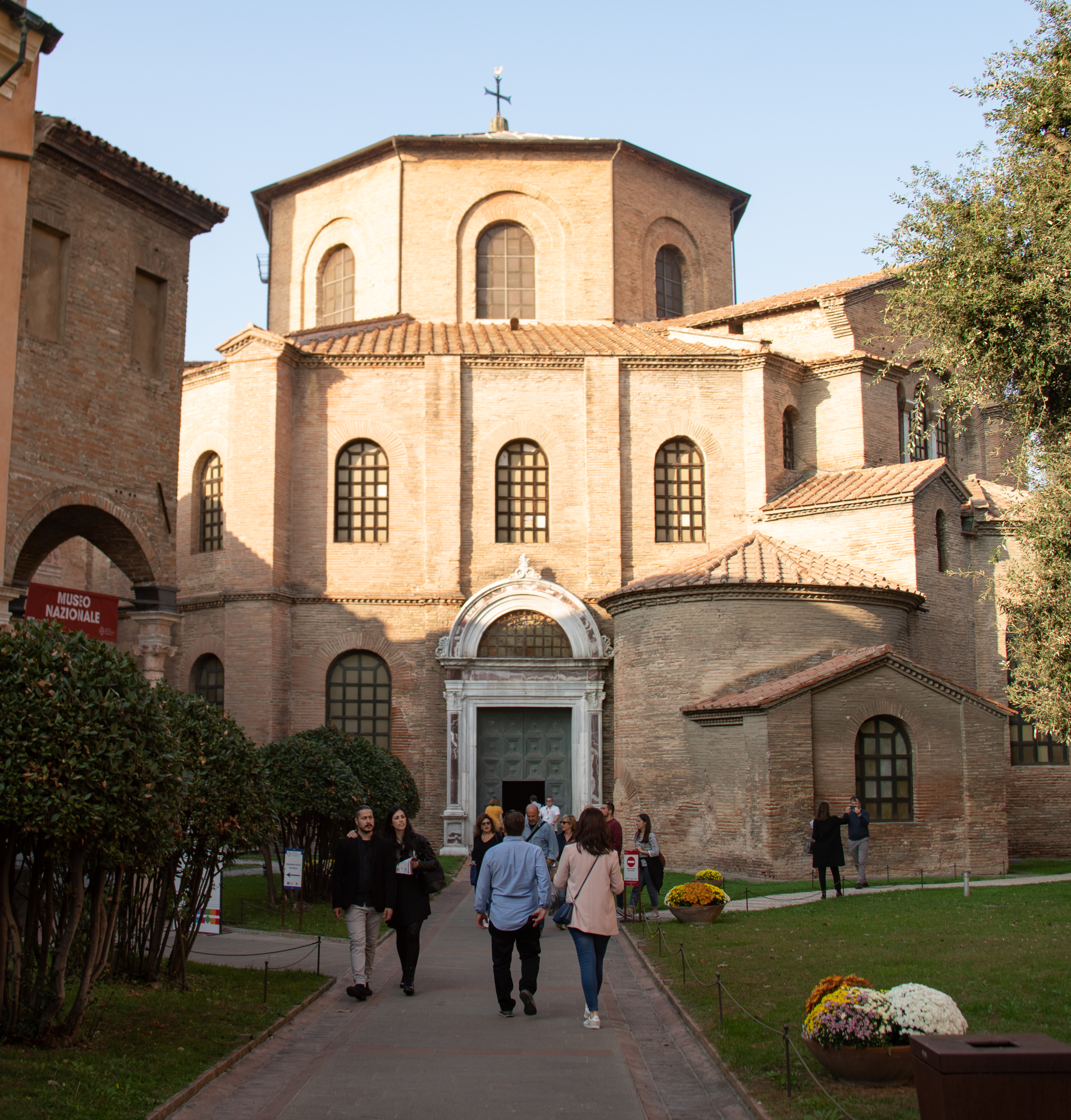
Church of San Vitale
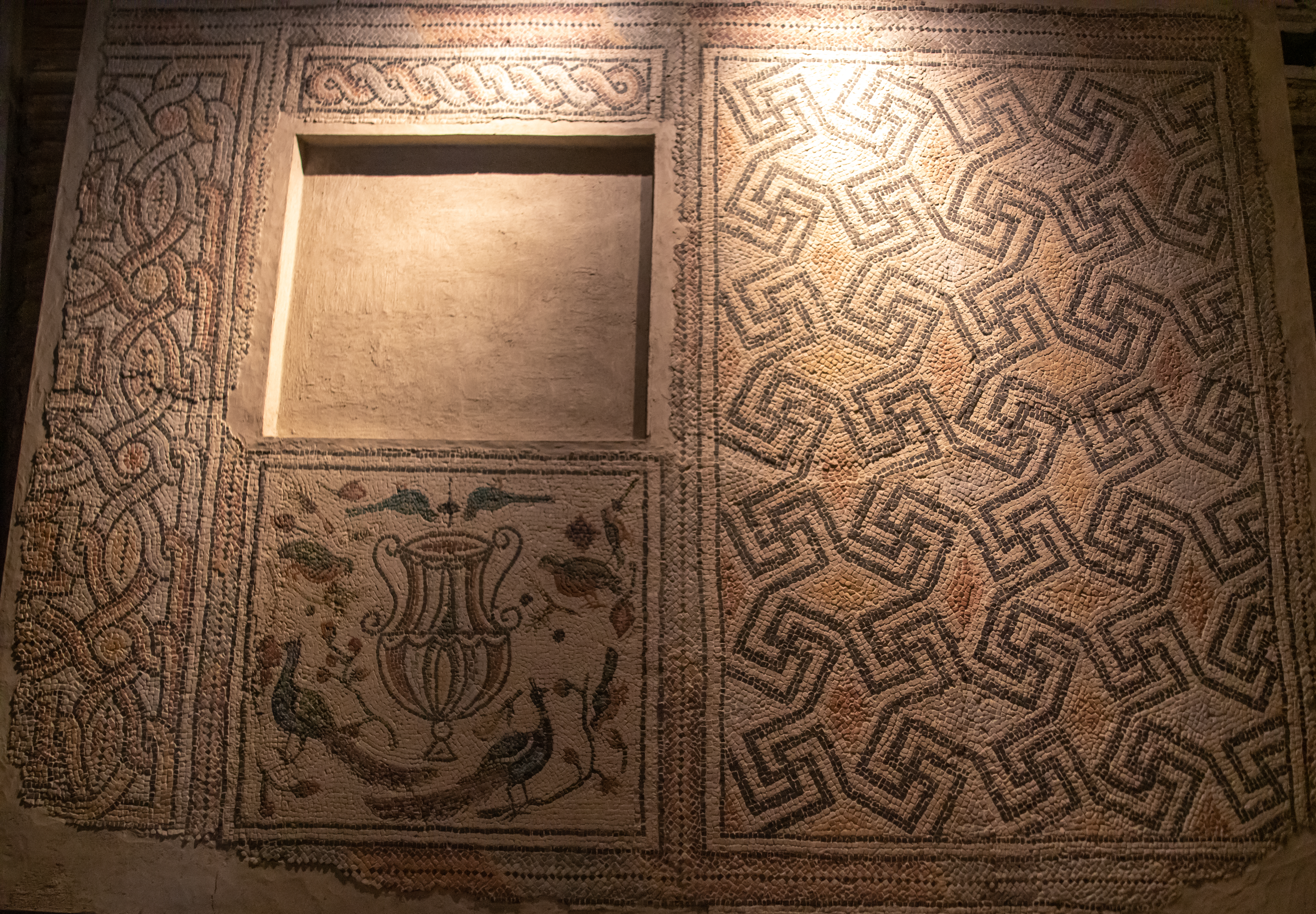
Some of the original floors
More original floors
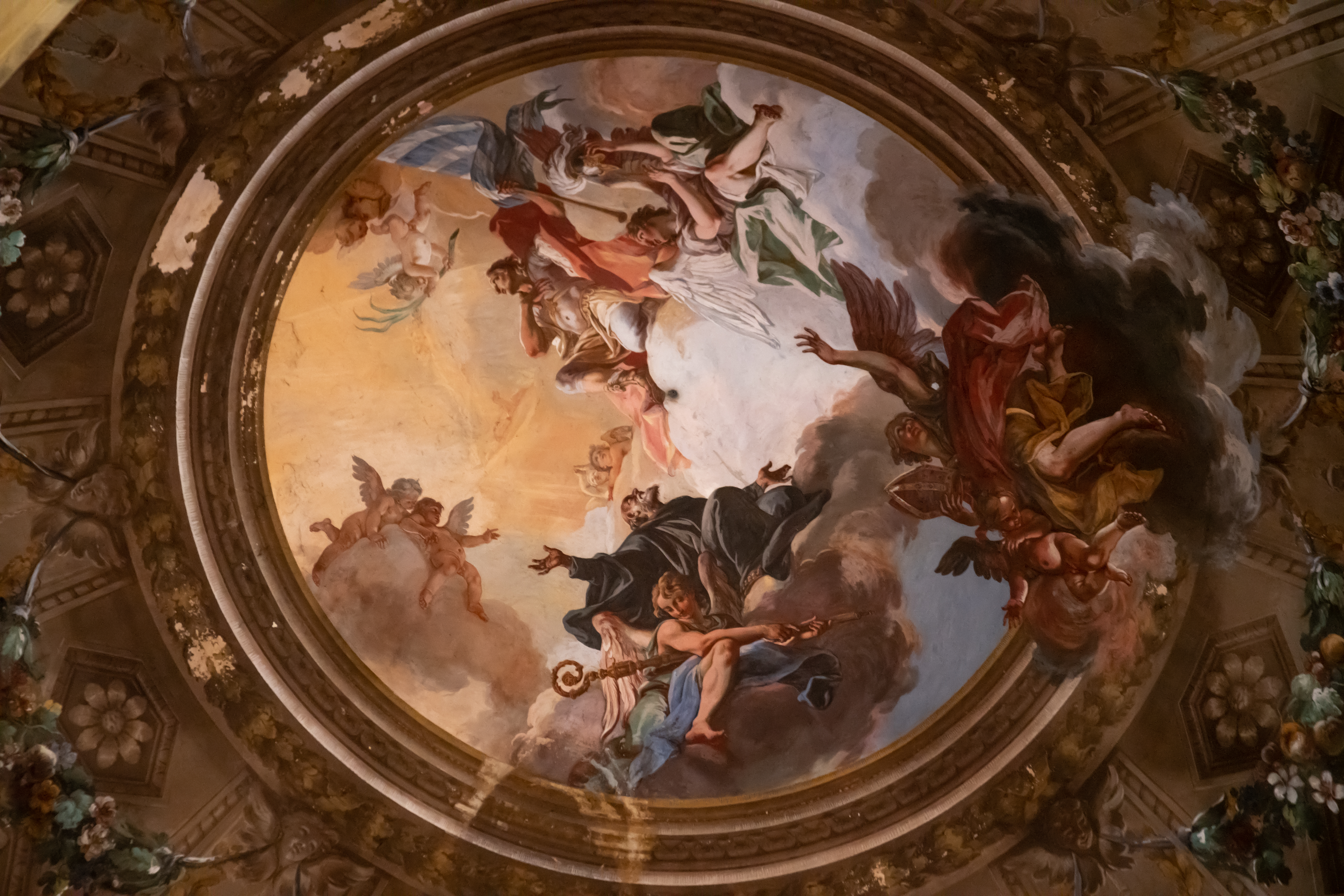
Painted dome
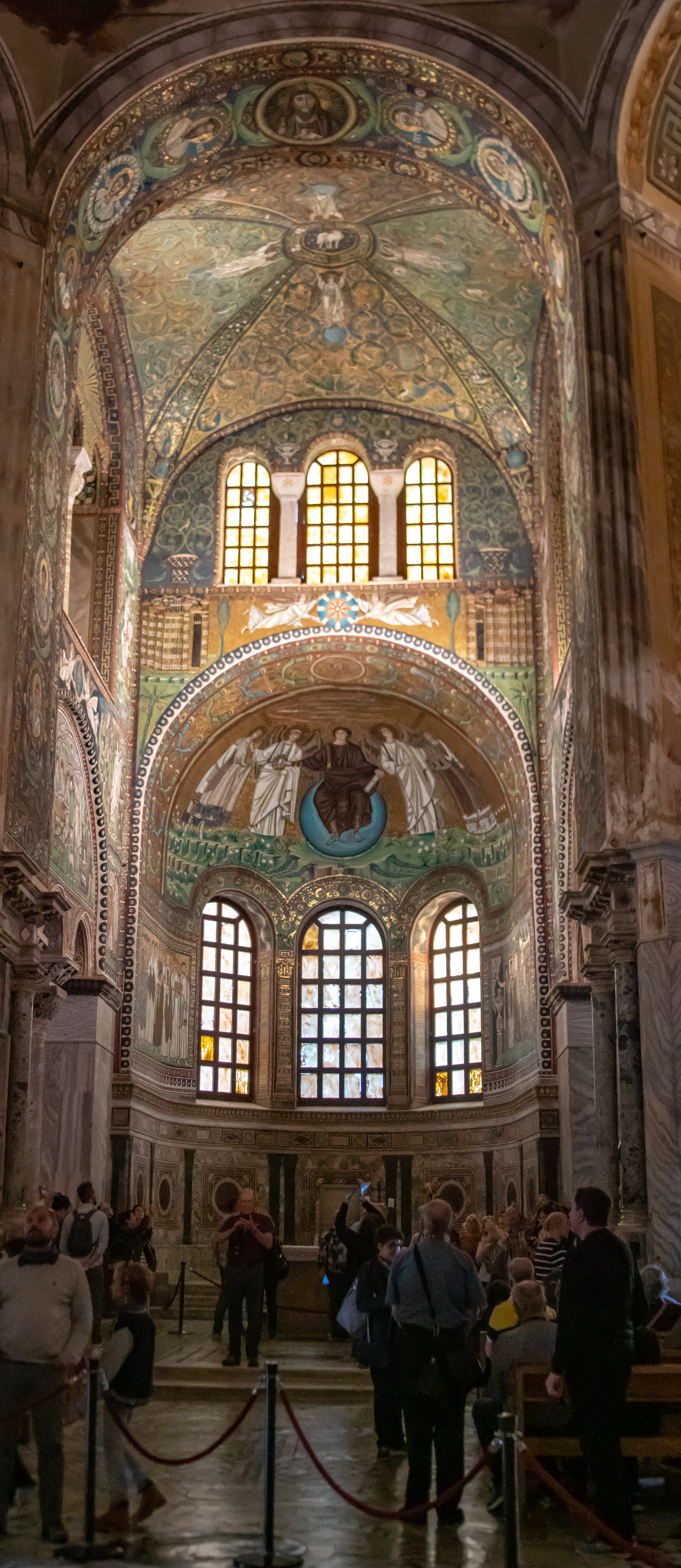
apse with the mosaics from the 6th century
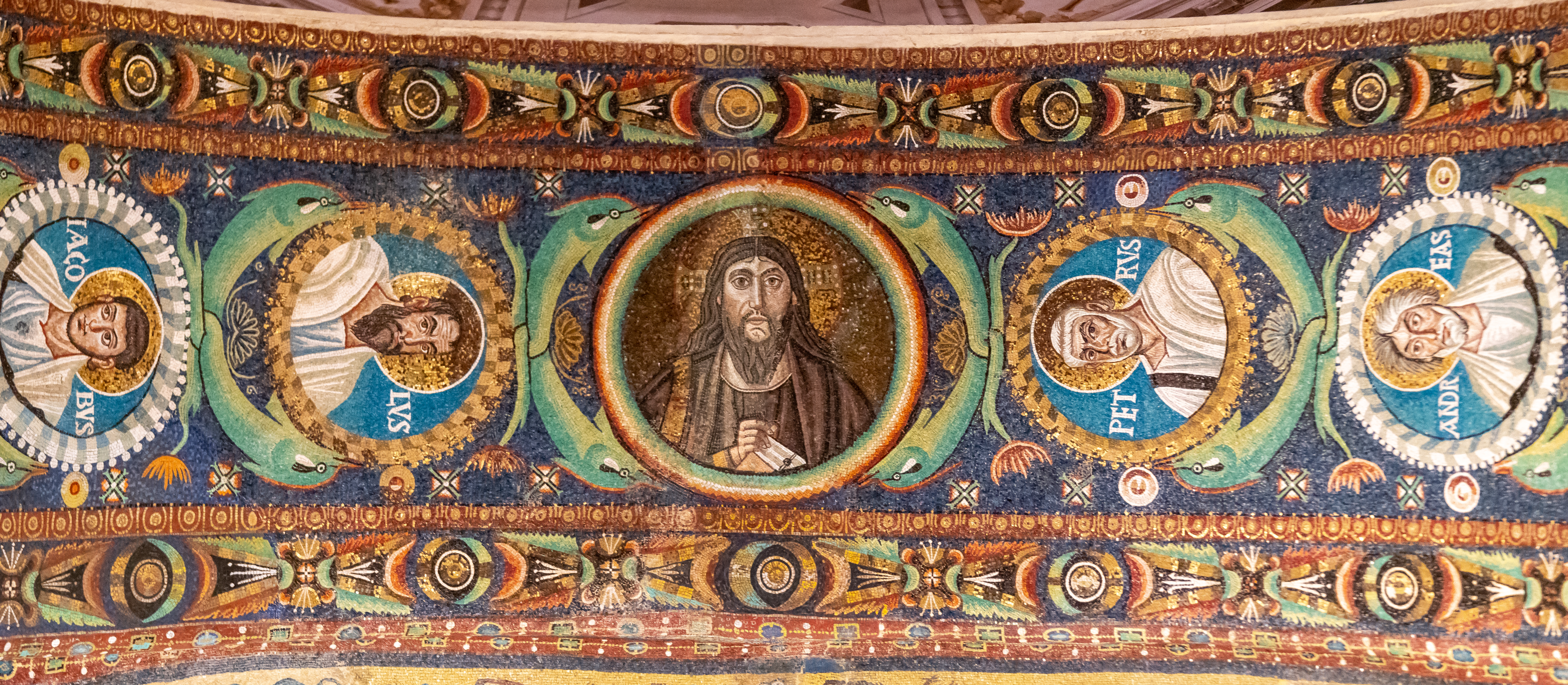
mosaics of Jesus and the apostles
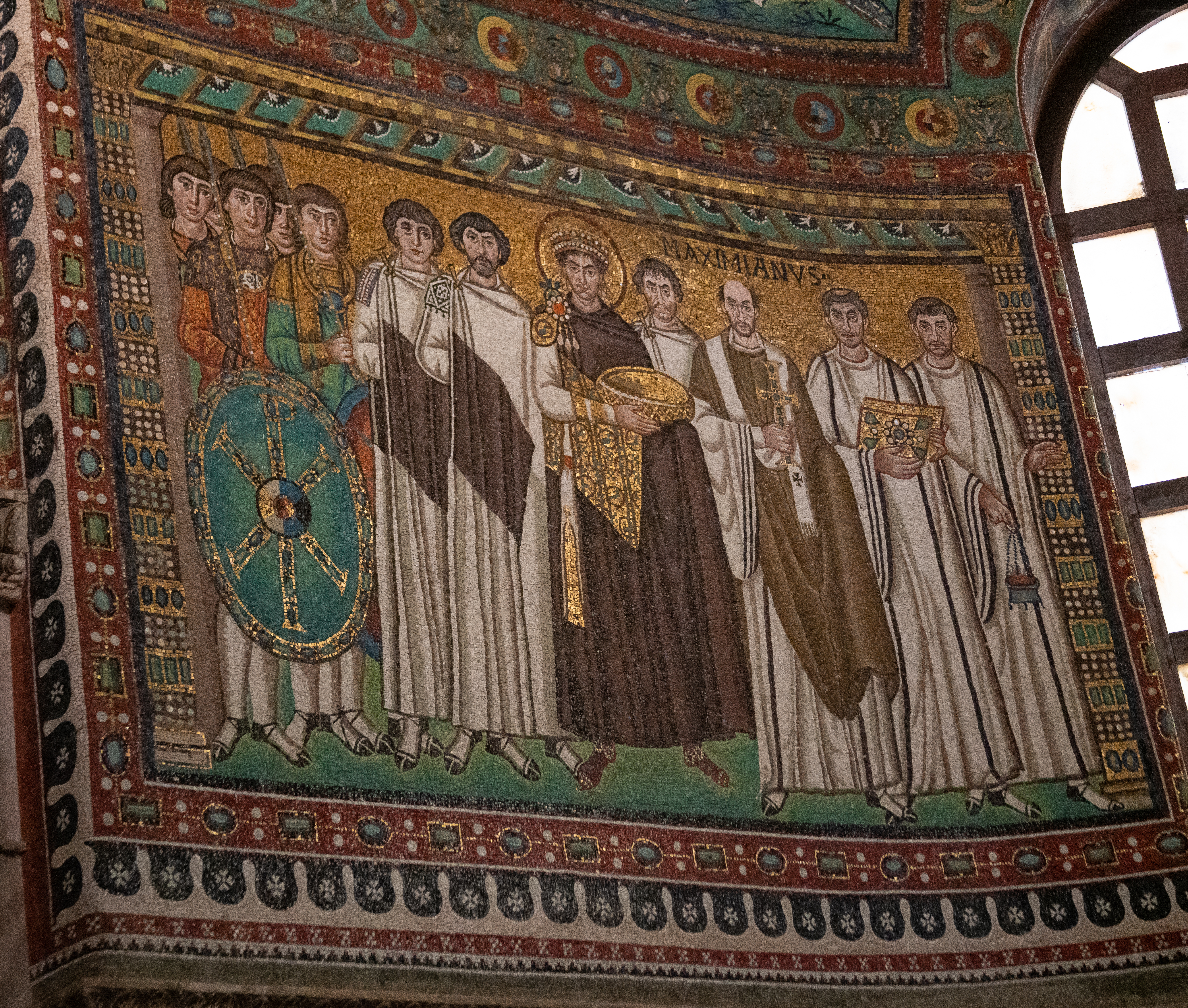
Mosaic panel showing the Emperor Justinian
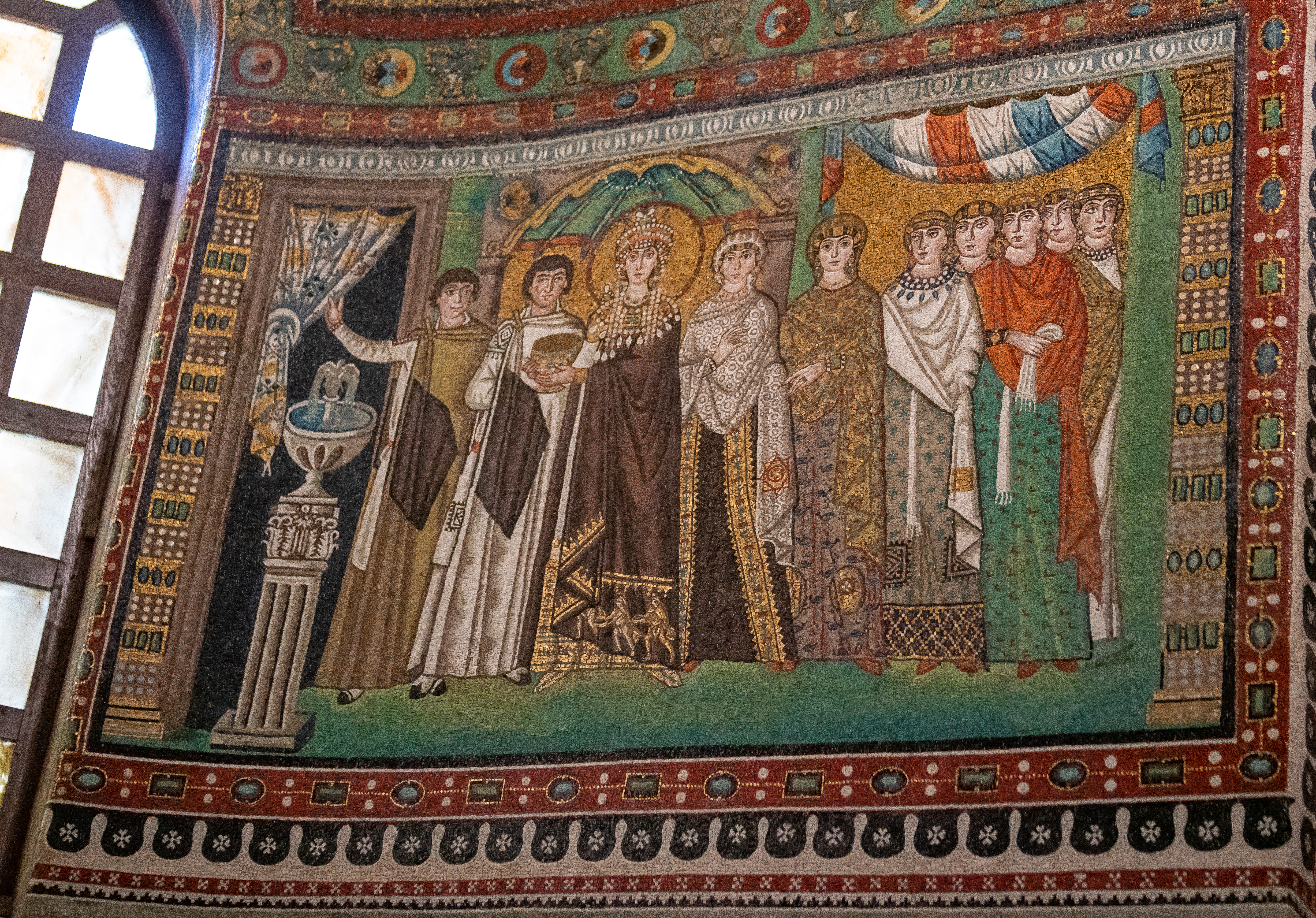
Mosaic panel showing the Empress Theodora
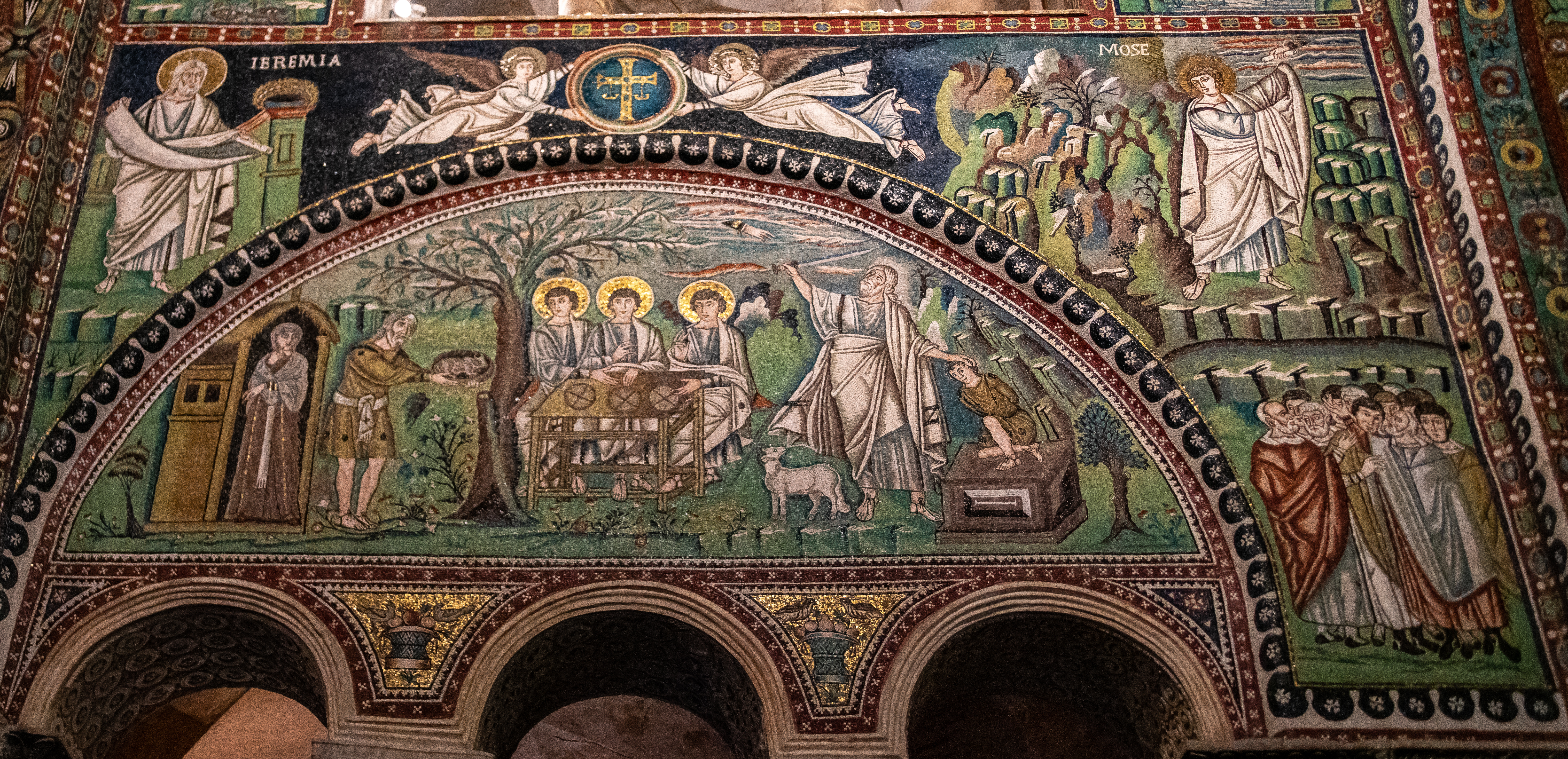
Jeremiah on the left, Moses on the right, and the story of Abraham in the middle
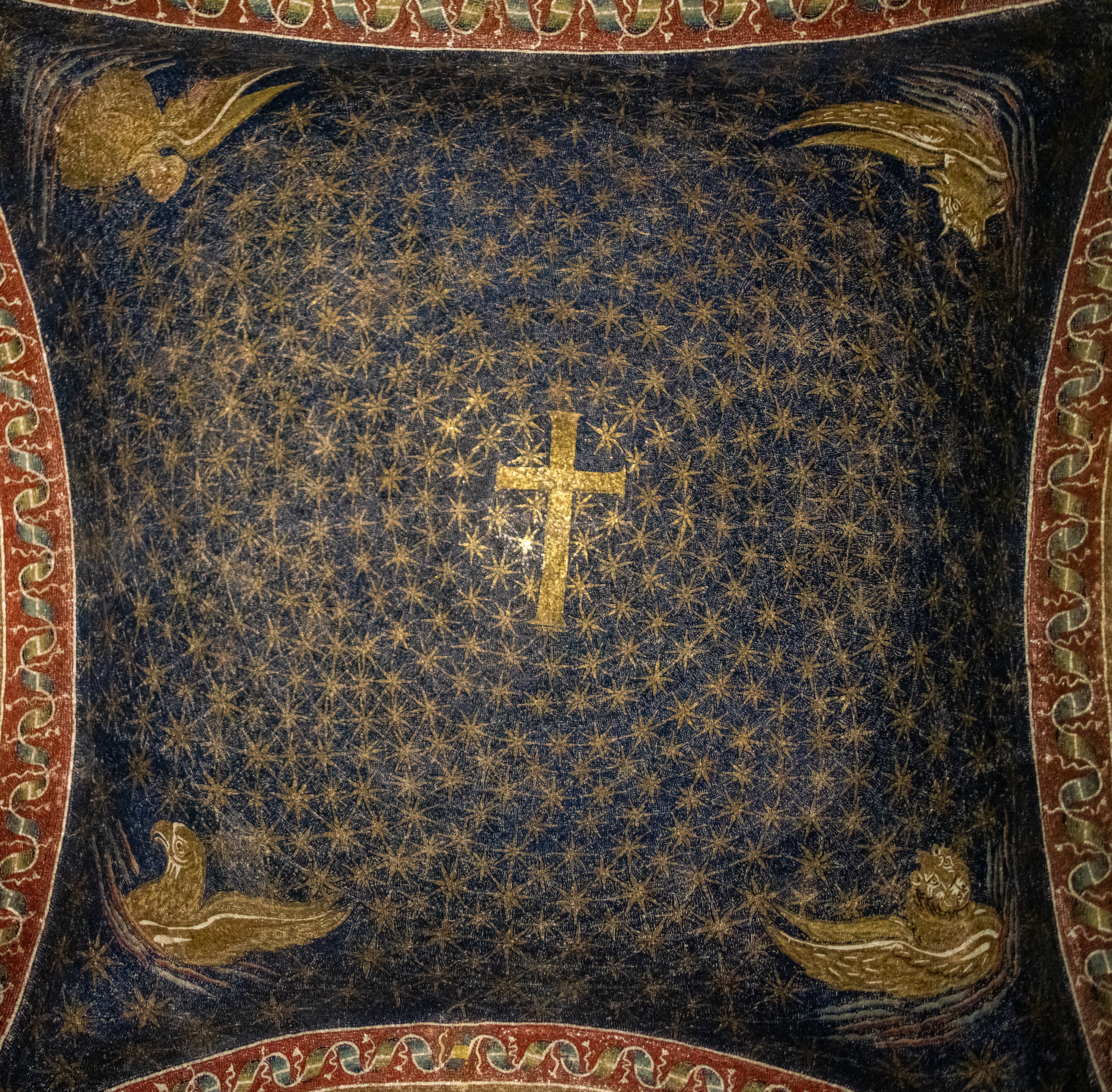
Next to the church is the Mausoleum of Galla Placidia. This was built somewhere around 450 AD. It, too, has mosaics and these are roughly 100 years older than those in the church…and you can get closer to them.
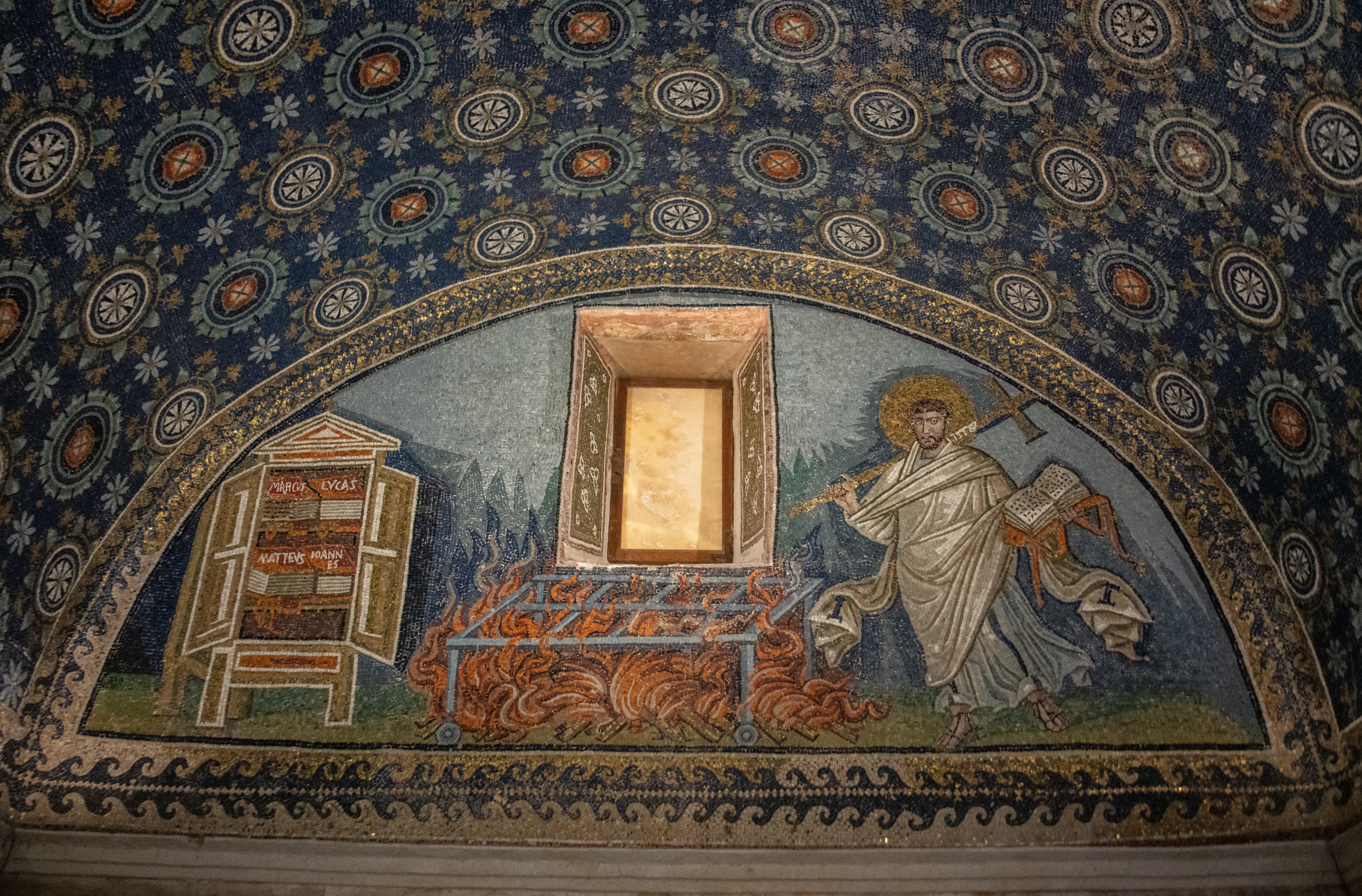
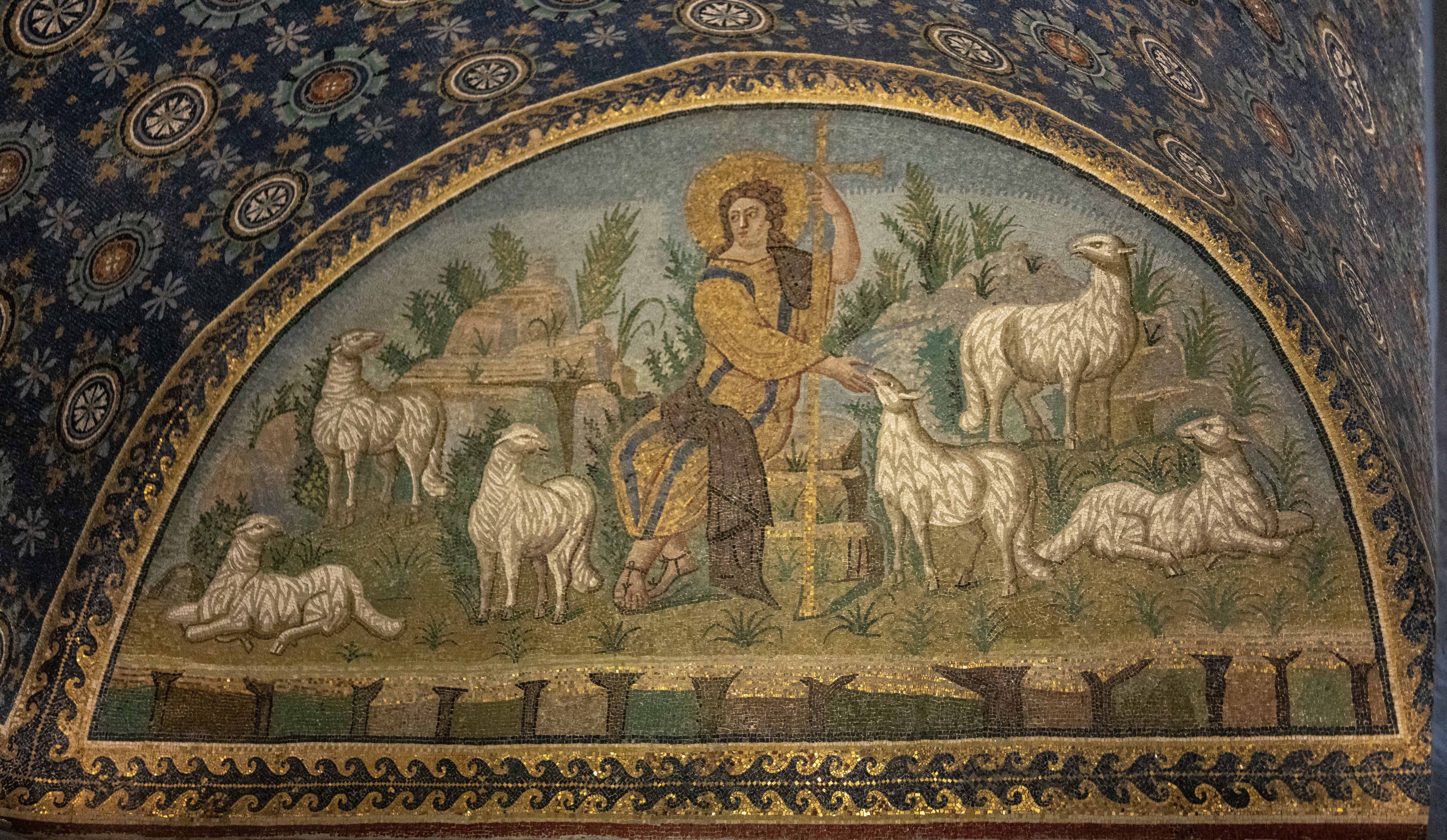
Jesus as the Good Shepherd
Ceiling
We did take a quick detour at the end of the day to see the tomb of Dante. Now if you’ve been to Florence and have seen his tomb there, it turns out his bones are not actually in that tomb…they are here in Ravenna where he died.
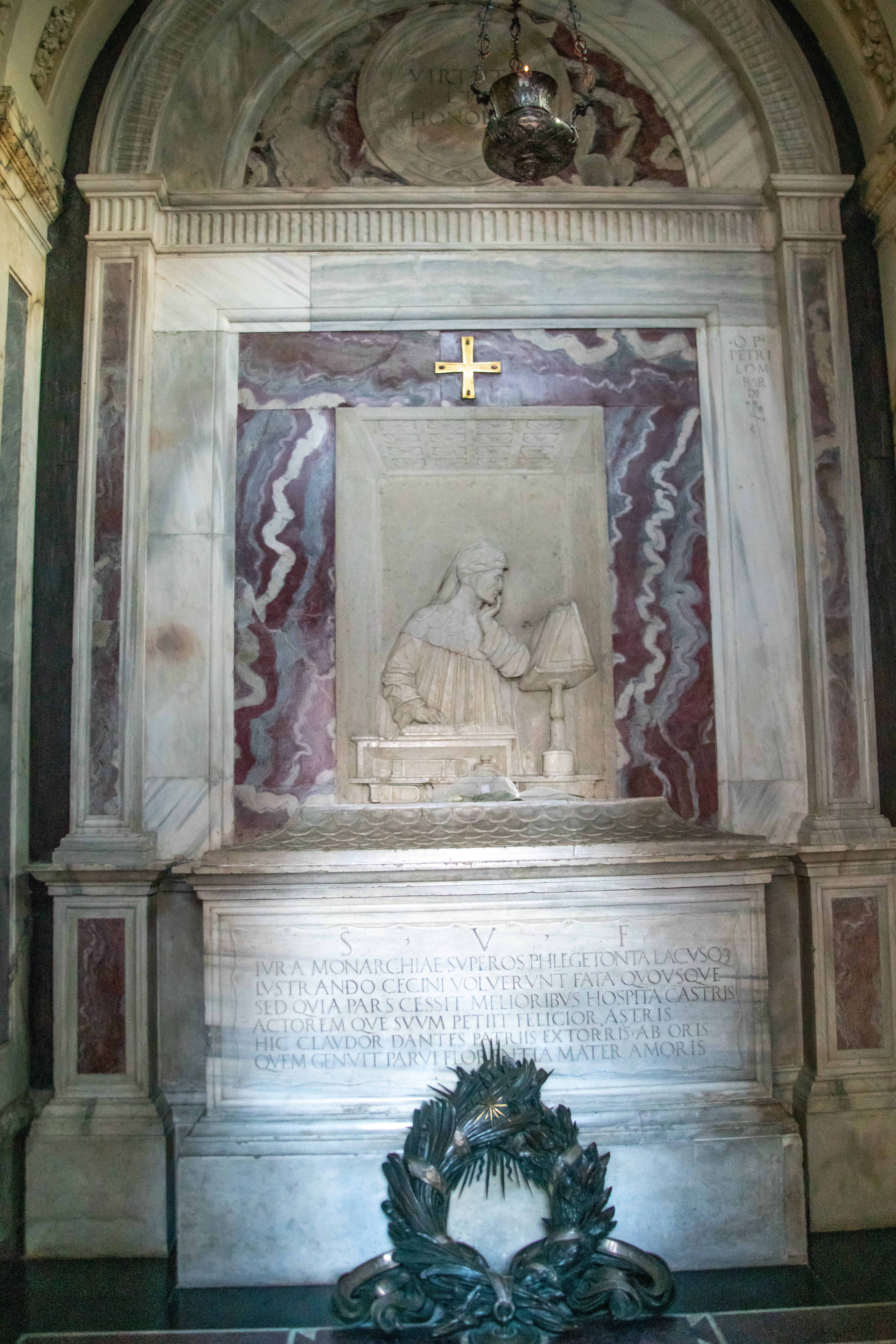
Dante’s tomb
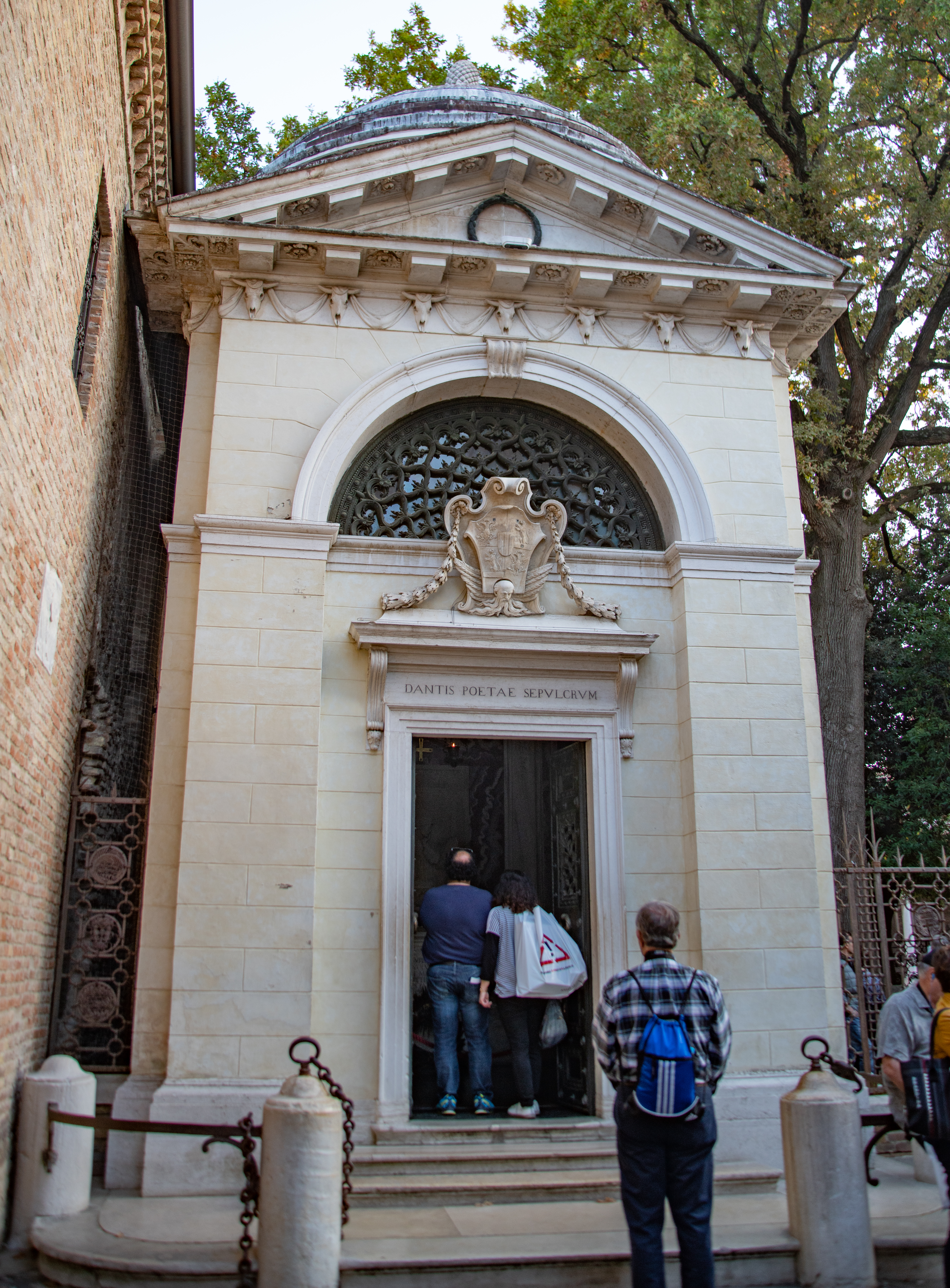
Dante’s tomb
 Will Suture for Travel
Leave a comment