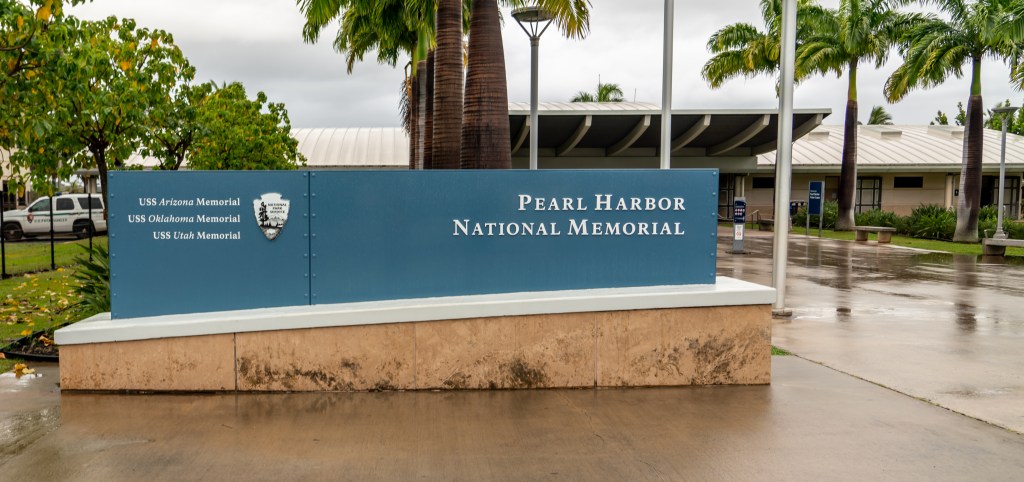
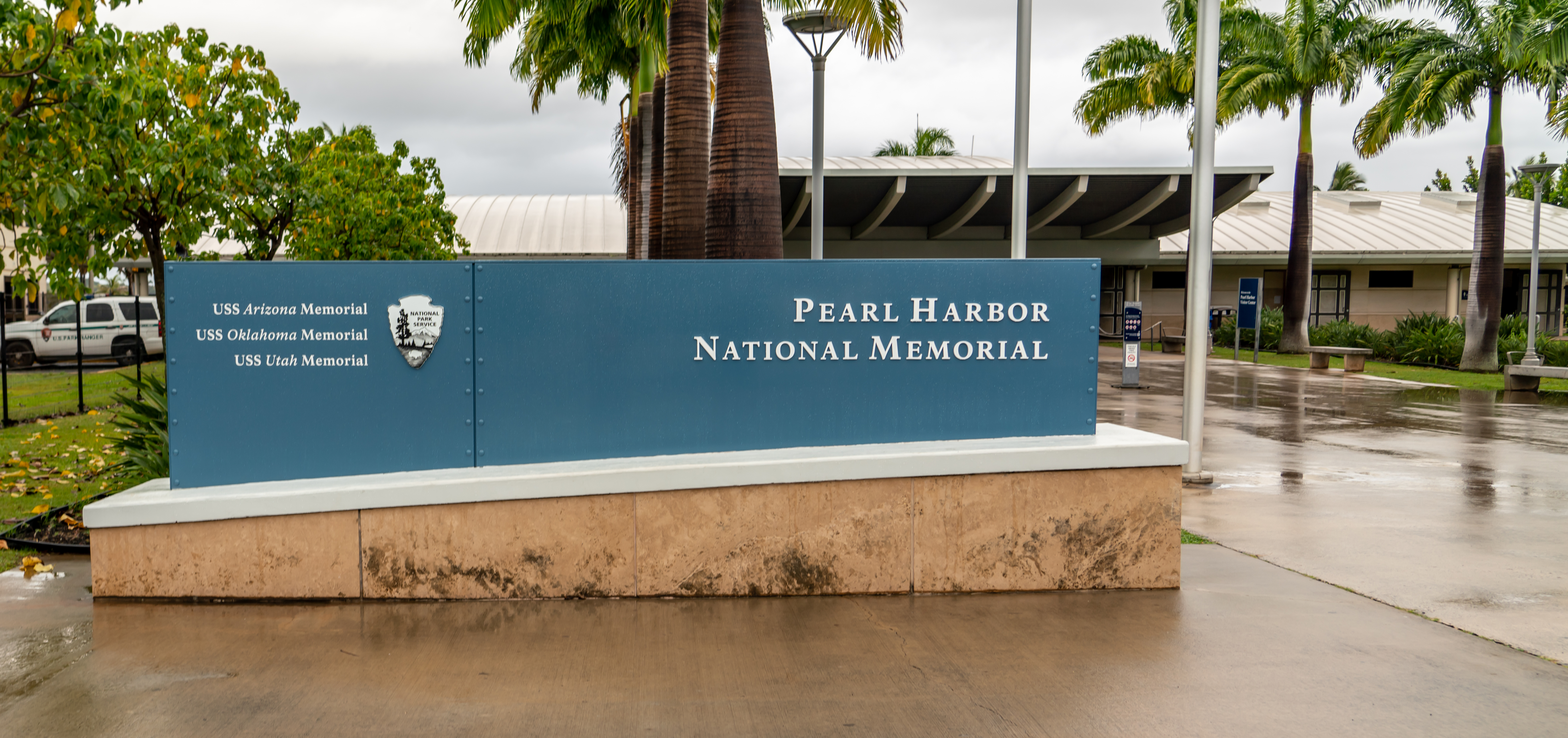
Today we went to Pearl Harbor. Definitely a sobering experience, but something I encourage you to do, if you have not already.
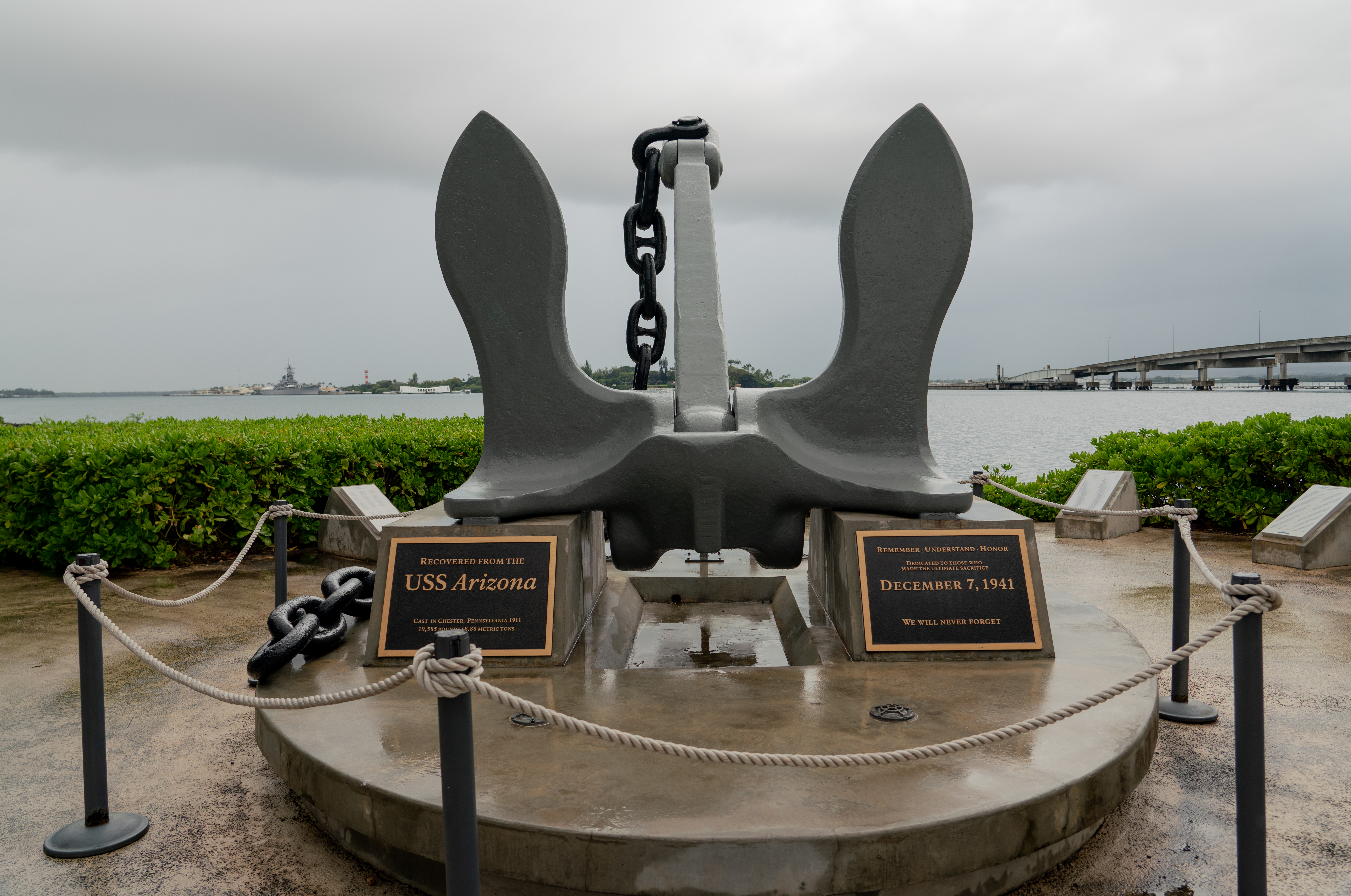
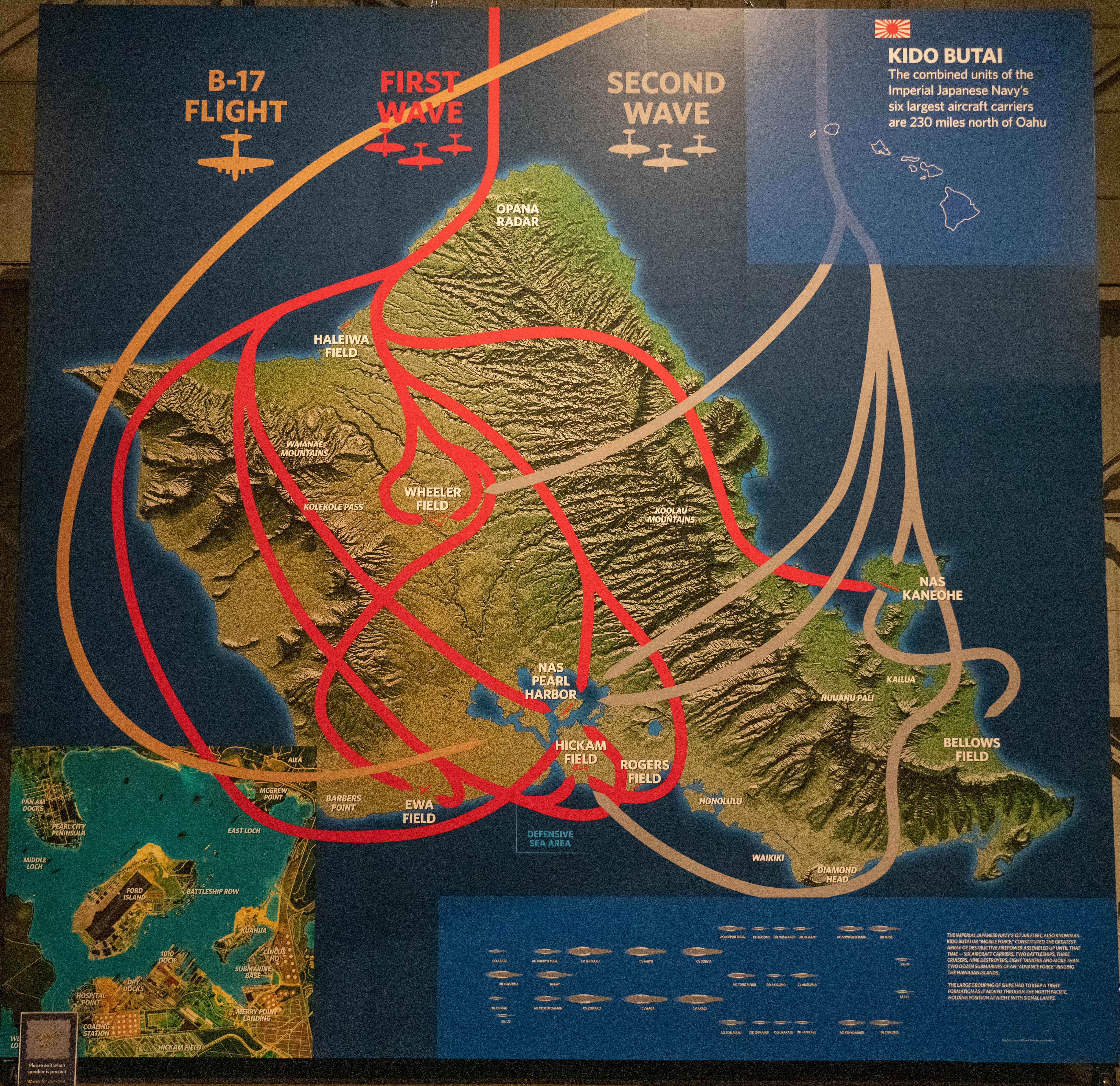
The US National Park site is in memory of the attack on December 7, 1942. On that day, US Navy battleships were damaged, 4 of which were sunk. The USS Arizona still lays in Pearl Harbor, but 6 others were successfully raised and returned to service in WWII. The USS Oklahoma was decommissioned and raised to be sold for salvage. Unfortunately, it sank in a storm in the Pacific. Three cruisers, 3 destroyers, 1 anti-aircraft training ship, and 1 minelayer were also sank or damaged along with 188 aircraft. Most importantly, 2,403 were killed and 1,1708 were injured.
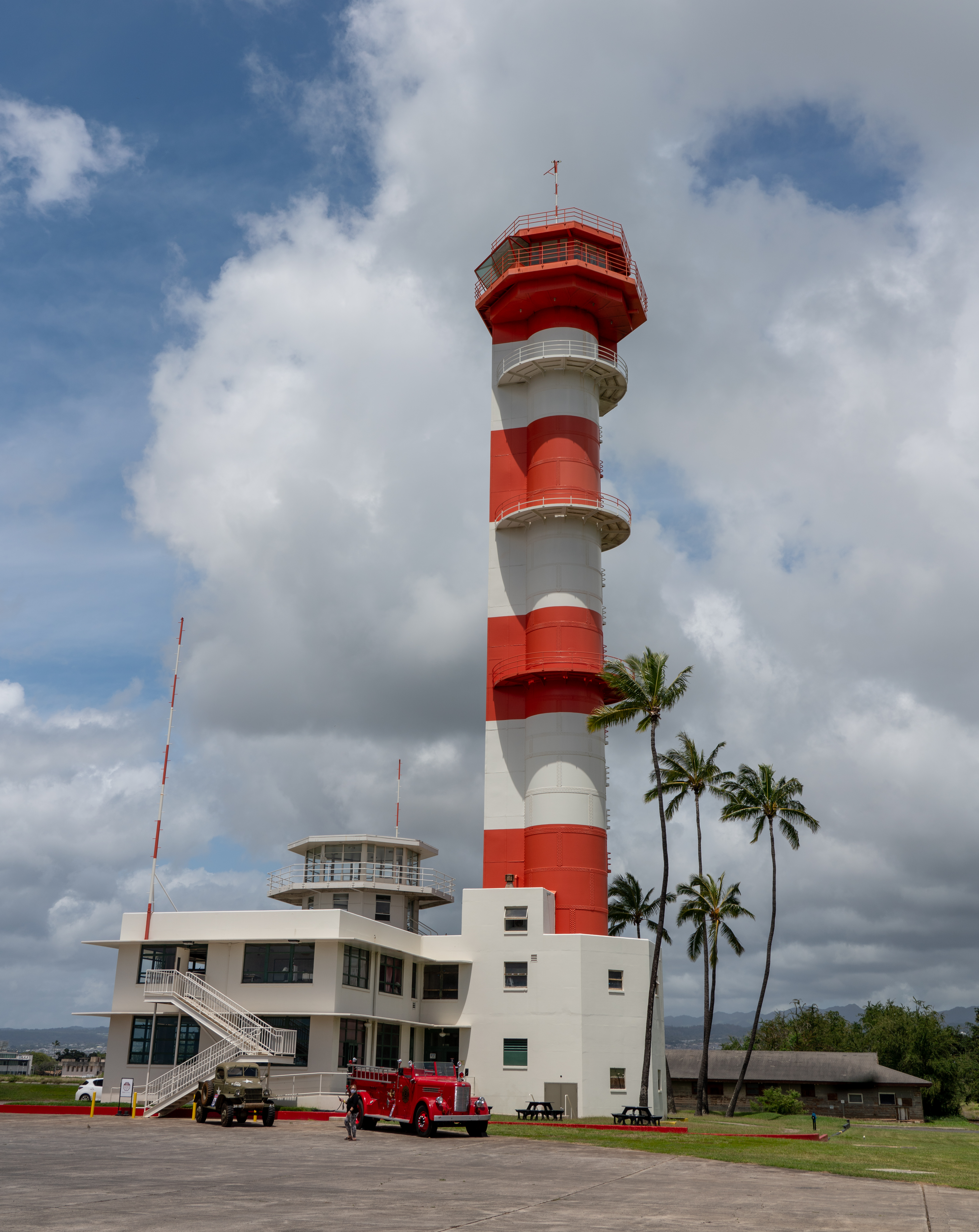
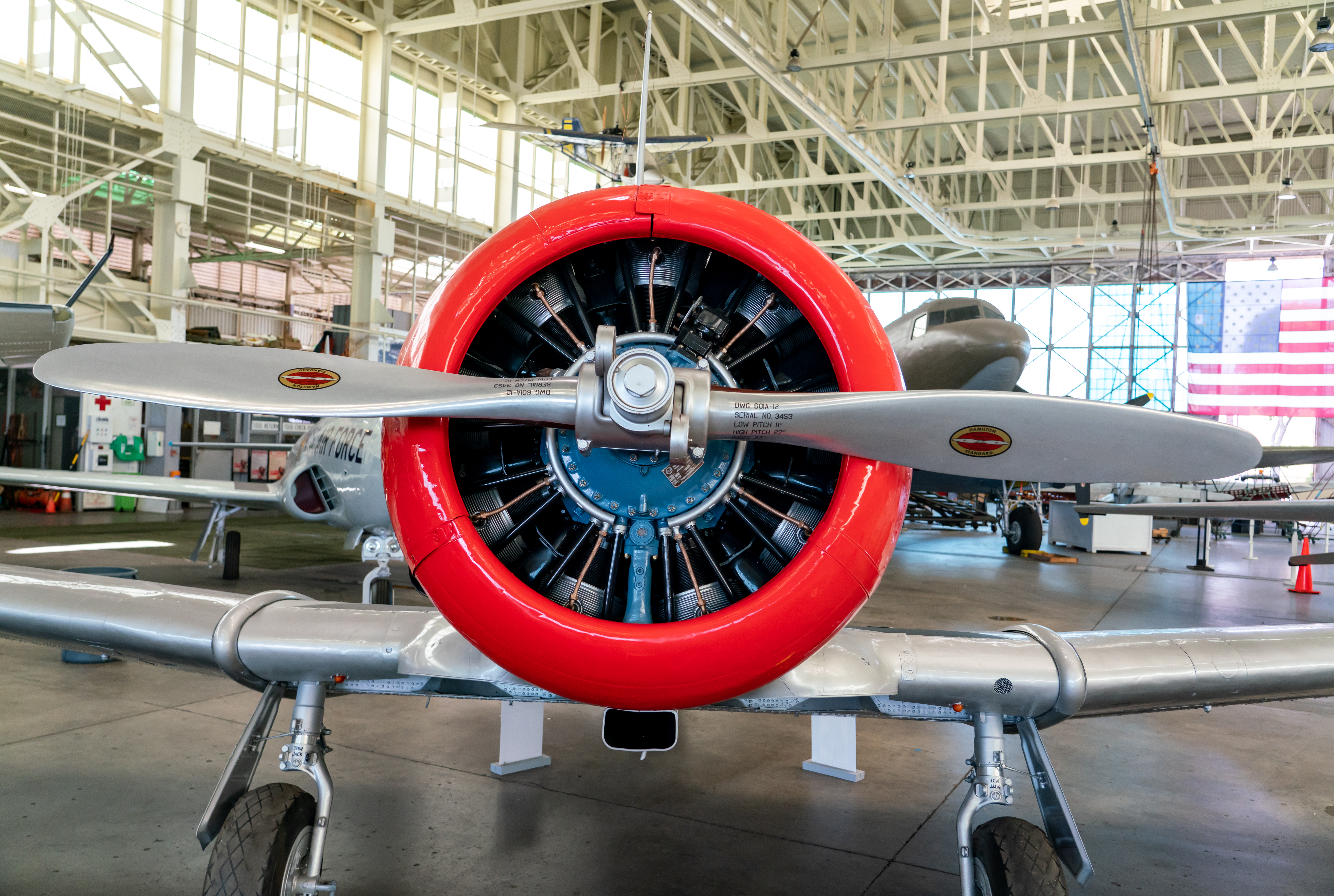
Because of COVID, not everything at the site was running normally, but almost everything was open and most of the site is open air. They have a short film about the attack, usually shown in a theater, but now open air. There is a submarine you can tour, along with a nice little aviation museum.
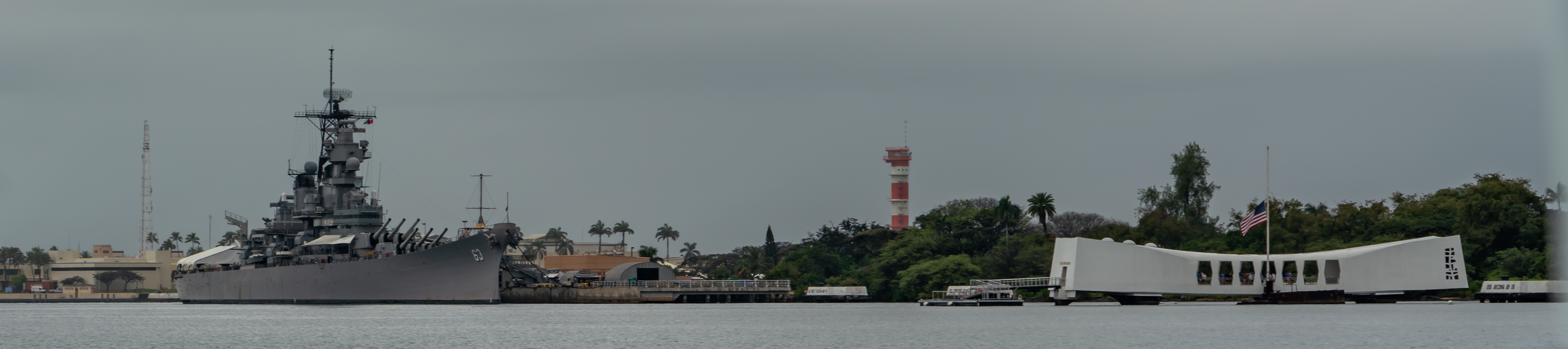
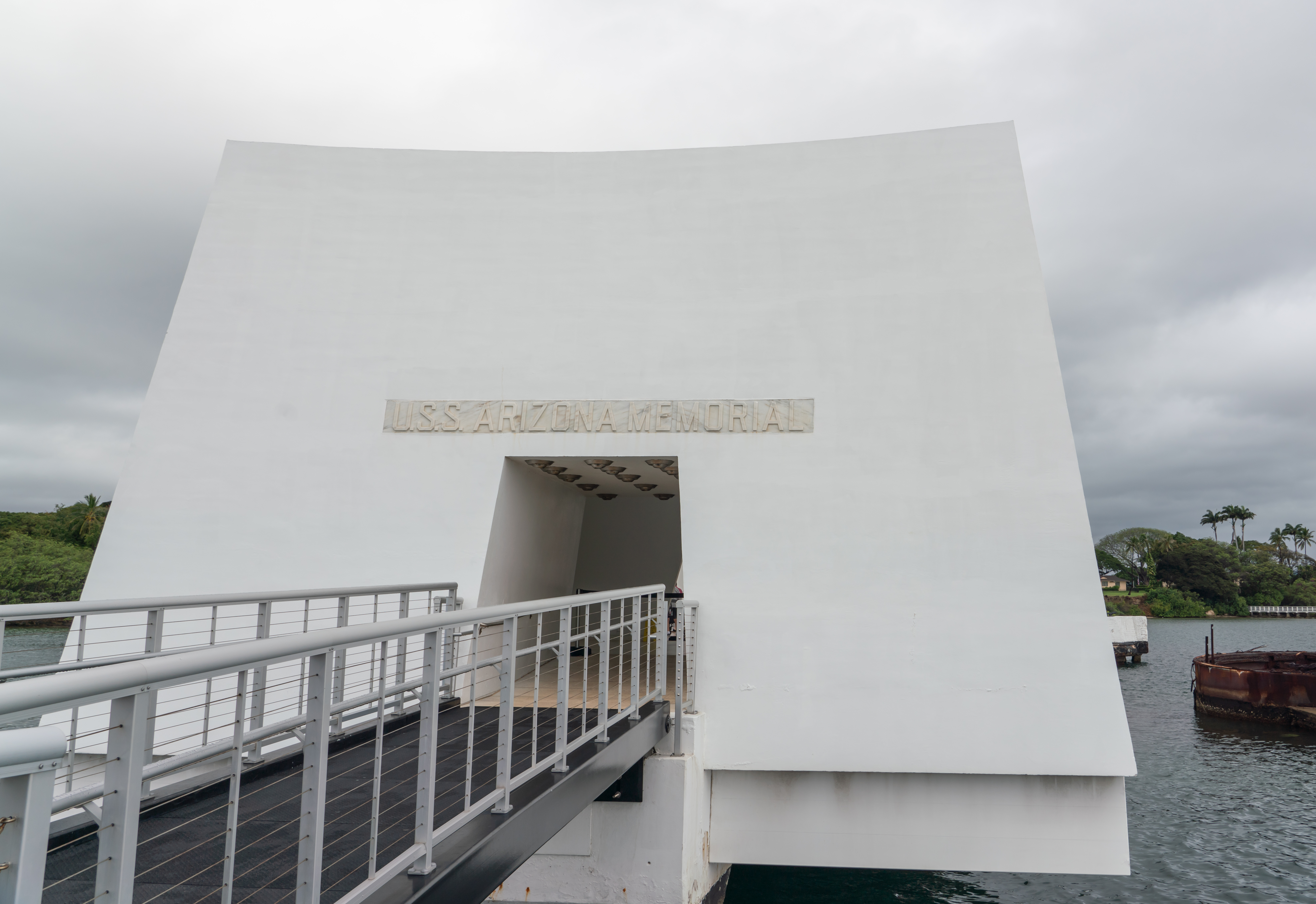
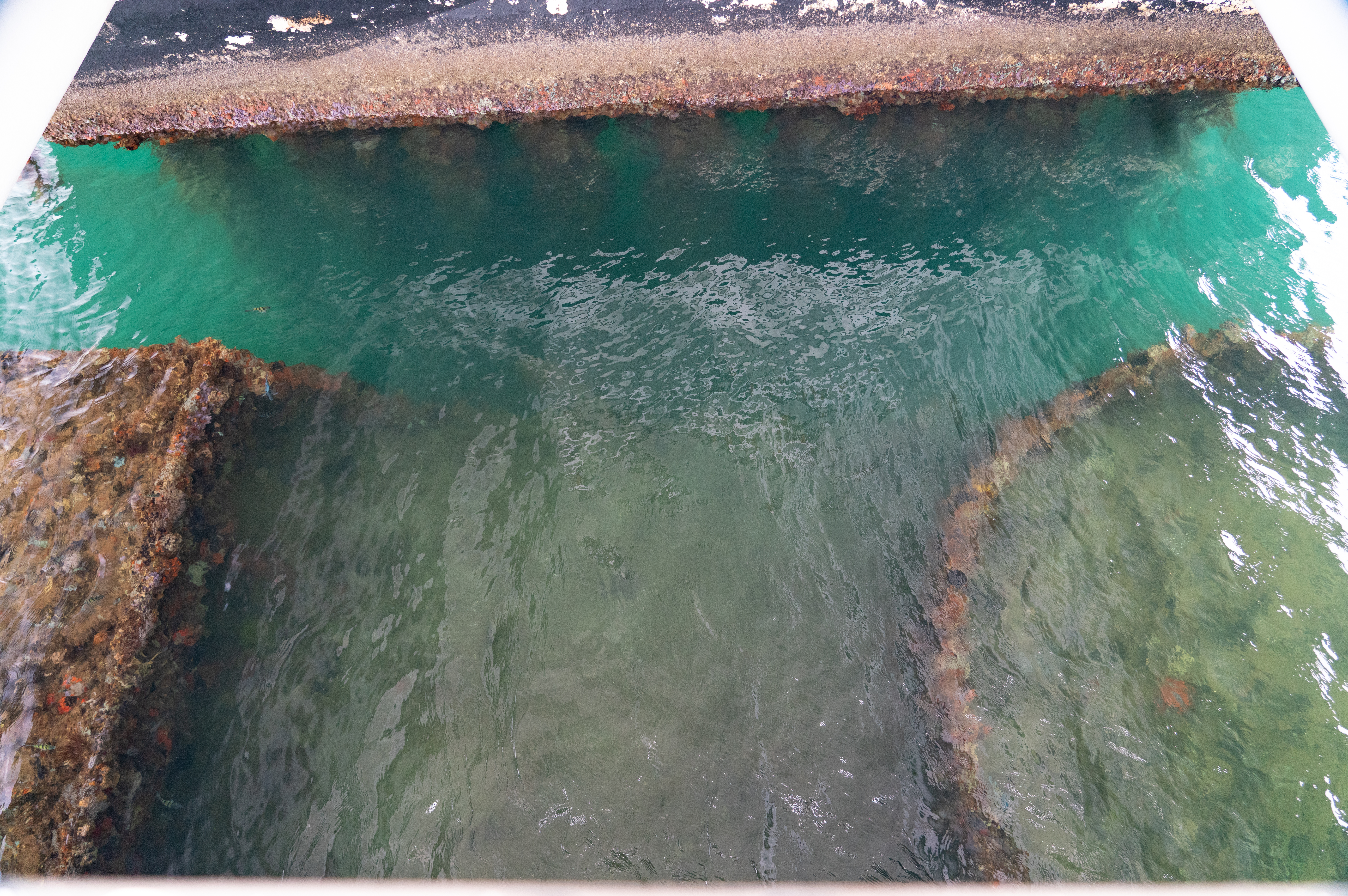
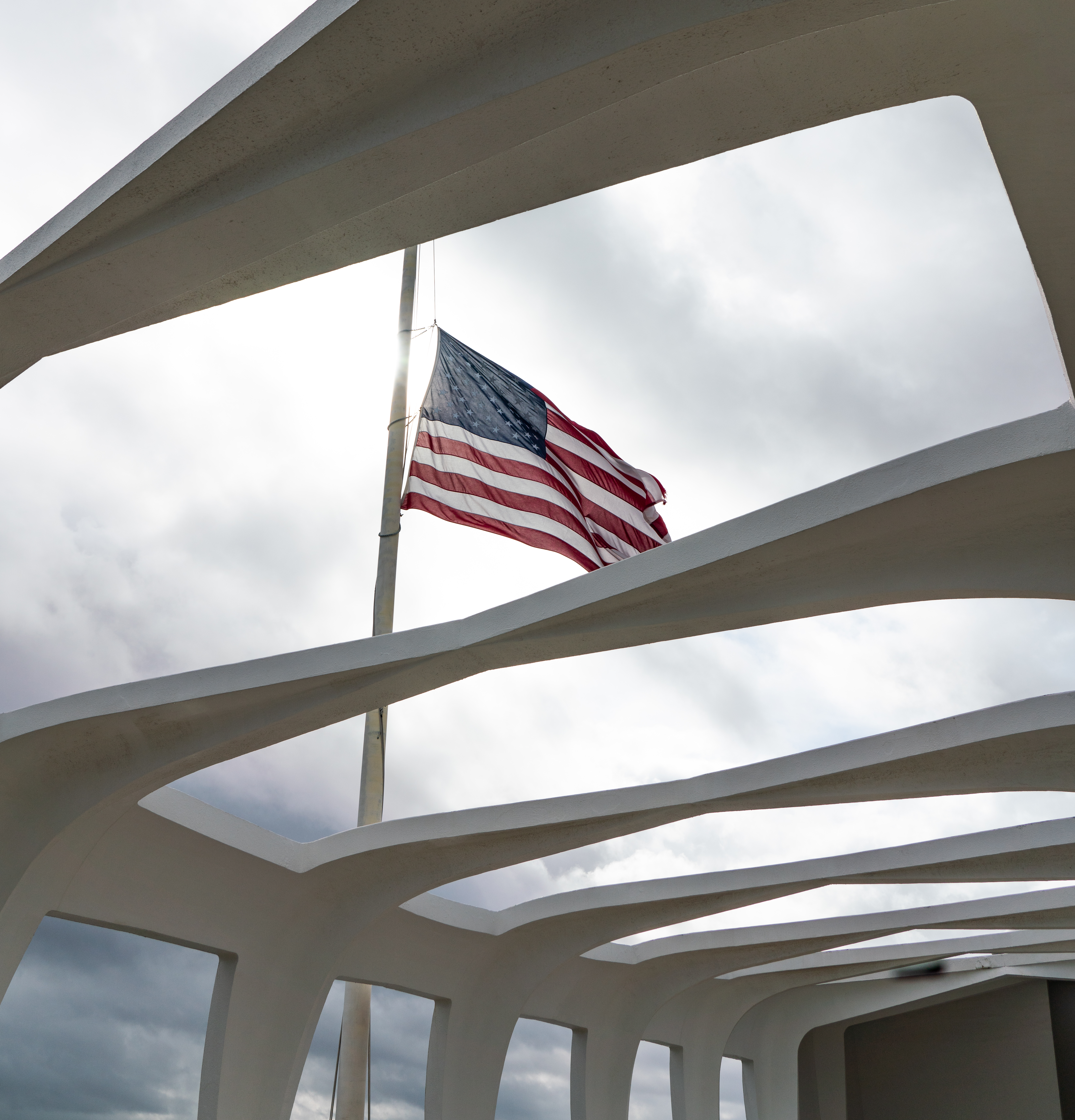
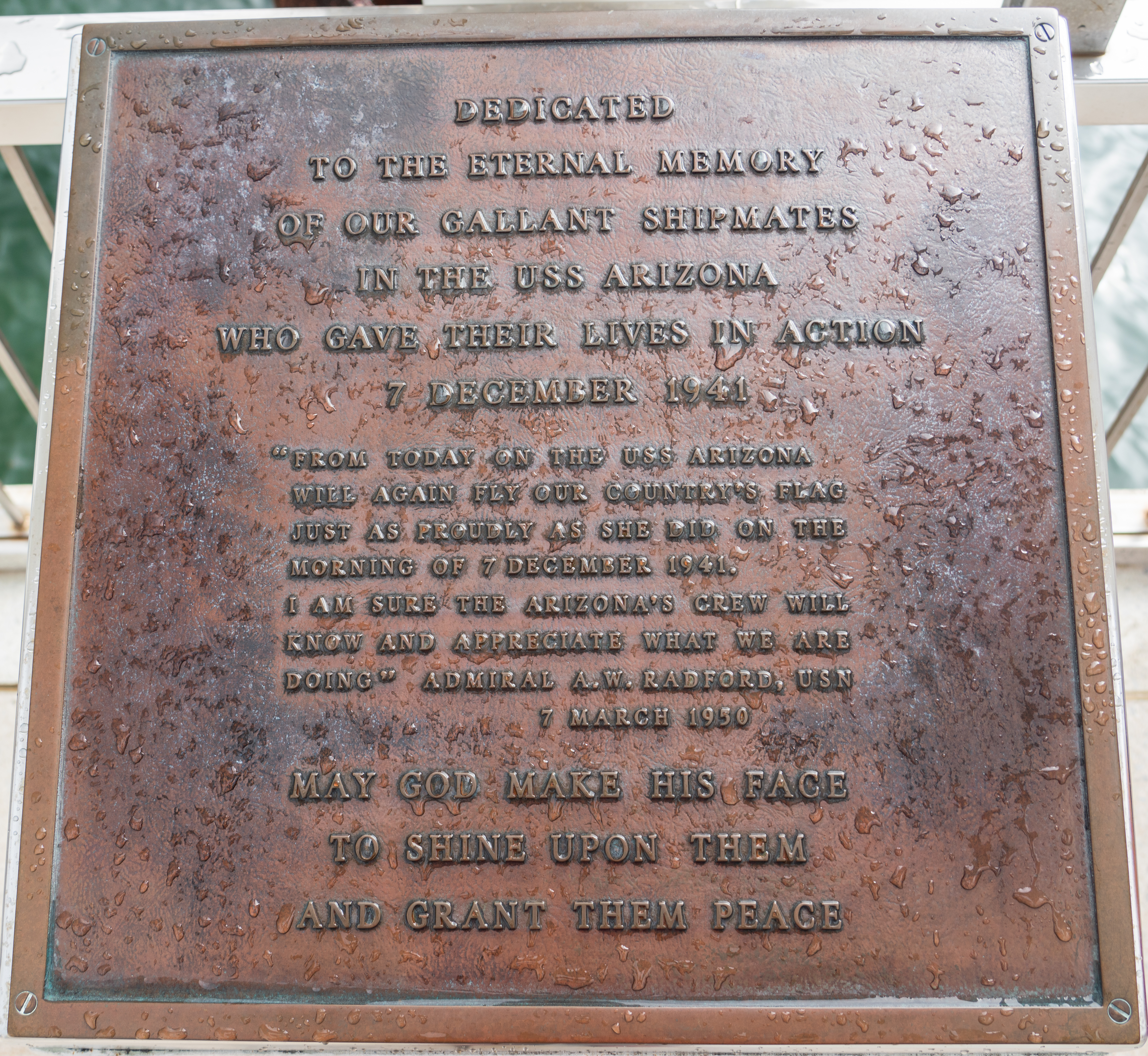
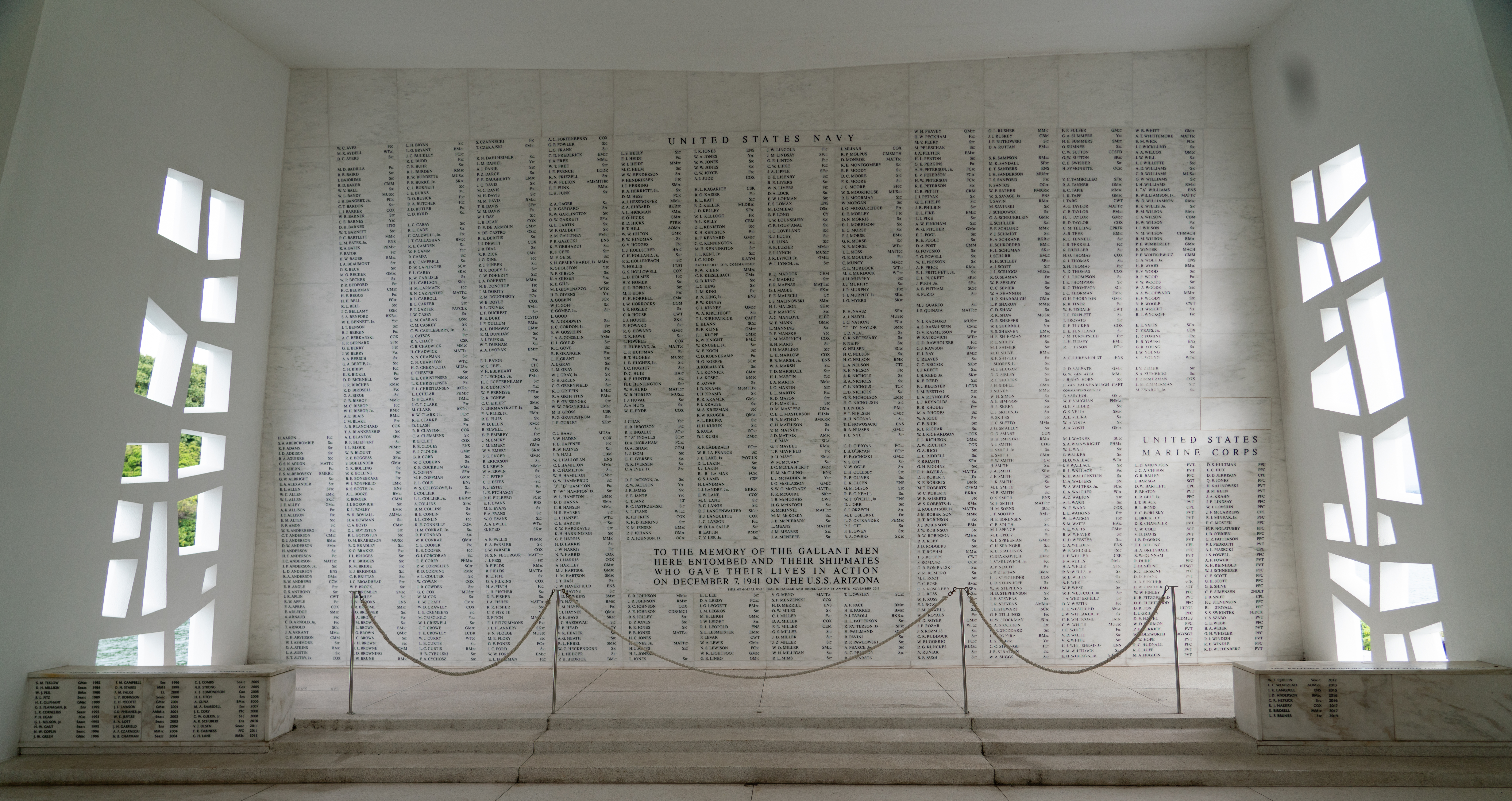
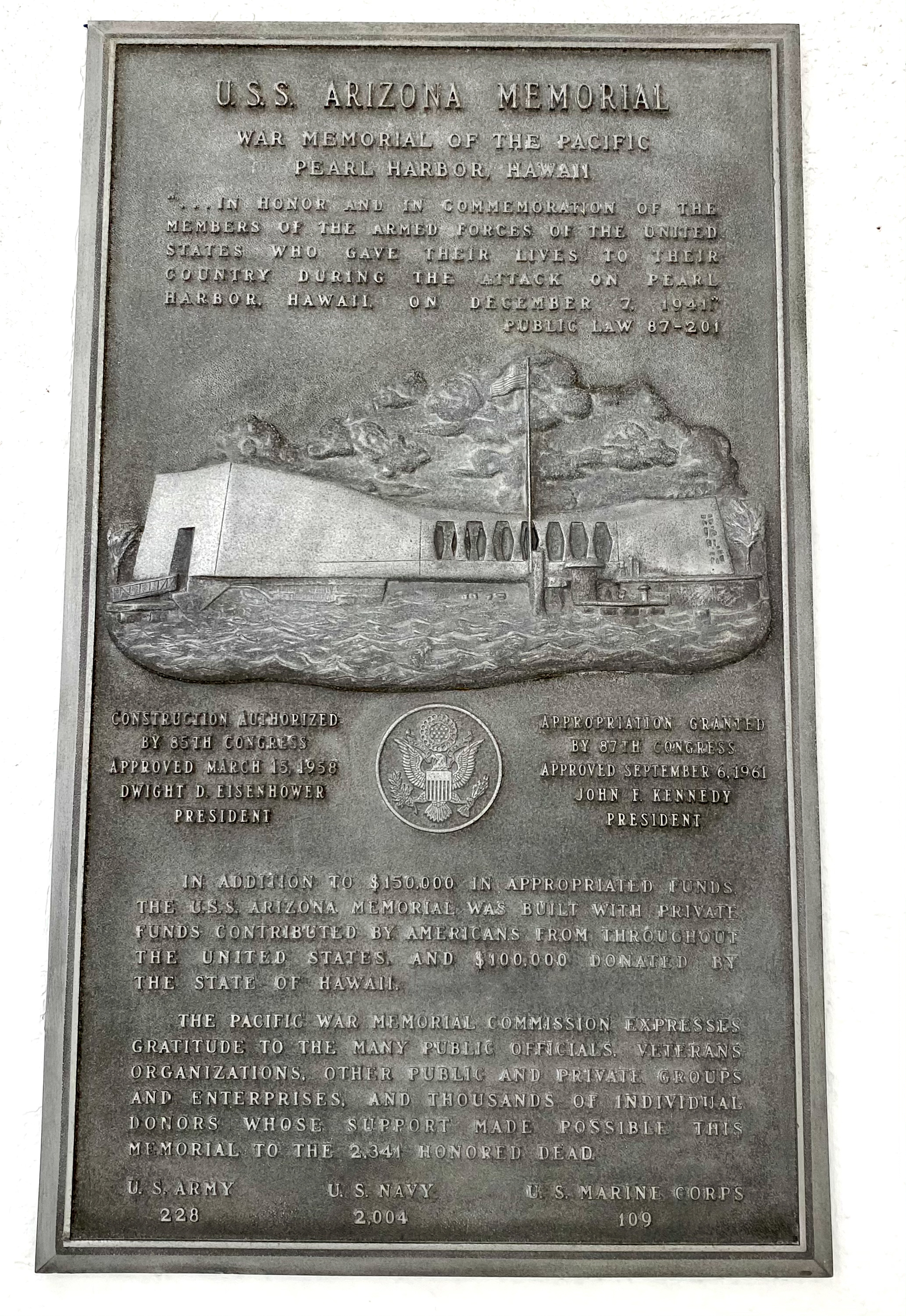
You take a boat over to the USS Arizona memorial. This was, by far, the most moving part of Pear Harbor. The memorial overlies the remains of the ship. The USS Arizona was hit multiple times, but one likely penetrated the armored deck near the magazines in the forward section of the ship. This caused a huge explosion, destroying much of the forward part of the ship and essentially tearing it in half. This killed 1,177 of the 1,512 crewmen on board. There are a few parts of the ship that are visible above water and there is a viewing window in the memorial where you can look down into the water on to the ship. Inside the memorial is a wall with the names of all of the crewmen who died in the attack. In front of the wall are two plaques with the names of men who survived the attack, but who chose to be interred with their crewmen. Survivors can choose to have their ashes interred in the ship. Crewmen who served on the ship at other times can have their ashes spread over the water. The USS Arizona continues to leak fuel to this day. They are referred to as the “tears of the Arizona” or “black tears.”
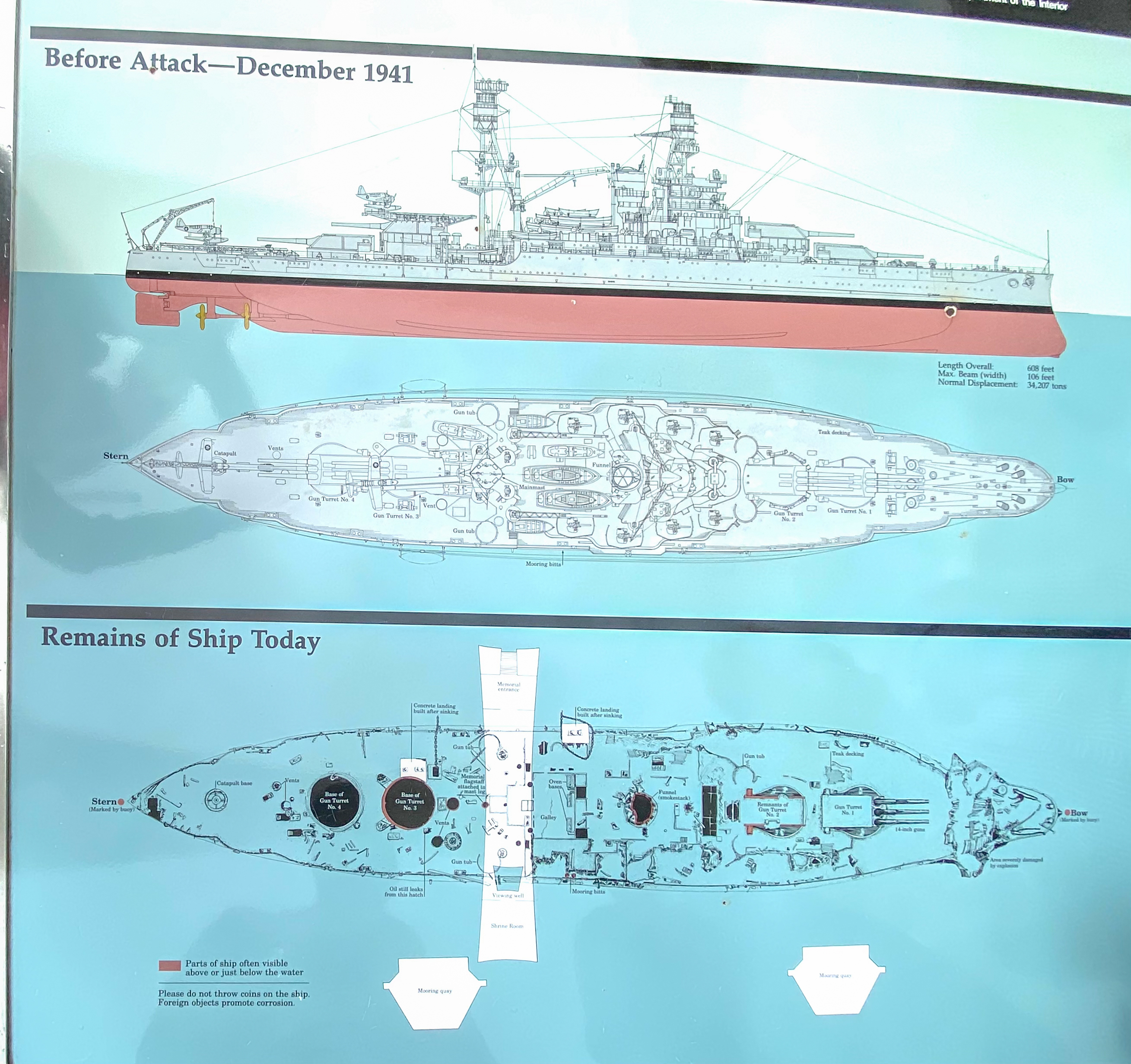
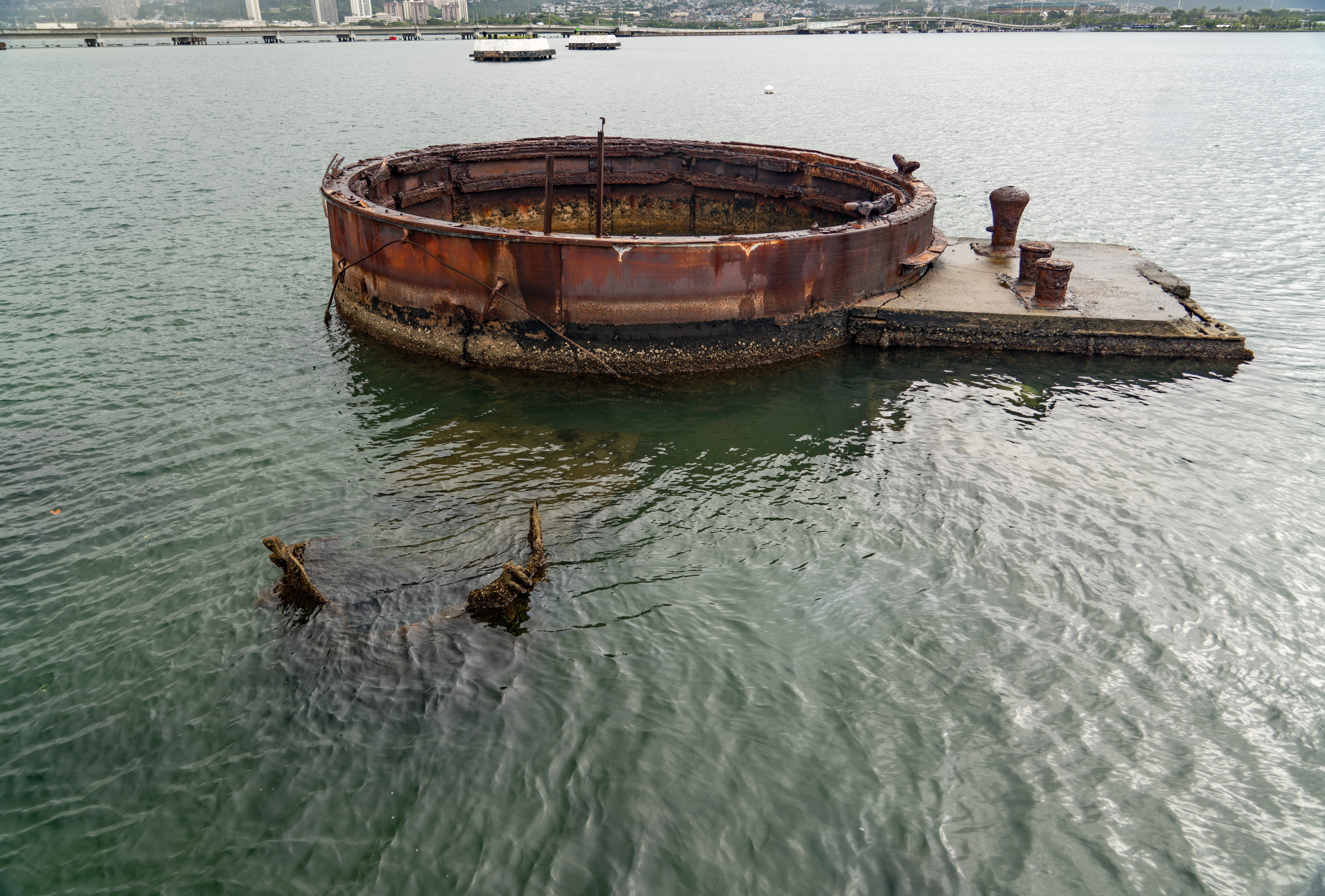
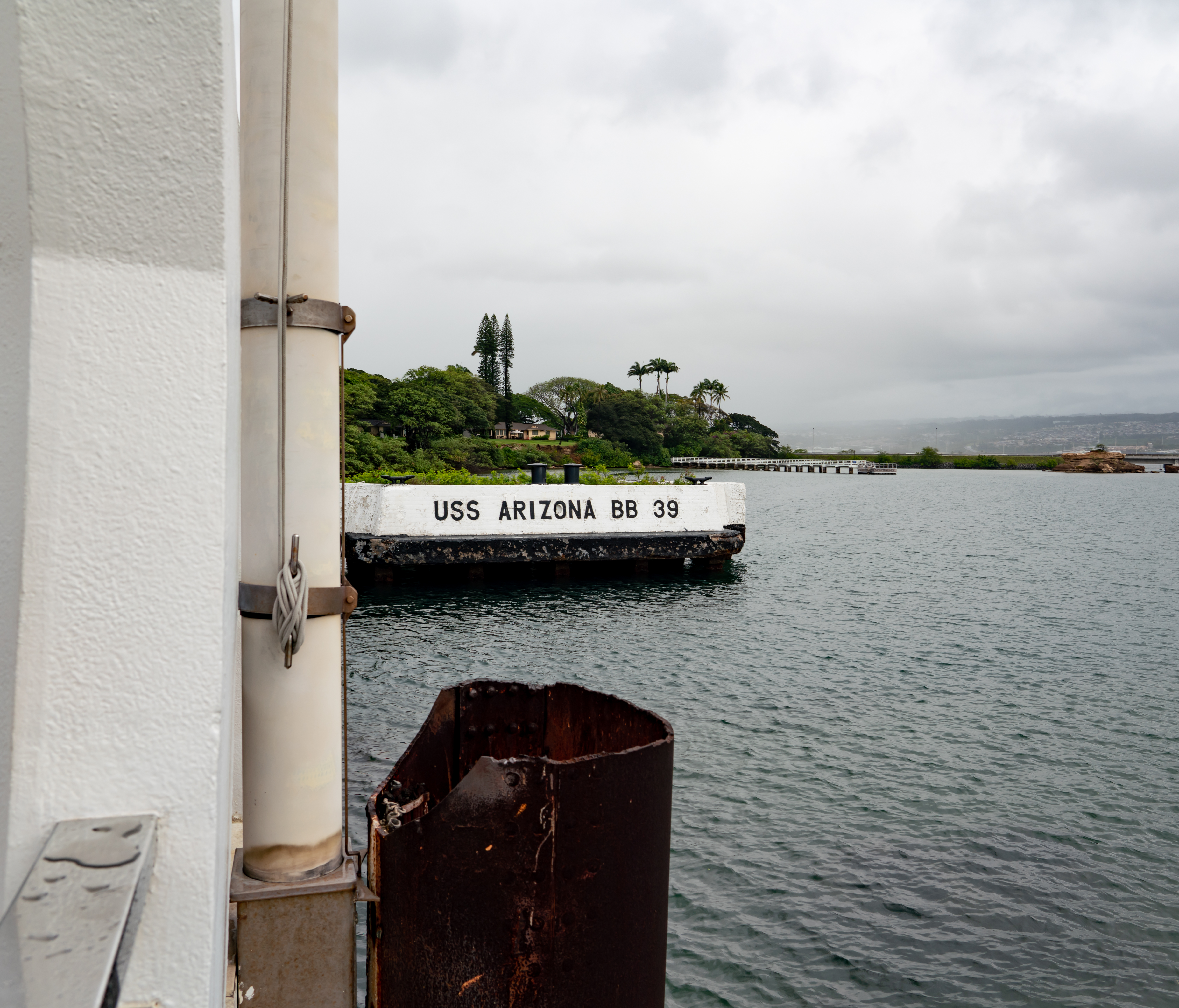
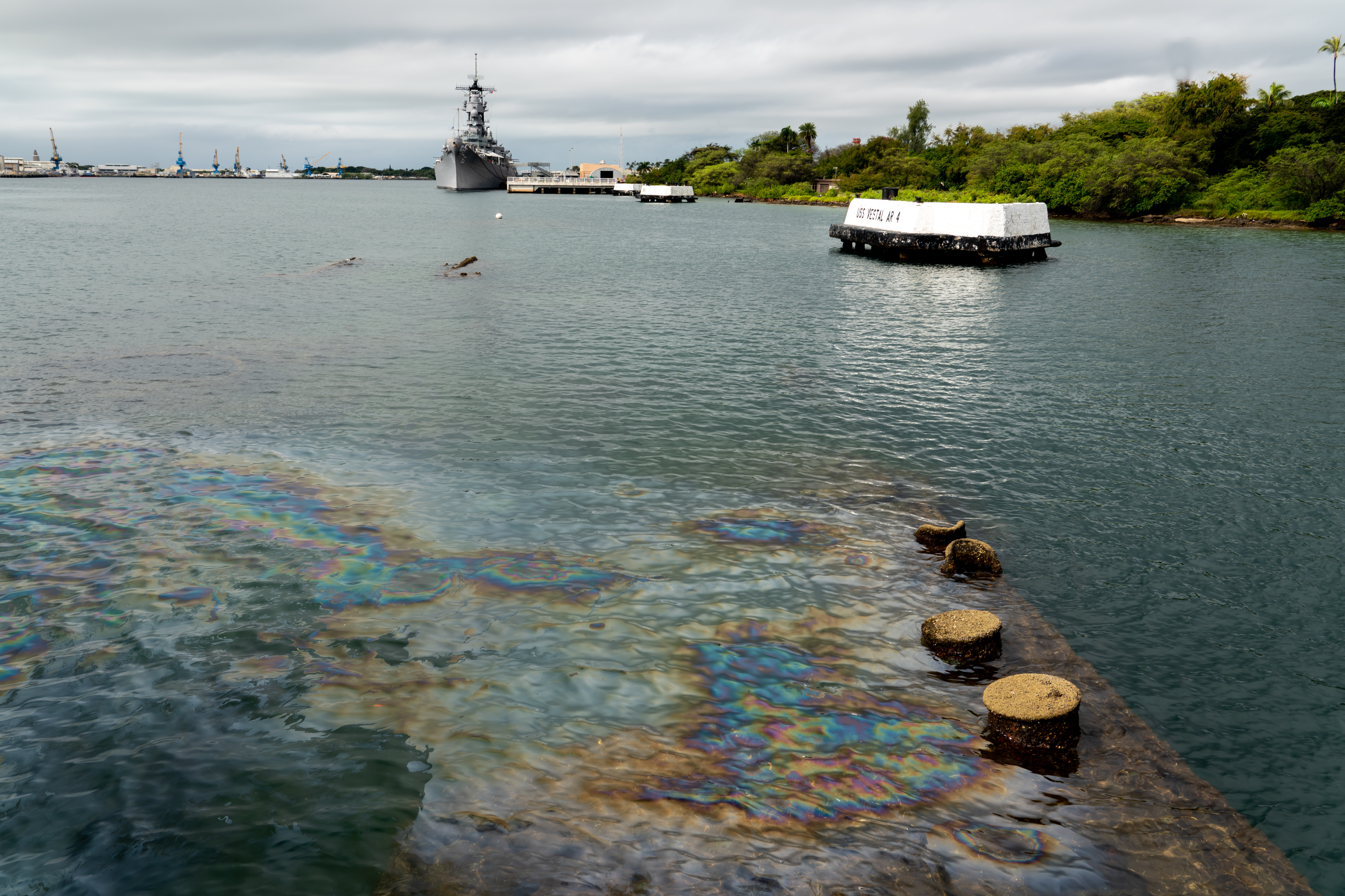
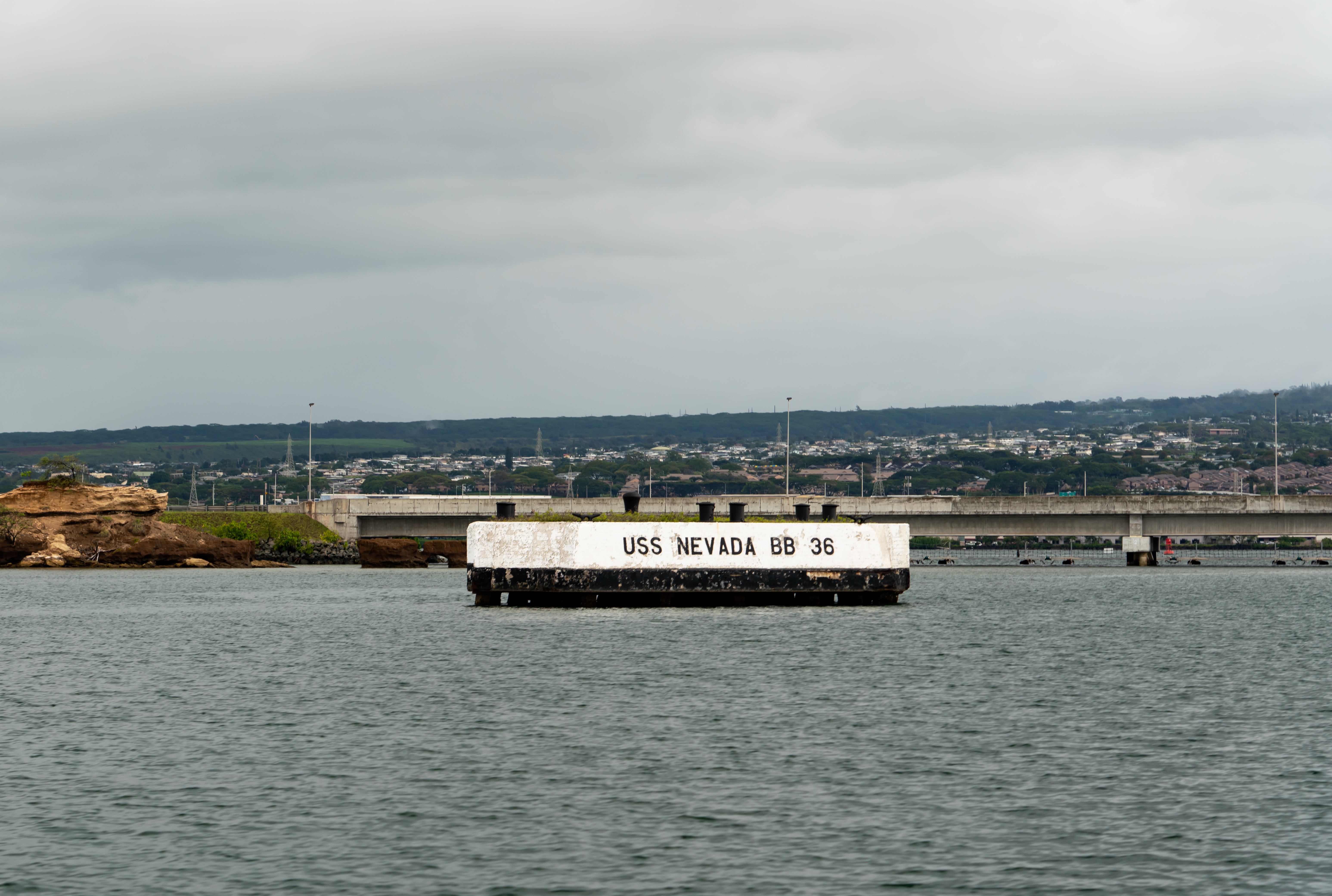
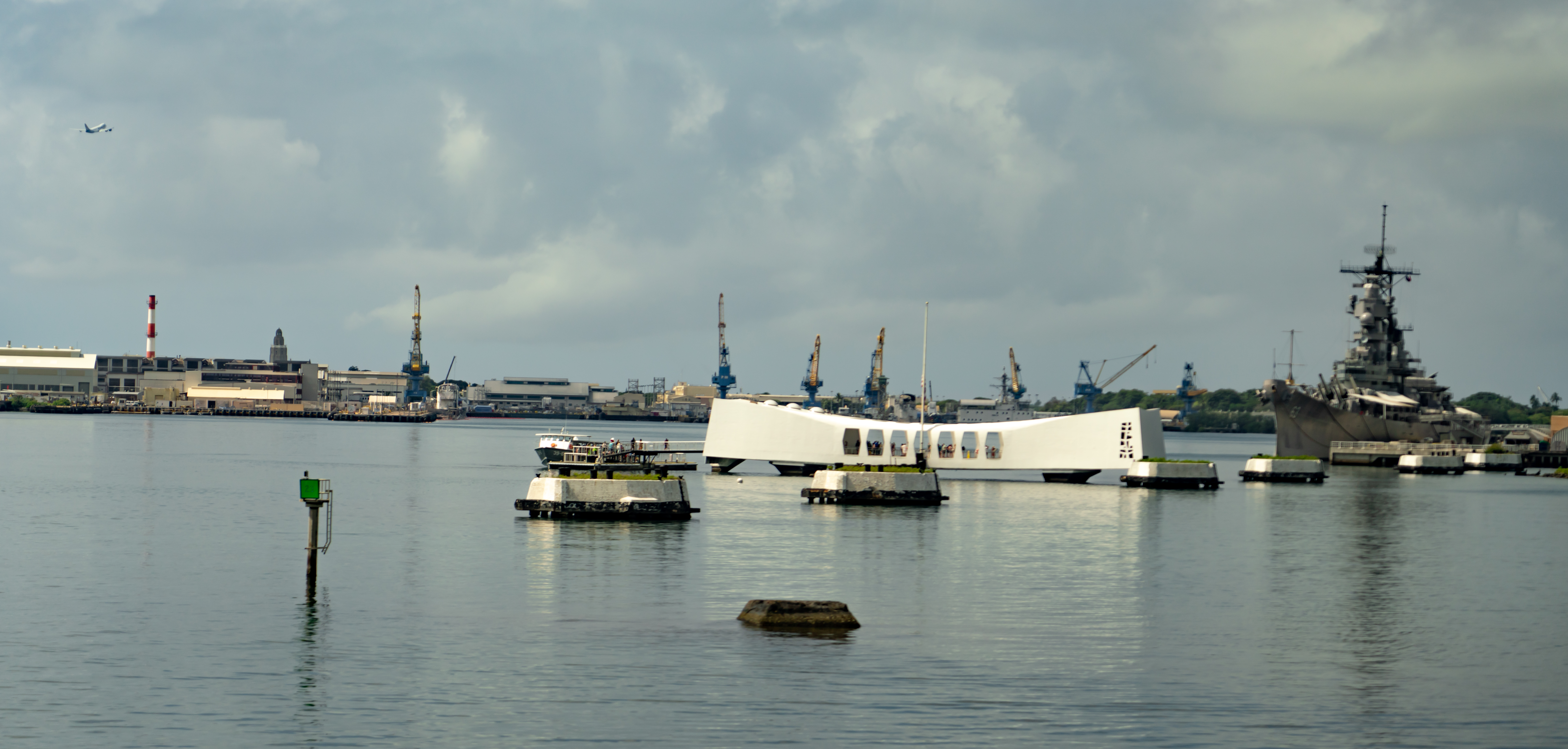
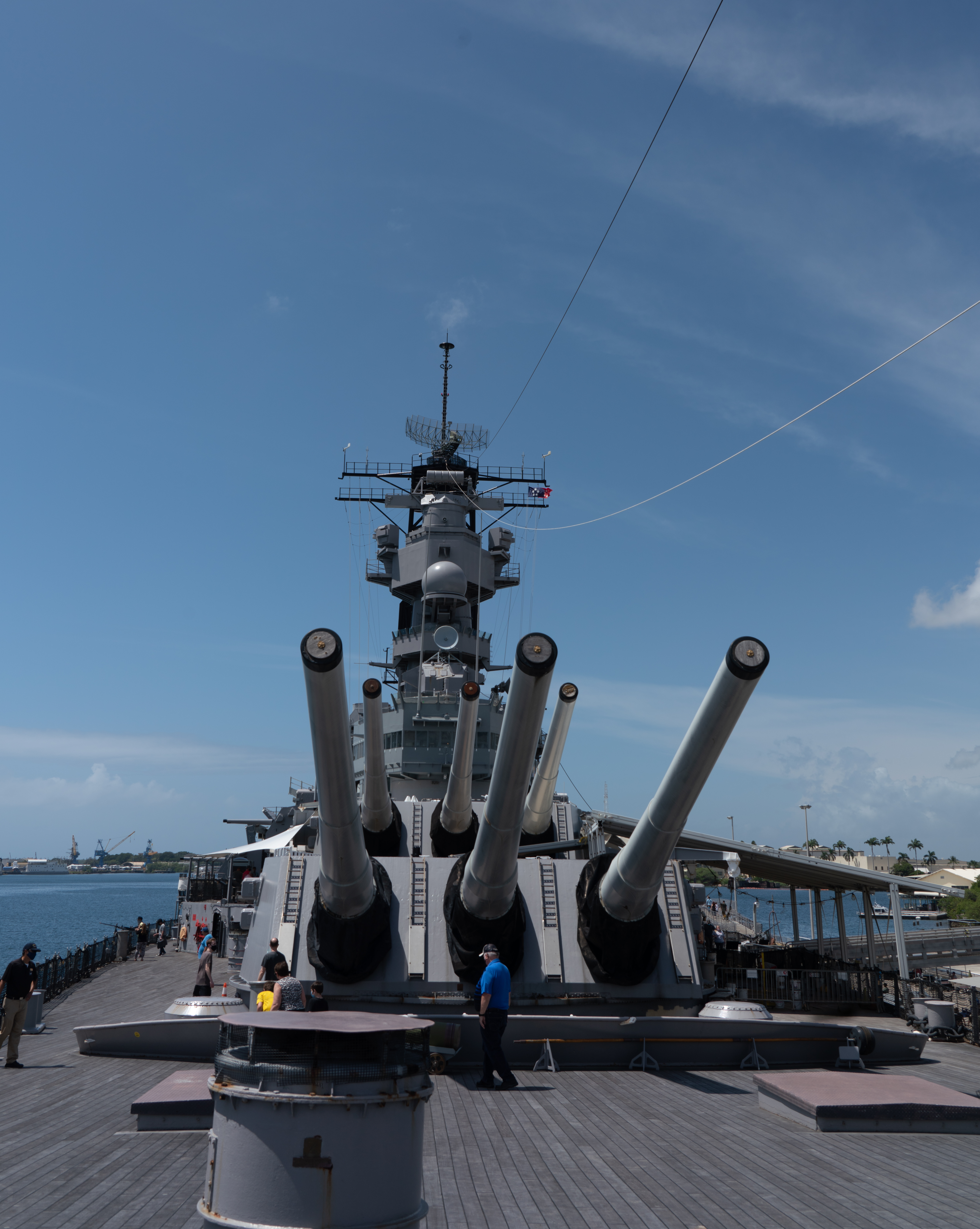
On either end of the USS Arizona are markers for where the other ships were anchored on December 7, 1942. There are bouys that mark the stern and bow of the USS Arizona. The bow of the USS Arizona points at the USS Missouri. The USS Missouri was not there on December 7, but was placed there for good reason. That is where the Japanese Instrument of Surrender, ending WWII, was signed. The bows of each ships face each other, signifying the beginning and end of WWII.
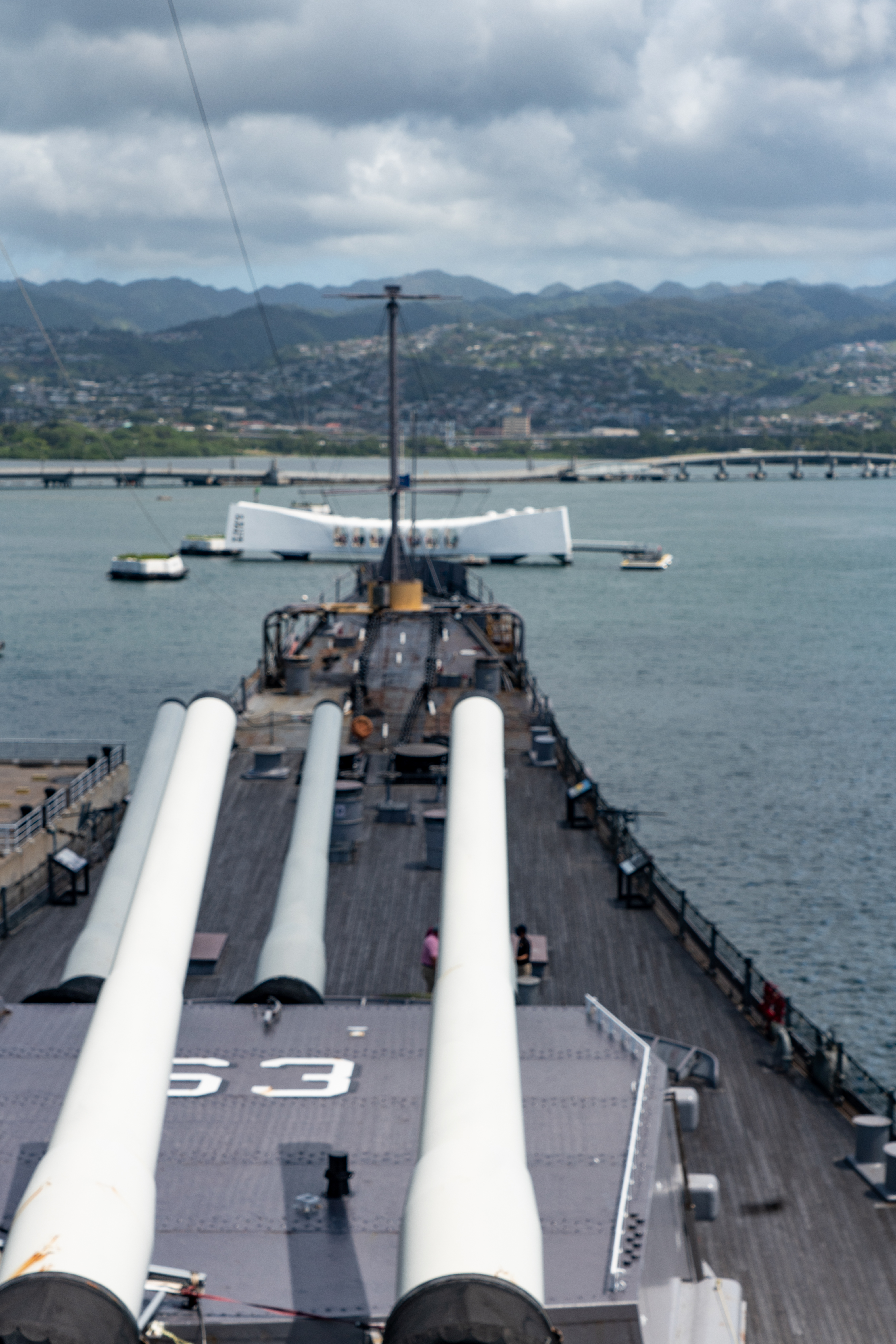
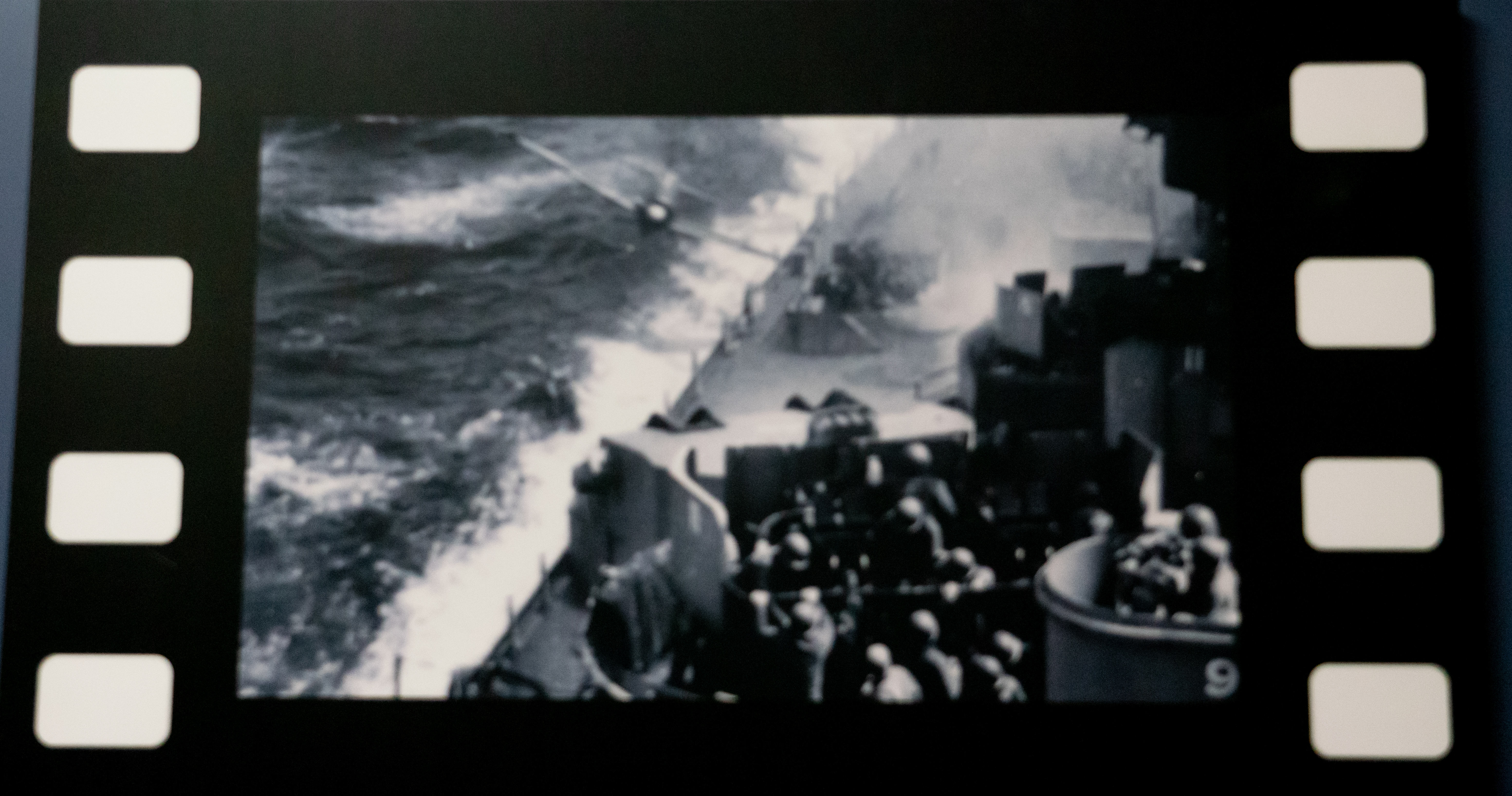
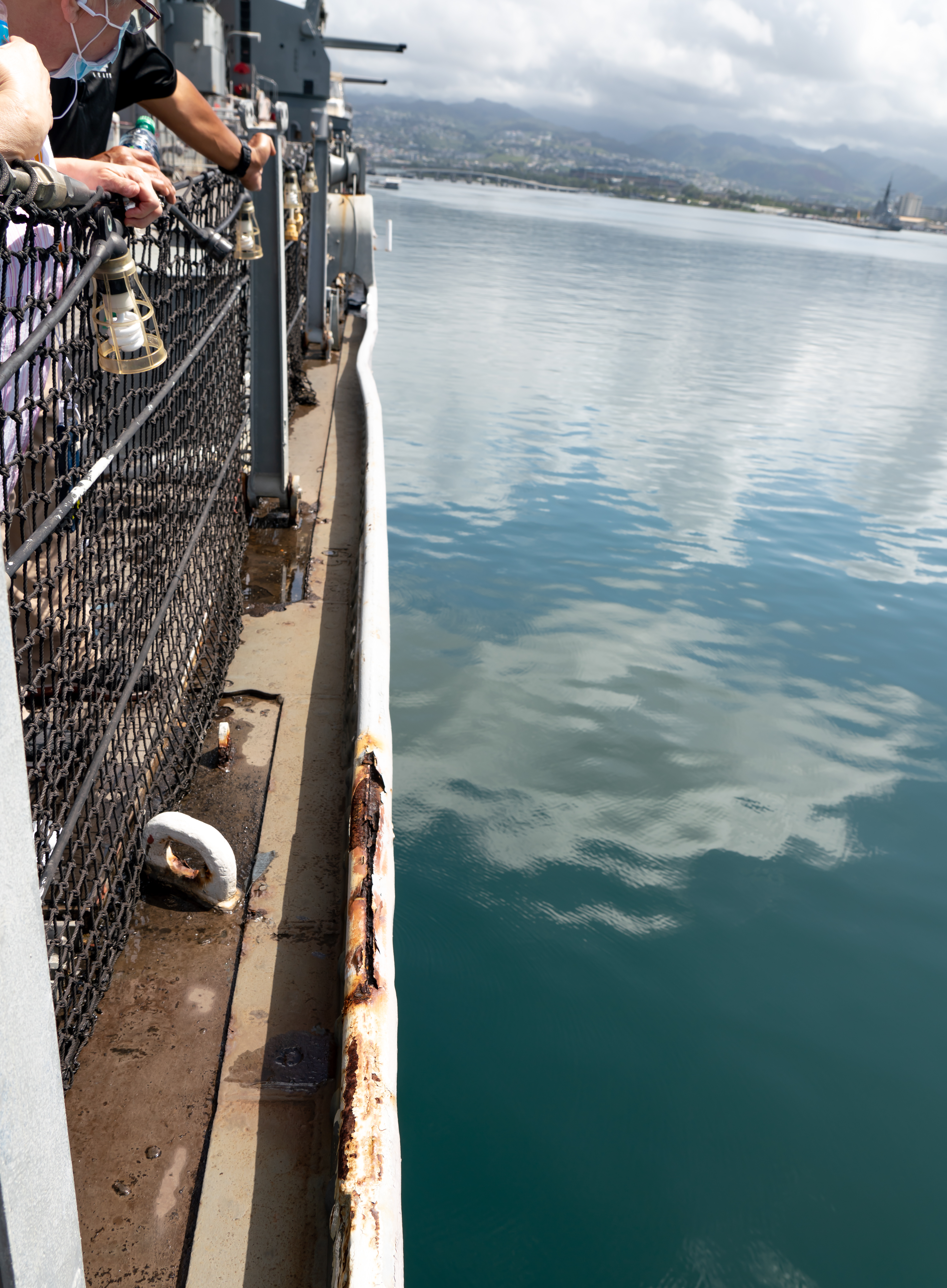
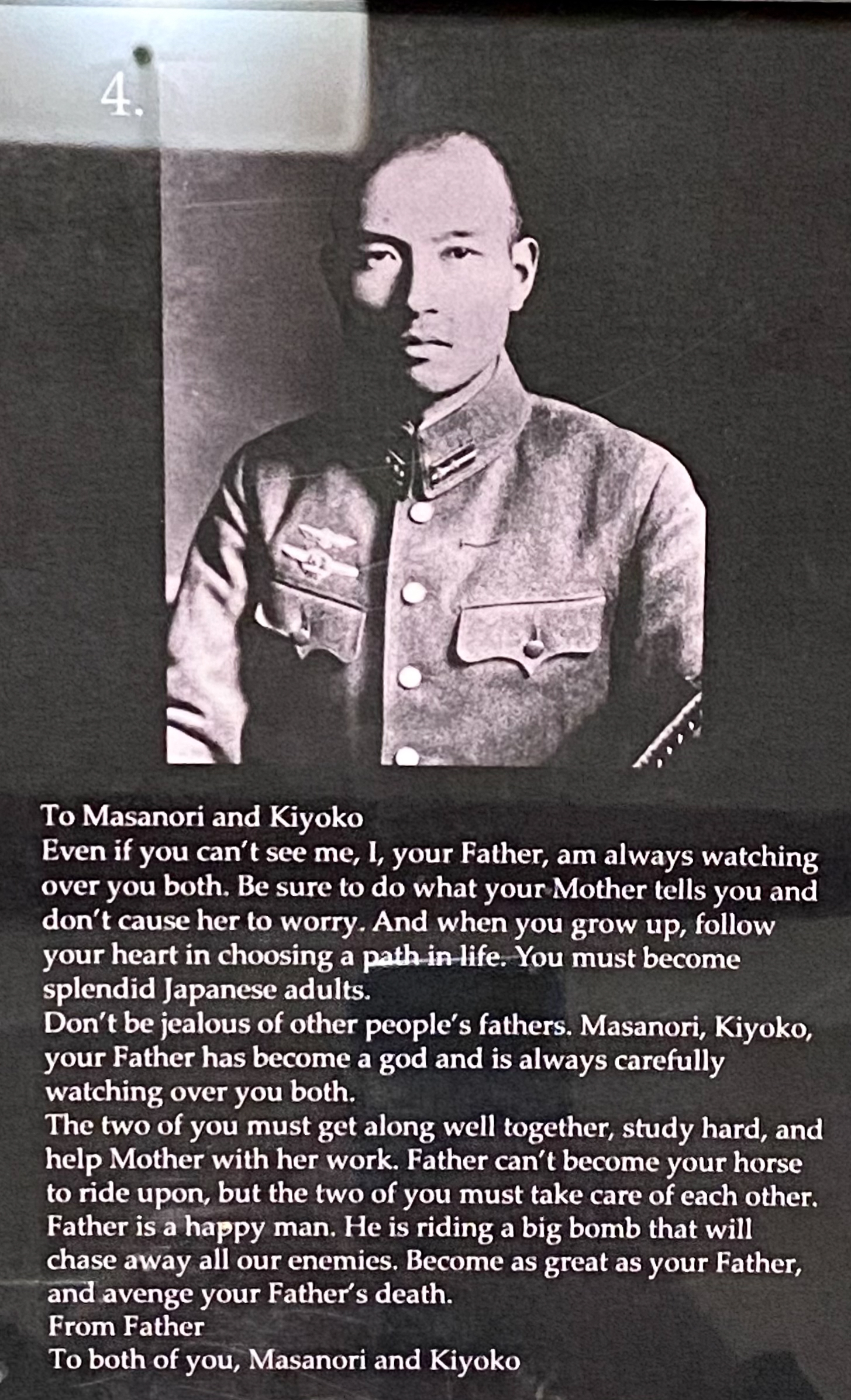
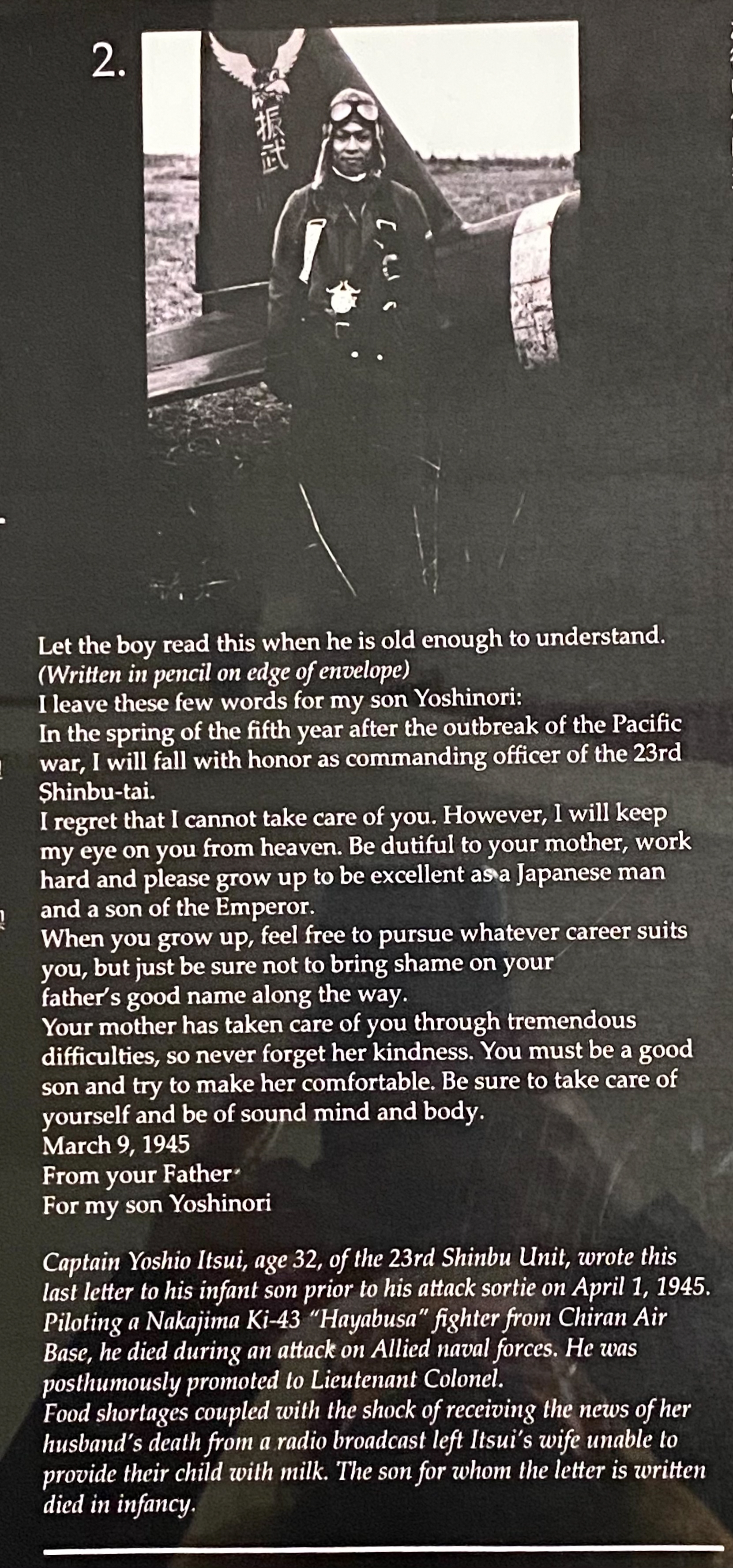
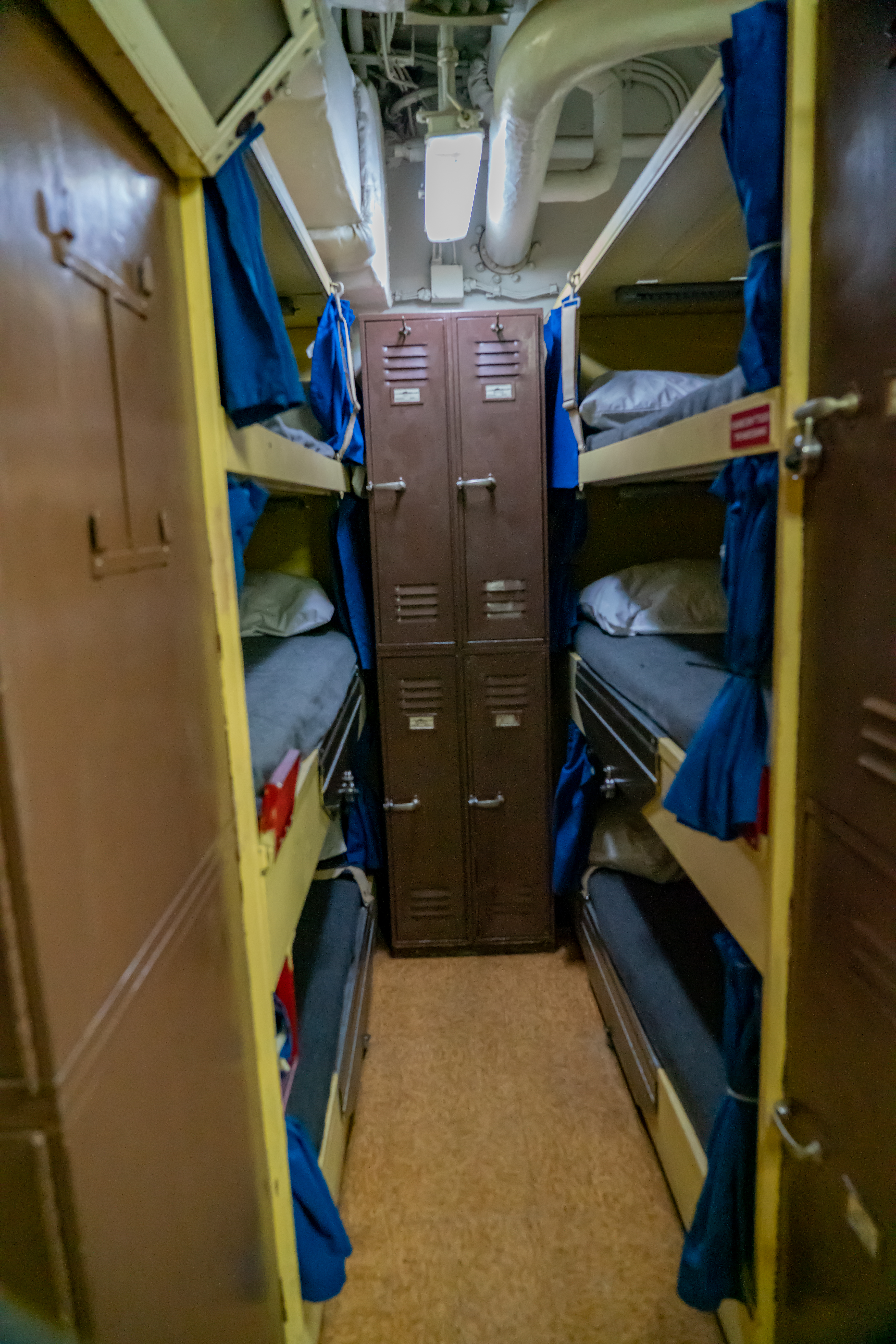
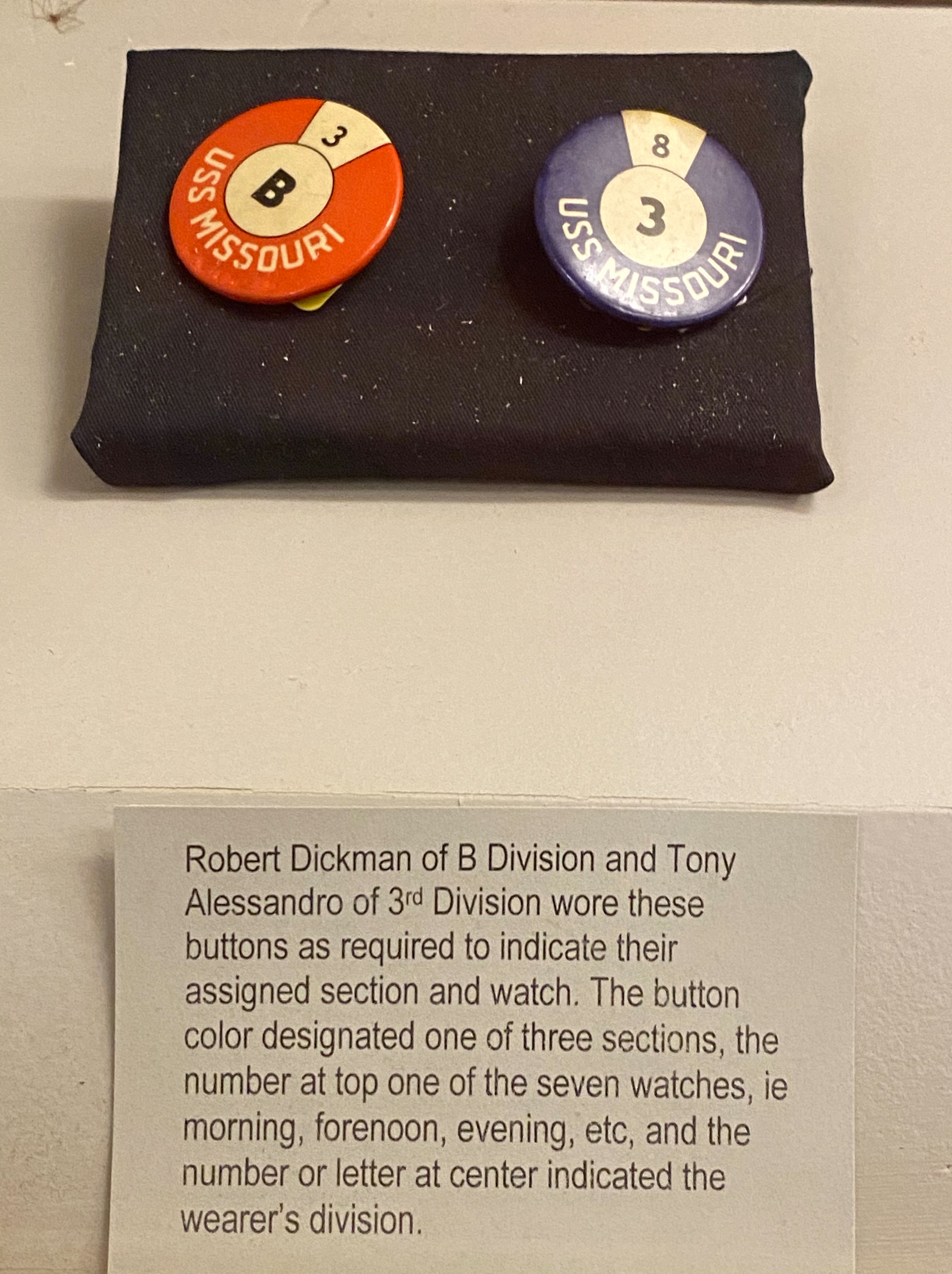
The USS Missouri was the last commissioned battleship in the US, in service from WWII through the Persian Gulf. She was attacked by a kamikaze, which was caught on film by the ship’s baker. The attack dented the edge of the ship and the dent remains today. The kamikaze pilot died, and his remains ended up on the ship so the crew buried him at sea with a full ceremony including a Japanese flag that they made for the occasion.
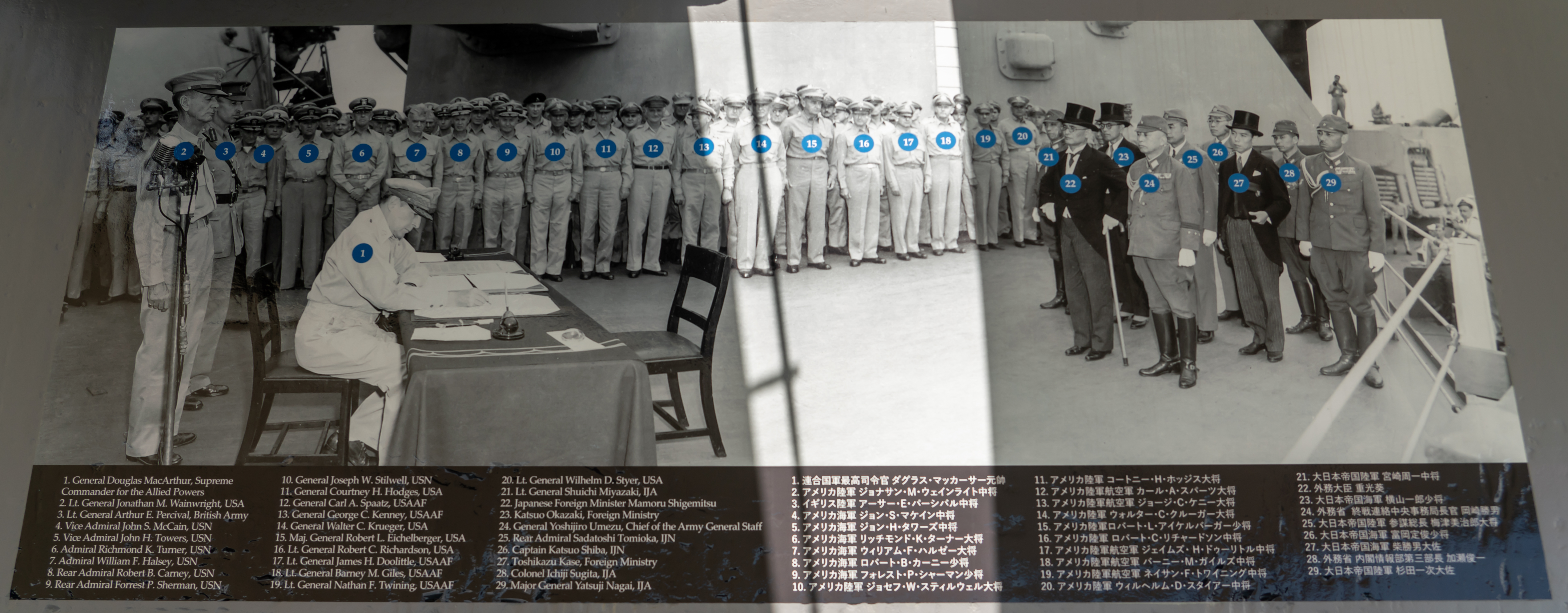
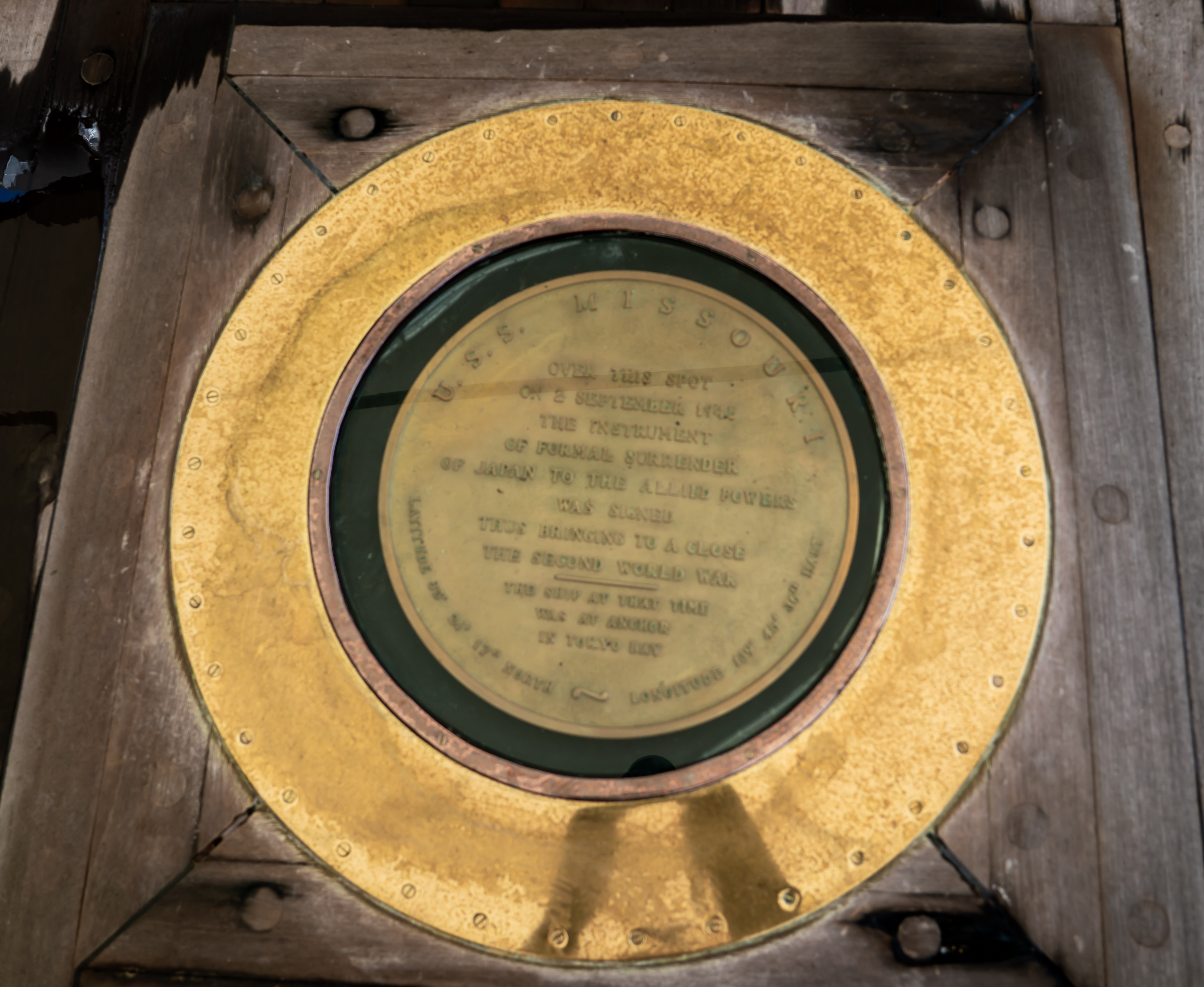
The USS Missouri is perhaps best known for being the location of the signing of the Japanese Instrument of Surrender on September 2, 1945, which ended WWII. On the ship there is a marker to indicate the location of the table where the signing took place. There are pictures of all of the dignitaries present and you can tell right where everyone was standing. Of course there was General MacArthur and Lt General Wainwright, but Senator John McCain’s grandfather, Vice Admiral John S McCain, was also present.


Leave a Reply