
Today was our first full day in South Africa. We arrived in Johannesburg late yesterday, but really didn’t see anything. We started early today, flying from Johannesburg to Cape Town. After maneuvering through 2 airports, meeting our Cape Town guide, and getting checked in to our B & B, we headed out to do a city tour of Cape Town.,
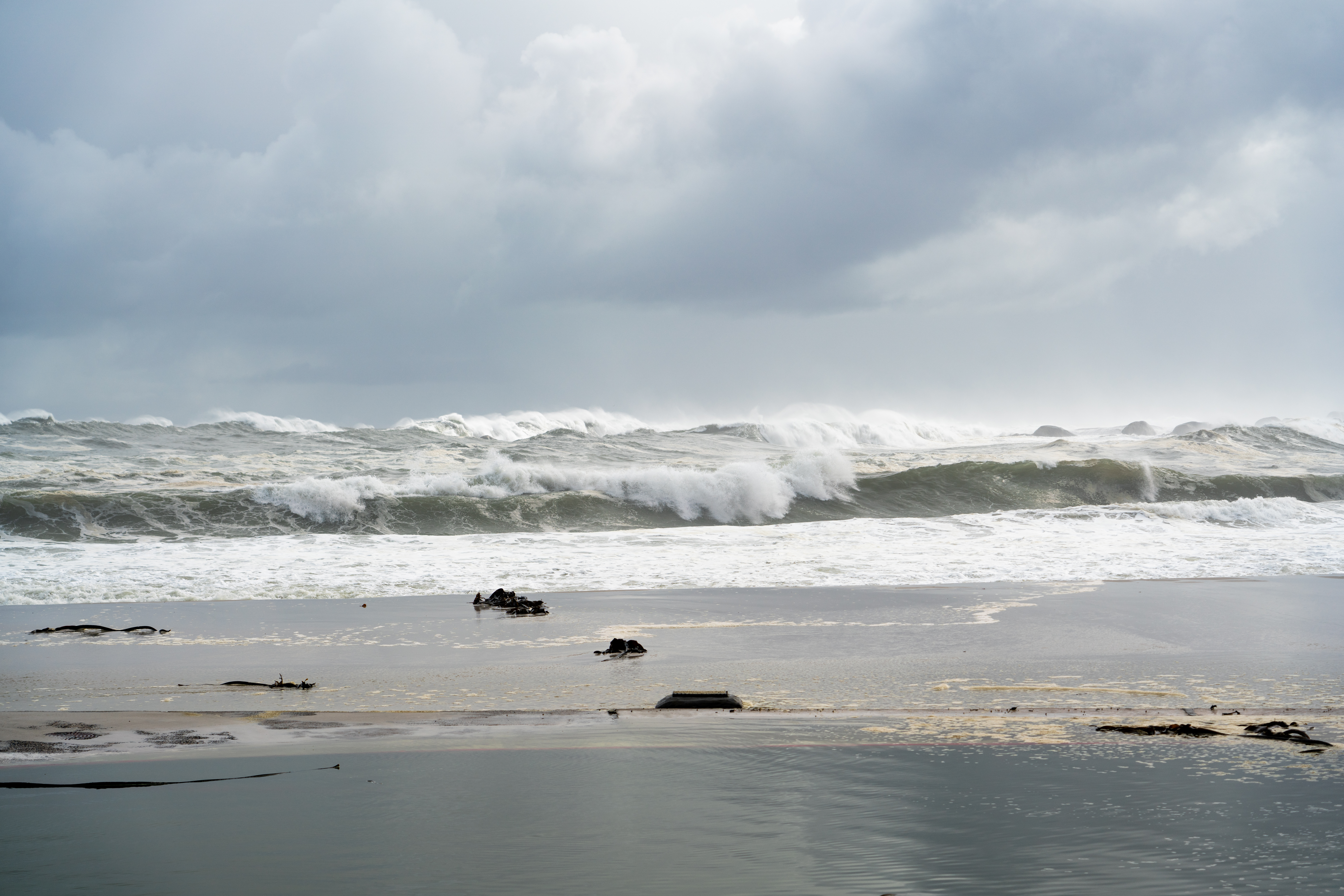
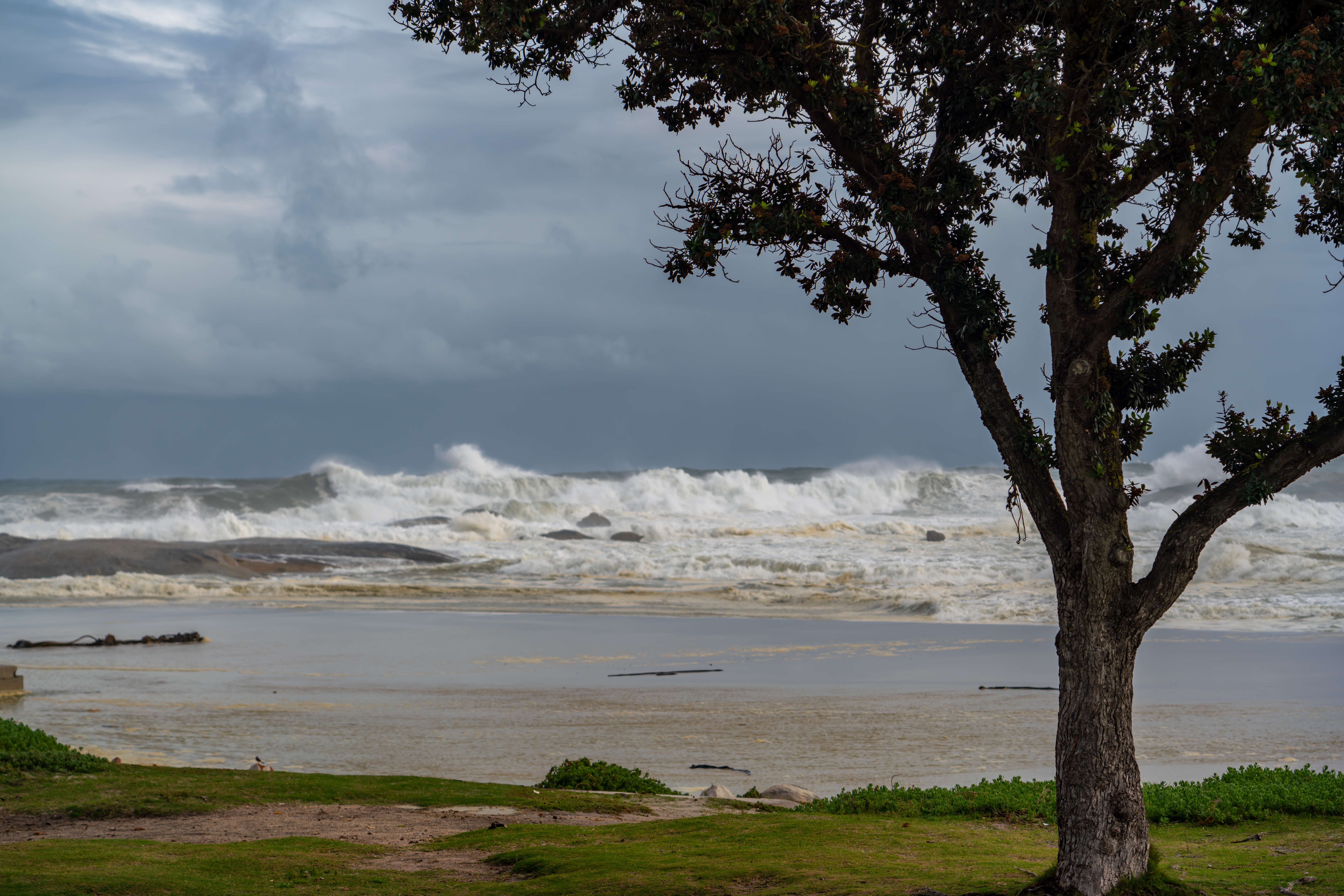
We started out going down to the beach area at Kemp’s Bay. After all of the travel, it was already lunchtime. It was a cloudy day with on and off rainstorms and the water in the bay was all churned up. I have never seen such crazy waves!! We had a lovely beachside lunch and the view was amazing.
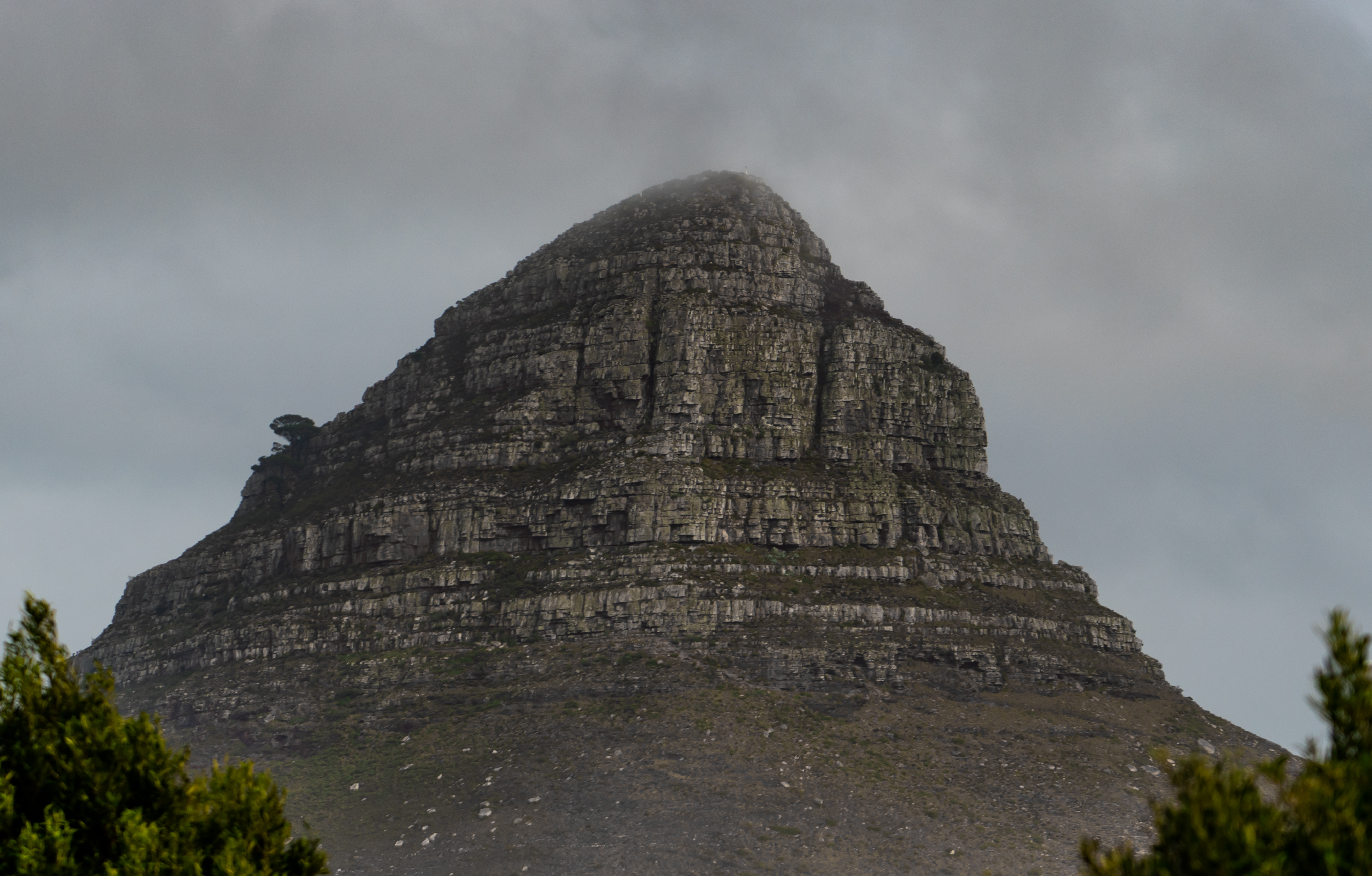
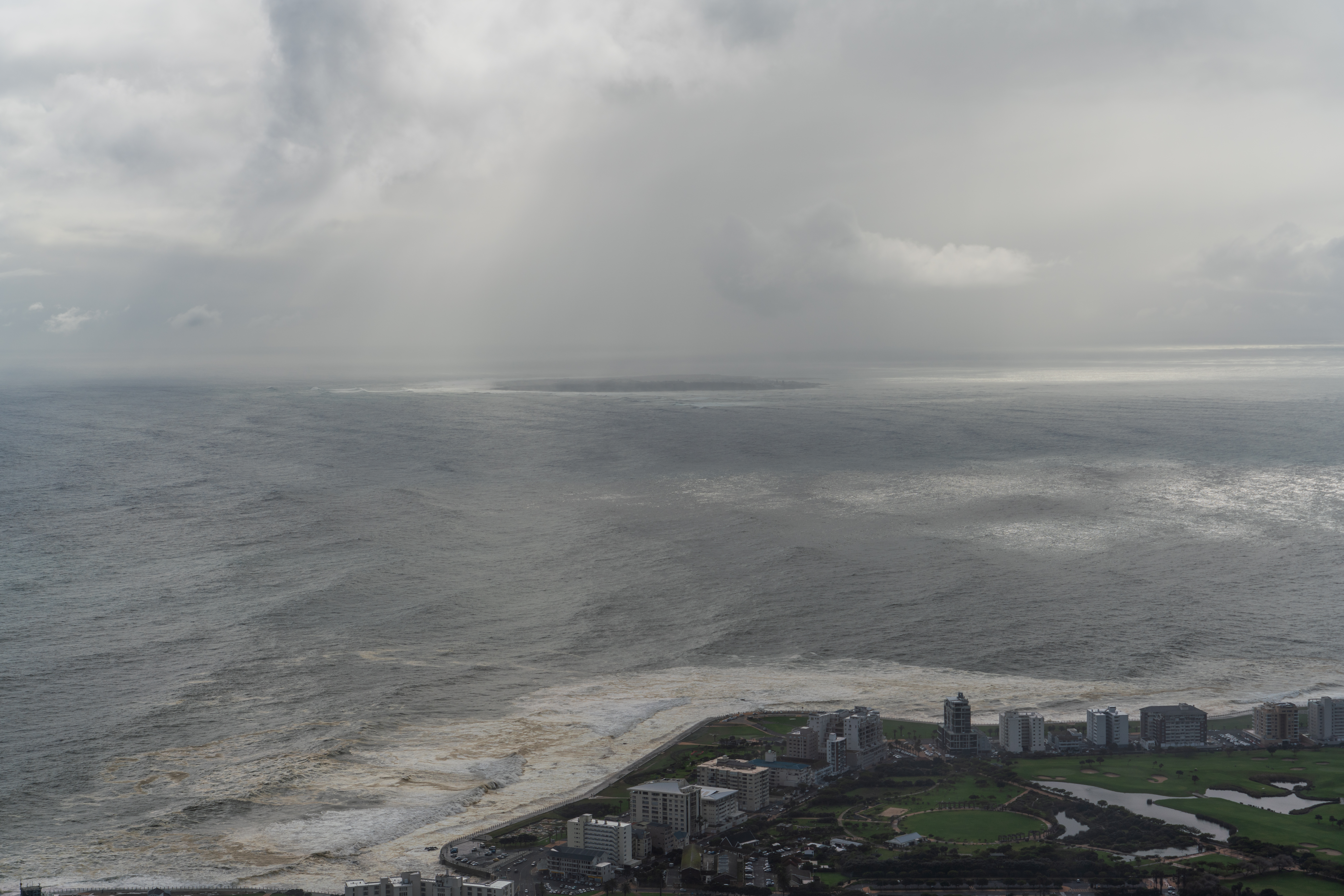
We went from there up the hill near a point known as lion’s head. We had a great view of the city, shoreline, and of Robben’s Island. This is where Nelson Mandela was held for most of the 27 years that he was imprisoned. This island was used as a prison from the late 1600s until after apartheid ended in 1996. It now houses a museum. We were hoping to go there, but they are expecting rough surf the entire time we are here and are not expecting to allow ferries to the island. The island has also been used as a leper colony, as well as military defenses for Cape Town during WWII.
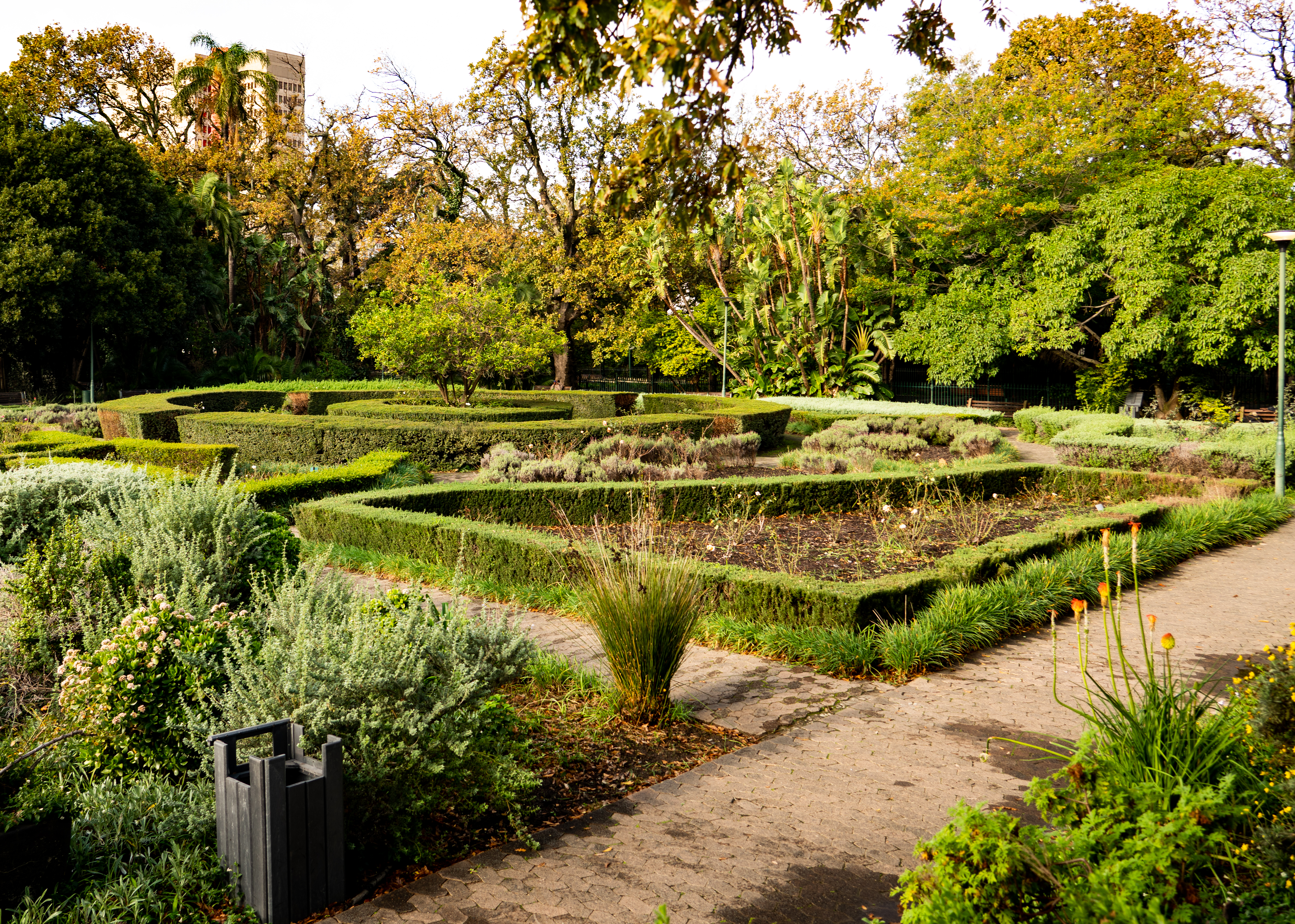
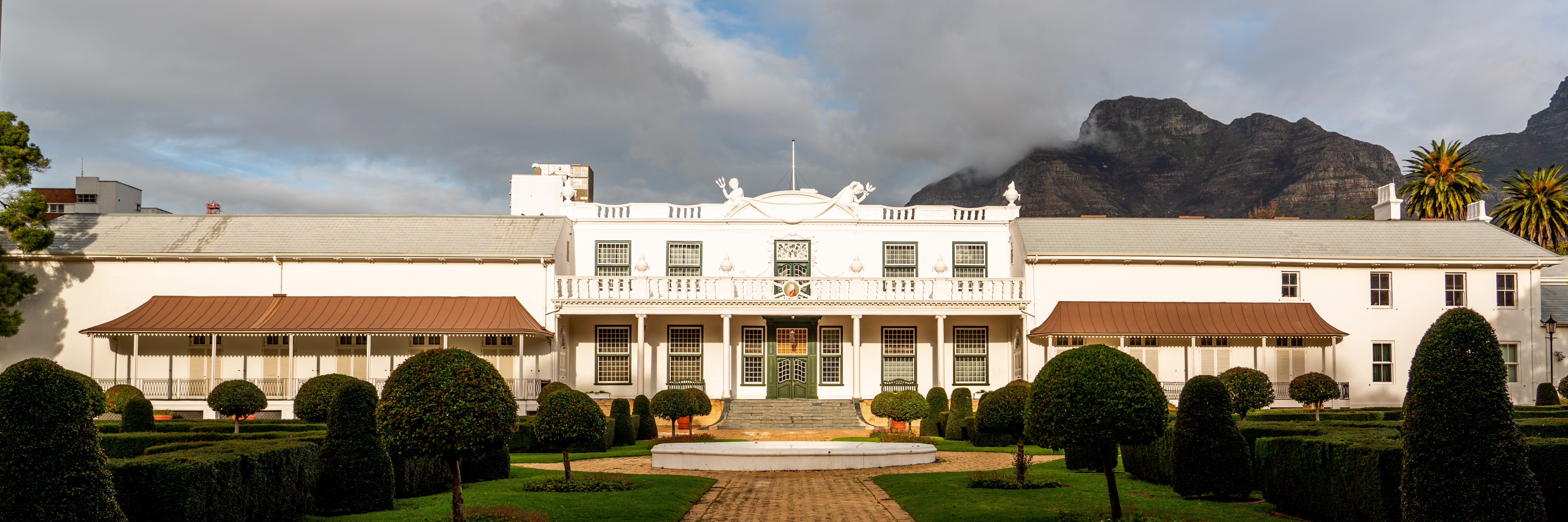
We went to the oldest garden in Cape Town, the Company’s Garden. This is their version of Central Park, and was started by the Dutch East India Company, hence the name. It was established to provide fresh produce for sailors to prevent scurvy and to provide produce for the settlers, so it originally was a vegetable garden. It also housed the very first winery in South Africa. There is still a vegetable garden to commemorate the original one, but the remainder is a park and formal garden. The Parliament is nearby, as is the President’s local offices, along with some museums.
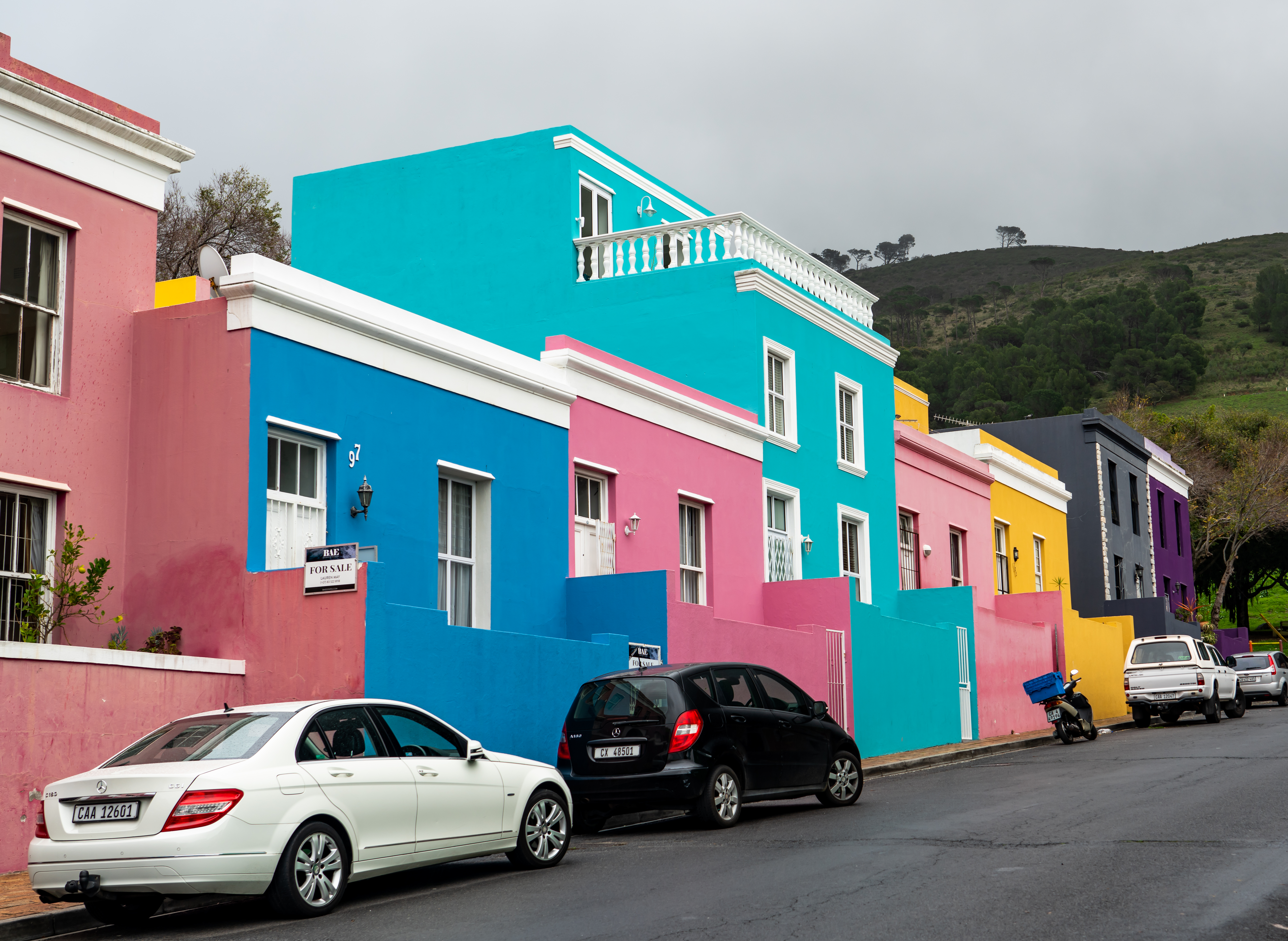
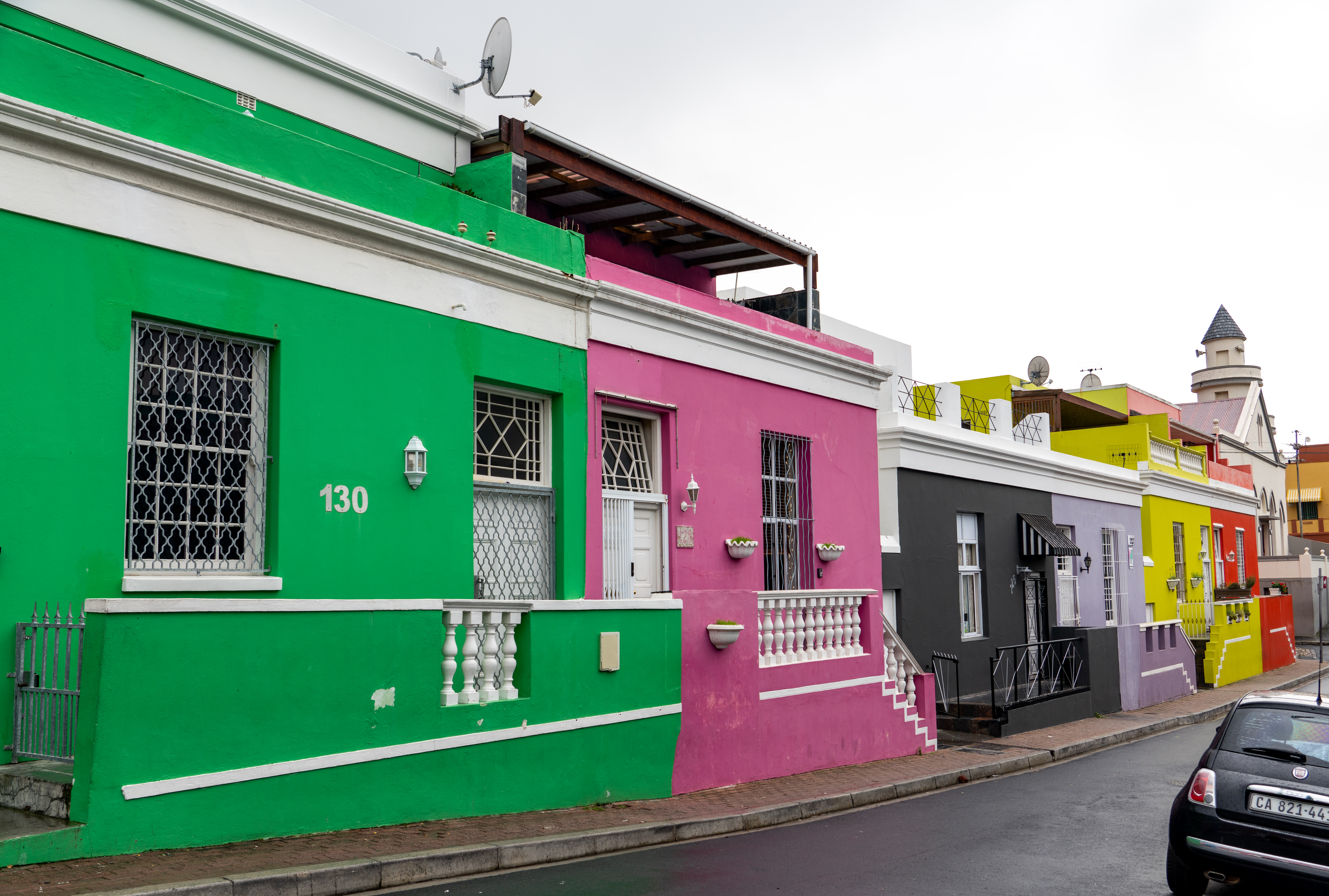
We stopped by the Bo-Kaap area, which used to be known as the Malay Quarter. This previously was a racially and religiously segregated area. In 1760, a Dutch man bought a block of land here and build rental houses which he subsequently rented to slaves, most of whom were from Southeast Asia, frequently Malaysia (hence the Malay Quarter). Most of these slaves were Muslim and they established multiple mosques in the area. After the slaves were emancipated in 1834, others built more rows of rental houses in the area. They began to be painted bright colors, while they had all been white before. Possibly it is because they were happy with their new found freedom, perhaps something else. Either way, the homes are still brightly colored today. The area was kept as Malay only throughout apartheid. Now the area is more diverse, but gentrification has been controversial as it has driven up housing prices in the community. There are attempts to preserve the area, with 19 of the home being National Heritage Sites.
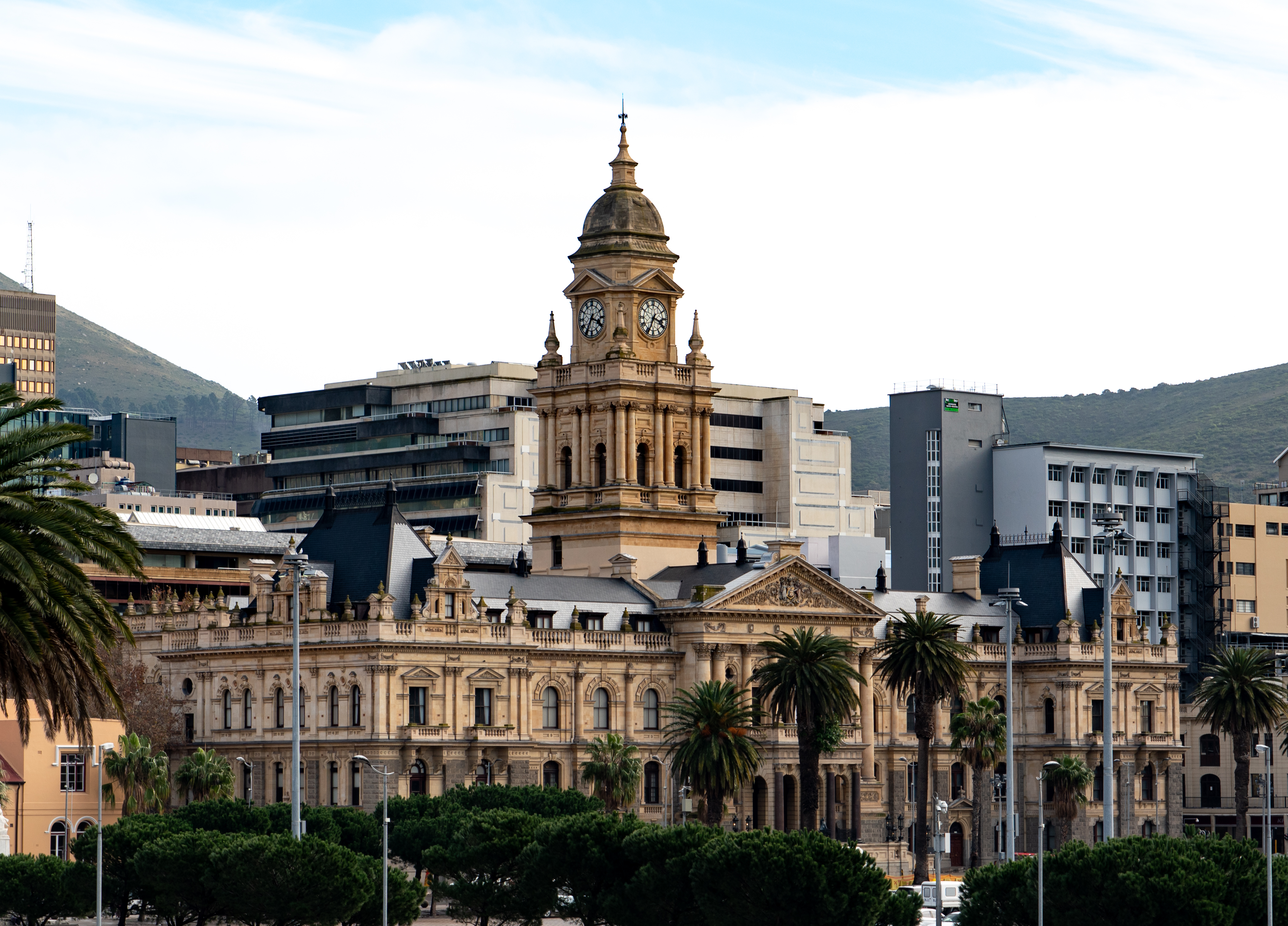
We saw from a distance and drove by (but due to traffic were not able to stop at) city hall. This is an important site because this where Nelson Mandela first spoke after he was released from prison on February 11, 1990.
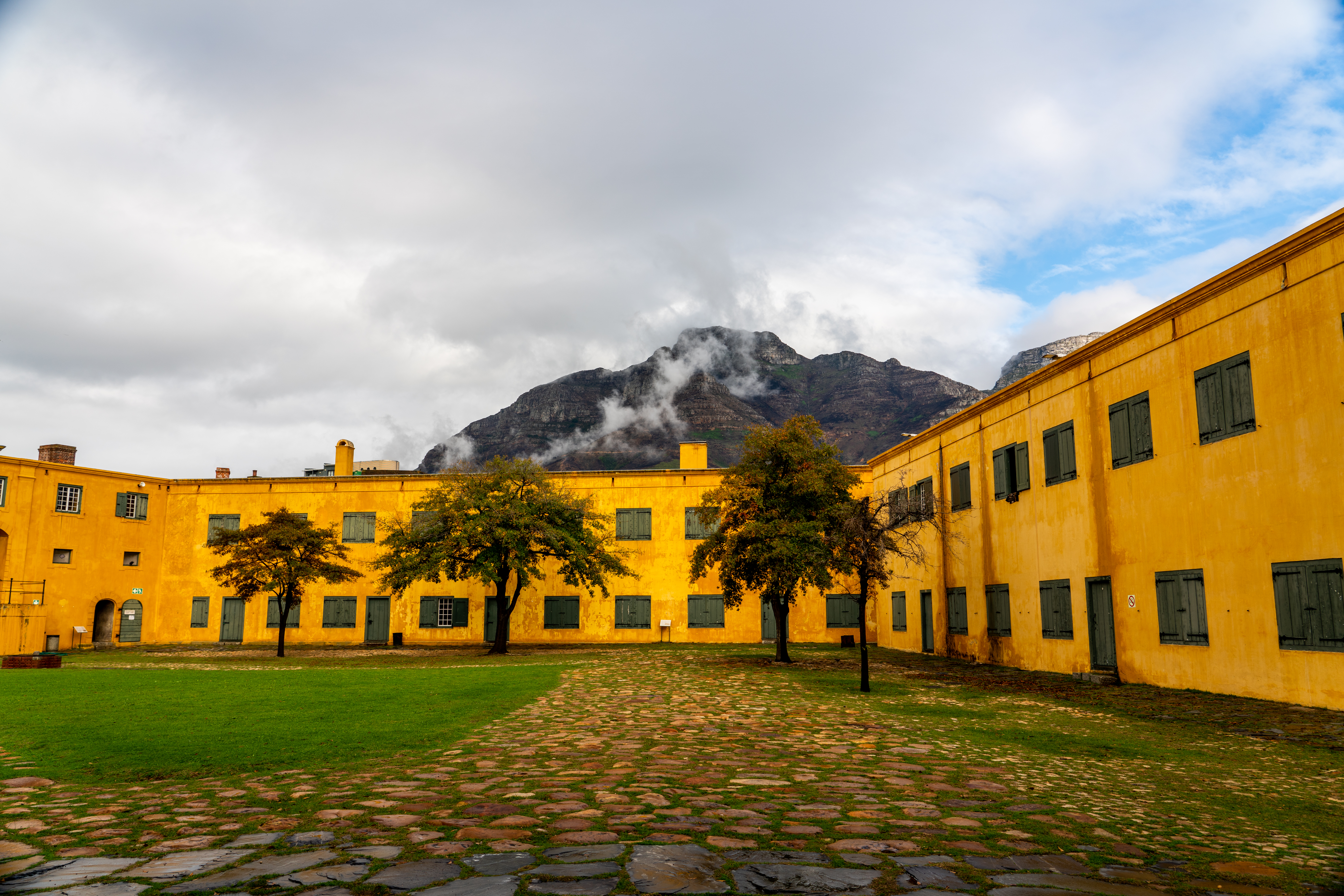
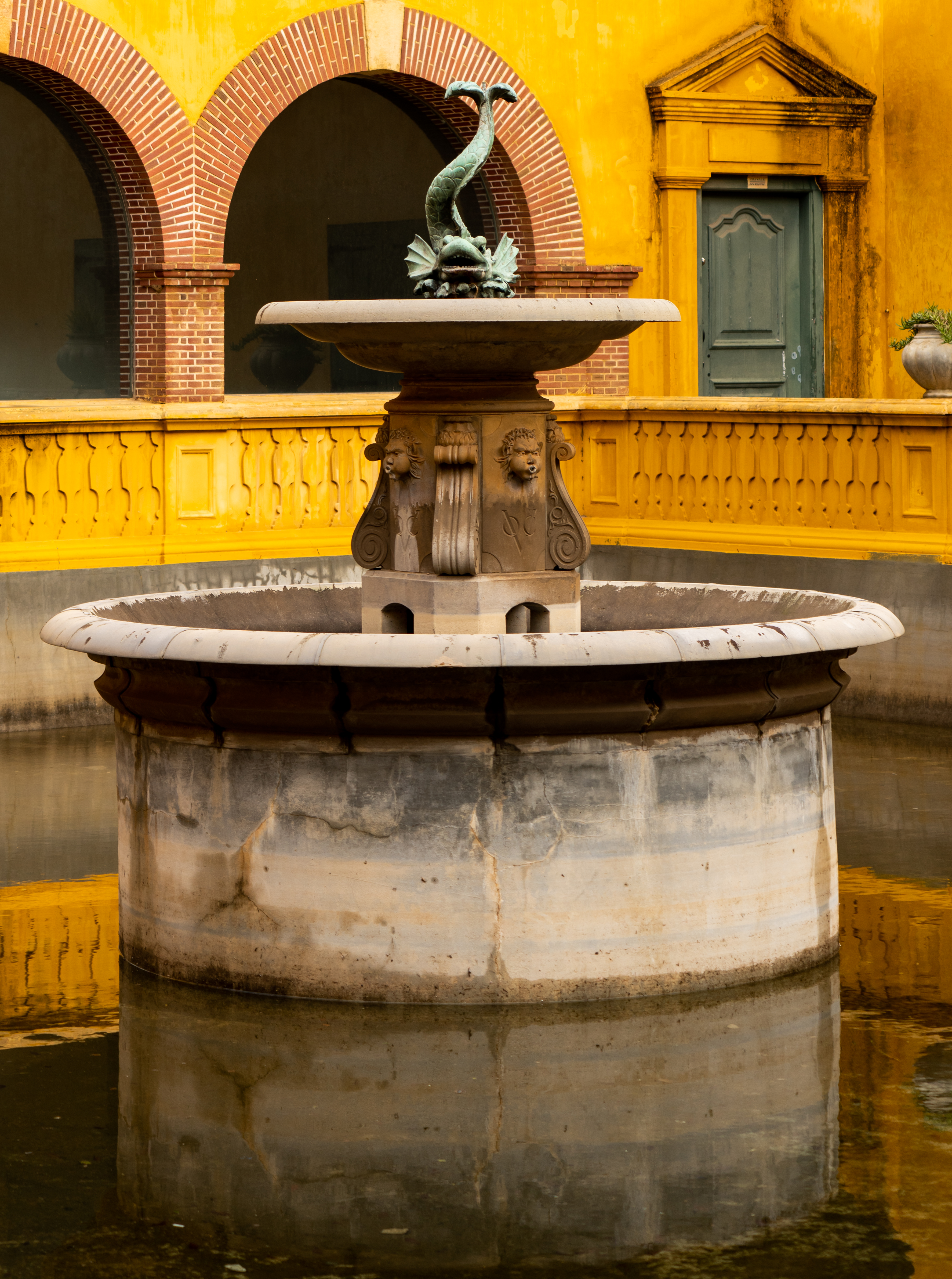
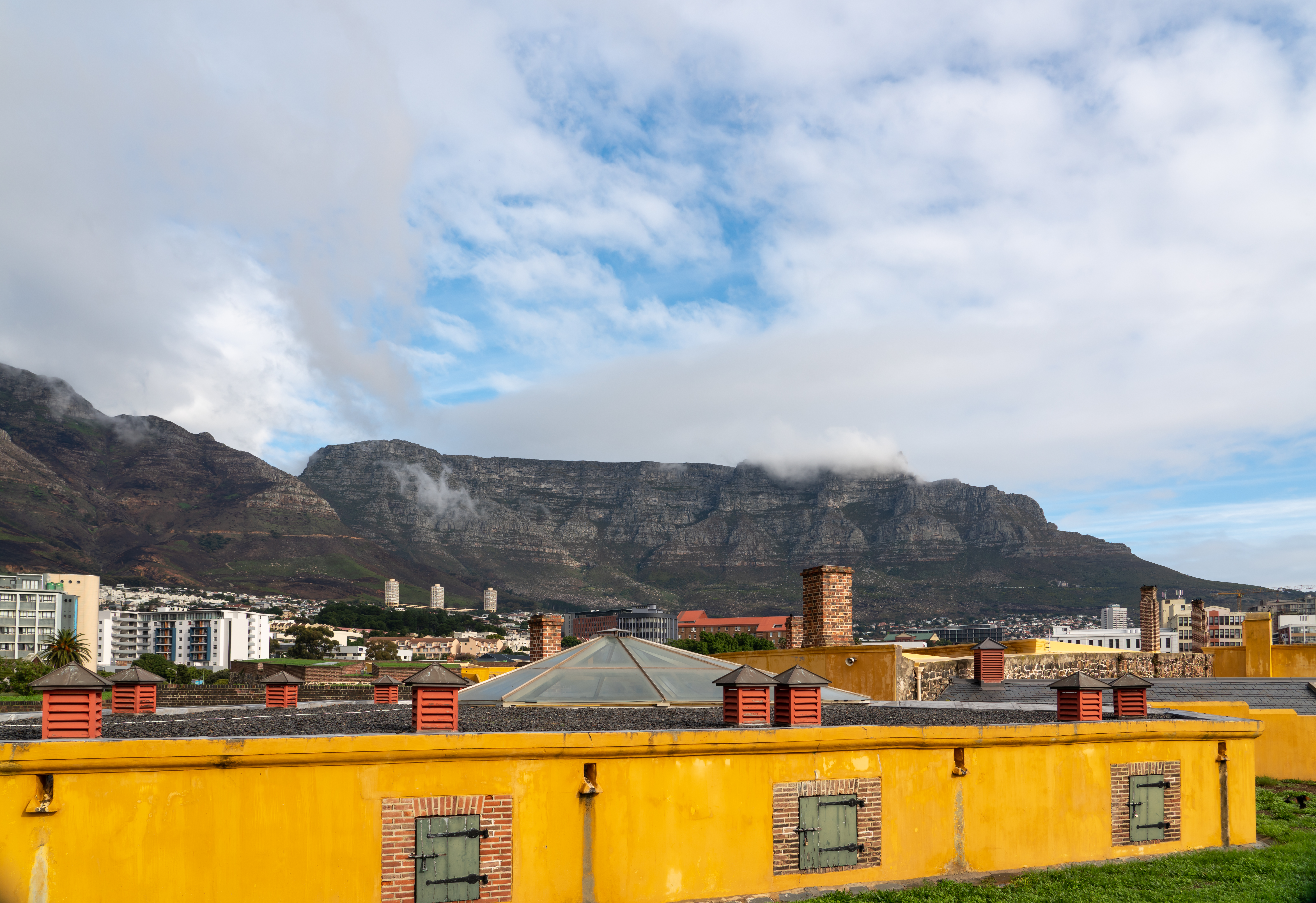
We also made it to the oldest existing building in South Africa. This is the Castle of Good Hope. This is a fort built in the late 1600s by the Dutch East India Company. It originally was on the coastline of Table Bay, but land was reclaimed between WWI and WWII, so now it is inland. It is pentagonal in shape with a wall in the middle added later, for security.
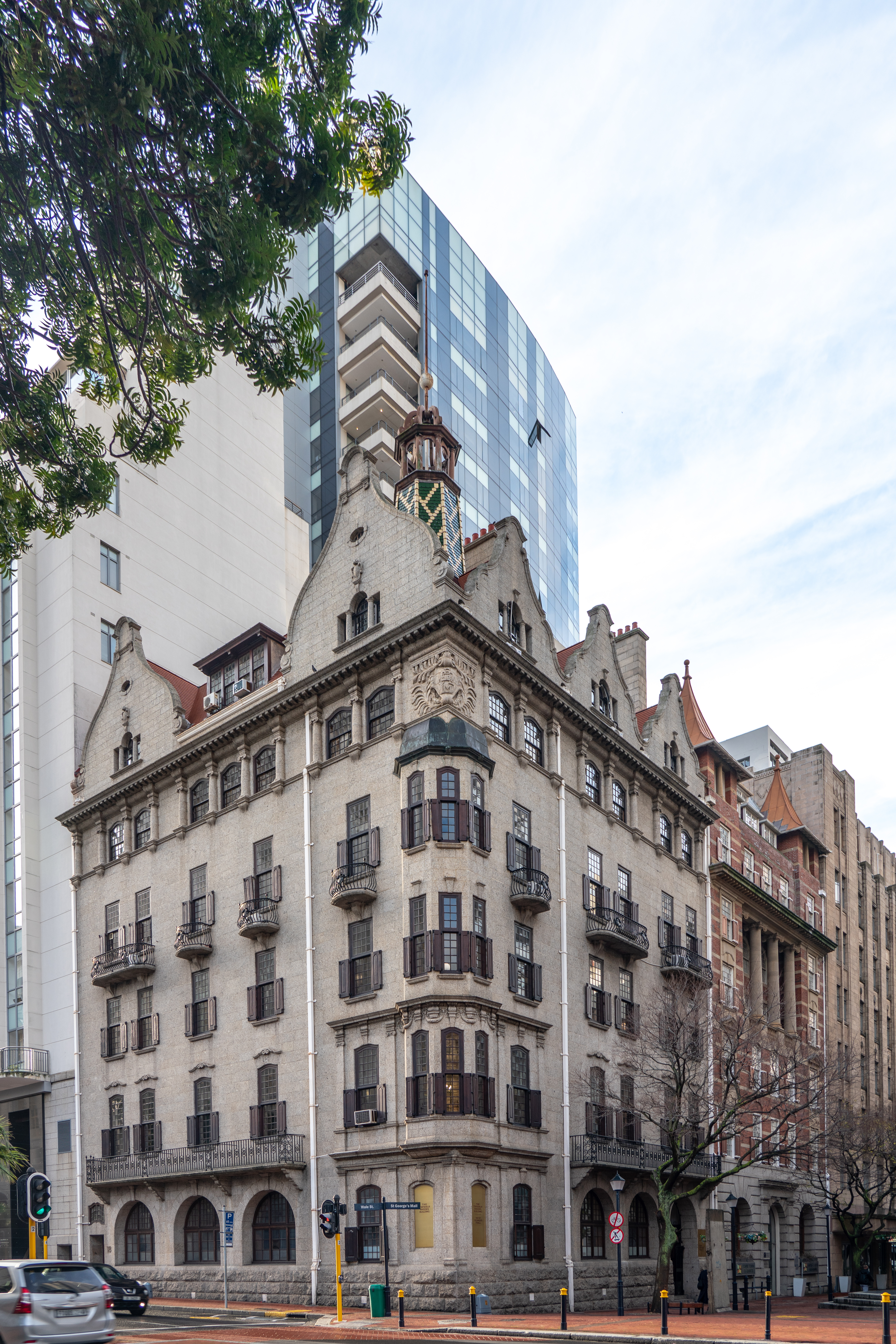
There were some other driving about miscellanea as we were trying to avoid rain. We walked by the Mandela Rhodes building, built by Cecil Rhodes (as in Rhodes scholars) to house his new De Beers corporation in 1903 (he died in 1902 before it was completed) and St George’s Cathedral, where Desmond Tutu was installed as Archbishop of Cape Town. Like many other places, things aren’t fully open here because of COVID-19. There aren’t many tourists here yet, so, as we had to change plans because of the rain, there was a bit of scrambling to figure out what was actually open.


Leave a Reply