
Today we drove out along the coast south and east of Cape Town. The weather forecast was for rain, mostly in the afternoon, in the area, so we were hoping to beat that. Things didn’t go as planned.
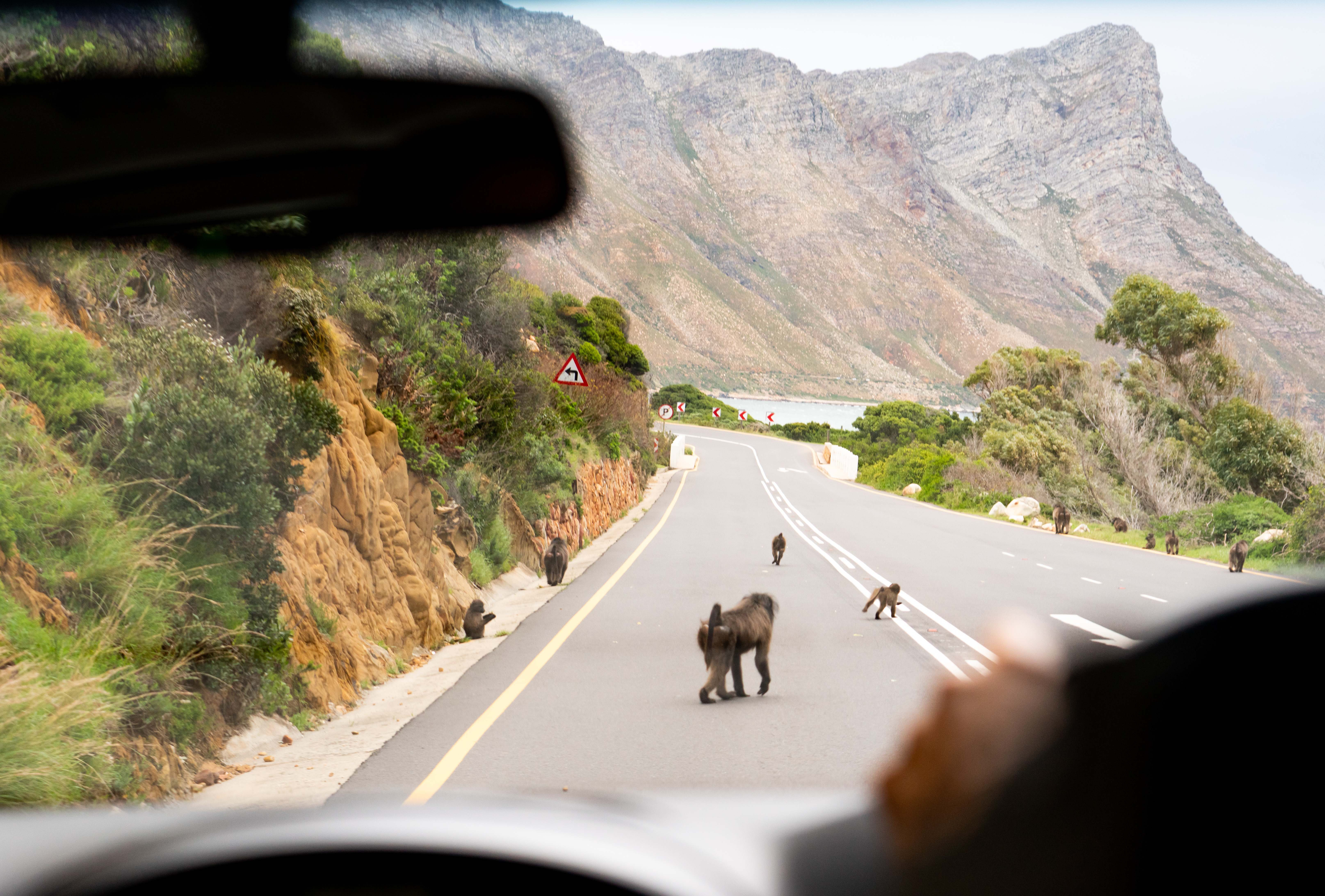
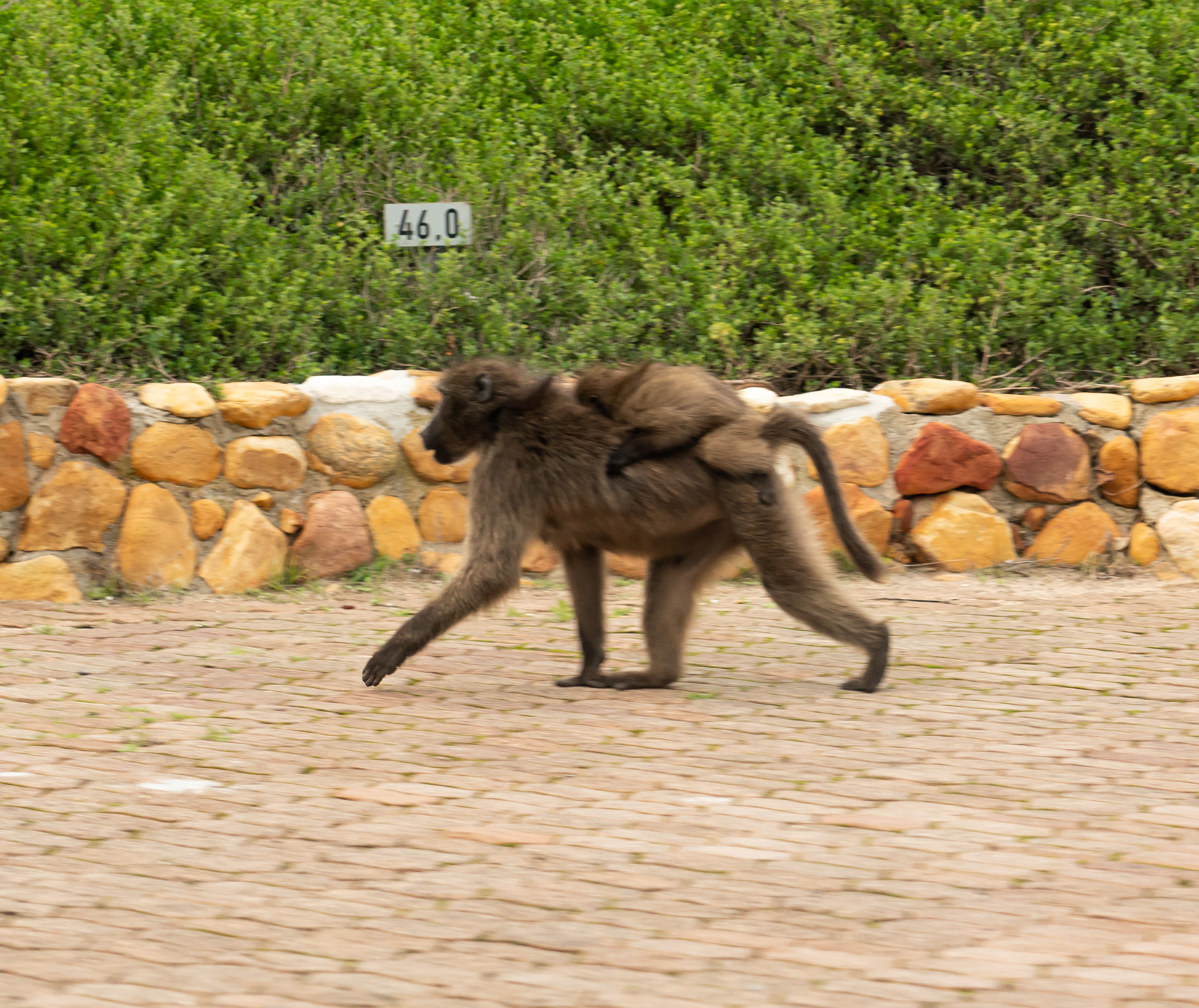
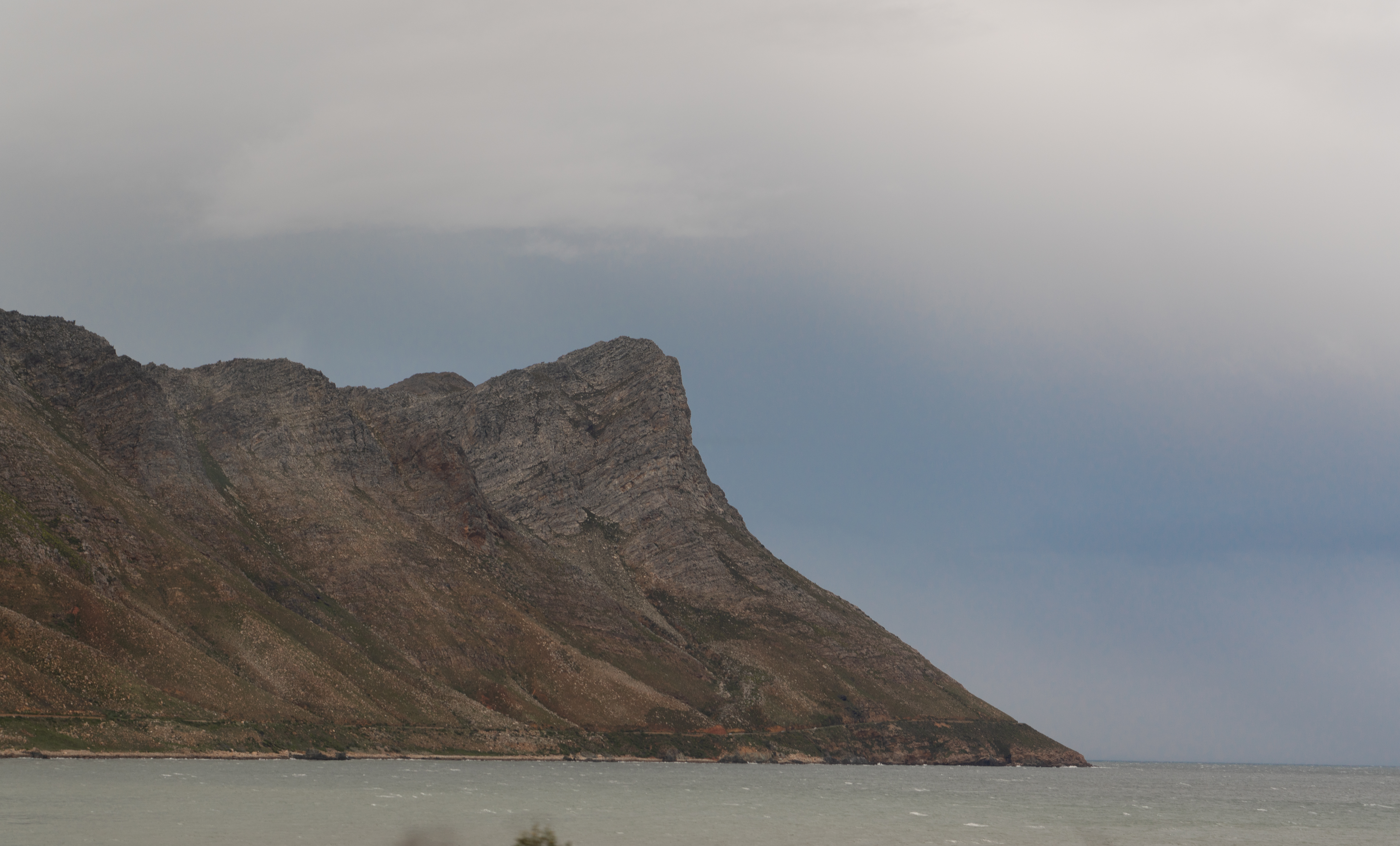
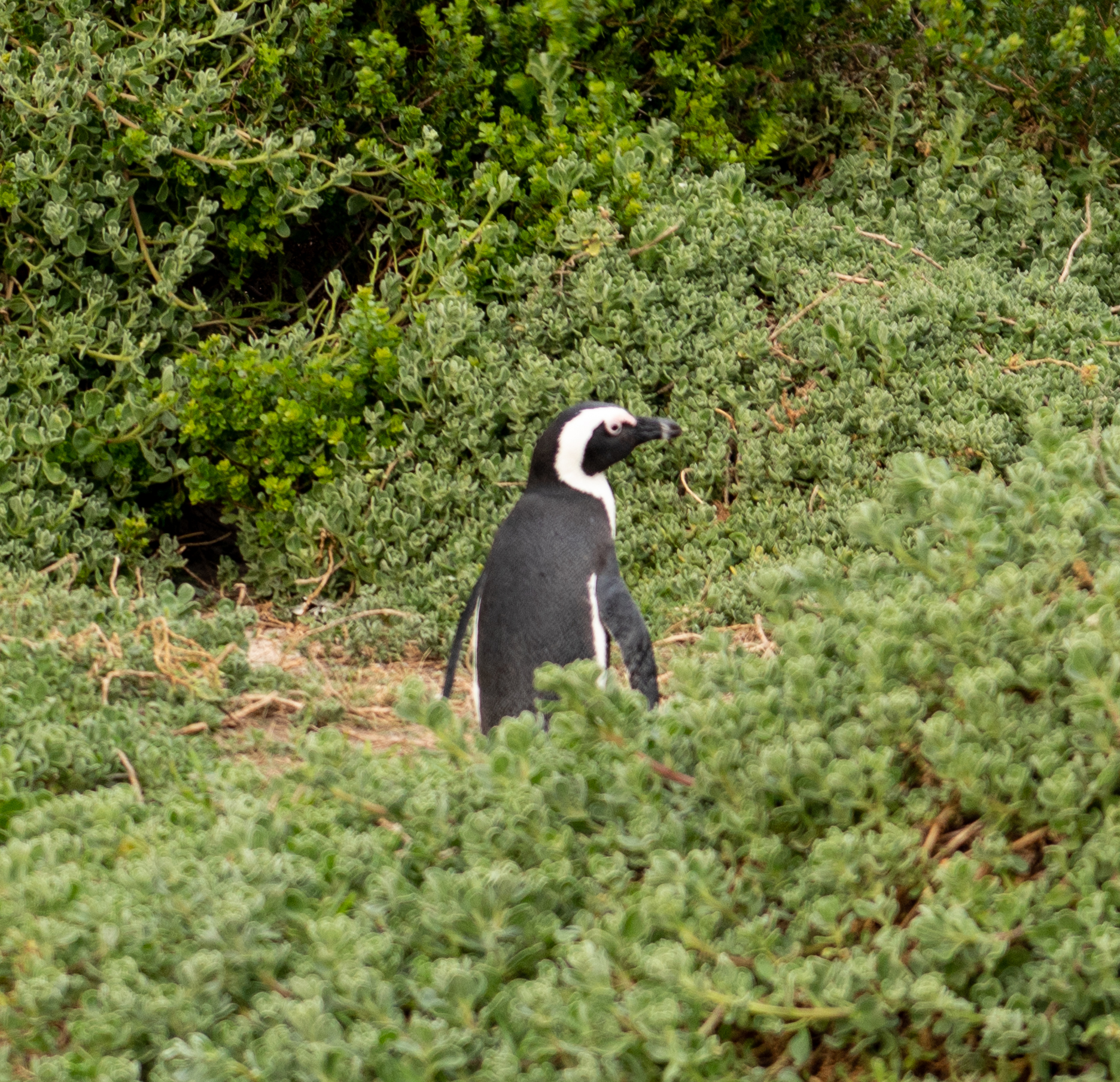
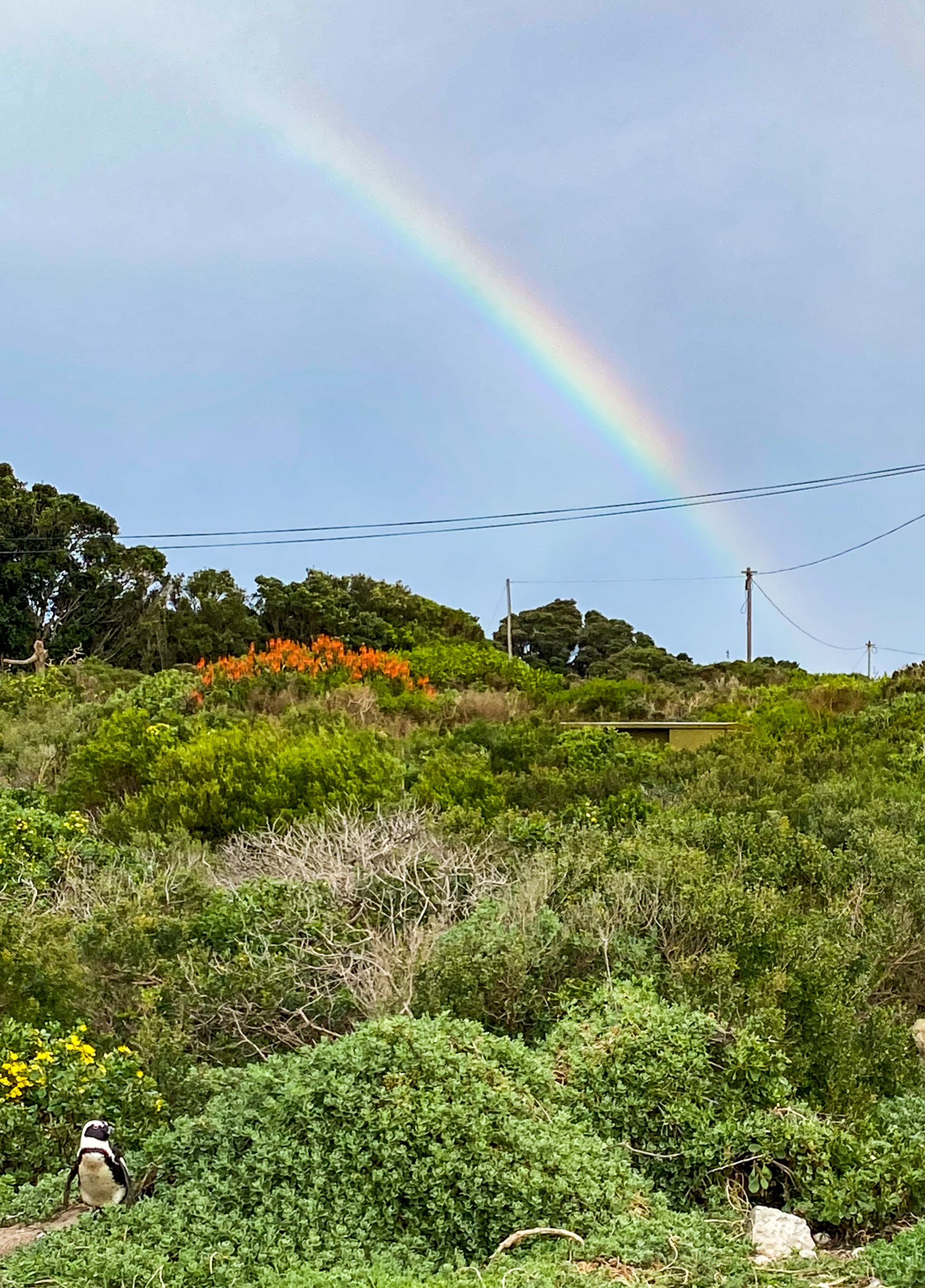
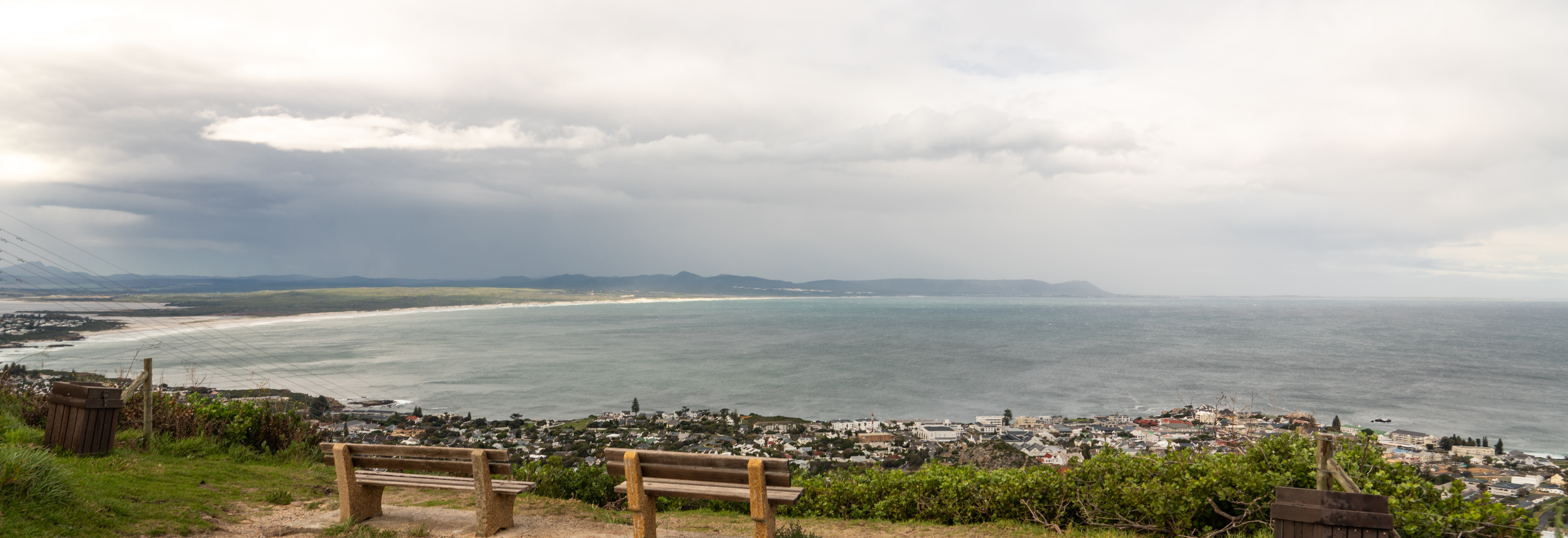
The rain began not long after we started out, so our day turned into mostly driving rather than making stops along the way. We went along Clarence Drive, which is a scenic route that goes from the town of Rooi Els extending to Betty’s Bay along the coast. The winding road seaside is abutted against the Hottentots Hollands Mountains. The views were great despite the rain. We came upon a group of baboons on the road, oblivious to the rain. We were hoping to stop and see a colony of African Penguins at Betty’s Bay, but when we stopped there it began to rain more heavily with stronger wind, essentially raining sideways. We settled for the penguins that had taken up residence near the parking area.
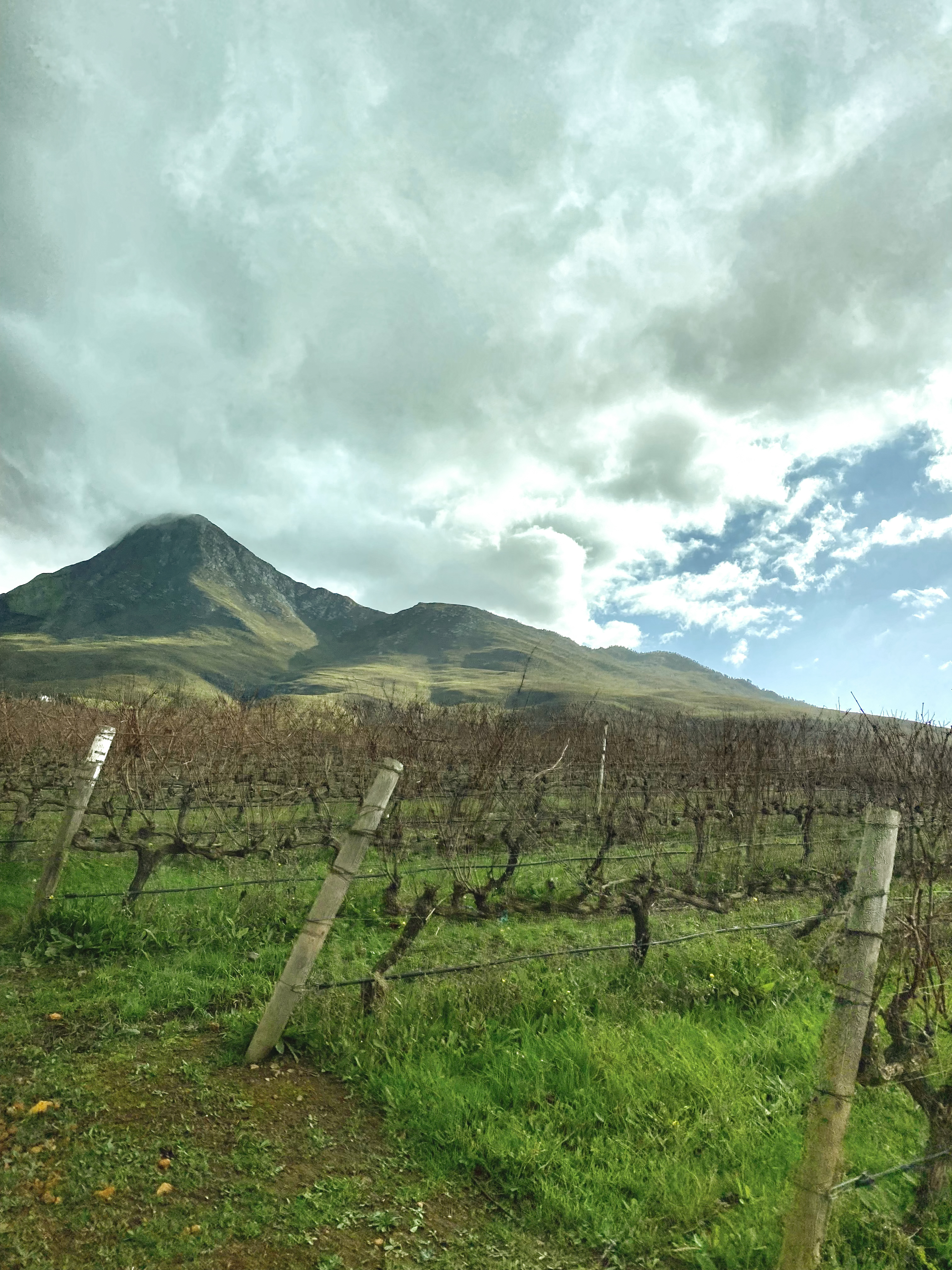
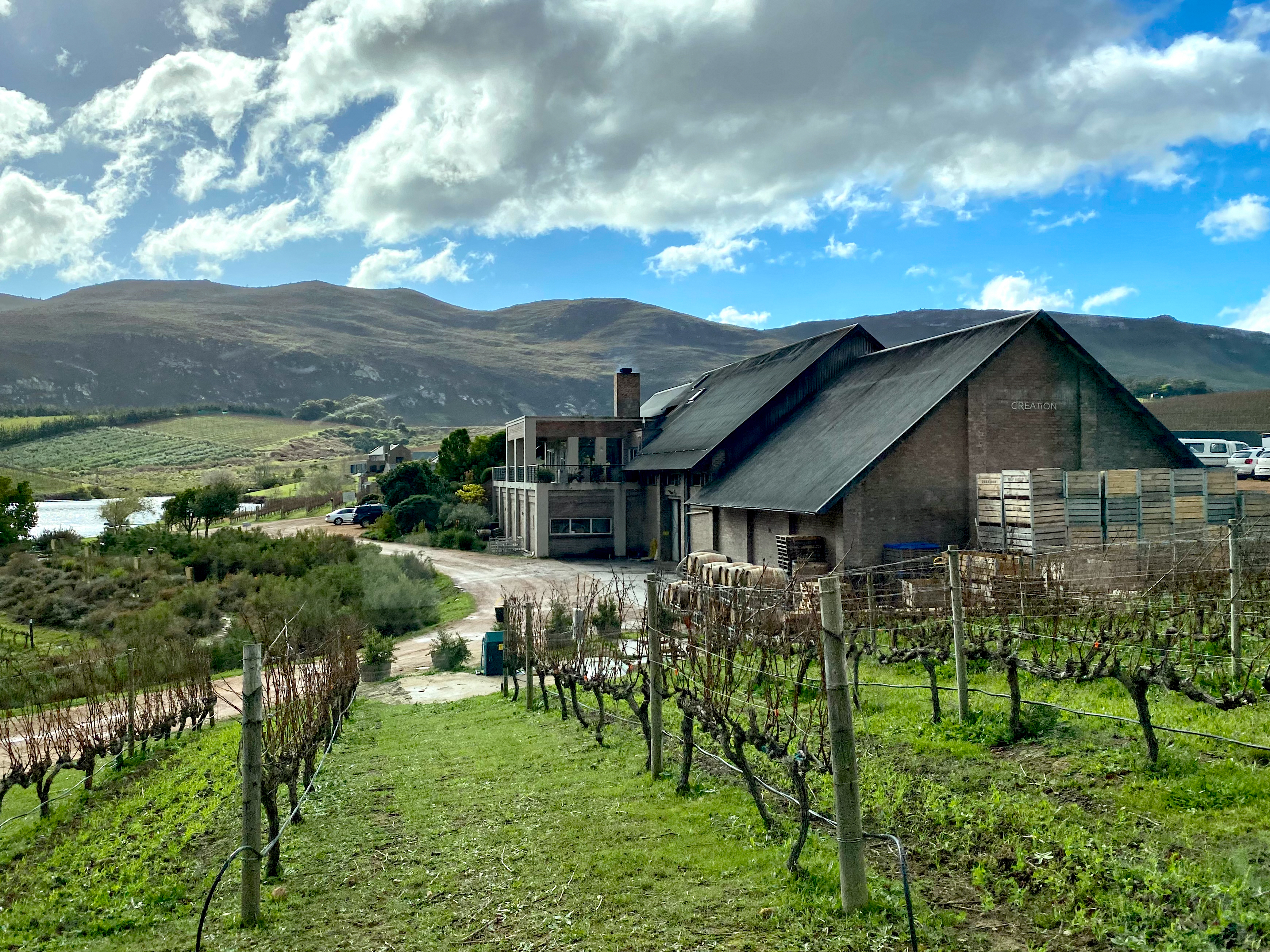
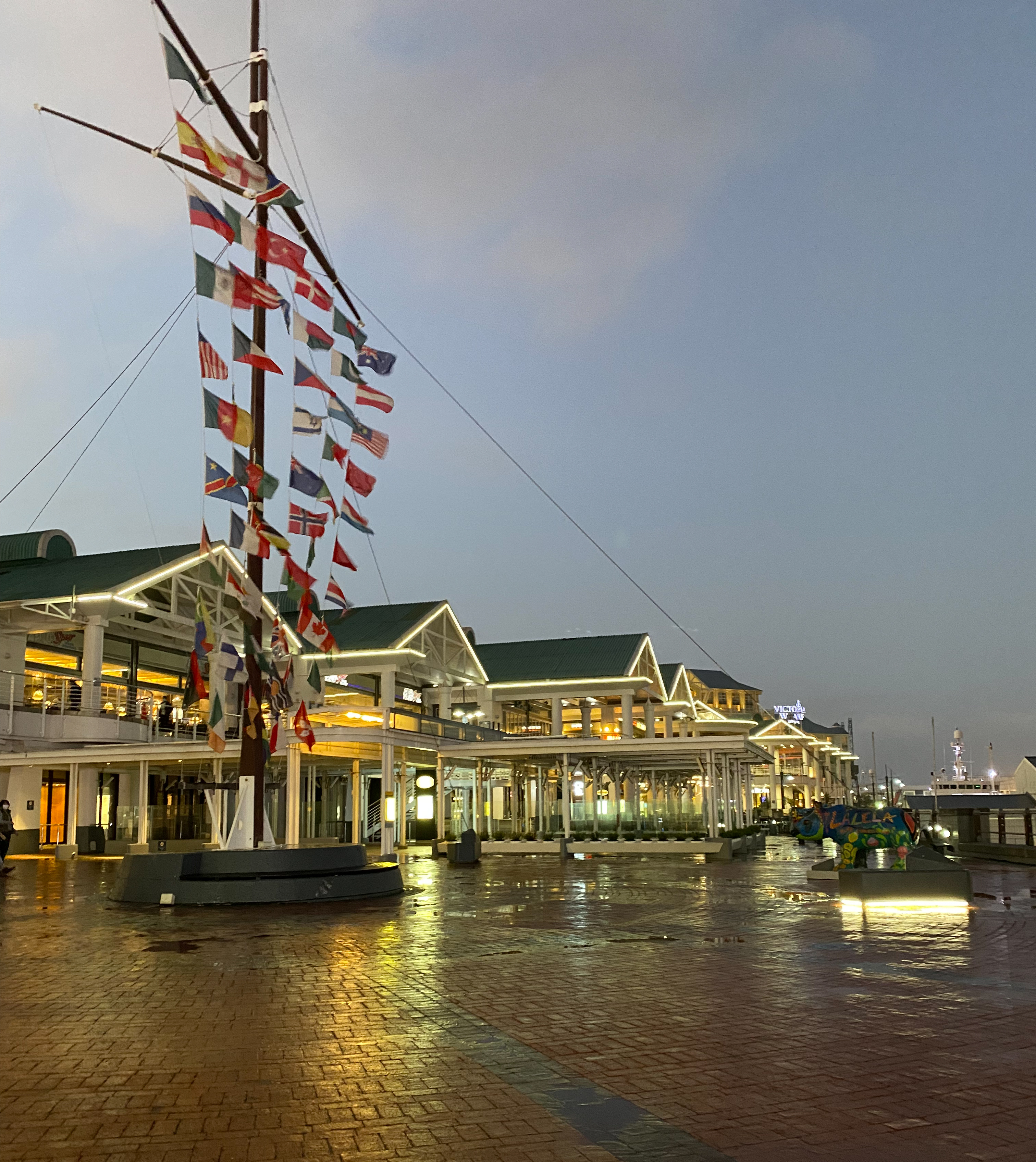
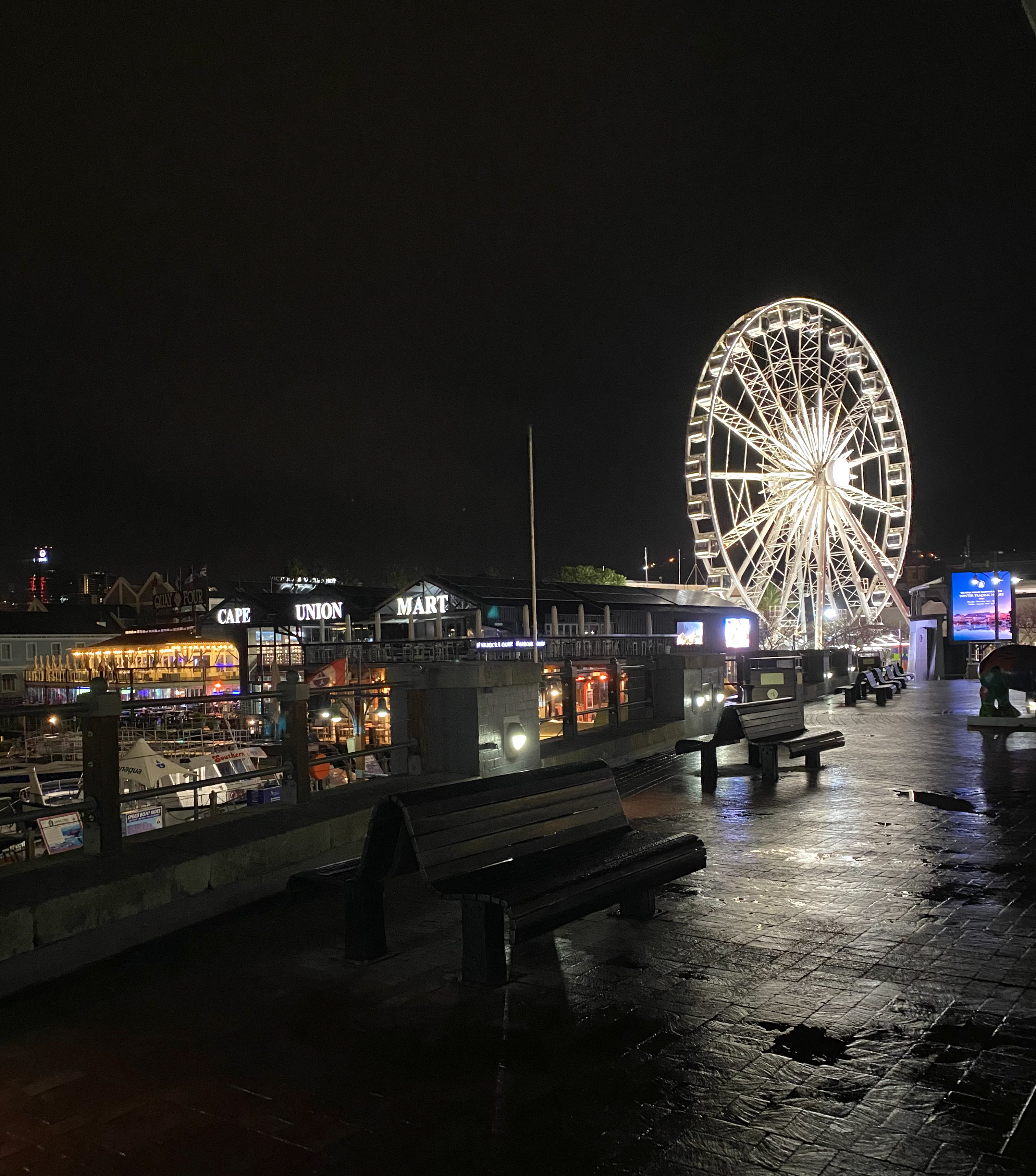
We never managed to have a break in the rain that would last long enough for us to actually get outside to do anything, so we opted to do the only indoor activity in the area: wine tastings. That meant that I did wine tastings and Paul and our guide chatted. We had a good time, and sometimes you just have to go with plan C or D. We ended our day by having dinner at the Victoria and Alfred Waterfront, which has a variety of shops and restaurants.
So, since there isn’t much from today, I am including some some things we chatted about/learned from our guide, who is a white native of South Africa and wanted to give us a local perspective of their history. (in no particular order.)
He was not taught about the South African history of slavery until he went to college. He says it was never mentioned at all. He did not hear of the name Nelson Mandela until he was 20 (he is about 65 now, so was definitely news-aware when Mandela was tried for treason and imprisoned). He says that the government actively blocked all of this information from the general public.
He says they did not have TV until the 70s. (Wikipedia states that TV was introduced to South Africa in 1976!)
Anyone who was not white in South Africa under apartheid was required to have a passbook. This had to be on them at all times under threat of being arrested. These passbooks were used to enforce segregation. They originally were used to control labor, but later they were used to keep non-whites out of cities, essentially outside of day labor. The laws regarding these passbooks were not repealed until 1986. (this is a brief summary of the passbooks and pass laws, but you get the picture).
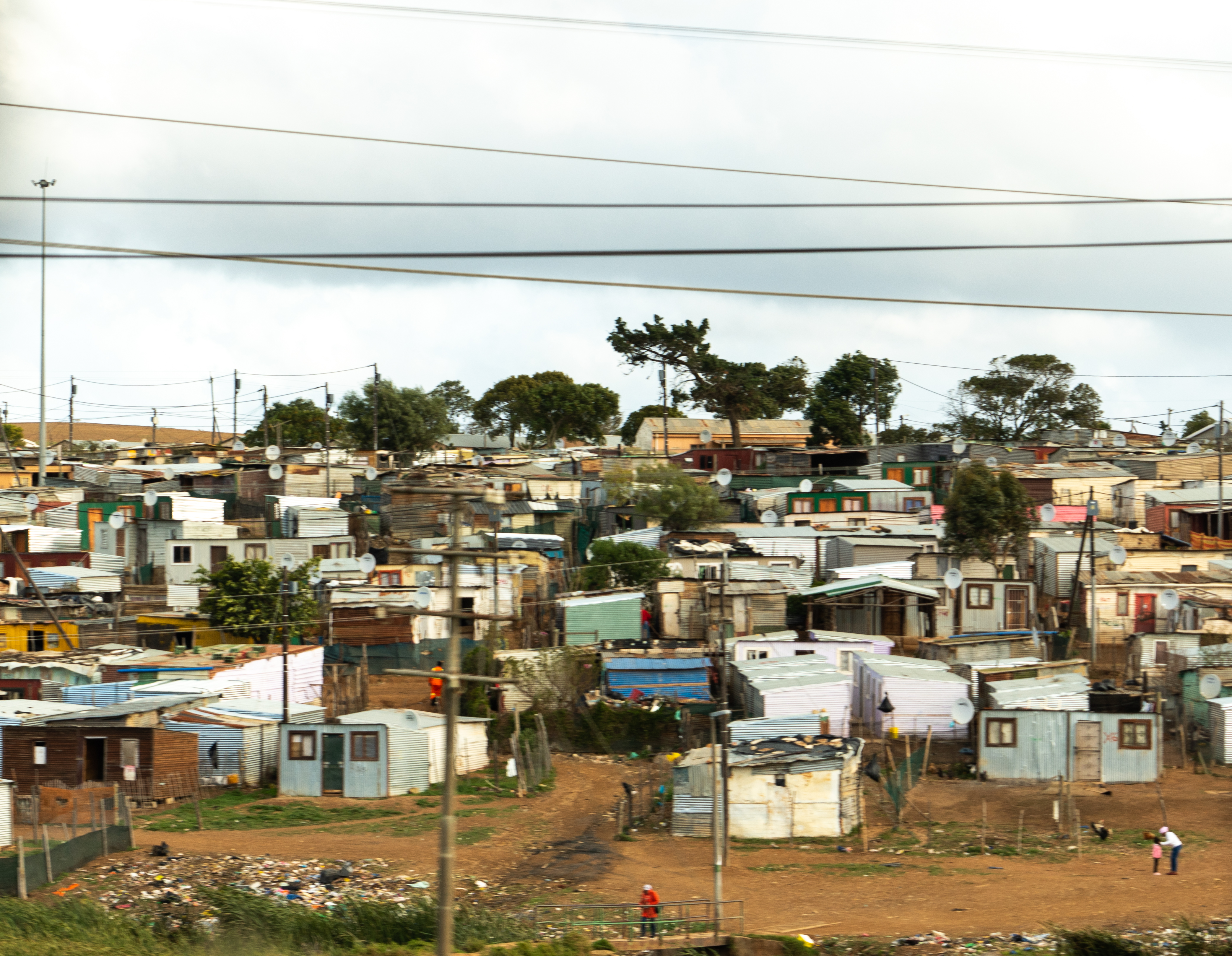
Our guide said that the foreign sanctions against South Africa in the 1980s-1990s really did help pressure the government to end apartheid, as did the lack of investing in anything related to South Africa.
He says that it was an interesting process to have an existing government plan its own demise when they dismantled apartheid and planned for an entirely new constitution.
We definitely have a different perspective hearing about all of this from the outside and I think it is beneficial to hear from the people who actually lived through all of it, no matter which side they were coming from, to hear their views.
Tomorrow morning we fly to Kruger National Park to begin our safari.


Leave a Reply