We spent today in Cairo.
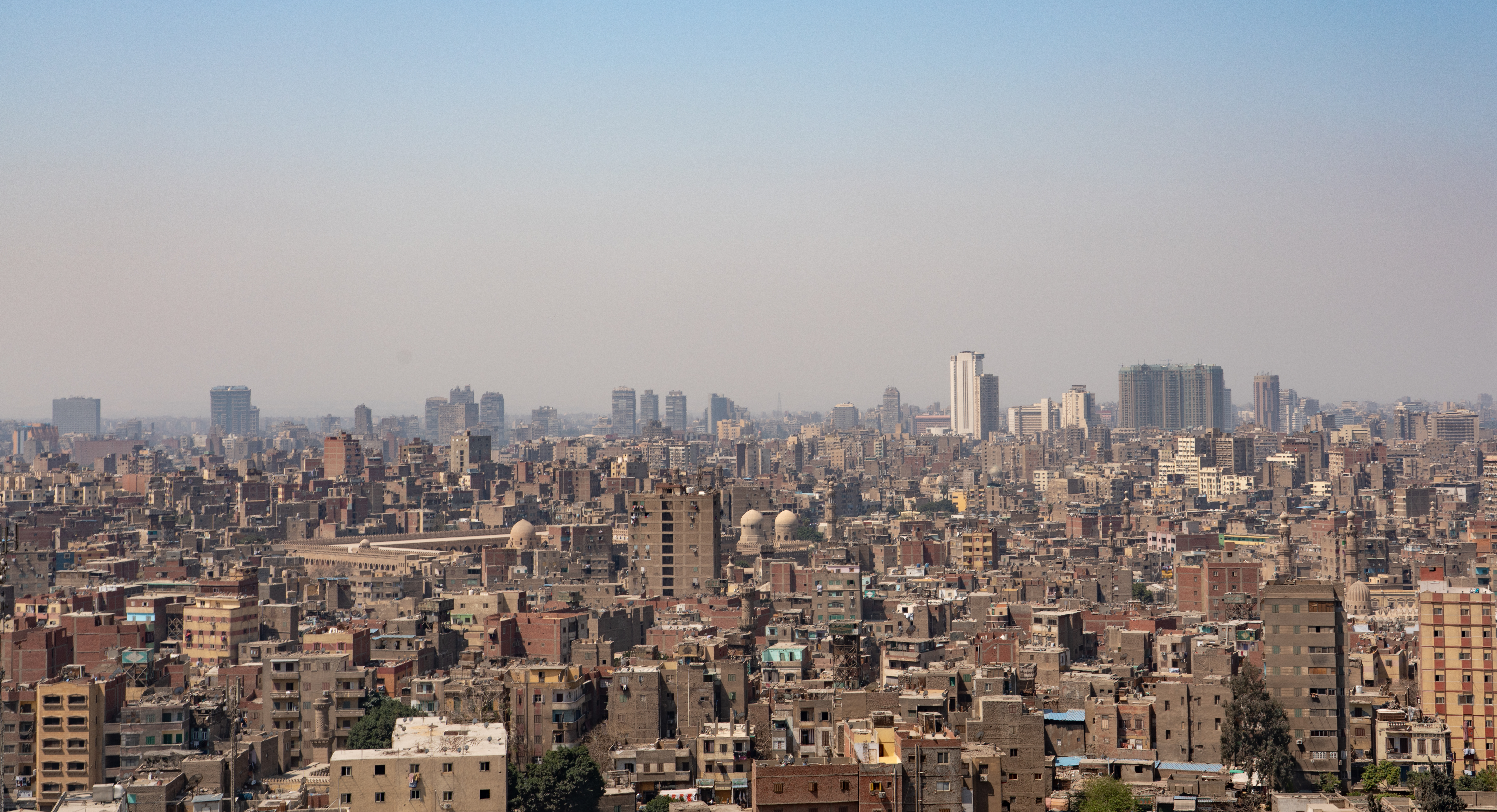
Cairo, situated on the Nile, is the capital of Egypt. It is the largest city and of all of the Arab world, with 20-22 million people living here. Egyptians don’t call the city Cairo, but instead call it Masr, which is its Egyptian Arabic name.
Egypt is in the process of moving their capital to a new, currently unnamed city 28 miles east of Cairo. The city began being built in 2015 and is essentially ready to be occupied, with some city functions already being moved over starting last December. The hope is that this new city will alleviate some of the congestion in Cairo.
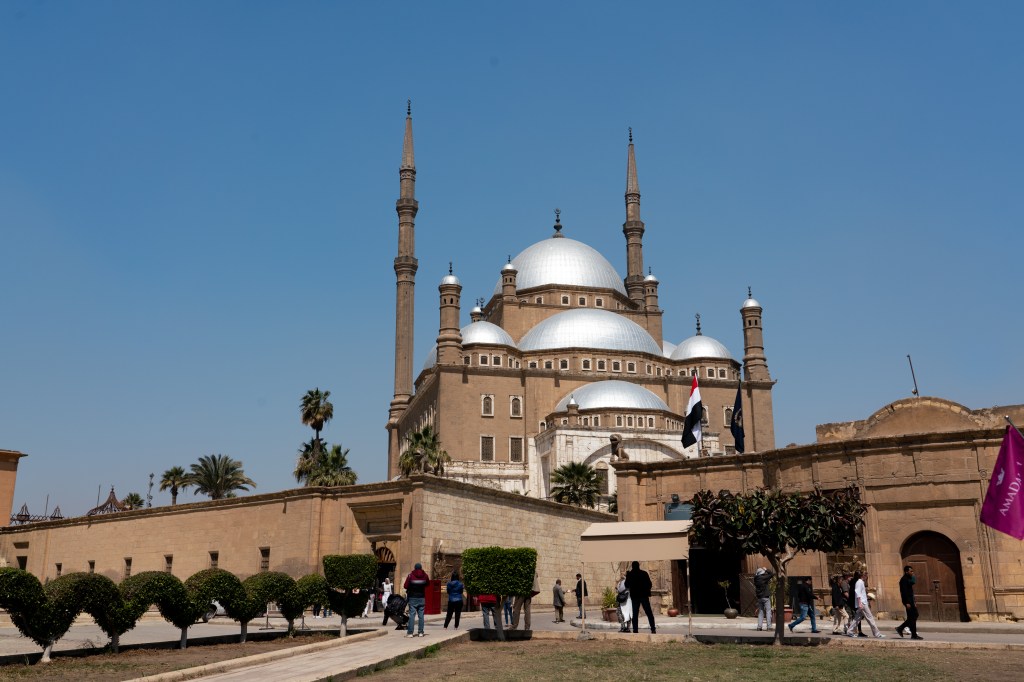
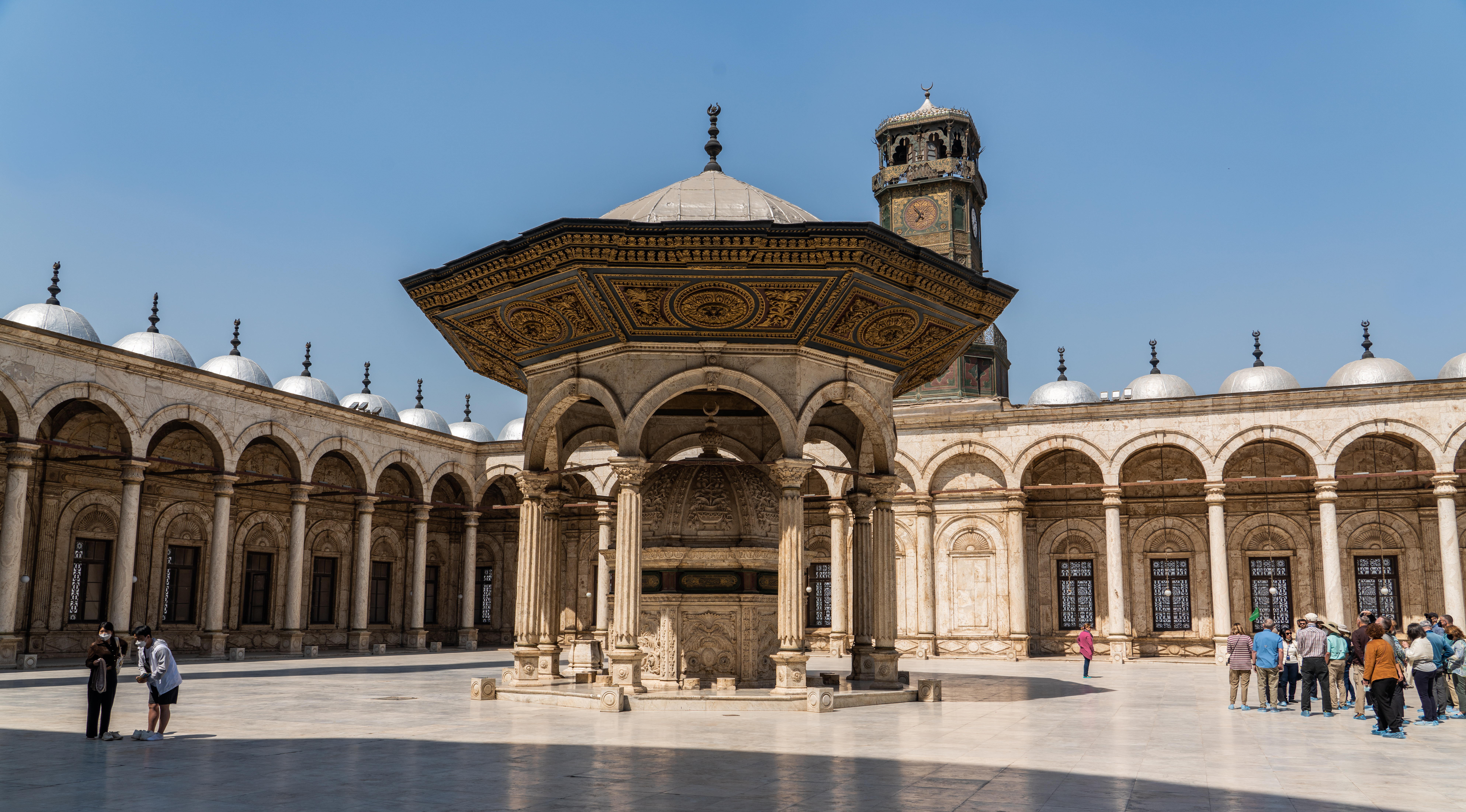
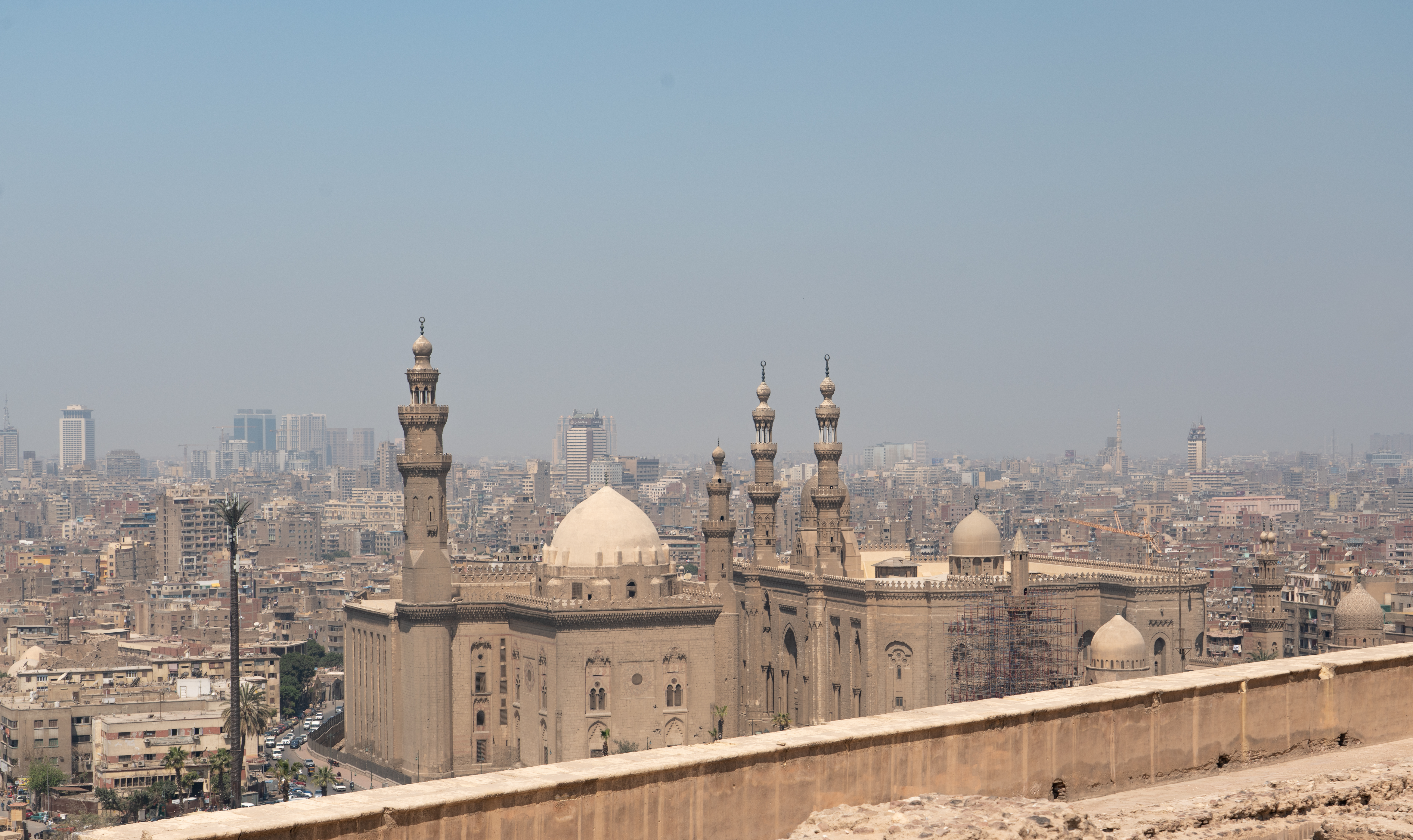
We began the morning at Saladin Citadel, also known as the Citadel of Cairo. This was the seat of government in Egypt and the residence of its rulers for nearly 700 years from the 13th to the 19th centuries.
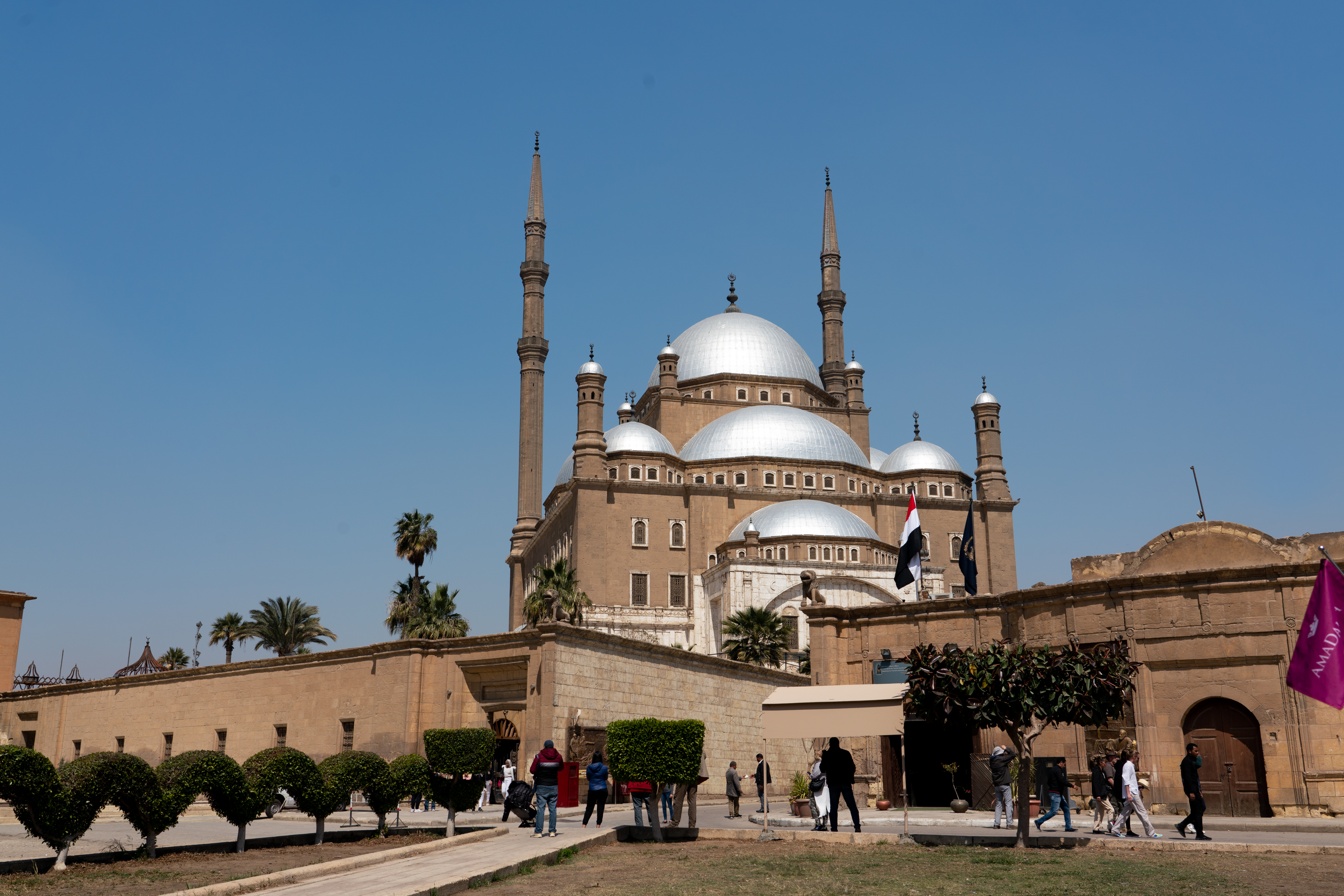
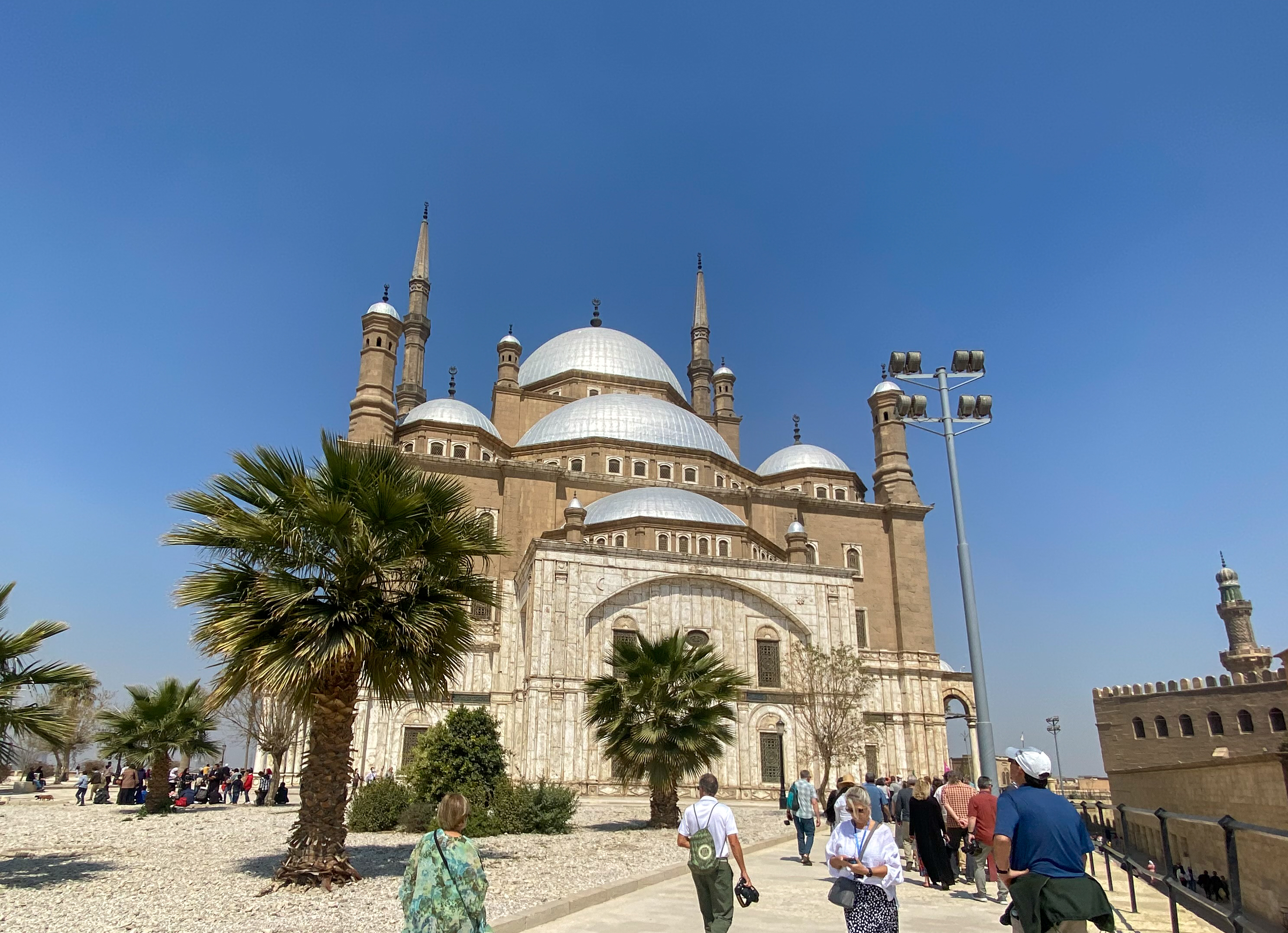
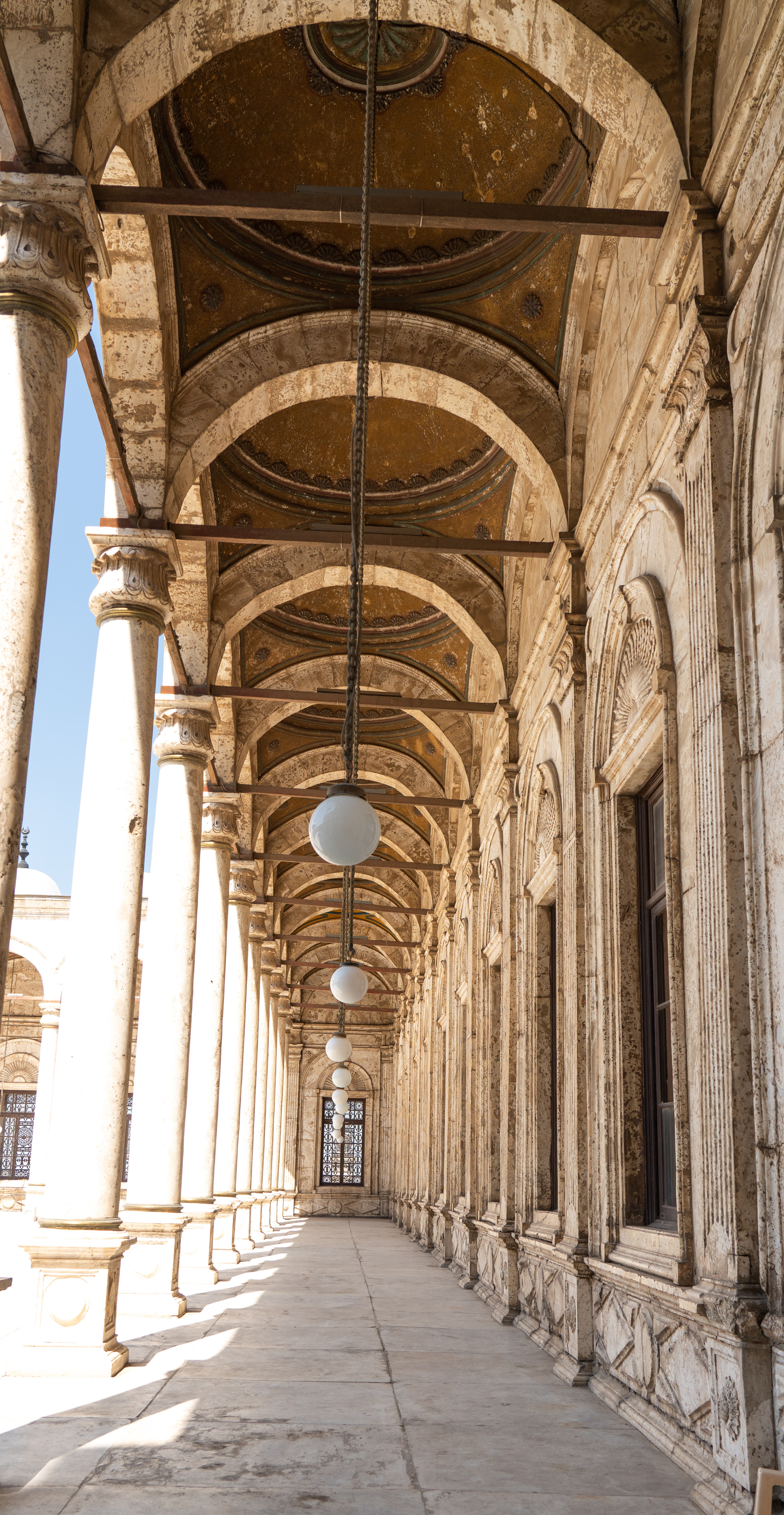
Construction was begun in 1176 by Saladin, the sultan of Egypt and Syria and an important figure in the Third Crusade. It underwent major later development. The site includes multiple mosques, including the Mosque of Muhammad Ali, which we visited. This was built in the 2nd quarter of the 19th century in memory of Muhammad Ali’s son. The outside of the mosque is limestone with the lower stories covered in alabaster tile. In the courtyard there is a brass clock (which has reportedly never worked properly) that was given to Muhammad Ali by King Louis Philippe of France in 1845. In return Muhammad Ali gave the king the obelisk of Luxor that currently stands in Place de la Concorde in Paris.
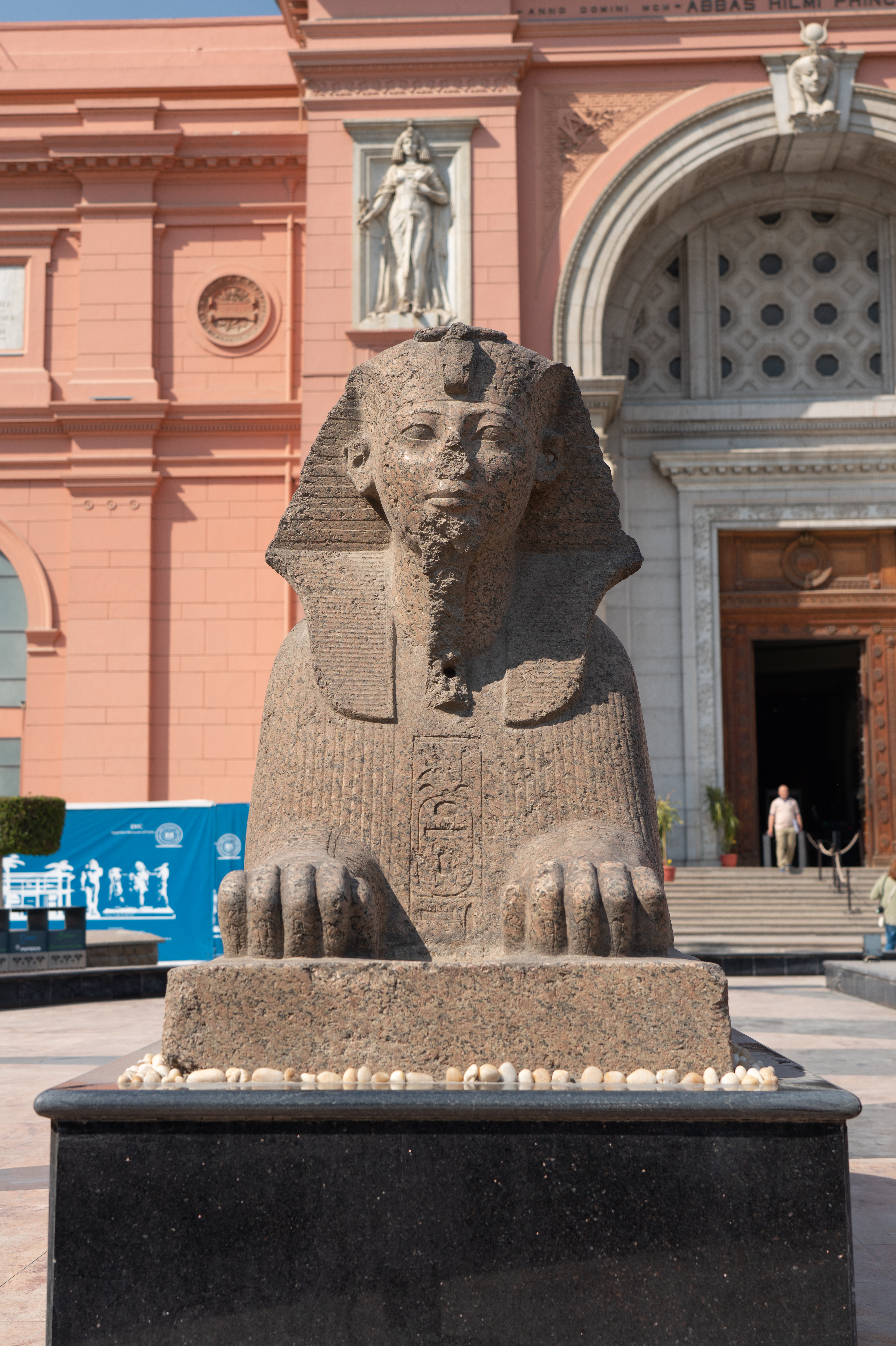
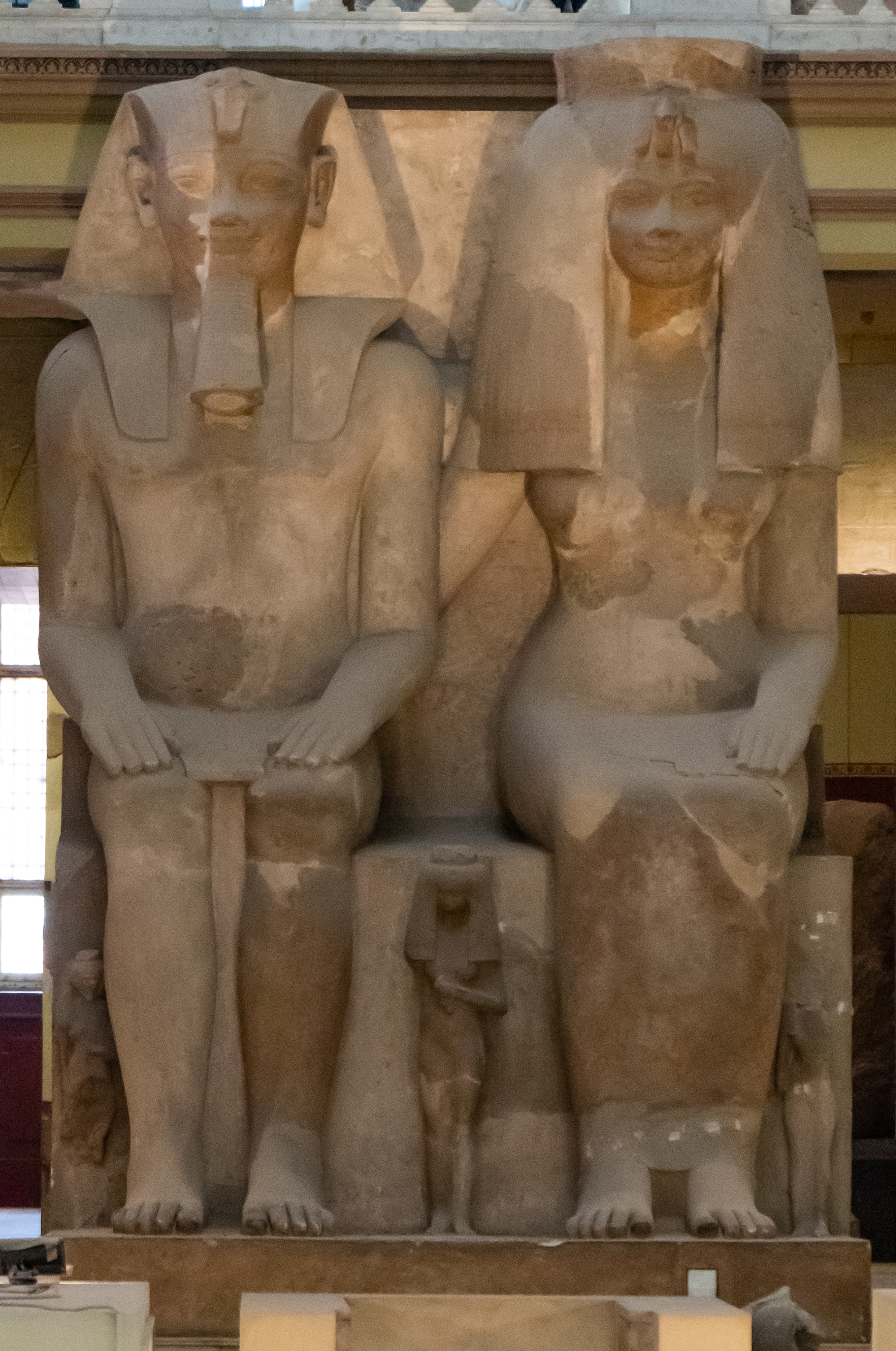
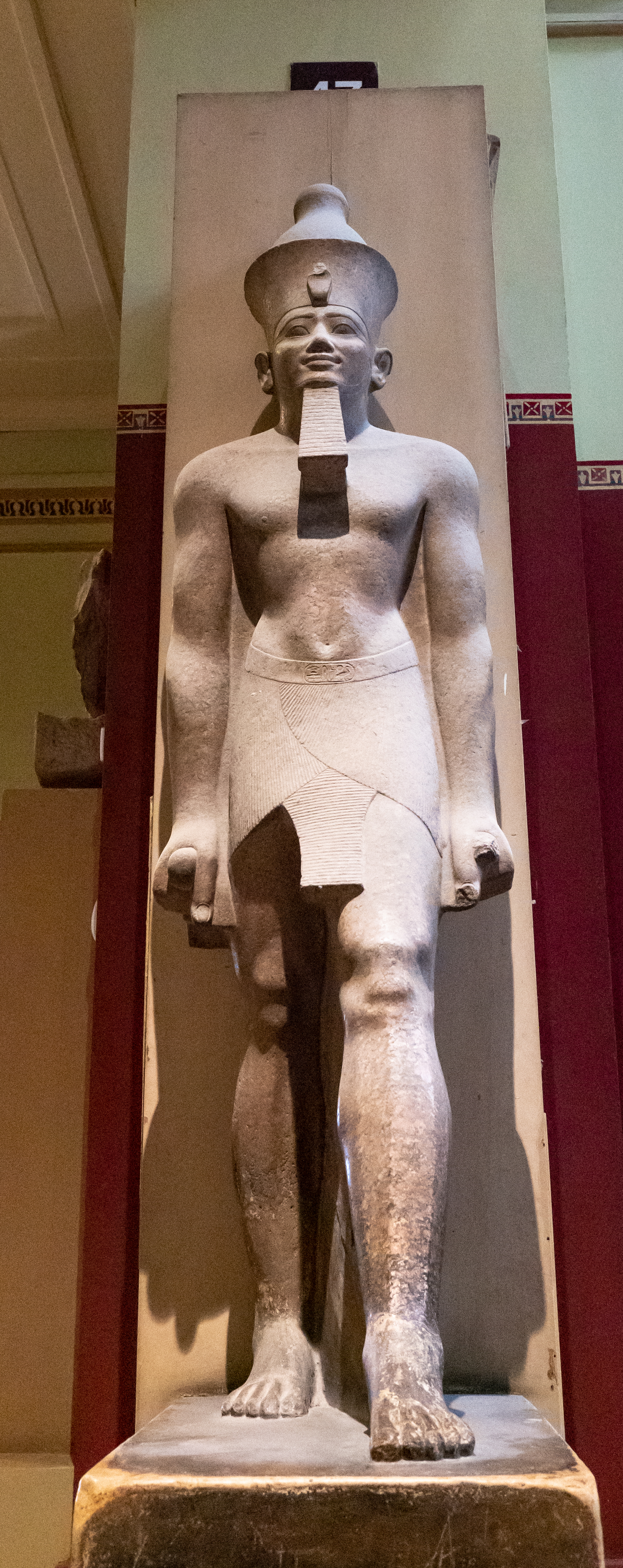
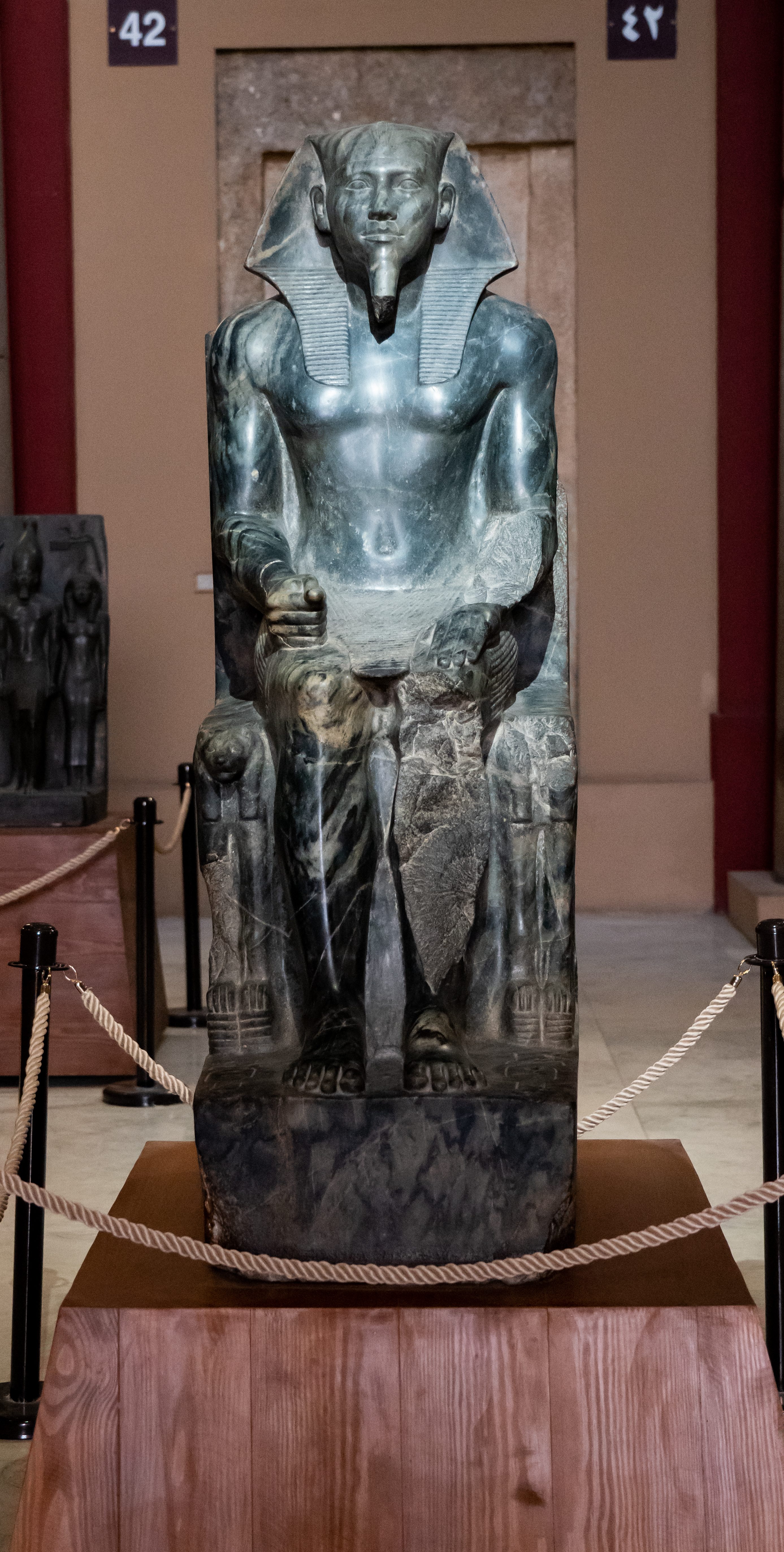
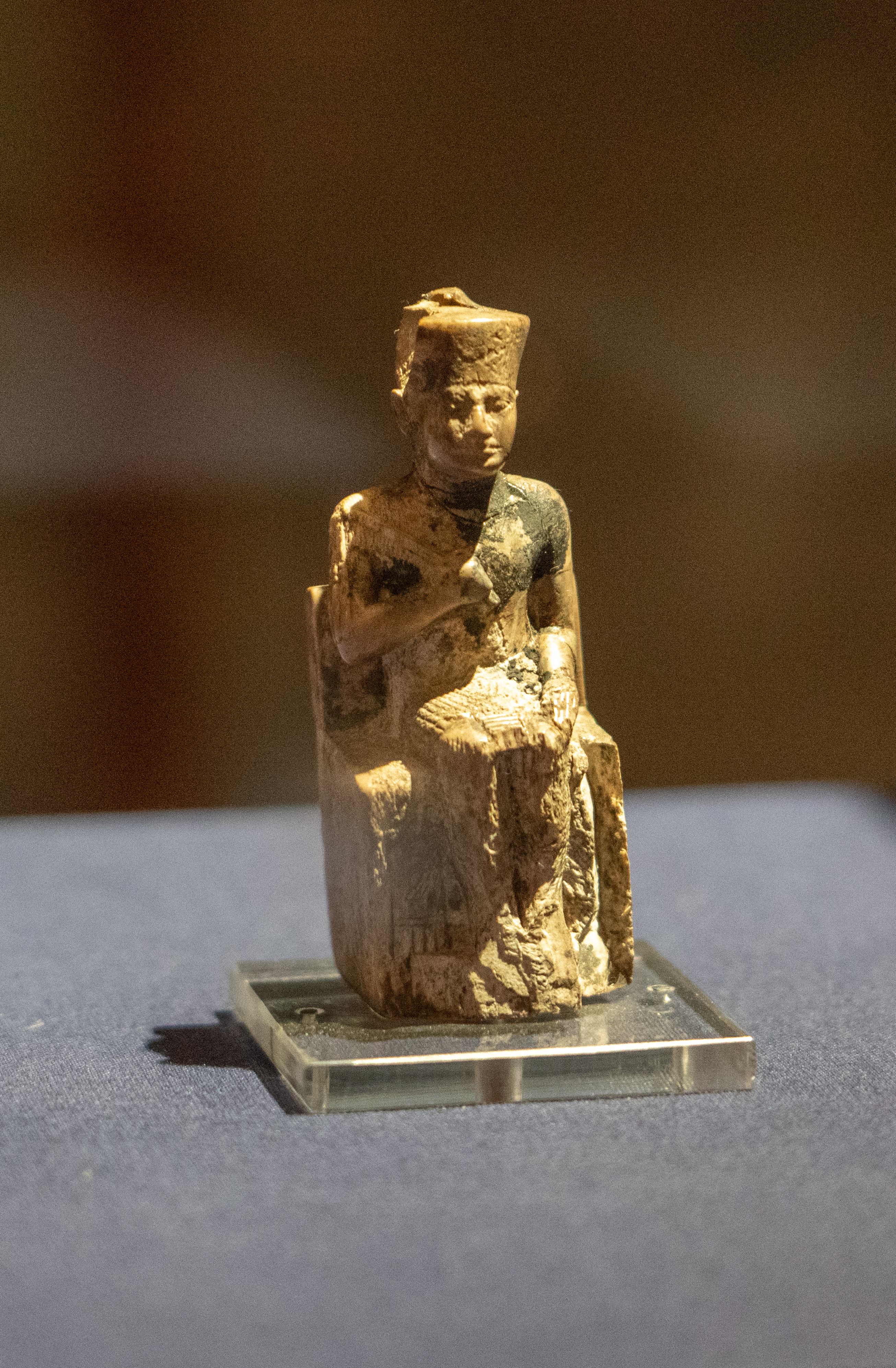
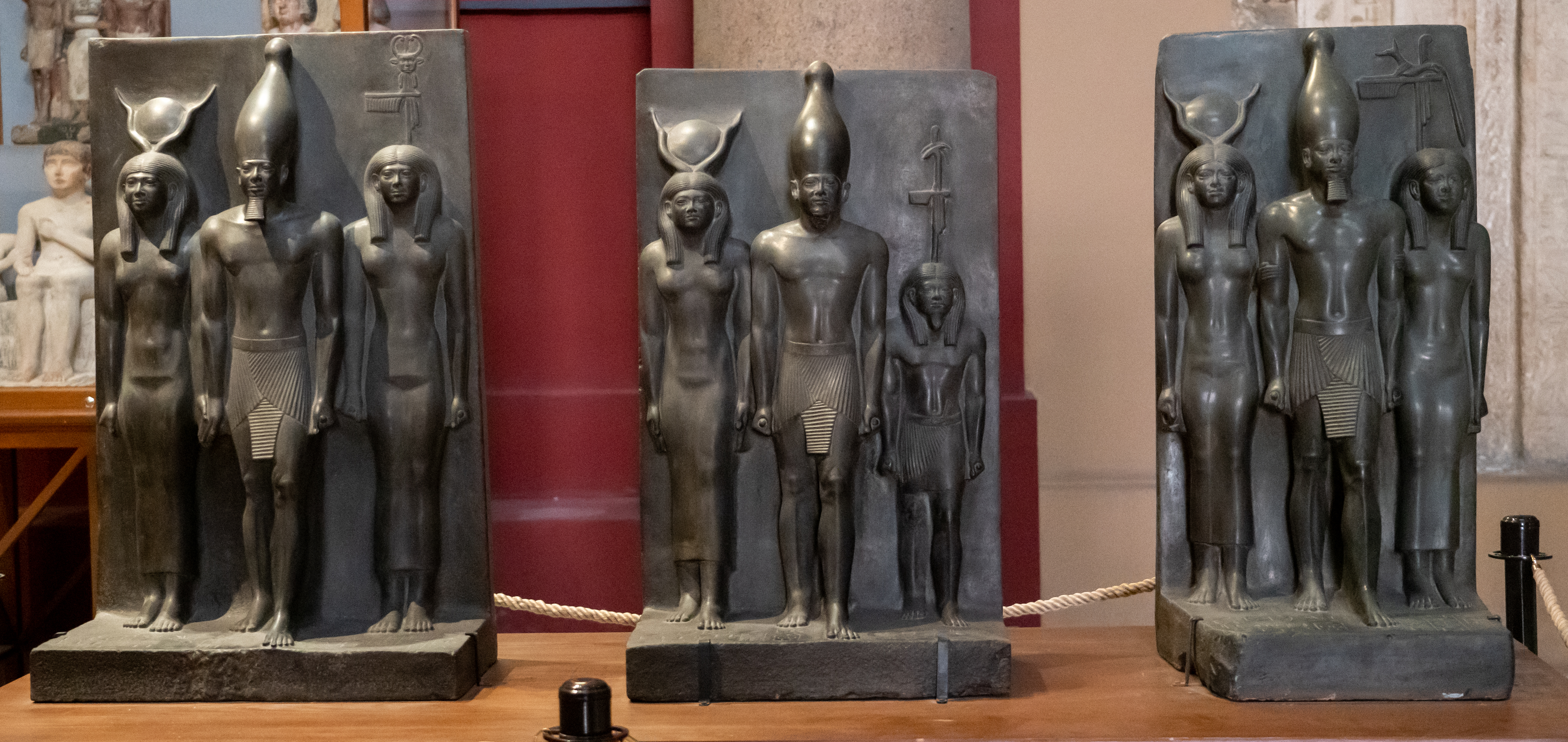
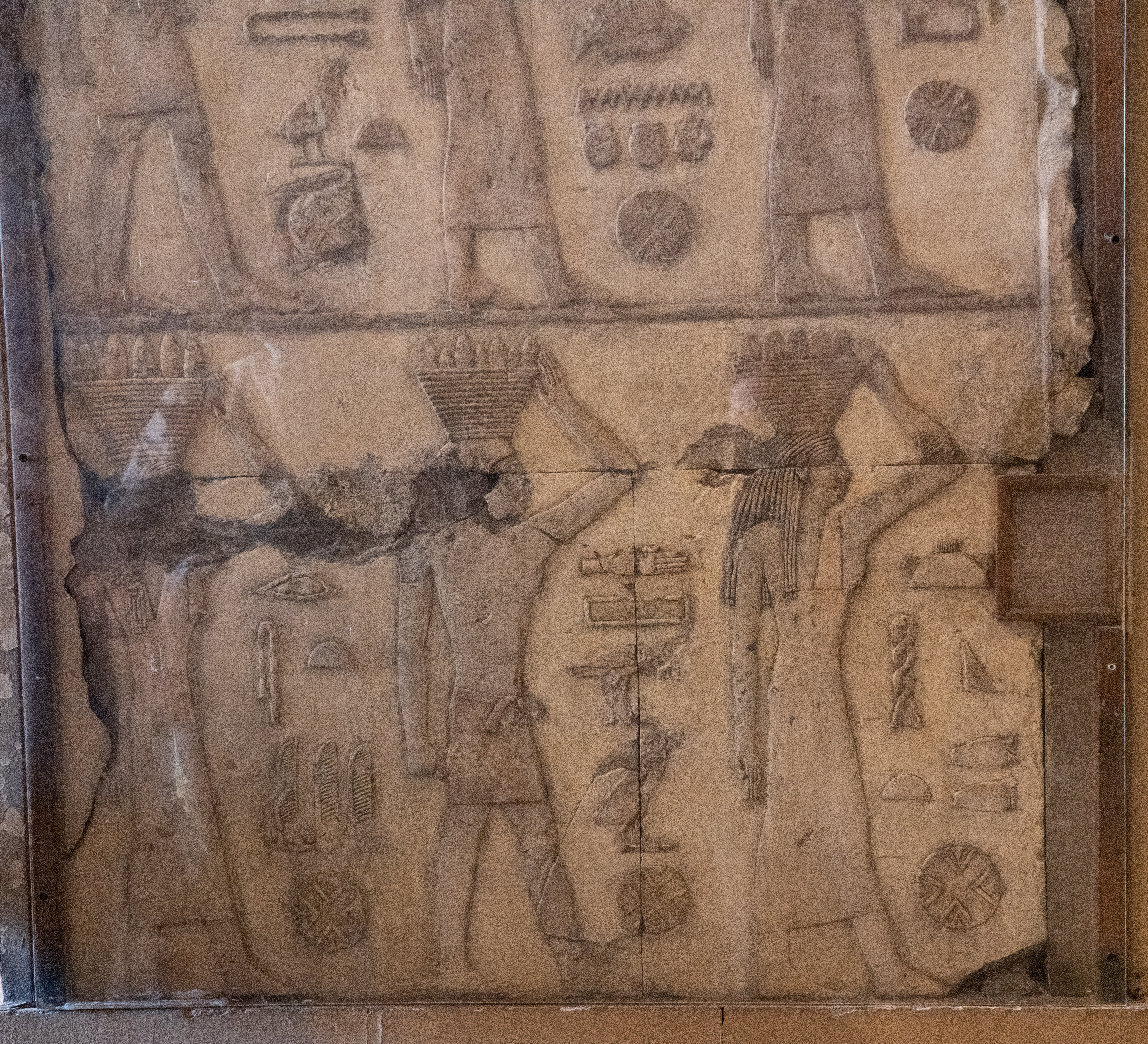
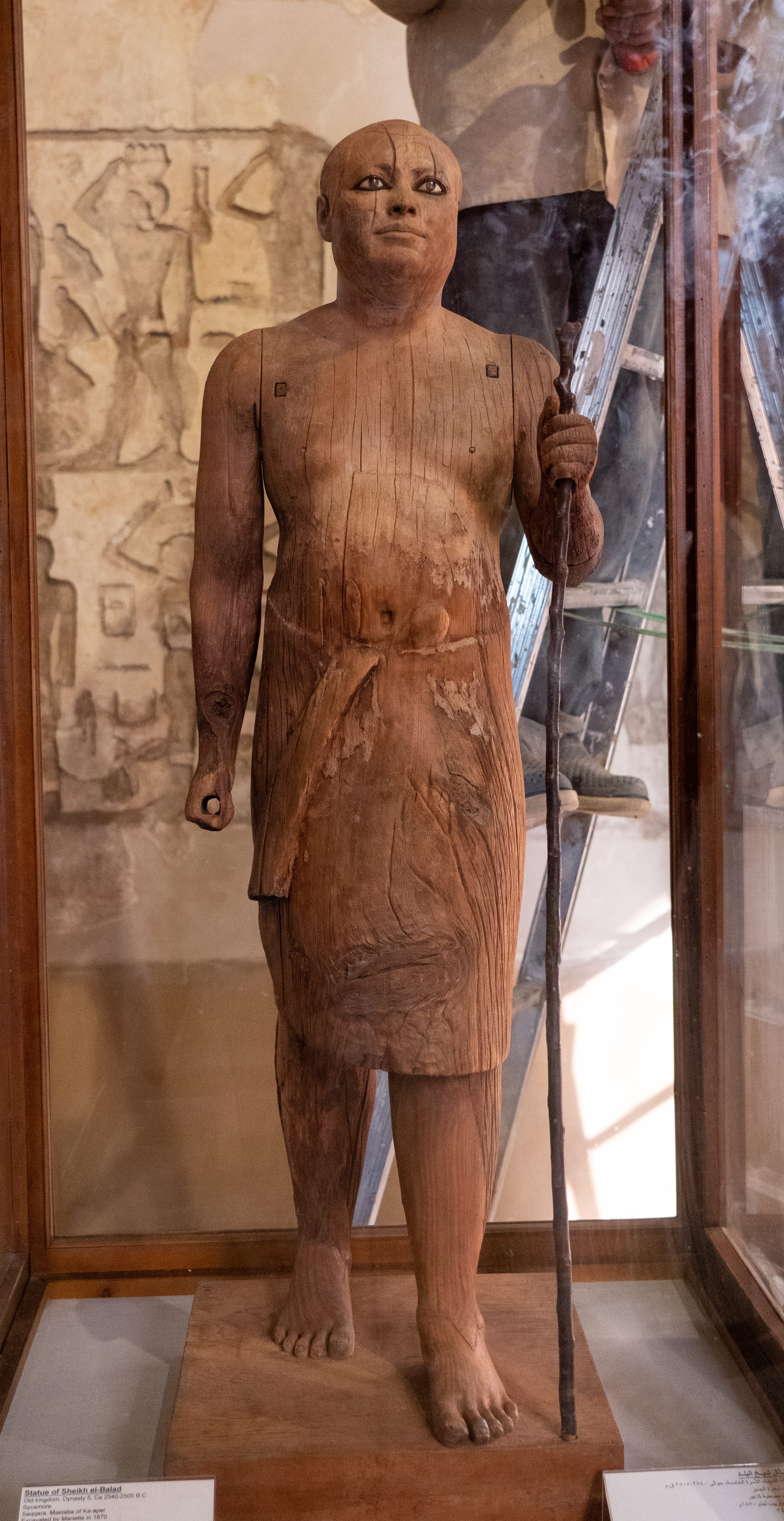
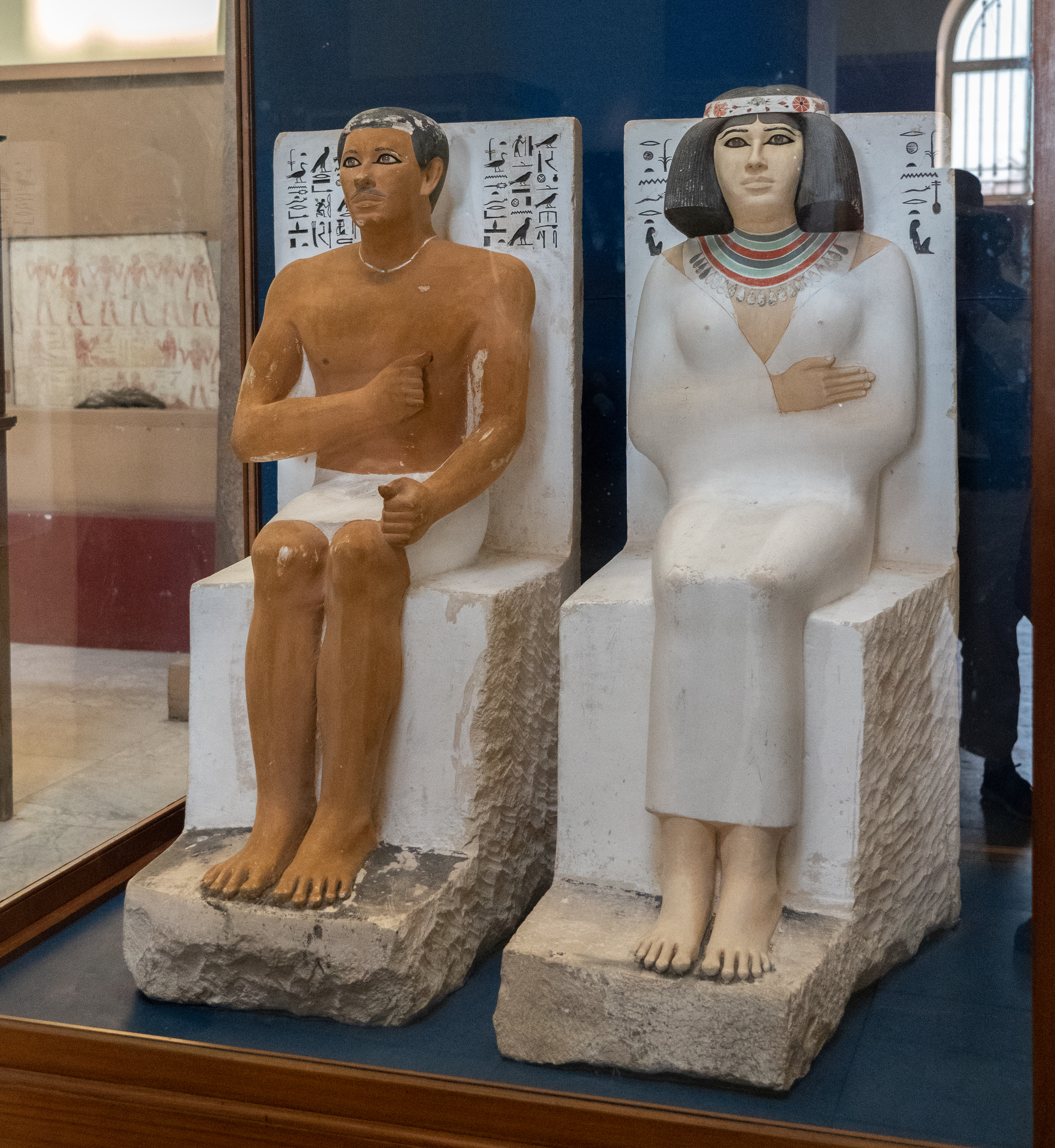
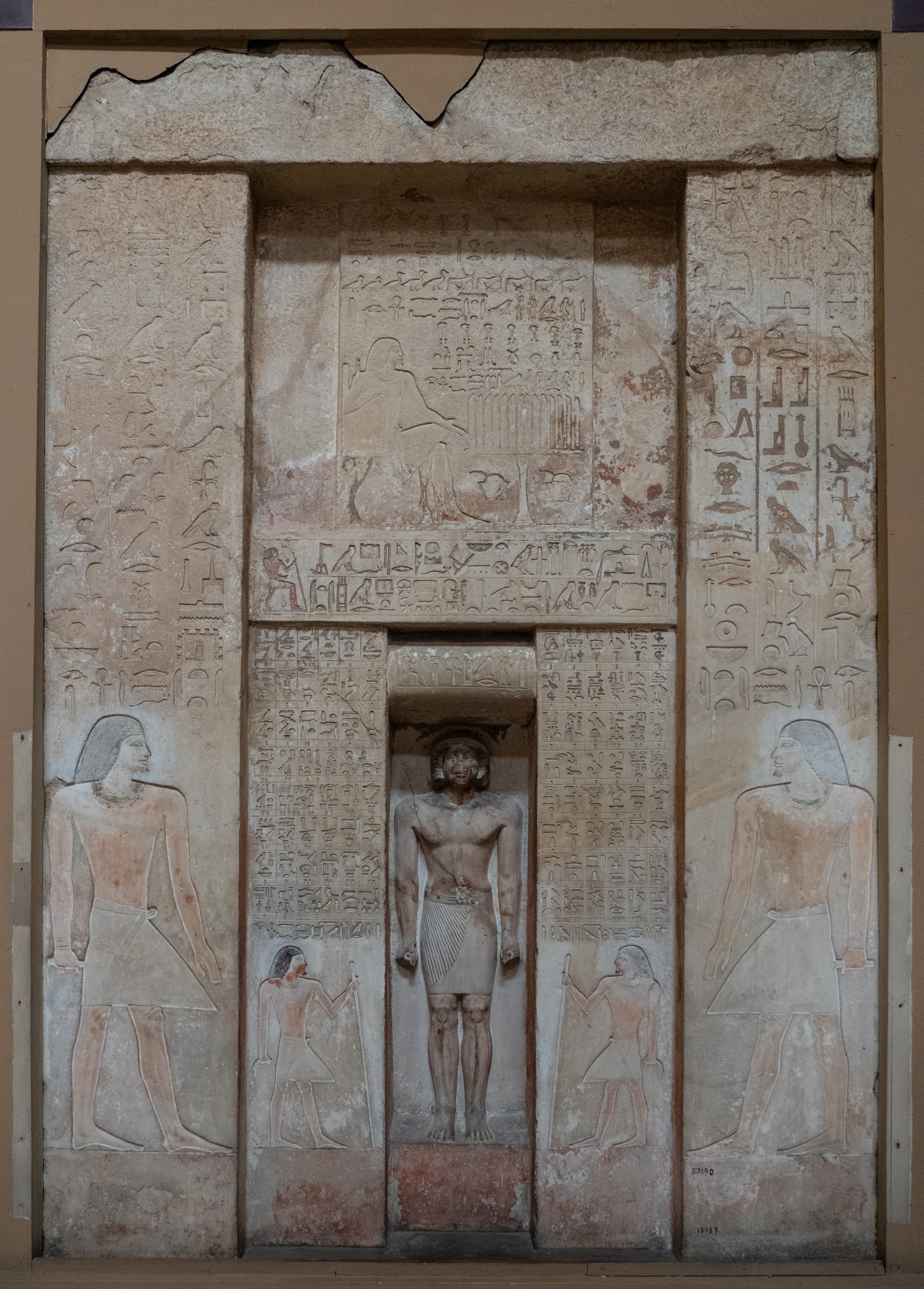
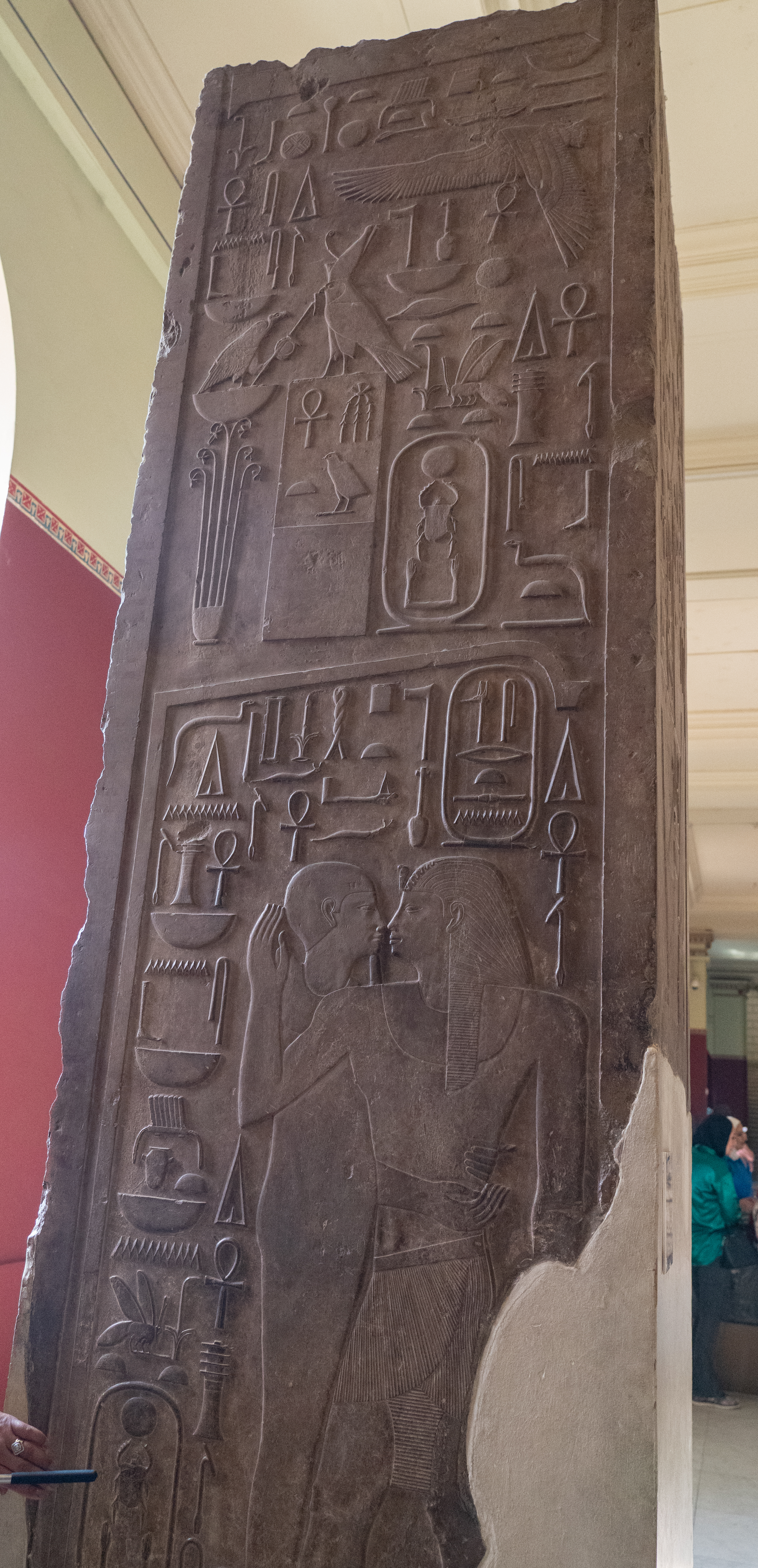
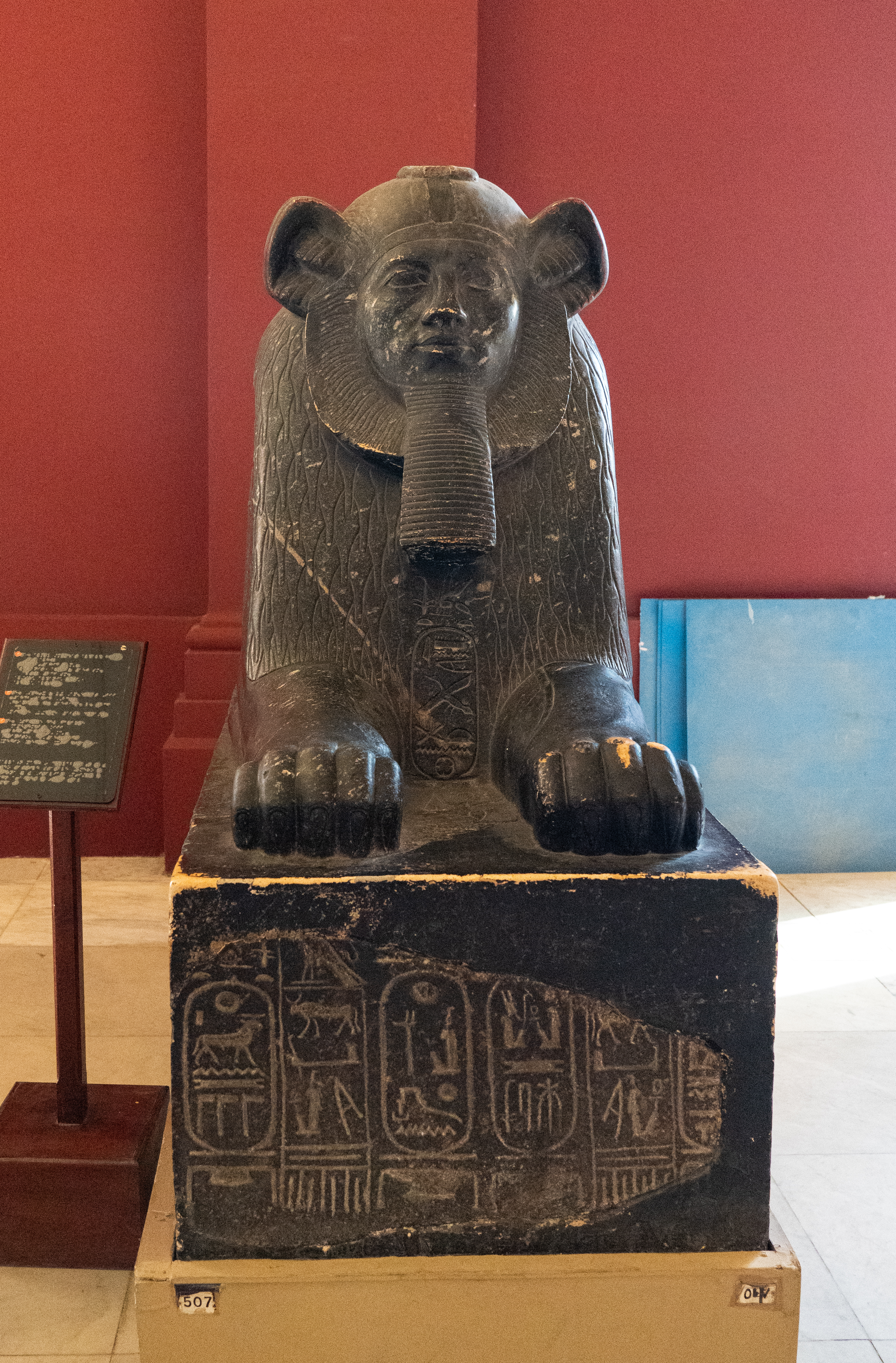
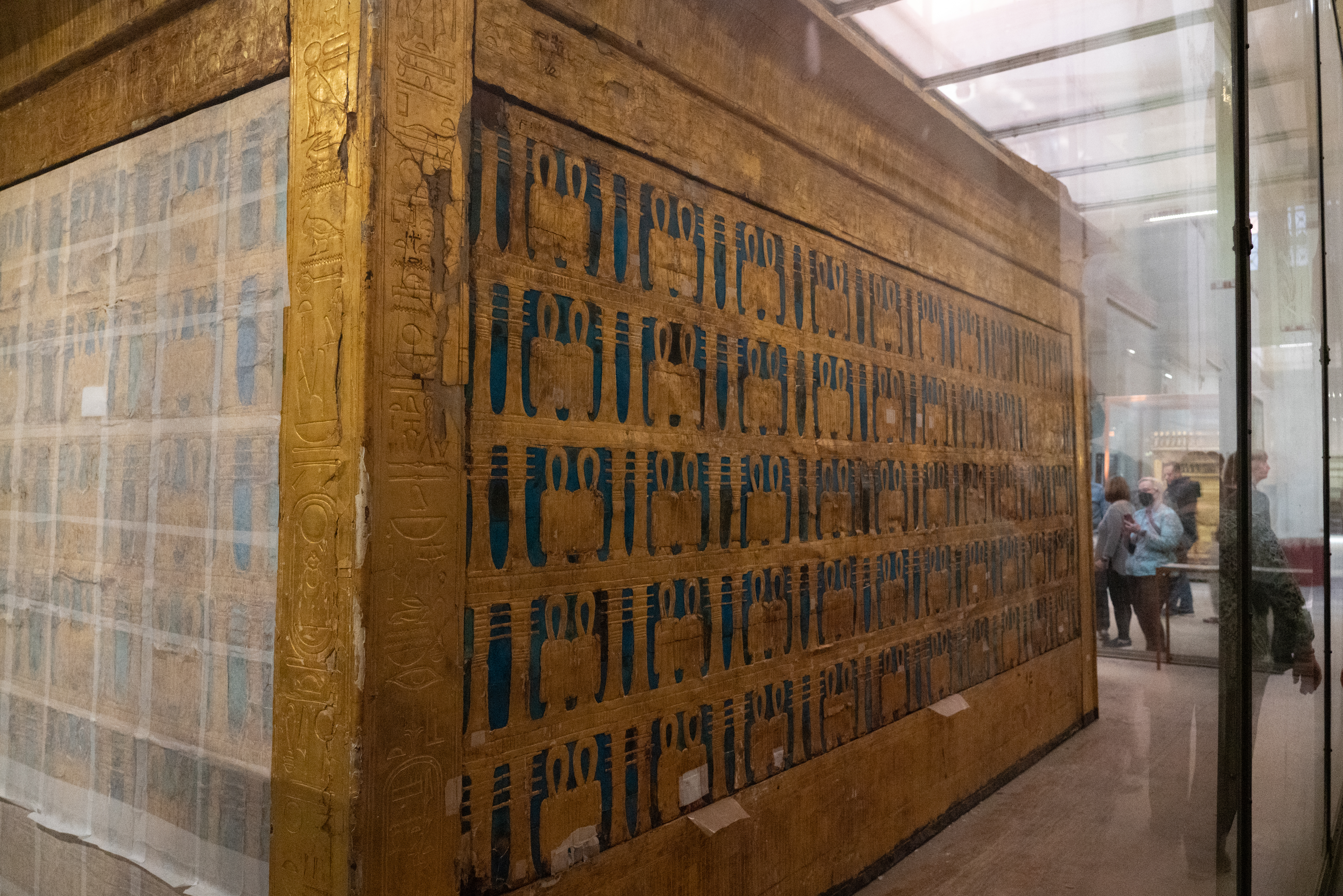
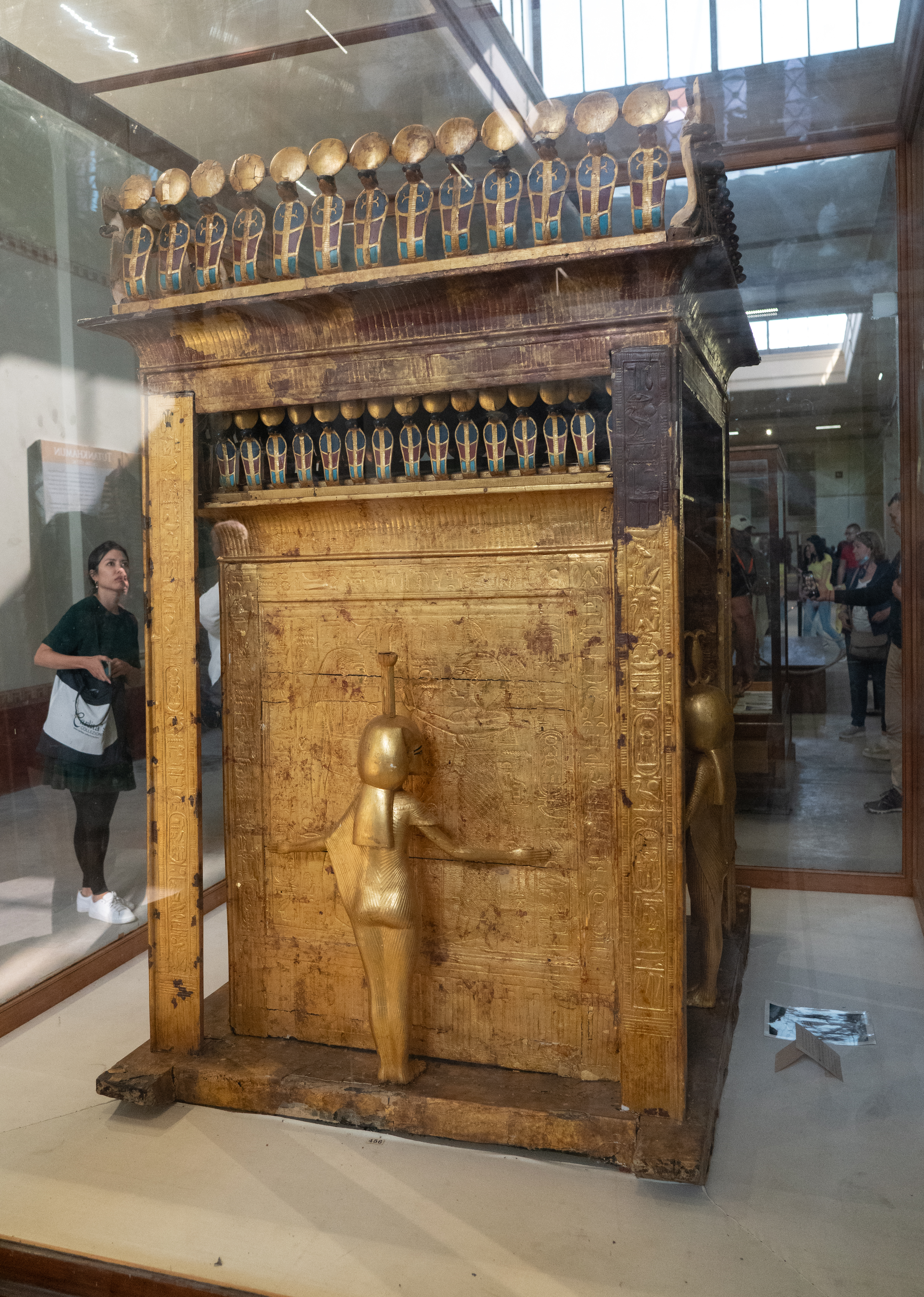
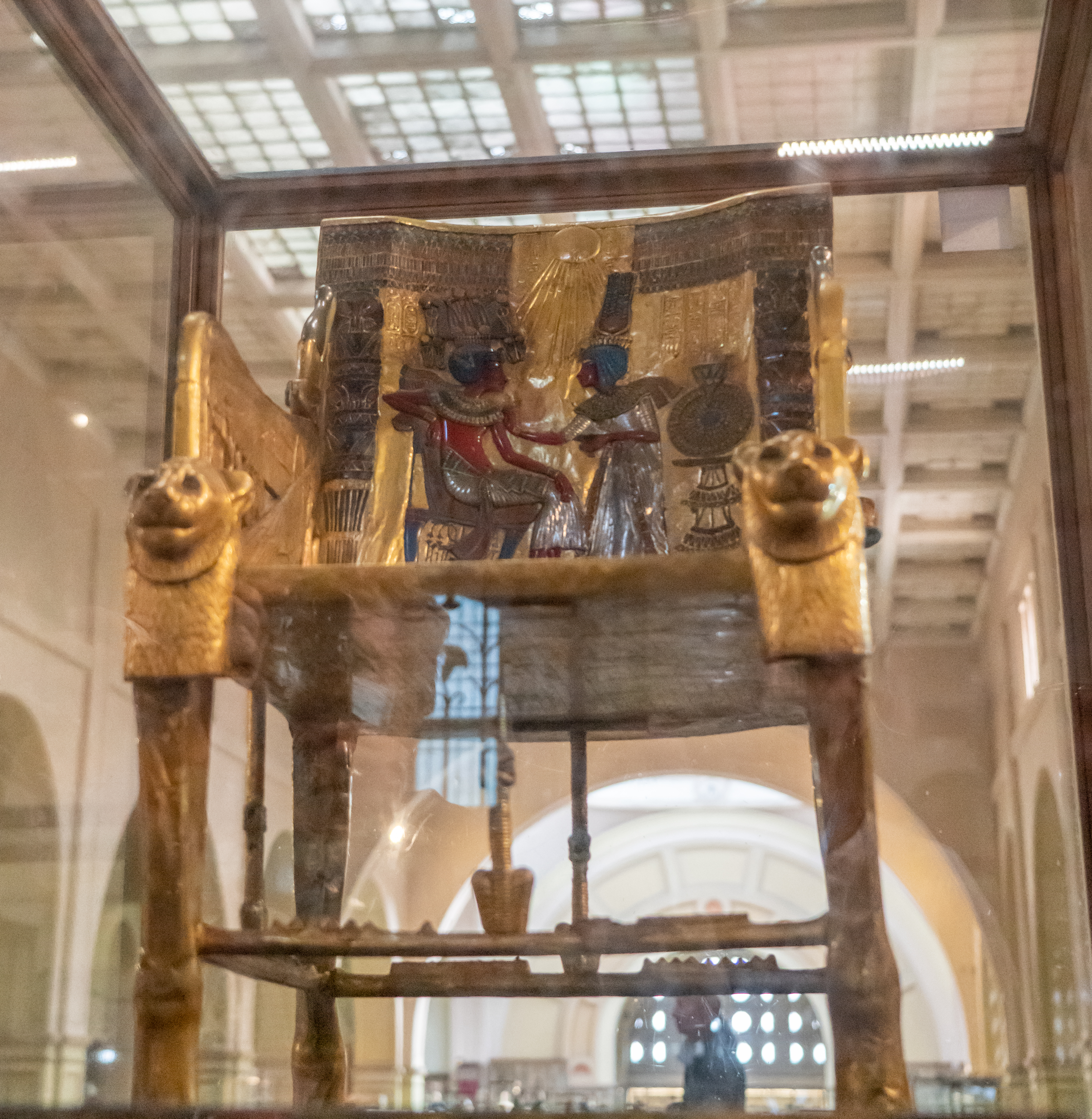
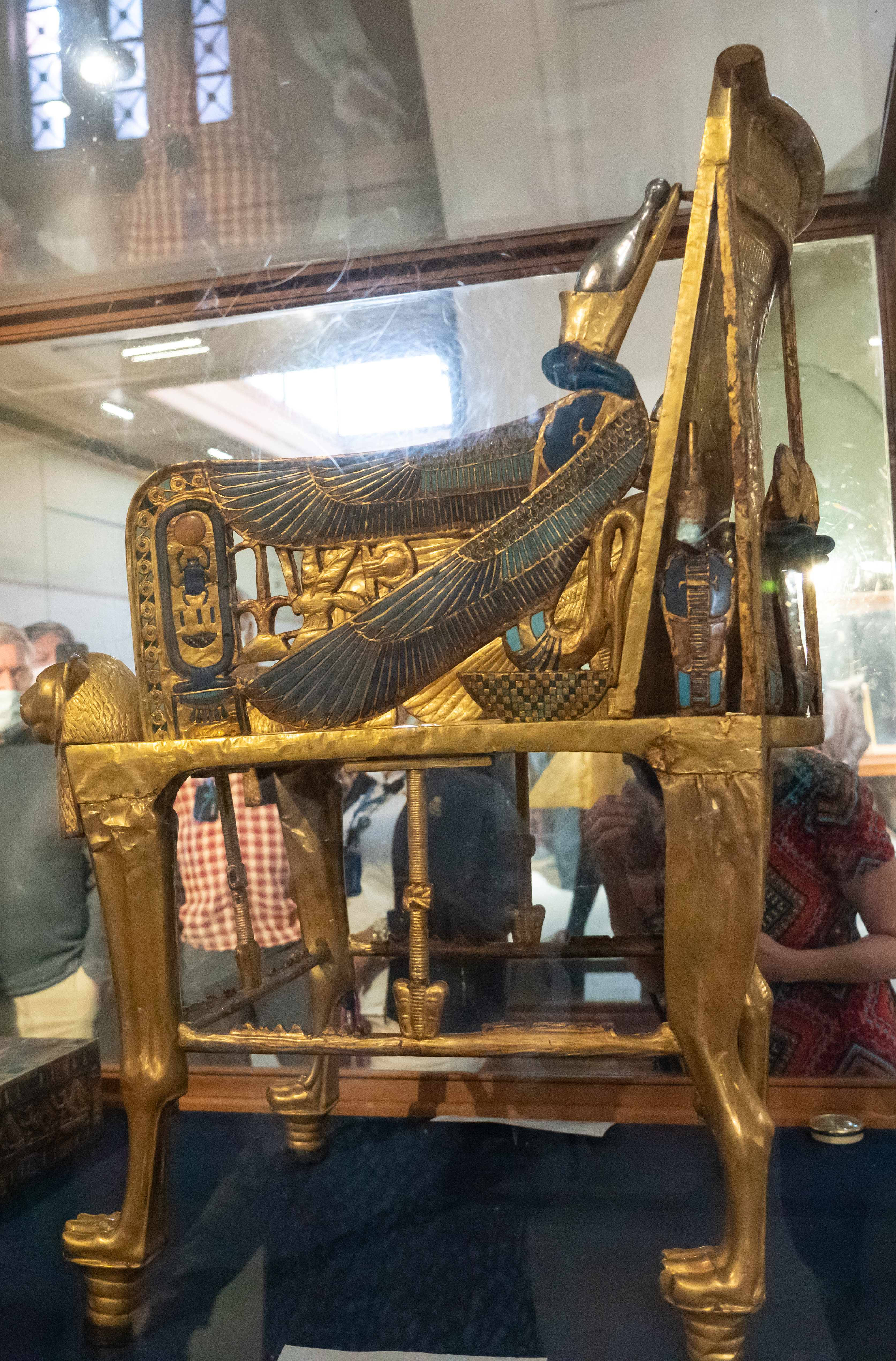
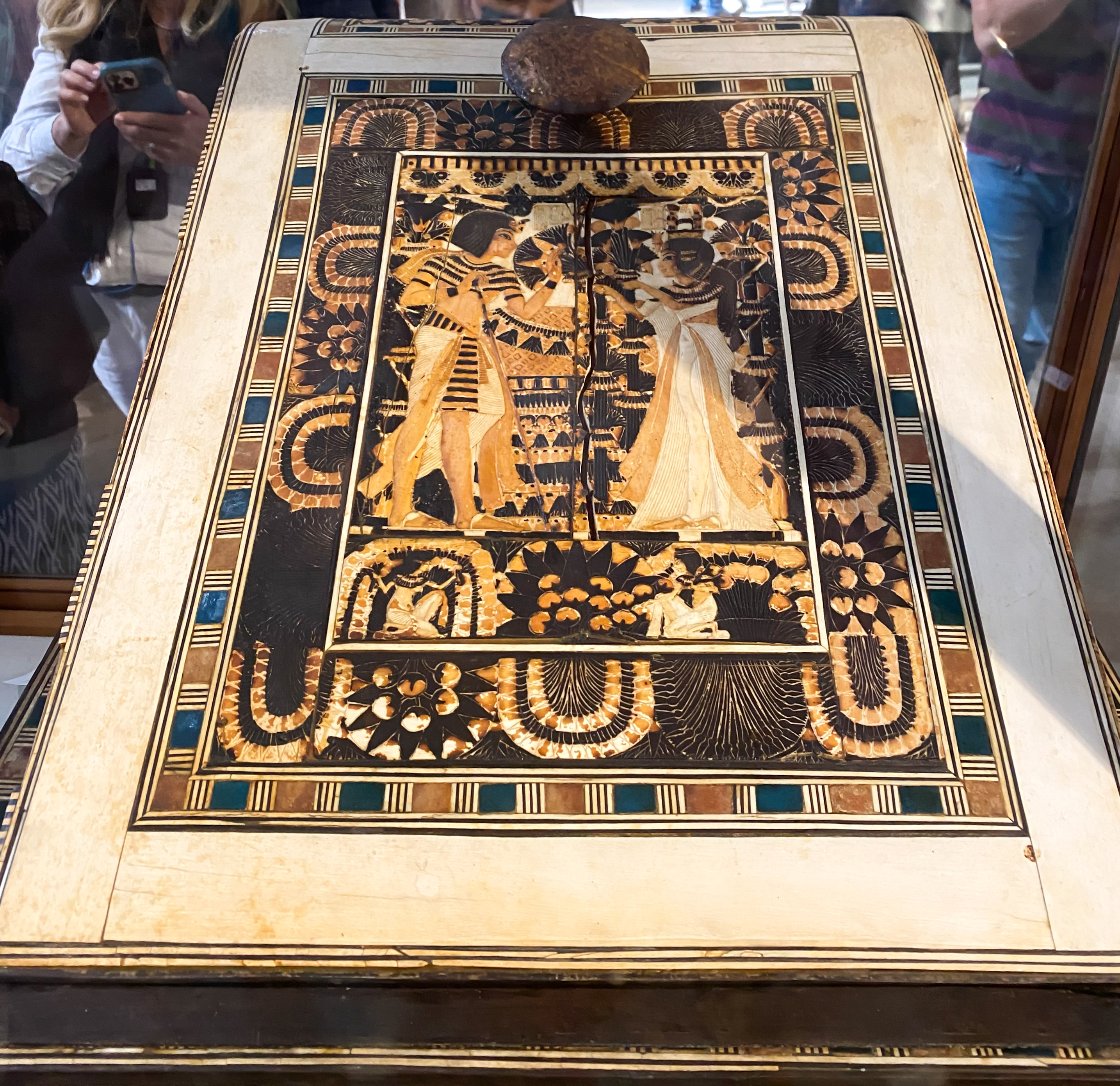
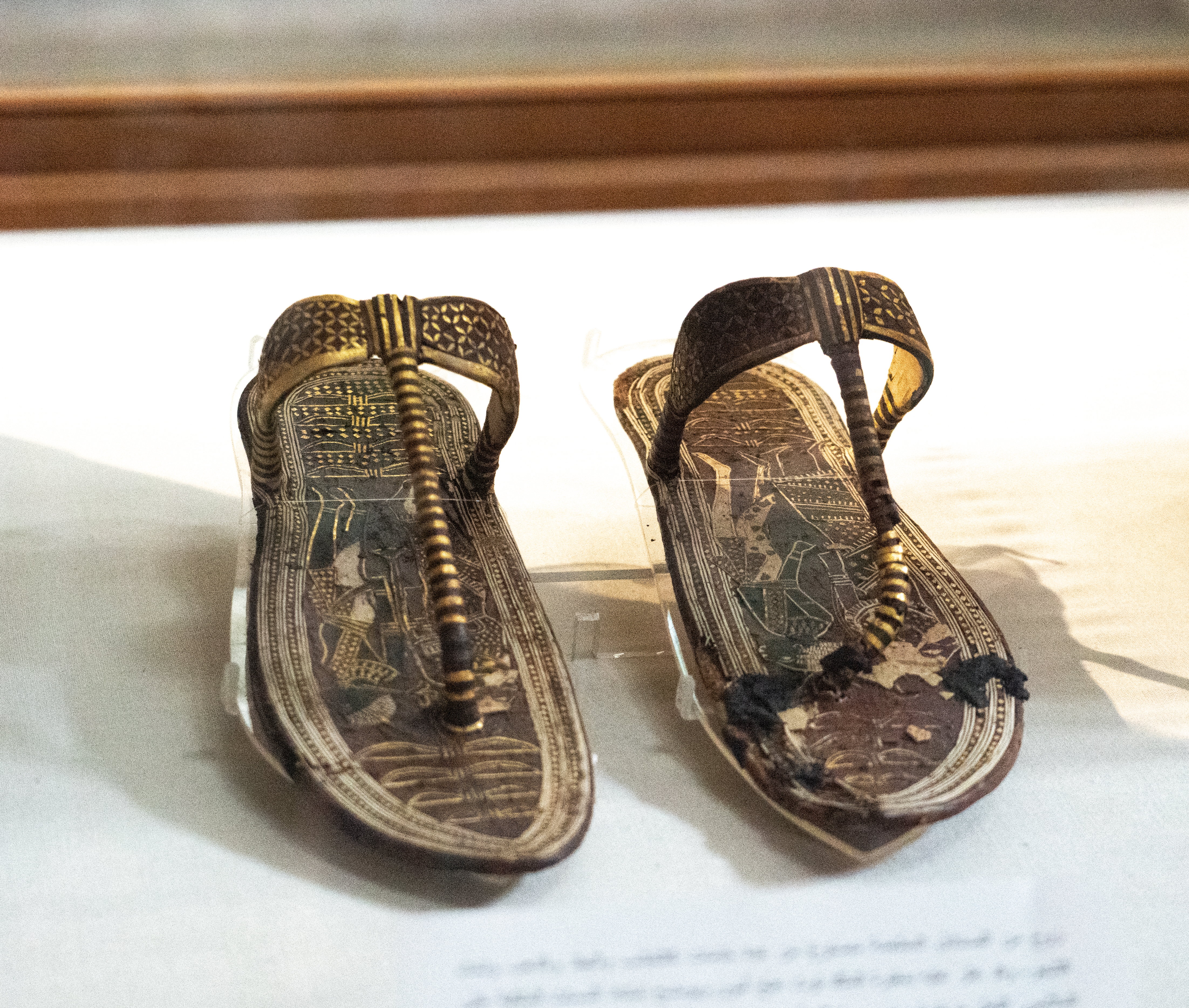
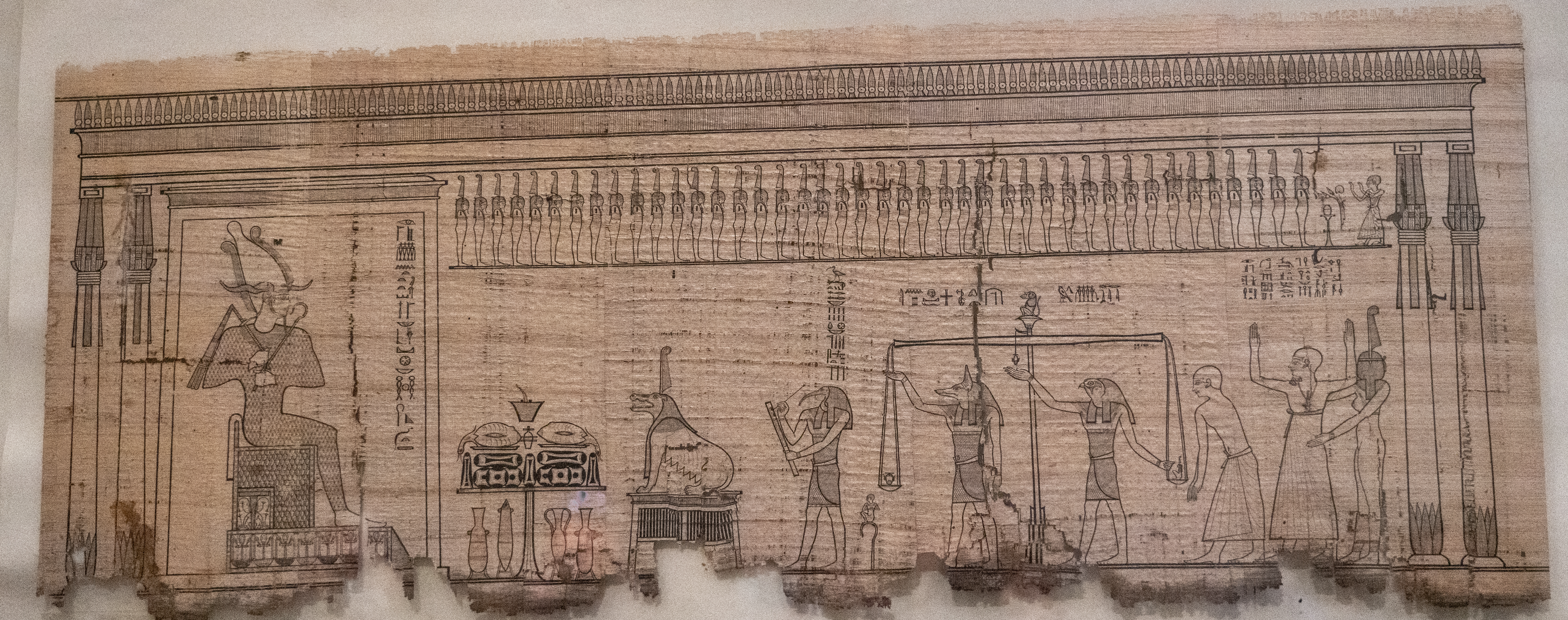
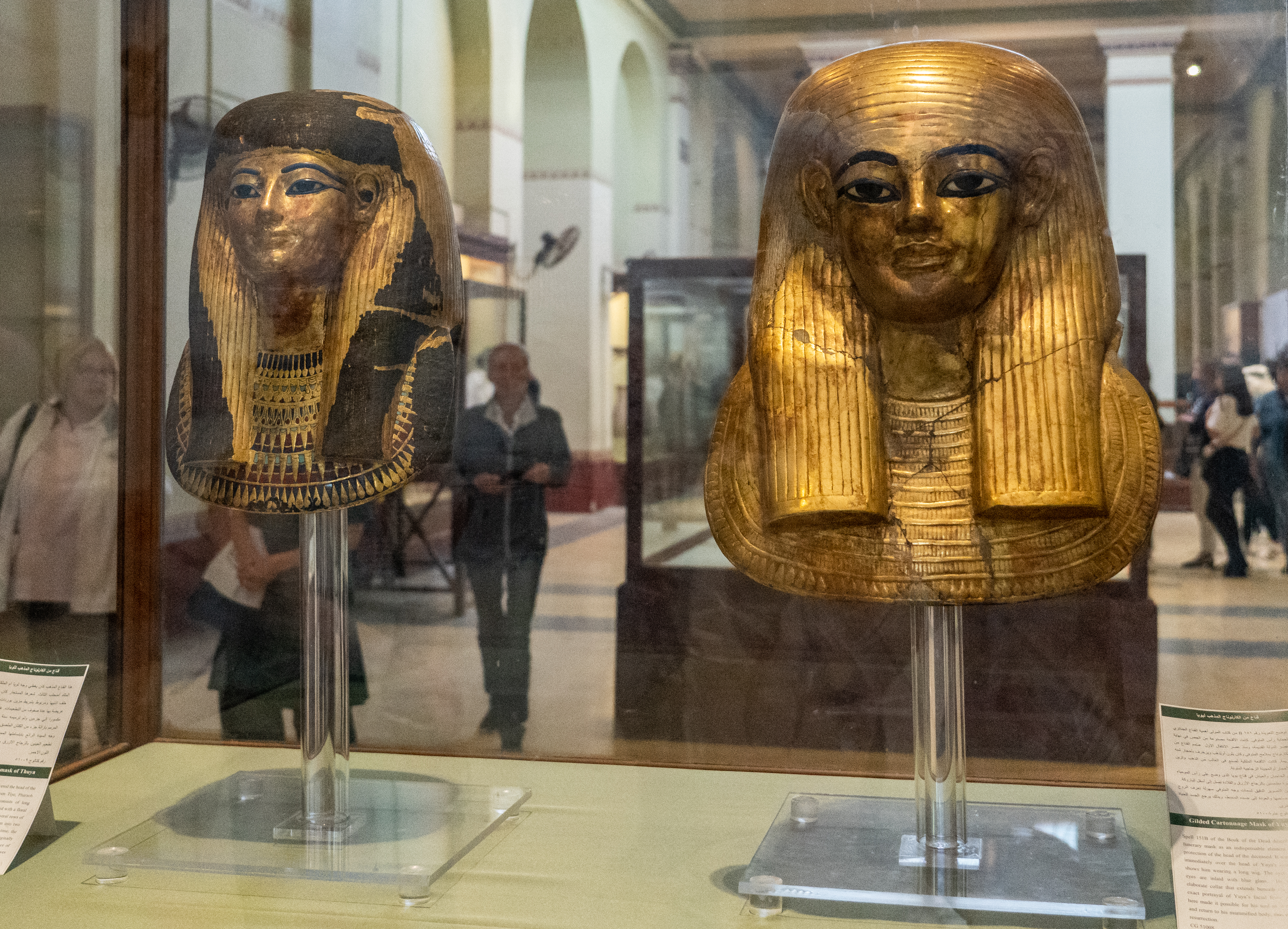
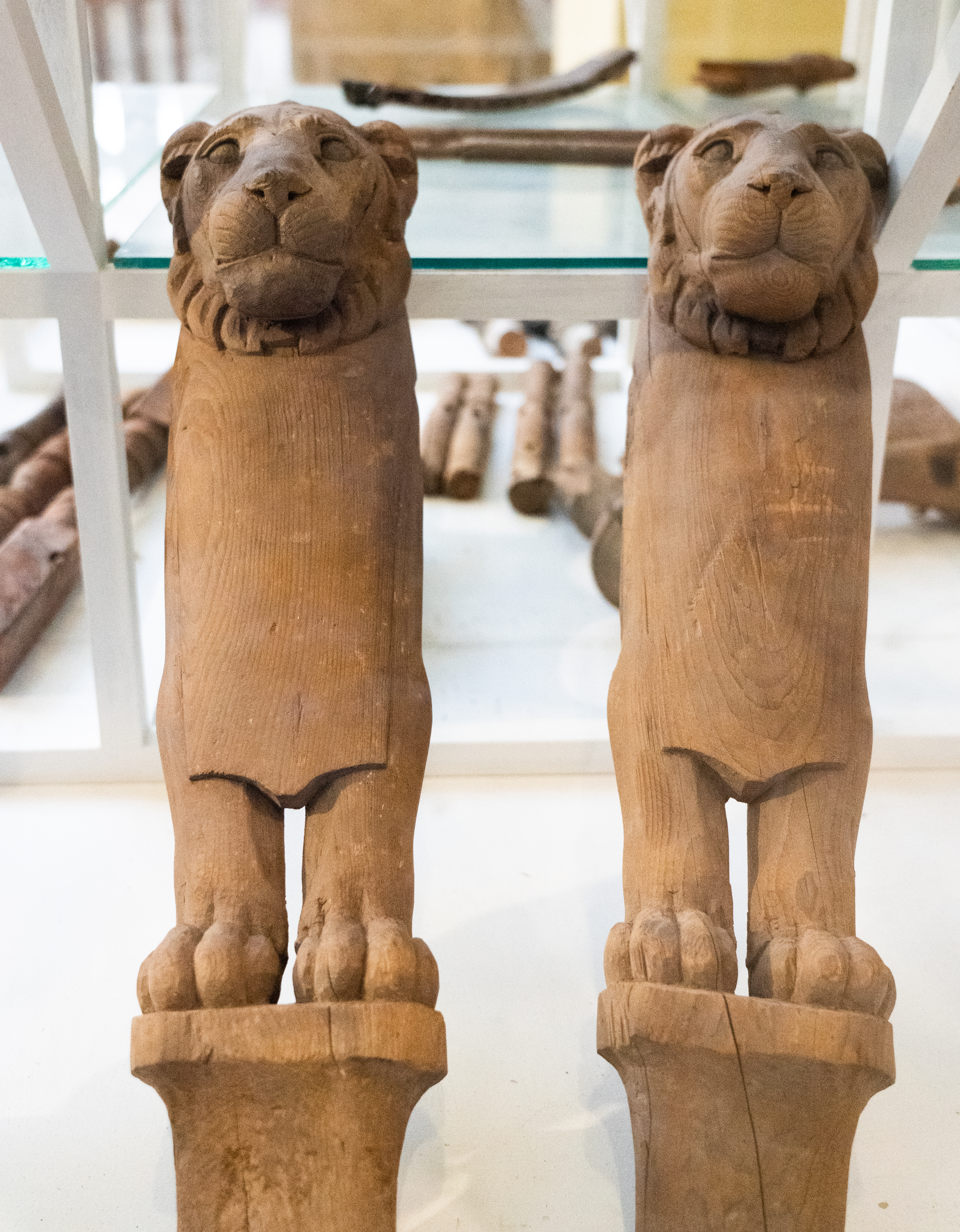
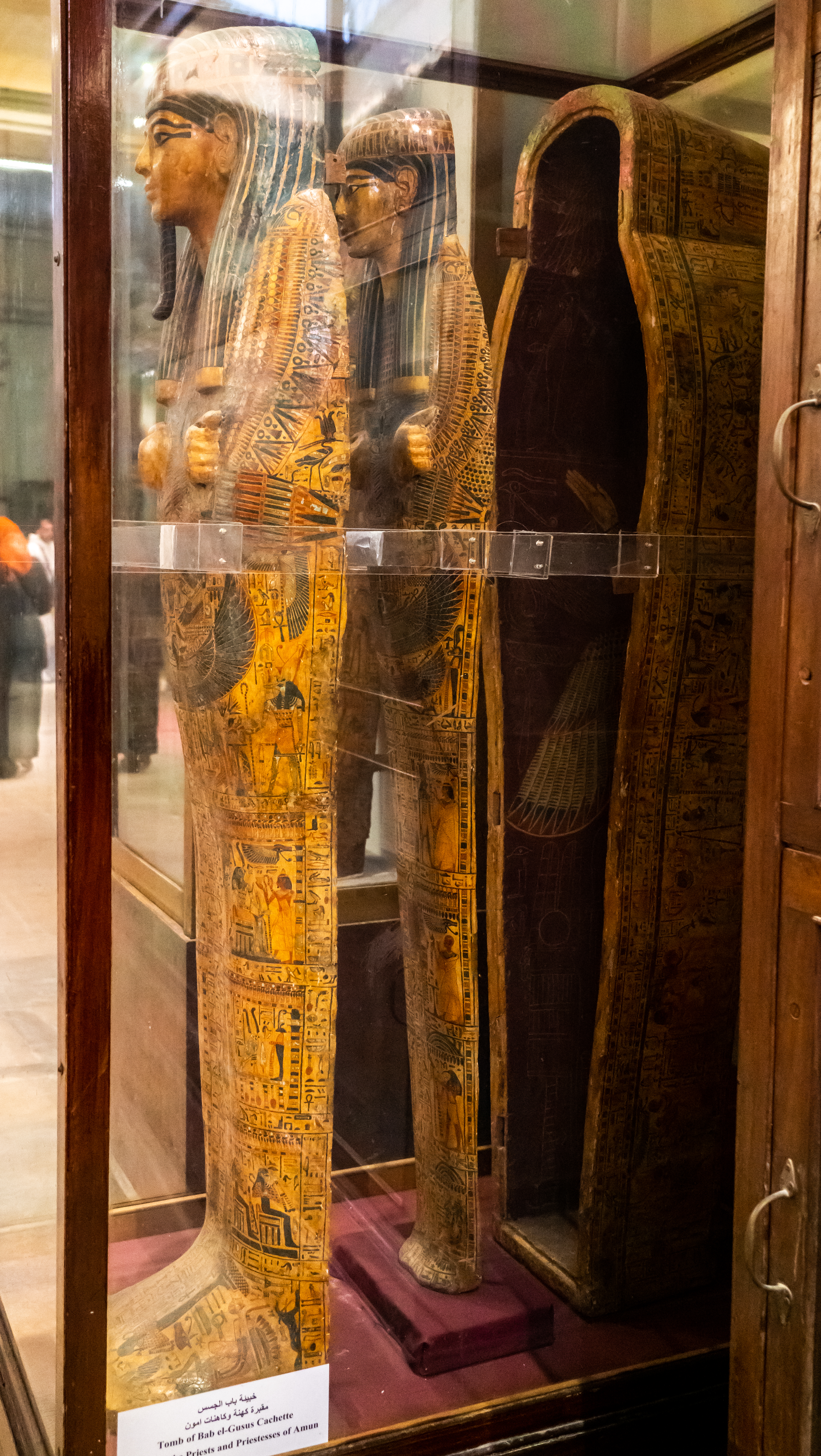
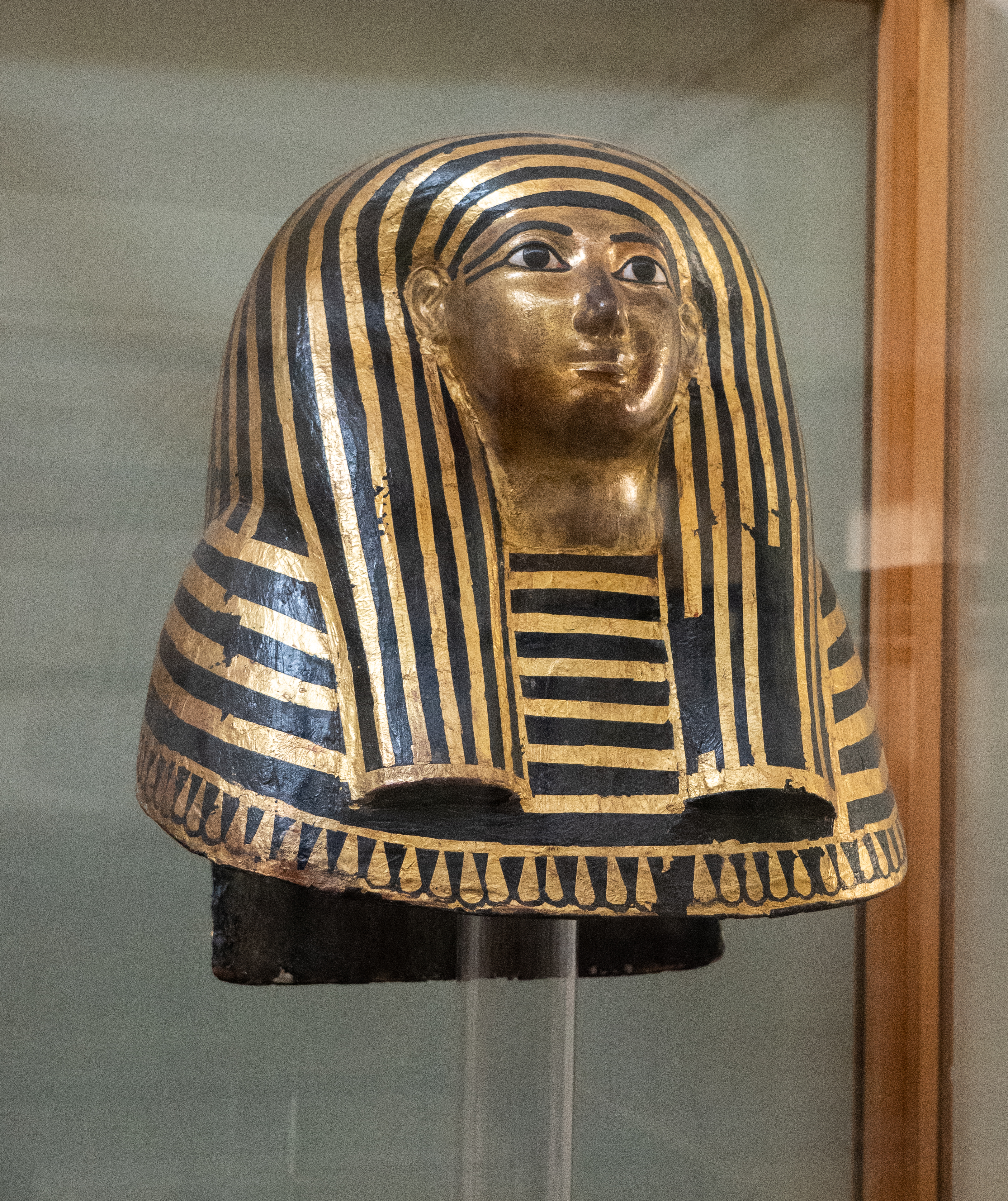
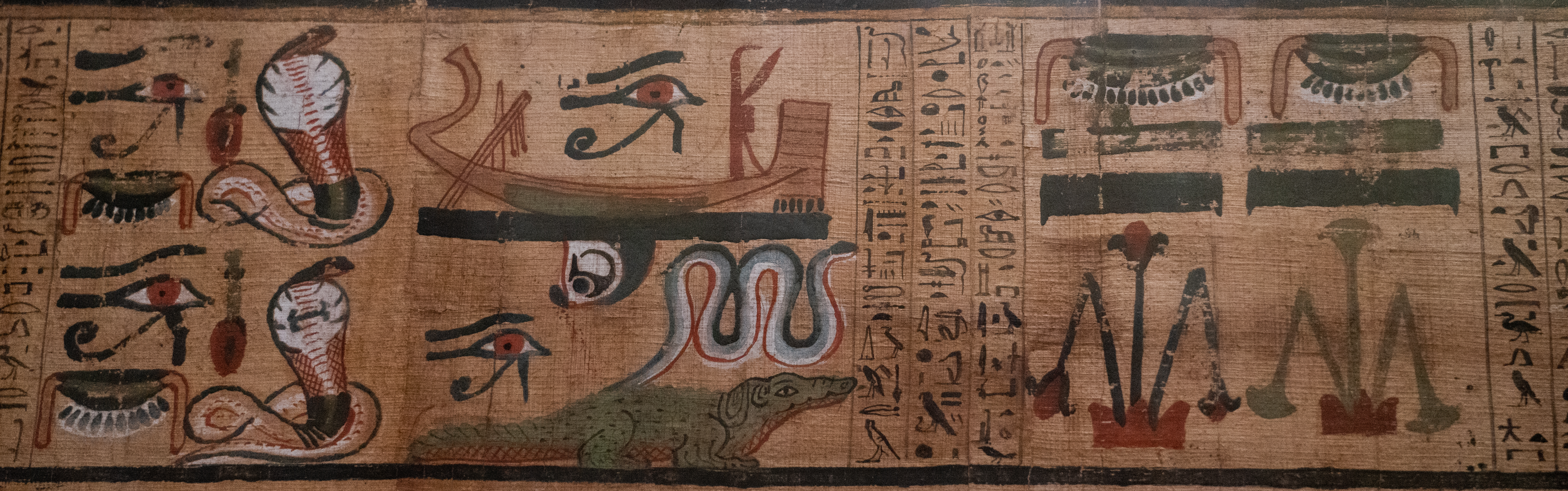
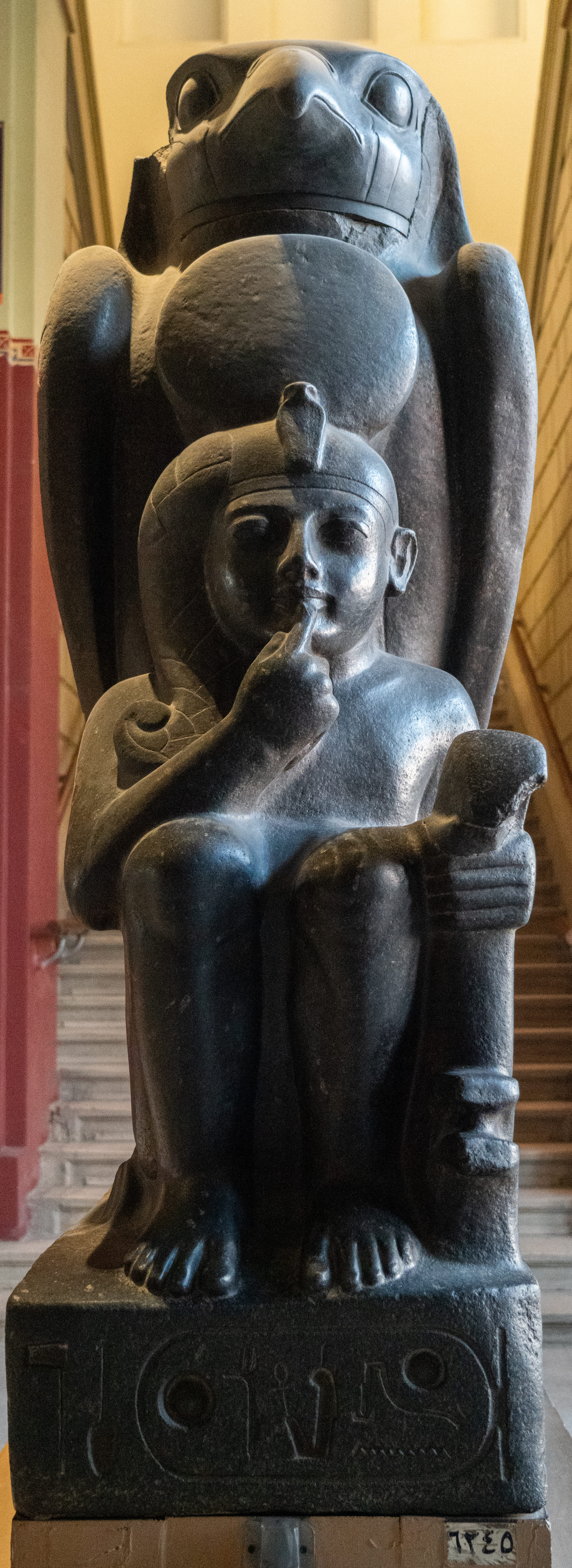
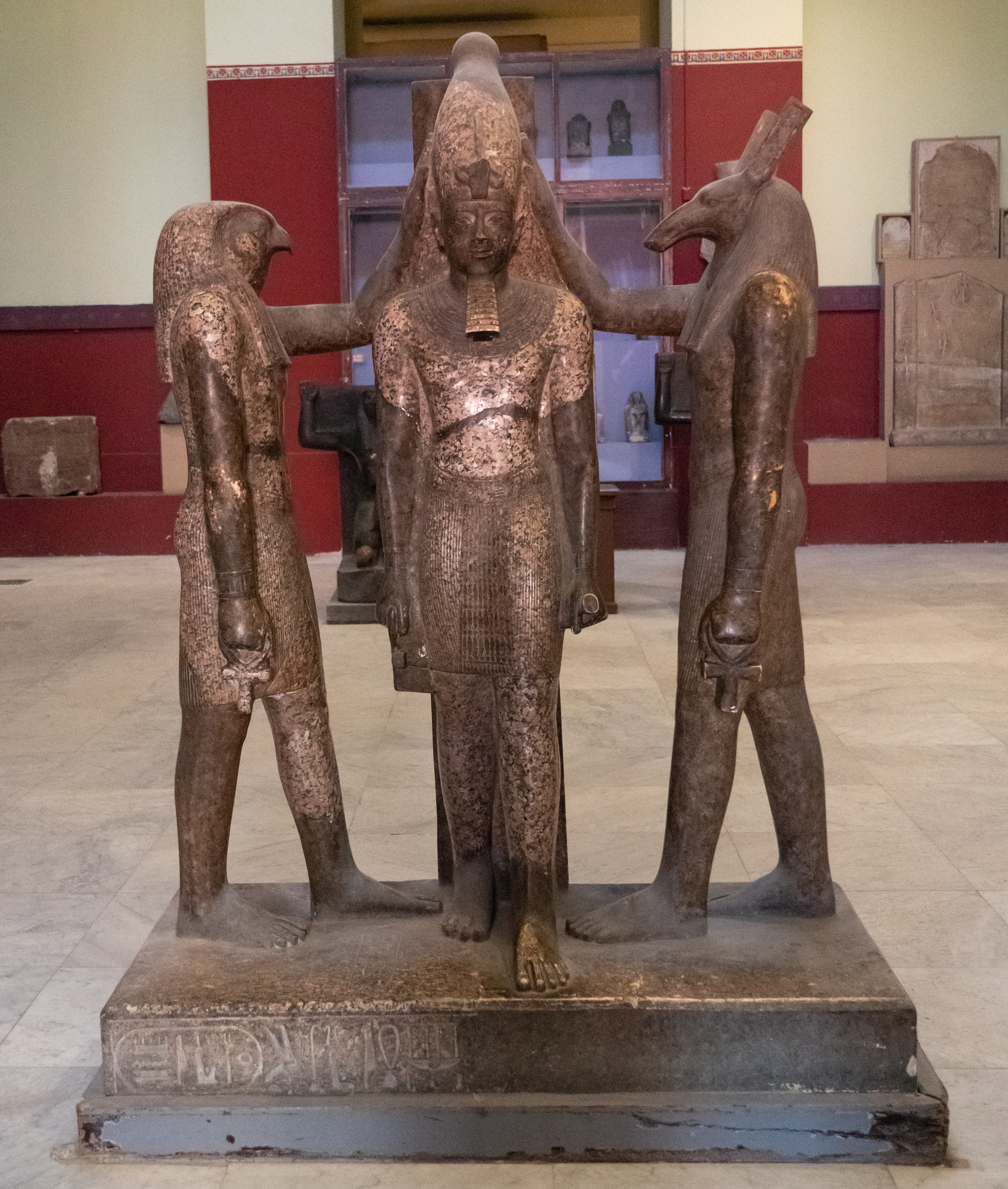
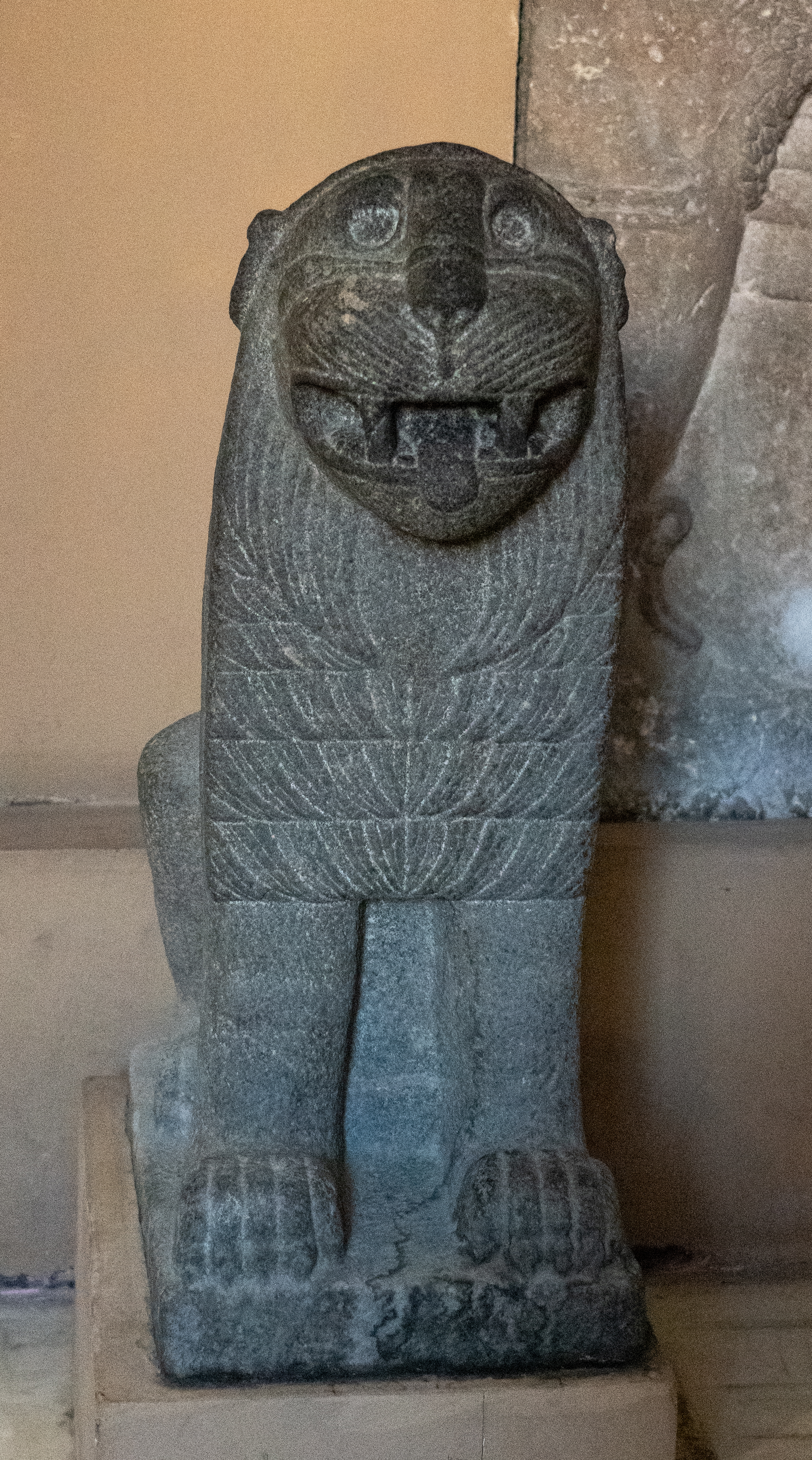
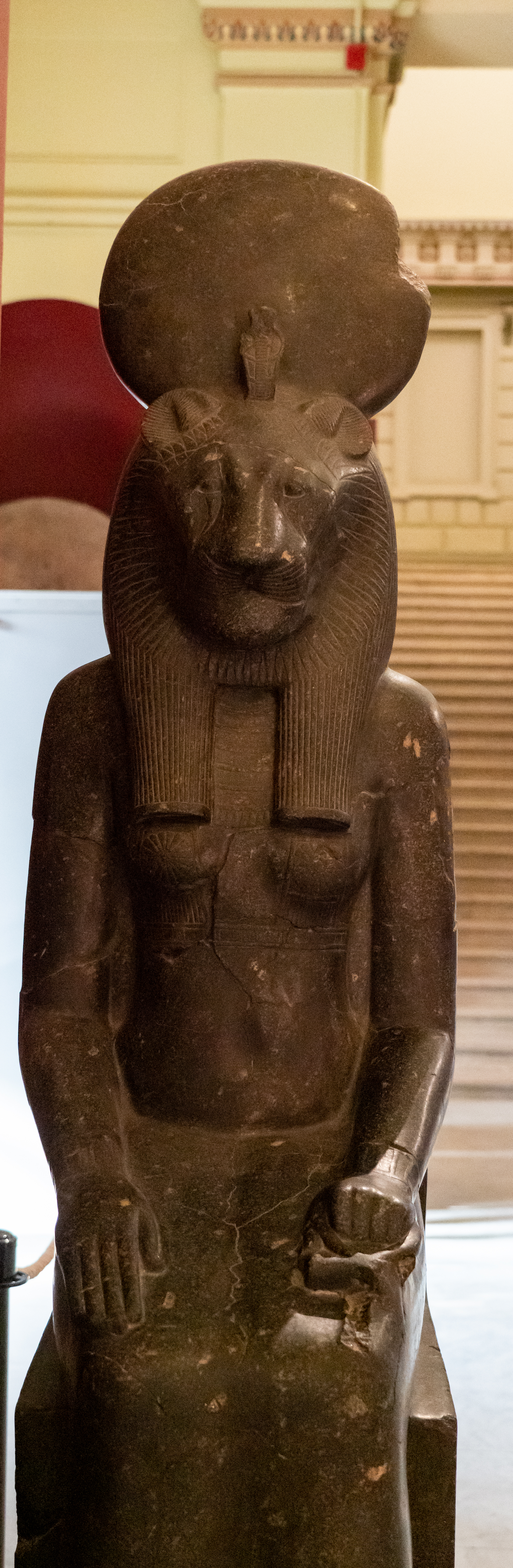
After lunch we went to the Egyptian Museum. This is a large museum of Egyptian artifacts. It is soon to be replaced by the Grand Egyptian Museum that is being built in Giza. That should open later this year and some artifacts have already been moved there. There still was plenty to see. Unfortunately, the most beautiful things, King Tut’s gold burial mask and golden sarcophagi, are not allowed to be photographed (and they had monitors, so I wasn’t able to sneak). There still were lots of great things for me to show you. If I don’t label something it is because it had no label at the museum.


Leave a Reply