
Today we went to the Temple of Karnak. This is near Luxor and is a complex of temples that was built over time from 2000 BC through 30 BC. Approximately 30 kings contributed to this complex.
There are 4 main sections to this complex: the Precinct of Amun-Re, Precinct of Mut, Precinct of Montu, and Temple of Amenhotep IV. Only the Precinct of Amun-Re is currently open to the public and the Temple of Amenhotep IV has been dismantled.
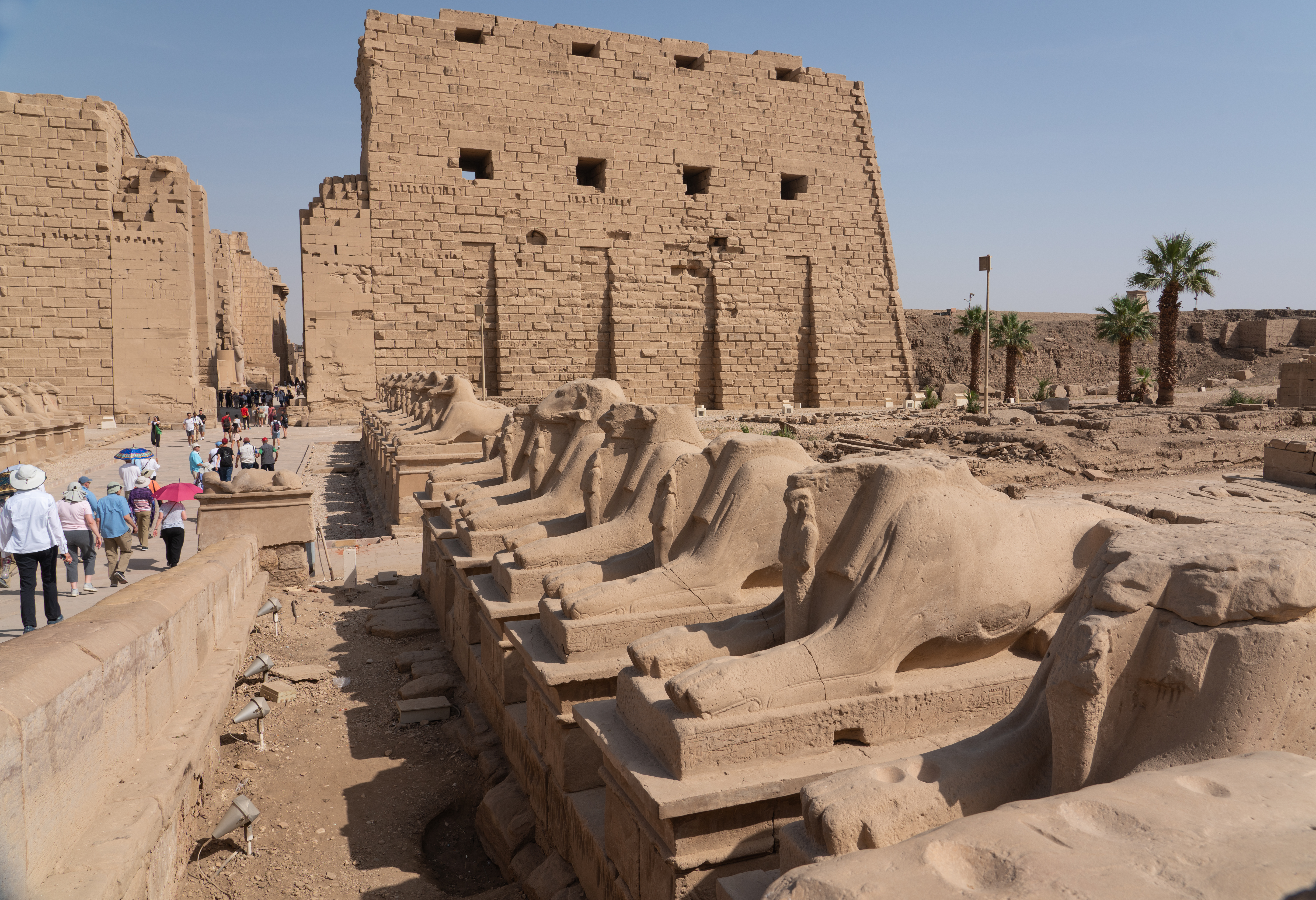
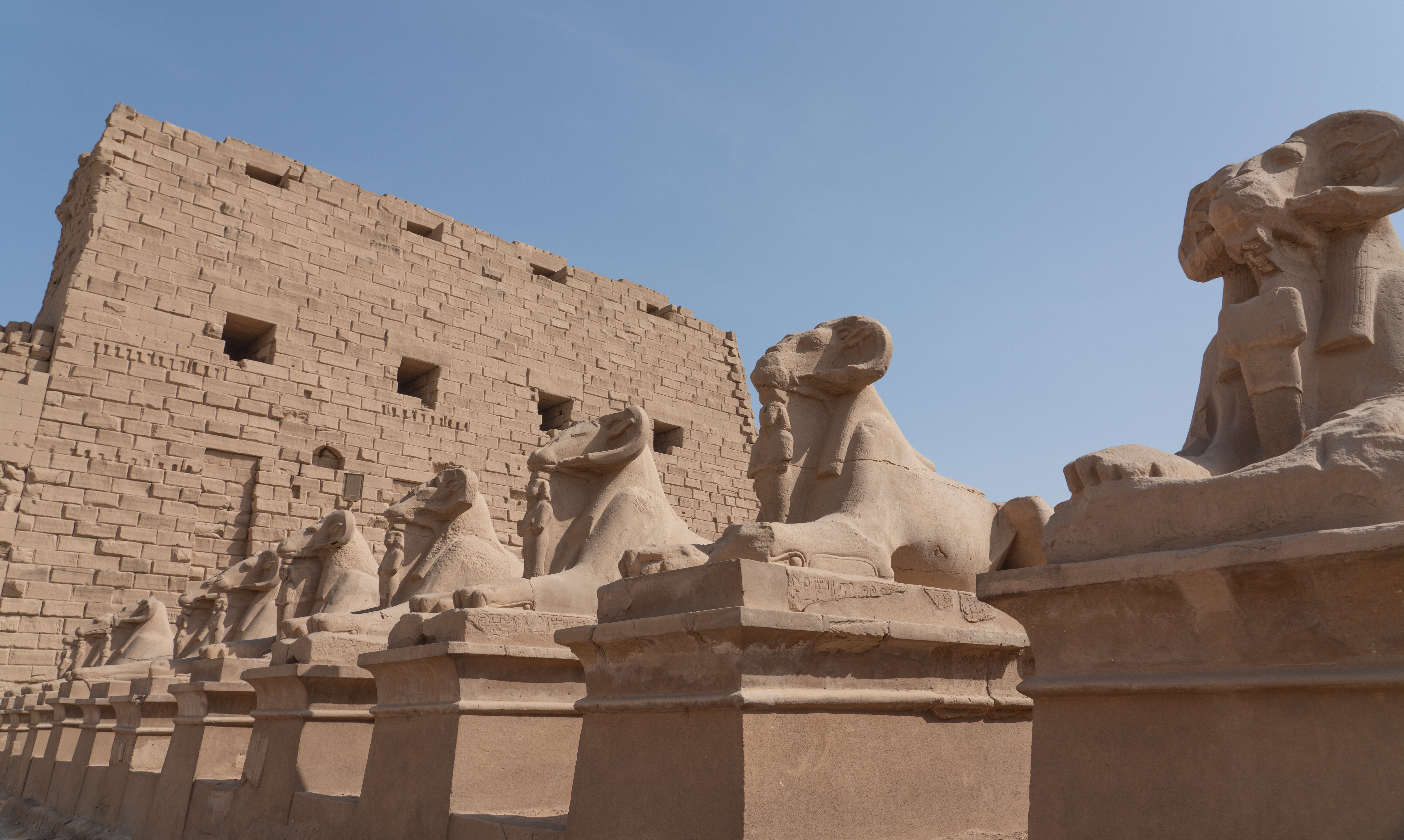
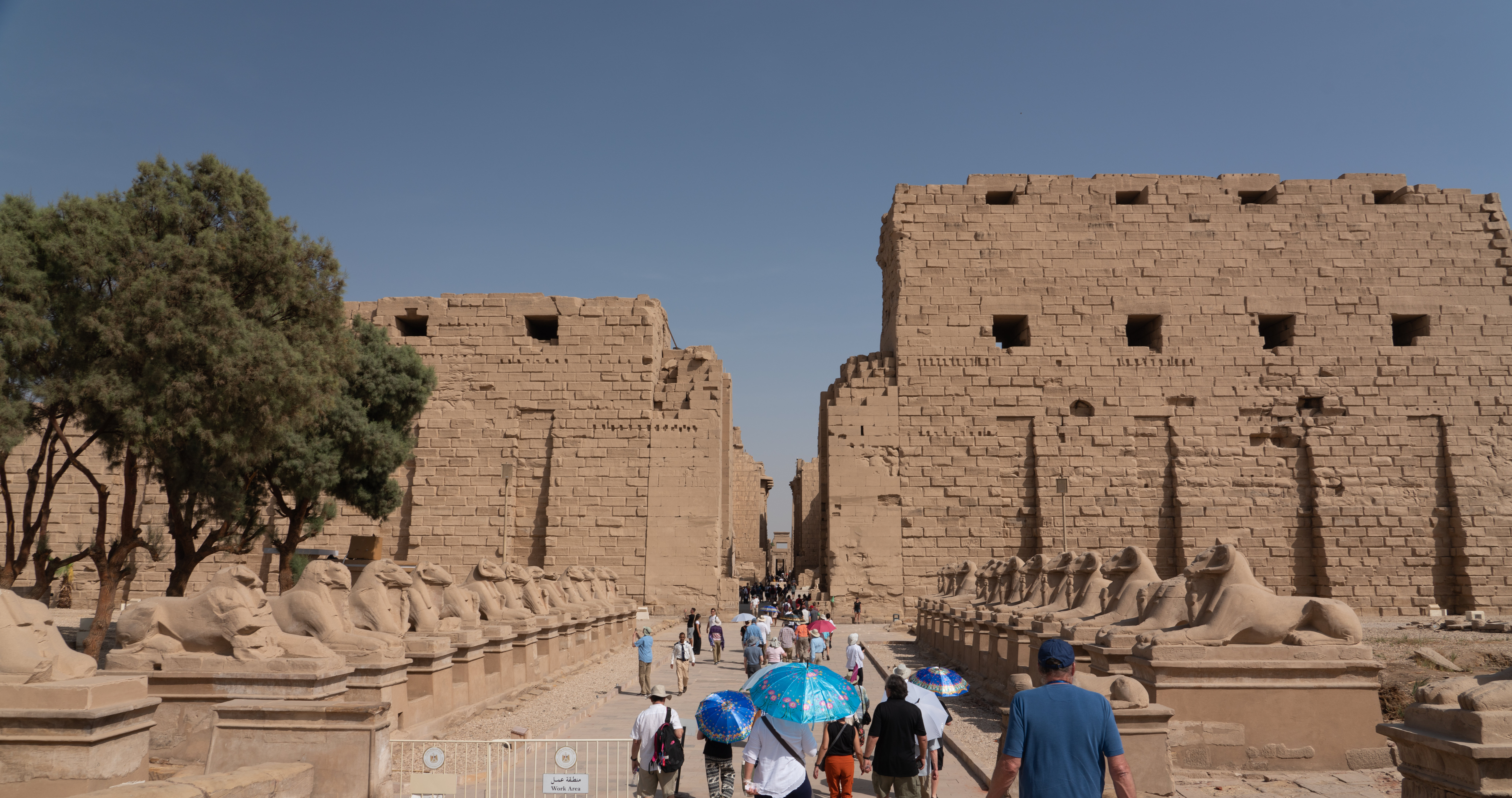
Walking into the complex there is a short corridor of sphinxes. These ram-headed sphinxes are called criosphinxes.
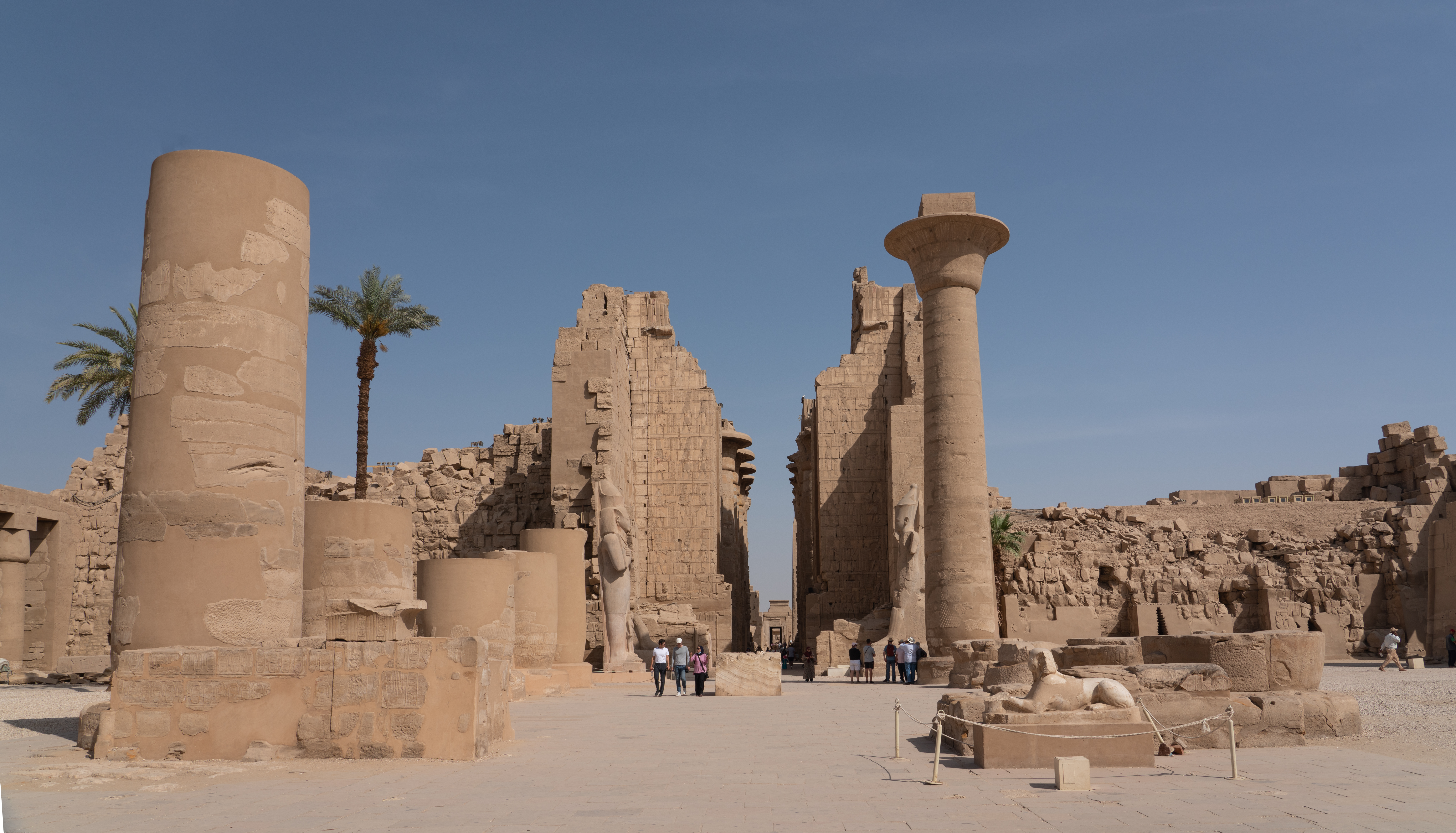
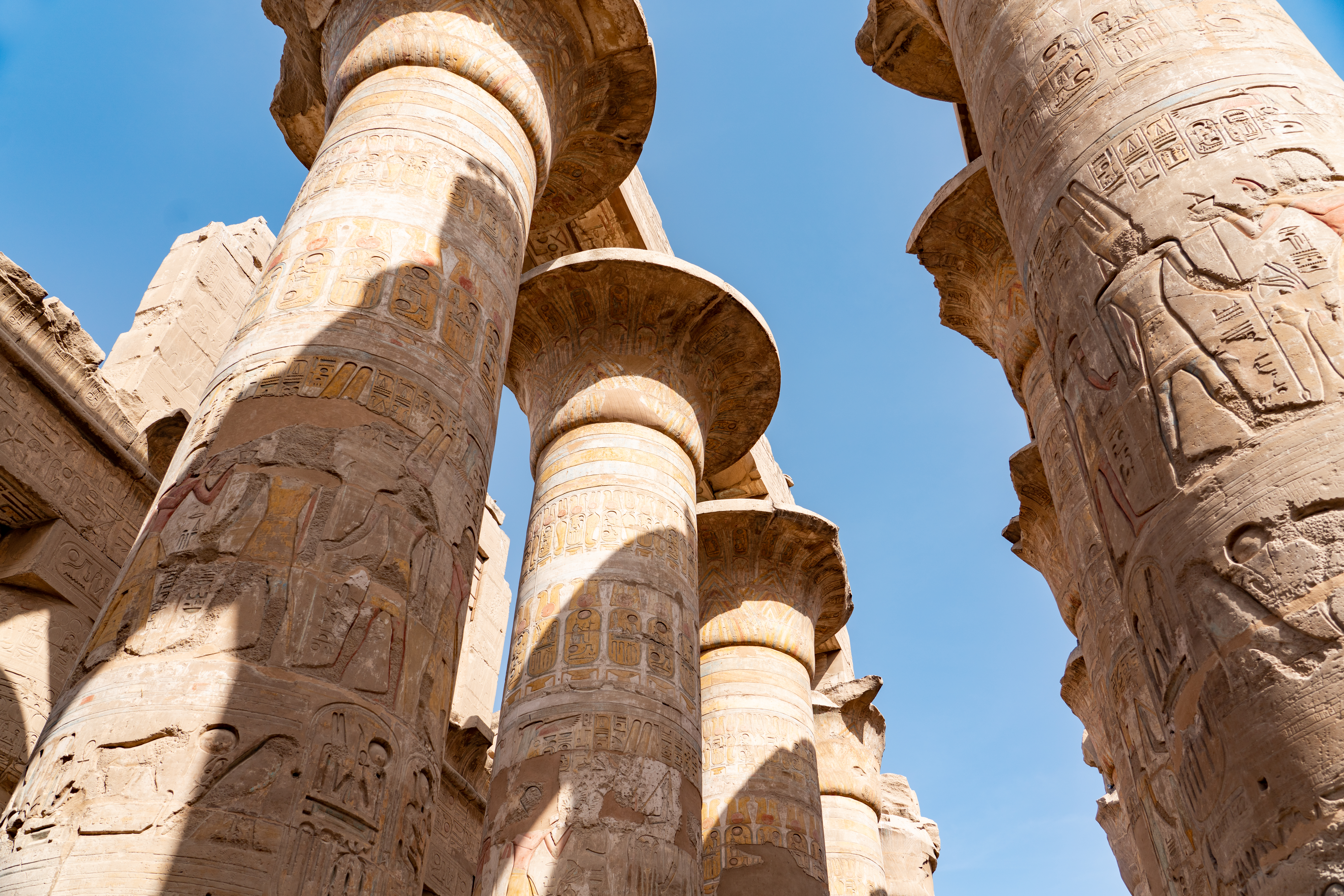
The Precinct of Amun-Re has the Great Hypostyle Hall which consists of 134 huge columns that range from 33- 69 feet tall and have 10 foot diameters. Some of them still have paint on them. They are quite impressive.
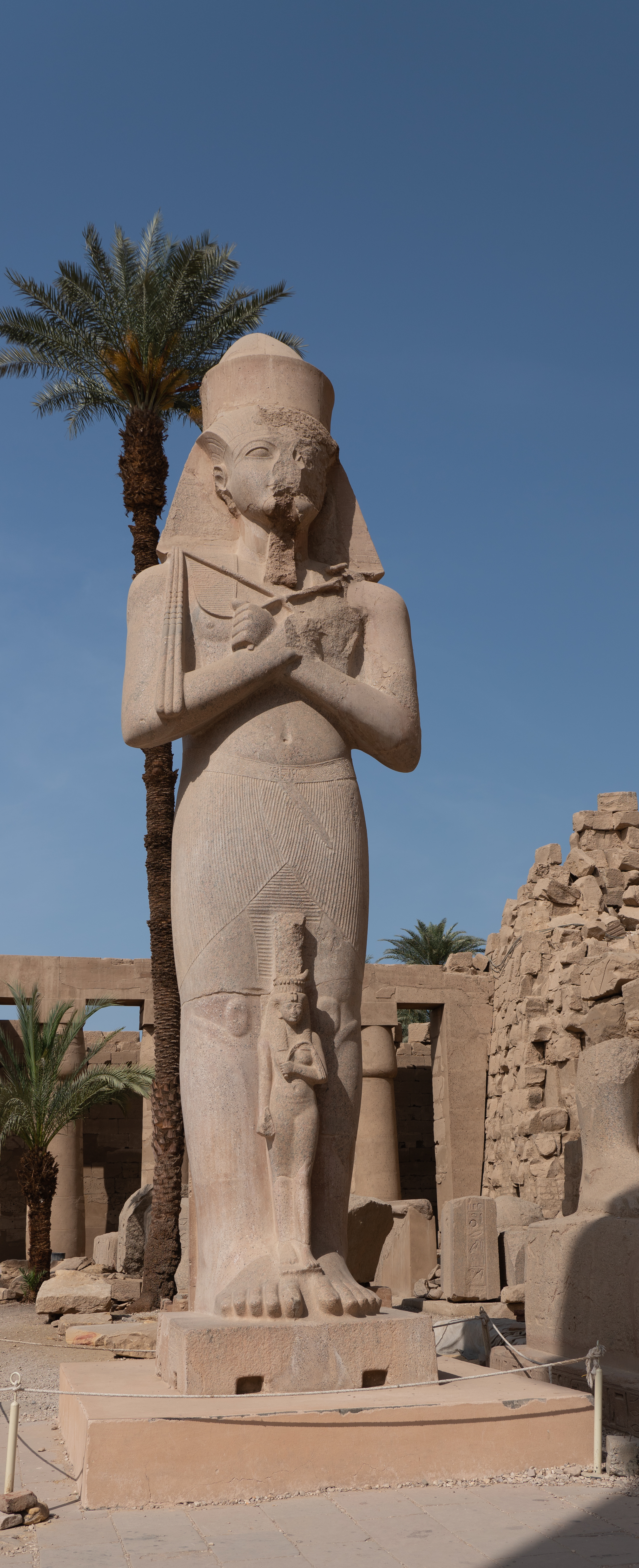
Ramesses II
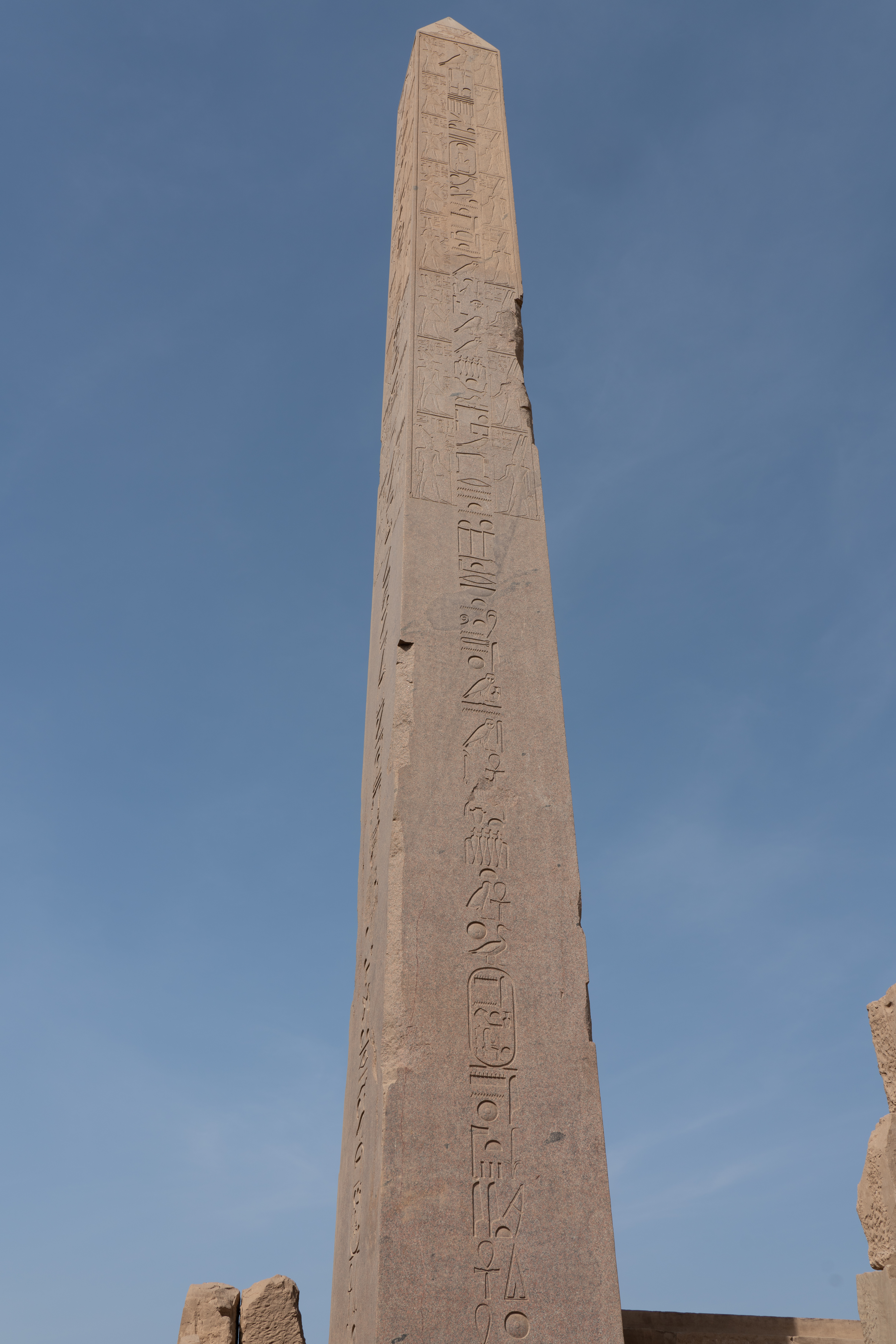
Obelisk of Thutmose I: This is a 69 feet tall inscribed obelisk dating back to the 15th century BC
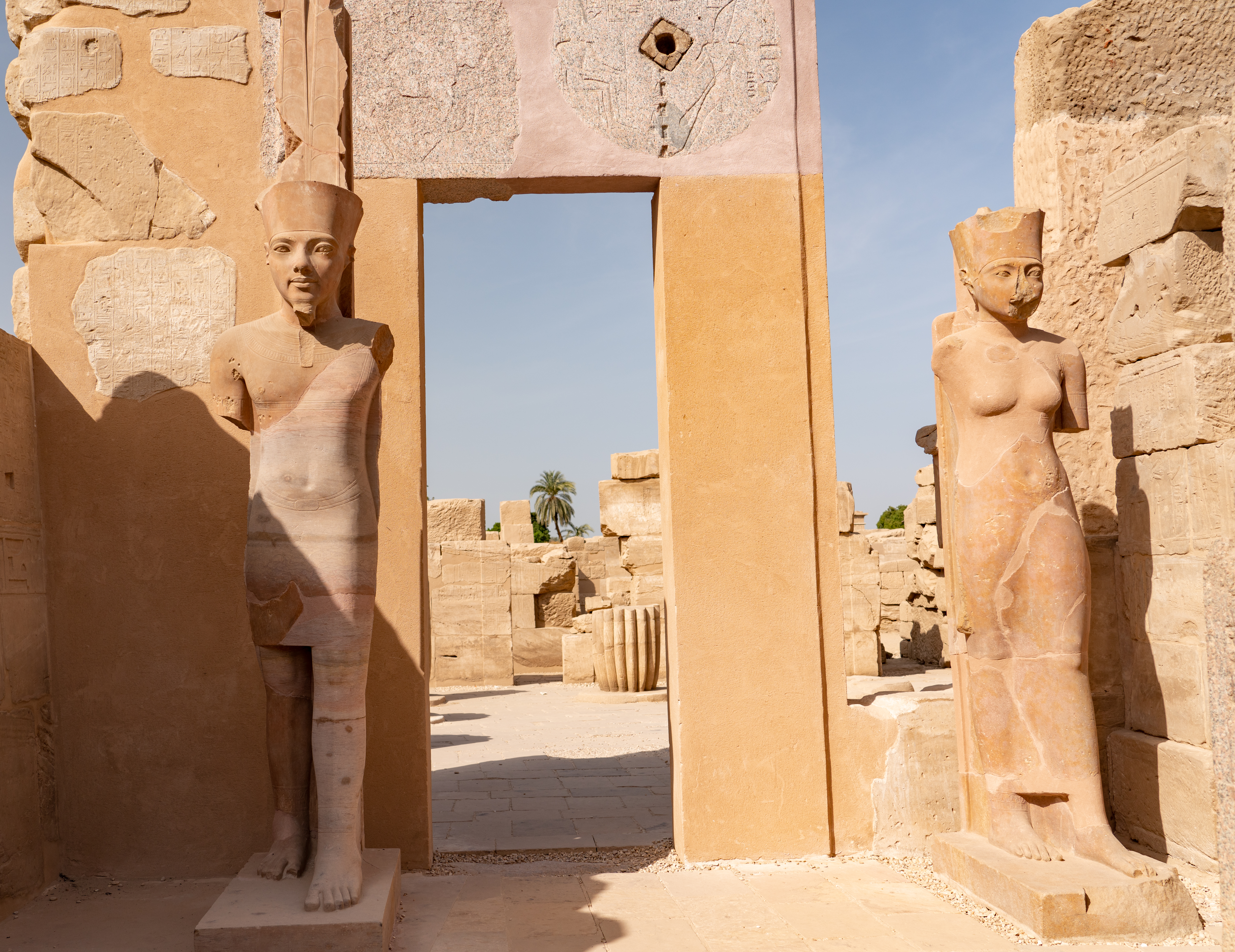
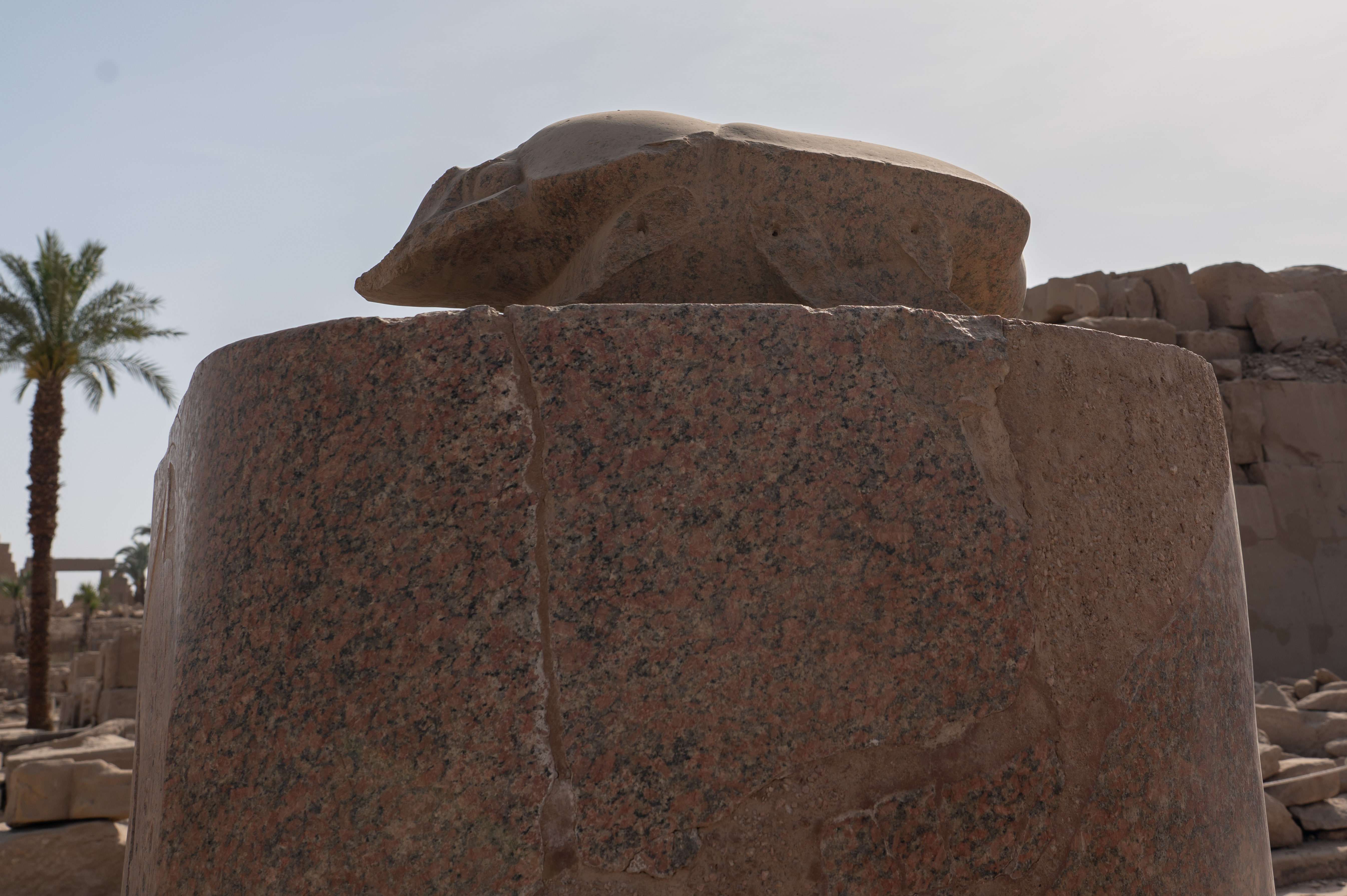
This huge scarab is near the sacred lake where the priests purified themselves. People believe that if you walk around the scarab 3, 5, or 7 times you can get what you wish for. Our Egyptologist recommended a minimum of 5 times.
We then went to the Luxor Temple
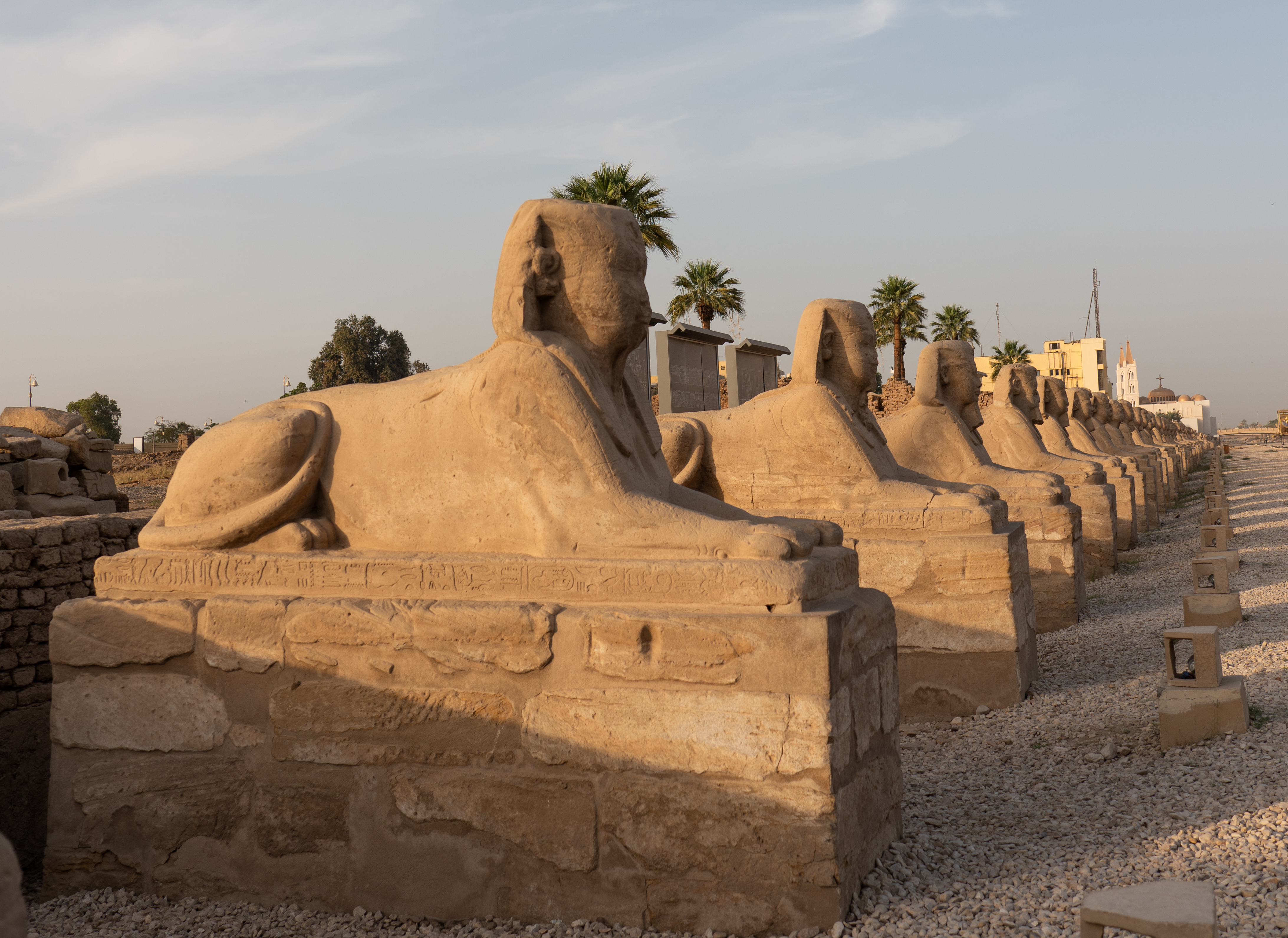
The Karnak and Luxor temples are connected by a 1.7 mile long avenue of sphinxes.
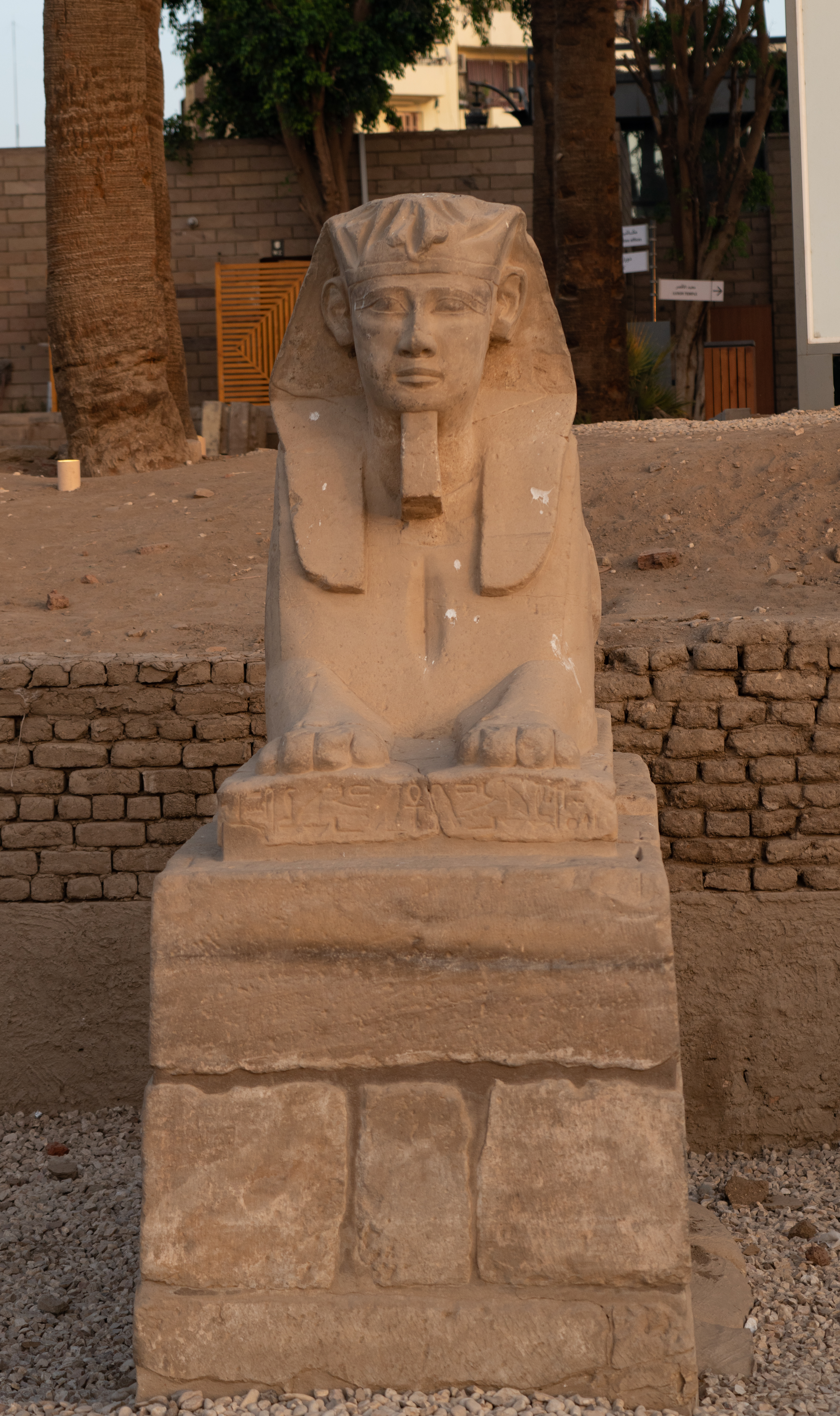
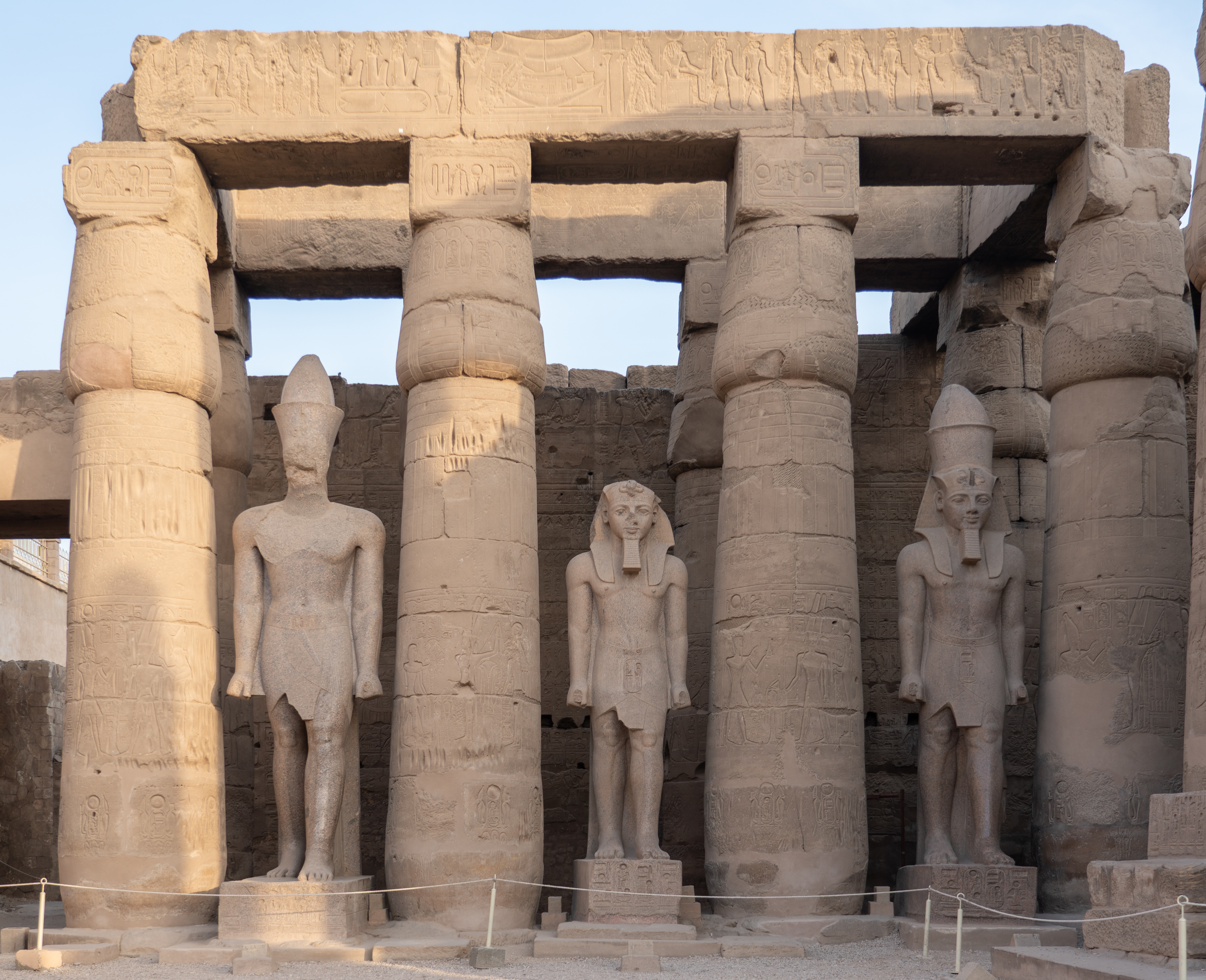
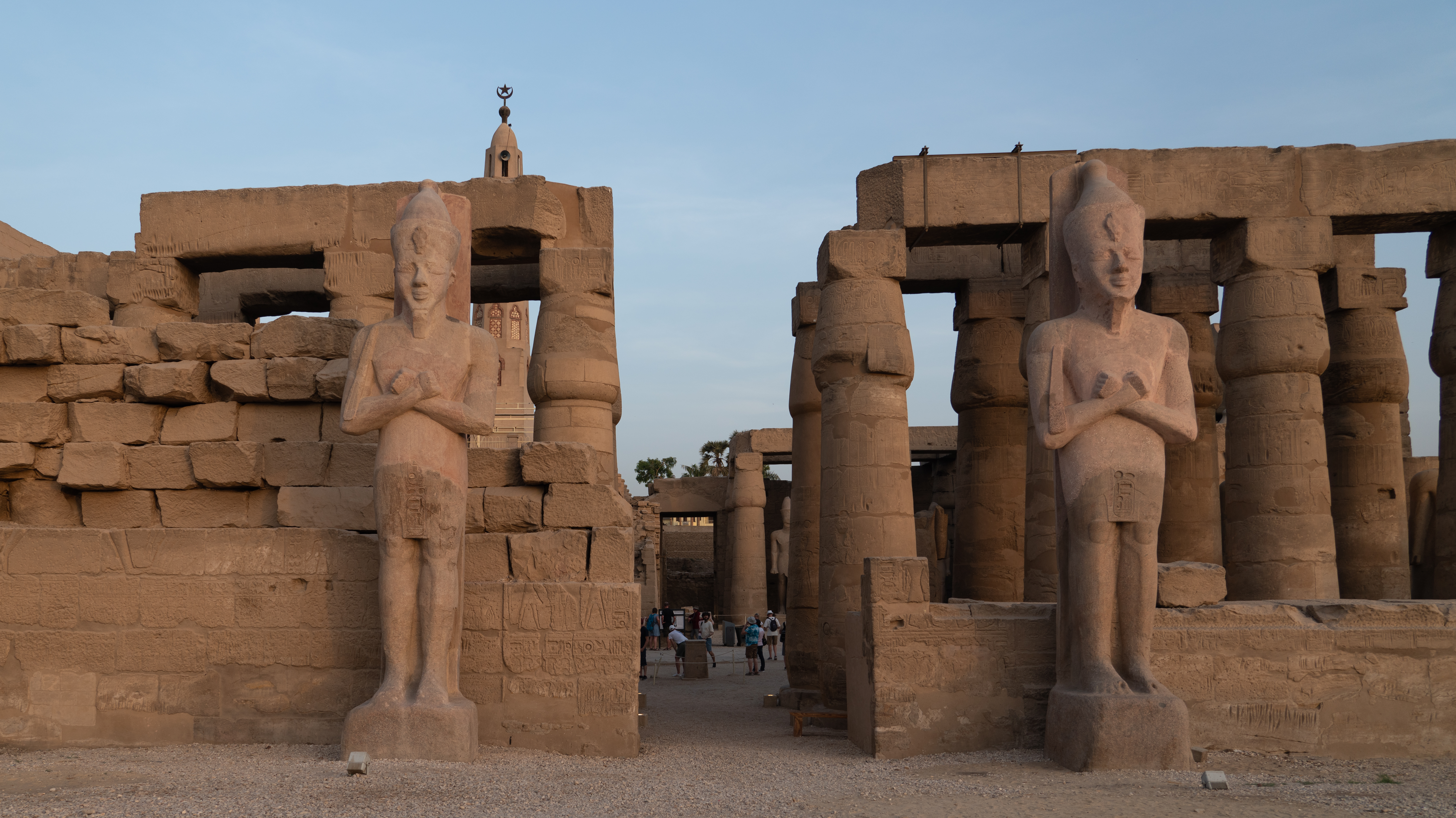
Luxor temple is another large temple complex. It is not dedicated to a specific god, but rather to the deification of kingship. There is a portion that was originally dedicated to the goddess Mut. This was later changed to a church. Like at Karnak, multiple kings contributed to the construction of Luxor, primarily Ramesses II and Amenhotep III. The Roman Emperor Diocletian added on to the complex. During medieval times churches were added and later the Mosque of Abu Al-Haggag, which is still standing, was built.
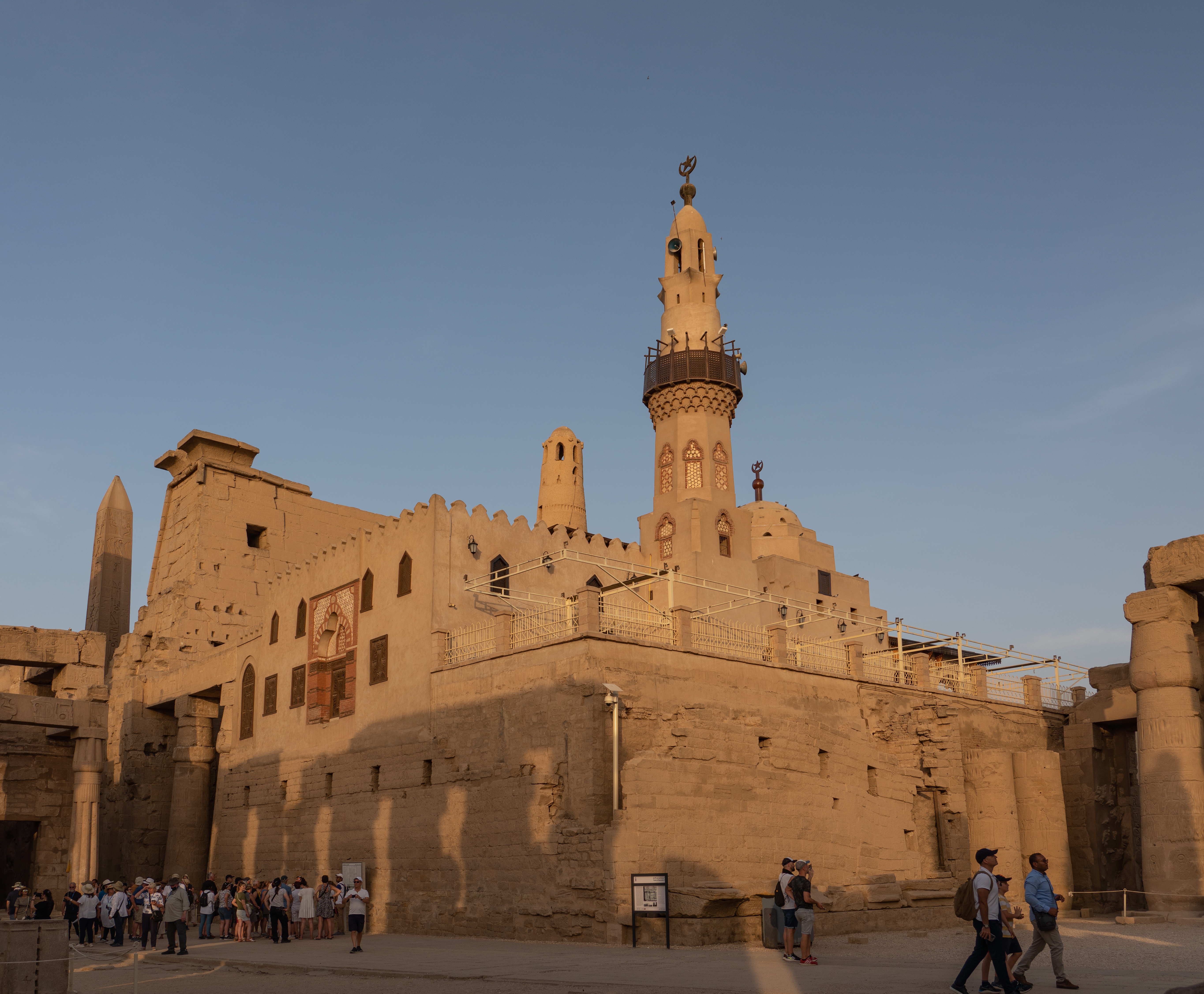
Mosque of Abu Al-Haggag
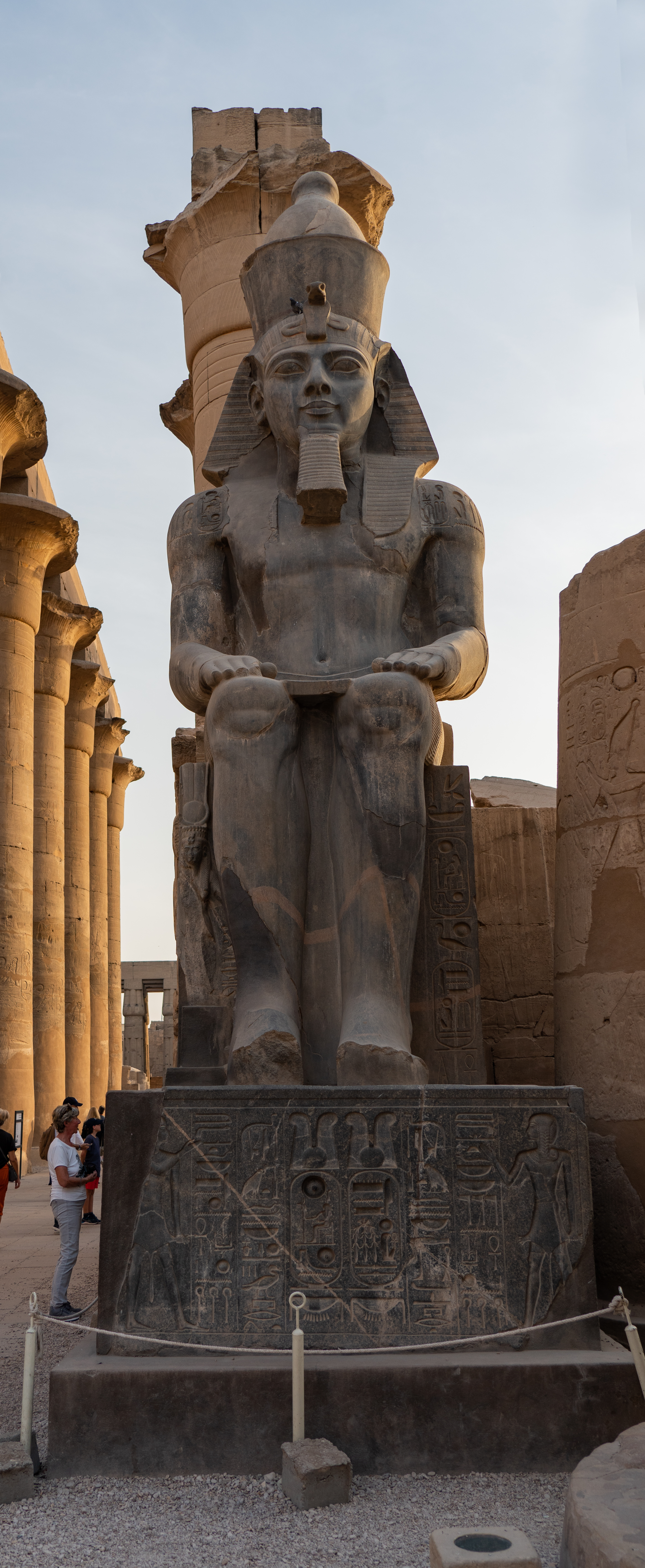
Ramesses II
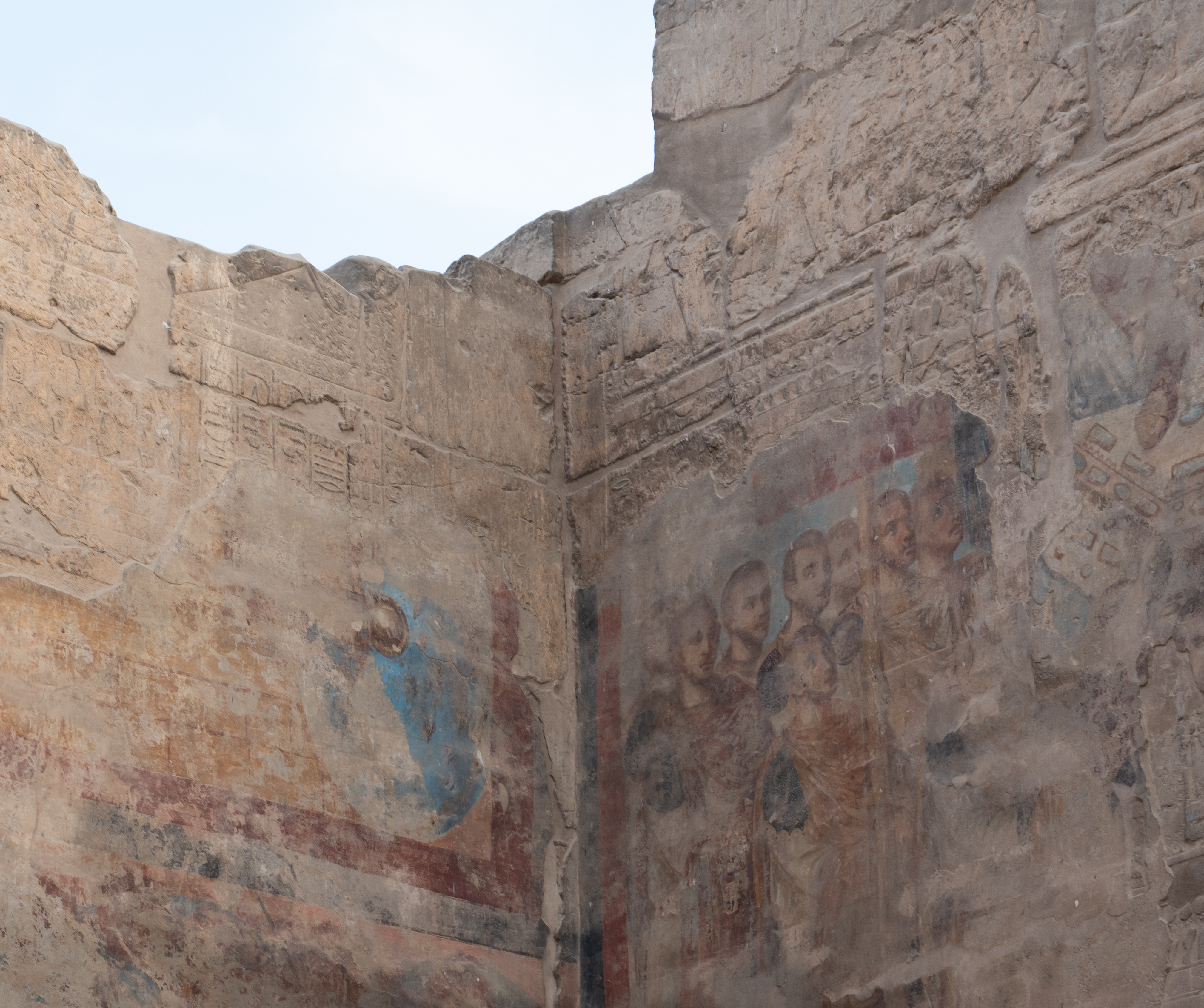
Remnants of a medieval church


Leave a Reply