We arrived in Kenya last night right before Kenya, without luggage, but after making a less than 30 minute connection in Doha, Qatar (including going through security). Much better than missing our flight!
Today, we headed out to see Nairobi. We were here for an overnight in 2013, but only passed through while on a mission trip.
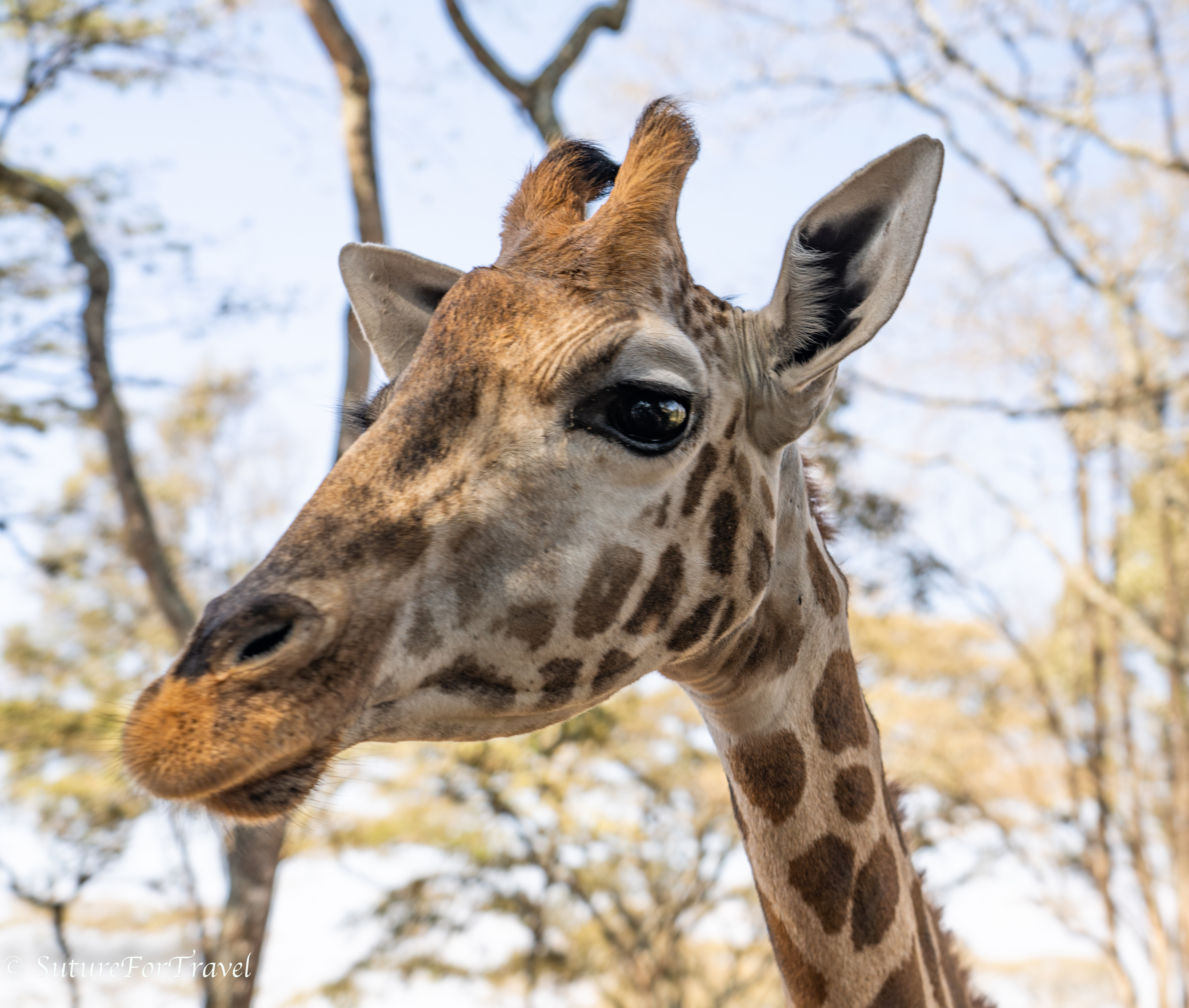
We started out the morning at the Giraffe Center. This is private giraffe conservation program started by the grandson of a Scottish Earl. He and his wife decided they wanted to started a Rothschild giraffe conservation and breeding program so they captured 2 baby giraffes and started one. Despite that questionable beginning, this program has been successful and has introduced breeding pairs into the wild in Kenyan national parks. They are attempting to broaden the gene pool of this subspecies. The Giraffe Center allows visitors to feed the resident giraffes from an elevated walkway. You are given a small cupful of food and are instructed to give them one piece at a time. The giraffes’ tongues are purple and they are very gentle. One, in particular, went down the line of people, taking a treat from each person before moving back to the front of the line and starting all over again. Next to the Giraffe Center is the Giraffe Manor, a hotel where you can stay on site with the giraffes. Apparently you have to book that out at least a year in advance.
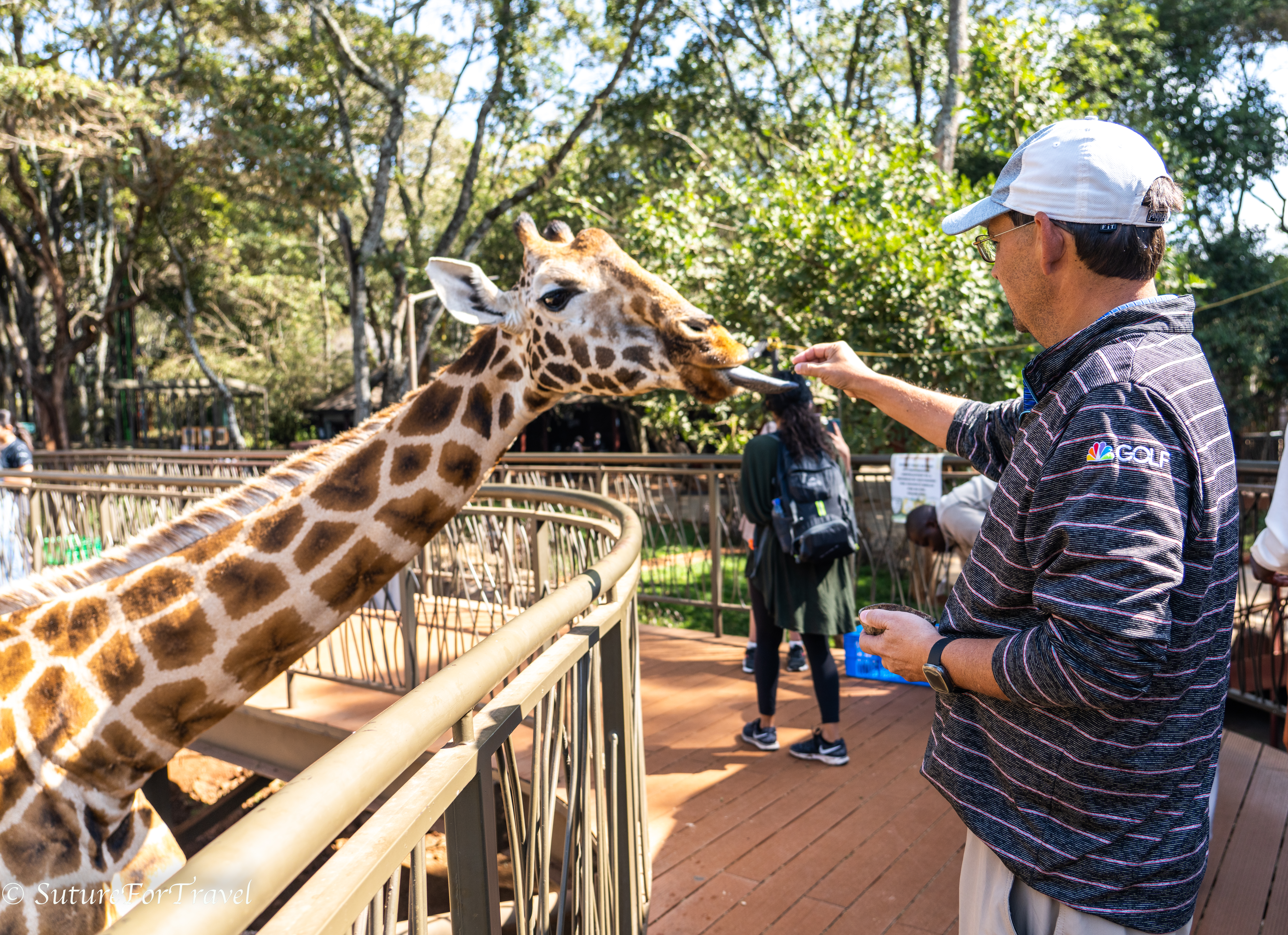
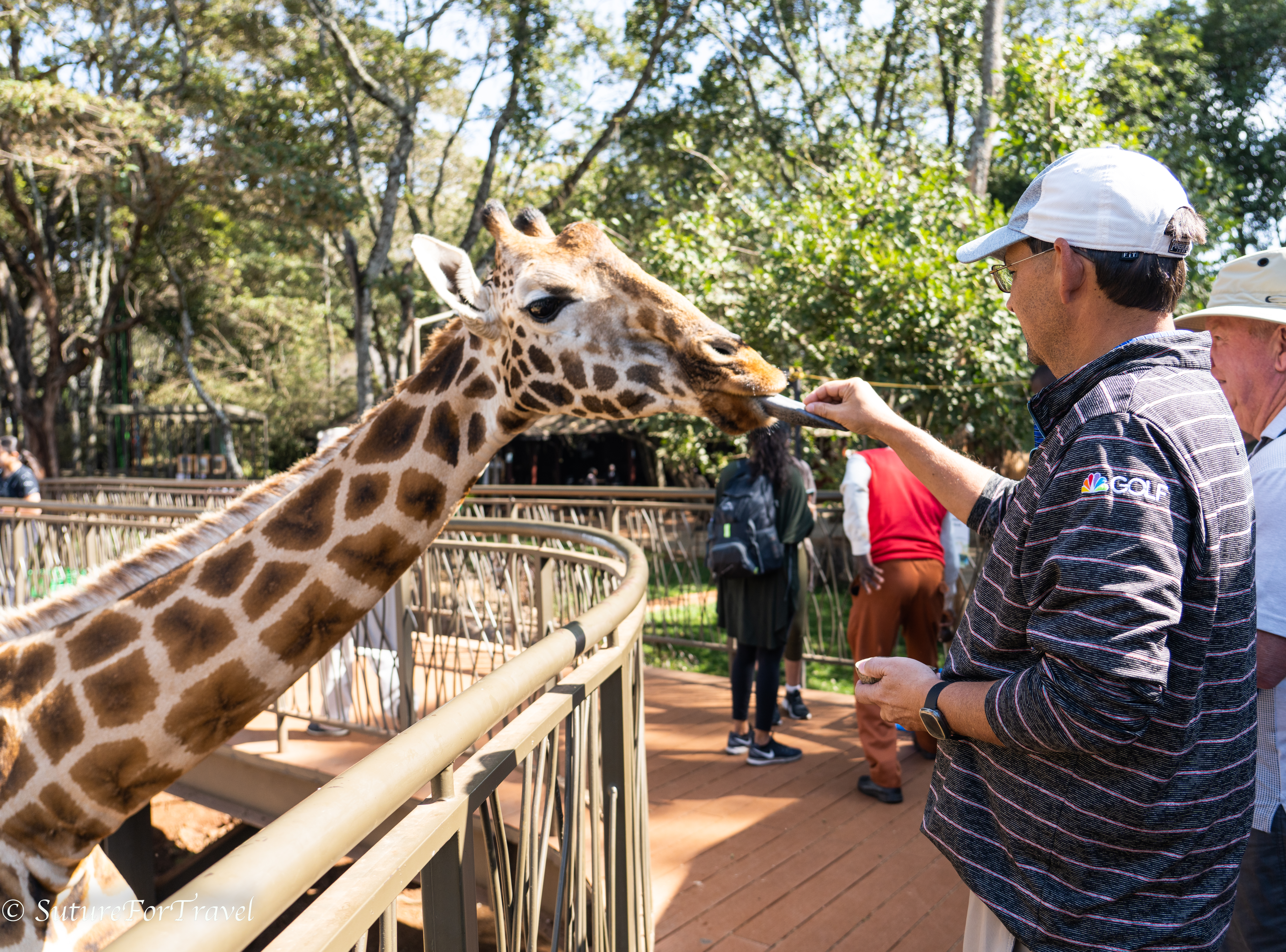
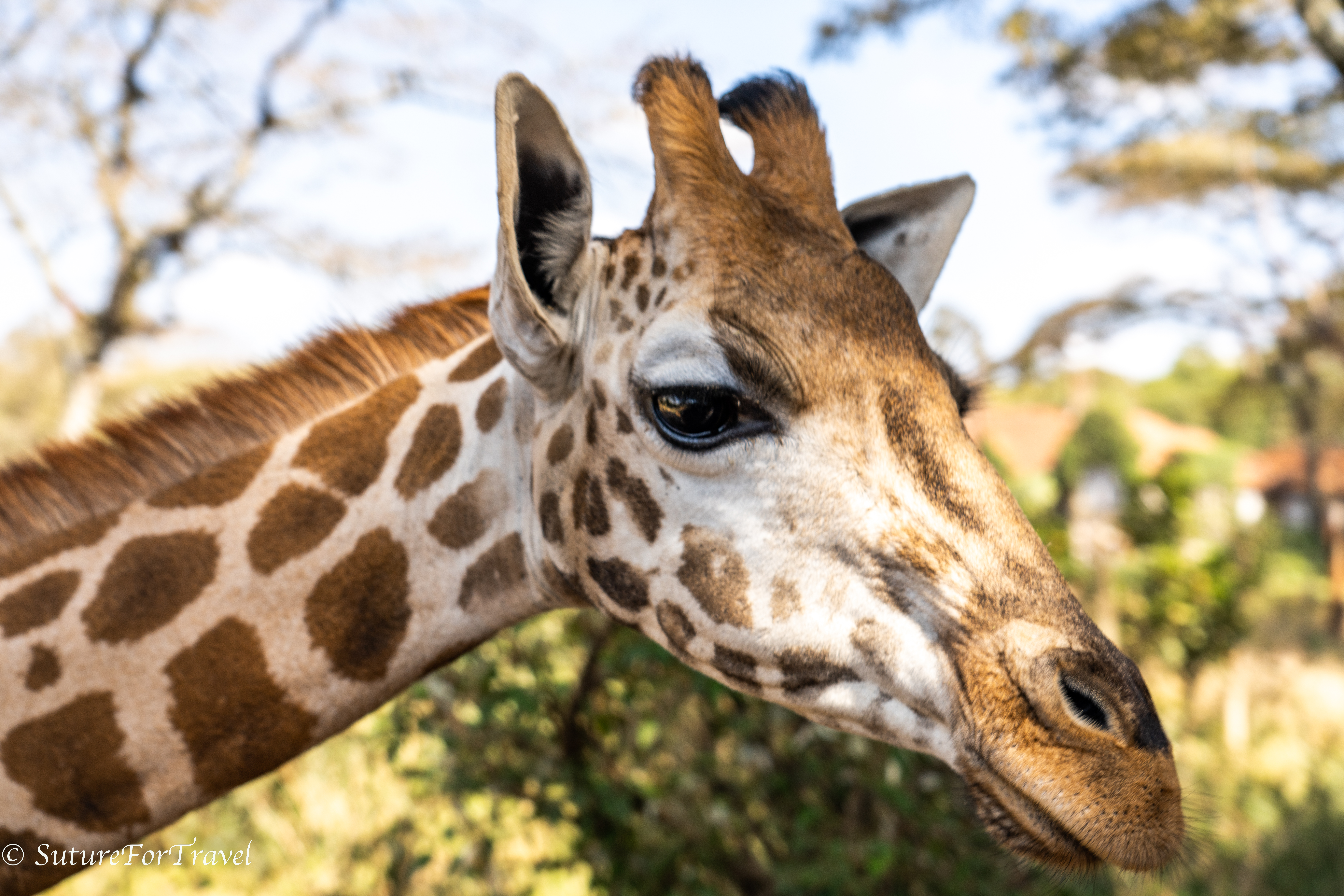
There is technically only one species of giraffe with 9 subspecies. Three are present in Kenya. The reticulated giraffe has a light background with well-defined brick red/brown patches. Rothschild giraffes have a pale tan/creamy background with less well-defined brown patches which have brown spots within the patches. They do not have spots on their lower legs, giving them white socks. They look similar to Masai giraffes, who also have similar patches with spots within them, but their patches are a bit more irregular and go all the way down their legs. There are some other minor differences, but these are the easiest ways to tell them apart.
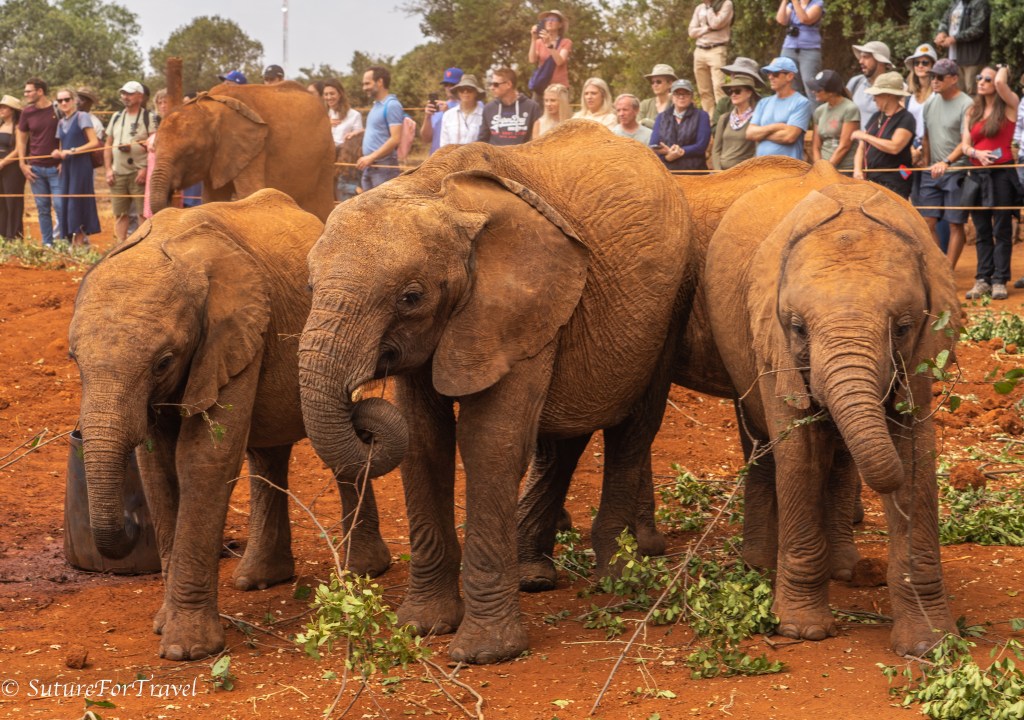
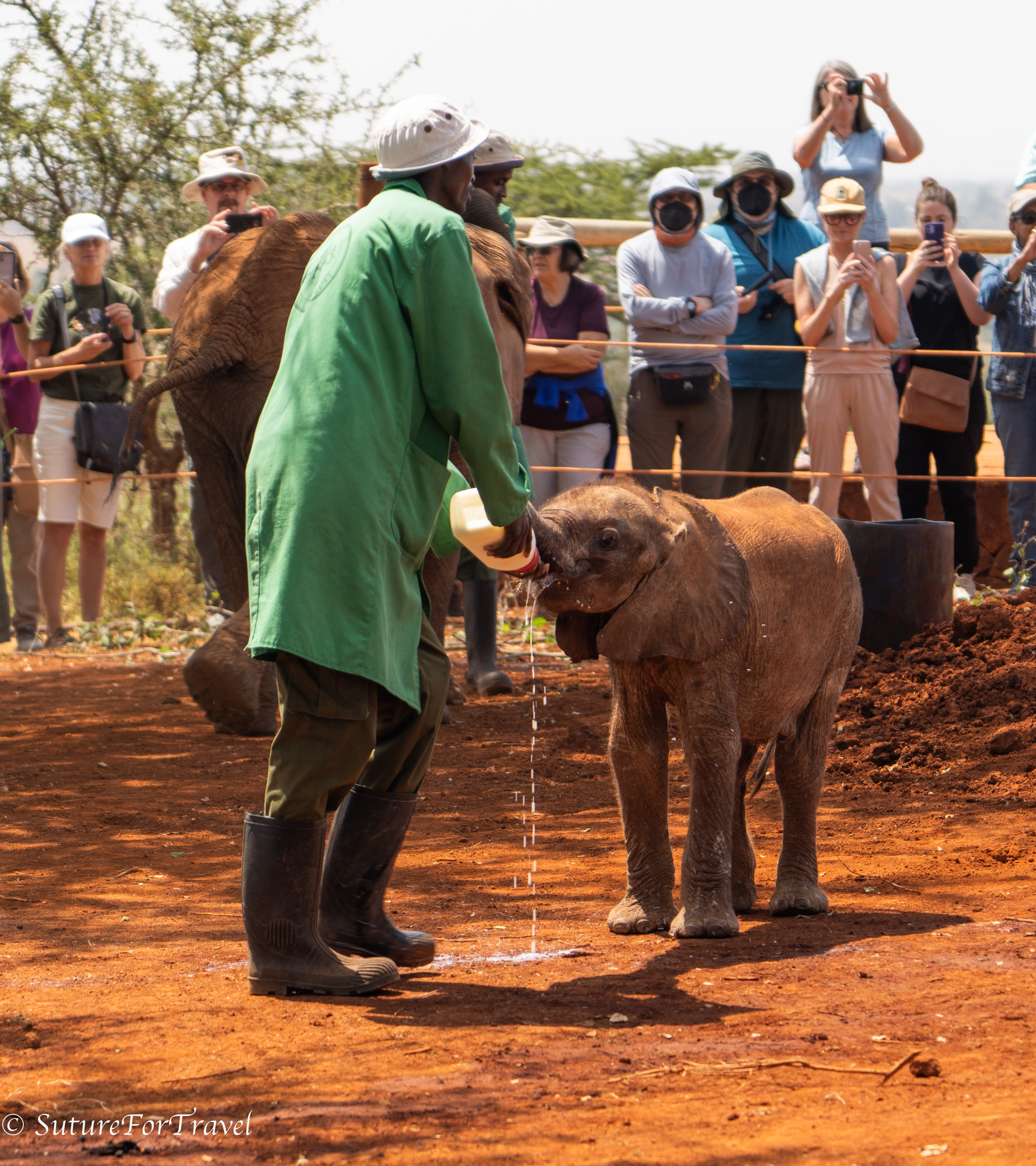
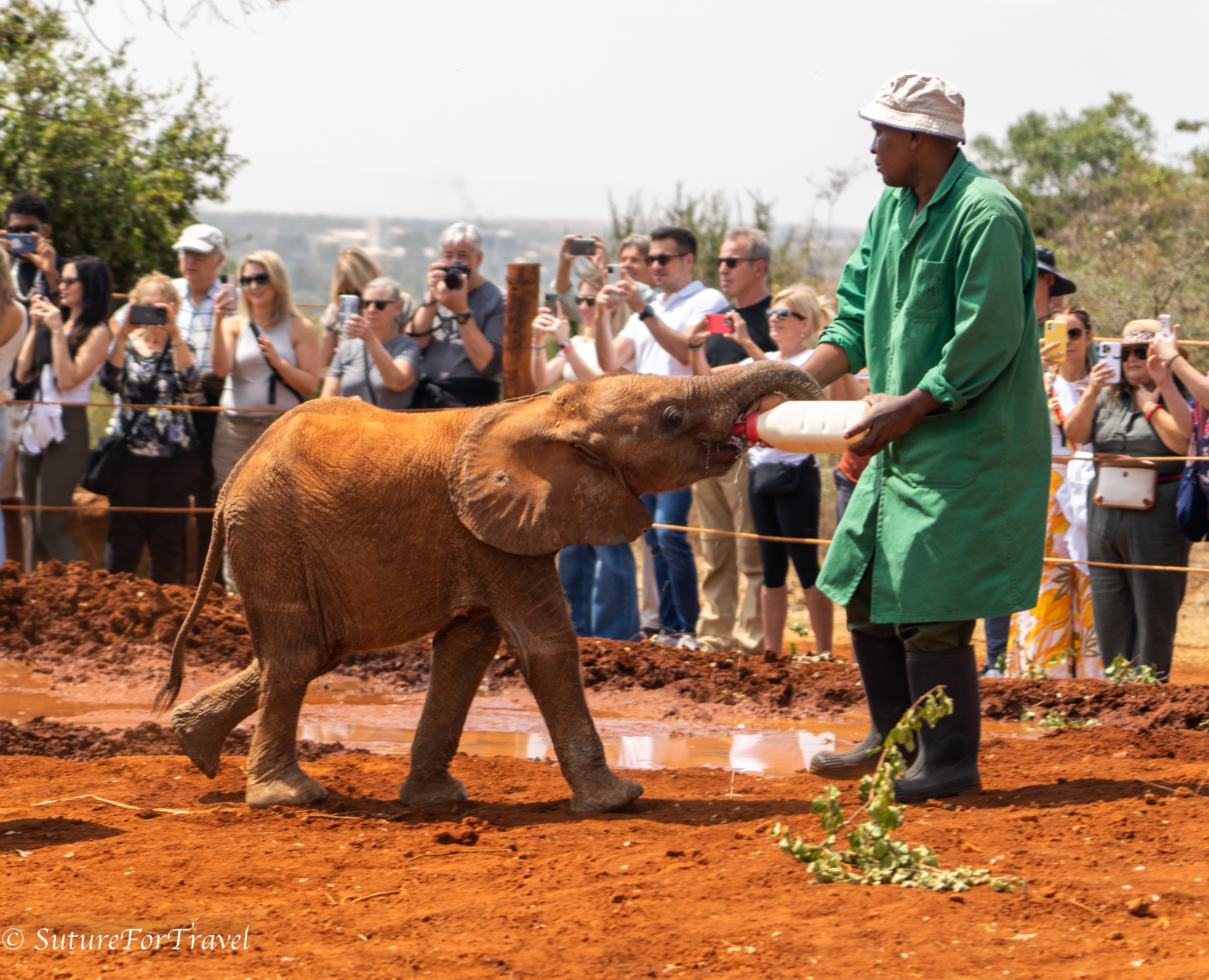
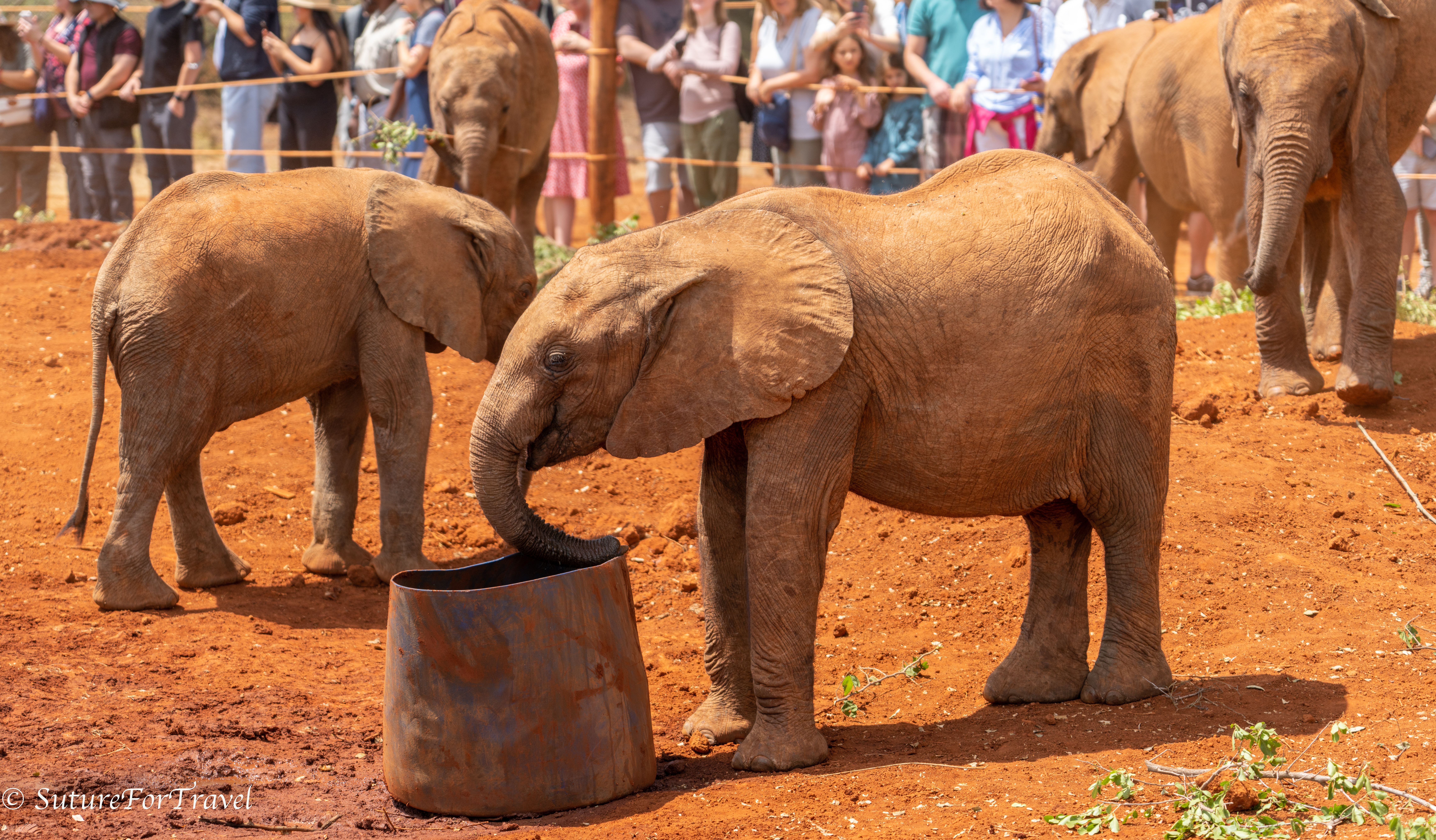
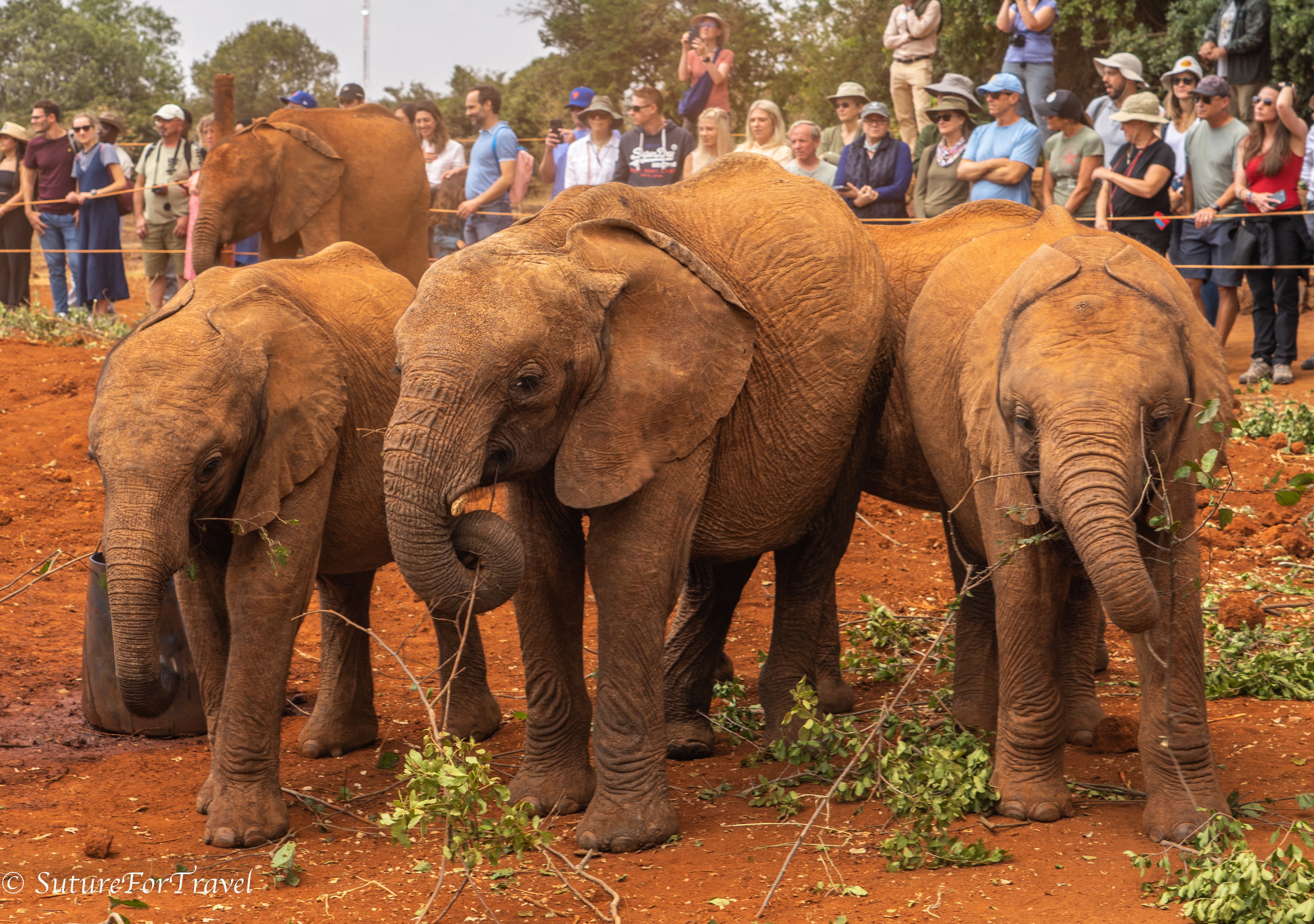
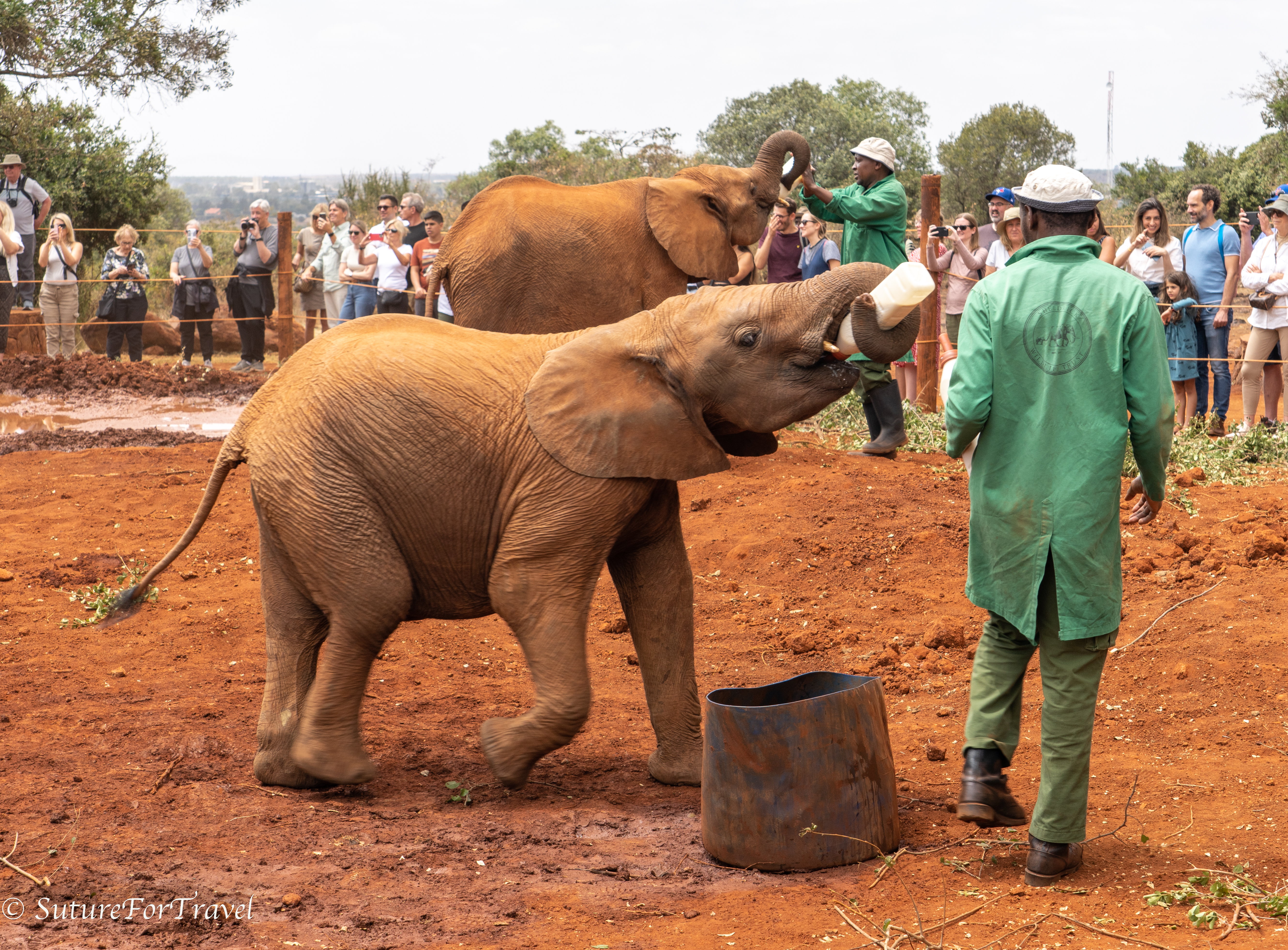
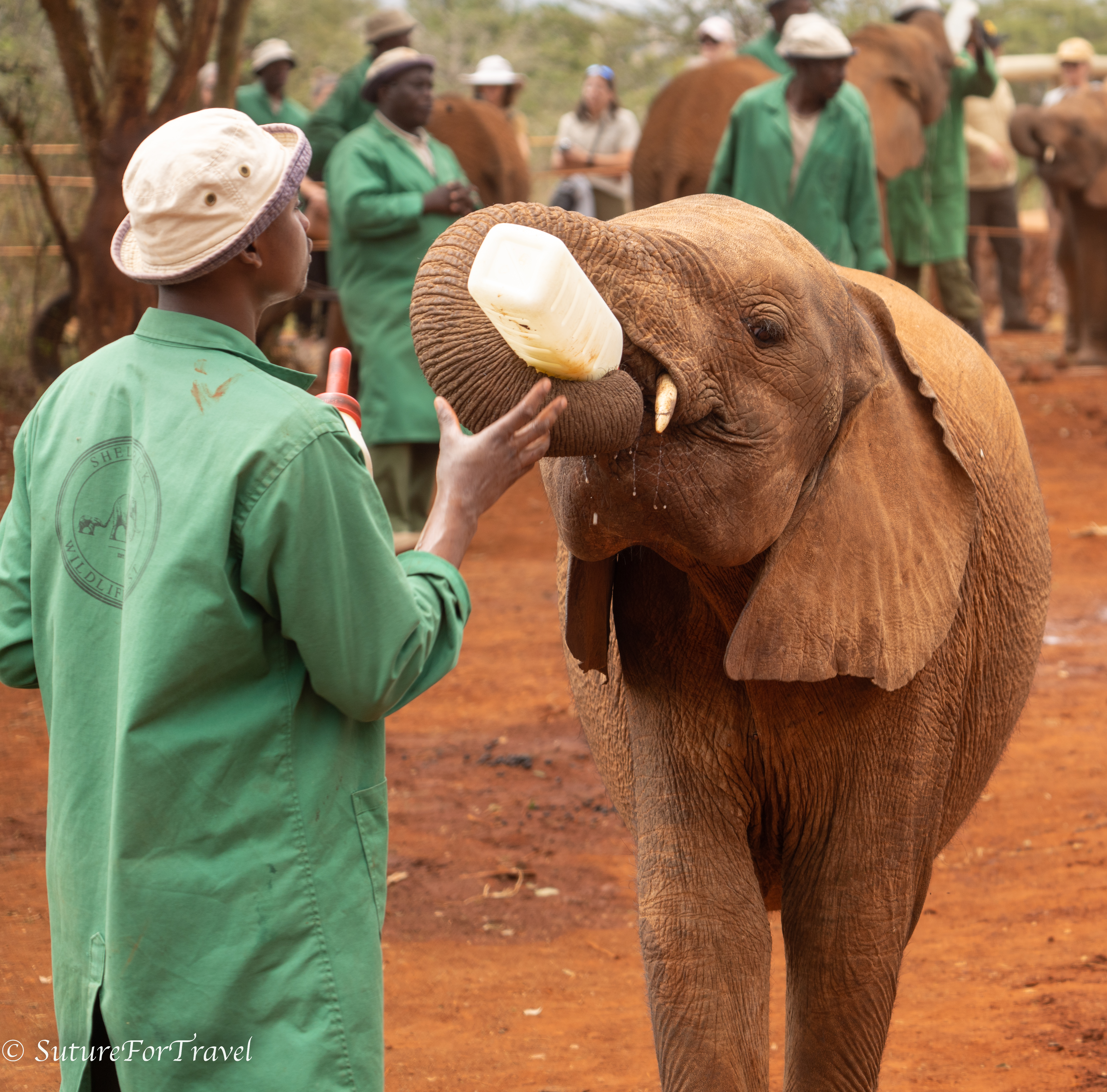
From there we went to the Sheldrick Wildlife Trust, which operates an elephant orphanage. They house elephants up to 4 years old. These have all been orphaned for various reasons. Elephants nurse until they are 2 years old, so they die without their mothers in the wild. After they are weaned at the orphanage, they begin to prepare them to be returned to the wild. By the time they are 4, they take them to one of their centers in a national park where they acclimate them to life in the wild and help them meet elephant families. Once they have integrated into a family, they are fully left on their own.
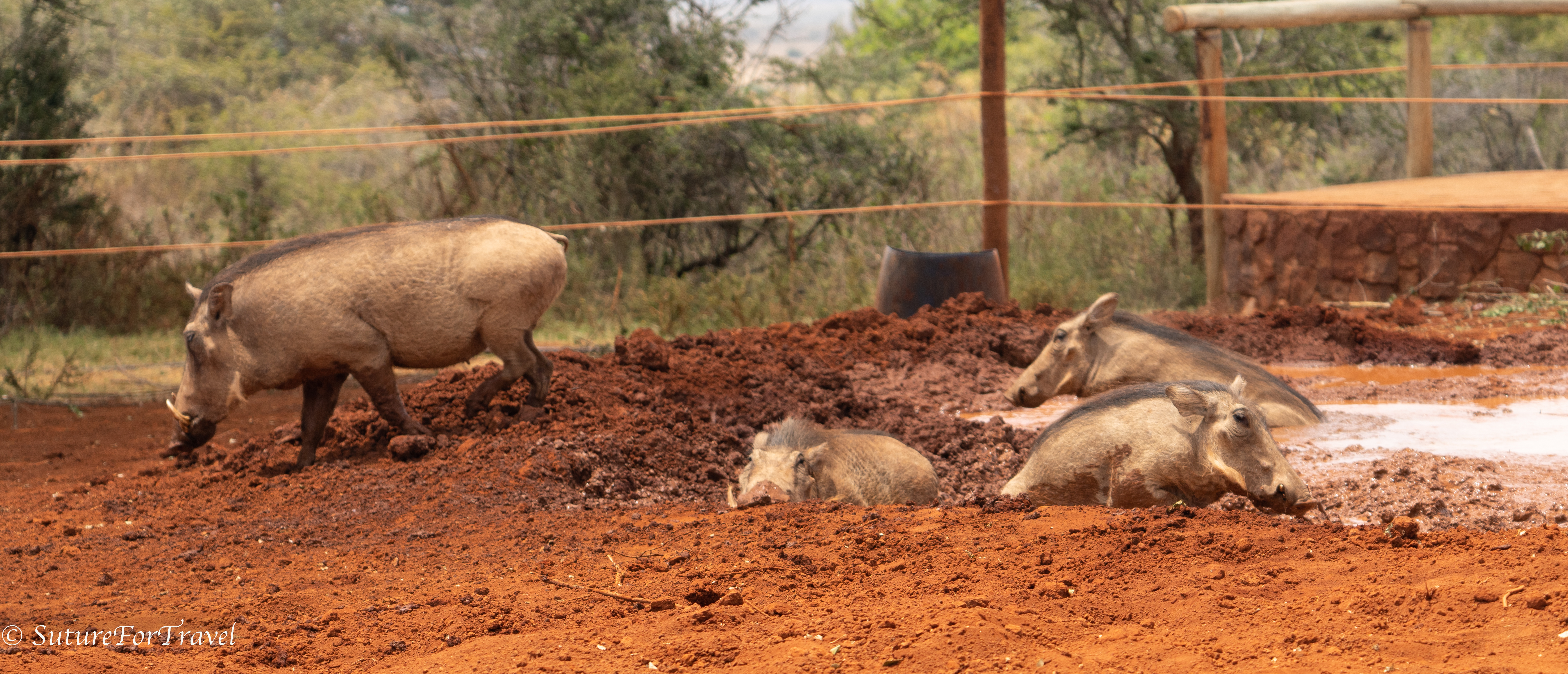
We then toured a small bead-making shop called Kobe Tough. This is an organization that provides jobs for local women making beads from local clay and making the beads into jewelry. They make some really nice items. I opted to not take pictures of the women working.
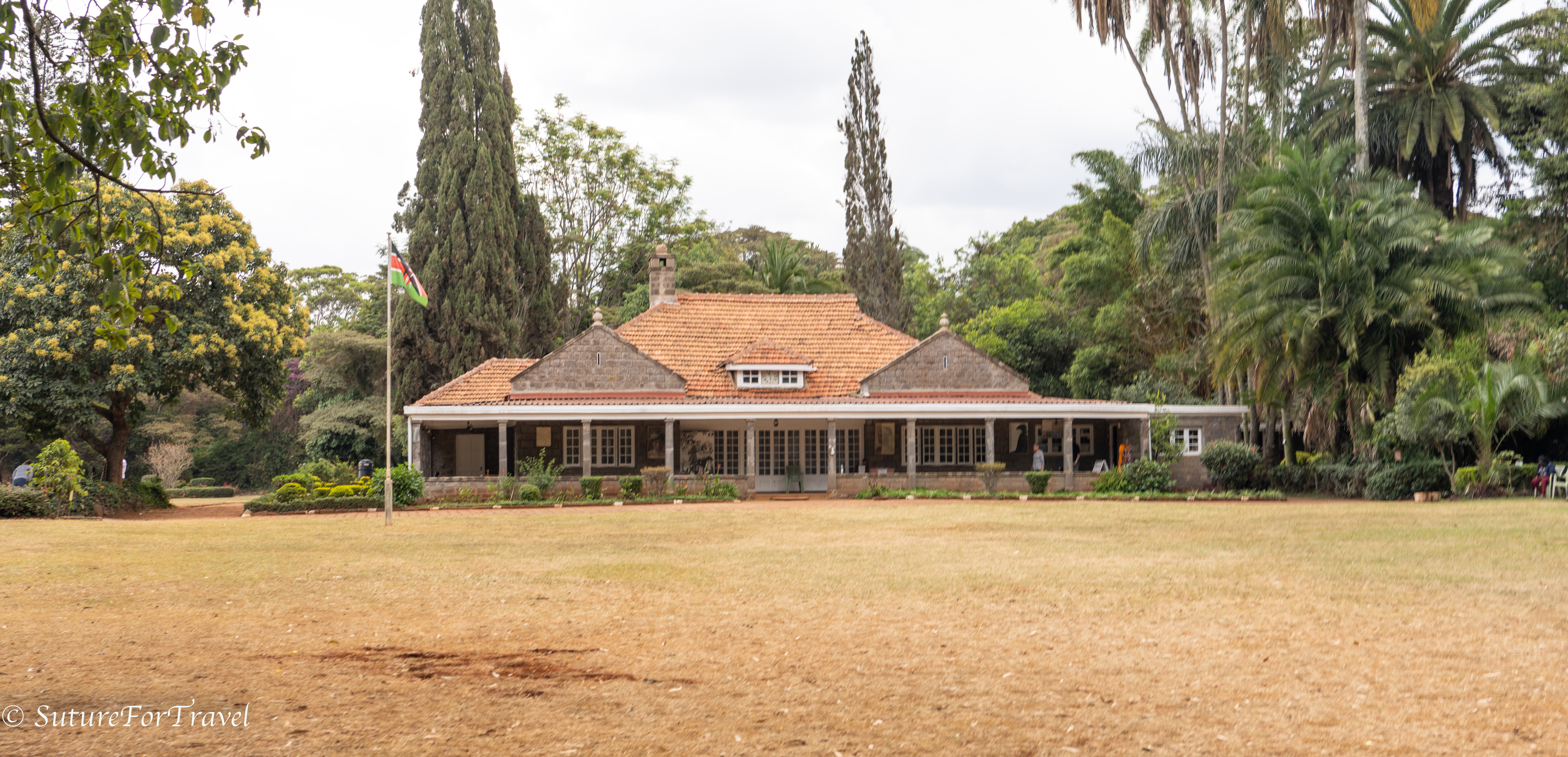
We ended the day at the Karen Blixen House Museum. Karen Blixen was a Danish Baroness who moved to Kenya with her husband in 1914 to raise cattle, but her husband decided to start a coffee plantation instead. She and her husband eventually divorced, but she stayed on the land and bonded with the local people. She eventually went bankrupt and returned to Europe. She wrote of her time in Kenya and wrote other books, but had to publish under pen names, as women were discouraged from writing. Her book of her time in Kenya is one of her best known and was made into a movie: “Out of Africa.” To this day, she is well loved and respected here. The area where her coffee plantation was located is now a part of Nairobi and is named after her (the Karen region of Nairobi).
We were able to have dinner with a friend who lives about 1.5 hours from here, Jere, and his wife, Joy. It was very special to be able to meet up with them and spend the evening together!


Leave a Reply