This morning we got up early to take the first ferry across the Río de la Plata from Buenos Aires to Colonia del Sacramento, Uruguay. This process involved going through passport control for both Argentina and Uruguay followed by a 45 minute ferry ride and customs in Uruguay.
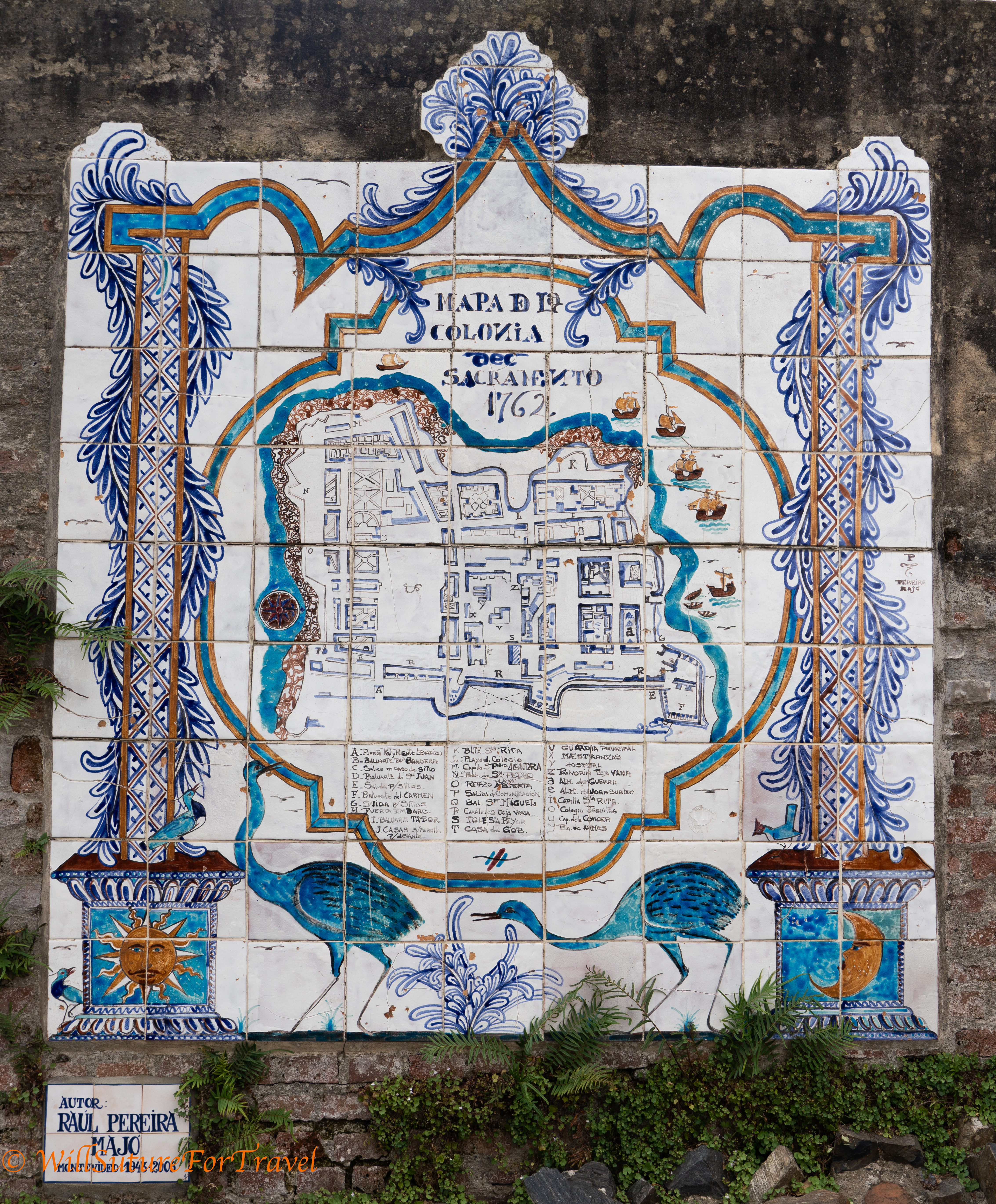
Tile map of the historic town of Colonia del Sacramento
In 1680, the Portuguese arrived with 400 men to establish a post at this site. They gradually built a fortification and city walls. This was a location from which they could monitor trade along the Río de la Plata and could also spy on the Spanish across the river. They were relatively protected by the rocky shore, but it still was traded back and forth between Portugal and Spain multiple times while additionally battling indigenous peoples. Eventually the British assisted the Uruguayans in fighting for their independence, adding their influence as well.
Because of this history of going back and forth between Portugal and Spain, there are distinct architectural influences seen in this small, historic town depending on the timeframe. Much of this is well-preserved. The historic town is a UNESCO World Heritage Site.
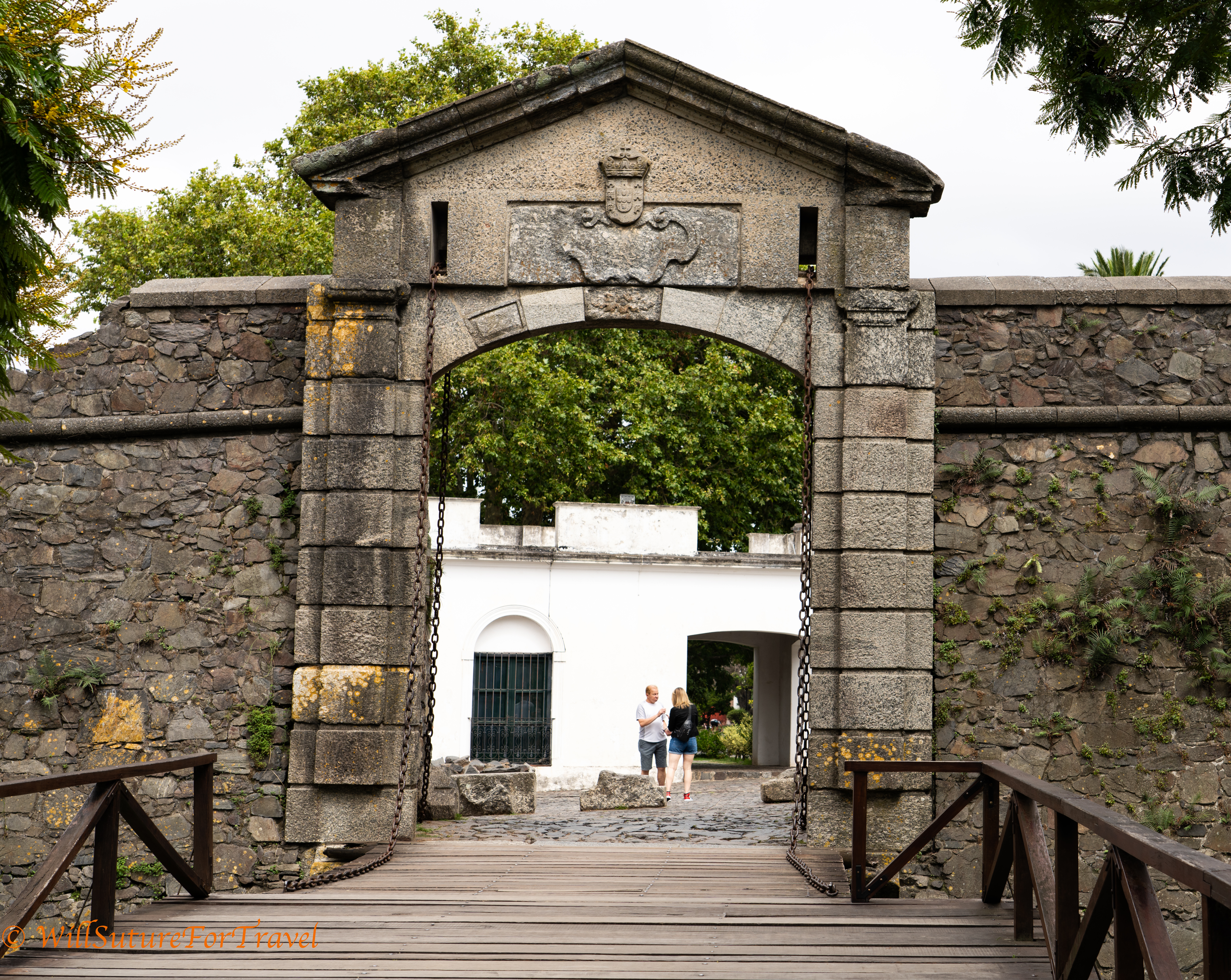
City gate: this was originally built in 1745 but expanded in 1857
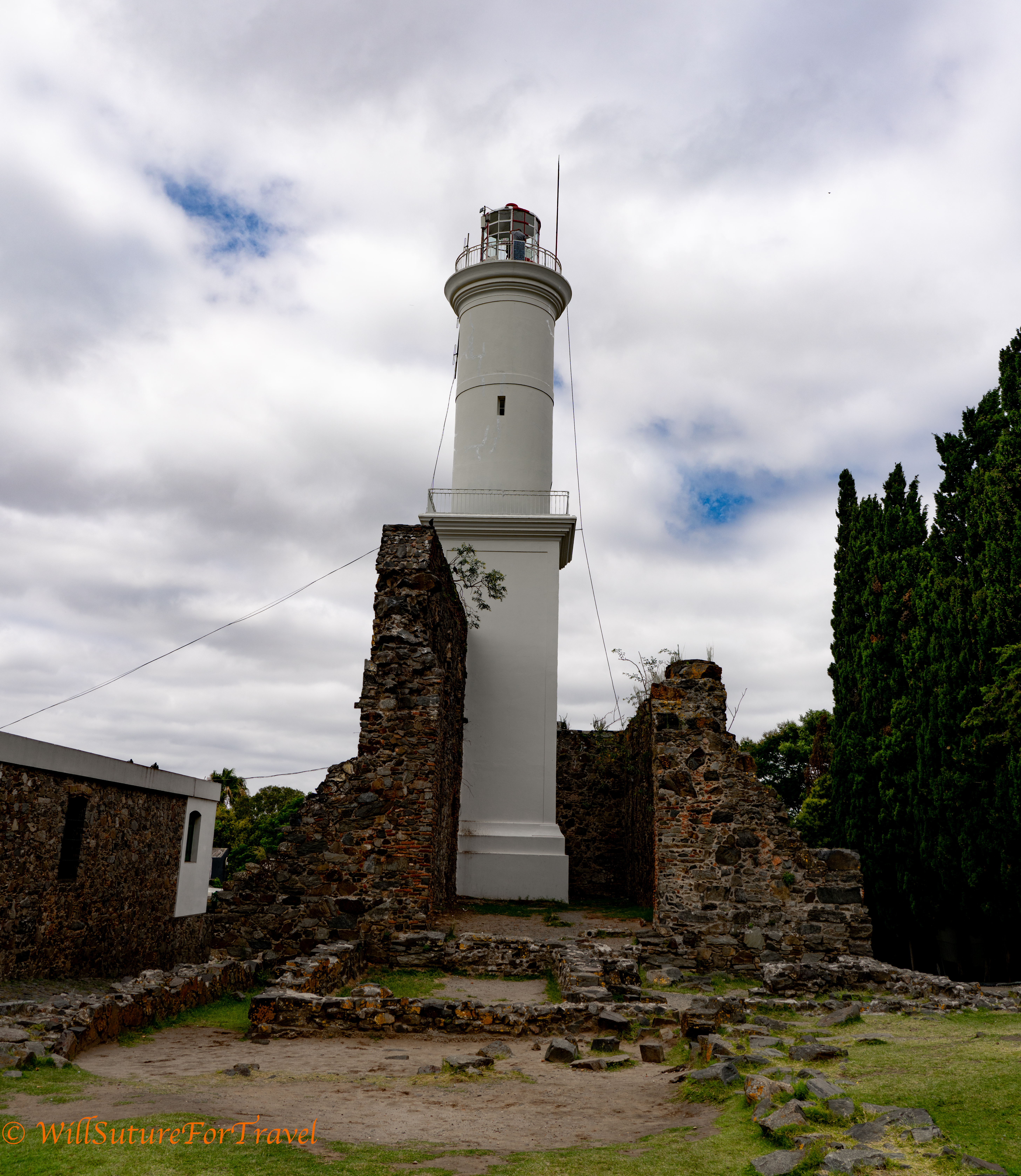
Ruins of the Convent of San Francisco Xavier with the Lighthouse in the background
The Convent of San Francisco Xavier is believed to have been built in the 1690s and later destroyed by a fire in approximately 1704. The chapel’s tower was used as a landmark for sailors as the convent was on a hill. Subsequently plans were made to build a lighthouse where the tower had stood. Construction began in 1845 but civil war delayed its completion until 1857.
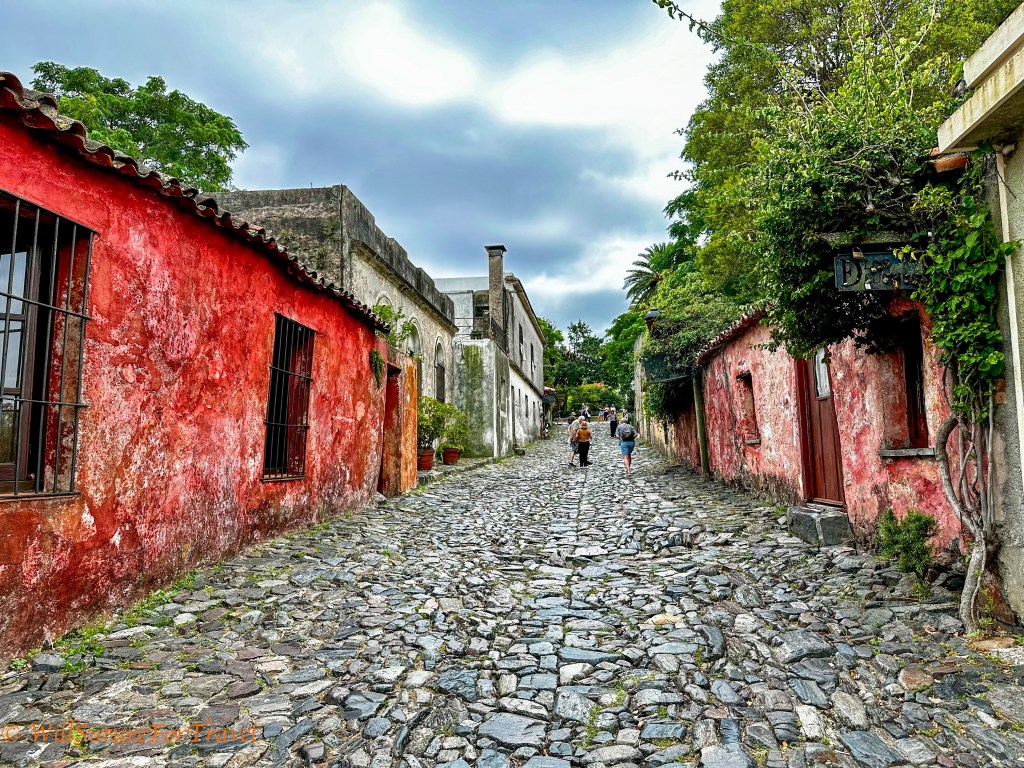
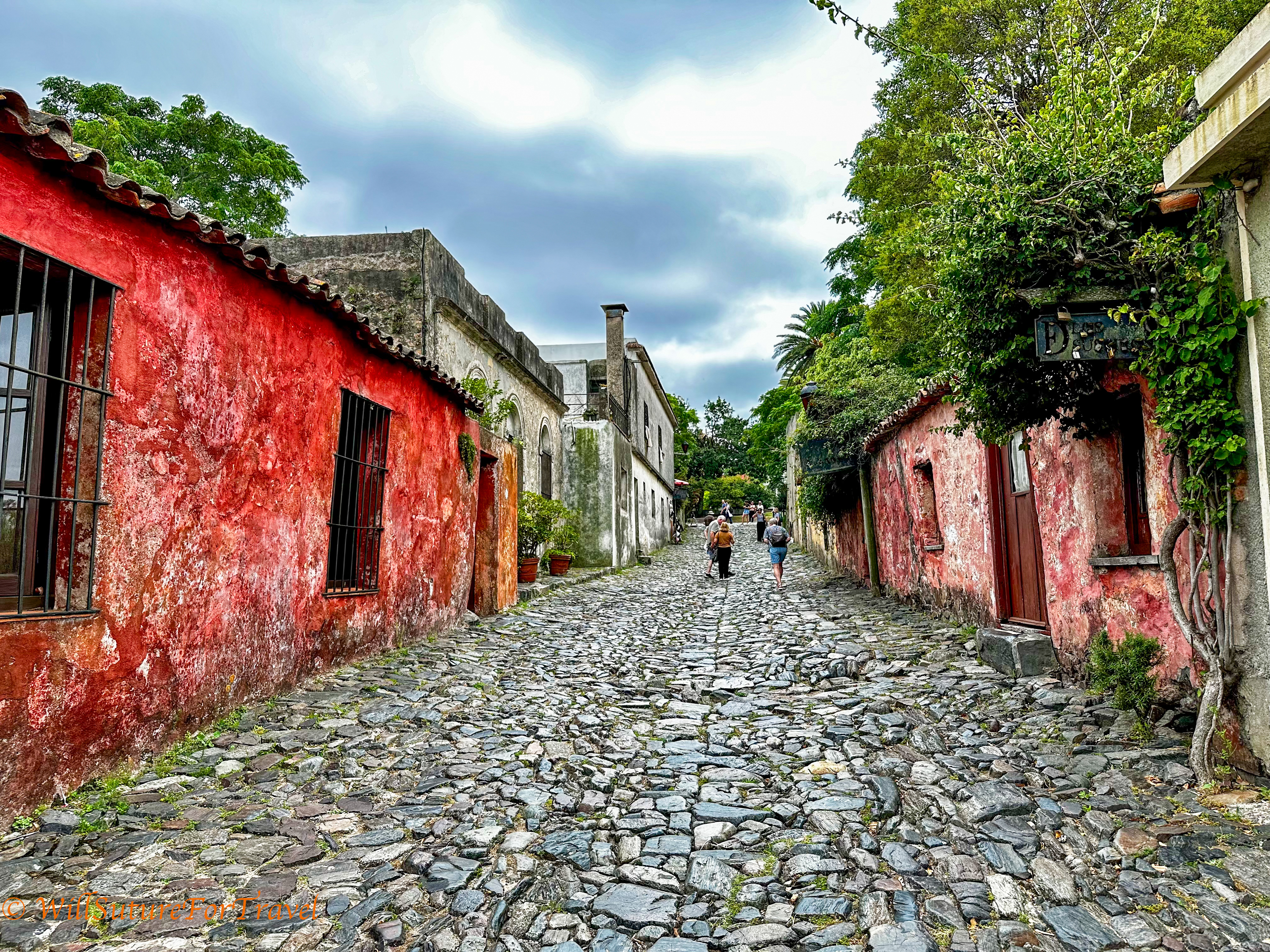
Probably the most famous part of Colonia del Sacramento is the Calle de los Suspiros, the street of the sighs. Why sighs? Nobody knows for sure. There are multiple stories from local slaves sighing to sailors encountering prostitutes, or even lovers’ quarrels.
This is a typical colonial Portuguese street, with a Spanish house thrown in. It is a narrow cobblestone street with a canal in the middle to drain water. There are single story homes (except the Spanish one) with small windows and doors. According to our guide, the red is to indicate that slaves were sold there.
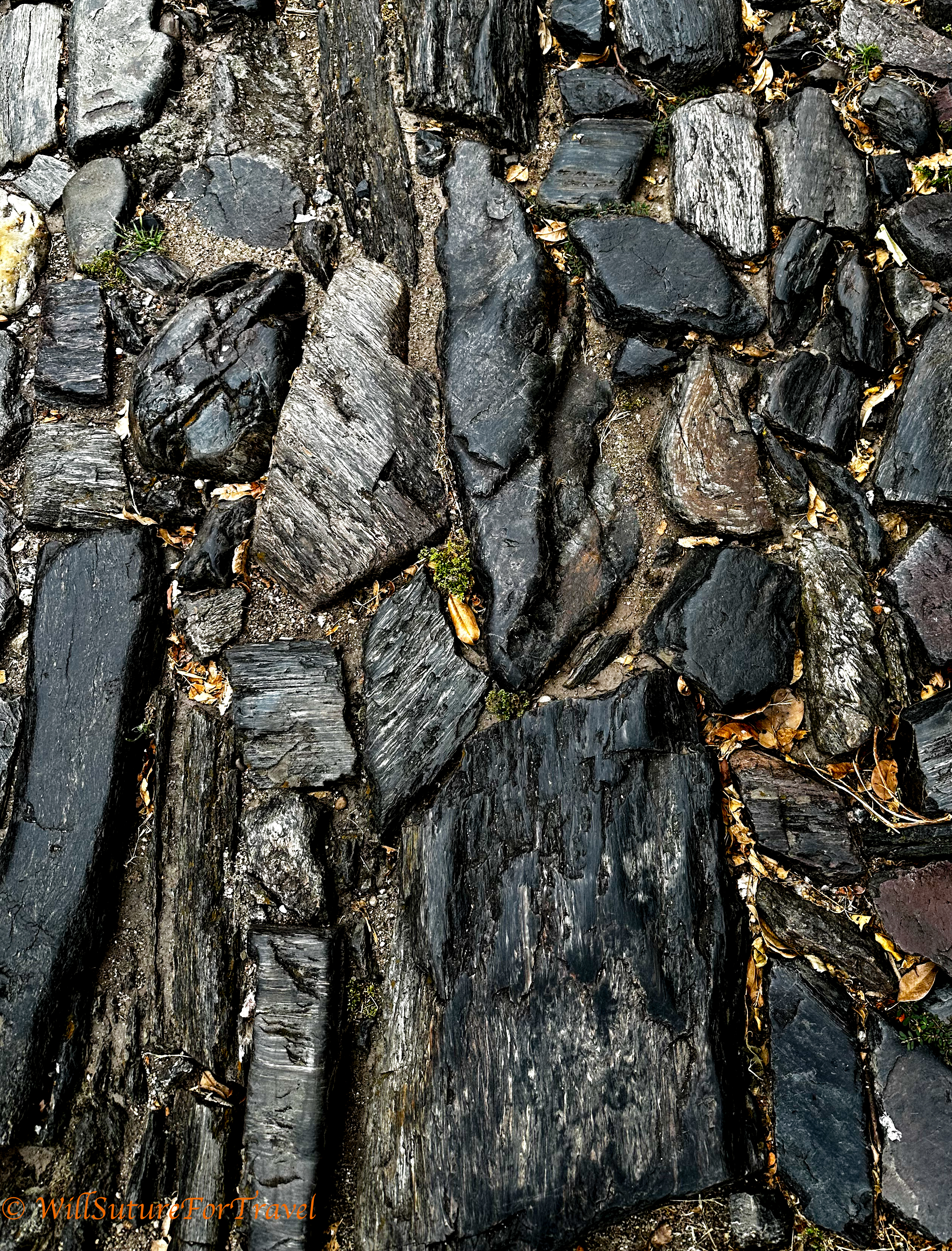
These cobblestones were harder to walk on than average cobblestones, but they had pretty striations.
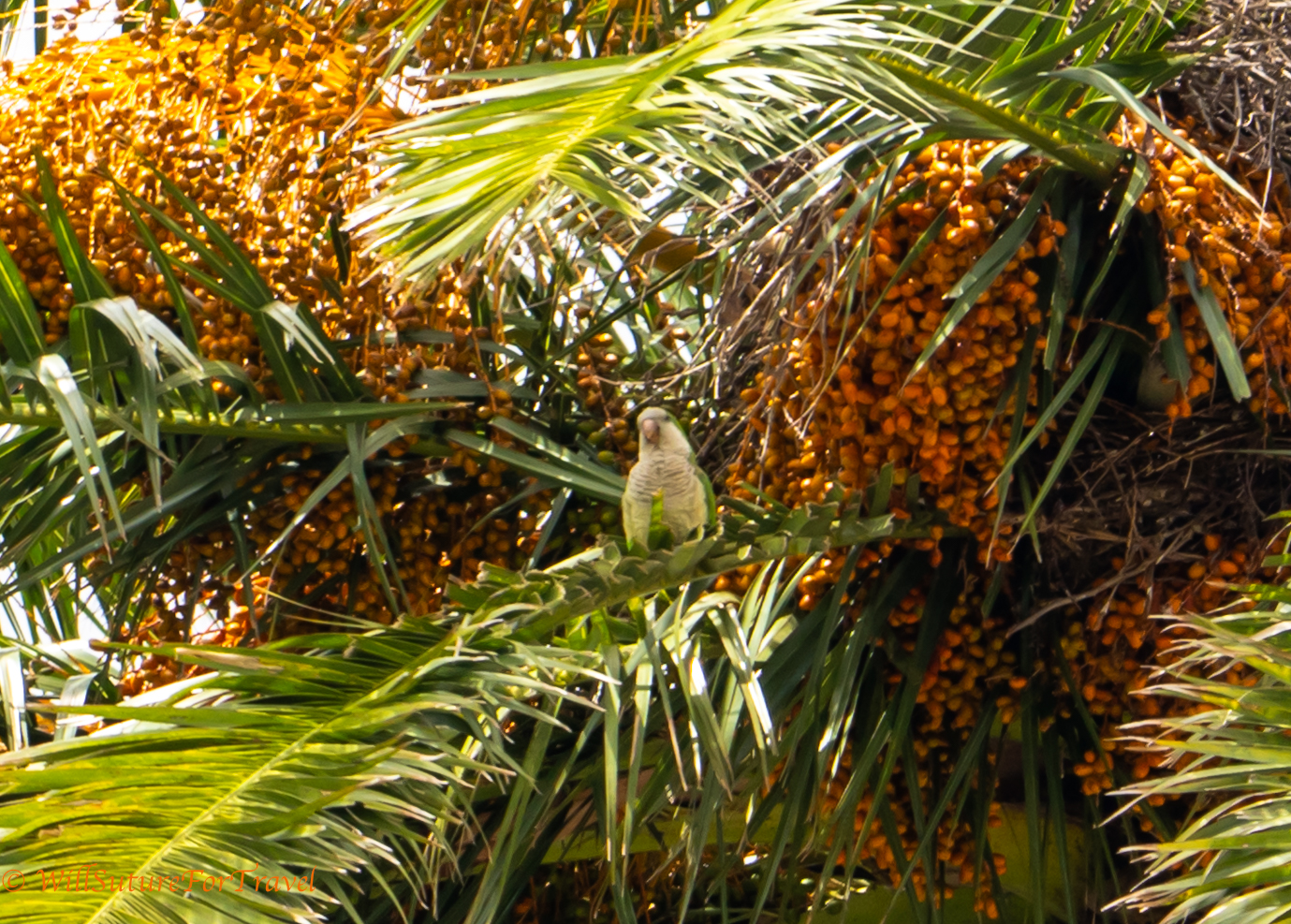
Monk parakeet. There were tons of these around, but they stayed up high and mostly hidden in branches. This guy was way off, so it isn’t a great picture. They’re actually a true parrot and are nearly a foot long with an 19 inch wingspan.
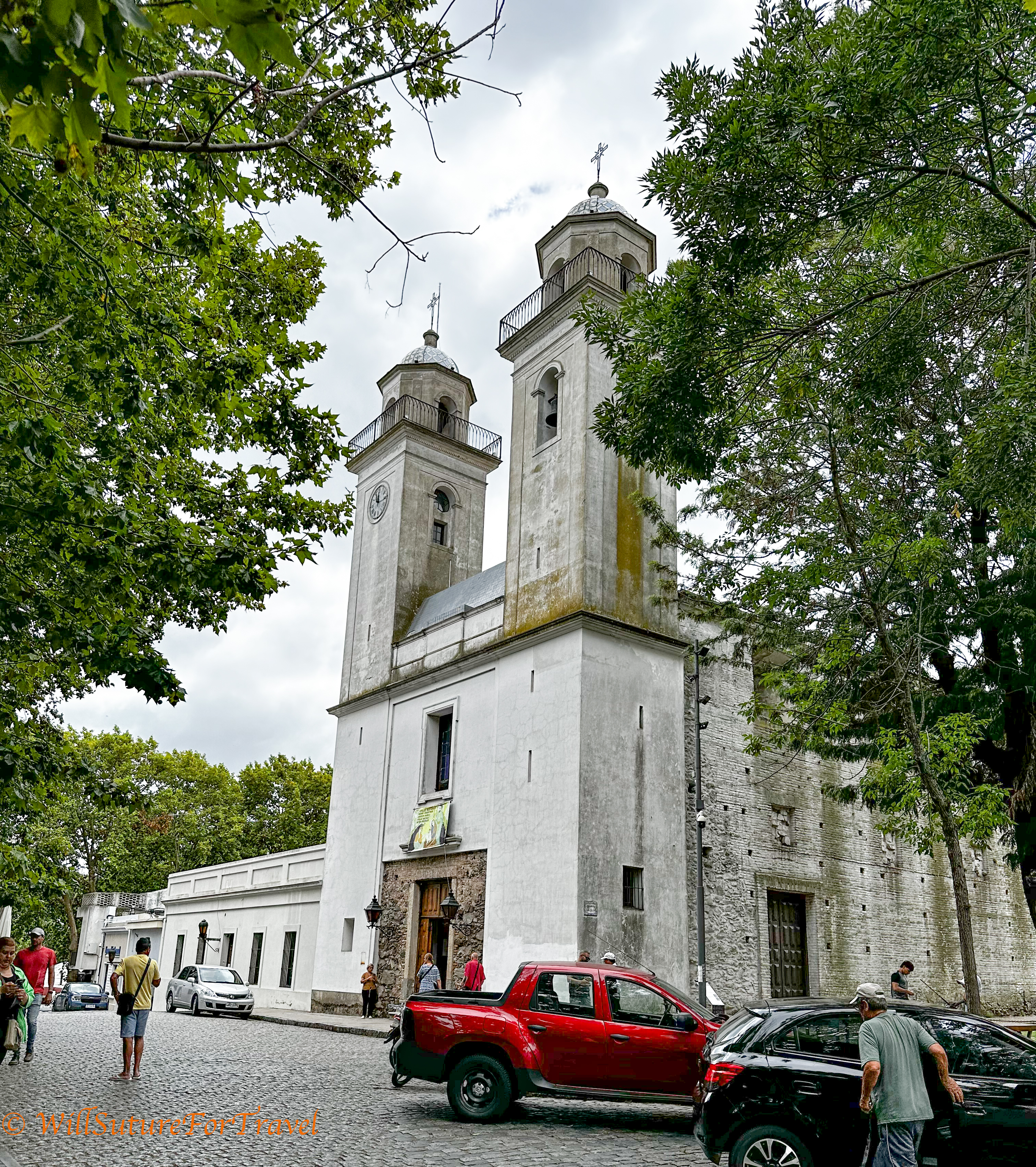
Basilica of the Holy Sacrament. The original parish dates back to the establishment of the settlement. The present church was built in 1810, destroyed by fire and restored by 1841.
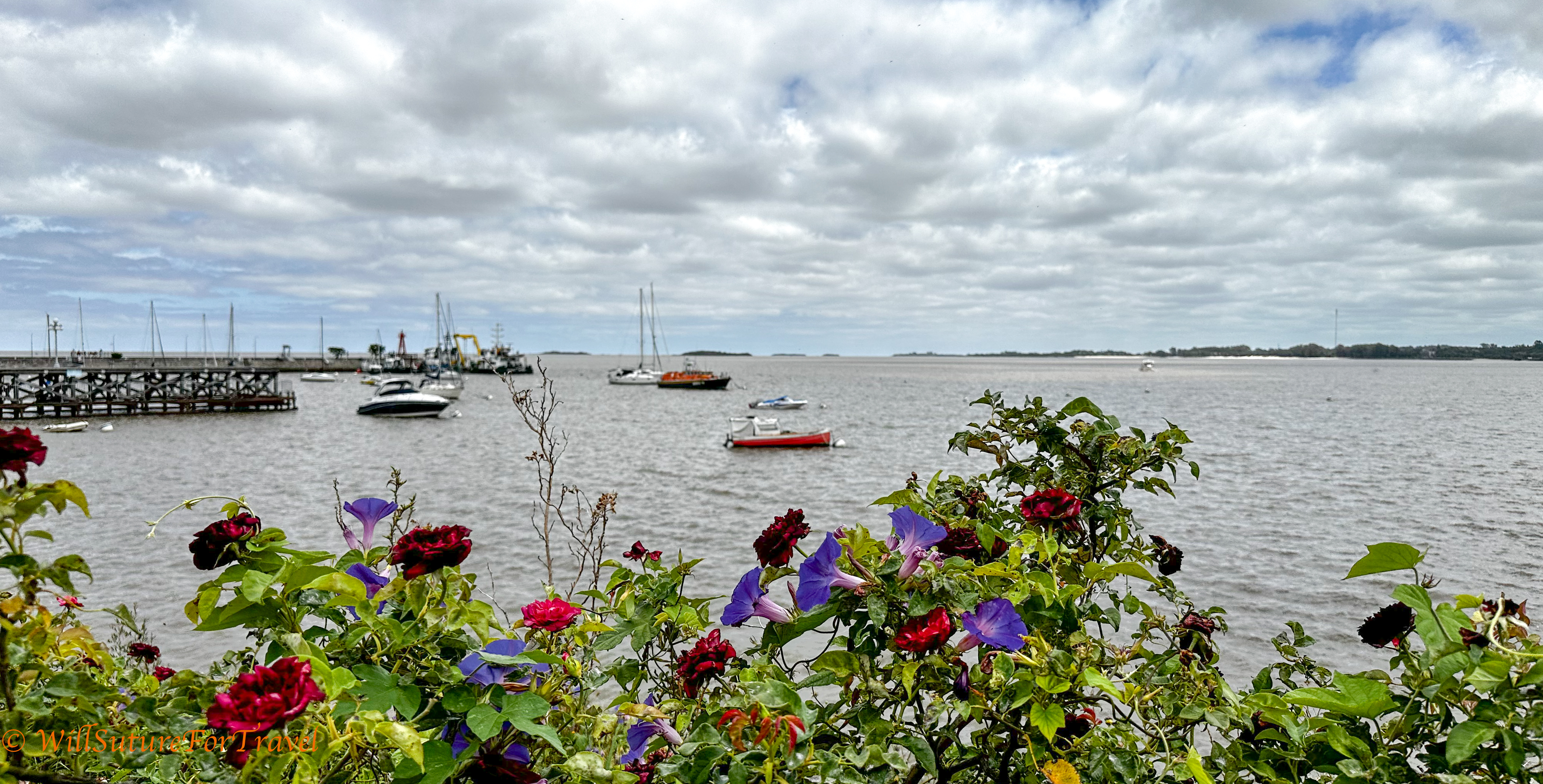
Looking out at the port.
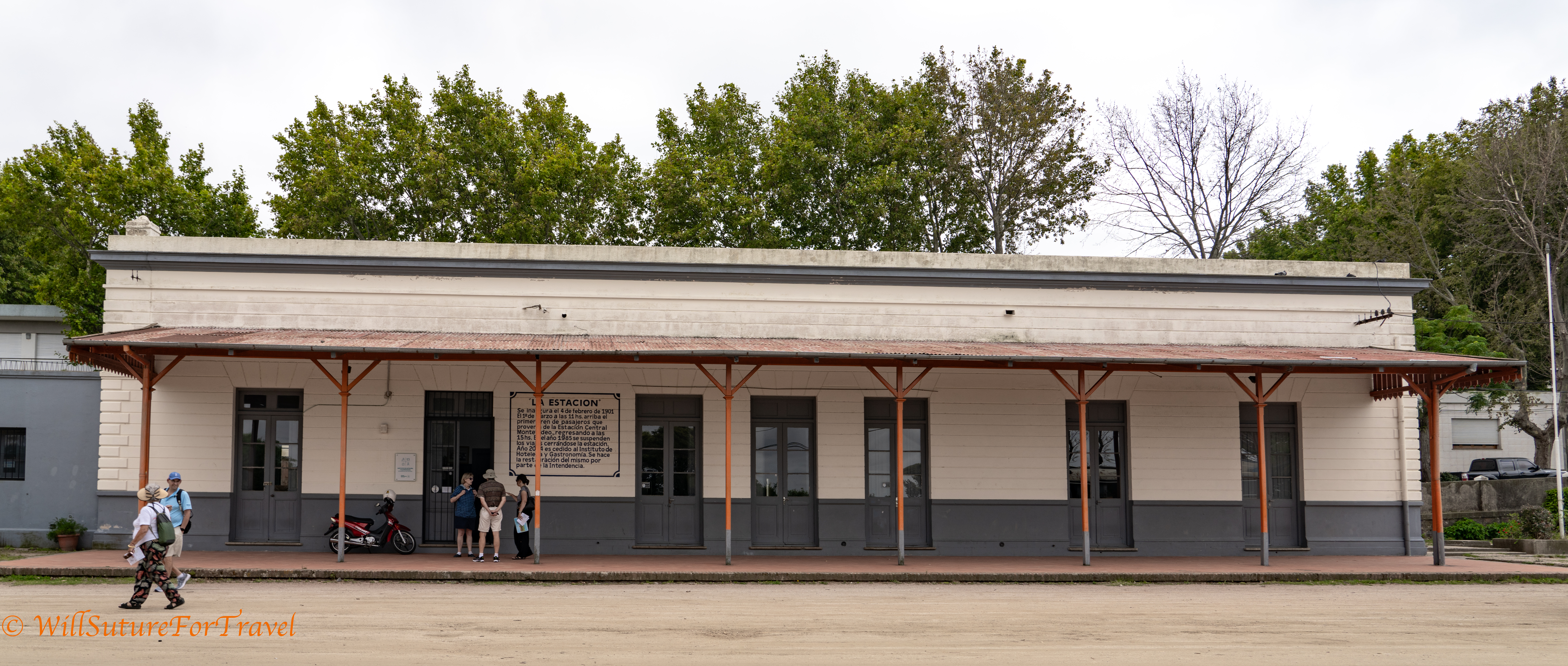
British train station. There are some remnants of the train tracks still around, but not much.
After a few hours in Colonia we headed back to Buenos Aires with the same double passport control, ferry ride, and customs process. This was definitely a worthwhile day trip.
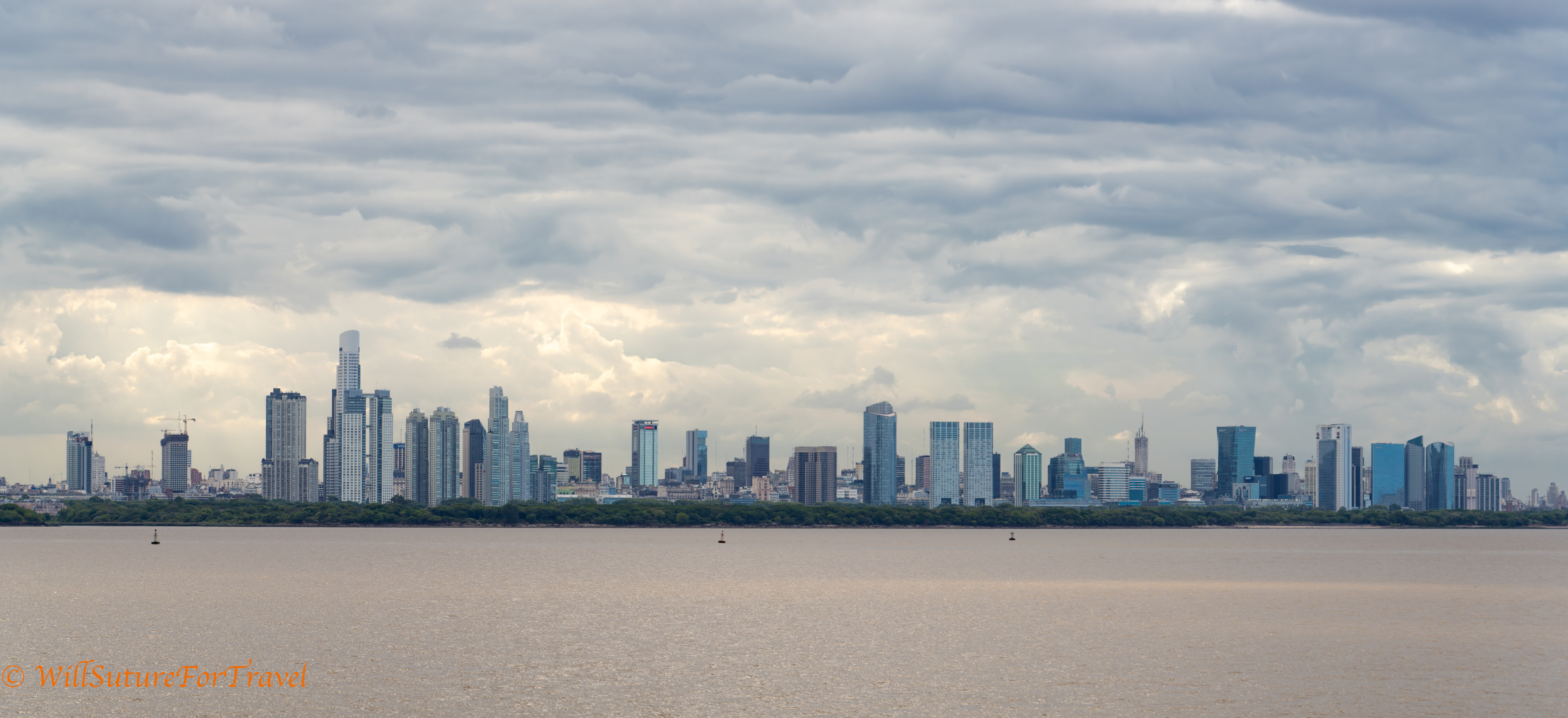
View of Buenos Aires on our way back


Leave a Reply